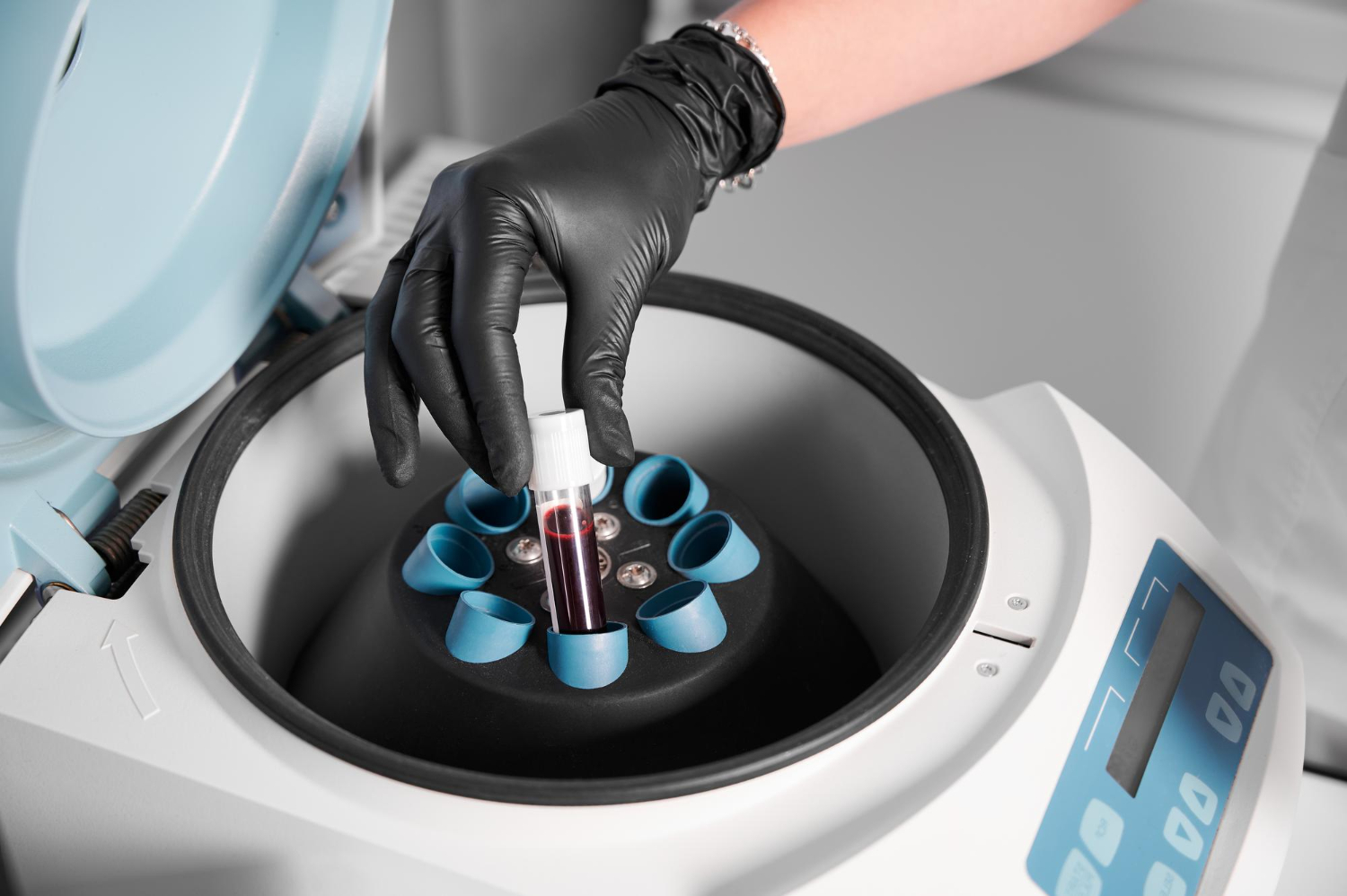
Many people live for years with nagging symptoms, accepting them as a normal part of life. But persistent issues like brain fog, joint pain, and digestive distress are often your body’s way of telling you something is wrong. Food sensitivities are a common culprit, yet identifying them can be tricky. While many companies sell tests that claim to give you a definitive list of foods to avoid, their results are often questionable. To truly take control of your health, you need to know what is the most accurate food sensitivity test. We’ll explore why the gold-standard method is still the most reliable and how to use it to get clear, personalized answers.
Key Takeaways
- Distinguish between allergies and sensitivities by your symptoms: Allergies cause immediate, severe reactions like hives or swelling, while sensitivities are linked to delayed, chronic issues such as bloating, brain fog, and joint pain.
- Trust the elimination diet over at-home kits: While convenient, most at-home tests measure IgG antibodies, which only show food exposure, not a true sensitivity. The most accurate way to identify your triggers is a methodical elimination diet where you track your body's direct reactions to specific foods.
- Work with a professional for a safe and effective plan: A functional medicine expert can help you properly conduct an elimination diet, interpret your body's signals, and create a personalized plan that addresses the root cause of your symptoms without compromising your nutrition.
Food Sensitivity vs. Food Allergy: What's the Difference?
It’s easy to use the terms “food sensitivity” and “food allergy” interchangeably, but they describe two very different responses happening inside your body. Understanding the distinction is the first step toward figuring out what’s really going on and how to feel better. One involves a delayed, nagging reaction that can leave you feeling chronically unwell, while the other is an immediate, and sometimes dangerous, immune system alarm.
Think of a food allergy as a clear, loud siren. Your body mistakenly identifies a specific food as a major threat and launches an immediate, full-scale attack. A food sensitivity is more like a slow, quiet leak. The reaction isn't as dramatic or sudden, but over time, the persistent drips can cause significant issues like chronic inflammation and discomfort. Let's break down what that means for your symptoms and how you can start to connect the dots.
Food Sensitivities: Delayed Reactions and Chronic Symptoms
If you’ve ever felt bloated, foggy, or fatigued hours or even days after a meal, you might be dealing with a food sensitivity. These reactions are often delayed, making it incredibly difficult to pinpoint the exact food that’s causing the problem. Unlike allergies, food sensitivities trigger a different part of the immune system that results in chronic, low-grade inflammation. This can show up as digestive issues, headaches, joint pain, or skin problems like eczema. Because the symptoms are so varied and slow to appear, many people live with them for years without making the connection. This is where our functional medicine approach comes in, helping you investigate these underlying triggers.
Food Allergies: Immediate and Severe Immune Responses
A food allergy is a much more straightforward, and serious, situation. When you have a food allergy, your immune system produces IgE antibodies in response to a specific food protein. The reaction is typically immediate, happening within minutes to a couple of hours after you eat the food. Symptoms can range from mild, like hives and itching, to severe and life-threatening, like swelling of the airways and anaphylaxis. These are the kinds of reactions that require an EpiPen and a trip to the emergency room. A true food allergy is diagnosed by an allergist through specific tests, and it’s important to know that many at-home kits test for different antibodies that don't confirm a true allergy.
What Kinds of Food Sensitivity Tests Are There?
If you suspect certain foods are causing your symptoms, you’ve probably seen ads for different kinds of food sensitivity tests. It can be confusing to figure out which ones are reliable and which might just be a waste of money. The truth is, not all tests are created equal. Some are done at home with a finger prick, while others require a visit to a clinic. Understanding the most common methods is the first step toward getting real answers about what’s happening inside your body. Let’s walk through the main types of tests, from popular at-home kits to the gold-standard approach used in functional medicine.
IgG Antibody Tests: The Popular At-Home Option
You’ve likely seen these tests advertised online. They are incredibly popular because you can do them from the comfort of your home. These tests measure Immunoglobulin G (IgG) antibodies in your blood, suggesting that high levels of IgG to a certain food indicate a sensitivity. However, there’s a major catch. Many experts argue that IgG antibodies simply reflect exposure to a food, not a true sensitivity. Your body creating IgG is often a normal, healthy immune response. Relying on these results can lead you to unnecessarily cut out a long list of healthy foods, which can create more nutritional problems than it solves.
Mediator Release Test (MRT): Measuring Inflammation
The Mediator Release Test, or MRT, is a more advanced blood test that takes a different approach. Instead of just looking at antibodies, it measures how your white blood cells react when exposed to various foods and food chemicals. Specifically, it looks for the release of inflammatory mediators like cytokines and histamines, which are the substances that actually cause symptoms like bloating, headaches, and fatigue. By measuring the inflammatory response directly, the MRT aims to give a more accurate picture of which foods are triggering your body’s defenses. This method helps pinpoint the true sources of inflammation, which is a key part of addressing many chronic health issues.
Breath Tests: Pinpointing Lactose and Fructose Issues
Unlike broad-spectrum sensitivity tests, breath tests are designed to diagnose very specific issues. They are the go-to clinical tool for identifying problems with digesting certain sugars, like lactose (from dairy) or fructose (from fruit). The process is simple: you drink a liquid containing a specific sugar, and then your breath is analyzed over a few hours. The test measures the levels of hydrogen and methane gas, which are produced when undigested sugars are fermented by bacteria in your gut. High levels can confirm conditions like lactose intolerance, fructose malabsorption, or Small Intestinal Bacterial Overgrowth (SIBO). These tests are highly accurate for what they’re designed to do.
The Elimination Diet: Your Body's Own Test
Often called the "gold standard" by health professionals, the elimination diet is the most reliable way to identify your personal trigger foods. It’s exactly what it sounds like: you completely remove common problematic foods (like gluten, dairy, soy, and corn) from your diet for a few weeks. Then, you systematically reintroduce them one by one, carefully tracking your symptoms in a journal. This process allows you to see a direct cause-and-effect relationship between a specific food and how you feel. While it requires patience and discipline, the elimination diet uses your own body as the ultimate testing ground. For the best results, it’s always a good idea to work with a professional to ensure you’re doing it safely and effectively.
What Is the Most Accurate Food Sensitivity Test?
When you’re dealing with confusing symptoms, you want clear answers. While many food sensitivity tests are available, their accuracy can vary quite a bit. The most reliable way to pinpoint your trigger foods isn't found in a simple lab report. It’s a more hands-on approach that listens directly to your body’s unique responses. Let's look at the methods that provide the clearest picture of what’s really going on.
The Elimination Diet: Why It's Still the Gold Standard
Despite all the advanced tests out there, the elimination diet remains the most accurate way to identify food sensitivities. This method involves removing common trigger foods from your diet for a few weeks and then systematically reintroducing them one by one. It’s a direct conversation with your body, allowing you to observe how it reacts when a specific food is added back in. Because it’s based on your real-world symptoms, the results are personal and undeniable. For safety and accuracy, it’s best to follow an elimination diet under the guidance of a professional who can create a structured plan and ensure you maintain proper nutrition throughout the process.
The Science Behind the Elimination Diet
The elimination diet works because it removes the "noise" from your system. By temporarily clearing out potential irritants, you give your body a chance to reset. When you reintroduce a food, any reaction, like bloating, headaches, or fatigue, is much easier to connect to that specific item. The key to success is keeping a detailed food and symptom journal. This isn't just a list of what you eat; it's a log of how you feel physically and mentally after each meal. Tracking these patterns helps you and your practitioner see clear connections that might otherwise be missed, turning your personal experience into actionable data for your holistic health plan.
How MRT Compares to Other Common Tests
For those looking for lab testing, the Mediator Release Test (MRT) is one of the more insightful options. Unlike common at-home IgG tests that measure antibody levels, the MRT measures inflammatory responses from your white blood cells when they’re exposed to different foods and chemicals. This focus on inflammation can offer a clearer view of what’s causing a reaction in your body. While IgG tests can sometimes produce false positives by simply showing exposure to a food, the MRT aims to identify true inflammatory triggers. However, no single test tells the whole story. The most effective approach often combines insights from a test like the MRT with the real-world confirmation of an elimination diet.
Are At-Home Food Sensitivity Tests Worth It?
When you’re dealing with frustrating symptoms like bloating, fatigue, or skin issues, the promise of a simple, at-home test that can pinpoint the exact foods causing your problems sounds amazing. These kits are marketed as a convenient shortcut to understanding your body. But before you add one to your cart, it’s important to ask: are they actually worth it?
The short answer is, probably not. While these tests seem like a quick fix, they often provide misleading information that can send you down the wrong path. This can lead to unnecessary dietary restrictions, nutritional gaps, and continued frustration when your symptoms don’t improve. Understanding how these tests work, and more importantly, where they fall short, is the first step toward finding real answers and lasting relief. Instead of providing clarity, they often create more confusion and can distract you from identifying the true root cause of your health concerns.
The Limits of IgG Antibody Testing
Most at-home food sensitivity tests are IgG antibody tests. The companies that sell them claim that by measuring the IgG antibodies your body produces in response to dozens of foods, they can identify your "problem" foods. The idea is that if you eliminate the foods that show a high IgG response, your symptoms will disappear. The problem? This method has never been scientifically proven to be a valid way to test for food sensitivities. In fact, many leading medical organizations advise against using them because the results simply aren't reliable for diagnosing these conditions.
Why False Positives and Misleading Results Happen
So, why are these tests so unreliable? It comes down to a misunderstanding of what IgG antibodies actually do. The presence of IgG antibodies to a food is generally a normal, healthy immune response. It’s your body’s way of saying, “I've seen this food before.” It doesn't mean the food is causing inflammation or other symptoms. Think of it as a memory log of what you’ve eaten, not a list of your body’s enemies. In fact, some research suggests that higher levels of a specific type of IgG may actually indicate that your body tolerates a food well. This means the test could flag a perfectly healthy food as a problem, leading to a lot of confusion.
Common Myths About At-Home Test Accuracy
A common myth is that these at-home kits are an accurate first step in figuring out your health issues. Unfortunately, relying on them can do more harm than good. Because the results are often inaccurate, you might be told to cut out a long list of nutritious foods from your diet for no reason. This can lead to a less balanced diet, nutritional deficiencies, and a lot of unnecessary stress around meals. According to healthcare experts, these at-home tests are generally not reliable for most people. Instead of providing clarity, they often create more confusion and can prevent you from finding the true root cause of your symptoms.
What Are the Red Flags of an Unreliable Food Sensitivity Test?
When you’re dealing with frustrating symptoms like bloating, fatigue, or skin issues, an at-home food sensitivity test can feel like a quick and easy answer. The market is flooded with them, all promising to pinpoint the exact foods causing your problems. But before you spend your money, it’s important to know that not all tests are created equal. Many popular at-home tests can be misleading, sending you down a rabbit hole of unnecessary food restrictions without ever getting to the root of your health concerns.
Understanding the warning signs of an unreliable test can save you time, money, and a lot of confusion. The most common tests sold directly to consumers rely on methods that haven't been scientifically validated for identifying food sensitivities. They often measure things that sound official but don't actually tell you what's causing your symptoms. Let's walk through the biggest red flags to watch for so you can make an informed decision about your health.
Red Flag: Confusing IgG Levels with Sensitivities
Many at-home kits are IgG antibody tests. They claim to identify food sensitivities by measuring the levels of Immunoglobulin G (IgG) antibodies your body produces in response to certain foods. The report you get back will show a list of foods with high IgG levels, which the company suggests you should avoid. The problem? According to the American Academy of Allergy, Asthma & Immunology, the IgG food panel test has never been scientifically proven to identify food sensitivities. An elevated IgG level doesn't signal a sensitivity; it simply indicates exposure. It’s your immune system’s normal memory response to coming into contact with a food, not a sign that the food is causing inflammation or other symptoms.
Red Flag: Mistaking Food Exposure for a Problem
Because IgG tests measure your body’s memory of a food, the results often just reflect what you’ve been eating recently. If you eat a lot of almonds, your IgG test will likely show high levels for almonds. This doesn't mean you have an almond sensitivity; it just means you eat almonds. This can lead to a long list of "problem" foods that are actually perfectly healthy for you. Following these results can lead to an overly restrictive diet, cutting out nutritious foods for no good reason. This not only makes eating more difficult but can also put you at risk for nutrient deficiencies, all while the real cause of your symptoms goes unaddressed.
Red Flag: A Lack of Scientific Backing
When you look into the science, you’ll find that major medical organizations do not recommend IgG testing for food sensitivities. Experts in the fields of immunology and gastroenterology have widely criticized these tests for their lack of evidence. Reputable medical groups consider IgG testing an unproven method for diagnosing food-related issues. This lack of scientific support is a major red flag. At Ascend Functional Health, we rely on evidence-based, research-backed protocols to get to the root cause of your symptoms. True food sensitivity testing requires a more comprehensive approach than what a simple at-home IgG test can offer.
How Can You Track Food Sensitivities at Home?
While professional testing offers the clearest path forward, you can start gathering important clues on your own. The most effective way to begin is by becoming a detective for your own body. This process involves carefully tracking what you eat and how you feel to uncover potential connections that might be contributing to your symptoms. It’s a foundational step that can provide incredible insight and give you a head start before you even step into a doctor’s office. The primary tool for this investigation is a simple but powerful food and symptom diary.
Start a Detailed Food and Symptom Diary
A food and symptom diary is your personal log for connecting the dots between your diet and your well-being. Think of it as your case file. By consistently recording what you eat and any symptoms you experience, you create a detailed record that can reveal patterns you’d otherwise miss. You don’t need a special app or a fancy journal; a simple notebook will do the trick. The goal is to track your daily intake and how your body responds. This simple practice is a core part of functional medicine because it helps identify the unique triggers that may be affecting your health, from chronic bloating to persistent fatigue.
What to Record to Find Your Triggers
Details are everything when it comes to identifying food sensitivities. A vague log won’t be very helpful, so aim for specificity. For each entry, be sure to include the time you ate, every single food and beverage you consumed (including sauces, oils, and spices), and an estimate of your portion sizes. If you eat packaged foods, jot down the ingredients list, as sensitivities can often be traced to a single additive or preservative. Alongside your food entries, record any symptoms you notice, the time they appeared, and their severity on a scale of 1 to 10. These symptoms can include digestive issues, headaches, skin rashes, brain fog, or mood swings, all of which can be linked to various health conditions.
How to Time Your Entries for Clearer Patterns
Consistency is key to making your food diary a useful tool. Unlike allergic reactions, food sensitivity symptoms can be delayed by hours or even a couple of days, making the connection difficult to spot in the moment. To capture these delayed reactions, you should track your food and symptoms every single day for at least two to four weeks. Make sure this period includes weekends, as our eating habits often change, which can provide valuable clues. This consistent effort will create a comprehensive overview of your body’s responses. Once you’ve gathered this data, you’ll have a much clearer picture to discuss when you work with a professional to create a targeted healing plan.
How Does Functional Medicine Test for Food Sensitivities?
When you’re dealing with confusing symptoms like bloating, fatigue, or skin issues, you want clear answers. The functional medicine approach to food sensitivities is designed to give you just that, but not by relying on a single test. Instead, we act as health detectives, looking at your entire health picture to understand the root cause of your symptoms. This means we consider your health history, lifestyle, stress levels, and genetics right alongside any lab results.
This comprehensive view is what sets functional medicine apart. We know that food sensitivities are complex and that what triggers a reaction in one person might be fine for another. There isn't a one-size-fits-all test or solution. Our goal is to connect the dots between what you eat and how you feel, using a combination of methods to create a clear and actionable plan that’s tailored specifically to you.
Looking Beyond a Single Test
One of the biggest misconceptions about food sensitivities is that a single blood test can tell you everything you need to know. The truth is, there is no single, universally accepted test for food sensitivities, which are very different from true food allergies. That’s why our approach to functional medicine goes much deeper. Instead of focusing on one piece of data, we gather information from multiple sources to build a complete picture of your health. This includes a thorough review of your symptoms, eating habits, and health history. We see lab tests as valuable tools, but they are just one part of a much larger puzzle.
Combining Methods for a Complete Picture
To get the most accurate understanding of your body, we combine several trusted methods. A supervised elimination diet is often the most reliable way to identify trigger foods. By methodically removing and then reintroducing specific foods, we can observe your body’s direct response. We may also use advanced diagnostic tools like the Mediator Release Test (MRT), which measures inflammatory responses from your white blood cells to various foods and chemicals. This gives us insight into what’s causing inflammation in your system. Throughout this process, keeping a detailed food and symptom journal is an incredibly effective way to track patterns and connect your diet to your symptoms.
Creating a Personalized Plan to Address Root Causes
Once we’ve gathered all the information from your health history, lab tests, and elimination diet, we put the pieces together to create your personalized roadmap to wellness. This plan is about so much more than just a list of foods to avoid. We focus on addressing the root causes of your sensitivities, which often involves healing the gut, calming inflammation, and restoring balance to your body. Because every person is unique, every plan is different. The final step is to work with a professional who can help you implement these changes in a safe, sustainable way that fits your lifestyle and helps you feel your best.
What Should You Do If You Suspect a Food Sensitivity?
If you’ve been dealing with mysterious symptoms like bloating, fatigue, or skin issues, it’s natural to wonder if something you’re eating is the culprit. While it’s tempting to order an at-home test and get a quick answer, the most effective path forward requires a more thoughtful and strategic approach. Taking the right steps can help you get clear, accurate answers without compromising your health or nutrition in the process.
Why You Should Work with a Professional
Figuring out food sensitivities on your own can feel like a guessing game. A healthcare professional can help you distinguish between a true sensitivity, a food allergy, or an intolerance, as each requires a different approach. They provide a proper diagnosis and prevent you from unnecessarily cutting out entire food groups based on questionable test results. Working with an expert ensures you have a clear, safe strategy. Our functional medicine team, for example, helps you identify the root cause of your symptoms and creates a personalized plan that supports your body’s needs instead of just restricting your diet.
Create a Safe Elimination and Reintroduction Plan
The most reliable way to identify food sensitivities is with a professionally guided elimination diet. This isn’t about randomly cutting out foods; it’s a systematic process. You’ll temporarily remove common trigger foods and then reintroduce them one by one, carefully observing your body’s reaction. Keeping a detailed food and symptom journal is essential during this phase. It helps you connect what you eat with how you feel, creating a clear map of your unique triggers. A professional can help you structure this plan to ensure it’s done safely and effectively, so you get answers you can trust.
Stay Nourished While You Test
One of the biggest risks of a DIY elimination diet is accidentally creating nutritional gaps. Removing multiple foods or entire food groups without a plan can lead to deficiencies and other health issues. A professional helps you find safe, nutrient-dense alternatives for the foods you’re temporarily avoiding, ensuring your body stays nourished and supported throughout the testing process. This is about finding answers, not creating new problems. A well-designed plan focuses on maintaining your overall health while you pinpoint the specific foods causing you trouble, which is a core part of our approach to treating chronic conditions.
Related Articles
- Is a Food Allergy Panel Blood Test Right for You?
- What Is the Most Accurate Food Allergy Test?
- Food Sensitivity Lab Test: What Doctors Say
Frequently Asked Questions
What’s the simplest way to remember the difference between a food allergy and a food sensitivity? Think of it this way: a food allergy is like a fire alarm. It’s an immediate, loud, and potentially dangerous immune response that happens right after you eat a specific food. A food sensitivity is more like a slow, dripping faucet. The reaction is delayed, often by hours or days, and contributes to chronic issues like bloating, headaches, and fatigue over time.
I already took an at-home IgG test. Should I just avoid all the foods it flagged? It's best to pause before overhauling your diet based on those results. At-home IgG tests often flag foods you eat frequently, since the presence of IgG antibodies can simply mean your body is familiar with a food, not that it's causing a problem. Using these results to cut out a long list of foods can lead to nutritional gaps without actually solving your symptoms. It's better to see those results as a potential clue to discuss with a professional.
Is an elimination diet something I can do on my own? While you can certainly start tracking your food and symptoms on your own, a true elimination diet is most effective and safest when done with professional guidance. A practitioner can help you structure the plan correctly, ensure you're getting proper nutrition by suggesting healthy swaps, and help you accurately interpret your body's responses during the reintroduction phase. This removes the guesswork and gets you clearer answers.
How long does it take to identify trigger foods with an elimination diet? This process requires a bit of patience, as it’s tailored to your body’s unique response time. The initial elimination phase typically lasts for a few weeks to give your system a chance to calm down and reset. After that, you’ll reintroduce foods one at a time, waiting a few days between each to monitor for any reactions. The entire process can take several weeks, but the personalized clarity it provides is well worth the effort.
If at-home tests aren't the answer, what is the best first step I should take? Your best first step is to start a detailed food and symptom journal. For a few weeks, write down everything you eat and any symptoms you experience, noting the time for both. This creates a powerful log of real-world data. Once you have this information, you can bring it to a functional medicine professional who can help you see the patterns and guide you toward a targeted plan that addresses the root cause of your issues.