Hearing the words “bone-on-bone” can feel like a final verdict on your active life. It’s a discouraging diagnosis that often leaves you thinking a knee replacement is your only real option. But that conclusion is based on an outdated view of joint health. A newer approach looks beyond the symptoms to address the root cause of cartilage breakdown. Instead of just masking pain, it focuses on actively helping your body heal from within. This guide will show you how it’s possible to rebuild knee cartilage without surgery, offering real hope and practical solutions.
Key Takeaways
- Regenerative medicine helps your body heal itself: Treatments like PRP and stem cell therapy work by stimulating your body’s own repair mechanisms to rebuild damaged cartilage, making non-surgical recovery a realistic goal.
- Lasting relief requires a comprehensive approach: Combining advanced therapies with supportive habits like targeted exercise and an anti-inflammatory diet is key; this strategy addresses the root cause of pain and protects your joints from future damage.
- Take an active role in your recovery: Success depends on your commitment to a personalized plan. Partnering with a specialist to integrate treatments with consistent lifestyle adjustments gives you the best chance for long-term pain relief and improved joint function.
Why Your Knee Cartilage Is So Important for Mobility
When your knees feel great, you probably don’t think much about them. You just walk, run, and bend without a second thought. The unsung hero behind that smooth, painless movement is your knee cartilage. This remarkable tissue works hard every day to keep your joints gliding, but when it gets damaged, you feel it. Understanding what cartilage is and the job it does is the first step toward protecting your knees and finding lasting relief from pain.
Your knee is one of the most complex joints in your body, and healthy cartilage is essential for its proper function. When this protective layer wears down, it can affect everything from your morning walk to your ability to play with your kids. Recognizing the signs of damage early can help you explore effective, non-surgical treatments that address the root cause of your discomfort and get you back to living your life.
The Function of Cartilage in Your Knee Joint
Think of knee cartilage as a smooth, cushion-like tissue that covers the ends of the bones in your knee joint, specifically your femur (thigh bone) and tibia (shin bone). This firm, rubbery material has two critical jobs. First, it acts as a shock absorber, cushioning the joint from the impact of walking, running, and jumping. Second, it provides a slick, low-friction surface that allows your bones to glide over each other effortlessly. Without this protective layer, the bones would grind together, causing pain and damage.
How Damaged Cartilage Can Limit Your Mobility
When your cartilage is healthy, your knee moves like a well-oiled machine. But when it gets damaged, that smooth surface becomes rough and frayed. This can happen slowly over time from wear and tear, or suddenly from an injury. As the cartilage breaks down, the protective space between your bones shrinks, leading to friction. This is why damaged cartilage often causes deep joint pain and makes it difficult to move your knee freely. Simple activities like climbing stairs or even just standing up can become a painful challenge, significantly impacting your daily life and mobility.
Could Your Knee Cartilage Be Damaged? Symptoms to Note
Your body has ways of telling you when something is wrong, and knee cartilage damage is no exception. The most common sign is a persistent, aching pain deep within the knee. You might also experience swelling and stiffness, especially after sitting for a long time or first thing in the morning. Some people report a catching, locking, or grinding sensation when they bend or straighten their leg. These symptoms often get worse with high-impact activities like running. If these signs sound familiar, it may be time to explore regenerative medicine options that can help your body heal.
Common Causes of Knee Cartilage Wear and Tear
If you’re dealing with knee pain, you’ve probably wondered how you got here. The truth is, knee cartilage damage rarely comes from a single source. It’s often a combination of factors that build up over time, leading to the stiffness, swelling, and pain that can disrupt your life. Understanding the root cause is the first step toward finding a solution that works for you.
The main culprits behind cartilage breakdown include the natural aging process, sudden injuries from sports or accidents, chronic inflammatory conditions, and certain lifestyle habits. Each of these contributes to the wear and tear on that crucial cushioning in your knee joint. When knee cartilage gets damaged from long-term wear or a sudden injury, it can cause significant pain and make it hard to move your knee. The good news is that once you identify what’s driving the damage, you can start to build a targeted plan for healing. Let’s look at each of these causes more closely.
The Natural Process of Age-Related Wear
As we get older, our bodies change, and our joint cartilage is no exception. Over the years, the cartilage in our knees can gradually wear down, becoming thinner and less flexible. This is a natural part of the aging process. Unlike other tissues in your body, adult cartilage has a very limited ability to repair itself. In fact, researchers have been working for years to find ways to help it regenerate on its own. This slow, steady decline means that by the time you notice symptoms, the damage may have been progressing for a while. But this doesn't mean pain is inevitable; it just means we need to be proactive in supporting our joint health as we age.
How Sports Injuries Can Lead to Cartilage Damage
Athletes and active individuals often put their knees through a lot. Sudden twists, pivots, or direct impacts can cause traumatic damage to the cartilage, known as an acute injury. These are common in sports like soccer, basketball, and football. But it’s not just about sudden accidents. Repetitive stress from activities like running or jumping can also lead to overuse injuries, gradually wearing down the cartilage over time. Whether it’s a single event or the result of years of activity, these physical injuries are a significant cause of cartilage damage. The initial injury can set the stage for long-term joint problems if not addressed properly.
The Link Between ACL Injuries and Arthritis
An ACL tear is more than just a temporary setback; it can create long-term consequences for your joint health. When the ACL is injured, the knee loses a key stabilizer, which can alter its mechanics and create subtle instability. Over time, this instability forces the cartilage to handle stress in ways it wasn't designed for, leading to accelerated wear and tear. This is why a significant number of people who experience an ACL injury go on to develop post-traumatic arthritis years later. Addressing the injury properly means more than just healing the ligament; it requires a comprehensive approach to restore proper joint function and protect your cartilage from future damage through corrective care.
Arthritis, Inflammation, and Their Effect on Cartilage
Osteoarthritis is often called "wear-and-tear" arthritis, and for good reason. It’s one of the most common causes of knee cartilage damage, where the protective cartilage gradually erodes over time. This leads to pain, stiffness, and reduced mobility as the bones in the joint start to rub against each other. Beyond osteoarthritis, other inflammatory conditions like rheumatoid arthritis can also be to blame. In these cases, the body's own immune system mistakenly attacks the joints, causing inflammation that breaks down cartilage. Addressing the underlying inflammation is a key part of managing these chronic conditions and protecting your knees from further damage.
The Widespread Impact of Osteoarthritis
Osteoarthritis is often called "wear-and-tear" arthritis, and it's one of the most common reasons people experience knee cartilage damage. This condition causes the protective cartilage to slowly wear away, leaving the bones in the joint to rub against each other. This friction is what causes the deep, aching pain, stiffness, and loss of mobility that so many people struggle with. It’s incredibly common, affecting a huge portion of the adult population and making everyday movement a challenge. When that smooth, cushioning surface is gone, your knee can no longer absorb shock effectively, turning simple actions into painful events and significantly impacting your daily routine.
The impact of osteoarthritis goes far beyond just physical discomfort. The persistent pain and stiffness can make it difficult to enjoy the activities you love, from a walk in the park to playing with your grandkids. Simple tasks like climbing stairs or getting out of a chair can become dreaded moments in your day. This can lead to a less active lifestyle, which unfortunately can make the joint stiffness even worse over time. It's a frustrating cycle that can affect not only your physical health but also your overall quality of life. Understanding these health concerns is the first step toward breaking that cycle and finding a path back to mobility.
To truly manage osteoarthritis and protect your knees, it's essential to look beyond the symptoms and address the root cause: inflammation. Chronic inflammation is a key driver of cartilage breakdown, and calming this internal fire is crucial for long-term joint health. This is where a functional medicine approach can make a significant difference. By focusing on the body's natural ability to heal, we can create a personalized plan to reduce inflammation and support tissue repair. This strategy offers a proactive way to manage the condition, aiming to slow its progression and restore function from the inside out.
Daily Habits That May Harm Your Cartilage
Our daily habits play a huge role in the health of our joints. Carrying extra body weight, for example, places significant stress on your knee joints with every step you take. Over time, this added pressure can accelerate the breakdown of cartilage. Your diet matters, too. Foods that cause inflammation, like processed sugars and unhealthy fats, can contribute to joint irritation and pain throughout the body. By focusing on a healthy weight and an anti-inflammatory diet, you can reduce the burden on your knees. Making smart lifestyle choices is a powerful way to protect your cartilage, and our functional medicine approach can help guide you in making sustainable changes.
Can You Regrow Knee Cartilage Without Surgery?
This is the big question, isn't it? For years, the standard answer for significant knee cartilage damage was surgery. But the landscape of medicine is changing, and the answer is now a hopeful "yes." It is possible to encourage cartilage regrowth and find significant relief without going under the knife. The key lies in modern, non-invasive treatments that work with your body's natural healing abilities. These approaches focus on creating the right environment for your cells to repair and rebuild damaged tissue. It’s not a magic fix, but a strategic process grounded in science.
Exploring the Body's Ability to Heal Cartilage
So, how does this actually work? The field of regenerative medicine is at the forefront of these breakthroughs. Instead of just managing symptoms, these treatments aim to repair the source of the problem. Researchers have discovered methods to stimulate your body’s own skeletal stem cells, guiding them to the site of injury to grow new cartilage. Think of it as giving your body a precise set of instructions and the resources it needs to heal itself. Treatments like stem cell therapy harness these powerful internal repair systems to help rebuild what has been worn away, offering a path to recovery that comes from within.
Cartilage Repair Myths You Should Know
Many people believe that once cartilage is gone, it's gone for good, or that a "bone-on-bone" diagnosis means surgery is the only option. This can be incredibly discouraging and often leads people to disregard effective non-surgical treatments. Another common myth is that you should wait as long as possible before seeking treatment. The truth is, knee cartilage doesn't heal on its own and the damage often gets worse over time. Acting sooner rather than later gives you a better chance of success with non-invasive methods. It's important to move past these outdated ideas and explore the evidence-based options available today.
What Affects Your Ability to Heal Cartilage?
Your mindset and understanding of your condition play a huge role in your recovery. Believing that non-surgical treatments can work is a powerful first step. Success isn't just for professional athletes; these therapies are beneficial for anyone experiencing joint pain who wants to get back to their daily activities. Your commitment to a comprehensive plan, including physical therapy and lifestyle adjustments, is also critical. Working with a specialist who listens to your concerns and explains your treatment options clearly can make all the difference. A personalized approach ensures your treatment plan is tailored to your specific needs and goals for a better outcome.
Your Guide to Non-Surgical Cartilage Repair Options
If you’re dealing with knee pain, you might think surgery is your only path forward. The good news is that’s often not the case. Thanks to incredible advances in medicine, there are several effective, non-surgical treatments that work with your body’s natural healing abilities to repair cartilage and get you moving comfortably again. These approaches focus on reducing inflammation, stimulating tissue growth, and strengthening the joint from the inside out, rather than just masking the symptoms. They represent a shift toward working with the body, not just on it.
At Ascend Functional Health, we focus on these kinds of innovative solutions because they address the root cause of your pain without the long recovery times and risks associated with surgery. Our goal is to help your body heal itself. We believe in providing your body with the tools it needs to regenerate and repair on its own terms. From using your own platelets to kickstart regeneration to strengthening the muscles that support your knees, these methods offer a powerful way to restore function and reclaim your active life. Let’s look at some of the most promising options available that can help you get back to doing what you love, pain-free.
Immediate Self-Care for Knee Injuries
When you first injure your knee, your immediate actions can make a big difference in managing pain and swelling. While these steps aren't a long-term fix for cartilage damage, they are crucial for initial care and can help create a better foundation for healing. Think of this as first aid for your joint. Taking the right steps right away can help calm the initial inflammation and discomfort, giving you some control over the situation before you seek a more comprehensive evaluation. These simple, effective strategies can help you manage the acute phase of an injury and prevent it from getting worse.
The RICE Method: Rest, Ice, Compression, and Elevation
The RICE method is a go-to strategy for a reason—it’s simple and effective for acute injuries. It stands for Rest, Ice, Compression, and Elevation. First, rest the injured knee as much as possible to avoid putting more stress on it and causing further damage. Next, apply ice for about 15-20 minutes at a time, several times a day, to help reduce pain and swelling. Using a compression bandage can also help control swelling, but be careful not to wrap it too tightly. Finally, elevate your knee above the level of your heart whenever you can. This simple action uses gravity to help drain excess fluid and further reduce inflammation.
Using Pain Relievers for Swelling and Discomfort
In the initial days after an injury, over-the-counter pain relievers can help you manage discomfort. Nonsteroidal anti-inflammatory drugs (NSAIDs), such as ibuprofen and naproxen, are often recommended because they tackle two problems at once: they reduce pain and help control swelling. Another option is acetaminophen, which is effective for pain but doesn't have the same anti-inflammatory properties. It's important to remember that these are temporary tools to help you get through the acute phase of an injury. They can make you more comfortable, but they don't address the underlying cause of the cartilage damage. Think of them as a bridge to help you manage symptoms while you explore a comprehensive treatment plan.
How PRP Therapy Can Help Your Knees
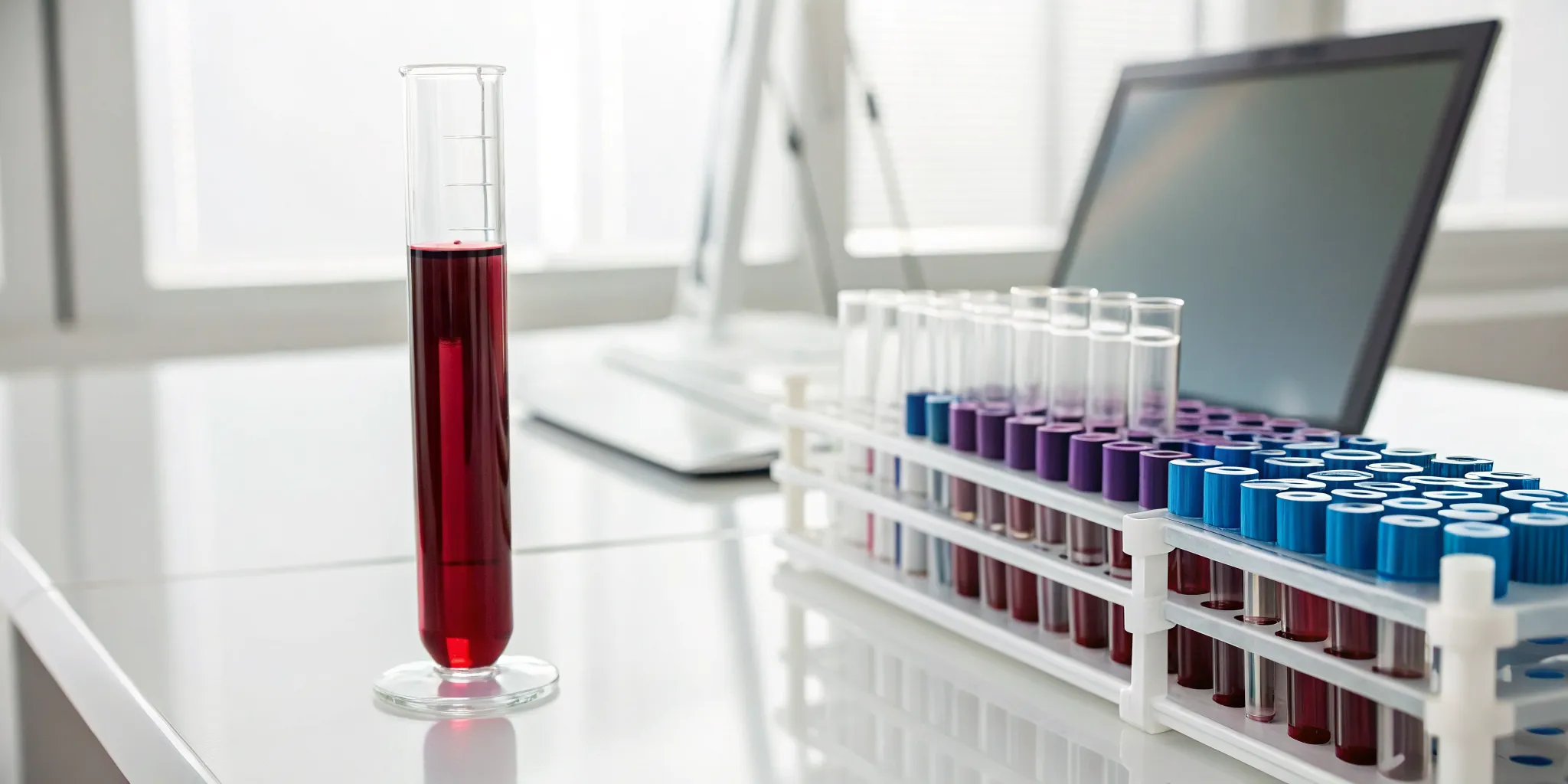
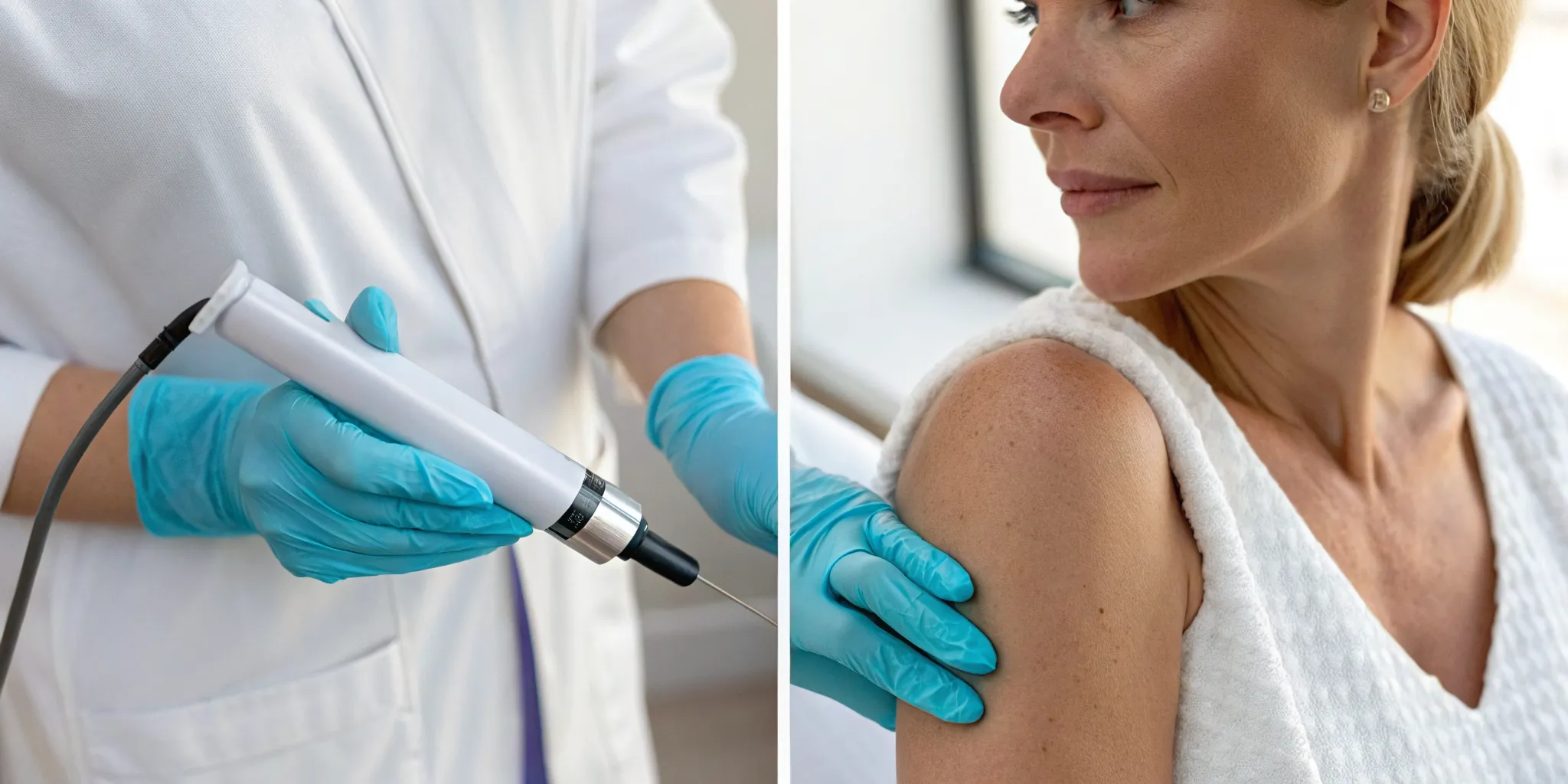
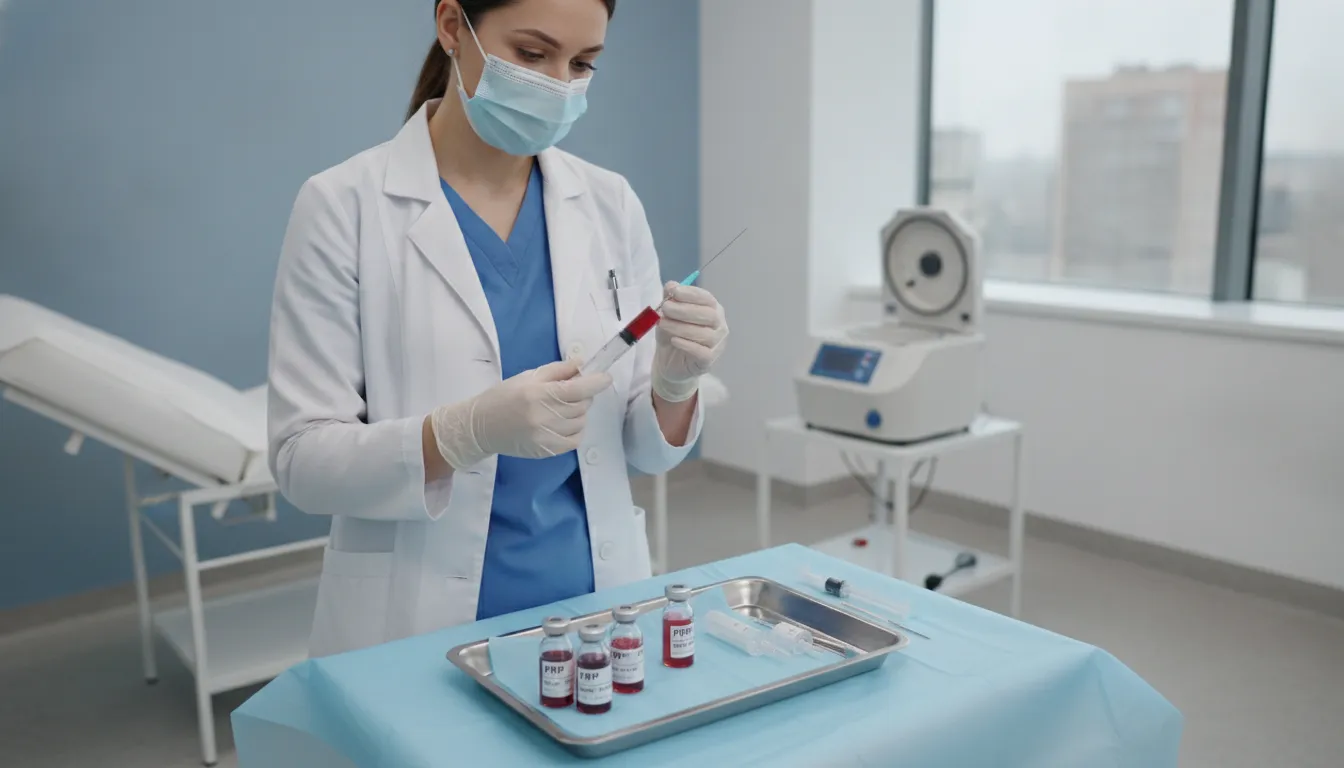
Platelet-Rich Plasma (PRP) therapy is a treatment that uses the healing power of your own blood to repair damaged tissue. The process is straightforward: we draw a small amount of your blood, spin it in a centrifuge to concentrate the platelets, and then inject this platelet-rich plasma directly into your knee joint. These platelets are packed with growth factors that act like a signal, telling your body to reduce inflammation and begin rebuilding tissue. It’s a way to supercharge your body’s natural repair mechanisms right where you need them most. This is a cornerstone of modern regenerative medicine.
The Role of Stem Cells in Cartilage Regeneration
Stem cell therapy is another cutting-edge approach that harnesses your body’s internal repair system. Stem cells are unique because they can develop into different types of cells, including cartilage cells. For this treatment, stem cells are typically sourced from your own bone marrow or fat tissue. Once injected into the knee, they can help regenerate damaged cartilage, reduce inflammation, and improve joint function. This innovative therapy aims to rebuild the very structure of your joint, offering a powerful solution through Tampa longevity and joint recovery care — long-term healing and pain relief without surgery. It's a key part of our approach to regenerative medicine, focusing on your body's innate ability to repair itself.
Lubricating Your Joints with Hyaluronic Acid
Think of hyaluronic acid as your body’s natural joint lubricant. It’s a substance that already exists in your synovial fluid, helping to cushion your joints and allow them to move smoothly. When cartilage wears down, the amount of this natural lubricant can decrease, leading to friction and pain. Hyaluronic acid injections supplement your body’s supply, adding extra cushioning and lubrication directly to the knee joint. This can significantly reduce pain, decrease stiffness, and improve your overall mobility, making daily movements much more comfortable.
How Long Do the Effects Last?
This is one of the most important questions to ask, and the answer depends on several factors, including the specific treatment you choose and your body’s unique response. The longevity of these non-surgical options isn't one-size-fits-all. For hyaluronic acid injections, many people find relief for about six months. Platelet-Rich Plasma (PRP) therapy often provides benefits that last between six and nine months, though some research shows the effects can extend up to two years. Stem cell therapy can offer even longer-lasting results, with benefits potentially lasting for several years. The key to maximizing these results is viewing the treatment as part of a larger strategy. By combining these therapies with a personalized physical medicine plan and supportive lifestyle habits, you’re not just getting temporary relief—you’re creating a foundation for lasting joint health.
Strengthening Your Knees with Physical Therapy
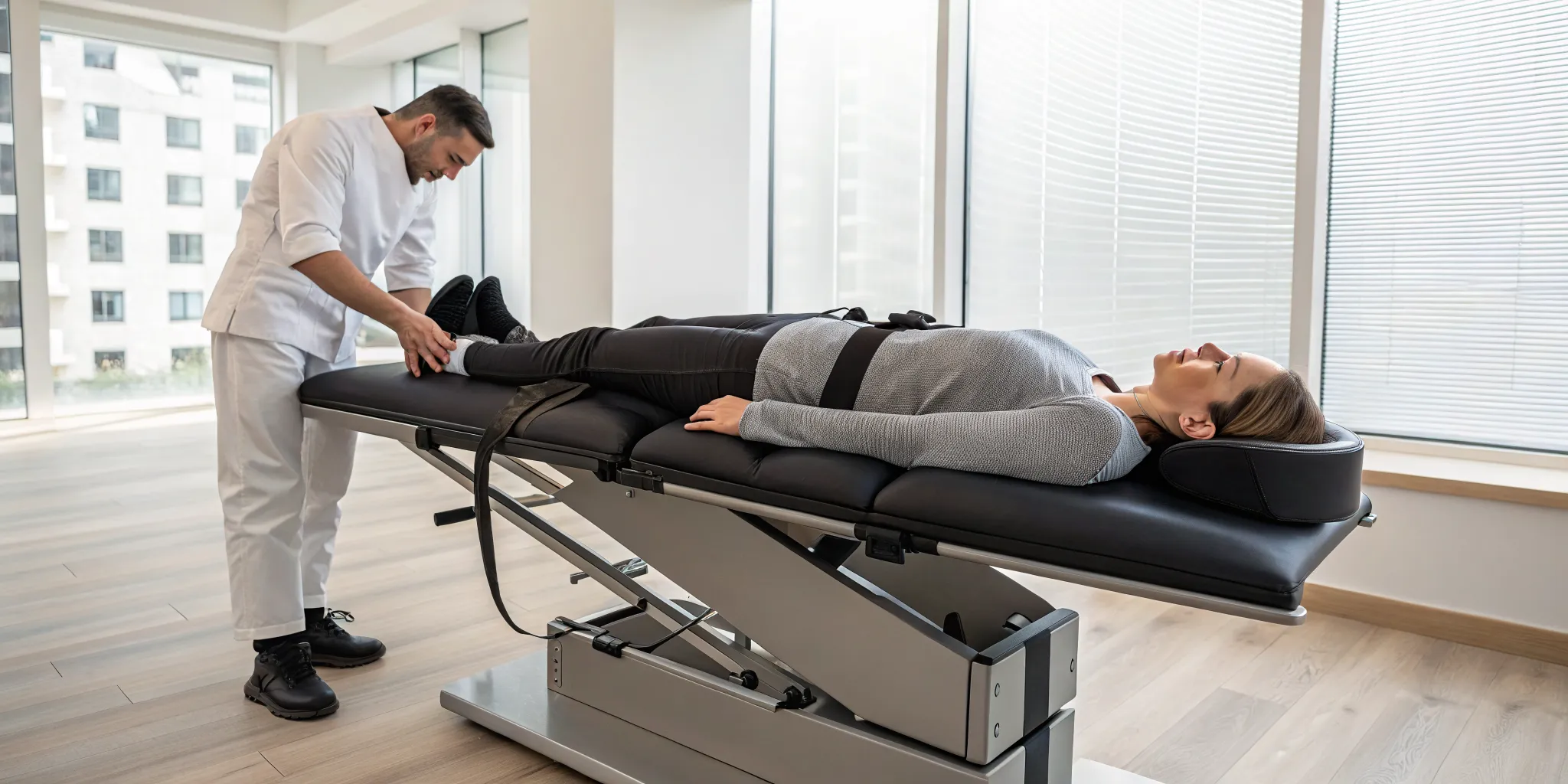
You can’t overlook the importance of building a strong foundation. Physical therapy and targeted exercises are essential for supporting long-term knee health. By strengthening the muscles around the joint, especially your quadriceps, hamstrings, and glutes, you create a natural support system for your knee. This added strength stabilizes the joint and takes a significant amount of pressure off the damaged cartilage. A customized physical medicine plan won’t just reduce pain; it will also improve your flexibility, enhance function, and help protect your cartilage from further damage.
Advanced Biologic Treatments
Beyond the foundational treatments, there are advanced biologic therapies that represent the cutting edge of non-surgical knee repair. These options go a step further by using highly concentrated healing agents from your own body to target the root cause of cartilage breakdown. Instead of just managing symptoms, these treatments are designed to actively intervene in the degenerative process and create an environment where your tissue can genuinely rebuild. They are a powerful testament to your body's incredible capacity for healing when given the right support.
A2M (Alpha-2-Macroglobulin) Therapy
When your knee joint is inflamed, it releases harmful enzymes that act like tiny wrecking balls, breaking down your cartilage over time. A2M therapy introduces a powerful, naturally occurring protein to stop this destruction in its tracks. Alpha-2-Macroglobulin, or A2M, is a large protein found in your blood that works by trapping and neutralizing these damaging enzymes, effectively blocking the harmful substances that break down cartilage. The therapy involves concentrating this protective protein from your own blood and injecting it into the knee. This helps to halt the progression of cartilage breakdown and restore a healthier balance within the joint, giving your body a chance to heal.
BMAC (Bone Marrow Aspirate Concentrate)
Your bone marrow is a rich reservoir of stem cells and other powerful healing proteins that are essential for tissue repair. Bone Marrow Aspirate Concentrate (BMAC) therapy harnesses this potential to help regenerate your knee cartilage. The procedure involves collecting a small sample of your bone marrow, usually from the hip, and concentrating these regenerative cells in a centrifuge. This potent concentrate, which uses stem cells and healing proteins from your own body, is then precisely injected into your knee joint. Once there, these cells can help form new cartilage, reduce inflammation, and signal other healing cells to the area, promoting comprehensive tissue repair from within.
Supportive Therapies for Knee Health
A successful recovery plan often involves more than just one type of treatment. While advanced regenerative therapies work on rebuilding cartilage at a cellular level, supportive therapies play a crucial role in managing your day-to-day comfort and function. These approaches help reduce pain, improve stability, and enhance your body's overall healing environment. Integrating them into your plan creates a comprehensive strategy that addresses your knee health from all angles, ensuring you get the best possible results and can confidently return to your active life.
Knee Braces for Stability
When your knee feels weak or unstable, a well-fitted brace can be a game-changer. A knee brace provides external support that helps to stabilize the joint during movement, which can immediately reduce pain and give you more confidence when you walk or stand. By taking some of the load off the damaged cartilage and preventing movements that could cause further harm, a brace creates a protected environment that allows the knee to heal more effectively. It’s a simple yet effective tool that can be integrated into a broader physical medicine plan to support your recovery.
Hydrotherapy for Gentle Exercise
Exercising with knee pain can feel like a catch-22: you know you need to move, but it hurts. This is where hydrotherapy, or water-based exercise, comes in. The natural buoyancy of water supports your body weight, significantly reducing the pressure and impact on your knee joints. This allows you to strengthen the muscles around your knee and improve your range of motion without the strain of land-based workouts. By using warm water to exercise, you can also reduce pressure and stiffness, making it an ideal environment for gentle and effective rehabilitation.
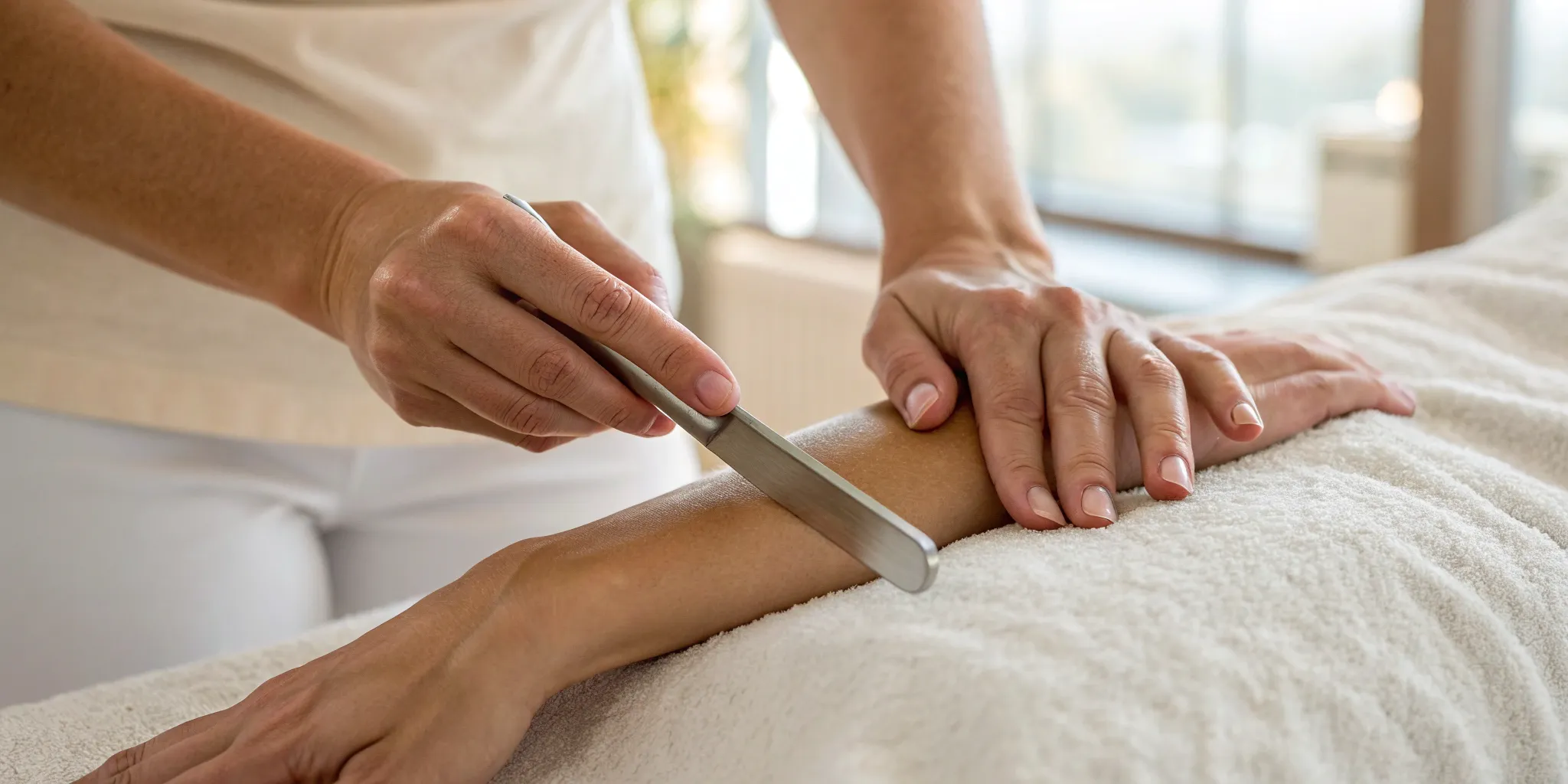
Acupuncture for Pain and Blood Flow
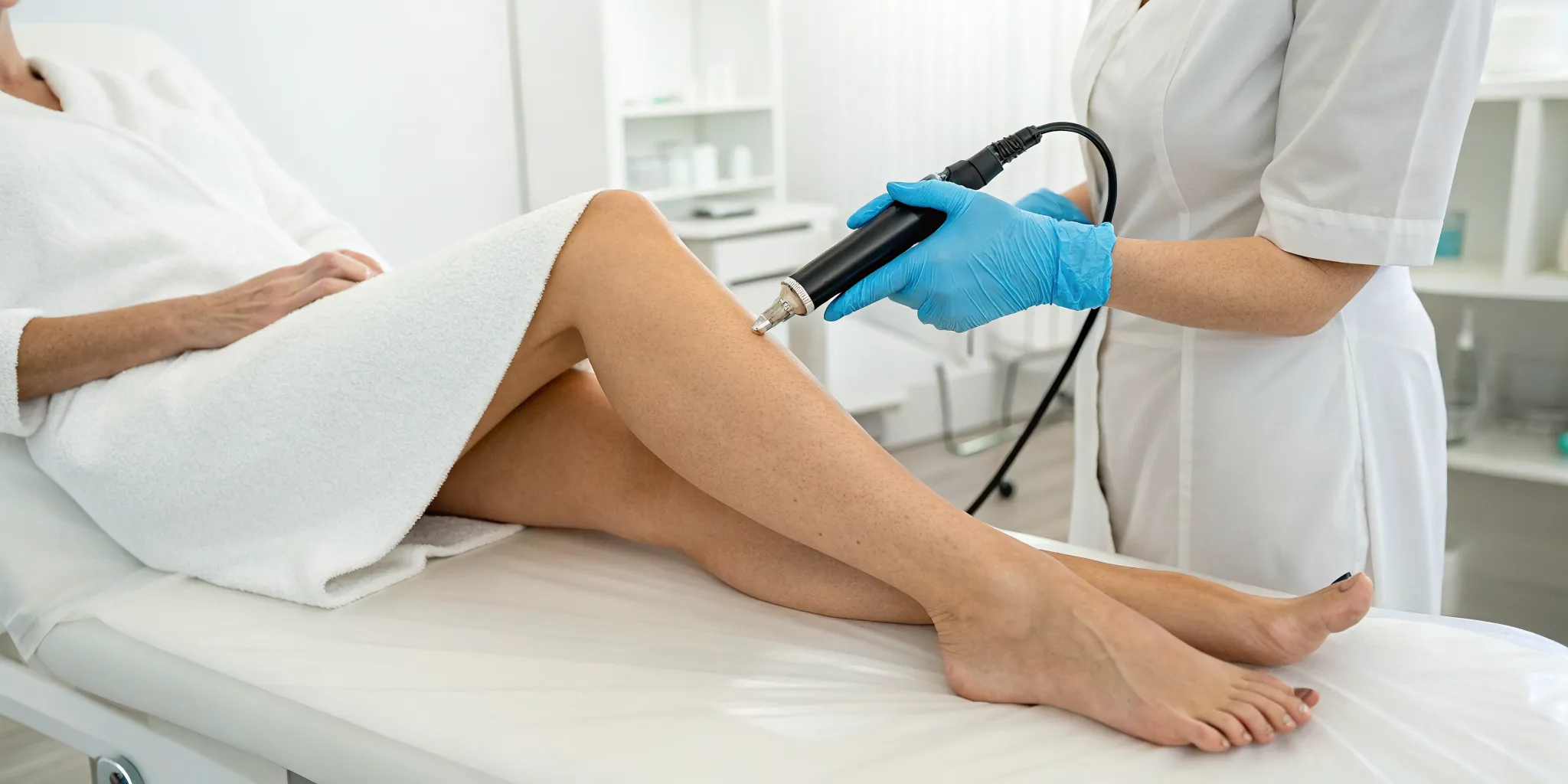
Acupuncture is a time-tested therapy that can be incredibly effective for knee pain. By stimulating specific points around the knee with very fine needles, acupuncture helps to calm the nervous system, which can reduce your perception of pain. It also plays a vital role in decreasing inflammation and swelling in the joint. Perhaps most importantly, research shows it can improve blood flow to the area. Enhanced circulation is critical for healing, as it delivers the oxygen and nutrients your damaged cartilage needs to repair itself. This ability to reduce swelling and pain makes it a valuable supportive therapy.
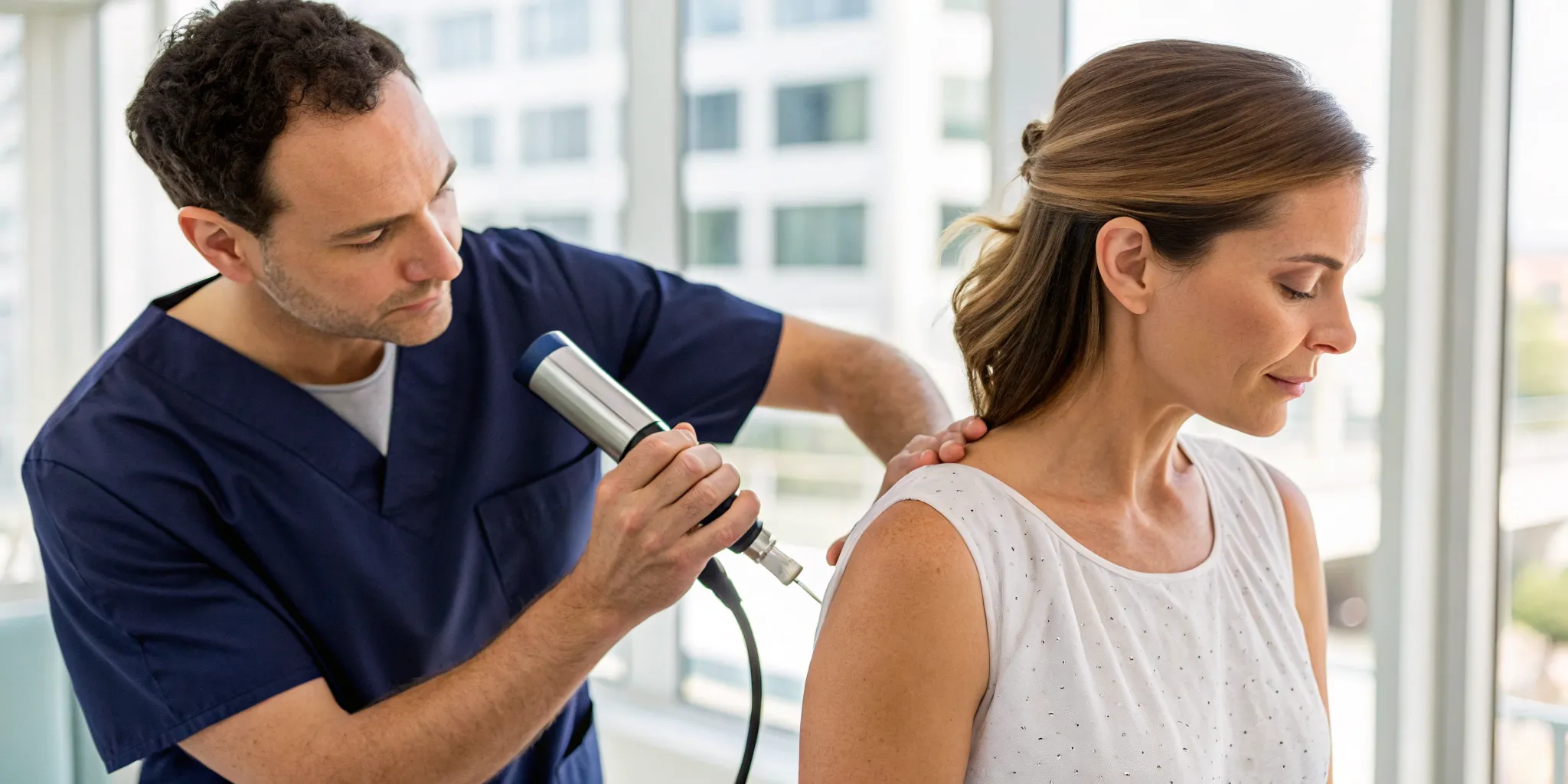
Shockwave Therapy for Tissue Repair
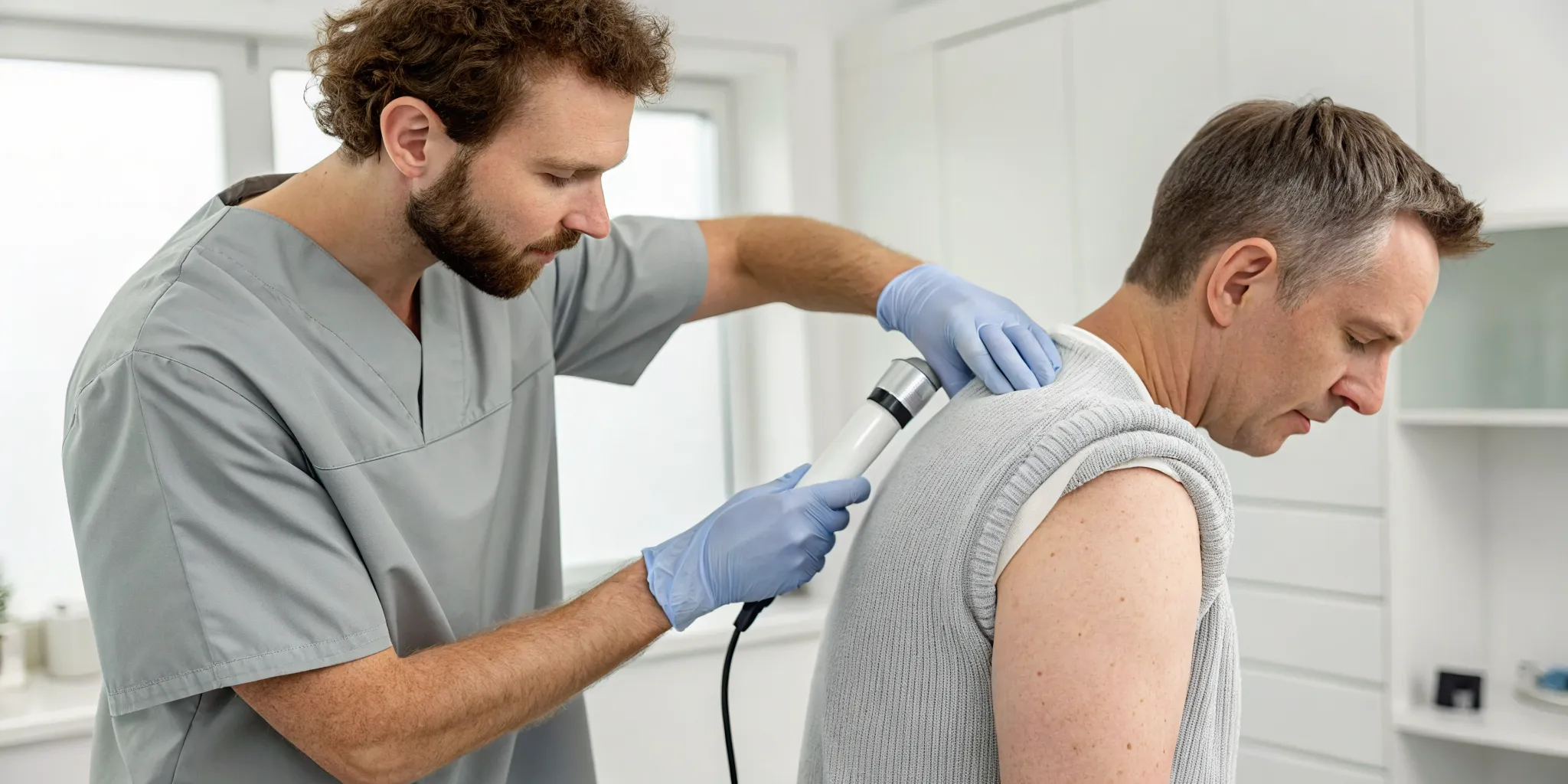
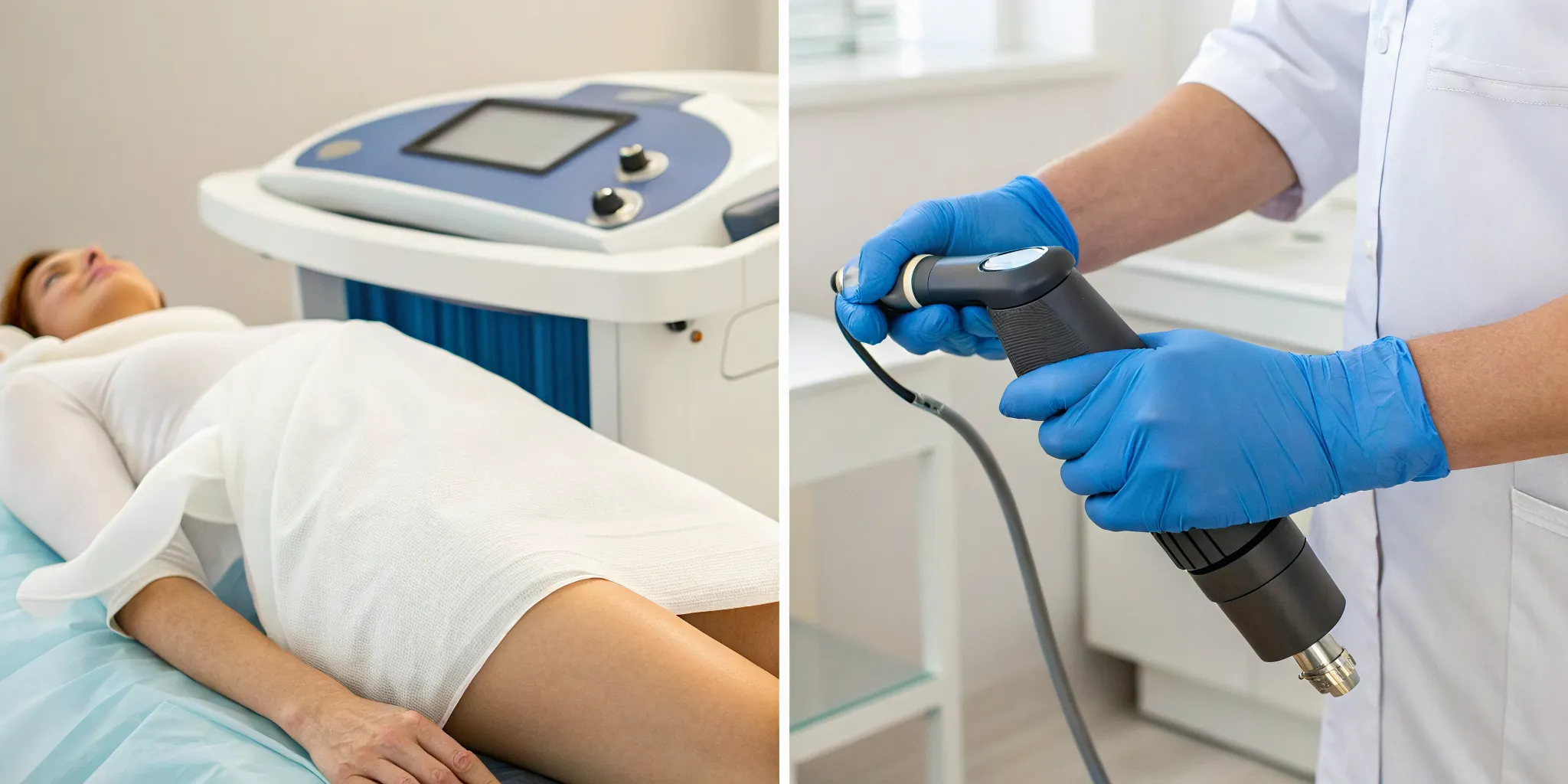
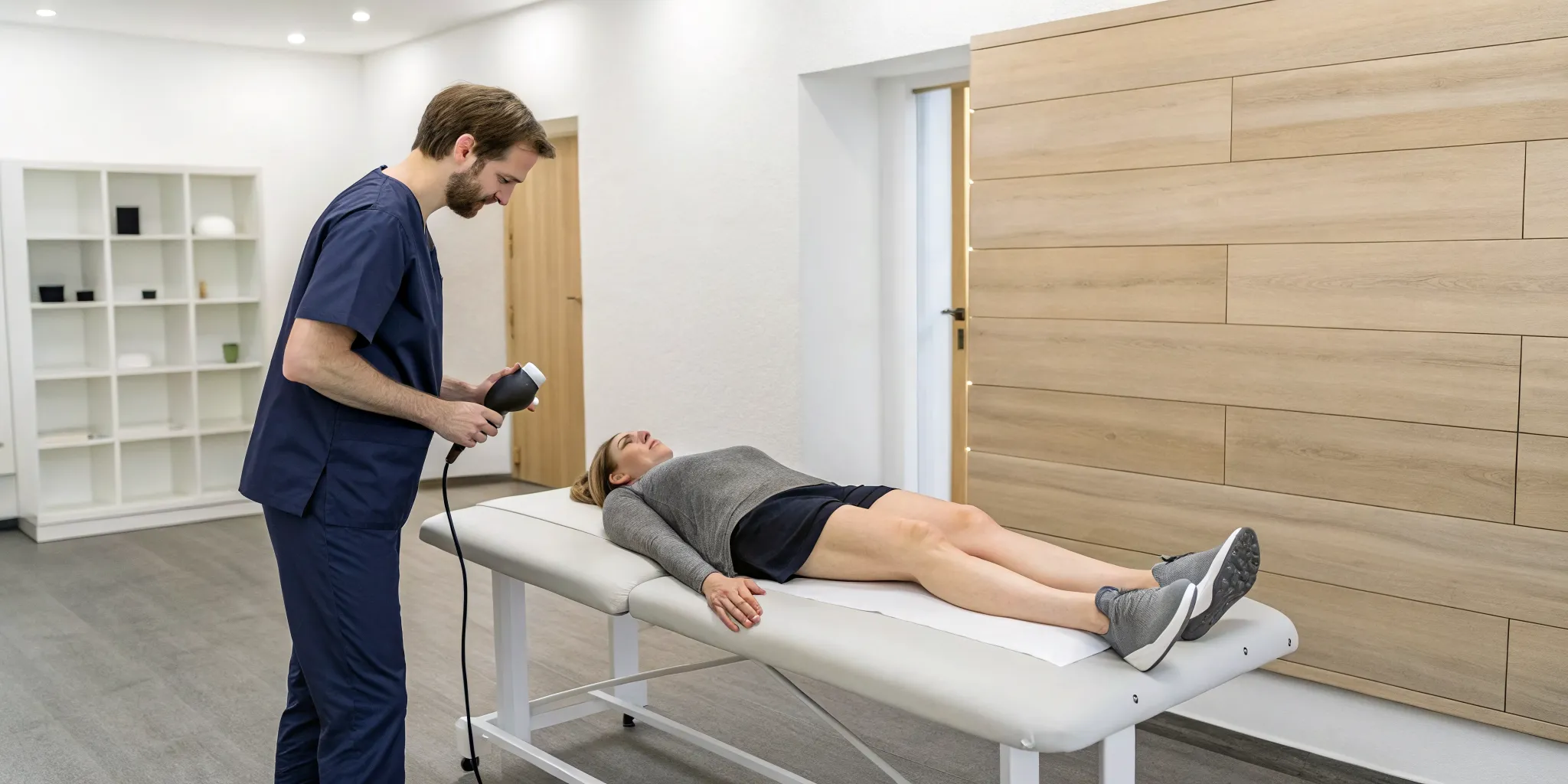
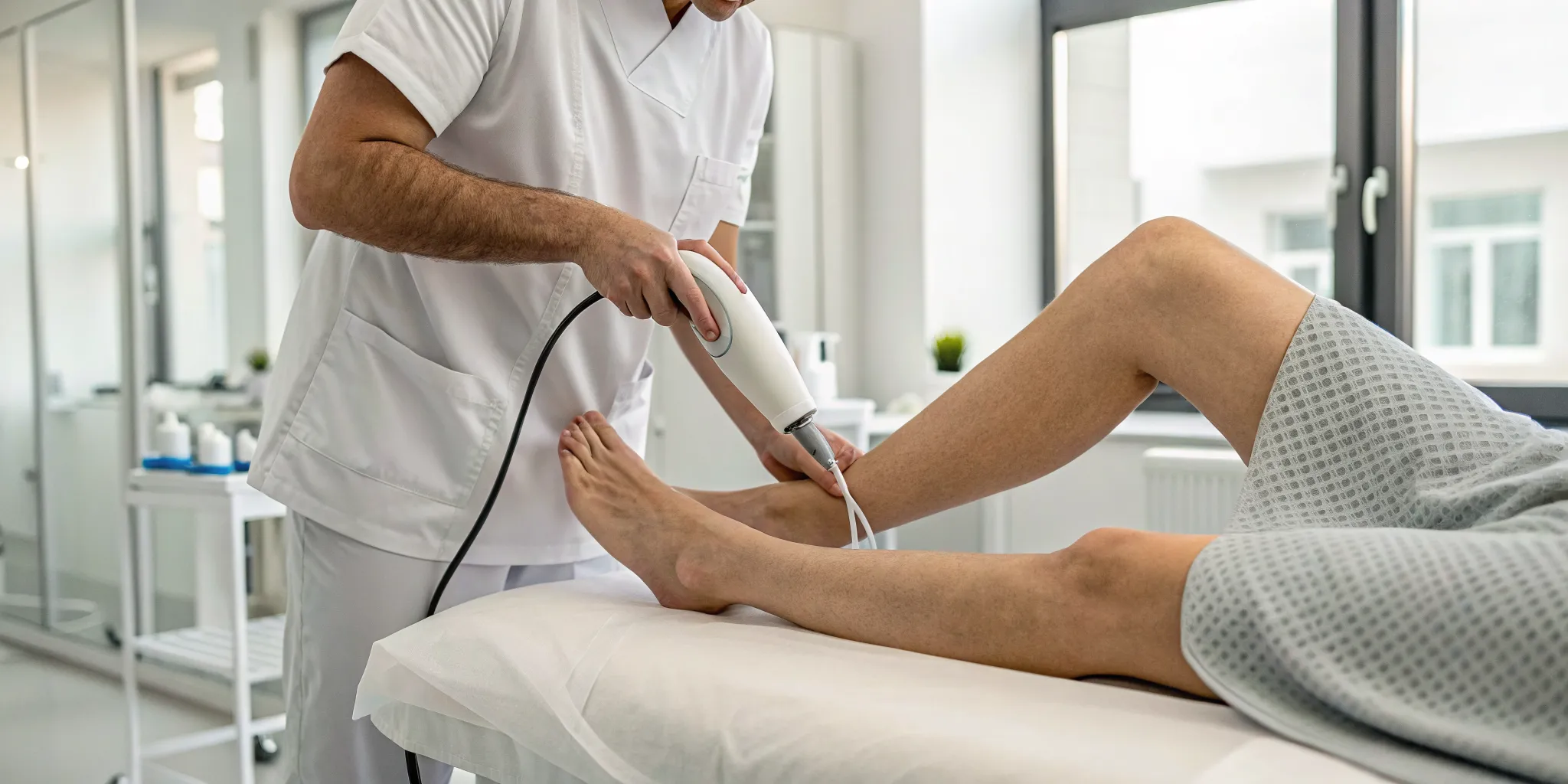
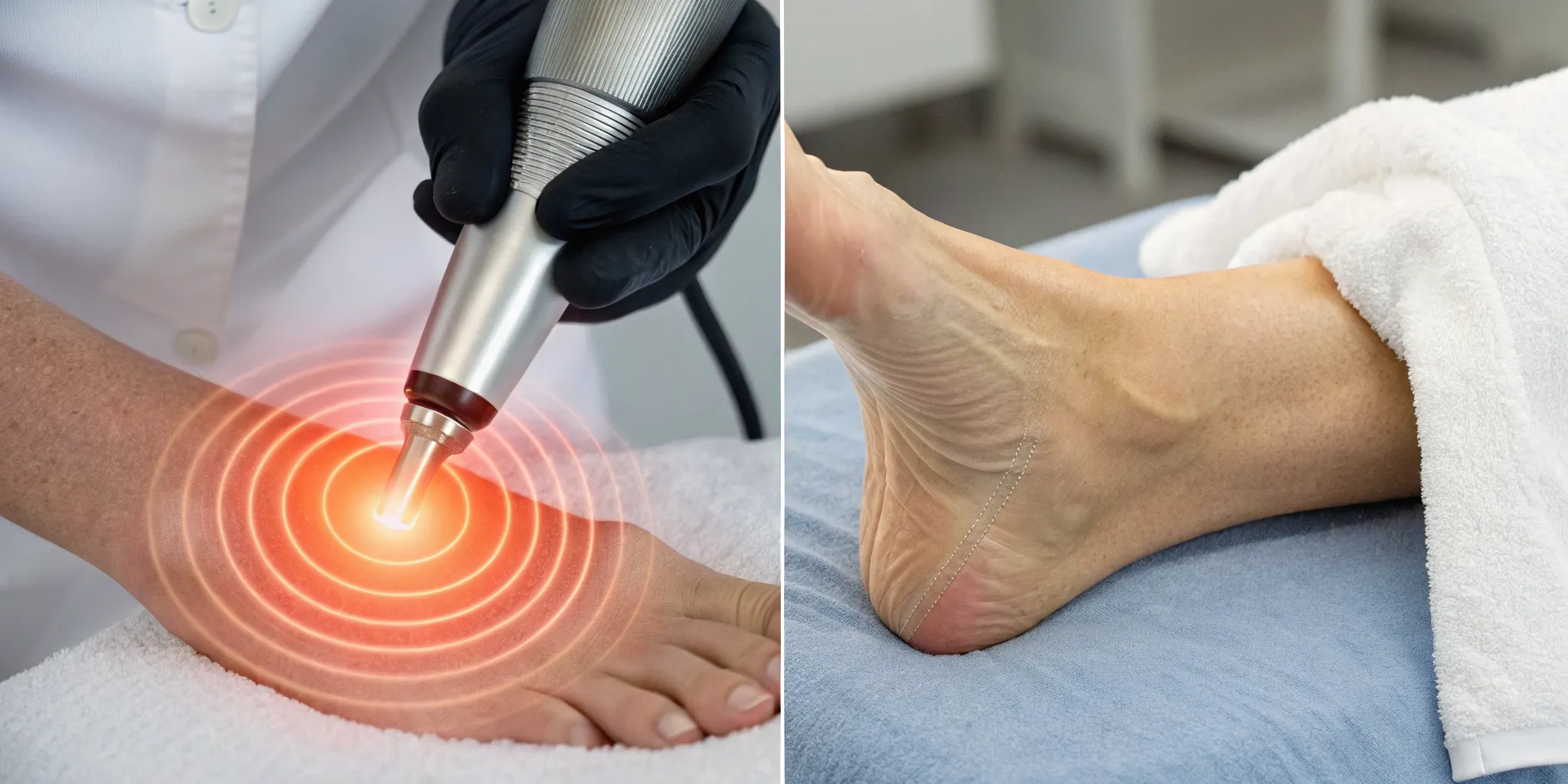
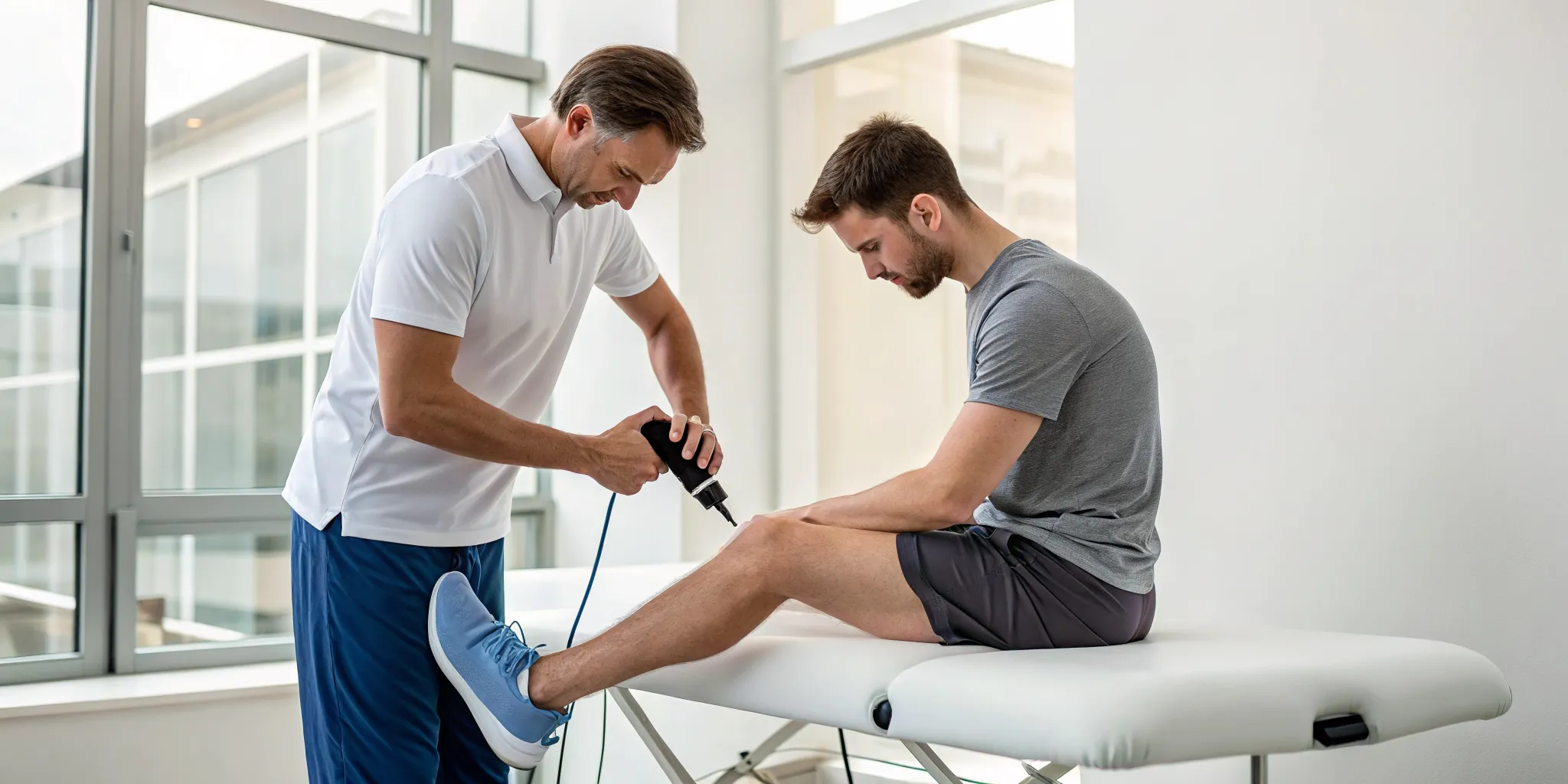
Shockwave therapy is a non-invasive treatment that uses targeted acoustic waves to stimulate your body’s natural healing processes. This therapy uses sound waves to increase blood flow and trigger tissue repair right at the source of your pain. When these waves are applied to the knee, they stimulate the activity of cells responsible for healing, helping to break down scar tissue, reduce chronic inflammation, and accelerate the regeneration of damaged tendons and cartilage. It’s a way to essentially "wake up" the healing mechanisms in the area, encouraging your body to get back to the work of repairing itself.
What Results Can You Expect From Non-Surgical Methods?
When you’re dealing with knee pain, the idea of avoiding surgery is incredibly appealing. But what does the path to recovery actually look like with non-surgical treatments? It’s a fair question. While every person’s healing journey is unique, these methods are designed to work with your body’s natural ability to repair itself, offering a path toward less pain and better movement without the long downtime of a surgical procedure.
The goal is to address the root cause of your cartilage damage, not just mask the symptoms. This approach often involves a combination of advanced regenerative therapies and foundational support like physical therapy and nutritional guidance. Many people find they can get significant pain relief and better function, sometimes avoiding the need for surgery altogether. It’s about setting realistic goals and committing to a plan that supports your body’s long-term health. Let’s look at what you can realistically expect in terms of pain relief, timelines, and the factors that will make your treatment a success.
The Goal: Pain Relief and Improved Mobility
The primary goal of any knee cartilage treatment is simple: to help you feel better and move more freely. Non-surgical methods aim to achieve this with fewer risks than invasive surgery. Many people experience a significant reduction in pain and a noticeable improvement in their knee’s function, allowing them to get back to daily activities with greater ease.
These treatments work by reducing inflammation and providing your body with the building blocks it needs to repair damaged tissue. Instead of just covering up the pain, they help create a healthier joint environment. The result is often more than just pain relief; it’s about restoring stability and mobility so you can walk, climb stairs, and enjoy your life with confidence again.
How Long Does Non-Surgical Treatment Take?
Patience is a key part of the healing process. Unlike surgery, which can require nine to 12 months of recovery, non-surgical treatments have a much shorter timeline. You might start noticing improvements within four to six weeks, with results continuing to develop over several months. The exact timeline depends on the specific treatment you receive and how your body responds.
It’s important to see this as a gradual process of rebuilding, not an overnight fix. Your body needs time to regenerate tissue and grow stronger. Sticking with your treatment plan and following your practitioner’s guidance are essential for achieving the best possible outcome. The focus is on creating lasting change that supports your joint health for years to come.
Keys to a Successful Non-Surgical Outcome
Your participation is one of the biggest factors in a successful recovery. While regenerative treatments can create the right conditions for healing, supporting that process with the right lifestyle habits is crucial. A personalized physical therapy program is essential for strengthening the muscles around your knee, which provides better support for the joint and improves flexibility.
Working with a specialist who understands cartilage restoration is also vital. They can create a comprehensive plan tailored to your specific injury and goals. At Ascend Functional Health, we combine advanced therapies with a holistic view of your health, ensuring you have the support you need to heal effectively. Your commitment to the plan makes all the difference.
Tips for Managing Expectations During Recovery
Your mindset plays a huge role in your recovery. It’s easy to get discouraged, especially if you’ve been told you have "bone-on-bone" arthritis. Unfortunately, misconceptions about joint damage can sometimes lead people to believe that exercise will only make things worse, when in fact, the right kind of movement is essential for healing.
The best way to manage your expectations is to maintain open communication with your healthcare provider. A specialist in joint preservation and cartilage restoration can give you a clear understanding of what to expect and help you set achievable milestones. Remember that progress isn’t always linear. Focus on consistency and celebrate the small wins along the way as you work toward a stronger, healthier knee.
Emerging Research in Cartilage Regeneration
The world of regenerative medicine is constantly moving forward, with new discoveries offering even more hope for people dealing with joint pain. Scientists are always exploring innovative ways to tap into the body's incredible capacity for self-repair, and recent breakthroughs are particularly exciting for anyone looking to avoid surgery. This research reinforces the idea that we can work with our bodies to heal from the inside out. These advancements are paving the way for future treatments that could one day make cartilage regeneration a more predictable and accessible process, changing how we approach joint health entirely.
Targeting an "Aging Protein" to Reverse Cartilage Loss
One of the most promising recent developments comes from researchers at Stanford Medicine. They identified a specific protein, known as 15-PGDH, that increases in our joints as we age and contributes to the breakdown of cartilage. In a groundbreaking study, they found a way to inhibit this "aging protein" in mice. The results were remarkable: by blocking 15-PGDH, they were able to reverse the natural thinning of knee cartilage in older mice, essentially helping the joint tissue become young again. This discovery opens up a whole new avenue for developing non-invasive treatments for osteoarthritis, potentially offering a way to regrow cartilage and avoid joint replacement down the road.
How Blocking 15-PGDH Promotes Healing
So, how does blocking this protein work its magic? The approach focuses on rejuvenating the existing cartilage cells, called chondrocytes. When 15-PGDH is inhibited, these cells are prompted to behave more like their younger, healthier counterparts, which enhances their ability to produce new cartilage. This doesn't just help repair existing damage; it also shows potential for preventing arthritis after a joint injury, like an ACL tear. The implications are huge, as this research could lead to the development of simple treatments, like an oral medication or an injection, that facilitate cartilage regrowth and fundamentally improve long-term joint health.
How Your Lifestyle Can Support Cartilage Health
While professional treatments are a critical part of the healing equation, the daily choices you make are what truly anchor your recovery for the long term. Think of these lifestyle adjustments as the foundation that supports your body’s natural repair processes. By focusing on nutrition, weight management, and smart movement, you can create an internal environment where your cartilage can thrive. These changes put you in the driver's seat, empowering you to actively participate in your own health journey. Our entire approach to functional medicine is built on this partnership, combining advanced therapies with sustainable lifestyle habits for the best possible results.
It's about looking at the whole picture, not just the symptom. When you actively reduce inflammation through food, lessen the daily load on your joints, and build a strong muscular support system, you're not just hoping for healing; you're actively creating the conditions for it. This synergy is powerful. The treatments you receive in our clinic can kickstart the regenerative process, but the anti-inflammatory foods you eat and the low-impact exercises you perform are what sustain it. This proactive stance is fundamental to long-term success and helps ensure the benefits of your treatments last. It’s a commitment to your body that pays off with every pain-free step, helping you regain not just mobility, but confidence in your body's resilience.
Eating to Reduce Inflammation in Your Joints
Inflammation is a major enemy of joint health, contributing to pain and breaking down cartilage over time. Adopting an anti-inflammatory diet is one of the most effective ways to fight back. This means filling your plate with foods that calm inflammation rather than fuel it. Focus on incorporating foods rich in omega-3 fatty acids, like salmon and walnuts, and plenty of antioxidants from colorful fruits and vegetables like berries and leafy greens. These nutrients can help reduce inflammation and give your body the building blocks it needs to support cartilage health. It's a simple shift that can have a profound impact on how your knees feel day to day.
How Managing Your Weight Protects Your Knees
Your knees bear a significant amount of your body weight with every step you take. When you carry extra weight, the force on your knee joints is multiplied, accelerating cartilage wear and tear. The good news is that you don't need to achieve a drastic transformation to feel a difference. Research shows that even a modest weight loss can lead to a significant reduction in knee pain and improved function. By maintaining a healthy weight, you directly reduce the daily stress on your knees, giving them a better chance to heal and stay healthy for years to come. This is one of the most impactful changes you can make for your joint longevity.
The Impact of Weight Loss on Cartilage
Losing weight does more than just make you feel lighter; it directly benefits your cartilage. Studies have shown that losing just 10% to 20% of your body weight can significantly reduce knee joint damage and even lead to improved cartilage in adults with knee arthritis. Every extra pound you carry multiplies the force on your knees, which speeds up the wear and tear on that crucial cushioning. By shedding some of that weight, you’re essentially giving your knees a much-needed break. This reduction in daily stress not only eases pain but also creates a better environment for your cartilage to heal and protect itself from future damage. It's a powerful, proactive step you can take to support your long-term joint health.
Gentle Exercises to Strengthen Your Knees
When your knees hurt, your first instinct might be to stop moving altogether. However, the right kind of movement is essential for joint health. Low-impact exercises help strengthen the muscles surrounding the knee, which act as a crucial support system for the joint. Activities like swimming, cycling, or using an elliptical machine increase blood flow to the area without putting excessive strain on your cartilage. This approach allows you to build strength and stability, which can improve knee function and reduce pain, making it a key part of any cartilage recovery plan. It's about working smarter, not just harder, to support your joints.
Key Nutrients That Support Joint Health
Sometimes, your body needs a little extra support to repair and maintain healthy cartilage. Certain supplements can provide the specific nutrients your joints crave. For example, glucosamine and chondroitin are two of the most well-studied supplements for joint health, and they have been shown to support cartilage structure and help ease symptoms of degeneration. However, not all supplements are created equal. Working with a specialist can help you identify which high-quality, professional-grade supplements from our dispensary are right for your specific needs, ensuring you’re giving your body the targeted support it requires for optimal healing.
The Role of Turmeric and Curcumin
You’ve probably heard of turmeric, the bright yellow spice that gives curry its vibrant color. But its benefits go far beyond the kitchen. The real power behind turmeric lies in its active compound, curcumin, which is a potent anti-inflammatory. Chronic inflammation is a key driver of joint pain and cartilage breakdown, and curcumin works to calm this process at a cellular level. Studies have shown that curcumin can suppress inflammatory pathways in the body, which can lead to a significant reduction in knee pain and improved physical function. By incorporating this powerful compound, you’re not just masking pain; you’re addressing one of the underlying causes of joint irritation.
Beyond its anti-inflammatory effects, curcumin also plays a direct role in protecting and potentially rebuilding cartilage. Research indicates that it can help stimulate the growth of cartilage cells (chondrocytes) and encourage collagen production, which is essential for maintaining the structure and integrity of your joints. It also helps inhibit the enzymes that break down cartilage in the first place. Some studies even suggest that curcumin can support the body’s own stem cells in their efforts to repair cartilage. For the best results, consistent, long-term use is key to managing pain and stiffness, making it a valuable part of a comprehensive joint health strategy.
Building Your Personal Cartilage Health Plan
Putting it all together can feel overwhelming, but you don’t have to do it alone. A successful cartilage recovery plan is personalized, comprehensive, and adaptable. It’s about creating a strategy that addresses your unique body and lifestyle, with an expert guide to help you stay the course. Think of it as building a roadmap to better joint health, one that combines the right treatments with supportive daily habits. This proactive approach is your best bet for achieving lasting relief and getting back to the activities you love.
Why Partnering with a Specialist Matters
The first step is to find a partner who will look beyond your symptoms to find the root cause of your knee pain. A functional medicine specialist does just that. They take the time to understand your health history, lifestyle, and unique physiology to create a truly personalized plan. Many people have misconceptions about what causes their knee pain and what it takes to heal. A specialist can help you understand your condition, set realistic expectations, and choose evidence-based treatments that actually work. Instead of just managing pain, the goal is to address the underlying issues, like chronic inflammation or metabolic imbalances, that contribute to cartilage breakdown.
Creating a Comprehensive Treatment Strategy
The most effective recovery plans use a multi-faceted approach. Relying on a single treatment is like trying to build a house with only a hammer; you need a full toolbox. A comprehensive strategy integrates several non-surgical therapies to support your body’s healing process from every angle. For example, your plan might combine regenerative medicine like PRP therapy to stimulate tissue repair, physical therapy to improve joint mechanics, and specific nutritional changes to reduce inflammation. This synergy is powerful. By combining different modalities, you create a healing environment that gives your cartilage the best possible chance to repair and strengthen over time.
Tracking Your Progress for Long-Term Success
Cartilage repair doesn’t happen overnight. It’s a gradual process that requires patience and consistency. Committing to long-term monitoring with your healthcare provider is key to staying on track and making adjustments as needed. It’s common for people who receive a scary diagnosis like "bone-on-bone" to feel discouraged and give up on important therapies like exercise. Regular check-ins help you move past these fears, celebrate small wins, and see the tangible progress you’re making. This ongoing partnership ensures your treatment plan evolves with you, helping you achieve the best possible long-term results and maintain your joint health for years to come.
Related Articles
- Regenerative Medicine | Alessi Functional Health Tampa, FL
- Stem Cells | Alessi Functional Health
- SoftWave Tissue Regeneration Therapy in Tampa | Alessi Functional Health
- Expert Treatment for Neck, Back, Joint Pain & More | Conditions We Treat - Alessi Functional Health
- Pain Free Future | Alessi Functional Health
Frequently Asked Questions
My doctor said I have "bone-on-bone" arthritis. Is it too late for these treatments? That "bone-on-bone" diagnosis can sound incredibly final, but it doesn't automatically close the door on non-surgical options. Regenerative treatments are designed to improve the overall health of your joint by reducing inflammation and encouraging your body's own repair mechanisms. Even in advanced cases, these therapies can provide significant pain relief and improve your ability to move, potentially delaying or even helping you avoid surgery. It's always worth discussing your specific situation with a specialist.
How do I know for sure that my knee pain is from cartilage damage? While symptoms like a deep, persistent ache, stiffness, and a grinding sensation are strong clues, the only way to know for sure is through a professional evaluation. A specialist can use a combination of a physical exam and imaging to get a clear picture of what's happening inside your knee. Getting an accurate diagnosis is the most important first step because it ensures your treatment plan is aimed at the true source of your discomfort.
Are regenerative treatments like PRP and stem cell therapy painful? It's a fair question, since the procedures do involve injections. We take steps to make you as comfortable as possible, which usually includes numbing the area before the injection. You might feel some pressure during the procedure and some soreness for a few days afterward, but this is typically mild and temporary. Most people find this short-term discomfort is very manageable, especially when compared to the lengthy and more painful recovery from surgery.
How long do the results of non-surgical treatments last? Because these treatments work by helping your body heal itself, the goal is to create lasting results, not just a temporary fix. The longevity of your results depends on the severity of your cartilage damage and, just as importantly, your commitment to the supporting lifestyle changes. Think of the treatment as the catalyst for healing, while physical therapy, a healthy diet, and weight management are what protect that healing for the long haul.
I'm not a professional athlete. Are these advanced treatments really for me? Absolutely. While regenerative medicine is popular among athletes, it was designed for anyone who wants to overcome joint pain and improve their quality of life. These therapies are for people who want to walk without a limp, play with their kids, or simply get through the day without constant aching. Your treatment plan is built around your personal goals, whether you're aiming for a marathon or just a pain-free trip to the grocery store.