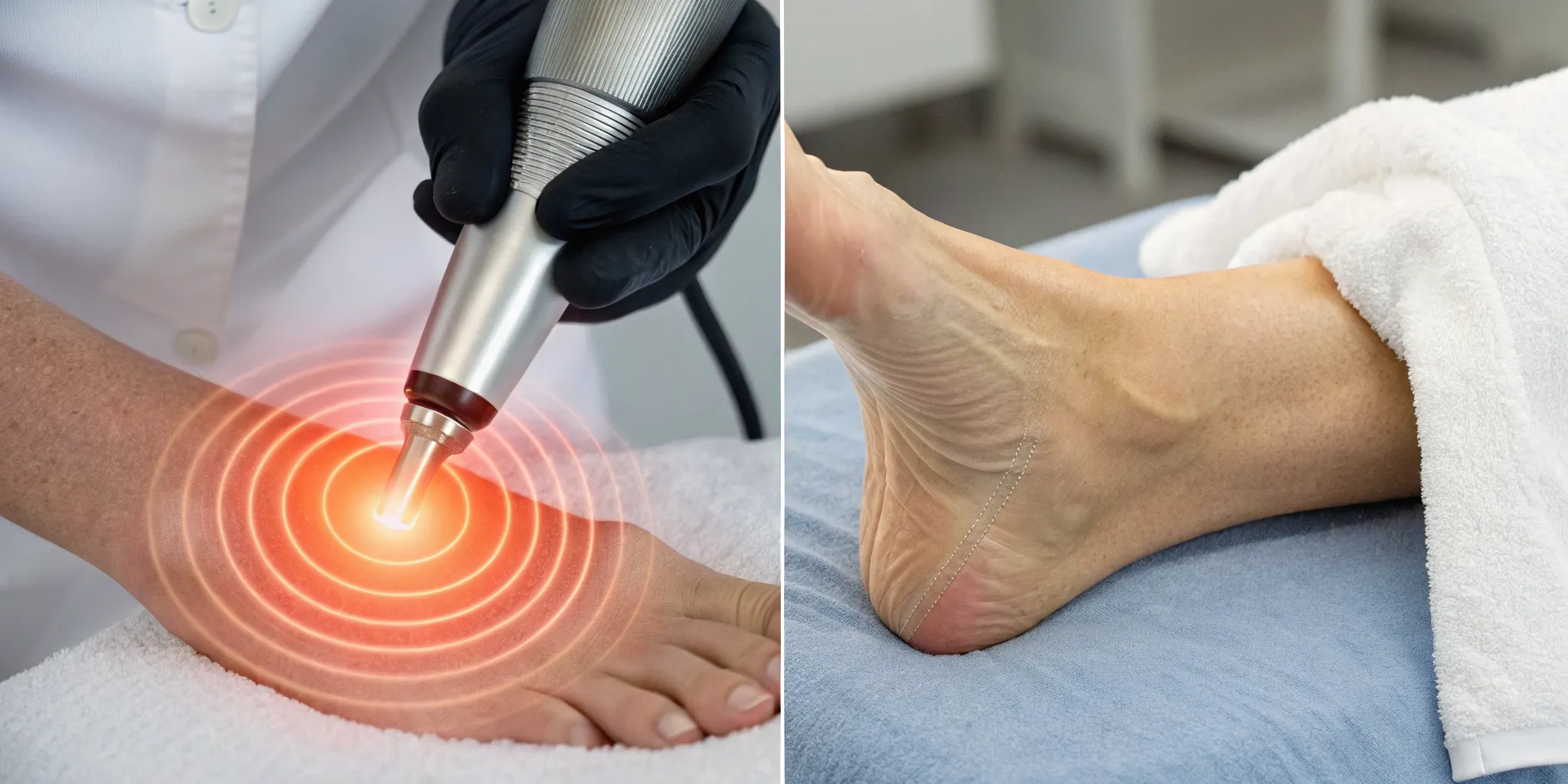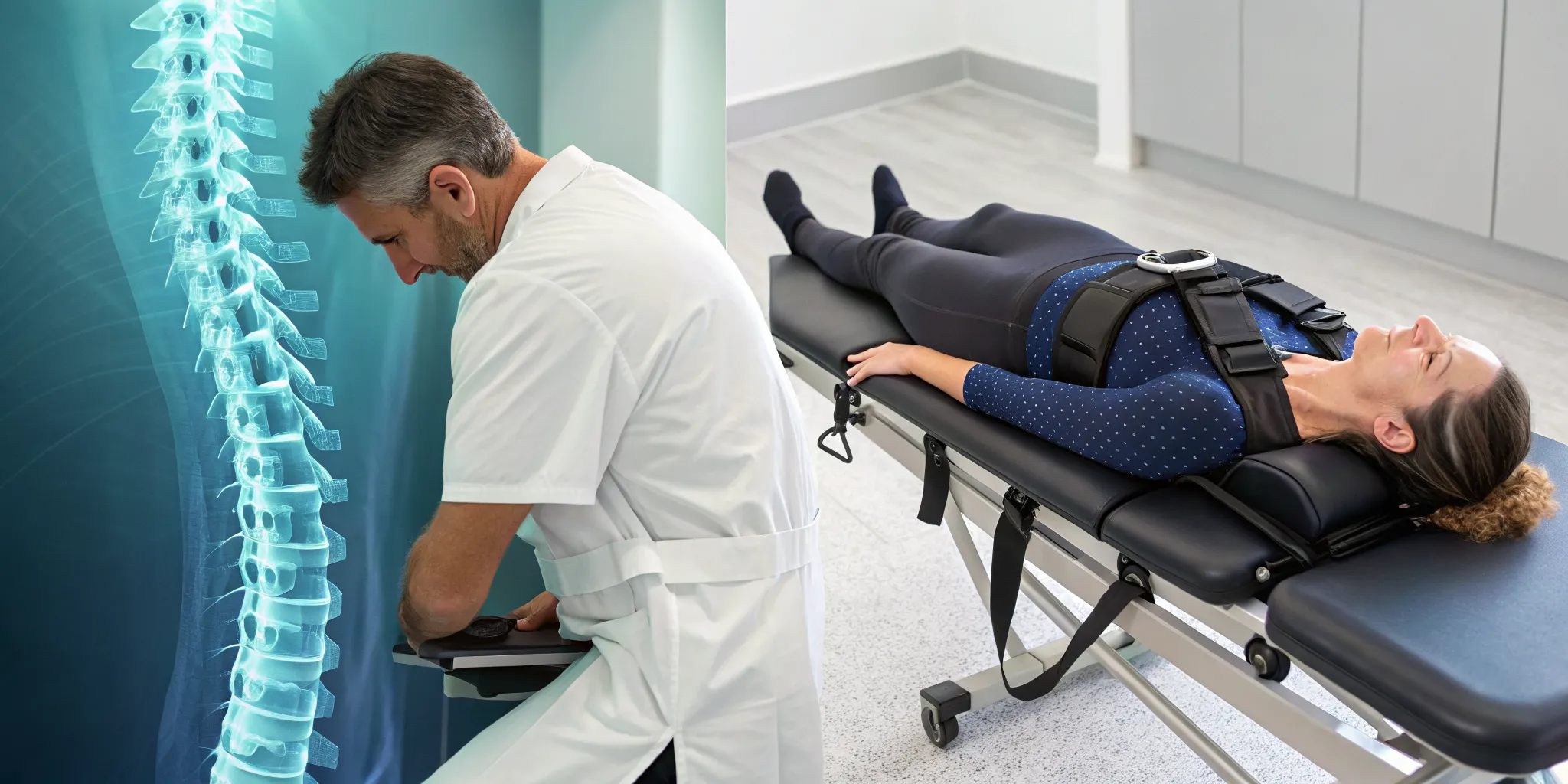
Sometimes you can do all the right things for your health—you see a chiropractor for adjustments, you stretch regularly, and you stay active—but still feel like you’re not making progress. If you’re dealing with persistent pain or stiffness, the missing piece of the puzzle might be your soft tissue. Tight, restricted fascia can constantly pull your joints out of alignment, undermining the benefits of other treatments. Myofascial decompression is a perfect complement to chiropractic care because it prepares the body for adjustments. By using myofascial decompression techniques to release fascial tension first, we can ensure your body is more receptive to alignment, making your adjustments more effective and longer-lasting. It’s an integrated approach that addresses both the joint and the tissues that support it.
Key Takeaways
- It Works by Lifting, Not Pressing: Myofascial decompression uses suction to create space between tissue layers, releasing the fascial restrictions that compression-based therapies like massage can't always reach.
- Find Relief and Move More Freely: This therapy targets the source of chronic pain and stiffness by improving circulation and breaking up adhesions in your fascia, which helps restore your body's natural range of motion.
- Success Requires a Full Strategy: MFD is most effective when performed by a trained professional within a complete care plan; it prepares your body for other treatments like chiropractic care and corrective exercises, leading to more comprehensive and lasting results.
What Is Myofascial Decompression?
If you're dealing with stubborn muscle tightness, chronic pain, or movement that just feels stuck, you might have heard about cupping. Myofascial Decompression (MFD) is a modern, targeted form of this therapy that goes a step further. Instead of just placing cups on the skin, MFD uses a unique approach to release the connective tissue that’s causing the problem. It’s one of the most effective techniques we use in our Physical Medicine services to help patients find lasting relief.
This therapy uses negative pressure to lift and separate tissue layers, creating space and restoring movement in a way that traditional massage can't. It’s a powerful tool for addressing the root cause of musculoskeletal issues, from old injuries to postural strain.
The Science Behind It
So, how does lifting the skin with a suction cup actually work? It all comes down to your fascia. Think of fascia as a body-wide, three-dimensional web of connective tissue that wraps around your muscles, bones, and organs. When it's healthy, it’s smooth and flexible, allowing you to move freely. But after an injury, a surgical procedure, or even from prolonged poor posture, this web can become tight and restricted. These restrictions are often what cause chronic pain and limit how well you move.
Myofascial Decompression uses suction to gently pull these restricted layers of tissue apart. This negative pressure increases blood flow to the area, helps with lymphatic drainage to reduce inflammation, and stretches the fascia, encouraging it to become more flexible and healthy again.
How MFD Differs from Traditional Cupping
You’ve probably seen the circular marks left by cupping on athletes and celebrities, but MFD is a more advanced and active technique. Traditional cupping is typically static, meaning the cups are placed on a tight spot and left there for a few minutes. This is great for targeting local tension.
MFD, on the other hand, is a dynamic approach. During a session, your practitioner will have you perform gentle movements or stretches while the cups are applied. This active motion combined with the suction helps release adhesions from all angles and effectively remodels the fascia. This makes it especially useful for breaking down stubborn scar tissue and improving overall flexibility, offering a more comprehensive treatment than static cupping alone.
How Does Myofascial Decompression Work?
Myofascial decompression might look like simple cupping, but the science behind it is quite specific and targeted. Unlike traditional massage techniques that compress muscles, MFD uses suction to gently lift and separate layers of soft tissue. Think of it as creating space where there was once tension. This process helps release tightness in the body's connective tissue, known as fascia. By decompressing these restricted areas, we can address the underlying sources of discomfort and restore proper movement. This approach is a key part of our physical medicine services, designed to help your body heal itself.
The entire process is based on the principle of negative pressure. Instead of pushing into the tissue, we pull it upward. This gentle lift can have profound effects on your body’s function, from improving circulation to releasing long-held patterns of tension. It’s a powerful way to work with your body’s natural structure to find lasting relief without invasive procedures. We’re essentially giving your tissues the room they need to breathe and function optimally, which is a cornerstone of our philosophy at Ascend Functional Health. The following sections break down exactly how this happens.
The Role of Suction on Your Fascia
The magic of myofascial decompression lies in its unique use of negative pressure. When the cups are applied to your skin, the suction gently pulls the underlying tissue upward. This lifting action separates the layers of skin, fascia, and muscle that may have become stuck together over time. Fascia, the web-like connective tissue that surrounds your muscles and organs, can develop adhesions from injury, repetitive movements, or poor posture. The suction from MFD creates a gentle stretch on the fascia, helping to release these tight spots and restore its natural, smooth glide against other tissues.
Creating Space Within Your Tissues
When the cups lift the soft tissue, they create valuable space between the layers. This separation is crucial for relieving the tension that causes pain and limits your mobility. Imagine trying to untie a tight knot in a rope; you can’t do it by pushing on it. You need to pull the strands apart to create slack. MFD works in a similar way, creating the necessary room for tissues to unbind and relax. This decompression allows muscles to return to their proper length and function, which in turn helps correct postural imbalances that contribute to chronic discomfort and movement restrictions.
Improving Blood Flow and Lymphatic Drainage
That newly created space does more than just release tension; it also gets things moving internally. The suction from the cups helps widen blood vessels, which increases the flow of fresh, oxygenated blood to the treated area. This nourishes the tissues and supports the body's natural healing process. At the same time, MFD aids lymphatic drainage. Your lymphatic system is your body’s waste removal service, and the suction helps it flush out metabolic byproducts that can accumulate and cause pain and swelling. This dual-action effect helps reduce inflammation and accelerates recovery for many of the conditions we treat.
What Are the Benefits of Myofascial Decompression?
When your body is dealing with pain and stiffness, you want solutions that create lasting change, not just temporary fixes. Myofascial decompression gets to the heart of the problem by targeting the fascial system, the web of connective tissue that supports your entire body. Think of fascia as a continuous network that wraps around your muscles, bones, and organs. When it's healthy, it's flexible and allows for smooth, easy movement. But when it becomes restricted, it can cause pain, tightness, and limited mobility that can affect your quality of life.
By addressing these restrictions directly, MFD offers a path toward genuine relief and improved function. The benefits go beyond the treatment room, helping you move better and feel better in your daily life. Unlike treatments that only mask symptoms, this therapy is designed to correct the underlying mechanical issues that cause discomfort in the first place. Our approach to physical medicine focuses on these kinds of meaningful, functional improvements that empower your body to heal itself. Let's look at a few of the key ways this therapy can help you get back to doing what you love.
Find Relief and Recover Faster
One of the most immediate benefits people notice is a reduction in pain. Myofascial decompression helps alleviate discomfort by easing the tension and restrictions in your fascia that contribute to aches and soreness. For those dealing with chronic issues, this can be a game-changer. In fact, many individuals who undergo MFD report feeling "moderately better" compared to other treatments they’ve tried. By creating negative pressure, the cups lift and separate tissue, which can calm the nervous system and allow muscles to relax. This process not only provides relief but also supports your body’s natural recovery process, helping you bounce back more efficiently from activity and injuries.
Improve Your Range of Motion and Flexibility
Feeling stiff or limited in your movements? MFD is excellent for restoring mobility. The therapy directly addresses the adhesions and tightness that can prevent your joints and muscles from moving freely. Research shows that MFD can significantly improve range of motion, sometimes after just one session. For example, studies have demonstrated an average increase of over 4 degrees in hamstring flexibility, a change considered truly meaningful for function. This added flexibility makes everyday activities easier, from bending down to tie your shoes to reaching for something on a high shelf. It’s one of the many conditions we treat by focusing on restoring natural movement patterns.
Release Tight Fascia and Break Down Adhesions
Over time, due to injury, repetitive movements, or posture, the layers of your fascia can become "glued" together, forming adhesions. These sticky spots are often the source of chronic tightness and that feeling of being "stuck." While traditional massage uses compression, MFD uses suction to gently lift and separate these layers of soft tissue. This unique mechanism helps release "fascial restrictions" and break up stubborn adhesions that other methods might miss. By creating space between the skin, fascia, and muscle, this technique allows for better fluid exchange and restores the smooth, gliding motion that is essential for healthy, pain-free movement. Our entire approach to health is centered on finding and resolving these root causes of dysfunction.
What Conditions Can Myofascial Decompression Help With?
Myofascial decompression is a versatile therapy because it targets the body’s fascia, the connective tissue web that influences everything from muscle function to joint movement. When this tissue becomes tight or restricted, it can lead to a surprising number of issues. By creating negative pressure, MFD can help release these restrictions and provide relief for several common conditions. Whether you’re dealing with nagging pain, recovering from an injury, or just feel stiff and out of alignment, this technique can be a powerful tool for restoring your body’s balance.
Chronic Pain and Muscle Tension
If you live with persistent pain, you know how it can impact every part of your life. Chronic muscle tension in the neck, shoulders, and back often stems from tight, restricted fascia. Myofascial decompression directly addresses this by using suction to gently lift and stretch the fascia. This process helps release adhesions, those stubborn knots that keep muscles tight and sore. By improving blood flow to these areas, MFD helps reduce inflammation and alleviate pain. It’s a way to get to the source of the discomfort, which is why it’s a key part of how we address the conditions we treat at our clinic.
Sports Injuries and Performance
For athletes and active individuals, staying in top form is crucial. Repetitive movements from running, lifting, or swinging a golf club can lead to chronic overuse injuries like tendonitis or persistent hamstring tightness. MFD is particularly effective for these issues because it helps release the "fascial restrictions" that develop over time. By improving circulation and breaking up adhesions in the tissue, this therapy can help you recover faster from sports injuries and reduce pain from overuse. Our approach to physical medicine integrates techniques like MFD to help you get back to your activities with improved resilience and function.
Postural Imbalances and Movement Restrictions
Many of us spend hours sitting at a desk or looking down at our phones, which can create significant postural imbalances. Over time, your fascia can adapt to these positions, becoming tight in some areas and overstretched in others. This can leave you feeling stiff, restricted, and unable to move freely. Myofascial decompression works to lift and separate these compressed tissue layers, creating space and allowing your body to return to a more natural alignment. By releasing the fascial tension that pulls you out of alignment, you can improve your posture and restore your full range of motion, making everyday movements feel easier and more fluid.
What to Expect During a Session
If you're new to myofascial decompression, it's natural to wonder what a session actually involves. While every treatment plan is personalized to your body and your goals, the process follows a general structure. Our aim is always to make you feel comfortable, informed, and confident in the care you're receiving. From the moment you walk in, we'll guide you through each step, ensuring the session is tailored to address your specific areas of pain or restriction.
Static vs. Dynamic Techniques
Myofascial decompression isn't a one-size-fits-all therapy. Your practitioner will use one of two main techniques based on your needs. The first is static cupping, where cups are placed on a specific area, like a tense muscle knot, and left in one spot to target localized tension. The second method is dynamic cupping. Here, the cups are applied, and then we guide you through specific movements. This active approach is fantastic for improving flexibility and helping with recovery from sports injuries. The technique we choose will be part of a comprehensive physical medicine plan designed just for you.
The Process and What It Feels Like
During a session, your practitioner will place plastic cups on your skin and use a small pump to create a gentle suction. This creates a vacuum that lifts the skin and the underlying fascia. As the tissue is drawn into the cup, you might feel a tight or pinching sensation. Many people describe this feeling as a "good hurt," similar to a deep-tissue massage. You'll often be asked to move while the cups are on. This combination of suction and movement is the key to MFD. It helps the fascia release, encourages healthier movement patterns, and improves blood flow. This process is effective for many of the conditions we treat, from chronic pain to limited mobility.
Session Length and Frequency
A typical myofascial decompression session is efficient, usually lasting between 15 and 50 minutes, depending on your specific condition. While you'll likely feel some immediate changes, MFD is most effective when performed consistently over time. Your personalized treatment plan will outline the recommended frequency. Depending on your body's response and health goals, you might come in every few days for several weeks. Lasting change comes from consistency, and we'll work with you to create a schedule that supports your healing journey. If you're ready to see how MFD can fit into your life, you can contact us to schedule an initial assessment.
Are There Any Side Effects?
It's smart to ask about side effects before trying any new therapy. Myofascial decompression is a very safe procedure when performed by a trained professional, but there are a few things you should know. The most noticeable effect is the temporary marks left on your skin, but it's also important to understand who should and shouldn't get this treatment. Being informed helps you get the best possible results and ensures your experience is both safe and effective. Let's walk through what you can expect.
Understanding the Post-Treatment Marks
The first thing most people notice after a session are the circular, purplish marks on their skin. While they might look like bruises, they’re actually a bit different. These marks happen when the suction brings stagnant fluid to the surface and breaks tiny capillaries, which is not the same as an impact injury. Think of it as a visual sign that the therapy is working, encouraging fresh, oxygenated blood to flow into the area. These marks are completely normal and usually fade within a few days to a week.
Important Safety Considerations
Myofascial decompression works best when it’s part of a bigger picture. While the cups can provide immediate relief, MFD isn't a one-and-done solution. For lasting results, it should be integrated into a complete treatment plan that includes a thorough evaluation and corrective exercises. This comprehensive approach is central to our physical medicine services and ensures we’re not just treating symptoms, but addressing the root cause of your discomfort for long-term wellness. We'll help you learn how to use your improved mobility in your daily life.
When to Avoid This Treatment
While MFD is beneficial for many, it’s not suitable for everyone. Your safety is our top priority, so it's crucial to know if this treatment is right for you. You should avoid myofascial decompression if you are taking blood thinners, are in the later stages of pregnancy, or are actively undergoing cancer treatments. It's also not recommended for those with very thin, fragile skin or anyone with an active skin infection or open wound in the area. The best way to know for sure is to schedule a consultation to discuss your health history with a qualified practitioner.
How Does MFD Compare to Other Therapies?
If you're exploring options for pain relief and improved movement, you've likely come across a few different therapies. Myofascial decompression is a powerful technique, but it's helpful to see how it stacks up against other methods and how it can fit into a broader care plan. Understanding these differences can help you see the unique role MFD plays in your healing journey.
Myofascial Release vs. Decompression
You might be familiar with foam rolling or massage, which are forms of myofascial release that use compression. These methods involve pushing down on tissues to release tension. While helpful for general maintenance, myofascial decompression works in the opposite way. Instead of pushing, MFD uses suction to create negative pressure, gently lifting the skin, fascia, and muscle layers. This lifting action creates space, addresses restrictions from all angles, and is particularly effective for breaking up stubborn adhesions and scar tissue that compression can’t always reach. Think of it as creating space from within, rather than just pressing from the outside.
How It Complements Chiropractic Care
Myofascial decompression and chiropractic care are a fantastic team. While chiropractic adjustments focus on restoring proper alignment and motion to your joints, MFD addresses the soft tissues that surround and support those joints. Often, tight muscles and restricted fascia are the culprits pulling your spine and joints out of place. By using MFD to release this tension first, we can prepare your body for a more effective and lasting adjustment. This integrated approach, a cornerstone of our physical medicine services, helps reduce pain, improve mobility, and supports the body’s overall healing process for more comprehensive results.
Is Myofascial Decompression Right for You?
Deciding to try a new therapy is a big step, and it’s important to know if it aligns with your health goals. Myofascial decompression is a powerful technique, but it’s most effective when applied to the right conditions. If you're wondering whether this treatment could be the missing piece in your health puzzle, we can help you find some clarity. Here’s how you can figure out if it’s a good fit for you and what to expect when you come in for your first visit.
Signs This Could Be the Right Treatment
If you're living with persistent aches and stiffness, you know how much it can affect your daily life. Myofascial decompression might be a great option if you experience chronic pain, frequent headaches, or constant muscle tension. This therapy is especially helpful for those with "sticky" joints, ongoing low back or neck discomfort, and shoulder issues. It works by releasing tightness in your fascial system, which can calm your nervous system and improve your mobility. By addressing these underlying restrictions, MFD helps your body move more freely and with less pain, targeting many of the conditions we treat at our clinic.
What to Expect in Your Initial Assessment
Your first session is all about understanding you. A trained therapist will start with a thorough assessment, looking at your posture, movement patterns, and specific areas of restriction. We'll discuss your health history to create a treatment plan tailored just for you. During the treatment itself, you might feel a tight or pinching sensation as the cups are applied and you're guided through gentle movements. Many people describe this as a "good hurt," an indicator that we're releasing tension. Our team is here to guide you every step of the way, ensuring you feel comfortable. If you're ready to see if MFD can help you, you can contact our team to schedule an assessment.
How to Get the Most from Your Treatment
Myofascial decompression can create significant shifts in your body, but the work doesn’t stop when you leave the treatment room. To achieve lasting relief and truly benefit from the changes made during your session, it’s important to be an active participant in your recovery. Think of your MFD session as the catalyst for change, and the steps you take afterward as the way you lock in those positive results.
Your practitioner will give you specific guidance, but a solid post-session plan and an integrated approach to your health are key. By supporting your body after treatment and combining MFD with other effective therapies, you can extend the benefits and get closer to your long-term wellness goals. This proactive approach ensures that each session builds upon the last, creating momentum for sustainable healing.
Your Post-Session Care Plan
After your MFD session, your body needs a little support to process the changes. The treatment helps stretch the fascia and improve circulation, so your main job is to help that process along. The most important thing you can do is drink plenty of water. Hydration helps your system flush out any metabolic byproducts released from the tissues and keeps your newly pliable fascia healthy.
Gentle movement, like walking or light stretching, is also a great idea. It helps maintain the new range of motion you’ve gained without over-stressing the treated areas. We generally recommend avoiding any intense workouts for about 24 hours. This gives your body the time it needs to adapt and recover. This kind of aftercare is a core part of our Physical Medicine approach, empowering you to support your body’s innate healing abilities.
Combining Therapies for Lasting Results
While myofascial decompression is a powerful tool on its own, it often works best as part of a comprehensive treatment plan. Think of it as preparing the soil before planting the seeds. MFD helps release fascial restrictions and create space in the body, which can make other treatments even more effective. For example, a chiropractic adjustment may be more impactful when the surrounding tissues are relaxed and mobile.
At Ascend, we find that pairing MFD with corrective exercises and other manual therapies yields incredible results. By addressing your body’s needs from multiple angles, we can create a more complete and lasting solution. This integrated strategy is central to our philosophy, as we design a personalized protocol that draws from our full range of services to address the root cause of your concerns.
Finding a Qualified Practitioner
When you’re ready to try myofascial decompression, finding the right person for the job is just as important as the treatment itself. This isn’t a service you want to leave to chance, as the effectiveness and safety of your session depend entirely on the practitioner's skill and knowledge. A qualified provider can make all the difference in your results. Let's walk through what sets a true professional apart and what you should be looking for to ensure you're in good hands.
Why Proper Training Matters
Myofascial decompression is much more than just placing cups on your skin. It's a sophisticated form of physical medicine that requires a deep understanding of the body's fascial system, anatomy, and how tissues respond to negative pressure. A properly trained practitioner uses this technique to stretch the fascia, release adhesions, and improve blood flow with precision. This level of care ensures the treatment is tailored to your specific needs.
Most credible MFD programs are designed for licensed healthcare professionals, such as chiropractors and physical therapists. This background ensures they have a solid foundation in manual therapy and can accurately assess your condition. Without this expertise, a provider is simply guessing, which can be ineffective. True professionals understand the why behind every placement and movement, leading to better and safer outcomes.
What to Look for in a Provider
When searching for a provider, start by looking at their credentials. Are they a licensed chiropractor or physical therapist with specific, advanced education in myofascial techniques? A weekend workshop isn't enough. You want someone who has invested in comprehensive training and understands how to integrate MFD into a complete treatment plan tailored to you. This ensures they have the expertise to handle your unique situation.
A great practitioner will also perform a thorough initial assessment. They should be interested in your health history and the root cause of your symptoms, not just applying cups. Look for a team that values a holistic approach and can explain how MFD fits into your broader health goals. Learning about a clinic's practitioners and their philosophy is a great way to gauge if they're the right fit for you.
Related Articles
Frequently Asked Questions
Will the treatment be painful? Most people describe the sensation of myofascial decompression as a unique, productive tightness rather than sharp pain. As the cup creates suction, you'll feel a pulling on your skin and the tissue underneath. When you move with the cups on, you might feel an intense stretch in areas that are particularly restricted. Your practitioner will communicate with you throughout the session to ensure the pressure is always at a comfortable and effective level for you.
What do the circular marks mean, and how long will they last? Those circular marks are a normal and expected part of the process. They look like bruises, but they are caused by the suction pulling stagnant fluids and old blood to the surface of the skin. This process encourages fresh, oxygenated blood to flow into the area, which helps with healing. The marks are a visual sign that the therapy created change in the tissue, and they typically fade completely within a few days to a week.
How soon will I notice a difference in how I feel? Many people feel an immediate increase in their range of motion and a sense of lightness in the treated area right after their first session. However, for chronic pain and long-standing tension, the most meaningful results come from consistency. Lasting pain relief and functional improvements tend to build over a series of treatments as your body learns to adapt to its new, healthier movement patterns.
Why might I need more than one session? Chronic tightness and fascial restrictions develop over months or even years of repetitive movements and posture. A single session can provide wonderful temporary relief and create a window of opportunity for better movement. However, multiple sessions are usually needed to progressively release these deep-seated patterns and retrain your body's tissues. Each treatment builds on the progress of the last, leading to more durable and significant change.
Can MFD help with my headaches and neck tension from sitting at a desk all day? Absolutely. That persistent tension in your neck and shoulders from computer work is often caused by tight, restricted fascia pulling on your muscles and joints. Myofascial decompression is excellent for this because it specifically lifts and separates those compressed tissues. This helps release the strain that contributes to postural stress and tension headaches, allowing you to move your head and neck more freely and with less discomfort.