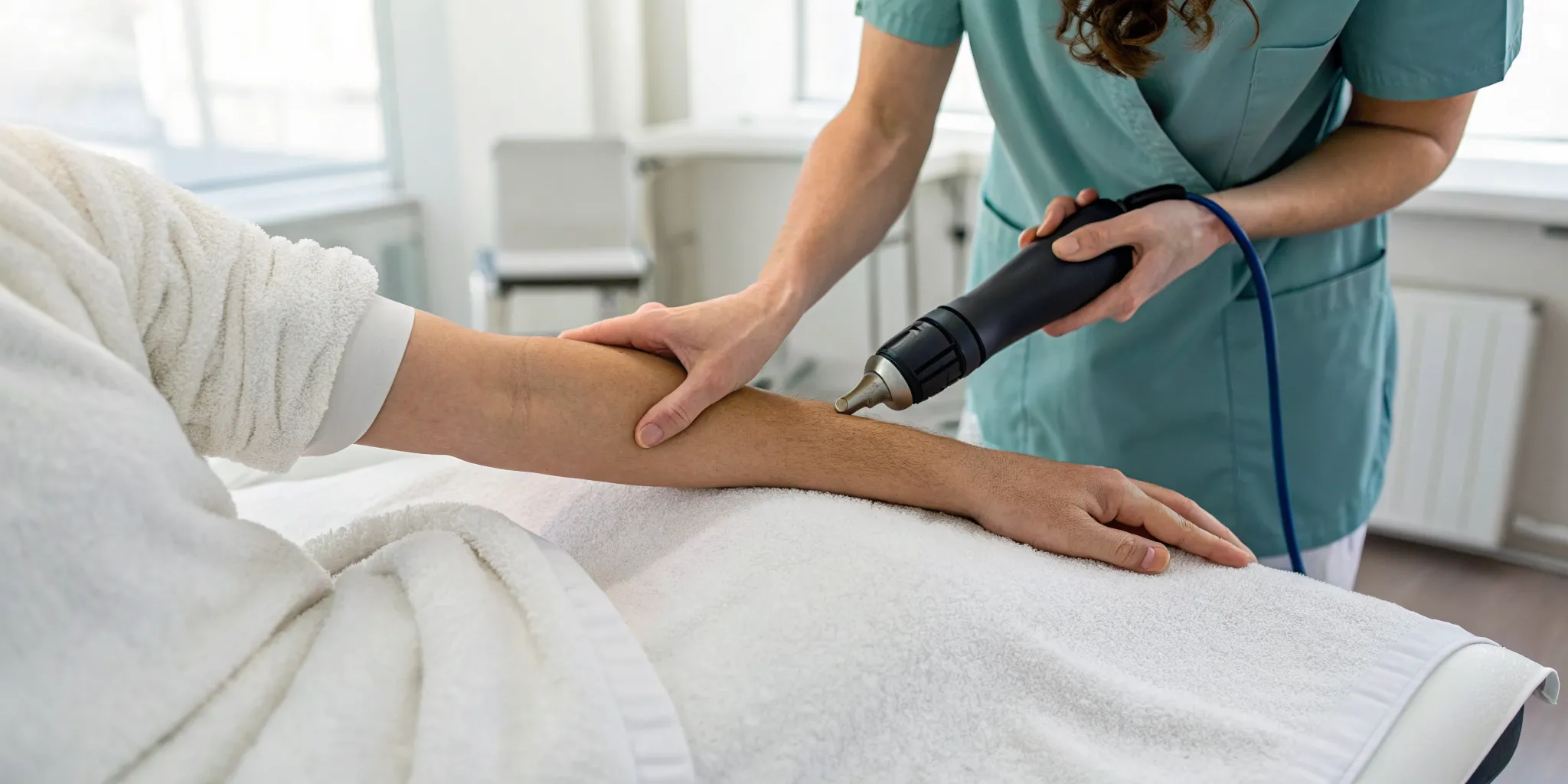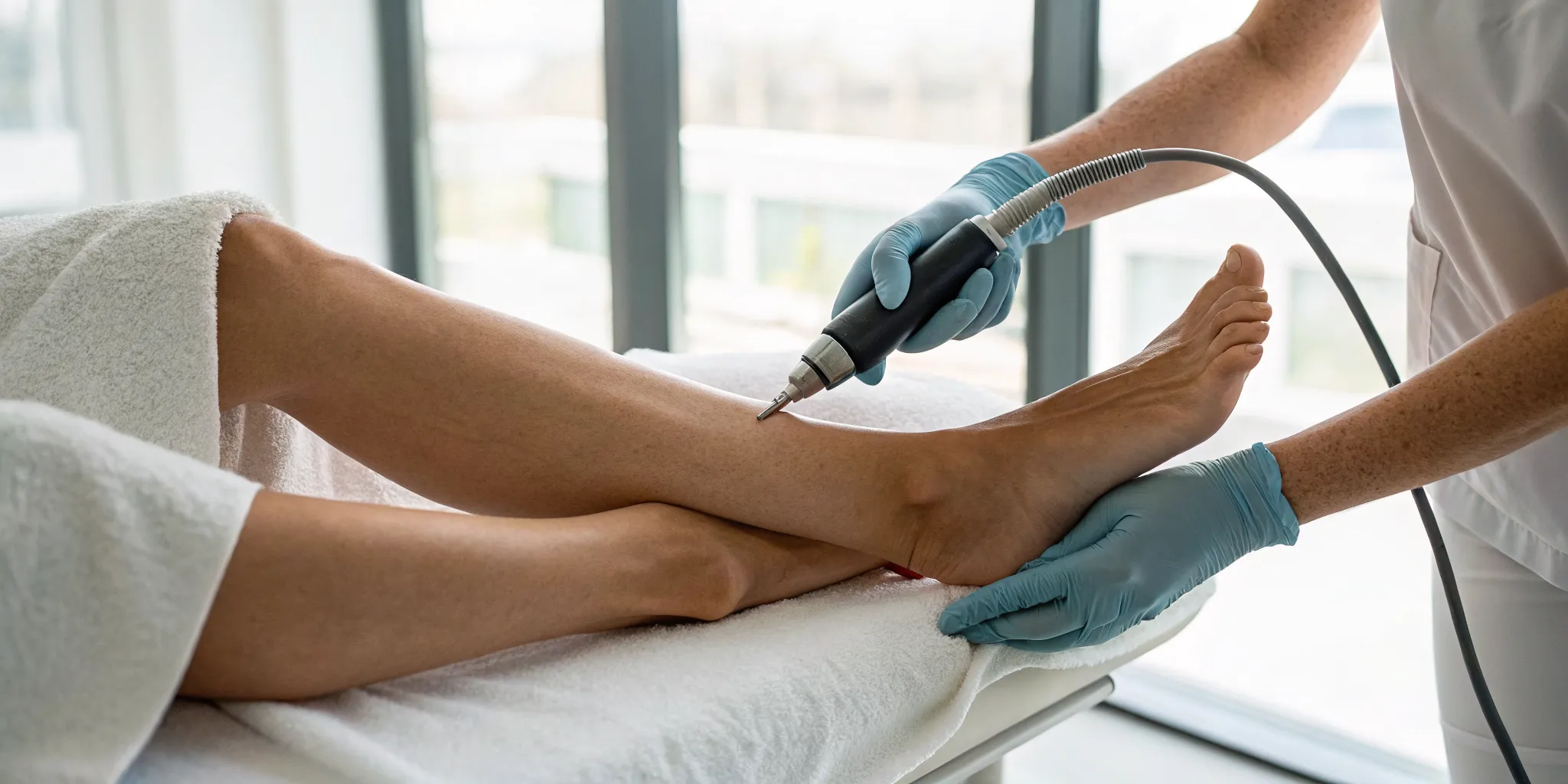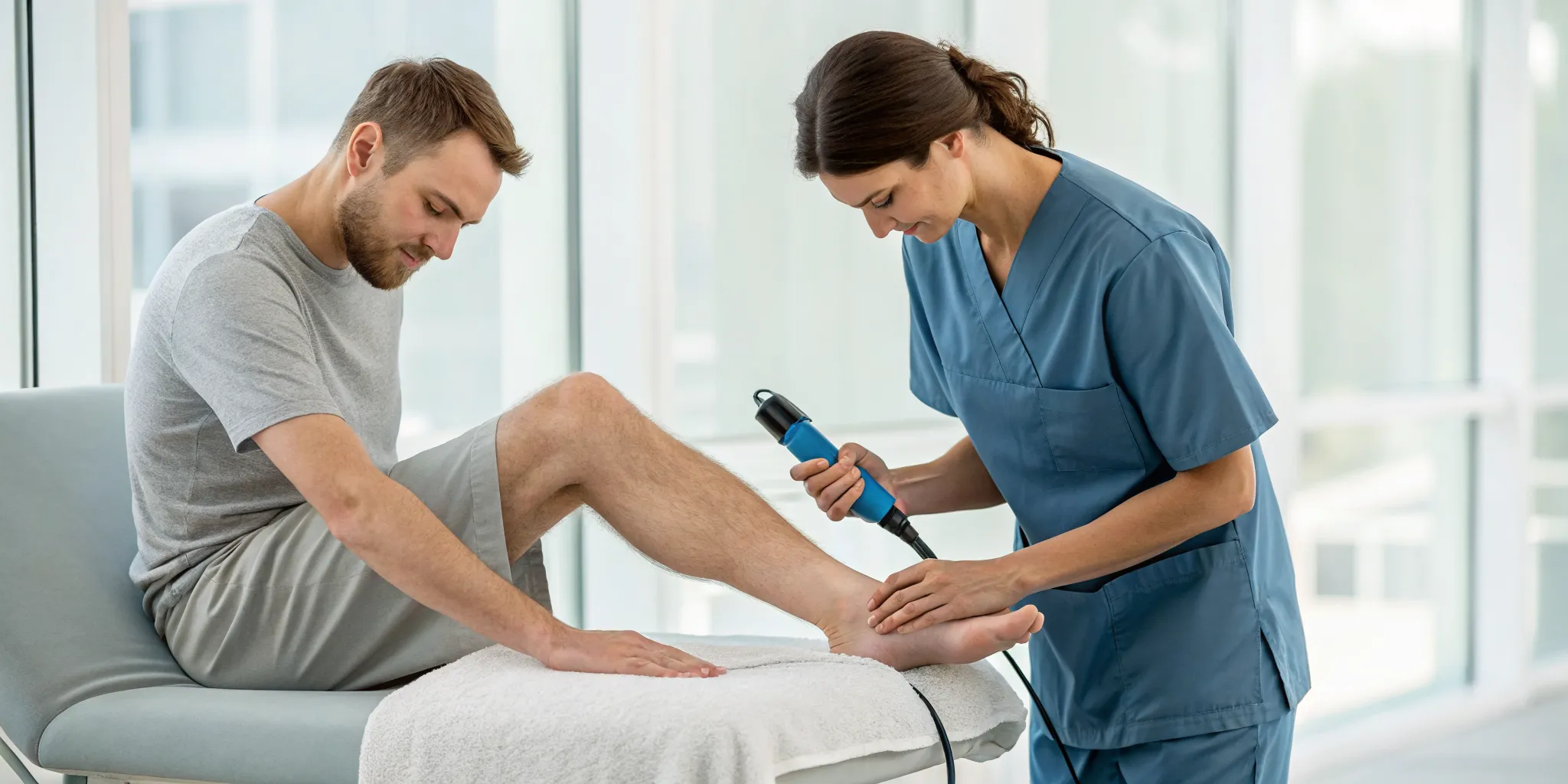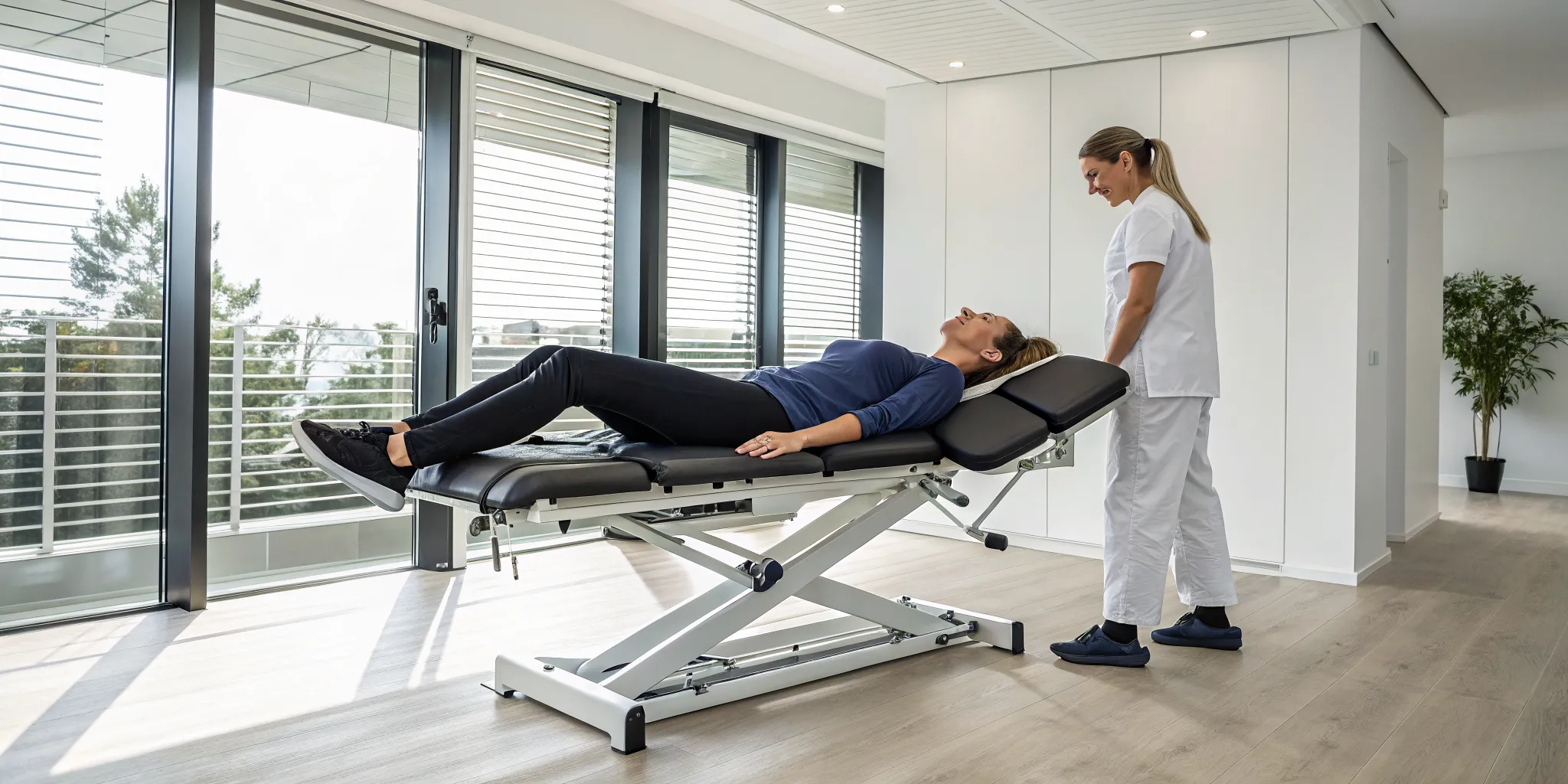
Pain and stiffness are your body’s signals that something is wrong, but they are often just symptoms of a deeper issue. The real problem is frequently a joint that has lost its ability to move correctly, creating a cascade of compensation and discomfort. Our approach at Ascend Functional Health is to address the root cause, which is why we rely on foundational techniques like joint mobilization. This targeted, hands-on therapy is designed to correct the underlying mechanical problem, not just quiet the symptoms. By restoring proper function at the source, we help your body heal more effectively and find lasting relief.
Key Takeaways
- Restores your natural range of motion: Joint mobilization is a hands-on technique where a skilled therapist uses gentle, passive movements to help a stiff or painful joint glide correctly again, addressing the root cause of limited mobility.
- Your treatment plan is completely personalized: Therapy begins with a thorough assessment, which allows us to select the right techniques and intensity levels for your specific condition, comfort, and recovery goals.
- An effective therapy for chronic stiffness and pain: This approach is highly effective for managing the daily discomfort from conditions like arthritis, lower back pain, and frozen shoulder, as well as aiding recovery from injuries by reducing stiffness and improving function.
What Is Joint Mobilization and How Can It Help?
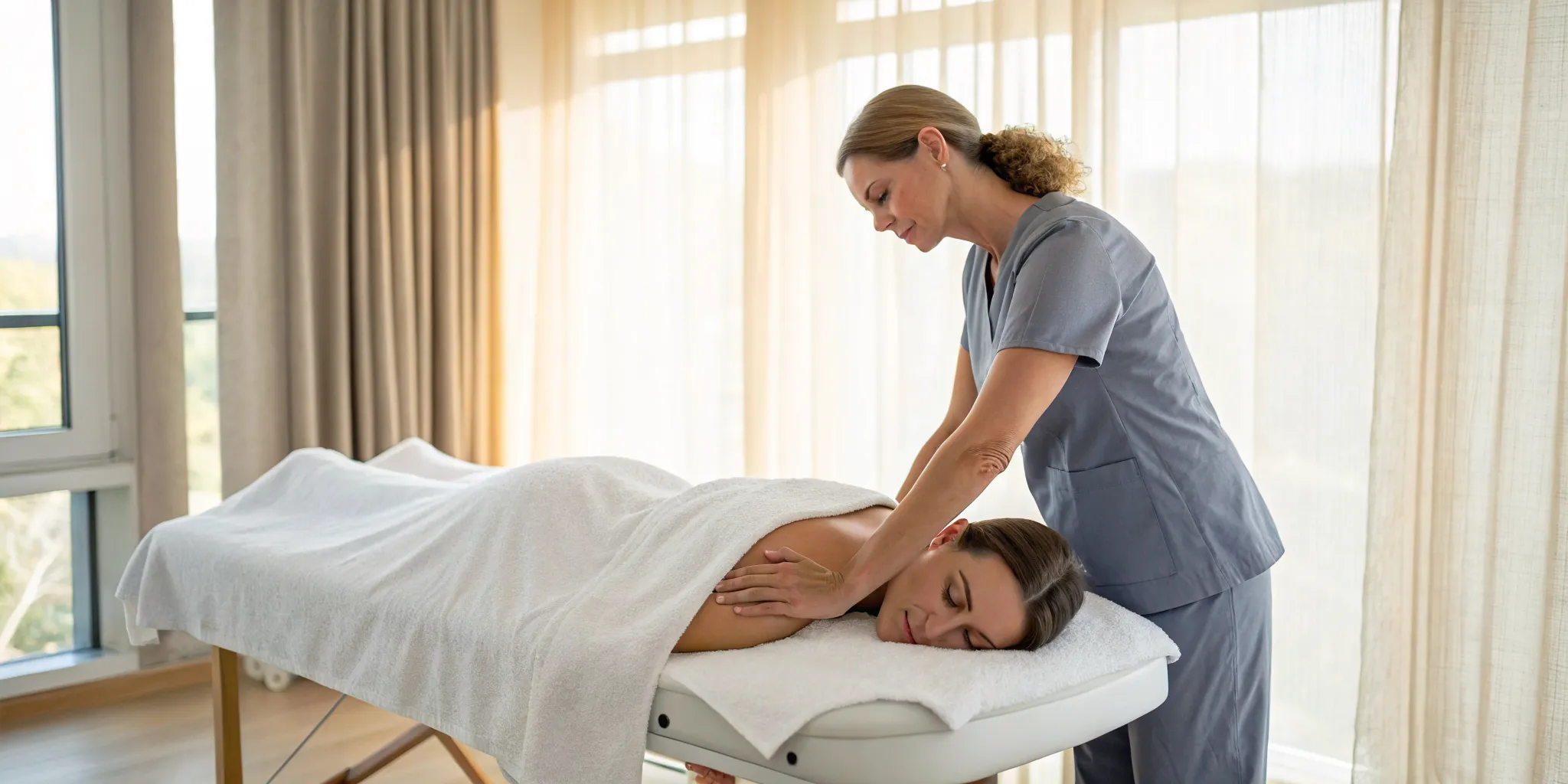
If you’ve ever felt that nagging stiffness in your shoulder, a lock-up in your lower back, or a knee that just won’t bend like it used to, you know how frustrating limited movement can be. Joint mobilization is a hands-on therapy designed to address exactly that. Think of it as a skilled practitioner using gentle, controlled movements to help a specific joint move better. It’s not a deep-tissue massage or a simple stretch; it’s a targeted technique aimed at reducing pain and restoring your natural range of motion.
At Ascend Functional Health, we use joint mobilization as a core component of our physical medicine services to help your body heal and function correctly. By directly addressing the source of the stiffness, we can help you get back to moving freely and without pain.
The Science of Restoring Your Movement
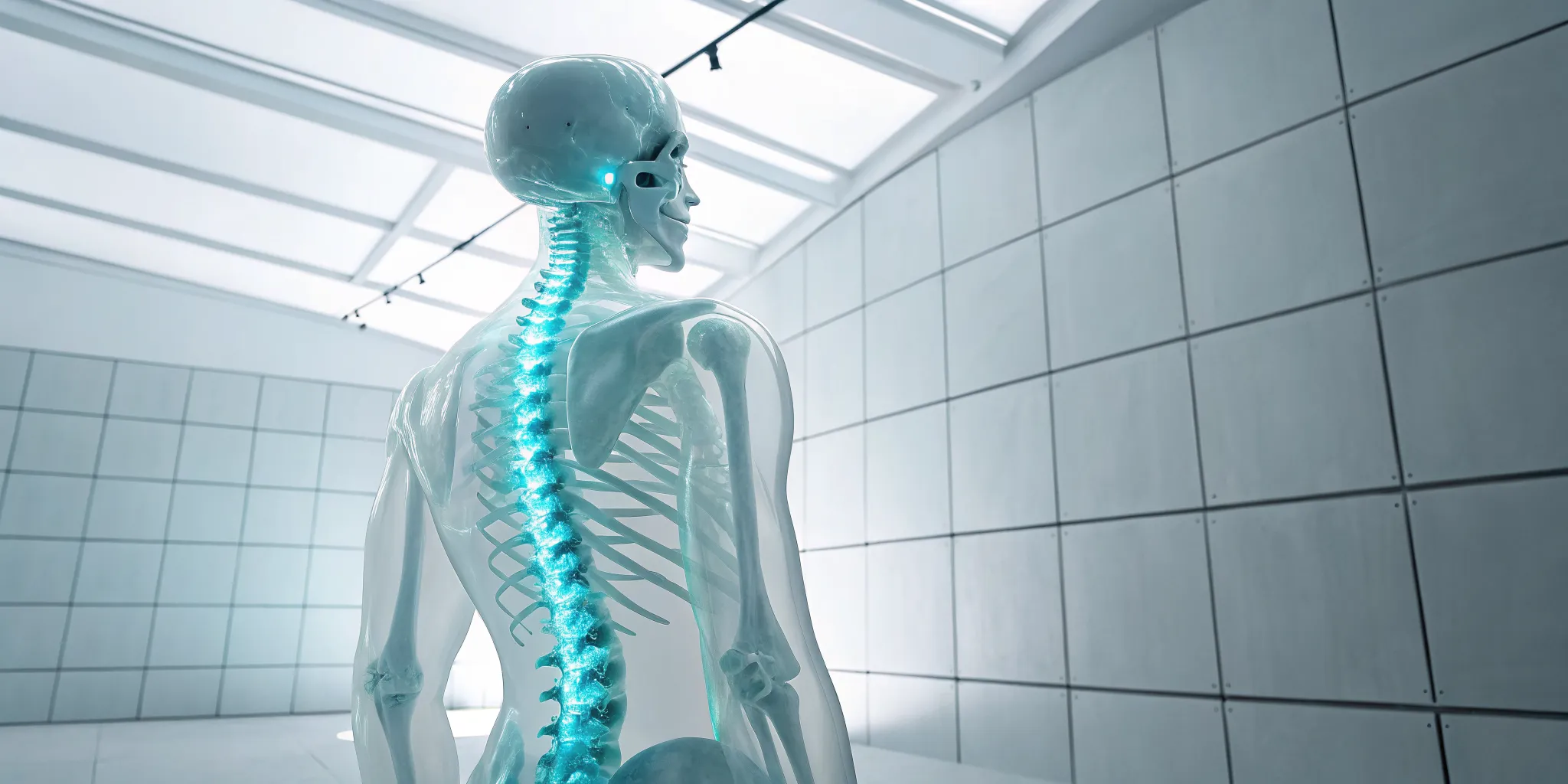
So, how does a joint get “stuck” in the first place? It can happen for many reasons: an old injury, chronic inflammation from a condition like arthritis, post-surgery recovery, or even just from not moving enough. When a joint becomes stiff, the surrounding tissues tighten, and its natural gliding motion is lost. Joint mobilization works to gently restore that glide.
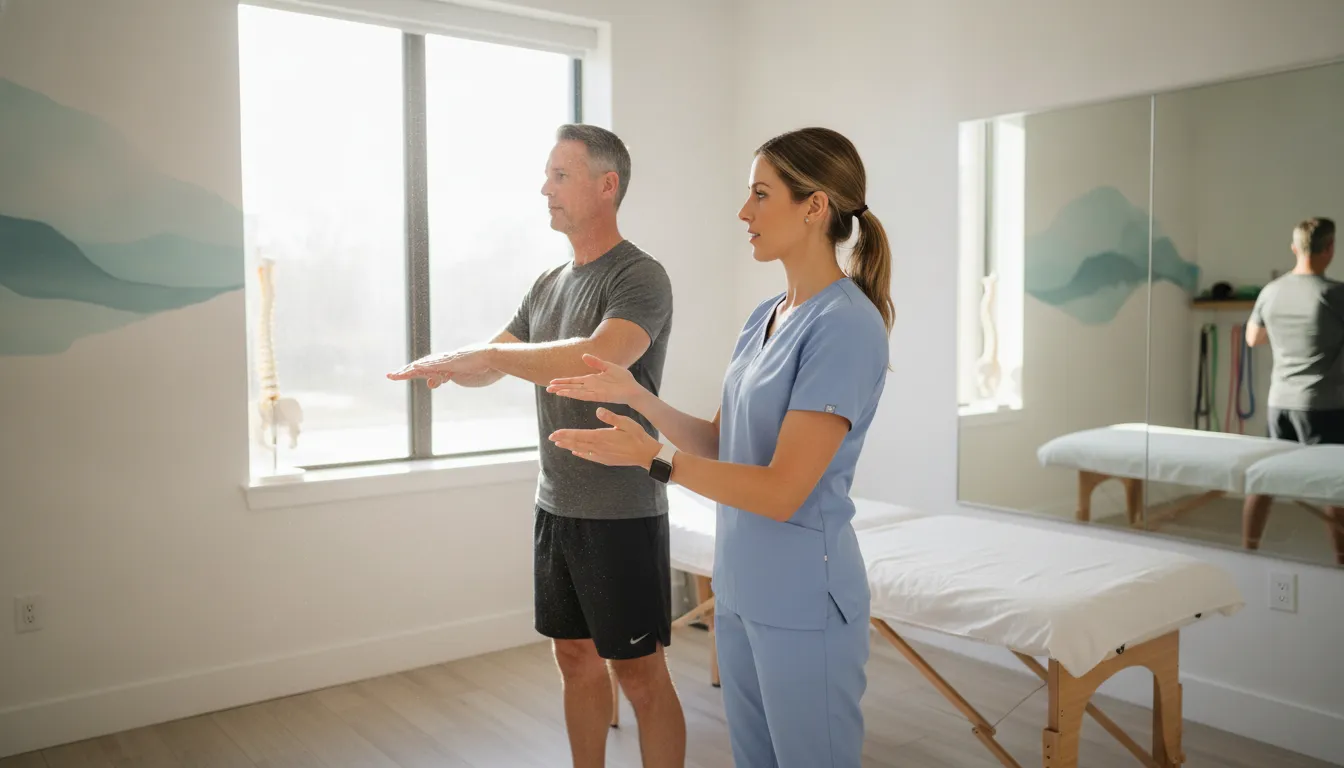
Before any treatment begins, our first step is a thorough assessment. We’ll carefully check how your joint moves, pinpoint the exact source of stiffness, and understand where you feel pain. This evaluation is key because it allows us to create a treatment plan that’s specific to your body and the conditions we treat every day.
Joint Mobilization vs. Stretching and Manipulation
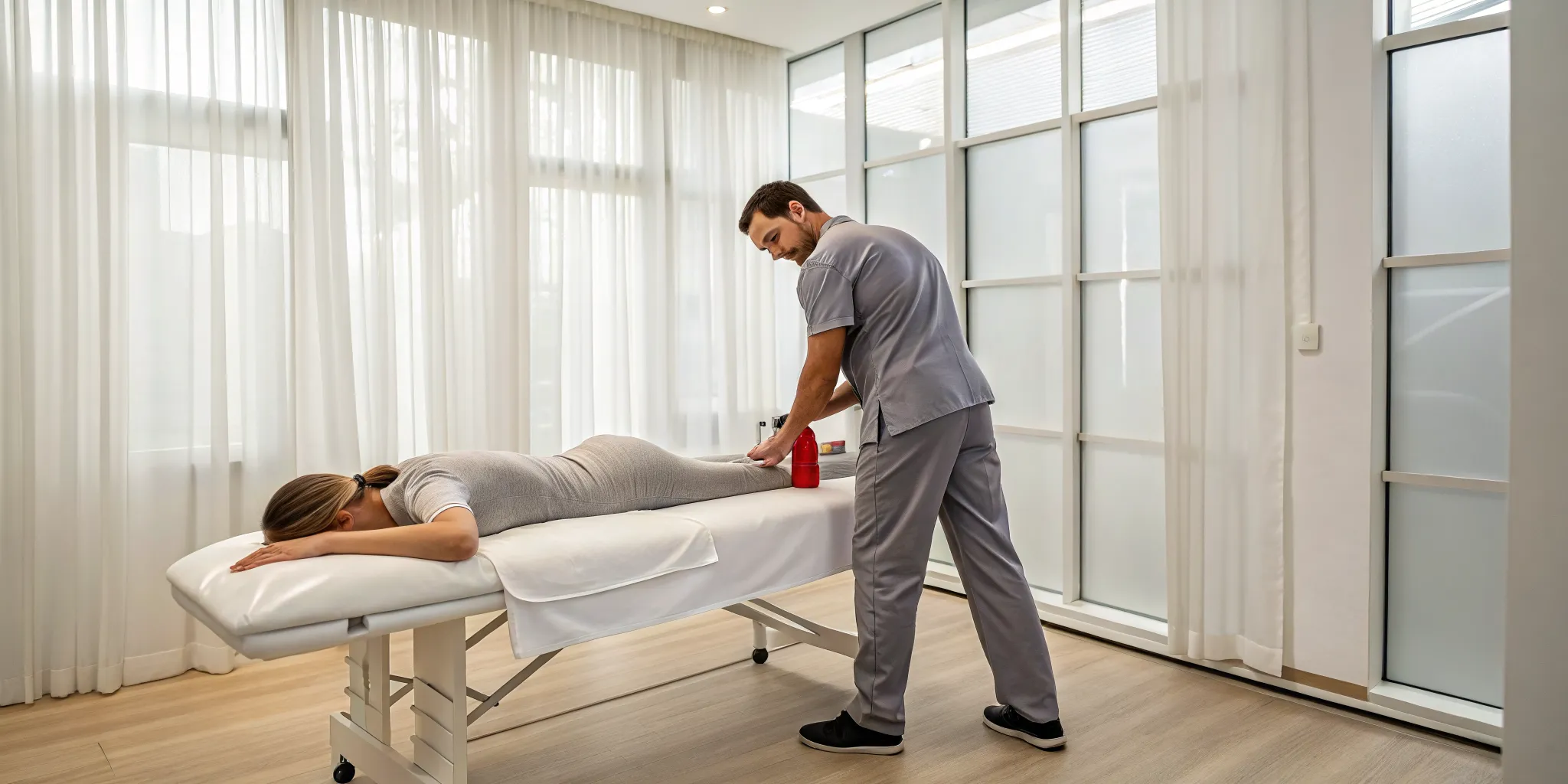
It’s easy to group all hands-on therapies together, but there are important differences. Joint mobilization is a gentle, passive technique where a trained therapist slowly moves your joint through its range of motion. The movements are rhythmic and controlled, designed to ease the joint back into proper function.
This is quite different from joint manipulation, which you might associate with a traditional chiropractic adjustment. Manipulation often involves a quick, high-velocity thrust that can produce a “popping” or “cracking” sound. While both can be effective, mobilization is a slower and more gradual approach. It’s also distinct from stretching, which primarily focuses on lengthening muscles, whereas mobilization targets the joint capsule and ligaments directly.
Key Techniques We Use in Your Treatment
Joint mobilization isn’t a one-size-fits-all technique. The pressure and movement we use are carefully calibrated to match your specific needs and comfort level. We often talk about different "grades" of mobilization, which helps us tailor the treatment to your goals.
For example, we might use very gentle, small movements to help reduce pain and relax the joint area. As you progress, we can introduce moderate to firm movements that work to stretch the joint capsule and significantly increase your range of motion. This personalized approach ensures that we’re always working with your body, not against it, to achieve the best possible results. Our patient-centered philosophy guides every step of your treatment.
How We Tailor Joint Mobilization to Your Needs
When it comes to your health, there’s no such thing as a one-size-fits-all answer. Your body, your history, and your goals are completely unique, which is why we create a treatment plan that’s just for you. We use a variety of proven techniques to restore movement and reduce pain, always starting with a careful and thorough assessment of your specific needs. This allows us to pinpoint the exact approach that will bring you the most relief and get you back to feeling your best. Our process is collaborative, ensuring the techniques we use are perfectly suited to what your body needs at every stage of recovery.
Explaining the 5 Grades of Mobilization
To make sure your treatment is both safe and effective, we use a system of five "grades" to define the amount of movement and pressure. Think of it as a dial we can adjust based on what your body is telling us. For instance, if you’re in a lot of pain, we’ll start with a lower grade. As you feel better and your mobility improves, we can progress to higher grades to stretch the joint.
- Grades 1 & 2: These are very gentle, rhythmic movements used primarily to reduce pain and relax guarded muscles.
- Grades 3 & 4: These involve larger movements that gently push into the joint's barrier to improve your range of motion.
- Grade 5: This is a quick, small, and precise thrust at the end of a joint's range, designed to restore normal movement.
Different Mobilization Styles Explained
Beyond the grades, we also use different hands-on styles to get the best results. Each has a specific purpose in your recovery, and we often combine them to address your unique situation.
- Oscillatory Mobilizations: This involves applying gentle, rhythmic pressure to the joint, much like rocking a stiff door hinge back and forth to loosen it up. This style is great for reducing pain and improving circulation to the area.
- Sustained Mobilizations: We apply a slow, steady stretch to the joint and hold it for a short period. This helps to ease tension in the surrounding tissues and improve your overall flexibility.
- Thrust Mobilizations: This is a single, quick, and precise movement that helps realign a joint and improve its function. We use this technique skillfully and only when it’s appropriate for your condition.
Finding the Right Approach for Your Body
So, how do we decide which grade and style are right for you? It all comes down to a personalized approach. Your treatment plan is based on a detailed evaluation of your condition, the specific joint involved, and what you want to achieve. Our Physical Medicine services are designed to address the root cause of your discomfort, not just the symptoms. We listen to your body’s feedback throughout the process, adjusting the treatment to ensure it’s always comfortable and effective. Your path to recovery is a partnership, and we’re here to guide you every step of the way.
Is Joint Mobilization Right for You? Common Conditions We Treat
Joint mobilization is a versatile therapy that can address a wide range of musculoskeletal issues. Because it’s a gentle, hands-on approach, it can be adapted to help people dealing with everything from chronic stiffness to acute injuries. If you’re experiencing pain or limited movement, there’s a good chance this technique could be part of your solution. Let’s look at some of the most common conditions we treat with joint mobilization at Ascend Functional Health.
Arthritis and Joint Stiffness
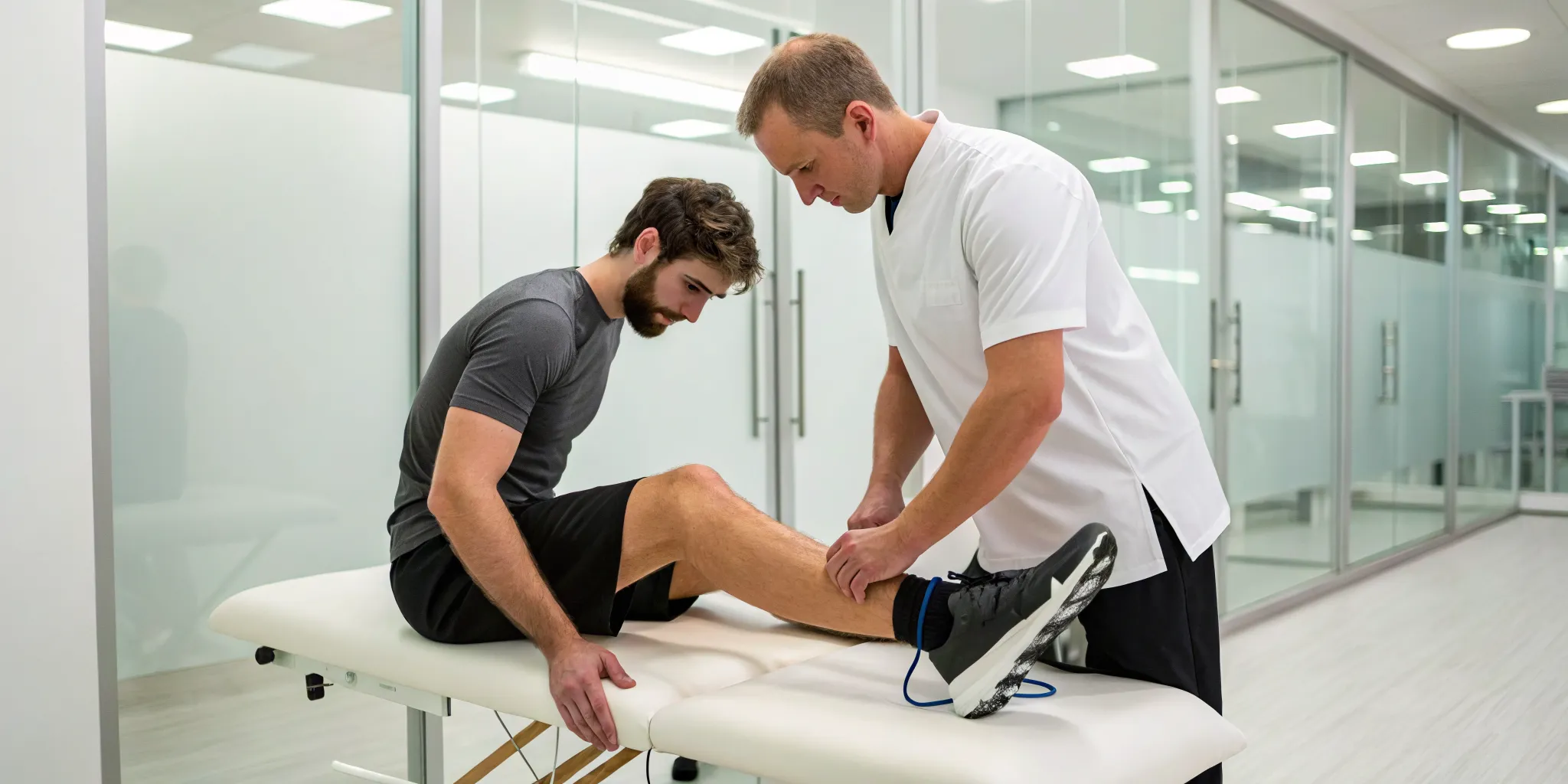
Living with arthritis often means dealing with persistent joint stiffness and aches that can make simple movements feel like a chore. Joint mobilization can be incredibly effective for managing these symptoms. By applying gentle, targeted movements, we can help improve your joint’s lubrication and reduce the friction that causes pain. This technique is also beneficial if you’re recovering from surgery, like a knee or shoulder operation, and experiencing stiffness. Our goal is to carefully restore your range of motion, helping you get back to your daily activities with greater ease and less discomfort.
Frozen Shoulder and Limited Mobility
A frozen shoulder can be frustrating and painful, severely limiting your ability to reach, lift, or even get dressed. This condition, where the shoulder joint becomes very stiff, is a prime example of where joint mobilization shines. It’s a hands-on treatment that uses controlled, passive movements to gently coax the joint back into its normal pattern of motion. Unlike aggressive stretching, this technique works with your body to gradually reduce stiffness and pain. By improving how the joint moves, we can help you regain function and find lasting relief from conditions that restrict your mobility.
Lower Back and Neck Pain
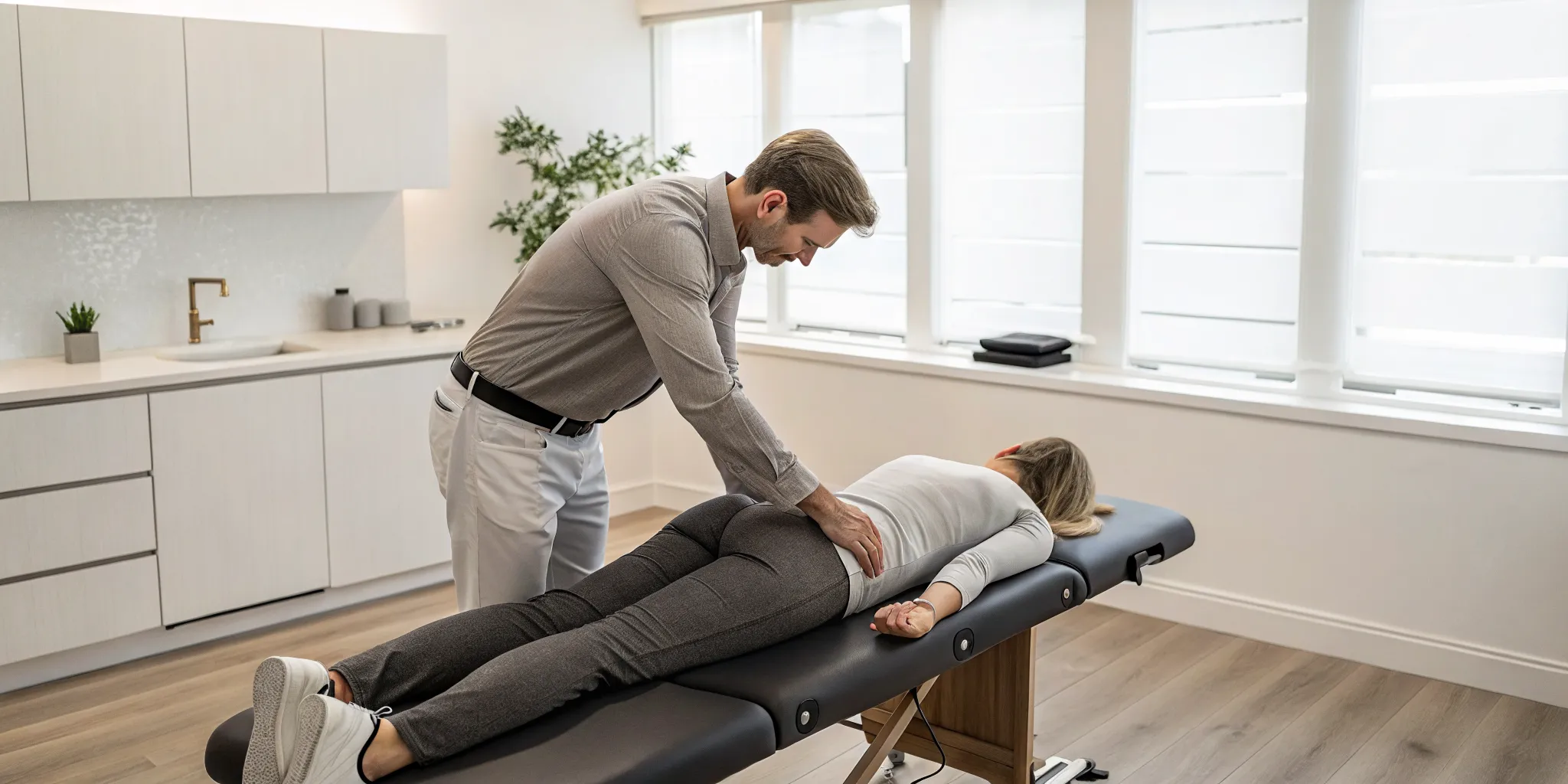
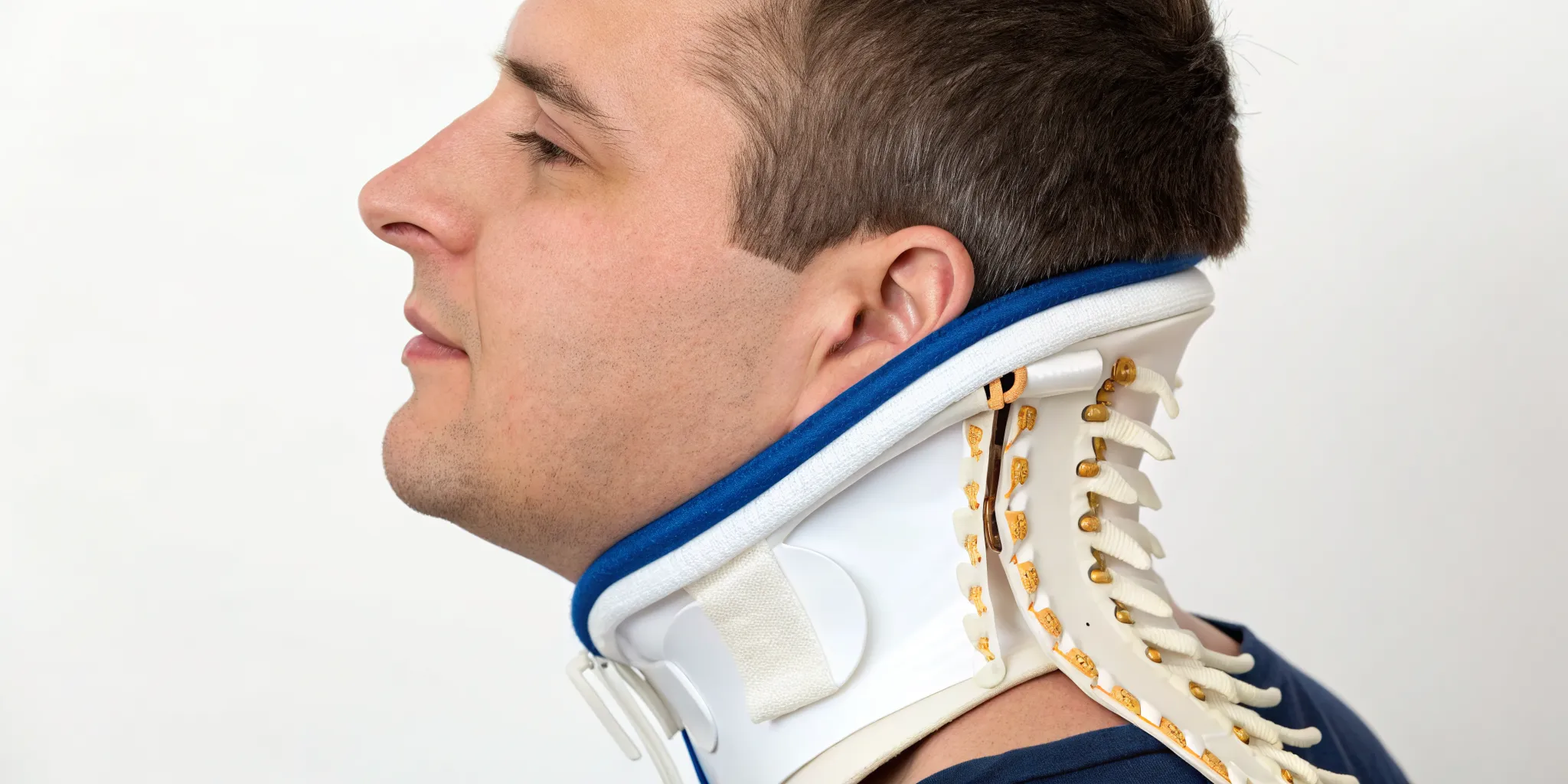
If you struggle with lower back or neck pain, you know how much it can impact your quality of life. Often, this pain stems from joints in the spine that aren’t moving correctly due to poor posture, injury, or strain. Joint mobilization directly addresses this by applying gentle pressure to the affected vertebrae, helping to restore proper movement and relieve pressure on surrounding nerves. This can be especially helpful for conditions like sciatica, where nerve pain radiates down the leg. Our physical medicine approach focuses on identifying the root cause of your pain to provide targeted, effective relief.
Post-Injury Recovery and Chronic Pain
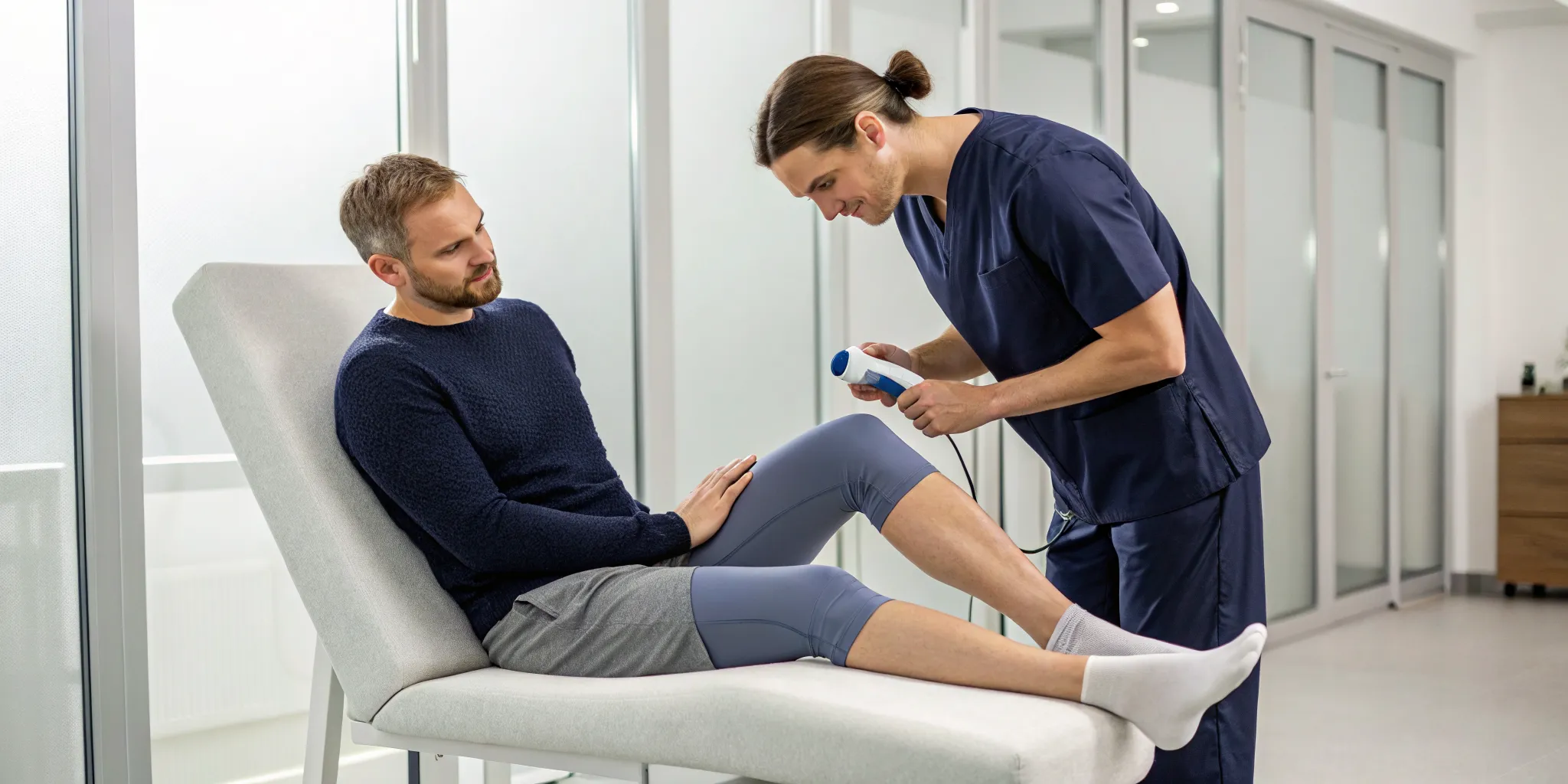
Recovering from an injury like a sprain or strain often involves a period of rest, but that can lead to stiff, restricted joints. Joint mobilization is a key part of the recovery process, as it helps reintroduce movement to joints affected by swelling or immobilization. A trained therapist uses gentle, controlled motions to reduce stiffness and prevent long-term mobility issues. This same principle applies to managing chronic pain. By restoring proper joint mechanics, we can help reduce the daily strain and discomfort that comes with long-term conditions, supporting your body’s natural ability to heal.
Your Joint Mobilization Session: What to Expect
Walking into a new type of treatment can feel a little uncertain. That’s why I want to walk you through exactly what happens during a joint mobilization session at Ascend Functional Health. Knowing what’s coming can help you relax and get the most out of your treatment. From your first assessment to your long-term recovery plan, we’re here to support you every step of the way.
Your First Visit at Ascend Functional Health
Your first visit is all about understanding you and your body. Before we begin any treatment, one of our therapists will perform a thorough assessment. We’ll carefully check how your joint moves, measure its stiffness, and pinpoint exactly where you’re feeling pain or discomfort. This initial evaluation is crucial because it allows us to create a treatment plan that’s specifically designed for your needs. Think of it as creating a personalized roadmap to help you feel better. Our goal is to understand the root cause of your issue so we can provide the most effective physical medicine care possible.
What Does the Treatment Actually Feel Like?
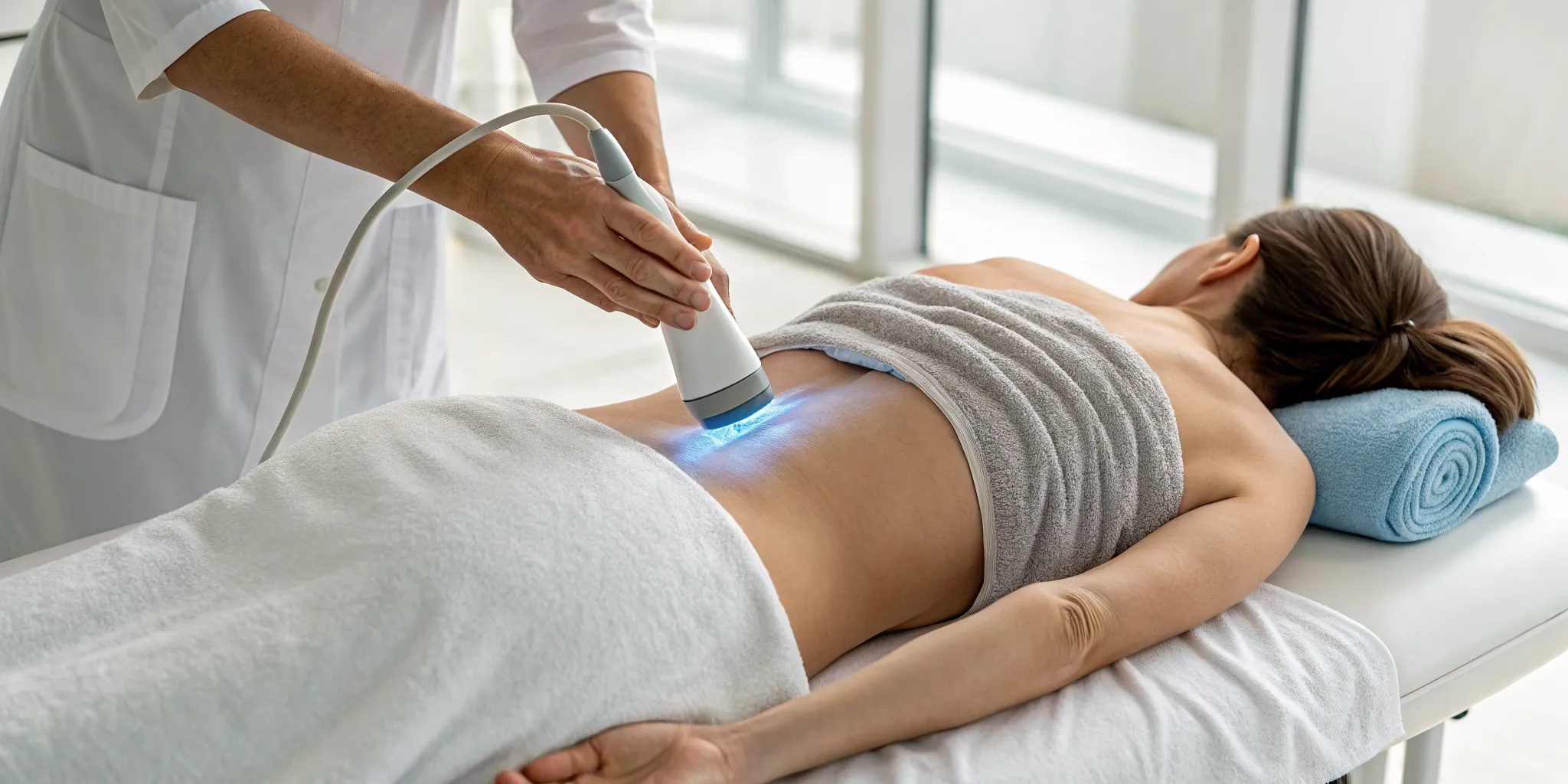
It’s natural to wonder if the treatment will hurt. Most people describe joint mobilization as a firm but comfortable pressure or a gentle stretch. It’s not meant to be painful. Instead, you should feel a sense of relief as the therapist works to restore movement in the joint. You might feel a little sore in the area afterward, similar to how you’d feel after a good workout, but this is a normal part of the healing process. We’ll always communicate with you during the session to make sure you’re comfortable. The entire process is designed to be a therapeutic experience that helps your body heal.
Mapping Out Your Recovery and Progress
Joint mobilization is a foundational technique we use to help "unstick" joints and reduce pain. This makes it easier for you to perform strengthening exercises and get back to your daily activities. While every person’s recovery journey is unique, many of our patients start to feel a significant improvement within four to six treatments. We’ll work with you to map out a clear recovery plan, setting achievable goals along the way. Our aim is to not just relieve your immediate symptoms but to help you regain full, pain-free movement for the long term. You can see what our other patients have to say about their recovery journeys with us.
Common Myths About Joint Mobilization
There are a few common misconceptions about physical therapy that can keep people from getting the help they need. One of the biggest myths is that treatment has to be painful to be effective. This simply isn’t true. While you might feel some new sensations, our goal is to relieve pain, not cause it. Another myth is that physical therapy is only for recovering from major surgery or a serious injury. In reality, joint mobilization can help with a wide range of issues, from chronic stiffness and arthritis to everyday aches and pains. Don't let these common PT myths hold you back from feeling your best.
Important Safety Considerations
Your safety is our top priority. While joint mobilization is a very safe and effective treatment for most people, it’s not right for everyone. During your initial assessment, we’ll carefully review your health history to make sure it’s a suitable option for you. For example, we use extreme care or avoid this technique if you have conditions like active infections, certain bone diseases, fractures, or hypermobility. Our team is highly trained to recognize when a different approach is needed. This commitment to personalized and safe care is a core part of our philosophy at Ascend Functional Health.
Related Articles
- 4 Ways to Regrow Knee Cartilage Without Surgery
- Knee Cartilage Regeneration Medicine: A 2026 Guide
- Bulging Disc Therapy Treatment: A Complete Guide
- Spinal Stenosis of Lumbar Region: Symptoms & Treatment
Frequently Asked Questions
Is joint mobilization the same as getting my back "cracked"? That's a great question, as the two can seem similar. Joint mobilization is a much gentler and slower technique. We use rhythmic, controlled movements to ease a joint through its range of motion. A traditional chiropractic adjustment, or manipulation, often involves a quick, precise thrust. While both can be effective, mobilization is a more gradual approach focused on restoring movement and reducing pain without the "pop."
How is this different from just stretching at home? While regular stretching is fantastic for muscle flexibility, it doesn't always address the root cause of joint stiffness. Joint mobilization specifically targets the joint capsule and ligaments, the tissues that can restrict movement right at the source. A trained therapist can apply pressure in precise directions that you simply can't replicate on your own, helping to restore the joint's natural glide.
Should I expect the treatment to be painful? Not at all. The goal of joint mobilization is to relieve pain, not create it. You should feel a firm but comfortable pressure or a gentle stretching sensation in the targeted area. Some people experience a little muscle soreness afterward, much like you would after a good workout, but the treatment itself should feel therapeutic and relieving. We always communicate with you to ensure you're comfortable.
How many sessions will I need before I notice a difference? Every person and condition is unique, so there isn't a single answer. However, many of our patients report feeling a noticeable improvement in their pain and movement within four to six sessions. Your progress depends on factors like how long you've had the issue and your specific goals. We'll create a personalized plan and track your progress together.
Who is a good candidate for this type of therapy? Joint mobilization can help a wide variety of people. It's particularly effective if you're dealing with chronic stiffness from conditions like arthritis, recovering from an injury, or experiencing limited mobility in your back, neck, or shoulders. If you feel like a stiff or painful joint is holding you back from your daily activities, this therapy could be a great fit. A full assessment will help us determine if it's the right approach for you.