As we think about long-term health, metrics like bone density and lean muscle mass become incredibly important. These are key indicators of how well we are aging, affecting everything from our strength and mobility to our risk of fractures. A DEXA scan provides a crucial look at these foundational aspects of your health. It is the most accurate way to measure bone mineral density, helping to identify potential risks like osteopenia or osteoporosis long before they become serious problems. It also gives you a precise measurement of your muscle mass, which is vital for maintaining metabolic health and physical independence. To get a clear understanding of your body's framework and take a proactive step in your longevity plan, you can book a DEXA scan.
Key Takeaways
- Get a clear picture of your health with precise data: A DEXA scan accurately measures your body fat, lean muscle, and bone density, offering crucial health insights that a traditional scale simply cannot provide.
- The scan is a simple and comfortable experience: The entire process is quick (around 10 minutes), non-invasive, and requires minimal preparation, making it an easy and accessible step to take for your health.
- Turn your results into a personalized action plan: Use your detailed report as a baseline to set specific goals and track your progress. Discussing the results with a healthcare provider helps you create an effective strategy for nutrition, fitness, and long-term wellness.
What is a DEXA Scan and Why Get One?
If you’ve ever felt like the number on the scale doesn’t tell the whole story, you’re right. A DEXA scan, which stands for Dual-Energy X-ray Absorptiometry, offers a much clearer picture of your health. Think of it as the gold standard for understanding your body composition. In about 10 minutes, this safe and non-invasive scan gives you a detailed breakdown of your body, measuring your bone density, body fat percentage, and lean muscle mass with incredible accuracy.
This isn’t just about seeing numbers; it’s about gaining powerful insights. A DEXA scan provides a precise baseline you can use to track your progress, whether you’re starting a new fitness routine, adjusting your diet, or focusing on healthy aging. It moves you beyond guesswork and empowers you to make informed decisions about your wellness. By understanding the exact makeup of your body, you can tailor your health strategy to fit your unique needs, ensuring your efforts are truly effective. This level of detail is a cornerstone of longevity medicine, helping you build a foundation for a long and healthy life.
How DEXA Technology Works
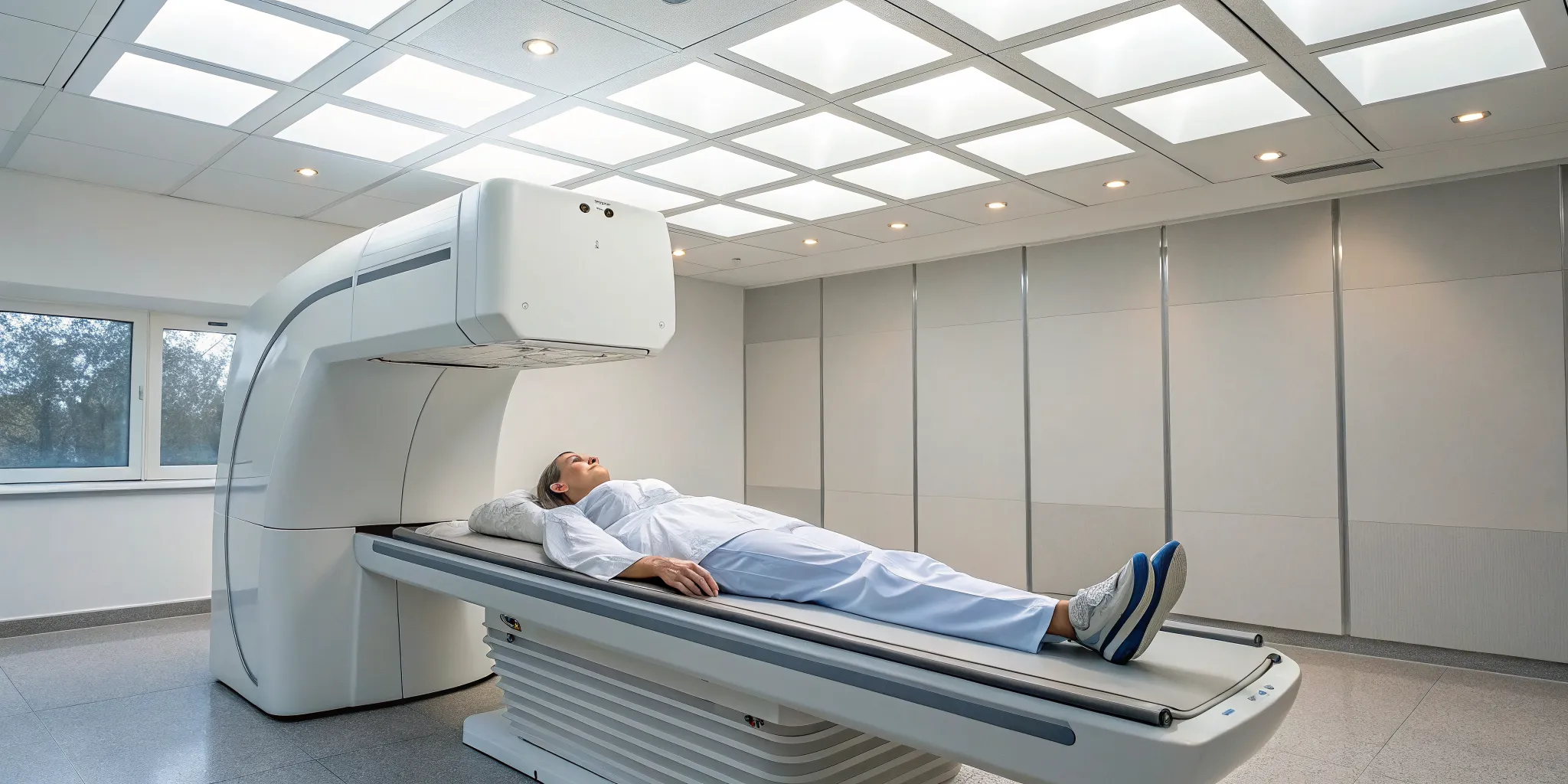
The name "Dual-Energy X-ray Absorptiometry" might sound intimidating, but the technology behind it is straightforward and safe. The scan uses two very low-dose X-ray beams that pass through your body. Different tissues, like bone, fat, and muscle, absorb these beams at different rates. The scanner’s software analyzes this information to create a detailed map of your body composition. The entire process is quick and painless; you simply lie down on a padded table while an imaging arm passes over you. It’s a comfortable and simple way to get a highly sophisticated look inside your body.
Key Health Benefits
One of the biggest advantages of a DEXA scan is its ability to identify visceral fat. This is the harmful fat stored deep in your abdomen around your organs, and it’s linked to a higher risk of chronic health issues. A regular scale can’t tell you how much visceral fat you have, but a DEXA scan can. It also provides a precise measurement of your bone density, which is crucial for assessing your risk for osteoporosis. With this data, you and your healthcare provider can create a targeted plan through functional medicine to address underlying health concerns before they become bigger problems.
Is a DEXA Scan Right for You?
A DEXA scan is a valuable tool for any adult who wants to take a proactive approach to their health. It’s especially helpful if you’re looking to see the real impact of your diet and exercise habits. Are you losing fat or just water weight? Are you building muscle? A DEXA scan answers these questions. It’s perfect for athletes fine-tuning their training, individuals on a weight management journey, or anyone interested in monitoring their body composition as they age. This information helps ensure your hard work is paying off in the right ways, supporting both your fitness and physical medicine goals.
How Much Does a DEXA Scan Cost?
Let’s talk about one of the most common questions people have: what’s the investment? The cost of a DEXA scan can vary quite a bit based on where you live and the type of facility you visit. While it might seem like just another expense, think of it as a crucial data point for your long-term health plan. Knowing your numbers is the first step toward making targeted improvements, and a DEXA scan gives you some of the most accurate information you can get.
The good news is that these scans are becoming more accessible and affordable. Whether you’re paying out of pocket, using insurance, or looking for a deal, there are ways to make it work for your budget. We’ll walk through what you can expect to pay, how insurance factors in, and a few tips for finding the best price without sacrificing quality. At Ascend Functional Health, we believe in empowering you with clear information, and that includes understanding the financial side of your health journey.
Typical Price Ranges
The price for a single DEXA scan can range significantly. While the national average hovers around $335, you can often find much better deals. For example, some areas have scans available for as low as $94 to $164. The final cost depends on your city, the clinic, and whether the scan is for medical bone density testing or for body composition analysis.
Online marketplaces can help you find transparent pricing from local providers, which often saves you from surprise bills. It pays to do a little research and compare the costs of a few certified facilities in your area before booking your appointment.
Understanding Insurance Coverage
Navigating insurance can be tricky. Most insurance plans will cover a DEXA scan if it's deemed medically necessary, typically for screening for osteoporosis in older adults or those with specific risk factors. However, if you're getting a scan purely for body composition analysis to guide your fitness goals, it's less likely to be covered.
It's always best to call your insurance provider beforehand to confirm your coverage. If you find you’re not covered, don’t worry. Many people pay out of pocket, and several services are designed for this purpose. They provide a straightforward way to purchase medical procedures at a set price, taking the guesswork out of the equation.
How to Find Discounts and Packages
If you’re paying out of pocket, there are several ways to save money. Some companies, like BodySpec, have made scans incredibly affordable, sometimes offering them for as low as $39. They often provide membership or package deals that reduce the per-scan cost, which is perfect if you plan on tracking your progress over time.
Another great tip is to sign up for newsletters from health testing companies or local wellness clinics. They frequently send out promotional offers, like a 10% discount for first-time customers. Keep an eye out for new client specials or bundled service packages at functional medicine practices near you, as these can also provide excellent value.
Where Can You Get a DEXA Scan?
Once you’ve decided a DEXA scan is right for your health journey, the next question is where to get one. Finding a reliable facility is key to getting accurate results you can trust. You want a place with the right technology and professionals who can help you understand what your results mean. For those in the Tampa area, we offer DEXA scans right here at Ascend Functional Health as part of our comprehensive approach to longevity medicine. We use precise data to create personalized health plans that address your unique needs, helping you get a complete picture of your health and create targeted strategies to feel your best.
Find a Certified Facility Near You
Finding a certified DEXA scan facility is simpler than you might think. A quick online search is a great place to start, as many providers have a "Locations" feature on their websites. If you’re local to us, you don’t have to look far. At Ascend Functional Health, we provide DEXA scanning services for our community in Tampa. You can easily contact our office to learn more about our services or to schedule your scan with our experienced team.
What to Look for in a Provider
When choosing a provider, look for more than just a convenient location. Select a facility that is certified and has a strong reputation for accuracy. A DEXA scan is the gold standard for measuring body composition and bone health, so you want to ensure the equipment is top-notch and the technicians are properly trained. Reading reviews and checking for credentials can give you peace of mind. A quality provider will be transparent about their technology and happy to answer your questions.
Questions to Ask Before You Book
Before you finalize your appointment, have a few questions ready. First, discuss the scan with your doctor to confirm it’s right for your health goals. When you call to book, let the technician know if you have any metal implants, as these can interfere with the results. It’s also critical to inform them if you are or might be pregnant. This quick conversation ensures the process is safe and your results are accurate, giving you a clear foundation for your health action plan.
How to Prepare for Your DEXA Scan
Getting ready for your DEXA scan is straightforward, and following a few simple steps ensures your results are as accurate as possible. Think of it as setting the stage for a clear snapshot of your health. This data gives us the precise information we need to understand what’s happening inside your body and create a health plan that is completely tailored to you. By removing a few variables beforehand, you help us get the most reliable insights into your body composition and bone health. This information is foundational to our functional medicine approach, where we look beyond symptoms to address the root cause of any health concerns. An accurate DEXA scan provides a detailed baseline, allowing us to track your progress over time and adjust your plan as your body responds. It’s not just about a single number; it’s about understanding your unique physiology so we can guide you effectively on your health journey. Taking these small preparatory steps is an easy way to make sure you get the full value out of your scan and the personalized care that follows. It’s a simple investment of your time that pays off with clarity and direction for your health goals.
Your Pre-Scan Checklist
To make your appointment go smoothly, just run through this quick checklist the day before and the day of your scan. It’s all about keeping things simple and consistent for the most accurate reading.
- Clothing: Plan to wear comfortable, metal-free clothing, like workout gear.
- Food: Avoid eating for at least two hours before your appointment.
- Hydration: Drink water as you normally would to stay hydrated.
- Supplements: Pause any calcium supplements or multivitamins for 24 hours.
- Jewelry: Leave any metal jewelry, watches, or belts at home.
Following these simple guidelines helps guarantee that your scan results are a true reflection of your body’s metrics.
What to Wear (and What to Avoid)
Choosing the right outfit for your DEXA scan is simple: go for comfort and avoid metal. The best option is to "wear loose workout clothes that don't have any metal (like big zippers or buttons)." Things like leggings, sweatpants, and simple t-shirts are perfect. Metal can interfere with the X-ray technology and affect the accuracy of your results, so it’s best to leave anything with zippers, snaps, or underwires at home.
For women, it's recommended to "wear a sports bra without any metal wires or clasps during your scan." A simple, seamless style is a great choice. Essentially, if you’d be comfortable wearing it for a yoga class, it’s probably a good fit for your DEXA scan.
Guidelines for Food and Supplements
What you consume before your scan can influence the results, so a little planning is key. First, try not to "eat anything for at least two hours before your scan." This short fasting period ensures the food in your digestive system doesn’t impact the body composition reading. You can and should continue to drink water to stay hydrated.
It’s also important to "not take any calcium supplements, multivitamins, or antacids (like TUMS) for 24 hours before the scan." Calcium can be absorbed by your bones and temporarily skew the bone density measurement. By pausing these supplements for a day, you ensure we get a true baseline reading, which is essential for tracking your progress and developing effective longevity medicine strategies.
What to Expect During the Scan
If you’re picturing a loud, claustrophobic tube like an MRI, you can relax. A DEXA scan is a much simpler and more comfortable experience. The entire process is non-invasive, quick, and completely painless. Knowing what’s coming can help ease any nerves, so let’s walk through exactly what will happen during your appointment, from the moment you lie on the table to the final scan. We’ll cover the step-by-step process, how long it takes, and what you can expect to feel. We’ll also touch on the safety of the scan so you can feel confident and prepared.
The Process, Step-by-Step
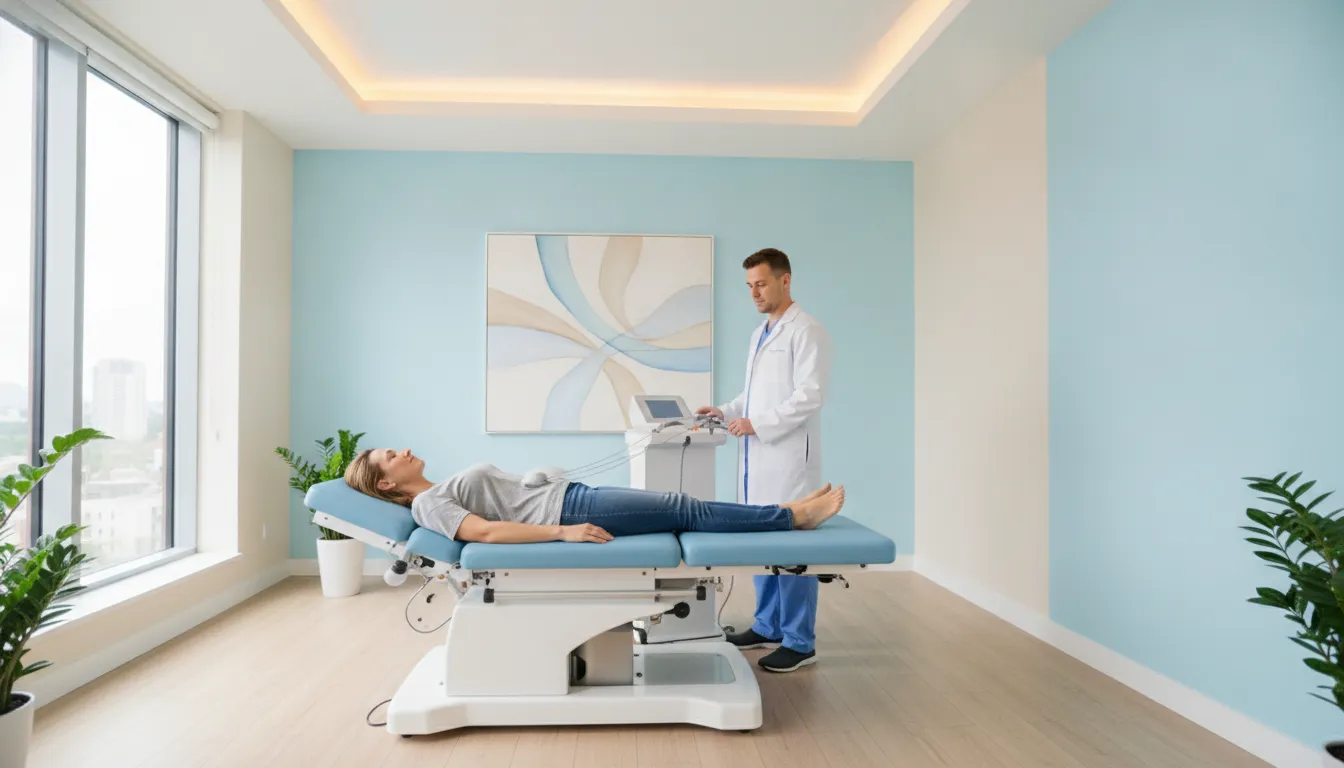
During the scan, you’ll lie comfortably on your back on a padded, open table. A technologist will help you get into the correct position to ensure the most accurate results. Once you’re settled, a C-shaped scanning arm will slowly pass over your body. It’s important to lie as still as possible during this time, but don’t worry, it’s a short process. The arm never touches you; it simply moves above you to capture the images. The machine is quiet and the room is calm, making it a straightforward and stress-free experience designed to gather the precise data we need for your personalized health plan.
How Long It Takes and What It Feels Like
The scan itself is surprisingly quick, typically taking only about 10 to 15 minutes to complete. Most people find the experience to be perfectly comfortable. There are no injections, strange noises, or enclosed spaces involved. Your only job is to lie still and breathe normally while the machine does its work. You can simply relax for a few minutes as the scanner gathers detailed information about your body composition and bone health. Before you know it, you’ll be done and on your way to understanding your body on a whole new level.
A Quick Word on Safety and Radiation
It's true that DEXA scans use X-ray technology, which means there is a small amount of radiation involved. However, the dose is extremely low and considered very safe. To put it in perspective, the amount of radiation from a single DEXA scan is often less than what you’d be exposed to on a cross-country flight. The information we gain from this scan provides invaluable insight into your bone density and risk for osteoporosis, which is a cornerstone of our Longevity Medicine approach. For most people, the benefit of having this detailed health data far outweighs the minimal risk from the low radiation exposure.
How to Read Your DEXA Scan Results
Getting your DEXA scan report can feel like you’ve been handed a complex scientific paper. But don’t worry, it’s much simpler than it looks. Understanding these results is the first step toward making meaningful changes to your health. Your report gives you a precise snapshot of your body’s makeup, moving way beyond the number on a scale. It’s a powerful tool that shows you exactly what you’re working with.
Think of this as your personal health blueprint. It reveals where you’re strong and where you might need to focus your efforts. We’ll walk through the key sections of your report so you can feel confident interpreting your numbers and creating a plan. Remember, this data isn’t about judgment; it’s about giving you the clarity you need to build a healthier, more resilient you. Let’s break it down together.
Decoding Body Composition Metrics
Your DEXA scan results offer a complete analysis of your body composition, showing you what you’re made of beyond just weight. The report breaks everything down into three main categories: fat mass, lean mass (which includes muscle, organs, and connective tissue), and bone mass. You’ll see your total body fat percentage, which is a much more accurate indicator of health than BMI.
The report also provides a regional breakdown, showing you how fat and muscle are distributed across your arms, legs, and trunk. This is especially useful for identifying imbalances and tracking progress in specific areas. One of the most important metrics is visceral fat, the fat stored around your organs. Understanding these details is a cornerstone of functional medicine and helps you set specific, effective health and fitness goals.
Understanding Bone Density and T-Scores
Beyond muscle and fat, your DEXA scan provides critical information about your bone health. This is where T-scores and Z-scores come in. Your T-score is the most important number for assessing fracture risk; it compares your bone density to that of a healthy young adult at their peak. Your Z-score compares your bone density to the average for someone your age and sex.
Here’s a simple guide to what your T-score means:
- -1.0 or above: Your bone density is considered normal.
- Between -1.0 and -2.5: This indicates low bone mass, or osteopenia.
- -2.5 or below: This score suggests osteoporosis.
Monitoring your bone density is a key part of any longevity medicine plan, as strong bones are essential for staying active and independent as you age.
What Healthy Ranges Look Like
Now that you have your numbers, it helps to have some benchmarks to see where you stand. While every person is unique, there are generally accepted ranges for what’s considered healthy. For body fat percentage, a healthy range for men is typically 10% to 20%, while for women, it’s around 18% to 28%.
For bone density, the goal is to have a T-score of -1.0 or higher, which indicates normal bone mass. If your numbers fall outside these ranges, it’s not a reason to panic. Instead, it’s valuable information you can use to make positive changes. The best next step is to discuss your results with a healthcare provider who can help you create a personalized plan. You can contact our team to schedule a consultation and turn your results into an actionable health strategy.
What to Do After Getting Your Results
Getting your DEXA scan report is the first step, not the last. Think of these results as a detailed map of your body's current state. Now, you get to decide on the destination and the route you'll take to get there. This data is your new baseline, a powerful tool that helps you move beyond the simple number on a scale and make truly informed decisions about your health. With this information, you can create a targeted plan that addresses your specific needs, whether that’s building muscle, improving bone density, or reducing harmful visceral fat.
Your Next Steps and Action Plan
Your DEXA scan results provide a clear picture of your body composition, offering insights a regular scale simply can't. This data helps you track your progress over time and understand what your body composition truly means for your health. Instead of guessing, you can set specific, measurable goals. For example, if your report shows lower-than-ideal muscle mass in your legs, your action plan might include adding specific strength training exercises. If visceral fat is a concern, you can work with a professional to adjust your diet and cardio routine. This is where a personalized approach to functional medicine can help you translate your results into an effective, day-to-day wellness plan.
When to Schedule a Follow-Up Scan
Consistency is key to seeing real change, and follow-up scans are how you measure it. So, how often should you get one? Many people schedule a scan every three to six months to see how their lifestyle adjustments are working. However, the right frequency depends on your goals. If you're starting a significant new fitness program or making major dietary changes, scanning more often, perhaps every one to two months, can provide valuable feedback and motivation. According to BodySpec, this regular check-in helps confirm that your efforts are paying off and allows you to make any necessary adjustments to your plan.
Working with Your Healthcare Provider
While your DEXA report is full of useful data, interpreting it with a professional is the best way to use it effectively. It’s always a good idea to discuss the scan with your doctor or a functional medicine practitioner. They can place your results in the context of your overall health, including bloodwork, hormone levels, and lifestyle factors. The results give you a detailed look at your body's health, helping you make better choices about exercise, diet, and building muscle. At Ascend, we use this information as part of a comprehensive strategy to design a health plan that is unique to you and your body’s needs.
Is a DEXA Scan Worth the Investment?
When you're putting time, effort, and money into your health, you want to know that what you're doing is actually working. A DEXA scan is an investment, but it provides a level of detail that can completely change how you approach your wellness goals. Instead of relying on the number on a standard scale, which can be misleading, a DEXA scan gives you a precise breakdown of your body's composition. This information is incredibly valuable for creating a truly personalized health plan that gets you real results.
Think of it as a detailed map of your body. It shows you exactly where you're starting from, which allows you and your healthcare provider to set realistic goals and track your progress with unmatched accuracy. It moves you beyond the simple, and often frustrating, metric of total weight. Have you ever felt discouraged when the scale doesn't budge, even though you've been consistent with your workouts and nutrition? A DEXA scan can show you that you've actually gained a pound of muscle and lost a pound of fat, which is a huge win the scale would have missed. This kind of insight is a powerful motivator. At Ascend Functional Health, we use these insights to support our patients with targeted longevity medicine protocols that are designed for their unique body composition.
Accuracy vs. Other Body Composition Methods
You’ve probably seen body fat percentages on your home scale or used handheld devices at the gym. While these tools can offer a rough estimate, they often lack precision. DEXA scans are widely considered the gold standard for measuring body composition and bone health because they are significantly more accurate. Unlike methods that use bioelectrical impedance, which can be affected by your hydration levels, a DEXA scan uses low-dose X-rays to clearly differentiate between bone, fat, and lean muscle mass. This gives you a reliable and detailed picture of your body's makeup, helping you move beyond simple weight measurements and focus on what truly matters for your health.
The Value of Long-Term Health Tracking
A single DEXA scan provides a fantastic baseline, but its real power comes from long-term tracking. Getting scanned periodically allows you to see exactly how your lifestyle changes are impacting your body. Are you losing fat and gaining muscle? Is your new workout routine paying off? Regular scans answer these questions with concrete data. Understanding your body's unique makeup helps you create better, more sustainable plans for your diet and fitness. Many people choose to get a scan every few months to monitor their progress, which can be a huge motivator to stay on track. This aligns with our philosophy of using data to guide personalized health journeys.
How Often to Scan Based on Your Goals
How often you should get a DEXA scan really depends on what you're trying to achieve. For general health tracking and to make sure you're heading in the right direction, scheduling a scan every 6 to 12 months is a great approach. If you have more specific goals, like an athlete preparing for a competition or someone actively working to improve bone density, you might consider scanning every 3 to 6 months. This more frequent feedback allows for quicker adjustments to your plan. For those making significant health changes or preparing for a specific event, a monthly scan can provide the detailed insights needed to fine-tune your strategy. We can help you determine the right schedule for your unique situation when you contact our office.
Related Articles
- How to Find a Functional Medicine Doctor: A Guide
- Functional Movement Screening: A Complete Guide
- At-Home Hormone Testing for Women: A Full Guide
- The 5 Best At-Home Estrogen Tests Reviewed
- The Ultimate Male Hormone Test Panel Guide
Frequently Asked Questions
Is a DEXA scan safe, considering it uses X-rays? It’s completely understandable to have questions about radiation. The good news is that a DEXA scan uses an extremely low dose of radiation, so low that it’s often compared to the amount you’d naturally get on a cross-country flight. The procedure is considered very safe for most people, and the detailed health information you gain about your bone density and body composition provides a benefit that far outweighs the minimal risk.
Why is a DEXA scan better than just using my scale and calculating my BMI? A standard scale and your Body Mass Index (BMI) only tell part of the story because they can’t distinguish between fat and muscle. You could have a "normal" BMI but still have a high body fat percentage, or you could be building muscle and not see the scale move at all. A DEXA scan gives you the full picture by precisely measuring your fat mass, lean muscle mass, and bone density, so you know exactly what your body is made of.
Will my health insurance cover the cost of a DEXA scan? Insurance coverage really depends on why you’re getting the scan. If a doctor orders it for a medical reason, like screening for osteoporosis, your plan is more likely to cover it. However, if you’re getting a scan to track your fitness progress or for general wellness, you will likely have to pay for it yourself. It’s always a good idea to call your insurance provider directly to confirm your coverage before you book.
Do I need a referral from my doctor to get a DEXA scan? This often depends on the facility and your reason for the scan. Many wellness centers and clinics that offer body composition analysis allow you to schedule an appointment directly without a doctor's referral. If you are seeking a scan for a specific medical diagnosis or hope to use insurance, a referral from your doctor will probably be necessary.
What is the most valuable piece of information I’ll get from my results? While the entire report is insightful, two of the most powerful metrics are your visceral fat measurement and your bone density T-score. Visceral fat is the unhealthy fat stored deep in your abdomen, and knowing this number is crucial for assessing your risk for chronic disease. Your T-score provides a clear look at your bone health, which is essential for staying strong and active as you age. These are two critical health markers you simply can’t get from a scale.