It’s a confusing and common experience: you walk away from a collision feeling shaken but okay, only to wake up a day or two later with stiffness and a deep ache. This delayed onset of back pain after a car accident is not in your head. The initial shock floods your body with adrenaline, a powerful hormone that can mask pain signals for hours or even days. As the adrenaline fades and inflammation from the underlying injury begins to build, the true extent of the damage starts to reveal itself. Understanding this process is crucial, as it highlights why waiting to see how you feel can be a risky strategy for your long-term health.
Key Takeaways
- Don't dismiss delayed pain: Adrenaline can hide injuries right after an accident, so it's common for pain to show up days later as inflammation increases. Seeking a prompt evaluation is crucial, even if you initially feel fine.
- Pinpoint the root cause: Back pain isn't a single diagnosis; it can be a herniated disc, a facet joint injury, or a soft tissue strain. A precise diagnosis is the foundation for a treatment plan that actually works.
- Combine therapies for lasting results: An effective recovery plan does more than just manage symptoms. It integrates structural care like chiropractic adjustments, corrective exercises for stability, and functional medicine to support your body's internal healing process.
Why Does My Back Hurt After a Car Accident?
Even a minor fender-bender involves a massive amount of force. Your body absorbs that impact, and the complex structure of your back, with its bones, muscles, ligaments, and nerves, is particularly vulnerable. The sudden jolt can push your spine out of alignment and damage the soft tissues that support it, leading to pain that can be confusing and distressing. Understanding the specific type of injury you've sustained is the first step toward getting the right care.
Many people are surprised to learn that back pain isn't always a single, simple issue. The force of a collision can cause several different problems at once. It could be a problem with the discs that cushion your vertebrae, the small joints that allow you to bend and twist, or the muscles and ligaments that hold everything together. At Ascend, our approach to physical medicine starts with identifying the precise source of your pain so we can create a plan that addresses the root cause, not just the symptoms. It's about looking beyond the immediate discomfort to understand how the accident has affected your body's mechanics and overall function. This comprehensive view is essential for true, long-term healing.
Whiplash and Soft Tissue Injuries
Most people associate whiplash with neck pain, and for good reason. It’s caused by the rapid, whip-like motion of the head and neck during a collision. However, that same violent force doesn't stop at the neck. It travels down your spine, and the resulting trauma can strain the muscles and ligaments in your upper and lower back. This can lead to widespread stiffness, aching, and pain that makes it hard to move comfortably. These soft tissue injuries are some of the most common conditions we treat after an auto accident. It's a full-body jolt, and treating it requires looking at the entire spinal column, not just the most obvious point of pain.
Herniated or Bulging Discs
Between each vertebra in your spine is a soft, rubbery disc that acts as a shock absorber. The intense impact of a car accident can cause one of these discs to rupture or bulge out of place, creating what’s known as a herniated or bulging disc. When the disc shifts, it can press on the sensitive nerves in your spinal column. This pressure is what causes the sharp, radiating pain, numbness, or tingling sensations that can travel from your back down into your arms or legs. It's a very specific type of pain that often feels different from a simple muscle ache and requires a targeted approach to relieve the pressure on the nerve.
Lumbar Sprains and Muscle Strains
Your lower back, or lumbar spine, is responsible for supporting much of your body's weight. During an accident, the muscles and ligaments in this area can be stretched far beyond their normal limits. A strain happens when muscle fibers are torn, while a sprain involves damage to the ligaments that connect your bones. Both can cause significant localized pain, swelling, and muscle spasms. This type of injury often results in a stiff, sore back that makes simple movements like bending over or getting out of a chair feel incredibly difficult. It's a direct result of the body trying to protect itself after being forcefully moved.
Facet Joint Injuries
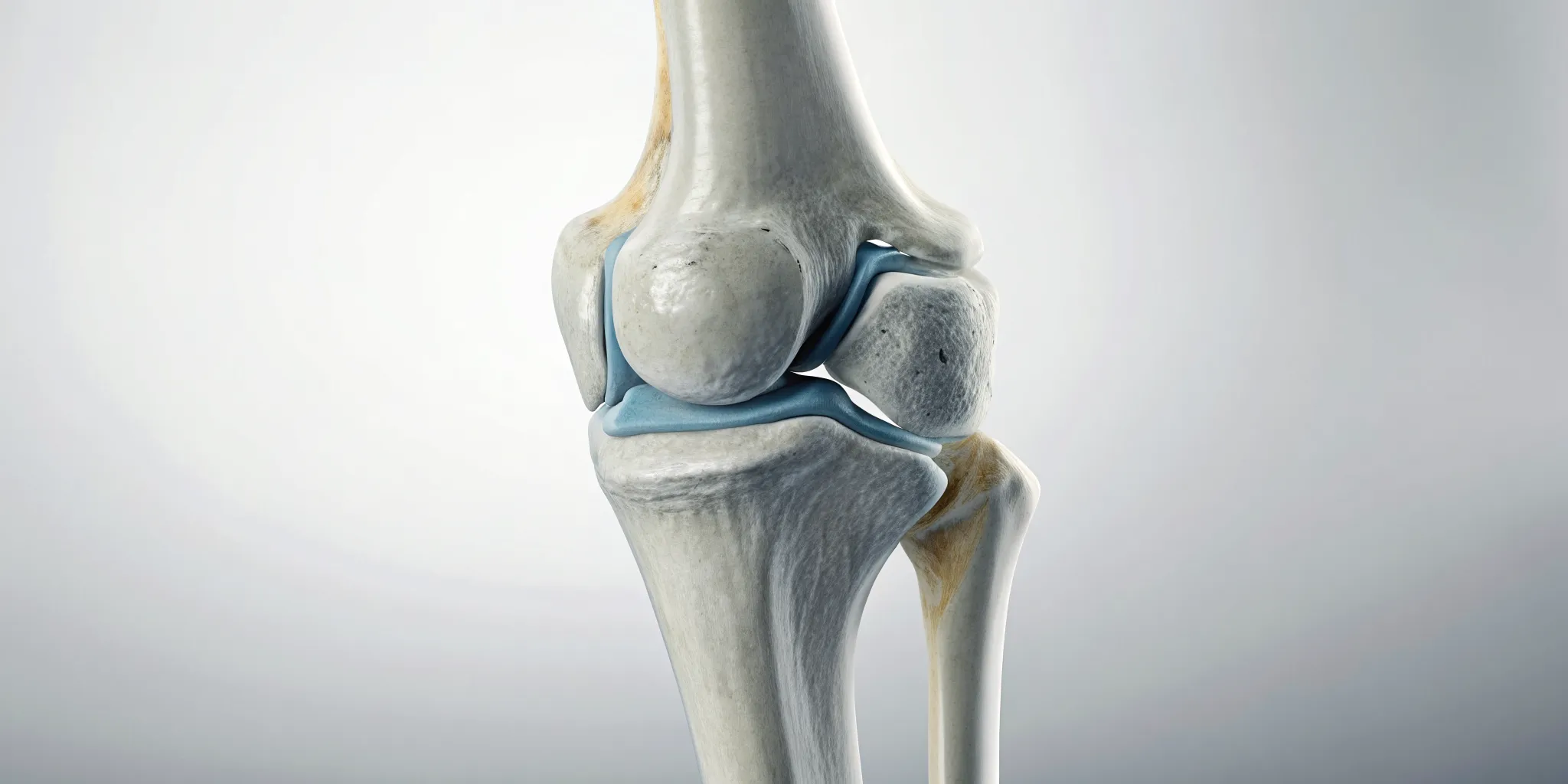
The facet joints are small, stabilizing joints located on the back of your spine that allow for controlled movement and flexibility. The jarring force from a car accident can inflame or damage these joints, leading to a condition known as facet joint syndrome. When these joints are injured, it can cause pain that feels like a dull ache in your lower back. This pain can also refer to other areas, like your buttocks and the back of your thighs, and it often gets worse when you stand, twist, or bend backward. Because these joints are so crucial for everyday movement, an injury here can be particularly disruptive to your life.
Don't Ignore These Post-Accident Symptoms
After a car accident, it’s easy to dismiss aches and pains as temporary. You might think a little stiffness or a dull ache will go away on its own. However, some symptoms are your body’s way of telling you that a more significant issue is at play. Adrenaline can mask pain for hours or even days, so paying close attention to how you feel in the week following an accident is crucial. Ignoring these signals can allow an underlying injury to worsen, potentially leading to long-term discomfort and health problems. Listening to your body and recognizing these key symptoms is the first step toward a proper recovery.
Sharp, Shooting, or Radiating Pain
If you experience a sharp, shooting, or radiating pain, think of it as a specific alarm bell. This isn't a vague, dull ache; it’s a distinct sensation that often follows a nerve path. After a rear-end collision, for instance, the force can cause injuries like a herniated disc, where one of the soft cushions between your vertebrae is pushed out of place. This can press on a nerve, causing that sharp, electric-like pain. You might feel it in your lower back or notice it traveling down into your legs. This kind of pain is a clear sign that you need a thorough evaluation to understand what’s happening with your spine and get the right physical medicine support.
Numbness, Tingling, or Weakness in Your Limbs
Have you noticed a "pins and needles" feeling, numbness, or a sense of weakness in your arms, hands, legs, or feet? These sensations are often related to nerve compression or irritation. Your spine is the central highway for your nervous system, and an accident can create "traffic jams" along the route. When a spinal disc, bone, or inflamed muscle presses on a nerve, it can disrupt the signals traveling to and from your limbs. This can result in tingling, a loss of sensation, or a feeling that your muscles aren't as strong as they used to be. It’s important to address these symptoms promptly to restore proper nerve function and prevent lasting damage.
Muscle Spasms, Stiffness, and Limited Movement
Feeling stiff and finding it hard to move are common complaints after an accident. Your muscles might feel incredibly tight or even spasm, which is an involuntary and often painful contraction. This is your body's protective mechanism. When an area is injured, surrounding muscles tighten up to act as a natural brace, preventing further harm. While this is a smart short-term response, prolonged muscle guarding can lead to more pain, a significant loss of flexibility, and a cycle of chronic stiffness. Addressing the root cause of the injury helps your muscles relax and allows you to regain your normal range of motion.
Pain That Spreads to Your Neck, Arms, or Legs
Pain that doesn't stay in one place is a major red flag. If you notice that your back pain is spreading up into your neck or down your arms or legs, it often indicates that a nerve root in your spine is being compressed or irritated. This is known as radiculopathy. For example, an injury in your lower back can cause sciatica, a type of pain that travels down the back of your leg. Because these injuries can worsen over time, what starts as a minor annoyance can become a chronic issue that impacts your daily life. Identifying the source of these pain conditions is key to finding lasting relief.
Why Back Pain Can Appear Days Later
It’s a confusing and unsettling experience: you walk away from a car accident feeling shaken but otherwise okay, only to wake up a day or two later with significant back pain. This delay is not in your head; it’s a common physiological response. The initial shock of an accident can trigger powerful internal mechanisms that temporarily hide the extent of an injury. Understanding why this happens is the first step toward taking the right action for your health. The body is complex, and the timeline of pain doesn't always match the timeline of the injury itself.
The Masking Effect of Adrenaline and Shock
In the moments during and after a car accident, your body goes into survival mode. It releases a flood of adrenaline, the "fight-or-flight" hormone. Adrenaline is a potent natural painkiller that can completely mask the signals from an injury. This is why you might not feel severe back pain until hours or even days later. While this response is designed to help you handle a crisis, it can also give you a false sense of security about your physical condition. Once the adrenaline wears off, the reality of the underlying damage to your body begins to set in, and the pain makes its delayed appearance.
How Inflammation Builds Over Time
When soft tissues like muscles, ligaments, and discs are injured, your body initiates an inflammatory response to begin the healing process. However, this process isn't instant. It can take 24 to 72 hours for inflammation and swelling to fully develop at the site of the injury. As this swelling increases, it can put pressure on sensitive nerves and surrounding structures in your back, leading to stiffness, discomfort, and pain that you didn't feel right after the crash. This gradual buildup of inflammation is a primary reason why back pain often seems to appear out of nowhere a few days after an accident. Our physical medicine services are designed to address this exact type of issue.
Why "Feeling Fine" Can Be Deceiving
Because of the combined effects of adrenaline and delayed inflammation, feeling fine immediately after an accident can be misleading. You might be tempted to skip a medical evaluation, thinking you’ve avoided injury. However, this can be a mistake. Common back injuries from car accidents can have a delayed onset, and waiting until the pain becomes severe can complicate your recovery. It's always wise to get a thorough evaluation soon after any accident, even if you feel okay. Taking this proactive step allows a professional to identify underlying issues before they become more serious, setting you on a path to a healthier recovery. You can reach out to our team to schedule a comprehensive assessment.
The Importance of a Prompt Evaluation
After a car accident, your first instinct might be to brush it off if you don't feel immediate, severe pain. It’s easy to think, "I'll just wait and see how I feel tomorrow." However, this is one of the riskiest things you can do for your long-term health. The rush of adrenaline and shock from the accident can effectively mask pain signals for hours or even days. You might feel fine initially, only to wake up a week later with debilitating stiffness and pain. This delayed onset of symptoms is incredibly common, but it doesn't make the underlying injury any less serious.
Getting a prompt and thorough evaluation from a healthcare provider who specializes in musculoskeletal injuries is a critical first step. It’s not about overreacting; it’s about being proactive. A comprehensive assessment can identify hidden damage to your spine, muscles, and ligaments before it develops into a chronic problem. This initial visit provides a clear baseline of your condition, which is essential for tracking your progress and creating an effective recovery plan. By seeking a professional opinion right away, you take control of your healing journey and give your body the best possible chance to recover fully. Our team is experienced in assessing the specific types of conditions we treat that arise from auto accidents.
The Risks of Letting Symptoms Linger
Ignoring even minor aches and stiffness after an accident can allow small problems to spiral into major ones. An untreated back injury can lead to chronic pain that disrupts your work, hobbies, and daily life. What starts as a dull ache could be a sign of an underlying issue that, without proper care, may result in nerve compression, poor sleep, and persistent discomfort. Over time, your body may try to compensate for the injury, leading to imbalances that cause pain in other areas. Don't let a "wait and see" approach dictate your future quality of life. Taking your symptoms seriously from the start is the most powerful step you can take toward a complete recovery.
Understanding Florida's 14-Day Rule
If you've been in a car accident in Florida, there's a critical timeline you need to know about. State law includes a 14-day rule, which means you must seek an initial evaluation from a qualified healthcare provider within two weeks of the accident. This is a crucial deadline for ensuring your injuries are properly documented. Waiting longer than 14 days can impact your eligibility for the personal injury protection benefits available through your auto policy. This makes a prompt evaluation not just a health priority, but a practical necessity. We encourage you to contact our office as soon as possible to schedule your assessment.
What to Expect During a Thorough Evaluation
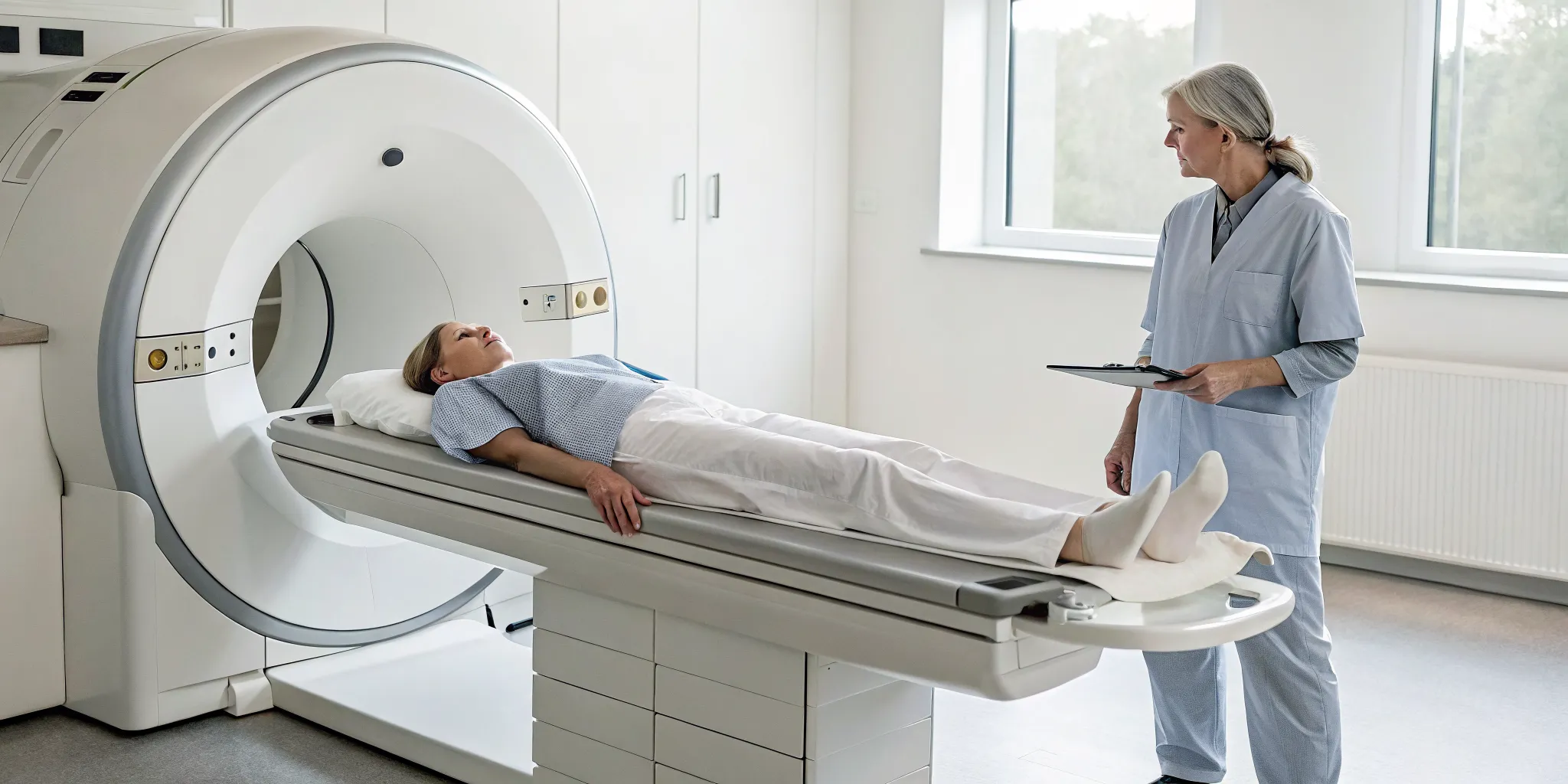
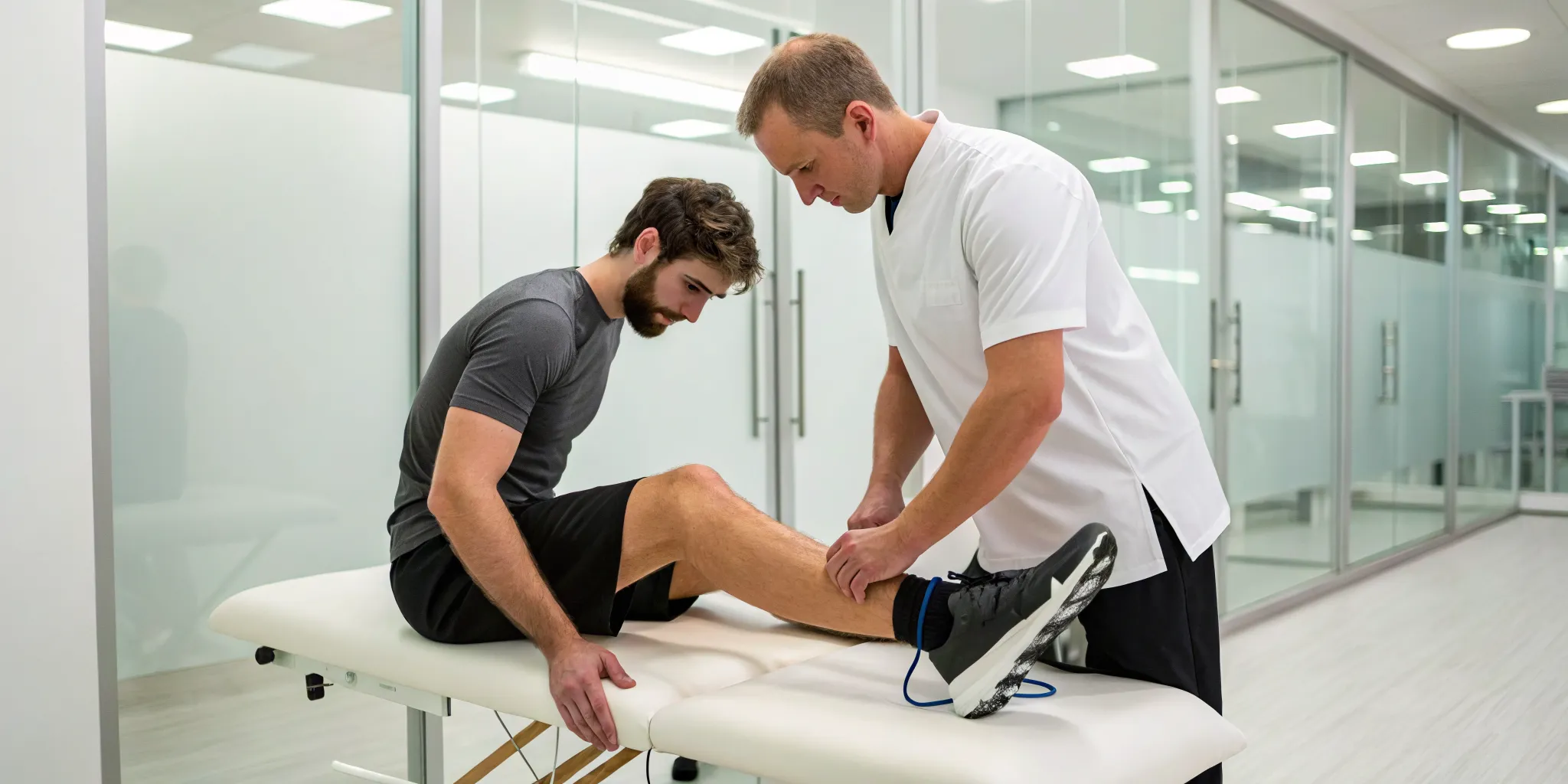
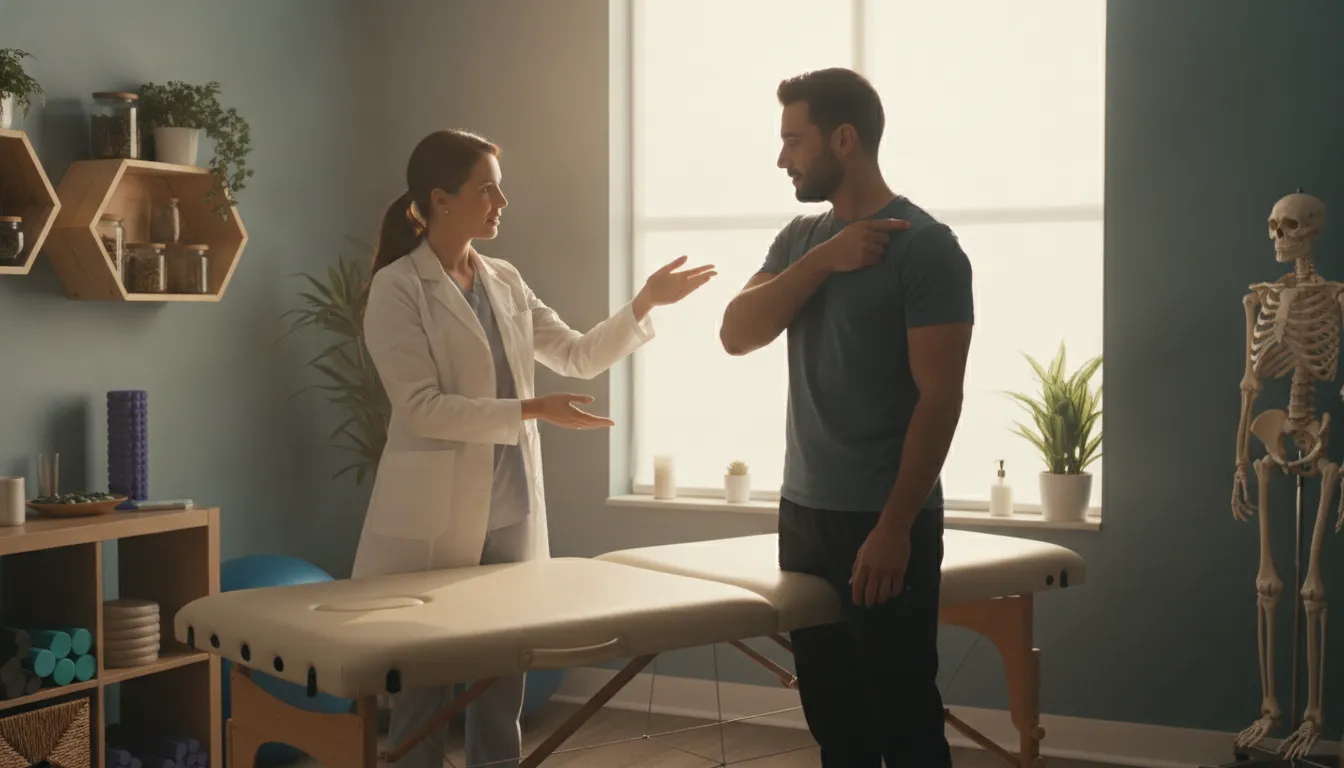
When you come in for an evaluation after an accident, our primary goal is to understand exactly what’s going on so we can help you heal. The process begins with a detailed conversation about the accident and the symptoms you're experiencing. From there, we conduct a comprehensive physical exam to assess your range of motion, muscle strength, and nerve function. This helps us pinpoint the source of your pain. Depending on your specific situation, we may recommend diagnostic imaging like X-rays to get a clearer picture of your spinal alignment. This thorough approach allows us to identify the root cause of your injury and develop a personalized physical medicine plan tailored to your body’s needs.
Effective Approaches for Accident-Related Back Pain
Once you have a clear diagnosis, the next step is creating a plan to get you back on your feet. Recovering from an accident-related back injury isn't about a single quick fix; it’s about using a combination of therapies that address the root cause of your pain and support your body’s healing process. A comprehensive strategy often involves addressing spinal alignment, rehabilitating weak muscles, and giving your body the nutritional support it needs to repair damaged tissues.
At Ascend, we combine several services to create a recovery plan that is tailored specifically to your injury and your body. The goal is not just to quiet the symptoms but to restore function and build resilience against future problems. This integrated approach ensures we’re looking at the complete picture of your health, from structural alignment to cellular repair, giving you the best path toward a full recovery.
Chiropractic Care and Spinal Decompression
After the jolt of a car accident, it’s common for the vertebrae in your spine to be forced out of their natural alignment. This misalignment can put pressure on your nerves and spinal discs, leading to pain, stiffness, and radiating symptoms. Chiropractic care directly addresses this structural issue. Through gentle, precise adjustments, a chiropractor can help restore proper motion and positioning to the spinal joints.
This process can alleviate pressure on irritated nerves and improve communication between your brain and body. For issues like herniated discs, spinal decompression may be used. This is a non-invasive therapy that gently stretches the spine, creating negative pressure within the discs to help them retract and heal. It’s a foundational step in many physical medicine recovery plans.
Corrective Care and Rehabilitation
Restoring spinal alignment is the first step, but true recovery requires strengthening the muscles that support your spine. After an injury, these supporting muscles can become weak, strained, or develop dysfunctional movement patterns. Corrective care focuses on rehabilitation through targeted exercises and therapies designed to rebuild strength, improve stability, and restore your full range of motion.
Think of it as rebuilding the scaffolding that holds your spine in place. This phase of treatment is crucial for preventing the injury from becoming a chronic issue. By re-educating your muscles and correcting imbalances, you not only support the healing of the initial injury but also make your back more resilient. This proactive approach helps ensure your recovery is stable and long-lasting, addressing many of the conditions we treat after an accident.
Functional Medicine to Support Your Recovery
Your body’s ability to heal is directly tied to your overall health. An accident triggers a significant inflammatory response, and if your body is already dealing with underlying inflammation from diet or stress, it can slow down your recovery. This is where functional medicine comes in. It provides a way to support your body’s internal healing mechanisms from the inside out.
By looking at factors like nutrition and gut health, we can identify ways to reduce systemic inflammation and provide your tissues with the nutrients they need to repair themselves. A functional medicine approach might involve dietary recommendations or targeted supplementation to manage inflammation and support tissue regeneration. This helps you recover more efficiently and builds a healthier foundation for your long-term well-being.
The Long-Term Risks of an Untreated Injury
After a car accident, it’s tempting to adopt a “wait and see” approach, especially if your pain seems manageable. You might hope that a little rest is all you need for the soreness to fade away. However, ignoring back pain, even if it feels minor, can allow underlying issues to develop into significant, long-term problems. What starts as a simple ache can evolve into a condition that impacts every aspect of your life.
An untreated injury doesn’t just go away; it often gets worse. The initial damage can set off a chain reaction, leading to chronic pain, progressive spinal degeneration, and a cascade of related health issues that affect your entire body. Over time, this can limit your ability to work, enjoy your hobbies, and even perform simple daily tasks without discomfort. Understanding these risks is the first step toward protecting your future health and making an informed decision about seeking care. By addressing the root cause of your pain now, you can prevent a lifetime of discomfort and avoid the serious conditions we treat that often stem from unresolved injuries. It's about taking control of your recovery journey before a small problem becomes a major roadblock to your well-being.
Chronic Pain and Reduced Mobility
When an acute injury from a car accident isn't properly addressed, it can transition into chronic pain. This isn't just pain that lingers; it's a persistent, daily reality that can last for months or even years. Untreated back injuries can lead to constant discomfort that disrupts your life and makes it difficult to find a comfortable position, whether you're sitting, standing, or trying to sleep. This ongoing pain often leads to reduced mobility. You might find yourself avoiding activities you once loved, like walking on the beach or playing with your kids, simply because it hurts too much. This cycle of pain and avoidance can significantly diminish your quality of life.
Nerve Damage and Spinal Degeneration
The force from a car accident can cause subtle but serious damage to your spine that worsens over time. An untreated injury can lead to progressive issues like spinal stenosis, where the spaces within your spine narrow and put pressure on the nerves. This pressure can cause radiating pain, numbness, tingling, or weakness in your arms and legs. What might have been a simple misalignment can evolve into a degenerative condition that affects the structure and stability of your spine. These are not problems that tend to fix themselves; they often require targeted physical medicine to correct the underlying issue and prevent further decline.
The Impact on Sleep, Mood, and Daily Life
Chronic pain has a ripple effect that extends far beyond the physical sensation. When you're in pain, getting a full night of restful sleep becomes a challenge. This lack of sleep can lead to fatigue, brain fog, and irritability, affecting your performance at work and your relationships at home. Living with constant discomfort is emotionally draining and can contribute to feelings of frustration and hopelessness. The combination of pain, poor sleep, and limited mobility can take a significant toll on your mental well-being. Our approach with functional medicine helps address these interconnected systems to support your body's overall healing process.
Our Approach to Healing Car Accident Injuries
After a car accident, you need more than a temporary fix for your pain. You need a strategy that addresses the underlying injury and supports your body’s ability to heal completely. At Ascend Functional Health, we don’t just look at your symptoms; we investigate the source of your discomfort to build a comprehensive and effective path to recovery. Our goal is to help you regain strength, mobility, and long-term wellness.
We combine several disciplines to create a plan that’s unique to you. By integrating our three pillars of healing, we can address the structural damage, manage the body's inflammatory response, and support your overall health throughout the recovery process. This holistic method ensures we’re not just putting a bandage on the problem but are truly facilitating your body’s innate healing capabilities.
Focusing on the Root Cause of Your Pain
It’s crucial to get evaluated by a healthcare provider right after an accident, even if you feel fine. The shock and adrenaline from a collision can effectively mask pain, but that doesn't mean an injury hasn't occurred. Symptoms can take days or even a week to surface as inflammation sets in. We often see patients who initially felt okay, only to develop significant back pain later.
Ignoring these delayed symptoms is a mistake. An untreated back injury can lead to persistent pain, nerve damage, and a decline in your quality of life, affecting everything from your sleep to your mood. Our first step is always to understand the full picture of your health and the specific mechanics of your injury. By identifying the root cause, we can move beyond temporary relief and work toward lasting healing.
Physical Medicine Solutions for Tampa Residents
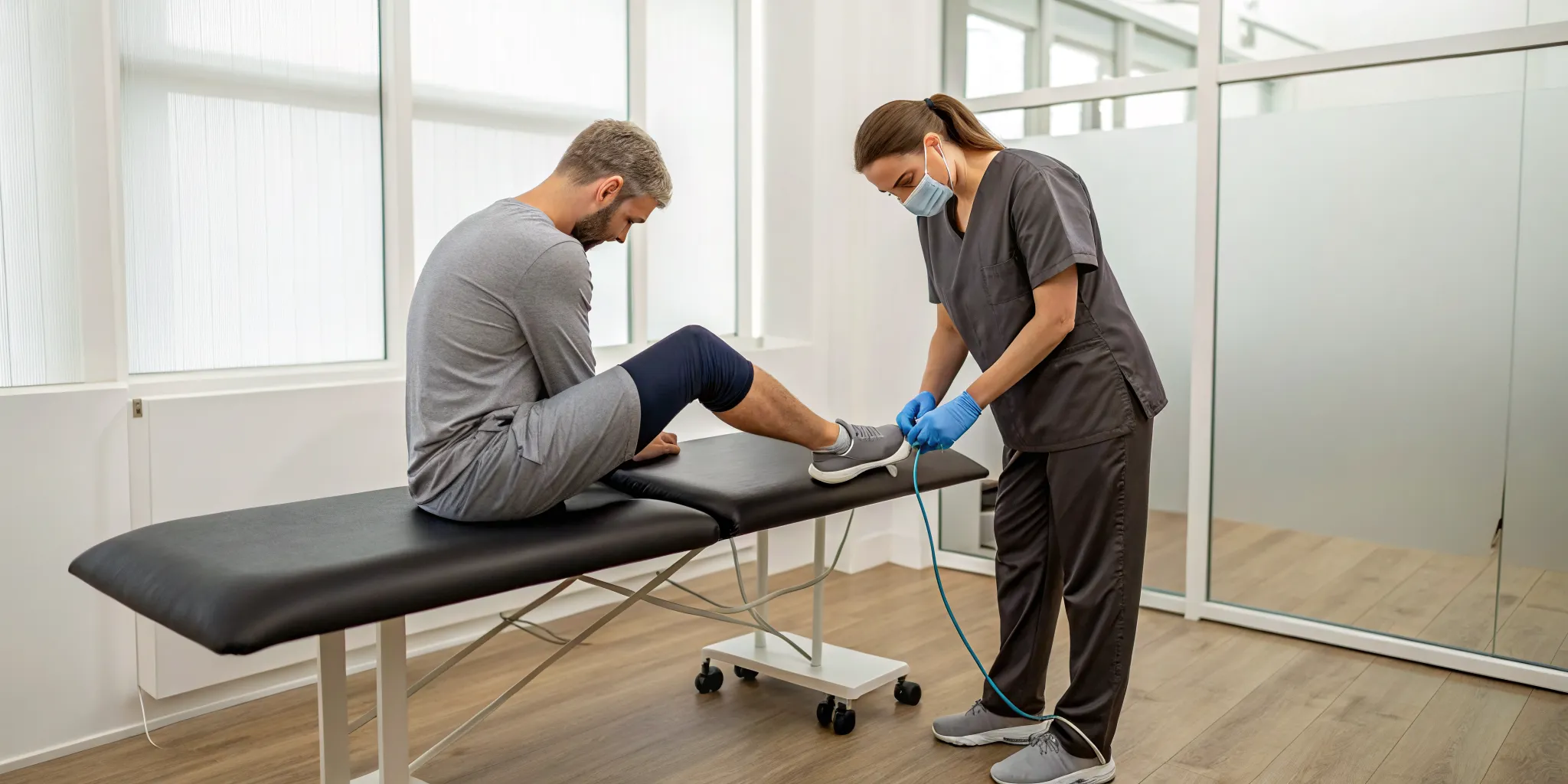
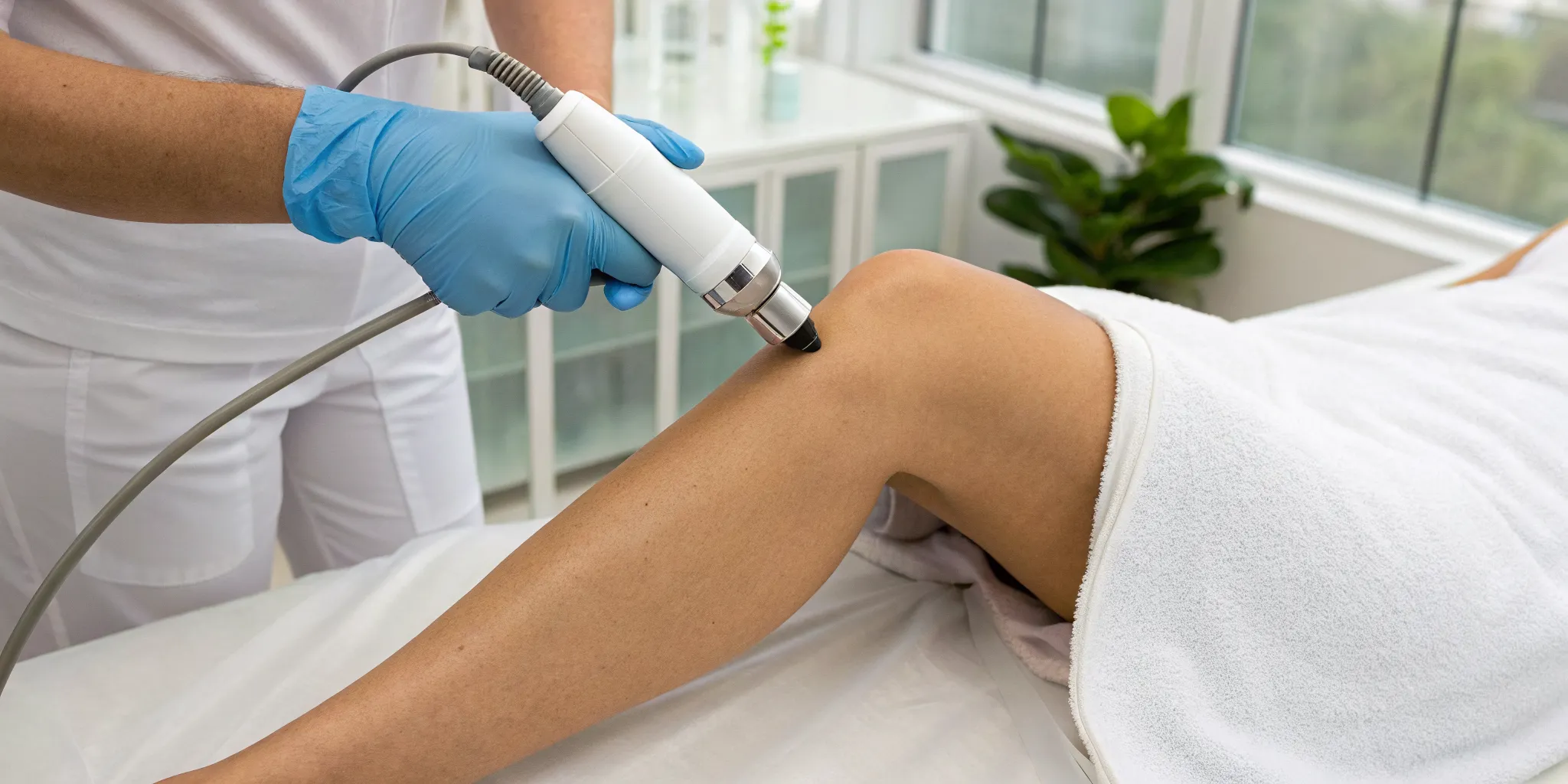
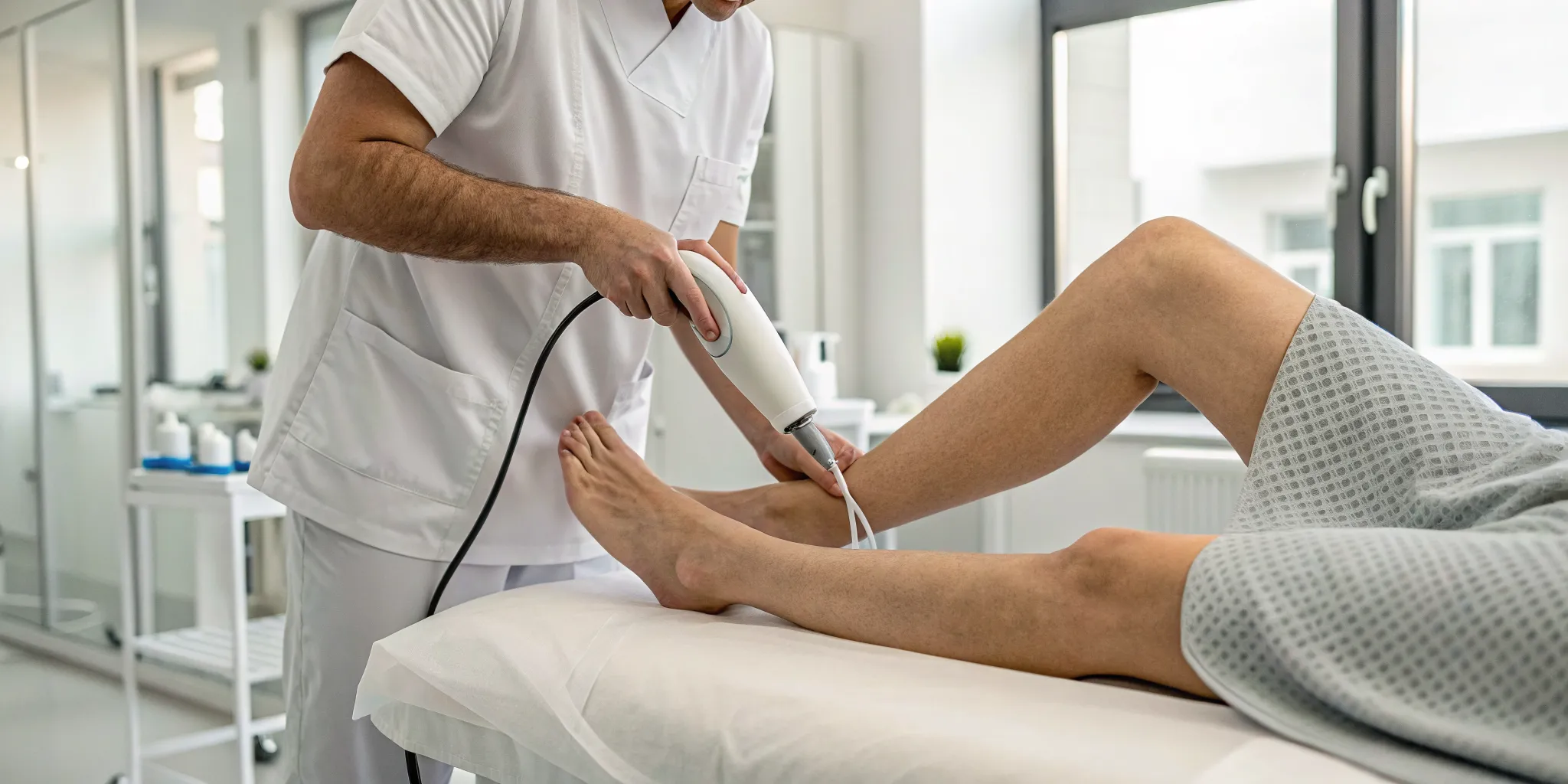
To find out exactly what’s going on, we use a detailed clinical exam and may recommend diagnostic imaging to get a clear view of your spine and surrounding tissues. Once we have a precise diagnosis, we can apply targeted treatments. Our physical medicine services are designed to restore proper alignment, relieve pressure on nerves, and rehabilitate injured muscles and ligaments.
Your care plan might include gentle chiropractic adjustments to improve spinal function, spinal decompression to ease pressure on discs, and corrective exercises to strengthen your back and improve stability. These therapies work together to reduce discomfort, decrease inflammation, and restore your body’s natural movement patterns. We focus on hands-on, non-invasive techniques that help your body heal correctly from the start.
Creating Your Personalized Recovery Plan
Your recovery journey is unique, so your treatment plan should be too. We create a personalized recovery plan based on your specific injury, lifestyle, and health goals. Following this plan is key to a successful outcome. We’ll guide you through each phase, making adjustments as you progress and your body begins to heal.
We’ll also show you how to support your recovery at home. This may include recommendations for rest, avoiding activities like heavy lifting, and using ice or heat to manage discomfort. It’s important to listen to your body and communicate with us. If your pain worsens or doesn’t improve, let us know right away. We are your partners in this process, and we’re here to help you get back to feeling your best. If you’re ready to start your recovery, reach out to our team today.
Related Articles
- Whiplash Recovery: Your Week-by-Week Guide
- Which Back Pain Doctor Should You See? A Guide
- How a Chiropractor Helps Neck Pain and Headaches
Frequently Asked Questions
Why didn’t my back start hurting until a few days after my car accident? This is a very common experience, and it’s a direct result of your body's survival instincts. During the accident, your system was flooded with adrenaline, a powerful hormone that can completely mask pain. As the adrenaline wears off and the body's natural inflammatory response begins, you start to feel the effects of the underlying injury. This delayed pain is a clear signal that your body has sustained damage and needs attention.
Is a little bit of stiffness or soreness after an accident really a big deal? While some soreness is expected, it's wise to treat any new stiffness or pain seriously. These symptoms are your body's way of telling you that something is wrong. Stiffness is often caused by muscles tightening up to protect an injured area of your spine. If the root injury isn't addressed, this protective response can lead to chronic pain, limited movement, and other long-term problems.
What happens during an initial evaluation for back pain? Our first goal is to get a complete picture of what happened and how it has affected your body. We'll start with a detailed conversation about the accident and your symptoms. Then, we will perform a thorough physical exam to check your movement, muscle function, and nerve responses. This helps us identify the specific source of your pain, which allows us to create a precise and effective plan for your recovery.
How is your treatment different from just resting or taking pain relievers? Our focus is on correcting the source of the problem, not just masking the symptoms. While rest is important, it doesn't fix a spinal misalignment or a damaged disc. Our approach uses physical medicine techniques, like chiropractic adjustments and corrective exercises, to restore proper function to your spine and strengthen the muscles that support it. This helps your body heal correctly and builds resilience against future issues.
Besides back pain, what other symptoms should I be concerned about? You should pay close attention to any pain that travels from your back into your buttocks, legs, or feet, as this often points to nerve pressure. Similarly, any feelings of numbness, tingling, or weakness in your arms or legs are important warning signs. These sensations indicate that the accident may have affected your nervous system, and they should be evaluated by a professional as soon as possible.