When you’re dealing with a chronic injury like golfer’s elbow, it often means your body’s natural healing process has stalled. The inflammation and pain persist because the damaged tendon tissue isn’t repairing itself effectively. What if you could send a direct signal to that area to get the healing process back on track? That’s the fundamental idea behind shockwave therapy for golfer's elbow. This non-invasive treatment uses high-energy acoustic waves to create a controlled response in the tissue, increasing blood flow and stimulating cellular repair. It’s like a jump-start for your body’s internal healing crew, helping to break down stubborn scar tissue and regenerate healthier, stronger tendons from the inside out.
Key Takeaways
- Identify the root cause: Golfer's elbow is a stubborn overuse injury affecting the inner elbow tendon, often becoming chronic because rest alone isn't enough to solve the underlying tissue damage.
- Activate your body's healing response: Shockwave therapy uses targeted sound waves to stimulate blood flow and cellular repair in the damaged tendon, addressing the source of pain instead of just masking it.
- Consider it for chronic cases: This treatment is particularly effective for persistent elbow pain that hasn't responded to other methods, offering a way to restore function and find lasting relief without significant downtime.
Do You Have Golfer's Elbow?
First things first, you don't have to be a golfer to get golfer's elbow. This nagging inner elbow pain can affect anyone, from weightlifters and tennis players to carpenters and people who spend all day typing. The clinical name for this condition is medial epicondylitis, and it happens when the tendons on the inside of your forearm become inflamed and painful. If you've been dealing with a persistent ache on the inside of your elbow that just won't quit, you might be dealing with golfer's elbow. Understanding the specific signs, causes, and risk factors is the first step toward finding a solution that works for you. Let's break down what you need to know.
Symptoms to Watch For
The most telling sign of golfer's elbow is pain and tenderness centered on the bony bump on the inside of your elbow. This pain isn't just a constant, dull ache; it often gets noticeably worse when you try to do certain things. You might feel a sharp pain when you make a fist, grip an object, turn a doorknob, or lift something (even if it's not very heavy). Some people also experience stiffness in their elbow or weakness in their hands and wrists. The pain can even radiate down your forearm. If these symptoms are making everyday tasks difficult, it’s a clear signal that your body is asking for help. Our team is experienced in addressing many common conditions we treat, including persistent joint pain.
What Causes This Condition?
Golfer's elbow is fundamentally an overuse injury. It’s caused by repeated stress on the muscles and tendons that control your wrist and fingers. Think about any activity that requires you to repeatedly flex your wrist or grip something tightly. Over time, this repetitive strain can cause tiny tears in the tendon that attaches your forearm muscles to the bony part of your inner elbow. Your body responds with inflammation, which leads to the pain and swelling you feel. It’s not usually the result of a single injury but rather the cumulative effect of repetitive motion. Addressing this requires a focus on healing the underlying tissue, which is a core principle of our physical medicine approach.
Are You at Risk?
While the name points to golfers, the risk factors are much broader. You're more likely to develop this condition if your job or hobbies involve repetitive arm, wrist, and hand movements. This includes athletes who play throwing or racquet sports, weightlifters, and professionals like plumbers, carpenters, and cooks. Even office workers who spend hours at a keyboard can be at risk. Age can also be a factor, as tendons become less flexible over time. If you're over 40, engage in repetitive activities for at least two hours a day, and are experiencing the symptoms we've discussed, you fit the profile. Understanding your risk is key to taking proactive steps toward healing. If this sounds like you, we encourage you to contact our team to discuss your symptoms.
How Does Shockwave Therapy Heal Golfer's Elbow?
If you’re tired of the persistent ache in your inner elbow, you might be looking for a solution that does more than just mask the pain. Shockwave therapy is a non-invasive treatment that works with your body to address the root cause of golfer's elbow. It uses high-energy acoustic waves, or sound waves, directed at the injured area to stimulate your body’s own healing mechanisms. Think of it as a way to jump-start the natural repair process that has stalled due to chronic inflammation and tissue damage.
This approach is a cornerstone of our physical medicine services because it aligns with the body's innate ability to heal itself. Instead of introducing foreign substances, shockwave therapy provides a targeted stimulus that encourages your cells to get back to work repairing the damaged tendon. It’s a method that supports long-term recovery by helping to rebuild stronger, healthier tissue from the inside out. By promoting this deep, cellular-level healing, the therapy aims to restore function and provide lasting relief.
How Sound Waves Promote Healing
So, how can sound waves actually heal a tendon? The process is quite fascinating. When the acoustic waves are delivered to the affected tissue in your elbow, they create a controlled, microscopic response. This signals your body to increase blood flow and metabolic activity in the area. Essentially, it’s like sending a direct message to your internal repair crew, telling them exactly where they need to go. This enhanced circulation brings a fresh supply of oxygen and nutrients, which are the essential building blocks for tissue regeneration and repair.
Targeting Damaged Tendons
With golfer's elbow, the problem lies in the specific tendons that connect your forearm muscles to the bony bump on the inside of your elbow. Over time, chronic strain can lead to disorganized, weakened tissue and even painful scar tissue. Shockwave therapy is incredibly effective because it precisely targets this damaged area. The sound waves help break down that stubborn scar tissue and stimulate the production of new, healthy collagen fibers. This process not only addresses the underlying structural problem but also helps reduce pain by interrupting the pain signals sent to your brain, allowing you to find relief while your body heals the conditions we treat.
Radial vs. Focused: What's the Difference?
When discussing shockwave therapy, you might hear the terms "radial" and "focused." While both use sound waves, they deliver them differently. Radial shockwave therapy sends out pressure waves that spread over a wider, more superficial area, like ripples in a pond. Focused shockwave therapy, on the other hand, concentrates its energy on a single, precise point deep within the tissue, much like a laser beam. For a condition like golfer's elbow, where the damage is located in a specific, deeper tendon, focused shockwave therapy is often the preferred method because it can deliver healing energy exactly where it's needed most.
Is Shockwave Therapy Effective for Golfer's Elbow?
When you’re dealing with persistent elbow pain, you want a solution that actually works. The good news is that shockwave therapy has a strong track record for treating golfer's elbow, offering a path toward genuine, lasting relief. This non-invasive approach is gaining recognition for its ability to address the root cause of tendon pain, especially in cases where other treatments have fallen short. Let’s look at what the research shows and how this therapy helps you get back to your life.
What Does the Research Say?
When you're considering a new treatment, it’s natural to want to see the evidence. Clinical studies on shockwave therapy are very promising, showing it to be highly effective for golfer's elbow. Some research indicates that up to 80% of people with chronic tendon pain experience significant improvement. Most patients begin to feel a difference within just three to five sessions, with healing continuing over time. This isn't a treatment that requires endless appointments; it's a focused approach designed to get results efficiently, making it a cornerstone of modern physical medicine.
Reducing Pain and Restoring Function
One of the most immediate benefits of shockwave therapy is its effect on pain. The acoustic waves help disrupt the pain signals being sent to your brain, offering relief without medication. But it doesn't stop there. As the pain subsides, the therapy works to repair the underlying tissue. This process helps restore function where you need it most. You may notice your grip strength improving, your range of motion increasing, and your endurance returning, which is exactly what you need to get back to your daily activities and hobbies without that nagging elbow pain holding you back.
Why It Works for Chronic Cases
Golfer's elbow can be incredibly stubborn, sometimes lingering for months despite rest and other conventional treatments. This is where shockwave therapy truly shines. It’s particularly effective for these chronic cases because it kickstarts a new healing response in tissue that has been "stuck." The sound waves stimulate blood flow and encourage the repair of damaged flexor tendons and muscles around the elbow. Instead of just masking the symptoms, this therapy helps your body rebuild from within, addressing the core of the problem for more sustainable results. It’s one of the many services we offer to help patients find a way forward from chronic conditions.
Shockwave Therapy vs. Other Common Treatments
When you’re dealing with the persistent pain of Golfer’s Elbow, you want a solution that works. While many treatments can offer temporary relief, it’s important to understand how they compare, especially when it comes to achieving lasting results. Let's look at how shockwave therapy stacks up against other common approaches.
Shockwave Therapy vs. Steroid Injections
Steroid injections are often used to manage the inflammation and pain associated with Golfer’s Elbow. They can provide very fast relief, which is a major plus when you’re in significant discomfort. However, this relief can sometimes be short-lived.
Research comparing the two treatments found that while steroid injections offered quicker results in the first couple of weeks, shockwave therapy led to better overall patient satisfaction by the eight-week mark. This suggests that shockwave therapy may be a better path toward sustainable, long-term healing rather than just masking the pain. It aligns with a treatment philosophy that focuses on addressing the source of the problem for more durable results.
Shockwave Therapy vs. PRP Therapy
Platelet-Rich Plasma (PRP) therapy is another regenerative treatment that uses your body's own platelets to encourage healing in the damaged tendon. When comparing shockwave therapy to PRP, some studies have shown that PRP injections may lead to greater reductions in pain and better arm function over several months.
While both are excellent non-invasive options, the best choice depends on your specific condition and goals. Shockwave therapy is highly effective at breaking up scar tissue and stimulating blood flow, while PRP focuses on delivering growth factors directly to the site. A thorough evaluation can determine which of these advanced therapies is the right fit for the conditions we treat and your unique situation.
Shockwave Therapy vs. Physical Therapy
Physical therapy is a cornerstone of treating musculoskeletal issues like Golfer’s Elbow, using exercises and stretches to strengthen the forearm and improve flexibility. It’s a fantastic conservative approach, but it doesn’t always resolve chronic cases on its own.
This is where shockwave therapy comes in. It’s an incredibly effective and safe option for Golfer’s Elbow that has lingered for months or hasn't improved with rest and traditional physical therapy. Instead of competing with physical therapy, it works as a powerful partner. By stimulating healing at the cellular level, shockwave therapy can create the right environment for the corrective exercises in your physical medicine plan to be even more effective.
Why Choose a Non-Invasive Treatment?
When you're dealing with persistent pain, it’s easy to feel like your only options are aggressive or come with long recovery times. But what if you could find relief by working with your body's own healing mechanisms? Non-invasive treatments like shockwave therapy offer a path to recovery that supports your body’s natural processes without requiring incisions or lengthy downtime. This approach is all about getting to the source of the problem and helping your body rebuild from the inside out.
Choosing a non-invasive option means you’re prioritizing a gentle yet effective solution. Instead of simply managing symptoms, these treatments aim to create lasting change by stimulating repair at a cellular level. For conditions like golfer's elbow, where the issue lies in damaged tendon tissue, this can make all the difference. It’s a way to restore function and get back to your life with fewer complications and a recovery process that feels more natural.
Activate Your Body's Natural Healing
Your body has an incredible capacity to heal itself, and sometimes it just needs a little nudge in the right direction. Shockwave therapy provides exactly that. This treatment uses high-energy sound waves directed at the painful area in your elbow. These waves create a series of micro-traumas that act as a signal to your body, essentially waking up the healing process.
This response increases blood flow to the tendon, helps form new blood vessels, and stimulates cellular repair. It’s one of the core physical medicine approaches we use because it empowers your body to do what it does best: heal. Instead of introducing foreign substances, we’re simply activating the powerful, built-in systems you already have to mend damaged tissue and reduce pain naturally.
Fewer Side Effects, Lasting Results
One of the biggest advantages of a non-invasive treatment is the minimal risk of side effects. During a shockwave session, you might feel a tapping or pulsing sensation, but most people tolerate it very well. There’s no need for a long recovery period, so you can get back to your daily routine right away. This is a stark contrast to more intensive procedures that can sideline you for weeks or months.
More importantly, the results are designed to last. Research shows that shockwave therapy can significantly reduce pain and improve elbow function over time because it facilitates genuine tissue repair. It’s not a temporary fix. By encouraging the tendon to heal correctly, you’re building a stronger, more resilient foundation for the future. Many patient experiences reflect this journey from chronic pain to long-term relief.
Address the Root Cause, Not Just Symptoms
Pain is a signal that something is wrong, but masking that signal doesn’t solve the underlying issue. Golfer's elbow is often a chronic condition because the flexor tendons have become damaged and failed to heal properly on their own. Treatments that only cover up the pain won't prevent it from coming back. Shockwave therapy is different because it focuses on addressing the root cause of your discomfort.
By targeting the damaged tendon and surrounding tissues, shockwave therapy promotes comprehensive repair. It’s particularly effective for stubborn cases that haven't improved with rest or other initial therapies. This approach aligns perfectly with a functional health philosophy: we want to understand why you’re in pain and provide a solution that corrects the problem at its source for true, sustainable healing.
What Does a Shockwave Therapy Session Feel Like?
If you’re considering shockwave therapy, you’re probably wondering what it actually feels like. It’s natural to be a little nervous about trying a new treatment, but I can walk you through exactly what to expect. The great thing about shockwave therapy is that it’s a non-invasive treatment. That means no needles, no incisions, and no lengthy recovery time. The entire process is designed to be straightforward and get you back to your life with minimal interruption.
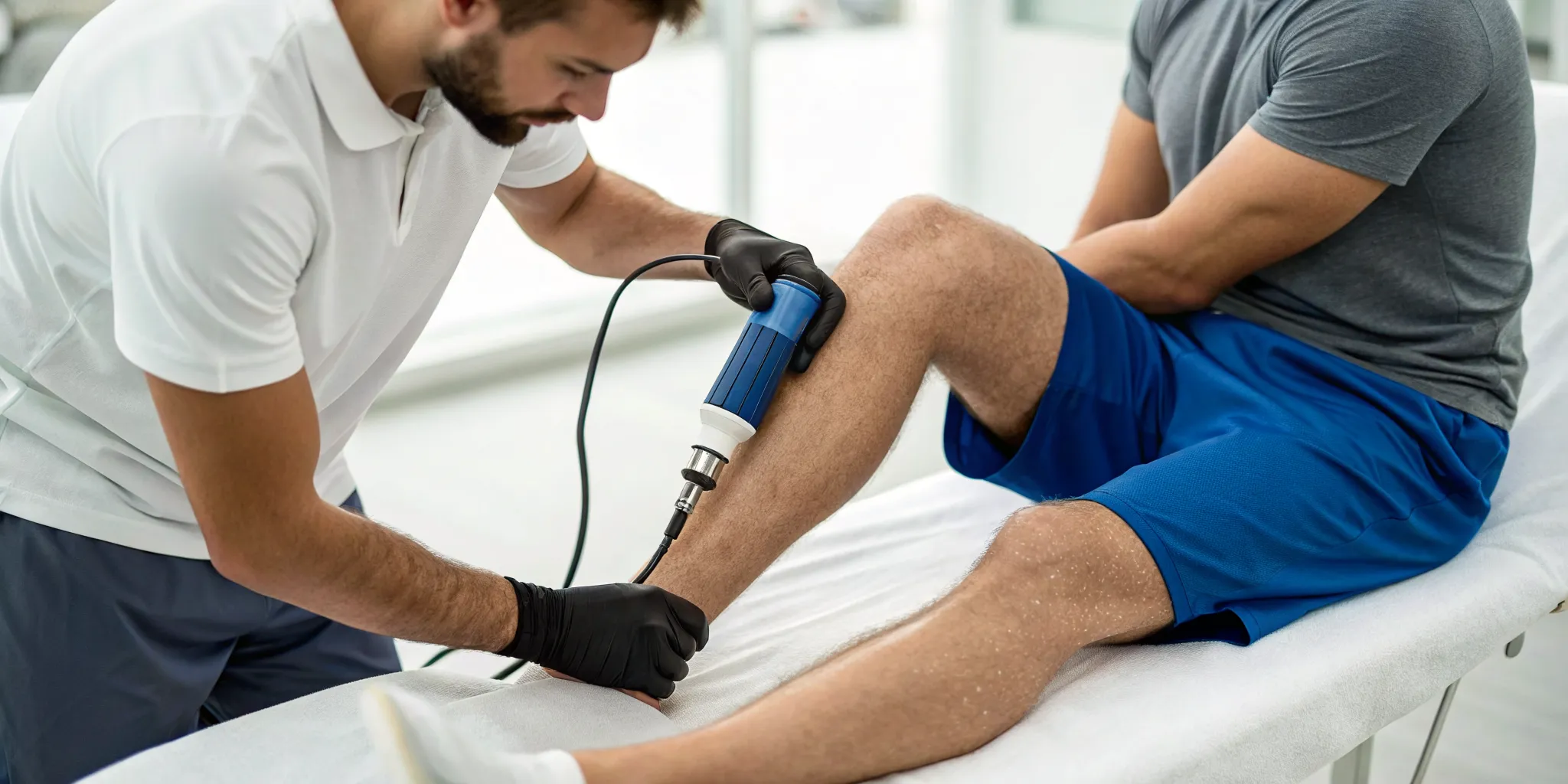
Most people describe the sensation as a strong, rhythmic tapping or pulsing against the skin. The goal of our physical medicine approach is to stimulate your body’s own healing mechanisms, and this sensation is a sign that the technology is doing its job. While you might feel some mild discomfort over the most sensitive areas of your elbow, the sessions are very quick. Our team will be with you every step of the way to make sure you’re comfortable from start to finish.
During Your Appointment
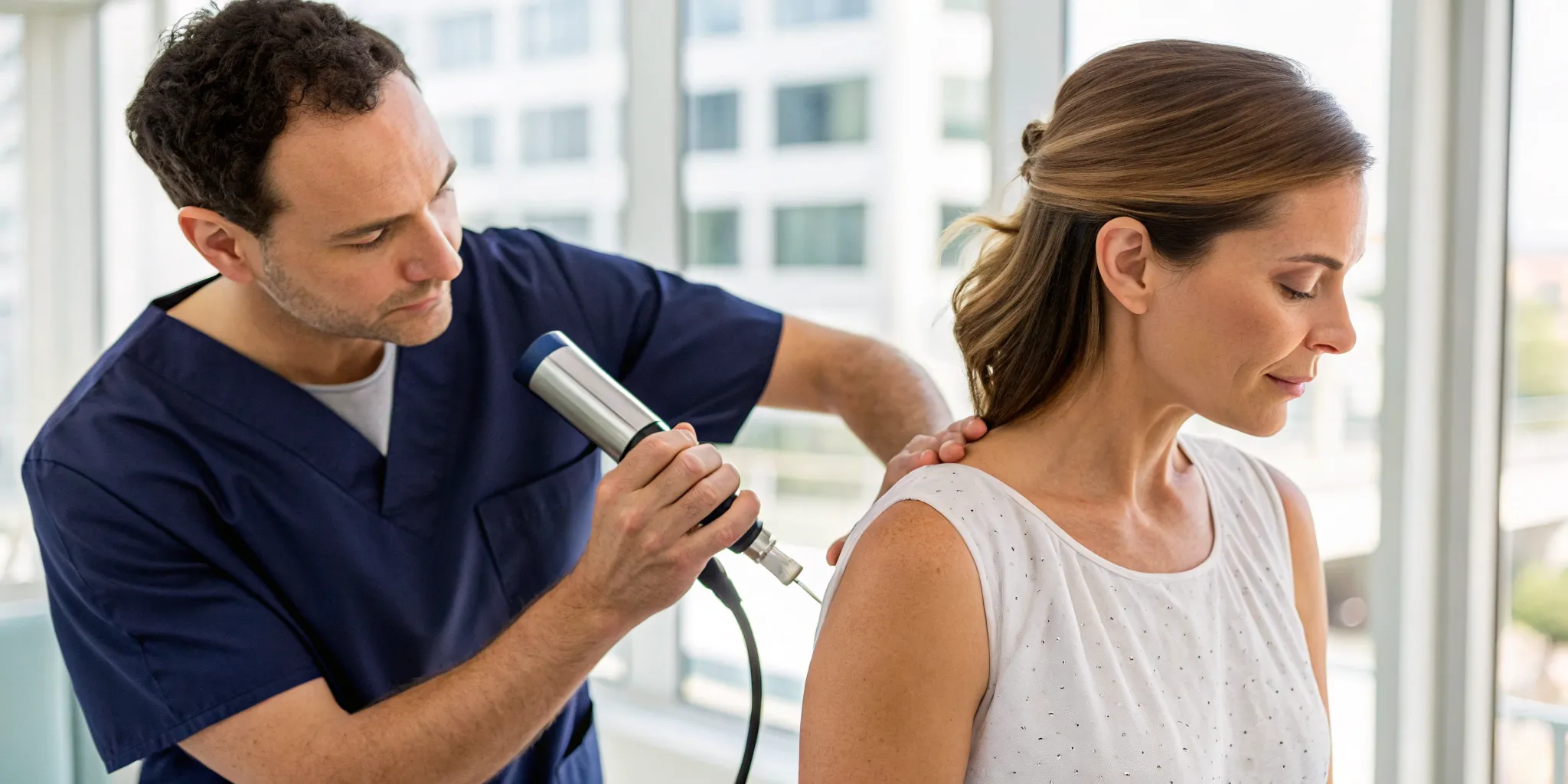
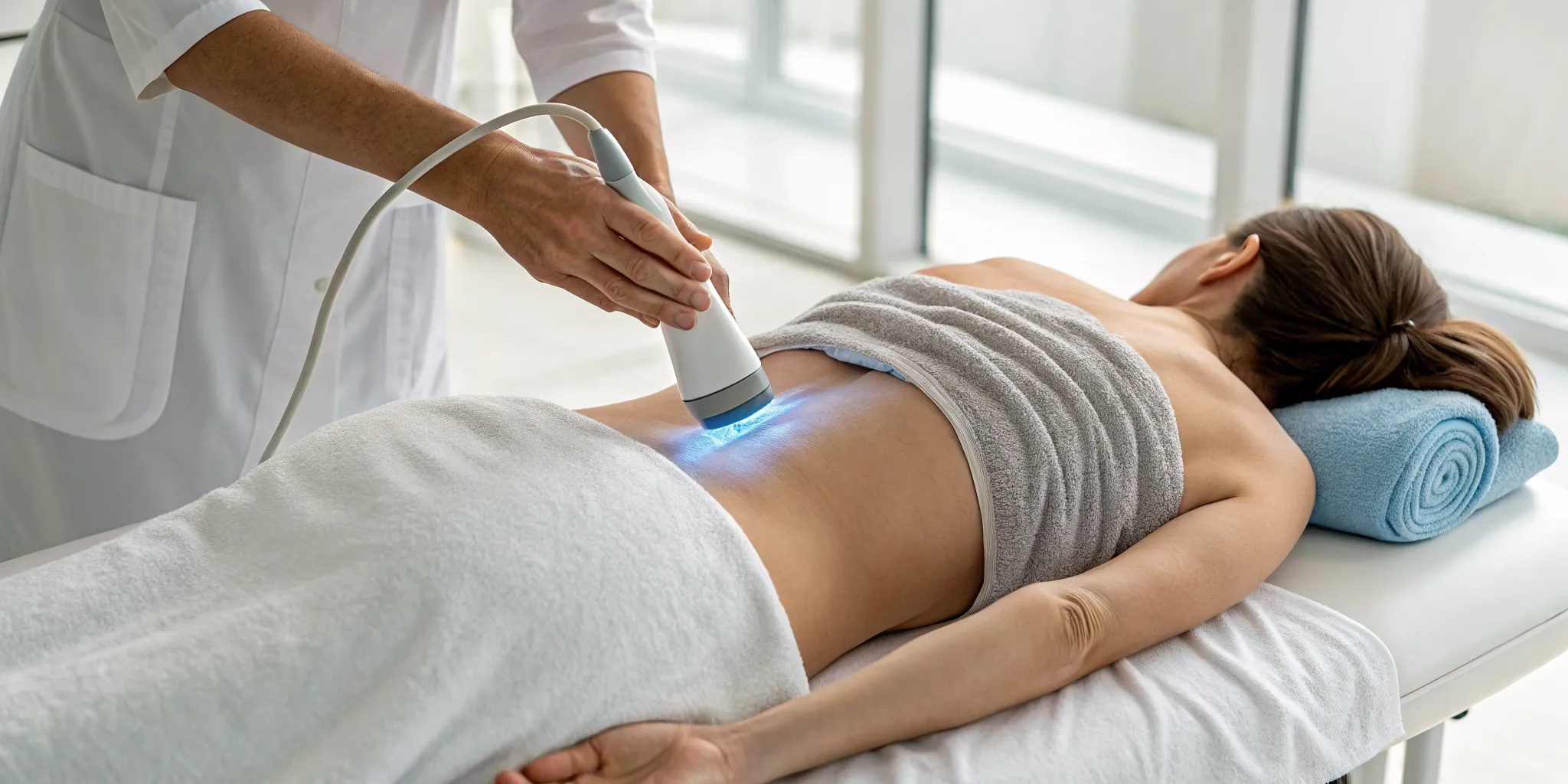
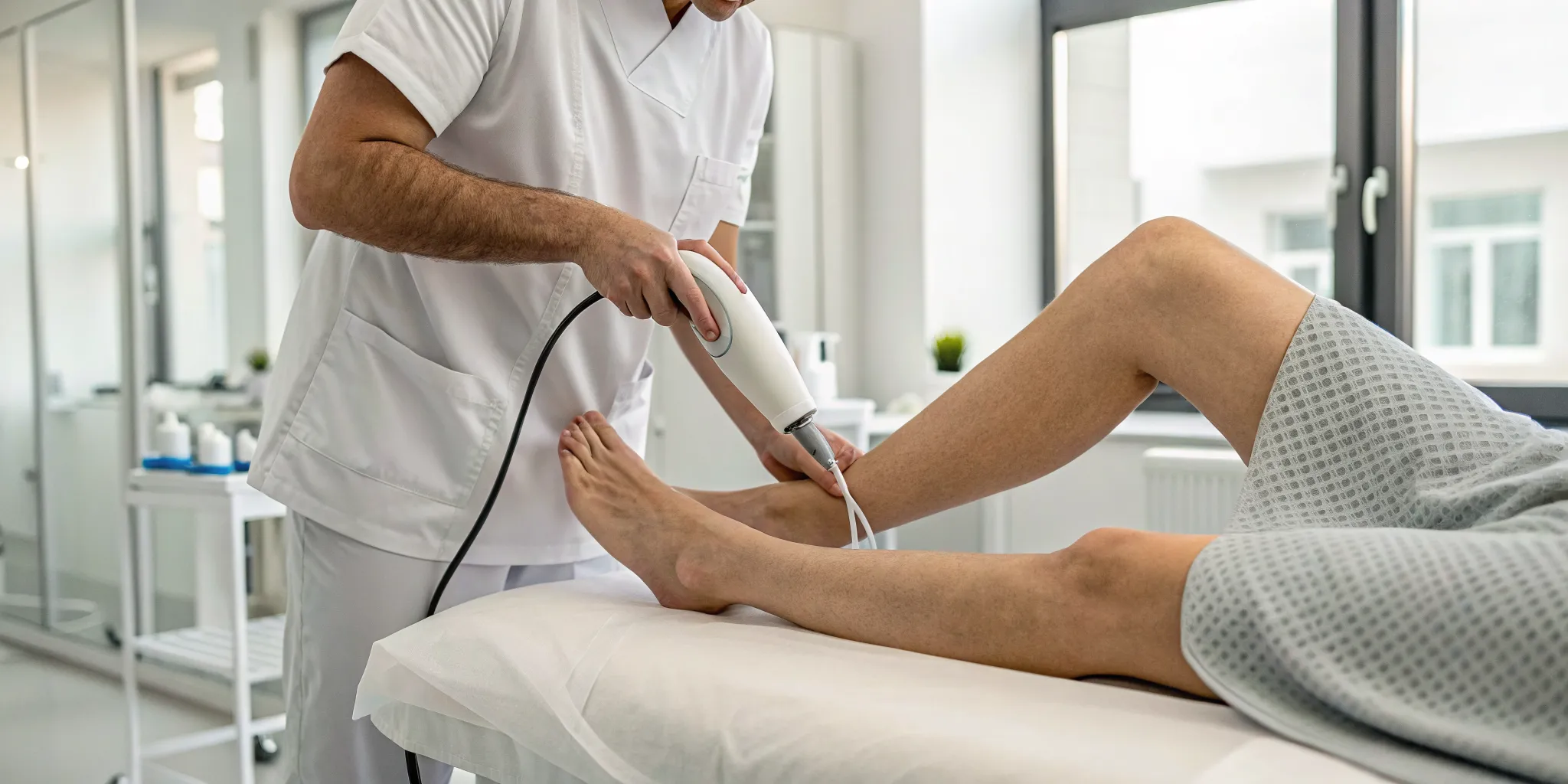
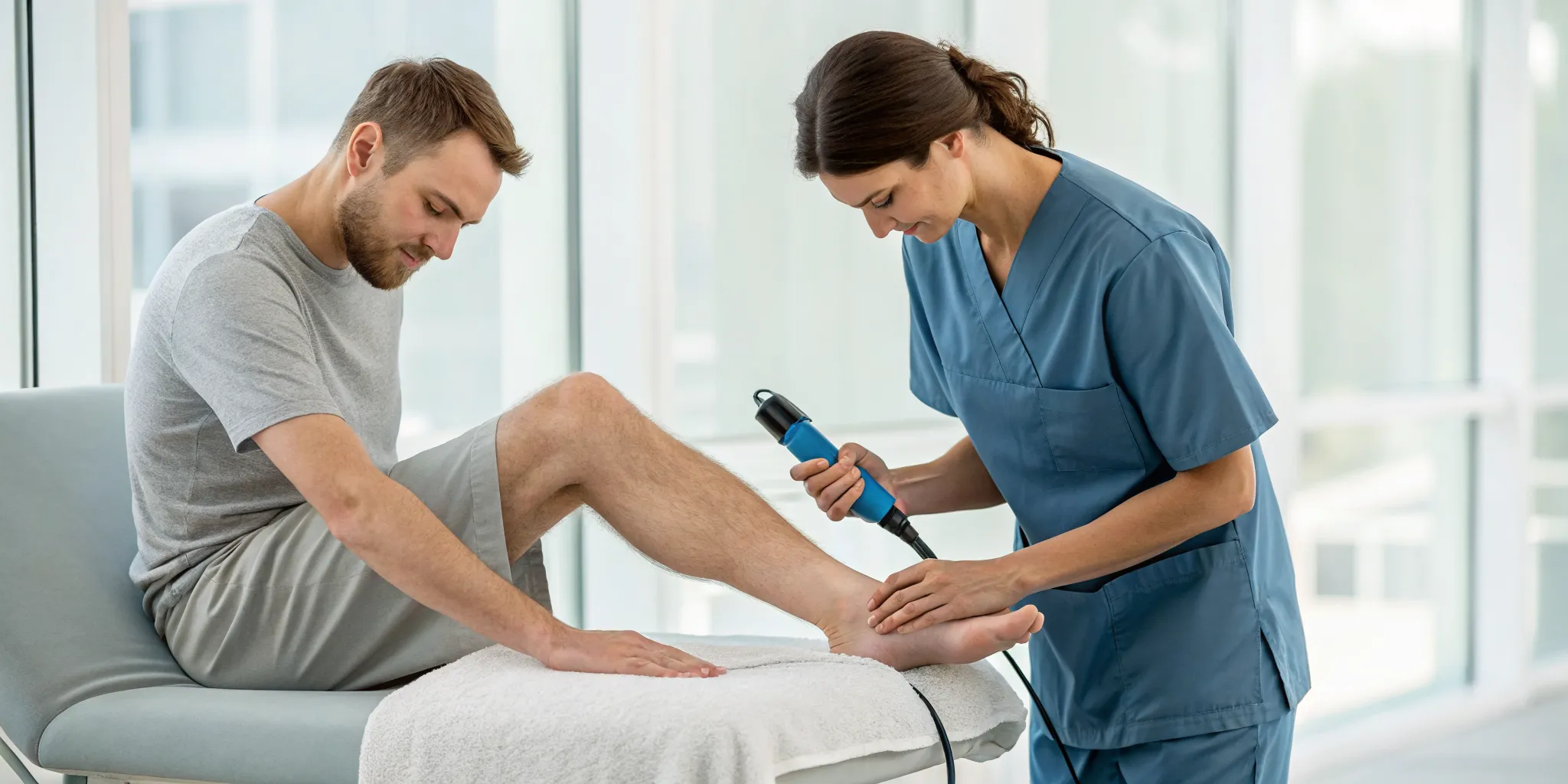
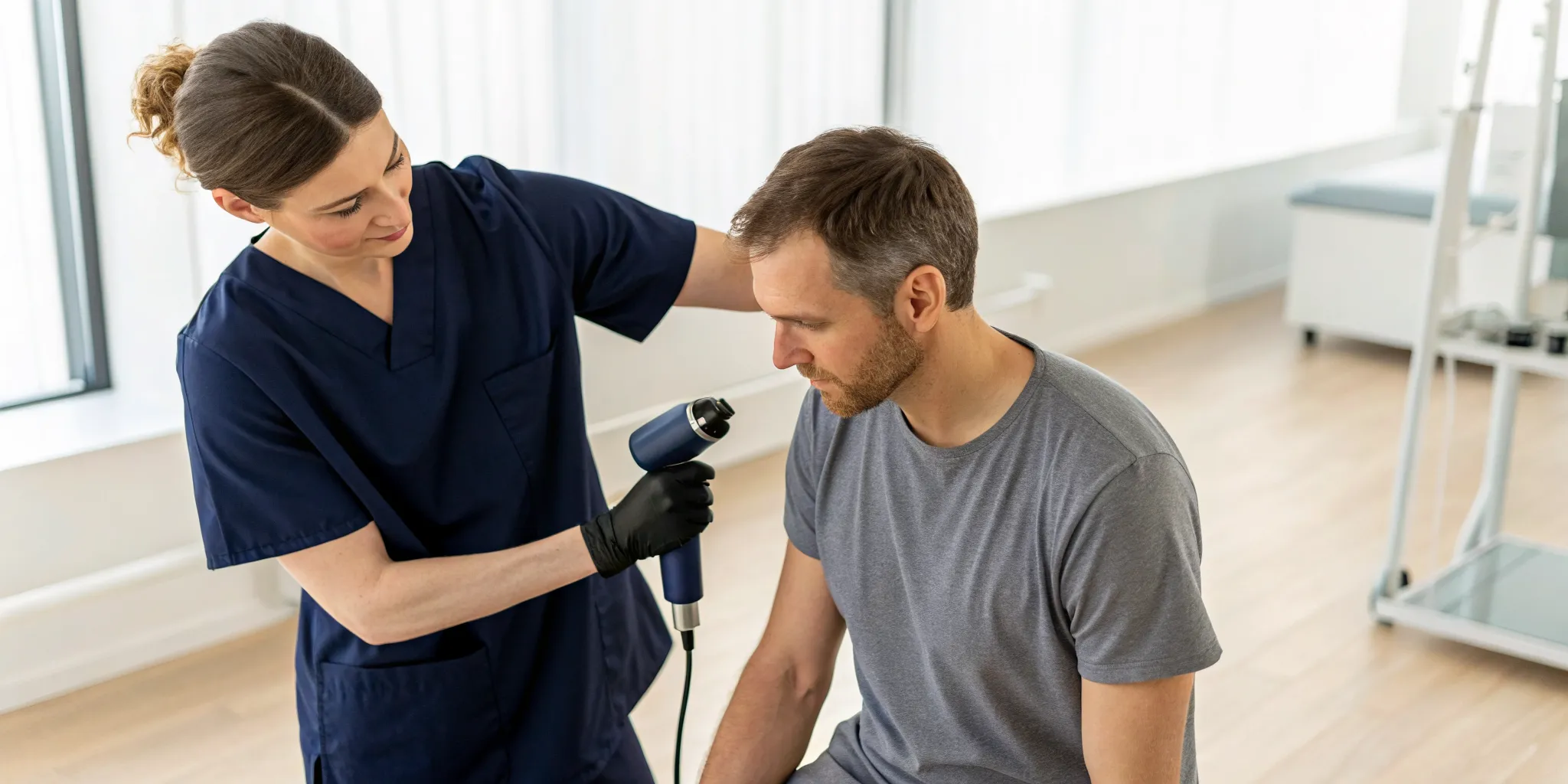
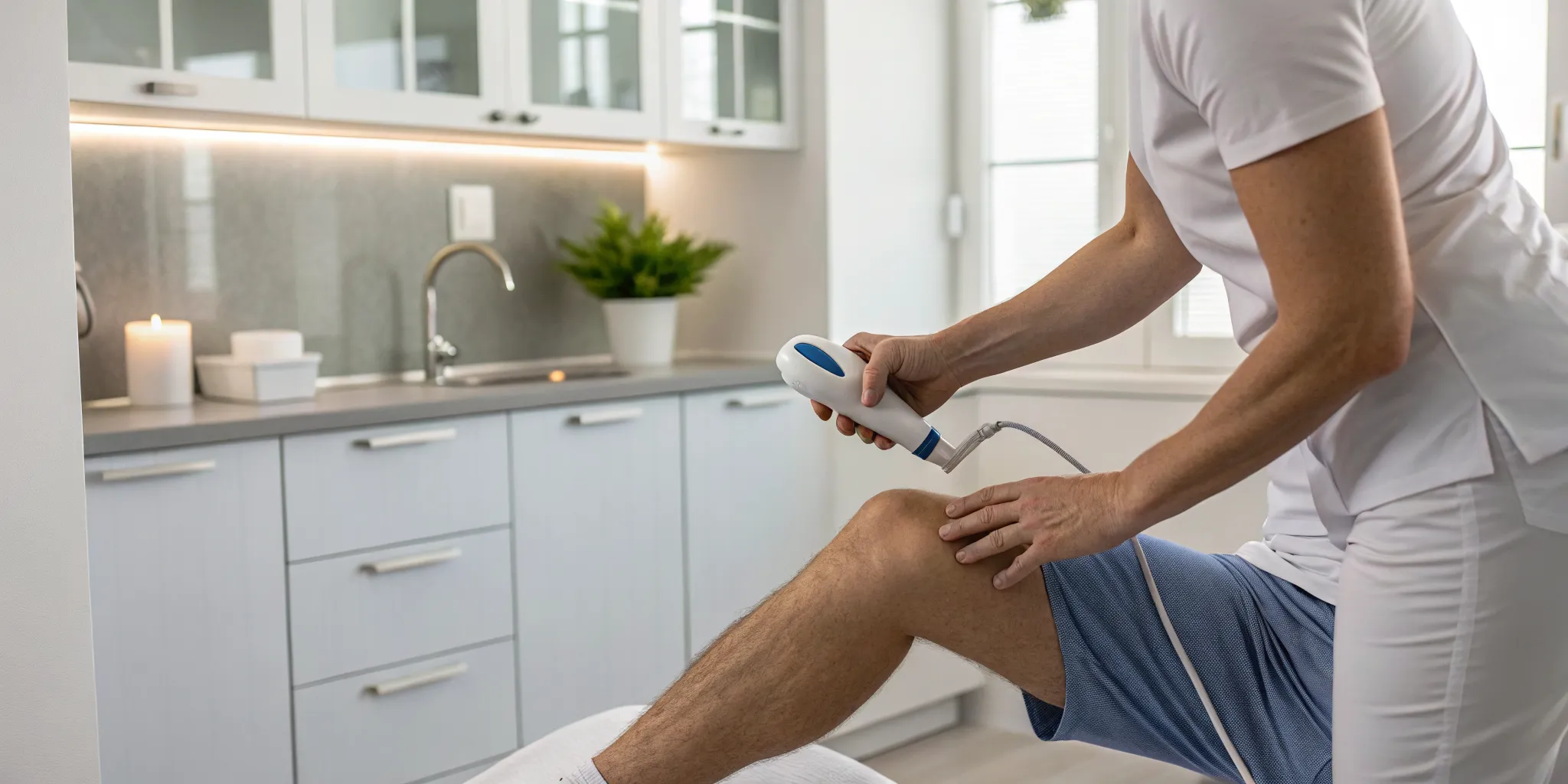
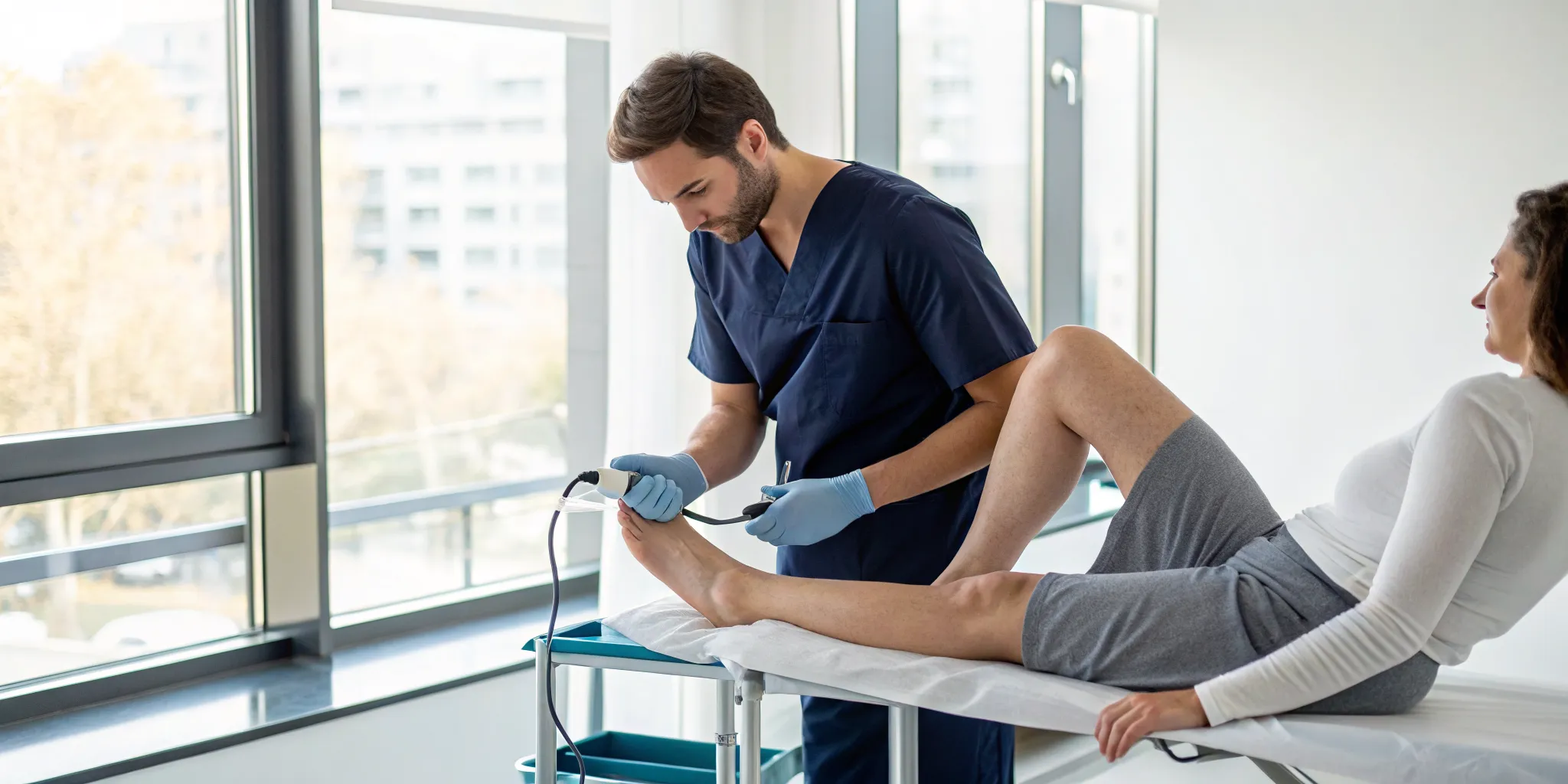
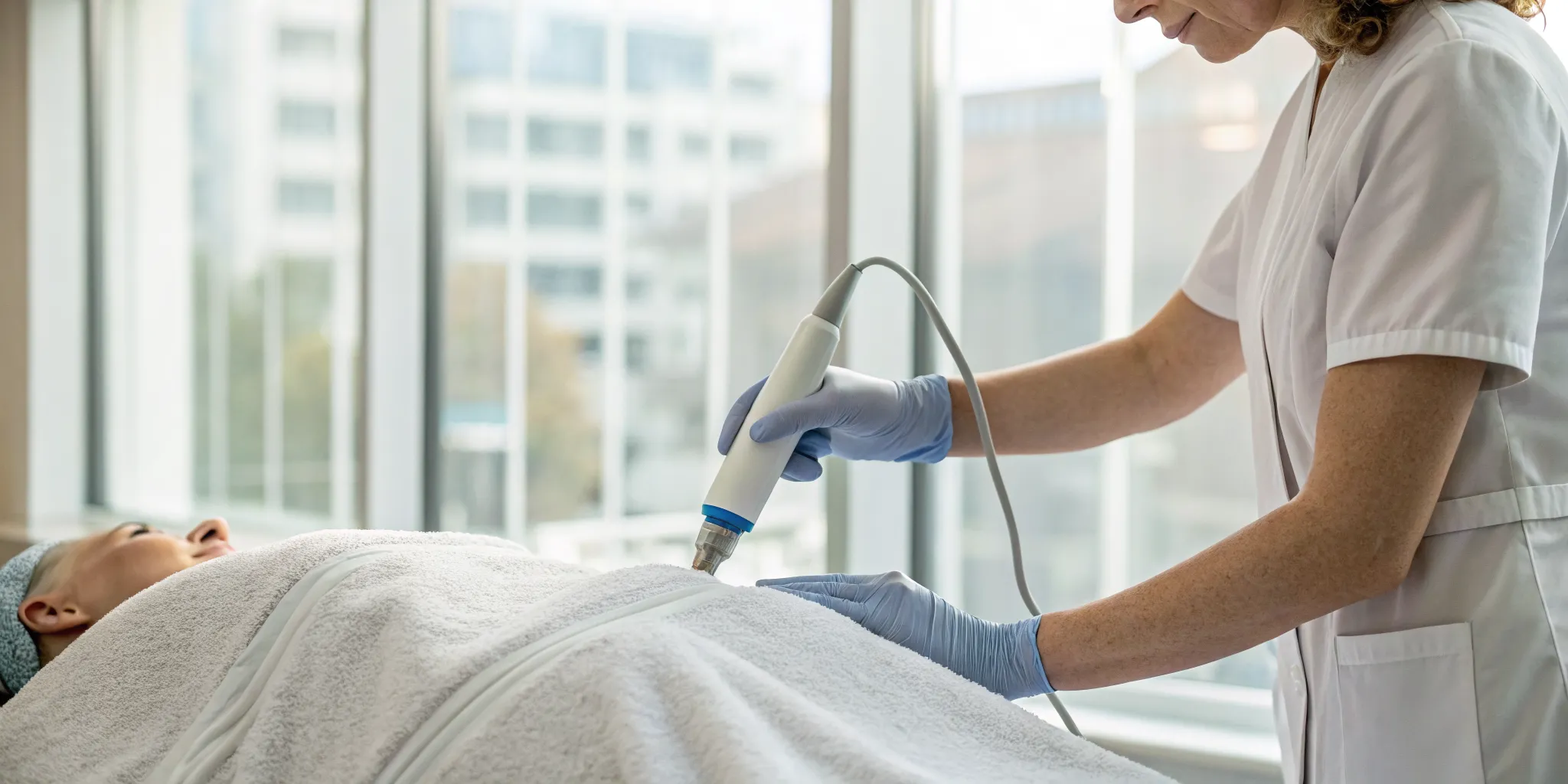
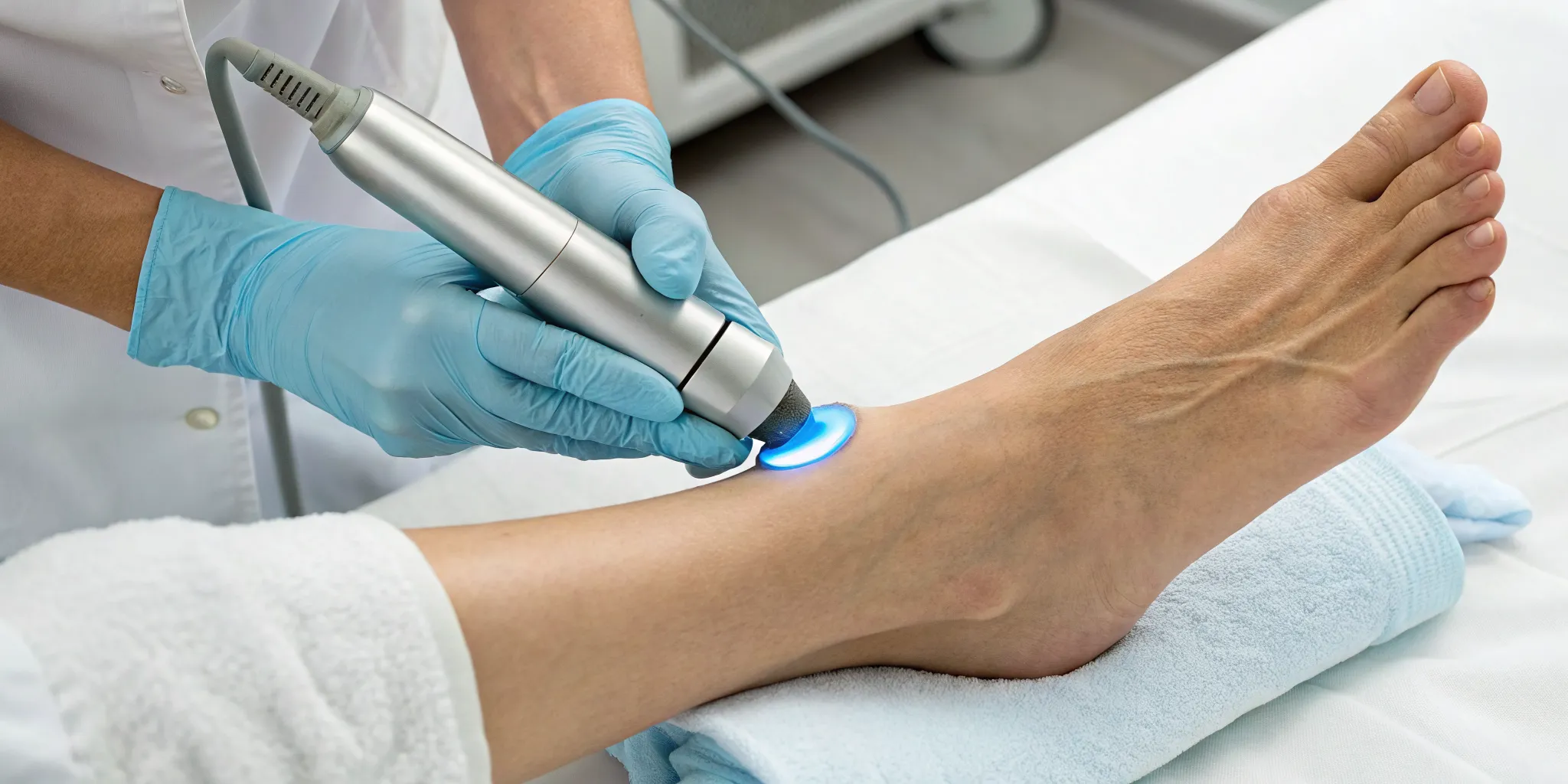
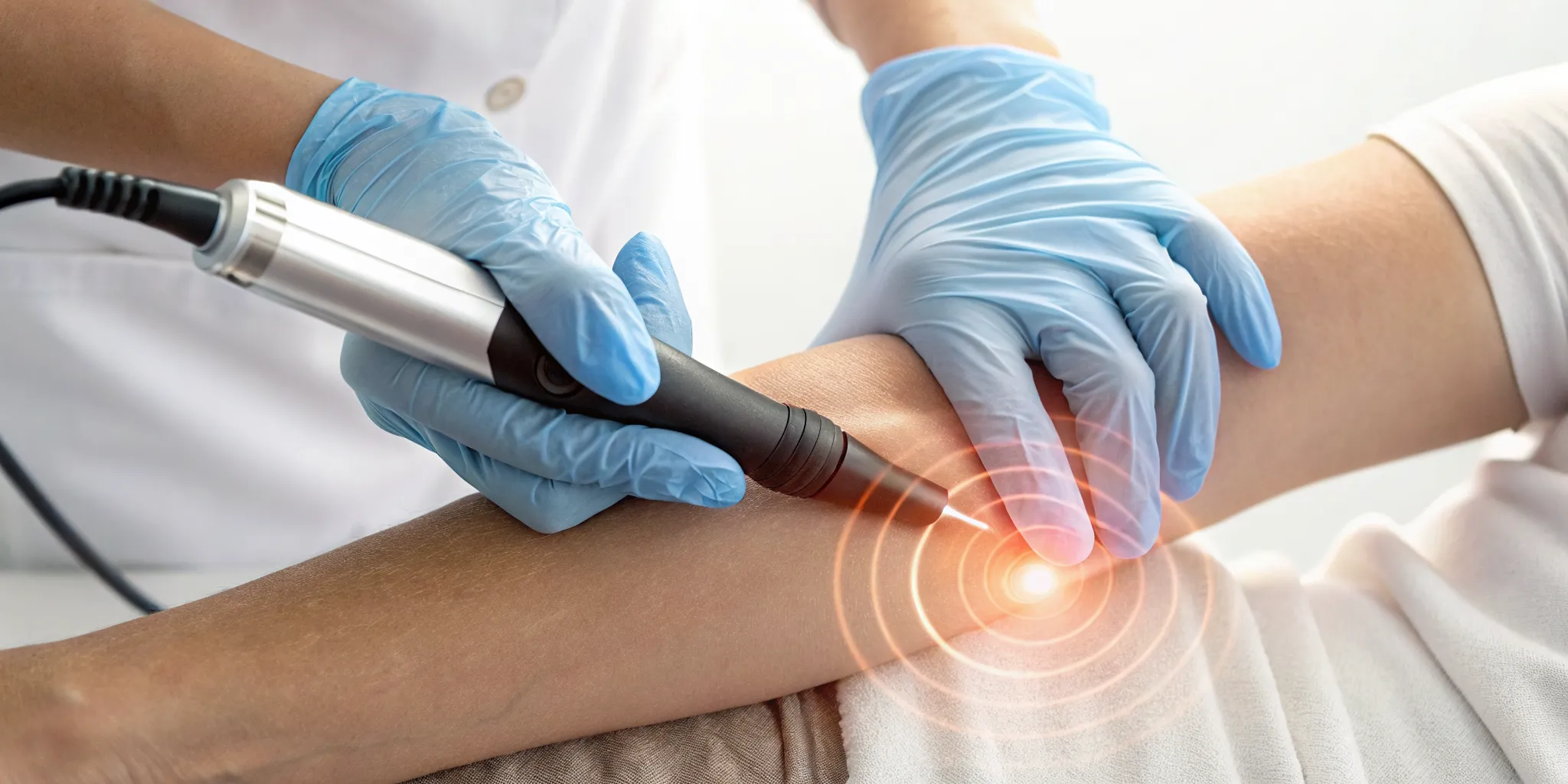
When you come in for your session, we’ll start by applying a gel to your elbow. This helps the sound waves travel more effectively from the device to the targeted tissue. Next, your practitioner will use a handheld applicator, moving it over the painful area. You’ll hear and feel the high-energy sound waves as they create controlled pulses.
Many patients describe this as a tingling or tapping feeling. If an area is particularly inflamed, you might feel a bit more sensitivity, but the treatment is generally very tolerable. We can adjust the intensity to match your comfort level. Each session is quick, typically lasting only about 10 to 20 minutes, making it easy to fit into your schedule.
After Your Appointment
Immediately after your session, it’s common to feel some relief from your golfer’s elbow pain. However, you might also experience some mild soreness or tenderness in the treated area later that day. This is a completely normal response and a positive sign that the therapy has triggered a healing reaction in the tissue.
Most people can return to their normal daily activities right away, though we usually recommend avoiding strenuous exercise or heavy lifting for a day or two. This gives your body time to respond to the treatment. Within 24 to 48 hours, any discomfort typically subsides, and many patients report feeling significantly better than they did before the session. We treat a wide range of conditions and find this recovery pattern to be very consistent.
How to Prepare for Your First Session
One of the best parts of shockwave therapy is that it requires very little preparation. Since it’s non-invasive, you don’t need to worry about fasting or arranging for a ride home. We suggest wearing loose, comfortable clothing that allows for easy access to your elbow.
The most important step happens before you even schedule your first session: your initial consultation. This is where we’ll discuss your symptoms, review your health history, and determine if shockwave therapy is the right path for you. It’s the perfect time to ask any questions you have. To get started and see how we can help, feel free to contact us to set up a consultation with our team.
How Many Shockwave Sessions Will You Need?
One of the first questions people ask about shockwave therapy is, "How long will this take?" It's a great question, and the answer is always: it depends on you. While many patients see results in just three to five sessions, with continued improvement over time, your path to healing is unique. We don't believe in one-size-fits-all solutions. Instead, we create a plan that addresses your specific needs, the severity of your golfer's elbow, and your personal health goals. Our focus is on getting you lasting results, so we'll map out a timeline that makes sense for your body's healing process. The number of sessions is just one part of a comprehensive physical medicine approach designed to get you back to feeling your best.
Your Personalized Treatment Timeline
Your treatment plan is designed to fit into your life, not disrupt it. Each shockwave session is quick, typically lasting only about 10 to 20 minutes. During the appointment, you might feel a tapping or pulsing sensation at the treatment site. Most people describe it as a mild tingling or a feeling of pressure, which tells you the sound waves are getting to work. We'll determine the right frequency for your sessions, usually spacing them out to give your body time to respond and begin the repair process. Our team will walk you through every step, ensuring your treatment plan is clear and tailored just for you.
Factors That Shape Your Treatment Plan
Several factors help us determine the ideal number of shockwave sessions for you. We'll consider how long you've been dealing with the pain and the severity of your symptoms. Shockwave therapy is especially useful for cases that have lingered for months or failed to improve with rest alone. Your overall health and lifestyle also play a role. Are you an avid golfer, or does your job involve repetitive arm movements? Understanding the full picture helps us create a more effective plan. By looking at all these elements, we can better address the specific conditions we treat and get to the source of your elbow pain.
Pairing Shockwave with Complementary Therapies
Shockwave therapy is a powerful tool, but it often works best as part of a bigger picture. To support your recovery and help you achieve lasting results, we frequently combine shockwave therapy with other treatments like targeted rehabilitation exercises. This integrated approach ensures we're not just easing the symptoms but also strengthening the surrounding muscles and correcting any underlying movement patterns that contributed to the injury in the first place. By pairing therapies, we can create a more robust and effective healing environment, helping you build resilience against future injuries. Our goal is to provide a full suite of services that work together for your long-term wellness.
Is Shockwave Therapy Right for You?
Deciding on a treatment path can feel overwhelming, but it really comes down to understanding your specific situation. Shockwave therapy is a powerful tool, but it’s most effective when used for the right person at the right time. Let’s look at some signs that can help you determine if this innovative approach is a good fit for your golfer's elbow pain.
Signs You're a Good Candidate
You might be an excellent candidate for shockwave therapy if your elbow pain has become a persistent, unwelcome companion. This treatment is especially effective for chronic conditions that have lingered for months and haven't improved with rest or other simple measures. If you're a golfer, tennis player, weightlifter, or someone whose job involves repetitive arm movements, you fit the profile. The key indicator is when you've moved past the initial injury phase and are now dealing with stubborn pain that just won't quit. If you've tried other conventional methods without success, our physical medicine approach using shockwave therapy could be the breakthrough you need.
Who Should Consider Other Options?
While shockwave therapy is a game-changer for chronic tendon issues, it’s not typically the first line of defense for a brand-new injury. If your elbow pain is acute, meaning it just started, your body may need a different kind of support first. Additionally, it's important to have a comprehensive health picture. Individuals with certain underlying medical conditions or who are pregnant should always discuss their full health history with a provider before starting a new treatment. The best way to know for sure is to have a conversation. A thorough evaluation helps us understand the root cause of your pain and create a personalized plan that’s right for you. We encourage you to contact us to discuss your specific situation.
Find Relief from Golfer's Elbow in Tampa
Living with the nagging pain of golfer's elbow can keep you from the golf course, the tennis court, or even just enjoying a pain-free day. If you've tried rest, stretching, and other common treatments without success, it can feel incredibly frustrating. For those in Tampa seeking a solution, an innovative, non-invasive treatment is helping people find lasting relief: shockwave therapy.
This cutting-edge approach uses high-energy sound waves to target the source of your pain. Instead of just masking symptoms, shockwave therapy works to promote your body's own healing processes. It stimulates blood flow, helps break down scar tissue, and regenerates damaged tendons in the elbow. This treatment addresses both the pain and the underlying tissue damage, making it a highly effective option for chronic cases that haven't responded to other methods. It can even help interrupt the pain signals your elbow sends to your brain, providing significant comfort.
At Ascend Functional Health, we use physical medicine techniques like shockwave therapy as part of our comprehensive approach to healing. Our goal is to get to the root cause of your discomfort so you can regain your strength and get back to the activities you love. If you're ready to explore a different path to healing for your golfer's elbow, our team is here to help. You can schedule a consultation to learn if this treatment is the right fit for you.
Related Articles
- SoftWave Tissue Regeneration Therapy in Tampa | Alessi Functional Health
- SoftWave TRT Therapy in Tampa, FL - Alessi Functional Health
- Pain Free Future | Alessi Functional Health
- What Is Graston Technique Therapy? A Beginner's Guide
- Ice Or Heat, Which Is Better When You're Hurt? | Alessi Functional Health
Frequently Asked Questions
Does shockwave therapy hurt? Most people describe the sensation as a strong, rhythmic tapping or pulsing on the skin. While you might feel some mild discomfort, especially over the most tender spots on your elbow, the sessions are very quick, usually lasting only 10 to 20 minutes. We can also adjust the intensity to keep you comfortable. It’s normal to feel a little sore afterward, which is a good sign that your body’s healing response has been activated.
How do I know if shockwave therapy is the right choice for my elbow pain? This treatment is particularly effective if your golfer's elbow has become a chronic issue, meaning the pain has lingered for several months and hasn't improved with rest or other initial treatments. If you're dealing with stubborn pain that limits your daily activities and you're looking for a solution that addresses the underlying tissue damage, you are likely a great candidate. The best way to know for sure is to have a consultation so we can evaluate your specific condition.
I've already tried physical therapy. Why would this be any different? Physical therapy is excellent for strengthening muscles and improving flexibility, but sometimes, the tendon itself needs a different kind of help to heal. Shockwave therapy works on a cellular level to restart the repair process in tissue that has been "stuck" in a cycle of chronic inflammation. Think of it as a powerful partner to physical therapy; it helps create a better healing environment, making your strengthening exercises even more effective.
How many sessions will I need to feel better? Your treatment plan will be tailored specifically to you, but many people start to experience significant improvement within three to five sessions. The goal is to create lasting change, not just temporary relief. The healing process continues for weeks after your sessions end as your body works to rebuild stronger, healthier tendon tissue.
What is the first step if I'm interested in this treatment? The first step is to schedule a consultation with our team. During this initial appointment, we will discuss your symptoms, review your health history, and perform a thorough evaluation of your elbow. This allows us to determine if you are a good candidate for shockwave therapy and create a personalized plan to help you find lasting relief.