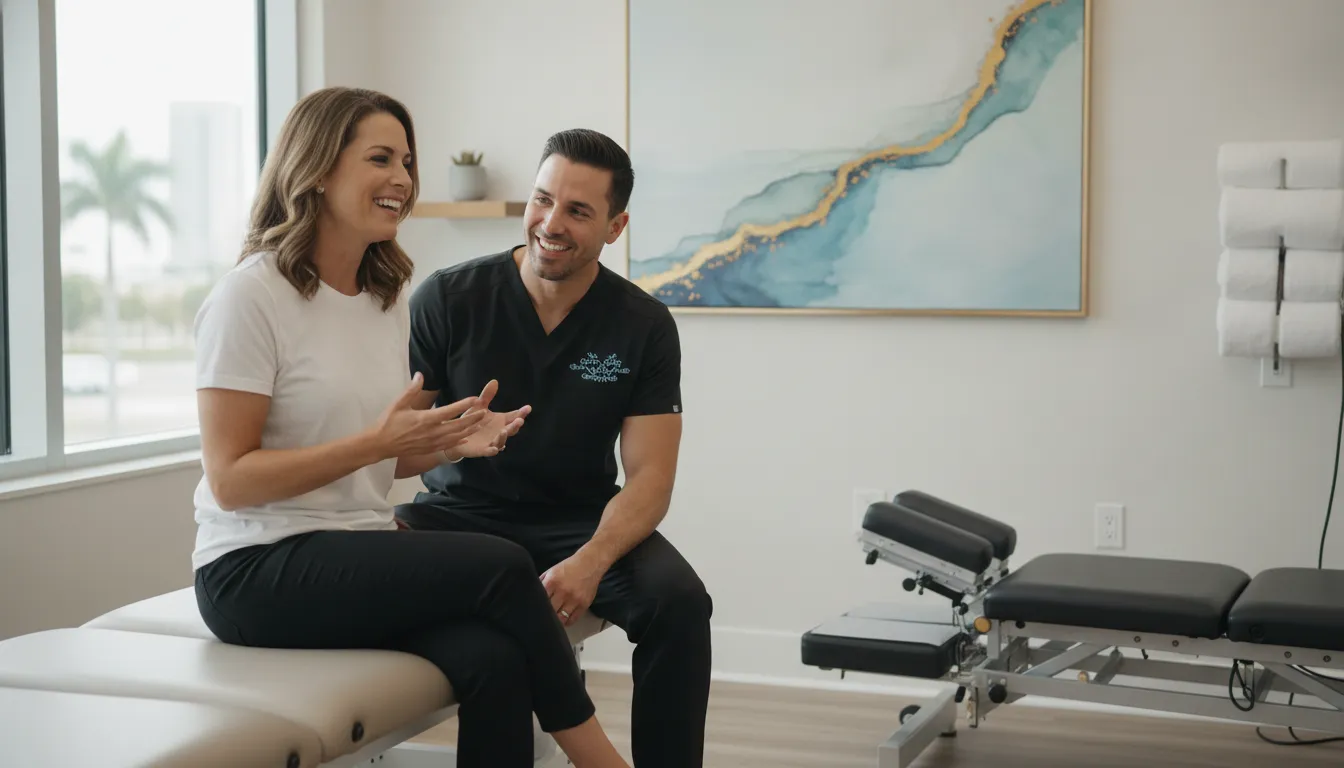
When soft-tissue discomfort keeps returning, the most useful first step may be understanding how your symptoms relate to movement, tissue tension, and the rest of your physical health. A thoughtful Tampa evaluation can help separate a short-term comfort measure from care that fits a broader Physical Medicine plan.
For people researching myofascial release tampa, myofascial release is a form of manual therapy. It uses a low-load, long-duration stretch applied to the myofascial complex, with the intended goals of supporting function and reducing pain. A systematic review found that the available evidence varies in quality and results, so expectations should be grounded in individual evaluation rather than promises.
That distinction matters because fascia wraps, connects, and supports muscles, while areas of stiffness may influence how you move and where discomfort is felt. The sections ahead explain what this care may involve locally, why assessment comes before technique, and how soft-tissue work can fit alongside other Physical Medicine options.
Discuss your care goals with Ascend Functional Health.
What Does Myofascial Release Involve in Tampa?
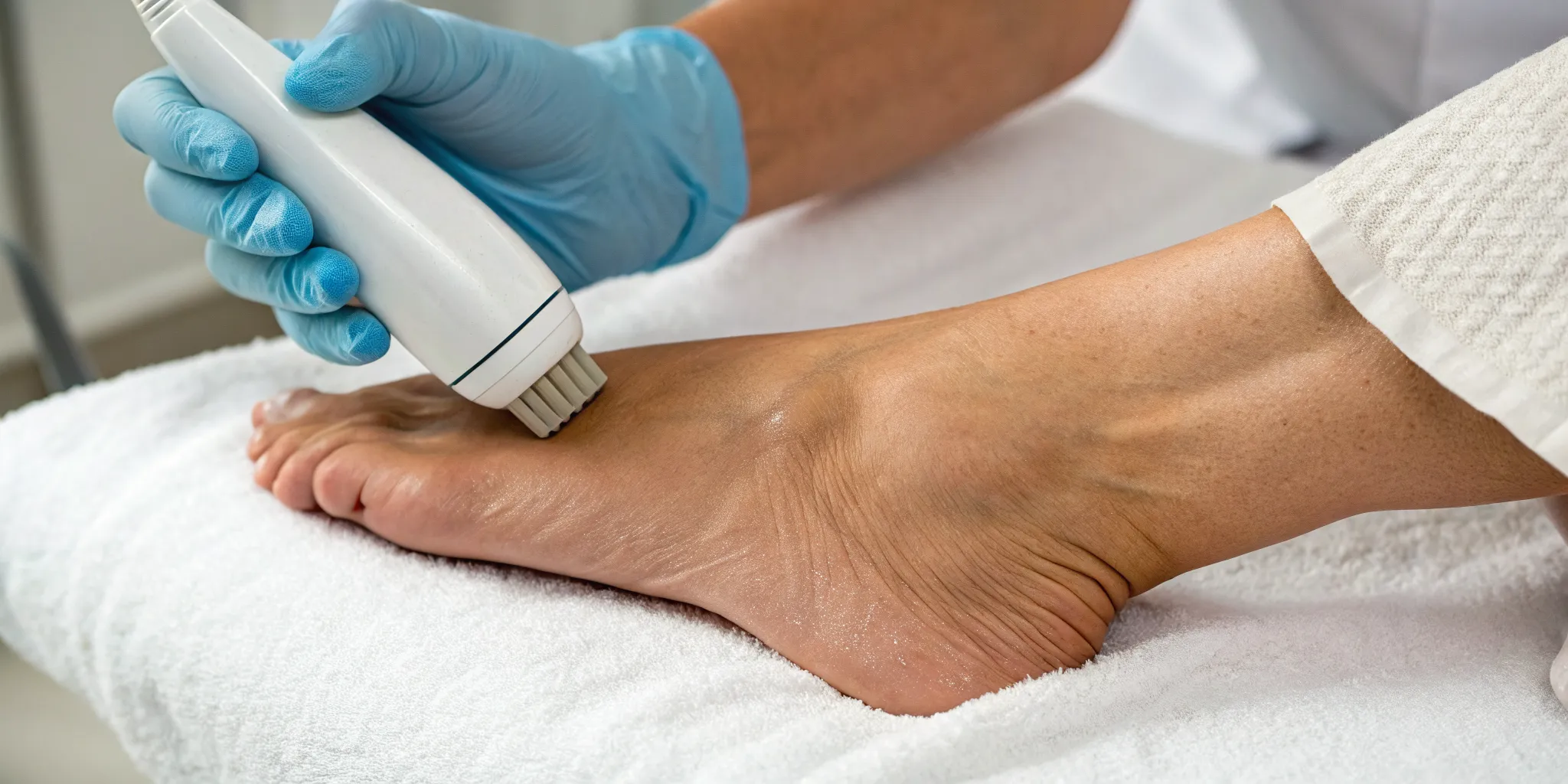
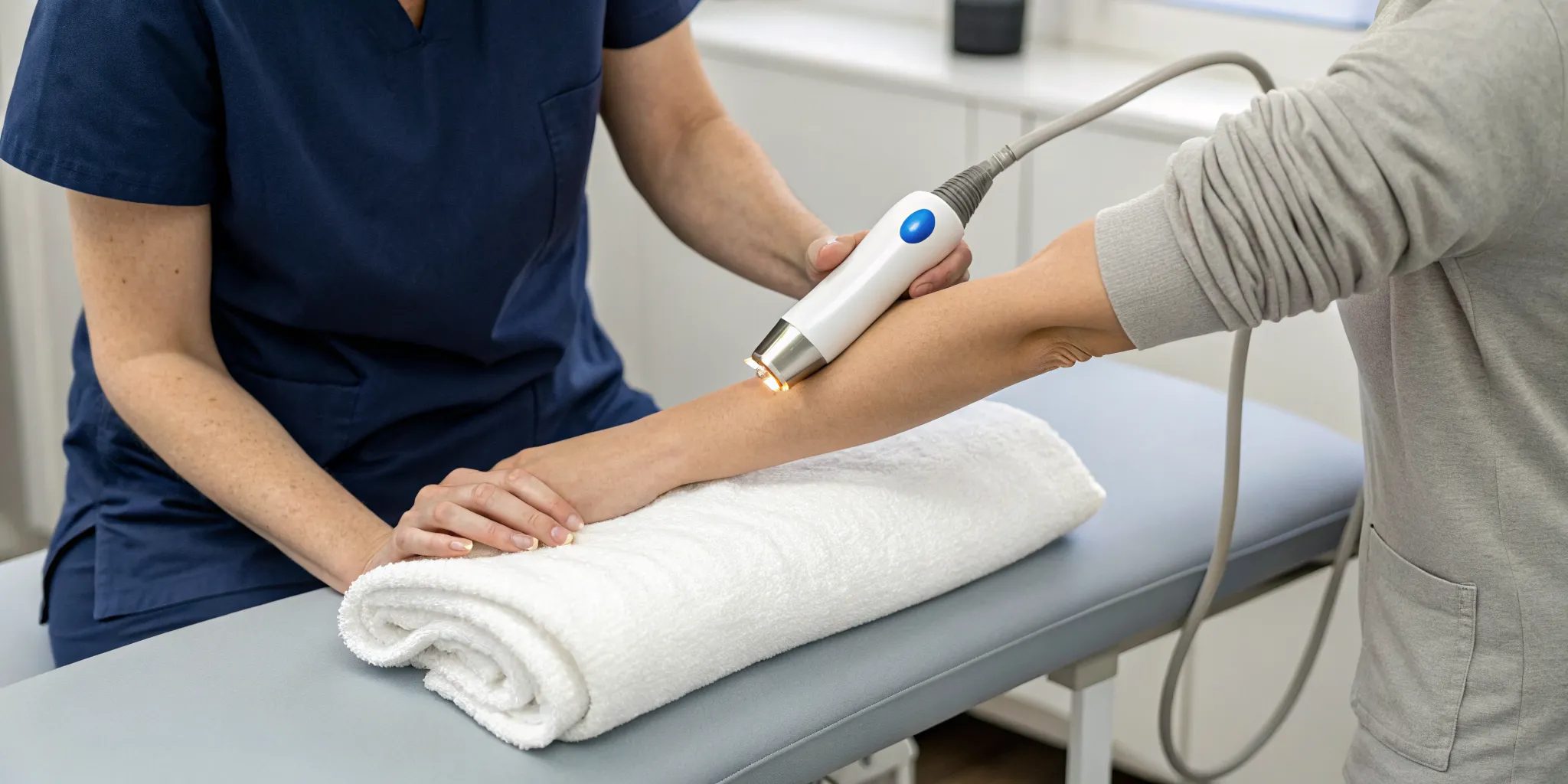
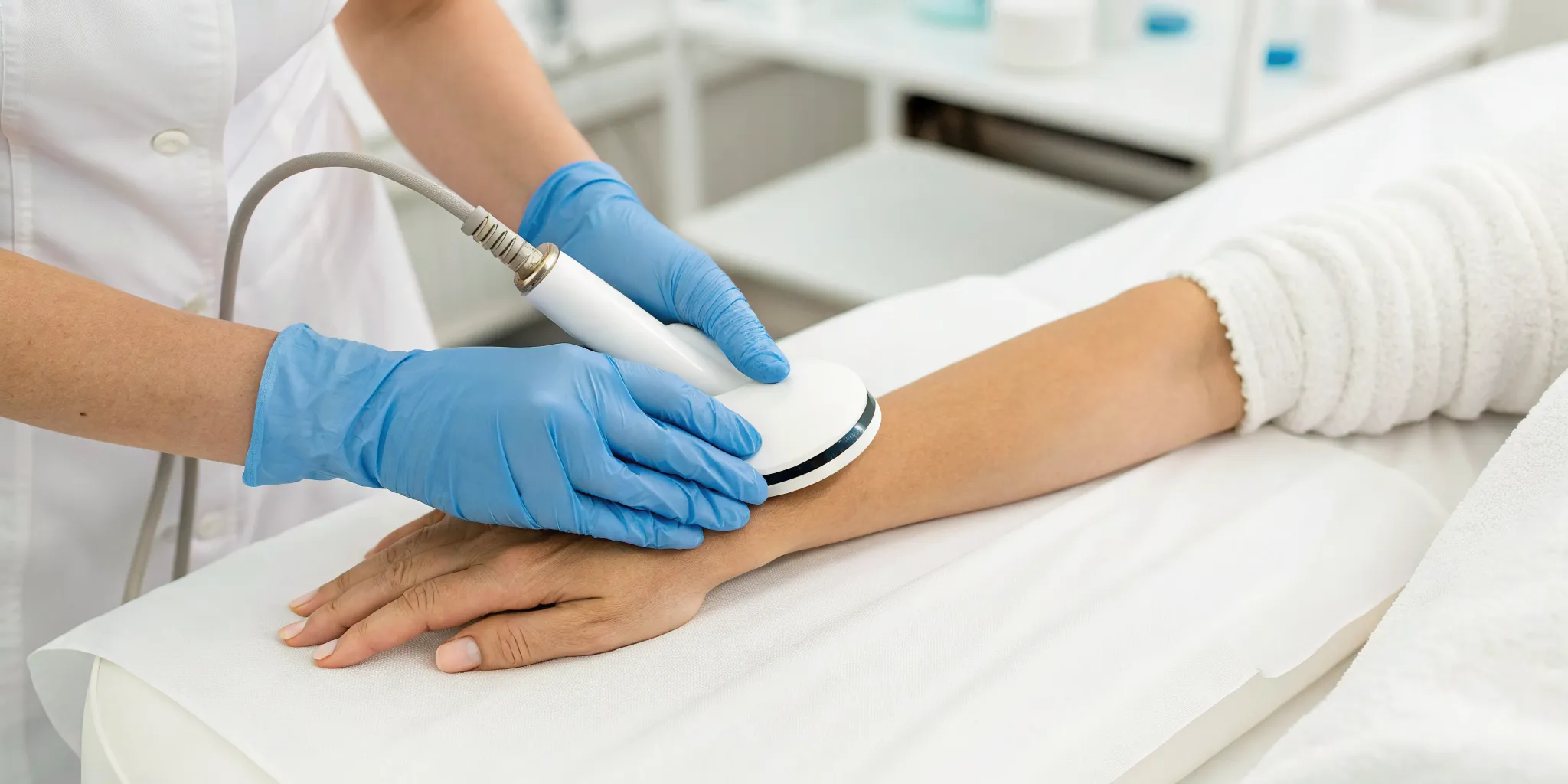
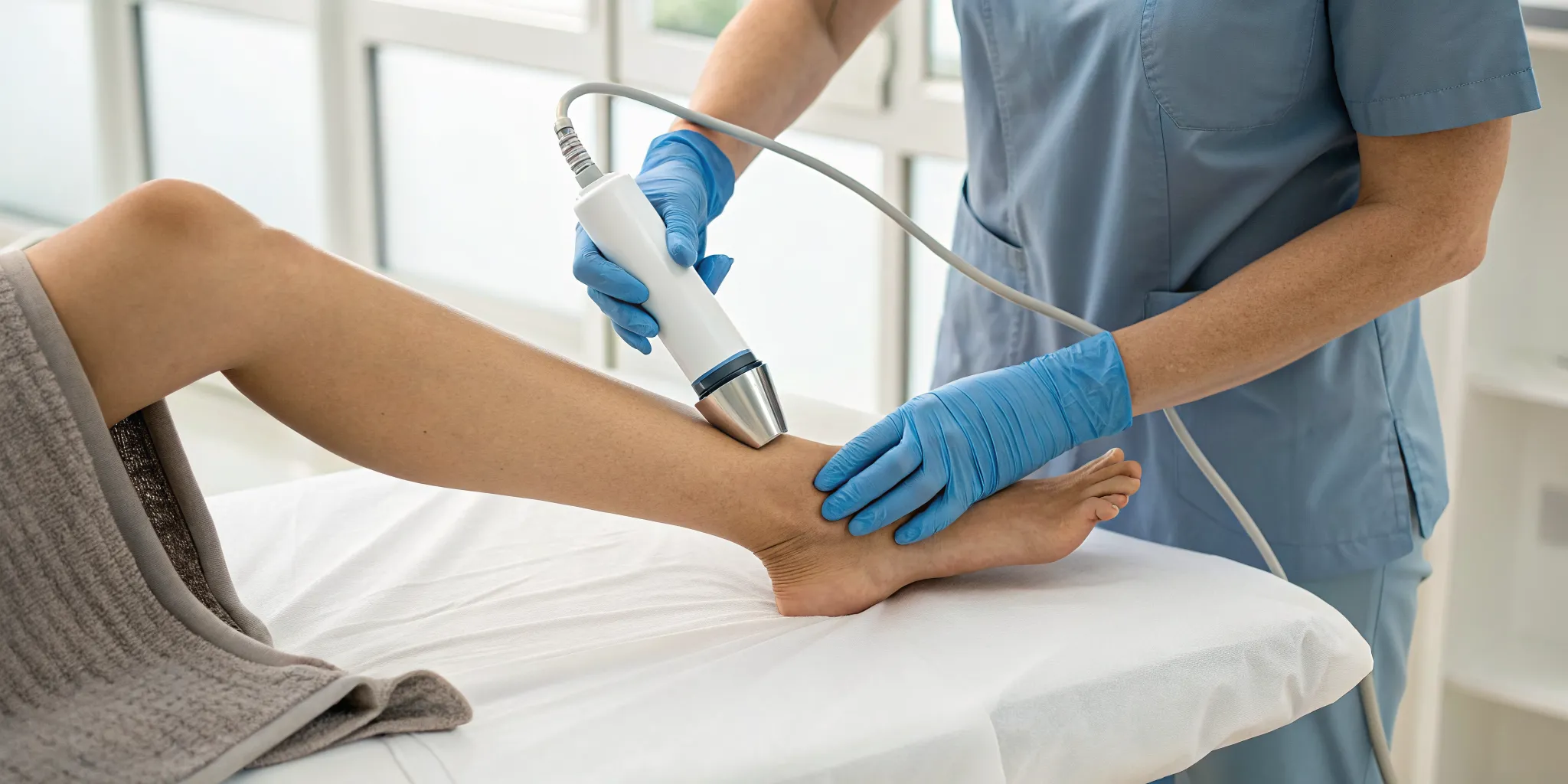
Myofascial release is a hands-on manual therapy that applies a low-load, long-duration stretch to the myofascial complex, the connective-tissue system associated with muscles and movement. In Tampa, the approach may be considered as part of an evaluated Physical Medicine plan rather than as a one-size-fits-all massage service.
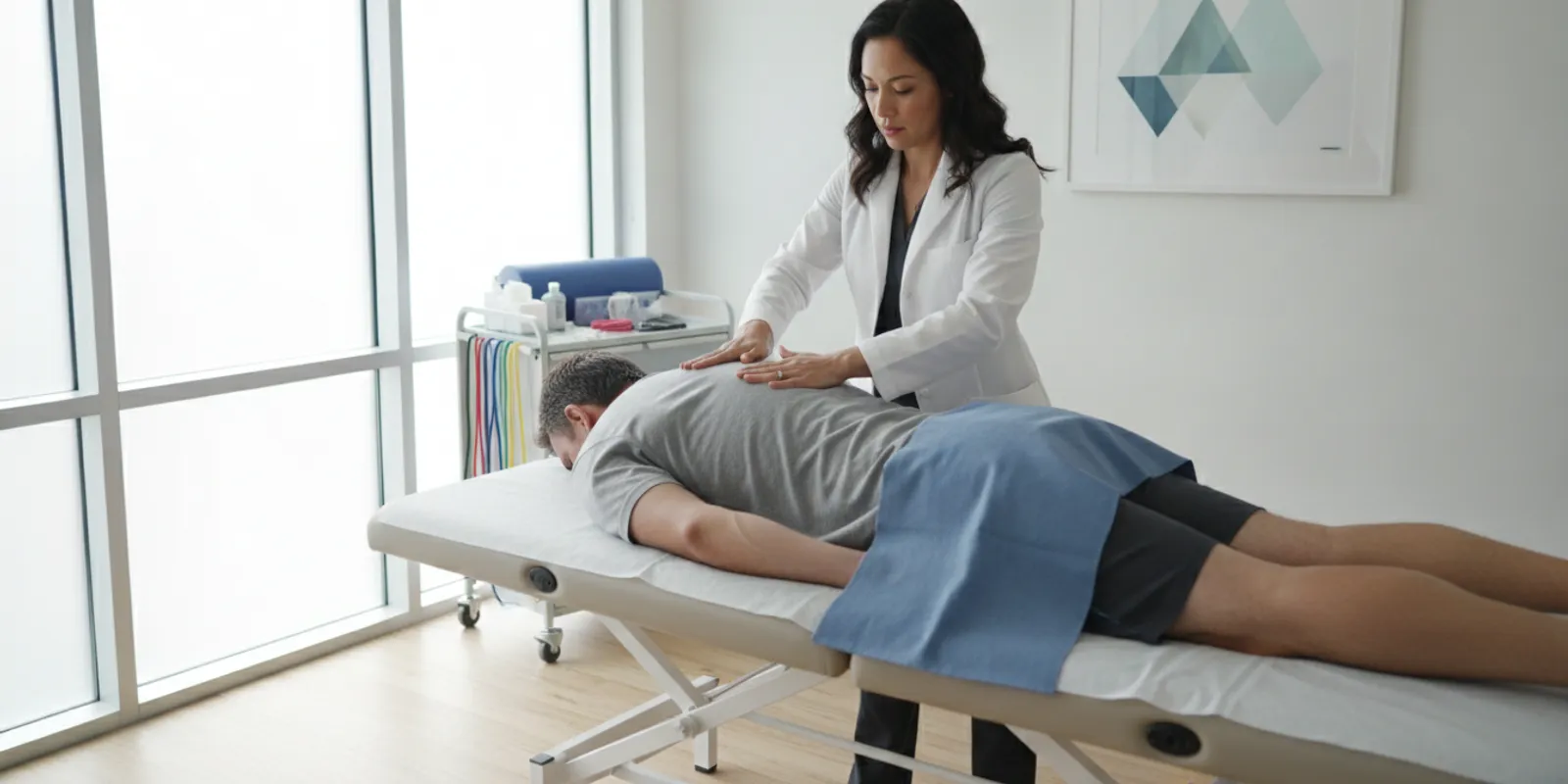
Fascia forms the tissue coverings that wrap, connect, and support muscles. When a clinician or trained therapist assesses this area, the focus is not simply on rubbing a sore spot. The process may consider how tissue tension, movement, and the location of symptoms relate to one another. Mayo Clinic notes that myofascial pain can involve stiff areas known as trigger points. Discomfort may not always be felt directly where the contributing area is located. Mayo Clinic explains the clinical context of myofascial release.
That distinction helps separate myofascial release from the broad category of general massage. Massage can involve a range of goals, pressures, and techniques for relaxation or soft-tissue comfort. Myofascial release uses a more specific focus on the tissues surrounding and supporting muscles, often with sustained pressure or stretching guided by how the area feels and moves. The two may overlap, and the appropriate approach depends on the provider's training, the person's history, and the purpose of care. It is not accurate to assume that one is automatically better than the other.
Research literature describes myofascial release as a technique intended to support tissue length, comfort, and function, but it also reports variation in study quality, treatment methods, and outcomes. Techniques can differ between practitioners, so a Tampa patient should ask how the approach will be evaluated and how progress will be assessed. A qualified professional may use gentle hand pressure to identify areas that feel stiff or less elastic. While also considering whether movement limitations or other findings call for a broader clinical evaluation.
At Ascend Functional Health, soft-tissue work may be discussed within the broader context of personalized Physical Medicine care. That does not mean every patient needs myofascial release, or that it should stand alone. The starting point is a conversation about symptoms, goals, relevant history, and whether this type of hands-on care fits the individual plan.
How Is a Myofascial Release Evaluation Performed?
A myofascial release evaluation begins with your health history, the location and behavior of your symptoms, and how your body moves. The clinician then considers whether focused soft-tissue care fits your needs, rather than treating a sensitive area in isolation.
Health history and symptom details
Expect questions about when the concern began, what activities affect it, previous injuries or procedures, and whether symptoms change with rest or movement. It also helps to describe the sensation accurately. Aching, tightness, tenderness, or symptoms that travel can provide different context than a single sore spot. Myofascial pain may involve stiff areas sometimes called trigger points, and the location that feels painful may not be the same as the location contributing to the problem. Mayo Clinic notes that trigger-point pain can be difficult to pinpoint and may occur away from the perceived source of pain (Mayo Clinic's explanation of myofascial release).
Symptom mapping and movement assessment
The clinician may observe posture, gait, and active movement, then compare range of motion and how symptoms respond to specific positions. In a broader Physical Medicine assessment, Ascend may consider range of motion, orthopedic and neurological findings, muscle strength, balance, and coordination. These checks help place soft-tissue findings in a functional context. They are part of an evaluation, not a diagnosis based on one tender point.
A practitioner may use light hand pressure to identify areas that feel stiff or less elastic than surrounding tissue. Mayo Clinic describes this as one way a trained therapist assesses myofascial areas and considers whether restricted movement may be involved (clinical assessment details). Orthopedic and neurological considerations also matter because not every source of pain is a soft-tissue concern. If symptoms suggest a need for another type of clinical evaluation, the care plan should reflect that.
Communication during the evaluation and session
Tell the provider about relevant health changes and speak up if pressure creates sharp, escalating, or otherwise concerning discomfort. Comfort feedback is useful clinical information, not an interruption. A Tampa Bay provider similarly advises communicating discomfort throughout a session (local guidance on myofascial release communication). Mayo Clinic also recommends consulting a therapist trained in the technique when myofascial release is being considered for back pain. The final decision should follow your history and examination, with the approach adjusted to your response rather than imposed as a standard routine.
How Can Soft-Tissue Care Fit a Physical Medicine Plan?
Soft-tissue care may serve as one part of a broader Physical Medicine plan when an evaluation suggests that muscle or fascial restrictions are affecting movement. The appropriate combination depends on the person's findings, goals, and response to care, not on a preset list of procedures.
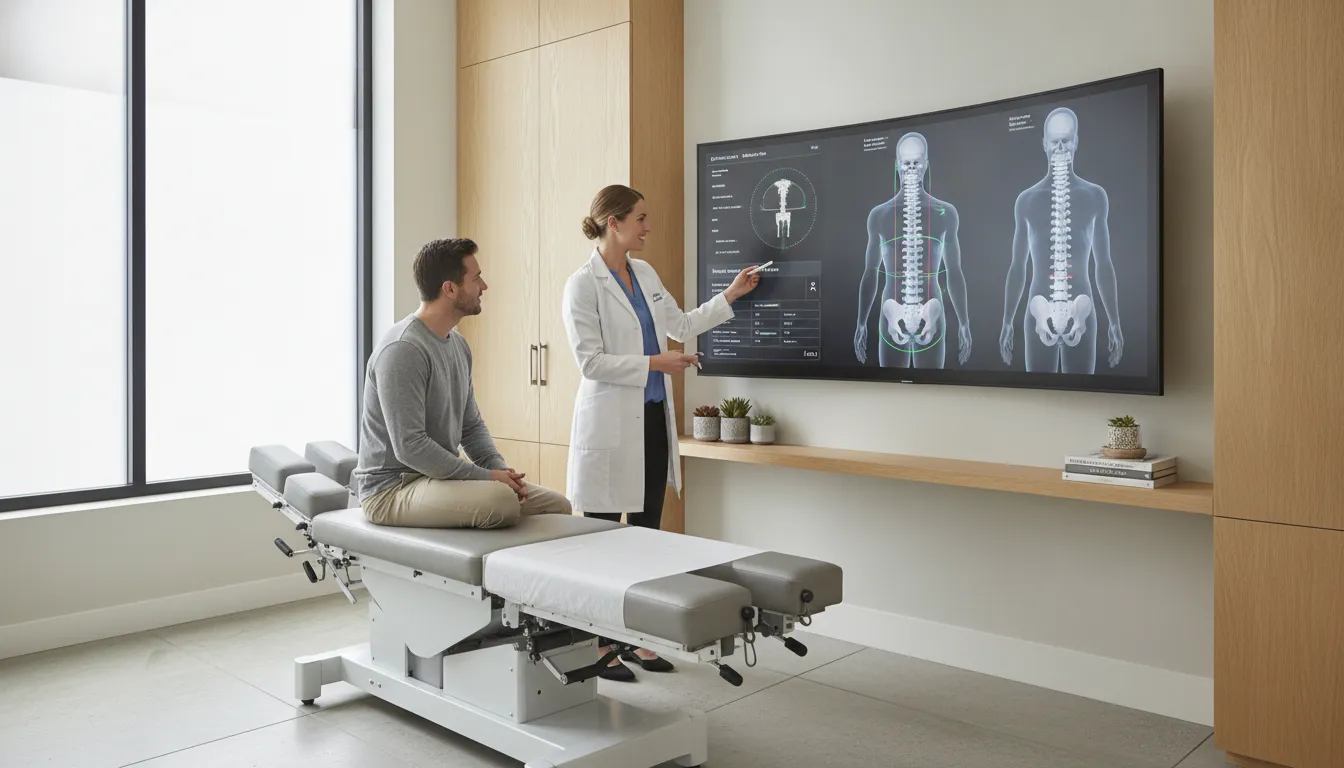
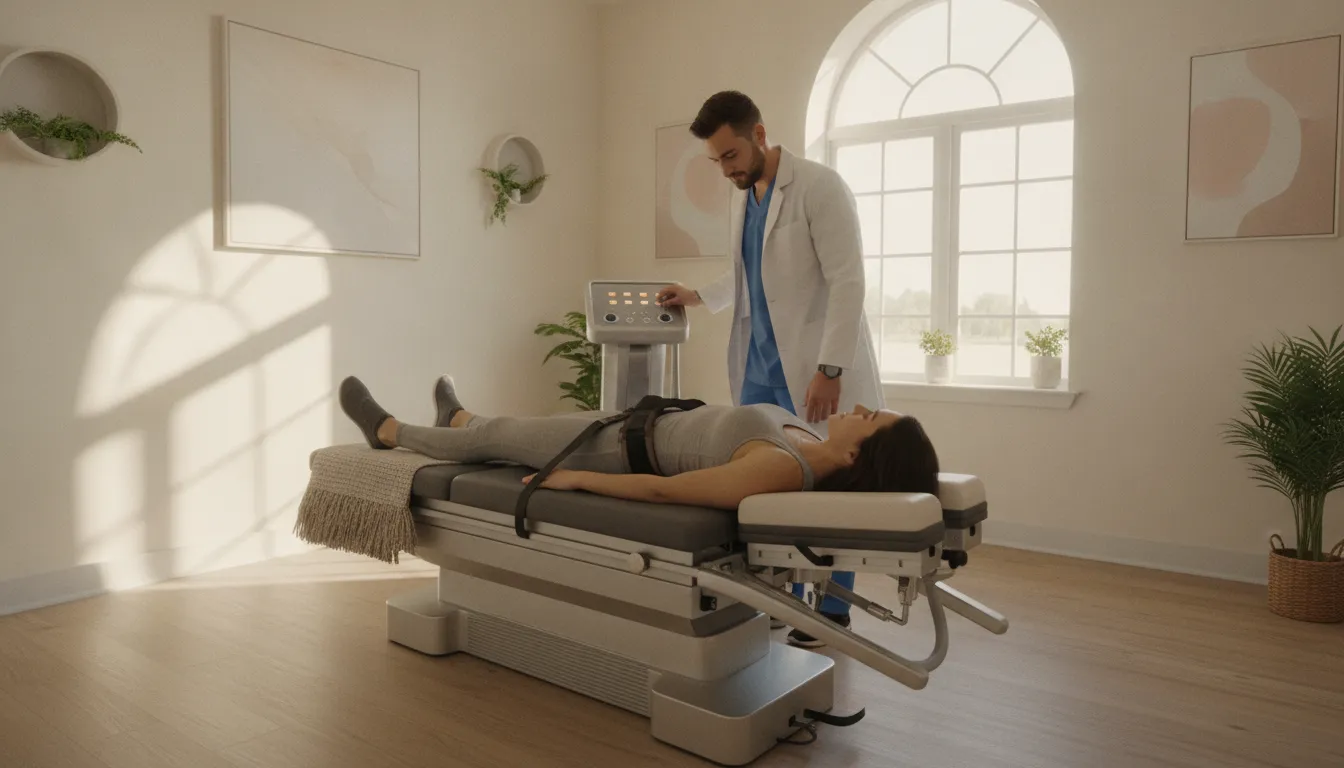
At Ascend, bodywork is considered alongside the structural and movement factors that may be contributing to a concern. The practice describes its Physical Medicine services as including therapeutic massage and bodywork, postural restoration, decompression, Chiropractic BioPhysics, and rehabilitation. This broader context matters because hands-on work may be intended to support movement or comfort while other parts of a plan address posture, strength, mobility, or spinal mechanics. Learn more about Tampa Physical Medicine care.
Why the evaluation comes first
A clinical assessment can help determine whether soft-tissue work is relevant and what other questions need attention. Depending on the situation, an evaluation may include range-of-motion testing, orthopedic and neurological assessment, muscle strength testing, balance, and coordination. These findings give a clinician more useful context than a symptom location alone.
That distinction is important because discomfort may be experienced in one area while movement limitations or contributing patterns involve another. A plan should account for the whole presentation rather than assume that the most tender spot is the only issue. Soft-tissue work may be included, adjusted, or deferred based on that assessment.
An example of phased planning
For illustration, a person with a lower-back concern might begin with an acute-care phase focused on tolerability and basic function. If appropriate, later care could incorporate corrective work, movement or strengthening support, and other Physical Medicine services. A maintenance phase may be considered after progress has been evaluated. This is an example framework, not a prescription for every patient.
Some people may need only a limited soft-tissue component, while others may benefit from a plan that combines bodywork with rehabilitation or structural care. The number and timing of visits can also vary. A systematic review found that studies of myofascial release assessed different conditions, interventions, controls, and outcomes, with mixed evidence quality and results. That is one reason a responsible plan should remain individualized and measurable rather than promise the same outcome for everyone.
Patients can also help guide the process by describing changes in comfort, movement, and function between visits. If a technique causes significant discomfort, communicate that during the session so the provider can reassess the approach. A qualified clinician can explain whether soft-tissue care fits the findings and how it relates to the rest of the plan.
How Does Myofascial Release Compare With Massage?
Myofascial release and general massage can both involve hands-on work, but they may differ in purpose, assessment, and how the session is structured. Myofascial release is commonly described as a manual therapy using a low-load, long-duration stretch applied to the myofascial complex. Massage may use a broader range of techniques for soft-tissue relaxation and mobility.
| Area | Myofascial release | General massage |
|---|---|---|
| Primary goal | Focuses on the myofascial tissues that wrap, connect, and support muscles. The intent may be to address areas that feel restricted and support movement or function. | May focus on easing general soft-tissue tension, promoting relaxation, or supporting comfortable movement through massage and stretching. |
| Assessment | Light hand pressure may be used to identify areas that feel stiff, less elastic, or less movable. The location of felt discomfort may not identify the source of the restriction. | Assessment often centers on the person's goals, areas of tension, and preferences for the session. The exact process depends on the practitioner and setting. |
| Technique and pressure | May use sustained, low-load pressure or stretching directed toward specific myofascial areas. It does not necessarily mean deeper or more forceful pressure. | May include varied strokes, pressure, and stretching across selected muscle groups. A session can be adapted to comfort and stated goals. |
| Scope | Often addresses a focused soft-tissue question within a broader evaluation, rather than serving as a stand-alone answer for every pain or movement concern. | Can be a general wellness or soft-tissue service, with scope shaped by the practitioner's training, the setting, and the client's needs. |
| How a plan is chosen | Technique selection should depend on the person's history, presentation, and response. Techniques vary between therapists, and research specific to myofascial release remains limited. | Session goals, relevant history, comfort, and practitioner training guide the approach. A broader clinical concern may call for assessment beyond massage alone. |
The distinction is therefore less about choosing a universally better option and more about matching the service to the question being addressed. A person seeking Tampa Physical Medicine care may benefit from discussing whether soft-tissue work belongs within a broader evaluation of movement, structure, or function. A trained clinician can explain the rationale, adjust the approach, and identify when another form of care or further assessment is more appropriate.
Evidence should also be interpreted carefully. A systematic review found mixed quality and results across myofascial-release studies, while Mayo Clinic notes that techniques vary between therapists. Those limitations make individualized evaluation and clear communication more important than relying on a label alone.
What Should You Ask Before Starting Care?
Before beginning myofascial release, ask how the clinician will evaluate your concerns, define an appropriate goal, and decide whether this approach fits your broader care plan. Clear answers should help you understand the reasoning, expected follow-up, and situations that call for additional clinical guidance.
- What training and experience do you have with this approach?
Ask which education and supervised experience support the clinician's work with myofascial or soft-tissue care. Mayo Clinic recommends consulting a therapist trained in the technique when myofascial release is suggested for back pain. Because techniques can vary between therapists, it is reasonable to ask how the provider adapts the approach to different concerns. Mayo Clinic notes that technique variation is one reason specific studies can be difficult to compare. - How will you evaluate me before recommending care?
Ask whether the visit includes a health history, symptom discussion, movement review, and an examination rather than relying on the location of discomfort alone. Myofascial pain may involve stiff areas that are difficult to pinpoint, and the area producing pain may not be where you feel it. Ascend's Physical Medicine assessment may include range-of-motion, orthopedic, neurological, strength, balance, and coordination evaluations. Ask what the clinician is looking for and how those findings will shape the next step. - What goal does this part of my plan serve?
Ask whether the purpose is to support mobility, reduce a specific functional limitation, prepare for another component of care, or monitor a change over time. Physical Medicine can include bodywork, postural restoration, decompression, rehabilitation, and corrective care. That does not mean every patient needs every modality. A thoughtful plan should explain why this component is being considered and what observable changes would indicate that the plan needs review. - How should I communicate during a session?
Ask what sensations are expected and how to report discomfort immediately. A provider should invite ongoing communication rather than treating discomfort as something you must tolerate. You can also ask what modifications are available if a technique feels unsuitable. The answer should be specific enough that you know who to contact and how concerns will be handled between visits. - What follow-up and alternatives should I expect?
Ask when progress will be reviewed, which measures will be used, and what happens if the expected change does not occur. The number of sessions varies with the individual and condition, so a responsible clinician should avoid promising a fixed schedule. Ask whether other evaluation or care options may be appropriate, and when you should seek guidance from another qualified professional. If you are exploring discuss your care goals with Ascend, bring these questions to the conversation so the team can explain whether the approach fits your needs.
Contact Ascend to discuss whether a personalized Physical Medicine evaluation fits your goals.
Frequently Asked Questions
What does myofascial release actually do?
Myofascial release uses sustained, low-load manual pressure or stretching to address the relationship between fascia, muscles, and movement. It may help support mobility or reduce discomfort for some people, but results depend on the person, the concern being evaluated, and the overall care plan. Evidence quality and outcomes vary across conditions and studies, so it should not be presented as a guaranteed solution. Mayo Clinic describes how myofascial release is used in clinical care, and outcomes still vary by person and concern.
Who should pause before starting myofascial release?
Anyone with a new, severe, unexplained, or changing symptom should seek appropriate clinical guidance before beginning hands-on care. An evaluation is especially important when pain affects strength, coordination, balance, or normal movement. A clinician can determine whether soft-tissue care is appropriate or whether another assessment should come first.
How is myofascial release different from massage?
Myofascial release is often used within massage, but the terms do not always describe the same service. Myofascial release focuses on the tissues that wrap, connect, and support muscles, often using slow, sustained pressure. Massage may use a broader range of techniques and goals. The provider's training, assessment process, and care plan help define the practical difference. Mayo Clinic provides additional clinical background.
What should I expect during a session?
A session may include discussion of your concerns, movement assessment, and hands-on work selected according to the evaluation. Pressure should be communicated throughout the visit. Tell the provider if a technique causes discomfort so the approach can be adjusted or reconsidered. Session length and the number of visits vary by the individual and the concern being addressed.
Can it fit into a broader Physical Medicine plan?
Yes, soft-tissue care may be one component of a personalized Physical Medicine plan. Depending on the evaluation, a plan may also address movement, posture, rehabilitation, corrective care, or other structural considerations. Not every person needs every modality, and the appropriate sequence should be determined after reviewing your history and examination findings.
Ready to Discuss Your Care Goals?
A thoughtful evaluation can help clarify whether myofascial release fits within a broader Physical Medicine plan and identify appropriate next steps for your concerns.
Contact us to discuss your care goals with Ascend Functional Health.
This article is educational and is not medical advice. Speak with a qualified clinician before making decisions about your care.