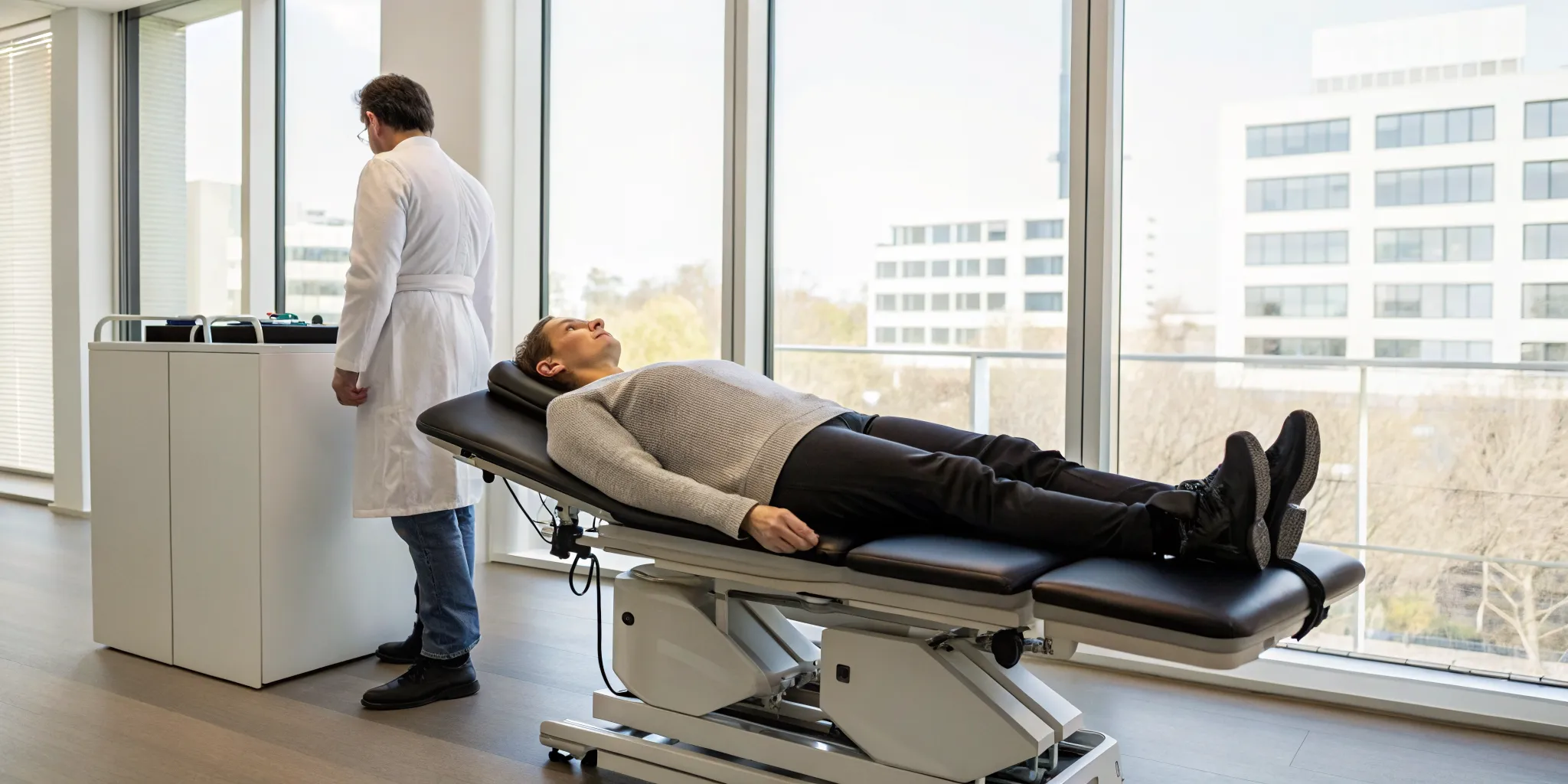
Myofascial release therapy is a hands-on approach that may be considered when soft-tissue tension or restricted movement is part of a person’s concern. For Tampa Bay adults exploring care, the useful question is how a clinician evaluates your history, movement, goals, and options before recommending a plan.
Discuss Physical Medicine options

How Does Myofascial Release Therapy Fit Into Hands-On Care?
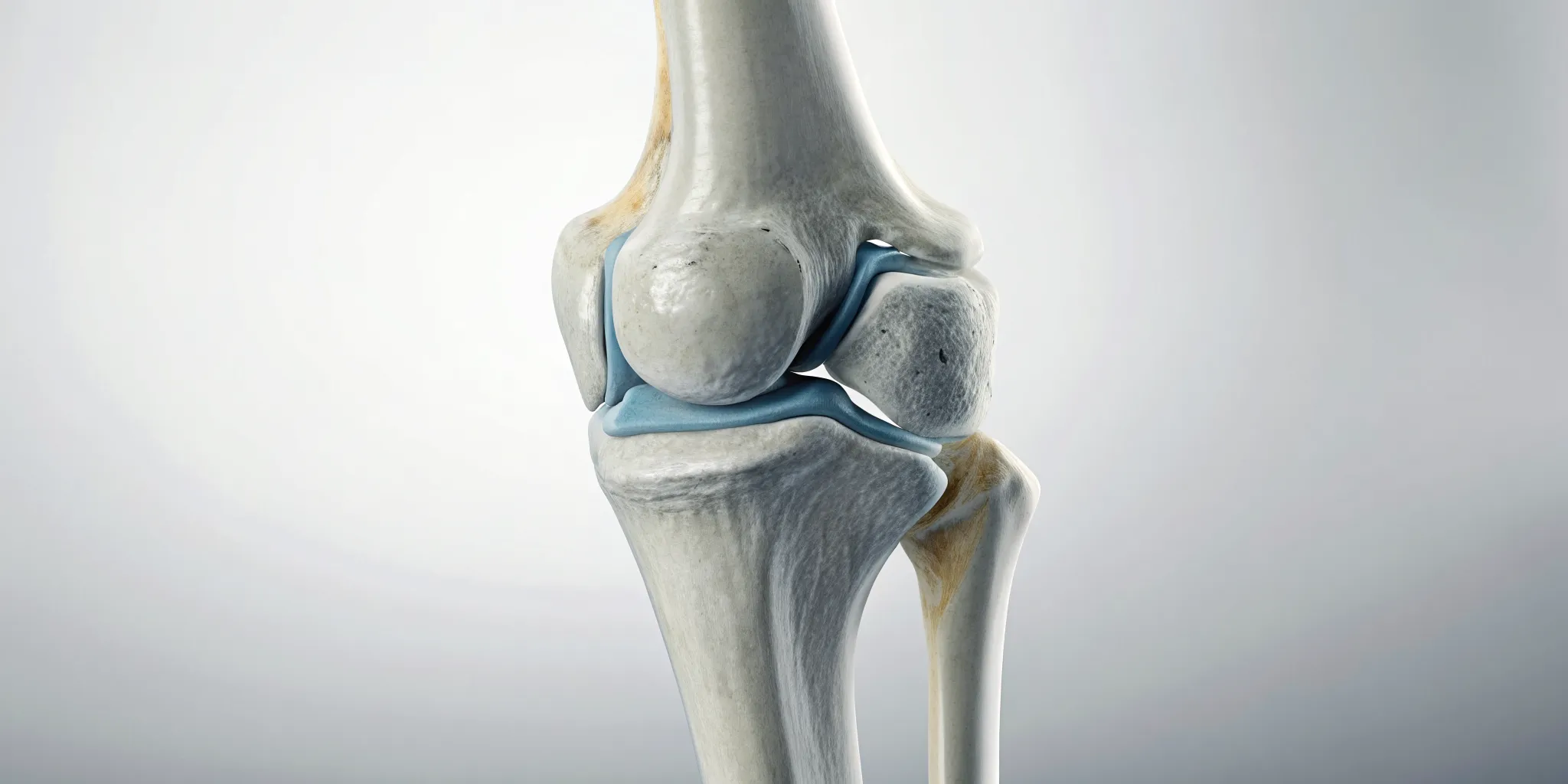
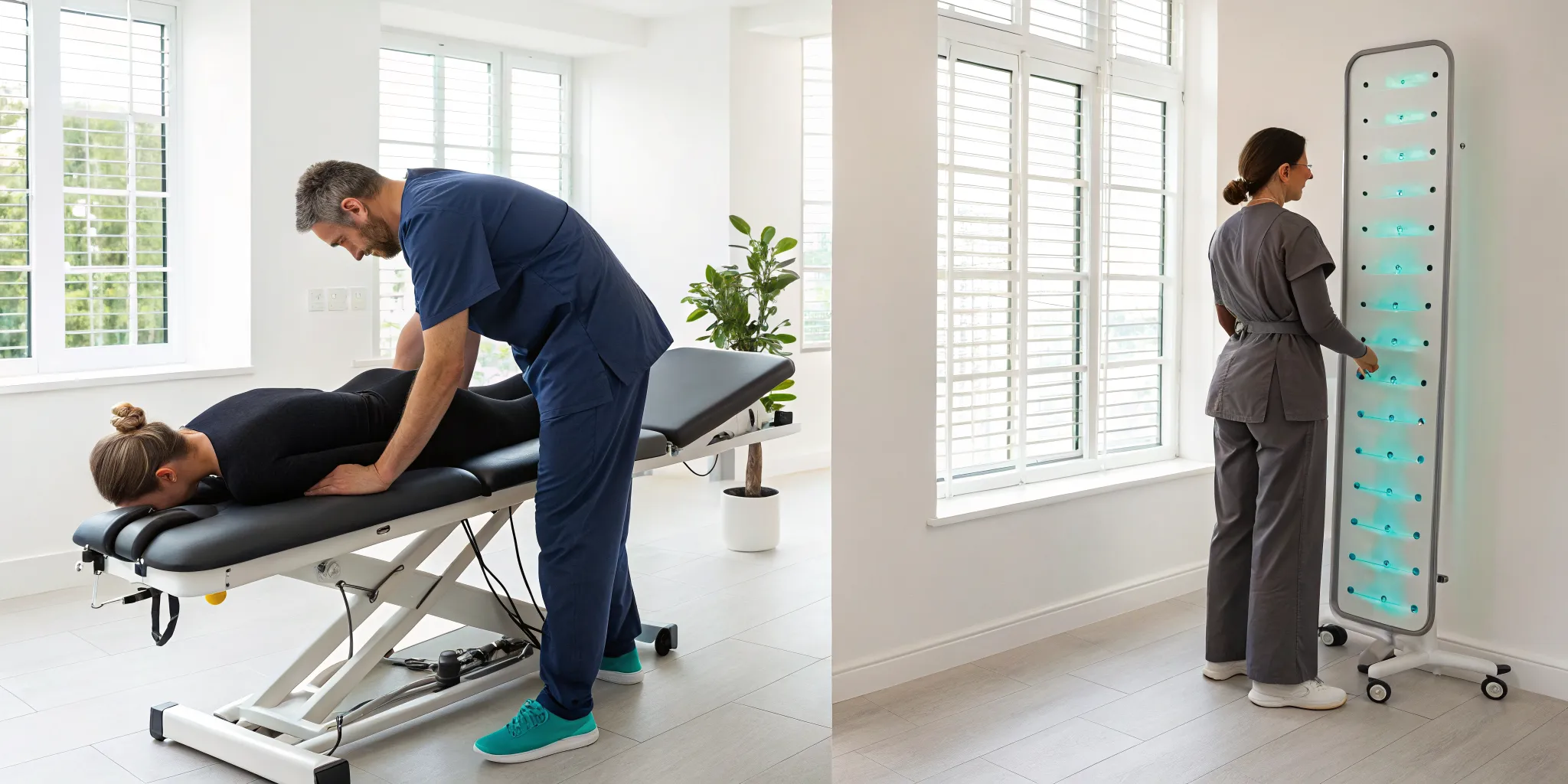
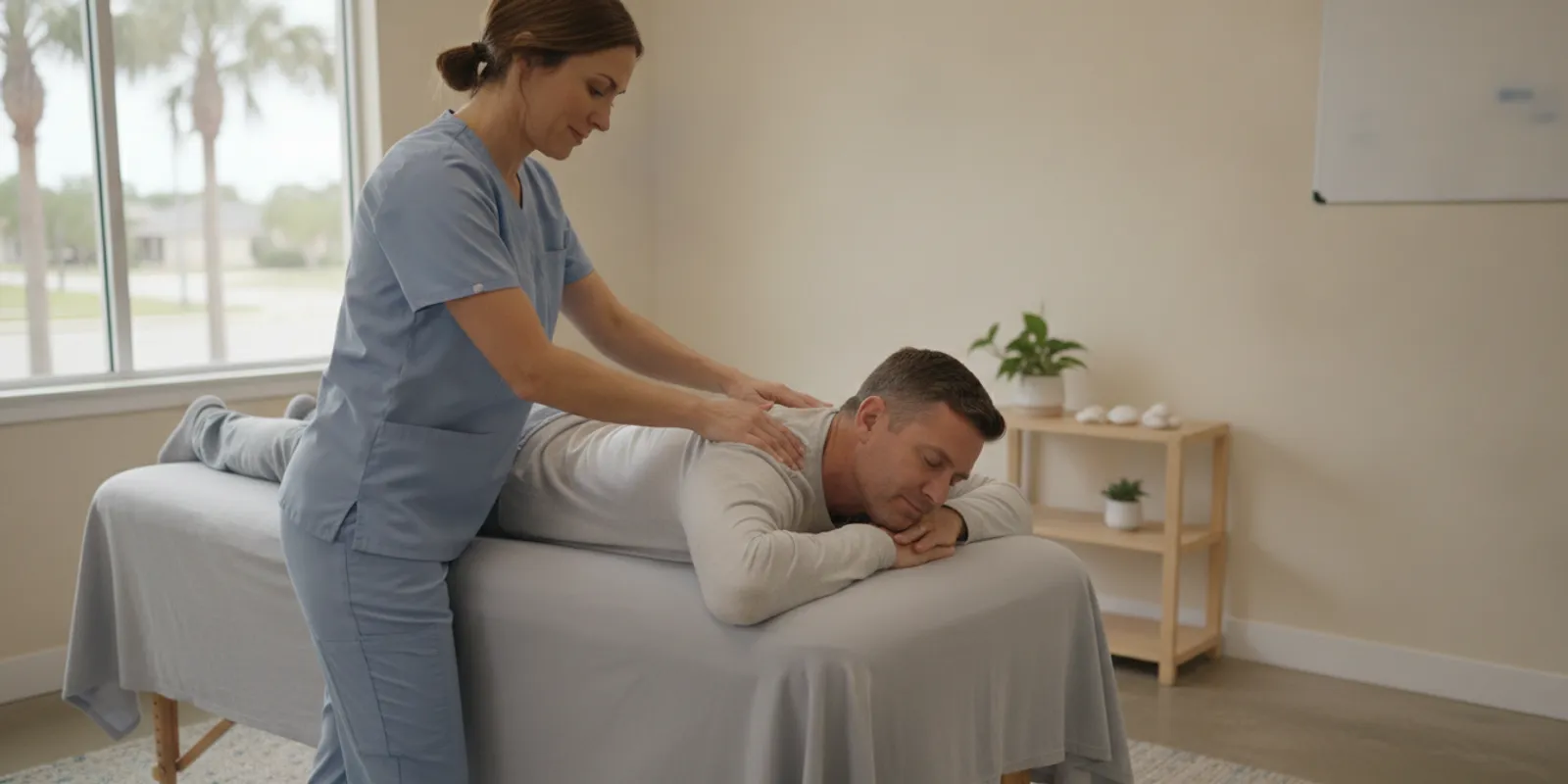
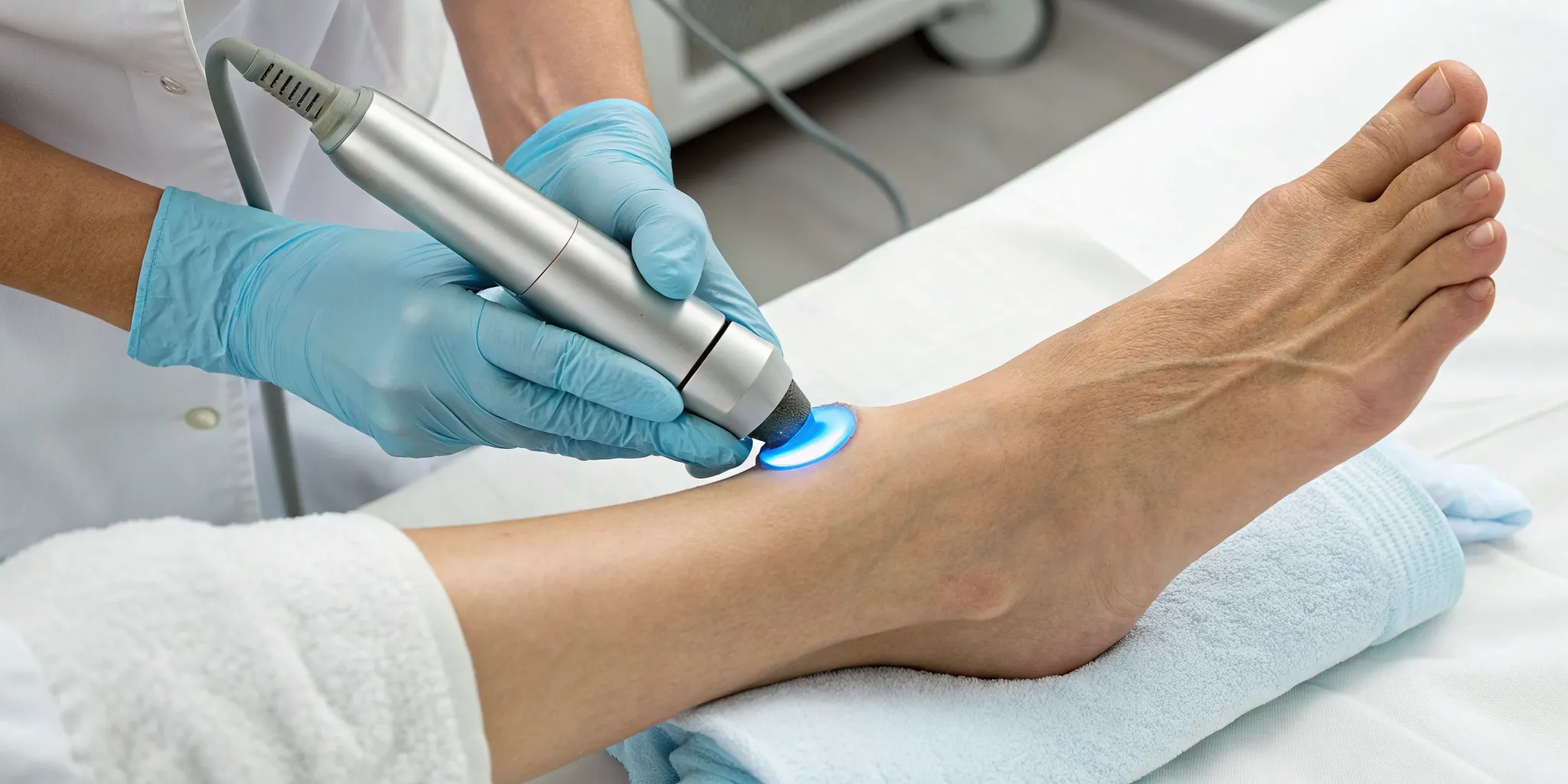
Myofascial release is one type of hands-on soft-tissue care that may be considered as part of a broader plan. Fascia is connective tissue surrounding and connecting structures in the body. A clinician may use sustained, directed contact or other manual techniques around areas of restriction, adapting the approach to your comfort and response.
The term refers to a range of approaches, not one standardized routine. The clinician’s evaluation, your goals, and your feedback all inform how a session is approached. Manual work may be considered alongside other elements of Physical Medicine, such as chiropractic care, movement guidance, decompression, or corrective care. It should not be presented as a guaranteed result or as a replacement for careful evaluation.
Before a technique is selected, ask the clinician to name the approach and describe its purpose in your plan. The explanation should connect with a concern you have described rather than rely on a broad promise. You can ask what other options may be relevant and how the clinician would compare them. Ascend’s Physical Medicine services and broader care options provide context for those discussions.
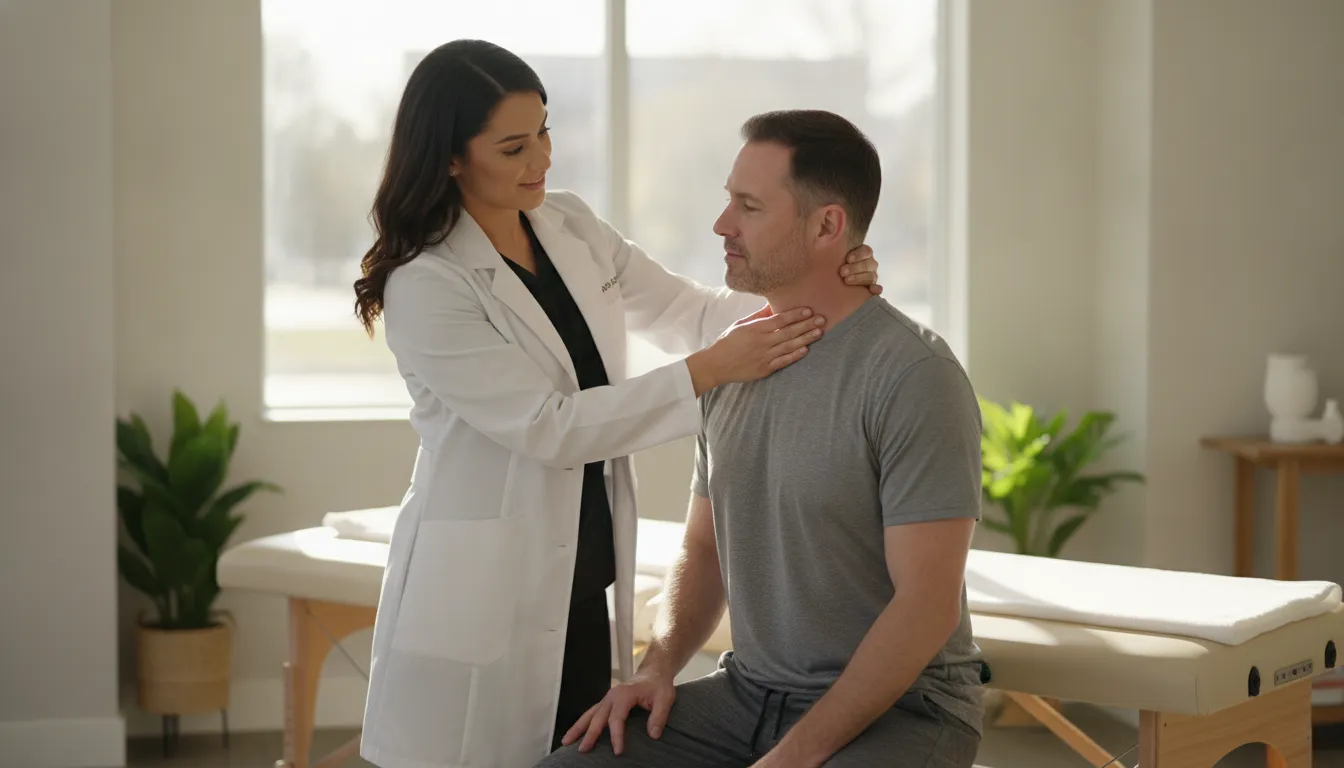
A simple example: if your goal is to turn more comfortably while checking over your shoulder, share that activity and describe when it feels limited. The clinician can then ask follow-up questions and consider whether a soft-tissue approach belongs in the conversation. That does not establish the cause or guarantee a specific change; it gives both of you a concrete goal to discuss.
Which Concerns and Goals Should You Bring to an Evaluation?
Describe the movement or daily activity that feels limited, when you notice it, and what you hope to do more comfortably. Those details help a clinician consider whether soft-tissue work is relevant and what else may deserve attention.
Before your appointment, make a short note of when the concern began, whether it changes with movement or rest, and what you have already tried. Describe the activity in everyday language. Examples might include reaching to a shelf, turning your head while driving, sitting through a meeting, or bending to pick up an object. Mention whether the limitation is consistent or varies through the day.
- Your main goal: Name a specific activity you want to approach more comfortably, rather than simply naming a body area.
- Relevant history: Share previous care, recurring patterns, and health factors that could affect hands-on treatment.
- Your preferences: Explain what pressure, touch, positioning, or pace feels acceptable to you.
- Your response: Say if an approach is uncomfortable or you need a pause. You can ask the clinician to describe the area and type of contact before beginning.
- Questions or concerns: Bring a written list if several options or health details are difficult to remember during a conversation.
These details do not diagnose a cause by themselves. They give the clinician a useful starting point and can make the discussion more specific. If you have had manual care before, describe what felt helpful, what felt uncomfortable, and what you would prefer to handle differently this time. If your concern varies, give an example of a better and a more difficult day rather than trying to interpret the pattern on your own.
It can also help to describe what a successful next step would look like to you. Perhaps you want to discuss whether a certain movement should be assessed, understand the possible approaches, or learn how progress will be reviewed. Your goal does not need to be dramatic or perfectly measurable. A practical description gives the clinician a shared reference point. For more background about the practice, visit Ascend Functional Health.
What May Happen During a Myofascial Release Visit?
A considered visit starts with a discussion and assessment before a clinician decides whether hands-on work is appropriate. A plan should reflect your history, presentation, preferences, and the clinician’s findings, instead of using an identical sequence for every person.
First, the clinician listens to your concern. The opening conversation may cover your goals, relevant health history, where you notice restriction, and which activities change it. You can clarify how long it has been present and whether anything makes it feel different. Share what you know, even if you are unsure how the details connect.
Next, the clinician considers movement and context. Depending on the concern, this may include observing posture or asking you to try an appropriate movement. The clinician may ask what you notice during it. You should be able to explain your response in plain terms; there is no need to guess at a clinical label.
Then, the proposed approach should be explained. If soft-tissue work is being considered, ask what the clinician plans to do, where, and for what purpose. Confirm that you are comfortable proceeding. You can request a change in pressure or pace, or ask to stop. Feedback remains useful throughout the session, not only before it begins.
Finally, discuss follow-up and how the plan may change. Ask which goal you will revisit and when you will check in about your experience. A follow-up conversation can help you and the clinician decide whether to continue, modify the approach, or consider another option. The practice’s frequently asked questions page may help you prepare general questions, while your own evaluation guides individual decisions.
The visit should leave you with a clear understanding of what was discussed and what comes next. If a recommendation is unclear, ask for a simpler explanation or request time to consider it. A thoughtful discussion includes limits and uncertainty; it does not require you to agree to every option presented.
How Can You Compare Hands-On Care Options?
Compare options by the quality of the evaluation, explanation, communication, and follow-up, not by a technique’s name alone. The table below organizes questions you can use during a consultation.
| Care element | What to clarify | Why it matters |
|---|---|---|
| Initial assessment | Which history details and movement observations guide the recommendation? | Helps show whether the discussion responds to your situation rather than assuming one approach fits everyone. |
| Hands-on technique | What will the clinician do, and how can you request a change in pressure or pace? | Sets expectations and keeps communication active during care. |
| Other approaches | Could chiropractic, decompression, corrective care, or another option be relevant? | Places soft-tissue work within a broader discussion rather than treating a modality as a default. |
| Progress review | Which goal will you revisit, and when will the plan be discussed again? | Creates a shared basis for considering whether to continue or adjust the approach. |
| Visit logistics | What appointment time and fee apply, and what payment arrangements are available? | Lets you understand the practical commitment before deciding how to proceed. |
For general information about movement-focused care, consult the American Physical Therapy Association. Its professional resources offer broader context, not an individual recommendation. In a consultation, ask who will evaluate you, how your goal will shape the recommendation, and how you can share feedback. If several approaches are discussed, ask what each is intended to address and how the clinician will decide among them.
Compare practical details as well as clinical explanations. For example, two recommendations may involve hands-on care but differ in what the evaluation includes, how the purpose is explained, or when the plan is reviewed. Clarify visit length, fees, and the expected follow-up conversation before you make a decision. If something does not fit your needs or preferences, ask whether there is another reasonable path to discuss.
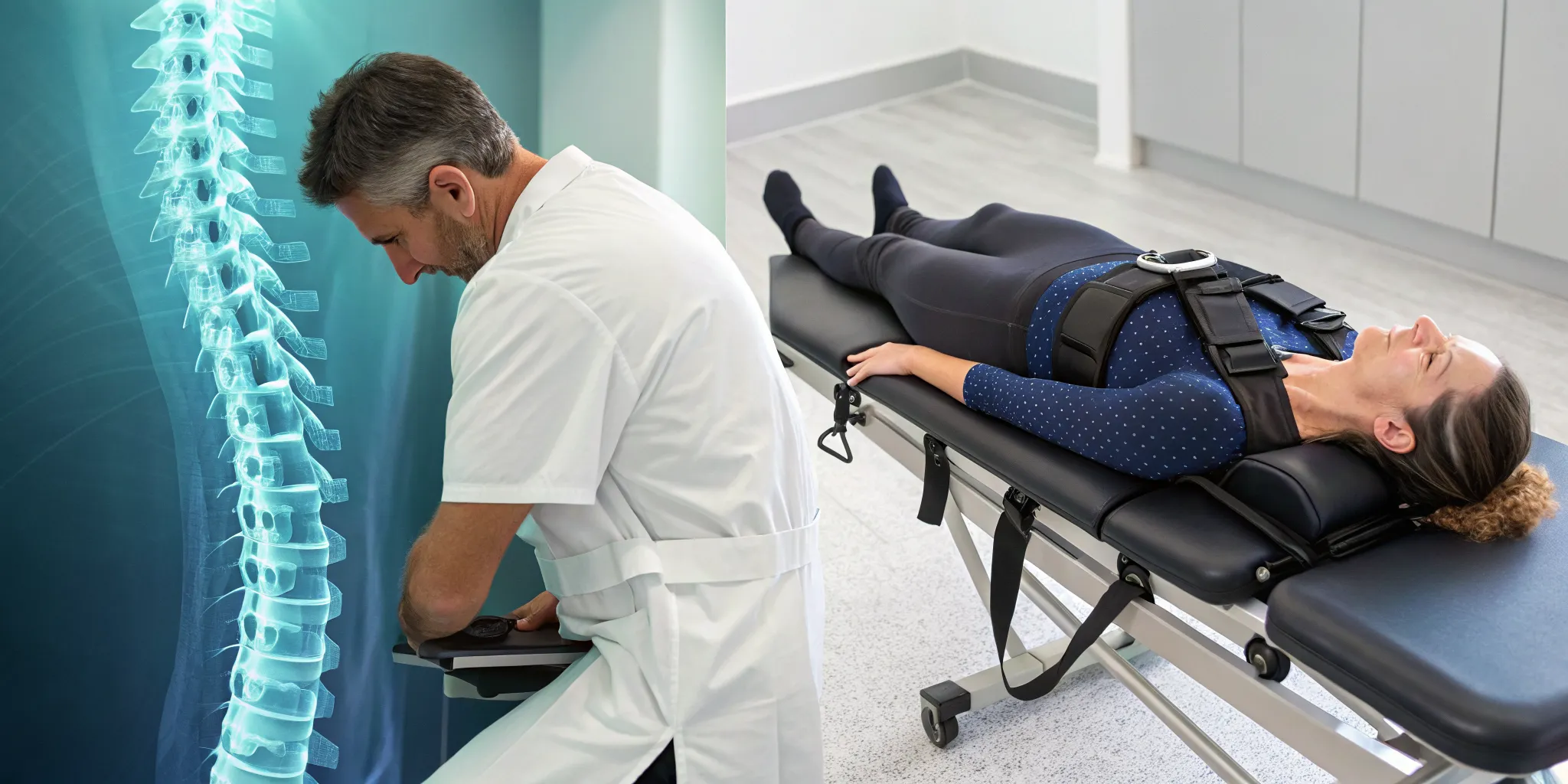
Ascend’s spinal decompression information describes a separate Physical Medicine option. Reviewing a service page can help you prepare questions, but it cannot determine which approach is suitable for your individual circumstances.
How Can You Tell Whether the Plan Still Fits Your Goals?
Agree on a practical reference point and a time to review your experience with the clinician. A plan is easier to discuss when you can compare what you notice with an activity or movement that matters to you.
Choose a simple reference point that is relevant to your concern. If turning while driving is your goal, describe the movement and the circumstances in which you notice a limitation. If sitting through a work meeting is the priority, explain what becomes difficult and when. You do not need to track every sensation or create a complex score; a consistent, plain-language description may be enough to support a useful conversation.
At follow-up, share more than whether you think the session “worked.” Explain what you noticed during the activity, whether that experience changed, and whether anything felt uncomfortable or unexpected. Include changes in your routine that might affect the comparison. The clinician can consider your report alongside the original evaluation and discuss whether to continue, adjust, pause, or explore a different option.
For instance, imagine that your stated goal is reaching overhead to put away a light object. At a later discussion, you might say the movement feels the same, feels somewhat easier, or remains difficult but in a different way. Each response is useful information, not proof on its own of a particular cause. The point is to keep the plan connected to your experience and let the clinician explain what options make sense next.
Make room to talk about expectations, too. Ask how long the clinician proposes before reviewing the approach and what would lead to a change in plan. A careful provider should be willing to discuss uncertainty and should not promise that one session or a fixed number of visits will produce a particular result. Ascend describes its approach as personalized and organized around Physical Medicine, Functional Medicine, and Regenerative Medicine; the right conversation begins with your concern and evaluation.
How Does Soft-Tissue Care Relate to Ascend’s Three Pillars?
Myofascial release fits most directly into a Physical Medicine discussion, while the other pillars address different parts of an individual health picture. A person does not automatically need every service; the purpose of a recommendation should be explained in relation to the evaluation and stated goals.
Physical Medicine includes chiropractic, decompression, lumbar care, corrective care, and myofascial release or other soft-tissue approaches. These may be discussed when a person’s goals involve movement, structure, or an area of soft-tissue tension. Explore the Physical Medicine overview to see how this pillar is described, and use a consultation to ask which elements, if any, relate to your own concern.
Functional Medicine considers health history and relevant testing in conversations about concerns such as gut health, bloating, fatigue, bloodwork, or stool testing. It is a distinct evaluation pathway, not another name for hands-on treatment. Learn about Ascend’s Functional Medicine approach if that kind of discussion is relevant to your questions.
Regenerative Medicine is another pillar and may involve services such as PRP, peptide therapy, red light therapy, or hormone optimization. These involve their own clinical evaluation and discussion. A myofascial release appointment does not mean these services are needed. Ascend’s peptide therapy information describes a separate service area and should not be confused with soft-tissue care.
Keeping the pillars distinct can help you ask focused questions. If your immediate concern is a movement restriction, begin with how it will be assessed and whether Physical Medicine options are relevant. If you have separate questions about fatigue or digestion, explain those concerns and ask whether a different evaluation is appropriate. A clinician can clarify which discussion fits rather than combining unrelated services by default.
Which Questions Can Help You Decide on Next Steps?
Ask questions that clarify the recommendation, your choices, and how your response will be reviewed. A direct conversation helps you decide whether the proposed approach fits your needs and preferences.
- Which findings from my evaluation make this approach relevant to the goal I described?
- What should I expect during the session, and how can I request an adjustment?
- Are other approaches worth considering, and how do their purposes differ?
- How and when will we review whether this plan remains appropriate?
- What appointment schedule and financial commitment should I expect?
- Does any part of my health history change how hands-on care should be approached?
- What should I do if I feel uncomfortable or want to pause during a technique?
For Tampa Bay residents comparing providers, ask who will conduct the evaluation, how your stated goal will inform the plan, and how follow-up communication works. Consider whether explanations use plain language and leave room for questions. A good fit includes respect for your preferences, an individualized discussion, and a willingness to reconsider the plan as your needs or experience change.
Contact Ascend to discuss your care questions
Frequently Asked Questions
These answers provide general points to raise in a consultation; individual recommendations depend on a person’s evaluation and circumstances.
Does myofascial release therapy involve hands-on treatment?
Yes. The term refers to hands-on soft-tissue approaches a clinician may consider after reviewing your history and goals. Techniques vary, so ask the clinician to explain the proposed approach and tell them what feels comfortable during the visit.
Can myofascial release be combined with chiropractic care?
A clinician may discuss soft-tissue work alongside chiropractic or other Physical Medicine approaches when appropriate. Whether to combine them depends on your evaluation, preferences, and goals; there is no single plan for everyone.
How can I tell whether the plan is meeting my goals?
Agree on a practical goal with the clinician and set a point to review your experience. Describe changes in the activity that matters to you, and ask how the plan may change if the approach does not fit your needs or expectations.
Should I expect the same result as another person?
No. A person’s history, concerns, and response to care can vary. A clinician can explain a reasonable way to review your situation without promising a particular outcome.
Can I ask the clinician to pause or change a technique?
Yes. Tell the clinician if you feel uncomfortable, need a pause, or want a technique explained again. Your feedback and preferences should be part of the discussion before and during hands-on care.
Explore Physical Medicine and discuss your next step
This content is for educational purposes and is not medical advice. Consult your clinician before acting on health information or starting care.