Recurring sciatica is like a smoke alarm that keeps going off in your body. You can fan the smoke away or take the battery out for a little while, but until you find and put out the fire, the alarm will just sound again. The shooting pain, tingling, and numbness are your body’s alarm, signaling that a deeper problem needs attention. Simply masking the pain with medication is like taking the battery out; it doesn’t solve anything. To find lasting relief, you have to find the fire. This means looking at how your spine, muscles, and discs are functioning together. A skilled chiropractor for recurring sciatica flare ups in Tampa won't just silence the alarm; they'll help you find and extinguish the source of the problem for good.
Key Takeaways
- Focus on the "Why" Behind Your Pain: Recurring sciatica means the real problem, like a compressed nerve from a misaligned spine, was never fully corrected. To find lasting relief, you have to treat the underlying structural issue, not just manage the pain.
- Look Beyond the Spine for Triggers: If pain keeps returning despite adjustments, chronic inflammation from factors like diet or gut health could be the culprit. A functional medicine approach helps calm this internal irritation, allowing your body to heal more effectively.
- Build a Pain-Resistant Daily Routine: You can play an active role in preventing future flare-ups. Simple daily habits, such as minding your posture, doing core exercises, and eating anti-inflammatory foods, support your treatment and build a stronger body.
Why Does My Sciatica Keep Coming Back?
If you’ve felt that familiar, searing pain shoot down your leg, you know how disruptive sciatica can be. But what’s even more frustrating is when you think you’ve recovered, only for the pain to return weeks or months later. This cycle of flare-ups happens for a simple reason: the underlying cause of your pain was never fully addressed. Temporary solutions like rest or over-the-counter pain relievers might offer a brief break, but they don’t fix the structural issue that’s irritating your sciatic nerve in the first place.
Think of it like a smoke alarm that keeps going off. You can fan the smoke away or take the battery out, but until you put out the fire, the alarm will just sound again. Recurring sciatica is your body’s alarm, signaling that a deeper problem needs attention. To find lasting relief, you have to move beyond managing the pain and start investigating why it’s happening. This means looking at how your spine, muscles, and discs are functioning together to find and correct the source of the irritation.
Uncover the Root Cause of Recurring Flare-Ups
Sciatica flare-ups don't happen randomly. They are triggered when something compresses or irritates the sciatic nerve. Common culprits include a herniated or bulging disc, spinal stenosis (a narrowing of the spinal canal), or a misaligned vertebra in your lower back. Even tight muscles in your glutes, like the piriformis muscle, can be the source of the problem.
The key to stopping the cycle is to identify your specific trigger. A comprehensive assessment that examines your spinal alignment, posture, and movement patterns can pinpoint exactly where the pressure is coming from. Our approach to physical medicine focuses on this first step, allowing us to create a plan that directly addresses the root cause for long-term results.
Sciatica Is a Symptom, Not the Full Story
Many people think of sciatica as a condition, but it’s actually a symptom. The term "sciatica" simply describes the pain, tingling, or numbness that radiates along the path of the sciatic nerve. It tells you where you feel pain, but it doesn’t tell you why. This is a crucial distinction. Knowing you have sciatica is like knowing you have a headache; it doesn't explain what's causing it.
Once you understand that sciatica is just a signal, you can shift your focus to finding the disorder behind it. Is it a disc issue? Is it a joint problem in your spine? This is why a one-size-fits-all approach rarely works. We look at the full picture of conditions we treat to understand the unique factors contributing to your pain and develop a strategy that resolves the true problem.
Why Simply Masking Pain Doesn't Work
When you’re in pain, your first instinct is to make it stop. While pain-relieving medications can seem like a quick fix, they only mask the symptoms. They reduce your perception of pain but do nothing to correct the underlying mechanical issue causing it. As soon as the medication wears off, the pressure on the nerve is still there, and the pain often returns with a vengeance.
This creates a frustrating cycle where you’re constantly chasing the pain instead of fixing the problem. Our philosophy is different. We believe in addressing the structural and functional sources of your pain. By restoring proper alignment and movement, we can take pressure off the sciatic nerve for good, helping your body heal itself and preventing future flare-ups.
How Chiropractic Care Offers Lasting Sciatica Relief
If you’re tired of the cycle of pain, rest, and another flare-up, it’s time to look beyond temporary solutions. Chiropractic care offers a different path by focusing on the structural source of your sciatica. Instead of just quieting the pain signals, the goal is to correct the underlying problem that’s irritating the sciatic nerve in the first place. This approach isn't about a quick fix; it's about creating lasting change so you can get back to your life without constantly worrying about that familiar pain returning.
By addressing the root cause, chiropractic care helps your body heal itself. The focus is on three key areas: relieving the direct pressure on the nerve, restoring your spine's proper alignment for long-term stability, and improving your overall mobility and function. Our approach to physical medicine is designed to guide your body back to a state of balance, providing a foundation for genuine, sustainable relief from sciatica.
Relieve Nerve Compression
Think of your sciatic nerve like a garden hose. If there’s a kink in it, the water can’t flow freely. Sciatica happens when something, like a misaligned vertebra or a bulging disc, puts pressure on the sciatic nerve. That pressure is the "kink" that sends pain shooting down your leg. Chiropractic adjustments are precise, gentle movements that help shift your spinal structures back into a healthier position.
This process creates more space around the nerve, effectively "unkinking the hose." By taking the pressure off the sciatic nerve, we can reduce the inflammation and irritation that cause your pain. This is the first and most crucial step toward helping the nerve heal and breaking the cycle of recurring flare-ups. It’s one of the most effective ways we address the conditions we treat, including persistent back and leg pain.
Restore Proper Spinal Alignment
Relieving nerve compression provides immediate relief, but restoring proper spinal alignment is what helps keep the pain from coming back. Your spine is designed to be a strong, stable column that protects your spinal cord and nerves. When it’s out of alignment due to poor posture, an old injury, or daily wear and tear, it can’t do its job correctly. This imbalance puts extra stress on certain areas, making you more vulnerable to issues like disc herniation and nerve compression.
Chiropractic adjustments work to gently guide your vertebrae back to their intended positions, restoring your spine’s natural curves and balance. This isn't just about feeling better in the moment; it's about correcting the structural foundation of your body. Our philosophy is centered on finding and fixing these root causes to promote true healing. As your alignment improves, you might even notice you’re standing taller and moving with more ease.
Improve Mobility and Function for Good
The ultimate goal of chiropractic care for sciatica isn't just to stop the pain. It's to help you move freely and confidently again. When your spine is aligned and your nervous system can communicate without interference, your entire body functions better. As the pressure on your sciatic nerve eases, you’ll likely notice the tingling and numbness in your leg and foot begin to fade.
This renewed nerve function translates directly into better mobility. You can walk, bend, and sit without that constant fear of triggering a painful episode. Chiropractic care supports your body’s innate ability to heal, leading to stronger muscles, more flexible joints, and improved balance. Many of our patients share in their testimonials how they were finally able to return to activities they love, like golfing, gardening, or playing with their kids, after addressing the root of their sciatica.
Chiropractic Techniques That Address Sciatica
When you’re dealing with recurring sciatica, the goal isn’t just to manage the pain, it’s to correct the underlying structural problem causing it. Chiropractic care focuses on doing just that. Instead of temporary fixes, we use specific, gentle techniques to relieve pressure on the sciatic nerve, restore your body’s natural alignment, and improve your overall function so you can get back to living your life without constantly looking over your shoulder for the next flare-up.
Our approach to physical medicine is all about finding the right combination of treatments for your unique situation. Think of it as creating a personalized roadmap to get your body back on track. We combine hands-on adjustments with supportive therapies to not only address the immediate pain but also to strengthen your body against future issues. This comprehensive strategy is what makes lasting relief possible.
Spinal Adjustments
Spinal adjustments are at the heart of chiropractic care for sciatica. The main goal is to gently realign the vertebrae in your lower back, taking direct pressure off the irritated sciatic nerve. When your spine is out of alignment, it can compress the nerve roots, leading to that familiar shooting pain, numbness, or tingling. By carefully correcting this alignment, we can reduce inflammation and restore proper movement. It’s not about forceful cracking, but rather precise, controlled movements that help your body function as it should. Regular adjustments can be a key part of not just finding relief but also preventing sciatica from coming back.
Spinal Decompression Therapy
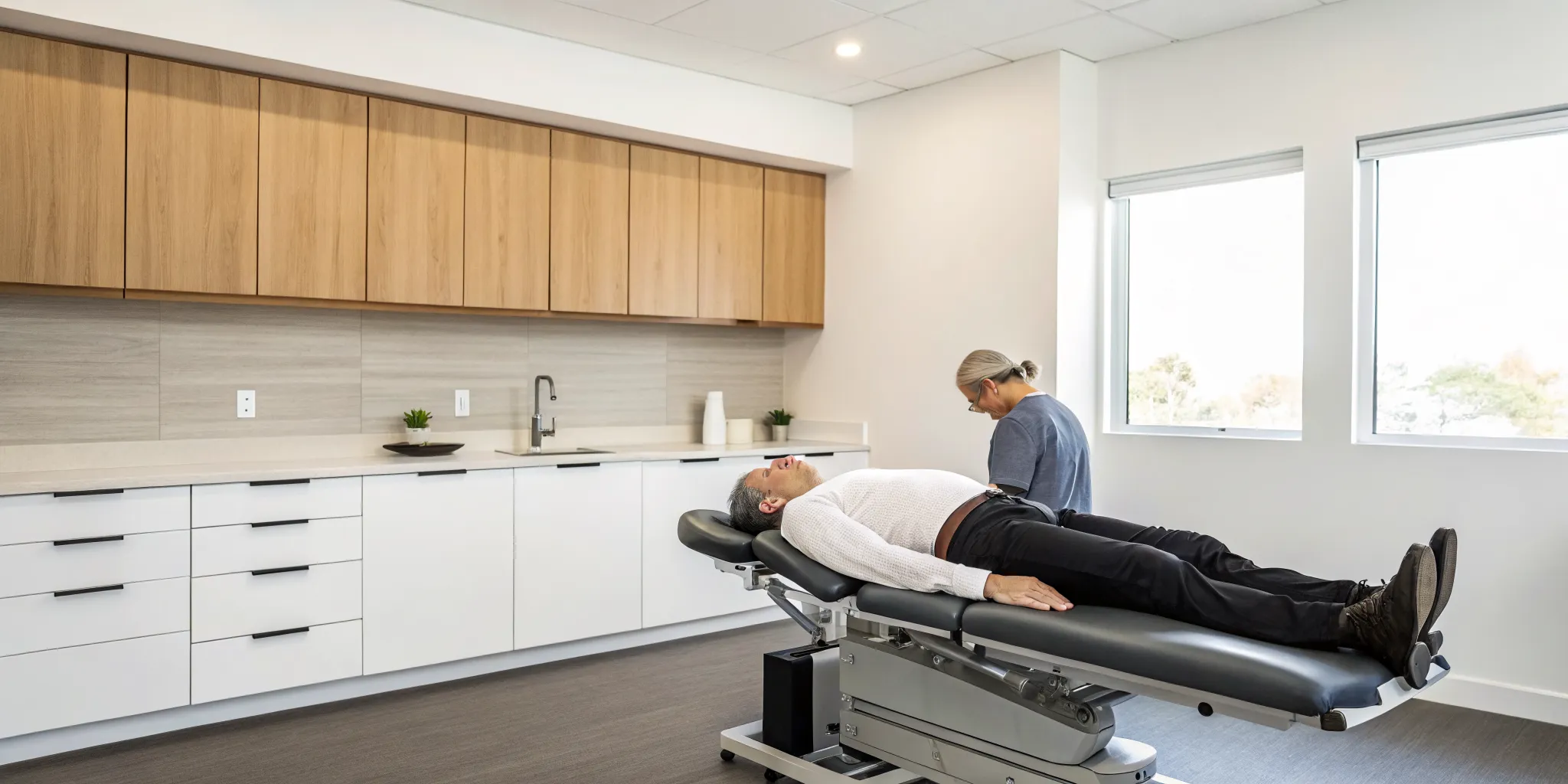
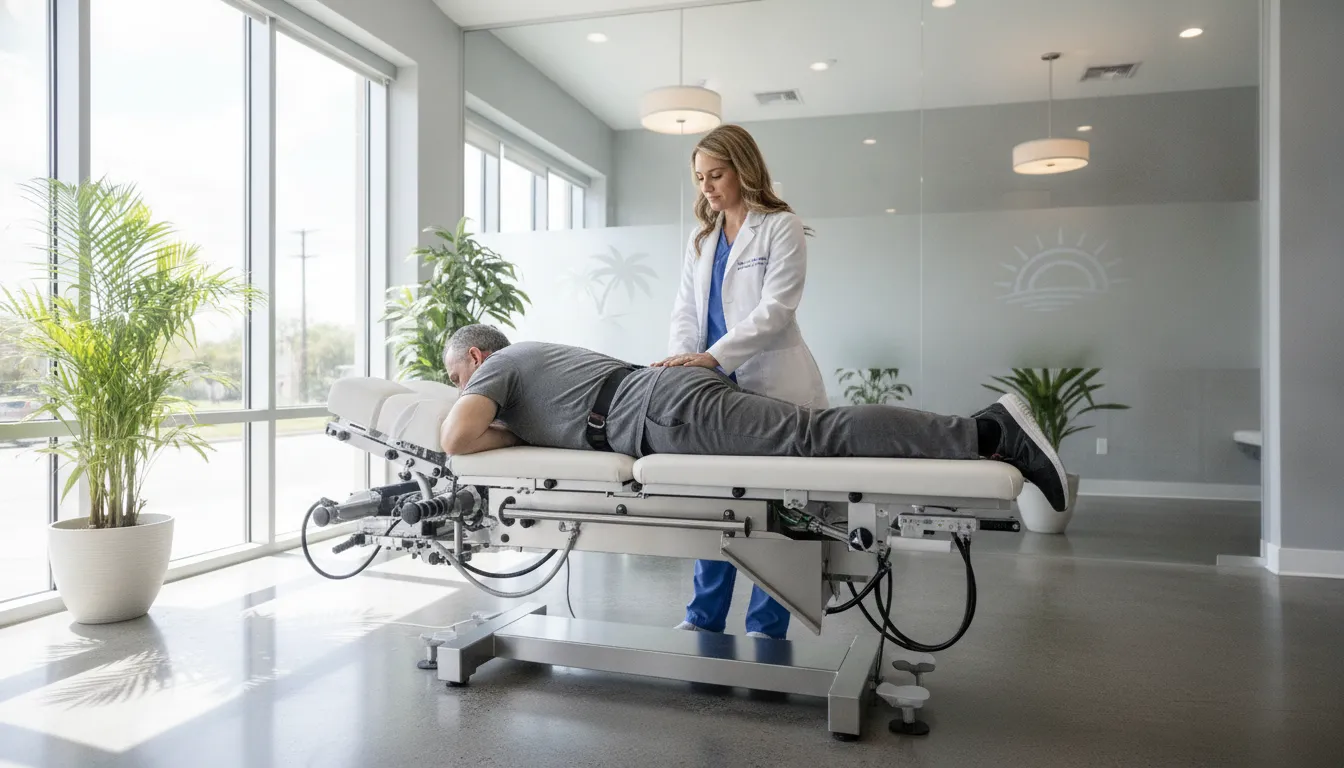
For many people with sciatica, the pain comes from a compressed or bulging disc pressing on the nerve. Spinal decompression is a fantastic, non-surgical technique designed to address this specific problem. During a session, you’ll lie on a specialized table that gently stretches and relaxes your spine in a controlled way. This creates a vacuum effect within the discs, which helps pull the bulging material back into place and allows oxygen, water, and nutrients to flow back in, promoting healing. It’s a gentle and effective way to relieve pressure, reduce inflammation, and improve your spine’s alignment without invasive procedures.
SoftWave Therapy
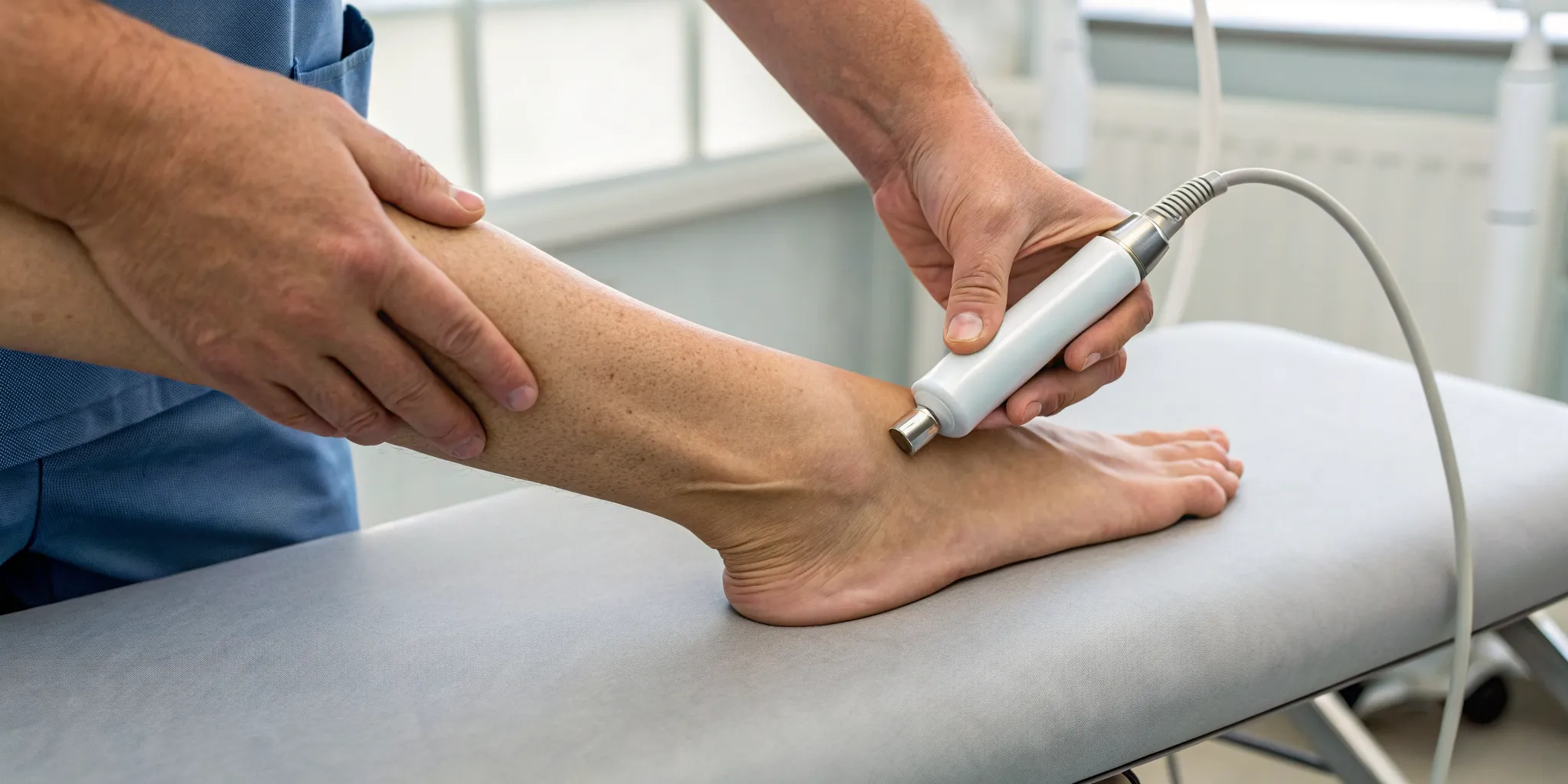
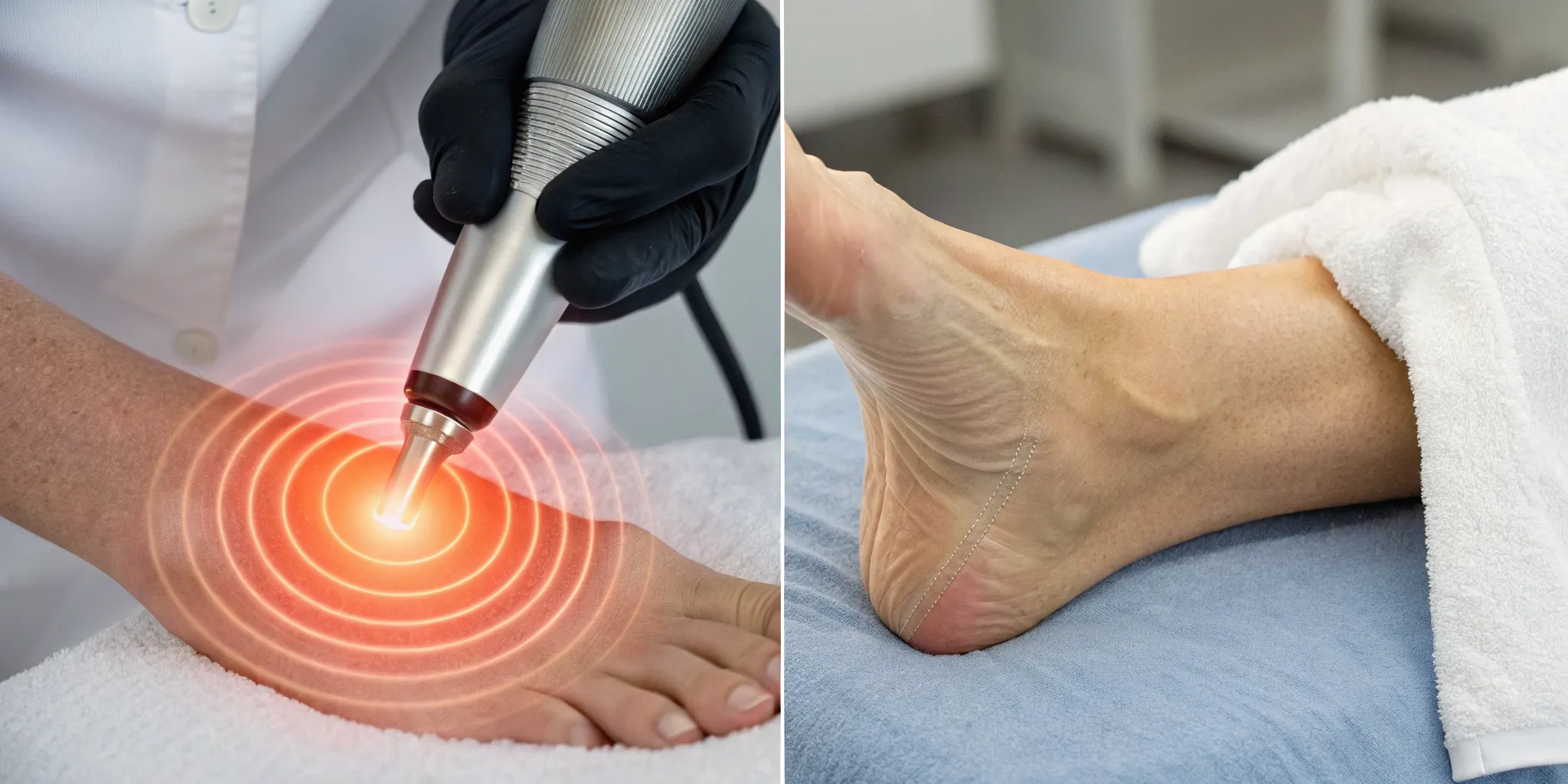
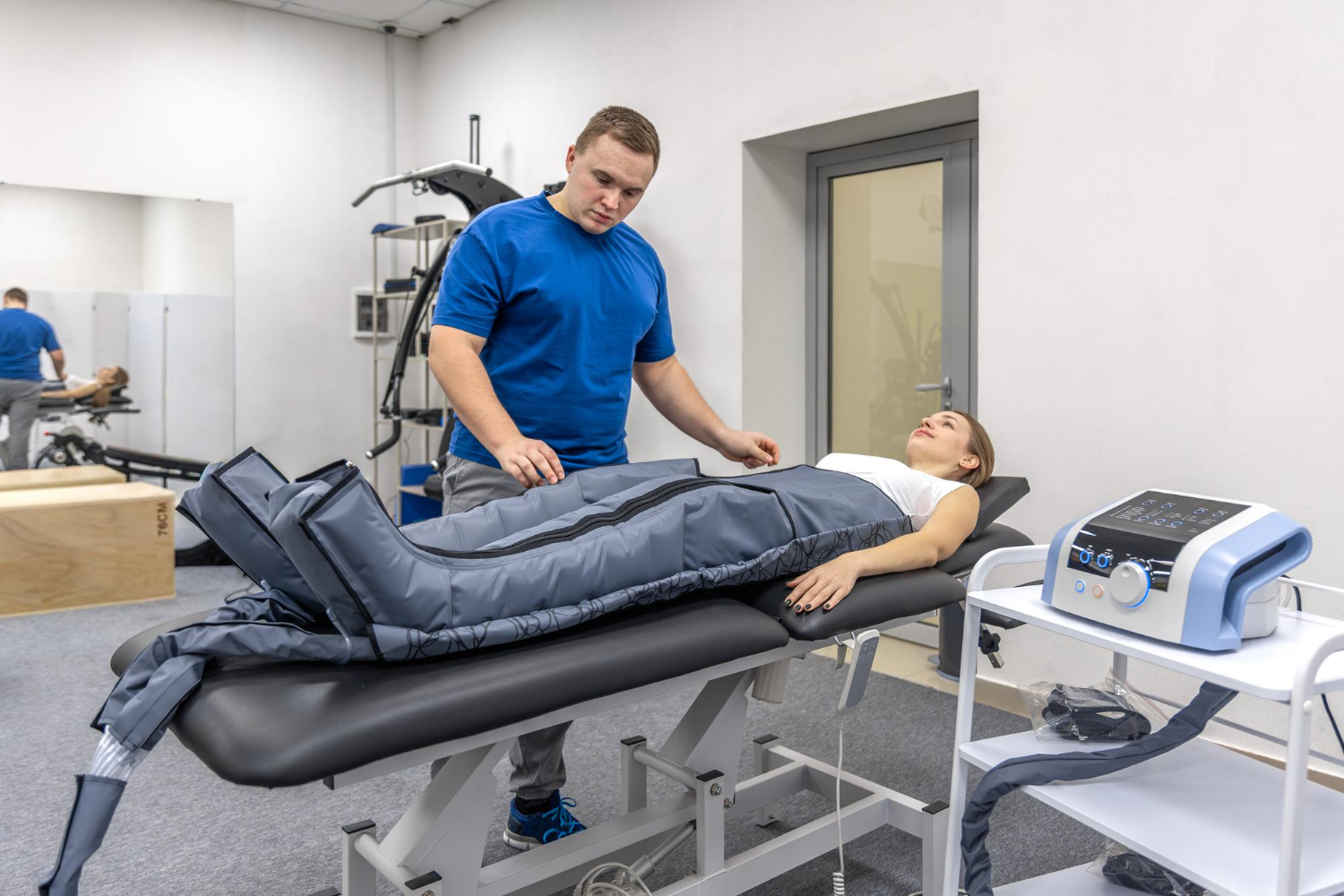
Sometimes, the body needs a little extra help to kickstart its own healing processes, and that’s where SoftWave therapy comes in. This innovative approach uses unfocused sound waves to stimulate your body’s natural repair mechanisms deep within the tissues. When applied to the lower back and affected areas, it helps reduce inflammation, improve blood flow, and accelerate tissue regeneration around the sciatic nerve. It’s a non-invasive way to support your body’s recovery, helping to calm irritation and heal the damage that contributes to chronic sciatica pain. This therapy is one of the many services we use to create a holistic treatment plan.
Corrective Exercises and Personalized Programs
Lasting relief from sciatica isn’t just about what happens in our office, it’s also about empowering you with the tools to support your recovery at home. That’s why we create personalized corrective exercise programs for our patients. Based on your specific condition, lifestyle, and goals, we’ll guide you through targeted stretches and strengthening exercises. These movements are designed to improve your core stability, increase flexibility, and correct postural imbalances that may be contributing to your sciatica. This collaborative approach ensures you play an active role in your healing, building a stronger, more resilient body that’s less prone to future flare-ups.
Your First Chiropractic Visit for Sciatica in Tampa: What to Expect
Walking into a new doctor’s office can feel a little overwhelming, especially when you’re in pain. But your first visit is simply a conversation. It’s our chance to listen and understand what you’re experiencing, and it’s your chance to see if our approach feels right for you. We focus on creating a clear and comfortable path forward, starting with a thorough investigation into why you’re having sciatica in the first place. The goal isn't just to quiet the pain for a little while; it's to understand the root of the problem so we can create a lasting solution together.
Your Initial Assessment to Find the Root Cause
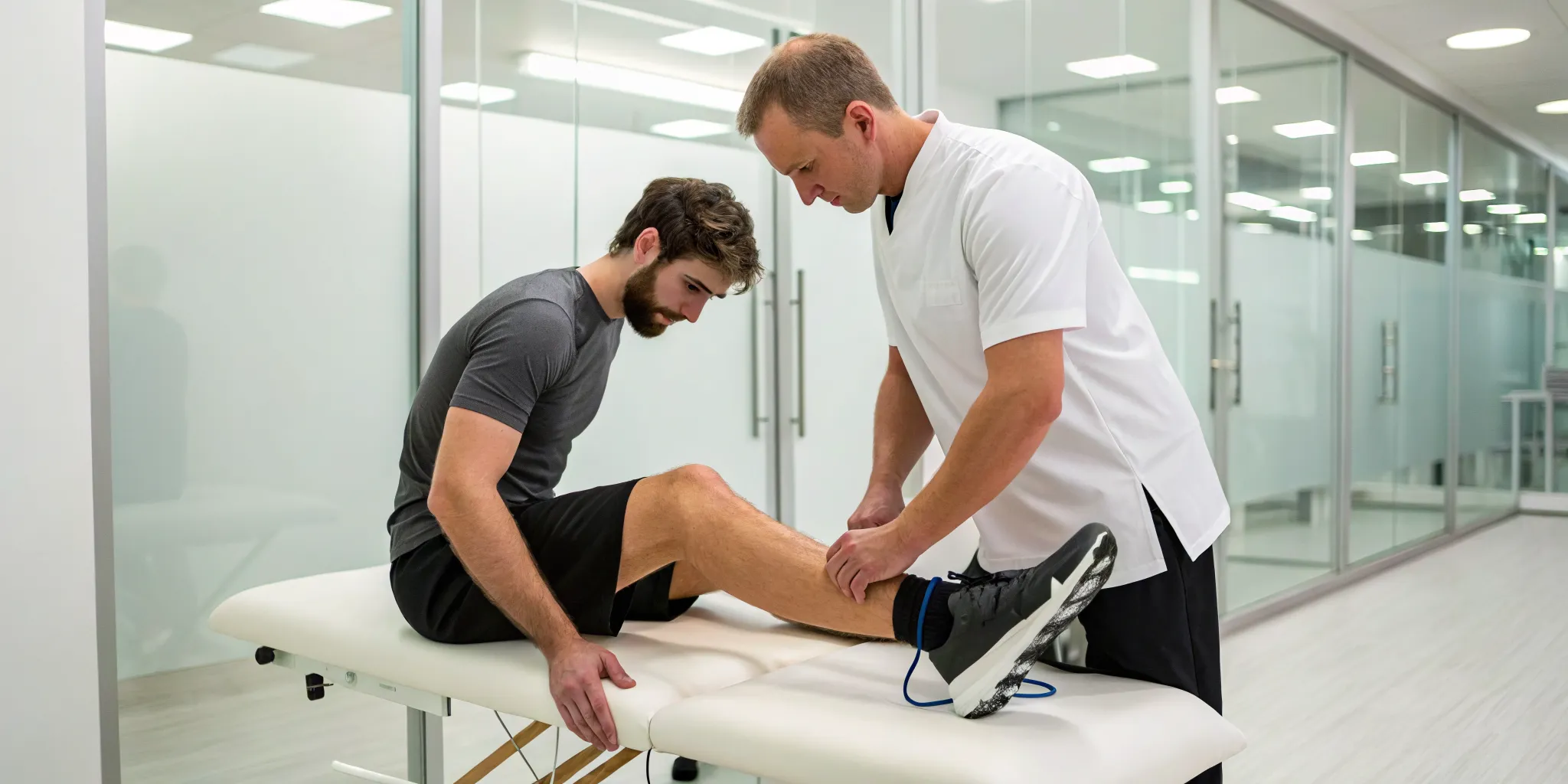
Your first appointment is dedicated to uncovering the "why" behind your sciatica. We start by reviewing your health history and talking through your symptoms, lifestyle, and goals. From there, we conduct a comprehensive physical evaluation, looking closely at your posture, movement patterns, and spinal alignment. This isn't a one-size-fits-all exam. It's a detailed assessment designed to pinpoint the specific structural issues and nerve irritations contributing to your pain. This process gives us the information we need to understand the full picture of your health and what makes your condition unique.
Creating Your Personalized Treatment Plan
Once we identify the source of the problem, we can build a treatment plan tailored specifically to you. For many people with sciatica, this involves gentle chiropractic adjustments to relieve pressure on the sciatic nerve and restore proper spinal alignment. By correcting the underlying structural shifts, we can reduce inflammation and improve your body’s overall function. Your personalized plan will outline the specific physical medicine techniques we recommend, how they work, and what you can expect along the way. The focus is always on using precise, gentle methods to help your body heal itself.
Monitoring Your Progress with Follow-Up Care
Lasting relief doesn't happen overnight. Your recovery is a process that we monitor closely through follow-up appointments. These visits allow us to track your progress, make any necessary adjustments to your plan, and support your body as it heals. Many of our patients report that as their spine becomes more stable, the sharp, radiating pains become less frequent until they eventually disappear. We’ll also equip you with corrective exercises and lifestyle advice to help you maintain your progress. Seeing our patients regain their mobility and get back to the activities they love is the most rewarding part of what we do.
Is Chiropractic Care Enough to Stop Sciatica?
Chiropractic care is a fantastic and often essential step for relieving sciatica. By addressing the structural issues in your spine, adjustments can take pressure off the sciatic nerve and provide significant relief. But if you find yourself in a frustrating cycle of pain, relief, and then another flare-up, it might be time to ask a deeper question: Is there something else going on?
While chiropractic focuses on the crucial physical alignment of your body, sometimes the root of recurring pain lies within your body's internal environment. Chronic inflammation, hormonal imbalances, or even gut health issues can make your body more susceptible to pain and slow down the healing process. For sciatica that just won’t quit, a comprehensive approach that combines physical care with a deeper look at your internal health is often the key to finding lasting relief. This method doesn't just quiet the pain; it helps your body become more resilient to prevent the pain from coming back.
When Sciatica Signals a Deeper Issue
It’s important to understand that sciatica isn't a diagnosis in itself; it's a symptom. The term simply describes the pain that travels along your sciatic nerve. Think of it as a check engine light for your lower back and legs. It tells you something is wrong, but it doesn’t tell you exactly what. A chiropractor can identify and correct the structural problem that switched the light on, like a misaligned vertebra or a compressed disc. But if the pain keeps returning, we need to ask why that area is so sensitive. This is when we look at the full picture of your health to understand all the conditions we treat that could be contributing to your symptoms.
How Inflammation Triggers Recurring Flare-Ups
Imagine your body is constantly simmering with low-grade inflammation. This internal stress makes your tissues, including your nerves, more sensitive and reactive. When your body is in this state, even a minor physical trigger that you might not have noticed before can cause a major sciatica flare-up. You might feel like you’re walking on eggshells, never knowing what might set off the pain again. This is why simply adjusting the spine might only offer temporary relief. If the underlying inflammatory fire isn't addressed, the area remains vulnerable and ready for another painful episode. True, long-term healing requires calming this internal inflammation.
Support Your Recovery with Functional Medicine
This is where combining chiropractic with functional medicine creates such a powerful path to recovery. If chronic inflammation is fanning the flames of your sciatica, we need to find the source. Functional medicine uses a detective-like approach to uncover the root causes of inflammation, which can be linked to your diet, gut health, stress levels, or nutrient deficiencies. By creating a personalized plan that includes lifestyle and nutrition recommendations, we can help cool down the inflammation from the inside out. This supports the work of your chiropractic adjustments, allowing your body to heal more effectively and build resilience against future flare-ups.
Our Approach to Recurring Sciatica in Tampa
If you’re tired of the cycle of pain, relief, and then another flare-up, you’re not alone. Recurring sciatica is frustrating because temporary fixes never address the real problem. At Ascend Functional Health, we see this all the time. That’s why our approach is different. We don’t just chase the pain down your leg; we work to understand why it’s happening in the first place and create a comprehensive plan to stop it from coming back.
Our unique method integrates three essential pillars of healing. We start with the physical structure to provide immediate relief. Then, we look deeper at your body’s internal environment to find hidden triggers. Finally, we build a long-term strategy to keep you healthy and pain-free. This whole-body approach is designed to break the cycle of recurring sciatica for good by addressing the root causes, not just masking the symptoms. It’s about moving you from a state of managing pain to one of genuine, lasting wellness.
Physical Medicine for Structural Relief
The first step in addressing sciatica is often to relieve the direct pressure on the nerve. Our Physical Medicine services focus on the structural cause of your pain. Through gentle chiropractic adjustments, we work to realign the spine and restore proper motion to your joints. This can immediately reduce the compression on the sciatic nerve.
We also use treatments like spinal decompression therapy, which creates negative pressure within the spinal discs. This process helps retract bulging or herniated discs, taking pressure off pinched nerves and allowing for improved circulation and healing. By correcting the underlying structural issue, we can provide significant relief and create a stable foundation for long-term recovery.
Functional Medicine to Address Underlying Factors
Why does sciatica keep coming back for some people? Often, the answer lies beyond the spine. Chronic inflammation, digestive issues, or nutritional imbalances can create an environment in your body that promotes pain and hinders healing. Our Functional Medicine approach helps us identify these underlying contributors.
Through targeted assessments, we can uncover hidden stressors that may be triggering your flare-ups. For example, poor gut health can lead to systemic inflammation, which can irritate nerves throughout your body, including the sciatic nerve. By addressing these root causes with personalized lifestyle and nutritional recommendations, we help your body become more resilient and less prone to pain.
Longevity Care to Prevent Future Pain
Getting you out of pain is our first goal, but keeping you that way is our ultimate mission. Our Longevity Care is designed to prevent future sciatica flare-ups and support your overall well-being. Lasting relief isn’t about a quick fix; it’s about building healthier habits and a stronger, more resilient body.
We create personalized programs that include corrective exercises to strengthen your core and support your spine, along with ergonomic advice for your daily life. Regular care helps maintain your body’s alignment and function, stopping problems before they start. This proactive approach empowers you with the knowledge and tools to maintain your progress and live a life free from the fear of recurring pain.
Simple Habits to Help Prevent Sciatica Flare-Ups
While professional care is essential for addressing the root cause of sciatica, the small choices you make every day play a huge role in keeping the pain from coming back. Building healthy habits supports the work we do in the clinic and empowers you to maintain a strong, resilient body long-term. Think of these practices as your daily defense against future flare-ups, helping you stay active and pain-free.
Mind Your Posture and Ergonomics
If you spend a lot of time sitting, your posture can either be your best friend or your worst enemy. Slouching at your desk or on the couch puts a lot of pressure on your lower back, which can irritate the sciatic nerve. The goal is to maintain the natural curve of your spine. Sit with your back straight, shoulders relaxed, and feet flat on the floor. An ergonomic chair or even a small lumbar pillow can make a world of difference. These simple adjustments at work and home can help reduce strain on the lower back and prevent the irritation that leads to sciatica.
Move, Stretch, and Strengthen Your Core
When you’re in pain, the last thing you might want to do is move, but gentle, targeted motion is one of the best things for sciatica. Your core muscles act like a natural corset for your spine, so strengthening them provides crucial support. Simple exercises can make a big impact. We also recommend incorporating daily stretches for your hips, hamstrings, and lower back to improve flexibility and relieve nerve pressure. A consistent routine of movement and stretching supports the spinal alignment achieved through chiropractic care and helps prevent future problems. Our team often provides patients with personalized corrective exercises to build strength and mobility safely.
Eat for Less Inflammation and Better Gut Health
What you eat can directly impact the pain you feel. Many common foods can contribute to systemic inflammation, which can worsen nerve pain and make you more susceptible to sciatica flare-ups. An anti-inflammatory diet rich in leafy greens, healthy fats like avocado and olive oil, and colorful fruits can help calm your system. On the other hand, processed foods, sugar, and refined carbohydrates can fuel inflammation. Our functional medicine approach often involves looking at diet and gut health to identify underlying contributors to inflammation, creating a personalized plan that supports your body’s healing from the inside out.
How to Choose the Right Chiropractor for Sciatica in Tampa
Finding the right partner for your health journey is the most important step you can take. When you’re dealing with recurring sciatica, you need more than just a quick adjustment; you need a provider who is committed to finding and fixing the root cause of your pain. Here’s how to find a chiropractor in Tampa who fits that description.
Check Credentials, Experience, and Philosophy
First things first, make sure any chiropractor you consider is properly qualified. Chiropractors complete demanding educational programs to earn a Doctor of Chiropractic (D.C.) degree, which involves extensive training in anatomy, neurology, and spinal health. But credentials are just the starting point. You also want to find someone with experience treating complex issues like chronic sciatica.
Look into their treatment philosophy. Do they focus only on the spine, or do they see the body as an interconnected system? A provider who understands the whole picture is better equipped to create a plan that delivers lasting results. You can often get a feel for this by reading through their website and learning about their approach to care.
Questions to Ask at Your First Appointment
Your initial consultation is a two-way interview. It’s your chance to see if the chiropractor’s approach aligns with your needs. Don’t be afraid to ask direct questions to make sure it’s a good fit. A great chiropractor will welcome your questions and provide clear, confident answers.
Consider asking things like:
- What does your initial evaluation for sciatica involve?
- How do you determine the root cause of the pain?
- What techniques do you use, and why are they right for my situation?
- How will we measure my progress?
The goal is to find a collaborative partner who develops a personalized care plan based on your specific condition and health goals. If you're ready to start that conversation, you can schedule a consultation to discuss your symptoms.
Why a Whole-Body Approach Is Key
Sciatica is rarely just a simple back problem. That radiating pain is a sign that your sciatic nerve is irritated, and the cause could be anything from a misaligned vertebra to inflammation stemming from your diet. A chiropractor who only focuses on adjustments might provide temporary relief, but the pain will likely return if the underlying issue isn't addressed.
This is why a whole-body approach is so important. The best care addresses your immediate structural problems while also looking at other contributing factors. By improving nervous system function, restoring mobility, and supporting overall wellness, this comprehensive strategy does more than just silence your symptoms. It helps your body heal itself and prevent future flare-ups, which is the core of functional medicine.
Stop Chasing the Pain and Start Addressing the Cause
If your sciatica keeps coming back, you’re likely stuck in a frustrating cycle: the pain flares up, you find something that offers temporary relief, and just when you think you’re in the clear, it returns. This pattern of chasing symptoms is exhausting, and it never gets to the heart of the problem. Think of sciatica not as the problem itself, but as an alarm bell. Simply silencing the alarm with temporary fixes doesn’t address what triggered it in the first place. For lasting relief, you have to find the source of the fire.
Lasting change begins when you stop chasing the pain and start addressing the cause. Sciatica is a symptom of an underlying issue, most often nerve compression in your lower back. A chiropractor’s goal is to figure out why that nerve is being compressed. Is it a misaligned vertebra, a bulging disc, or chronic muscle tension? By focusing on the root cause, chiropractic care aims to do more than just quiet your symptoms; it works to restore proper spinal alignment and function.
This approach is about creating a permanent solution, not just a temporary patch. Through a comprehensive assessment, we can identify the specific structural and functional issues contributing to your recurring flare-ups. Correcting these underlying problems takes pressure off the sciatic nerve, which not only relieves pain but also improves your mobility and helps prevent the issue from returning.
By shifting your focus from the symptom to the source, you can finally break the cycle of recurring pain. This proactive strategy is the key to not only feeling better now but also supporting your body’s long-term health and improving your overall quality of life. It’s time to move beyond temporary relief and build a foundation for lasting wellness.
Related Articles
- 6 Best Non-Surgical Treatments for Sciatica
- Sciatica Evaluation: Find the Source of Nerve Pain in Tampa
- Find Your Sciatica Root Cause: A Consultation Guide
- Sciatica Treatment in Tampa, FL | Nerve Pain Relief | Ascend Health & Wellness
- How Chiropractic Care Helps Herniated Disc Pain
Frequently Asked Questions
I’ve tried chiropractic before and my sciatica still came back. Why would your approach be any different? This is a common and completely valid concern. Many chiropractic offices focus solely on spinal adjustments, which can be very effective for providing initial relief. Our approach is different because we look at the bigger picture. If your pain keeps returning, it’s often a sign that an underlying issue, like chronic inflammation or a nutritional deficiency, is making your body more susceptible to flare-ups. We combine physical medicine with functional medicine to address both the structural problem in your spine and the internal factors that prevent your body from fully healing.
How long will it take to feel relief from my sciatica? Every person’s body and condition are unique, so there isn’t a single timeline for recovery. Some people feel a significant reduction in pain after just a few sessions as we relieve the direct pressure on the sciatic nerve. For others, it’s a more gradual process. Our goal isn’t just a quick fix, it’s lasting correction. We focus on stabilizing your spine and addressing the root causes of your pain, which builds a foundation for long-term health and helps prevent the pain from returning.
Are chiropractic adjustments for sciatica painful? The techniques we use are designed to be gentle, precise, and controlled. The goal is to relieve pressure and restore movement, not to cause pain. You might hear a popping sound during an adjustment, which is simply the release of gas from a joint, similar to cracking your knuckles. Most people find the process comfortable and experience a sense of relief. It’s possible to feel some mild soreness afterward, much like you would after starting a new exercise, but it shouldn’t be painful.
If my pain goes away, do I need to continue care? Getting you out of pain is our first priority, but our ultimate goal is to keep you from ending up back in the same situation. Once your initial symptoms have resolved, we shift our focus to proactive care. Think of it like regular maintenance for your car or checkups with your dentist. These periodic visits help maintain your spinal alignment, address small issues before they become big problems, and reinforce the healthy habits that keep your body strong and resilient against future flare-ups.
My main problem is leg pain. Why is the focus on my spine and even my diet? This is an excellent question that gets to the heart of our approach. The sciatic nerve starts in your lower back and runs down your leg, so even though you feel the pain in your leg, the source of the irritation is almost always in your spine. That’s why we start there. However, if your body is dealing with systemic inflammation, often influenced by your diet and gut health, your nerves will be more sensitive and your healing will be slower. By addressing both the structural issue and the internal environment, we can calm the irritation from two different angles for more complete and lasting relief.