After an accident, it’s common to hear people talk about a “slipped disc,” but that term is a bit misleading. Your spinal discs are held firmly in place and don’t actually slip. A more accurate description of what happens is a herniation. When you experience a herniated disc car accident injury, the disc's tough outer wall is damaged, causing the soft center to bulge or leak out and irritate nearby nerves. Understanding this distinction is important because it helps clarify the nature of your injury. Knowing you have a herniation, not a "slip," guides a more precise diagnosis and leads to a more effective, targeted treatment plan for lasting recovery.
Key Takeaways
- Prioritize a Clear Diagnosis: After a car accident, getting a professional evaluation with proper imaging is the critical first step. This helps identify the root cause of your pain and allows for a truly targeted recovery plan.
- Embrace a Comprehensive Approach: Lasting healing comes from addressing the structural issue, not just the symptoms. A plan combining chiropractic care, spinal decompression, and corrective exercises works to restore alignment and build long-term strength.
- Consistency is Key to Your Recovery: Your healing is a process that depends on your active participation. Sticking to your care plan and communicating with your health team are essential for making steady progress and preventing future problems.
Your Spine After a Car Accident: Understanding the Impact
Even a seemingly minor car accident involves incredible force. While you might walk away feeling just a bit shaken, the sudden impact can cause significant stress on your body, especially your spine. These injuries aren't always obvious right away, as adrenaline can mask pain for hours or even days. Understanding what happens to your spine during a collision is the first step toward recognizing a potential problem and seeking the right care. One of the most common spinal injuries from a car accident is a herniated disc, which can lead to persistent discomfort if not addressed properly.
How a Collision Can Lead to a Herniated Disc
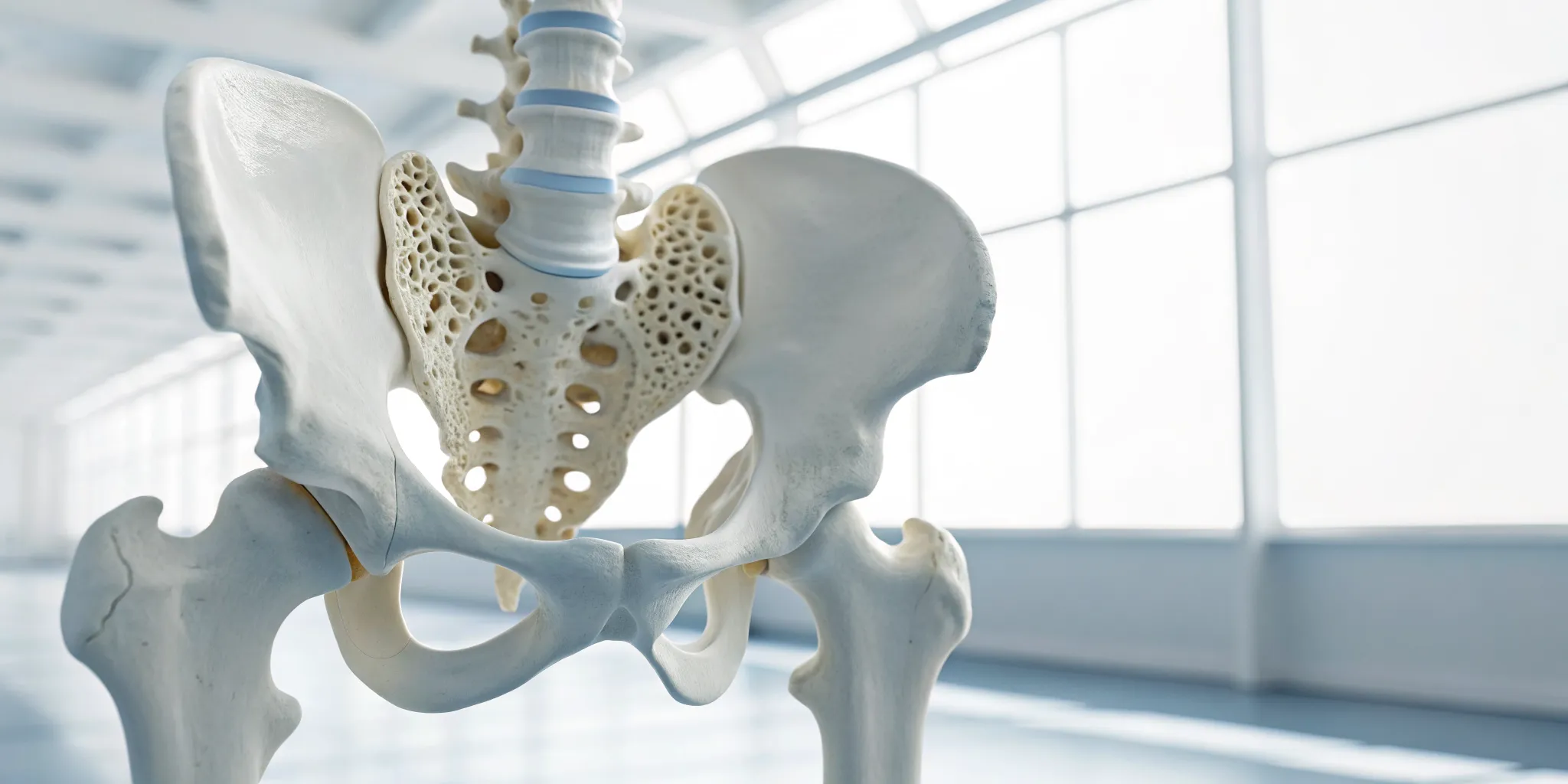
Think of the discs in your spine as small, jelly-filled cushions that sit between your vertebrae, providing shock absorption and flexibility. During a car accident, the sudden jolt and whipping motion can create intense compression and twisting forces on your spine. This abrupt pressure can cause the tough outer layer of a spinal disc to tear, allowing the soft, gel-like center to push out. This is what’s known as a herniated disc. The displaced disc material can then press on the spinal cord or nearby nerve roots, which is what causes the pain and other symptoms you might feel. Our approach to Physical Medicine focuses on addressing these types of structural issues to restore proper function.
Herniated Disc vs. Slipped Disc: What's the Difference?
You’ve probably heard people use the term “slipped disc” to describe back pain, but it’s a bit of a misnomer. The term suggests a disc has moved completely out of place, which isn’t what happens. “Herniated disc” is the more accurate medical term. The disc itself doesn’t slip; rather, its outer wall is damaged, and the inner material bulges or leaks out. It’s a subtle but important distinction that helps clarify the nature of the injury. Getting the terminology right helps you better understand your body and communicate effectively with your healthcare provider about the conditions we treat. Knowing you have a herniation, not a "slip," guides a more precise and effective treatment plan.
Key Symptoms of a Herniated Disc You Shouldn't Ignore
Because a herniated disc often irritates surrounding nerves, the symptoms can extend far beyond just localized back pain. It’s crucial not to dismiss these signs. Pay close attention to sharp, shooting pain that travels down your arm or leg (often called sciatica if it’s in the leg). You might also experience numbness, tingling, or a "pins and needles" sensation in your limbs. Another red flag is muscle weakness, which could make it difficult to grip objects or cause you to stumble. These symptoms are your body’s way of telling you that a nerve is being compressed. If you're experiencing any of these issues after an accident, it's time to get in touch with a professional to get a clear diagnosis.
Your First Step: Seeking the Right Medical Care
After a car accident, your first priority should always be your health. In the moments following a collision, adrenaline can surge through your body, often masking pain and making it difficult to gauge the true extent of an injury. This is especially true for spinal issues like a herniated disc, where symptoms might not appear for hours or even days. That’s why taking immediate and decisive action is the most important step you can take to protect your long-term well-being. Getting a prompt and thorough evaluation from a practitioner who understands the complex mechanics of the spine is crucial.
This initial assessment does more than just identify the problem; it creates a clear baseline of your condition right after the incident. This record becomes the foundation for a successful and targeted recovery plan. It’s about taking control of your health from the very beginning and partnering with a team that can guide you through each phase of the healing process. By seeking the right care without delay, you’re not just addressing an injury. You are making a powerful commitment to your own recovery and ensuring you have the support you need to get back to feeling your best.
Who to See for Spinal Injuries
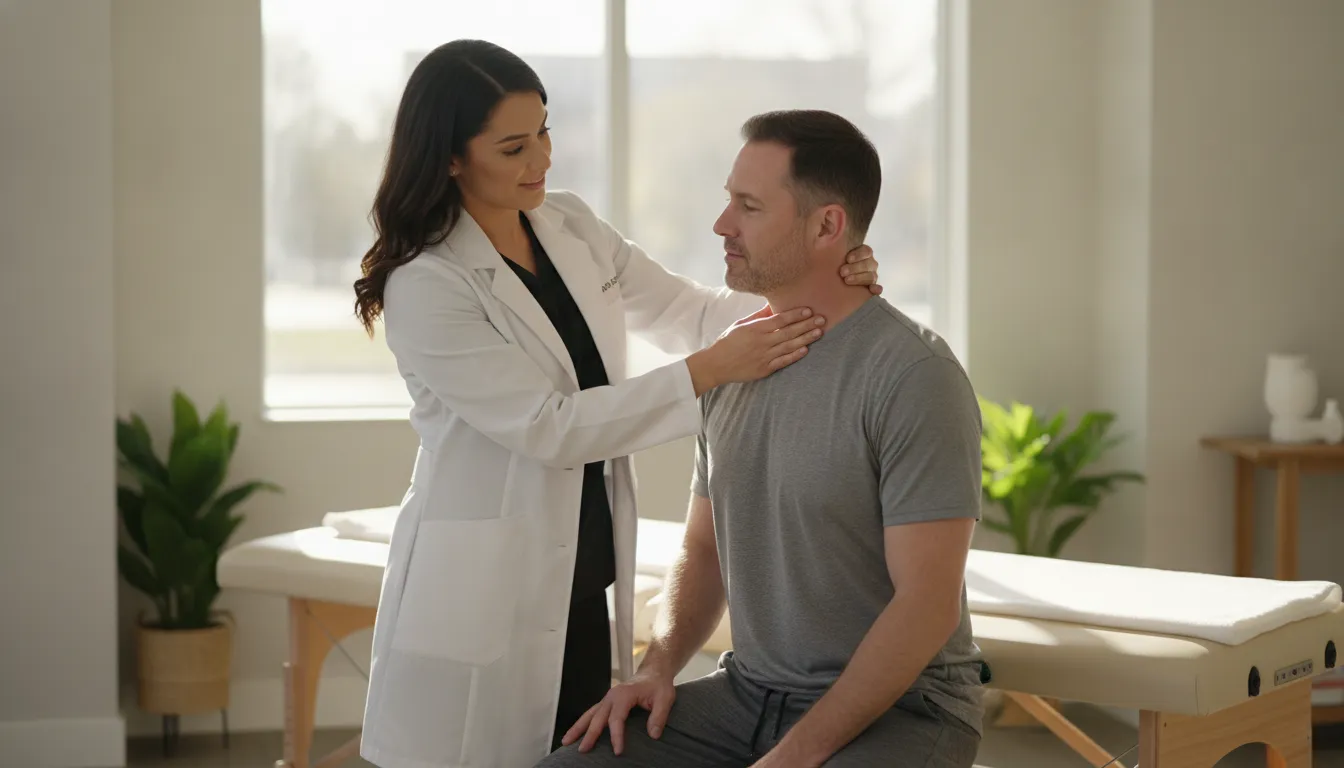
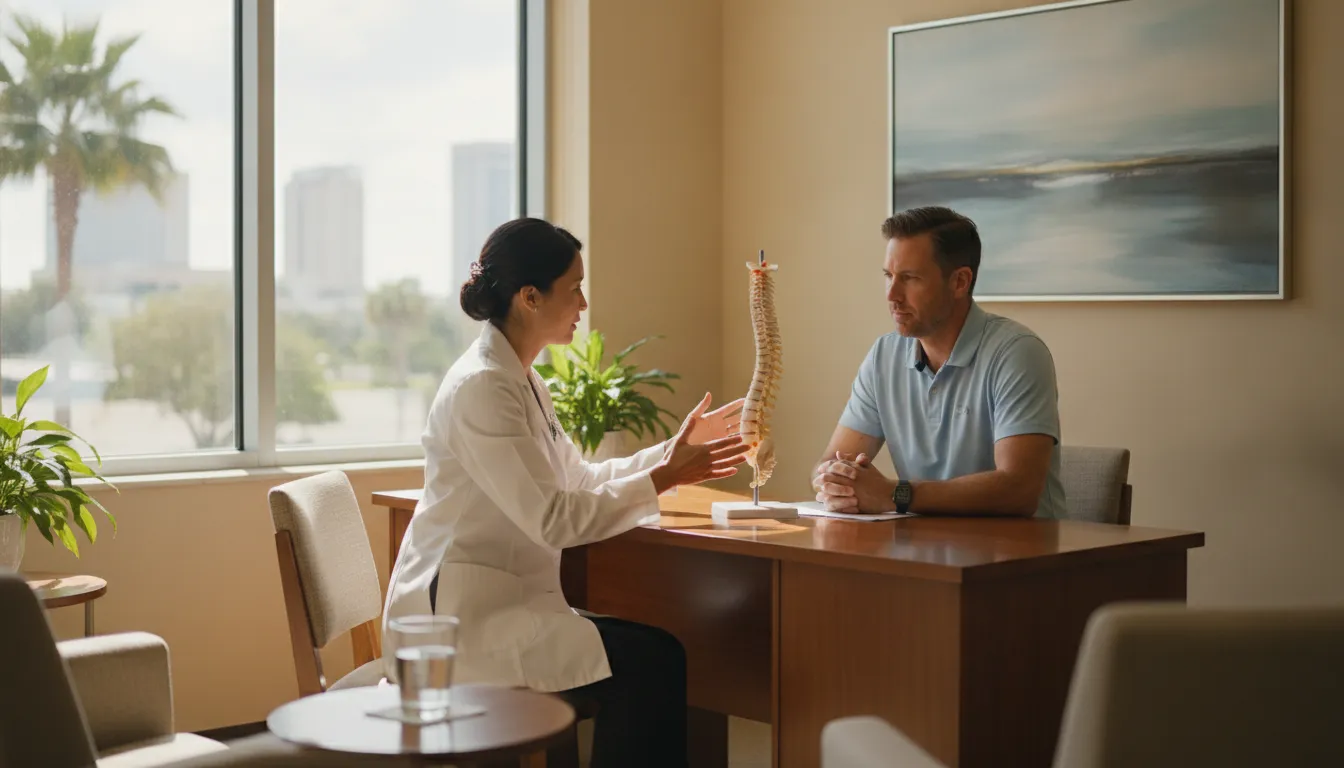
When your spine is involved, you need a specialist who looks beyond the immediate symptoms to understand the underlying mechanics of your injury. A practitioner focused on physical medicine, such as a chiropractor specializing in corrective care, is an excellent choice. They will start with a detailed assessment, which includes a complete review of the accident, your specific symptoms, and a physical examination. This thorough approach helps determine the exact nature of your injury, like a herniated disc, and allows them to create a personalized treatment plan. Finding the right professional ensures you’re not just masking discomfort but are actively working to restore your body’s proper function and alignment for lasting results.
Why Waiting to Get Help Can Hinder Your Recovery
It’s a common mistake to adopt a "wait and see" approach after an accident, but this can significantly complicate your recovery. Your body begins the healing process right away, and without proper guidance, it can lead to chronic pain, stiffness, and long-term dysfunction. Delaying care allows inflammation to set in and can make the injury more difficult to address later. Seeking prompt attention ensures you get an accurate diagnosis and can begin a supportive care plan immediately. Consistent, early treatment can lead to noticeable improvements within weeks, helping you get back to your life sooner. Don't let uncertainty hold you back; taking the first step is essential for a smoother and more complete healing journey.
Getting an Accurate Herniated Disc Diagnosis
After a car accident, pinpointing the exact source of your pain is the most critical step toward feeling better. While you might feel stiffness or a shooting pain down your leg, those symptoms are just clues. To create a recovery plan that actually works, you need a clear and accurate diagnosis from a professional who understands spinal injuries. This isn't about guesswork; it's about gathering the right information to understand what’s happening inside your body.
A thorough evaluation combines a hands-on physical assessment with advanced imaging to get a complete picture of the injury. This comprehensive approach is the foundation of all effective treatment. At Ascend Functional Health, our approach to physical medicine starts with a precise diagnosis, ensuring your care plan is tailored specifically to your body’s needs from day one. Getting this step right allows us to move beyond just managing symptoms and start addressing the root cause of your discomfort, setting you on a path to genuine, long-term healing.
The Role of Imaging and Physical Exams
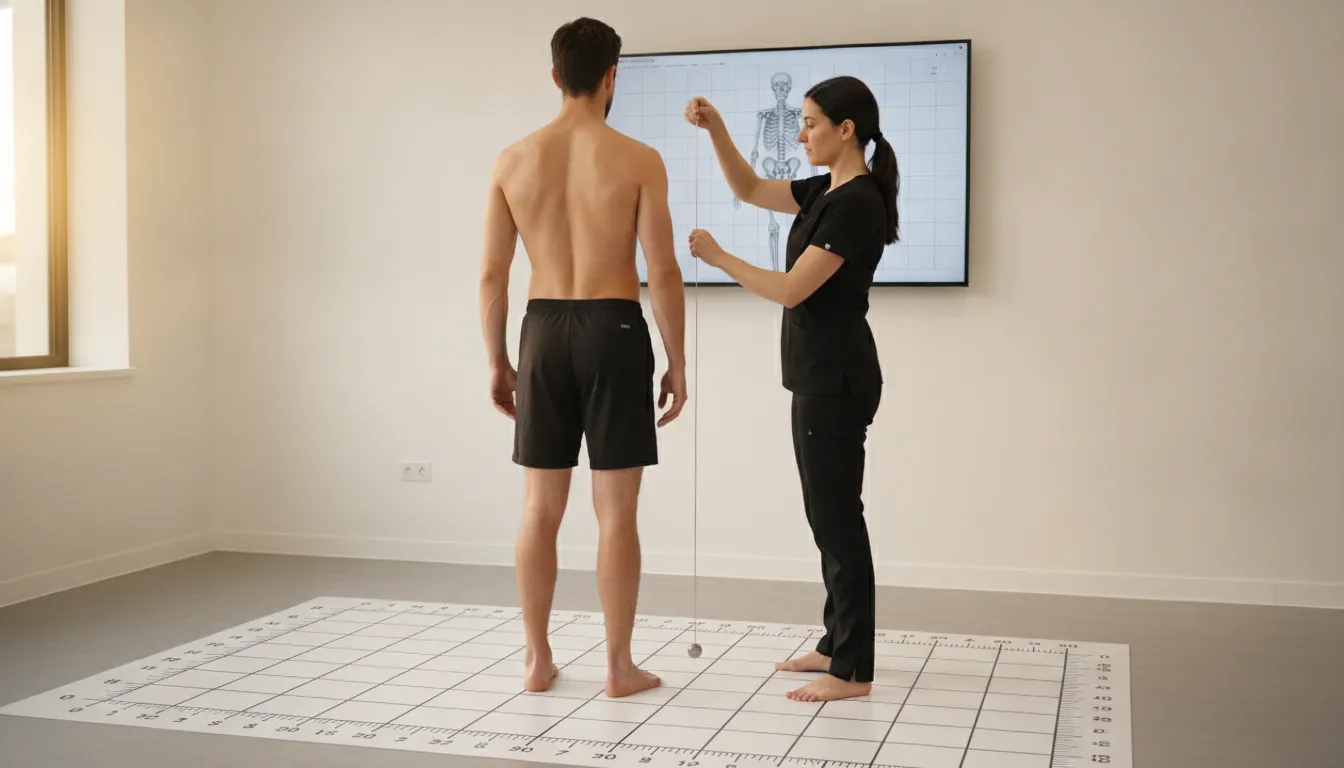
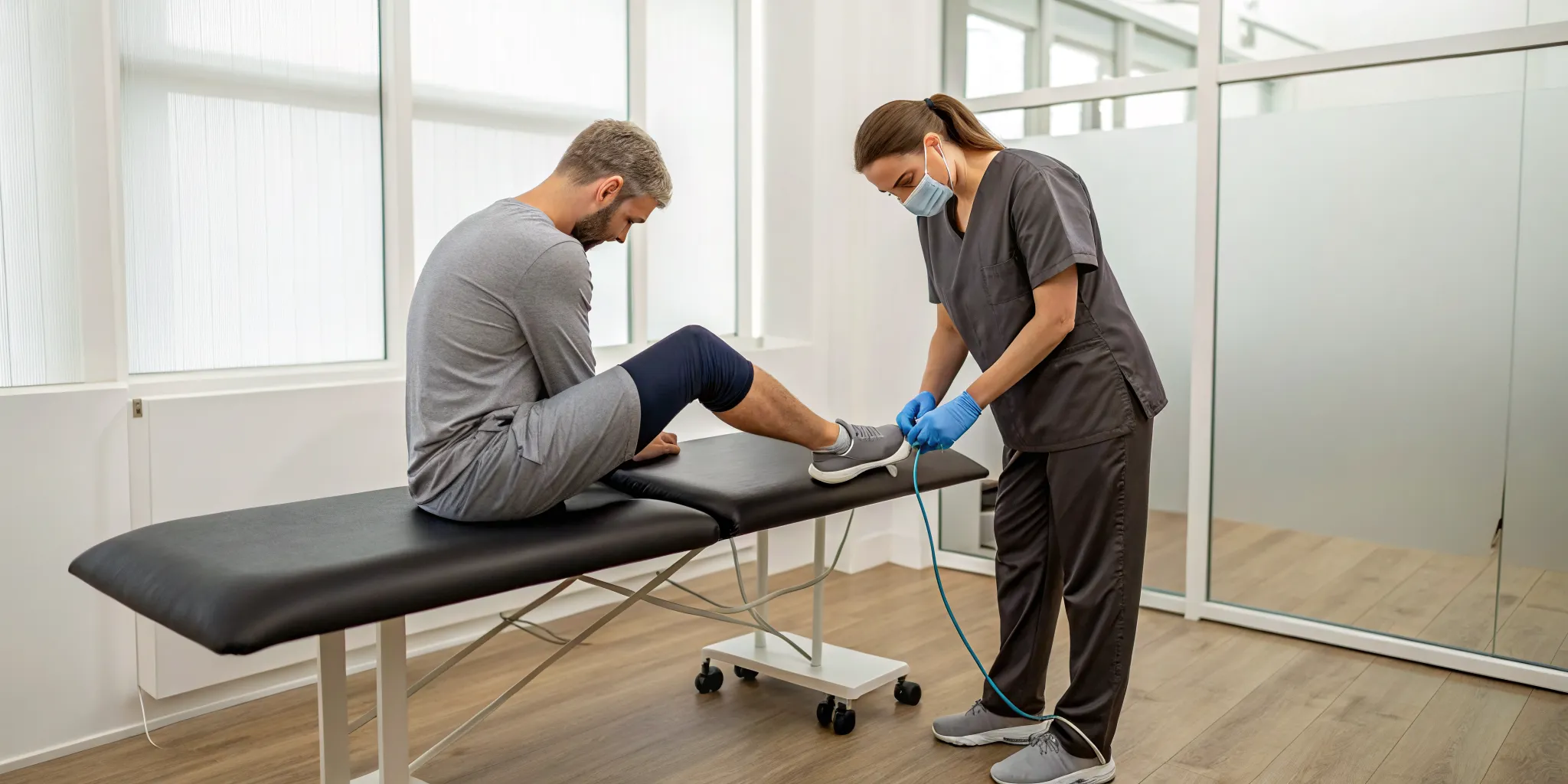
A proper diagnosis for a herniated disc is a two-part process. It begins with a detailed physical exam where your practitioner will check your reflexes, muscle strength, and range of motion. This hands-on assessment helps identify which nerves might be affected by the disc. However, a physical exam alone can’t confirm a herniation.
To see exactly what’s going on with your spinal discs, specific imaging is necessary. It's important to know that a standard X-ray, which you might get after an accident, can't show soft tissue injuries like a herniated disc. Instead, your provider will use tests like an MRI or CT scan to get a clear view of the discs, nerves, and spinal canal. This detailed picture confirms the diagnosis and shows the precise location and severity of the injury, which is essential for treating the conditions we treat effectively.
Why a Precise Diagnosis Is Key for Effective Treatment
Receiving a precise diagnosis is about more than just putting a name to your pain; it’s the blueprint for your recovery. Without knowing exactly which disc is affected and how it’s impacting the surrounding nerves, any treatment is essentially a shot in the dark. A detailed diagnosis allows your care team to create a targeted plan that addresses the specific source of the problem, leading to more effective and lasting relief.
An unaddressed herniated disc can cause worsening issues over time, including chronic pain and nerve-related complications. Think of it this way: you can’t fix a problem you don’t fully understand. By investing the time to get an accurate diagnosis, you are taking the first and most important step toward true healing. Our philosophy is built on understanding the complete picture of your health, which you can learn more about us and our commitment to root-cause solutions.
Your Path to Recovery: Herniated Disc Treatment Options
After a car accident, finding the right path to recovery for a herniated disc can feel overwhelming. The good news is that a variety of effective, non-invasive treatments are available to help your body heal correctly. A comprehensive approach that addresses the root cause of your pain is key to not just feeling better, but building long-term spinal health. By focusing on restoring alignment, rebuilding strength, and supporting your body’s natural healing processes, you can create a solid foundation for a full recovery. This journey is about more than just managing symptoms; it's about restoring function and getting you back to your life with confidence.
Restoring Alignment with Chiropractic Care and Spinal Decompression
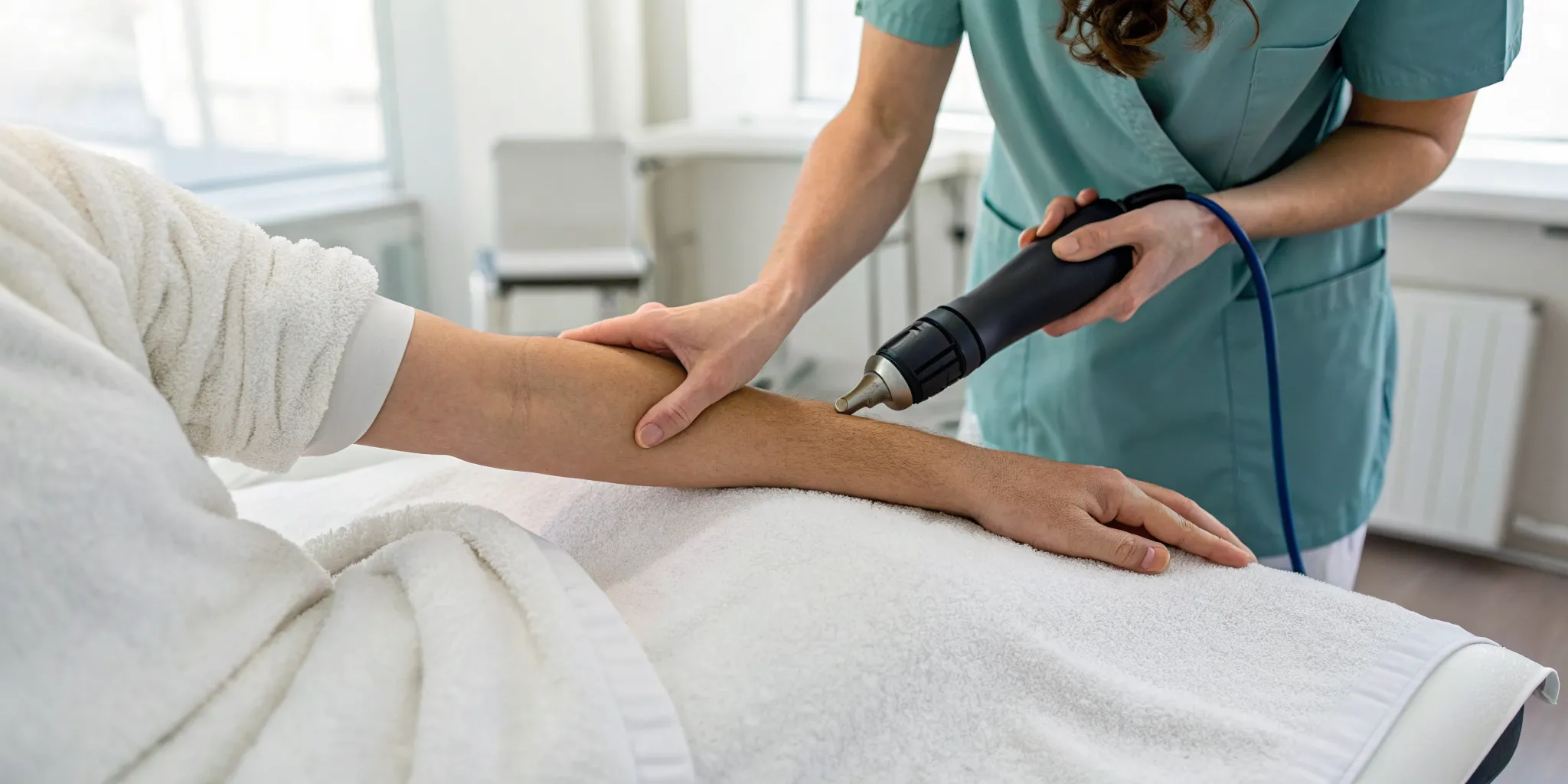
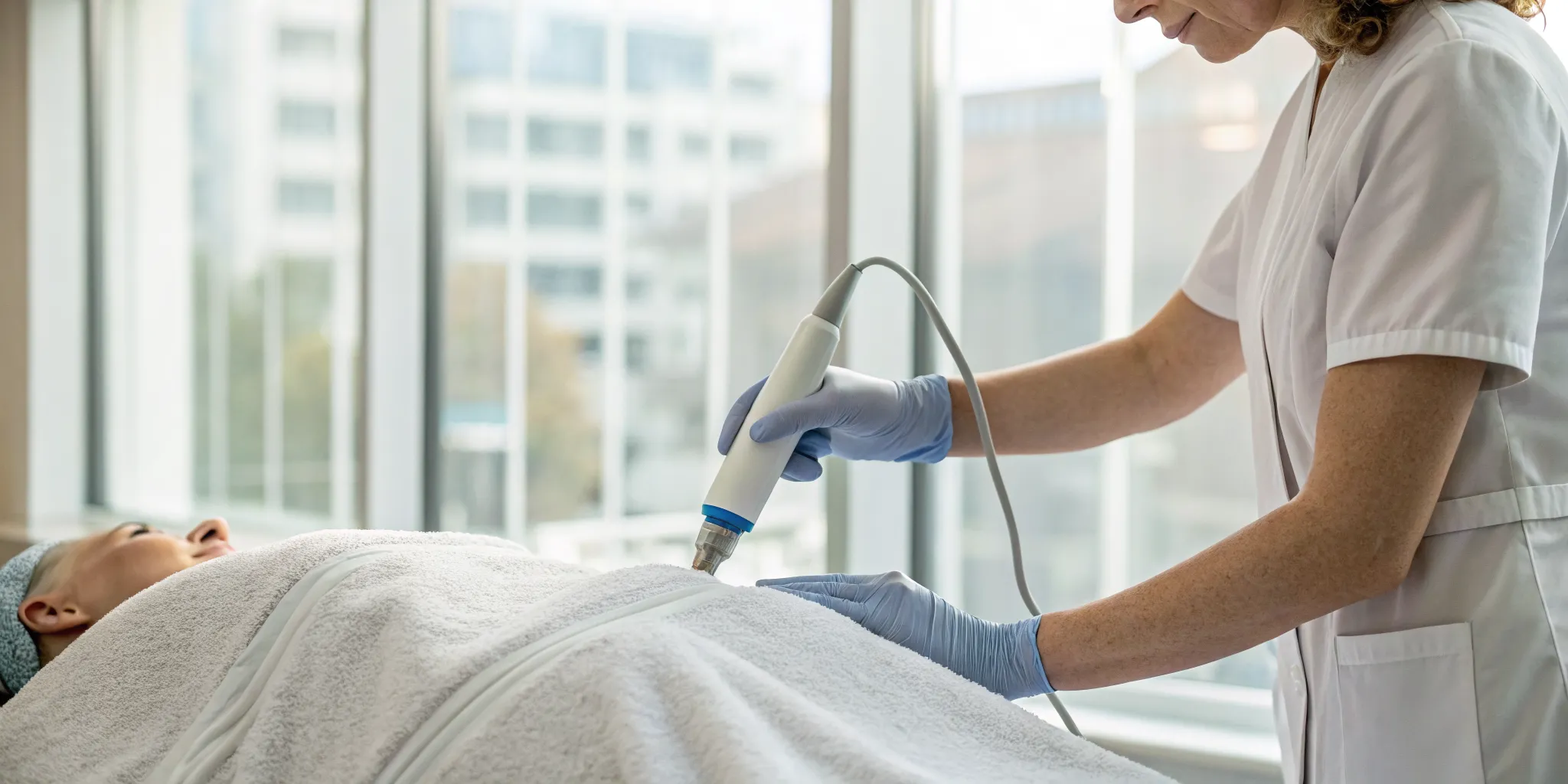
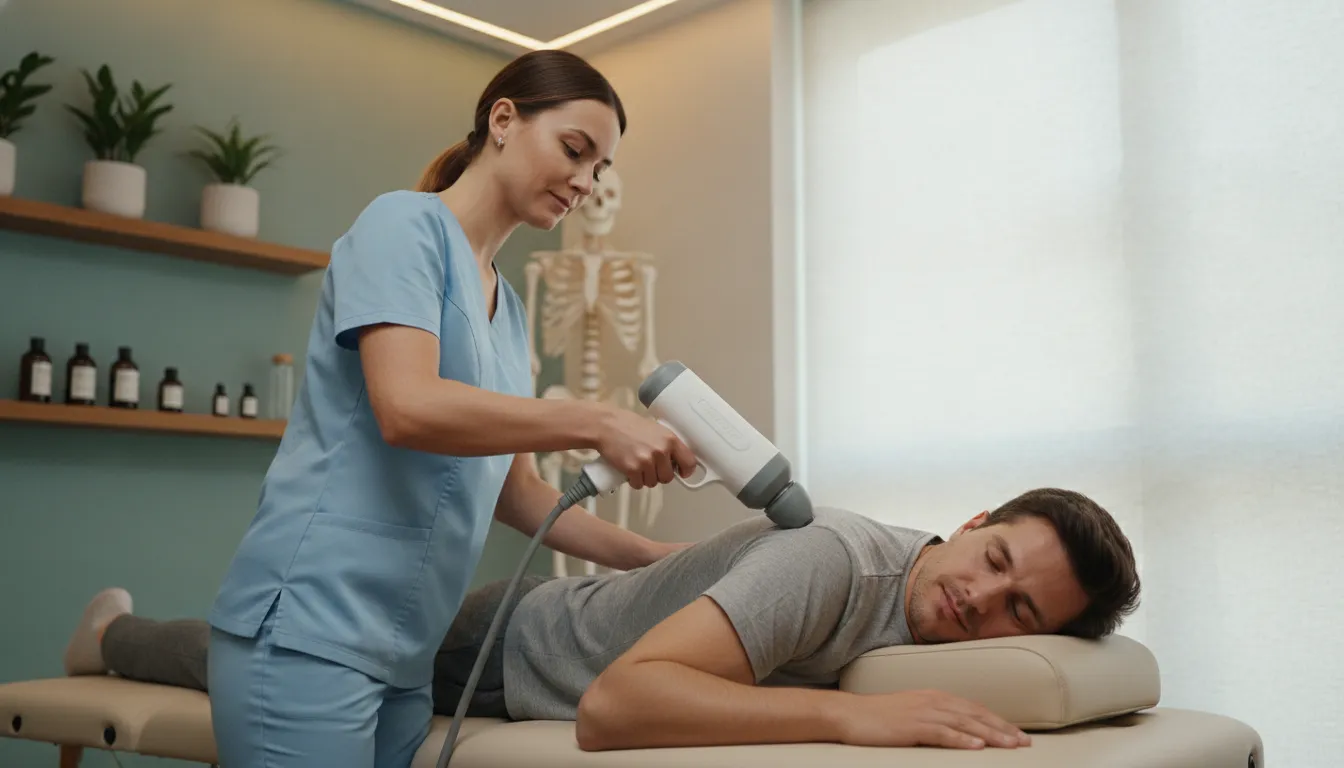
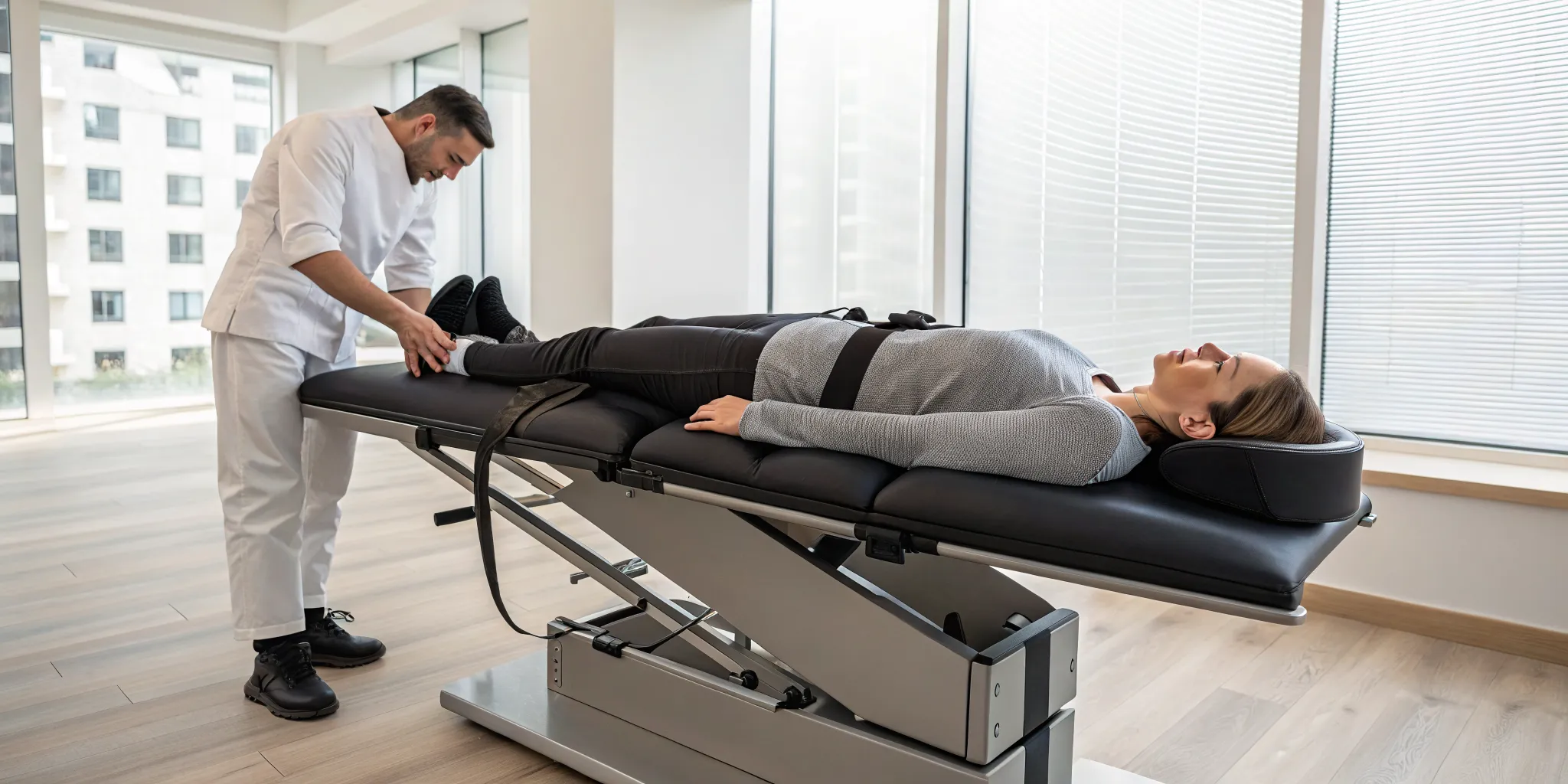
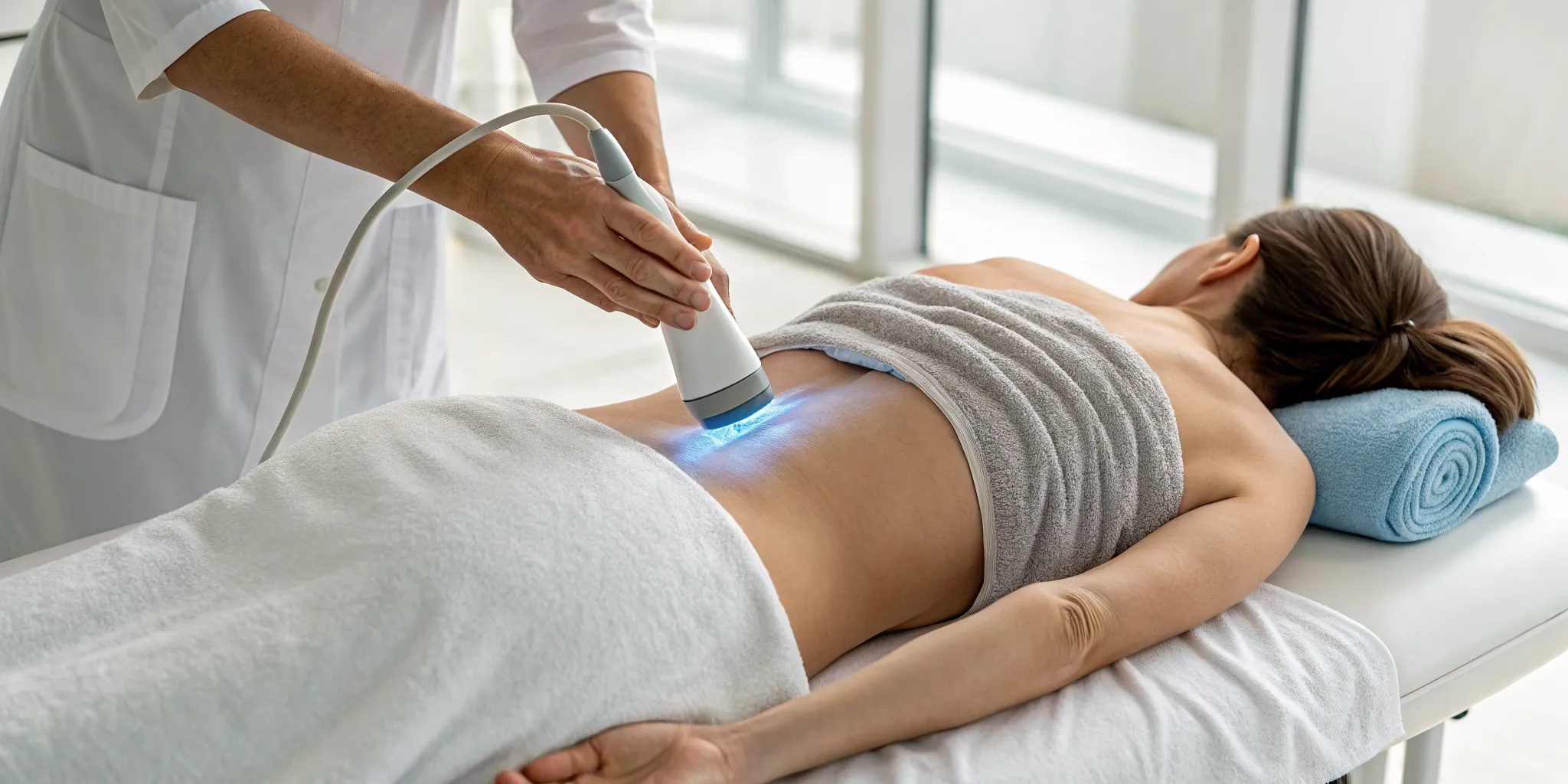
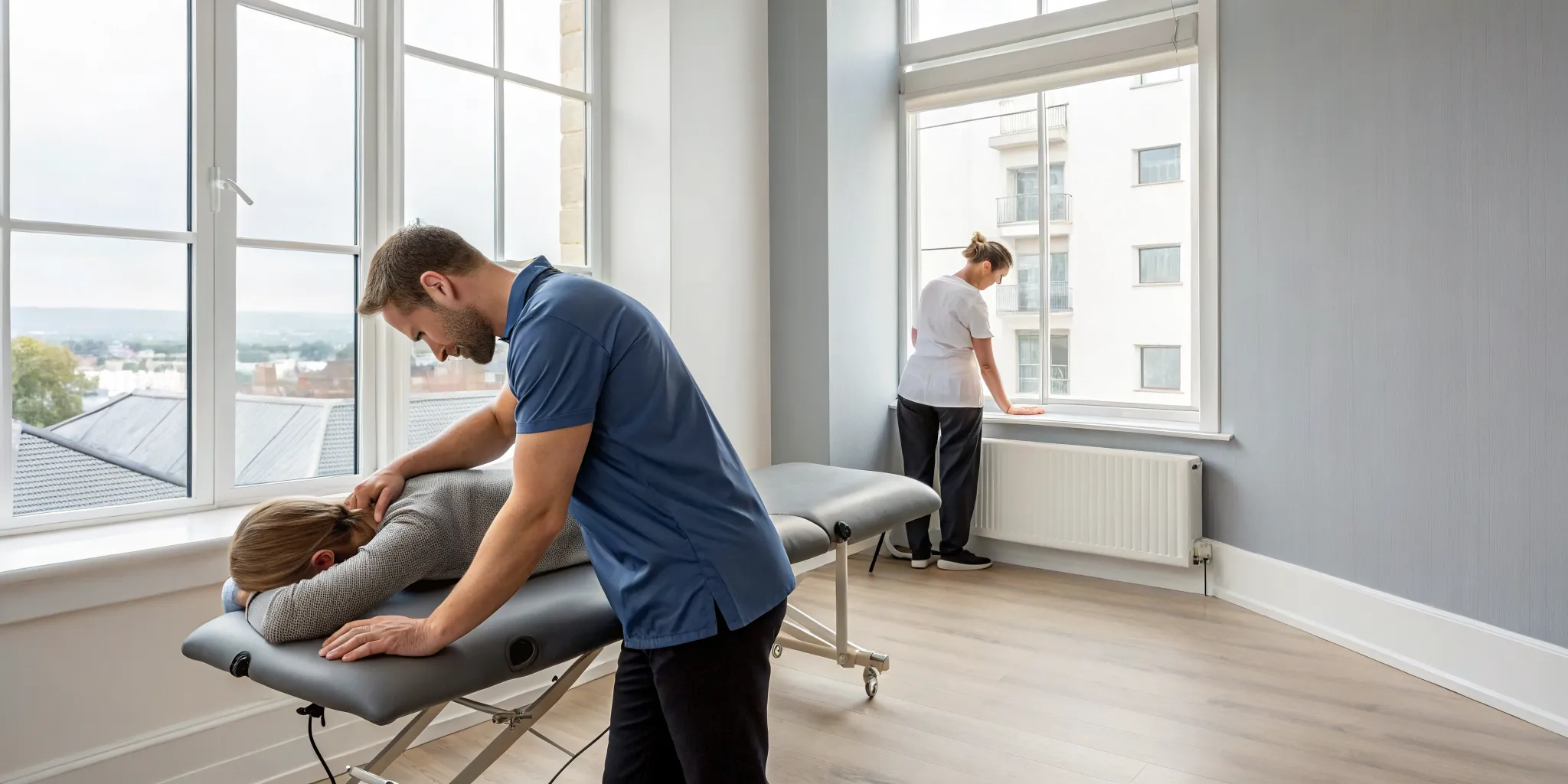
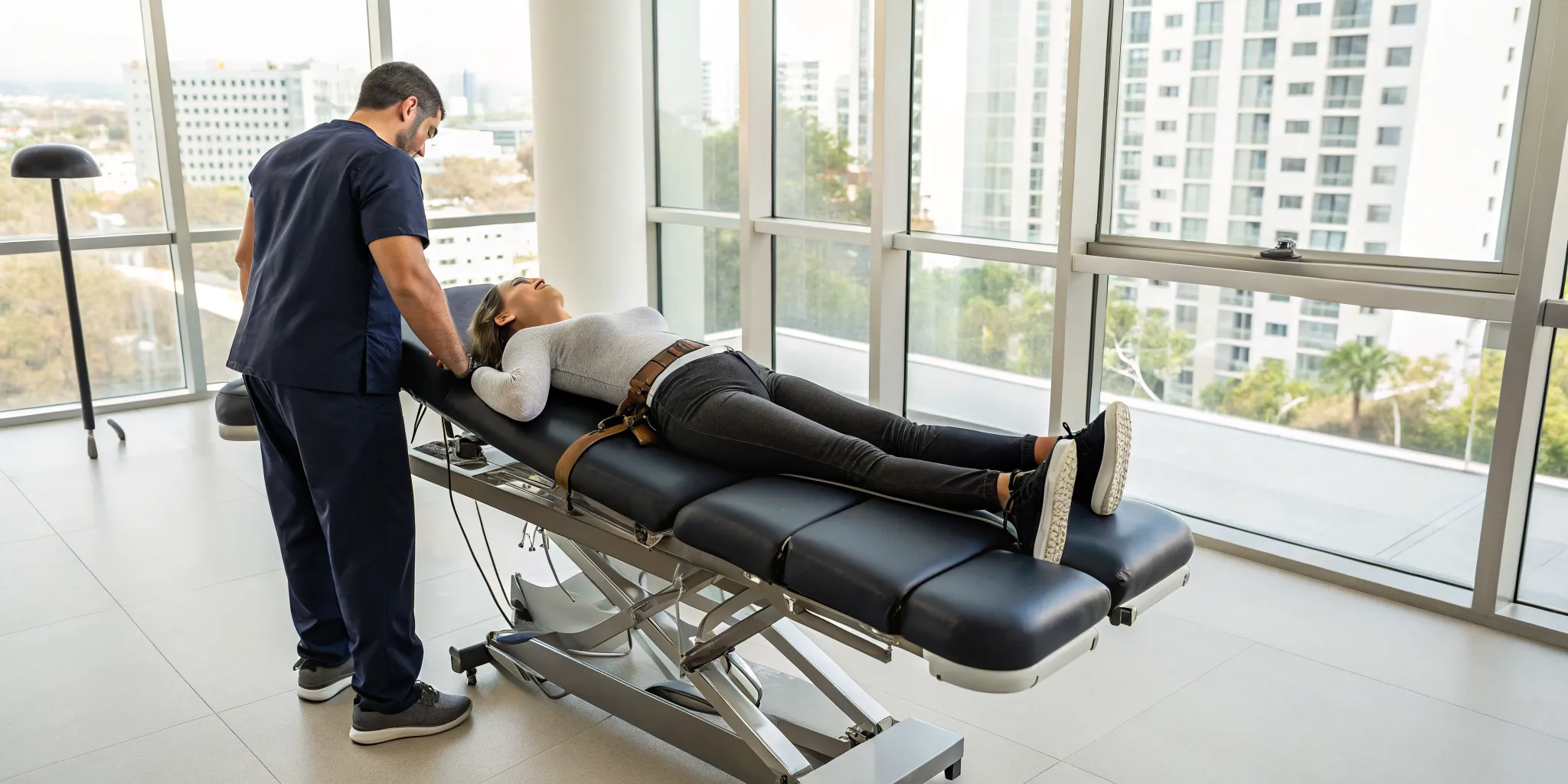
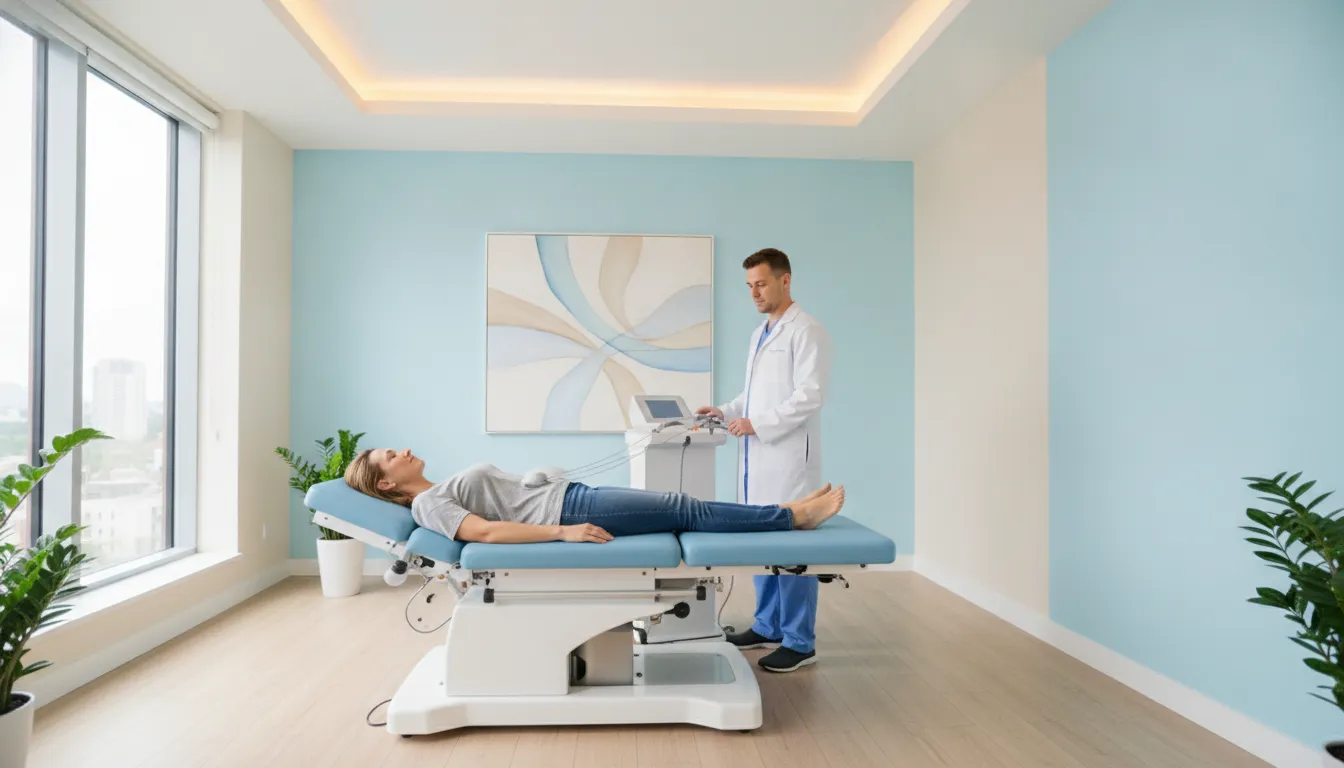
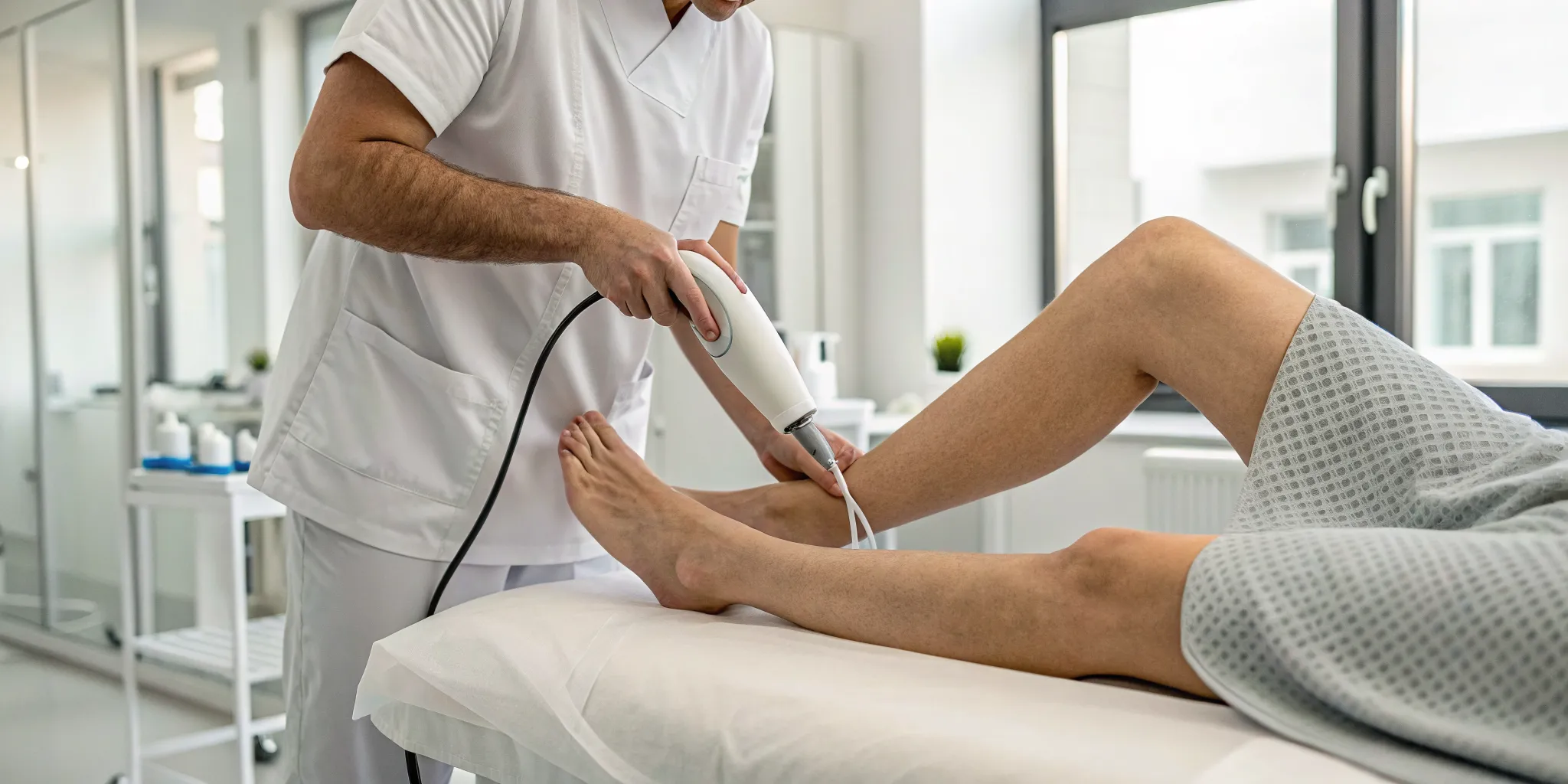
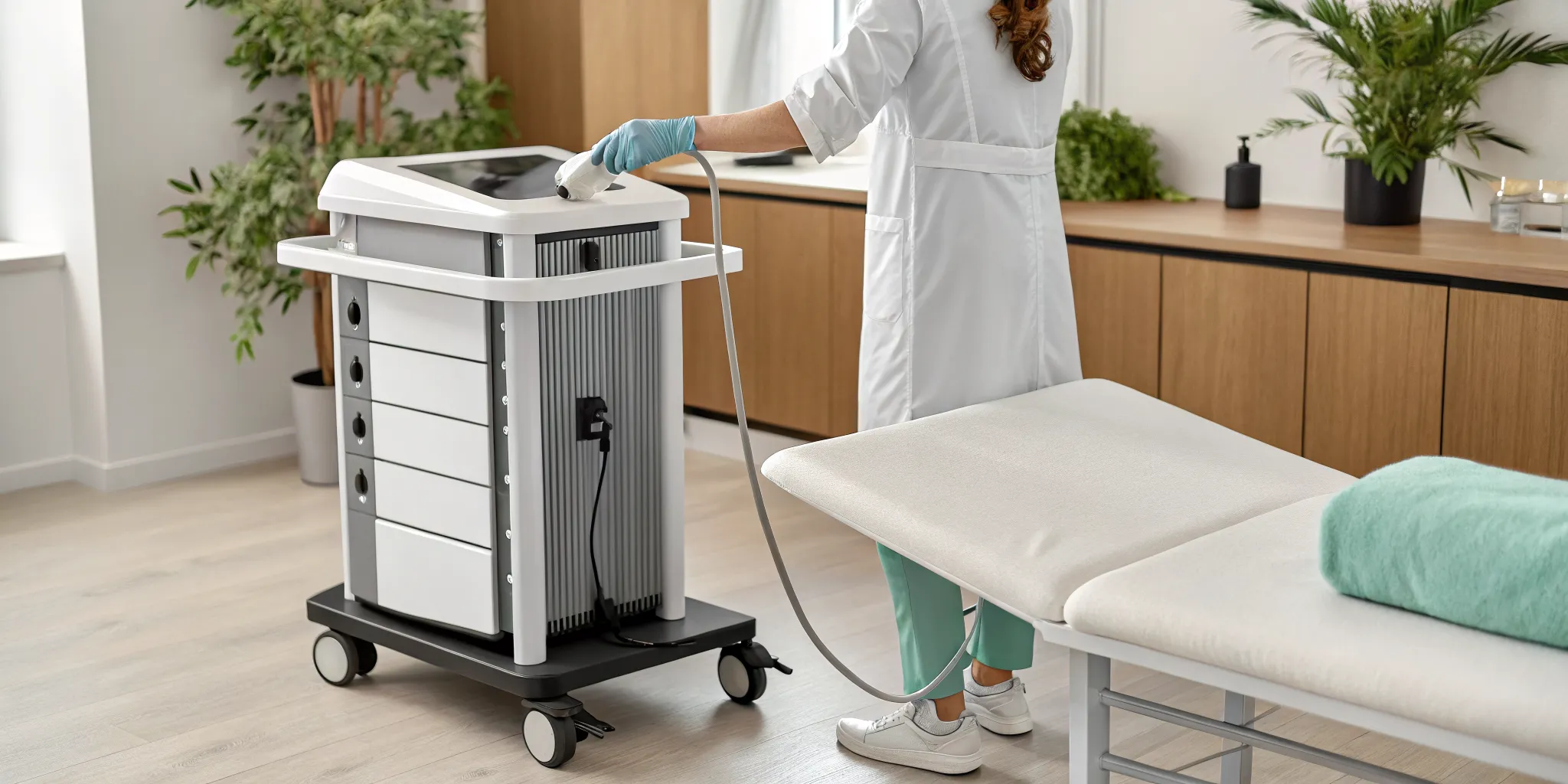
One of the first goals in treating a herniated disc is to relieve the pressure on your nerves and spinal column. This is where chiropractic care shines. Gentle, precise adjustments can help realign the vertebrae, creating more space for the disc and reducing irritation. When combined with spinal decompression, this process is even more effective. Decompression therapy uses a specialized table to gently stretch the spine, which can help the herniated disc material retract and ease the pressure on pinched nerves. Our approach to physical medicine integrates these techniques to manage discomfort and improve your mobility, helping you feel relief sooner.
Rebuilding Strength with Physical Therapy and Corrective Care
While chiropractic care helps restore alignment, physical therapy and corrective care are essential for building the strength to maintain it. A herniated disc often weakens the supporting muscles in your back. A targeted physical therapy plan focuses on strengthening your core and the small muscles around your spine, creating a natural corset of support. Most people begin to notice significant improvement within four to six weeks of consistent exercises. This isn't just about short-term relief; it's about building a resilient back that is less prone to future injury, which is a core part of how we handle the conditions we treat.
Exploring Your Options Before Considering Invasive Procedures
It’s natural to worry about needing an invasive procedure, but it’s important to know that most herniated discs heal without one. Many people feel much better within 6 to 12 weeks with consistent, conservative care. The goal is always to use the least invasive methods first, giving your body the chance to heal with supportive therapies. Invasive options are typically only considered if your symptoms haven't improved after several months of dedicated care or if nerve-related issues are getting progressively worse. Our philosophy is to address the root cause first, allowing your body's innate healing abilities to lead the way.
How to Manage Discomfort Between Appointments
Your recovery continues even when you’re not in the office. Managing your discomfort between appointments is a crucial part of the healing process. Simple at-home care can make a big difference. Your practitioner will likely recommend specific stretches or gentle exercises to do at home to maintain mobility and prevent stiffness. Alternating between hot and cold packs on the affected area can also provide temporary relief from pain and inflammation. Listening to your body and getting proper rest is also vital, as this is when your body does most of its healing. For more health insights, you can explore our blog.
The Long-Term Outlook for a Herniated Disc
The long-term outlook for a herniated disc is generally very positive, especially with proper care. Your recovery timeline and success depend largely on the severity of the initial injury and how consistently you follow your personalized treatment plan. Without proper treatment, a herniated disc can lead to chronic pain and lasting nerve issues. By committing to a comprehensive care plan that includes chiropractic adjustments, physical therapy, and supportive at-home habits, you are investing in your long-term health. A proactive approach not only resolves the current injury but also helps prevent future problems, allowing you to return to the activities you love. If you're ready to discuss your personalized plan, please contact us.
Investing in Your Recovery: What a Treatment Plan Involves
Recovering from a herniated disc is a process, not a single event. Your healing plan is a roadmap designed specifically for you, guiding you back to health. It’s about more than just addressing the immediate pain; it’s about creating a foundation for long-term spinal health. At Ascend Functional Health, we partner with you to build this roadmap, focusing on a comprehensive strategy that supports your body’s natural ability to heal.
The Components of a Comprehensive Healing Plan
Your journey begins with a thorough assessment. We’ll sit down to discuss the details of the car accident, your specific symptoms, and review any imaging you’ve had, like an MRI. This initial conversation is crucial because it helps us understand the full picture of your injury. From there, we create a personalized healing plan that addresses the root cause of your pain. Our holistic approach ensures that every aspect of your care is coordinated and tailored to your unique needs, moving you steadily toward recovery. We believe in treating the person, not just the injury.
Factors That Influence Your Recovery Timeline
It’s natural to wonder, "How long will this take?" While many people start to feel significant improvement within four to six weeks of consistent care, your timeline is your own. Factors like the severity of the herniation, your overall health, and how soon you begin treatment all play a role. The most important factor, however, is consistency. Sticking to your recommended care schedule is key. Gaps in your treatment can slow down your progress and interfere with the healing process. Committing to your physical medicine plan gives your body the best possible chance to repair itself effectively.
Supportive Therapies That Aid Healing
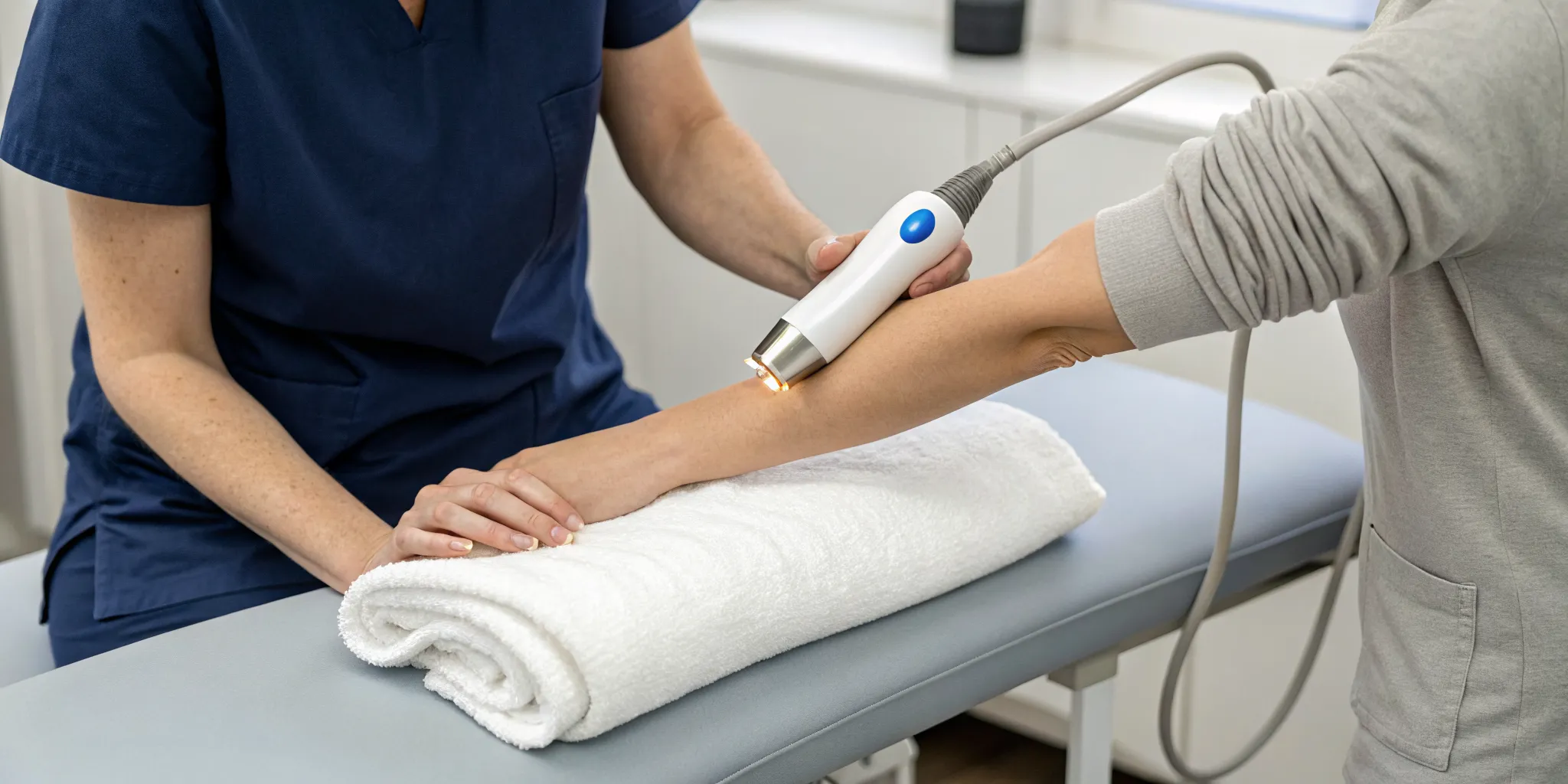
A well-rounded treatment plan often includes more than one type of therapy. Gentle chiropractic adjustments can help restore proper spinal alignment, while non-invasive spinal decompression works to relieve pressure on the affected disc and nerves. These therapies are designed to work together to manage discomfort, reduce inflammation, and improve your mobility without invasive procedures. By combining different techniques, we can create a synergistic effect that supports faster, more complete healing. You can explore the full range of our supportive services to see how we can help you feel better.
How to Keep Track of Your Health Journey
Keeping a simple record of your recovery can be incredibly helpful. We encourage you to jot down your symptoms, note any changes you feel after appointments, and track your progress over time. This documentation creates a clear history of your healing process, which is valuable for both you and your care team. It allows us to make informed adjustments to your treatment plan and celebrate your milestones along the way. When you're ready to start your documented health journey, our team is here to guide you. You can contact us to schedule your initial consultation and take that first important step.
Building Your Long-Term Recovery Strategy
After the initial shock of a car accident wears off, your focus shifts to healing. A successful recovery from a herniated disc isn’t about a single treatment; it’s about building a thoughtful, long-term strategy. This means taking proactive steps to protect your spine, understanding what can get in the way of healing, and working with a team that sees the bigger picture of your health. Creating this roadmap is the most important step you can take toward getting back to your life and ensuring your spine stays healthy for years to come.
Immediate Steps to Protect Your Spine
The first few days and weeks after an accident are critical for your long-term spinal health. Your priority should be getting a clear and accurate picture of the injury. An MRI is often used to diagnose a herniation, showing exactly where the disc is affected and how severely. Getting this diagnosis promptly allows you to start the right kind of care without delay. Early intervention can make a significant difference in your recovery outcome. By seeking out a provider who specializes in Physical Medicine, you can begin a gentle, targeted plan to reduce inflammation and stabilize the area, setting a strong foundation for healing.
Common Pitfalls That Can Slow Down Healing
One of the most common mistakes people make after an accident is waiting to get help. You might feel like the pain isn't "that bad" or hope it will go away on its own. Unfortunately, delaying care allows inflammation to set in and can make the injury more difficult to address later. Another pitfall is inconsistent treatment. Starting a care plan and then stopping, or having long gaps between appointments, can interrupt your body's healing momentum. Recovery is a process, and consistency is key to making steady progress and preventing setbacks that can prolong your discomfort and recovery timeline.
Creating a Comprehensive and Personalized Care Plan
Your recovery journey is unique to you, and your treatment plan should reflect that. A one-size-fits-all approach simply doesn’t work for spinal injuries. A thorough provider will begin with a detailed assessment, reviewing the specifics of your accident, your symptoms, and any imaging you’ve had done. This information is used to create a personalized care plan tailored to your body’s specific needs. This plan goes beyond just addressing the immediate pain; it aims to correct the underlying structural and functional issues that contribute to the problem. This comprehensive approach ensures you’re not just masking symptoms but are addressing the root cause of the many conditions we treat.
Partnering with Your Functional Health Team
Healing from a herniated disc is not a passive process; it’s a partnership. Your role is to communicate what you’re feeling, and your health team’s role is to listen and adapt your plan. This collaborative approach ensures your treatment evolves as you heal. Your plan may include gentle chiropractic adjustments to restore proper motion and spinal decompression to relieve pressure on the affected disc. By partnering with your functional health team, you gain allies who are invested in your recovery. They can guide you on how to manage discomfort between appointments and empower you with the tools and knowledge to support your body’s innate ability to heal.
Defining a Successful Recovery from a Herniated Disc
What Does "Getting Better" Really Mean?
When you’re dealing with the constant discomfort of a herniated disc, all you want is to feel like yourself again. But what does "getting better" actually look like? It’s rarely a straight line to feeling 100%. Instead, think of it as a gradual climb with steady progress. A successful recovery means seeing a progressive reduction in your symptoms, like less intense pain and fewer instances of numbness or tingling. It means regaining your ability to sit, stand, and walk for longer periods without that familiar ache.
Most people start to notice a real improvement within four to six weeks of consistent care. The goal isn't just to be pain-free; it's to restore function and build resilience in your spine so you can get back to your life with confidence.
Overcoming Common Hurdles in Your Healing Process
One of the biggest hurdles in recovering from a car accident injury is the temptation to wait and see if the pain goes away on its own. Failing to seek medical treatment right away is a common misstep that can significantly delay your healing. Your body needs support to recover correctly, and the sooner you get a proper diagnosis and begin a treatment plan, the better your outcome will be.
Another challenge is maintaining consistency. Life gets busy, and it can be easy to let appointments slide. However, gaps in your treatment can slow your momentum and even set you back. Committing to your care plan shows you’re invested in your health and provides the steady, therapeutic input your body needs to repair the damage.
Why "Quick Fixes" Don't Lead to Lasting Relief
In a world of instant gratification, it’s understandable to want a quick fix for your back pain. While some approaches might offer temporary relief, they often act like a bandage, masking the pain without addressing the source of the problem. A herniated disc is a structural issue, and it requires a structural solution. Lasting relief comes from a dedicated approach that corrects the underlying issue.
Effective treatments, like specific chiropractic adjustments and spinal decompression, work by reducing pressure on the disc and creating an environment for your body to heal itself. This process requires a commitment to ongoing care. By focusing on a comprehensive plan, you’re not just getting out of pain; you’re investing in the long-term health and stability of your spine.
Take the First Step on Your Road to Recovery
Recovering from a herniated disc after a car accident can feel like a long road, but the first few steps you take are the most important for setting yourself up for successful healing. The key is to get a clear picture of what's happening in your body so you can get the right kind of help.
First things first, you need a proper diagnosis. An MRI is often the best way to see the extent of the herniation, which gives your healthcare team the information they need to create an effective treatment plan. Getting this clarity early on is crucial for addressing the problem quickly and correctly. Once you have a diagnosis, you can begin exploring your treatment options.
Many people find significant relief by starting chiropractic care soon after their injury. In fact, it’s common to notice improvement within just four to six weeks of consistent treatment. Gentle adjustments, often combined with spinal decompression, can help reduce pressure on the affected disc and nerves. This approach is a cornerstone of physical medicine and can make the entire recovery process more comfortable.
When you work with a chiropractor, they will start with a detailed assessment. This includes reviewing the details of your accident, discussing your symptoms, and looking at any imaging you’ve had done. This allows them to create a plan that is tailored specifically to you. By taking these initial steps, you build a solid foundation for your recovery and start your journey toward feeling like yourself again.
Related Articles
- Disc Bulge Therapy: A Complete Guide to Healing
- Bulging Disc Therapy Treatment: A Complete Guide
- Is Lumbar Decompression Chiropractic for You?
- Whiplash Recovery: Your Week-by-Week Guide
- Spinal Rehabilitation: A Complete Patient's Guide
Frequently Asked Questions
How soon after a car accident should I see a doctor for back pain, even if it seems minor? You should get evaluated as soon as possible. Adrenaline from an accident can mask pain for hours or even days, so you might not realize the extent of an injury right away. Seeking prompt care establishes a clear record of your condition from the beginning and allows a professional to identify issues before they become more complicated.
What are the key signs that my back pain might be a herniated disc and not just a muscle strain? While a muscle strain typically causes a dull, localized ache, a herniated disc often involves nerve-related symptoms. Pay close attention to sharp pain that travels down an arm or leg (sciatica), numbness or tingling sensations in your limbs, or weakness in your hands or feet. These are signals that a disc may be pressing on a nerve.
What does a typical treatment plan look like, and will I need an invasive procedure? A typical plan is focused on non-invasive care that helps your body heal correctly. It often starts with gentle chiropractic adjustments and spinal decompression to relieve pressure on the nerve and disc. This is usually followed by corrective exercises and physical therapy to strengthen the supporting muscles. Most people recover well with this approach, and more invasive options are generally only considered after these conservative methods have been tried for several months.
How long does it usually take to recover from a herniated disc with this type of care? Your recovery timeline is personal, but many people start to feel significant improvement within four to six weeks of consistent care. Full recovery can take several months. The most important factors are the severity of your injury and your commitment to following the treatment plan. Attending your appointments regularly gives your body the best chance to heal steadily.
My X-ray from after the accident was clear, so why do I still have pain? This is a very common situation. X-rays are great for showing bones, but they cannot visualize soft tissues like spinal discs, muscles, or nerves. A herniated disc is a soft tissue injury, so it won't appear on an X-ray. To get a clear picture of a disc injury, a provider will typically use an MRI, which provides a detailed view of the soft structures in your spine.