If you’ve tried rest, stretching, and other conventional methods for your shoulder pain without success, you might feel like surgery is your only remaining option. The thought of an invasive procedure, with its associated risks and lengthy recovery time, can be daunting. Fortunately, there is a powerful, non-invasive alternative that has shown remarkable results. Clinical research demonstrates that shockwave therapy for calcific tendonitis can be just as effective as surgery for relieving pain and restoring function. This innovative treatment offers a path to recovery without incisions or downtime, aligning perfectly with a holistic approach that prioritizes your body’s natural healing capabilities.
Key Takeaways
- Identify the root cause of pain: Calcific tendonitis is a common source of shoulder pain and stiffness, caused by your body creating calcium deposits within a tendon, not by your diet or an injury.
- Explore a non-invasive treatment: Shockwave therapy uses targeted sound waves to stimulate your body’s natural healing response, helping to break down the calcium buildup so your system can clear it away.
- Consider a surgery alternative: Shockwave therapy is a highly effective method for reducing pain and restoring shoulder function, offering comparable results to surgery without the associated risks or downtime.
What is Calcific Tendonitis?
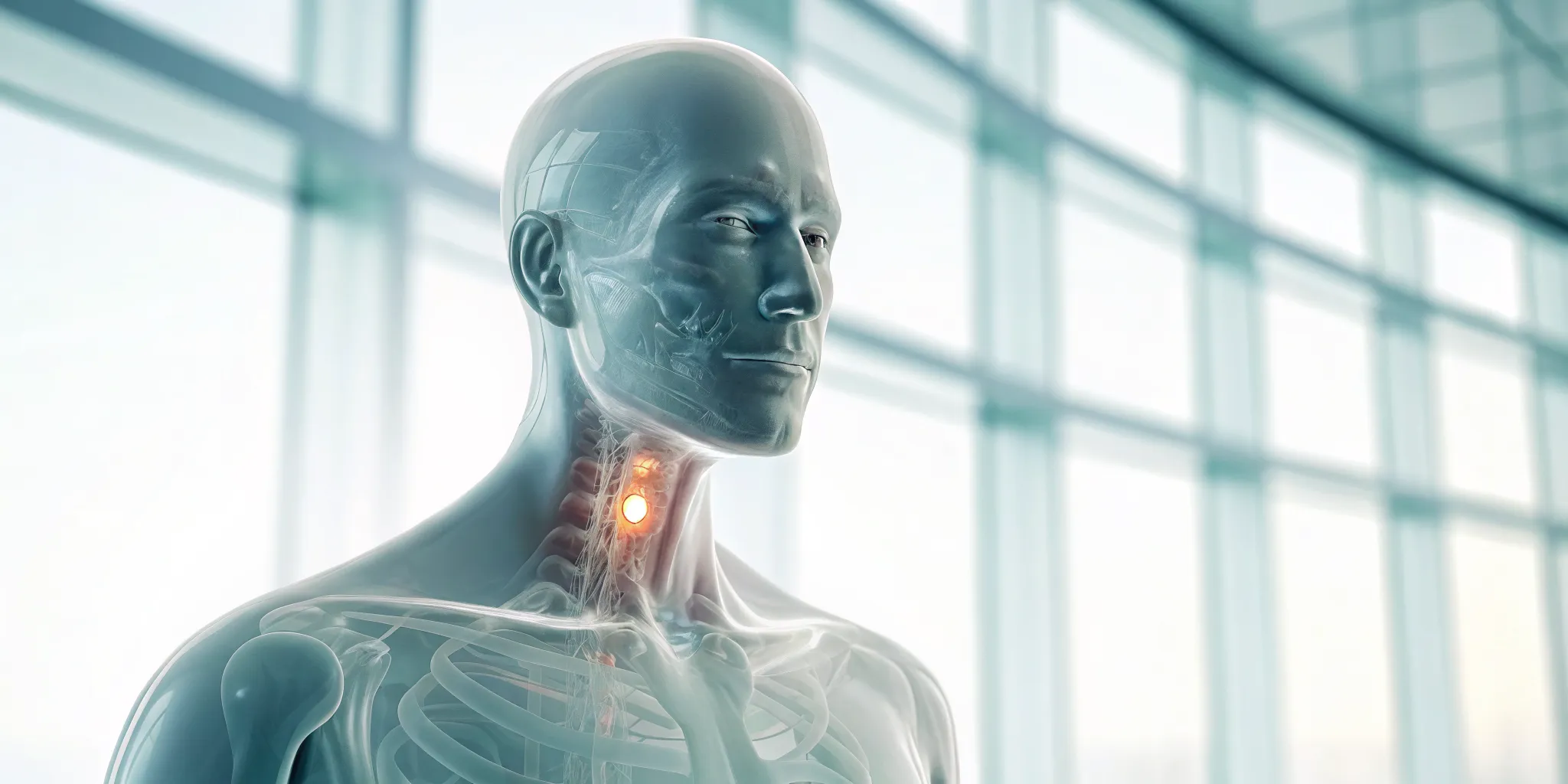
If you’re dealing with persistent shoulder pain, you might be surprised to learn that tiny calcium deposits could be the culprit. This condition, known as calcific tendonitis, happens when calcium builds up in your tendons, most commonly in the rotator cuff of the shoulder. It’s a frequent cause of shoulder discomfort and can significantly impact your daily life. Understanding what’s happening inside your shoulder is the first step toward finding a solution that addresses the root cause of your pain. At Ascend, we focus on identifying the source of your discomfort to create a personalized path toward healing for various conditions we treat.
What causes calcium deposits in tendons?
It’s natural to wonder where these calcium deposits come from, and the answer is a bit complex. It’s not because you’re consuming too much calcium in your diet. Instead, researchers believe it’s related to a process happening at a cellular level. Essentially, the cells responsible for maintaining your healthy tendon tissue (tenocytes) may mistakenly transform into cells that create cartilage (chondrocytes). This cellular mix-up leads to the formation of calcium crystals within the tendon. While the exact trigger for this change isn't fully understood, it’s clear that it’s a process of the body creating these deposits, not a result of external factors like injury or diet.
What are the common symptoms?
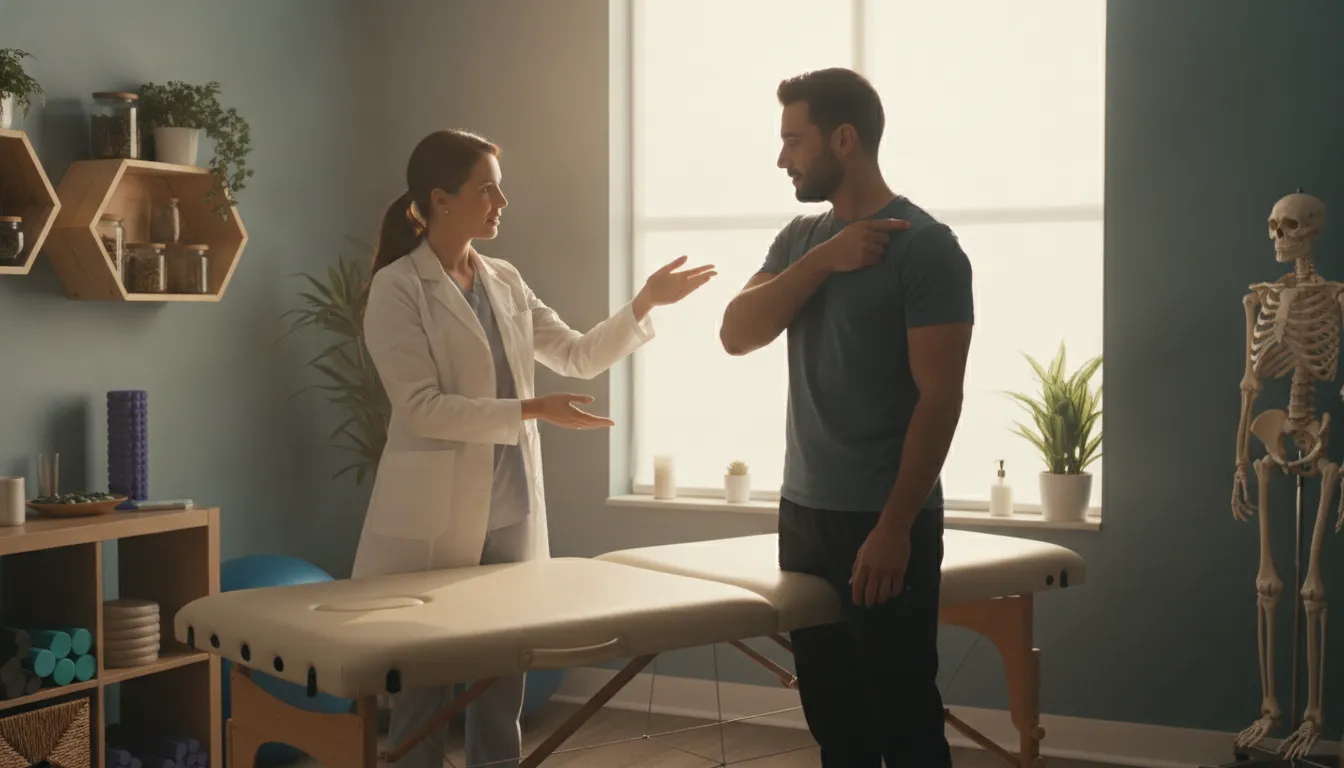
The symptoms of calcific tendonitis can vary from person to person. For some, it’s a chronic, low-grade ache in the shoulder. For others, the pain can be sudden and intense, sometimes even waking them up at night. You might also notice stiffness and a significant loss of range of motion, making simple tasks like brushing your hair, reaching into a cabinet, or putting on a coat feel difficult and painful. The pain is often felt on the front or side of your shoulder and can sometimes radiate down your arm. If these symptoms sound familiar, it’s a clear signal from your body that something needs attention.
Who is most at risk?
While anyone can develop calcific tendonitis, certain factors can increase your risk. It’s most common in adults between the ages of 40 and 60. People who perform repetitive overhead motions for their job or hobbies are also more susceptible. This includes painters, carpenters, and athletes who play sports like tennis, swimming, or baseball. Over time, these repetitive movements can contribute to wear and tear on the tendons, creating an environment where calcium deposits are more likely to form. Addressing these underlying mechanical issues is a key part of our physical medicine approach to restore proper function and prevent future problems.
How Does Shockwave Therapy Work?
It might sound intense, but shockwave therapy is a non-invasive treatment that uses sound, not electricity, to stimulate your body’s natural healing abilities. Think of it as a way to restart a healing process that has stalled. For a condition like calcific tendonitis, where the body hasn't been able to clear away calcium deposits on its own, this therapy provides the nudge it needs to get back on track.
The treatment, formally known as Extracorporeal Shock Wave Therapy (ESWT), directs acoustic waves to the precise area of your injury. This process helps address the root cause of your pain, the calcium buildup, rather than just masking the symptoms. By promoting your body's own repair mechanisms, it aligns perfectly with a holistic approach to wellness. Our team utilizes advanced physical medicine techniques like shockwave therapy to help you find lasting relief and restore function. It’s all about working with your body to resolve the issue from the inside out. The goal is to create lasting change by helping your tissues heal correctly, which can improve your mobility and let you get back to the activities you love without being held back by pain. It's a proactive approach that empowers your body's own incredible capacity for recovery.
How acoustic waves trigger cellular repair
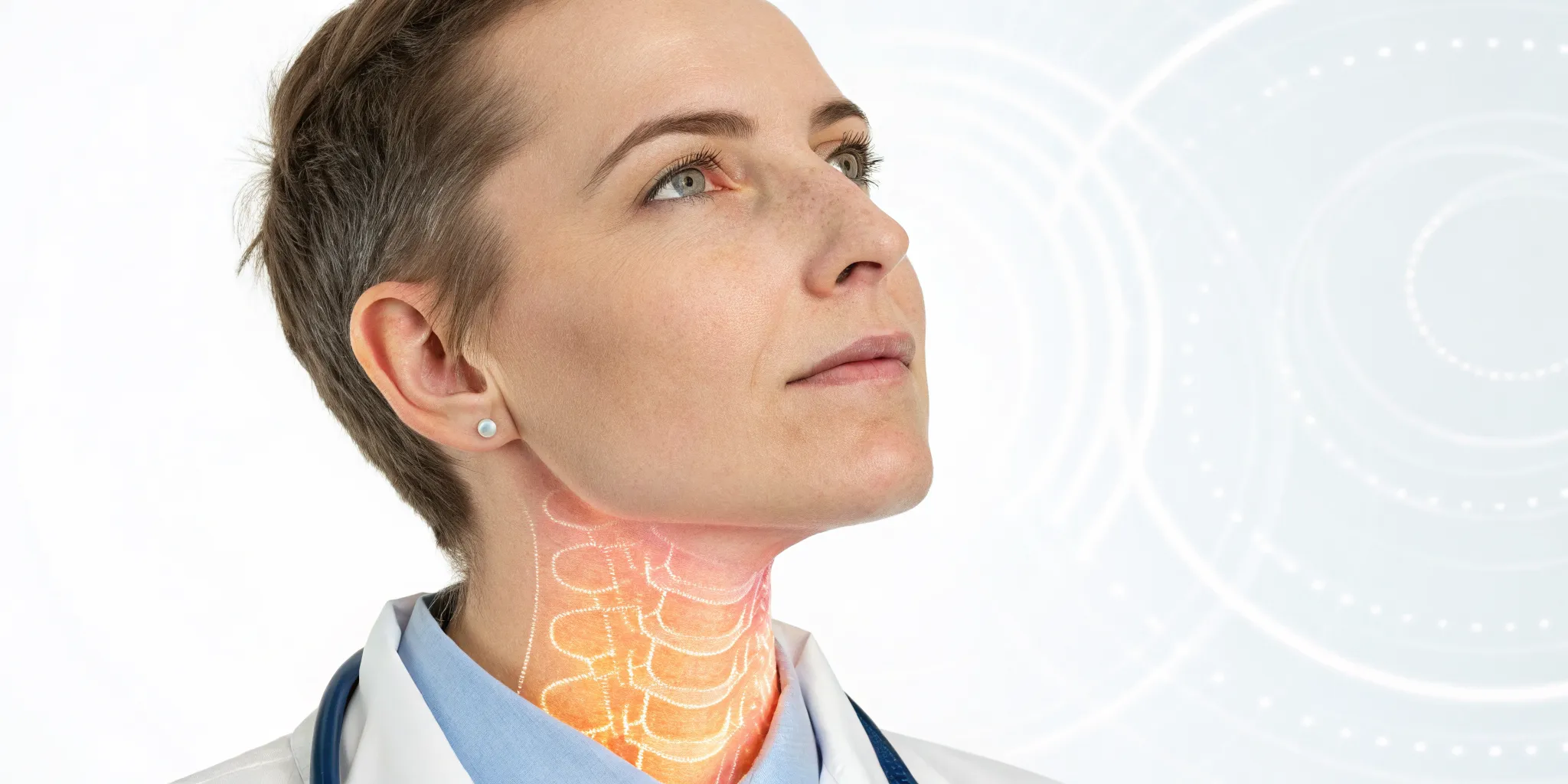
The high-energy acoustic waves used in shockwave therapy create a controlled, microscopic response in your tissues. This targeted energy increases blood flow and stimulates the formation of new blood vessels in the area. This is crucial because a healthy blood supply delivers the oxygen and nutrients your tendons need to regenerate and heal effectively.
Essentially, the therapy creates a signal that tells your body, "Hey, this area needs attention." In response, your body ramps up its cellular repair activity. This process helps break the cycle of chronic pain by promoting the regeneration of healthy tendon tissue. It’s a way to actively encourage your body to do the healing work it's designed for, especially in areas where recovery has been slow or incomplete.
How the body breaks down and reabsorbs calcium
For calcific tendonitis specifically, the acoustic waves have a powerful mechanical effect. The focused pressure waves travel through your soft tissue and directly target the hardened calcium deposits lodged in your tendon. This energy works to carefully break down these rigid formations into tiny, sand-like particles.
Once the deposits are disintegrated into these minuscule fragments, your body can finally manage them. Your body’s natural cleanup crew, the lymphatic system, can then absorb and clear away the particles over time. This process removes the physical irritant that was causing inflammation and pain in your tendon. By addressing the calcium buildup directly, we can help resolve one of the key conditions we treat and get you back to moving comfortably.
Focused vs. radial shockwave therapy
Not all shockwave therapy is the same. There are two primary types: focused and radial. Think of focused shockwave therapy as a precise beam of light that can penetrate deeply to target a very specific spot, like a small, deep calcium deposit. It concentrates all its energy on one point.
Radial shockwave therapy, on the other hand, works more like ripples in a pond. The waves spread out over a wider, more superficial area. This approach is often used for larger treatment zones or issues closer to the skin's surface. The best method for you depends entirely on your unique situation, including the size and location of the calcium deposit. A thorough assessment allows us to determine the right approach to get you the best results, so feel free to contact us to discuss your options.
How Effective is Shockwave Therapy?
When you're dealing with chronic pain, you want to know one thing: will this treatment actually work? It’s a fair question, and when it comes to shockwave therapy for calcific tendonitis, the evidence is very encouraging. This isn't just about temporarily masking pain; it's about addressing the calcium deposits at their source to promote long-term healing and restore movement. Let's look at what the research says and what that means for you.
The research on pain relief and shoulder function
The clinical results for shockwave therapy are quite impressive, especially for stubborn shoulder pain. One prospective study followed patients for two years and found that over 90% reported "excellent" or "good" outcomes. These results were based on significant improvements in both pain relief and shoulder function.
This is great news because it shows the effects aren't just a temporary fix. Patients didn't just feel less pain; they could also move their shoulders more freely, allowing them to get back to activities like reaching overhead or carrying groceries without that familiar twinge. It’s this combination of reduced pain and restored mobility that makes it such a compelling option.
How it compares to other treatments
So, how does shockwave therapy stack up against more invasive procedures? A study directly compared it to arthroscopic surgery for chronic calcifying tendinitis of the shoulder. After two years, researchers found no major difference in pain relief or functional improvement between the two groups. This suggests that shockwave therapy can be a powerful, viable alternative to surgery.
For many people, avoiding an invasive procedure is a huge plus. Our approach at Ascend focuses on supporting the body's natural healing processes with the least invasive methods possible. Finding a treatment that offers comparable results to surgery without the associated downtime and risks aligns perfectly with a holistic path to wellness.
What results can you realistically expect?
While the research is promising, it's important to have realistic expectations. High-energy shockwave therapy has been shown to produce significant reductions in both pain and the size of calcium deposits. Many people experience a noticeable improvement in their range of motion and a decrease in daily pain levels.
However, everyone’s healing journey is unique. Some individuals report feeling mild discomfort during the session itself, and the degree of improvement can vary from person to person. The best results often come from a comprehensive approach that may include corrective exercises and other supportive therapies. We can discuss your specific situation and create a personalized plan during your initial consultation.
Common myths about shockwave therapy
One common misconception is that shockwave therapy is like an electric shock. It’s not! The treatment uses high-energy acoustic waves, which are essentially sound waves, to create a therapeutic effect. Another myth is that it simply shatters the calcium deposits into smaller pieces that remain in the tissue.
In reality, the process is much more sophisticated. The acoustic waves stimulate a healing response at the cellular level, improving blood flow and promoting tissue regeneration. This process helps your body naturally break down and absorb the calcium fragments over time. It’s a treatment that works with your body, helping it do the cleanup work it was struggling to do on its own.
What to Expect from Shockwave Therapy
If you’re considering shockwave therapy, it’s helpful to know what the process looks like from start to finish. Understanding the treatment journey can help you feel more prepared and confident as you take this step toward addressing your shoulder pain. At Ascend Functional Health, we prioritize clear communication and patient comfort, ensuring you know what’s happening at every stage of your care. From your first session to your final follow-up, our goal is to support your body’s healing process and help you get back to feeling your best. Here’s a breakdown of what you can anticipate during and after your shockwave therapy treatments.
What happens during a session
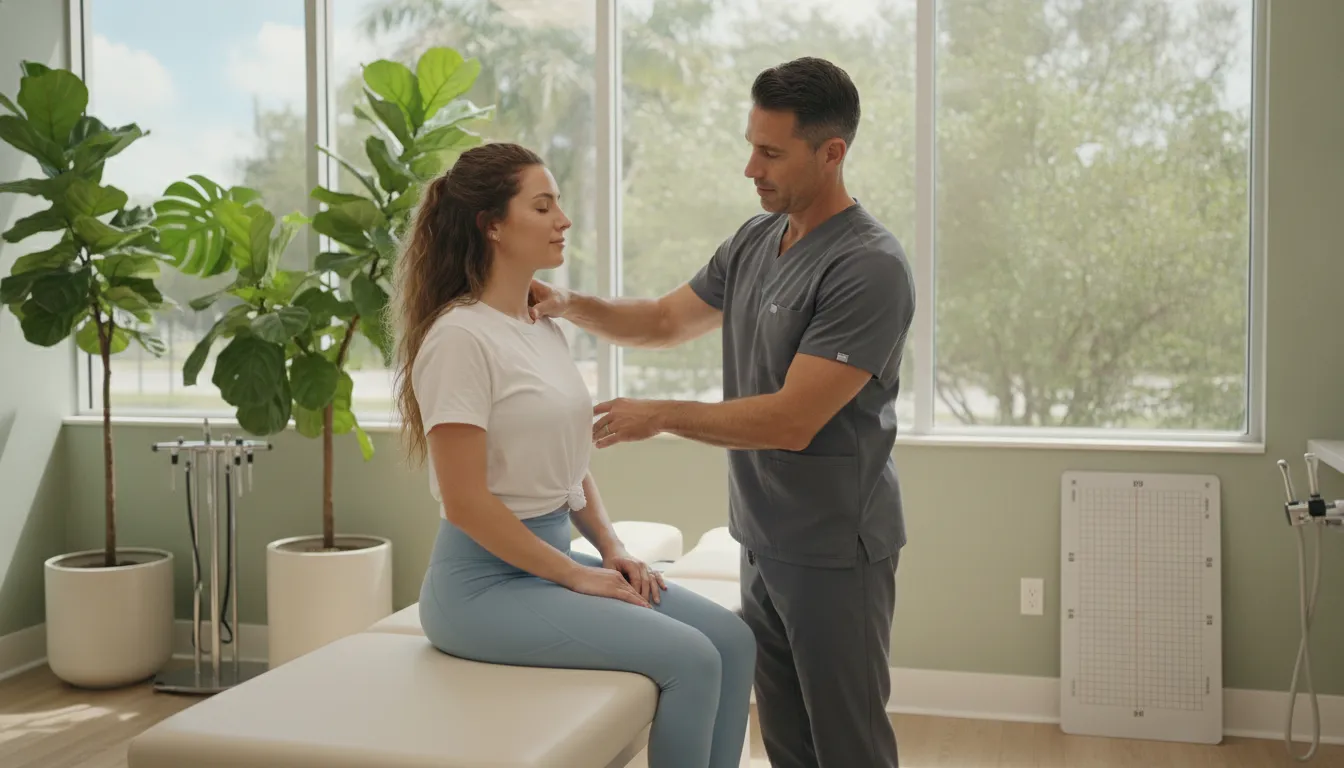
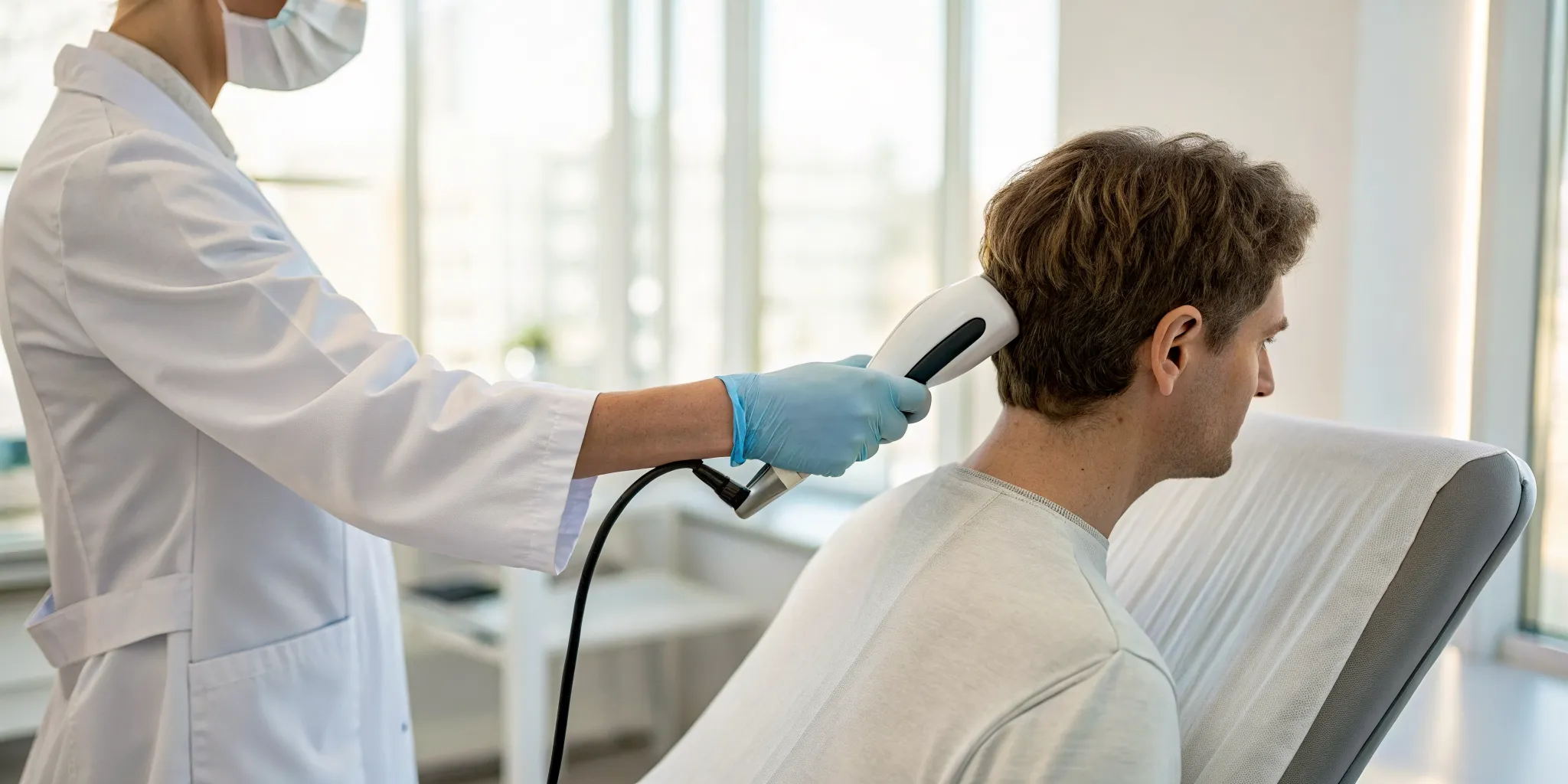
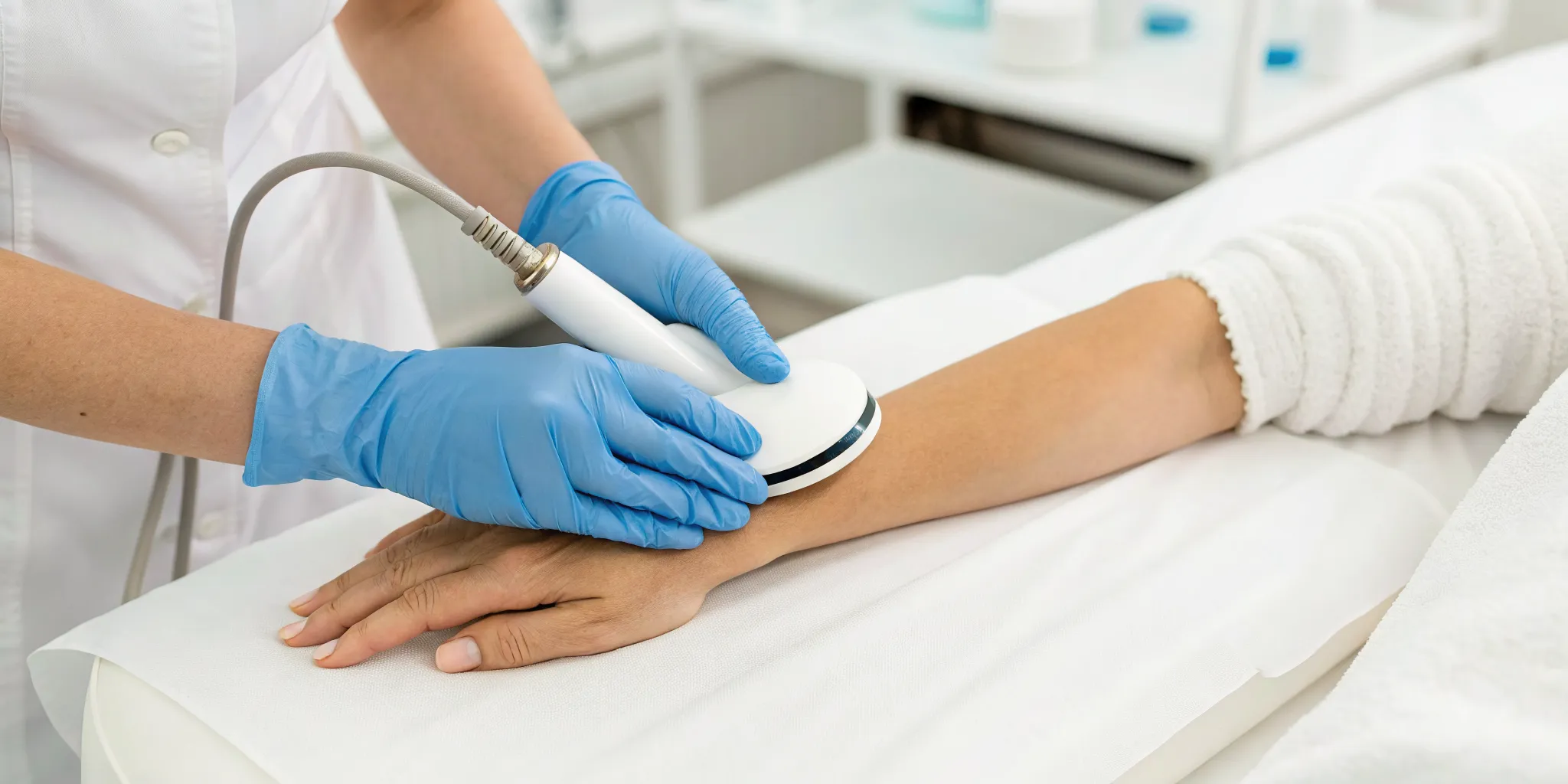
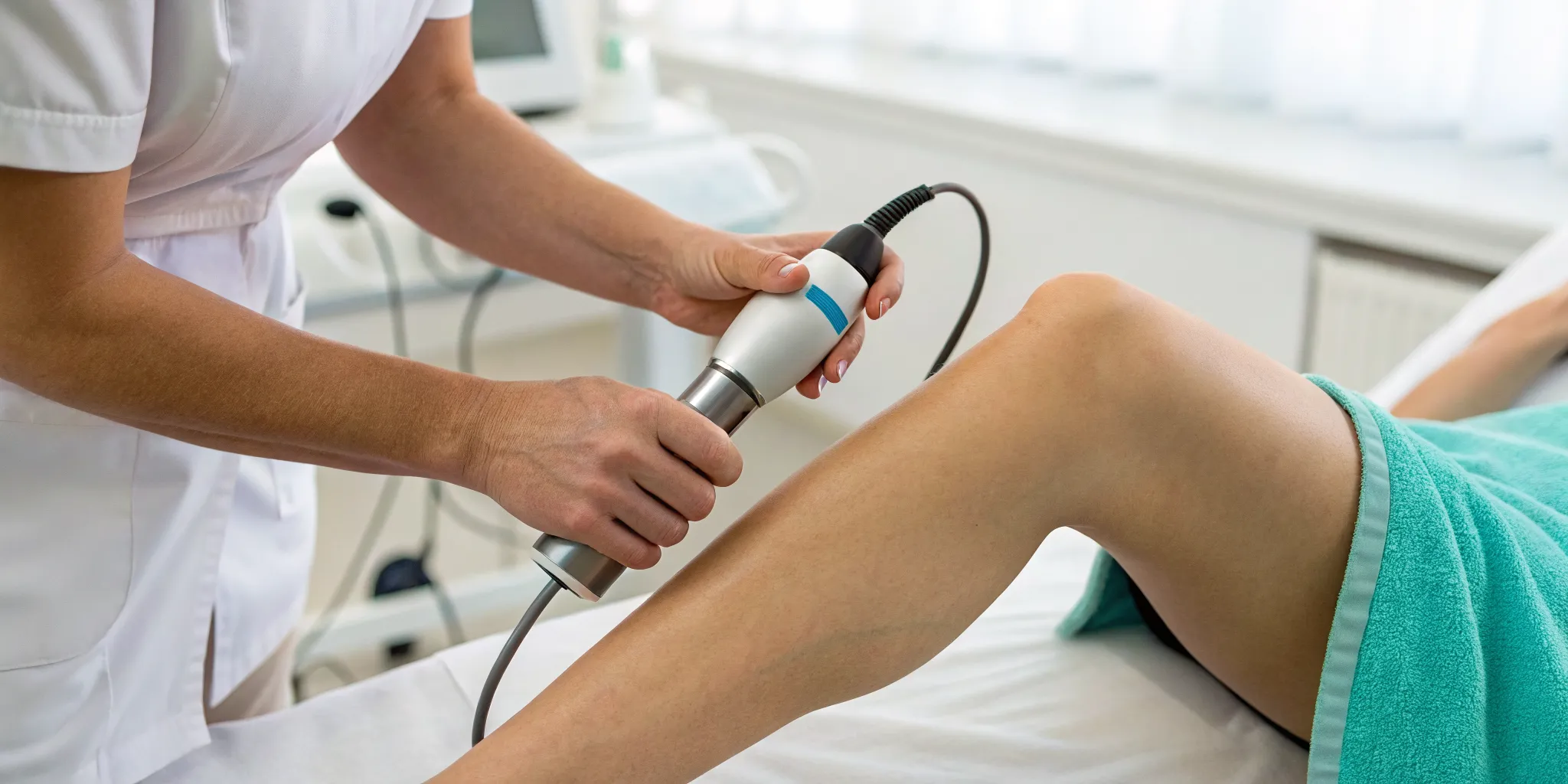
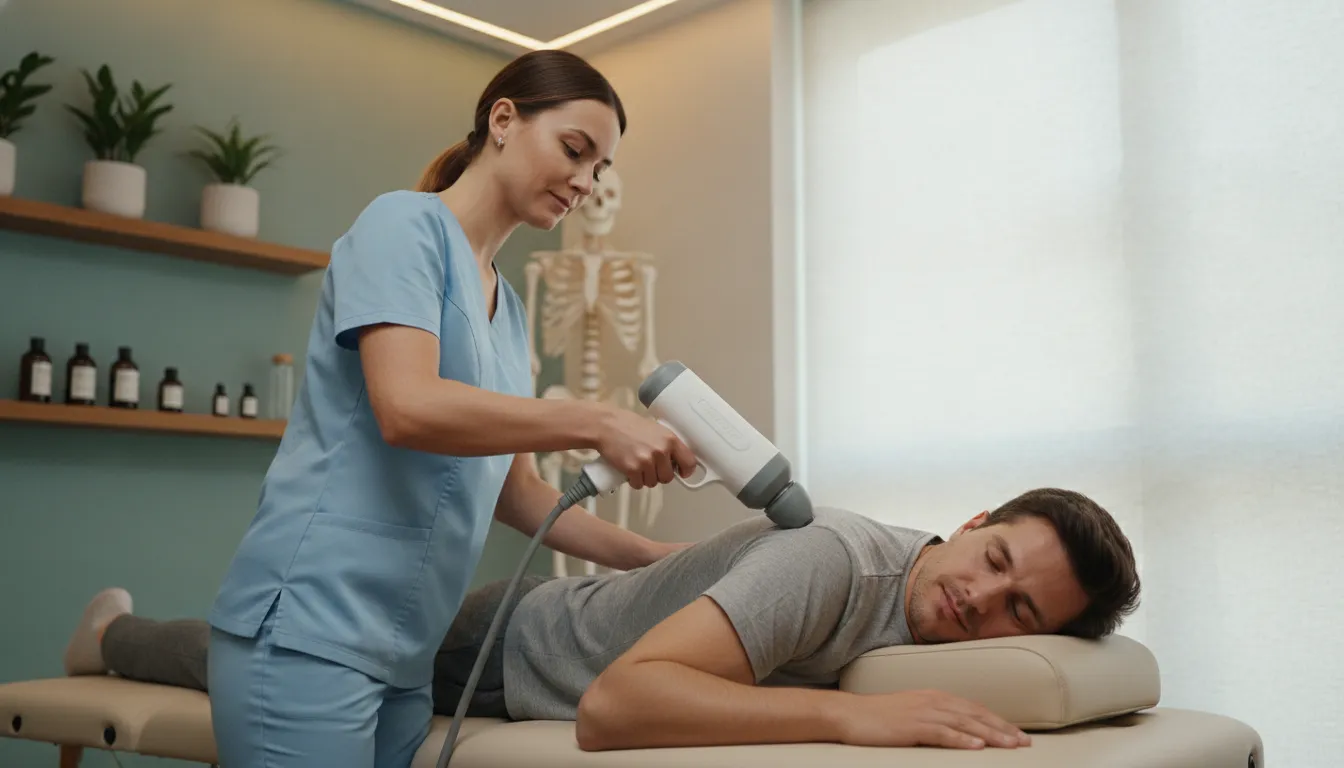
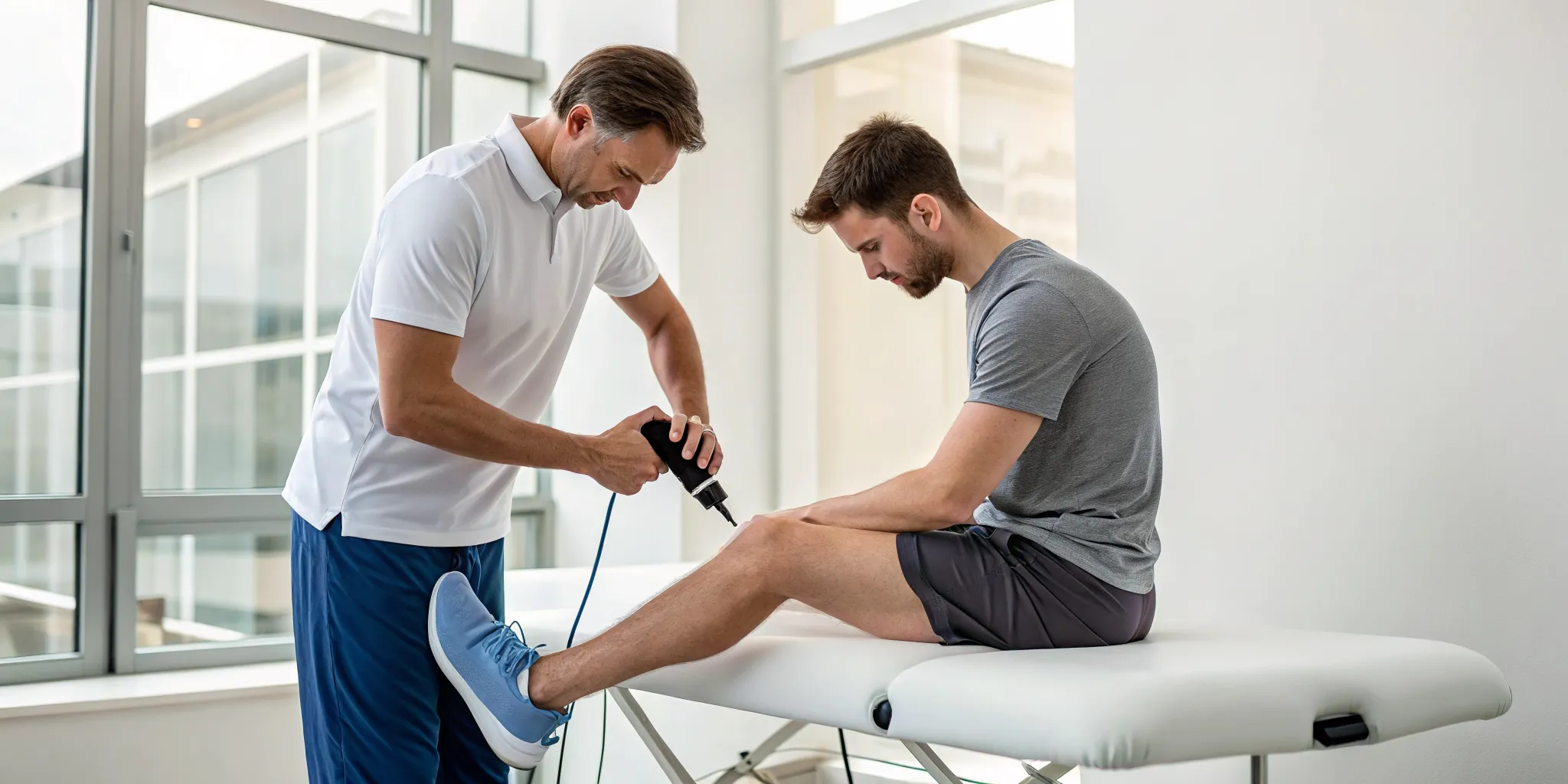
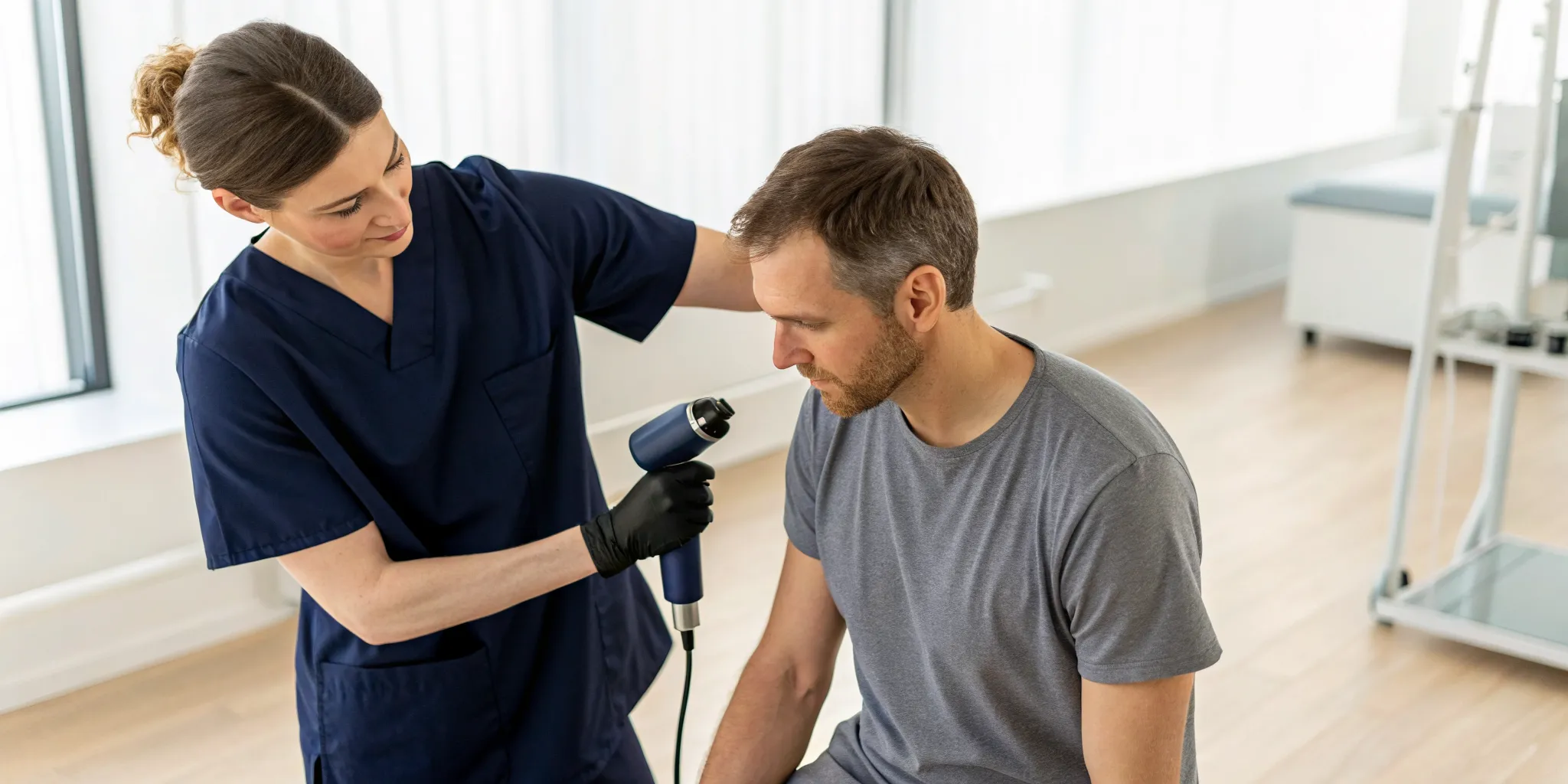
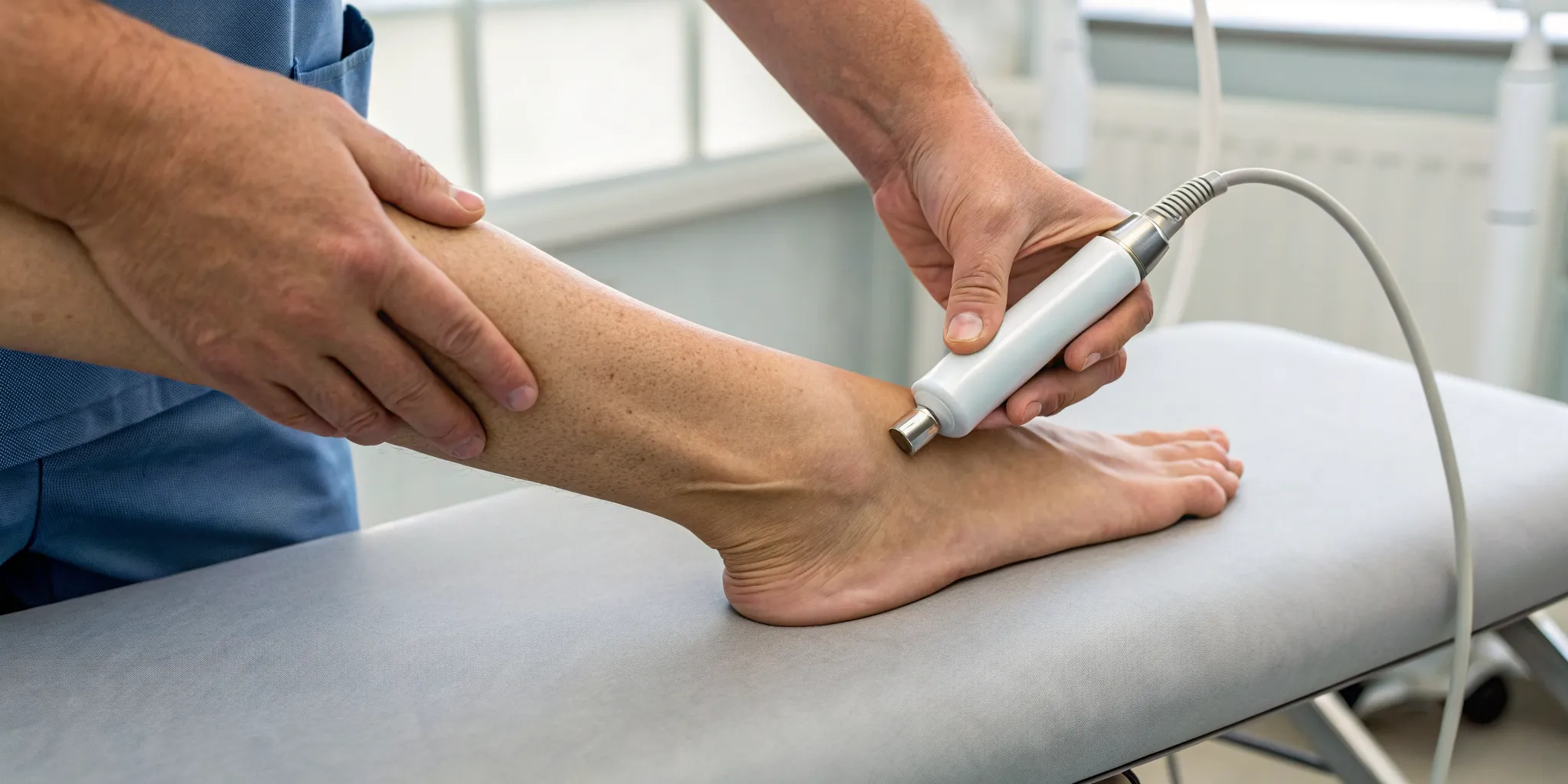
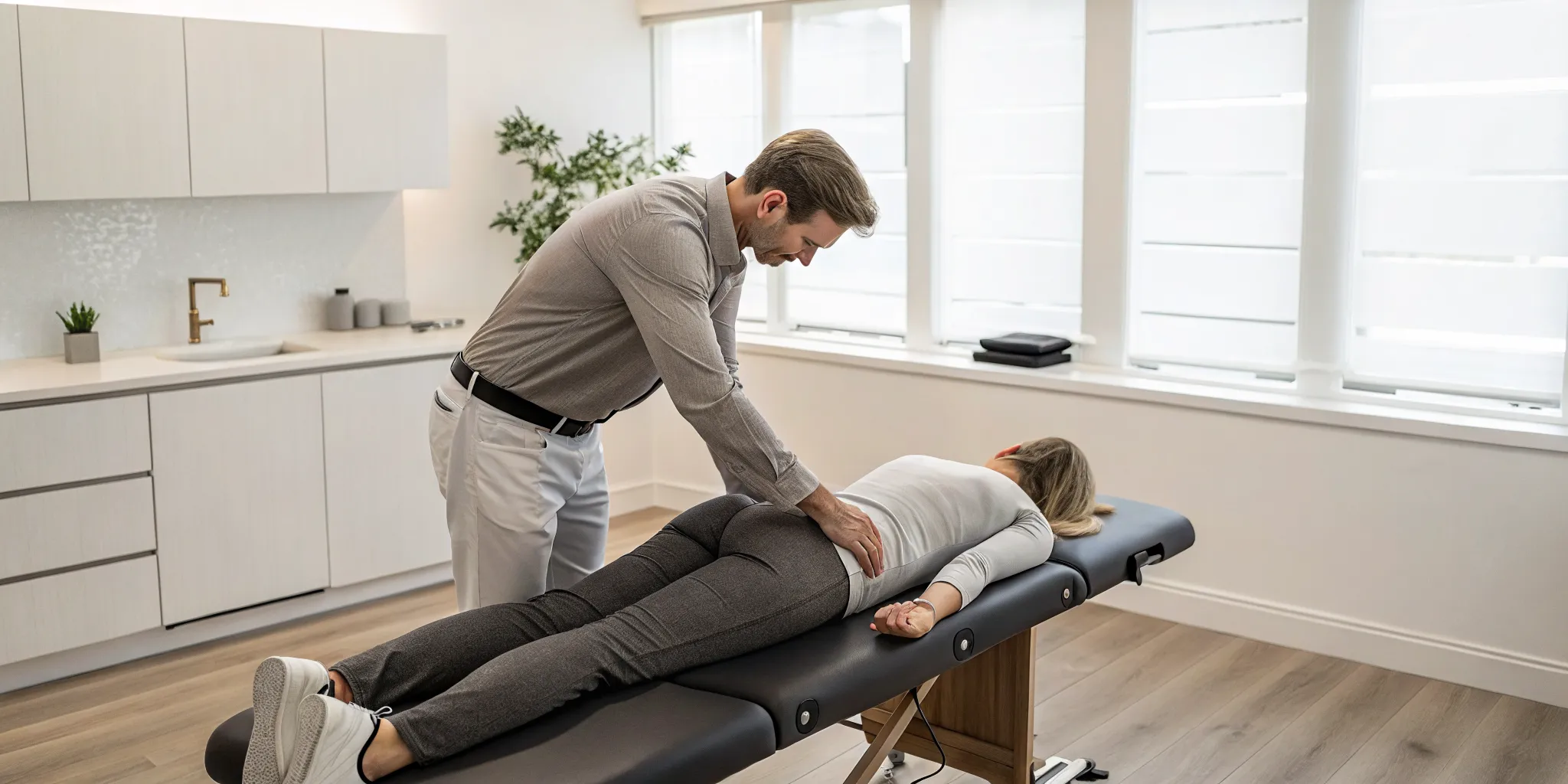
First, your practitioner will pinpoint the exact location of the calcium deposits, often using diagnostic imaging to get a clear picture. Then, they will apply a special gel to your skin over the affected area. A handheld device is then gently pressed against the gel, delivering the acoustic waves directly to the targeted tissue. You might feel a tapping or a light tingling sensation during the treatment, but it’s generally well-tolerated. The entire process is straightforward and is performed right in our office as part of our physical medicine services. Our team will talk you through every step to make sure you feel comfortable and informed from start to finish.
How many sessions will you need?
Every person’s body and condition is unique, so your treatment plan will be tailored specifically to you. Generally, a course of shockwave therapy involves three to five sessions. These appointments are usually scheduled about one to two weeks apart. This spacing is intentional; it gives your body the time it needs to respond to the treatment and begin the natural tissue repair process. We will assess your progress along the way and adjust the plan as needed. This personalized approach ensures you receive the right amount of therapy to effectively address the conditions we treat and achieve the best possible outcome for your shoulder health.
What to expect after your session
After a shockwave therapy session, it’s common to experience some mild soreness or tenderness in the treated area, but this is temporary and a sign that your body’s healing response has been activated. We typically advise you to take it easy for a day or two and avoid any strenuous activities that could strain your shoulder. Applying an ice pack can also help soothe any discomfort. Over the next several weeks, your body will continue its work of breaking down and clearing the calcium deposits. Our team will provide you with specific aftercare instructions to support your recovery and complement the other services you may be receiving.
Is shockwave therapy right for you?
If you’ve been dealing with chronic shoulder pain from calcific tendonitis and haven’t found lasting relief with other approaches, shockwave therapy could be an excellent option for you. It’s a non-invasive treatment that works with your body’s own healing mechanisms, aligning perfectly with a functional health philosophy. The best way to know for sure is to have a thorough evaluation with a qualified practitioner. We can assess your specific situation, discuss your health history, and determine if you are a good candidate for this therapy. To find out if shockwave therapy can help you, we invite you to contact us to schedule a consultation with our Tampa team.
Related Articles
- Get Your Shoulder Moving Again: Alleviating Pain and Dysfunction | Alessi Functional Health
- SoftWave Tissue Regeneration Therapy in Tampa | Alessi Functional Health
- SoftWave TRT Therapy in Tampa, FL - Alessi Functional Health
- What Is Soft Tissue Therapy? A Complete Guide
- What Is Joint Mobilization & How Does It Work?
Frequently Asked Questions
Does shockwave therapy hurt? This is a great question, and it’s one we get a lot. Most people describe the sensation as a strong tapping or pulsing against the skin. While you will definitely feel it working, the intensity is adjusted to your personal comfort level. Some people experience mild soreness in the area for a day or two after the session, but this is a positive sign that your body has started its natural healing and repair process.
If my diet isn't the cause of the calcium deposits, is there anything I can do with nutrition to help? You're right, this condition isn't caused by eating too much calcium. However, your diet plays a huge role in your body's ability to heal and manage inflammation. Supporting your system with anti-inflammatory foods can create a better internal environment for recovery. Think of it as giving your body the best possible tools to do its job. This is a core part of our functional medicine philosophy, where we look at how all your body's systems work together.
How soon can I get back to my normal activities after a session? We generally recommend you avoid strenuous exercise or heavy lifting with the affected shoulder for about 48 hours after a session. This gives the treated area time to begin the healing process without any added strain. Light, everyday activities are perfectly fine. The goal is to let your body respond to the therapy so it can effectively start breaking down the calcium and repairing the tendon tissue.
Why should I try shockwave therapy before considering something like surgery? Shockwave therapy is a powerful, non-invasive approach that can often help people avoid surgery. Unlike an operation, it requires no incisions, anesthesia, or lengthy recovery time. It works by stimulating your body’s own healing mechanisms to resolve the root cause of the pain, which is the calcium deposit itself. We believe in using the most effective and least invasive options first, giving your body the support it needs to heal on its own.
Who performs the shockwave therapy treatments at your clinic? At Ascend, our highly skilled practitioners, including our chiropractors, perform shockwave therapy. They have extensive training and a deep understanding of the musculoskeletal system and conditions like calcific tendonitis. The treatment is always part of a personalized care plan, ensuring it integrates with your overall health goals and addresses your specific needs.