Balance changes former athletes over 40 notice can feel especially frustrating when movement once seemed automatic. A shift in steadiness does not identify one cause by itself. The useful next step is to describe the pattern, consider the broader health context, and discuss an evaluation that connects findings with your current goals.
Explore Physical Medicine options

How Can Athletic History Help Explain a Balance Change?
Your athletic history provides context, but present-day function should guide the discussion. Sports, positions, training habits, prior injuries, and time since regular competition can help a clinician understand how your movement demands have changed.
Former athletes often compare current movement with a highly practiced past. That comparison can be useful, but the goal is not to recreate a peak performance standard in every daily task. Instead, identify the specific difference that matters now. Perhaps a quick turn feels less controlled, a curb requires more attention, or standing on one leg feels different from side to side.
Consider the demands of your former sport. A basketball player may notice changes while landing, pivoting, or tracking a moving scene. A runner may notice a different response on uneven ground. A swimmer may notice altered body control when moving from the pool deck to stairs. These examples do not prove a cause. They simply make the concern easier to describe.
It also helps to separate a performance comparison from a daily-life concern. Are you less confident carrying groceries, walking across a dark room, stepping off a curb, or turning to look behind you? A clear example gives a clinician more useful information than a broad label such as “poor balance.”
List prior injuries and procedures without assuming that an old problem explains a new one. Include the side involved, the approximate timing, and whether the issue fully settled or remained part of your movement history. Note changes in footwear, activity, sleep, or the surfaces where you spend time. These details can reveal whether the concern is tied to one setting or appears across several.
A former athlete may also have a strong habit of compensating. You may widen your stance, slow down, avoid turning toward one side, or use a nearby surface without thinking about it. Compensation can help you complete a task, but it is worth telling the clinician about because it may hide how much effort the task requires.
Which Balance Patterns Should You Describe?
The most useful description includes the task, setting, sensation, timing, and any related change. Specific patterns help guide questions and determine which parts of an evaluation deserve attention.
- Standing still: Note whether you sway more, widen your stance, or need nearby support.
- Turning: Describe whether pivoting, changing direction, or looking over a shoulder feels less controlled.
- Stepping: Explain how curbs, stairs, uneven paths, or changes in surface affect you.
- Single-leg tasks: Note differences between sides and whether fatigue changes the experience.
- Low-light settings: Describe whether dim rooms or nighttime walking make you feel less steady.
- Busy visual scenes: Mention whether crowds, moving objects, or visually complex spaces affect confidence.
- Transitions: Include changes from sitting to standing, getting out of a vehicle, or beginning to walk.
Describe accompanying sensations in plain language. You might notice discomfort, weakness, numbness, dizziness, visual changes, or a feeling that a joint may give way. These details do not establish a diagnosis. They help a clinician decide which questions and examination steps are appropriate.
Timeline matters as well. Record when you first noticed the change, how often it appears, and whether it is becoming more consistent. Note whether sleep, fatigue, a change in activity, a new health concern, or a recent increase in physical demand occurred around the same time.
A useful example might read: “For the past six weeks, I feel less steady when turning left after walking for 20 minutes. It is more noticeable when I am tired, but I do not notice it while standing at the kitchen counter.” Another might say: “Stairs feel manageable while going up, but stepping down requires more visual attention than it did last year.” These statements are more actionable than “my balance is worse.”
Safety comes first. If a new symptom is sudden, rapidly changing, or accompanied by alarming changes, seek prompt medical attention rather than waiting for a routine consultation. Do not repeatedly test an activity that feels unsafe.
How Might a Clinician-Guided Evaluation Clarify the Pattern?
An evaluation looks at your history and several relevant movement findings rather than relying on one balance task. The purpose is to clarify the concern, identify appropriate next steps, and keep the discussion connected to your goals.
A clinician may ask about your athletic background, prior injuries, current activity, health history, and the settings in which steadiness changes. You may be asked to explain whether the experience is consistent or appears only with fatigue, speed, distraction, uneven ground, or reduced light.
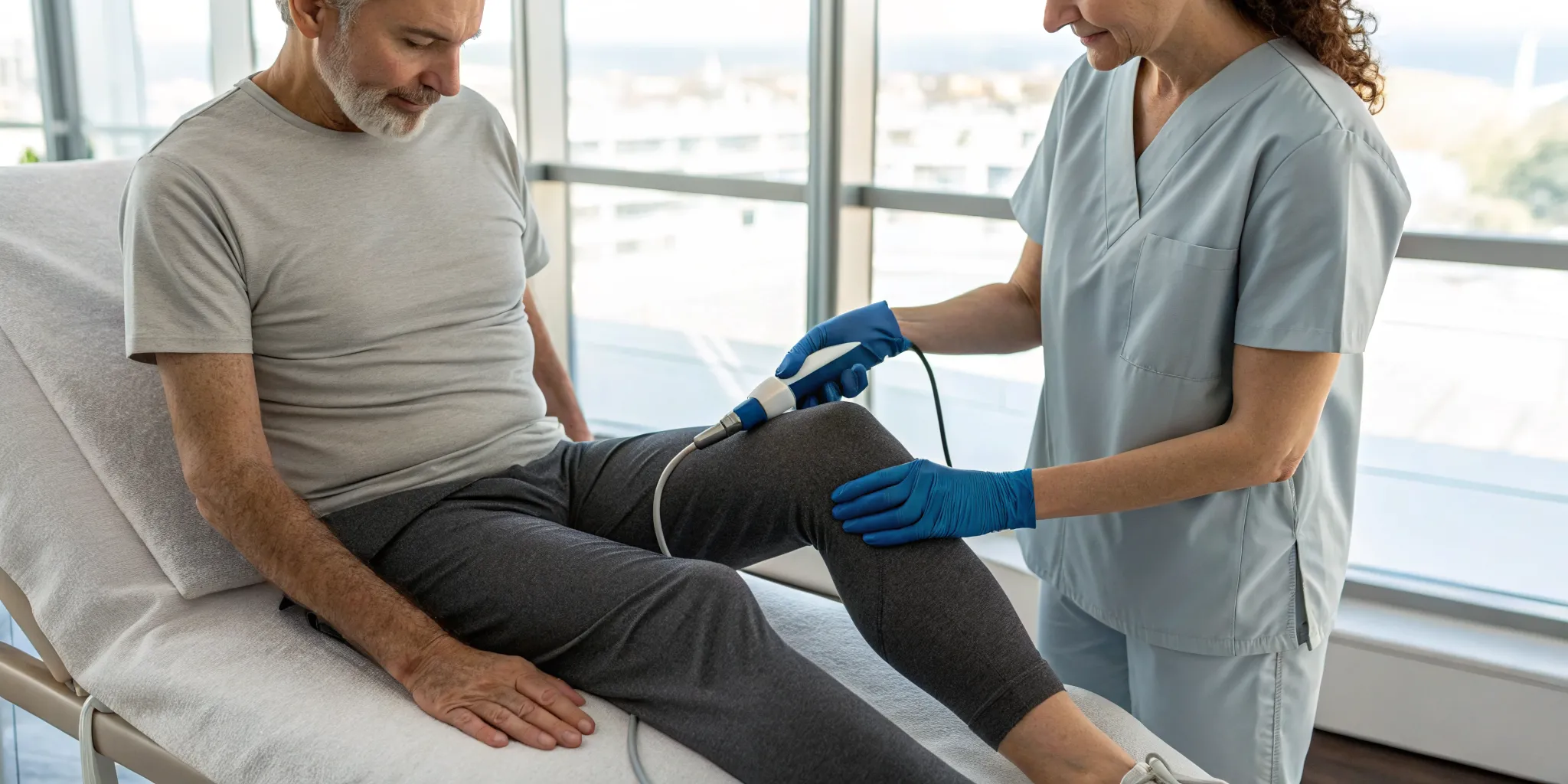
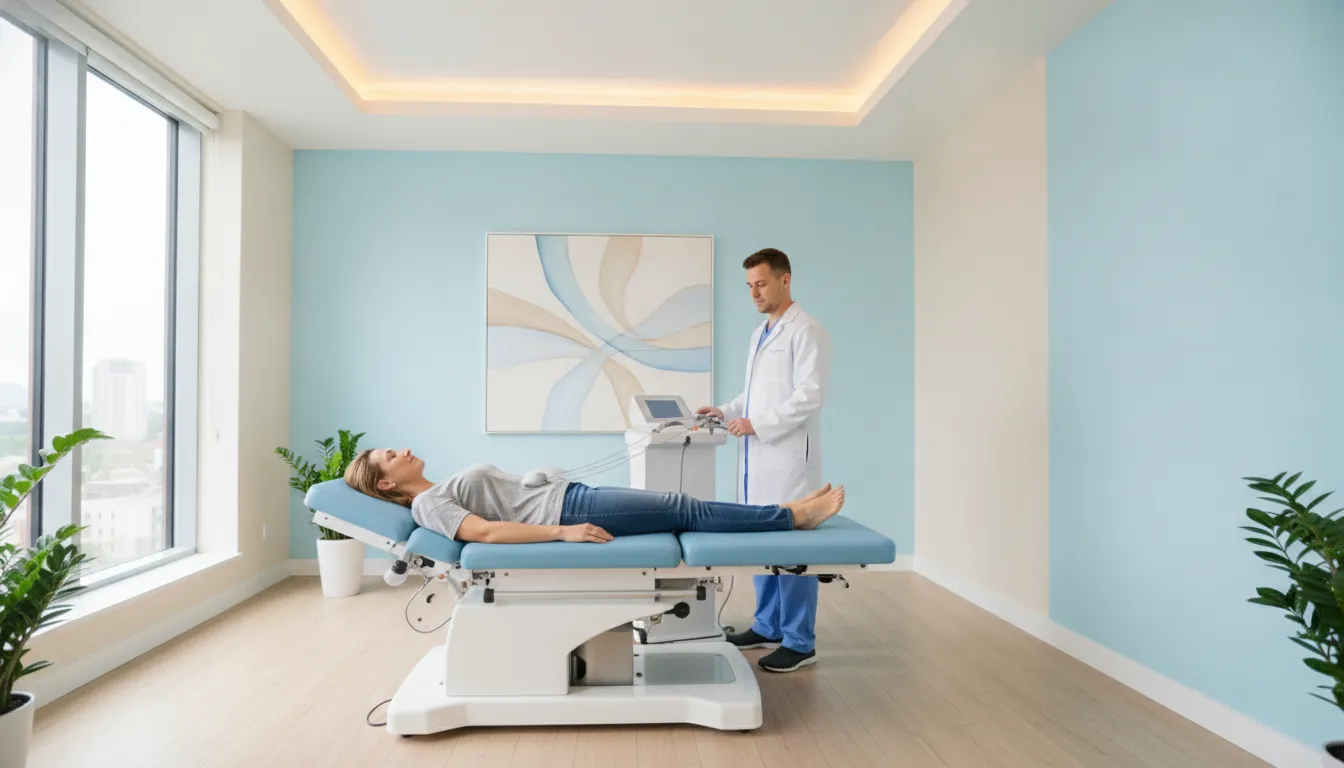
Depending on the concern, an assessment may consider posture, walking, controlled weight shifts, coordination, joint movement, strength, and how you manage a change in direction. The clinician may compare sides, observe transitions, and ask about the effort needed to complete a task. The findings are interpreted alongside your account rather than treated as a score that tells the whole story.
It can help to bring one or two familiar examples to the visit. You might describe a walk from your car to the office, a turn at the end of a hallway, or a step onto a curb. You do not need to perform a difficult maneuver to prove your concern. A clear description can be enough to decide which movement questions deserve attention.
The clinician may also consider whether the pattern points toward another type of evaluation. That referral or additional assessment is not a failure of the first conversation. It can be a responsible way to match the question with the appropriate expertise. Ask what the current evaluation can clarify, what it cannot establish, and which changes should prompt another conversation.
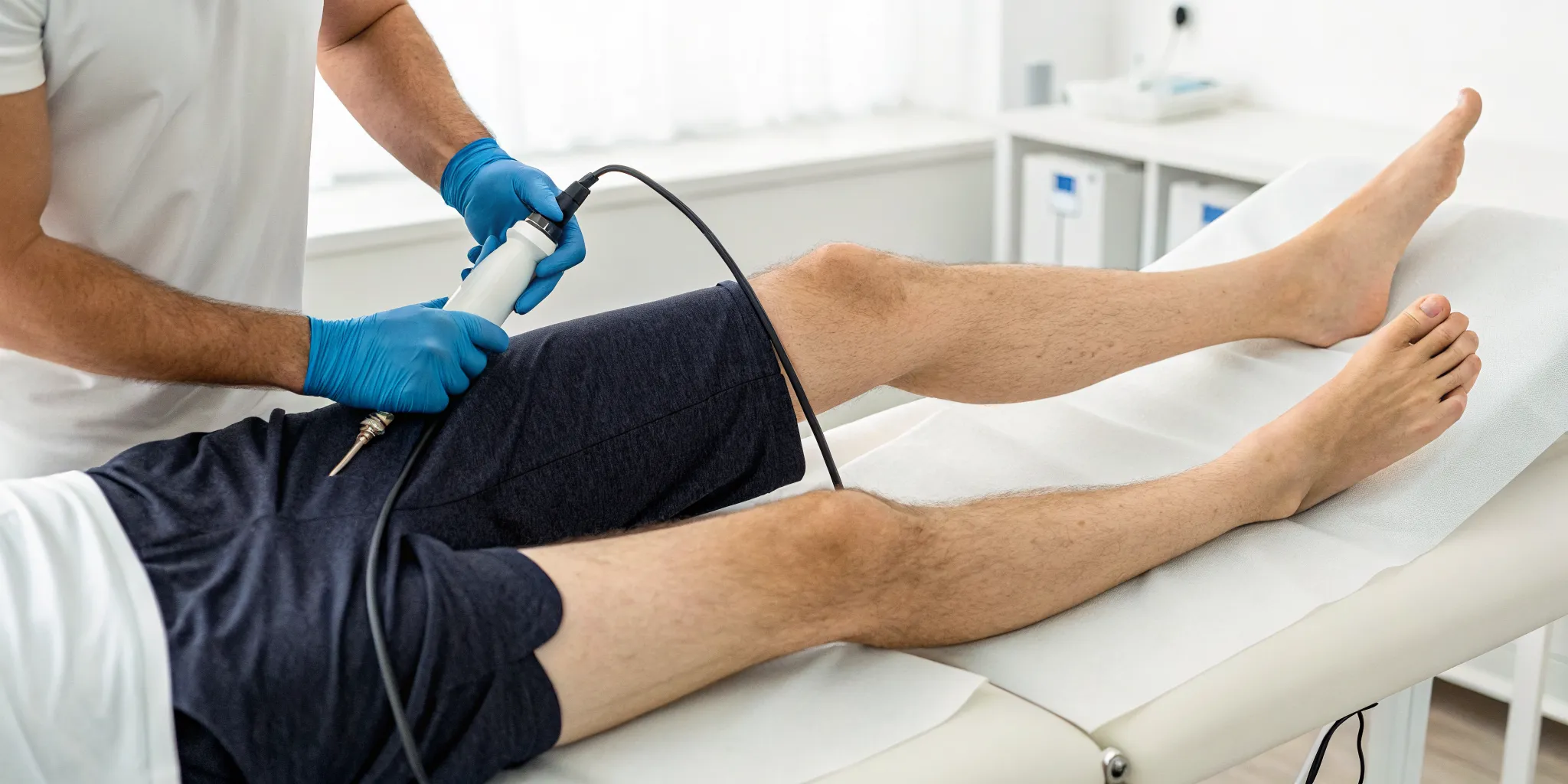
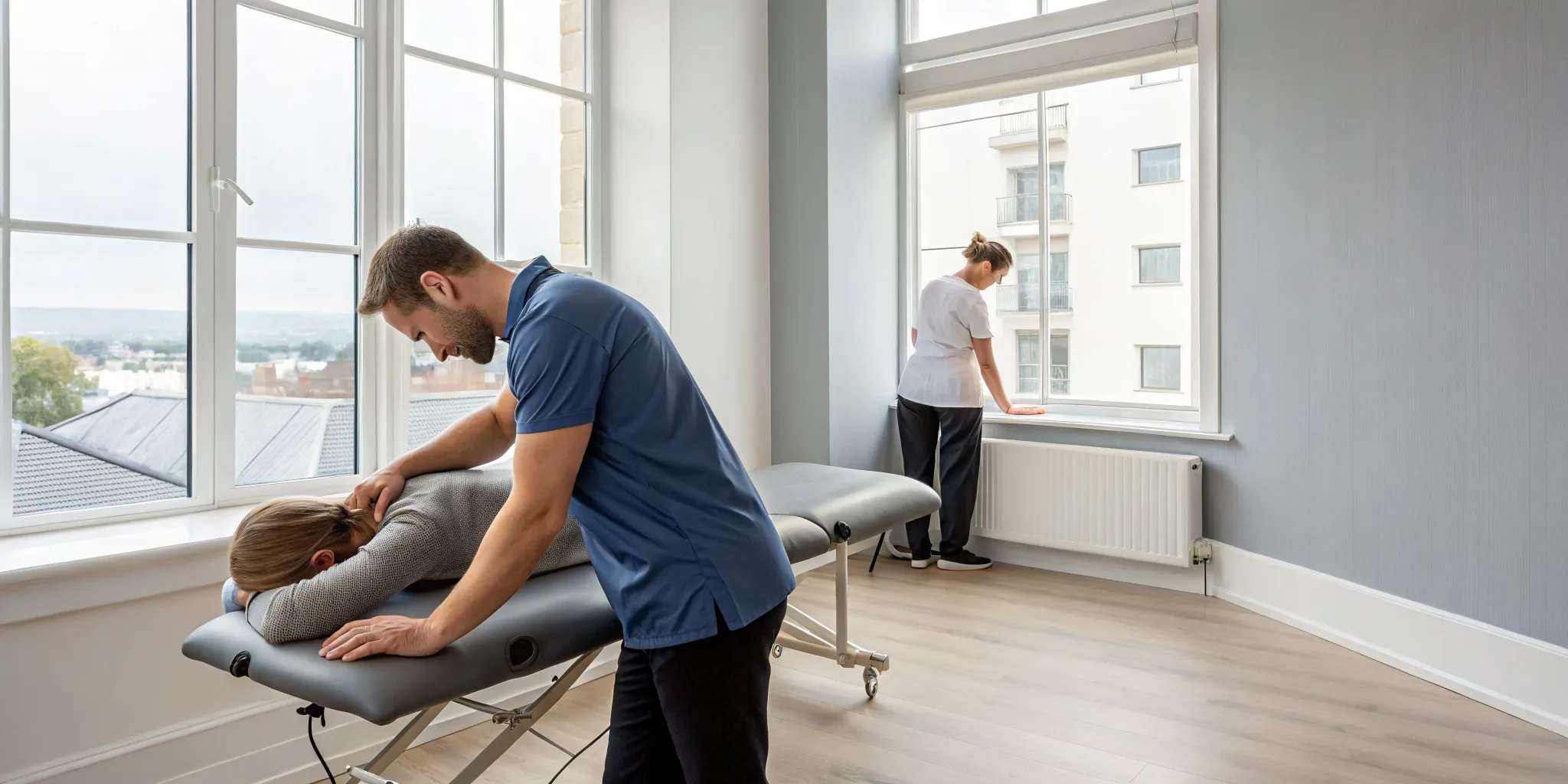
Ascend organizes its movement-focused care through Physical Medicine. Approaches may include chiropractic care, decompression, lumbar care, corrective care, and myofascial or soft-tissue work when appropriate to an individual evaluation. These options are not automatic solutions for every balance concern. A care discussion should explain the goal of an approach, its limits, and how progress will be reviewed.
How Can Broader Health Context Affect Steadiness?
Balance can be influenced by more than athletic conditioning or one joint, so relevant health changes deserve a place in the discussion. Sharing broader context helps prevent the conversation from becoming narrowly focused on your former sport.
Sleep quality, fatigue, changes in activity, nutrition patterns, and general health can affect how movement feels from one day to another. This does not mean any one factor explains your concern. It means the pattern should be viewed alongside the rest of your health history.
Ask yourself whether your activity has changed because of discomfort, work demands, travel, or a longer period of sitting. A former athlete who once moved daily may now have a different mix of walking, desk time, recreational activity, and recovery. The change in routine may be relevant even when it does not feel like the main concern.
If you also notice persistent fatigue, digestive symptoms, bloating, or other changes, mention them. Functional Medicine at Ascend considers health history and may use appropriate laboratory testing when a clinical question supports it. Testing should be selected for a reason rather than treated as a universal balance panel.
The practice organizes care around Physical Medicine, Functional Medicine, and Regenerative Medicine. These pillars are not a requirement that every person use every service. A clinician should explain why a particular service is relevant, what it is intended to address, and which information will help evaluate its usefulness. You can review the broader service overview while keeping your own concern at the center of the conversation.
When several changes appear together, make a short timeline. Include the first noticeable balance change, changes in activity, prior procedures, sleep disruption, and any other health concern that began around the same period. A timeline does not diagnose a problem, but it can help the clinician ask more focused questions.
How Can You Compare Care Options and Track Change?
A strong care discussion connects a finding with a proposed step, a meaningful goal, and a clear review point. Asking the same practical questions about each option can help you understand the plan without expecting a guaranteed result.
| Discussion area | Question to ask | Details to clarify |
|---|---|---|
| Movement pattern | Which task or finding is most relevant? | How it relates to your concern and daily goals |
| Care approach | What outcome is this approach intended to support? | Steps, limits, alternatives, and expected follow-up |
| Activity goal | How does the plan connect with my priorities? | Whether walking, turning, stairs, or another task will be observed |
| Progress review | How will we review whether the plan is useful? | Functional measures and timing for reassessment |
| Further evaluation | Would another assessment be appropriate? | Reason for referral or additional testing |
Use the table as a conversation guide, not as a way to select care without an evaluation. For each proposed step, ask what it is intended to support and what information would suggest a different direction. A thoughtful plan can include observation, education, movement-focused care, additional testing, or communication with another clinician when appropriate.
Choose a small number of familiar, safe activities to observe over time. For example, you might record how a familiar walk feels, whether a curb requires extra attention, or whether turning in the kitchen feels different. Keep the conditions consistent when possible: note footwear, fatigue, surface, lighting, and whether you were carrying something.
A simple record might include the date, activity, steadiness from your own perspective, and any related sensation. You can use a short scale such as “comfortable,” “more effort than usual,” or “needed support,” along with a sentence of context. Avoid turning the record into repeated challenges. It should support a clinical conversation, not replace one.
Progress may be gradual and uneven. A clinician-guided plan can be adjusted if the pattern changes, a task becomes harder, or your original goal no longer reflects your priorities. The Ascend FAQ can help you prepare general questions about visits and next steps.
How Can Former Athletes Prepare for a Tampa Bay Consultation?
A short preparation list can make the first conversation more focused and productive. Bring concrete examples, a timeline, relevant history, and the questions you most want answered.
- Choose two or three examples of when steadiness feels different.
- Write down when you first noticed the change and whether it is stable, improving, or changing.
- List relevant injuries, procedures, health conditions, and current care.
- Describe your current activity and the activities you hope to maintain.
- Note whether fatigue, lighting, surfaces, speed, or distractions affect the pattern.
- Ask what the evaluation can clarify and what it cannot establish.
- Ask how the plan will be reviewed and which findings would change the next step.
Bring a written list of current treatments if applicable, along with any prior reports that directly relate to the concern. Share only information you are comfortable discussing, but do not leave out changes that seem connected in time. A trusted person may help you remember details if you want that support.
It can also help to define a functional goal in advance. “I want better balance” is a starting point. “I want to feel more controlled when stepping off a curb,” or “I want to walk a familiar route with less hesitation,” gives the conversation a clearer direction. The goal does not promise a specific result; it gives the discussion a practical reference point.
Before the appointment, write down three questions in priority order. For example: Which pattern should we examine first? What other context matters? How will we know whether the next step is useful? If time is limited, these questions help keep the discussion anchored to your concern.
Ascend serves the Tampa Bay area and offers a consultation-focused starting point through its contact page. You can also learn more about the team and practice background on the About page.
What Can Former Athletes Learn From Existing Health Literature?
Published work on life after sport supports a thoughtful transition discussion, but it cannot explain an individual balance change. It can provide context for why former athletes may benefit from guidance as activity, discomfort, and health priorities evolve.
One article describes factors former college athletes identified as helpful during the transition away from organized sport, including guidance on exercising for general health and managing discomfort. That broad discussion does not establish the cause of your symptoms or determine which care fits you. Read the article from the National Library of Medicine at this source.
Use outside information as a starting point for questions, not as a personal conclusion. Your history, current pattern, examination, goals, and any appropriate additional evaluation all matter when deciding what to discuss next. A source can help you frame a question, while an individualized consultation helps determine which details are relevant to your situation.
Contact Ascend to discuss your next step
Frequently Asked Questions
These answers summarize practical points to bring into a clinician conversation. They are not a substitute for individualized evaluation.
Does a balance change prove that an old injury has returned?
No. A previous injury is relevant history, but it cannot establish the reason for a current change. Describe the present pattern and let an appropriate evaluation guide the discussion.
Should former athletes compare current balance with their athletic peak?
Your past can provide useful context, but present-day function is usually more helpful. Focus on meaningful daily tasks, current goals, and changes that affect confidence or control.
Can one movement task identify the cause?
No. One task shows how movement feels in one setting. A clinician considers the broader history and multiple relevant findings before discussing possible next steps.
Should I keep testing a movement that feels difficult?
No. Repeated self-testing can increase risk and does not establish a diagnosis. Record a safe example if appropriate, then discuss the pattern with a clinician.
What should I bring to a first discussion?
Bring examples of challenging situations, a timeline, relevant health and injury history, current activity, functional goals, and questions about evaluation and progress review.
Review Ascend Physical Medicine care
This article is for educational purposes only and is not medical advice; consult your clinician before acting on health information.