Are you tired of pain that keeps coming back? It’s a frustrating cycle: you find a treatment that works for a few weeks or months, only for the discomfort to return, sometimes worse than before. This is often the result of only managing symptoms instead of addressing the root cause of the problem. When you look at the options for chronic tendon pain, the shockwave therapy vs cortisone injection debate is a perfect example of this dilemma. Cortisone is a master of symptom control, quickly reducing inflammation and pain. But shockwave therapy is designed to be a root-cause solution, helping your body rebuild damaged tissue for more permanent results. This guide will explore how each treatment works, helping you understand which path is more likely to break the cycle of recurring pain.
Key Takeaways
- Address the Cause, Not Just the Symptom: Shockwave therapy encourages your body’s natural repair processes to heal injured tissue, while cortisone injections focus on temporarily suppressing inflammation to reduce pain.
- Align the Treatment with Your Goals: A cortisone injection may be appropriate for rapidly calming a severe pain flare-up, whereas shockwave therapy is designed for those seeking a lasting solution by gradually rebuilding damaged tissue.
- Consider the Long-Term Impact: Shockwave therapy is a non-invasive option with a strong safety profile that supports tissue health; in contrast, repeated cortisone injections come with risks, such as the potential weakening of tendons over time.
How Does Shockwave Therapy Work?
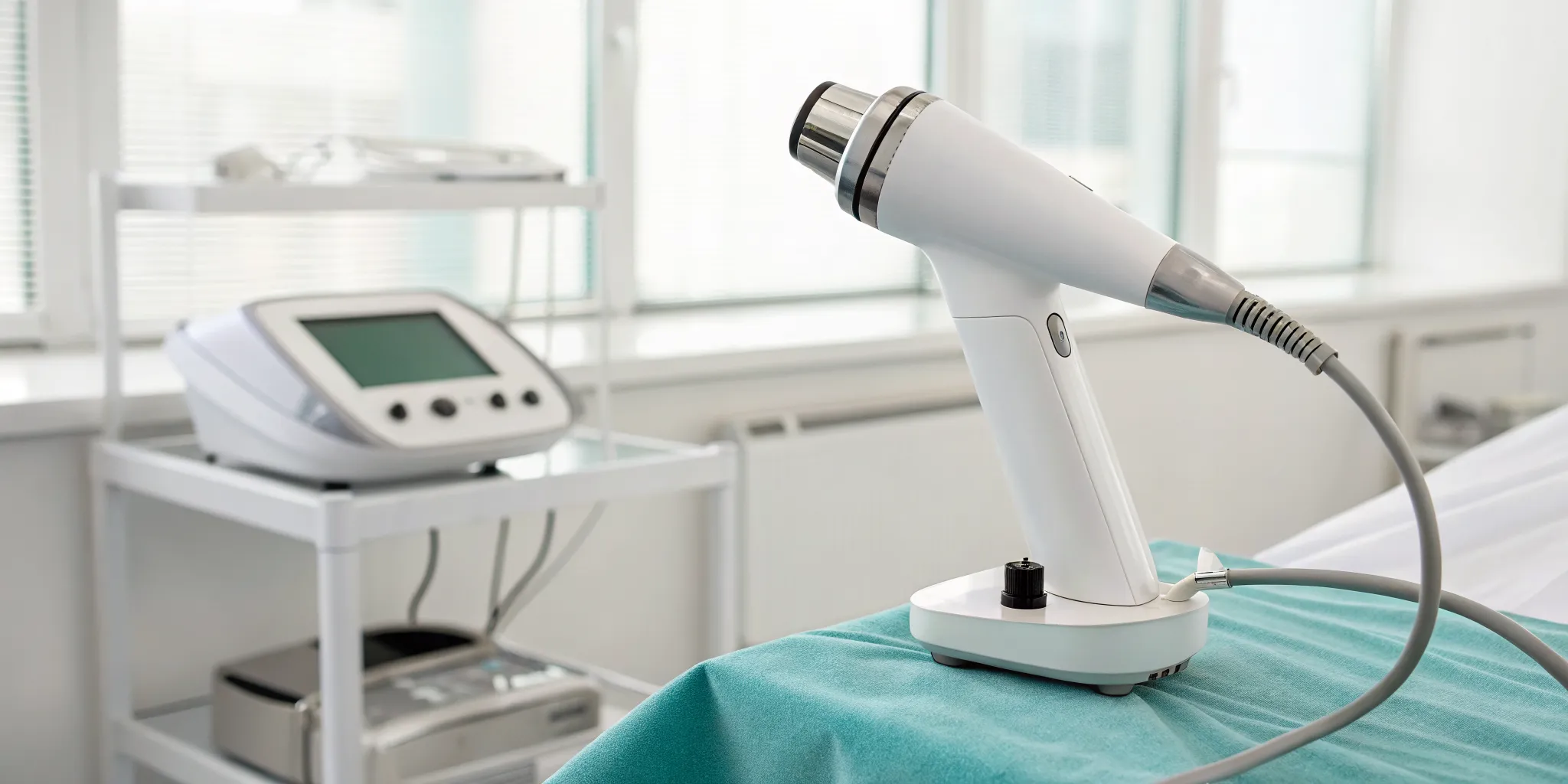
If you're dealing with persistent pain, you might have heard about shockwave therapy. It sounds intense, but it’s a straightforward and non-invasive treatment. The therapy uses a special device to send acoustic waves, which are essentially high-energy sound pulses, through your skin to the injured tissue. It’s not an electrical shock, but rather a mechanical wave that creates tiny vibrations in your cells.
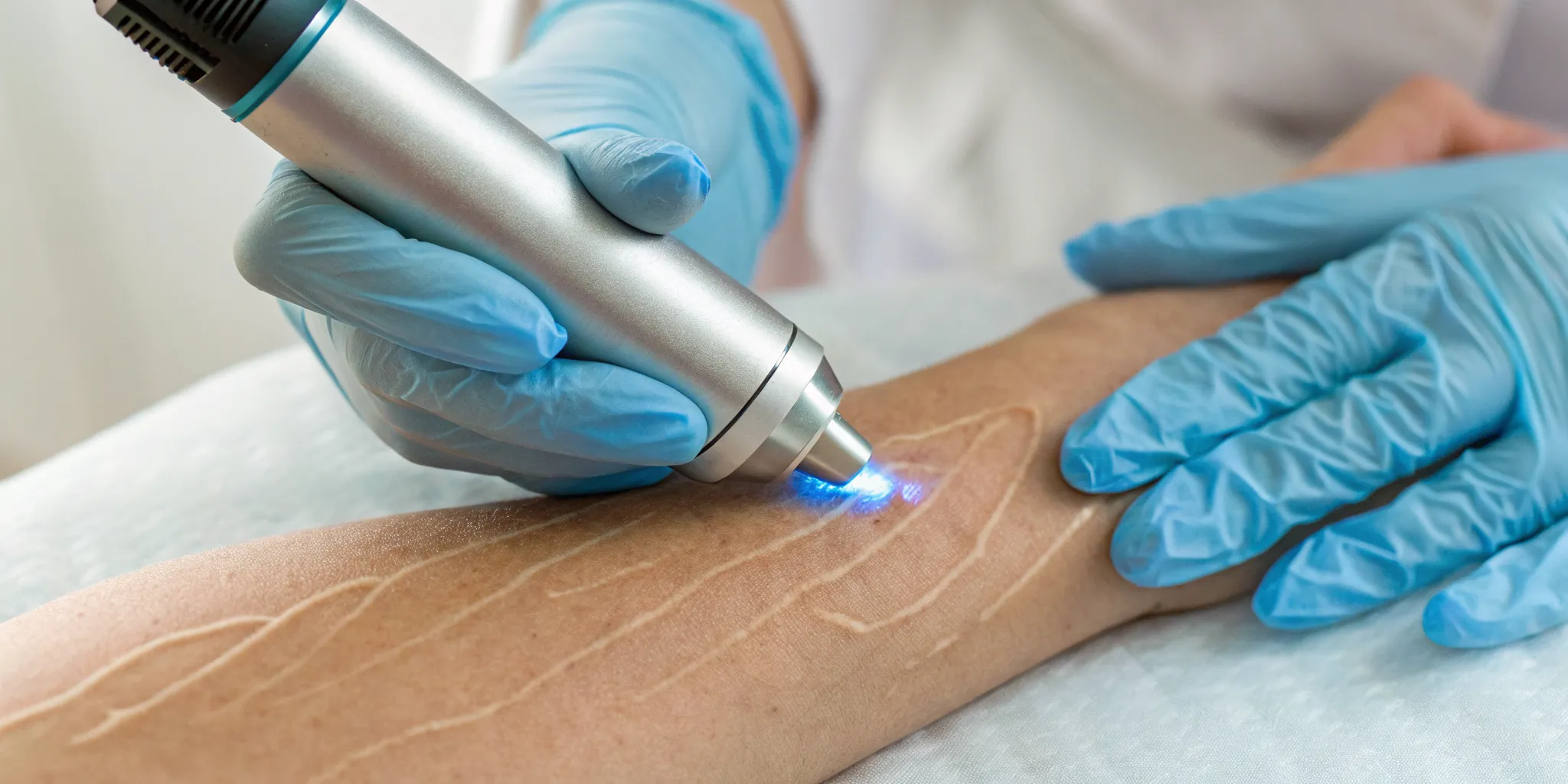
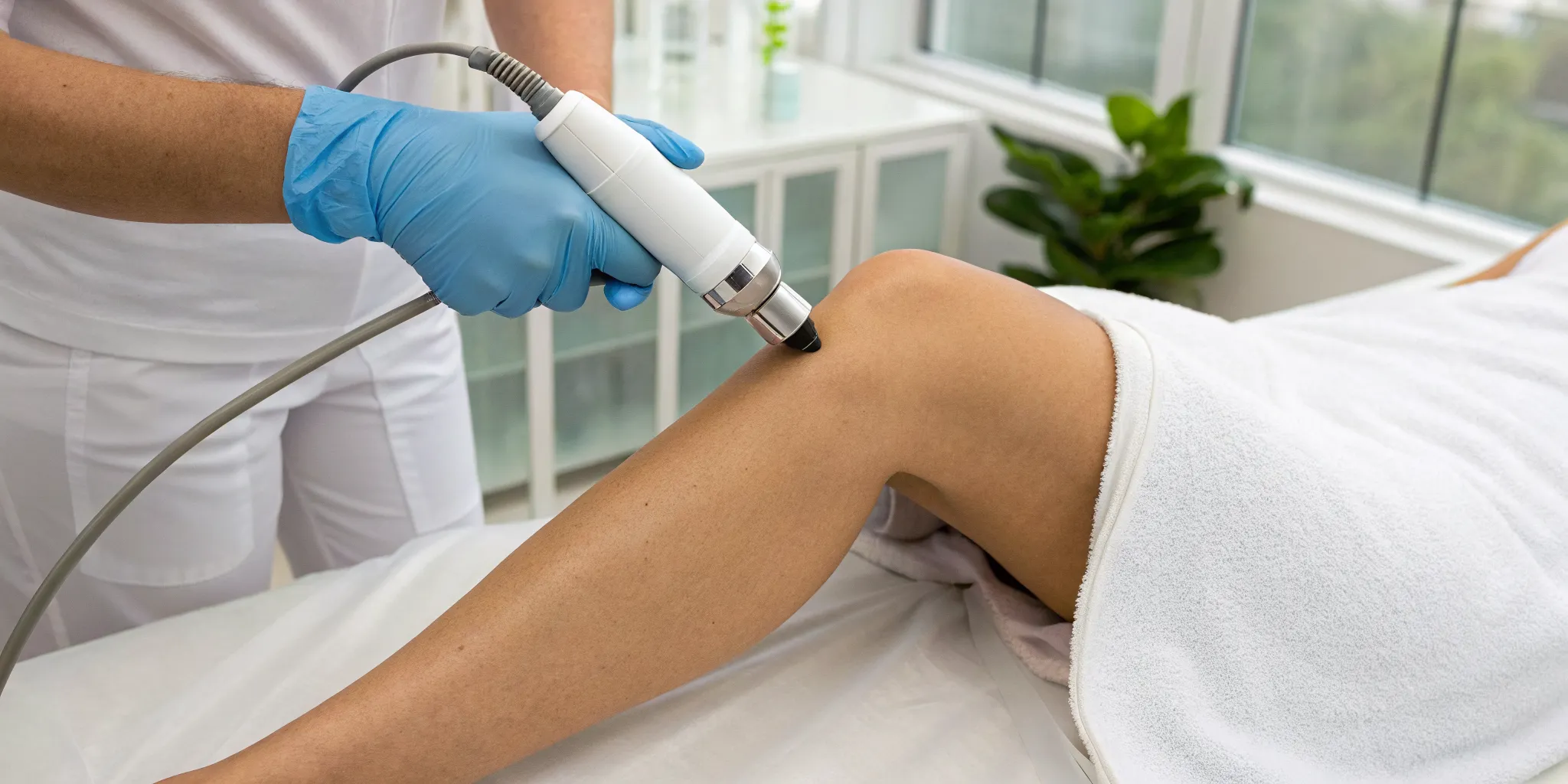
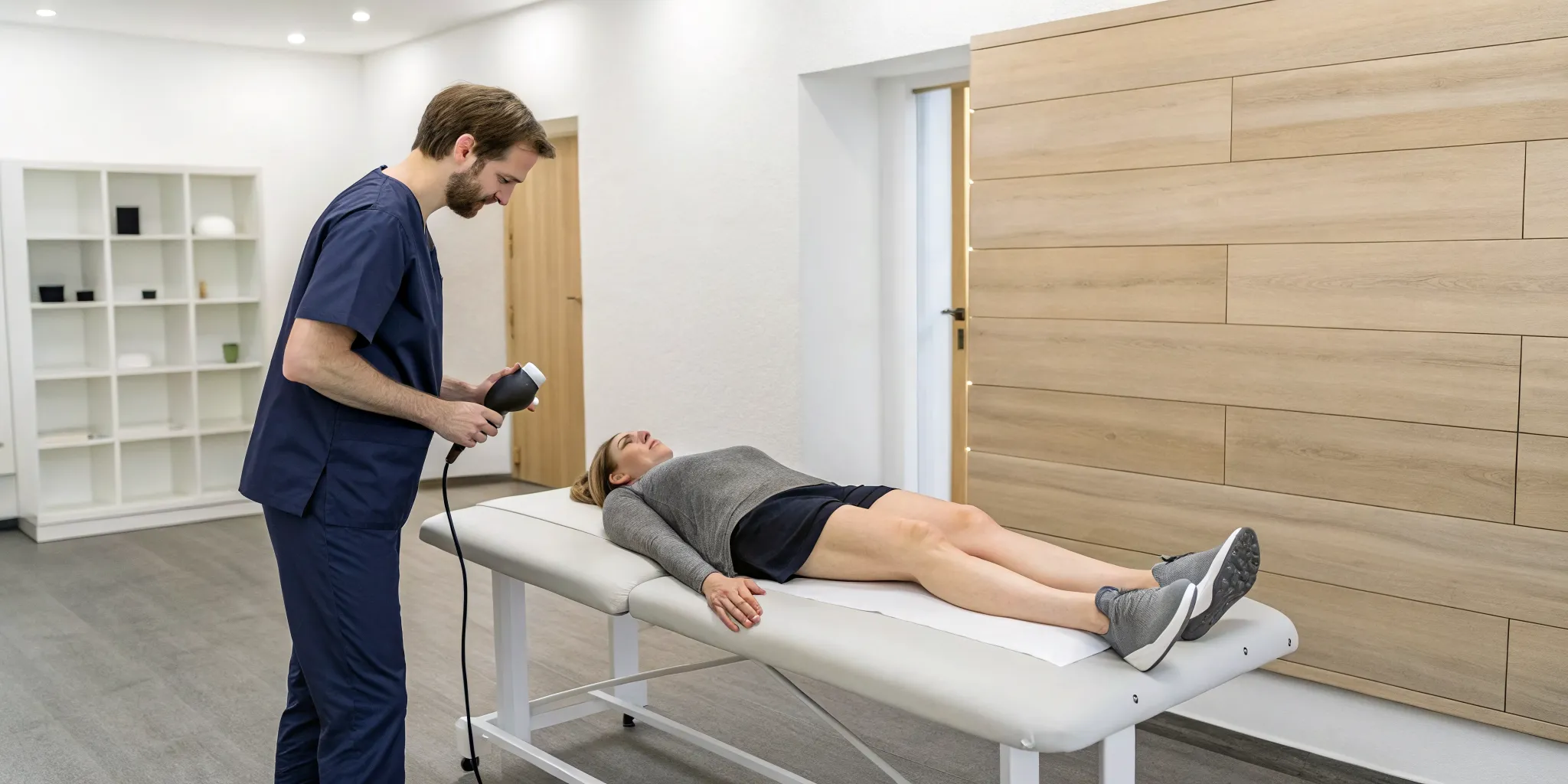
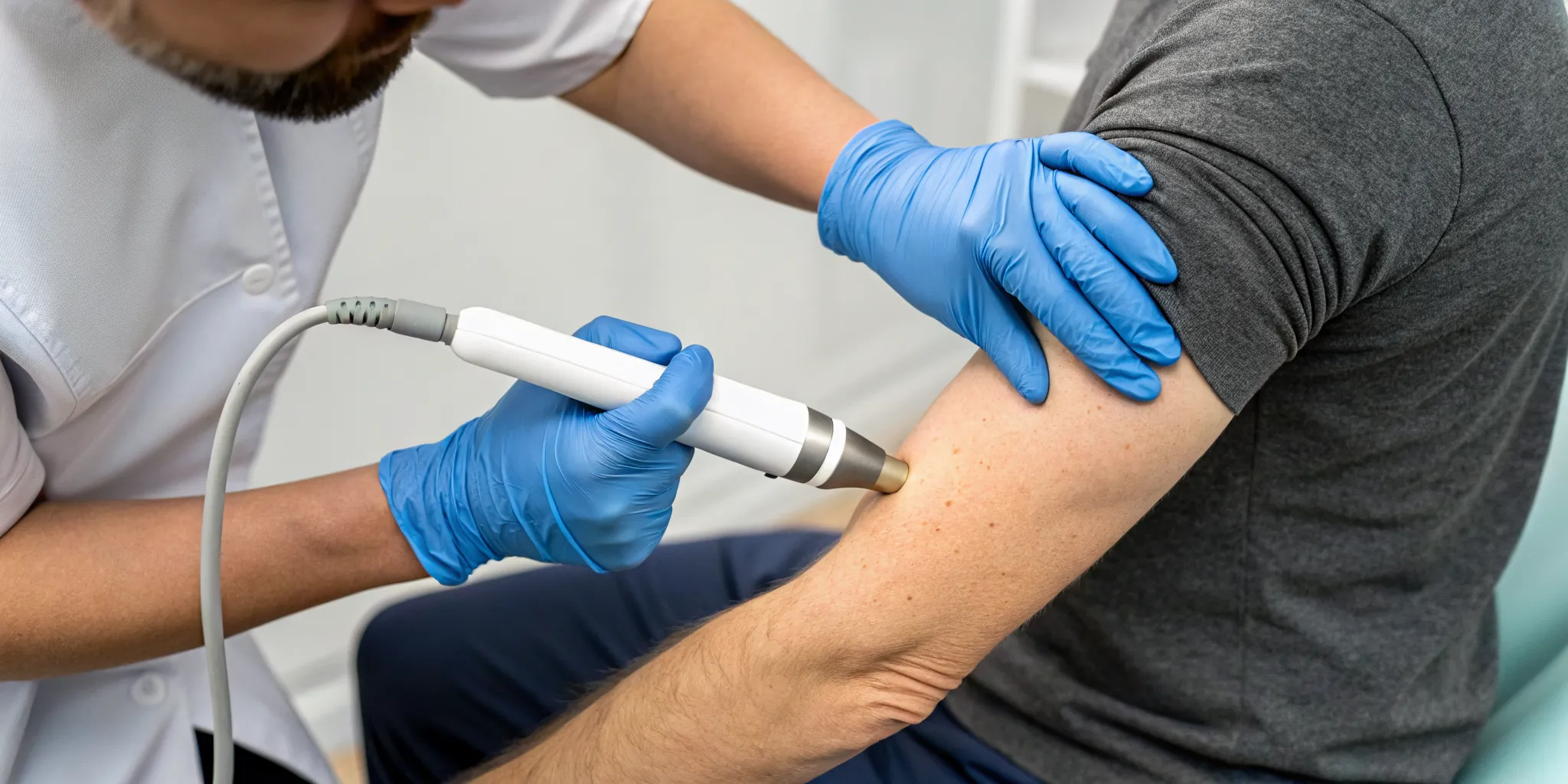
During a session, a practitioner applies a gel to the target area and uses a handheld applicator to deliver the waves. You’ll feel a tapping or pulsing sensation, but the intensity can be adjusted to keep you comfortable. The main goal is to stimulate your body’s natural healing response. Instead of just masking symptoms, this approach encourages your body to repair the underlying problem. It’s a key part of a physical medicine strategy that focuses on restoring function and resolving pain at its source. By kickstarting these internal repair mechanisms, shockwave therapy helps you get back to feeling your best.
How Acoustic Waves Promote Healing
So, how do sound waves actually help you heal? Think of it as a wake-up call for tissues that have been stuck in a cycle of chronic inflammation and pain. The acoustic waves create a controlled micro-trauma in the area, which signals your body to restart the healing process. This stimulation helps increase blood flow and encourages the formation of new blood vessels. More blood flow means more oxygen and nutrients are delivered to the injured cells, giving them the resources they need to rebuild.
This process also helps break down scar tissue and calcifications that can limit movement and cause pain. By addressing these roadblocks, the therapy restores flexibility and function to tendons and soft tissues. It’s a method that works with your body’s innate ability to heal, which is a core principle of functional medicine. The goal isn't just temporary relief; it's about creating a healthier, more resilient environment within the tissue for long-term recovery.
Conditions That Respond to Shockwave Therapy
Shockwave therapy is especially effective for chronic conditions that haven't responded well to other treatments. It’s often used for tendinopathies, which are long-lasting injuries to the tendons that connect muscle to bone. If you’ve been struggling with pain for months, this therapy can help get the healing process back on track.
Some of the most common issues treated with shockwave therapy include plantar fasciitis (heel pain), Achilles tendonitis, tennis elbow, golfer's elbow, and jumper's knee. It’s also used for shoulder pain caused by calcific tendonitis and other soft tissue problems. Because it targets the root cause of these chronic ailments, it’s a valuable tool for many of the conditions we treat at our clinic. It’s a great option when you’re looking for a solution that supports your body’s healing process without invasive procedures.
How Do Cortisone Injections Work?
You’ve likely heard of cortisone injections as a treatment for pain and inflammation, since they are frequently used to address discomfort in specific areas of the body. The process is straightforward: a corticosteroid compound is delivered directly into the affected joint, muscle, or soft tissue. This targeted approach is why many people experience relief. While these injections can be a useful tool, they are just one of many options available within physical medicine to help you feel better. Understanding how they function is an important step in deciding if they are the right path for your health journey.
How Corticosteroids Reduce Inflammation
Corticosteroids are powerful anti-inflammatory compounds that mimic cortisol, a hormone your body naturally produces to manage inflammation. When a corticosteroid is injected into a painful, swollen area, it works quickly to calm the body’s inflammatory response. This action suppresses the local immune activity, leading to less swelling, stiffness, and discomfort. Because the compound is delivered right to the source of the problem, the effects are concentrated and can be felt relatively fast. This rapid action is why cortisone injections are often considered for acute flare-ups, offering a way to manage symptoms directly.
Conditions That Respond to Cortisone Injections
Providers often use cortisone injections to address a wide range of musculoskeletal issues. They are particularly effective for conditions involving localized inflammation, such as certain types of arthritis, bursitis (inflammation of the fluid-filled sacs near your joints), and tendonitis. Many common sources of joint and soft tissue pain can be managed with this method, including foot pain from conditions like plantar fasciitis. By targeting the specific conditions we treat, these injections can provide significant, though often temporary, relief from discomfort while you work on a long-term healing strategy.
Shockwave Therapy vs. Cortisone: A Head-to-Head Comparison
When you're dealing with persistent pain from an injury, you want a solution that works. Both shockwave therapy and cortisone injections are common treatments for soft tissue and tendon pain, but they approach healing from completely different angles. One aims to mask symptoms for immediate relief, while the other works to stimulate your body’s natural repair processes for long-term recovery. Understanding the pros and cons of each can help you make an informed decision about your health. Let's break down what you can expect from each treatment.
The Pros of Shockwave Therapy
The biggest advantage of shockwave therapy is that it’s a non-invasive treatment designed to address the root cause of your pain. Instead of just hiding the symptoms, it uses acoustic waves to stimulate blood flow and metabolic activity in the injured area. This process encourages your body’s own healing mechanisms to kick in, helping to repair damaged tissue. Because it focuses on actual tissue regeneration, shockwave therapy can offer lasting relief. It’s not a temporary fix; it’s a way to support your body in truly fixing the problem, which is a core part of our approach to physical medicine.
The Cons of Shockwave Therapy
While shockwave therapy is focused on long-term healing, it’s not an overnight solution. The healing process takes time, so you’ll likely need several sessions spread out over a few weeks to achieve the best results. You might not feel a significant difference immediately after your first treatment. It’s also common to experience some mild soreness or discomfort in the treated area for a day or two afterward. This is a normal response as your body begins its inflammatory healing process, and it typically resolves quickly on its own. Patience is key, as the benefits build gradually over the course of your treatment plan.
The Pros of Cortisone Injections
Cortisone injections are widely used because they can provide very fast and powerful pain relief. If you're experiencing severe pain that interferes with your daily life, an injection can reduce inflammation within a few days, offering a much-needed break from discomfort. This rapid relief is the primary reason many people opt for this treatment. The procedure itself is quick and has been a standard treatment for joint and tendon pain for many years, making it a familiar option for many who are seeking help for their pain.
The Cons of Cortisone Injections
The main drawback of cortisone is that it provides temporary relief. The injection works by suppressing inflammation, which quiets the pain but does nothing to heal the underlying injury. Because the root cause isn't addressed, the pain often returns once the effects wear off. Repeated injections can also have negative consequences, potentially weakening tendons, damaging cartilage, and thinning the skin over time. This approach can create a cycle of recurring pain without ever resolving the initial problem. Finding a lasting solution often requires looking at the full picture of what conditions we treat and why they occur.
What Are the Risks and Side Effects?
Every medical treatment comes with its own set of potential side effects, and understanding them is a key part of making an informed choice for your health. When you’re dealing with persistent pain, you want a solution that not only works but is also safe for your body long-term. The goal isn't just to quiet the symptoms but to support your body's healing process without introducing new problems. Let's walk through the safety profiles of both shockwave therapy and cortisone injections so you can feel confident about your decision.
It’s important to remember that a thorough evaluation is the first step. A treatment that’s right for one person may not be the best fit for another, which is why our approach always starts with understanding the root cause of your specific health concerns. We look at the full picture to determine the best path forward for the various conditions we treat.
Potential Side Effects of Shockwave Therapy
One of the biggest advantages of shockwave therapy is its excellent safety record. Because it's a non-invasive treatment, the side effects are typically minor and temporary. Most people report mild soreness, redness, or slight swelling in the treated area, which usually fades within a day or two. Think of it as the kind of soreness you might feel after a good workout; it’s often a sign that your body is responding and beginning the healing process. These minimal side effects make it an appealing option for those looking for effective pain relief without significant downtime or long-term complications.
Potential Side Effects and Risks of Cortisone Injections
Cortisone injections can provide powerful, short-term relief from inflammation, but they come with a longer list of potential side effects. It’s common to experience a temporary spike in pain and inflammation, known as a cortisone flare, right after the injection. More significant risks are associated with repeated use. Over time, cortisone can weaken tendons and ligaments, thin the skin, and cause fat pad atrophy, which is the thinning of the natural cushioning in areas like your heel. While rare, there is also a risk of infection at the injection site or even tendon rupture, which is why they are often used sparingly.
Addressing Common Safety Concerns
When comparing the two, the primary safety concern with cortisone injections is the potential for long-term tissue damage. While they are effective at reducing inflammation, they don't address the underlying cause of the injury and can degrade tissue integrity over time. This is especially true for weight-bearing areas like the foot, where thinning the heel's fat pad can lead to chronic pain. In contrast, shockwave therapy is a form of physical medicine that works to regenerate and strengthen injured tissue. It stimulates your body’s natural healing mechanisms, making it a fundamentally restorative treatment rather than just a symptomatic one.
Shockwave vs. Cortisone for Plantar Fasciitis
Plantar fasciitis is one of the most common culprits behind that stabbing heel pain, making every step a challenge. If you’re dealing with this persistent condition, you’ve likely come across two very different treatment options: shockwave therapy and corticosteroid injections. While both aim to reduce pain, they work in fundamentally different ways. One focuses on stimulating your body’s own healing processes, while the other provides powerful anti-inflammatory effects.
A comprehensive review of studies found that while both approaches can improve pain and function within three months, shockwave therapy was significantly better at reducing pain over the long term. It’s also important to consider the potential downsides of corticosteroids. These injections can sometimes lead to complications, such as thinning of the heel’s fat pad or, in some cases, a rupture of the plantar fascia itself. Understanding these differences is key to choosing a path that aligns with your long-term health goals, moving beyond temporary fixes to find lasting solutions for the conditions we treat.
A Look at Each Approach for Heel Pain
When you’re struggling with the sharp, persistent pain of plantar fasciitis, finding relief is your top priority. Both shockwave therapy and corticosteroid injections are used to address this specific type of heel pain. Studies show that at the three-month mark, both treatments can be effective at easing discomfort and helping you get back on your feet. However, when researchers looked closer, they found that shockwave therapy often provides more significant and lasting pain reduction. This is likely because it works to address the underlying tissue damage, rather than just suppressing the inflammation that causes the pain.
What About Other Tendon and Soft Tissue Injuries?
The conversation doesn’t stop at plantar fasciitis. These treatments are used for a variety of other tendon and soft tissue problems. Shockwave therapy is a versatile tool in physical medicine, often applied to conditions like tennis elbow, Achilles tendonitis, and chronic muscle pain. Its goal is to resolve the issue at its source by increasing blood flow, stimulating new tissue growth, and breaking down scar tissue. On the other hand, corticosteroid injections are frequently used for issues like bursitis and certain types of arthritis to quickly reduce swelling and inflammation. The choice often comes down to whether you’re looking for immediate symptom management or a more restorative, long-term solution.
Comparing Long-Term Effectiveness
When you're dealing with persistent pain, your first thought is likely about finding relief as quickly as possible. While speed is important, it's just one piece of the puzzle. The real goal is lasting wellness, which means looking beyond immediate comfort to understand how a treatment performs over time. This is where the comparison between shockwave therapy and cortisone injections becomes particularly interesting. They operate on fundamentally different timelines and with different long-term objectives.
One approach is designed to rapidly reduce inflammation and pain, offering a quick return to comfort. The other is a regenerative process, working with your body to heal the underlying injury, which takes more time but often yields more durable results. Deciding between them requires you to weigh your personal goals. Are you seeking a temporary solution to manage symptoms, or are you ready to invest in a solution that aims for true tissue repair? Understanding the effectiveness of each treatment over the long haul is key to making an informed choice. Let's explore what you can expect in terms of how quickly you'll feel better, which option provides more lasting results, and what the treatment course looks like for each.
How Quickly Can You Expect Relief?
If your main priority is immediate relief, a cortisone injection often delivers the fastest results. Because it's a powerful anti-inflammatory, many people report a significant reduction in pain within just a few days of the procedure. This can be incredibly helpful for managing acute flare-ups or getting through a particularly painful period.
Shockwave therapy, on the other hand, plays the long game. Since its goal is to stimulate your body’s natural healing mechanisms and repair tissue, the results are more gradual. You might not feel a dramatic difference after the first session. Instead, the improvement builds over several weeks as the treated tissues begin to regenerate and strengthen. It’s a process of healing from the inside out, not just masking the symptoms.
Which Offers Lasting Results?
When we shift the focus from speed to sustainability, shockwave therapy often comes out ahead. Research has shown that its effects on pain reduction can be more significant and durable compared to cortisone. The reason is simple: shockwave therapy helps repair the damaged tissue that’s causing the pain in the first place. By stimulating blood flow and cell regeneration, it encourages your body to actually heal the injury, leading to results that last.
Cortisone injections primarily work by suppressing inflammation. While this provides effective short-term relief, it doesn’t fix the underlying structural problem. Once the medication wears off, the inflammation and pain can return if the root cause isn't addressed. Our approach to physical medicine prioritizes these kinds of lasting solutions that support your body's innate ability to recover.
How Many Sessions Will You Need?
The treatment protocols for shockwave therapy and cortisone injections are quite different. A cortisone injection is typically a single procedure. While you might receive additional injections over time if the pain returns, there are limits to how many you can safely have in one area due to potential side effects like tissue weakening.
In contrast, shockwave therapy is a cumulative process. A typical treatment plan involves several sessions, usually spaced about a week apart for three to six weeks. Each session builds on the last, progressively stimulating the healing cascade in the injured tissue. This structured approach is designed to create meaningful, long-term change rather than serving as a one-time intervention.
How to Choose the Right Treatment for You
Deciding on a treatment path can feel overwhelming, especially when you’re in pain. The right choice often depends on your specific symptoms, your health history, and your ultimate goals. Are you looking for immediate relief for a sudden flare-up, or are you committed to addressing the root cause of a chronic issue? Understanding the distinct roles of shockwave therapy and cortisone injections will help you have a more informed conversation with your health provider about what’s best for you.
When to Consider Shockwave Therapy
If you're looking for a long-term solution that addresses the underlying problem, shockwave therapy is an excellent option to explore. This treatment isn't about masking pain; it’s about healing the tissue itself. The acoustic waves used in this therapy help increase blood flow, stimulate the growth of new tissue, and break down restrictive scar tissue. This process aims to fix the problem that’s causing the pain in the first place.
Consider this path if your pain has lingered for months and other simpler treatments haven't provided lasting relief. It’s also a compelling choice if you want to avoid injections or more invasive procedures. By focusing on regeneration, our approach to physical medicine is designed to create lasting change and restore function from the inside out.
When a Cortisone Injection Might Be the Answer
While our primary focus is on long-term healing, there are times when immediate relief is a necessary first step. A cortisone injection might be the answer if you're experiencing very intense pain and swelling. Its main purpose is to deliver fast, short-term relief by powerfully reducing inflammation.
This approach can be particularly helpful during a sudden, severe flare-up of one of the many conditions we treat, allowing you to function more comfortably. However, it's important to view it as a temporary measure. While it can calm a crisis, it doesn't correct the underlying issue. It’s a bridge, not a destination, and is often most effective when used as part of a broader, more comprehensive treatment plan.
Can These Treatments Be Combined?
Yes, and in some cases, a combined approach offers the best of both worlds. It’s not always an "either-or" situation. Sometimes, a provider may suggest using a cortisone injection first to quickly reduce severe pain and inflammation. This initial relief can make it possible for you to engage more effectively with other restorative therapies.
Once the acute pain is under control, you can then begin a course of shockwave therapy to address the root cause and promote lasting recovery. This strategy aligns with our holistic philosophy at Ascend Functional Health, where we create personalized protocols that may involve multiple steps. The goal is to provide immediate comfort while simultaneously building a foundation for long-term health and resilience.
Important Considerations and Contraindications
Every treatment comes with its own set of considerations, and it’s crucial to be aware of them. Corticosteroid injections, for example, can have side effects, including the potential for thinning of nearby soft tissue or even weakening tendons. For this reason, their use is often limited.
On the other hand, shockwave therapy is generally very safe but isn't suitable for everyone. For instance, individuals with blood clotting problems or certain other health issues may not be candidates. This is why a thorough evaluation is so important. Before starting any new treatment, we encourage you to schedule a consultation to discuss your complete health history so we can determine the safest and most effective path forward for you.
Moving Beyond Symptoms to Find Lasting Relief
When you're dealing with persistent pain, it’s natural to want relief as quickly as possible. But there’s a significant difference between masking symptoms and actually fixing the problem. This is the core principle behind functional medicine; our goal is to understand the "why" behind your pain to create a path toward lasting wellness. Cortisone injections often fall into the category of symptom management. They are very effective at reducing inflammation and pain quickly, which can feel like a huge victory in the moment. However, this approach doesn't repair the underlying tissue damage that’s causing the problem, so the relief is often temporary. You might find yourself right back where you started a few months down the road.
Shockwave therapy takes a completely different path. Instead of just silencing the pain signals, it works to stimulate your body’s own healing mechanisms. The acoustic waves encourage new blood vessel formation and trigger a regenerative response in the damaged tissue. This process helps your body repair itself, addressing the root cause of the pain. For common conditions like plantar fasciitis, studies have shown that shockwave therapy can be significantly better at reducing pain for the long haul when compared to corticosteroid injections. While it might not offer the same instant gratification as a shot, it’s designed to create a more permanent solution. Ultimately, the choice comes down to your personal health goals: are you looking for a temporary patch, or are you ready to invest in true, long-term healing?
Related Articles
- Regenerative Medicine for Knee Arthritis: What to Know
- SoftWave Tissue Regeneration Therapy in Tampa | Alessi Functional Health
- SoftWave TRT Therapy in Tampa, FL - Alessi Functional Health
- Disc Bulge Therapy: A Complete Guide to Healing
- 5 Disadvantages of Stem Cells for Arthritis
Frequently Asked Questions
Is shockwave therapy actually an electric shock? What does it feel like? Not at all. The name can be a little misleading, but there are no electric shocks involved. The therapy uses acoustic waves, which are high-energy sound waves, to create a mechanical pulse. Most people describe the sensation as a strong tapping or pulsing against the skin. The intensity is adjustable, so your practitioner can make sure the treatment is always within your comfort level.
Which treatment provides faster results? If you're looking for the quickest possible relief from pain, a cortisone injection usually works faster. Because it's a powerful anti-inflammatory, it can reduce pain and swelling within a few days. Shockwave therapy is a more gradual process. Since it works by stimulating your body to repair itself, you'll likely notice improvement over several weeks as the tissue begins to heal and strengthen from the inside out.
What are the main long-term risks I should be aware of for each treatment? The primary concern with repeated cortisone injections is the potential for tissue damage. Over time, they can weaken tendons and thin the natural fatty pads that cushion areas like your heel, which can lead to other problems. Shockwave therapy, being non-invasive, has a very strong safety profile. The main side effect is temporary soreness in the treated area, similar to what you might feel after a workout, as your body begins its healing response.
Why would I choose shockwave therapy if a cortisone injection offers such quick relief? This really comes down to your goals. A cortisone injection is great for quieting a painful flare-up, but it doesn't fix the underlying injury. It's a temporary solution. You would choose shockwave therapy if your goal is to achieve lasting relief by addressing the root cause of the pain. It's a restorative treatment designed to help your body actually heal the damaged tissue, making it less likely for the pain to return.
How do I decide which treatment is the right fit for my specific injury? The best choice depends on your specific condition, your pain levels, and your long-term health goals. If you're dealing with a chronic issue that hasn't resolved, a regenerative approach like shockwave therapy is often a great path toward true healing. If you're experiencing a severe, acute flare-up, a cortisone injection might be used as a bridge to calm the pain so you can begin other restorative therapies. The best first step is always a thorough consultation to determine the source of your pain and create a personalized plan.