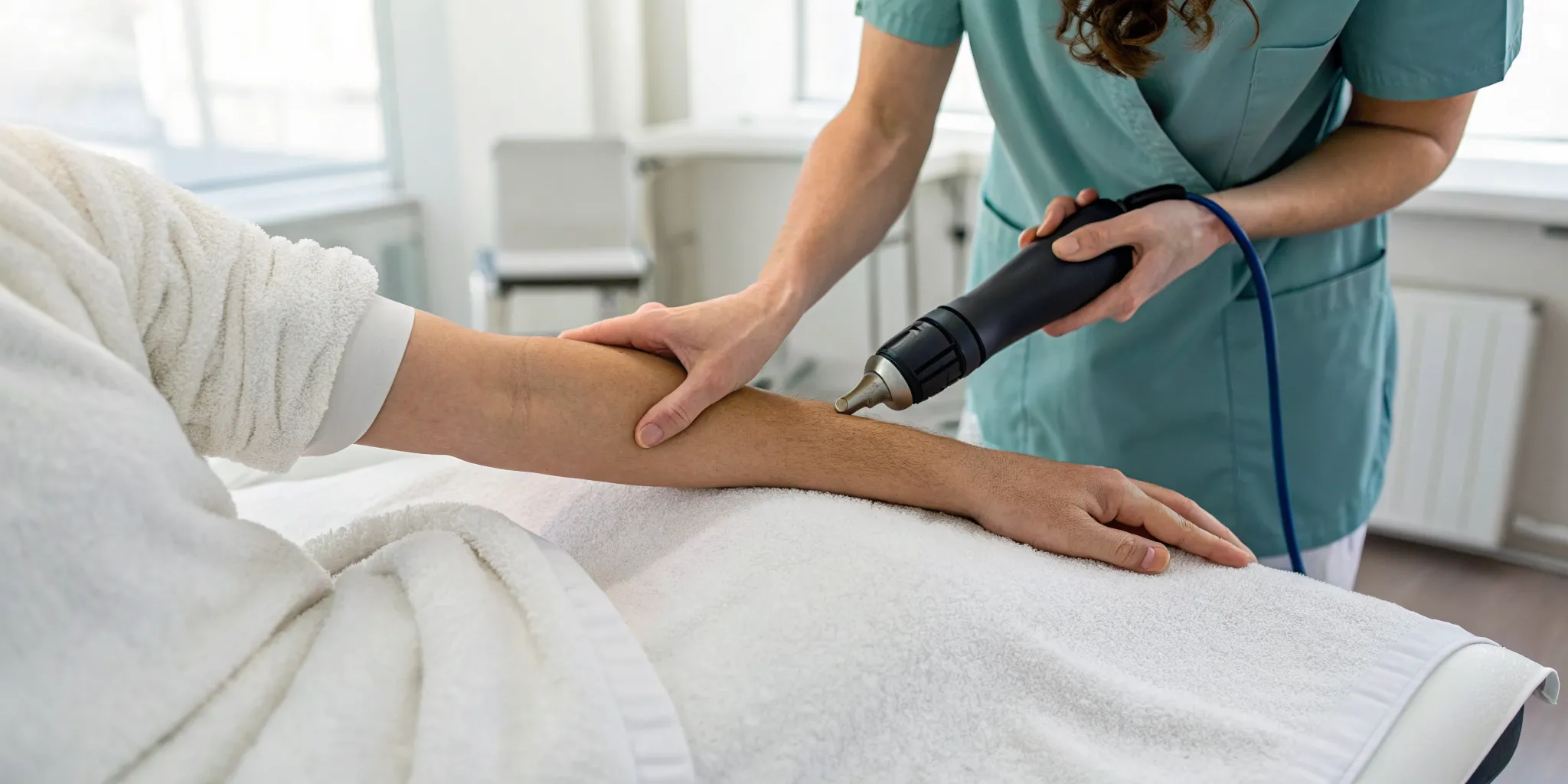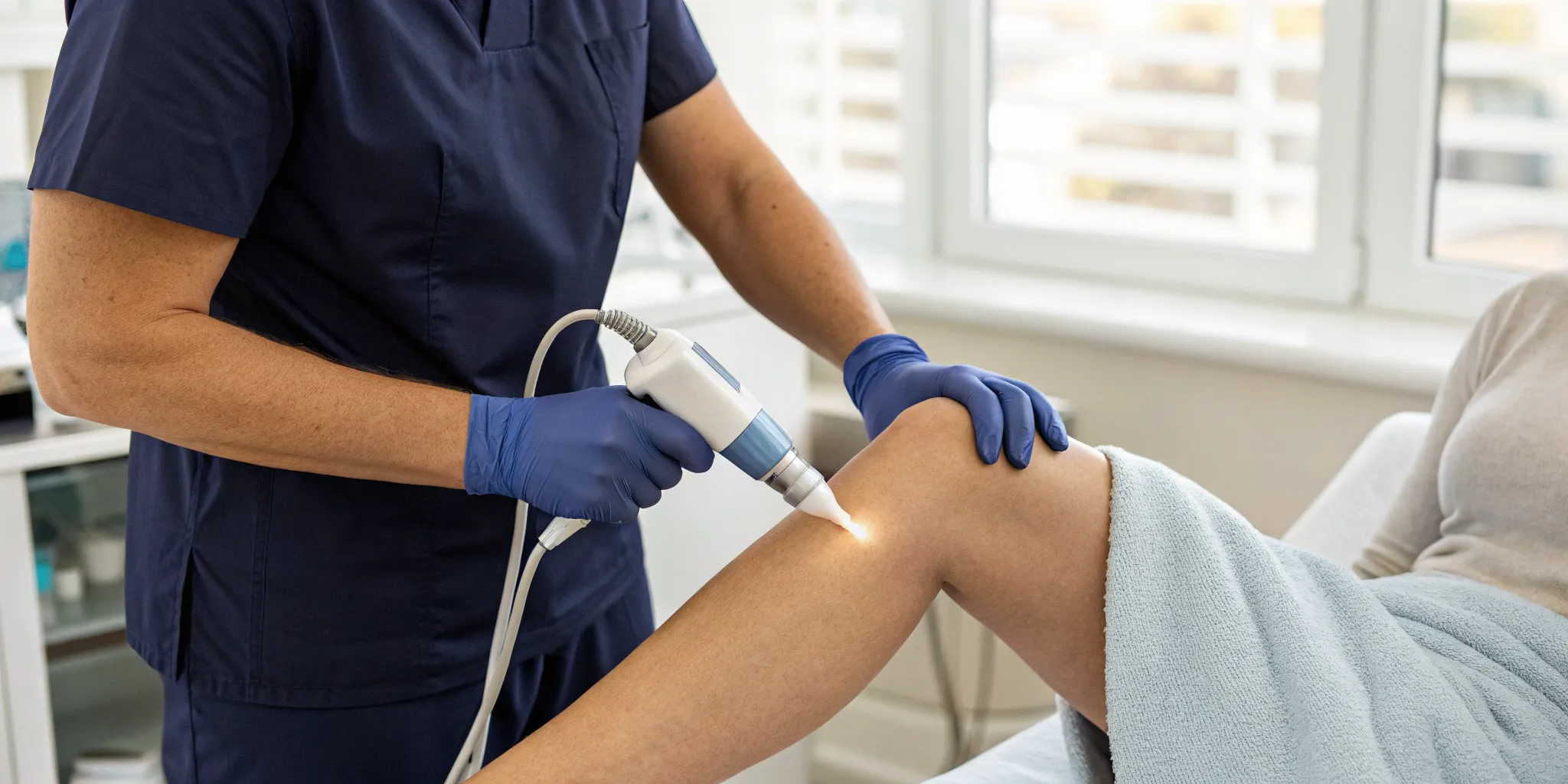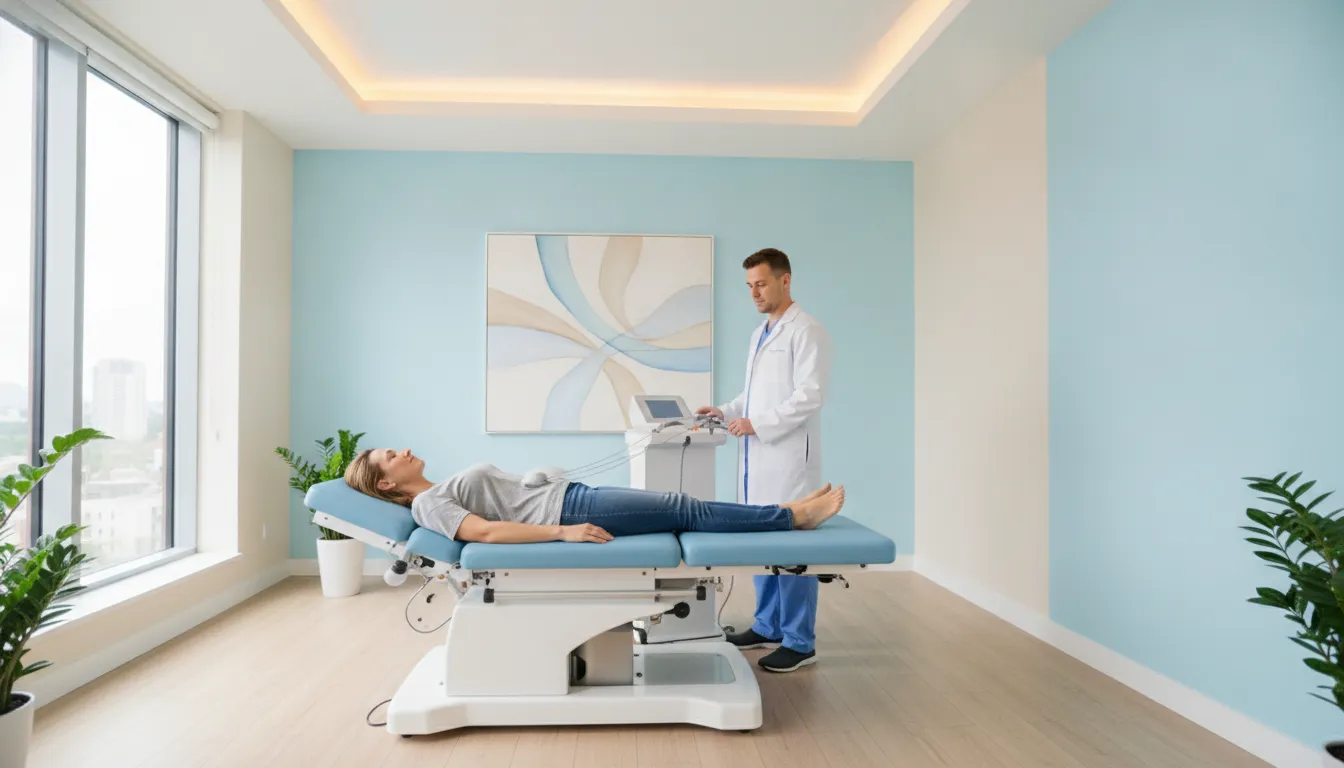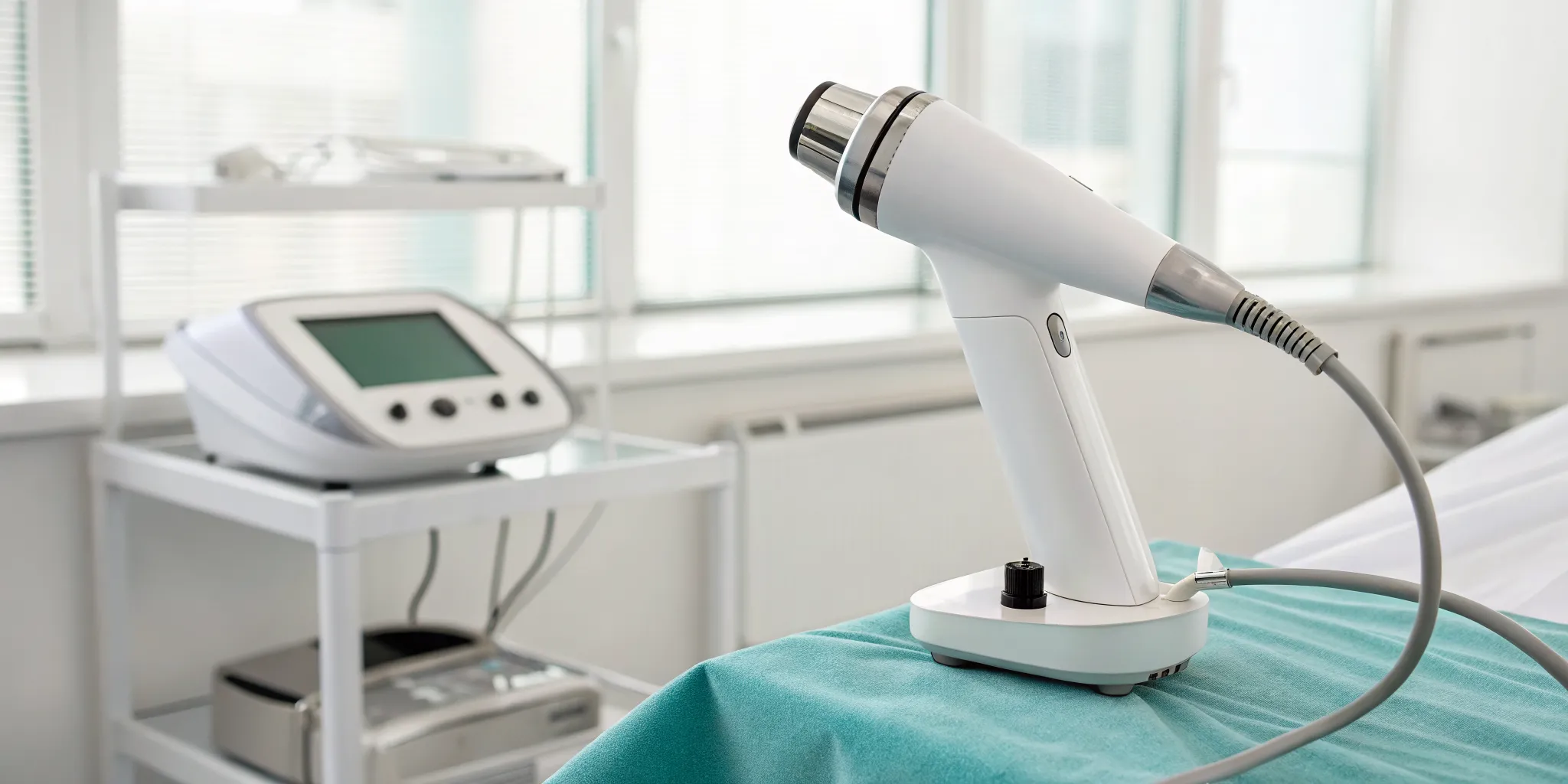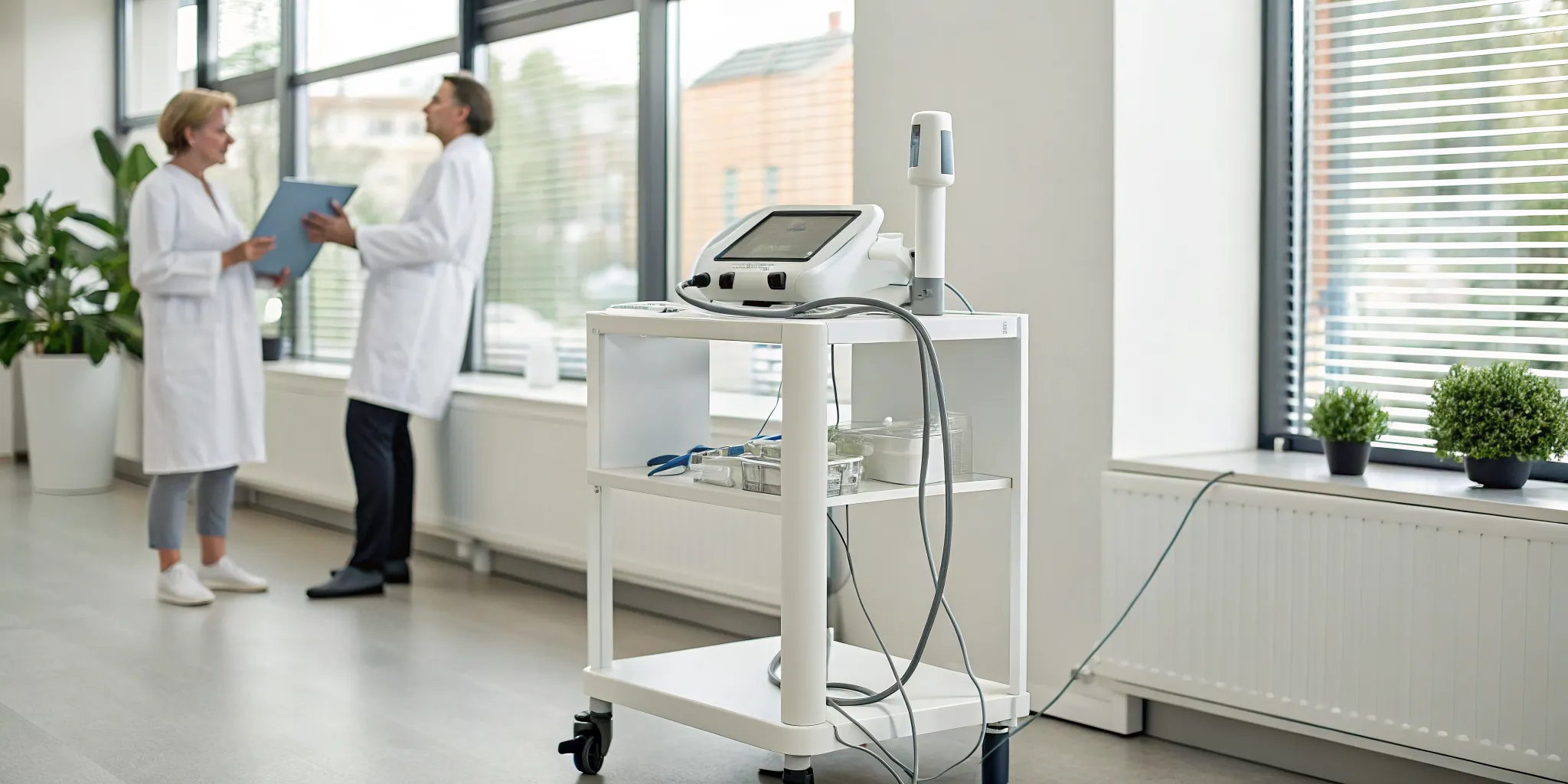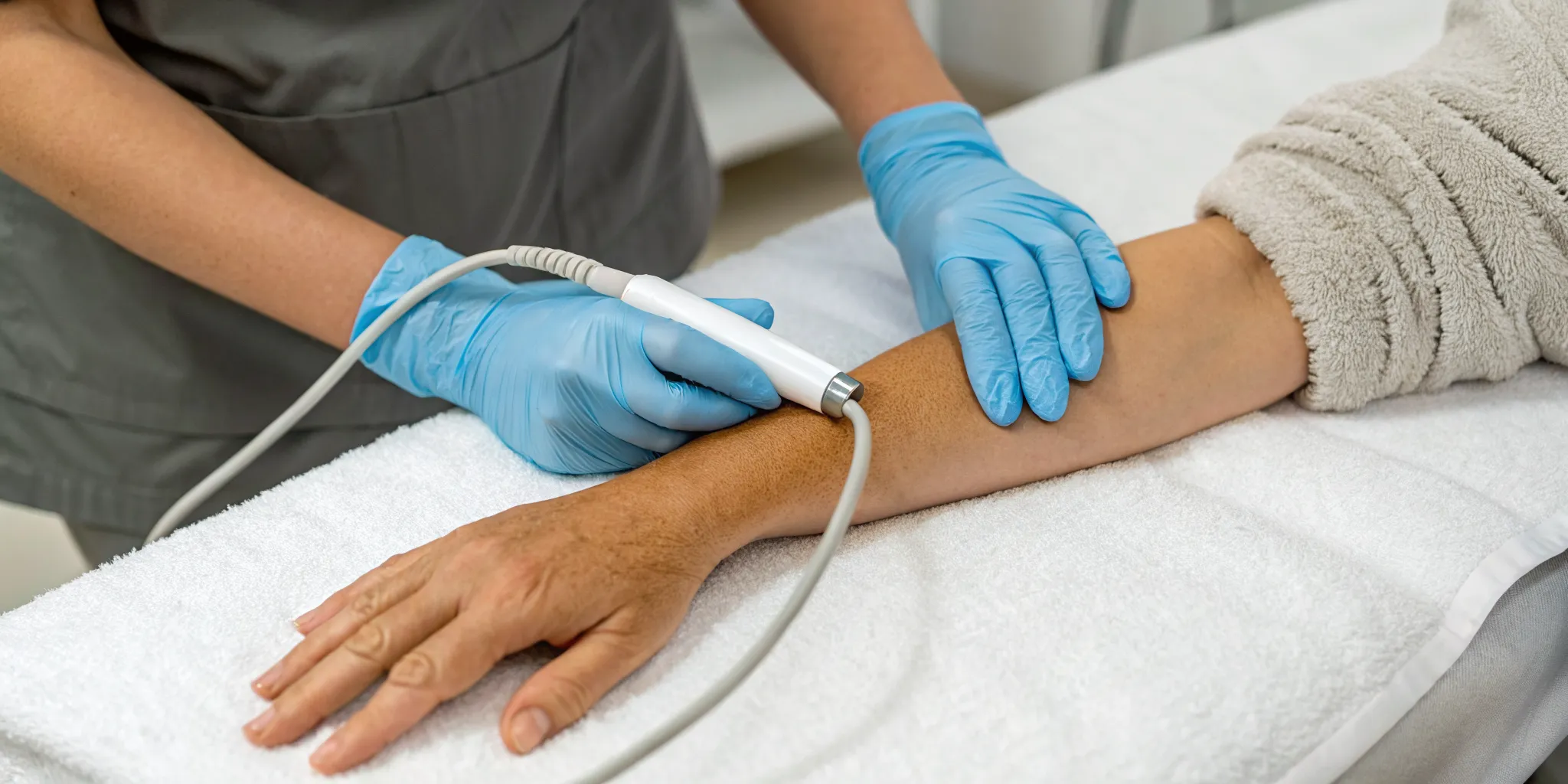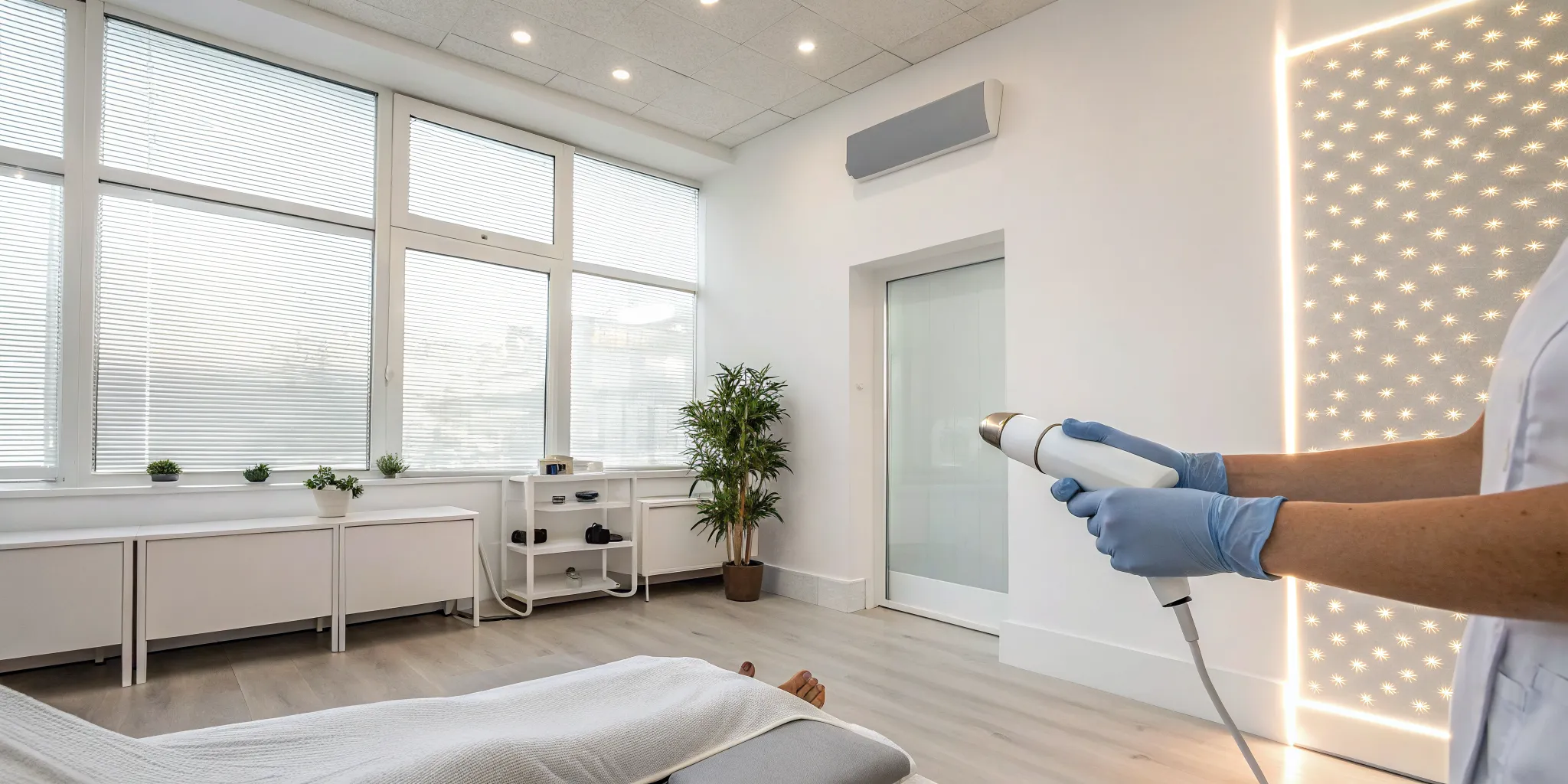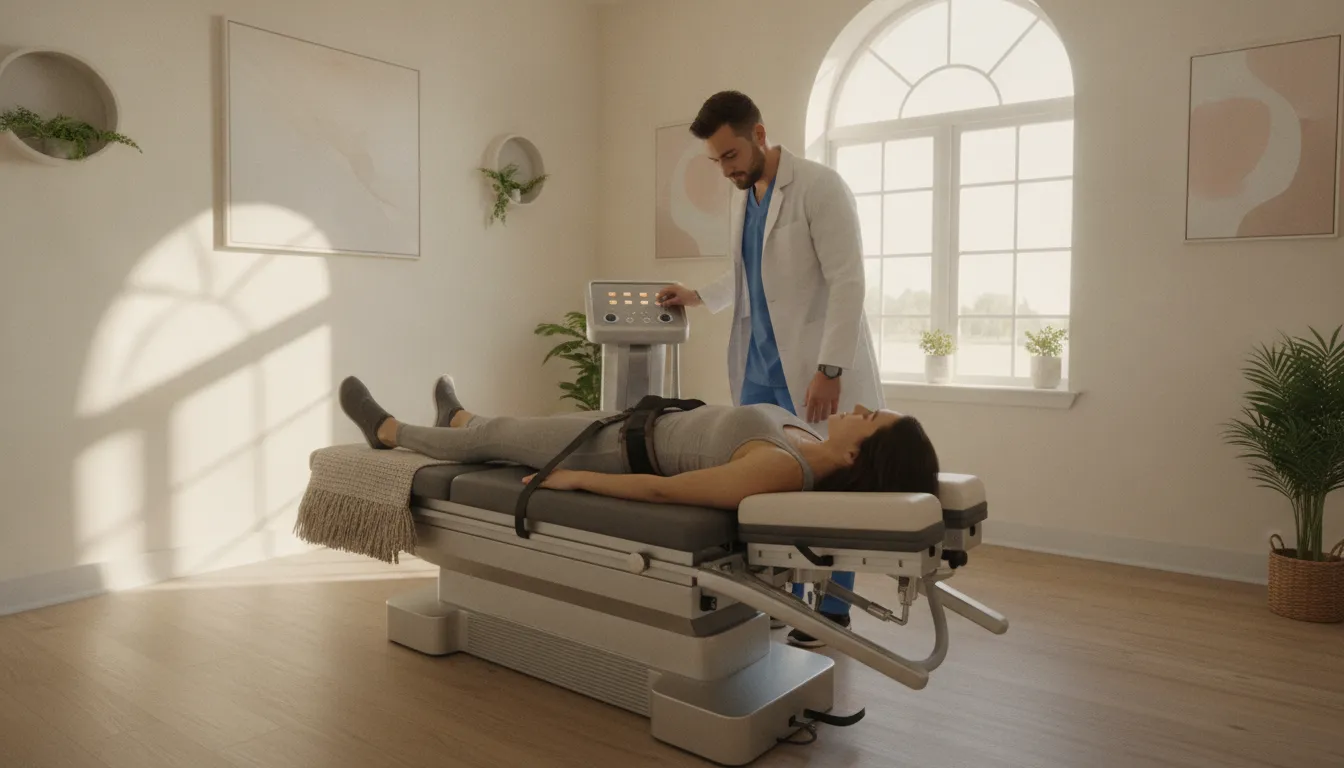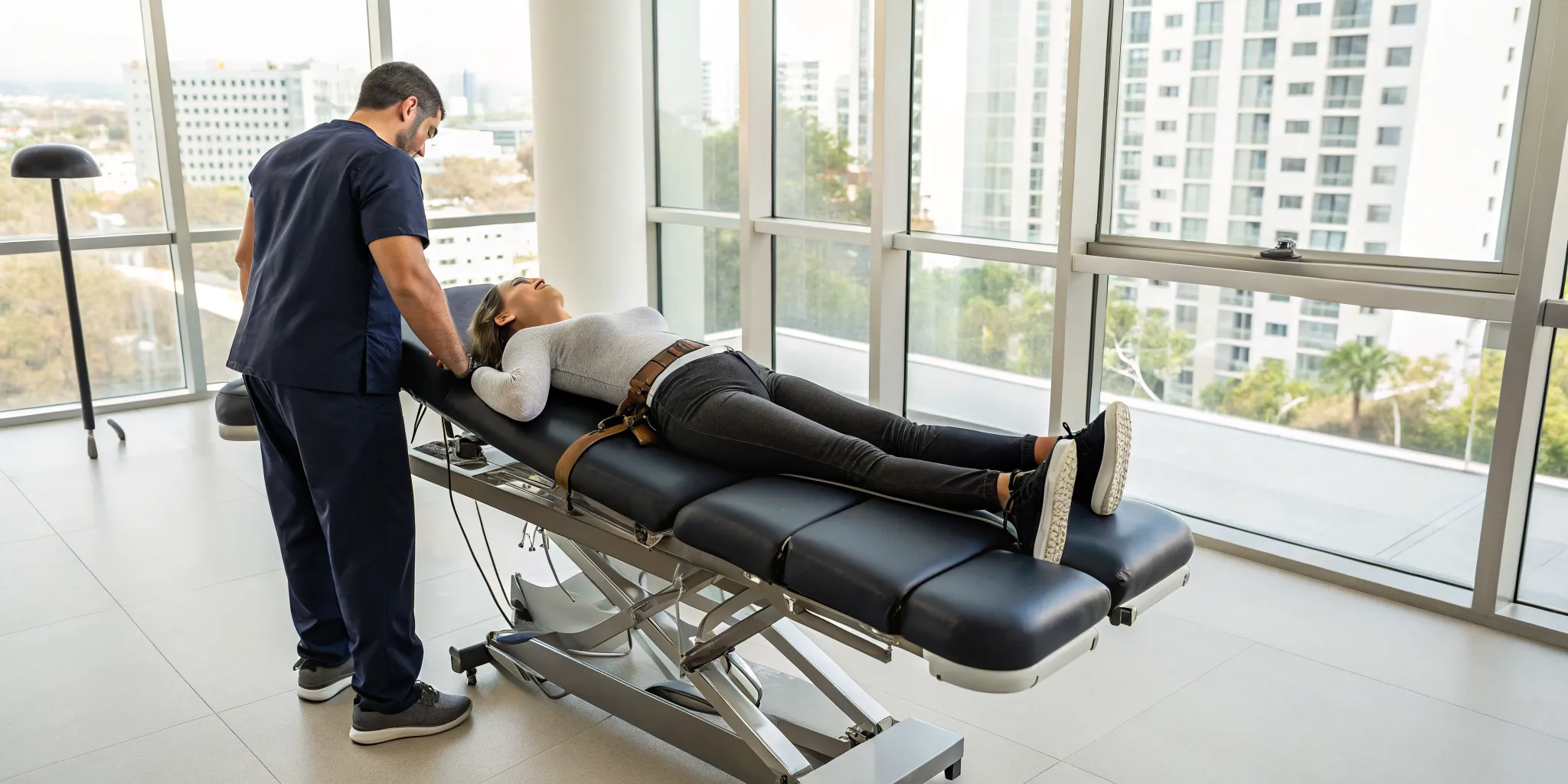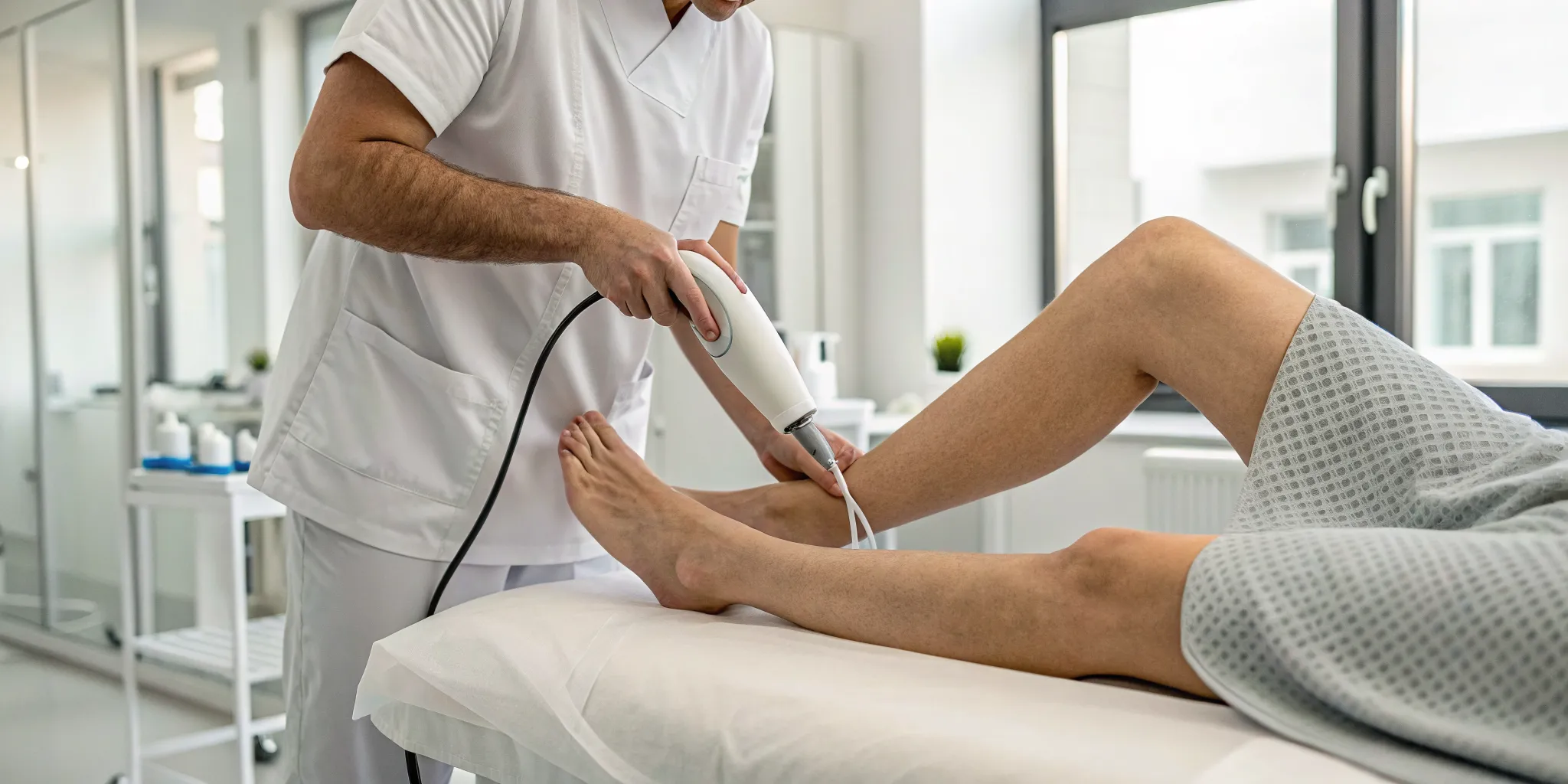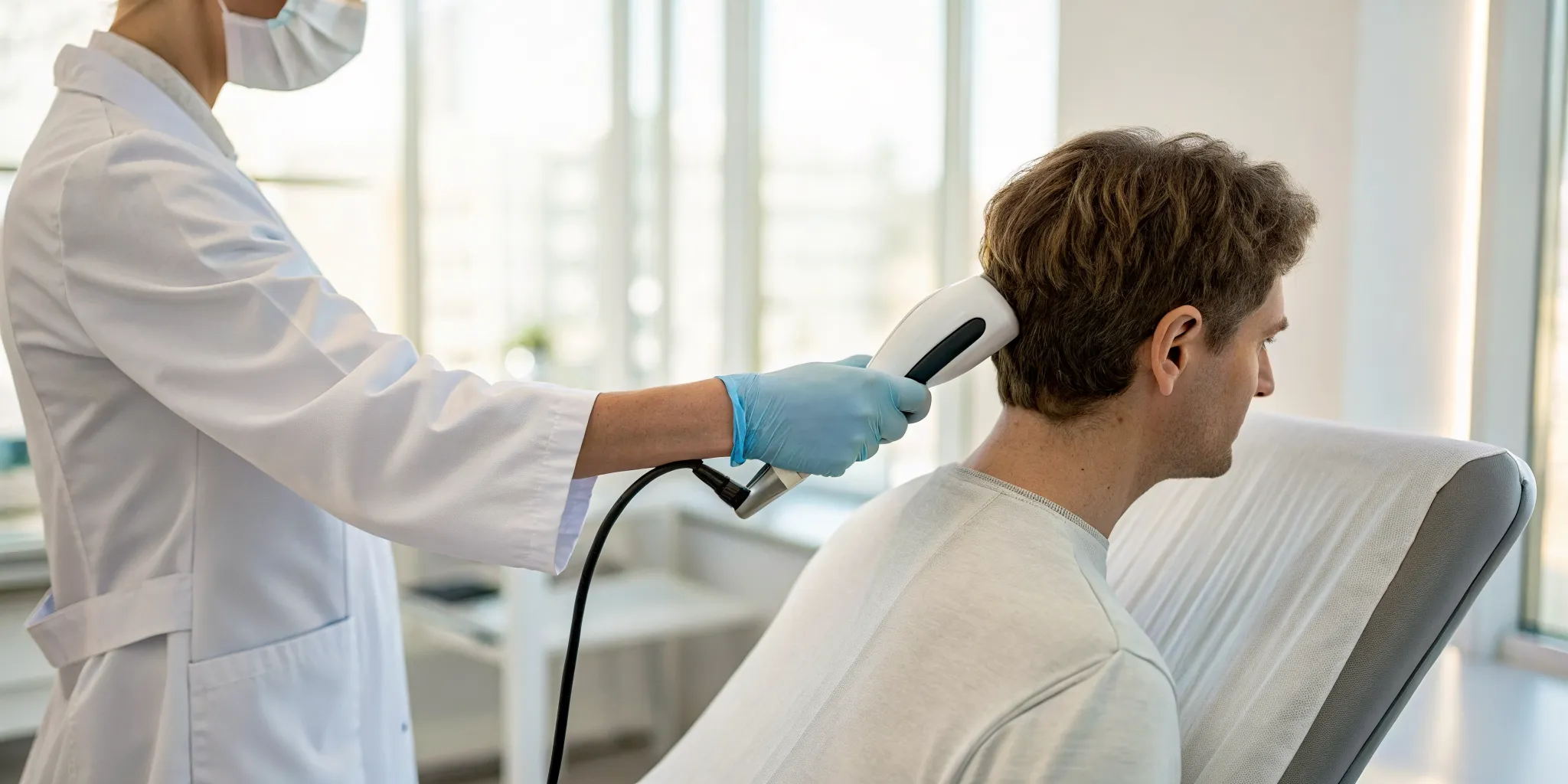
We all have them: the patients with stubborn plantar fasciitis or chronic tennis elbow who have tried everything without finding lasting relief. ESWT can be a game-changer for these individuals, but the results you achieve are directly tied to the quality of the device you use. Not all machines are created equal. The ability to adjust energy levels, target specific tissue depths, and deliver a consistent therapeutic wave is what separates an adequate device from a truly effective one. This guide walks through the critical factors that determine clinical success, helping you select the best ESWT device for clinics serious about improving patient outcomes.
Key Takeaways
- Match the technology to your patient's needs: Decide between radial shockwave for larger, surface-level issues and focused shockwave for precise, deep-tissue problems. Your choice should reflect the conditions you treat most often to ensure the best results.
- Look beyond the device to the partnership: A great ESWT device is only part of the equation; select a manufacturer that provides thorough hands-on training, ongoing education, and reliable service to guarantee your team can use the technology effectively.
- Plan your investment for a solid return: Treat the addition of ESWT as a business decision. By structuring your pricing into treatment packages, you can create predictable revenue and help patients commit to a full course of care, making the investment financially sound.
Radial vs. Focused Shockwave: Which Technology Is Right for Your Practice?
When you’re ready to bring shockwave therapy into your practice, one of the first decisions you'll make is between radial and focused technology. While both use acoustic waves to stimulate healing, they work in different ways and are suited for different types of conditions. Understanding the distinction is the key to choosing a device that aligns with your patients' needs and your practice’s focus.
Think of it as the difference between a floodlight and a spotlight. One covers a broad, general area, while the other hones in on a very specific point. Both are useful, but you wouldn't use a spotlight to light up a whole room. At Ascend Functional Health, we use these principles to guide our physical medicine protocols, ensuring we apply the right tool for the right job. Let's break down what each technology does and which conditions they are best suited to address.
What Is Radial ESWT?
Radial Shockwave Therapy, or rESWT, generates pressure waves that spread out across a wide and relatively shallow area of tissue. Imagine dropping a pebble into a still pond; the ripples expand outward from the point of impact. This makes radial technology highly effective for treating conditions that are closer to the skin's surface or spread across a larger muscle group. Because the energy is dispersed, it’s a great option for more superficial tendinopathies and myofascial pain, providing a gentle yet effective stimulus to initiate the body’s healing response without needing to penetrate deep into the body.
What Is Focused ESWT?
Focused Shockwave Therapy (fESWT) is the spotlight to radial’s floodlight. This technology bundles the acoustic waves into a concentrated beam that can penetrate deep into the body to target a precise location. This precision allows you to address issues that are located deeper within a joint or tissue, like calcific deposits or chronic conditions that haven't responded to other treatments. Focused shockwave is the go-to for reaching specific, hard-to-access areas, making it an invaluable tool for complex orthopedic conditions that require a more powerful and targeted approach to promote tissue regeneration and pain relief.
Conditions Best Treated by Each Technology
Choosing the right technology comes down to the conditions you see most often. Radial ESWT is your workhorse for common, superficial issues. It’s particularly effective for treating plantar fasciitis, tennis elbow, Achilles tendon pain, and broad muscle trigger points. These are the types of conditions that many patients present with, making a radial device a versatile starting point for many practices.
On the other hand, focused ESWT excels where other methods fall short. It is better suited for deep, stubborn, or specific issues. Think of conditions like calcified shoulder tendons, deep hip or knee discomfort, and even certain non-union bone healing scenarios. Many of the chronic pain issues we see in our patients can benefit from this targeted approach. For a practice that handles complex orthopedic conditions, having focused capabilities is essential.
What Conditions Can You Treat with ESWT?
When considering adding a new modality to your practice, one of the first questions is always, "Who can this help?" The great thing about Extracorporeal Shock Wave Therapy (ESWT) is its incredible versatility. This non-invasive technology uses acoustic waves to stimulate the body's natural healing mechanisms, making it a powerful tool for a wide range of musculoskeletal complaints. It aligns perfectly with a root-cause approach to wellness, as it doesn't just mask symptoms; it encourages genuine tissue repair and regeneration. By increasing blood flow, modulating inflammation, and stimulating cellular activity, ESWT can resolve issues that have been resistant to other forms of care.
From chronic tendinopathies that sideline active individuals to nagging myofascial pain that affects daily life, ESWT offers a solution for many of the common problems we see in our clinics every day. It’s a modality that can broaden the scope of your physical medicine offerings and provide tangible results for your patients. Whether you're treating athletes, weekend warriors, or individuals with chronic pain, this technology can become an indispensable part of your toolkit. Let's look at some of the specific conditions where ESWT truly shines.
Plantar Fasciitis and Achilles Tendinopathy
For many practitioners, plantar fasciitis and Achilles tendinopathy are two of the most stubborn conditions to manage. Patients often arrive frustrated after trying countless other approaches with little success. This is where ESWT can be a game-changer. The therapy is highly effective for these chronic tendinopathies, delivering targeted acoustic waves to the affected tissue in the foot and ankle. This process stimulates metabolic activity and blood circulation, which helps accelerate the repair of the degenerated tissue.
By promoting the body's own healing response, ESWT can significantly reduce discomfort and improve function, helping patients get back on their feet. It’s a reliable option for those who have been struggling with heel and ankle pain for months or even years, offering a path toward lasting relief without invasive procedures.
Tennis Elbow and Calcific Shoulder Tendinitis
Pain in the elbow and shoulder can be particularly debilitating, limiting a person's ability to work, exercise, and perform simple daily tasks. ESWT is a well-regarded and effective modality for upper-body conditions like lateral epicondylitis (tennis elbow) and calcific shoulder tendinitis. For patients with calcific deposits in their tendons, the shock waves can help break down the calcification, which the body can then absorb and clear away.
This process, combined with the therapy's ability to stimulate new blood vessel formation and tissue regeneration, addresses the underlying cause of the pain. It’s an excellent addition to the services you offer for patients dealing with chronic joint and tendon issues that haven't responded to conventional methods, providing a non-invasive way to restore mobility and comfort.
Muscle Trigger Points and Myofascial Pain
It's a common misconception that shockwave therapy is only for chronic tendon issues. In reality, it's also exceptionally effective for addressing myofascial pain syndromes and releasing tight muscle trigger points. These painful knots in the muscle and surrounding fascia can be a source of both localized and referred pain, contributing to a wide range of patient complaints.
The acoustic waves from an ESWT device can penetrate deep into the muscle tissue to release these trigger points, relax tense muscle fibers, and improve circulation to the area. This makes it a valuable tool for treating a broader patient population, including those with acute musculoskeletal discomfort or persistent muscle tightness. It’s another way to address the complex web of conditions we treat that often involve a myofascial component.
Knee Discomfort and Sports Injuries
Athletes and active individuals are always looking for ways to recover faster and manage the wear and tear on their bodies. ESWT is a promising option for addressing various sports injuries and persistent knee discomfort. The therapy has been shown to stimulate osteogenesis (new bone formation) and promote the development of new tissue, which is why it's so beneficial for healing.
For conditions like patellar tendinopathy (jumper's knee) or other forms of chronic knee pain, ESWT can help accelerate recovery by enhancing blood flow and triggering the body's repair processes. By incorporating this modality, you can help your active patients return to their sport or lifestyle more quickly and with greater resilience against future injury, reinforcing your clinic's role in their long-term health and performance.
A Review of Leading ESWT Devices
When you start looking at specific ESWT devices, the options can feel overwhelming. Different models offer different technologies, features, and clinical applications. To help you get a clearer picture of what’s available, let's look at some of the leading devices on the market. Each has its own strengths, and understanding them will help you match a device to your clinic’s specific needs and the conditions you treat most often. This isn't an exhaustive list, but it covers some of the most respected names in the industry and gives you a solid starting point for your research.
Storz Medical DUOLITH® SD1 T-TOP Ultra
The DUOLITH® SD1 T-TOP Ultra from Storz Medical is a highly versatile device that combines both radial and focused shockwave therapies. This dual capability makes it suitable for a broad spectrum of conditions, including erectile dysfunction (ED), chronic pelvic pain syndrome (CPPS), and various musculoskeletal issues. It features the ergonomic SEPIA® handpiece, designed for comfortable and precise application. For patients, the treatment is non-invasive and sessions are short, which enhances comfort and compliance. The device is backed by significant clinical results, particularly in improving function for urological and orthopedic conditions.
CuraMedix ESWT Devices
CuraMedix offers a line of ESWT devices designed for both orthopedic and urological applications. Their equipment is known for being user-friendly, which can shorten the learning curve for your team. CuraMedix places a strong emphasis on generating high-quality shockwaves while prioritizing patient comfort, making their devices a reliable choice for many clinical settings. Another key benefit is portability; some of their models are designed to be easily moved between treatment rooms or even different clinic locations. This flexibility is a major plus for practices that need to optimize space and resources. You can explore their focused shockwave therapy device to see how it might fit into your practice.
BTL Shockwave Devices
BTL provides a comprehensive range of shockwave therapy devices that serve both therapeutic and aesthetic purposes. This makes them a potential option for clinics looking to expand into different types of patient care. Their devices are built with advanced technology to deliver effective treatments for musculoskeletal pain as well as conditions like erectile dysfunction. BTL focuses on clinical efficacy and patient satisfaction, equipping practitioners with tools designed to produce excellent treatment outcomes. Their commitment to innovation is clear in the design and functionality of their shockwave therapy systems, which are used by practitioners worldwide.
Chattanooga RPW2
The Chattanooga RPW2 is a radial pressure wave (RPW) device specifically engineered for treating musculoskeletal conditions. It’s a popular choice among clinicians for its robust construction and reliability. The device features an intuitive, user-friendly interface and adjustable settings, allowing you to tailor treatments precisely to your patient's needs. It is particularly effective for common conditions like plantar fasciitis, Achilles tendinopathy, and other tendon-related issues. The Chattanooga RPW2 provides a dependable, non-invasive treatment option that supports the body's natural healing processes and offers consistent pain relief for your patients.
How Do the Top ESWT Devices Compare?
When you start looking at ESWT devices, you’ll quickly realize they aren’t all built the same. The technology, build quality, and user experience can vary significantly from one brand to another. Making the right choice for your practice means looking beyond the marketing materials and comparing the top contenders across a few key areas. Think of it like adding a new specialist to your team; you want to be sure they have the right credentials, are reliable, and fit well with your workflow.
To help you make a confident decision, we can break down the comparison into four critical aspects: clinical evidence, device durability, software usability, and patient experience. Each of these factors plays a huge role in how effective the device will be for your patients and how smoothly it integrates into your daily operations. A device might excel in one area but fall short in another, so a balanced evaluation is essential for finding the best overall fit for your clinic's goals and your patients' needs.
Clinical Evidence and Regulatory Clearance
First and foremost, any device you consider should have FDA clearance. This is the baseline for ensuring the equipment meets federal safety and quality standards. Beyond that, you’ll want to see a strong foundation of clinical evidence. Extracorporeal shockwave therapy is a noninvasive treatment that uses acoustic waves to promote healing in musculoskeletal and soft tissue injuries, and you need proof that the specific device you choose can deliver on that promise.
Look for devices backed by robust clinical studies that validate their effectiveness for specific conditions. Reputable manufacturers will be transparent with their research and data. This evidence not only gives you confidence in the technology but also helps you set realistic expectations with your patients about their treatment outcomes.
Device Durability and Build Quality
An ESWT device is a significant addition to your practice, and you need it to be a reliable workhorse. The physical build quality is a direct indicator of the machine’s longevity and performance. Flimsy construction can lead to frequent downtime and repairs, which disrupts patient care and affects your clinic’s reputation.
Top-tier brands are known for their exceptional quality and reliability, using durable materials that can withstand the demands of a busy practice. It’s also wise to consider the manufacturer’s reputation for support and training. A high-quality device paired with comprehensive training and responsive technical assistance ensures you can use the technology effectively and confidently from day one.
Software, Interface, and Ease of Use
The most advanced technology is only useful if your team can operate it efficiently. A clunky or confusing interface can slow down treatments and create frustration. When comparing devices, pay close attention to the software and overall design. Is the interface intuitive? Can you easily adjust settings during a procedure?
Look for thoughtful features like controls built directly into the handpiece, which allow for seamless adjustments without interrupting the treatment flow. Some devices also offer a combined system with both radial and focused applicators. This versatility is managed through the software and is ideal if your clinic aims to treat a wide spectrum of conditions, from superficial trigger points to deeper tendinopathies.
Patient Comfort and Treatment Precision
Your patient’s experience is paramount. While ESWT is a non-invasive procedure, the comfort level can vary depending on the device and the practitioner’s skill. The best devices give you precise control over the treatment parameters, allowing you to tailor the session to each patient’s condition and sensitivity.
The ability to adjust the energy output and focal depth is crucial. This control over the ESWT dosage ensures you can deliver a therapeutic amount of energy to the target tissue while minimizing discomfort. A device that allows for this level of precision not only improves patient comfort but also contributes to better clinical outcomes, encouraging patients to complete their treatment plans and refer others to your practice.
What to Look for in an ESWT Device
Choosing the right Extracorporeal Shockwave Therapy (ESWT) device is a significant decision for any practice. The technology you select will directly impact treatment efficacy, patient comfort, and your clinic's return on investment. While many devices are on the market, they are not all created equal. Making an informed choice means looking beyond the price tag and examining the core features that determine performance and versatility. From the type of shockwave it generates to its physical size and the clinical evidence supporting it, every detail matters.
At Ascend Functional Health, we believe in using tools that offer precision and are backed by solid science. Our approach to physical medicine is rooted in providing personalized, effective care, and our choice in technology reflects that commitment. When evaluating an ESWT device, it’s helpful to focus on four key areas: the adjustability of its treatment parameters, its technological versatility, its physical footprint, and its regulatory standing. Thinking through these factors will help you find a device that not only meets your clinical needs but also seamlessly integrates into your practice's workflow and philosophy of care. Let's explore what makes a standout ESWT device.
Adjustable Energy and Treatment Depth
The ability to customize treatment is non-negotiable. A quality ESWT device should allow you to precisely adjust the energy output and the depth of wave penetration. This is crucial because every patient and every condition is unique. A superficial muscle trigger point requires a different setting than a deep-seated case of chronic tendinopathy. Devices with adjustable settings empower you to tailor the therapy, ensuring the optimal amount of energy reaches the target tissue without affecting surrounding areas. This precision not only improves outcomes but also enhances patient comfort. When you can fine-tune the treatment, you can provide the most effective and appropriate care for the wide range of conditions we treat.
Device Versatility: Radial, Focused, or Both
ESWT technology comes in two main types: radial and focused. Radial shockwaves disperse energy over a wider, more superficial area, making them excellent for treating larger muscle groups and myofascial pain. Focused shockwaves, on the other hand, concentrate their energy at a specific point deeper within the body, which is ideal for targeting issues like calcific tendinitis or plantar fasciitis. Some devices specialize in one type, while others offer both. A combination device provides the greatest versatility, allowing you to expand the range of services you offer and treat a broader spectrum of conditions effectively. Understanding the strengths of each technology helps you choose a machine that aligns with your patient population.
Portability and Clinic Footprint
Practicality is key when integrating new equipment. Consider the physical size and portability of the ESWT device. Do you have a dedicated room for it, or will you need to move it between treatment areas? Some units are large and stationary, while others are compact and designed for easy transport. A smaller, lightweight device can be a major advantage in a clinic with limited space or multiple practitioners sharing equipment. Before making a decision, measure your available space and think about your daily workflow. The right device should fit into your clinic's environment without causing disruption, making treatments easier for you and your team to administer.
Clinical Backing and Regulatory Approval
You want a device with a proven track record, not just marketing hype. Prioritize ESWT devices that are FDA-cleared and supported by strong clinical studies. Regulatory clearance is a baseline indicator of safety and quality, while a body of research demonstrates the device's effectiveness for specific conditions. Reputable manufacturers will be transparent about their clinical data and regulatory status. Our philosophy at Ascend is grounded in evidence-based protocols, and choosing technology with solid scientific backing ensures you are providing treatments that are both safe and effective. This commitment to quality builds trust with your patients and reinforces your reputation as a credible health care provider.
Understanding the Investment and Revenue Potential
Adding a new modality to your practice is a significant decision that involves more than just clinical application; it’s a business strategy. Extracorporeal Shockwave Therapy (ESWT) is a powerful tool for patient care, but it's also a notable financial commitment. Thinking through the numbers beforehand will help you set your practice up for success and ensure you can provide this valuable service for years to come. Let's break down the initial investment, pricing strategies, and how to project your return. By planning carefully, you can confidently integrate ESWT in a way that benefits both your patients and your practice's health.
The Initial Equipment Investment
The first financial piece to consider is the device itself. Professional shockwave therapy machines are a serious capital expense, and their prices can vary widely based on the technology (radial, focused, or combined) and manufacturer. It's important to understand that the effective, research-backed devices used in a clinical setting are in a different league from machines marketed for home use, which are not suitable for professional treatment.
This investment equips your clinic to offer a premium, high-impact service that can address a range of musculoskeletal issues. When you add a service like ESWT, you're not just buying a machine; you're expanding your practice's capacity to achieve profound patient outcomes. The financial outlay reflects the sophisticated technology required to deliver consistent and effective therapeutic energy.
How to Structure Session Pricing
Because ESWT is a specialized service, its pricing should reflect the value it provides. Many successful clinics position it as a premium offering, with individual sessions typically priced between $100 and $250. However, since most conditions require a series of treatments for optimal results, structuring your services into packages is often the best approach for everyone.
A package of three to five sessions creates a clear treatment plan for the patient and a predictable revenue stream for your clinic. For example, offering a package for a common issue like plantar fasciitis or tennis elbow encourages patient commitment and simplifies your billing. With just a handful of new patients each month opting for a treatment package, you can generate substantial revenue while helping people address the root cause of their chronic conditions.
Estimating Your Return on Investment
Bringing an ESWT device into your practice can be a transformative move, but it requires a clear-eyed look at the potential return. Your ROI will depend on the initial equipment investment, your pricing structure, and your patient volume. Start by calculating your break-even point: how many treatment packages do you need to sell each month to cover the equipment financing and associated costs?
Your choice of device also plays a role. A combined radial and focused system, while a larger initial investment, allows you to treat a wider array of conditions, from superficial trigger points to deeper tendinopathies. This versatility can make your clinic a go-to center for complex cases, attracting more referrals and positioning you as a leader in the field. Making this strategic decision reflects a commitment to providing comprehensive, root-cause solutions, which is the foundation of a thriving functional health practice.
5 Common Myths About ESWT Devices
When new technology emerges in the clinical world, it’s often followed by a wave of misinformation. Extracorporeal Shockwave Therapy (ESWT) is no exception. These myths can prevent practitioners from adopting a tool that could make a real difference for their patients. Let's clear up some of the most common misconceptions surrounding ESWT devices so you can make an informed decision for your practice. Understanding the truth behind the technology is the first step toward integrating it successfully and helping more people find relief.
"ESWT is too uncomfortable for patients."
The term "shockwave" can sound intimidating, leading many to believe the treatment is painful. The reality is that ESWT is a non-invasive procedure. It doesn't involve any incisions or instruments entering the body. Most patients describe the sensation as a series of strong, deep taps or pulses against the skin. While some discomfort is possible, especially over sensitive areas, the intensity is fully adjustable. A skilled practitioner will always start at a lower energy level and communicate with the patient to find a setting that is both effective and tolerable, ensuring a comfortable experience.
"It only works for chronic conditions."
Another frequent misunderstanding is that shockwave therapy is only useful for chronic pain that has lingered for months or years. While ESWT is highly effective for stubborn conditions like plantar fasciitis and tennis elbow, its application isn't so limited. The therapy can also be a valuable tool for addressing more acute musculoskeletal injuries. By promoting circulation and stimulating the body's natural healing factors, it can help accelerate recovery in the earlier stages of an injury. This makes it a versatile part of a physical medicine toolkit, suitable for a wide spectrum of patient needs.
"All shockwave devices deliver the same results."
This myth is particularly important to debunk. Not all shockwave machines are created equal, and the technology inside them differs significantly. The two main types are radial and focused. Radial devices generate pressure waves that cover a larger, more superficial area, making them great for muscle trigger points. Focused devices, on the other hand, generate a true shockwave that can be concentrated on a small, deep target with high precision. The type of wave a device produces directly influences the conditions you can effectively treat, so choosing the right technology is critical for achieving the best patient outcomes.
"Focused devices are always cost-prohibitive."
It's true that acquiring advanced medical technology requires a significant financial commitment, and focused shockwave devices often represent a larger initial investment than radial ones. However, framing this as "prohibitive" overlooks the value it can bring to your practice. A focused device expands your treatment capabilities, allowing you to address deeper and more specific pathologies that other modalities can't reach. This investment can enhance your clinic's reputation as a cutting-edge provider and broaden the scope of your available services. The decision should be based on your clinic’s goals and patient demographics, not just the initial equipment figure.
"ESWT carries a high risk of side effects."
Any effective therapy comes with questions about safety, but the idea that ESWT is high-risk is simply not accurate. When performed by a trained professional following established protocols, shockwave therapy is exceptionally safe. The most common side effects are minor and temporary, including redness, slight swelling, or soreness in the treated area, which typically subsides within a day or two. Serious complications are extremely rare. The safety and efficacy of the treatment depend heavily on the skill of the practitioner, which is why finding a team you trust is so important for your patients' care.
Evaluating Manufacturer Training and Support
Choosing the right ESWT device goes beyond comparing technical specifications. When you invest in this technology, you’re not just buying a machine; you’re entering a long-term relationship with the manufacturer. The quality of their training and support is just as important as the device itself. Think of it as a partnership. A great partner will equip your team with the confidence and skills needed to achieve excellent patient outcomes, ensuring you can integrate this new service smoothly into your practice.
Proper support is the foundation for using ESWT safely and effectively. Without it, even the most advanced device can fall short of its potential. A manufacturer committed to your success will provide comprehensive training, ongoing educational resources, and reliable service. This level of support ensures your team can handle the technology with expertise, adapt to new findings in the field, and keep the equipment running smoothly. At Ascend Functional Health, we believe that true healing comes from a deep understanding of the tools and protocols we use, a principle that should extend to any new technology you bring into your clinic. Before making a final decision, carefully assess what each manufacturer offers after the sale.
Hands-On Clinical Training
Reading a user manual or watching a video is no substitute for hands-on experience. Effective clinical training is essential for your team to feel comfortable and proficient with the ESWT device. The best manufacturers provide in-person, practical training sessions led by experienced clinicians. This allows your practitioners to learn the nuances of applying the therapy, understand how to adjust settings for different conditions, and get a real feel for the equipment.
When speaking with potential suppliers, ask specific questions about their training program. Is it conducted at your clinic? How many team members can participate? What are the credentials of the trainers? A manufacturer that invests in thorough, hands-on training demonstrates a commitment to patient safety and successful clinical integration. This initial instruction is critical for building a strong foundation for your physical medicine services.
Ongoing Education and Protocols
The field of regenerative medicine is constantly advancing, with new research and applications emerging all the time. A top-tier manufacturer will help you stay at the forefront of these developments. Look for companies that provide ongoing educational opportunities, such as webinars, advanced workshops, and access to the latest clinical studies. This continuous learning ensures your practice remains a leader in patient care.
Additionally, ask if the manufacturer provides established treatment protocols. These guidelines, developed from extensive clinical experience, offer a proven starting point for treating common conditions. While you will always apply your own clinical judgment, having evidence-based protocols helps streamline treatments and maintain a high standard of care from day one. This kind of educational support is invaluable, much like the resources we share on our own podcast to help people understand their health.
Warranties and Service Agreements
An ESWT device is a significant financial commitment, and you need to protect it. A comprehensive warranty and a clear service agreement are non-negotiable. Before you purchase, review the warranty details carefully. Understand what parts and labor are covered, the duration of the coverage, and the process for initiating a service request. A strong warranty is a sign that the manufacturer stands behind the quality and durability of their product.
Beyond the initial warranty period, consider the service agreement. What happens if the device needs repairs? A down machine means canceled appointments and lost revenue. A reliable manufacturer will offer prompt and efficient service to minimize any disruption to your practice. This commitment to service reflects a company’s dedication to being a true partner in your clinic’s success, aligning with the standard of excellence we uphold in our own practice.
Is ESWT a Good Fit for Your Practice?
Adding a new modality to your practice is a big decision, and it’s smart to weigh the clinical benefits against the practical considerations. Extracorporeal Shockwave Therapy (ESWT) is a powerful tool, but its success depends on how well it aligns with your clinic’s model, existing services, and patient base. If you’re wondering whether this investment makes sense for you, let’s walk through a few key factors to help you decide.
Ideal Clinic Types for Integrating ESWT
First things first, ESWT is a professional clinical tool. The effective, research-backed devices are designed for trained practitioners, not for home use. This modality fits seamlessly into practices that are already focused on musculoskeletal health and rehabilitation. Chiropractic, physical therapy, and sports medicine clinics are prime candidates for integrating shockwave therapy. It’s also an excellent addition for multidisciplinary practices that combine different approaches to patient care. If your clinic provides physical medicine and you’re dedicated to offering patients advanced, non-invasive solutions for pain and injury, ESWT will feel like a natural extension of your services.
How ESWT Complements Your Current Services
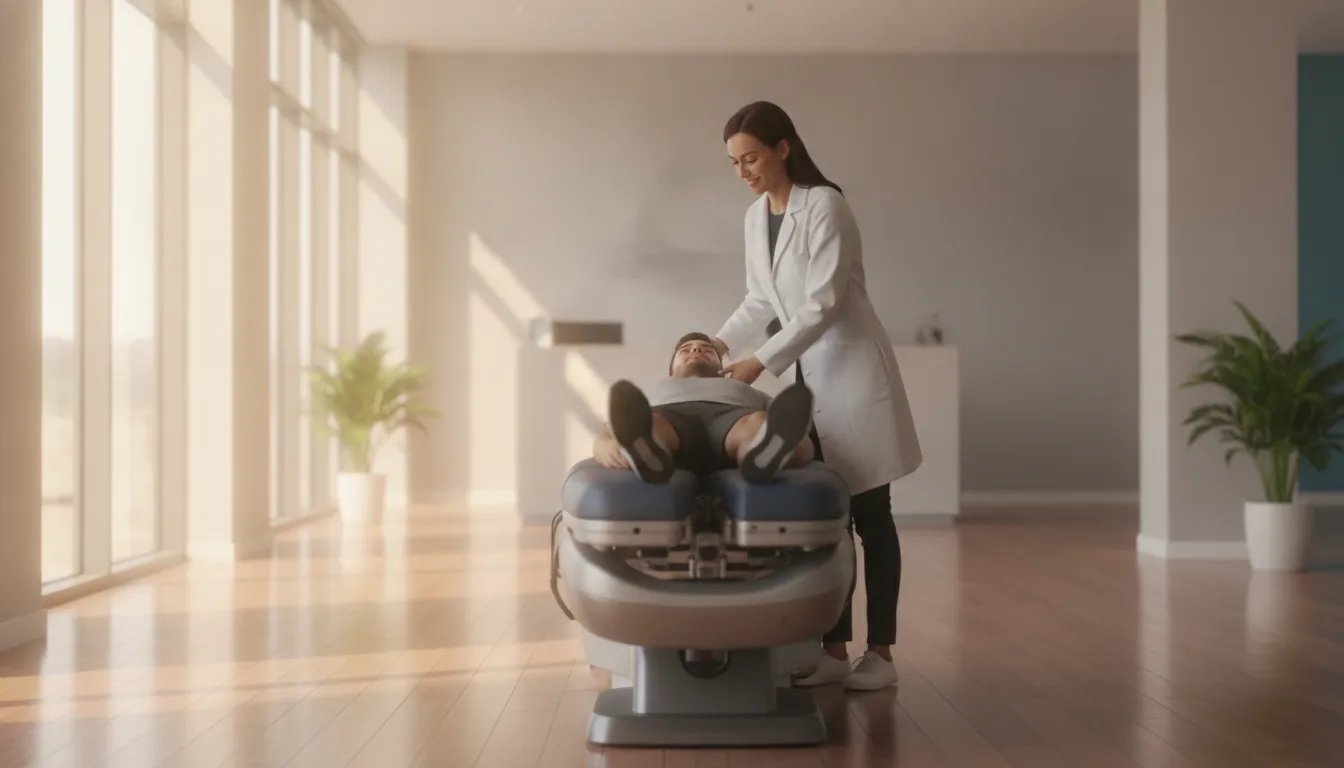
ESWT isn’t meant to replace your existing protocols; it’s designed to enhance them. Think of it as a powerful adjunct that can accelerate healing and produce better outcomes when combined with what you already do. For example, you can use shockwave therapy to break up adhesions and stimulate tissue repair before performing manual therapy or chiropractic adjustments. This combination can make your other treatments more effective and help patients find relief from stubborn conditions that haven't responded to other methods. By adding ESWT, you expand your toolkit for addressing the complex conditions we treat, giving you another way to facilitate the body’s healing process.
Considering Patient Volume and Demographics
Let's talk about the business side. ESWT is considered a premium service, and practices often structure pricing accordingly, with sessions typically falling in the $100 to $250 range. While the initial equipment cost is a significant investment, the return can be impressive. Even with just a handful of patients each month, you can generate substantial revenue. For example, ten patients opting for a three-session package could bring in thousands of dollars. Consider your patient demographics: Do you treat athletes, weekend warriors, or individuals with chronic tendinopathies? If your practice already attracts patients seeking solutions for these issues, you have a built-in audience for shockwave therapy, making it a financially sound addition to your services.
Related Articles
- Discover SoftWave TRT Therapy
- SoftWave Tissue Regeneration Therapy in Tampa
- What Is Soft Tissue Therapy? A Complete Guide
- The Ultimate Guide to Myofascial Release Therapy
- Spinal Rehabilitation: A Complete Patient's Guide
Frequently Asked Questions
How can I ensure my patients are comfortable during an ESWT session? The term "shockwave" can sound a bit intense, but the treatment itself is non-invasive. Most patients describe it as a strong, tapping sensation. The key to a comfortable session is communication. Modern devices give you complete control over the energy intensity, so you can start at a lower level and gradually increase it based on your patient's feedback. By talking with them throughout the short session, you can find a level that is both therapeutically effective and well-tolerated.
Should I start with a radial or a focused device for my practice? This really depends on the types of conditions you see most often. Think of a radial device as your versatile workhorse; it’s excellent for more superficial issues and larger muscle areas, like trigger points or tennis elbow. A focused device is more of a specialist, designed to target deep, specific problems like calcific deposits. If your budget allows, a combination device offers the most flexibility and prepares you to treat the widest range of patient issues, but if you have to choose one, let your primary patient base guide your decision.
Is investing in an ESWT device actually profitable for a clinic? Yes, it absolutely can be. Because ESWT is a specialized modality that addresses the root cause of stubborn conditions, you can position it as a premium service. Most successful clinics create treatment packages of three to five sessions, which encourages patient commitment and creates a predictable revenue stream. Before you make a purchase, you can estimate your return by calculating how many treatment packages you would need to sell per month to cover your equipment costs. You might be surprised at how quickly it can become a valuable financial asset to your practice.
How does ESWT work alongside other treatments like manual therapy or adjustments? ESWT is a fantastic complementary tool, not a replacement for your existing skills. You can use it to prepare tissue for other treatments. For example, applying shockwave therapy before an adjustment can help release tight muscles and adhesions, potentially making your manual work more effective and comfortable for the patient. It enhances your current protocols by stimulating blood flow and kickstarting the body's healing process, which can lead to better, faster outcomes for your patients.
Beyond the technology, what's the most critical thing to look for in a manufacturer? When you buy an ESWT device, you're really choosing a long-term partner for your practice. The most critical factor beyond the machine itself is the quality of the manufacturer's training and support. Look for a company that provides comprehensive, hands-on clinical training for your team. You also want a partner that offers ongoing education, shares proven treatment protocols, and provides a solid warranty with a responsive service team. This support system is what will give you the confidence to use the technology effectively for years to come.