For those of us in the Tampa area, finding a healthcare approach that truly listens and digs deeper can feel like a quest. When you finally find a path like functional medicine that resonates with you, the next question is often about affordability. This is where your Health Savings Account becomes your greatest ally. It’s a resource that allows you to direct your own funds toward the care you believe in. You can absolutely use your HSA to pay for services that address chronic issues from the inside out. The key is partnering with a local, HSA eligible holistic doctor who understands the process. Let’s walk through how you can use your account for your care right here in Tampa.
Key Takeaways
- Focus on Medical Necessity: Your HSA funds can be used for many holistic treatments, like chiropractic or functional medicine, provided they are for treating a specific, diagnosed health condition. Services for general wellness typically do not qualify, so the treatment must be tied to a medical need.
- Keep Detailed Records: For a smooth process, always get an itemized receipt for every service. For treatments like therapeutic massage or nutritional counseling, you will likely need a Letter of Medical Necessity from your provider to prove the service is essential for your care plan.
- Verify Before You Pay: Before your appointment, contact your HSA administrator to confirm a service is an eligible expense and ask what documentation they require. Understanding your plan's specific rules ahead of time prevents future issues and allows you to use your health savings with confidence.
Can You Use Your HSA for Holistic Care?
Yes, you absolutely can use your Health Savings Account (HSA) for many holistic and functional medicine services. These accounts are designed to give you more control over your health spending, and that includes putting pre-tax dollars toward treatments that address the root cause of your health concerns. It’s a common question we get, and the answer is often more straightforward than you might think.
While it’s not a simple blanket “yes” for every single service, the process is very manageable. The key is understanding a few rules the IRS has in place. It generally comes down to whether the service is considered “medically necessary,” who is providing the service, and the type of spending account you have. Let’s walk through what you need to know to confidently use your HSA funds for your holistic health journey.
Understanding the "Medically Necessary" Rule
The most important factor for HSA eligibility is whether a service is "medically necessary." This means the treatment must be for the diagnosis, cure, mitigation, or prevention of a specific disease or health condition. It can't be for something that only promotes general well-being, like a spa day. For some services, like advanced lab tests or specific supplements, you might need a letter from your provider explaining why the service is medically necessary to treat your condition. At Ascend, our team is experienced in providing the proper documentation to show that our functional medicine protocols are a direct part of your prescribed care plan.
Does Your Provider Type Affect Eligibility?
Many people wonder if the type of provider, such as a chiropractor or nutritionist, affects whether a service is an eligible expense. The good news is that the IRS is typically more focused on the service itself rather than the provider’s title. As long as the care is intended to treat a medical condition, it can be a qualified expense. Health Savings Accounts are particularly useful for alternative therapies, allowing you to pay for treatments like acupuncture or chiropractic care. The key is that the provider is licensed and the service is part of a plan to address a specific health issue, not just for general health improvement.
HSA vs. FSA vs. HRA for Holistic Health
It’s helpful to know the difference between the types of health spending accounts. Both HSAs and FSAs are pre-tax accounts that help you pay for eligible medical expenses. An HSA (Health Savings Account) is an account you own, and the funds roll over each year. An FSA (Flexible Spending Account) is an employer-owned account, and you typically have to use the funds within the plan year. An HRA (Health Reimbursement Arrangement) is funded and owned entirely by your employer. While all can be used for holistic care, be aware that you cannot use a Limited-Purpose FSA or a Dependent Care FSA for holistic healer services. HSAs generally offer the most flexibility for pursuing holistic and functional medicine.
What Holistic Services Can Your HSA Cover?
One of the best things about having a Health Savings Account is the flexibility it offers. You can use your pre-tax dollars on a wide range of services that go beyond conventional check-ups. Many people are pleasantly surprised to find that their HSA can be used for holistic and functional treatments designed to address the root cause of their health concerns. If a service is considered "medically necessary" to treat, prevent, or diagnose a condition, there's a good chance it's an eligible expense. This opens up a world of possibilities for taking control of your health in a way that feels right for you. Let's look at some of the most common holistic services you can pay for with your HSA.
Chiropractic Care
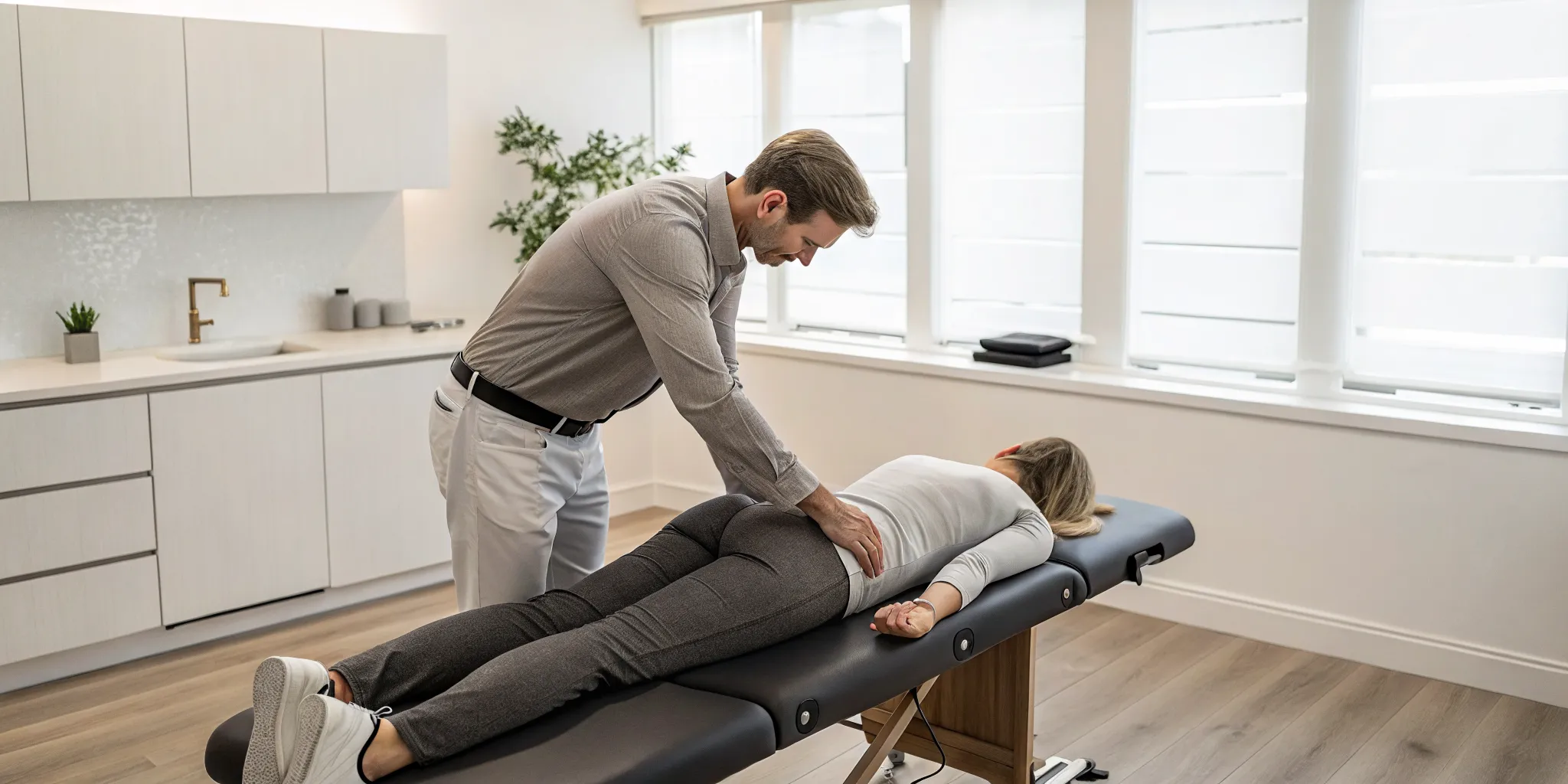
If you're seeing a chiropractor to address a specific health issue like back pain, neck pain, or headaches, you're in luck. Ongoing medical services like chiropractic care are widely accepted as a qualified HSA expense. This allows you to use your funds for adjustments, spinal decompression, and other corrective treatments that are part of your care plan. Instead of just paying out-of-pocket, you can use your tax-advantaged account to invest in your spinal health and overall physical well-being. This is especially helpful for maintaining consistent care that helps your body heal and function optimally over the long term.
Acupuncture
Acupuncture is another popular alternative therapy that your HSA will often cover. The key is that the treatment must be for a specific medical purpose, such as managing chronic pain, alleviating nausea, or addressing infertility, rather than for general wellness. The IRS includes acupuncture in its list of eligible medical expenses, making it a straightforward and accepted use of your funds. When you see a licensed practitioner for a diagnosed condition, you can confidently use your HSA card to pay for your sessions. This makes it much more accessible to explore therapies that can complement your primary treatment plan and support your body’s natural healing processes.
Functional Medicine Consultations and Lab Work
Many people don't realize that their HSA can be a powerful tool for exploring their health on a deeper level. You can absolutely use your HSA to pay for functional medicine services, including initial consultations and follow-up appointments. Even better, the advanced diagnostic lab work that is often central to functional medicine, like comprehensive blood panels or stool tests, is also an eligible expense. These tests are vital for uncovering the underlying causes of complex health issues. Using your HSA for these services allows you to invest in a truly personalized approach to your health without the full financial burden.
Nutritional Counseling
Using your HSA for nutritional counseling can be a bit nuanced, but it's often possible. The main requirement is that the counseling must be prescribed by a provider to treat a specific, diagnosed medical condition. For example, if your provider recommends a specific dietary plan to manage a condition like an autoimmune disorder, digestive issue, or heart condition, the associated counseling fees are typically eligible. However, nutritional guidance for general wellness or weight management usually isn't covered. To be safe, you’ll want to get a Letter of Medical Necessity from your provider to confirm that the counseling is essential to your treatment plan.
Massage Therapy
While a massage for general relaxation isn't an eligible HSA expense, a therapeutic massage prescribed by a provider certainly can be. If you need massage therapy to relieve muscle tension from an old injury, manage chronic back pain, or address another specific physical ailment, you can use your HSA funds to cover the cost. Similar to nutritional counseling, this almost always requires a Letter of Medical Necessity. This letter from your provider will outline the medical reason for the massage and connect it directly to the treatment of your condition, making it a legitimate and qualified expense in the eyes of the IRS.
Services That Usually Aren't Covered
It's just as important to know what your HSA won't cover to avoid any issues. Generally, expenses for overall wellness are not eligible. This includes things like standard gym memberships, general fitness programs, and most supplements purchased for non-medical reasons. While your provider may recommend specific, high-quality nutraceuticals as part of your treatment plan, vitamins for general health are typically excluded. The guiding principle is always medical necessity. If a service or product is primarily for improving your general well-being rather than treating a specific condition, you should plan to pay for it with a different account.
How to Confirm and Document Your HSA-Eligible Care
Using your HSA for holistic care is absolutely possible, but it requires a bit of due diligence on your part. Think of it as being the project manager of your own health journey. By taking a few proactive steps to confirm eligibility and keep good records, you can make the process seamless. This ensures you can focus on what truly matters: feeling your best. Here’s how to make sure your holistic treatments are properly documented for your HSA.
Check IRS Guidelines for Qualified Expenses
The first step is to understand the official rules. The IRS is the ultimate authority on what counts as a qualified medical expense, and these guidelines can change. For a service to be eligible, it generally must be for the diagnosis, cure, mitigation, treatment, or prevention of a disease. While many holistic services like chiropractic care and acupuncture are often approved, it’s always smart to check the latest IRS publications. This will give you a strong foundation of knowledge before you book an appointment or speak with your HSA administrator, so you know what questions to ask.
Talk to Your HSA Administrator
If you have any doubts, go straight to the source. Your HSA administrator is there to help you understand the specifics of your plan. They can clarify what their requirements are for reimbursement and whether a particular service is typically approved. Don't hesitate to call the number on the back of your HSA card and ask directly, "I'm considering functional medicine services to address a specific health condition. What documentation do you require for that to be considered an eligible expense?" They can provide the clarity you need and help you avoid any surprises down the road.
Review Your Specific Plan Documents
While the IRS sets the national standard, your specific HSA plan might have its own set of rules. Some employers who contribute to HSAs can add their own stipulations about what is and isn't an eligible expense. That's why it's so important to read your plan documents carefully. Look for sections on eligible expenses or reimbursement procedures. This document is your personal rulebook for your account. Taking 15 minutes to review it can save you a lot of time and potential headaches later, ensuring you’re fully aligned with your plan’s requirements.
Ask Your Provider for a Letter of Medical Necessity
This is one of the most powerful tools you have. For many holistic and functional medicine services, your HSA may require a Letter of Medical Necessity (LMN) from your provider. This is a formal letter that explains why a specific treatment, test, or even a supplement is necessary to address your health condition. For example, if your provider at Ascend recommends specific lab work or a nutritional protocol, an LMN connects that service directly to your diagnosis. We are very familiar with this process and are happy to provide this documentation to support your health journey.
Know What Paperwork to Keep
Meticulous record-keeping is your best friend when using an HSA. After you pay for a service, always ask for an itemized receipt. This is different from a standard credit card slip; it should detail the specific service you received and the cost. If you needed a Letter of Medical Necessity, keep a copy of it with the corresponding receipt. Create a dedicated folder (digital or physical) for all your HSA-related paperwork. This organization makes it easy to submit for reimbursement or prove your expenses if the IRS ever has questions.
A Step-by-Step Guide to Using Your HSA for Holistic Treatments
Using your Health Savings Account (HSA) for holistic care is a fantastic way to invest in your long-term well-being. It allows you to use pre-tax dollars for services that get to the root cause of your health concerns. While it might seem complicated at first, the process is usually quite simple. Think of it as just a few extra steps to make sure everything is documented correctly. This guide will walk you through exactly how to use your HSA funds for treatments like chiropractic care, functional medicine, and more, so you can focus on what truly matters: your health.
Step 1: Confirm You Have an HSA-Compatible Plan
First things first, you need to make sure you have the right type of health plan. To contribute to an HSA, you must be enrolled in a high-deductible health plan (HDHP). These plans typically have lower monthly premiums and higher deductibles. If you’re not sure whether your plan is an HDHP, the best place to check is with your benefits administrator or by looking at your plan documents. Confirming you have an HSA-compatible plan is the essential starting point before you can begin using those pre-tax funds for your health journey.
Step 2: Verify the Service Is Eligible
The great news is that many holistic health services are considered qualified medical expenses. You can often use your HSA or other accounts like an FSA to pay for services from holistic healers. This includes many of the treatments we offer at Ascend Functional Health, such as chiropractic adjustments, functional medicine consultations, and acupuncture. Before booking your appointment, it’s always a good idea to double-check. You can review the list of eligible expenses from your HSA administrator or give them a quick call to confirm that the specific service you need is covered.
Step 3: Get a Letter of Medical Necessity (If Needed)
For some services, your HSA administrator might ask for a bit more information to prove the treatment is medically necessary. This is most common for things like specialized lab tests, nutritional supplements, or therapeutic massage. In these cases, you’ll need a Letter of Medical Necessity (LMN) from your provider. This is simply a formal letter explaining why a particular service or product is needed to diagnose or treat your health condition. Our team at Ascend is experienced with this process and can provide the necessary documentation for your functional medicine protocol.
Step 4: Pay for Your Treatment and Keep the Itemized Receipt
When it’s time to pay, you can often use your HSA debit card directly at our clinic. If you choose to pay with a personal card or cash instead, it is crucial that you keep the itemized receipt. A standard credit card slip won’t be enough for reimbursement. An itemized receipt should clearly list the date of service, the specific treatment you received, the cost, and the provider’s name and address. This detailed receipt is the proof you’ll need to get your money back from your HSA, so be sure to ask for one at the front desk before you leave.
Step 5: Submit for Reimbursement
If you paid out-of-pocket, the final step is to submit for reimbursement from your HSA. Most HSA administrators have an online portal where you can log in and upload a copy of your itemized receipt. The process is usually quick, and the funds are typically deposited directly into your bank account. If you used your HSA debit card for the payment, you’re all set. However, it’s still a smart practice to save your itemized receipts for your records, just in case you ever need to verify the expense for tax purposes down the road.
Common HSA Mistakes to Avoid
Many people believe HSAs are only for those with frequent medical needs, but that’s a common HSA misconception. An HSA is a powerful tool for anyone with a qualifying health plan, as the funds roll over year after year and grow tax-free. Another thing to remember is that your HSA isn't a "use it or lose it" account like an FSA. Any money you don’t spend can continue to grow. After you turn 65, you can even withdraw the funds for any reason without a penalty, similar to a traditional IRA, making it a great long-term savings vehicle.
Related Articles
- How to Find a Functional Medicine Doctor: A Guide
- Spinal Health Chiropractic: A Complete Guide
- Functional Medicine in Tampa | Root Cause Care | Ascend Functional Health
- Expert Acupuncture Services in Tampa | Alessi Functional Health
- Physical Medicine in Tampa | Chiropractic & Rehab Care | Ascend Functional Health
Frequently Asked Questions
Can I use my HSA for any holistic service I want? Not exactly. The key factor is whether the service is considered "medically necessary." This means the treatment must be for a specific health condition, not just for general wellness. For example, a massage to relieve chronic back pain prescribed by your provider would likely be eligible, but a massage for simple relaxation would not. The rule of thumb is that if the service is part of a direct plan to treat, prevent, or diagnose a condition, you can likely use your HSA funds for it.
What is a Letter of Medical Necessity and when do I need one? A Letter of Medical Necessity, or LMN, is a formal note from your provider that explains why a specific service is essential for your treatment. You won't need it for every service, but it's often required for treatments that can be for either medical care or general wellness, like therapeutic massage or nutritional counseling. It’s also helpful for justifying advanced lab work or specific supplements. This letter connects the service directly to your diagnosis, making it a clear and qualified expense for your HSA administrator.
Can I use my HSA to pay for supplements or nutritional counseling? Yes, you often can, but there are conditions. For nutritional counseling to be an eligible expense, it must be prescribed by a provider to treat a diagnosed medical condition, such as a digestive disorder or an autoimmune disease. The same principle applies to supplements. While general vitamins for overall health are not covered, specific nutraceuticals recommended by your provider as part of your treatment protocol for a specific condition are usually eligible, especially with a Letter of Medical Necessity.
What's the main difference between using an HSA and an FSA for these treatments? Both accounts let you use pre-tax money for health expenses, but the biggest difference is ownership and flexibility. An HSA (Health Savings Account) is an account you own, and the funds roll over every year, so you never lose them. An FSA (Flexible Spending Account) is owned by your employer, and you typically must use the funds within the plan year. Because HSAs are your personal funds and they don't expire, they generally offer more freedom for planning and paying for ongoing holistic care.
What's the most important piece of paperwork to keep after my appointment? Always ask for an itemized receipt. This is different from a standard credit card slip because it details the specific service you received, the date, and the cost. This receipt is your proof of a qualified medical expense. Whether you pay with your HSA card or with personal funds for later reimbursement, having this detailed record is essential. It’s the documentation you’ll need if you ever have to verify the expense with your HSA administrator or for tax purposes.