Feeling truly well is about more than just the absence of pain; it’s about your body moving with ease and strength. When chronic tightness holds you back, it can feel like you’re fighting against your own body. Myofascial release is a gentle yet powerful therapy that works with your body to restore balance. It focuses on the fascial network, the connective tissue that can hold onto tension from old injuries, stress, or even poor posture. By releasing these restrictions, we can improve your mobility and reduce discomfort. If you’re ready to stop fighting and start working in partnership with your body, the first step is to book a myofascial release session with a therapist who understands this holistic approach.
Key Takeaways
- Focus on Fascia, Not Just Muscle: Myofascial release is a specialized therapy targeting the body's connective tissue (fascia) with slow, sustained pressure. This approach addresses the underlying source of stiffness and discomfort for more effective results than a standard massage.
- Improve More Than Just Pain: This therapy offers a wide range of benefits, including better mobility, increased flexibility, and reduced physical stress. By releasing fascial restrictions, you can improve your body's overall function and ease of movement.
- A Plan is Crucial for Lasting Change: Lasting relief from chronic issues requires a consistent approach. A single session can help, but a personalized plan developed with a qualified therapist over several appointments is the best way to address long-held tension.
What Is Myofascial Release?
If you're dealing with persistent tightness, pain, or restricted movement, you may have heard about myofascial release. This hands-on therapy is a gentle yet effective way to address discomfort by focusing on the body's connective tissue. It’s a specialized approach that goes beyond surface-level muscle work to get to the source of the problem, helping your body move more freely and feel better. By applying slow, sustained pressure to stiff areas, a trained therapist can help release tension that you might not have even known was there.
Understanding Fascia and Its Role in Your Body
Think of fascia as a thin, strong, web-like suit that runs throughout your entire body. This connective tissue wraps around every muscle, bone, nerve, and organ, providing structure and support. When your fascia is healthy, it’s flexible and pliable, allowing you to move without restriction. However, things like physical trauma, inflammation, or even prolonged poor posture can cause the fascia to become tight and stiff. This creates adhesions or "knots" that can pull on your body, causing pain and limiting your range of motion. Many of the conditions we treat are linked to these fascial restrictions.
A Look at Common MFR Techniques
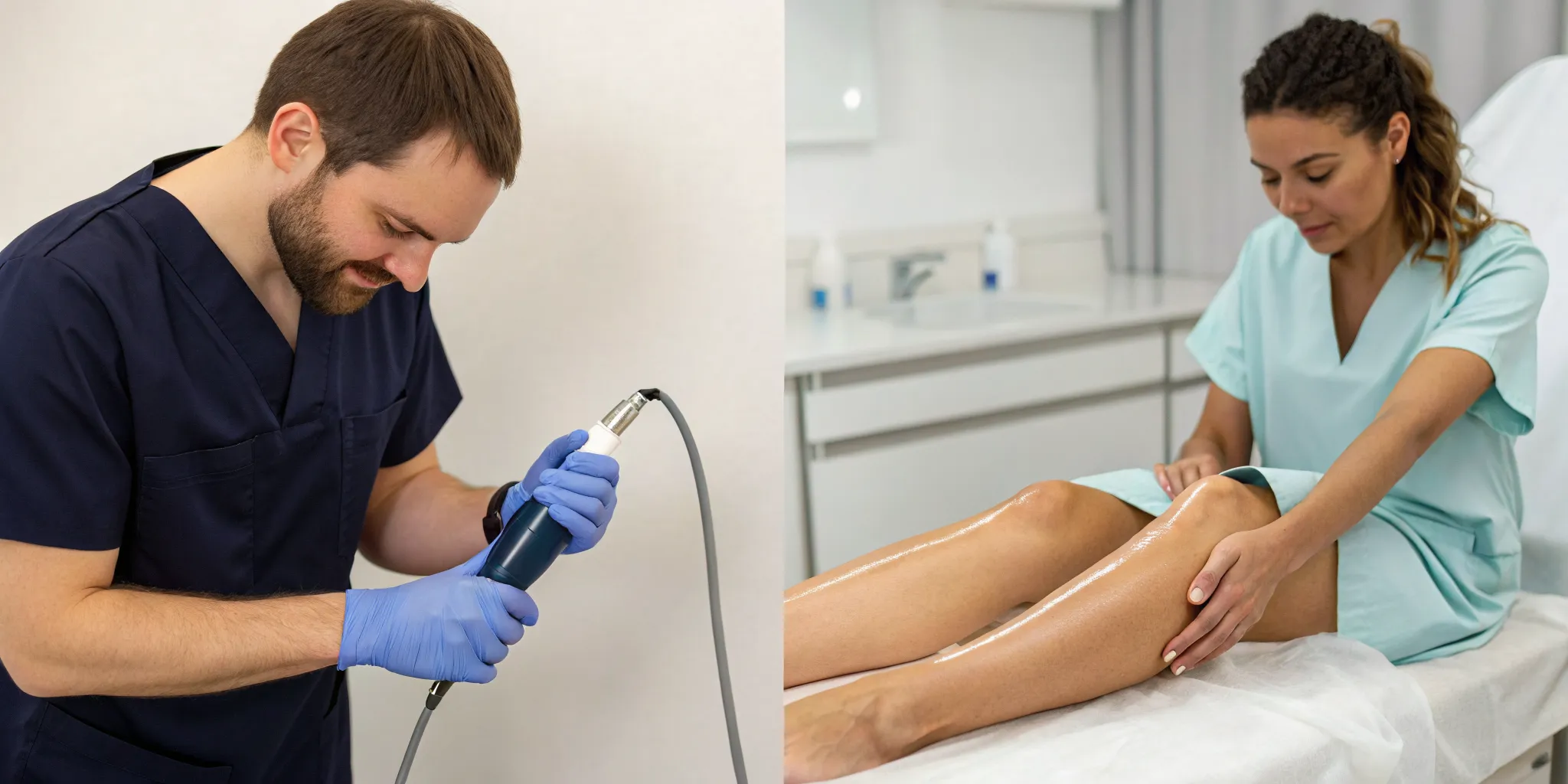
Myofascial release is a very interactive process. A skilled therapist uses their hands to slowly feel for areas where the fascia feels tight and restricted. Healthy fascia should feel supple and elastic, so these stiff spots are easy for a trained professional to identify. Once a restriction is found, the therapist will apply gentle, sustained pressure to the area. This isn't a forceful technique; instead, the slow pressure allows the fascia to elongate and release naturally. The goal is to stretch and smooth out these tough, bound-up areas, which helps restore movement and reduce the sensation of tightness. This is a key component of our physical medicine services.
MFR vs. Massage: What's the Difference?
Many people wonder how myofascial release differs from a standard massage. While both are hands-on therapies that can feel great, their goals are quite different. A traditional massage typically focuses on the muscles, aiming to promote relaxation and ease general muscle soreness. It often involves kneading and gliding motions to work out tension. Myofascial release, on the other hand, specifically targets the fascial system. It uses sustained pressure to address the root cause of tightness and pain, rather than just the symptoms. This focus on the connective tissue is what can lead to more lasting relief and improved mobility, aligning with our holistic approach to wellness.
The Core Benefits of Myofascial Release
Myofascial release is more than just a way to address sore muscles; it’s a therapeutic approach that can create significant, positive changes throughout your body. By targeting the fascial system, this hands-on technique offers a range of benefits that support your overall health and well-being, from relieving persistent pain to enhancing your body's natural movement. It’s a key part of a comprehensive physical medicine plan designed to address the root cause of your discomfort. Let's explore some of the core benefits you can expect.
Ease Pain and Support Recovery
One of the most celebrated benefits of myofascial release is its ability to alleviate pain. When your fascia becomes tight or restricted, often due to injury, repetitive motion, or stress, it can create painful trigger points and limit blood flow to the area. This can lead to chronic discomfort and slow down your body's healing process. MFR works by applying gentle, sustained pressure to these tight spots, helping to stretch and relax the fascia. This process not only helps release the tension causing the pain but also improves circulation, allowing essential nutrients to reach the tissue and support a more efficient recovery.
Improve Your Mobility and Flexibility
Feeling stiff or finding that your movements are more limited than they used to be? Tight fascia could be the culprit. Because fascia encases your muscles and connects everything in your body, restrictions in one area can pull on others, limiting your full range of motion. Myofascial release helps to restore the natural glide between your tissues, allowing your muscles to move more freely and fully. As the fascia becomes more pliable, you’ll likely notice an increase in your flexibility and an improved ability to move with ease, whether you're reaching for something on a high shelf or enjoying your favorite physical activities. Many of the conditions we treat involve some level of restricted mobility that MFR can help address.
Reduce Muscle Tension and Stress
If you carry stress in your shoulders or clench your jaw, you know how physical tension can build up from emotional strain. Myofascial release is a gentle, hands-on therapy that directly targets this accumulated tension. By releasing the physical knots and tightness held in your muscles and fascia, MFR can have a profound calming effect on your entire nervous system. This helps to break the cycle where stress causes muscle tension, and that tension, in turn, makes you feel more stressed. It's an effective way to address chronic tension patterns, which can be a major contributor to issues like persistent headaches and migraines.
Experience Benefits Beyond Physical Relief
Sometimes, the benefits of releasing physical tension go deeper than just the muscles and tissues. Our bodies can hold onto the effects of past experiences and emotions, often manifesting as chronic tightness in the fascia. As a therapist works to release these long-held physical restrictions, it’s not uncommon to experience a corresponding sense of emotional release or a feeling of lightness. This mind-body connection is a powerful aspect of healing. Addressing the physical patterns can help create space for greater emotional well-being, aligning perfectly with a holistic approach that recognizes how interconnected our physical and emotional health truly is. This philosophy is central to our approach at Ascend Functional Health.
Is Myofascial Release Right for You?
Myofascial release is an incredibly versatile therapy, but is it the right tool for you and your specific health goals? If you're feeling stuck with persistent pain, stiffness, or a feeling that your body just isn't moving the way it should, MFR could be a key part of your solution. It’s designed to address the root of the problem within your connective tissue, making it a powerful option for many of the chronic conditions we treat.
However, it’s not a one-size-fits-all fix. The best way to know for sure is to understand what MFR excels at treating and when you might need to take a different approach. A successful wellness plan is all about finding the right therapies for your unique body and situation. Let’s explore who can benefit most from myofascial release and a few things to keep in mind before you book your first session.
Conditions MFR Can Address
Myofascial release is particularly effective for people dealing with chronic pain and movement limitations. If you're struggling with issues like fibromyalgia, persistent headaches, or poor posture from sitting at a desk, MFR can offer significant relief. It’s also a go-to therapy for athletes looking to support their recovery and prevent injury. The goal of MFR is to help your body’s tissues heal and reduce pain signals. By releasing tension in the fascia, we can help you regain your full range of motion and improve your strength, allowing you to move more freely and comfortably. This is a cornerstone of our Physical Medicine approach.
When to Approach MFR with Caution
While MFR is very safe, it’s important to work with a provider who understands your full health picture. Because it is a hands-on therapy, it’s most effective and safe when performed by a trained professional who can adapt the technique for you. There are certain situations where MFR may need to be modified or postponed, such as over an open wound, an area with an active infection, or for individuals with specific health conditions. This is why a thorough consultation is always our first step. It’s also helpful to remember that if your problems are severe or have been present for a long time, you will likely benefit most from a series of treatments rather than a single session. If you have any questions about your specific situation, please contact us to discuss your concerns.
Your First Myofascial Release Session: What to Expect
Deciding to try a new therapy can feel like a big step, especially when you’re not sure what it involves. Knowing what will happen during your first myofascial release (MFR) session can help you relax and get the most out of the experience. Think of it as a partnership between you and your therapist, working together to help your body feel and function its best. From the initial chat to the hands-on work, every part of the session is designed to address your specific needs and start you on a path toward relief.
The Initial Consultation
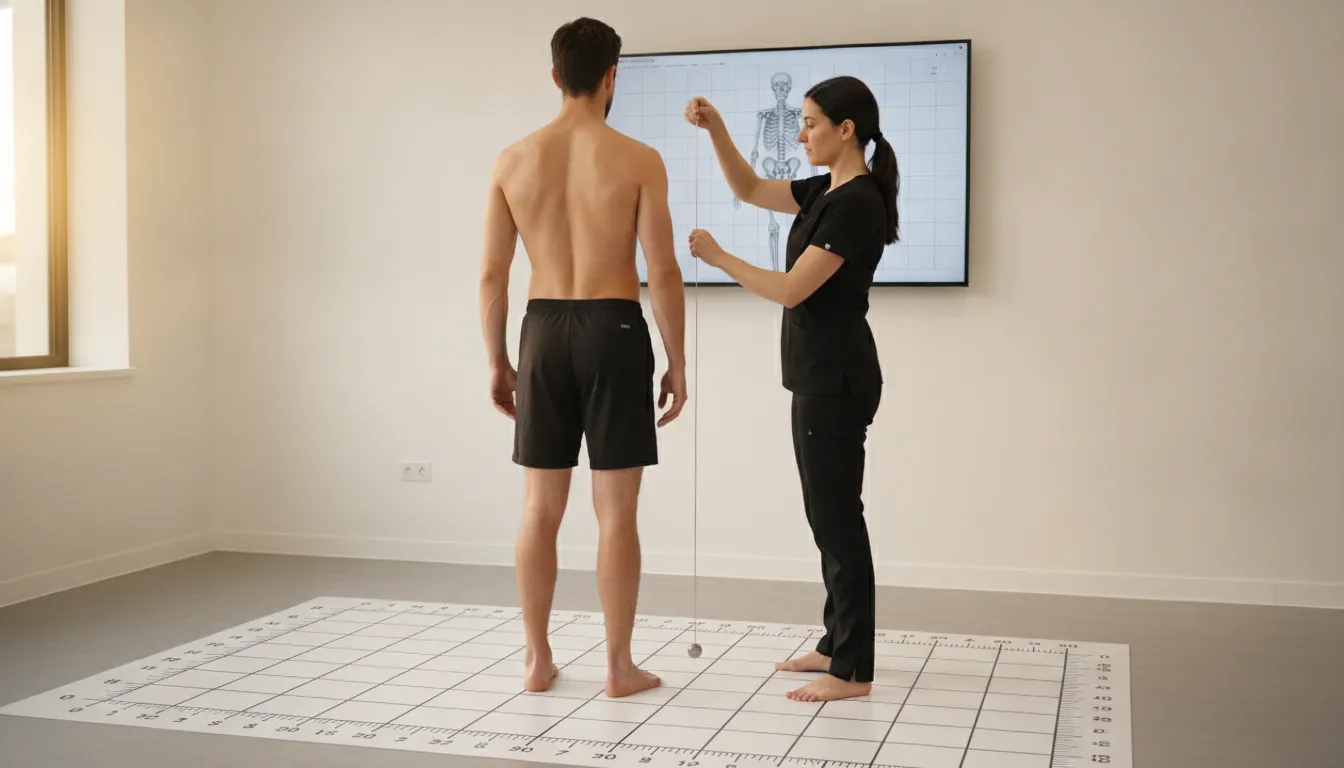
Your first session will likely last about an hour, and it all starts with a conversation. We’ll begin by discussing your health history, any current pain or stiffness you're experiencing, and what you hope to achieve. This conversation is crucial because it helps us see the complete picture of your health, which is a core part of our functional medicine philosophy. After our talk, your therapist will perform a gentle assessment to identify specific areas of fascial restriction in your body. This allows us to create a personalized plan and ensures the hands-on treatment is focused right where you need it most.
During the Hands-On Treatment
Once you’re comfortable, the hands-on portion of your session will begin. Myofascial release is a gentle yet powerful technique. Your therapist will apply sustained, gentle pressure to tight areas, allowing the fascia and underlying muscles to slowly release. Unlike some massages that use rapid strokes, MFR involves slow, deliberate stretching that can range from mild to deep. Your therapist will feel for restrictions and wait for the tissue to soften. Communication is key here, so feel free to share what you’re feeling. This feedback helps your therapist adjust the pressure and technique to ensure you’re comfortable throughout the process.
How to Prepare for Your Appointment
Preparing for your MFR session is simple. The most important thing is to wear comfortable, loose-fitting clothing that you can move in easily, like athletic shorts and a tank top or sports bra. It’s also a great idea to hydrate well by drinking plenty of water before you arrive. Try to come with an open mind and be ready to tune into your body. Taking a few moments to think about your goals for the session can also be helpful. Are you dealing with persistent shoulder stiffness or lower back pain? Knowing your priorities helps your therapist tailor the session to you.
After Your Session: Self-Care Tips
The benefits of your MFR session don’t have to end when you walk out the door. To make the relief last, it’s important to continue with some self-care at home. Drinking extra water after your session helps your body process the changes and flush out metabolic waste. You might feel a little sore, similar to how you feel after a good workout, which is completely normal. To support your body’s healing, we often recommend gentle stretches and other supportive habits. Lasting relief comes from combining treatments like MFR with a consistent physical medicine plan that addresses posture and movement patterns.
Common Myofascial Release Myths, Busted
Myofascial release is a powerful tool for healing, but it’s also surrounded by a lot of confusion. If you’ve heard things that make you hesitant to try it, you’re not alone. Let’s clear the air and look at some of the most common myths about MFR. Understanding the truth behind this therapy can help you decide if it’s the right next step for your health journey.
Getting the facts straight is the first step toward feeling better. We believe in empowering you with clear, honest information so you can make confident choices about your care. Let's bust a few myths together.
Myth: "It's Just a Deeper Massage"
While both MFR and massage are hands-on therapies that can feel great, they work in fundamentally different ways. A massage typically focuses on the muscles, working to ease general tension and soreness. Myofascial release, on the other hand, targets the fascia, the web of connective tissue that surrounds and supports every muscle, bone, and organ in your body.
When fascia becomes tight or restricted from injury, stress, or poor posture, it can cause pain and limit your movement. MFR uses slow, sustained pressure to gently stretch and release these restrictions. It’s a more targeted approach aimed at restoring the health of your entire connective tissue system, which is a key part of our physical medicine philosophy.
Myth: "It Has to Hurt to Work"
This is one of the biggest and most damaging myths out there. The idea of "no pain, no gain" does not apply to myofascial release. In fact, causing sharp pain can be counterproductive, making your muscles tense up to guard against the sensation. The goal of MFR is to encourage your body to let go of tension, not to force it.
Your therapist will use gentle, sustained pressure to engage the fascial barrier. It might feel like a deep stretch or a warming sensation, but it shouldn't be intensely painful. You are always in control, and communication with your provider is essential. A skilled therapist will listen to your body and adjust their technique to keep you comfortable while still achieving an effective release.
Myth: "One Session Will Fix Everything"
While you will likely feel some relief after your first session, it’s important to have realistic expectations. Fascial restrictions often develop over months or even years. Unwinding these patterns and retraining your body to function correctly takes time. Think of it less as a one-time fix and more as a process of healing and restoration.
For many people with ongoing issues, a series of sessions is needed to create lasting change. Your therapist will work with you to create a personalized plan. Typically, you might start with weekly sessions for a few weeks and then adjust the frequency as your body responds. This consistent approach helps address the root cause of your discomfort, which is central to how we treat chronic conditions.
Myth: "It's Only for Athletes"
Athletes certainly benefit from MFR for recovery and performance, but this therapy is for everyone. Do you sit at a desk all day? Do you have nagging pain from an old injury? Do you struggle with poor posture or chronic headaches? If so, you could likely benefit from myofascial release.
This therapy is incredibly effective for a wide range of people dealing with the physical stresses of daily life. It can help reduce tension, improve mobility, and restore balance to your body, whether you’re a marathon runner or a weekend gardener. Our goal is to provide a range of services that support the health of our entire community, not just a select few.
How Often Should You Get Myofascial Release?
One of the most common questions we hear is, "How often should I come in for myofascial release?" The honest answer is: it depends. Your body has a unique history and its own way of healing, so your treatment plan should be just as unique. The goal is to create a schedule that respects your body's pace while making real, lasting progress. Think of it as a collaborative process that moves from an intensive initial phase to a sustainable long-term plan designed to keep you feeling great.
Your Initial Treatment Phase
When you first start, think of it as building a foundation. We typically recommend more frequent sessions, often once a week for about four to six weeks. This consistency is key. It allows us to work through layers of fascial restriction that may have built up over years and gives your body the regular input it needs to start creating new, healthier patterns. During this phase, we can closely monitor your progress and see how your tissues are responding. This foundational work is a core part of our physical medicine approach, setting the stage for deeper, more lasting results.
Tailoring Frequency to Your Needs
Once you've completed the initial phase, we move toward a schedule that’s tailored specifically for you. This is where the personalization really shines. Based on your progress, your lifestyle, and your specific goals, we'll adjust the frequency. Some people find a bi-weekly session is perfect for continuing to resolve deeper issues, while others might be ready for a monthly appointment. We'll look at the full picture of the conditions we treat and how your body is adapting. This flexible approach ensures you're getting the exact amount of support you need, right when you need it.
Creating a Long-Term Wellness Plan
The ultimate goal is to empower you with a sustainable plan for long-term wellness. As your body finds its new balance, myofascial release becomes a tool for proactive self-care rather than just a response to discomfort. For many, this looks like a monthly or even quarterly session to maintain mobility and prevent old tension patterns from creeping back in. We'll also work with you on self-care strategies you can use between appointments. This maintenance phase is all about preserving your progress and keeping you active and feeling your best. When you're ready to build your own long-term wellness plan, you can contact us to get started.
Investing in Your Health: What to Expect
Committing to myofascial release is a proactive step toward long-term wellness. Think of it as an investment in your body's function and your overall quality of life. The path to feeling better is unique for everyone, so your treatment plan will be tailored specifically to you. The structure, frequency, and duration of your sessions will depend entirely on your body's needs and your personal health goals.
At Ascend Functional Health, we see this as a partnership. We work with you to understand the root cause of your discomfort and create a clear, actionable plan to help you feel your best. Let’s look at what you can expect when you begin your MFR journey.
Understanding Session Structures
Your first myofascial release session is all about discovery. It typically lasts about an hour and begins with a conversation about your health history and what you're experiencing. This is followed by a physical assessment to identify areas of tightness and restriction. The remainder of the session is dedicated to your first hands-on treatment.
MFR involves applying gentle, sustained pressure to the fascia, the connective tissue that surrounds your muscles. This hands-on approach helps release tension and improve mobility. Our physical medicine services are designed to be a collaborative process, and your therapist will communicate with you throughout the session to ensure you are comfortable.
Factors That Influence Your Investment
How often you receive MFR isn't based on a rigid formula. Instead, it’s determined by several personal factors. The duration and intensity of your symptoms play a significant role; a recent issue may resolve more quickly than a chronic one you’ve had for years. Your overall health and your body's unique ability to heal also influence the recommended frequency.
Your therapist will consider all these elements when creating your plan. As you progress, your plan may be adjusted based on how your body responds to the treatment. This personalized approach ensures you are always on the most effective path for your specific health conditions.
Single Sessions vs. Comprehensive Plans
While a single MFR session can offer noticeable relief, especially for acute tension, lasting change for chronic issues often requires a more consistent approach. For ongoing problems, many people find that starting with weekly sessions for the first four to six weeks provides a strong foundation for healing. From there, your therapist will assess your progress and adjust the frequency.
A comprehensive plan might involve weekly or bi-weekly sessions for a period of four to twelve weeks. This structured approach allows your therapist to address deeper layers of fascial restriction and helps your body adapt to new, healthier patterns of movement. To learn what a personalized plan could look like for you, we invite you to contact our Tampa office to begin the conversation.
Finding the Right Myofascial Release Therapist
Choosing a therapist is just as important as choosing the therapy itself. The right practitioner can make all the difference in your healing journey, providing not only skilled hands-on treatment but also guidance and support. To get the best results, you need someone with the right training, a philosophy that aligns with your goals, and a professional approach that makes you feel comfortable and confident in your care.
Key Credentials to Look For
When you’re looking for a provider, start with their qualifications. You want to see that they have completed specialized training and are certified in myofascial release techniques. This certification shows that a therapist has gone through extensive, hands-on education and is committed to upholding high standards of practice. It’s a key indicator that they have a deep understanding of the fascial system and know how to apply MFR safely and effectively. Don't hesitate to look for these credentials on their website or ask about them directly. It’s your body, and you deserve a practitioner who has invested in their expertise.
Important Questions to Ask Your Provider
Finding the right fit goes beyond a list of credentials. You should feel comfortable having a conversation with your potential therapist to see if their approach resonates with you.
Before you book, consider asking:
- What is your experience with myofascial release?
- Can you explain your treatment philosophy?
- How do you create a treatment plan for a new client?
A great therapist will welcome these questions. Their answers will give you insight into how they work and whether they view you as a partner in your own health. This conversation is your opportunity to ensure you’re choosing someone who will listen to your needs and tailor their approach accordingly.
Potential Red Flags to Consider
Just as there are green flags to look for, there are also red flags to watch out for. Be cautious of any practitioner who makes grand promises about "curing" you in one session or who dismisses your questions. A true professional will be transparent and realistic about what you can expect. Another warning sign is a lack of a thorough initial assessment. Your therapist should be interested in your health history and your goals before beginning any hands-on work. They should be able to provide a clear treatment plan and explain their methods, ensuring you feel informed and comfortable every step of the way.
The Advantage of a Functional Health Approach
A therapist who uses a functional health approach can take your MFR results to the next level. Instead of just treating the tight muscle or painful area, this approach looks at the whole person to understand why the dysfunction is happening in the first place. It considers how factors like your lifestyle, nutrition, and even stress levels might be contributing to your physical symptoms. By integrating these principles, a therapist can help you address the underlying causes of your pain. This creates a more comprehensive and lasting path to wellness, making myofascial release part of a bigger strategy for a healthier, more resilient you.
Ready to Try Myofascial Release in Tampa?
If you're feeling inspired to see how myofascial release can fit into your wellness routine, the next step is finding the right support. Taking the time to choose a qualified professional and understanding their approach is key to a successful experience. For those of us in the Tampa area, there are excellent options available that prioritize personalized, effective care. It’s all about finding a practitioner who listens to your body’s unique story and helps you move toward your health goals with confidence.
Choosing a Provider in the Tampa Area
When you’re looking for a myofascial release therapist, their background and experience matter. The best practitioners often have specialized training in MFR techniques and a solid foundation in physical or massage therapy. This expertise ensures they have a deep understanding of the fascial system and how to address restrictions safely and effectively. An experienced therapist can better assess your needs and create a tailored plan. When you connect with a potential provider, don't hesitate to ask about their qualifications and approach to physical medicine. It’s your body, and you deserve to feel confident in the hands of your therapist.
Our Approach to Myofascial Release at Ascend Functional Health
At Ascend Functional Health, we see myofascial release as a vital part of a larger, holistic picture. Our trained therapists use gentle, sustained pressure to carefully release fascial tension, helping to restore mobility and ease discomfort. We begin by listening. Your initial consultation is a conversation where we get to know your specific concerns, history, and wellness goals. This allows us to personalize every session, because we know that effective communication is the foundation of great results. We focus on treating the whole person, not just the symptoms, to address the root cause of the conditions we treat and support your body’s natural healing process.
Related Articles
- The Ultimate Guide to Myofascial Release Therapy
- Is Myofascial Release Legitimate? What Science Says
- What Is Soft Tissue Therapy? A Complete Guide
Frequently Asked Questions
Will myofascial release be painful? This is a great question, and the answer is no, it shouldn't be. Unlike the "no pain, no gain" mindset you might associate with deep tissue work, myofascial release is designed to be gentle. The goal is to encourage your body to release tension, not force it. You might feel a deep stretching sensation or a feeling of warmth as the tissue lets go, but you are always in control. Open communication with your therapist is key to ensuring the pressure is effective yet comfortable for you.
How is this different from a deep tissue massage? While both are hands-on therapies, their focus is quite different. A traditional massage primarily works on your muscles to ease general soreness and promote relaxation. Myofascial release, however, specifically targets your fascia, which is the connective tissue that wraps around every muscle and organ. By using slow, sustained pressure, we can address the root cause of tightness and restore mobility in a way that creates more lasting structural change.
How many sessions will I need before I notice a real difference? Your healing journey is unique, so the timeline will be, too. Many people feel an immediate sense of relief and improved movement after their very first session. For chronic issues that have developed over months or years, lasting change requires a more consistent approach. We typically find that a series of sessions allows us to work through deeper layers of restriction and help your body establish healthier movement patterns for the long term.
What should I wear to my appointment? To get the most out of your session, it’s best to wear comfortable clothing that allows you to move freely. Think athletic shorts, leggings, a tank top, or a sports bra. This allows your therapist to properly assess your posture and movement without restrictive clothing getting in the way. Other than that, just come as you are. Arriving well-hydrated is always a good idea, but the most important thing is to come with an open mind, ready to partner with your therapist.
I sometimes feel a little sore the day after my session. Is that normal? Yes, it is completely normal to feel some mild soreness after a session, much like you might after a good workout. This is a positive sign that your body is adapting to the changes and releasing long-held tension. This feeling usually subsides within a day or two. To support your body, be sure to drink plenty of water and engage in some gentle movement, like walking or light stretching, to help the process along.