Reaching for a high shelf, turning your head while driving, or getting up after a long workday can reveal how much everyday movement depends on more than strength alone. When joints, muscles, balance, and movement control work together, ordinary tasks may feel more coordinated and manageable.
Mobility training can support everyday function by developing comfortable movement through available range of motion while respecting individual needs. Used alongside thoughtful Physical Medicine care, it can give Tampa Bay adults a clearer way to discuss movement goals without replacing a professional assessment.
That broader view matters because mobility is not simply a matter of stretching farther. Flexibility, stability, strength, and control can influence how a person moves through work, exercise, and daily routines. The first step is understanding how these pieces relate to practical movement.
Discuss your movement goals with Ascend Functional Health
How Can Mobility Training Support Everyday Movement?
Mobility training can support everyday movement by helping a person explore comfortable joint motion, flexibility, and movement quality in a way that relates to real activities. It is not simply a stretching routine. The goal is to understand how available motion and control may affect tasks such as reaching, walking, changing position, or moving through a busy day.
Flexibility refers to a joint's ability to move through its full range of motion. The Centers for Disease Control and Prevention notes that flexibility activities can enhance this range, while stretching exercises can increase flexibility. Greater flexibility may make activities that require more motion easier, although the experience will vary by person and circumstance. Read the CDC physical activity guidance for broader context.
Daily function often depends on more than how far one joint can move. Movement quality also involves how a person coordinates available motion with posture, balance, strength, and control. For example, getting down to tie a shoe or unloading a dishwasher may require a combination of joint range, body awareness, and enough control to move comfortably through the task. The National Institute on Aging describes greater ease of movement as helpful for activities of daily life, while recognizing that physical activity should match an individual's needs.
A thoughtful approach also respects the body's cues. NIA guidance recommends working with warmed muscles and avoiding stretching so far that it hurts. Those points are general safety guidance, not a universal program. A person with persistent limitations, a recent injury, or an unexplained change in movement may benefit from discussing the concern with a qualified clinician before making major changes.
For Tampa Bay adults who want to connect movement goals with a broader assessment, Physical Medicine care may provide a clinical context for discussing structure, function, and next steps. That conversation can help distinguish general mobility education from individualized care without assuming that one approach fits everyone.
Which Elements Belong in a Balanced Mobility Training Approach?
A balanced mobility training approach looks beyond stretching alone. Flexibility, balance, strength, and movement control contribute different pieces of how the body moves, supports itself, and responds to everyday demands.
Flexibility describes how easily a joint can move through its available range. Stretching may help maintain or improve that flexibility, and greater range can make tasks that require reaching, bending, or changing position easier. However, usable mobility also depends on whether a person can control that range and maintain stability while moving.
| Element | What it contributes | Why it matters for movement |
|---|---|---|
| Flexibility | Available joint range and soft-tissue length | Can make positions and daily activities easier to access |
| Balance | Stability while still or in motion | Supports controlled changes in position and direction |
| Strength | The ability to produce and sustain force | Helps the body support positions and manage physical demands |
| Movement control | Coordination and purposeful use of available motion | Connects range, stability, and strength during real activities |
These elements can reinforce one another. A person may have adequate range but feel unsteady when using it, or have strength that is difficult to apply through a restricted position. Balance activities can challenge stability, while strengthening work can support the muscles involved in maintaining a position. Movement control brings those capacities together so motion is not simply larger, but more organized and responsive.
The National Institute on Aging identifies aerobic, muscle-strengthening, and balance activities as important types of physical activity, and notes that different forms can support one another. Mayo Clinic likewise lists strength, core work, balance, and flexibility as complementary components of fitness training. A complete plan does not need to include every element in every session. The emphasis should be on an appropriate mix that reflects a person's current abilities, goals, and movement context, rather than copying a fixed routine.
For Tampa Bay adults considering mobility training, this broader view can make the conversation more useful. A clinician-guided assessment may help distinguish a limitation in range from a challenge involving strength, balance, coordination, or several factors together. That distinction supports more thoughtful decisions without assuming that one approach fits every person.
How Should Mobility Training Be Adjusted for Safety and Individual Needs?
Mobility training is safest when it responds to your current movement capacity, comfort, and goals rather than following a universal routine. General activity guidance can offer useful direction, but an individualized assessment is needed when movement concerns, prior injuries, or changing symptoms affect your choices.
A gradual approach begins with preparation. The National Institute on Aging advises performing flexibility work when muscles are warmed up and avoiding a stretch that causes pain. That boundary matters: a sensation of effort or mild tension is not the same as forcing a joint or muscle beyond a tolerable range. If a movement produces sharp, persistent, or worsening discomfort, pause and consider discussing it with a qualified clinician instead of pushing through.
Progress should also be based on response over time. Someone returning to activity after a period of reduced movement may need a different starting point than an active adult managing a recurring concern. Factors such as balance, strength, coordination, joint motion, work demands, and previous activity history can all shape reasonable next steps. Small, consistent changes may be more appropriate than abruptly increasing intensity or volume.
For broader health, the CDC Physical Activity Guidelines encourage adults to move more and sit less throughout the day, while noting that some activity is better than none. This is population-level guidance, not a personalized treatment plan. It does not determine which movements fit a particular person, how discomfort should be interpreted, or whether a limitation deserves further evaluation.
That distinction is especially important when mobility goals overlap with back, neck, joint, posture, or sports-related concerns. A conversation about chiropractic care and movement support can help clarify whether clinician-guided Physical Medicine assessment is appropriate. The goal is not to force more motion, but to make decisions that respect the body's current cues and the person's broader needs.
How Can Mobility Training Complement Physical Medicine Care?
Mobility training can complement Physical Medicine care when movement goals are considered alongside a structured evaluation. The aim is not to follow a universal routine, but to understand how range of motion, strength, balance, and coordination relate to the way you move.
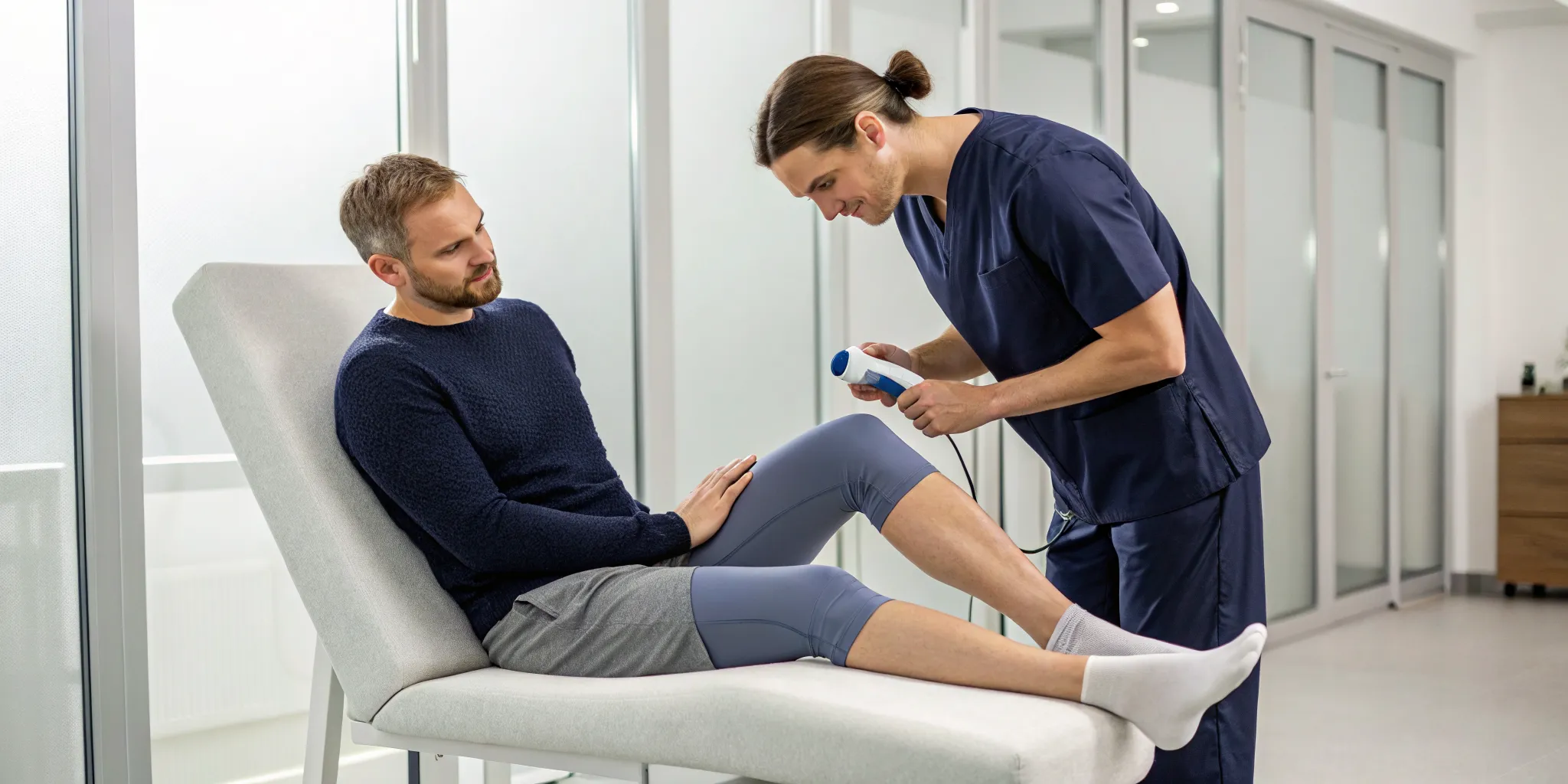
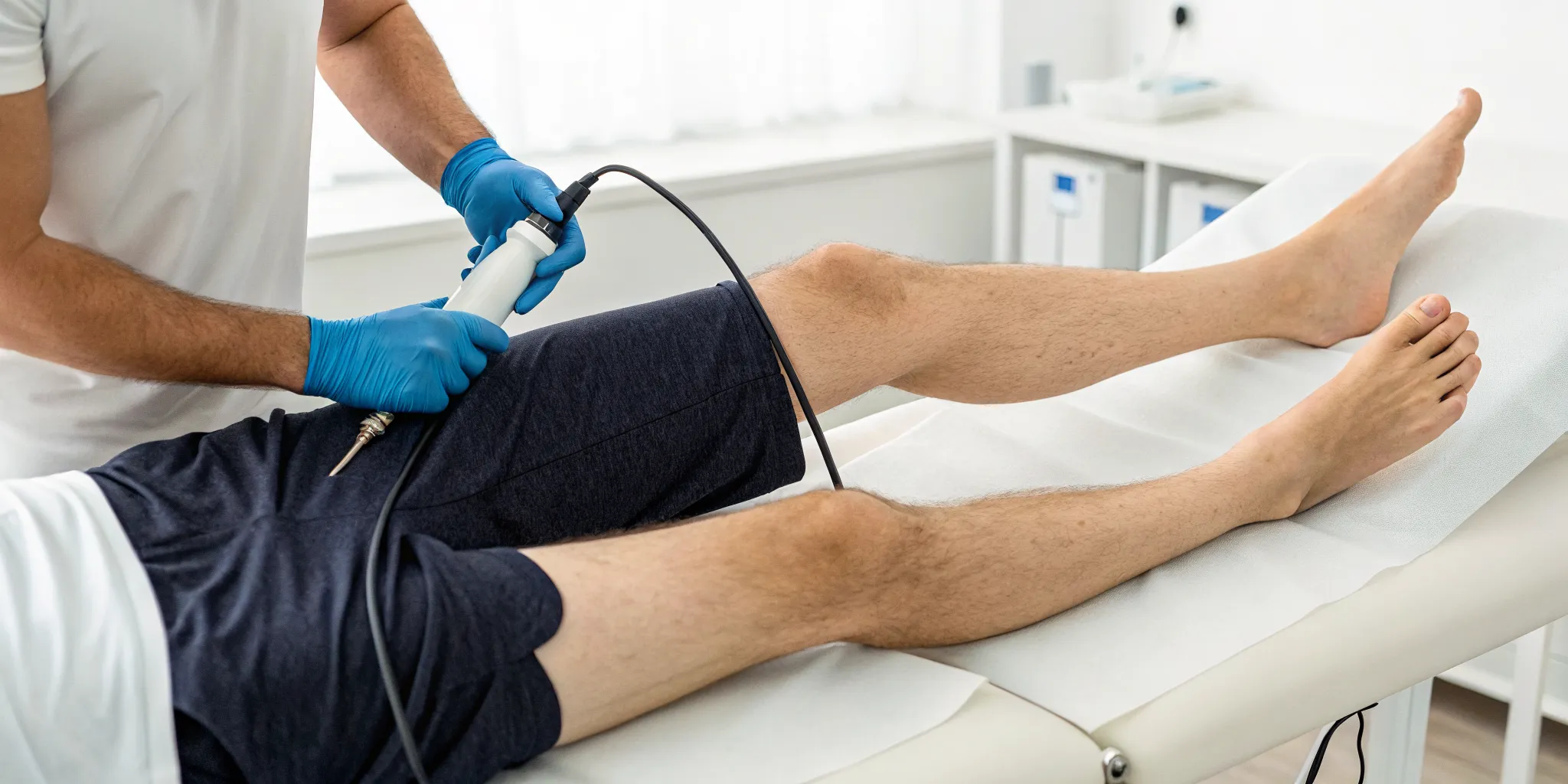
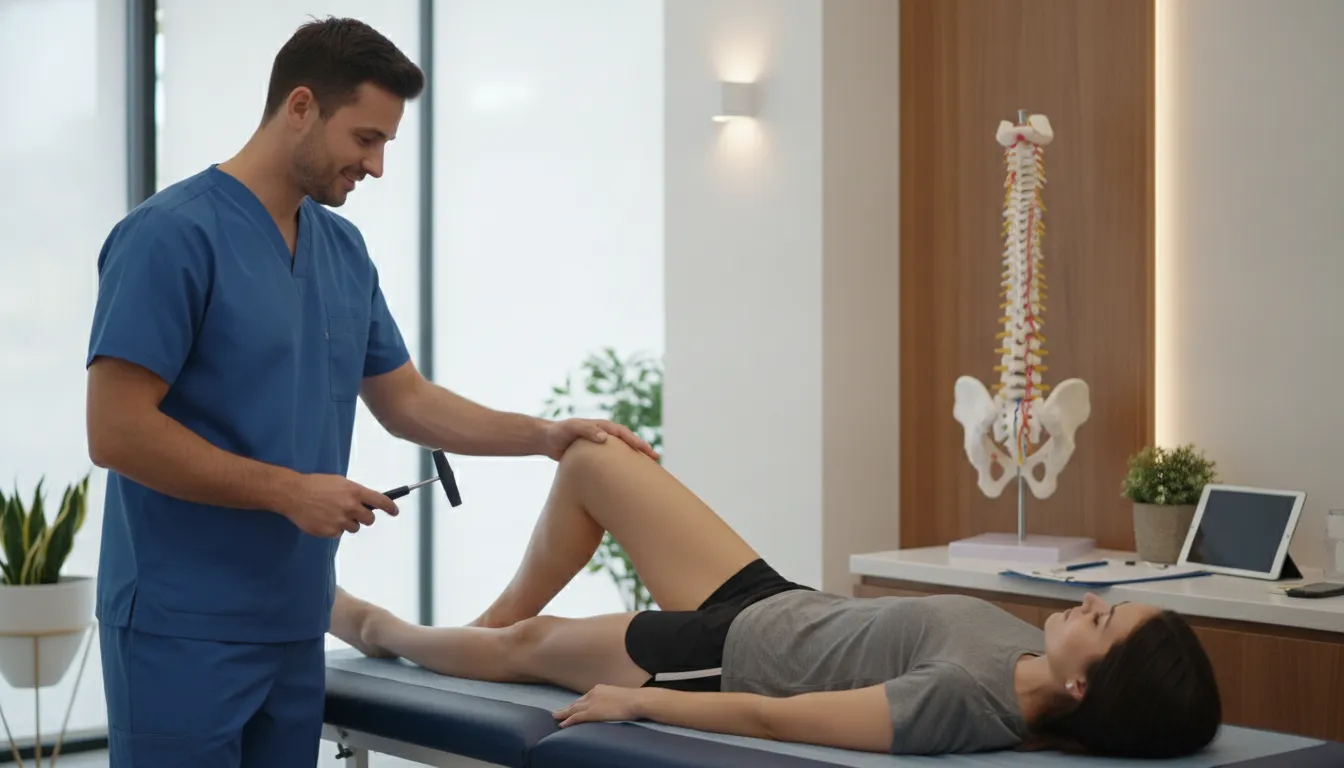
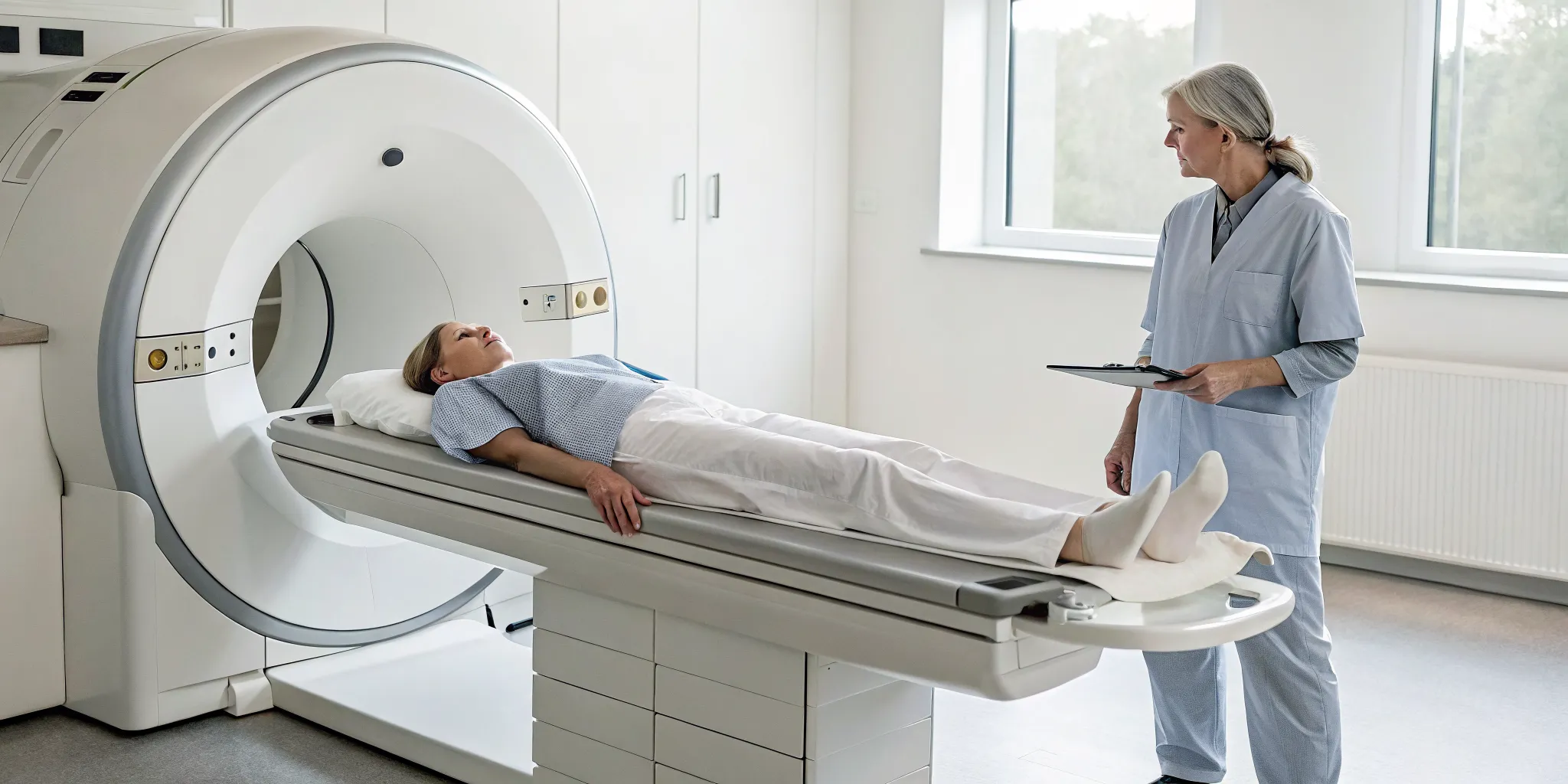
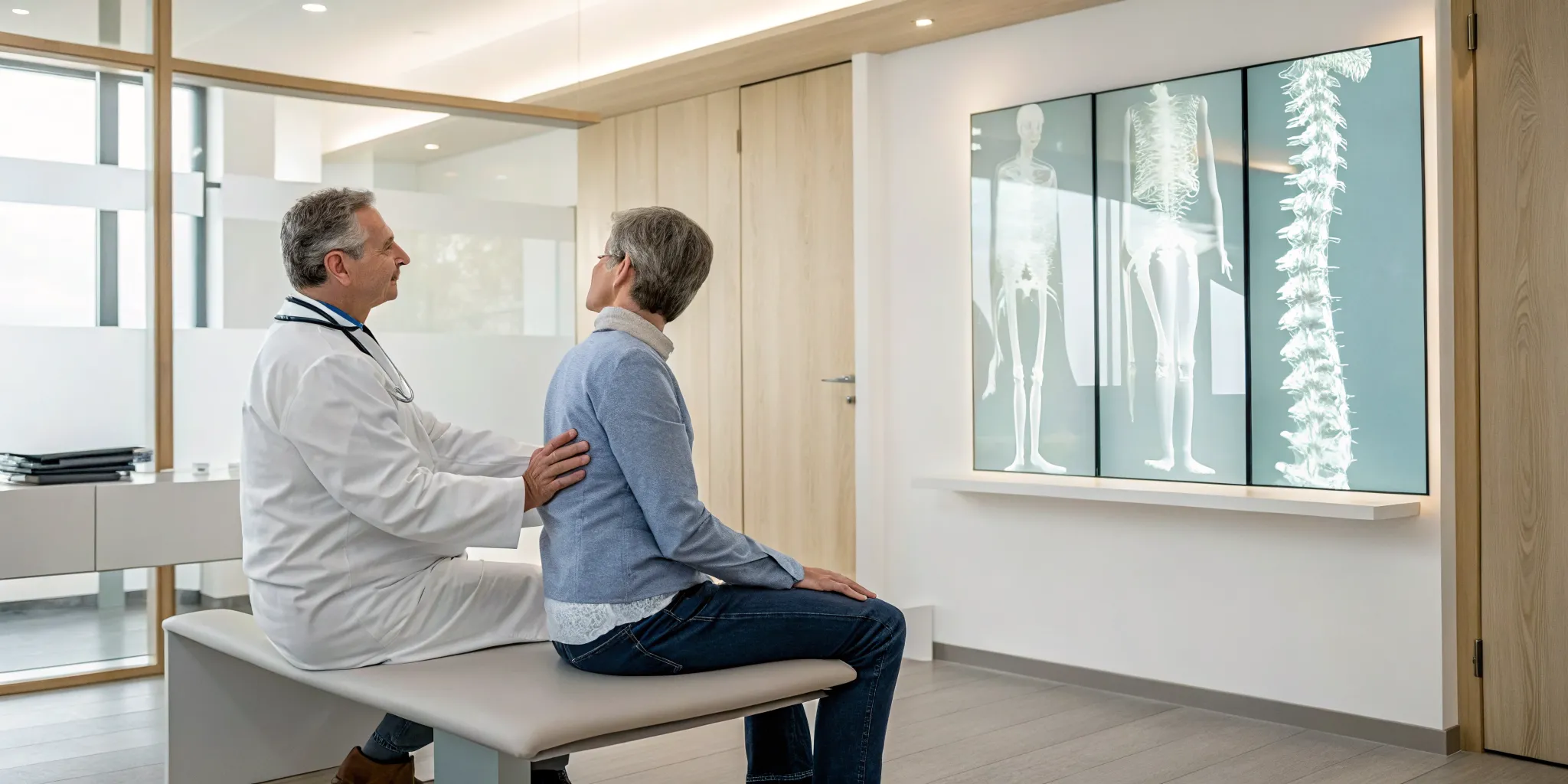
A clinician-guided conversation can begin with range-of-motion testing and expand into orthopedic and neurological assessment, muscle-strength testing, and balance and coordination evaluation. These perspectives help place a movement concern in context rather than treating flexibility as an isolated goal. Someone who wants to return to recreational activity, move more comfortably at work, or improve postural control may need a different discussion from someone managing a recent sports injury or persistent back concern.
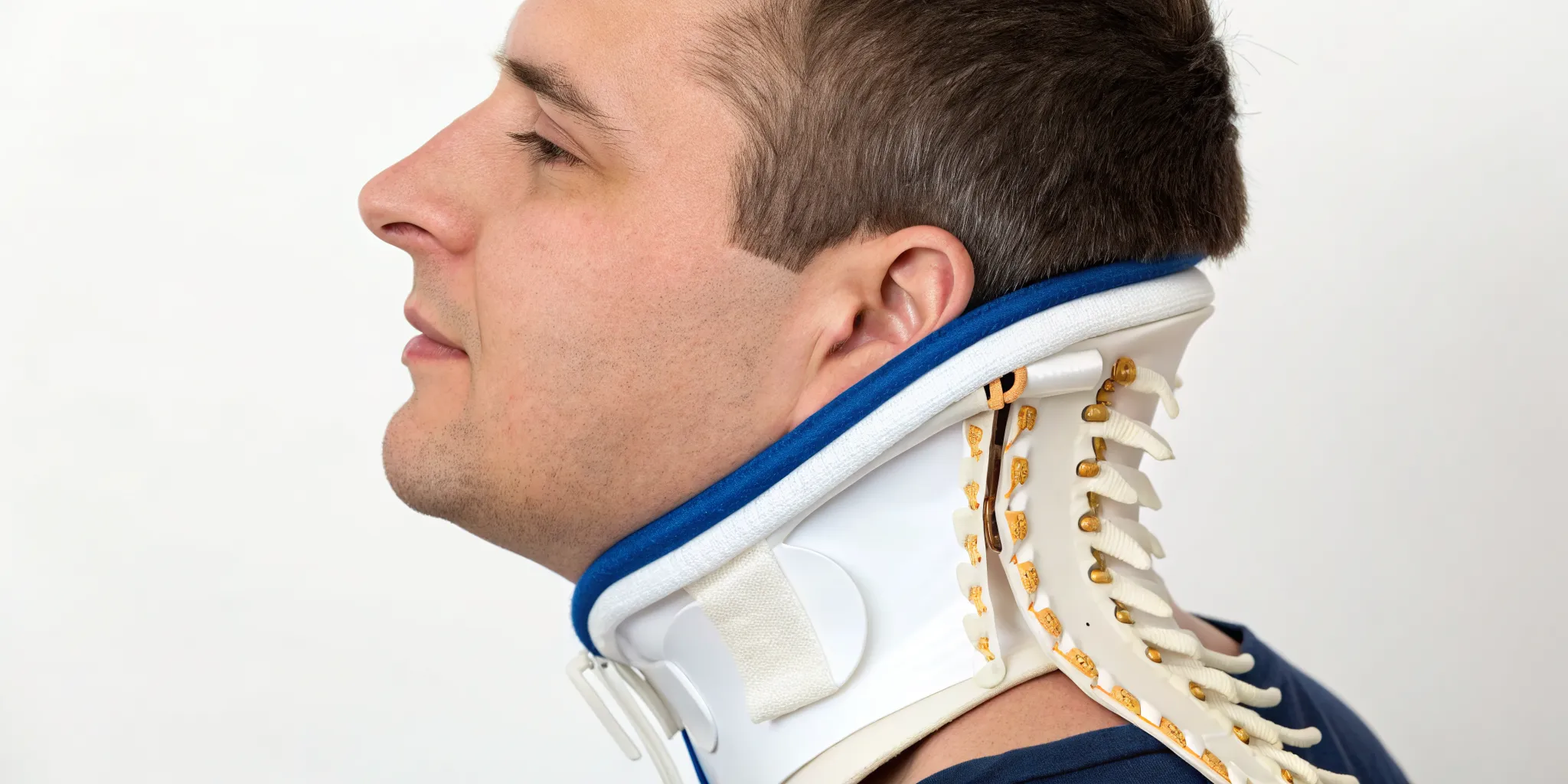
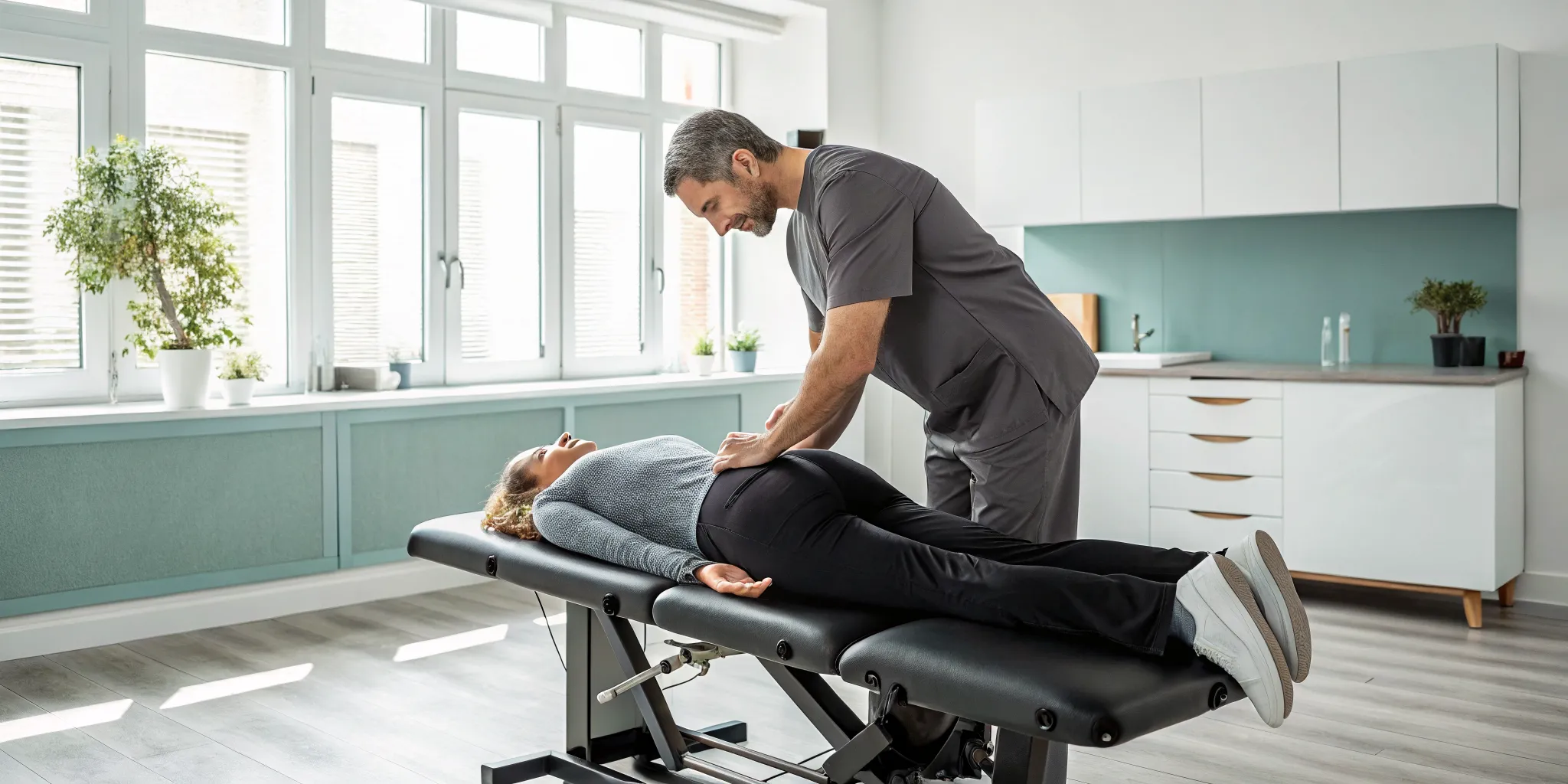
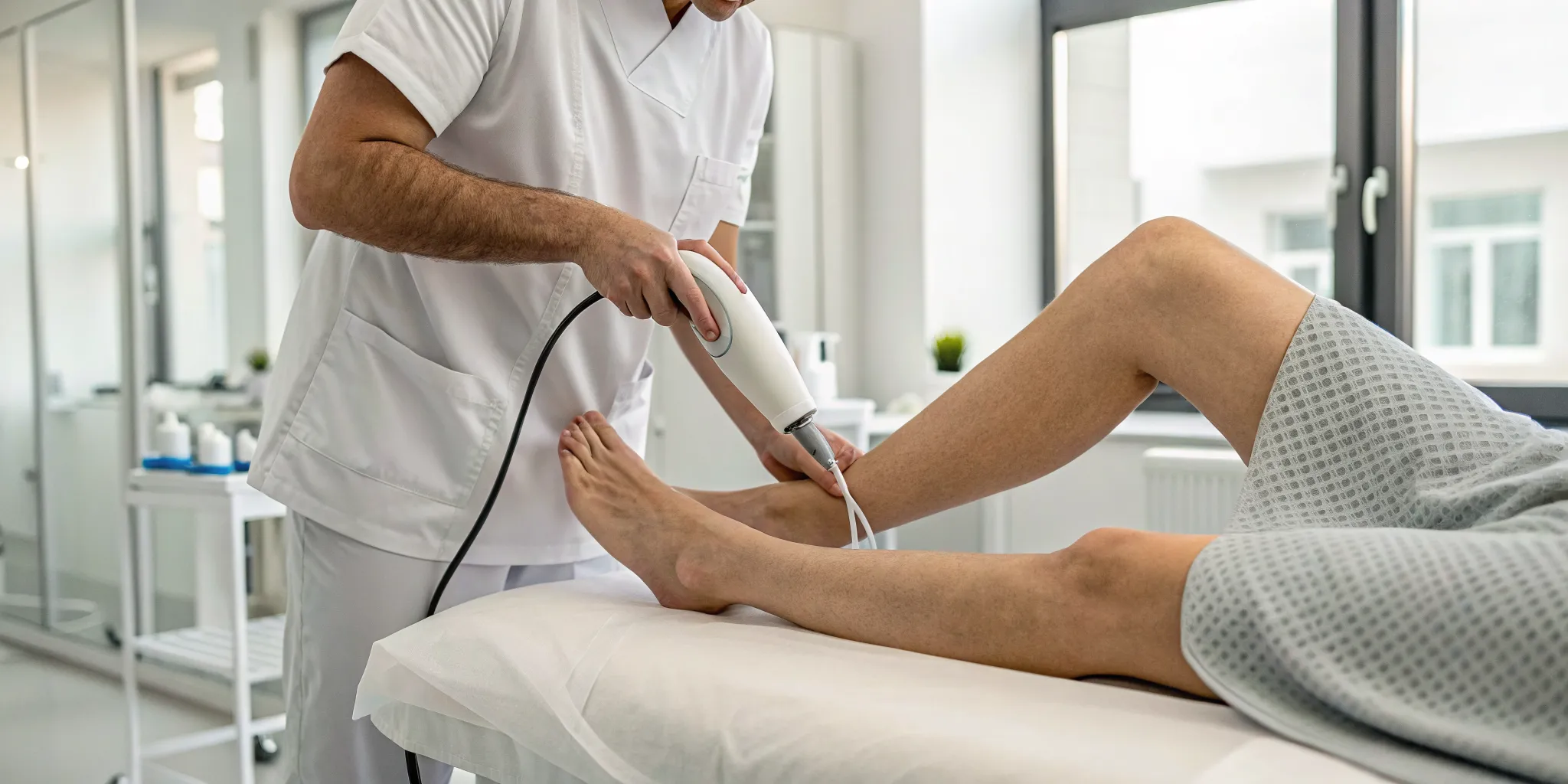
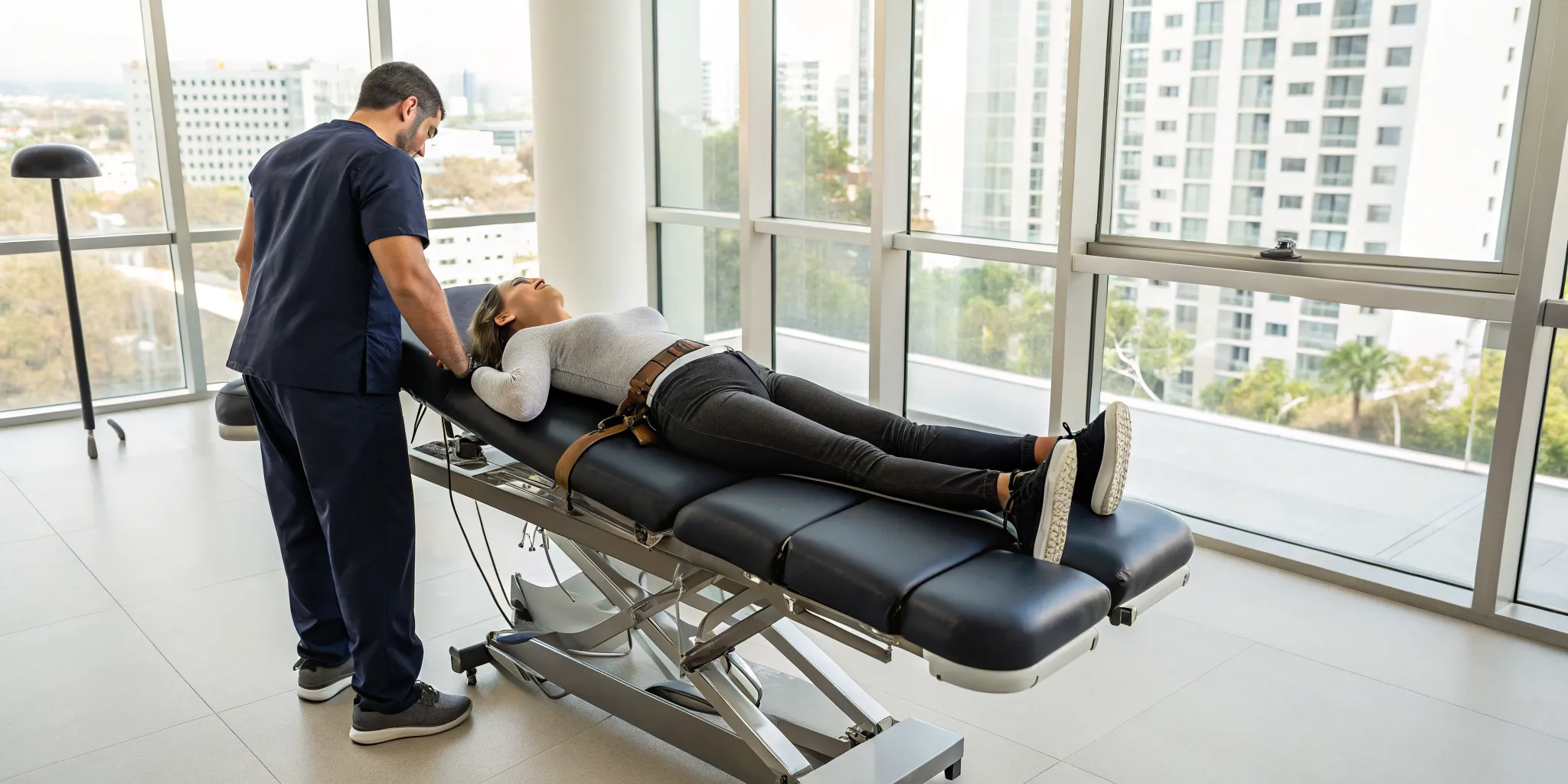
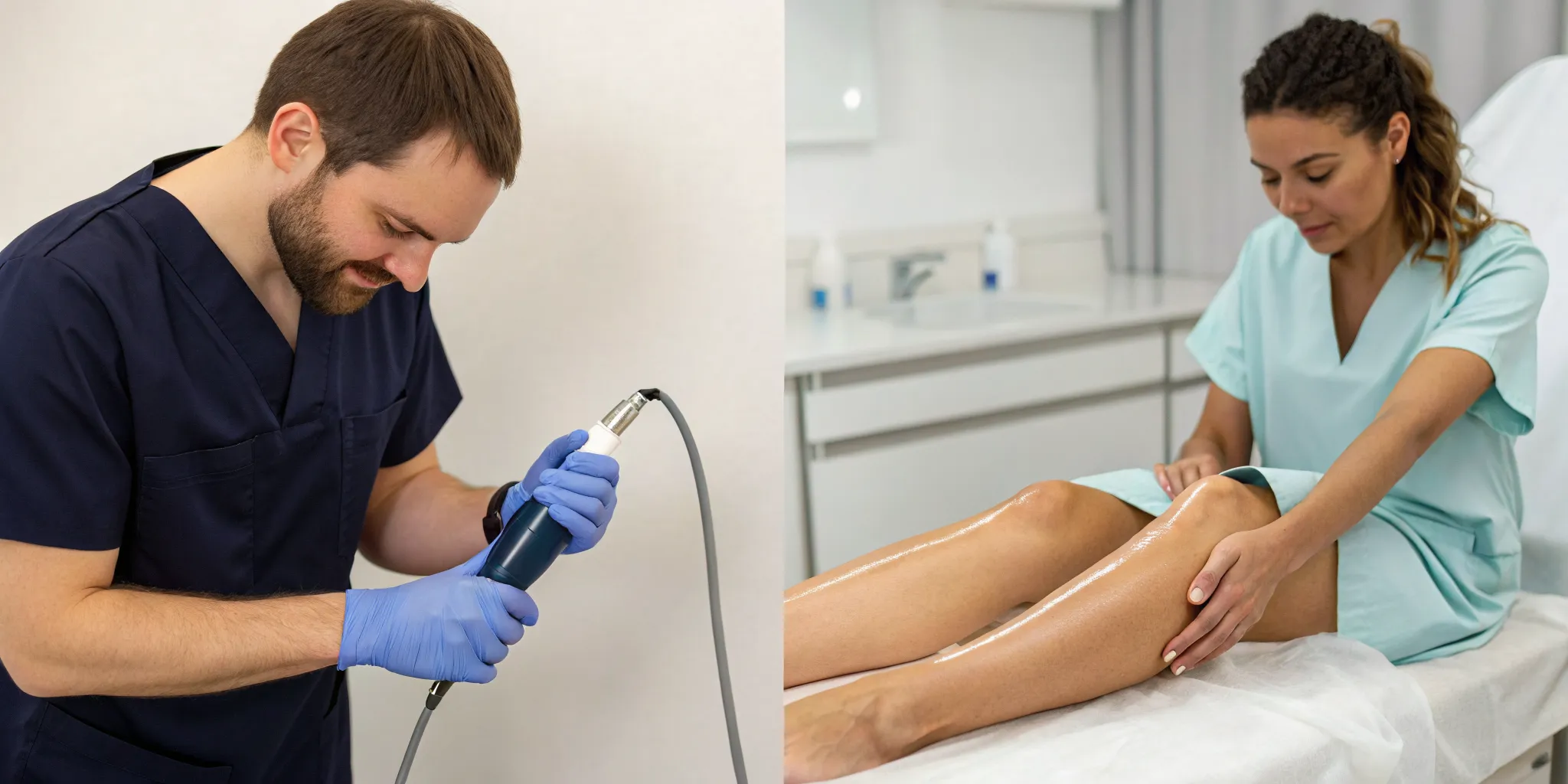
Ascend describes Physical Medicine care as corrective care intended to support the body's structure and function through evidence-based interventions. Its documented offerings include chiropractic care, spinal decompression and rehabilitation, therapeutic massage and bodywork, and postural restoration. Depending on the individual's evaluation and goals, these approaches may provide context for how mobility work is selected, adjusted, or coordinated with other care.
For example, Ascend's lower-back-pain protocol describes movement modifications during acute care, core-strengthening protocols in corrective care, and a home exercise program in maintenance care. That progression illustrates why mobility training should not be separated from the person's current stage of care. A movement that feels appropriate during maintenance may not be suitable during an earlier phase, and a clinician may recommend modifications rather than pushing through discomfort.
Physical Medicine is one part of Ascend's broader model. When movement concerns appear alongside questions about energy, recovery, digestion, or other whole-person factors, a Functional Medicine evaluation may offer a separate context for discussion. It does not replace a movement assessment, and neither approach guarantees a particular result. Together, the conversations can help clarify priorities and next steps without turning general mobility education into a diagnosis or prescribed movement plan.
What Should You Ask During a Mobility Evaluation?
A mobility evaluation should help you understand how movement is being observed, what information matters, and which next steps may fit your goals. It is an assessment of movement and function, not a diagnosis by itself, and the conversation should remain specific to your history, activities, and concerns.
- What will you assess? Ask whether the evaluation includes range-of-motion testing, orthopedic considerations, neurological screening, muscle-strength testing, or balance and coordination. Knowing the scope helps you understand what the assessment can and cannot show.
- How should I describe my movement concerns? Share when you notice difficulty, which activities bring it to your attention, and whether the concern affects work, recreation, training, or daily tasks. Active Tampa Bay adults may want to mention changes in walking, lifting, reaching, running, or returning to an activity, without assuming the cause.
- What history should I bring? Prepare a concise timeline of relevant injuries, procedures, recurring symptoms, and prior evaluations. Include the activities you currently do and the movement goals that matter most to you. This context gives the clinician a clearer starting point.
- What does the assessment suggest about movement priorities? Ask the clinician to explain observed limitations or patterns in plain language. An evaluation may identify areas to discuss, but it does not automatically establish a medical diagnosis or predict a uniform outcome.
- How would guidance be individualized? Ask how recommendations would account for your current abilities, history, schedule, and goals. General mobility advice is not the same as a personalized plan. Avoid treating a generic exercise list as appropriate for every person.
- What should I monitor and when should we reassess? Clarify which functional changes are relevant to the care conversation and how progress would be reviewed. You can also ask what questions or concerns should prompt you to pause an activity and seek professional guidance.
These questions can make a mobility conversation more productive while keeping the distinction between education, evaluation, and diagnosis clear.
How Can Tampa Bay Readers Decide on Their Next Step?
A consultation may be a reasonable next step when movement goals, recurring limitations, or uncertainty about training deserve a closer look. The right conversation should clarify your priorities and available options without promising a particular result.
Start by considering what you want to understand. You might be an active adult in South Tampa, Wesley Chapel, New Tampa, or another part of the Tampa Bay area who wants to move with more confidence. You may be returning to activity, managing a change in function, or trying to understand whether mobility training fits alongside professional care. Activities should match your fitness level and individual needs, rather than follow a universal formula.
Ascend can discuss how movement goals relate to Physical Medicine and the body's structure and function. The practice describes Physical Medicine as corrective care using evidence-based interventions, including chiropractic care, spinal decompression and rehabilitation, therapeutic massage or bodywork, and postural restoration. An evaluation may consider range of motion, orthopedic and neurological findings, muscle strength, balance, and coordination. These observations help organize a care conversation; they do not create a one-size-fits-all plan.
Depending on your concerns, the discussion may also include movement modifications, corrective-care strategies, or how broader health context could influence your goals. The point is to identify useful questions and determine whether Ascend's approach fits what you are seeking. Learn more about Ascend's approach to personalized care, then use the contact page to discuss your movement goals and possible next steps.
Bring a short description of the activities you want to return to, the movements that feel limited, and any questions about assessment. A clear starting point supports a more focused conversation while leaving clinical decisions to the appropriate professional.
Talk with Ascend about mobility and your next steps
Frequently Asked Questions
Is mobility training the same as stretching?
Not exactly. Stretching primarily addresses flexibility, while mobility training can also consider how flexibility, strength, balance, and movement control work together. The goal is to support useful movement rather than chase a single flexibility target.
Can mobility training replace a Physical Medicine evaluation?
No. General mobility work can complement care, but it does not replace an individualized evaluation. Physical Medicine assessment may include range-of-motion testing, orthopedic and neurological evaluation, muscle-strength testing, and balance or coordination review. Those findings can help guide a more appropriate conversation about next steps.
Can I practice mobility training if movement feels uncomfortable?
Uncomfortable movement deserves attention rather than a universal routine. General guidance recommends warming muscles before stretching and avoiding a stretch that causes pain. If discomfort persists, changes, or affects daily activities, discuss your experience with a qualified clinician before increasing activity or changing your approach.
How should I prepare for a mobility evaluation in Tampa Bay?
Bring a clear description of the movements that feel limited or difficult, when you first noticed the concern, and how it affects work, exercise, sleep, or daily tasks. You can also ask how the evaluation will assess movement and how Physical Medicine care may fit your goals. This information gives the clinician useful context without requiring you to diagnose yourself.
Ready to Discuss Your Mobility Goals?
A thoughtful conversation can help connect your movement concerns with the right questions for personalized Physical Medicine care. Share what you have noticed, what activities matter to you, and what you hope to understand about your next step.
Contact Ascend to discuss your mobility training goals
This article is educational and is not medical advice. Speak with a qualified clinician before making changes to your health or activity routine.