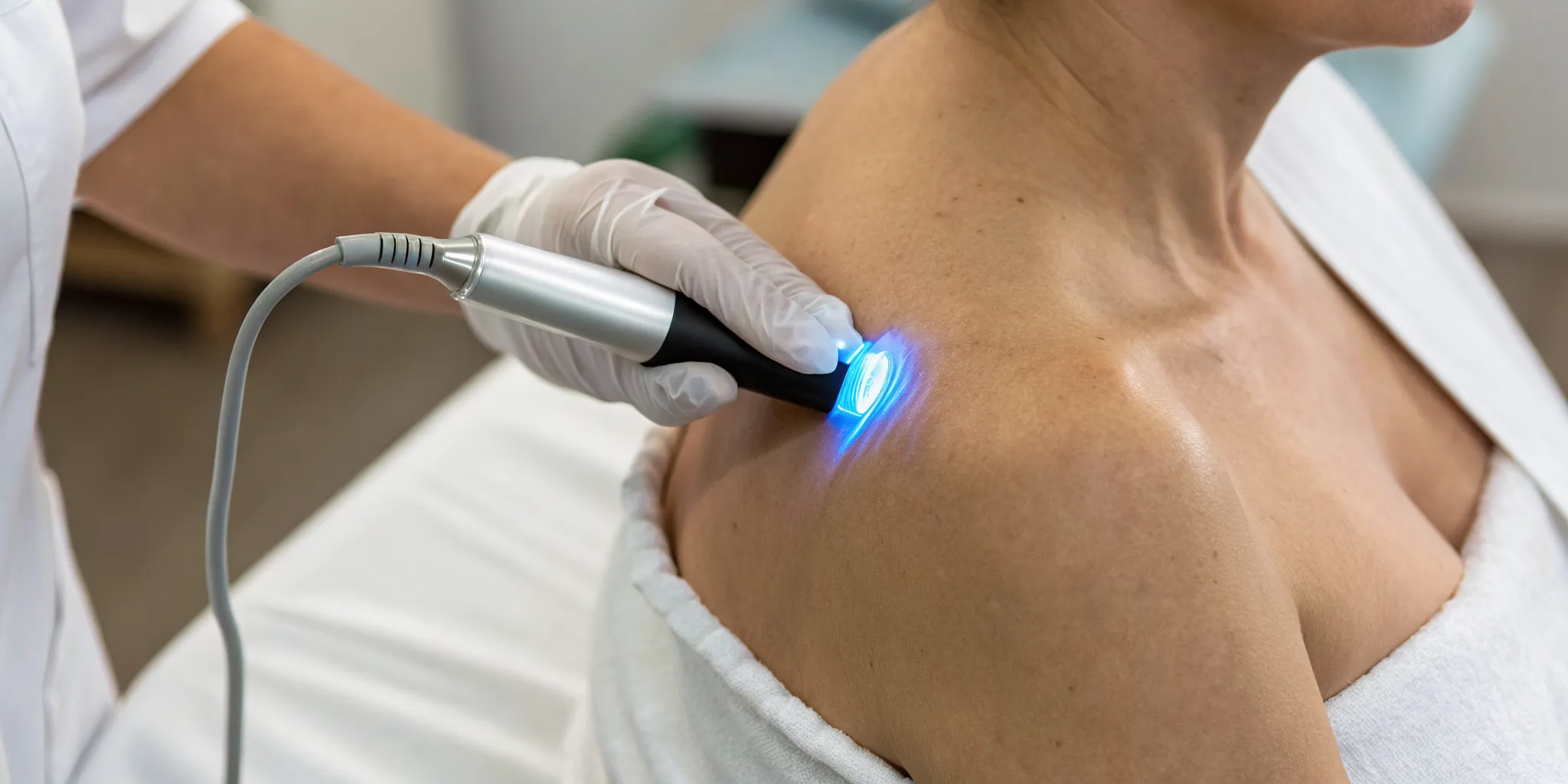
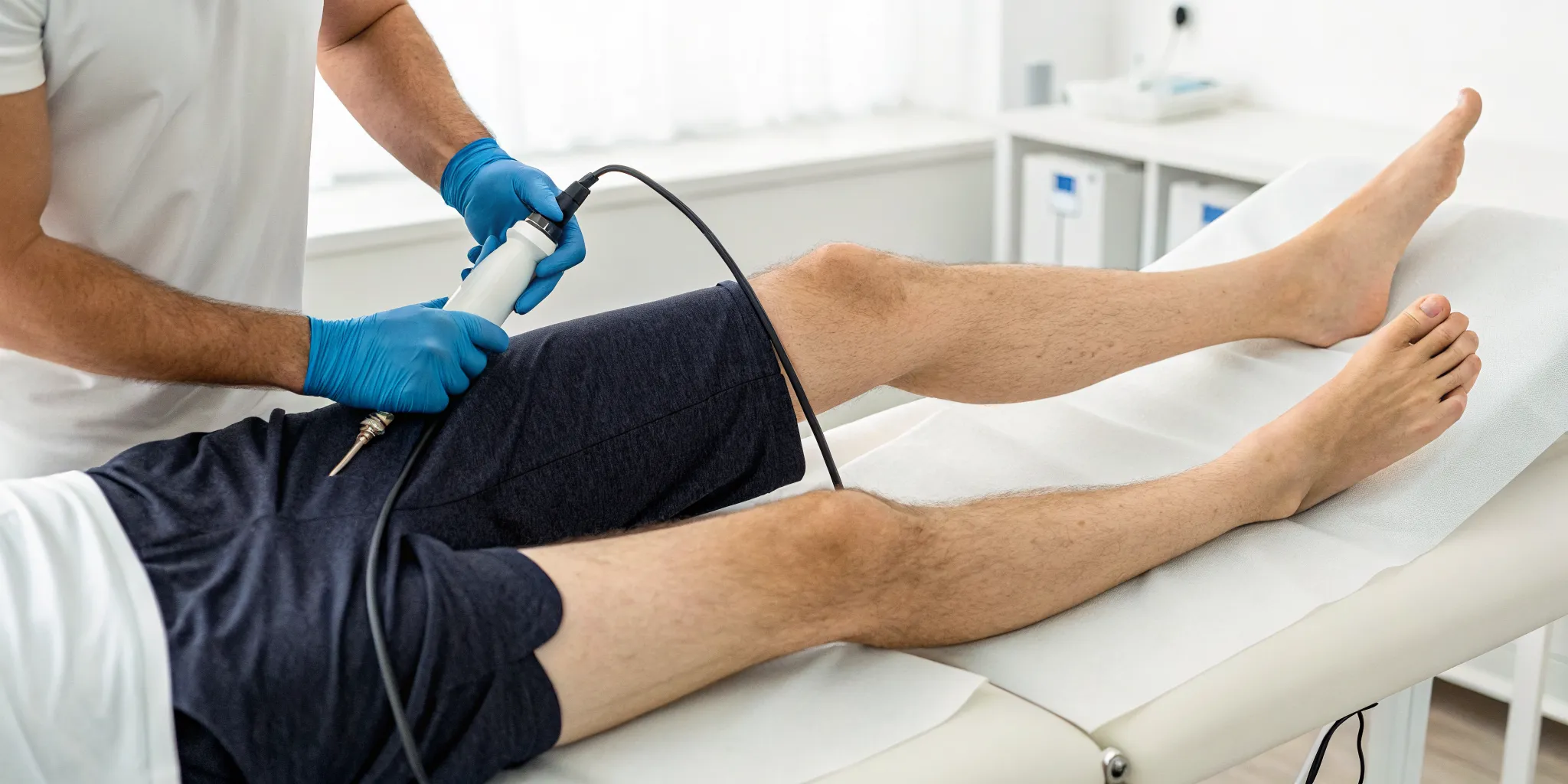
If you are searching for red light therapy who should avoid it, the safest answer is not a universal list. Red light therapy, also called photobiomodulation, uses specific wavelengths of light, but the appropriate decision depends on the device, treatment area, exposure pattern, health history, and reason for care. Some people may need to postpone treatment or receive individualized guidance before proceeding.
Discuss your treatment goals with Ascend
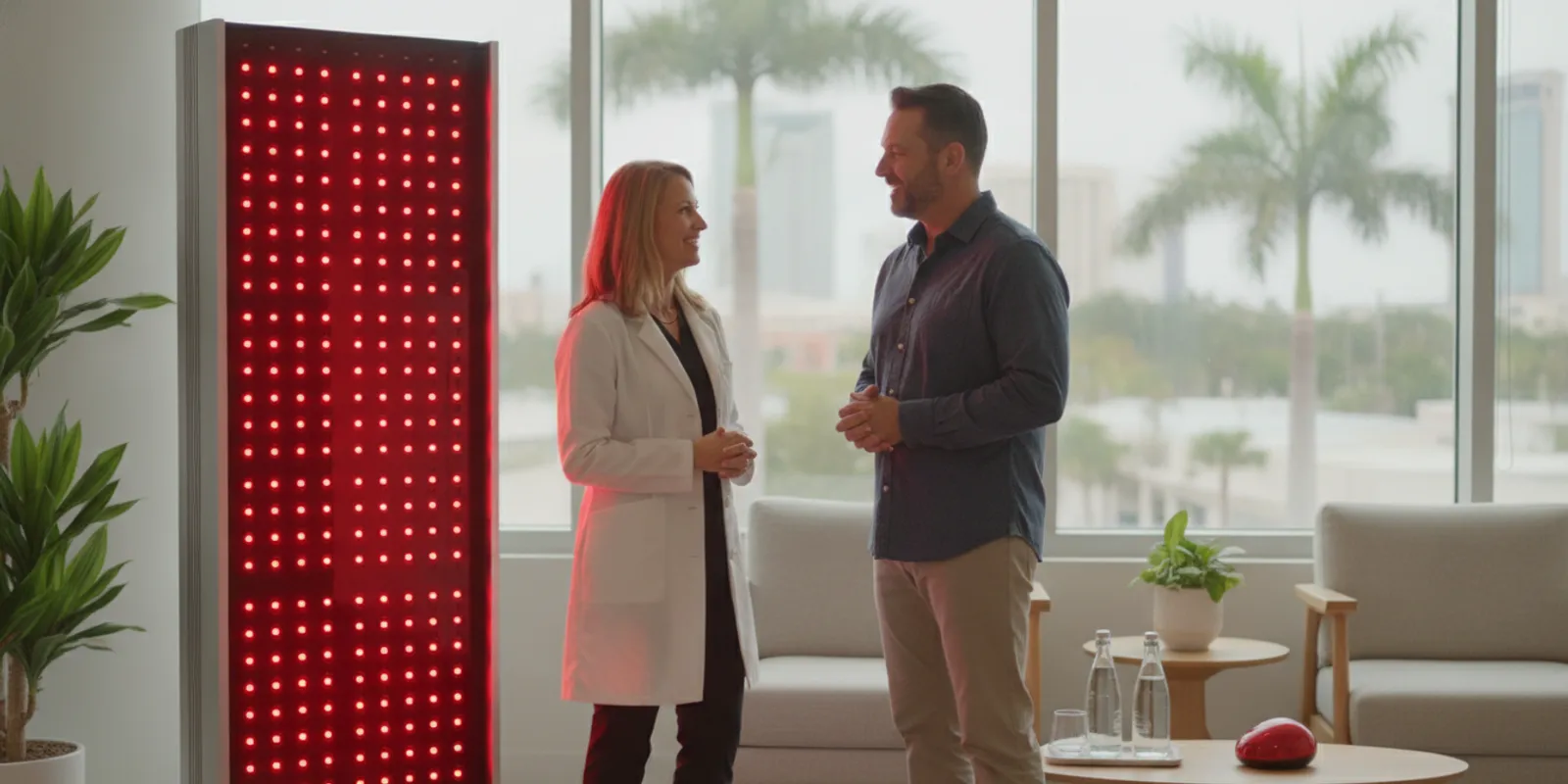
Who Should Use Caution With Red Light Therapy?
People with light sensitivity, certain eye concerns, active or recently treated cancers, pregnancy-related questions, or a complex health history should ask a qualified clinician for guidance before red light therapy. A careful review can help distinguish a reasonable option from a situation that calls for another approach or further evaluation.
Red light therapy should not be treated as a one-size-fits-all service. A clinician may consider the wavelength, intensity, distance, duration, treatment area, protective equipment, and whether the device has been cleared or approved for the intended use. A device designed for one clinical purpose may not have the same specifications as another product using similar language.
The question is not simply whether a person can tolerate visible light. Relevant concerns include how the body responds to light, whether eyes or skin are vulnerable, whether a condition calls for a different form of care, and whether a proposed treatment could complicate an existing plan. Separate three kinds of questions: personal suitability, device instructions, and the clinical goal. The first depends on your history; the second on the exact equipment; the third on what the treatment is intended to address and how progress will be judged.
“Use caution” does not always mean a person can never receive treatment. It means there is a reason to pause and obtain a specific answer before exposure. The discussion could lead to proceeding with precautions, modifying a plan, coordinating with another clinician, waiting until circumstances change, or choosing a different path.
How Can Photosensitivity Change the Safety Discussion?
A history of unusual sensitivity to sunlight or light-related reactions deserves review before treatment, even when red light therapy is described as gentle. Photosensitivity can relate to a health condition, topical product, or prescribed therapy, and the cause matters when considering exposure.
Tell the clinician if you have experienced an unusual rash, burning, blistering, marked redness, or another reaction after light exposure. Mention products applied to the treatment area and recent changes in your health routine. A clinician can decide whether the proposed wavelength and treatment area are appropriate or whether the session should wait.
Do not assume that a prior reaction to sunlight automatically predicts the response to every red light device. The reverse is also true: tolerating sunlight does not settle whether a particular device is appropriate. Relevant details include the light spectrum, exposure, skin condition, and purpose of treatment.
Before a consultation, note when the reaction occurred, what area was affected, how long it lasted, and whether it followed a product or treatment change. If you know a product or therapy name, bring it rather than relying on memory. These details do not diagnose the cause, but they give the clinician a clearer starting point and can help identify whether the discussion should include another member of your care team.
Should People With Eye Concerns Ask Before Treatment?
Yes. Anyone with an eye condition, light sensitivity, recent eye procedure, or concern about bright light should discuss eye protection and treatment suitability before a session. The eyes are sensitive structures, and safety depends on equipment and how it is used.
Ask which part of the body will be treated, whether light can reach the eyes, what protective measures are required, and whether the device instructions address your situation. Do not substitute ordinary sunglasses for a protection plan unless the treating professional specifically says they are suitable for that device.
Share any history of eye disease, unusual visual symptoms, or treatment involving the eyes. A clinician may recommend additional guidance before proceeding. This is especially important when a session involves light near the face or when a person cannot comfortably keep the eyes closed.
Be precise when describing what concerns you: a diagnosed condition, recent procedure, sensitivity to bright environments, or a new visual symptom are not interchangeable details. Ask who should evaluate the concern and whether treatment should wait until that evaluation is complete. If protective equipment is recommended, clarify how it is fitted and used for the specific session.
For a broader clinical evaluation, Ascend’s Functional Medicine approach can help organize health history, current concerns, and appropriate next steps rather than treating a single symptom in isolation.
Does a Cancer History Affect Eligibility?
A current cancer diagnosis, a history of skin cancer, or recent cancer treatment warrants individualized guidance before red light therapy. This does not create one answer for every person; it means the decision should account for diagnosis, treatment history, treatment area, and direction from the clinicians involved in care.
Do not use a general online safety statement to replace a review of your personal history. Bring a clear list of relevant diagnoses and treatments to the consultation. The clinician can explain whether red light therapy fits the current plan, should be delayed, or requires coordination with another member of your healthcare team.
Brown University Health advises people with a history of skin or eye cancers to consult an appropriate clinician before using red light therapy. Review its red light therapy safety guidance for general context. That guidance is not a substitute for advice based on an individual diagnosis or treatment history.
When preparing, distinguish a past diagnosis from an active condition, and list relevant treatments and approximate dates if known. Also identify the proposed treatment area. These are useful facts for clinicians to consider together; a short online description cannot determine whether a particular exposure is suitable for a specific person.
What Pregnancy and Hormone-Related Questions Should Be Discussed?
Pregnancy, trying to conceive, and the period after delivery are reasons to ask for individualized guidance before beginning a new light-based treatment. The treatment area and intended purpose matter, and a clinician may recommend waiting or selecting a different plan.
Hormone-related concerns also deserve context. Red light therapy should not be presented as a replacement for an evaluation of thyroid health, testosterone, estrogen, or other factors that may influence symptoms. If your goal involves energy, recovery, or broader health changes, an appropriate workup may be more useful than choosing a modality based on one symptom.
Bring up pregnancy or fertility considerations early rather than waiting until a session is underway. Explain what outcome you hope to address and whether another clinician is already guiding care in this area. The aim is to avoid making a treatment decision from general claims that do not account for your circumstances.
Ascend organizes care through Physical Medicine, Functional Medicine, and Regenerative Medicine. Its integrative health services can be discussed in relation to your goals, history, examination, and appropriate testing. The evaluation should establish whether light therapy is relevant at all, not presume that it is the answer to a hormone-related concern.
Can Prescriptions or Topical Products Affect the Decision?
Yes. Some prescribed therapies and topical products may change how skin or the body responds to light, so a complete product and treatment review is important. Bring the names of current prescriptions, nonprescription products, skin products, and recent therapies to the consultation.
Do not stop a prescribed therapy on your own to make red light therapy possible. Instead, ask the clinician managing that therapy and the clinician offering light treatment how the plans should fit together. The answer may depend on timing, treatment area, and why the product was prescribed.
A useful review also includes recent procedures, active skin irritation, open areas, unusual bruising, and any condition that makes the treatment area more vulnerable. This information helps the clinician decide whether to proceed, modify the plan, or address another concern first.
For a practical prescription and product review, make a written list with the name, how it is used, and where it is applied. Include recently started or stopped items, since timing may be relevant. If the list is long, a current record from your pharmacy or treating clinician may be more accurate than trying to reconstruct it during the visit. The point is not to change anything independently; it is to give the care team enough context to make a considered recommendation.
How Do Device Differences Change the Questions to Ask?
Device specifications matter because “red light therapy” can describe equipment with different wavelengths, power, treatment areas, controls, and intended uses. A safety answer for one device should not automatically be applied to another.
| Question to review | Why it matters | What to clarify |
|---|---|---|
| Which wavelengths are used? | Different wavelengths interact with tissue differently. | Ask for device specifications and intended clinical use. |
| What area will be treated? | Eye, skin, and deeper-tissue considerations can vary by location. | Confirm the exact treatment area and any areas to avoid. |
| How is exposure controlled? | Intensity, distance, and session length influence the treatment plan. | Ask how the clinician determines and monitors exposure. |
| What protection is needed? | Eye and skin precautions may be device-specific. | Confirm whether protective equipment is required and why. |
| What outcome is being assessed? | A clear goal supports measurable follow-up. | Ask how progress will be reviewed and when the plan will be reassessed. |
Use the table as a conversation guide, not as a checklist for selecting or operating equipment. A professional should explain which items apply to the device and your reason for care. You can also ask for the device instructions to be reviewed with you, including any stated limitations or precautions. If the explanation does not address your history or intended treatment area, ask for clarification before proceeding.
The Cleveland Clinic notes that red light therapy appears to have a generally favorable short-term safety profile when used as directed, while also explaining that more study is needed and that people should discuss concerns with a healthcare professional. Read its overview of red light therapy safety and uses for general context.
Ascend’s regenerative-medicine discussions are built around evaluation rather than a device alone. When appropriate, red light therapy may be considered alongside other options, such as SoftWave therapy, but these modalities are not interchangeable and should not be selected without reviewing the clinical goal.
How Can a Clinical Evaluation Make the Decision Clearer?
A consultation can connect your symptoms, goals, health history, examination findings, and treatment options before a red light therapy plan is made. The purpose is not to promise a result; it is to determine whether the modality fits the situation and how progress can be reviewed.
Prepare for the discussion by writing down:
- Your main reason for considering red light therapy.
- The body area you want evaluated.
- Past reactions to sunlight, bright light, or skin products.
- Eye concerns, recent procedures, and relevant diagnoses.
- Current prescriptions and topical products.
- Pregnancy, fertility, or postpartum considerations.
- What outcome would make the plan worth continuing.
Then organize the information into a brief timeline. Note when the concern began, what you have already tried under clinical guidance, and whether anything made it better or worse. This can help distinguish the goal of care from assumptions about a particular modality. If you have a device or treatment proposal in mind, bring its name and intended use so the conversation can address what it actually does rather than relying on a broad label.
Depending on the concern, an evaluation may also point toward physical assessment, laboratory review, or another form of care. Ascend’s Physical Medicine services address movement and tissue-related concerns, while comprehensive bloodwork and biometric panels may be relevant when broader health context needs review. The appropriate route depends on the individual assessment.
How Should Tampa Bay Patients Prepare for a Consultation?
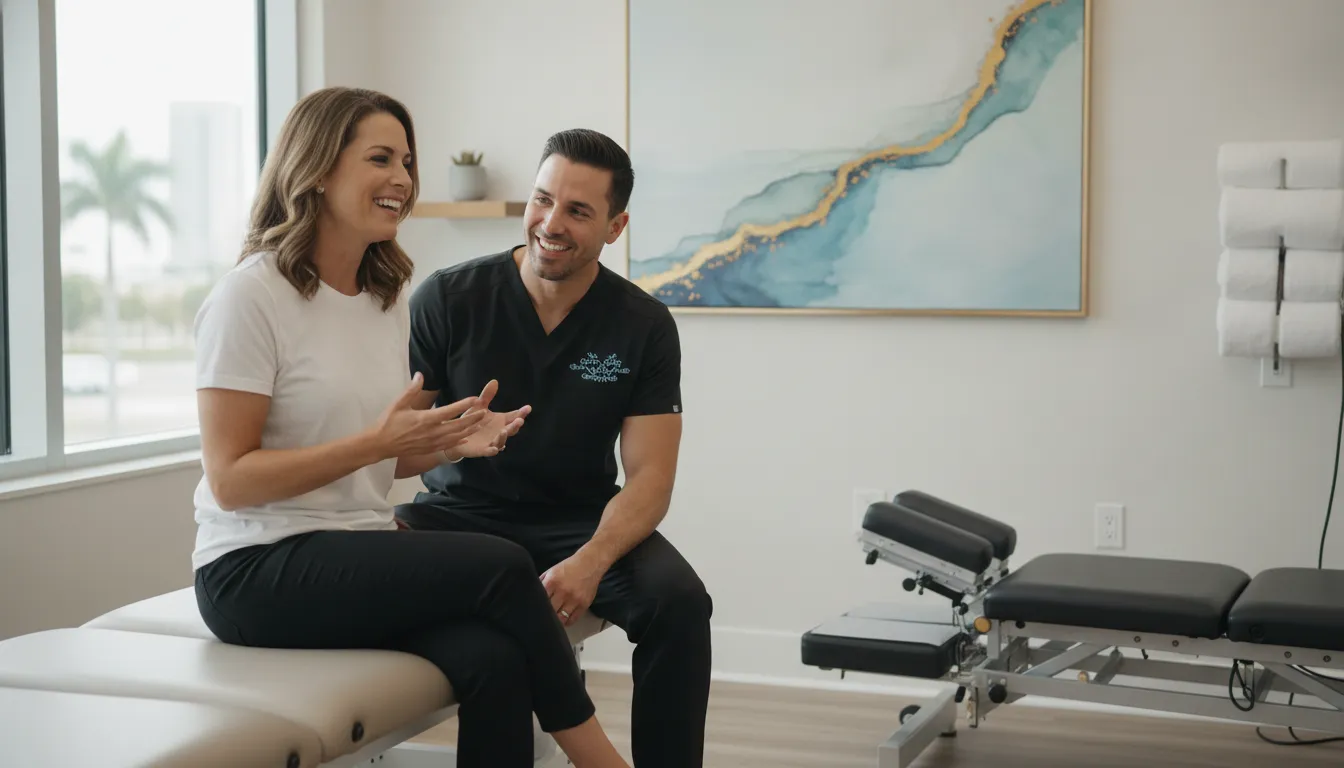
Tampa Bay patients can make the visit more useful by bringing an accurate history, identifying a specific goal, and asking how safety and progress will be assessed. Preparation supports a focused conversation without assuming that red light therapy is the right answer in advance.
Ask the clinician:
- Is this device appropriate for my goal and treatment area?
- What personal factors could change the recommendation?
- What eye or skin precautions apply?
- Should another clinician be consulted before treatment?
- What signs would mean the plan should be paused and reviewed?
- How will we measure progress and when will the plan be reassessed?
- What other Physical Medicine, Functional Medicine, or Regenerative Medicine options should be considered?
You can also ask how a decision will be documented. Clarify the reason for choosing a particular treatment area, the precautions that apply, and what follow-up would trigger a change in the plan. A clear explanation helps you understand the recommendation and gives you a practical way to raise new symptoms or concerns if circumstances change.
Ascend Functional Health is a Tampa Bay integrative healthcare practice. The practice uses personalized, research-backed protocols intended to support the body’s healing abilities, with care organized around Physical Medicine, Functional Medicine, and Regenerative Medicine. Learn more through its Tampa functional health team.
Ask Ascend whether red light therapy fits your care plan
Frequently Asked Questions
These answers summarize common safety questions, but a personal consultation is needed when health history or device details could change the recommendation. Use them to prepare for a conversation, not as a substitute for individualized clinical guidance.
Who should wait for guidance before red light therapy?
People with light sensitivity, eye concerns, active or recently treated cancer, pregnancy-related questions, significant skin vulnerability, or a complex treatment history should seek individualized guidance before proceeding.
Can someone with a history of skin cancer receive red light therapy?
There is no single answer for every person. A history of skin cancer should be discussed with the clinicians involved in care so the diagnosis, treatment history, treatment area, and device can be reviewed together.
Do eye concerns matter if the light is not aimed directly at the eyes?
They can. Light may reach the eyes depending on the treatment area and equipment, so ask about device-specific protection and whether your eye history requires additional guidance.
Should a person stop a prescribed therapy before red light therapy?
No. Do not stop a prescribed therapy on your own. Provide a complete list of prescriptions and topical products so the appropriate clinicians can coordinate the decision.
How can I decide whether red light therapy is appropriate?
Start with a consultation that reviews your goal, health history, treatment area, device specifications, precautions, and plan for measuring progress. The result may be treatment, a modified plan, further evaluation, or a different option.
Request an individualized red light therapy discussion
This content is educational, not medical advice; consult your clinician before acting on it.