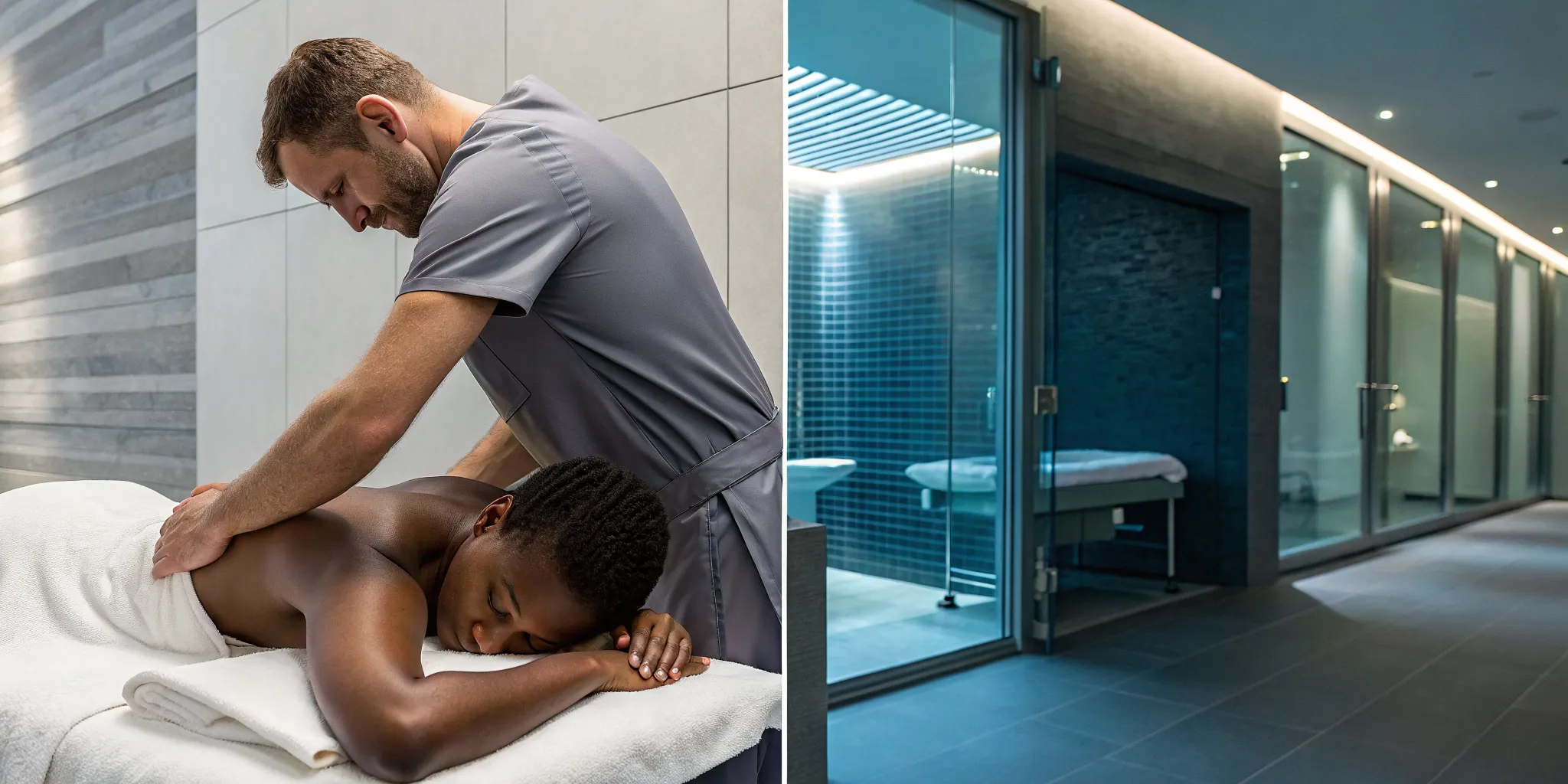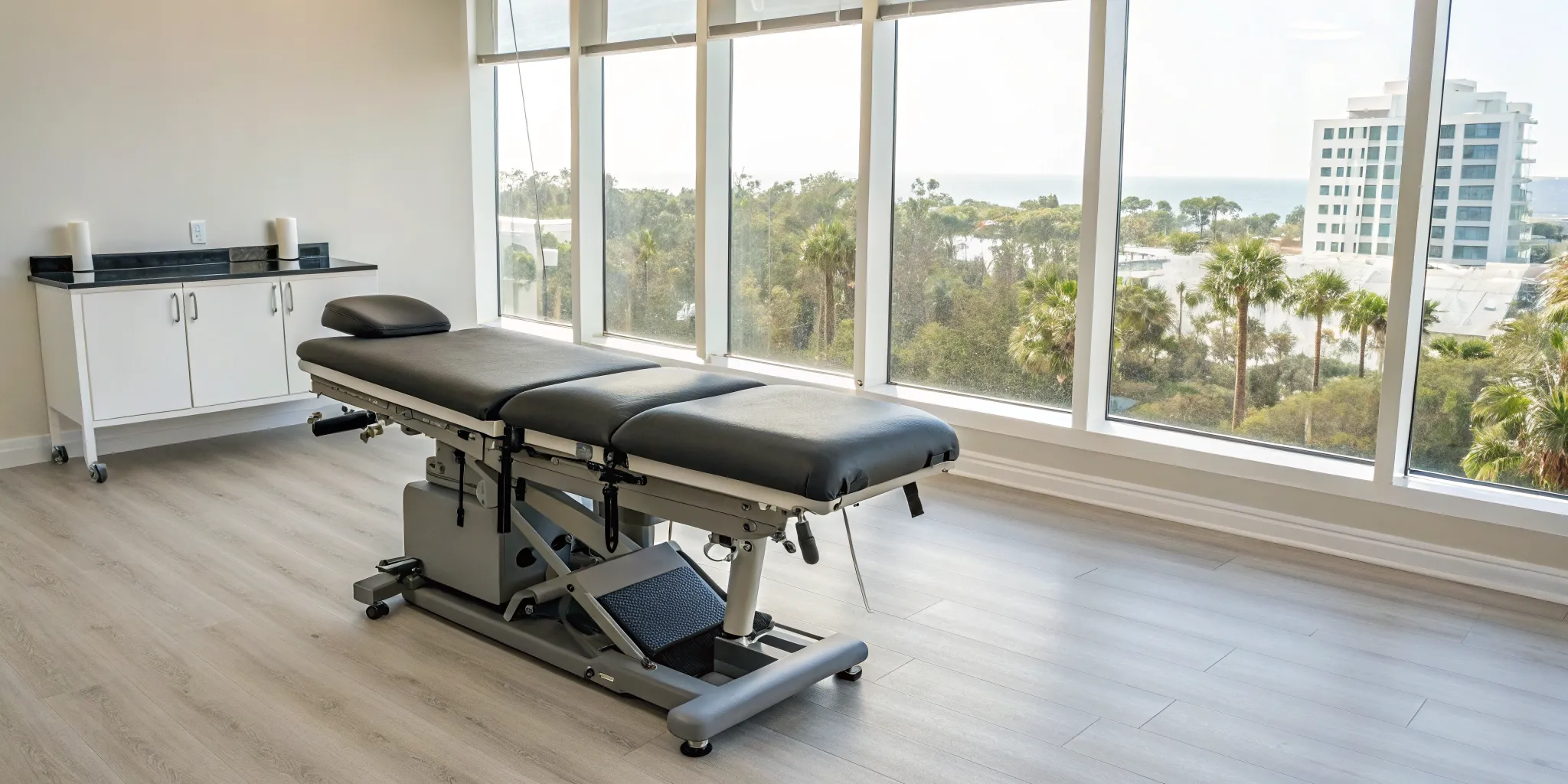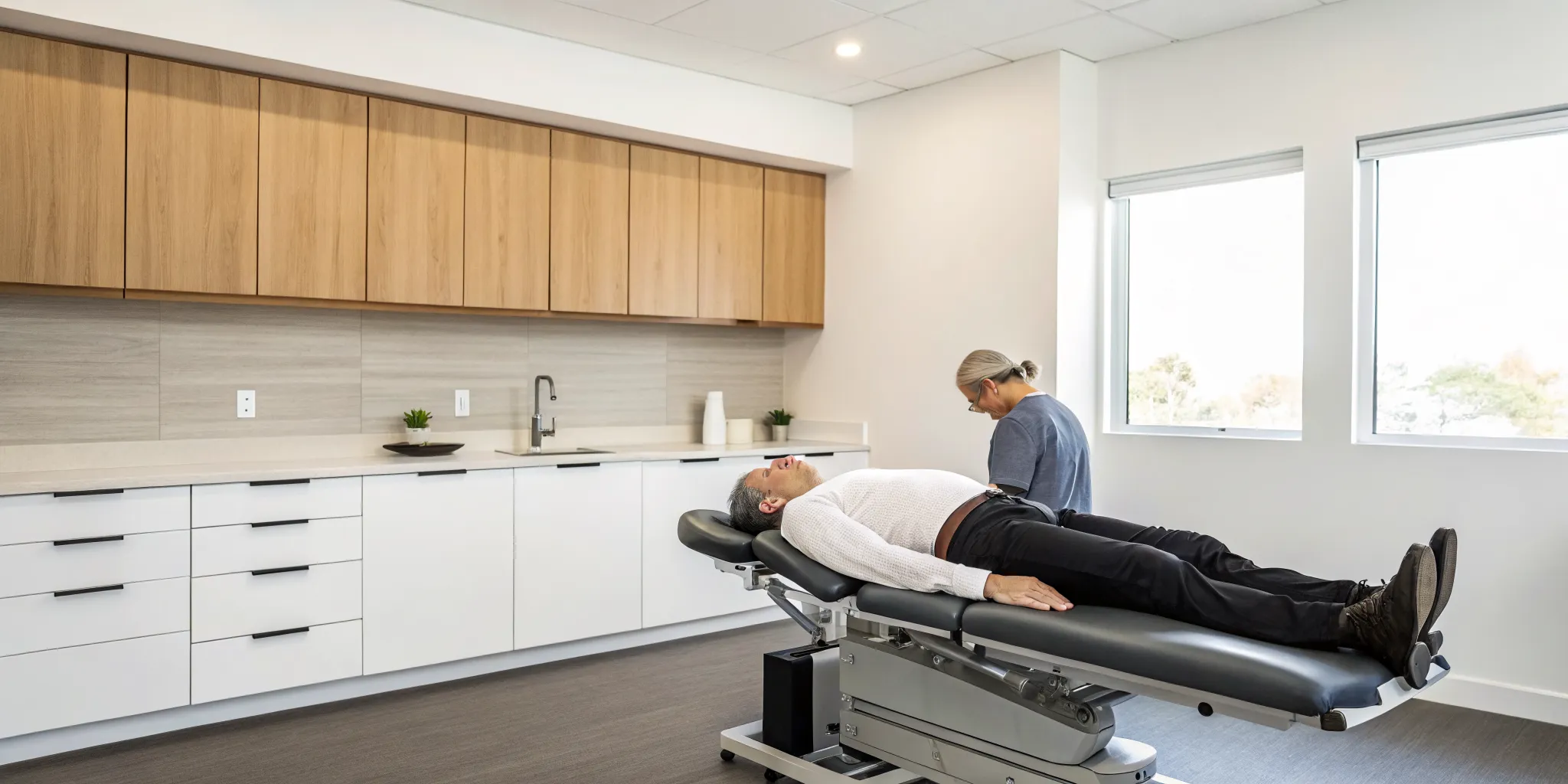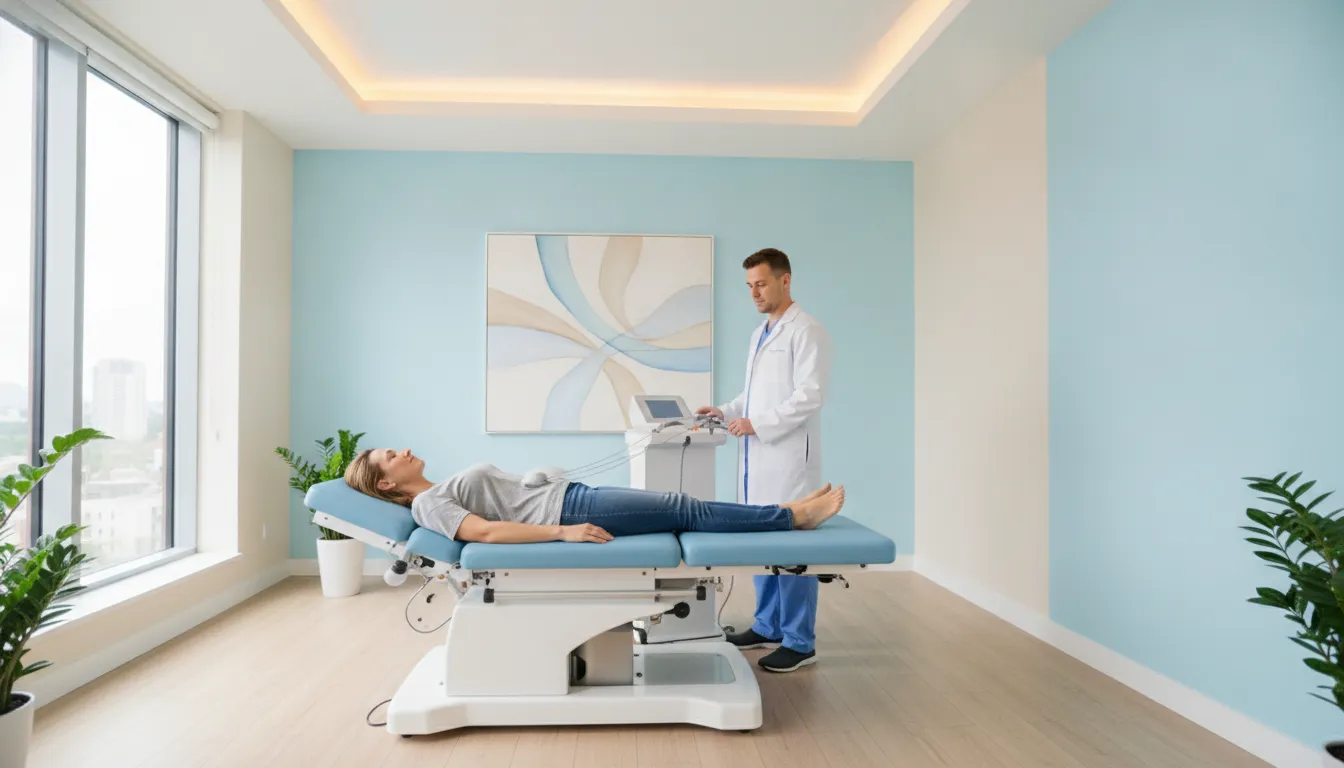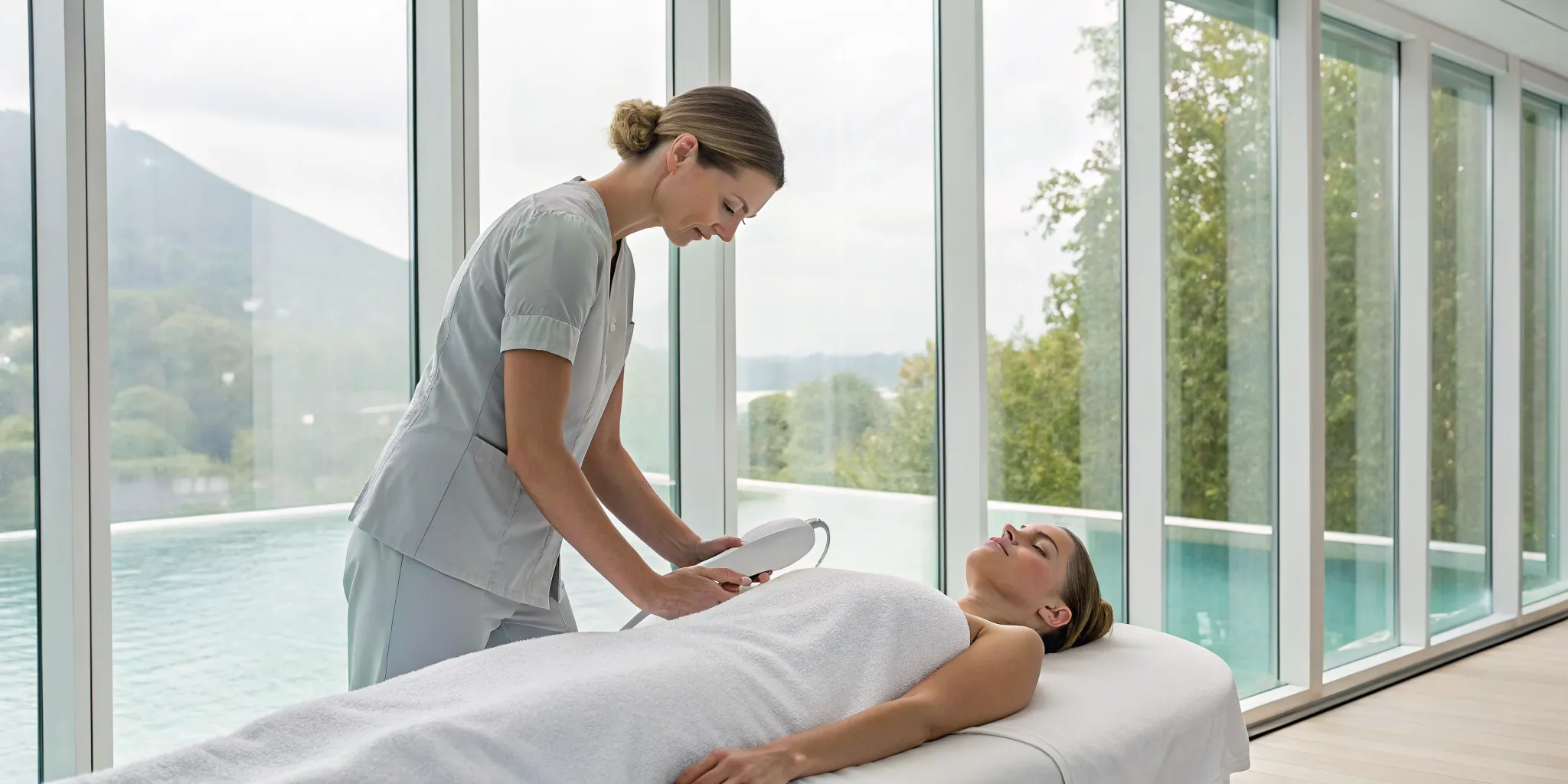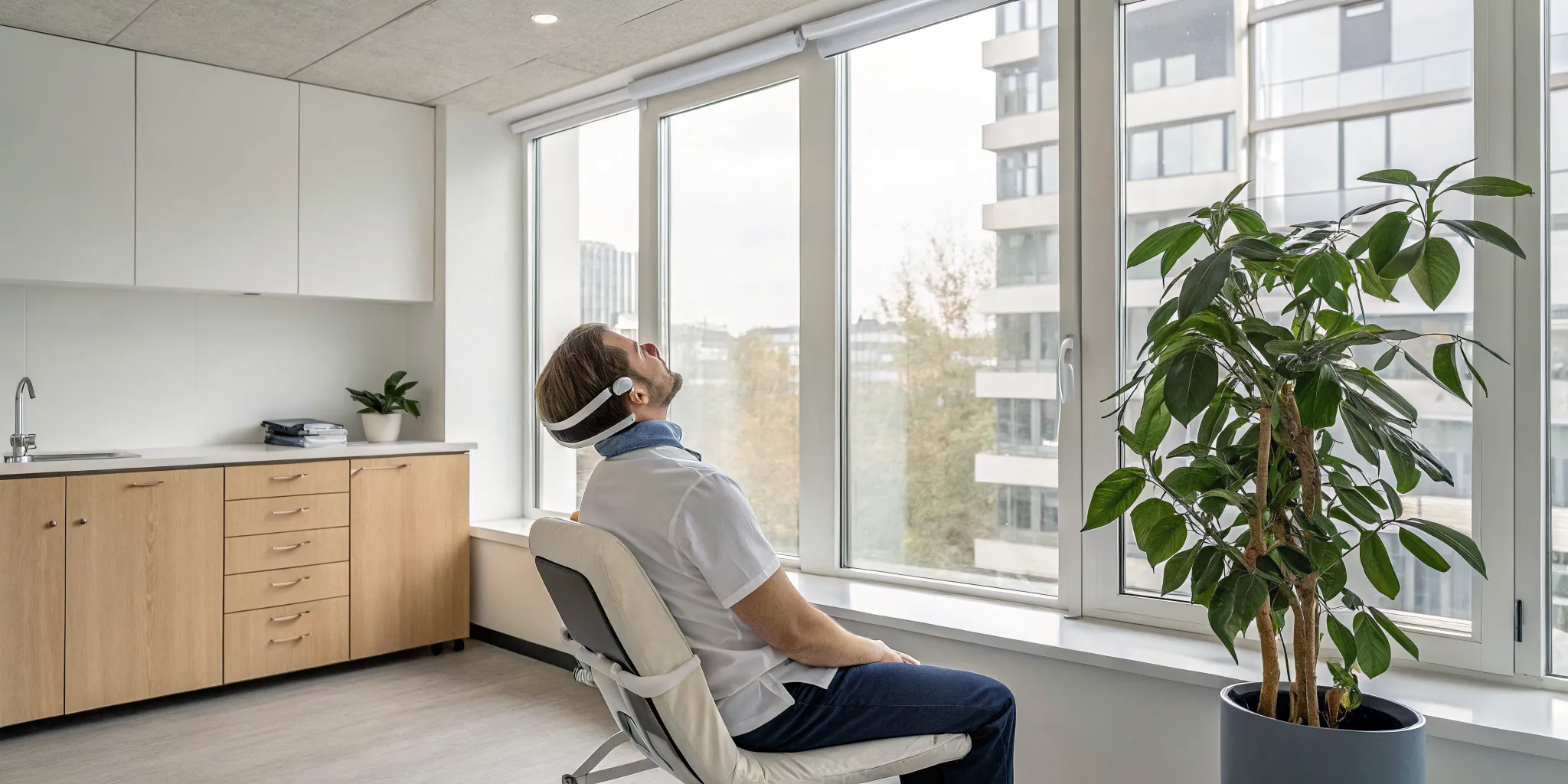
If you’ve been searching for a real solution to chronic spinal pain, you’ve likely come across a lot of information, and maybe some misinformation, too. Let's clear the air about spinal decompression. This isn't a painful procedure or a temporary fix. It's a gentle, FDA-approved therapy designed to provide long-term relief by addressing the underlying mechanical issues in your spine. Many of our patients find the sessions incredibly relaxing. To give you a better sense of the experience, seeing it in action can make all the difference. A decompression therapy video can show you firsthand how the specialized table works and what a typical session looks like, easing any concerns you might have.
Key Takeaways
- Address the root cause of pain: Spinal decompression is a non-surgical therapy that gently creates space in your spine, relieving pressure on discs and nerves to help resolve issues like herniated discs and sciatica, not just mask them.
- Expect a comfortable, relaxing session: This therapy is designed to be gentle and painless; you'll feel a slow, controlled stretch as the technology works, and many people find the experience so relaxing they can rest during treatment.
- Lasting relief requires a custom approach: This isn't a one-size-fits-all solution, so a professional consultation is essential to build a personalized plan that outlines the right number of sessions for your specific condition and goals.
What is Spinal Decompression Therapy?
If you live with persistent back or neck pain, you understand how it can overshadow everything. Simple movements can feel like a monumental task, and finding lasting relief can seem impossible. Spinal decompression therapy is a modern, non-surgical treatment designed to address the root cause of this pain by relieving pressure on your spinal discs and nerves. It’s a cornerstone of our physical medicine services, offering a gentle yet powerful way to help your body heal itself.
Instead of just managing symptoms, this therapy targets the mechanical compression that often leads to conditions like herniated discs and sciatica. By creating negative pressure within the discs, it helps retract bulging or herniated material and draws in a fresh supply of oxygen and nutrients. This process supports natural healing and can provide significant, long-term relief. It’s a sophisticated approach that works with your body’s own healing mechanisms, helping you get back to your life without the constant burden of pain.
How it gently creates space in your spine
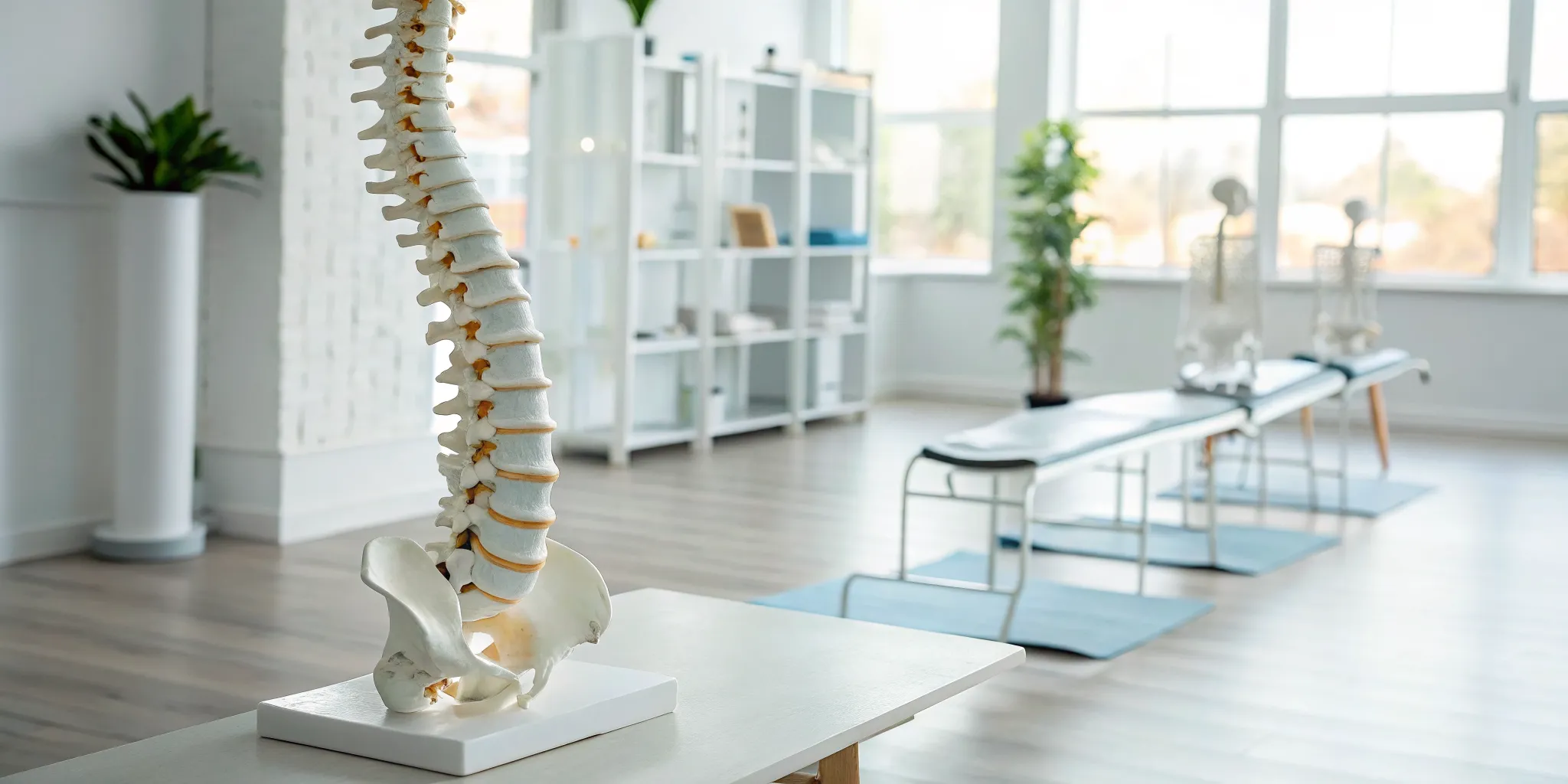
Think of your spine as a series of bones (vertebrae) with soft, cushion-like discs in between. Over time, due to injury or daily wear and tear, these discs can become compressed, leading them to bulge or herniate and press on surrounding nerves. Spinal decompression therapy uses a specialized table to apply a gentle, targeted stretching force to your spine.
This careful stretching creates a vacuum effect, or negative pressure, inside the targeted disc. This is crucial because it helps pull the bulging or herniated disc material back into its proper place, taking pressure off the nerves. At the same time, this process encourages the flow of water, oxygen, and nutrient-rich fluids into the discs, which is essential for their health and healing.
Decompression vs. traditional traction
While you may have heard of traction, spinal decompression is a more advanced and precise therapy. Traditional traction uses a steady, static pull, which can sometimes cause your muscles to reflexively tighten up and resist the stretch. This guarding response can limit the effectiveness of the treatment.
Spinal decompression, on the other hand, uses a sophisticated, computer-controlled system. The table cycles through gentle phases of pulling and relaxation, which helps prevent your muscles from guarding. This smarter approach allows for a deeper and more targeted stretch, making the treatment both more comfortable and more effective at decompressing the specific spinal segments that need it. It’s a painless therapy that has helped many of our patients find relief from chronic conditions and avoid more invasive procedures.
What Conditions Can Decompression Therapy Address?
Spinal decompression is a highly effective, gentle approach for a range of issues that cause back and neck pain. By creating negative pressure within the spine, this therapy helps relieve pressure on your spinal discs and nerves. It’s a cornerstone of our physical medicine services because it directly addresses the structural problems that lead to discomfort, rather than just masking the symptoms. If you’re dealing with persistent pain from a spinal condition, decompression might be the solution that helps your body heal.
This method is particularly helpful for those who have not found relief through other means and are looking for a non-invasive option to improve their quality of life. Instead of just managing pain, decompression therapy aims to correct the underlying mechanical issues within your spine. This focus on the root cause is what sets it apart. By gently stretching the spine, we can improve the flow of vital fluids and nutrients to the discs, which is essential for their health and function. This process not only alleviates pain but also creates an environment where your body can begin to repair itself. It’s a proactive approach to spinal health that supports your body’s natural healing capabilities.
Herniated and bulging discs
Think of the discs in your spine as small, soft cushions. When you have a herniated or bulging disc, one of these cushions has been pushed out of place, often putting pressure on nearby nerves. This can cause sharp, localized pain or pain that travels down your arms or legs. Spinal decompression gently stretches the spine, creating a vacuum effect that can help draw the bulging or herniated material back into the disc. This relieves the pressure on the nerve, which in turn eases the pain and allows the disc to start healing.
Sciatica and nerve pain
Sciatica is a classic example of nerve pain. It’s that shooting pain, tingling, or numbness that runs from your lower back down one of your legs. It happens when the sciatic nerve gets compressed or irritated, often by a herniated disc or a bone spur in the lumbar spine. Decompression therapy is excellent for this because it directly targets that compression. By creating more space in the lower spine, it takes the pressure off the sciatic nerve, providing significant relief from the radiating pain and helping you get back to moving comfortably.
Degenerative disc disease
Over time, our spinal discs can naturally wear down, lose moisture, and shrink. This process is known as degenerative disc disease, and it can lead to stiffness, chronic pain, and reduced mobility as the bones of the spine get closer together. Spinal decompression can help counteract this by gently pulling the vertebrae apart. This negative pressure encourages the flow of water, oxygen, and nutrients into the discs, which can help rehydrate them and support their health. It’s a proactive way to manage the condition and improve spinal function.
Chronic lower back and neck pain
If you live with persistent lower back or neck pain, you know how draining it can be. Often, this type of chronic pain is caused by years of mechanical stress, poor posture, or underlying disc issues that haven’t been properly addressed. Spinal decompression offers a non-surgical way to tackle the root of the problem. By relieving built-up pressure and promoting healing in the spinal structures, it can provide lasting relief where other methods have fallen short. It helps restore balance to the spine, easing the constant strain that leads to chronic discomfort.
See Decompression Therapy in Action
Reading about a health solution is one thing, but seeing it can make all the difference. It’s completely normal to feel a little hesitant or curious about what a therapy session actually looks like, especially when it involves your spine. That’s why we’ve gathered these videos for you. They are designed to walk you through spinal decompression, taking the mystery out of the process and showing you just how gentle and controlled it is. From a simple animation that explains the science to a look at a full treatment session, these clips give you a clear picture of what to expect.
Our goal at Ascend Functional Health is for you to feel confident and informed every step of the way. We believe that understanding how a therapy works is the first step toward feeling better. These videos will show you how decompression can create space in the spine, relieve pressure on nerves, and help your body’s natural healing processes. This approach is a key part of our physical medicine services, which focus on addressing the structural source of your discomfort. Take a few moments to watch, and you’ll see why so many people have found lasting relief with this therapy.
Video 1: An animated guide to spinal decompression
If you’re new to the idea of spinal decompression, this animated video is the perfect place to start. It breaks down the mechanics of the therapy in a way that’s incredibly easy to understand. You’ll see a visual representation of how gentle force creates negative pressure within your spinal discs, allowing them to retract and pull back into place. This process helps take pressure off pinched nerves and allows for an increase in healing nutrients to the area. Think of it as a simple, clear introduction that lays the foundation for understanding how this powerful therapy can help you find relief.
Video 2: Watch a full decompression session
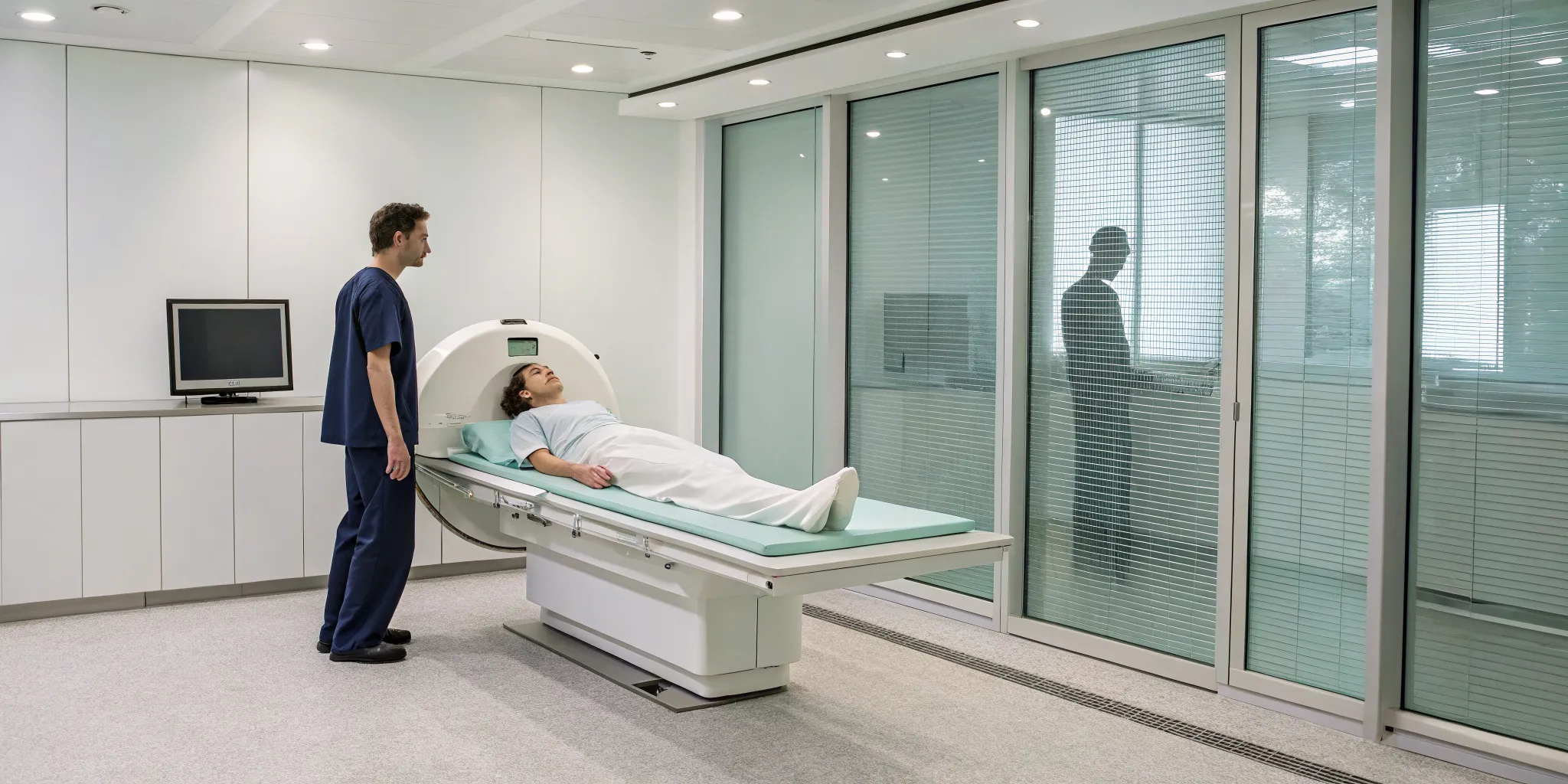
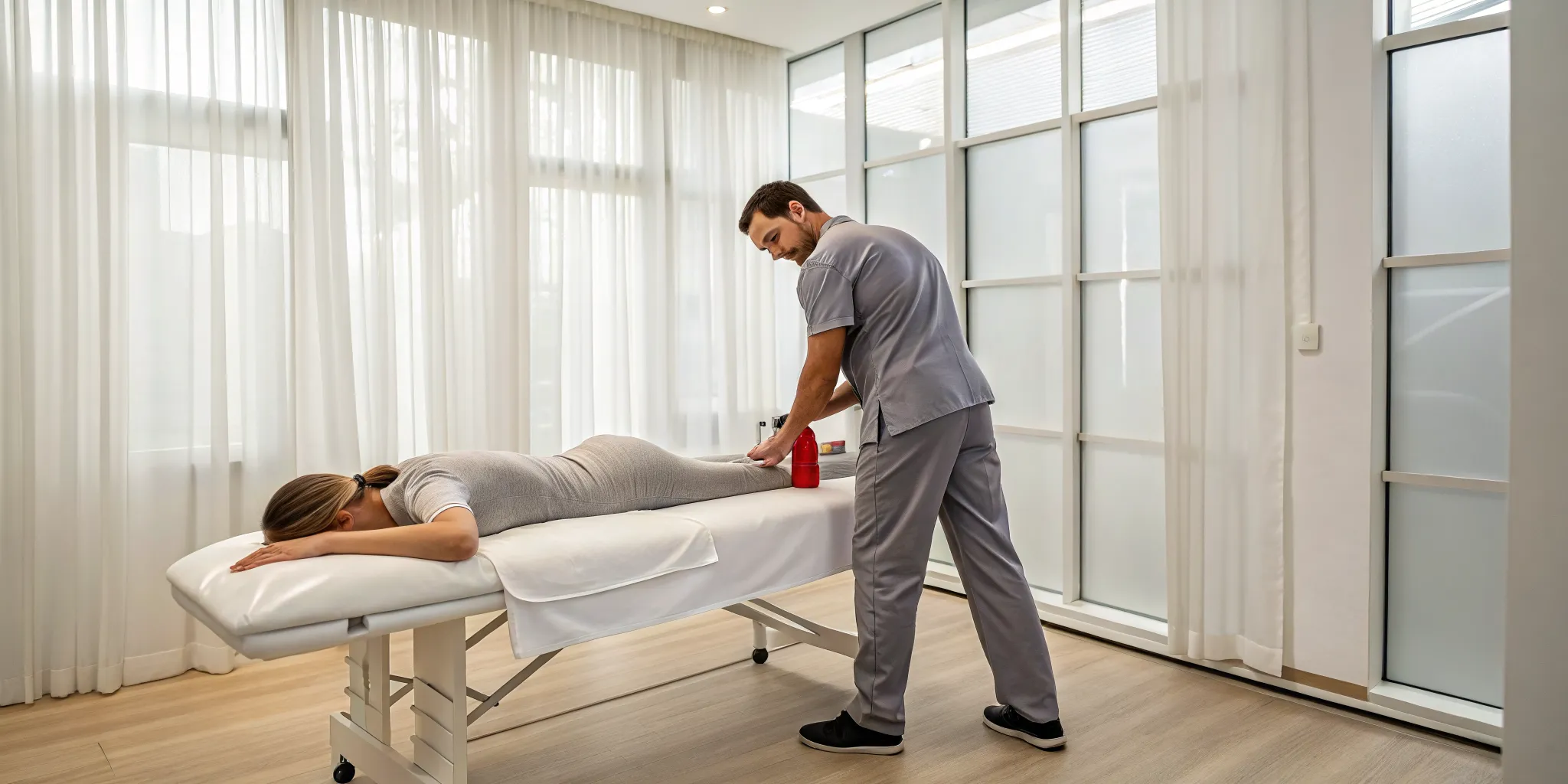
Curious about what happens when you’re actually on the decompression table? This video lets you see a complete session from start to finish. It helps demystify the entire experience by showing you the equipment and how a person is comfortably positioned for treatment. You’ll notice how calm and controlled the process is, as the technology does its work. Our team is always there to ensure you feel secure and relaxed throughout your session. Seeing it firsthand can help ease any concerns and show you that the treatment is a passive and comfortable experience for the patient.
Video 3: A closer look at lumbar decompression
Lower back pain can be incredibly disruptive, affecting everything from your ability to work to your favorite weekend activities. This video focuses specifically on lumbar decompression, showing how the therapy targets pain in the lower back. You’ll see how the treatment gently stretches the lumbar spine to relieve pressure from bulging or herniated discs, which are common sources of sciatica and chronic discomfort. If you’re dealing with lower back issues, this clip provides a focused look at how decompression can address the root of the problem and help restore your mobility and comfort.
Video 4: A closer look at cervical decompression
Neck pain, stiffness, and radiating symptoms like tingling in your arms can stem from compression in your cervical spine. This video zooms in on cervical decompression, explaining how this targeted therapy works to alleviate discomfort in your neck. It illustrates the gentle, precise stretching of the cervical vertebrae, which creates space and relieves pressure on nerves and discs. For anyone struggling with persistent neck pain or headaches related to spinal tension, this is a must-watch. It clearly demonstrates how this non-invasive approach can provide significant relief and is one of the many conditions we treat.
Video 5: Hear a patient's story
Sometimes, the most powerful way to understand a treatment’s impact is to hear from someone who has experienced it. In this video, a patient shares their personal journey with spinal decompression. They discuss the pain they were in before starting therapy and the profound relief and improved quality of life they found through their sessions. Hearing a real story can help you connect with the process on a more personal level and envision a similar outcome for yourself. We love seeing our patients get back to living fully, and our own patient testimonials reflect these life-changing results.
What to Expect During Your Session
If you’re considering spinal decompression, you’re probably wondering what a session is actually like. It’s natural to feel a little curious or even nervous about trying a new therapy. We want you to feel completely comfortable and informed from the moment you walk through our doors. The entire process is designed to be gentle, straightforward, and relaxing.
Many people are surprised by how calm and controlled the experience is. You’ll be comfortably positioned on a specialized table, and our team will be with you every step of the way to ensure you feel secure. The goal is to create a healing environment where your body can respond to the therapy without stress or discomfort. Let’s walk through exactly what happens during a typical appointment.
The equipment we use
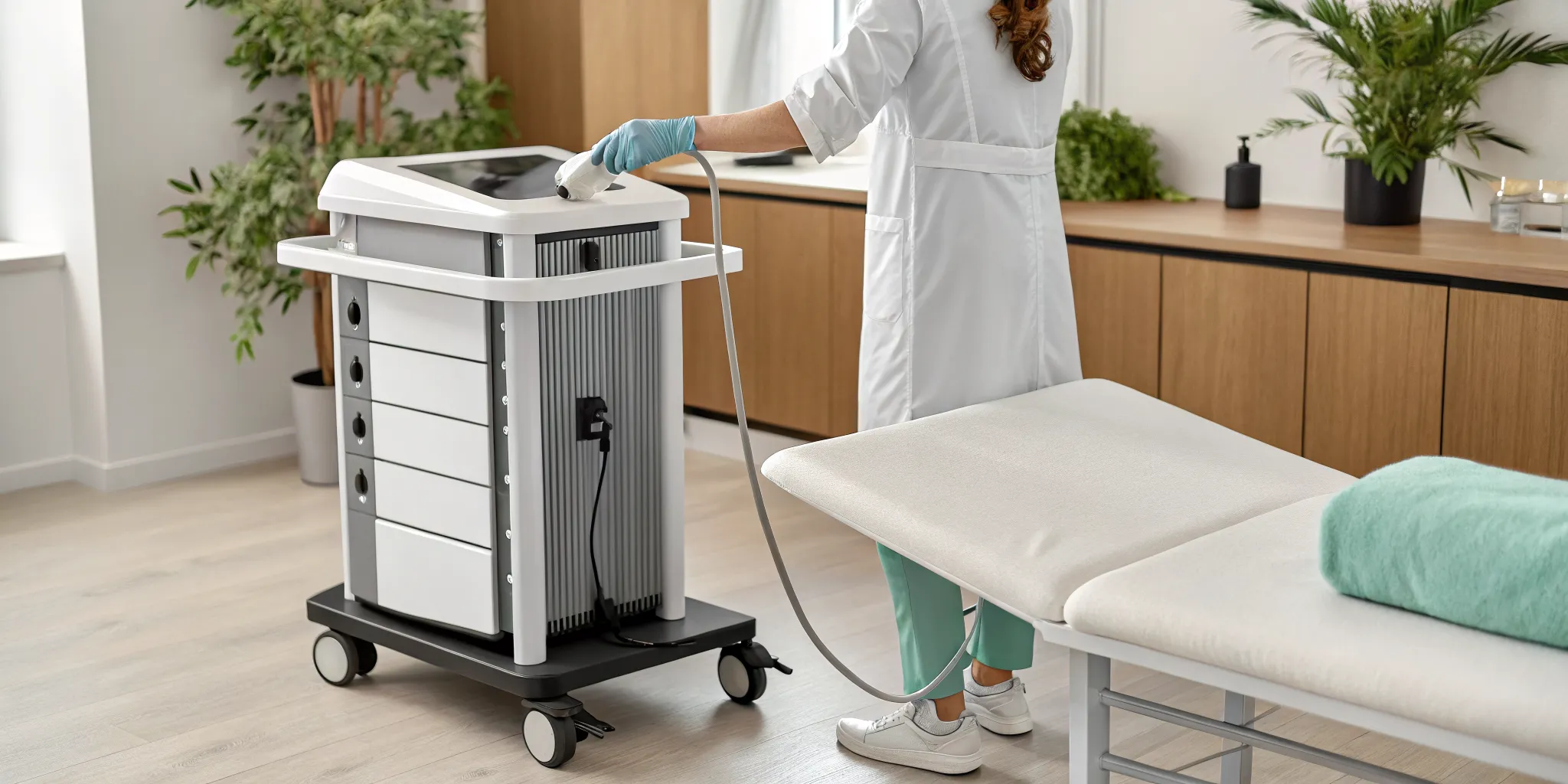
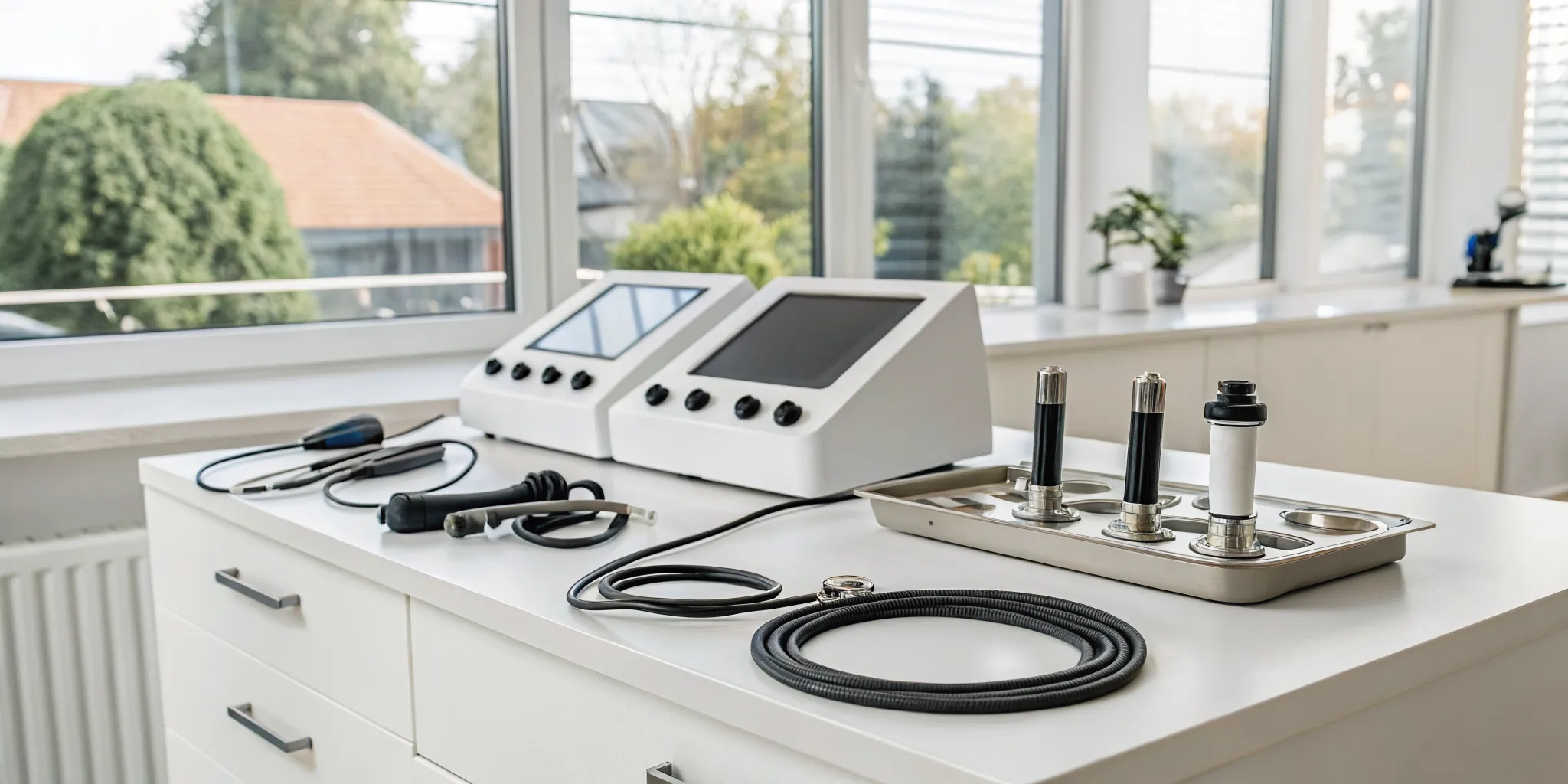
Our spinal decompression therapy uses a highly sophisticated, computer-controlled table. This isn't old-school traction; it's a precise and targeted technology. You'll be fitted into a comfortable harness that secures you to the table. Once the session begins, the table moves in a slow, deliberate way to gently stretch and release pressure in your spine. This process is carefully calibrated to your specific needs, targeting the exact spinal segments that need attention.
This technology is a cornerstone of our physical medicine services because it allows us to provide a non-invasive alternative for those dealing with persistent back, neck, or nerve pain. The computerized system ensures each movement is controlled and consistent, creating the ideal conditions for your discs to heal.
What you'll feel during treatment
One of the most common questions we get is, "Does it hurt?" The answer is no. Spinal decompression therapy is designed to be a gentle and painless treatment. As the table begins to work, you’ll feel a slow, mild stretching sensation in your back or neck. This feeling is often described as a pleasant release of pressure. The system is programmed to alternate between stretching and relaxation phases, which prevents muscle guarding and keeps you comfortable.
In fact, most people find the experience incredibly relaxing. It’s not uncommon for patients to listen to music, meditate, or even doze off during their session. You can read about the experiences of others on our patient testimonials page. The entire process is smooth and controlled, allowing you to simply lie back while the therapy does its work.
Session length and frequency
A single spinal decompression session typically lasts between 20 and 30 minutes. While many people feel some relief after their first appointment, the therapy works cumulatively. Lasting results come from completing a series of sessions that build on each other over time. This approach gives your spinal discs and surrounding tissues the time they need to heal and rehydrate properly.
The exact number and frequency of your sessions will depend on your specific condition, its severity, and your health goals. We create a personalized plan for every patient after a thorough initial consultation. This makes decompression a practical and effective approach for long-term spinal health, helping you get back to your life with improved mobility. To discuss what a personalized plan could look like for you, we invite you to schedule a consultation with our team.
Key Benefits of Spinal Decompression
If you're dealing with persistent back or neck pain, you've probably wondered what your options are beyond temporary fixes. Spinal decompression therapy offers a path toward lasting relief by addressing the root cause of the pressure. It’s about more than just managing symptoms; it’s about restoring your body’s natural function and getting you back to the life you love. Let’s look at some of the key benefits our patients experience.
Find relief and improve your mobility
The primary goal of spinal decompression is to gently relieve the pressure that builds up on your spinal discs and nerves. This can lead to significant relief from discomfort without relying on pain medication. As the pressure eases, many of our patients notice a real increase in their flexibility and range of motion. Imagine being able to bend, twist, and move with more freedom and less pain. This therapy helps create the space your body needs to heal itself, addressing many of the conditions we treat that hold people back from living fully.
A gentle, non-surgical approach
The idea of someone working on your spine can sound intimidating, but spinal decompression is designed to be a gentle and comfortable treatment. Many people even find the sessions relaxing. It’s a powerful, non-invasive alternative that has helped many individuals avoid spinal surgery altogether. Our approach to physical medicine prioritizes the least invasive, most effective methods first. Decompression fits perfectly into that philosophy, offering a way to achieve significant results without the risks and recovery time associated with more invasive procedures.
Support for long-term spinal health
While immediate relief is a major plus, we’re focused on your long-term well-being. Spinal decompression isn't a temporary patch; it's a safe, FDA-approved treatment that contributes to the lasting health of your spine. By creating a negative pressure environment, it helps draw nutrients, oxygen, and moisture back into the discs, promoting a healthier environment for healing. This is how many patients experience long-lasting relief. You can hear directly from some of them on our patient testimonials page. It’s about building a foundation for a stronger, more resilient back for years to come.
When decompression isn't the right fit
As effective as spinal decompression is, it’s not the right solution for everyone. Your safety is our top priority, and we're always transparent about who makes a good candidate. For example, this therapy is generally not recommended for individuals with certain conditions like severe osteoporosis, spinal fractures, or specific types of spinal implants. This is why a thorough consultation is a non-negotiable first step. We take the time to understand your complete health history to determine if decompression is the best path for you. If you're curious about your options, the best thing to do is schedule a consultation with our team.
Common Myths About Spinal Decompression
When you’re dealing with back or neck pain, it’s easy to get overwhelmed by information, and unfortunately, a lot of it is inaccurate. Spinal decompression is a powerful tool for healing, but it’s surrounded by misconceptions. Let's clear the air and separate fact from fiction so you can make an informed decision about your health. We'll walk through the most common myths and explain what this therapy is really like.
Myth: "It's a painful process."
This is probably the biggest hesitation I hear from people, and it’s completely understandable. The good news is that spinal decompression is designed to be a gentle and comfortable therapy. You’ll lie on a specialized table, and the system will apply a slow, controlled stretch to your spine. Most people describe the sensation as a mild pull, not pain. In fact, many of our patients find the sessions so relaxing that they doze off. The goal is to create space and reduce pressure, which is the opposite of causing pain. It’s a treatment that works with your body, not against it.
Myth: "It's just like surgery."
Let’s be clear: spinal decompression is a non-invasive, non-surgical treatment. This myth likely comes from the name, which sounds a bit intense. Unlike surgery, there are no incisions, no anesthesia, and no long recovery periods. You can get back to your day right after a session. Think of it as a highly targeted and advanced form of traction that helps your body heal itself naturally. It’s one of the many tools we use in our physical medicine approach to provide relief without the risks and downtime associated with surgical procedures.
Myth: "It's only for extreme cases."
While spinal decompression is incredibly effective for significant disc issues, you don't have to be in debilitating pain to benefit from it. This therapy is a great option for a wide range of spinal problems, from nagging lower back aches and sciatica to bulging discs. It’s not just a last resort. By addressing spinal compression early, you can often prevent minor issues from becoming major ones. We use it to treat a variety of conditions and help people at different stages of their healing journey get back to living comfortably.
Myth: "The results don't last."
Some treatments offer a temporary fix, but spinal decompression aims for long-term change. By gently separating the vertebrae, the therapy creates negative pressure within the disc. This allows herniated or bulging material to retract and helps draw in water, oxygen, and nutrients to promote healing. It’s not just masking the pain; it’s helping to fix the underlying problem. When combined with corrective exercises and lifestyle adjustments as part of a holistic plan, many of our patients experience lasting relief. You can hear some of their stories on our testimonials page.
Is Decompression Therapy Right for You?
You've seen how spinal decompression works and the conditions it can help. Now, the big question is: could it be the right solution for you? While it’s a fantastic option for many people dealing with chronic pain, the best way to know for sure is to talk with a professional. Let's look at what makes someone a good candidate and why a one-on-one consultation is such a crucial step in your healing journey.
Who makes a good candidate?
If you're struggling with persistent back pain, neck pain, or sciatica that just won't quit, you might be a great candidate for spinal decompression. This therapy is particularly effective for people with herniated or bulging discs, degenerative disc disease, and nerve-related pain that radiates down the legs or arms. The good news is that it’s a safe and effective option for individuals of all ages who are looking for a non-surgical approach to pain relief. It’s designed to help your body heal by addressing the root cause of the pressure on your spine, making it a powerful tool for a wide range of conditions.
Why a professional consultation is key
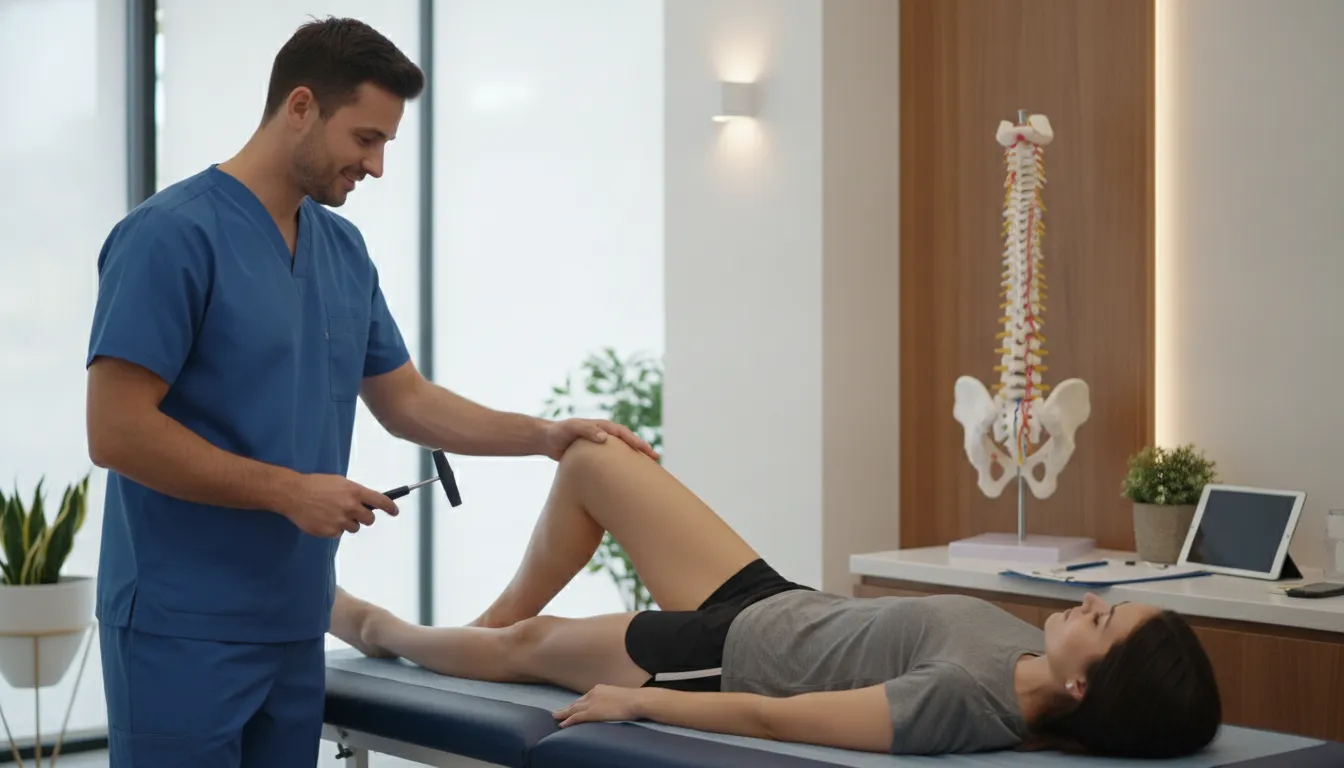
While it’s helpful to learn about decompression therapy, the only way to know if it’s the right fit for your unique situation is through a professional consultation. During this initial visit, we’ll conduct a thorough assessment to understand the root cause of your discomfort. This step is essential because it ensures we create the most effective and personalized treatment plan for you. Many people worry that the process might be uncomfortable, but it’s actually a very gentle and controlled treatment; most patients find it quite relaxing. A consultation allows us to answer all your questions and confirm that you are a candidate for this therapy. Ready to find out if decompression can help you? Let's schedule a consultation and start the conversation.
Our Approach to Decompression Care in Tampa
At Ascend Functional Health, we see you as a whole person, not just a collection of symptoms. Our approach to decompression therapy is built on a foundation of personalized care that addresses the root causes of your pain, ensuring you get a plan that truly works for you.
Your personalized, root-cause treatment plan
Your care plan should be as unique as you are. We start by creating a personalized strategy that gets to the root cause of your pain instead of just masking it. Spinal decompression is a gentle, non-invasive treatment designed to provide lasting relief, and for many, it’s a welcome alternative to more invasive procedures. We don’t just focus on one technique, though. Your plan will be comprehensive, often integrating other therapeutic modalities to support your body’s natural healing process. Our goal is to create a strategy that addresses your specific needs and helps you achieve your health goals.
The Ascend Functional Health difference
What sets Ascend Functional Health apart is our deep commitment to your comfort and understanding. We know the idea of any new treatment can be intimidating, but many people are surprised to find spinal decompression therapy quite relaxing. We take the time to walk you through every step, ensuring you feel supported and at ease throughout your journey. This FDA-approved therapy is a safe and effective option for many individuals dealing with chronic pain. We're here to be your partners in health, guiding you through a compassionate recovery process so you can get back to living your life to the fullest.
Related Articles
- Revitalize Your Spine with Spinal Decompression Therapy in Tampa, FL
- Is Lumbar Decompression Chiropractic for You?
- Spinal Decompression Therapy in Tampa, FL - Alessi Functional Health
- Spinal Decompression Hurts Lower Back: Normal or Not?
Frequently Asked Questions
Does spinal decompression hurt? Not at all. This is one of the most common concerns, but the therapy is designed to be completely gentle. You will feel a light stretching in your back or neck, but the process is controlled and comfortable. The system we use alternates between a gentle pull and a relaxation phase, which keeps your muscles from tensing up. Most people find the sessions to be very relaxing, and some even take a short nap.
How is this different from using an inversion table at home? While both aim to use gravity to create space, spinal decompression therapy is far more precise and targeted. An inversion table provides a static, uncontrolled stretch that can cause your muscles to tighten in response. Our computerized system, however, uses a sophisticated process to cycle between gentle stretching and relaxation. This smart approach allows for a deeper and more effective decompression of specific spinal discs without triggering muscle guarding.
How soon can I expect to feel relief? This varies from person to person, as everyone's body responds differently. Some people notice an improvement after just a few sessions, while for others, it's a more gradual process. The therapy has a cumulative effect, meaning the benefits build over time. The goal is not just temporary relief but lasting healing of the spinal discs, which requires a consistent series of treatments.
What happens after my treatment plan is complete? Will the pain come back? Our goal is to provide long-term results, not a temporary fix. Spinal decompression works by helping to correct the underlying mechanical problem in your spine. To support your results, we often incorporate corrective exercises and lifestyle recommendations into your overall care plan. This helps strengthen your supporting muscles and maintain spinal health, reducing the likelihood of the pain returning.
Can I have this therapy if I've had spinal surgery in the past? This is a great question, and the answer depends on your specific situation. In many cases, individuals who have had surgery can still be candidates for decompression, but it depends on the type of procedure and how much time has passed. This is precisely why a thorough, one-on-one consultation is our first step. It allows us to review your health history and determine the safest and most effective path forward for you.