Stress is not only an emotional experience. It is a whole-body process that can influence how you sleep, move, digest food, concentrate, and recover from everyday demands. For people balancing work, family, traffic, heat, and other pressures across Tampa Bay, the goal is not to eliminate every stressor. It is to understand how your body responds and where support may be appropriate.
Stress resilience describes the capacity to adapt to challenging demands and recover more effectively afterward. It is shaped by individual experiences, internal resources, emotional state, and physical health, so it should be understood as a supportable capacity rather than a measure of character.
Short-term stress responses can help the body respond to immediate demands, while persistent or overwhelming stress may undermine well-being over time. A personalized evaluation can consider relevant physical, biochemical, sleep, digestive, and energy patterns without assuming that one explanation fits everyone. Understanding what resilience means in everyday health is a useful starting point for deciding what deserves closer attention.
Schedule a consultation-focused conversation with Ascend Functional Health
What Does Stress Resilience Mean for Everyday Health?
Stress resilience is the capacity to adapt to challenging circumstances and recover more effectively after stress, not a measure of toughness or willpower. It is a changing interaction between the demands you face, how your brain evaluates them, your available resources, and the physical and behavioral responses that follow.
Stress itself is a process involving the perception of and response to challenging or threatening stimuli. In an acute situation, the stress response can be adaptive. Arousal activates the autonomic nervous system and releases hormones that prepare the body to respond to immediate demands. Once the demand passes, the body can begin returning toward its usual state. This short-term response is different from living under repeated or prolonged pressure.
Recovery is part of resilience
Researchers at the University of Rochester describe resilience as an ability that helps some people recover from stress more easily than others. Recovery does not necessarily mean feeling calm all the time or avoiding difficult experiences. It can involve adjusting to a situation, reassessing what is happening, drawing on support, and gradually restoring physical and emotional balance. The research literature describes stress and resilience as involving cognitive, physiological, and behavioral adaptations rather than one fixed personality trait.
That distinction matters. Someone who is struggling after a demanding season is not failing at resilience. Stress perception and response can vary with the situation, prior emotional state, personal characteristics, and internal resources. The same event may affect two people differently, and one person may respond differently at different points in life. Stress resilience should therefore be viewed as a capacity that can be influenced by circumstances and supported through appropriate care, not as a character judgment.
Why prolonged stress deserves attention
When demands remain high or recovery is repeatedly interrupted, the body's ongoing effort to adapt may become less effective. In physiology, allostasis refers to biological adjustments that help maintain stable processes as demands change. Excessive or prolonged allostatic activity can contribute to what researchers call allostatic load, which is associated with greater stress vulnerability and disease risk. Persistent or overwhelming stress can also undermine overall well-being.
This does not mean that stress automatically explains a symptom or establishes a diagnosis. It does mean that ongoing concerns deserve context. Fatigue, disrupted sleep, digestive changes, tension, or difficulty concentrating can have many possible contributors. A thoughtful health evaluation considers the whole person rather than labeling every experience as a stress problem.
For adults in Tampa Bay, learning about stress resilience can be a useful starting point for noticing patterns and deciding when personalized guidance may be appropriate. General education can help you ask better questions, while a qualified clinician can help determine what evaluation, if any, fits your individual history.
Read the academic review of stress, resilience, and neuroplasticity.
Which Signs Suggest Your Stress Load Deserves a Closer Look?
A closer look may be worthwhile when several changes persist together, affect daily function, or continue despite reasonable efforts to recover. Fatigue, disrupted sleep, digestive concerns, brain fog, muscle tension, and a sense of persistent overwhelm can overlap with prolonged stress. But they are not proof that stress is the cause. They can also reflect many other physical, emotional, or environmental factors.
One useful pattern to notice is a change from your usual baseline. You may feel tired even after what should be adequate rest, wake frequently, or find that your sleep no longer feels restorative. During the day, concentration may require more effort. Tasks that once felt manageable can seem unusually demanding, and you may describe the experience as brain fog rather than simple distraction.
Stress-related patterns can also show up outside the mind. Some people notice changes in digestion, appetite, or tolerance for foods. Others experience jaw clenching, neck and shoulder tension, headaches, or a body that remains physically keyed up. These observations do not establish a diagnosis. They simply provide useful context for a conversation with a qualified clinician.
Persistent or overwhelming stress has been associated with broader effects on well-being, and research describes connections with processes such as inflammation and oxidative stress. The University of Rochester notes that resilience involves how readily a person recovers from stress, while prolonged stress can undermine overall well-being. These concepts help explain why recovery patterns matter, but they should not be used to label your symptoms without an individualized evaluation.
Consider recording when the changes began, what makes them better or worse, and whether sleep, digestion, energy, mood, pain, or concentration shifted at the same time. A pattern that lasts, worsens, or interferes with work, relationships, exercise, or everyday responsibilities deserves attention. So does a cluster of concerns that feels difficult to explain or manage on your own.
For Tampa Bay adults seeking a broader perspective, Functional Medicine evaluation can provide a setting to review symptoms and health history in context. The purpose is not to assume that stress explains everything. It is to ask better questions, identify what may need further attention, and determine whether additional evaluation is appropriate.
What Daily Foundations Can Support Stress Resilience?
Daily foundations can support stress resilience by giving the body and mind more consistent opportunities to recover, adapt, and respond thoughtfully to changing demands. These habits are not a complete solution or a substitute for clinical care. But they can provide useful context when you are evaluating patterns in energy, sleep, digestion, mood, or physical tension.
- Protect a consistent sleep rhythm. Aim for regularity in your sleep and wake schedule when your circumstances allow. Sleep hygiene is one part of the lifestyle support described in Ascend's functional medicine care model. But the right approach can vary with work demands, caregiving, health concerns, and other factors. If sleep remains disrupted, consider discussing the pattern with a qualified clinician rather than assuming it is only a matter of discipline.
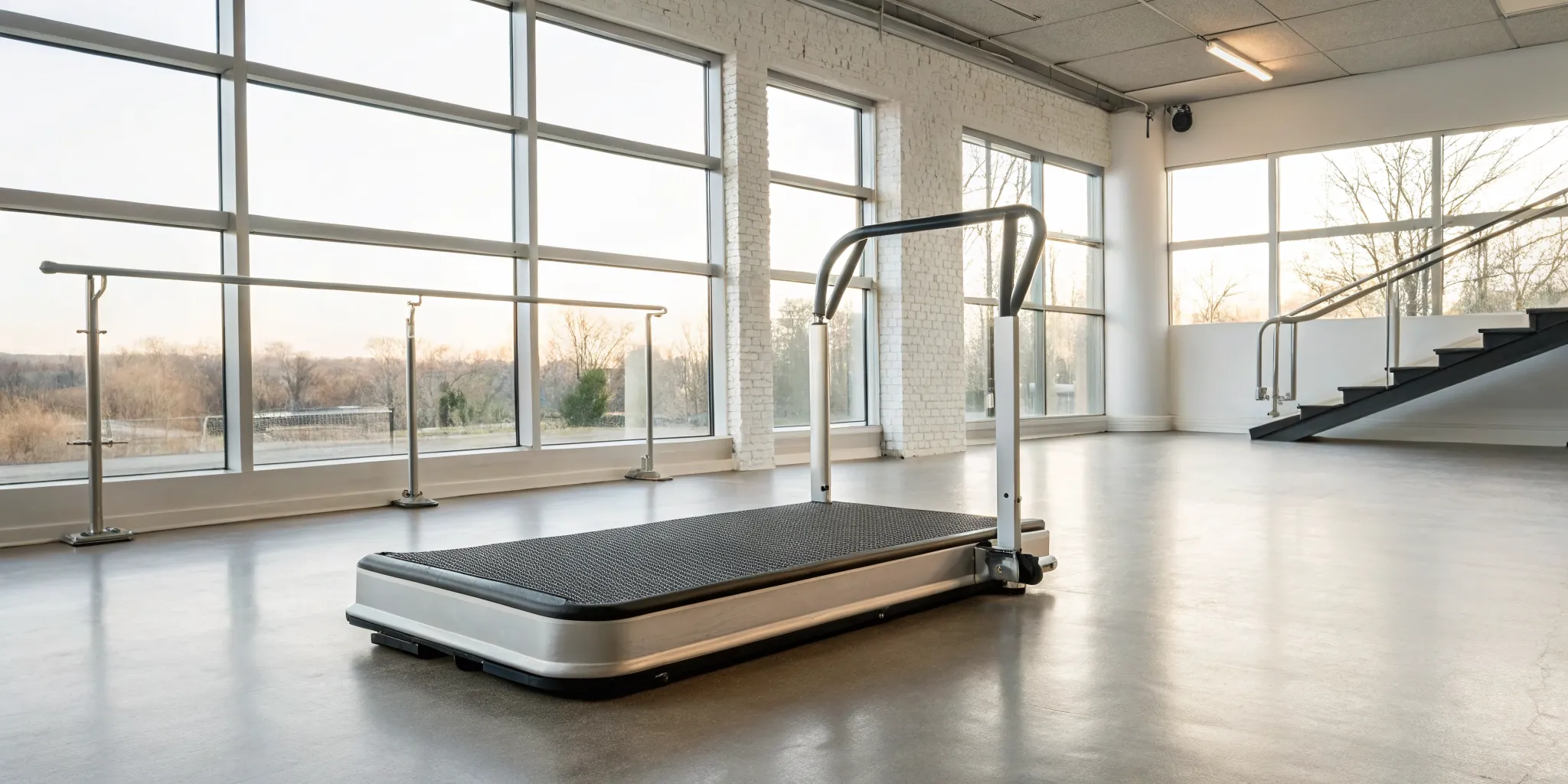
- Choose movement that fits your current capacity. Appropriate movement may include walking, mobility work, strength activities, or other forms of physical activity that are reasonable for your body and circumstances. The goal is not to push through pain or exhaustion. Movement needs can be influenced by range of motion, balance, strength, prior injuries, and other concerns, so persistent limitations may warrant individualized evaluation.
- Maintain supportive human connection. Resilience is not an individual character test. A trusted friend, family member, therapist, support group, or community can provide perspective and practical support during demanding periods. Reaching out may be especially important when stress feels persistent or overwhelming, or when it begins to affect daily functioning.
- Make room for awareness and slower breathing. Brief periods of noticing physical sensations, emotions, and thought patterns can help you recognize how you are responding to stress. Some people find quiet breathing or other awareness practices useful. Keep these practices gentle and optional. They should not be framed as a complete solution, and they should not replace mental health or medical support when that support is needed.
- Favor steady nourishment. Regular, balanced meals and adequate hydration can help you observe connections between nourishment, energy, digestion, and concentration. Avoid turning nutrition into a rigid set of rules. Ascend's audience includes preventive-minded adults who want to use information and testing to make informed decisions. But individualized nutrition guidance should be based on the person's context rather than a universal plan.
- Practice pacing and review patterns over time. Break demanding responsibilities into manageable parts, allow recovery between intense activities, and notice which situations seem to increase fatigue, tension, or sleep disruption. Stress-related adaptation can involve coping strategies, cognitive re-evaluation, and physiological adjustments, as described in the academic literature on stress and resilience (review of stress and resilience mechanisms). Tracking patterns can support a more useful conversation with a clinician, especially when concerns persist, worsen, or overlap with other symptoms.
How Can Functional Medicine Help Explore Stress-Related Patterns?
Functional Medicine can help explore stress-related patterns by looking at your history, goals, symptoms, and relevant health data together. The purpose is not to label every concern as stress, but to consider how sleep, energy, digestion, hormones, and other factors may fit into your individual picture.
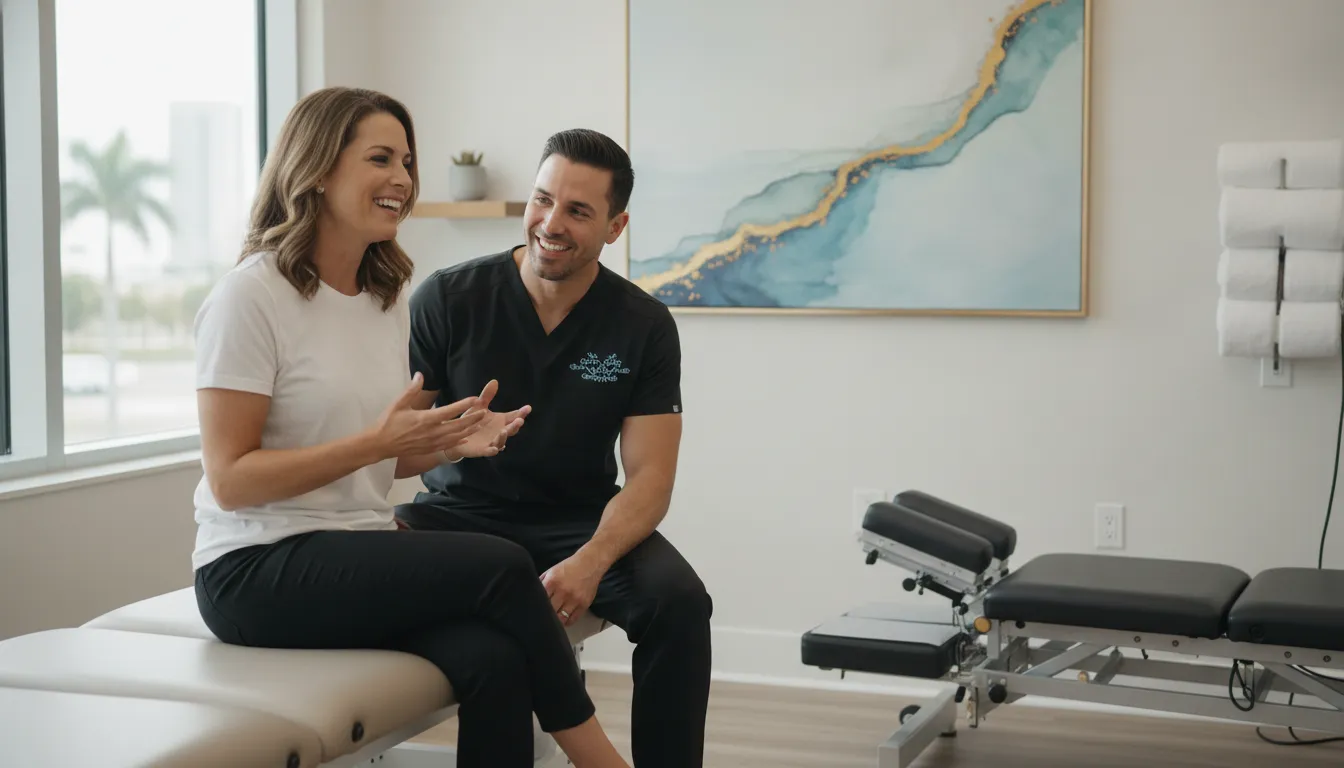
A visit typically begins with a detailed conversation. You may discuss when your concerns began, how they change over time, your sleep quality, daily demands, nutrition, activity, medications, and previous evaluations. Your goals matter too. One person may want to understand persistent fatigue, while another may be trying to make sense of digestive changes, brain fog, or reduced capacity to recover after demanding weeks. These concerns can overlap with prolonged stress, but overlap alone does not establish a diagnosis.
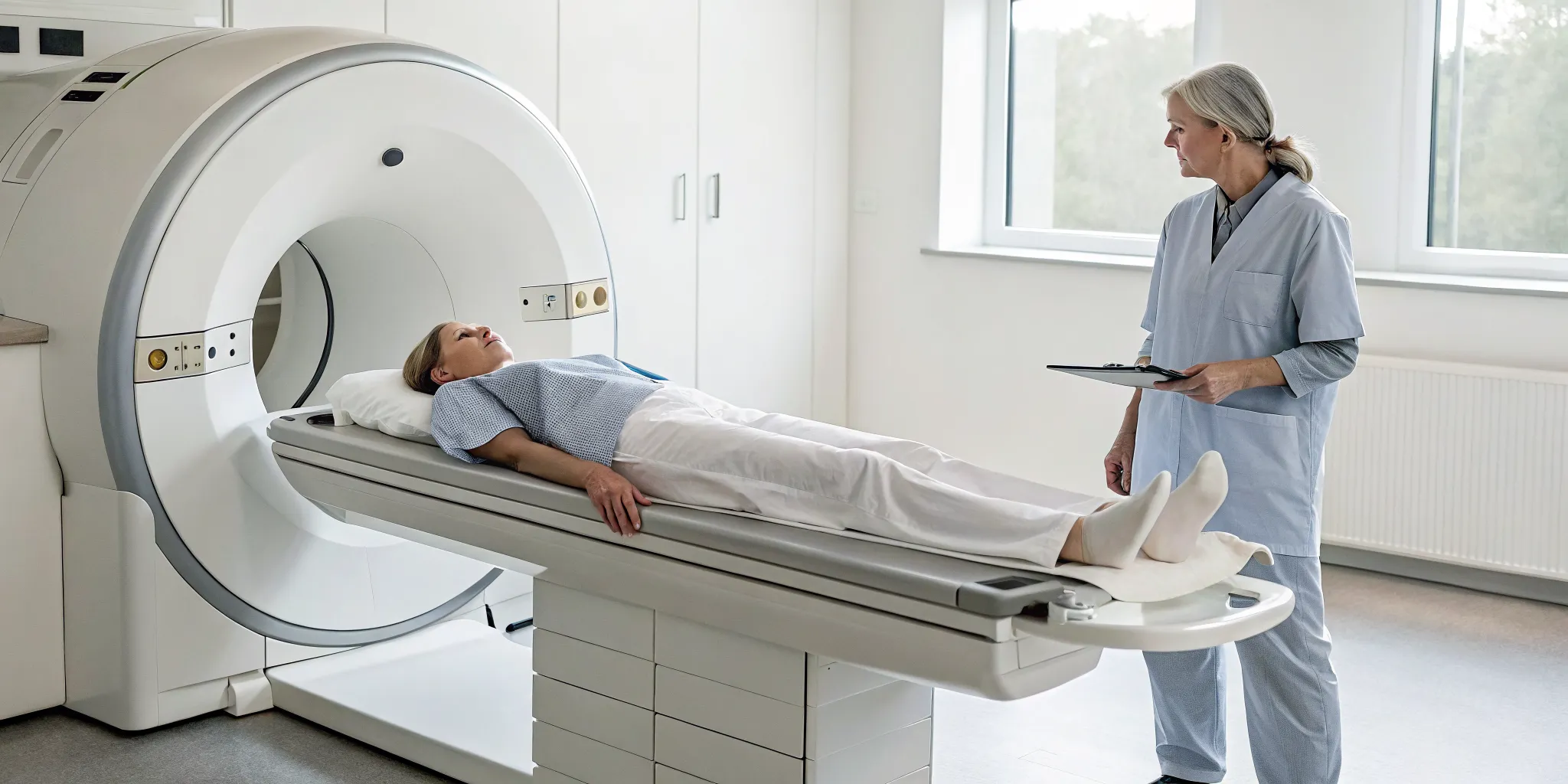
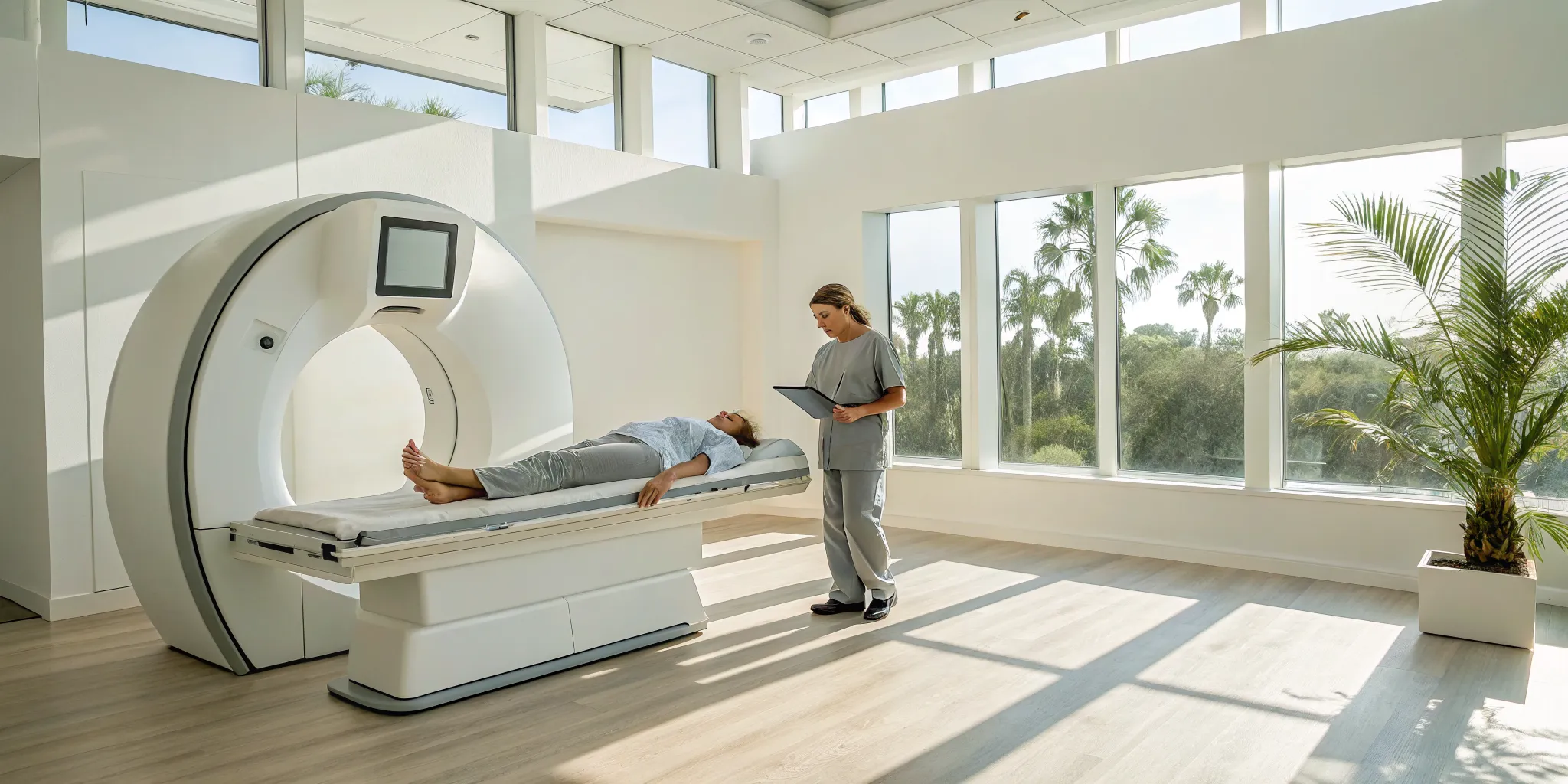
This history helps a clinician decide whether further evaluation is appropriate. Ascend describes its Functional Medicine approach as a personalized, root-cause evaluation that uses comprehensive laboratory testing, nutrition protocols, hormone-related care, and gut-health support when appropriate to the individual. Possible diagnostic options may include basic or advanced laboratory panels, micronutrient analysis, organic-acids testing, GI-MAP stool analysis, food-sensitivity panels, DUTCH hormone testing, or adrenal stress profiles. These are examples of options, not an automatic checklist for every patient.
Testing should answer a useful clinical question rather than create data without direction. Depending on your history and goals, an evaluation may focus on patterns related to energy, digestion, sleep, or hormonal concerns. Results also need context. A laboratory value is one part of a broader assessment, and it should be interpreted alongside symptoms, examination findings, medical history, and any care you are already receiving.
For Tampa Bay adults seeking a more individualized process, personalized functional medicine evaluation can provide a starting point for discussing those patterns. If fatigue is a central concern, you can also review Ascend's article on functional medicine for fatigue. A thoughtful evaluation does not promise an instant solution. It helps clarify which questions deserve attention and which next steps are reasonable for your situation.
How Does Physical Medicine Fit Into a Stress Resilience Plan?
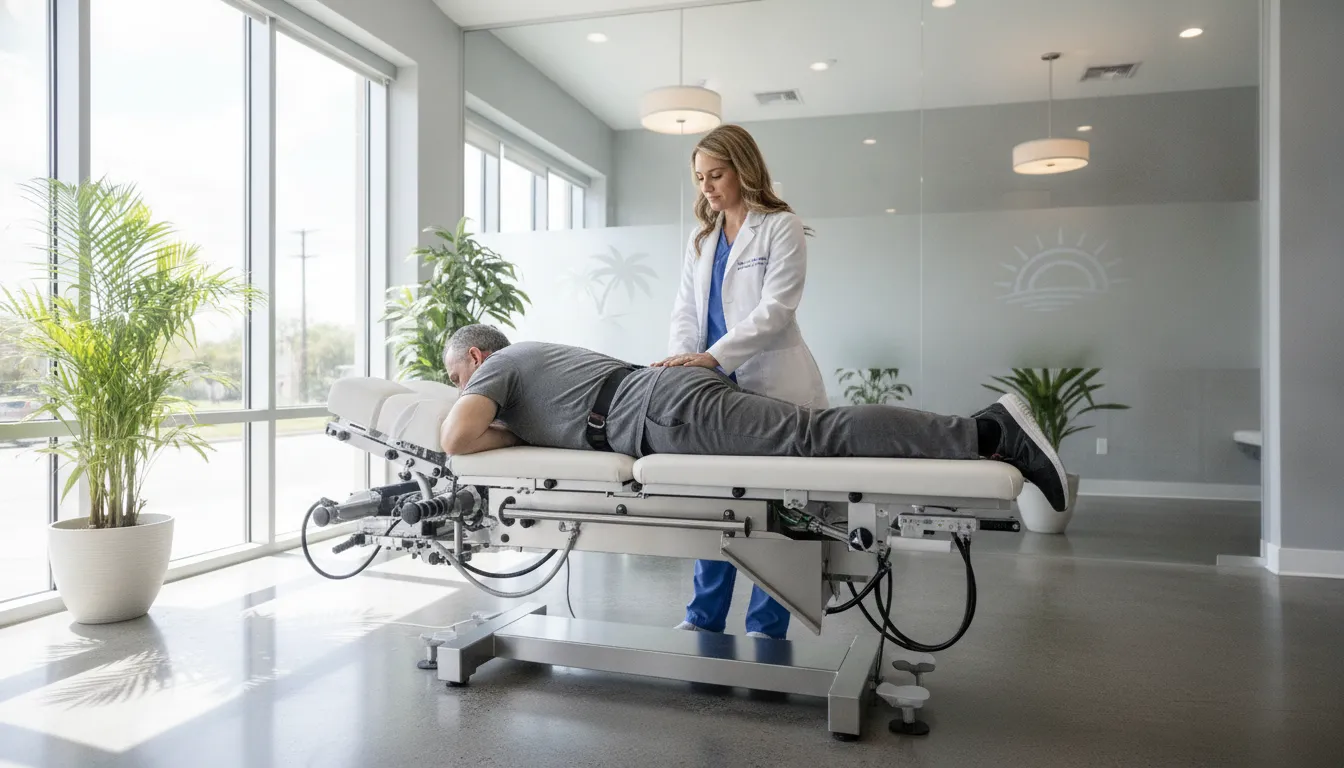
Physical Medicine can add an important movement and pain perspective to a stress resilience plan. It does not treat stress itself or promise a particular outcome. It can help clarify how mobility, strength, balance, muscle tension, and pain may affect daily function during a high stress load.
Stress and physical discomfort can exist at the same time, and their overlap is not always easy to interpret. A person who feels persistently overwhelmed may also notice guarded movement, reduced range of motion, recurring tension, or less confidence with activity. Those observations do not establish a diagnosis, and they should not be assumed to come from stress alone. They are reasons to look at the broader context rather than reducing every concern to a single cause.
What a physical assessment may examine
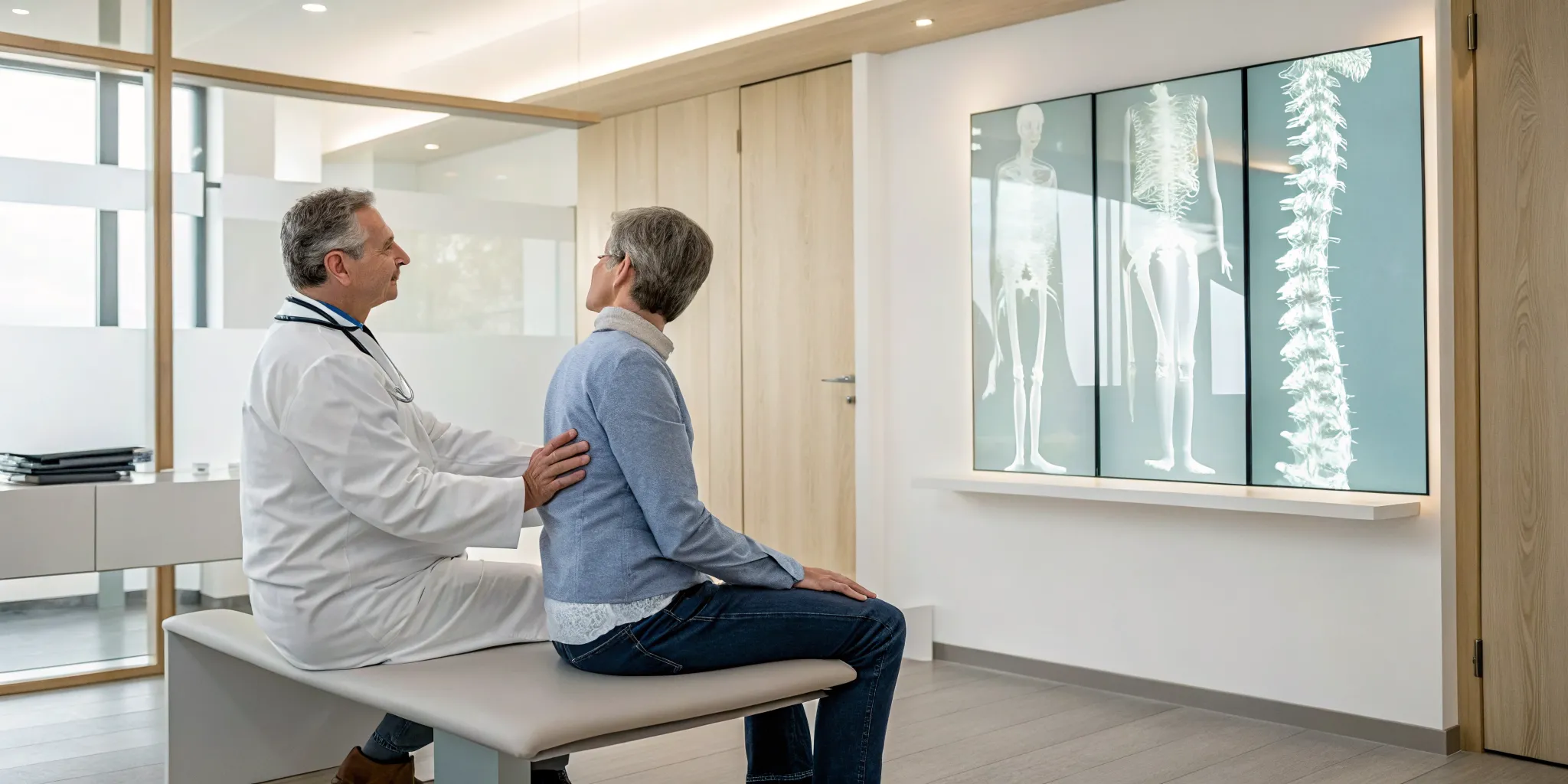
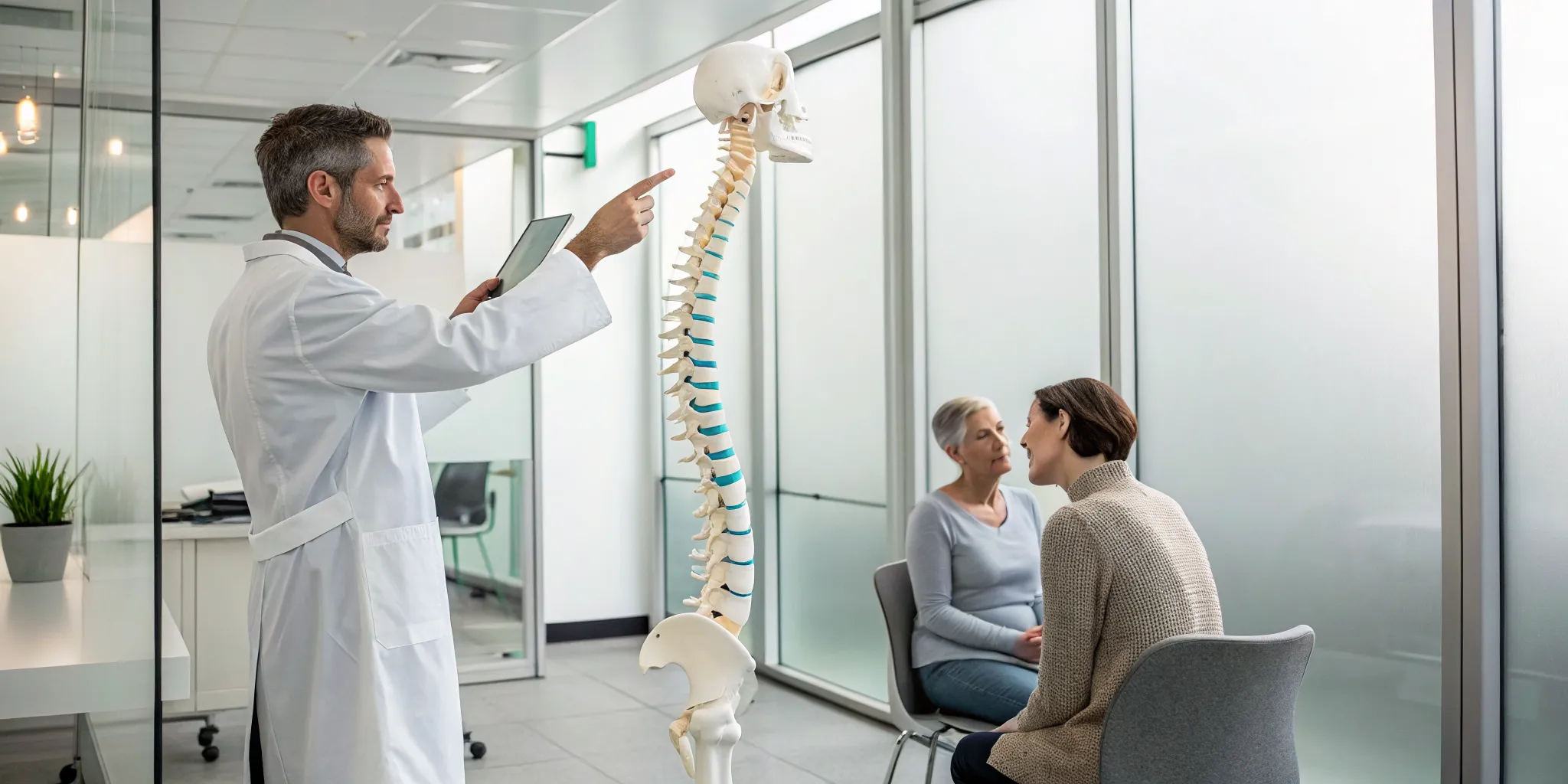
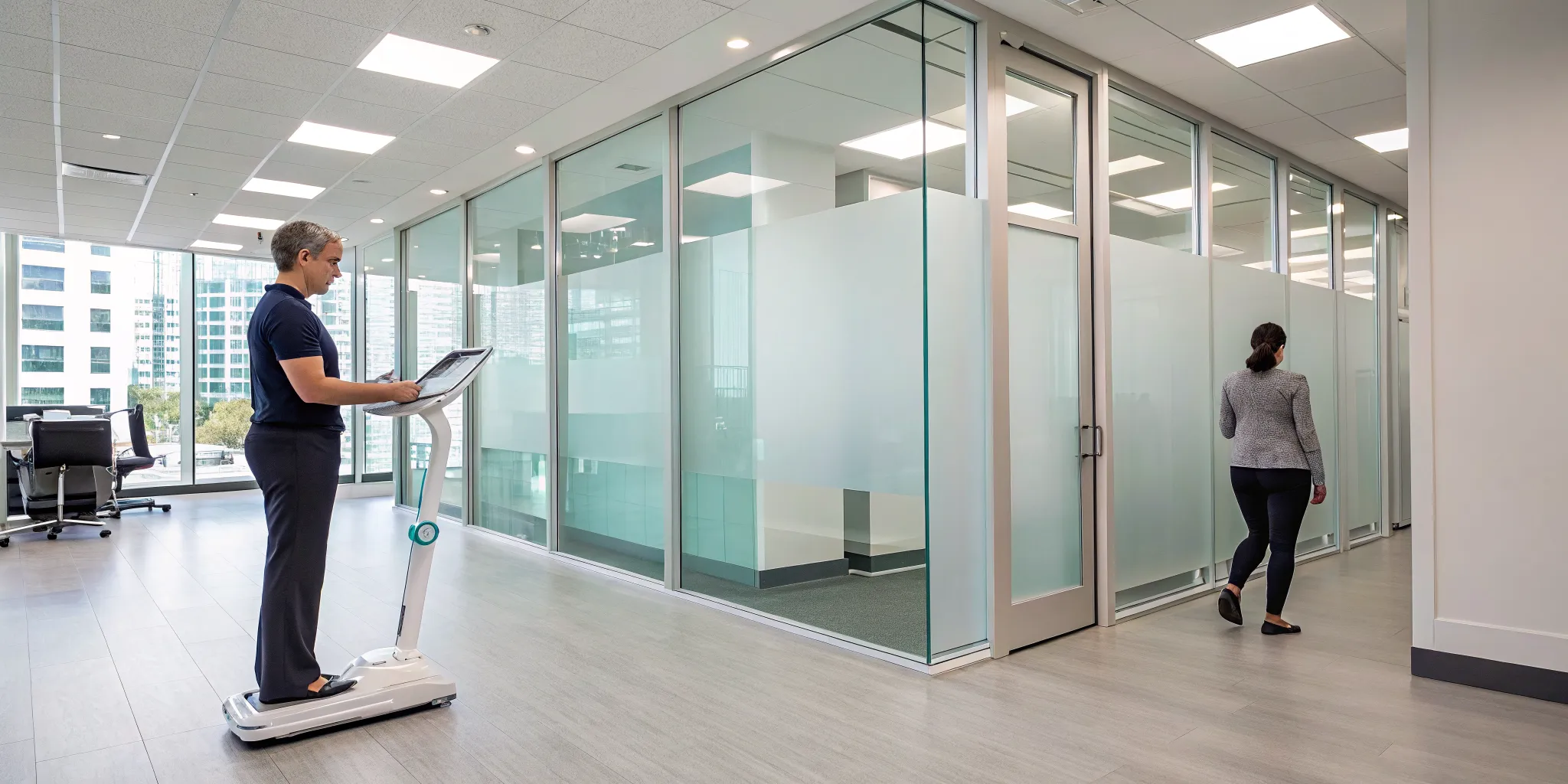
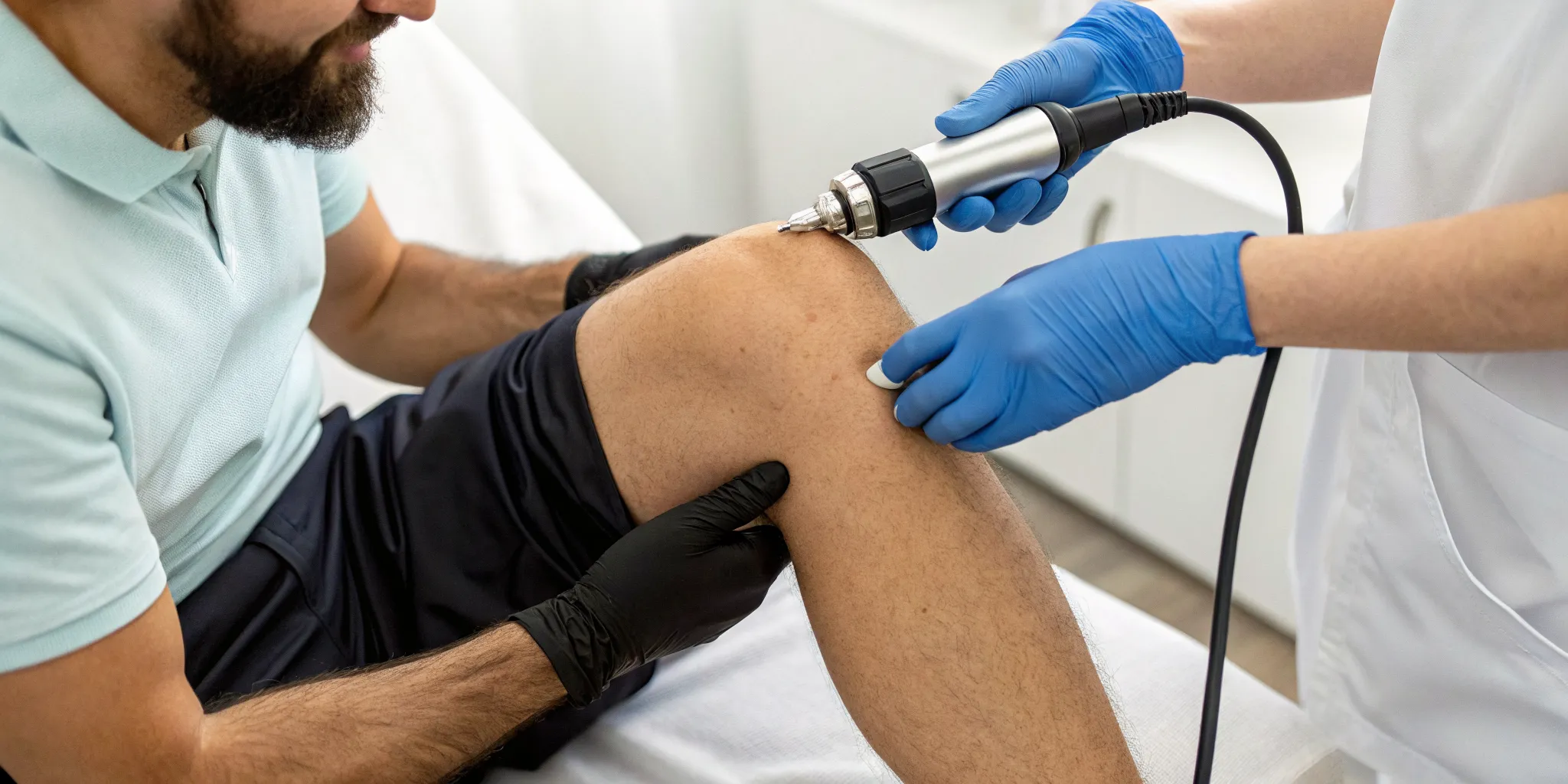
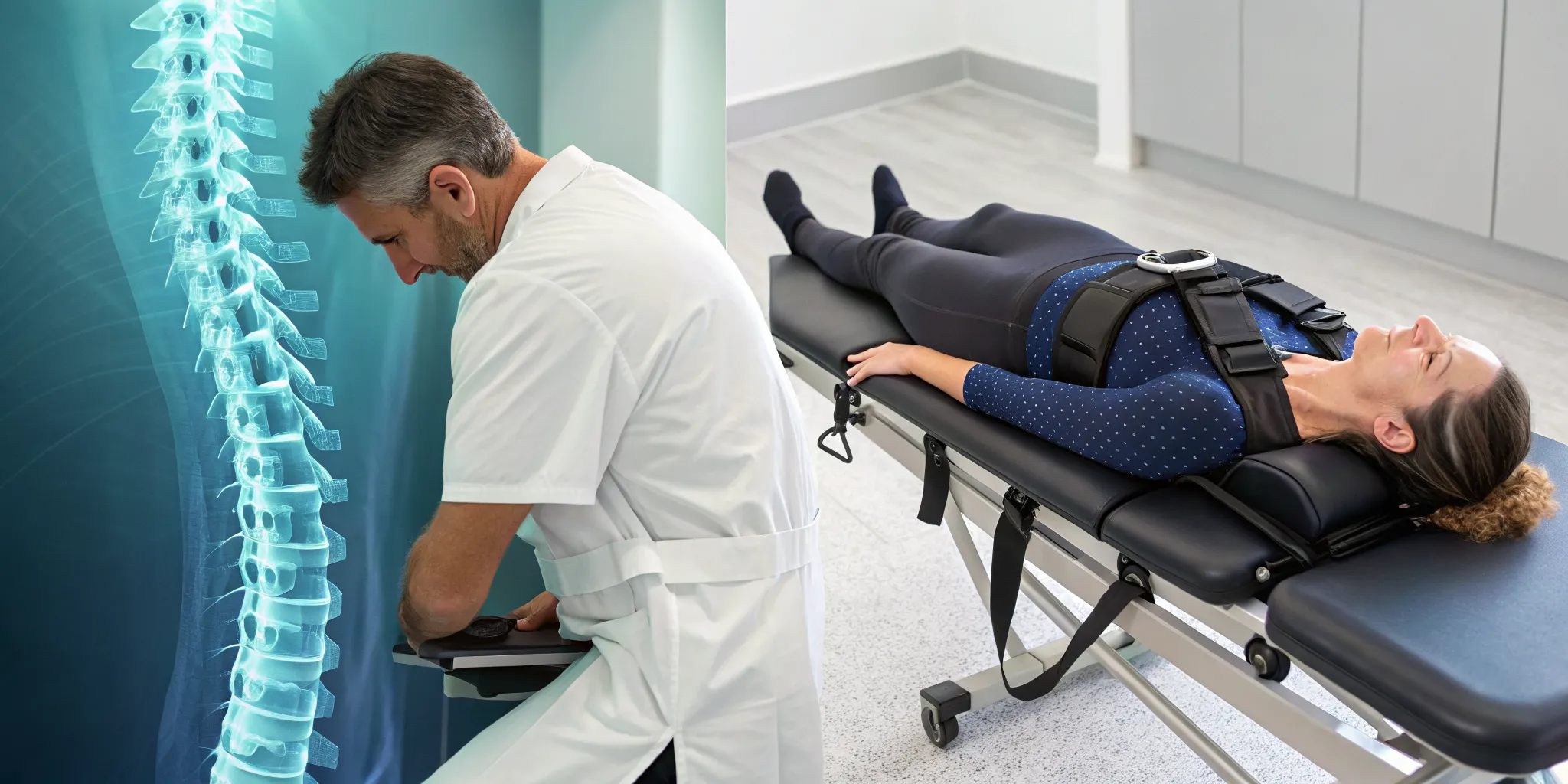
An individualized Physical Medicine evaluation may include functional movement screening, range-of-motion testing, orthopedic evaluation, neurological assessment, strength testing, and balance and coordination evaluation. These elements can show how the body is moving and responding during ordinary tasks. They may also help identify whether pain, weakness, restricted motion, or balance changes deserve additional attention.
The purpose is not to label normal stress as a structural problem. It is to establish a clearer baseline for movement and function. For example, someone who has stopped exercising because of back discomfort may benefit from understanding the movement limitations involved before deciding what activity is appropriate. Someone with ongoing neck or shoulder tension may need an assessment that considers posture, work demands, previous injuries, sleep position, and other relevant factors.
How movement care can complement a wider plan
Physical Medicine works best as one part of a personalized plan. It is not a substitute for mental health care, medical evaluation, adequate sleep, or attention to other health concerns. If pain or restricted movement is making it harder to rest, work, exercise, or participate in supportive activities, clarifying that physical context may help guide more informed next steps.
Ascend describes its Physical Medicine services as individualized care for movement and pain-related concerns. You can learn more about personalized physical medicine care and how an evaluation may fit your goals. The appropriate approach depends on the person's history, current symptoms, examination findings, and broader health needs. Persistent, severe, or worsening pain should be discussed with a qualified clinician rather than managed through assumptions about stress or self-directed treatment.
When Should Tampa Bay Readers Seek Personalized Guidance?
Personalized guidance may be appropriate when stress-related changes persist, worsen, or begin to affect sleep, energy, digestion, movement, or day-to-day function. An educational consultation can help clarify which concerns deserve closer evaluation without assuming that stress is the sole explanation.
Stress resilience is not a test of character, and needing support does not mean you have failed to cope. Persistent or overwhelming stress can undermine overall well-being and increase vulnerability to health concerns. It can also overlap with fatigue, sleep disruption, digestive issues, hormonal concerns, chronic pain, or brain fog. These patterns do not establish a diagnosis, but they can provide useful context for a conversation with a qualified clinician.
Consider seeking individualized input if a concern continues despite reasonable efforts, repeatedly returns, or is becoming more disruptive. You may also benefit from a broader review when several issues appear together, such as lower energy alongside poor sleep and digestive changes. A clinician can help distinguish what belongs in a general wellness discussion from what may require medical assessment or referral. The goal is not to label every response to a demanding season, but to understand the pattern and choose an appropriate next step.
What Can an Educational Consultation Clarify?
An initial conversation can organize your concerns, relevant history, goals, and current routines. It may clarify whether a Functional Medicine evaluation, Physical Medicine assessment, another type of clinical care, or a combination of approaches makes sense for your situation. Ascend's model combines Physical Medicine, Functional Medicine, and Regenerative Medicine to investigate root causes through personalized, research-backed protocols rather than focusing only on symptoms. Any testing or care recommendations should be based on the individual, not automatically applied to everyone.
For example, a conversation may identify whether movement, range of motion, pain, or physical tension deserves attention alongside sleep, energy, digestive, or other health concerns. This individualized process is different from promising that one treatment will improve stress resilience for every person. It is designed to support informed decisions and measurable follow-up where appropriate.
Ascend Functional Health serves adults across greater Tampa Bay, including South Tampa, North Tampa, New Tampa, Wesley Chapel, and Town & Country. If persistent or worsening concerns are affecting your well-being, you can contact Ascend Functional Health to schedule an educational conversation. This article is for general education, not medical advice; consult a qualified clinician before making decisions about your health.
Discuss your stress resilience goals with Ascend Functional Health
Frequently Asked Questions
How Does Stress Resilience Differ From Simply Tolerating Stress?
Stress resilience refers to the capacity to adapt to challenging demands and recover after them. It is not a measure of willpower or a requirement to ignore persistent symptoms. Recovery can be influenced by sleep, physical health, emotional state, available support, and the demands a person is facing.
When should ongoing stress-related patterns be evaluated?
Consider a personalized evaluation when concerns such as fatigue, disrupted sleep, digestive changes, brain fog, tension, or persistent overwhelm continue, worsen, or begin affecting daily life. These patterns can have many possible explanations, so they should not be treated as a diagnosis based on an article.
What might a Functional Medicine evaluation include?
A Functional Medicine visit typically begins with your history, goals, symptoms, and relevant health factors. Depending on the individual, a clinician may consider laboratory testing, nutrition, gut health, or other functional diagnostic options. Testing is not automatic, and the appropriate plan should be based on your circumstances.
How can Physical Medicine fit into stress resilience care?
Physical Medicine can help assess movement and physical factors that may affect comfort and daily function. An evaluation may include movement screening, range of motion, strength, balance, coordination, or orthopedic and neurological assessment when appropriate. This approach does not assume that physical care alone explains every stress-related concern.
Ready to Explore Your Next Step?
Stress resilience can look different from person to person. A consultation-focused conversation can help you discuss your goals, review the patterns you have noticed, and consider whether personalized functional or physical medicine evaluation is appropriate.
Schedule a conversation with Ascend Functional Health
This article is educational and is not medical advice. Consult a qualified clinician before making decisions about your health.