Your dexa scan body composition results give a deep look into your physical health that goes far beyond total body weight. This gold standard test measures three specific parts: bone mineral content, lean muscle tissue, and fat mass with about 1-2 percent accuracy. Knowing your report is vital because it shows your visceral adipose tissue (VAT), which is the fat stored around your internal organs. High levels of this fat can increase your risk for diabetes and heart disease even if your weight seems normal. According to experts at PrimaryMD, these results help you tell the difference between fat loss and muscle loss during a health program. By tracking these numbers over time, you can make better choices about your diet, exercise, and longevity plan. This data allows for tailored care that addresses your specific health needs and long-term bone strength.
Dexa Scan Body Composition Results: What a DEXA Scan Measures: Beyond Weight and BMI
Most people rely on a scale or Body Mass Index (BMI) to judge their health. But weight alone does not tell the whole story. A DEXA scan, or Dual-Energy X-ray Absorptiometry, looks deep inside the body to see what those pounds are made of. This test is the gold standard for body makeup review because it is exact. While a scale just shows a total number, a DEXA scan in Tampa breaks that number down into three parts.
Three Parts of Your Body
A DEXA scan uses two low-energy X-ray beams at different levels to scan your frame. These beams can tell the difference between three types of tissue. First, it measures bone mineral content to check your bone strength. Second, it finds your lean tissue mass. This includes your muscles, organs, and even the water in your body. Third, it counts your fat mass.
Knowing your lean-to-fat ratio is vital for long-term health. Many people have a normal weight but still carry too much body fat. This is often called normal-weight obesity. By seeing clearly where your muscle and fat sit, you can make better choices for your diet and gym routine. The results help you track if you are losing fat or losing muscle over time.
Gold-Standard Accuracy and Process
| Method | Accuracy | What It Measures | Can See Visceral Fat? |
|---|---|---|---|
| DEXA Scan | 1-2% error | Bone, muscle, fat by region | Yes |
| BMI | High error | Height and weight only | No |
| BIA Scale | 5-15% error | Total body fat guess | No |
| Skinfold Calipers | 3-5% error | Fat under skin only | No |
Accuracy is the main reason why health experts choose DEXA. According to UC Davis Health, the scan provides a deep look at fat and bone density. It has a low margin of error, usually between 1% and 2%. This makes it much more accurate than home scales or hand-held tools that use electric currents to guess your body fat.
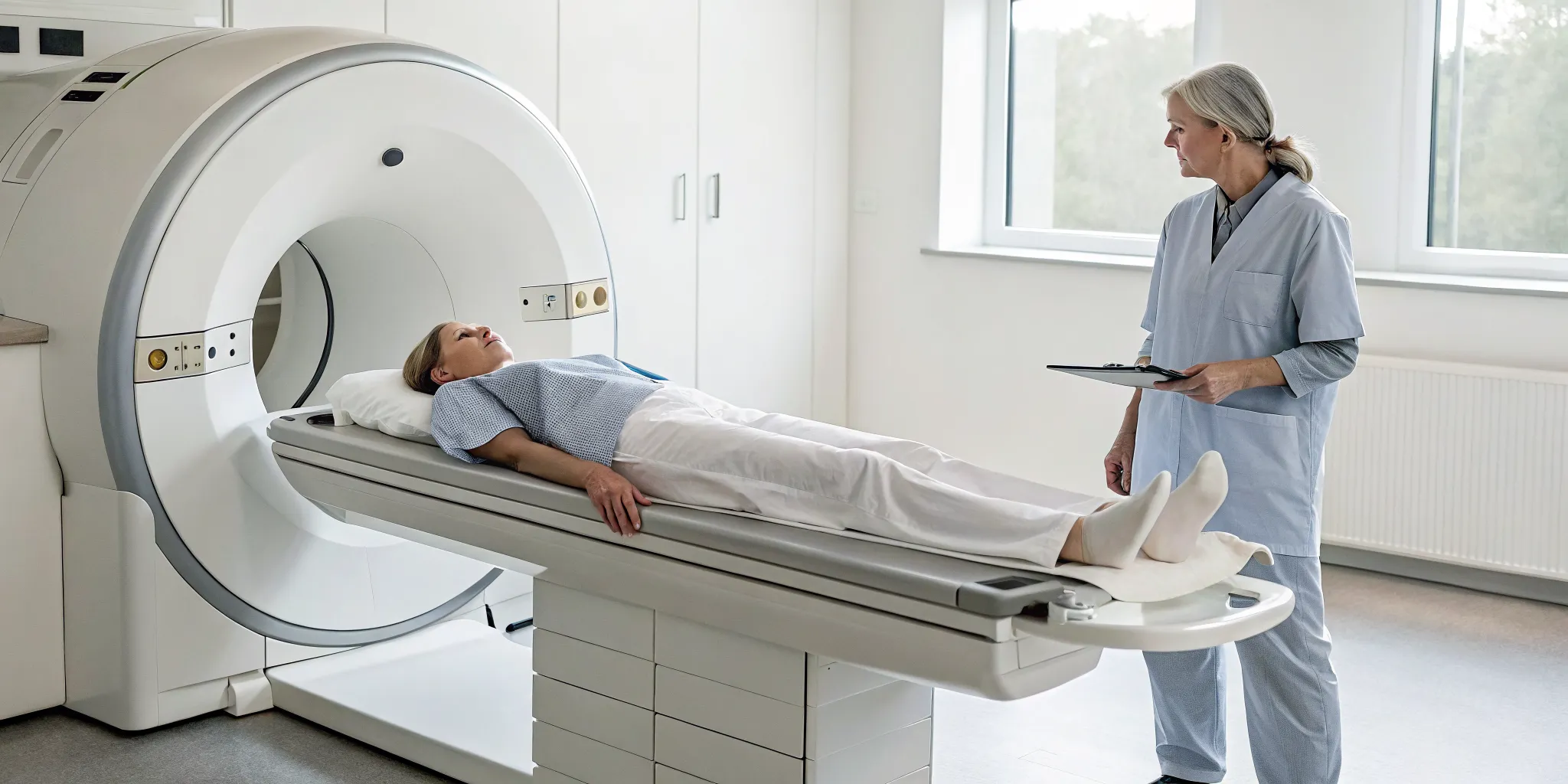
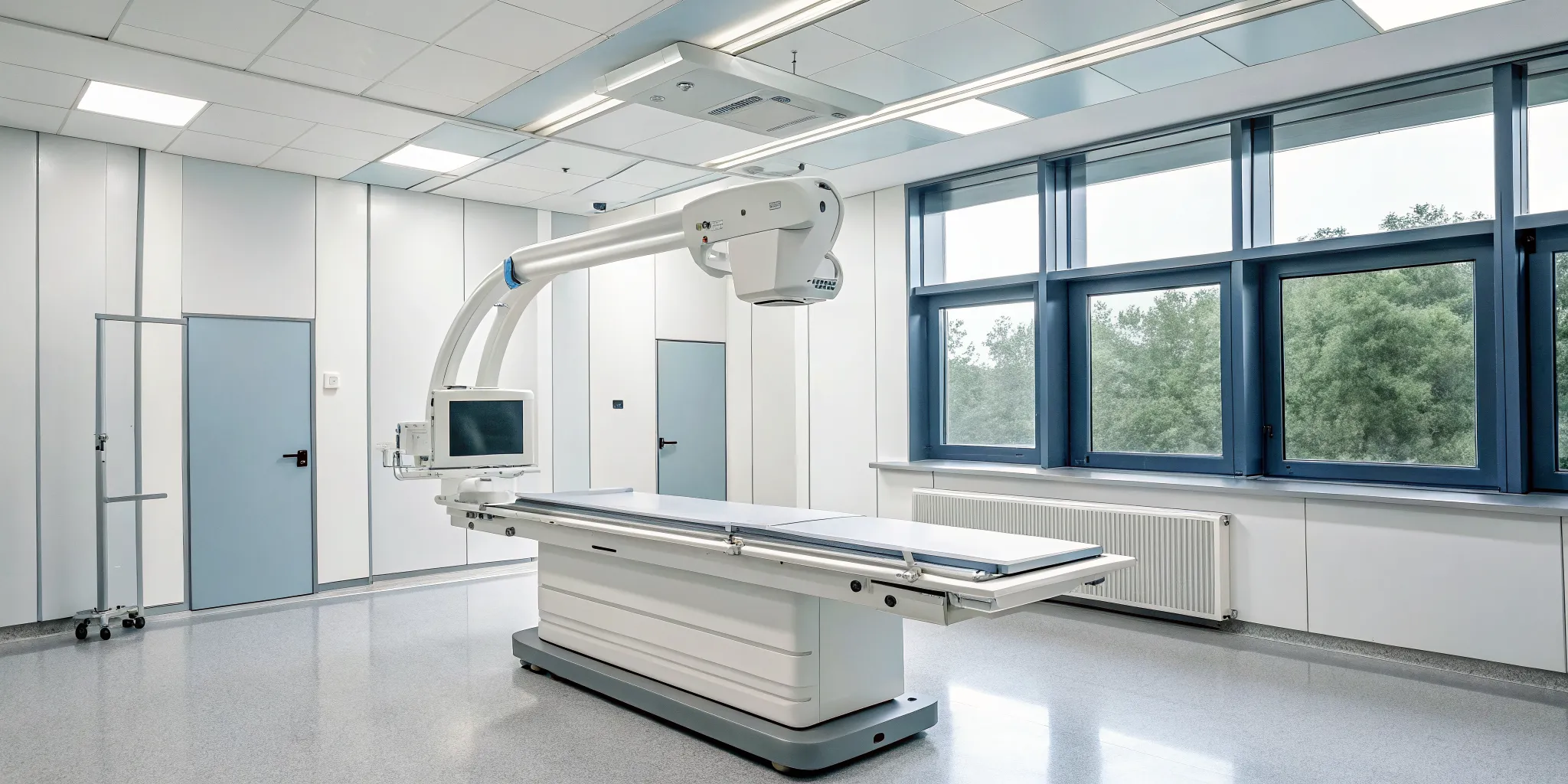
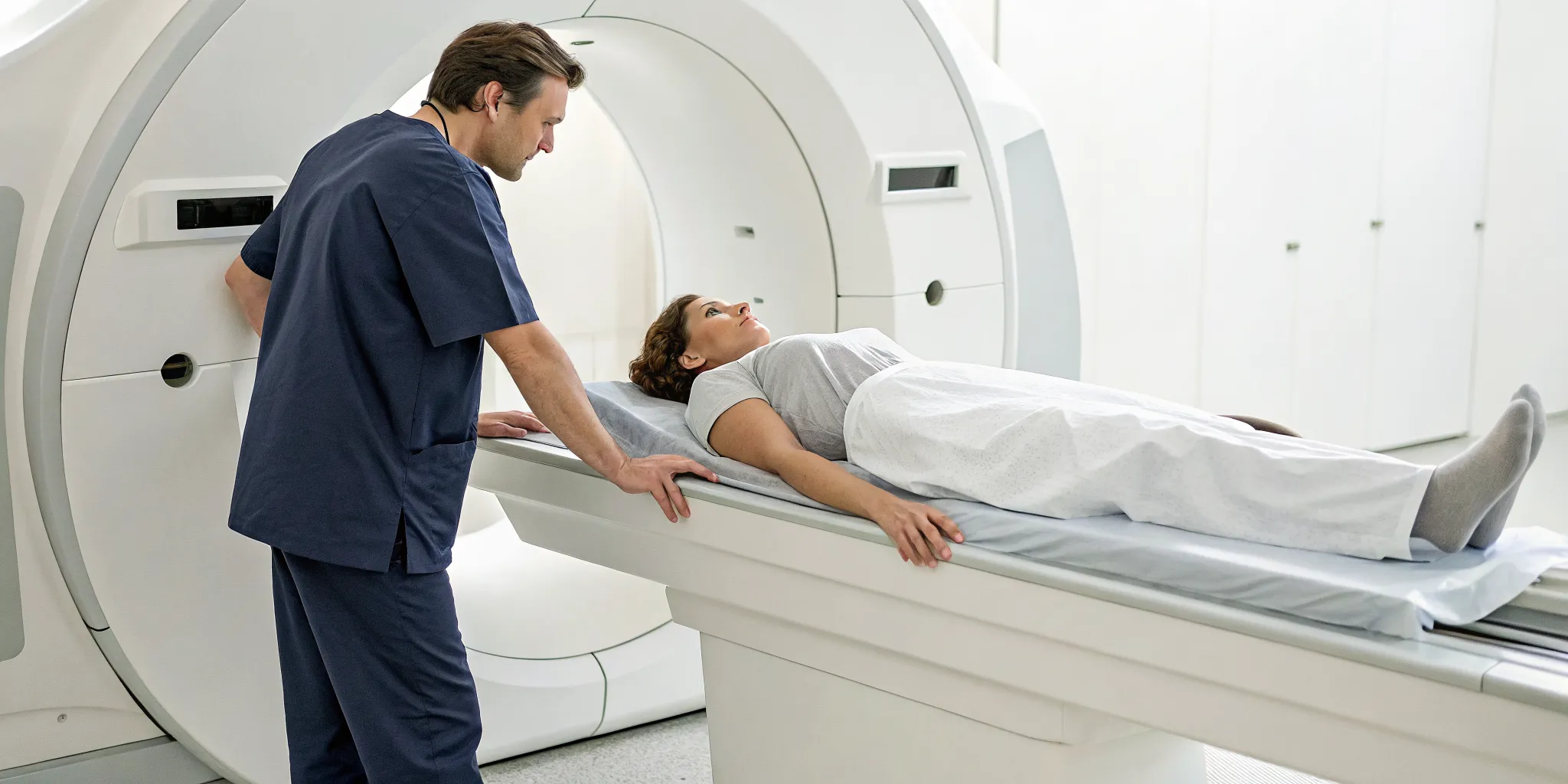
The scan itself is quick and easy. You lie flat on a padded table for about 10 to 15 minutes. A scanning arm moves slowly over your body to take counts. You do not need to worry about high levels of radiation. The exposure from one scan is about one-tenth of what you would get from a standard chest X-ray. It is a safe and pain-free way to get a clear picture of your health.
Why DEXA Beats BMI
BMI is a simple math rule based on height and weight. It does not account for muscle mass or where fat is stored. For example, an athlete with a lot of muscle might be labeled as overweight by BMI. A DEXA scan solves this problem. It shows your dexa scan body composition results with regional detail. You can see fat levels in your arms, legs, and trunk on their own.
This regional data is key for finding health risks. Fat stored around your organs, known as visceral fat, is linked to heart disease and diabetes. BMI cannot see this fat, but DEXA can. By looking beyond the scale, you get a full map of your metabolic health. This data allows you to build a plan that fits your unique body needs.
Breaking Down Your DEXA Body Composition Report
Your DEXA report gives a full view of your inner health. It uses a mix of pictures, charts, and data tables to show your progress. At Ascend Functional Health, we use these DEXA scan results to build a plan just for you. Knowing how to read each page helps you take charge of your health goals.
How to See Your Tissue Types
The first page of the report shows a color-coded image of your body. This map makes it easy to see where you store fat and muscle. Red parts show body fat. Blue areas show lean muscle and your organs. The white parts of the image show your bones. Seeing these colors helps you know your body's build in a new way. It is a fast way to see your total body fat and where it sits.
This image is more than just a pretty picture. It shows if you carry fat in spots that might raise health risks. For instance, too much fat around the middle can impact your heart. By looking at the colors, you can see if your hard work in the gym is paying off. It is a clear way to track your lean mass and bone density over time.
Reading the Area Data Tables
The report also has tables that break your body into small zones. These zones include your arms, legs, and trunk. The tables show the weight of fat and muscle for each side of your body. Most people have small gaps between their left and right sides. But large gaps might show that one side is much weaker. This is common for people who are healing from a past injury.
These tables also give you a key set of facts called the Android and Gynoid ratio. This math compares fat on your belly to fat on your hips. High levels of belly fat can link to risks like diabetes or heart disease. The report puts these facts in easy rows. You can see how your body matches up with others of your same age and sex. You will also see your bone mineral content, or BMC, which measures the weight of your bones. These tables often include a check against your last scan to show just how much has changed.
Tracking Your Gains with Trend Charts
One of the best tools in the report is the trend chart. If you have had more than one scan, this chart shows your body build over time. It tracks how your fat and muscle have changed since your last visit. You can see if you are gaining muscle or losing fat in the right places. The USA Trend tables in the report show these changes in clear numbers. This helps us see if your diet and exercise plans are working well.
Most people find it helpful to get a scan every three to six months. This allows enough time to see real change in your body. The trend chart makes these changes easy to spot. It keeps you focused on long-term health rather than just the number on a scale. At our Tampa office, we use these charts to adjust your care. We want to keep you moving toward your best self with data you can trust.
Visceral Fat and the Android-to-Gynoid Ratio: Key Metabolic Markers
The hidden risks of visceral fat
Visceral fat is the fat stored deep inside your belly around your organs. While fat under the skin is easy to see, visceral fat is hidden. This deep fat can be active in ways that hurt your health. It can release compounds that cause swelling in your body. High levels of visceral fat are a strong sign of heart disease and diabetes. Your dexa scan body composition results will show a clear measure of this fat. This helps you see risks that a standard scale or a simple weight check will miss.
For most adults, a healthy goal for visceral fat mass is below 1.0 lb. If your score is above this mark, it may mean your health needs work. Even if your weight is in a normal range, you can still have high levels of this deep fat. This is sometimes called normal-weight obesity. This hidden fat can put stress on your liver and other organs. By finding these risks early, you can take steps to improve your health through Longevity Medicine services at Ascend Functional Health in Tampa.
Knowing the android to gynoid ratio
Your report will also show your android-to-gynoid (A/G) ratio. This number compares fat in your belly to fat in your hips and legs. The "android" region is your midsection or trunk area. An android or apple shape means you carry more fat in your belly. The "gynoid" region refers to your hips, thighs, and buttocks. A gynoid or pear shape means you carry more fat in your lower body.
A high A/G ratio often shows that you have central fat. This type of fat carries a higher risk for your heart and blood vessels. This ratio finds health risks that your total body fat percentage might miss. Even if your total fat is low, a high ratio is a sign to pay attention. For instance, people with high A/G scores may be at risk for high blood sugar. Data from the National Institutes of Health shows that DEXA can measure these fat areas to help doctors check your health.
How DEXA finds different fat types
DEXA scans are special because they can tell the gap between visceral fat and fat under the skin. Fat under the skin is the layer you can pinch with your fingers. While it affects your shape, visceral fat is much more harmful to your health. Visceral fat is linked to high blood sugar and high blood pressure. These risks often stay hidden until you get a scan.
A scan gives you a clear map of where your body stores fat. It breaks down your mass into exact pounds for each area. This data helps you and your care team build a plan that focuses on the fat that matters most. You can track your progress over time to see if your diet or exercise is working. Seeing your dexa scan body composition results improve can be a great way to stay on track. Knowing these numbers is a key part of staying healthy as you age.
Bone Density: T-Scores, Z-Scores, and What They Mean for Long-Term Health
Knowing your dexa scan body composition results means looking at more than just fat and muscle. Dual-Energy X-ray Absorptiometry (DEXA) scans were first made to check for weak bones. While many people use them now for body fat tests, bone health remains a key part of your scan. These results help you find risk factors for breaks and falls before they happen. Your report will show how much bone mineral you have in your spine, hip, and whole body.
Knowing Your T-Score
The T-score is the most common number used to talk about bone health. It compares your bone density to that of a healthy young adult at age 30. This age is when most people have their strongest bones. A T-score above -1.0 is normal and means your bones are dense and strong.
If your score falls between -1.0 and -2.5, you have osteopenia. This means your bones are less dense than they should be, but not yet brittle. A score of -2.5 or lower means you have osteoporosis. Finding these issues early helps you start a plan to keep your bones safe. You can use these facts to change your diet and workout plan.
The Role of the Z-Score
Your report also has a Z-score. While the T-score looks at young adults, the Z-score compares you to people of your own age, sex, and size. This number helps your doctor see if something other than age is causing bone loss. If this score is very low, it might show a need for more tests into your gut health or hormone levels.
Looking at both scores gives a full view of your health. A low Z-score can be a sign that a medical issue is affecting your body. This data is vital for adults over 40 who want to track their bone health over time. It helps us see how your lifestyle choices impact your frame as you get older.
Why Bone Health Matters for Longevity
Strong bones form the base of a long and active life. Your risk of falls and fractures often goes up as you get older. Knowing your bone mineral density (BMD) is a key step in fall prevention. You can learn more in our bone density test guide to see how these tests work.
Early checks let you take action while you still have time. Small changes in how you move and what you eat can make a big difference. Longevity medicine aims at finding these risks early. This way, you can stay strong and move well for many years to come. Your scan results give a clear map for your path to better health.
Using Your DEXA Results to Guide Your Health Strategy
A single test provides a snapshot, but dexa scan body composition results are most useful when you turn them into a plan. By looking at specific facts like visceral fat and muscle balance, you can set goals that go far beyond weight. This data lets you make changes based on your actual body needs rather than a guess.
Building your health baseline
Your first scan creates a clear starting point for your journey. It maps out your fat mass, lean tissue, and bone mineral content with high accuracy. This gold standard testing ensures that your first data is reliable. You can then use these numbers to see exactly where you stand compared to healthy goals for your age and sex.
Starting with a baseline is vital for any long-term goal. It helps you find your "why" by showing risks you cannot see in the mirror. For example, you might find high visceral fat even if your weight is normal. This helps you and your care team choose the right Longevity Medicine plan for your body type.
Five steps to use your data
- Establish your baseline. Use your first scan to record your total body fat, lean mass, and bone density scores.
- Find priority areas. Look for red flags such as high visceral fat, low bone density, or muscle gaps between your left and right sides.
- Design targeted plans. Create a diet and gym plan that focuses on your weak spots, such as adding lifting to build bone or lean mass.
- Schedule repeat scans. Book a follow-up scan every 3 to 6 months to ensure your lifestyle changes are actually working.
- Track trend data. Use the trend charts in your report to see how your body changes over time and stay on track with your goals.
Monitoring progress and preservation
Regular testing helps you stay on track by showing trends. DEXA can find body fat changes as small as 1%, which is much better than home scales. These repeat scans help you know if you are losing fat or if you are losing muscle by mistake. This is key because muscle mass helps your metabolism and long-term health as you age.
For those on GLP-1 weight loss plans, checking your stats is even more vital. These drugs can lead to fast weight loss, but you must preserve lean muscle mass during the process. DEXA scans provide the proof you need to adjust your food or training if muscle loss happens. This data helps you get a healthy shape while keeping your strength.
Frequently Asked Questions
How much radiation is in a DEXA scan?
According to UC Davis Health, a DEXA scan uses very little radiation to measure your body tissues. The dose is about one-tenth of a standard chest X-ray. This is a safe way for most people to check their health over time. You get more radiation from a long flight than from this quick scan.
How to prepare for a DEXA scan?
According to CompositionID, you should keep your habits the same before each test to get the best results. Try to book your scan at the same time of day. You should also keep your food and water intake the same. Wear comfy clothes with no metal so the scan stays clear.
Is a DEXA scan more accurate than a scale?
According to PrimaryMD, a DEXA scan is the gold standard for body composition because it uses low-energy beams to measure your fat and muscle directly. This test has a very small margin of error of about one to two percent. This high level of accuracy gives you data you can trust for your wellness plan.
How long does the DEXA scan take?
A DEXA scan is a fast and easy process that takes about ten to fifteen minutes. You will lie flat on a padded table while a scanning arm moves over your body to take the reading. The test is painless and does not require any shots or pills. At Ascend Functional Health, you can go back to your normal day in Tampa right after the scan is done.
Ready to schedule a DEXA scan consultation?
Not knowing your body fat levels can hide health risks that a basic scale will not show. Waiting too long only makes it harder to fix problems that you could handle right now. When you start your path today, you get the facts needed to build a plan for real change. This data helps you make better choices for your long-term health. You can reach your goals faster with these deep insights into your body. Taking this step now allows you to stay ahead of your health needs.
Ready to schedule a DEXA scan consultation? Call (813) 284-7222 to schedule a DEXA scan consultation.