That nagging ache in your shoulder or the persistent tightness in your lower back is more than just an annoyance. It’s your body sending a signal that something is out of balance. You can stretch, use a foam roller, or get a massage, but the discomfort often returns because the underlying issue hasn’t been addressed. This is where soft tissue therapy comes in. It’s a targeted, clinical approach that focuses on the muscles, fascia, and connective tissues that are causing the problem. By using specific hands-on techniques, a trained therapist can release chronic tension, break down scar tissue, and restore proper function.
Key Takeaways
- It's a targeted treatment, not a spa day: Soft tissue therapy is a clinical approach that uses a detailed assessment to identify and treat the specific source of your pain, aiming for long-term functional improvement rather than just temporary relaxation.
- Personalized techniques create real results: A therapist uses a variety of hands-on methods, like myofascial release and trigger point therapy, to break down scar tissue, release muscle tension, and restore movement for everyone from athletes to office workers.
- The right therapist makes all the difference: Look for a practitioner with advanced certifications and a functional medicine mindset who will investigate the root cause of your issue, ensuring your treatment plan is comprehensive and effective.
What Is Soft Tissue Therapy?
When you hear the term "soft tissue therapy," you might picture a relaxing spa massage. While it can feel good, this therapy is a clinical, targeted treatment designed to address specific problems within your body's muscles, tendons, and ligaments. It’s a cornerstone of effective physical medicine because it goes beyond surface-level relief to address the underlying causes of pain and dysfunction.
Unlike a general massage, soft tissue therapy involves a detailed assessment and a variety of hands-on techniques aimed at restoring movement, reducing pain, and helping your body heal. It’s about understanding how your soft tissues are connected and how they impact your overall health, from your posture to your nervous system.
What It Is and Why It Matters
Let's start with the basics. Soft tissue therapy is a hands-on approach focused on managing and healing the soft parts of your body. This includes your muscles, ligaments, tendons, and the connective tissue called fascia that holds everything together. Think of it as a targeted treatment for your body's musculoskeletal system, which plays a huge role in how you move and feel every day.
The goal is to help your body adapt to the stresses of modern life, whether that's from sitting at a desk, training for a race, or recovering from an injury. It helps guide your system out of a constant "fight or flight" state and into a "rest and restore" mode, which is where true healing happens. By addressing the root cause of tension and pain, this therapy supports your body's natural ability to recover and function at its best.
Common Treatment Areas
So, who can benefit from this? Soft tissue therapy is incredibly versatile and effective for a wide range of issues. It’s not just for major injuries. We often use it to address everything from nagging muscle aches and poor posture to more specific conditions like neck and lower back disc problems, muscle tears, and tendonitis. If you're dealing with a sprain, strain, or other connective tissue injury, this is a powerful tool for recovery.
A trained therapist uses a variety of techniques beyond basic massage to get results. Depending on your specific needs, a session might include trigger point therapy, myofascial release, or taping to support the affected area. It’s a comprehensive approach designed to address the specific conditions we treat and get you back to feeling great.
A Look at Common Soft Tissue Techniques
Soft tissue therapy isn't a single method but a collection of hands-on techniques. Each one has a specific goal, whether it's breaking up scar tissue, releasing a tight muscle, or improving your range of motion. At Ascend, we use a variety of these techniques as part of our Physical Medicine services because we know a personalized plan is key to getting you back to feeling your best. Let’s walk through some of the most common and effective approaches you might experience.
Soft Tissue Release (STR)
Think of Soft Tissue Release as a way to manage, move, and help heal the soft parts of your body, like muscles, ligaments, and tendons. It’s a dynamic technique where the therapist applies precise pressure to a muscle while you actively or passively move the corresponding body part. This combination of pressure and movement helps to stretch and release tightness in a very targeted way. It’s especially useful for lengthening overused, shortened muscles and breaking down adhesions, which can improve flexibility and function throughout your entire musculoskeletal system.
Myofascial Release (MFR)
Myofascial release focuses on the fascia, the thin, tough connective tissue that wraps around most of the structures in your body, including your muscles. When this tissue gets tight or restricted, it can cause pain and limit movement. MFR involves applying gentle, sustained pressure to these restricted areas to help the fascia unwind and lengthen. Unlike a deep tissue massage that works on muscles, this technique is slower and more subtle. The goal is to eliminate pain and restore motion by giving the fascia time to release, making it a great option for chronic pain conditions.
Instrument Assisted Soft Tissue Mobilization (IASTM)
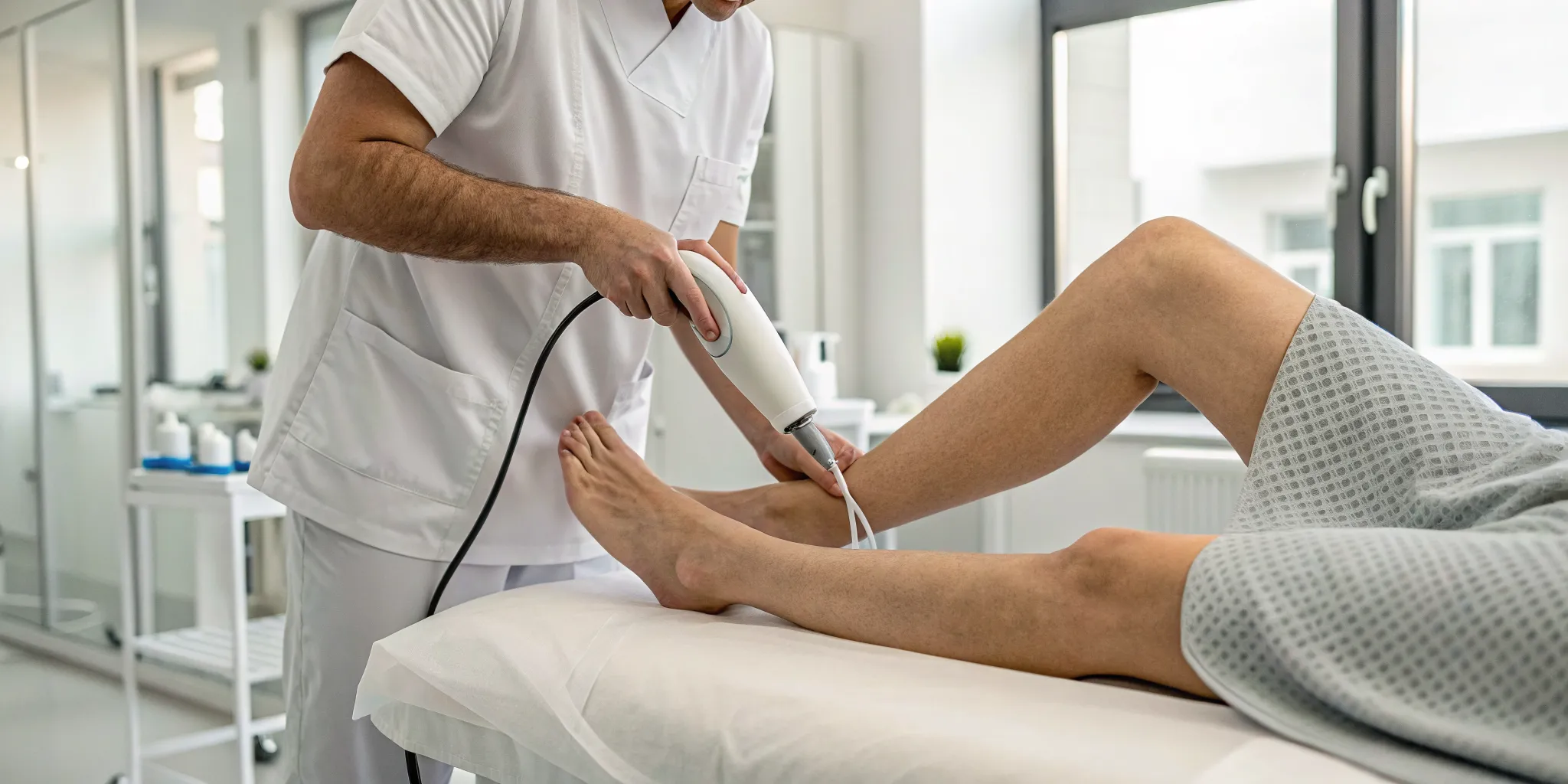
You might see your therapist use specially designed stainless steel tools during your session, and that’s IASTM. These instruments allow for a deeper, more sensitive way to find and treat areas with soft tissue restrictions or scar tissue. The tools glide over your skin to identify adhesions and then work to break them down. This process helps stimulate your body’s natural healing response, reduce inflammation, and improve function. Research has shown that IASTM can effectively reduce pain from sports injuries and increase joint range of motion, making it a powerful tool for recovery.
Trigger Point Therapy
If you’ve ever had a stubborn “knot” in your shoulder or back, you’ve experienced a trigger point. These are tight, sensitive spots in your muscle tissue that can cause pain both at the site and in other parts of your body (this is called referred pain). Trigger point therapy involves applying direct, isolated pressure to these knots to release the tension. The pressure might feel intense for a moment, but it’s followed by a sense of relief as the muscle lets go. This technique is highly effective for alleviating pain and improving function by deactivating these painful points and restoring normal muscle activity.
Is Soft Tissue Therapy Just a Fancy Massage?
It’s a common question, and the short answer is no. While both involve hands-on work, thinking of soft tissue therapy as just a massage is like comparing a physical therapist to a personal trainer. They might use some similar tools, but their goals, training, and approach are fundamentally different. A massage is primarily for relaxation and general stress relief, while soft tissue therapy is a clinical treatment designed to address specific pain, injury, and dysfunction in your muscles, tendons, ligaments, and fascia.
Clinical Focus vs. Relaxation
The biggest difference between a massage and soft tissue therapy lies in the intent. When you book a massage, the goal is usually to relax, de-stress, and ease overall muscle tension. It’s a wonderful way to practice self-care and feel good.
Soft tissue therapy, on the other hand, is a targeted form of physical medicine with a clear clinical objective. It’s designed to assess and treat a specific problem, whether it’s chronic shoulder pain, limited hip mobility, or recovery from an injury. The focus isn't on whole-body relaxation but on resolving a particular issue to restore function and eliminate pain at its source.
A Targeted Approach to Healing
A soft tissue therapy session begins long before you get on the table. It starts with a detailed assessment of your posture, movement patterns, and medical history. Your therapist needs to understand the root cause of your symptoms. While massage might be one component of the treatment, a soft tissue therapist uses a wide range of specialized techniques. These can include Myofascial Release (MFR) to address connective tissue restrictions, Trigger Point Therapy to release tight knots, and Instrument Assisted Soft Tissue Mobilization (IASTM) to break down scar tissue. This personalized approach ensures the treatment directly targets your unique problem area for more effective results.
An Evidence-Based Assessment
Soft tissue therapy isn't just based on theory; it's grounded in science. It’s a field that relies on a deep understanding of anatomy and physiology to get results. Numerous studies show that patients report a significant drop in pain after treatment. Research has also demonstrated that specific techniques, like IASTM, can effectively reduce pain from sports injuries and improve joint range of motion. This evidence-based foundation is what makes it such a powerful tool for healing. It’s a treatment that provides measurable, lasting relief because it’s designed to correct the underlying mechanical issues causing your pain.
Who Is Soft Tissue Therapy For?
You might think soft tissue therapy is only for professional athletes or people with serious injuries, but its benefits are surprisingly far-reaching. It’s a versatile treatment that can help a wide range of people find relief and improve their physical well-being. Whether you’re training for a marathon, sitting at a desk all day, or dealing with nagging pain that just won’t go away, this targeted approach could be exactly what your body needs. Let’s look at who stands to gain the most from this therapy.
Athletes and Active People
If you lead an active lifestyle, soft tissue therapy is one of the best tools for your toolkit. It’s incredibly beneficial for athletes who need their bodies to perform at their best. When you’re training hard, this therapy can help prevent injuries and improve your overall performance by addressing muscle tightness and increasing flexibility. By focusing on the muscles, tendons, and fascia that power your movements, a therapist can keep your body balanced and ready for action. It’s a proactive way to maintain your physical health and stay in the game.
Desk Workers with Aches and Pains
Spending hours hunched over a computer can take a serious toll on your body. If you’re a desk worker, you’re probably all too familiar with the neck, shoulder, and back pain that comes from prolonged sitting and poor posture. Soft tissue therapy is fantastic for alleviating this kind of discomfort. It directly addresses the tightness and stress that build up from sedentary work. By helping your muscles relax, this therapy can counteract the negative effects of your desk job and help you feel more comfortable throughout your workday and beyond.
Anyone Recovering from Injury or Chronic Pain
For those recovering from an injury or living with chronic pain, soft tissue therapy can be a game-changer. The goal is to relax tight muscles, break down scar tissue, and stretch connective tissues, all of which are crucial for healing. This isn't just about feeling good for a moment; it's about creating lasting change. In fact, research shows that many patients report a significant reduction in pain after treatment. By addressing the root cause of your discomfort, this therapy can help you manage pain and get back to living your life more fully.
The Benefits of Soft Tissue Therapy
Soft tissue therapy goes beyond a simple massage by offering targeted, clinical benefits that can make a real difference in how you feel and move every day. It’s a powerful tool for addressing everything from chronic aches to acute injuries, helping your body heal and function at its best. By focusing on the muscles, tendons, ligaments, and fascia, this therapy provides a foundation for lasting relief and improved physical health. Let's look at some of the key ways it can help you.
Find Relief from Pain and Tension
If you’re dealing with persistent aches and stiffness, soft tissue therapy can offer significant relief. Daily life, whether you’re sitting at a desk or constantly on the move, puts a lot of stress on your body. This therapy helps your body’s soft tissues adapt and change in positive ways, counteracting that daily strain. By releasing tight muscle knots and easing tension, it directly addresses the source of your discomfort. This is especially helpful for common problems like chronic neck and back pain, helping you feel more comfortable and at ease in your own body.
Improve Your Mobility and Flexibility
Feeling stiff or restricted in your movements can hold you back from activities you love. Soft tissue therapy is designed to restore your range of motion. This hands-on treatment works to relax tight muscles, break down restrictive scar tissue, and stretch the connective tissues known as fascia. Think of fascia as a web that surrounds your muscles; when it gets tight, it can limit your movement. By releasing this tension, the therapy helps you move more freely and with less pain. It’s a key part of our physical medicine approach to getting you back to feeling your best.
Speed Up Recovery and Prevent Future Injuries
Whether you’re an athlete recovering from a tough workout or someone healing from an injury, soft tissue therapy can help accelerate the process. By improving circulation and reducing inflammation in the affected tissues, it supports your body's natural healing abilities. But it’s not just about recovery; it’s also about prevention. Keeping your soft tissues healthy and pliable makes them less susceptible to future strains and sprains. This therapy works well alongside other treatments like chiropractic care, creating a comprehensive plan to keep you strong, resilient, and active for the long haul.
Reduce Stress for Better Mental Clarity
The connection between physical tension and mental stress is undeniable. When your muscles are tight and sore, your nervous system can get stuck in a "fight or flight" mode. Soft tissue therapy helps shift your body into a more relaxed "rest and digest" state. Releasing physical tension sends calming signals to your brain, which can lower stress hormones and promote a sense of well-being. This physical release often leads to greater mental clarity and reduced anxiety, highlighting how our holistic health solutions address both the body and the mind.
Your First Session: What to Expect
Deciding to try a new therapy can feel like a big step, especially if you're not sure what the appointment will be like. We believe that knowing what’s ahead can make the entire experience more comfortable and effective, so let’s walk through what your first soft tissue therapy session at Ascend will look like. This isn't just another appointment; it's the beginning of a partnership focused on your health. Our approach is built on the idea that true healing comes from understanding the root cause of your discomfort, not just masking the symptoms.
Your first visit is designed to be a comprehensive and collaborative process. We want to hear your story, understand your pain points, and learn about your goals for your health. This initial session is crucial because it sets the foundation for your entire treatment plan. We don't believe in one-size-fits-all solutions. Instead, we take the time to get to know you and your body's specific needs. The session is broken down into three key parts: a detailed initial assessment, the hands-on treatment itself, and a clear plan for your next steps. This structure ensures that you feel heard, cared for, and confident in your treatment from the moment you walk through our doors. We'll work together to create a strategy that not only provides relief but also empowers you with the knowledge and tools to maintain your progress long after you leave our office.
The Initial Assessment and Your Custom Plan
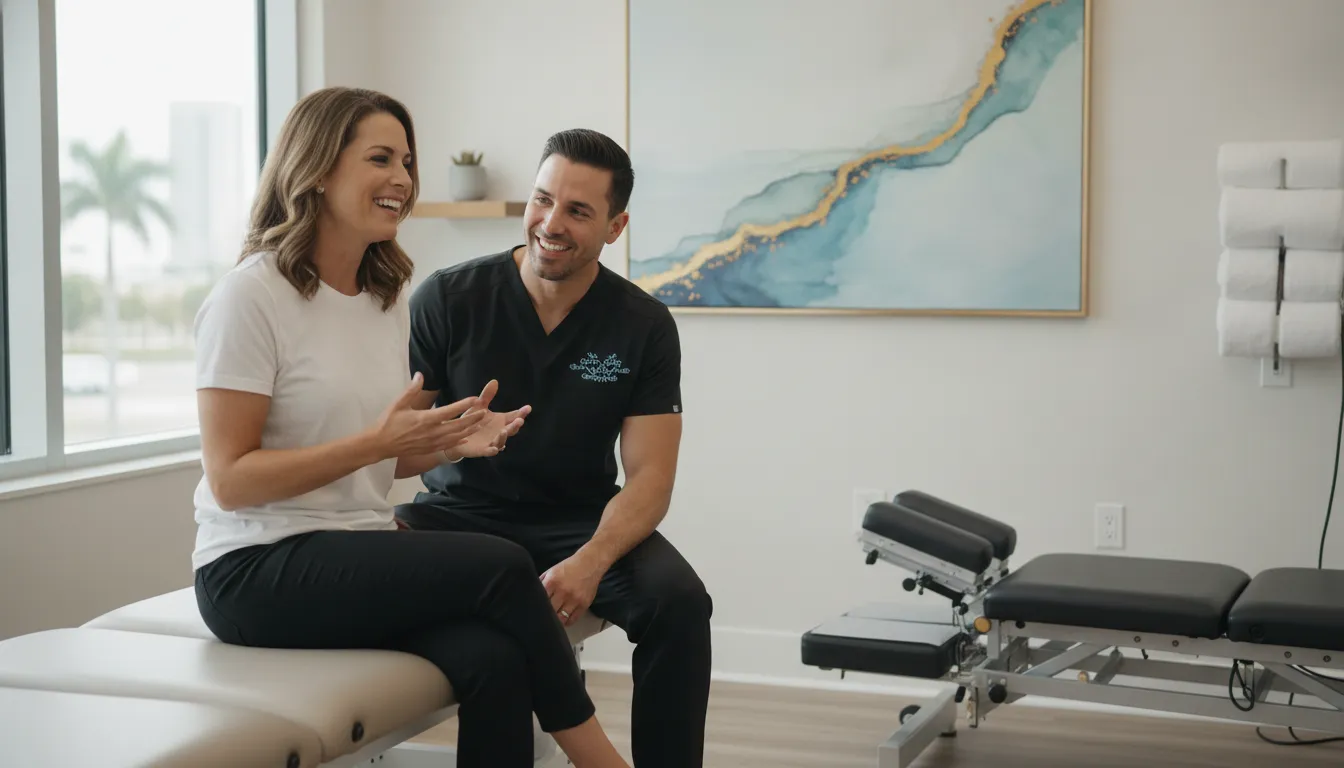
Your first session will begin with a conversation. This is our chance to listen and learn about your health history, your current pain points, and what you hope to achieve. A skilled therapist will then conduct a detailed physical assessment, which might include checking your posture and observing how you move to identify which soft tissues are involved. This isn't a generic treatment. Instead, this initial check helps us create a custom plan tailored to your body’s specific needs, which is a core part of our approach to physical medicine. We want to understand the complete picture so we can address the source of the problem, not just the symptoms.
During the Treatment
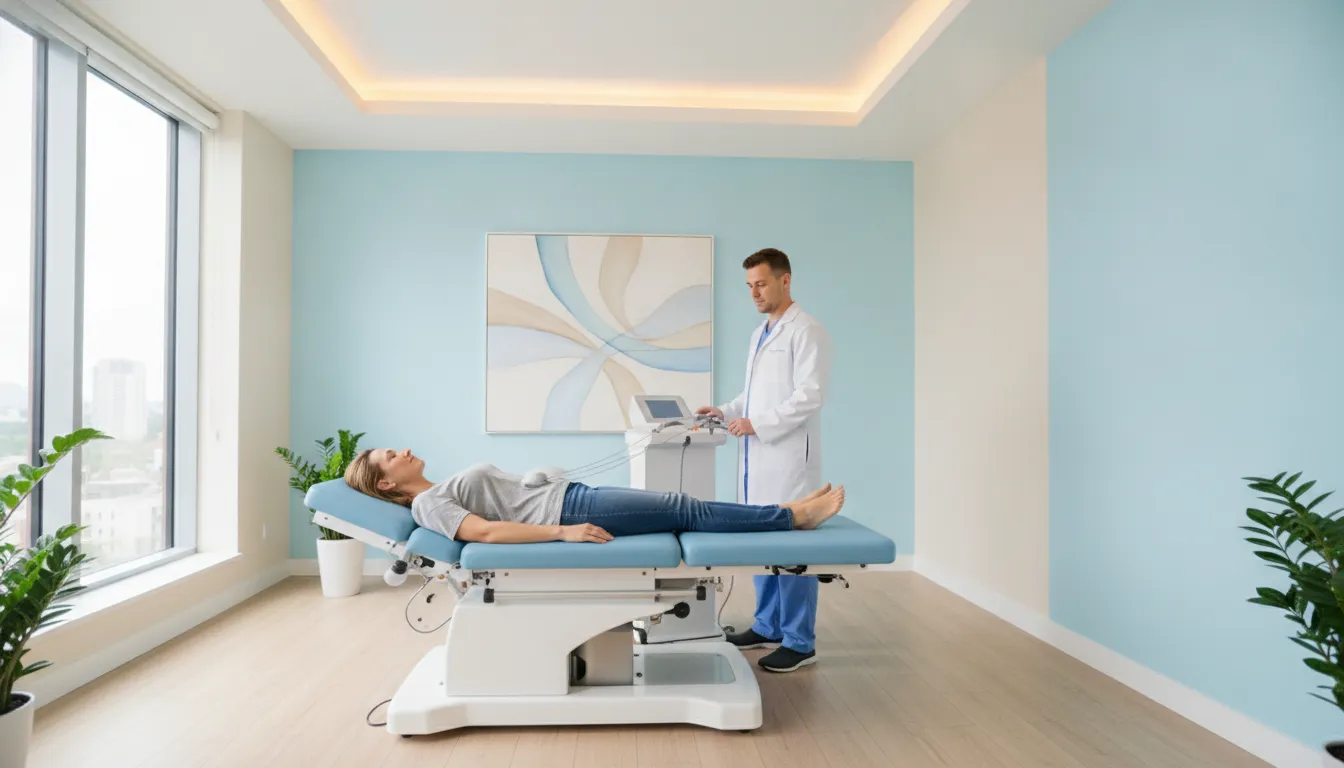
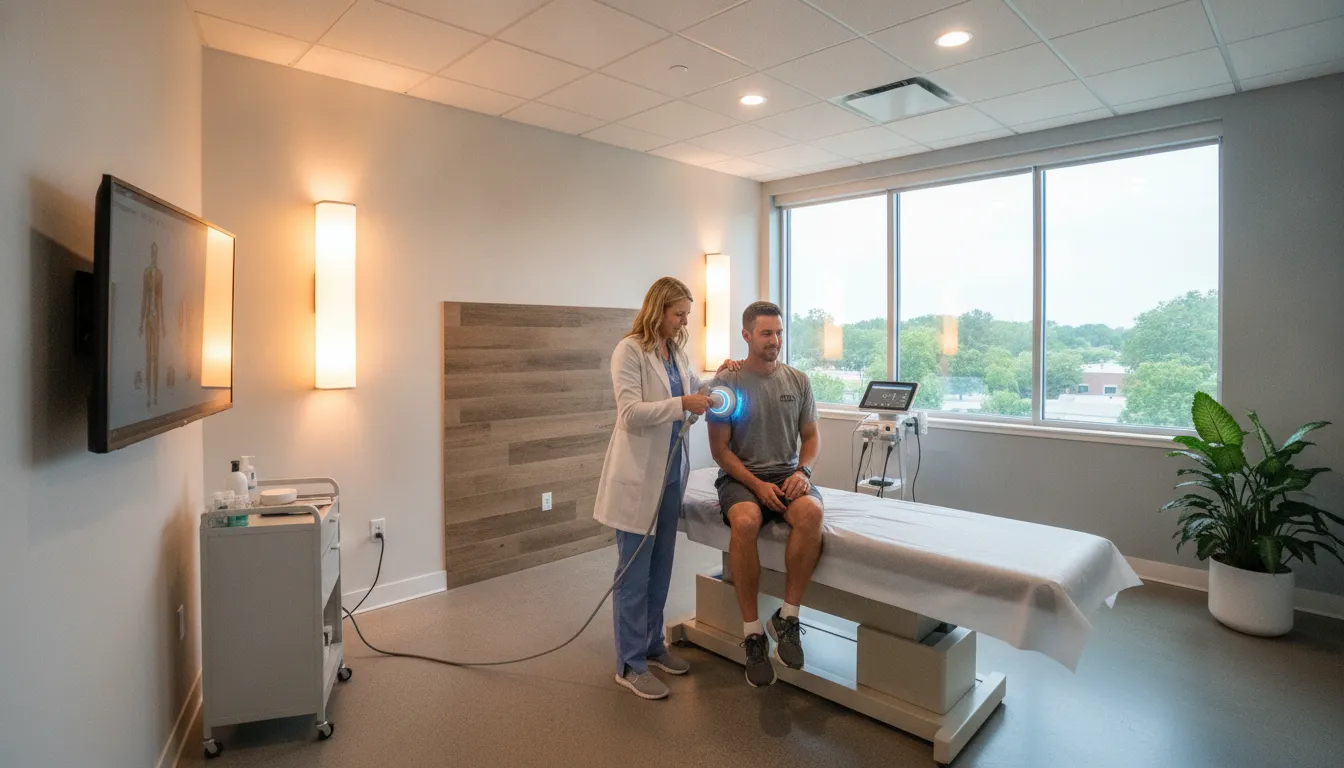
Once we have a clear understanding of your needs, the hands-on portion of the session begins. Based on your assessment, your therapist will use a combination of soft tissue techniques to address the restricted areas. Throughout the treatment, communication is key. Your therapist will check in with you about the pressure and your comfort level, and you should always feel empowered to speak up. This is a targeted, clinical therapy designed to create change in the tissue, so it can feel different from a typical relaxation massage. The goal is to release tension, improve movement, and support your body’s natural healing process.
After Your Session: Next Steps
The care doesn't stop when the session ends. Afterward, your therapist will discuss their findings with you and outline a plan for moving forward. To help you get the most out of your treatment, you’ll likely be given specific stretches or exercises to do at home. Think of this as homework that empowers you to continue your healing between visits. Depending on your condition, your therapist may recommend follow-up sessions to build on your progress. Many people find that regular appointments help them maintain their results and prevent future issues. If you're ready to get started, you can schedule a consultation with our team.
How to Find the Right Soft Tissue Therapist
Finding the right therapist is just as important as the therapy itself. You want someone who not only has the right skills but also understands your specific goals. When you’re ready to find a professional, keep these key areas in mind to ensure you connect with a practitioner who can truly help you heal.
Credentials to Look For
First things first, check for qualifications. You’re looking for a therapist with adequate training and experience in the specific type of therapy you need. A licensed massage therapist (LMT) is the baseline, but for clinical work, you should look for more. Ask about advanced certifications in techniques like Myofascial Release or Instrument Assisted Soft Tissue Mobilization. This specialized training shows a commitment to the clinical side of bodywork. At Ascend, our team is trained in a variety of physical medicine techniques, ensuring you get targeted, expert care beyond a standard relaxation massage. Don’t be shy about asking to see credentials; a true professional will be happy to share them.
Questions to Ask Before You Book
A quick chat before you book a session can tell you a lot about a therapist’s approach. Start with simple questions like, "What does a first session with you look like?" or "How do you typically address issues like mine?" This gives you a feel for their process. Here’s a great insider tip: ask the therapist who they see for their own bodywork. If they don’t receive treatment themselves, they may not fully believe in its power, which is a red flag. You’re looking for a partner in your health journey, so it’s important to find someone whose philosophy aligns with yours. Getting to know the practitioners you'll be working with can make all the difference.
Why a Functional Medicine Approach Matters
Pain is rarely just about one tight muscle. A therapist who uses a functional medicine approach understands that your shoulder pain might be connected to your desk setup, your stress levels, or even your gut health. Instead of just rubbing the sore spot, they look for the root cause of your discomfort. This holistic view is what sets clinical therapy apart. A practitioner with a functional medicine background will consider your entire lifestyle to create a more effective and personalized treatment plan. This integrated approach helps you find lasting relief and prevents the issue from coming back, rather than just offering a temporary fix.
Related Articles
- Massage Therapy | Alessi Functional Health
- Graston Technique Side Effects: What's Normal?
- SoftWave TRT Therapy in Tampa, FL - Alessi Functional Health
Frequently Asked Questions
How is soft tissue therapy different from chiropractic care? That's a great question, especially since both are key parts of physical medicine. Think of it this way: chiropractic care primarily focuses on your skeletal system and nervous system, using adjustments to improve joint alignment and function. Soft tissue therapy, on the other hand, targets your muscles, ligaments, tendons, and fascia. The two work together beautifully. A chiropractic adjustment can be more effective and last longer when the surrounding muscles are relaxed and balanced, which is exactly what soft tissue therapy helps achieve.
Should the treatment feel painful? You should expect to feel focused pressure, and some techniques, like trigger point therapy, can feel intense for a moment. However, it should never be sharply painful or unbearable. We call this "therapeutic discomfort," where you can feel the tissue releasing. Your therapist will communicate with you throughout the session to make sure the pressure is productive and within your comfort level. The goal is to release tension, not to cause you pain.
How many sessions will I need to feel better? The number of sessions you'll need is completely unique to you. It depends on several factors, such as whether your condition is recent or has been around for years, your overall health, and what your personal goals are. During your first visit, your therapist will create a personalized treatment plan and give you a clearer idea of the timeline. Some people feel significant relief after just one session, while others with more complex issues may need a series of treatments to achieve lasting results.
What should I do after my session to get the best results? Aftercare is just as important as the treatment itself. The most important thing you can do is drink plenty of water, as this helps your body process the changes made in your tissues. It's also a good idea to avoid any intense exercise for the rest of the day to let your body integrate the work. Your therapist will likely give you specific stretches or movements to do at home; making time for this "homework" will help you maintain your progress and extend the benefits of your session.
Can I benefit from this therapy even if I don't have a specific injury? Absolutely. You don't need to be injured to benefit from soft tissue therapy. Many people use it as a form of proactive maintenance to counteract the effects of daily life, like sitting at a desk or managing stress. Regular sessions can help correct postural imbalances, relieve built-up tension, and improve your overall mobility before these issues turn into bigger problems. It’s a powerful way to keep your body feeling good and functioning well.