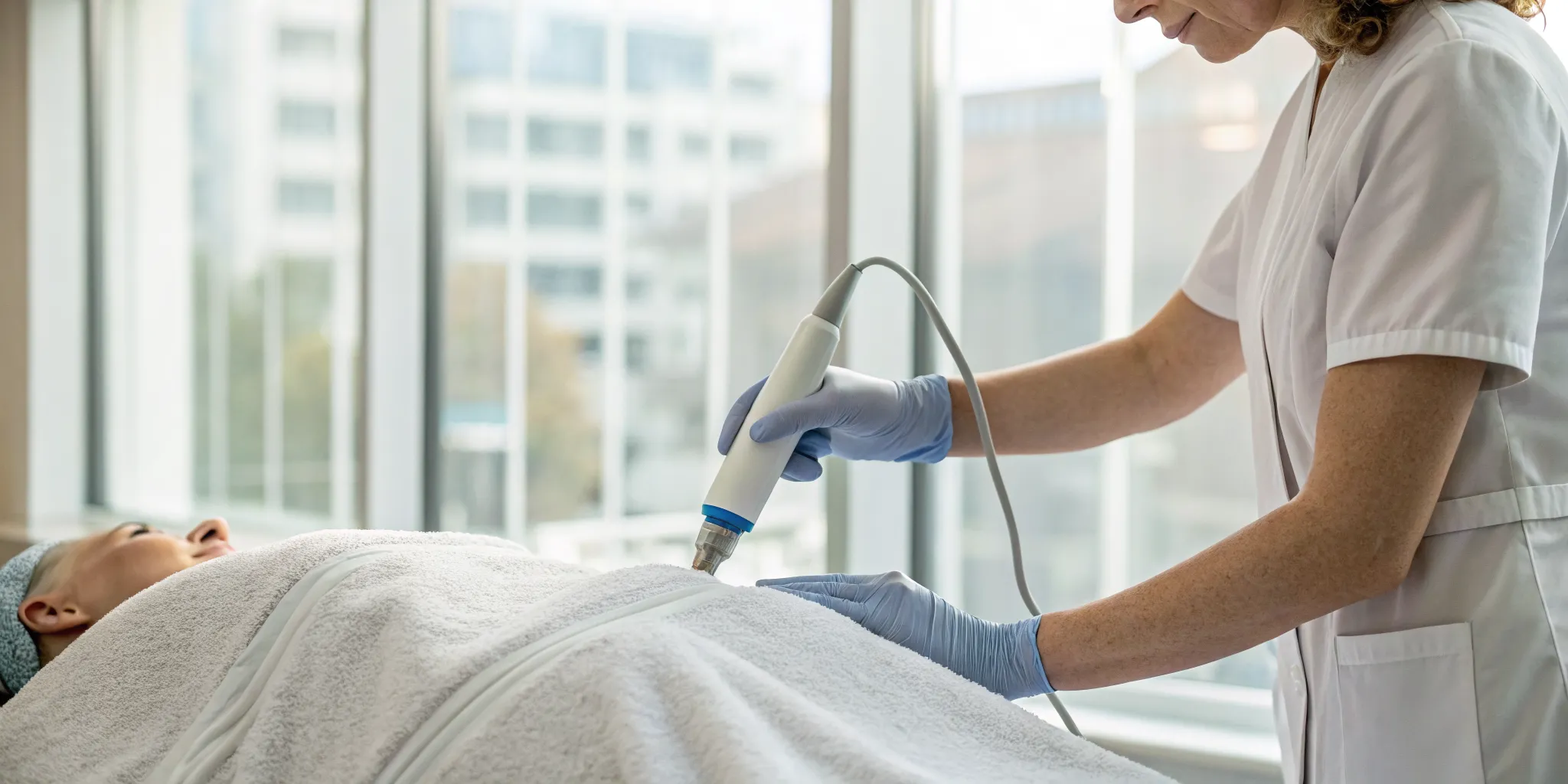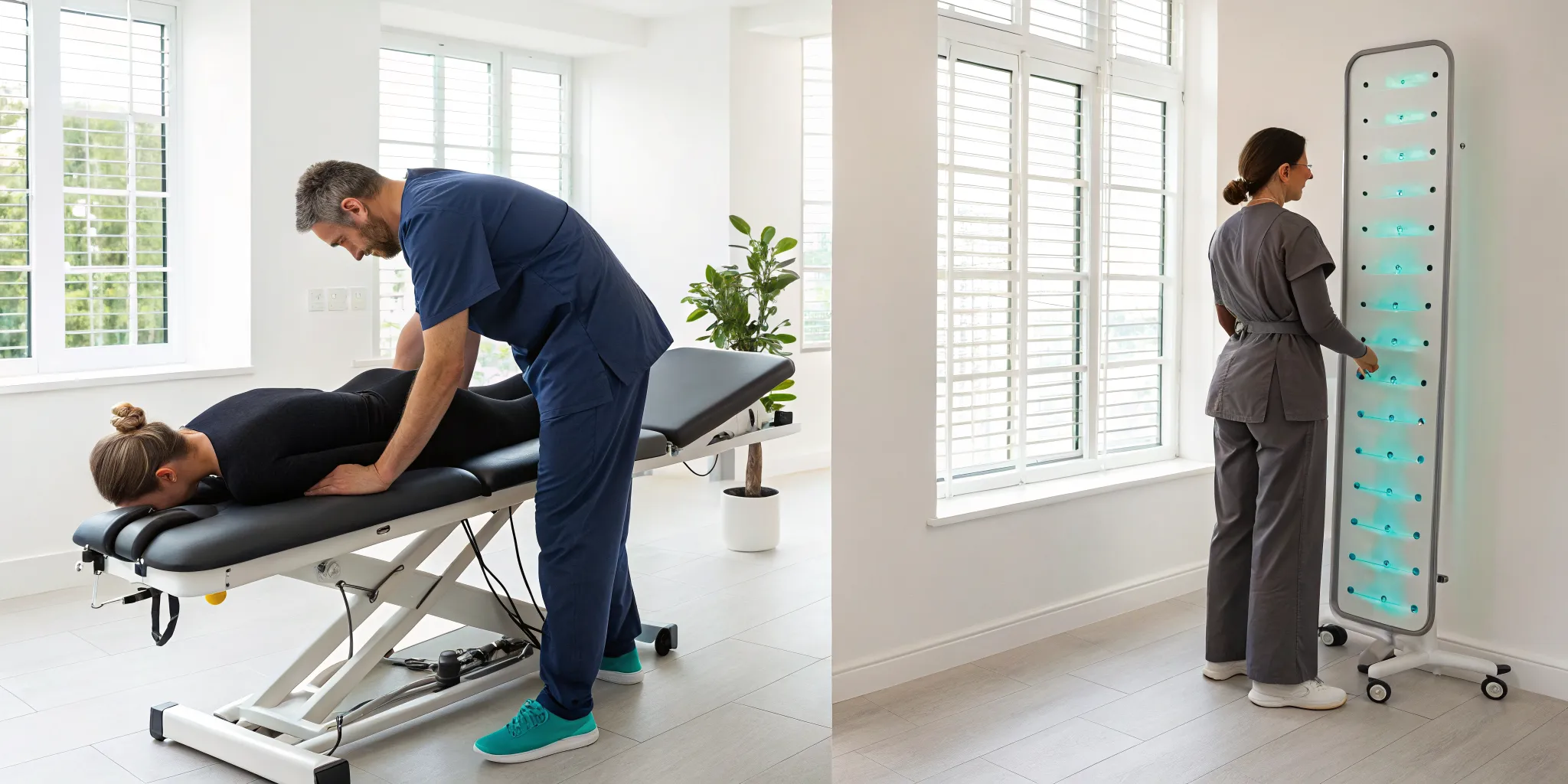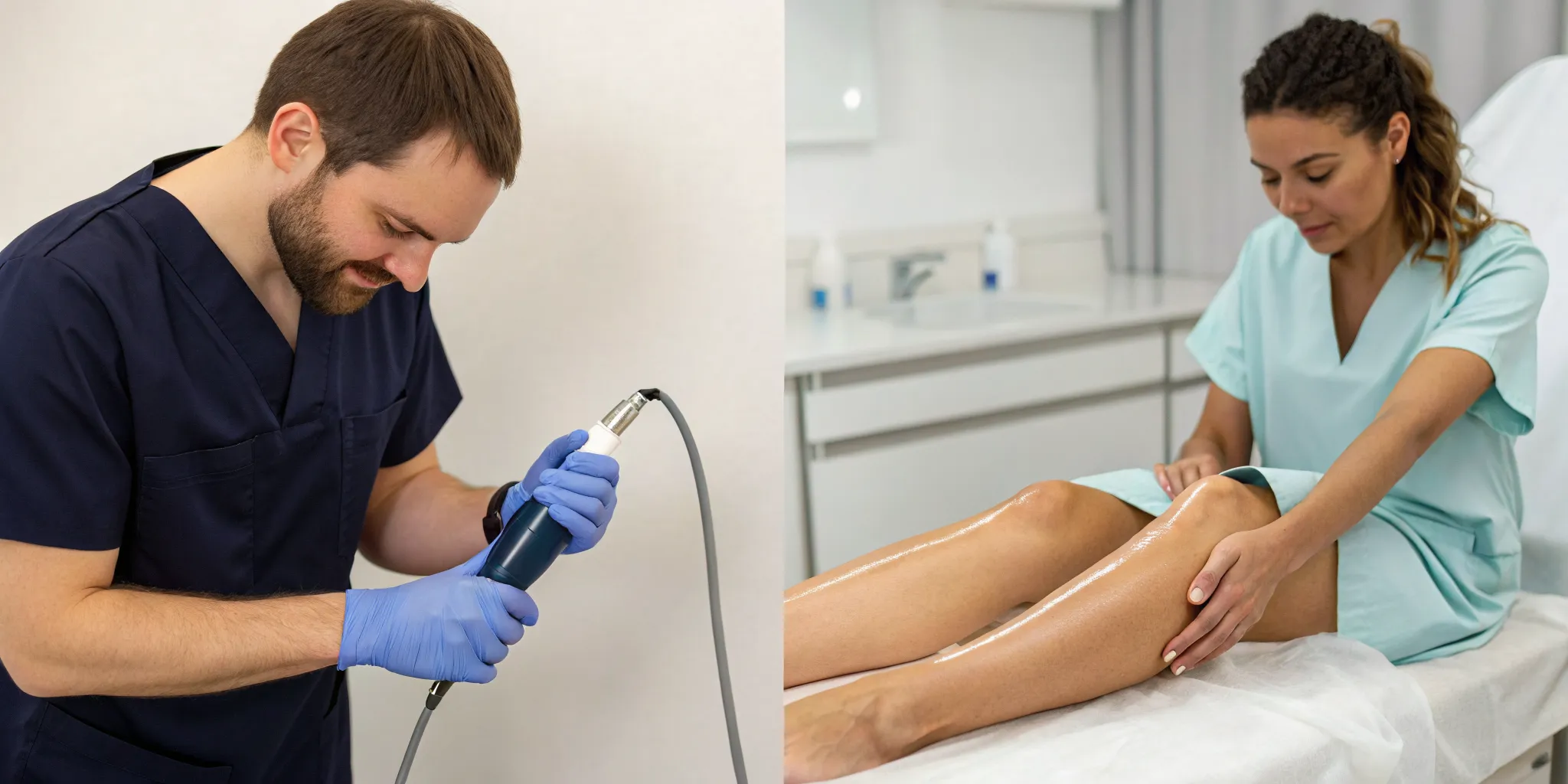
It’s one of the most frustrating experiences: you’re dealing with an injury that just won’t get better. You’ve rested, you’ve been careful, but the discomfort lingers, holding you back from your daily life. A stalled recovery can make you feel stuck, wondering if you’ll ever get back to normal. Often, a stubborn injury is a sign that something deeper is at play. Underlying factors like chronic inflammation, nutritional gaps, or movement imbalances can interfere with your body’s ability to mend itself. This guide will help you look beyond the immediate symptoms to understand the complete picture of soft tissue repair and healing, empowering you to address the root causes that may be slowing you down.
Key Takeaways
- Healing happens in stages: Your body moves through three distinct phases after an injury: inflammation, repair, and remodeling. Supporting each stage appropriately, from initial rest to gentle movement and strength building, is key to an effective recovery.
- Lifestyle choices directly influence recovery: You can actively support your body's repair process through daily habits. A nutrient-rich diet, quality sleep, and stress management provide the essential resources your body needs to heal efficiently from the inside out.
- Movement is medicine, but timing is everything: Contrary to popular belief, prolonged rest can slow down recovery. Introducing gentle, controlled movement at the right time prevents stiffness and helps new tissue form correctly, leading to a stronger, more resilient result.
What Is a Soft Tissue Injury?
If you’ve ever pulled a muscle, twisted an ankle, or dealt with a nagging ache from repetitive motion, you’ve experienced a soft tissue injury. These are incredibly common, yet it’s easy to feel unsure about what’s happening inside your body and how to best support its healing process. Understanding the basics of these injuries is the first step toward a smarter, more effective recovery. Let's break down what soft tissues are, the common ways they get injured, and why everyone’s healing journey looks a little different.
A Quick Look at Soft Tissues
Think of soft tissues as your body's support system. They are the active tissues that surround and connect your bones, helping you move through your day. This group includes your muscles, the tendons that connect muscles to bones, and the ligaments that connect bones to each other at your joints. Since they're involved in nearly every movement you make, these tissues are frequently injured. An injury can happen from a sudden accident, like a fall, or develop slowly from overuse. Our approach to physical medicine focuses on restoring function to these vital tissues so you can move with confidence again.
Common Types of Soft Tissue Injuries
Soft tissue injuries generally fall into two categories. The first is acute injuries, which happen suddenly. This includes strains, which occur when you overstretch or tear a muscle or tendon, and sprains, which are tears in the ligaments that stabilize a joint. A direct blow can cause a contusion, or bruise, where blood vessels break under the skin. The second category is overuse injuries, which develop over time. You might be familiar with tendonitis, the inflammation of a tendon from repetitive motion, or bursitis, which is when the small, fluid-filled sacs that cushion your bones become swollen and painful. Recognizing these types of soft tissue injuries helps you understand what your body is experiencing.
Why Every Injury Heals Differently
It’s important to remember that healing is not a one-size-fits-all process. The recovery timeline doesn't have rigid start and end points for each stage; the phases often overlap and blend together. How quickly and effectively your body repairs itself depends on several personal factors. Your age, overall health, nutrition, and even your stress levels can influence the healing process. The severity of the initial injury also plays a major role. This is why a personalized approach is so crucial. By looking at the whole picture, we can better identify and address the root causes that may affect your recovery and help your body's innate ability to heal.
The 3 Stages of Healing
When you experience a soft tissue injury, your body kicks off a remarkable and predictable healing process. It doesn't happen all at once; instead, it unfolds in three distinct stages. Understanding these phases can help you appreciate what your body is doing and how you can best support it along the way. Think of it as a well-coordinated construction project, with each stage building upon the last to restore strength and function.
This journey from injury to recovery involves inflammation, repair, and remodeling. While the timeline can vary from person to person, the sequence is always the same. Knowing what’s happening behind the scenes can make the recovery process feel less mysterious and give you the confidence to take the right steps at the right time.
Stage 1: The Inflammatory Response
The first stage, inflammation, is your body's immediate response team. As soon as an injury occurs, your system goes into action to protect the affected area. This phase is all about damage control. According to research on the phases of wound healing, the body works to stop any bleeding, clear out damaged cells, and prevent infection. This is why you typically experience redness, swelling, heat, and pain. While uncomfortable, these are signs that your body's healing mechanisms are hard at work. This initial inflammatory stage usually lasts for a few days and is a crucial first step toward recovery.
Stage 2: The Repair Phase
Once the initial cleanup is done, your body transitions into the repair phase. This is where the rebuilding begins. During this stage, your body starts to create new tissue to replace what was damaged. It lays down a network of new blood vessels to bring oxygen and nutrients to the site, and it produces collagen fibers to start patching things up. This new tissue isn't as strong or organized as your original tissue yet, but it forms the necessary scaffolding for the final stage of healing. This phase can last for several weeks, and it's a period where gentle care is essential to support the delicate new structures your body is forming.
Stage 3: The Remodeling Phase
The final stage is remodeling, and it’s all about making the new tissue stronger and more organized. Think of it as refining the initial patch-up job. The collagen fibers that were laid down quickly in the repair phase are now reorganized to better withstand the forces your body experiences every day. Over time, this process helps the scar tissue become more flexible and resilient, closely resembling the original, uninjured tissue. This is the longest of the three stages, often starting around three weeks after the injury and potentially continuing for a year or more. Properly supporting this phase is key to restoring full function and preventing the chronic issues that are among the conditions we treat.
How to Recognize a Soft Tissue Injury
After an injury, your body sends signals to let you know something is wrong. Learning to interpret these signs is the first step toward a proper recovery. While some aches are expected, other symptoms can indicate a more significant issue that needs attention. Paying close attention to what you feel can help you determine your next steps and ensure you’re supporting the healing process correctly from the very beginning.
Key Symptoms to Look For
The most common signs of a soft tissue injury are immediate pain and swelling. While swelling might seem alarming, it’s your body’s natural response, sending extra blood and healing cells to the area to start the repair process. You might also notice stiffness that makes it difficult to move the injured part, or you may find it hard to put weight on a limb without discomfort. Bruising can appear if small blood vessels were broken during the impact. In some cases, you might even feel numbness or a tingling sensation. This "pins and needles" feeling could suggest a nerve was compressed or affected during the incident, so it's a symptom worth noting.
Signs Your Injury Needs a Closer Look
While your body is designed to heal, some injuries require a professional evaluation to prevent long-term complications. If an injury isn't addressed correctly, it can lead to chronic inflammation, lasting joint instability, or stiffness that limits your movement down the road. Pay attention if your pain is significant, you can’t bear any weight on the area, or the symptoms just don’t seem to improve after a few days of self-care. These are signs that your body needs more support. A thorough assessment can help identify the root cause of your discomfort and create a clear, personalized path for your recovery.
What Influences Your Recovery Time?
If you and a friend have similar injuries, you might be surprised to see your healing timelines look completely different. That’s because recovery is a highly personal process. How quickly and effectively your body repairs itself depends on a combination of factors, from your baseline health to your daily habits.
Understanding these influences can help you set realistic expectations and take an active role in your own healing. While you can’t change your age or the initial severity of an injury, you have a surprising amount of control over other key areas that can make a real difference in your recovery journey.
Your Age and General Health
It’s true that age can play a part in how fast your body bounces back. Younger bodies often have more robust cellular repair mechanisms. However, your overall health is a much more significant piece of the puzzle. If you’re dealing with chronic inflammation, poor circulation, or other underlying health issues, your body’s healing resources are already stretched thin. This can slow down the repair of a new injury, regardless of your age. The severity of the injury itself is also a major factor; a minor strain will naturally resolve faster than a more significant tear. Addressing your total well-being is a key part of creating an internal environment that supports efficient healing for all the conditions we treat.
The Role of Nutrition and Sleep
Healing isn’t a passive process. Your body is actively working to rebuild damaged tissue, and that requires a steady supply of raw materials and dedicated time for construction. Think of nutrition as the building blocks for repair. Your body needs adequate protein, vitamins, and minerals to create new cells and mend what’s broken. A diet lacking in these essential nutrients can stall your recovery. Similarly, sleep is when the most intensive repair work happens. During deep sleep, your body releases growth hormone and focuses on cellular regeneration. Skimping on sleep is like telling a construction crew to go home halfway through their shift; the job simply won’t get done as quickly. Our approach to functional medicine can help identify any nutritional gaps that may be affecting your body's ability to heal.
Your Daily Activity and Movement Habits
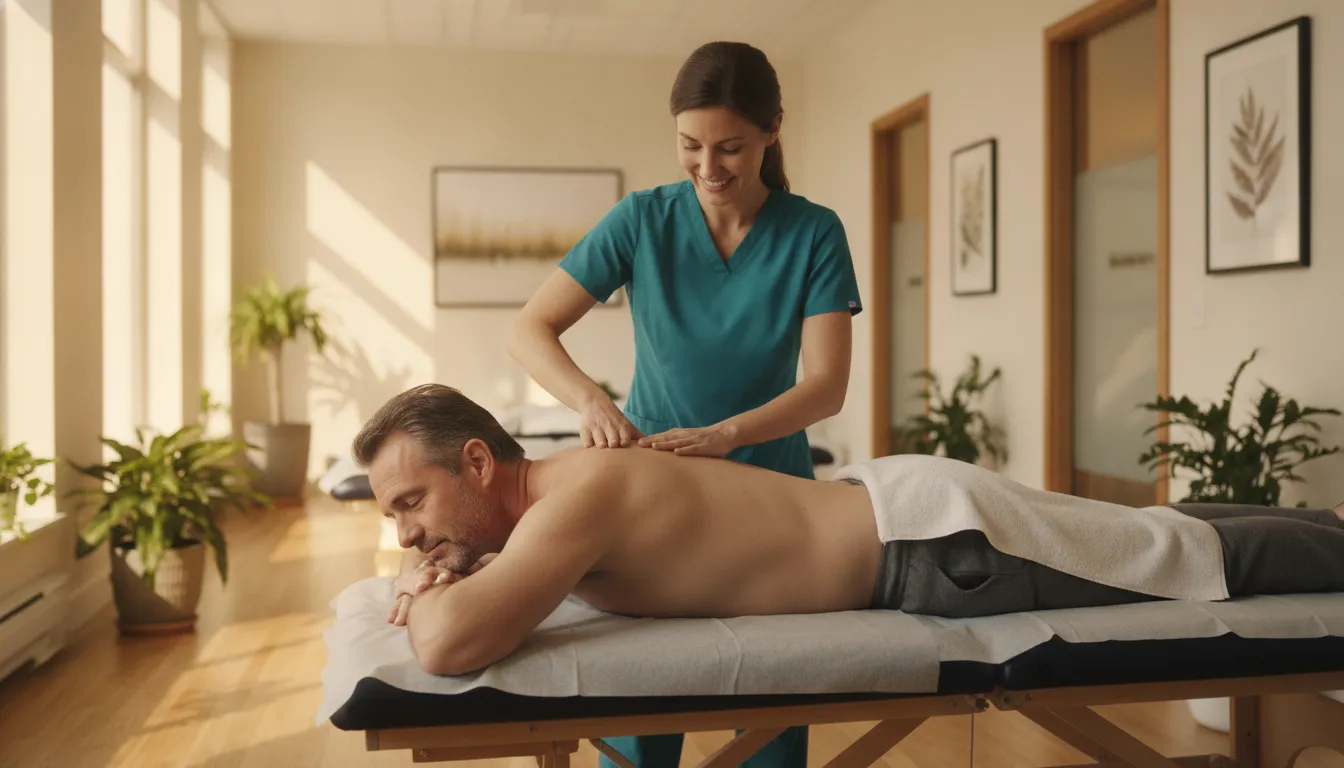
After an injury, it’s tempting to avoid all movement to prevent further pain. While rest is important, especially in the very beginning, staying completely still for too long can actually hinder your recovery. The key is finding the right balance. Gentle, controlled movement helps promote circulation, which brings oxygen and nutrients to the injured area and clears away waste products. It also prevents your joints from becoming overly stiff and your muscles from weakening. This is where professional guidance is invaluable. A practitioner can help you introduce the right movements at the right time, ensuring you’re supporting the healing process without causing a setback. This careful approach is a cornerstone of physical medicine, helping you regain function and prevent re-injury down the road.
Common Myths About Soft Tissue Recovery
When you're dealing with an injury, you'll likely get a lot of advice from well-meaning friends and family. The problem is, a lot of common "knowledge" about healing is outdated or just plain wrong. Believing these myths can unfortunately slow down your recovery and leave you feeling frustrated. Let's clear up a few of the most common misconceptions so you can support your body's healing process in the most effective way.
Myth: Complete Rest Is Always the Answer
It seems logical, right? If something hurts, you should stop moving it entirely. While initial rest is crucial, especially in the first day or two, keeping a joint or muscle completely still for too long can backfire. Total immobilization often leads to more stiffness, weakness, and a longer recovery time. Your body actually needs gentle movement to heal properly. This concept, often called active recovery, helps promote circulation, which delivers oxygen and nutrients to the injured tissue. Our approach to physical medicine focuses on finding that perfect balance, using targeted, gentle movements to support healing without causing further harm.
Myth: Healing Follows a Straight Line
We all wish recovery was a simple, upward path where you feel a little better every single day. The reality is much more complex. The healing process isn't linear; it happens in overlapping phases, and it's completely normal to have good days and bad days. You might feel great one morning and notice a return of stiffness or discomfort the next. These fluctuations don't mean you've undone your progress. They are a natural part of the body's intricate soft tissue healing journey as it moves through inflammation, repair, and remodeling. Understanding this can help you stay patient and positive through the ups and downs.
Myth: Surgery Is the Only Option
Hearing that you have a tear or significant sprain can immediately make you think you're headed for the operating room. Thankfully, that's rarely the case. The vast majority of soft tissue injuries heal beautifully with conservative care. Treatments like targeted chiropractic adjustments, corrective exercises, and other rehabilitation methods are highly effective at restoring function and strength. Surgery is typically reserved only for the most severe injuries or for cases where more conservative measures haven't provided the expected results. We see many of the conditions we treat improve significantly without ever needing invasive procedures.
How to Support Each Healing Stage
Understanding the healing process is the first step, but knowing how to actively support your body through each phase is what truly accelerates recovery. Your needs will change as you move from one stage to the next, so what helps in the first few days might not be what’s best a few weeks later. By tailoring your approach to each specific stage, you can create the ideal environment for your tissues to repair themselves efficiently and effectively. This proactive mindset helps you regain control and play a central role in your own healing journey.
Think of it as being a supportive partner to your body. In the beginning, you’ll provide comfort and protection. Later, you’ll offer gentle encouragement to get moving. And finally, you’ll help it rebuild its strength so it’s more resilient than before. Let’s walk through what you can do during each of these critical periods.
The Acute Stage: Managing Initial Discomfort
In the first few days after an injury, your main job is to manage the initial pain and swelling. This is when your body is in full-on crisis mode, and the goal is to calm things down so the real repair work can begin. A simple and effective way to do this is by following the PRICE method. Most minor soft tissue injuries respond well to this approach.
Here’s what it stands for:
- Protection: Shield the injured area from further strain. This might mean using a brace or simply avoiding activities that cause pain.
- Rest: Give your body the downtime it needs. Rest is essential for healing, so listen to your body and don’t push through the pain.
- Ice: Applying a cold pack for about 20 minutes at a time can help reduce swelling and numb the initial discomfort.
- Compression: Using an elastic bandage can help control swelling.
- Elevation: Keeping the injured part raised above your heart uses gravity to help drain excess fluid.
The Repair Stage: Introducing Gentle Movement
After the first few days, as the initial inflammation subsides, you’ll enter the repair stage. It can be tempting to stay completely still, but this is actually the time to start reintroducing gentle movement. The goal here is to encourage the new collagen fibers to align properly, which prevents excessive stiffness and scar tissue buildup. Think of it as guiding the new tissue to form in an organized, flexible way.
This doesn’t mean jumping back into your old routine. Instead, focus on slow, controlled movements that don’t cause pain. This gentle activity promotes circulation, bringing oxygen and nutrients to the healing area. This is often where professional guidance from a physical medicine expert can be incredibly valuable, ensuring you’re moving in a way that helps, not hinders, your recovery.
The Remodeling Stage: Rebuilding Strength
The final stage is all about remodeling the new tissue to be as strong and capable as the original. This is the longest phase and can continue for a year or more. During this time, the collagen fibers that were laid down in the repair stage are reorganized and strengthened. Your focus should shift from gentle motion to progressively rebuilding strength and restoring normal function.
This is where targeted exercises come into play. By gradually increasing the load on the tissue, you encourage it to adapt and become more resilient. This process is crucial for preventing re-injury down the road. Patience is key here. Rushing this stage can lead to setbacks, so it’s important to follow a structured plan that helps you safely return to all the activities you love. Addressing the root cause of the initial weakness or imbalance is fundamental to achieving a full recovery for many conditions we treat.
How to Prevent Future Soft Tissue Injuries
Healing an injury is a huge accomplishment, but the real win is keeping it from happening again. Prevention isn’t about being overly cautious; it’s about being smart and proactive. By making a few intentional changes to your daily routines, you can build a more resilient body that’s better equipped to handle physical stress. It all comes down to preparing your body for activity, building a strong foundation, and paying attention to your environment. These strategies work together to reduce strain on your muscles and ligaments, helping you stay active.
Prepare Your Body for Movement
Think of your muscles like rubber bands. If you try to stretch a cold one, it’s more likely to snap. The same goes for your body. Stretching your muscles before and after activity, or even after long periods of sitting, helps keep them pliable and ready for action. A few minutes of dynamic movement, like leg swings, gets the blood flowing. Afterward, gentle static stretches can help release tension. Our approach to physical medicine often includes personalized strategies to help you prepare your body for the demands of your day.
Build Foundational Strength and Flexibility
Strong, balanced muscles are your body’s natural support system. When the muscles surrounding a joint are weak, your ligaments and tendons have to pick up the slack, putting them at risk. Building foundational strength provides better support and stability, reducing strain on vulnerable tissues. This isn’t about becoming a powerlifter; it’s about functional fitness. Focusing on core stability and flexibility ensures your body moves efficiently. A targeted plan can correct underlying imbalances that contribute to many common health concerns, creating a solid foundation for long-term wellness.
Improve Your Daily Ergonomics
Your daily environment could be contributing to chronic strain. Ergonomics is the practice of setting up your workspace to fit your body, rather than forcing your body to adapt. Making sure your desk, chair, and computer screen are positioned correctly can lower your risk of soft tissue injuries like carpal tunnel or neck pain. Even small adjustments, like how you hold your phone, can make a big difference. These repetitive stresses add up, so creating a comfortable setup is a powerful preventative step. For more tips on building healthy habits, our blog is a great resource.
Support Your Body's Natural Healing
Your body has an incredible, built-in capacity to heal itself. But that process isn't a passive one that just happens to you. The choices you make every day, from the food on your plate to how you manage stress, can either support or significantly slow down your recovery. By taking an active role, you can provide your body with the essential resources it needs to repair tissue effectively and get you back to feeling your best. It’s about working with your body, not against it, and understanding that small, consistent efforts can lead to big improvements in how you feel. This proactive approach is at the heart of creating lasting wellness and is a core part of our philosophy at Ascend Functional Health. We believe in empowering you with the knowledge to support your own healing. When you understand how to nourish your body, move with intention, and calm your nervous system, you're not just waiting to get better; you're actively participating in your own recovery. Below, we'll explore a few key areas you can focus on, giving you actionable steps to feel more in control of your healing and address the underlying factors that contribute to your discomfort.
Eat Foods That Help Repair Tissue
Think of food as the raw material for your body's repair crew. To rebuild injured tendons, ligaments, and muscles, your body needs specific nutrients. Consuming foods rich in protein and collagen provides the essential building blocks for tissue synthesis. Consider adding things like bone broth, poultry, and fish to your meals. Don't forget about vitamin C, which is crucial for collagen production. You can find it in citrus fruits, bell peppers, and leafy greens. A nutrient-dense diet is a cornerstone of functional medicine because it gives your body the foundation it needs to mend itself from the inside out. Eating well is one of the most powerful ways you can contribute to your own healing.
Adopt Habits for a Smoother Recovery
During the initial phase of healing, your main goals are to manage discomfort and protect the injured area from further strain. This doesn't mean you have to stay completely still. In fact, gentle, controlled movement can be incredibly beneficial. It helps prevent excessive stiffness and keeps blood flowing to the area, which delivers oxygen and nutrients for repair. Listen to your body and avoid any movements that cause sharp pain. Getting enough quality sleep is also non-negotiable, as this is when your body does most of its restorative work. Our approach to physical medicine often incorporates guidance on these daily habits to ensure a smoother, more effective recovery process.
Understand How Stress Affects Healing
Healing isn't just a physical process; your mental and emotional state plays a huge role, too. When you're stressed, your body produces more cortisol, a hormone that can interfere with the inflammatory response and slow down tissue repair. This is why managing stress is a critical part of any recovery plan. You don't need a complicated routine. Simple practices like taking a few deep breaths throughout the day, spending some quiet time in nature, or journaling can make a real difference. By calming your nervous system, you create an internal environment that is much more conducive to healing. You can find more insights on holistic health topics like this on our blog.
When to See a Professional
While it’s tempting to take a “wait and see” approach with aches and pains, some injuries need a professional eye to heal correctly. Pushing through the pain or ignoring clear warning signs can turn a minor issue into a chronic problem. Getting the right guidance at the right time is the key to a full and lasting recovery. A professional can help you understand the extent of the injury and create a clear path forward, ensuring you’re supporting your body’s healing process instead of accidentally working against it.
Warning Signs That Warrant a Consultation
It can be difficult to tell if an injury is a simple strain or something more significant. If you experience intense discomfort, can't put weight on the affected limb, or notice significant swelling, it’s time to get it checked out. A popping sound or sensation at the moment of injury is another major red flag. These signs can indicate a more substantial tear in the tissue, which won't heal properly without the right care. Ignoring these symptoms can lead to long-term instability, chronic pain, and a much longer recovery. A professional assessment can determine the severity of your injury and help you avoid these common conditions we treat.
How a Functional Approach Can Help
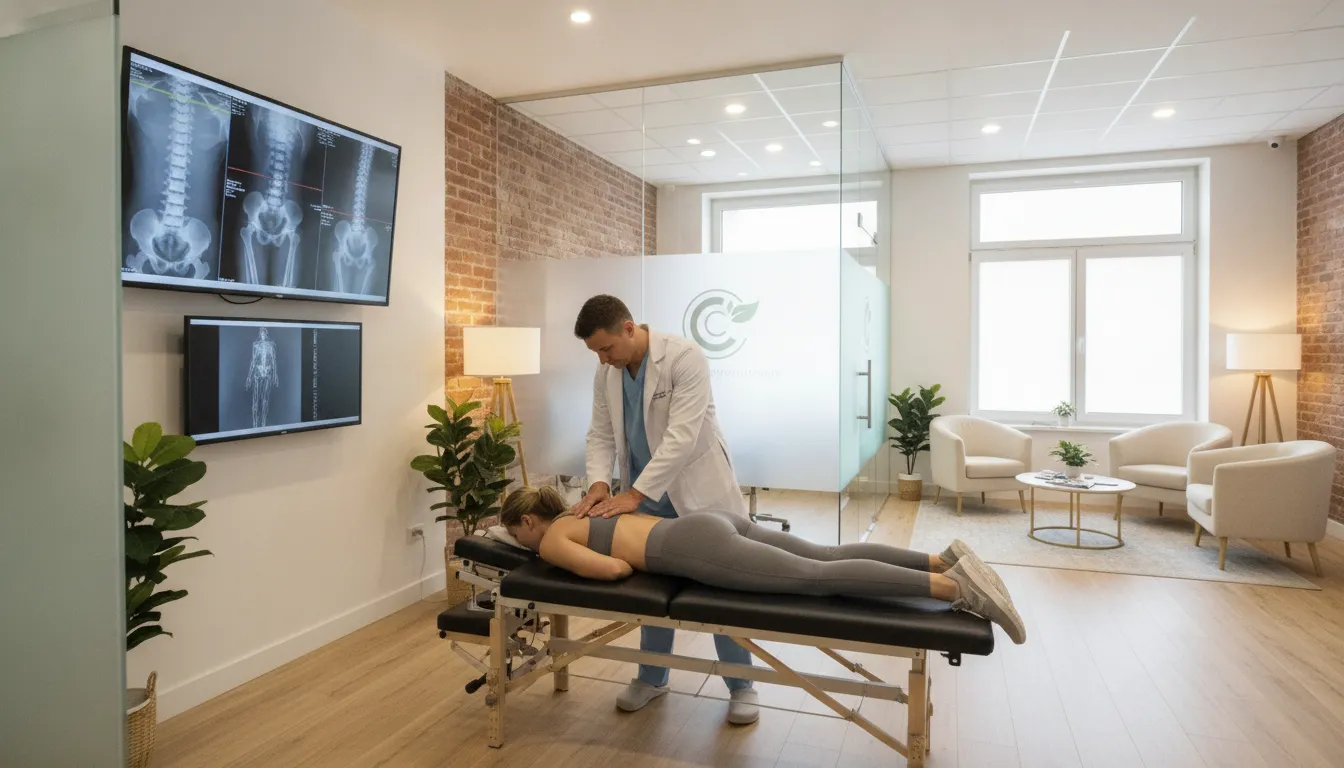
A functional approach goes beyond just telling you to rest. Instead of only focusing on the site of the pain, we look at how your entire body moves. Our goal is to restore healthy function, not just quiet the symptoms. Through a combination of hands-on manual therapy and corrective exercises, a physical medicine specialist can help retrain your movement patterns and address the imbalances that may have contributed to the injury in the first place. This active approach helps you build resilience and ensures the injured tissue heals correctly, reducing the likelihood of the same problem coming back down the road.
Find the Root Cause for Better Healing
Sometimes an injury that just won’t heal is a sign of a deeper issue. Your body’s ability to repair itself is influenced by many factors, including systemic inflammation, nutrient deficiencies, and even your gut health. If your recovery is stalling, it might be because an underlying problem is getting in the way of the natural healing process. A functional medicine practitioner can help you connect the dots between your overall health and your body's ability to recover. By identifying and addressing the root cause, you create an internal environment that supports efficient tissue repair, leading to a smoother and more complete recovery.
Related Articles
- Graston Technique Side Effects: What's Normal?
- Whiplash Recovery: Your Week-by-Week Guide
- How to Choose the Right Neck Strain Doctor
- Regenerative Medicine for Pain Recovery | Ascend Functional Health
Frequently Asked Questions
What is the actual difference between a sprain and a strain? This is a great question because the terms are often used interchangeably. The main difference is the type of tissue involved. A strain happens when you overstretch or tear a muscle or a tendon, which is the tough cord that connects your muscle to a bone. Think of pulling your hamstring. A sprain, on the other hand, involves the ligaments, which are the strong bands that connect one bone to another at a joint. A classic example is twisting your ankle and injuring the ligaments that stabilize it.
Why do I have good days and bad days during my recovery? It's completely normal for your recovery to feel like a two steps forward, one step back process. Healing isn't a straight line where you feel progressively better each day. Your body goes through distinct but overlapping phases of inflammation, repair, and remodeling. Fluctuations in your activity level, sleep quality, or even stress can cause symptoms like stiffness and discomfort to vary from day to day. These ups and downs are a natural part of the journey and don't mean you've lost progress.
Is it better to rest completely or try to move a little after an injury? While rest is essential right after an injury, staying completely still for too long can actually work against you, leading to more stiffness and muscle weakness. The key is to find a balance with what's often called active recovery. After the first couple of days, introducing gentle, pain-free movement helps promote circulation to the injured area. This brings in fresh oxygen and nutrients while clearing out waste, which is crucial for guiding the new tissue to heal in a strong and organized way.
Besides rest, what can I actually do to help my body heal faster? You can play a very active role in your recovery. Think of your body as a construction site; it needs the right materials and conditions to rebuild. Focus on eating foods rich in protein and vitamin C to provide the building blocks for new tissue. Prioritizing sleep is also critical, as this is when your body does most of its intensive repair work. Finally, managing your stress is important because high stress levels can interfere with your body's natural healing mechanisms.
My injury isn't getting better. When should I be concerned enough to see a professional? Trust your instincts on this one. If your pain is significant, you can't put any weight on the injured limb, or you heard a "pop" when the injury happened, it's best to get it evaluated. Another key sign is if the injury just isn't improving after several days of self-care with rest and ice. A professional assessment can give you a clear diagnosis and a personalized plan, ensuring you avoid the chronic pain or instability that can result from an injury that doesn't heal correctly.