Your body has an incredible capacity to heal, but sometimes it needs a nudge in the right direction. When you have bursitis, the small, fluid-filled sacs that cushion your joints become inflamed, and the body’s healing process can stall, leaving you in a cycle of chronic pain. While temporary fixes might offer a brief respite, they don’t address the underlying tissue dysfunction. What if you could restart that healing process without invasive procedures? Shockwave therapy for bursitis does just that. It uses targeted acoustic waves to create a powerful biological response, increasing blood flow and signaling your cells to repair and regenerate the inflamed area, helping you find lasting relief by healing from the inside out.
Key Takeaways
- Stimulates deep tissue repair: Shockwave therapy uses acoustic waves to kickstart your body’s own healing response, increasing blood flow and promoting cell regeneration to resolve inflammation at its source.
- Integrate treatments for better outcomes: This therapy is most effective for chronic bursitis when combined with other physical medicine approaches, like chiropractic care and corrective exercises, to address underlying mechanical issues and prevent future pain.
- Expect gradual, long-term improvement: While the treatment itself is non-invasive with no downtime, the most significant results appear over several weeks as your body works to rebuild healthier, more resilient tissue.
What Is Bursitis?
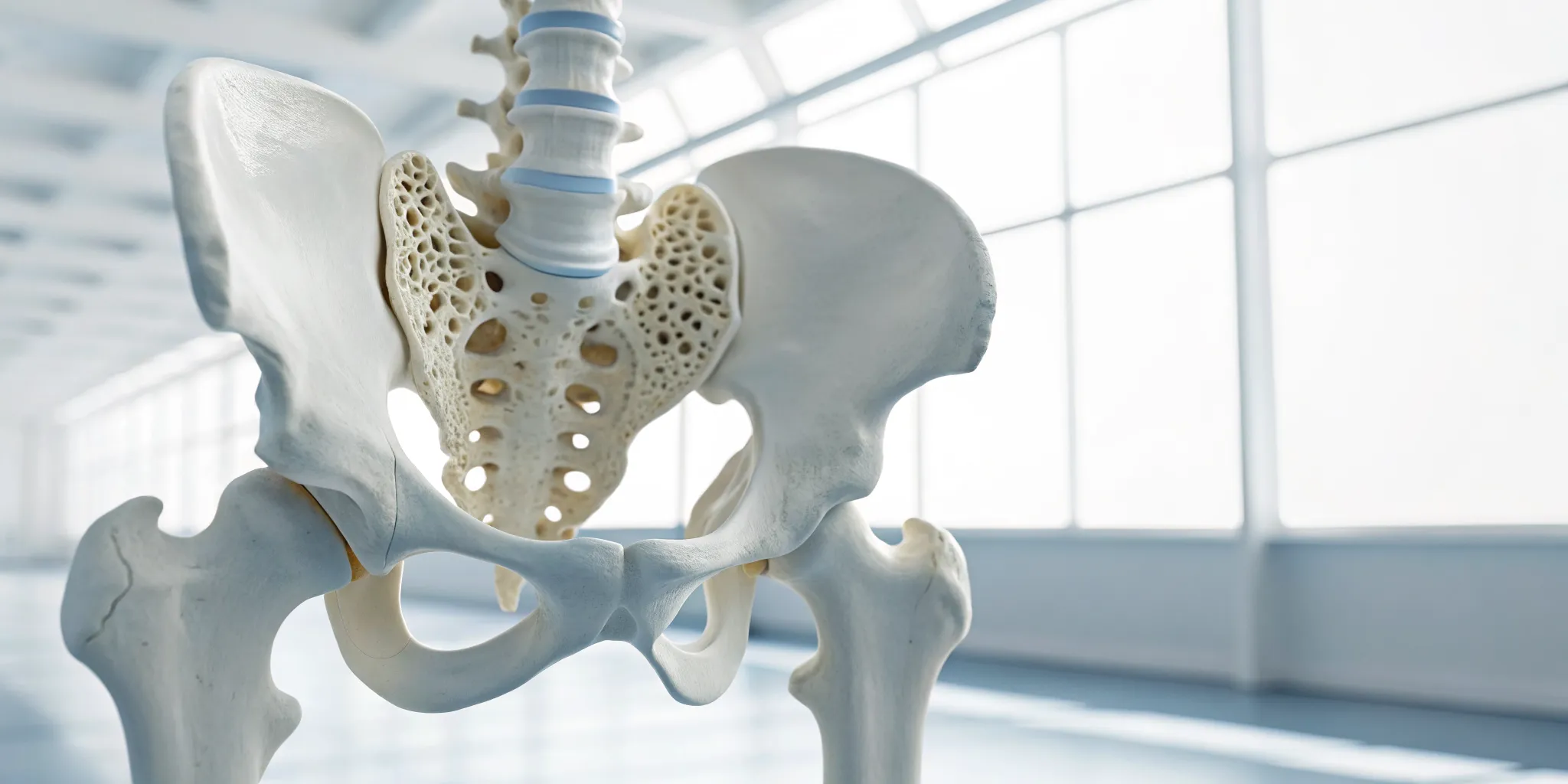
If you’ve ever felt a nagging, persistent ache in a joint like your shoulder, elbow, or hip, you might be dealing with bursitis. Think of your joints as busy intersections in your body. To keep everything moving smoothly without friction, you have tiny, fluid-filled sacs called bursae that act as cushions between your bones, tendons, and muscles. When these little cushions get irritated and inflamed, you get bursitis. This inflammation can cause significant pain and make simple movements, like lifting your arm or walking up stairs, feel like a major effort.
Understanding what’s happening inside your body is the first step toward finding real relief. Instead of just masking the pain with temporary solutions, our goal is to figure out why the bursa is inflamed in the first place. At Ascend Functional Health, we look at the complete picture of your health to address the underlying issues contributing to conditions like bursitis. Our physical medicine services are designed to restore proper function and help your body heal itself naturally. By getting to the root of the problem, whether it's a movement pattern or a structural imbalance, we can create a personalized plan that provides lasting results.
Common Symptoms
The signs of bursitis can range from a dull ache to sharp, intense pain, often getting worse when you move or press on the area. If you have hip bursitis, for example, you might feel pain on the outside of your hip or thigh that intensifies when you walk, sometimes causing a limp. Many people find it difficult to get comfortable at night, especially if they try to sleep on the affected side. You might even notice some visible swelling around the joint. Recognizing these symptoms is crucial because it helps you seek the right kind of care before the issue becomes more chronic and disruptive to your daily life.
Which Joints Are Most Affected?
While bursitis can technically occur in any joint with a bursa, it shows up most often in the joints we use constantly for repetitive motions. The most common culprits are the shoulder, elbow, hip, and knee. Because these joints are major hubs for movement, their bursae are working overtime to provide cushioning between bones and soft tissues. When they become inflamed, it leads to that familiar pain and restricted movement that can stop you in your tracks. If you're experiencing persistent joint pain, it's important to get a proper assessment to see if bursitis is one of the conditions we treat that might be affecting you.
What Causes Flare-Ups?
Bursitis flare-ups don't just happen out of the blue. They’re often triggered by specific factors that put extra stress on the bursa. This can include repetitive activities, like throwing a baseball or spending hours gardening, which cause overuse. Sometimes, the cause is related to your body's mechanics, such as having weak hip muscles or legs of slightly different lengths, which can alter your gait and strain your joints. Understanding these triggers is key to our approach. By identifying the root causes of your inflammation, we can develop a personalized plan that not only eases your current symptoms but also helps prevent future flare-ups.
How Shockwave Therapy Works for Bursitis
If you’re dealing with the persistent pain of bursitis, you know how frustrating it can be when rest and ice just don’t cut it. Shockwave therapy is a non-invasive treatment that helps your body heal from the inside out, addressing the root cause of the inflammation instead of just masking the symptoms. It’s one of the tools we use in our physical medicine approach to help patients find lasting relief.
This therapy uses acoustic waves, not electrical shocks, to create a powerful healing response deep within your tissues. Think of it as a way to jump-start your body’s natural repair mechanisms. By targeting the inflamed bursa and surrounding tissues, shockwave therapy can reduce pain and restore mobility, helping you get back to your life without discomfort. Let’s break down exactly how it works.
The Science of Acoustic Wave Technology
At its core, shockwave therapy uses high-energy sound waves to stimulate healing in damaged tissues. A specialized device delivers these acoustic pulses to the injured area, creating micro-trauma that triggers your body’s repair cascade on a cellular level. This process increases blood flow and metabolic activity, which brings more oxygen and nutrients to the site of your bursitis.
This response helps break down scar tissue and calcifications that can contribute to chronic pain and stiffness. Essentially, the therapy prompts your body to regenerate healthy tissue and reduce inflammation naturally. It’s a way of working with your body’s own healing intelligence to resolve the problem at its source, rather than just temporarily silencing the pain signals.
Targeting Inflamed Bursae
When it comes to bursitis, the goal is to calm the inflamed bursa, the small, fluid-filled sac that cushions your joint. Shockwave therapy is incredibly effective because it precisely targets this area. The acoustic waves penetrate the skin and muscle to reach the inflamed bursa, where they stimulate circulation and reduce the swelling that causes so much pain and pressure.
By increasing blood flow directly to the injured area, the treatment helps your body flush out inflammatory substances and begin the repair process more efficiently. This targeted approach helps you heal faster and more completely. It’s a powerful alternative to more invasive procedures, offering a way to support your body’s recovery without the long downtime or potential side effects of other interventions.
Radial vs. Focused Shockwave Therapy
Not all shockwave treatments are the same. There are two main types: radial and focused shockwave therapy. Radial shockwaves spread out over a larger surface area, making them great for treating more superficial and widespread issues. Focused shockwaves, on the other hand, are more precise and can penetrate deeper to target a specific point of injury with higher energy.
The type of therapy we recommend depends entirely on your unique situation, including which joint is affected and the severity of your bursitis. During your consultation, we’ll assess your condition to determine the most effective approach for you. This ensures your treatment is tailored to your body’s specific needs, giving you the best possible chance for a successful recovery from the conditions we treat.
Is Shockwave Therapy an Effective Treatment?
When you're dealing with the persistent pain of bursitis, you want a solution that does more than just mask the symptoms. You want real, lasting relief. Research and clinical results show that shockwave therapy is a highly effective option for many people, working with your body to heal the inflamed area from the inside out. It’s a non-invasive approach that can help you get back to your life without the downtime associated with more aggressive procedures. Let's look at how it helps improve mobility, compares to other treatments, and supports your body's healing process for the long haul.
Improving Pain and Mobility
Living with bursitis can make simple movements feel like monumental tasks. The primary goal of any effective treatment is to reduce that pain and restore your range of motion. Shockwave therapy directly addresses this by using targeted acoustic waves to calm inflammation and kickstart the healing process in the affected bursa. Studies show that many patients experience significant pain relief and improved mobility within a few months of their final session. This isn't about a temporary fix; it's about creating a healthier environment within the joint so you can move more freely and with less discomfort. Our approach to physical medicine focuses on these kinds of lasting results.
How It Compares to Other Approaches
You might be wondering where shockwave therapy fits in with other common treatments like therapeutic exercise. The good news is that you don't have to choose just one. Research suggests that shockwave therapy is particularly effective for conditions like Greater Trochanteric Pain Syndrome (hip bursitis). It works well on its own and can also be a powerful complement to other therapies. For instance, if a patient doesn't see the desired results from therapeutic exercise alone, adding shockwave therapy can often provide the breakthrough they need. This aligns with our belief in creating a personalized, holistic health plan that uses the right combination of tools to help you feel your best.
Supporting Long-Term Healing
The most exciting aspect of shockwave therapy is its ability to stimulate your body’s own healing intelligence. The acoustic waves create a response at the cellular level, increasing blood flow and signaling your body to repair old, injured tissue. Think of it as a wake-up call for the cells that have been stuck in a cycle of chronic inflammation. This process supports genuine, long-term healing rather than just temporarily silencing pain. Many people notice significant improvements about six to eight weeks after their treatment course is complete, as the body continues to rebuild and strengthen the area. This focus on addressing the source of the problem is a core principle of functional medicine.
Are You a Candidate for Shockwave Therapy?
Deciding on a treatment for bursitis pain can feel overwhelming, but understanding your options is the first step toward relief. Shockwave therapy is an effective, non-invasive solution for many people, but it’s not a one-size-fits-all approach. Your health history, the nature of your condition, and your treatment goals all play a role in determining if it’s the right choice for you. Let’s explore what makes someone a good candidate and who should consider other options.
Signs This Treatment May Be Right for You
If you've been dealing with persistent bursitis pain and other conservative treatments haven't provided lasting relief, shockwave therapy could be your next step. This approach is especially effective for chronic conditions that involve inflammation and tendon damage from overuse, which is often the root cause of bursitis. It’s an excellent option for individuals who want to avoid more invasive procedures.
The therapy uses acoustic waves to stimulate your body’s own natural healing process, promoting recovery without extensive downtime. By creating new blood vessels and reducing inflammation at a cellular level, it addresses the problem at its source. This aligns with a holistic approach to physical medicine that supports your body’s ability to repair itself.
Who Should Avoid Shockwave Therapy?
Your safety is our top priority, so it's crucial to know when shockwave therapy is not recommended. This treatment should be avoided if you are pregnant, have an infection or open wound in the area being treated, or are currently undergoing cancer treatment. It’s also important to wait at least six weeks after receiving a steroid shot in the same location before starting shockwave therapy.
Additionally, you should always discuss your full health history with your practitioner. Be sure to mention if you take blood thinners, have nerve or circulation problems, or have any metal pins or plates in the treatment area. A thorough consultation allows us to confirm that you are a suitable candidate and create a personalized plan that is both safe and effective for your specific needs.
What to Expect During Your Session
If you're considering shockwave therapy, it's completely normal to have questions about the process. Knowing what to expect can make you feel more comfortable and confident in your decision. Let's walk through what a typical session looks like, from the sensation of the treatment to your recovery. Our goal is to make your experience as clear and comfortable as possible, ensuring you feel supported every step of the way.
What Does the Treatment Feel Like?
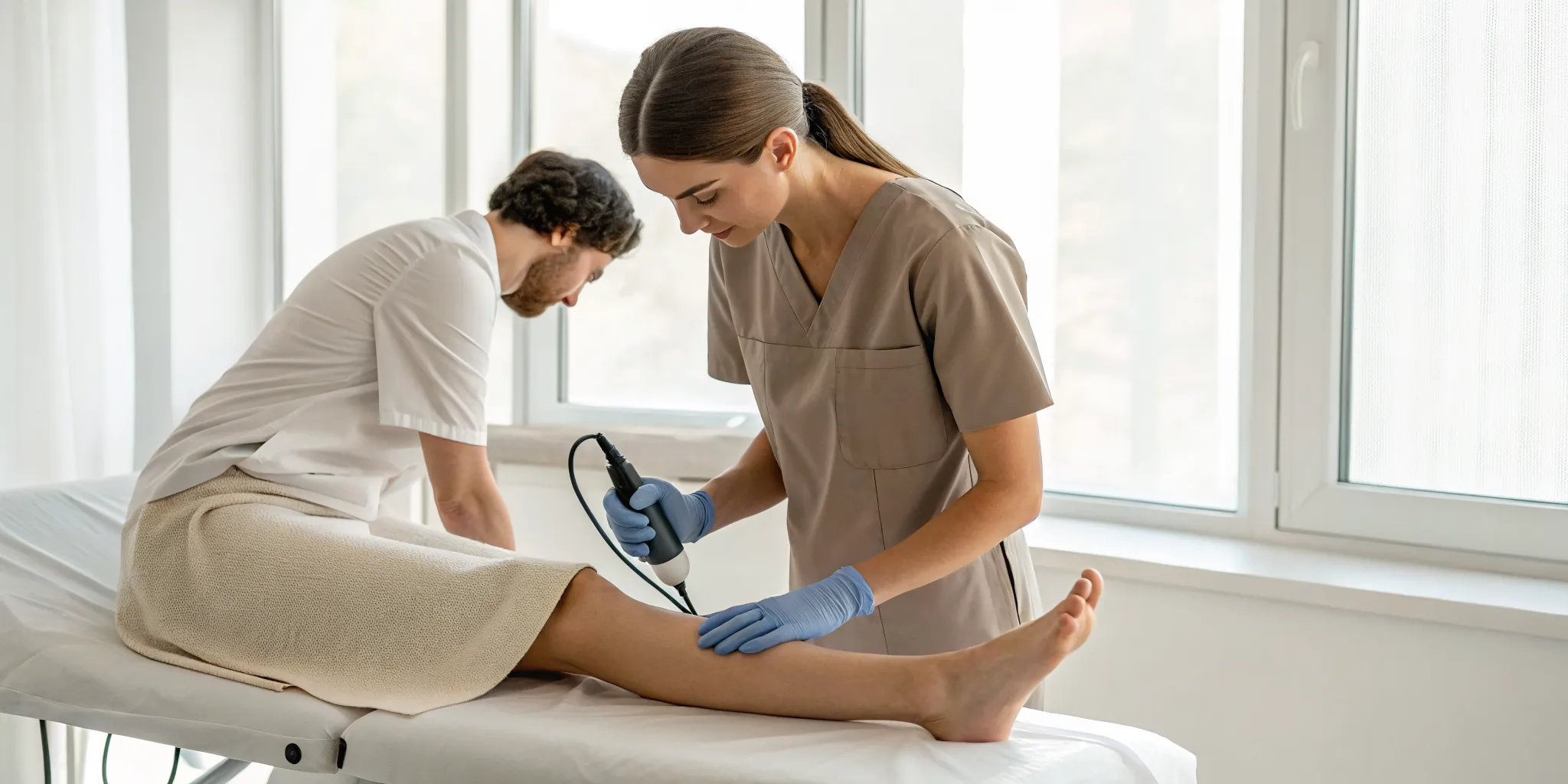
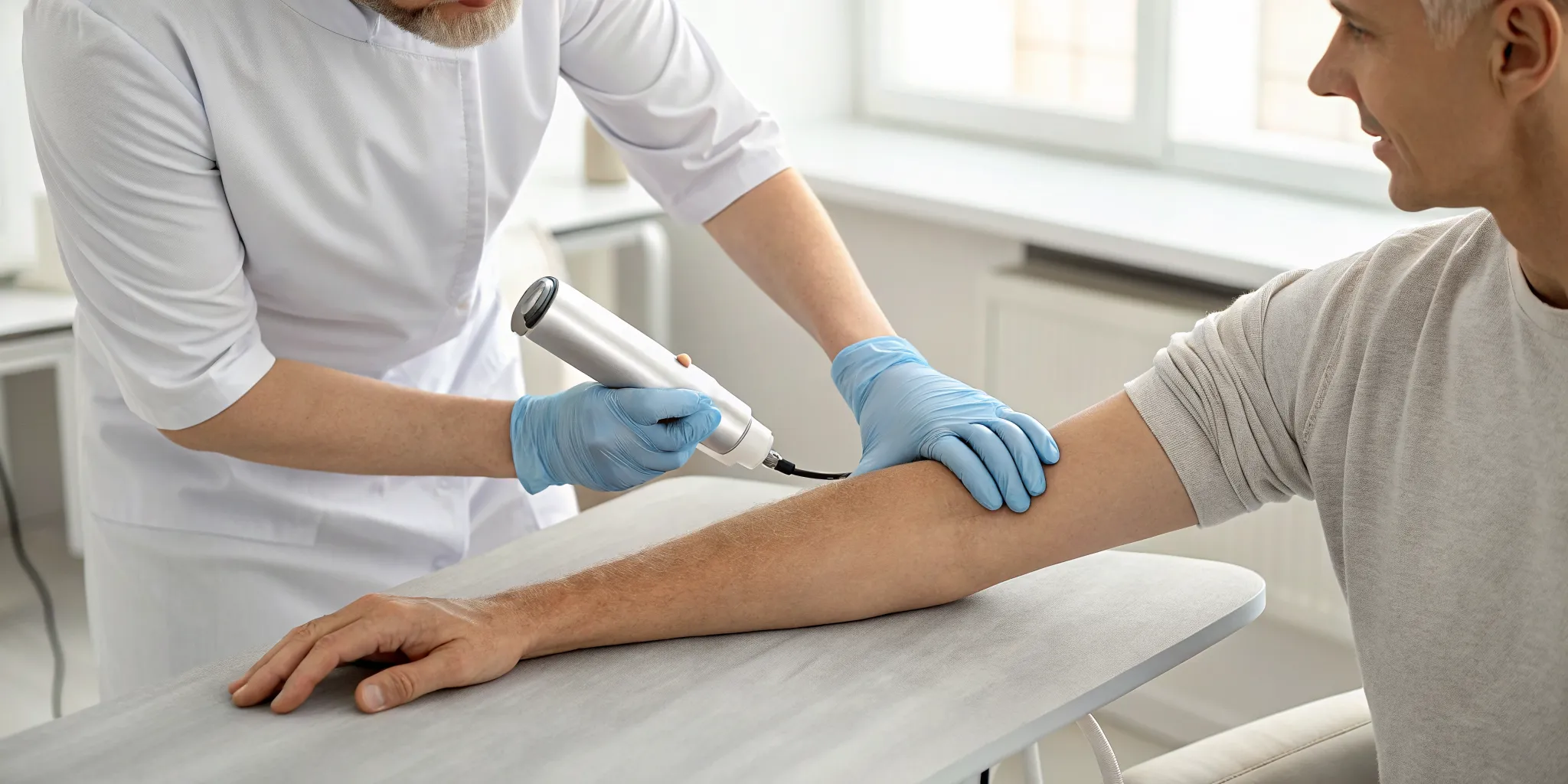
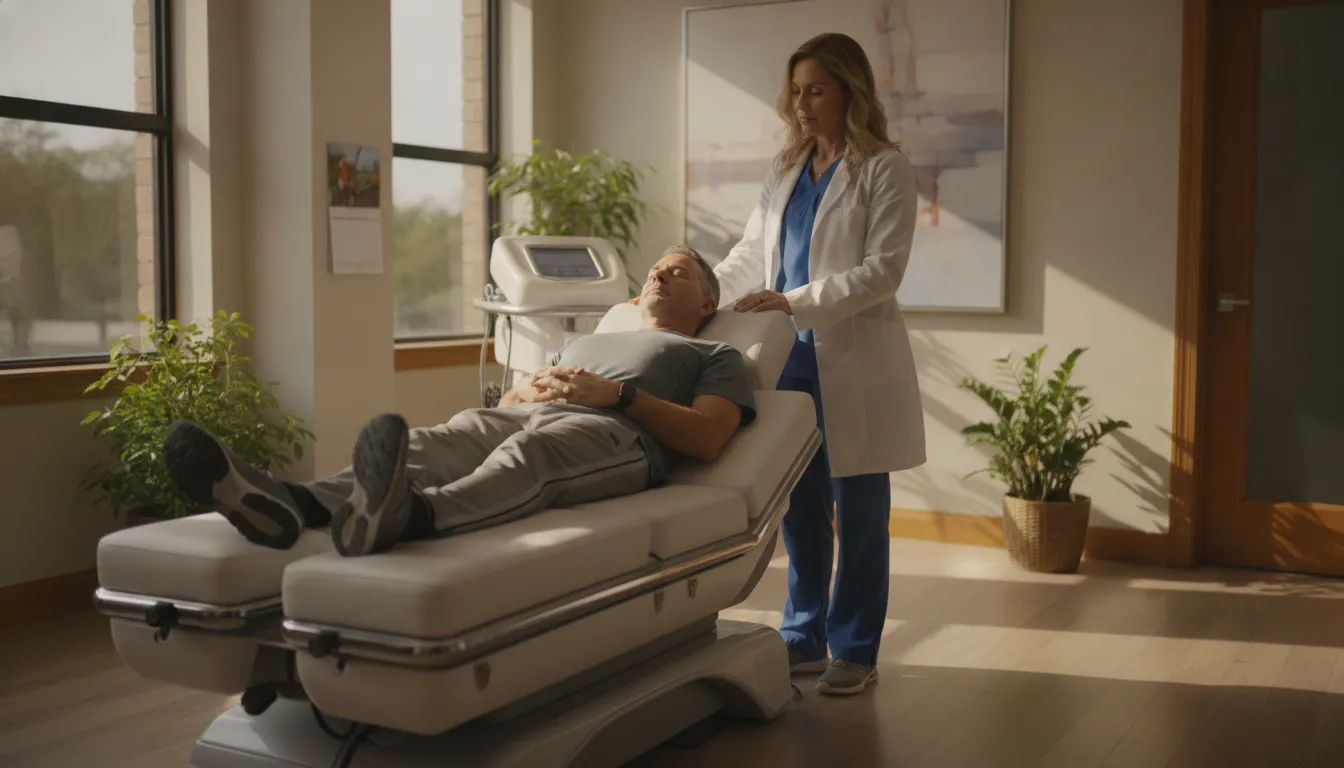
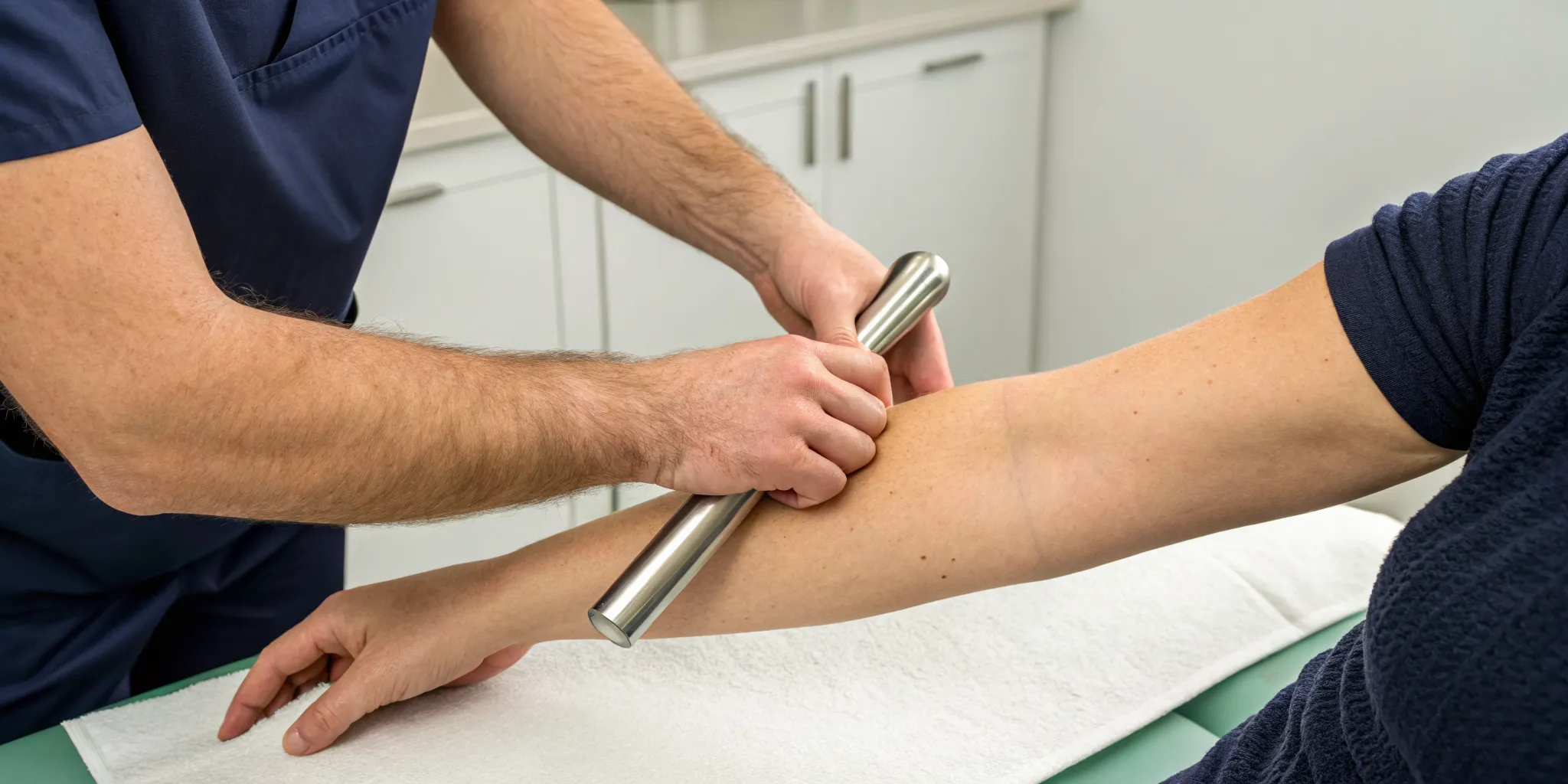
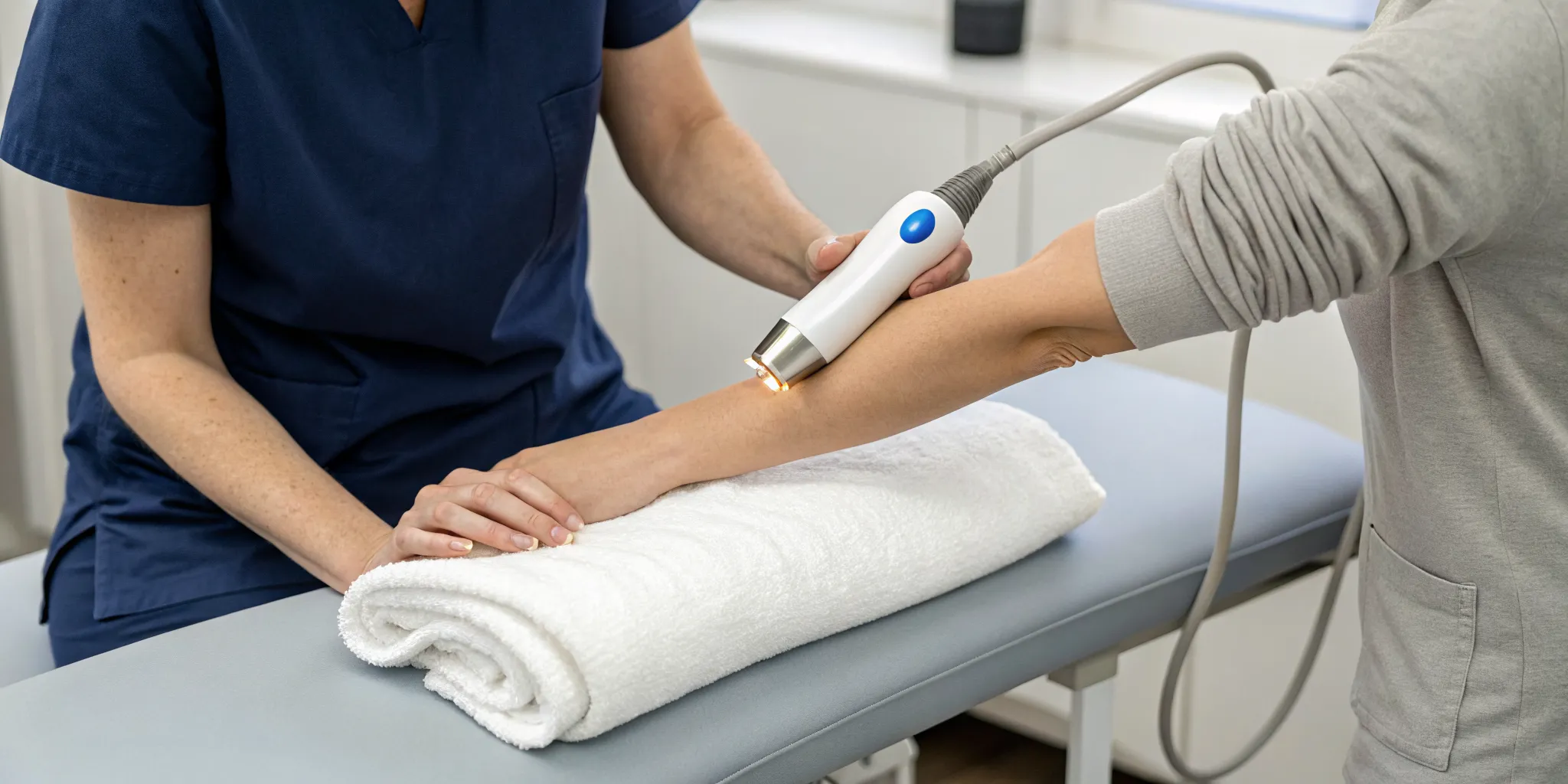
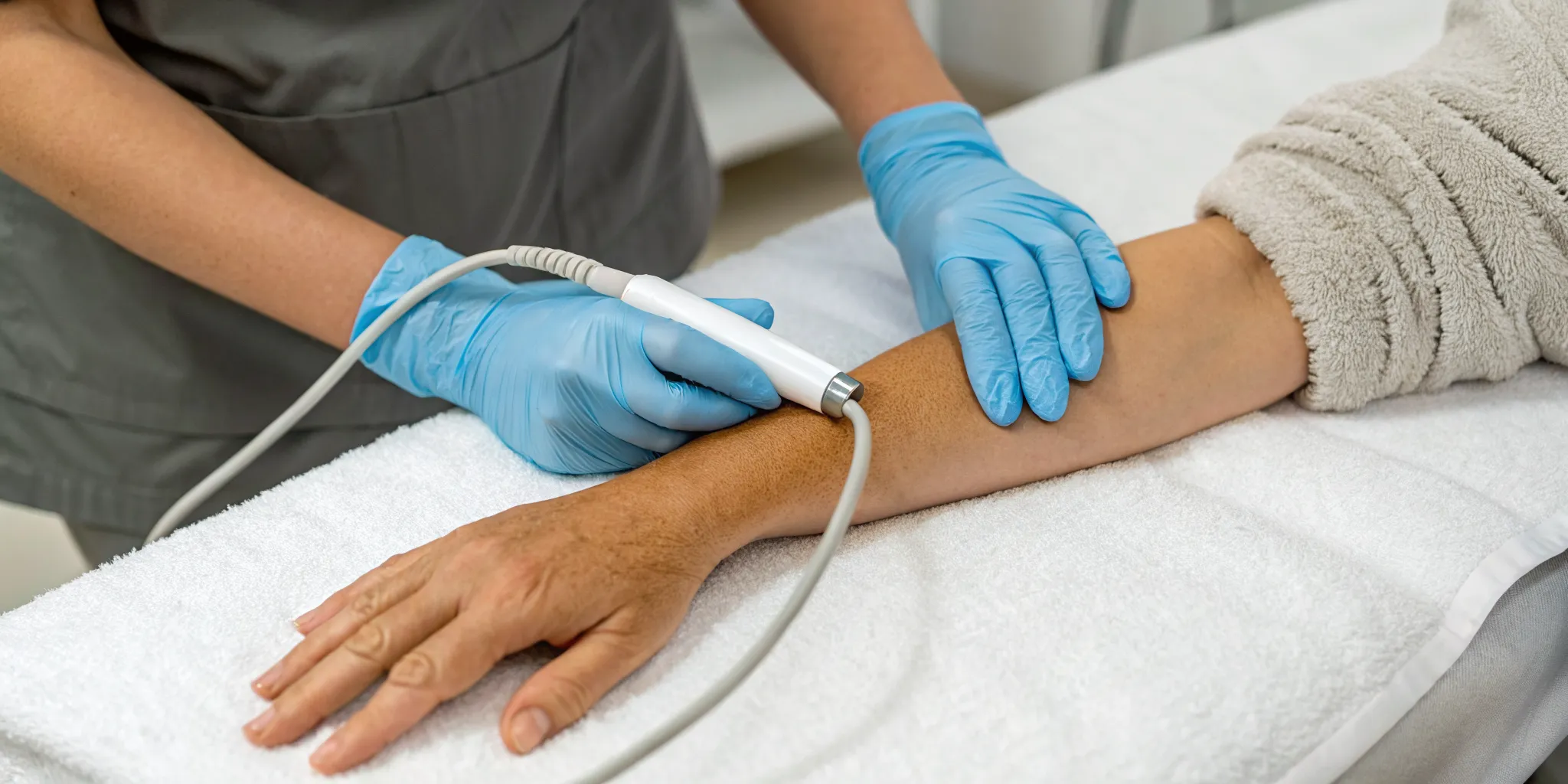
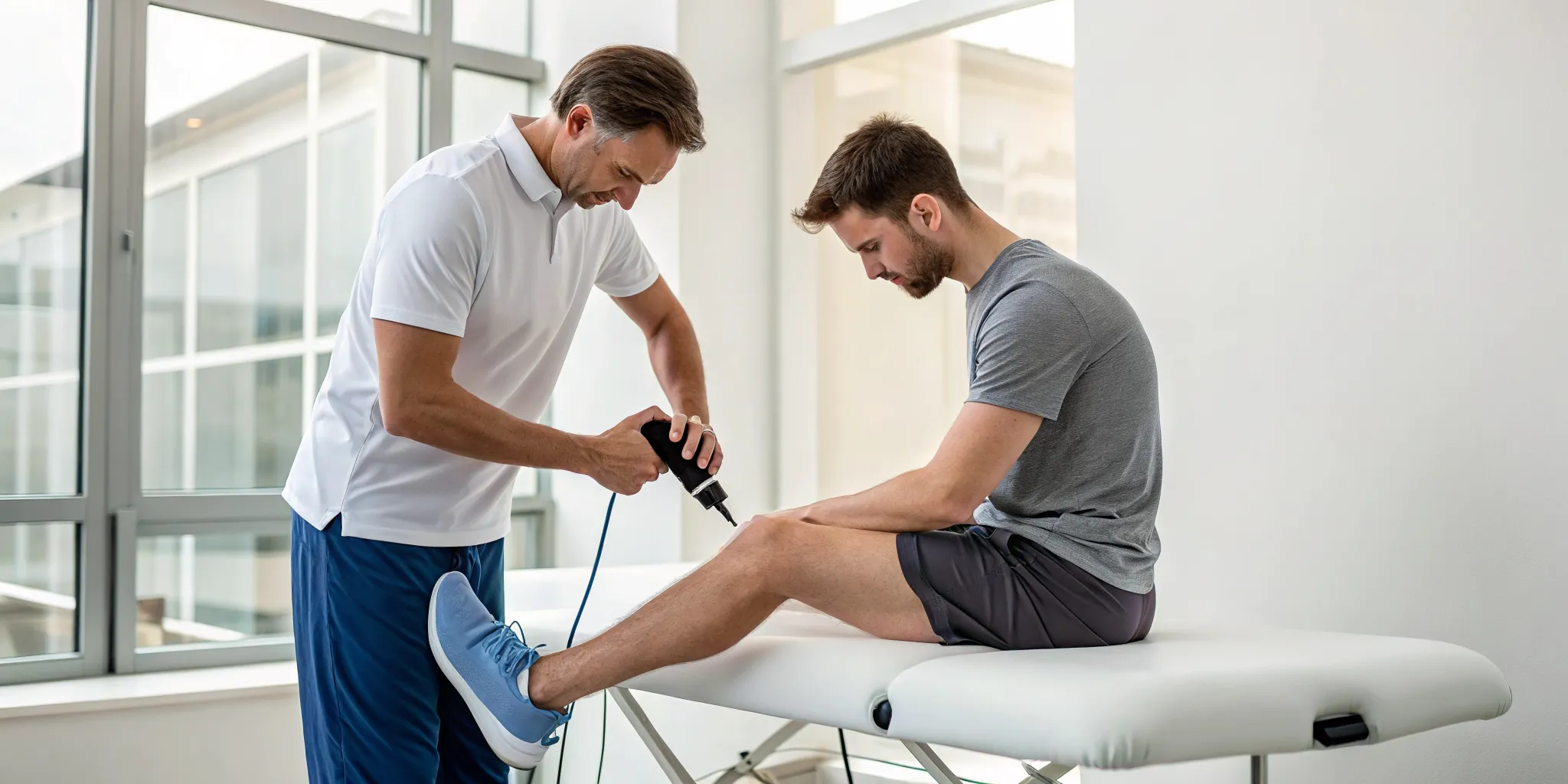
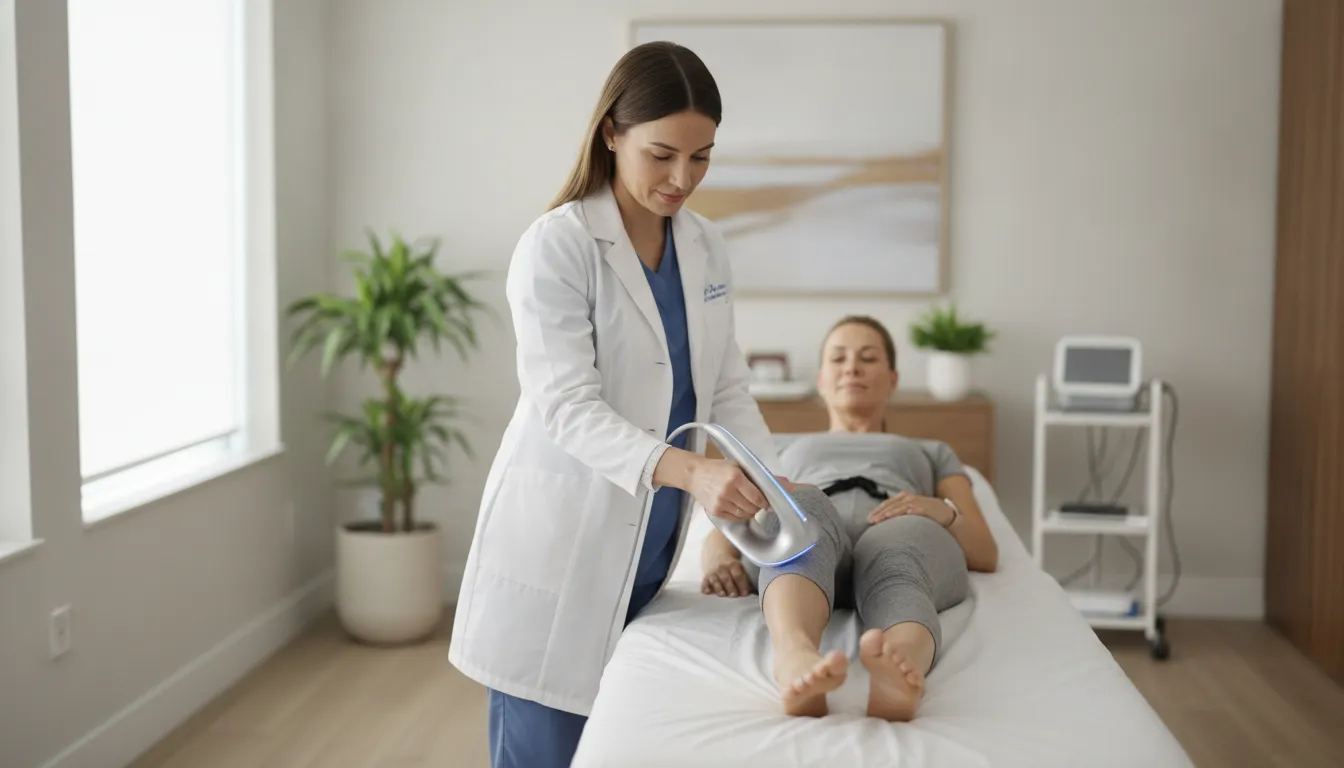
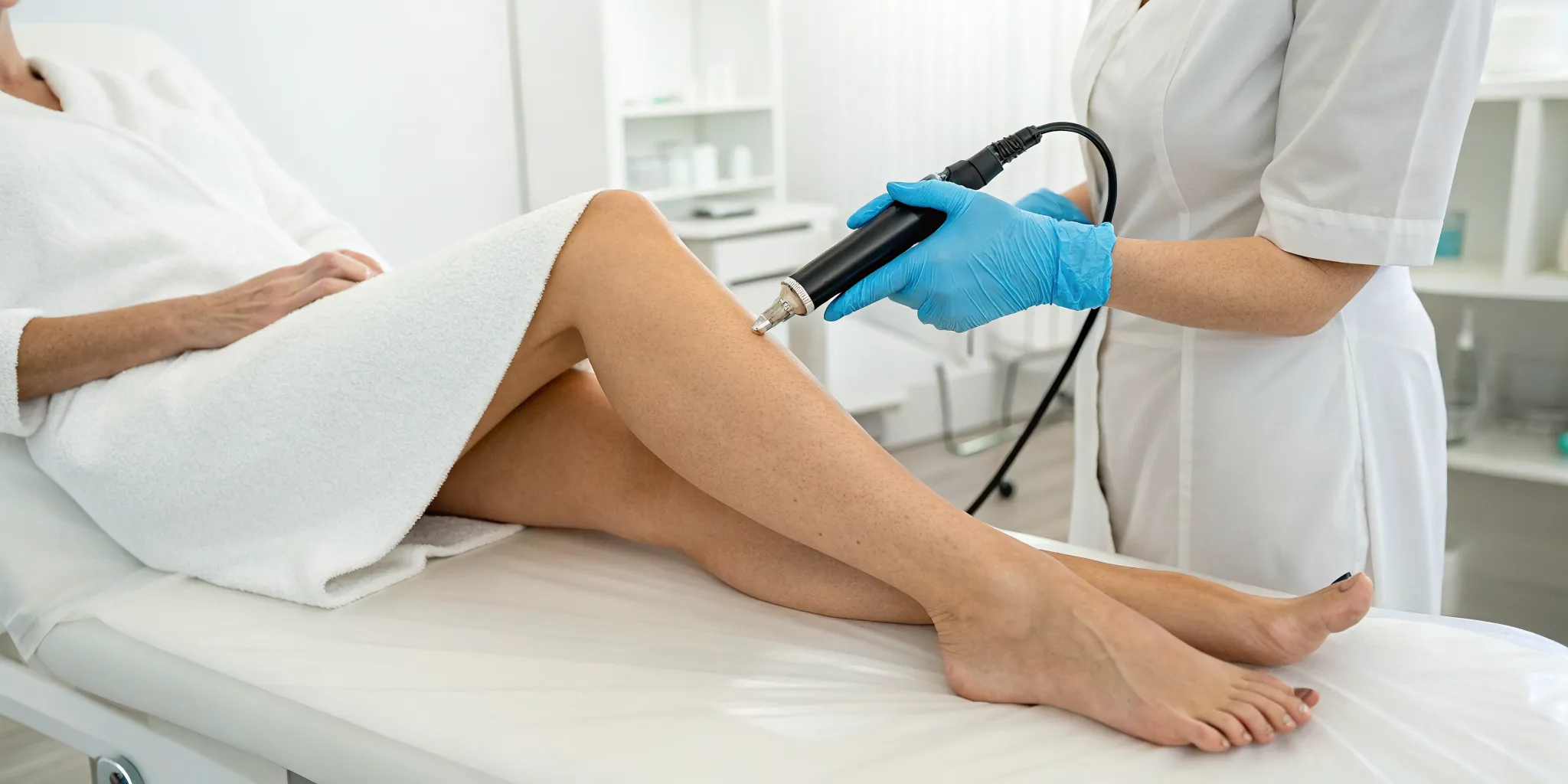
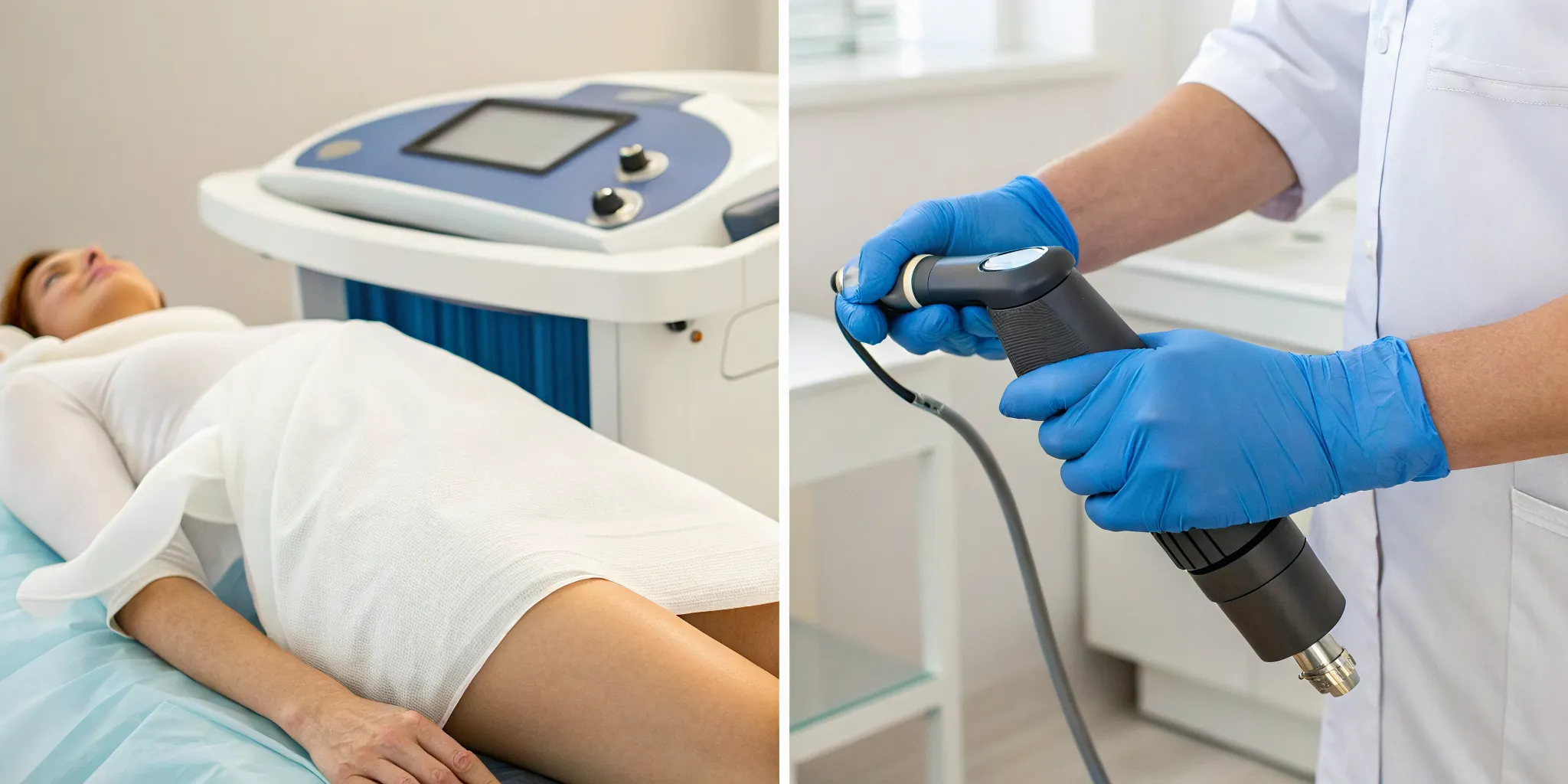
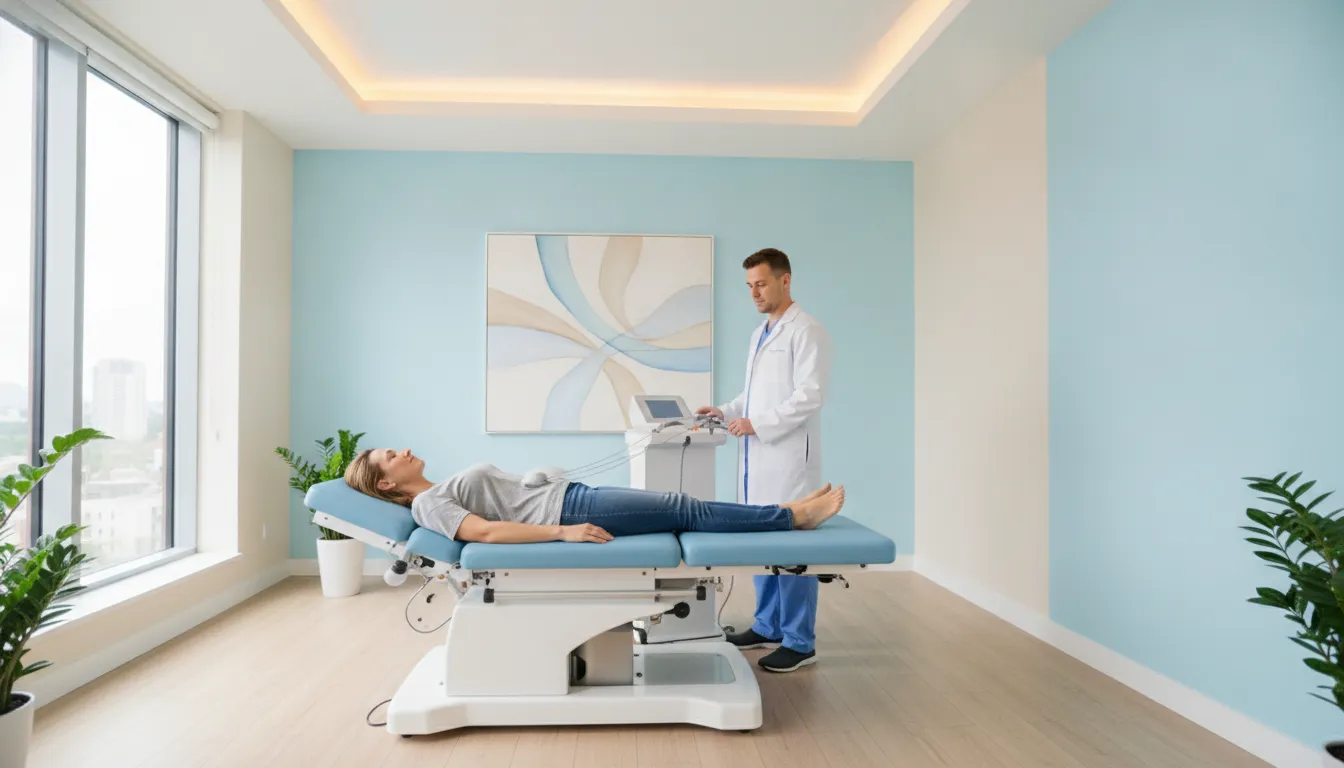
Let's clear up a common myth: shockwave therapy is not a painful, invasive procedure. It's a non-invasive treatment, meaning no incisions or instruments are used. During the session, your practitioner will apply a gel to the target area and use a handheld device to deliver acoustic waves. Most people describe the feeling as a strong tapping or pulsing sensation. While you might feel some discomfort, especially over a tender area, it shouldn't be painful. We always prioritize your comfort, so communication is key. Let us know how you're feeling, and we can adjust the intensity to ensure our physical medicine approach is both effective and tolerable.
How Many Sessions Will You Need?
While every person's healing journey is unique, most people see significant improvement after three to four sessions. These appointments are typically scheduled about a week apart to give your body time to respond and begin the healing process. The exact number of treatments you'll need depends on factors like how long you've had bursitis and the severity of your symptoms. During your initial consultation, we'll discuss your specific situation and create a personalized treatment plan tailored to you. We'll assess your progress at each visit, making sure you're on the right track to address the conditions we treat and get you back to feeling your best.
Recovery and Potential Side Effects
One of the best parts of shockwave therapy is that there is virtually no downtime. Since the treatment is non-invasive, you can typically return to your daily activities right after your appointment. The most common side effect is mild soreness or tenderness in the treated area, similar to how you might feel after a deep tissue massage. This usually fades within a day or two. Serious side effects are very rare. Our team at Ascend Functional Health is dedicated to providing safe and effective care, and we'll walk you through every step of the recovery process. We're here to answer any questions you have and ensure your path to healing is smooth and successful.
How Soon Will You See Results?
It’s the question on every patient's mind: "When will I feel better?" With shockwave therapy, the answer isn't a single date on the calendar but a healing journey with different milestones. It’s helpful to think about your progress in two phases: the initial relief you feel shortly after treatment and the deeper, long-term healing that follows. Understanding this timeline helps you set realistic expectations and appreciate the incredible repair process happening inside your body.
Short-Term Relief vs. Long-Term Healing
Many people start to notice a positive change within a few weeks of their first session. This initial improvement is a great sign that the therapy is working to reduce inflammation and calm irritated tissues. However, this is just the first step. The true goal of shockwave therapy is to stimulate your body’s own repair crews to rebuild and strengthen the area. This deeper healing process takes a bit more time. Most patients report seeing significant, lasting results around six to eight weeks after their treatment course begins, as the body generates new, healthy tissue. It’s a key part of our physical medicine approach, focusing on genuine recovery, not just a temporary fix.
Factors That Affect Your Recovery Timeline
Your recovery timeline is unique to you. Several factors influence how quickly you’ll heal, including how long you’ve had bursitis, the severity of your symptoms, and your overall health. While some feel better after just a few weeks, the most substantial improvements often appear about 12 weeks after your final session. This is because the healing cascade initiated by the shockwaves continues to work long after you leave our office. A typical plan involves three to four sessions, spaced about a week apart, to give your body consistent stimulation. Following your practitioner’s guidance is the best way to support this process and get back to your daily activities with greater ease, which is our goal for all the conditions we treat.
Combining Shockwave Therapy With Other Treatments
Think of shockwave therapy as a powerful tool in your healing toolkit, not the only tool. While it’s fantastic for targeting specific areas of pain and inflammation, the best and most lasting results happen when it’s part of a bigger picture. At Ascend, we focus on comprehensive care plans because we know that true healing involves more than just addressing a single symptom. Your body is an interconnected system, and treating it as such is key to getting you back to feeling your best.
Combining treatments allows us to tackle your bursitis from multiple angles. While shockwave therapy stimulates healing at the cellular level, other therapies can correct the underlying mechanical issues or lifestyle factors that contributed to the problem in the first place. This integrated strategy not only helps you feel better faster but also builds a stronger, more resilient foundation to prevent the pain from returning. It’s about creating a personalized roadmap that guides your body’s natural ability to heal itself completely.
Integrating Chiropractic and Physical Medicine
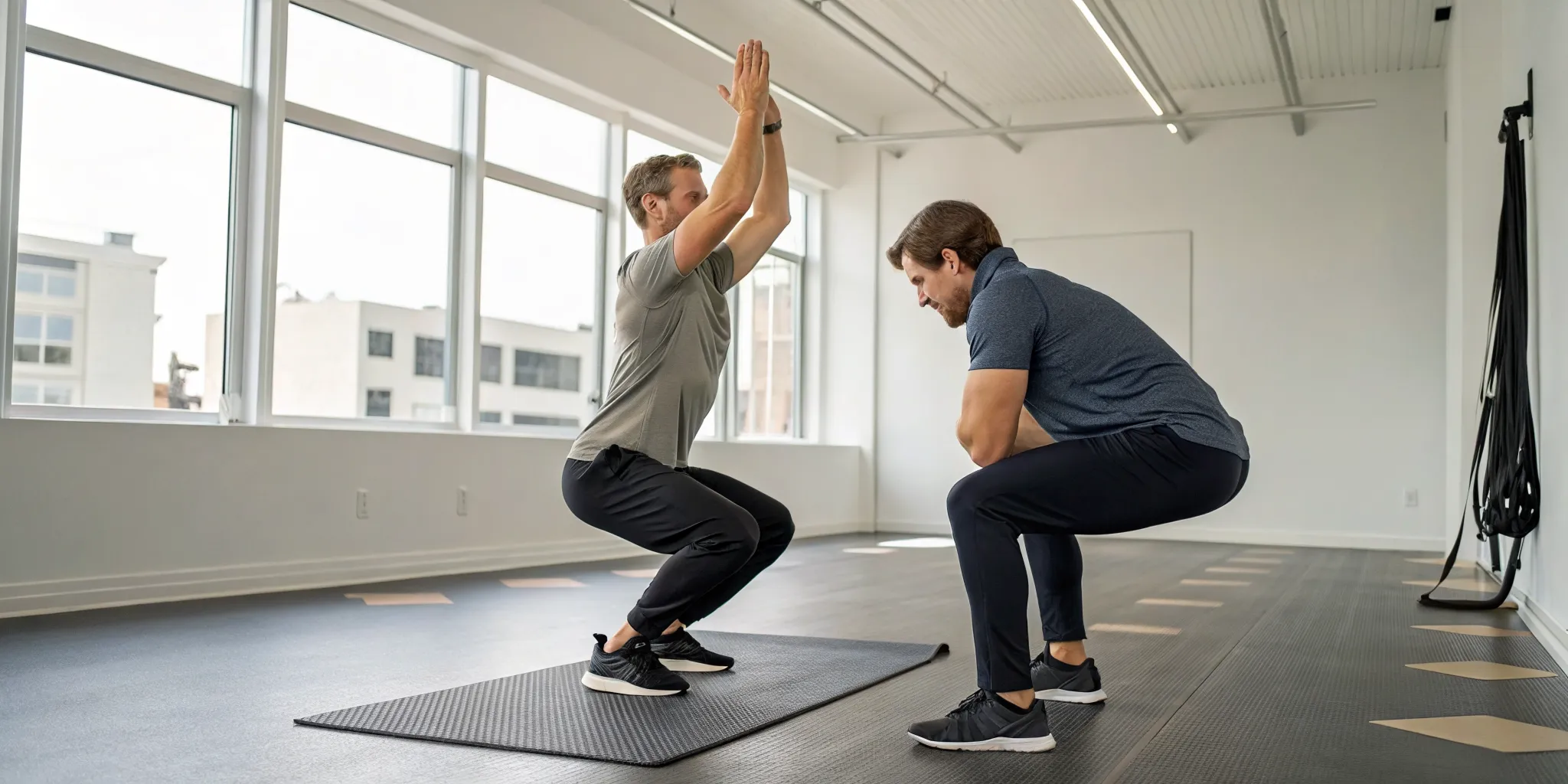
Shockwave therapy works beautifully alongside other forms of physical medicine. We often pair it with chiropractic adjustments, corrective exercises, and targeted stretching protocols. Here’s why: shockwave therapy is excellent at breaking up adhesions and reducing inflammation in the bursa, which provides significant pain relief. Then, chiropractic care can address any joint misalignments that might be putting undue stress on that area.
Following up with a personalized stretching and strengthening plan helps restore proper movement patterns and builds support around the affected joint. This one-two punch doesn't just soothe the immediate problem; it corrects the root cause, making it far less likely you'll experience another flare-up down the road.
Why a Holistic Approach Leads to Better Results
Taking a holistic view is essential for long-term success. Instead of just chasing symptoms, a functional medicine approach seeks to understand why you developed bursitis. Was it a repetitive motion, a postural imbalance, or even systemic inflammation linked to your diet? By looking at the whole picture, we can create a truly personalized plan that supports your entire system.
This might mean combining shockwave therapy and chiropractic care with nutritional guidance or other supportive therapies. When we integrate treatments, we see patients achieve more complete and sustainable outcomes. It’s about empowering your body with everything it needs to not only heal from the current issue but to function at its absolute best moving forward.
5 Common Myths About Shockwave Therapy
Newer treatments often come with a lot of questions and, frankly, a lot of misinformation. When you’re dealing with persistent pain from bursitis, you deserve clear and accurate answers. Let's walk through some of the most common myths about shockwave therapy so you can understand how this innovative approach truly works and if it might be the right step for you.
Myth 1: It’s Painful and Requires a Long Recovery
Many people hear the term "shockwave" and imagine an intense, painful procedure with a long recovery. The reality is quite different. Shockwave therapy is a non-invasive treatment, which means there are no incisions or needles involved. During the session, you’ll feel a tapping or pulsing sensation. While some people find it slightly uncomfortable, especially over a tender area, the intensity is always adjusted to your tolerance. Most importantly, there is no downtime. You can walk out of your appointment and get right back to your day, which is a major advantage over more invasive options.
Myth 2: It’s Only for Athletes
While shockwave therapy is a popular tool for helping professional athletes recover, its benefits are available to everyone. This treatment is for anyone struggling with musculoskeletal conditions, whether you’re an avid runner with heel pain or an office worker with chronic shoulder tension from sitting at a desk. The goal of the therapy is to stimulate healing in soft tissues like tendons and ligaments, a process that helps people from all walks of life. At Ascend, we see a wide range of conditions we treat with this technology, helping people get back to their daily activities without discomfort.
Myth 3: The Results Are Instant
It’s natural to want immediate relief from pain, but shockwave therapy is designed to create long-term healing, not just a temporary fix. While some people report feeling better right after a session, the true benefits unfold over weeks. The acoustic waves trigger your body’s natural repair mechanisms, increasing blood flow and stimulating cell regeneration. This healing process takes time. Think of it as planting a seed; the therapy starts the process, but the growth happens gradually. A series of treatments is typically recommended to achieve lasting results as your body works to repair the inflamed tissue.
Myth 4: It Only Works for New Injuries
This is one of the biggest misconceptions. In fact, shockwave therapy is often most effective for chronic conditions, the ones that have lingered for months or even years. When an injury becomes chronic, the body’s healing process can stall. Shockwave therapy essentially reawakens this process. By creating a controlled micro-trauma in the tissue, it signals to your body that the area needs attention, restarting the natural healing cascade. This makes it an excellent option for stubborn issues like long-term bursitis, tennis elbow, or plantar fasciitis that haven't responded to other conservative approaches.
Myth 5: It’s a Last Resort
Many people believe shockwave therapy should only be considered when all else has failed, right before considering an invasive procedure. Instead, it’s better to view it as a powerful, non-surgical tool that can be integrated into your care plan early on. It works well alongside other physical medicine treatments like chiropractic adjustments and corrective exercises. By addressing tissue dysfunction directly, it can prevent a condition from becoming more severe. If you're looking for an effective way to support your body's healing without resorting to drastic measures, it's worth a conversation.
Find Relief From Bursitis in Tampa
Living with the persistent ache of bursitis can keep you from enjoying everything the Tampa area has to offer, from a walk along the Riverwalk to your favorite weekend activities. If you’ve tried rest and basic therapies without success, it’s easy to feel discouraged. The good news is that lasting relief is possible with a treatment plan that addresses the root cause of the inflammation and pain. At Ascend Functional Health, our approach is centered on understanding your body’s unique needs to facilitate true, long-term healing.
We often see patients who are struggling with chronic joint pain from conditions like bursitis, especially in the hip. One of the most effective, non-invasive treatments we offer is shockwave therapy. This technology is a cornerstone of our Physical Medicine services because it directly targets the problem area. By delivering gentle acoustic waves to the inflamed bursa, shockwave therapy helps reduce inflammation, break down scar tissue, and stimulate your body’s natural healing processes. Research has shown it to be particularly effective for Greater Trochanteric Pain Syndrome (GTPS), a common cause of hip bursitis.
A treatment plan typically involves a series of short sessions, but our care doesn’t stop there. We believe a holistic approach creates the most sustainable results. That’s why we often integrate shockwave therapy with other treatments like targeted stretching and corrective exercises to strengthen the surrounding muscles and prevent future flare-ups. Our goal is to not only relieve your current pain but also to give you the tools to maintain your mobility and live without limitations. If you’re ready to find a real solution for your bursitis pain, our team is here to create a personalized plan for you. We invite you to contact us to schedule a consultation and learn more about how we can help.
Related Articles
- SoftWave Tissue Regeneration Therapy in Tampa | Alessi Functional Health
- SoftWave TRT Therapy in Tampa, FL - Alessi Functional Health
- Regenerative Medicine for Pain Recovery | Ascend Functional Health
- What Is Soft Tissue Therapy? A Complete Guide
- What Is Joint Mobilization & How Does It Work?
Frequently Asked Questions
Does the treatment actually hurt? The name "shockwave" sounds intense. That's a very common question, and I get why the name can be a little misleading. The therapy doesn't involve electrical shocks at all. It uses acoustic (sound) waves, and most people describe the sensation as a strong, deep tapping on the skin. While you might feel some mild discomfort, especially over a very tender spot, the treatment is always adjusted to your personal comfort level. It’s a non-invasive procedure, so there are no needles or incisions involved.
I have a busy schedule. What is the recovery like after a session? This is one of the best parts about shockwave therapy: there is essentially no downtime. You can get back to your normal daily activities right after your appointment. Some people experience a bit of soreness in the treated area for a day or two, similar to how you might feel after a deep tissue massage, but this is temporary. It’s a very manageable treatment that fits easily into a busy life.
I've had this pain for years. Is it too late for shockwave therapy to be effective? Not at all. In fact, shockwave therapy is often incredibly effective for chronic conditions that have lingered for months or even years. When an injury becomes chronic, the body's natural healing process can stall. Shockwave therapy works by reawakening that process, signaling to your body that the area needs attention and repair. It’s a way to restart the healing cascade for stubborn issues that haven't responded to other treatments.
Is this a one-time fix, or will I need multiple appointments? Healing is a process, not a single event, so shockwave therapy is typically performed over a series of sessions. Most treatment plans involve three to four appointments, usually scheduled about a week apart. This approach gives your body consistent stimulation and allows time for the healing response to build between sessions. This creates a more durable and lasting result than a single treatment could.
Why would I need other treatments if shockwave therapy is so effective? Think of it this way: shockwave therapy is fantastic for calming the inflamed tissue and stimulating repair, which is a huge part of feeling better. However, a truly holistic plan also asks why the bursa became inflamed in the first place. By combining shockwave with other approaches like chiropractic care or corrective exercises, we can address underlying issues, such as a joint misalignment or muscle imbalance, that contributed to the problem. This integrated strategy helps you heal completely and reduces the chances of the pain returning.