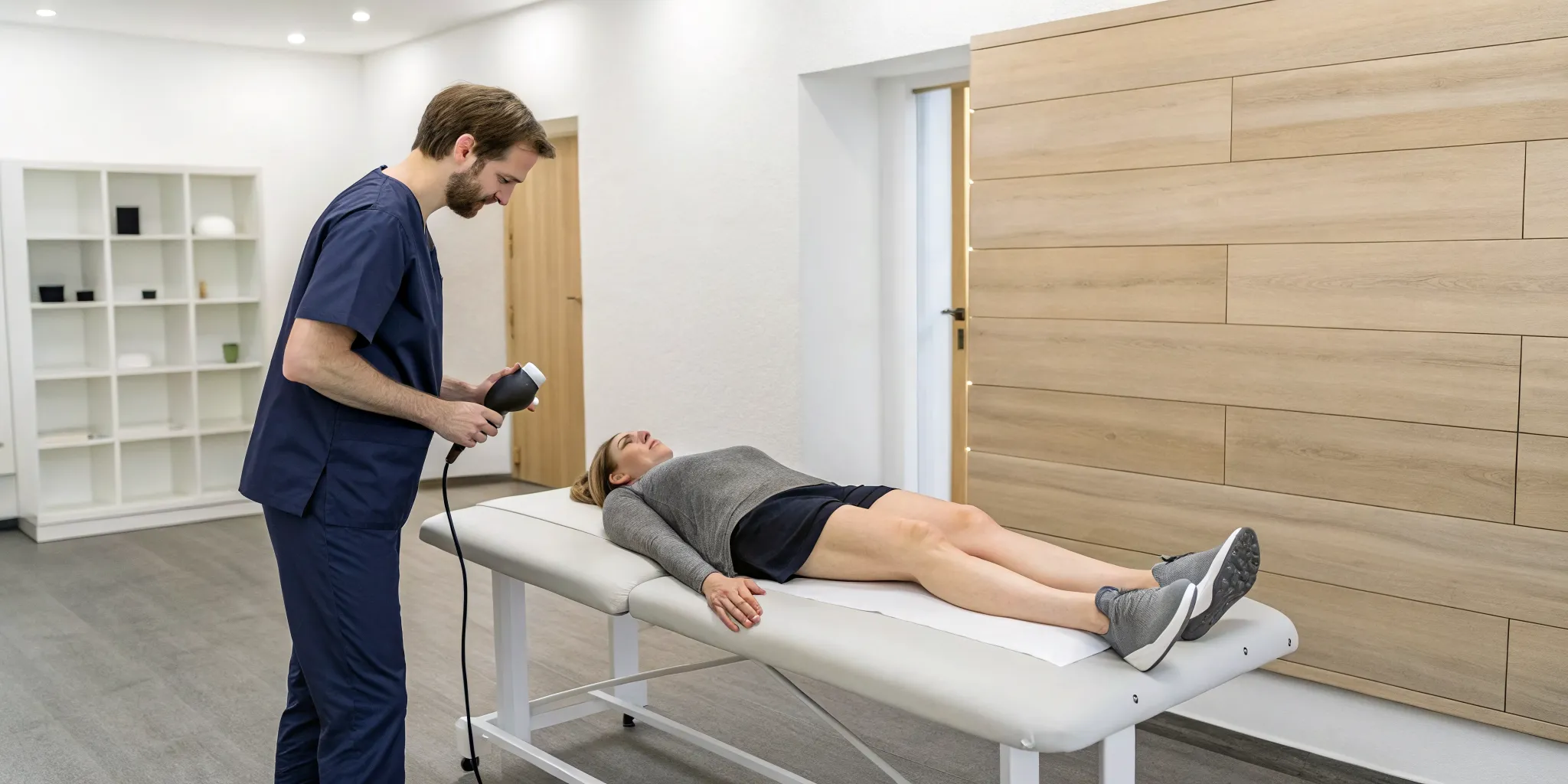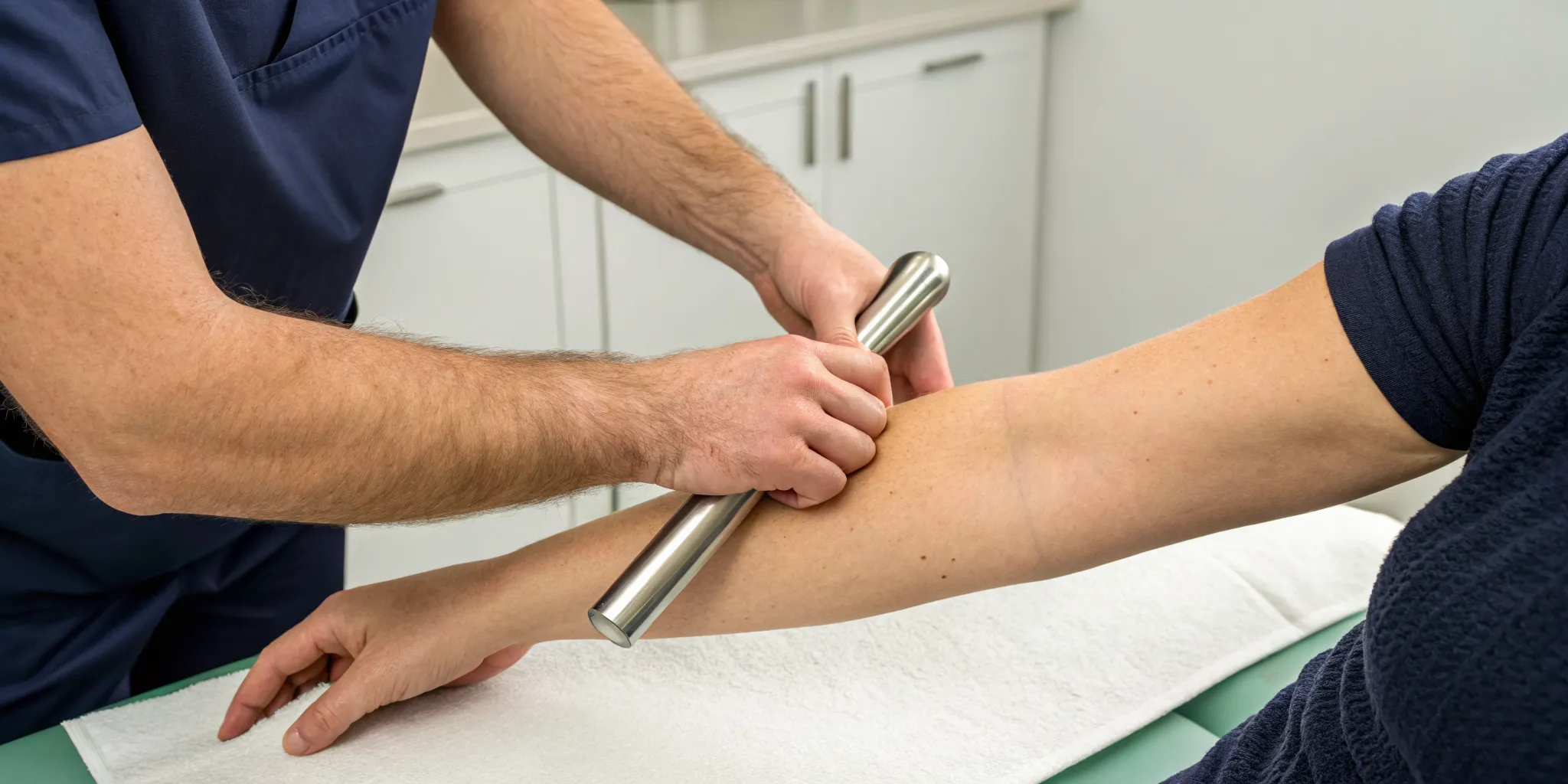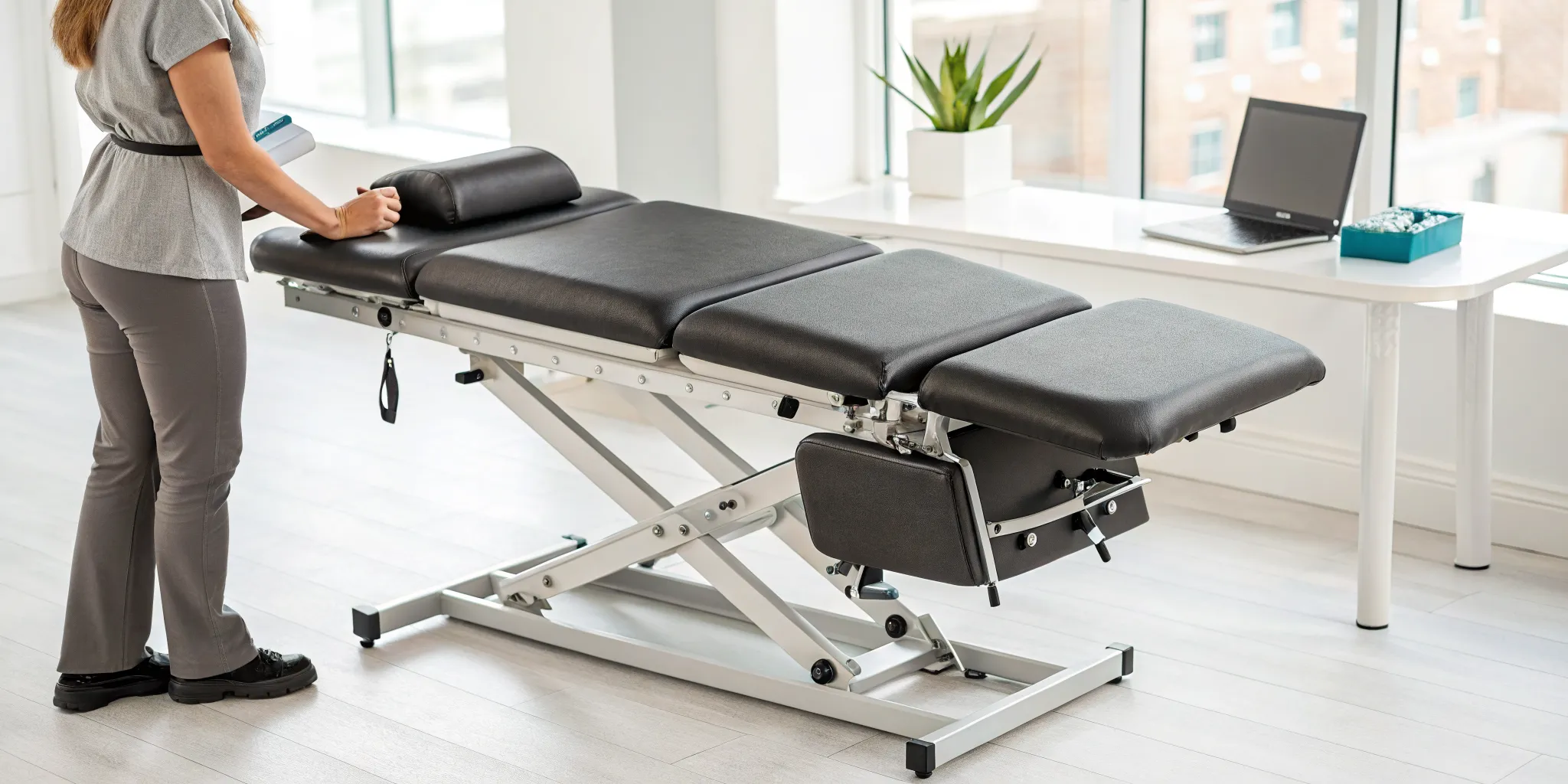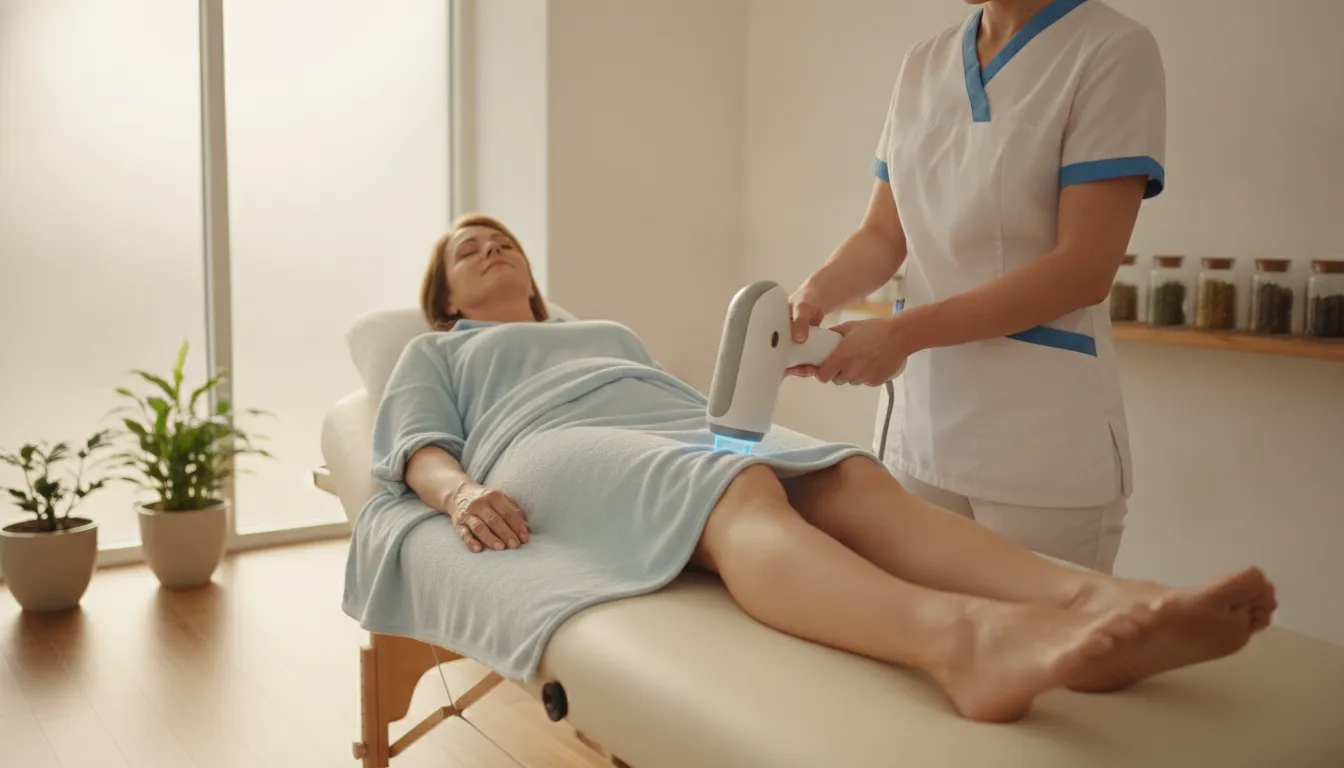
Most people think of their HSA as a fund for co-pays and prescriptions. While it’s great for that, its potential is so much greater. Your HSA can be the key to accessing personalized therapies that align with your goal of achieving whole-body health. You might be surprised to learn what holistic treatments are HSA eligible, including services you thought you’d have to pay for entirely out-of-pocket. From therapeutic massage to specialized lab tests that uncover hidden imbalances, your HSA can cover more than you think. This guide will help you unlock the full power of your account for your wellness journey.
Key Takeaways
- Connect Care to a Condition: Your HSA funds can be used for holistic treatments as long as they address a specific, diagnosed health issue. General wellness activities for relaxation or overall health maintenance usually are not eligible expenses.
- Keep Your Paperwork in Order: Always save itemized receipts for your HSA spending. For many holistic services, you will also need a Letter of Medical Necessity (LMN) from your provider to confirm the treatment is essential for your health.
- Explore Your Holistic Options: Your HSA is a great tool for funding root-cause approaches to health. Services like chiropractic care, functional medicine consultations, specialized lab testing, and prescribed therapies are often qualified expenses when tied to a medical need.
What is a Health Savings Account (HSA)?
If you’ve ever wished for a dedicated savings account just for your health, you're in luck. That's essentially what a Health Savings Account, or HSA, is. It’s a tax-advantaged savings account you can use to pay for qualified medical expenses. Think of it as a personal fund for your well-being. An HSA is especially helpful for covering holistic approaches that get to the root cause of your symptoms, like the personalized protocols we use in functional medicine.
One of the main features of an HSA is that you contribute money before it gets taxed. This is different from a regular savings account where you use after-tax dollars. By using pre-tax money, you lower your taxable income for the year, which means you keep more of your hard-earned money while setting it aside for your health. Unlike some other health spending accounts, the money in your HSA is yours to keep. It rolls over year after year, so you don't have to worry about a "use it or lose it" deadline. This allows you to save and plan for future health needs, whether it's ongoing chiropractic care or future lab testing.
The Tax Advantages of an HSA
The benefits of an HSA go beyond just having a fund for medical costs. The real power lies in its triple-tax advantage, which is a fantastic way to make your money work harder for you. First, your contributions are tax-deductible, lowering your taxable income for the year. Second, the funds in your account can grow over time, and you won't pay any taxes on that growth.
Third, when you withdraw money to pay for qualified medical expenses, those withdrawals are completely tax-free. It’s a win-win-win. This unique structure makes an HSA a smart financial tool for anyone committed to investing in their long-term health and addressing the root cause of various health conditions.
Do You Qualify for an HSA?
To open and contribute to an HSA, you generally need to be enrolled in a high-deductible health plan (HDHP). An HDHP is a type of health plan that typically has a higher annual deductible than other plans. If you have an HDHP through your employer or one you’ve purchased on your own, you may be eligible to open an HSA.
It's important to confirm your eligibility and understand the specifics of your account. The best course of action is to speak directly with your HSA provider or your health plan administrator. They can clarify the rules for your specific plan and confirm which services qualify as eligible expenses. If you have questions about using your HSA for our services, feel free to contact our office, and our team can provide the documentation you may need.
What Makes a Holistic Treatment HSA-Eligible?
Using your Health Savings Account (HSA) for holistic care is a fantastic way to invest in your long-term health, but figuring out what qualifies can feel a bit tricky. The rules aren't always black and white, especially for services that fall outside of conventional medicine. The key is understanding that eligibility hinges on one main principle: medical necessity.
For a holistic treatment to be considered a qualified medical expense, it must be used to prevent or address a specific health issue. This is where things can get subjective. A treatment that’s eligible for one person might not be for another, depending on their unique health situation. The good news is that with the right approach and documentation, you can confidently use your HSA funds for services like chiropractic care, functional medicine, and nutritional counseling. It all comes down to connecting the treatment directly to a diagnosed health need.
Understanding the "Medical Care" Standard
The most important factor for HSA eligibility is the "medical care" standard. Essentially, any service or product you pay for with your HSA must be primarily for the diagnosis, treatment, or prevention of a specific health condition. Think of it this way: the treatment needs to address an underlying problem, not just contribute to your general sense of well-being.
For example, if you're struggling with chronic migraines, digestive issues, or persistent back discomfort, holistic treatments aimed at resolving those specific problems would likely meet the standard. The focus is on function and healing. The services we provide at Ascend are designed to address the root cause of many conditions we treat, which aligns perfectly with this requirement for medical purpose. It’s about using these therapies as a direct response to a health challenge you're facing.
Why General Wellness Doesn't Always Qualify
This is where the line often gets drawn. While a massage or a new supplement might make you feel great, it doesn't automatically qualify as an HSA-eligible expense. If the primary purpose is for general health maintenance, relaxation, or simply feeling good, it typically falls into the "general wellness" category, which isn't an eligible expense. For instance, paying for a massage to unwind after a stressful week is considered general wellness.
However, if a practitioner recommends that same massage to treat chronic back discomfort or relieve muscle tension related to a diagnosed condition, it shifts into the realm of medical care. The intent behind the service is what matters most. It’s the difference between a "nice-to-have" and a "need-to-have" for managing your specific health concern.
How Provider Credentials Impact Eligibility
The recommendation of a qualified health provider is incredibly powerful when it comes to HSA eligibility. In many cases, a Letter of Medical Necessity (LMN) from a practitioner can make an otherwise ineligible service or product a qualified expense. An LMN is an official note from your provider that explains why a specific treatment is necessary for your health condition. It validates the service as a medical need rather than a general wellness preference.
This is especially true for treatments that aren't always seen as conventional. Having a trusted practitioner formally recommend a therapy provides the justification needed for your HSA. The credentials and expertise of the Ascend Functional Health team mean we can properly assess your condition and provide the necessary documentation to affirm that a holistic treatment is an essential part of your health protocol.
Which Holistic Treatments Can Your HSA Cover?
One of the best things about having a Health Savings Account (HSA) is the flexibility it offers. It’s a personal savings account that lets you set aside money on a pre-tax basis to cover qualified medical expenses, which can lower your taxable income for the year. While many people use it for prescriptions or doctor’s visits, you might be surprised to learn that it can often be used for holistic treatments that address your health from a whole-body perspective. This is fantastic news if you’re looking to explore therapies that get to the root cause of your symptoms rather than just managing them.
The key is that the service must be for the diagnosis, treatment, or prevention of a specific health condition. General wellness activities, like a spa day for relaxation, typically don't make the cut. However, many of the services we offer at Ascend Functional Health, from physical medicine to lab testing, can be considered qualified medical expenses. Using an HSA for these therapies can be a smart financial move, giving you tax benefits while you invest in your long-term health. This approach empowers you to choose the care that feels right for your body. Let’s walk through some of the most common holistic treatments that you can often pay for using your HSA funds.
Chiropractic Care
If you’re dealing with back pain, neck stiffness, or persistent headaches, chiropractic care can be a game-changer. The good news is that chiropractic adjustments are widely recognized as a qualified medical expense for HSA purposes. Because this care is aimed at treating specific musculoskeletal issues, it fits squarely within the IRS guidelines for medical care. Health Savings Accounts are a great way to pay for these kinds of treatments that your standard plan might not fully cover. So, when you come in for an adjustment to address a specific ailment like sciatica or whiplash, you can confidently use your HSA to cover the cost of your care plan.
Acupuncture
Acupuncture has been used for centuries to address everything from chronic pain to stress, and it’s another holistic therapy that is often HSA-eligible. The IRS includes acupuncture as a valid medical expense, so you don’t typically need any special documentation to use your funds for treatment. You can use your HSA for treatments like acupuncture and other forms of Traditional Chinese Medicine (TCM) when they are used to treat a specific condition. This makes it easier to access care that can help rebalance your body and provide relief from a wide range of conditions, such as migraines or joint pain, without worrying about how you’ll pay for it.
Massage Therapy
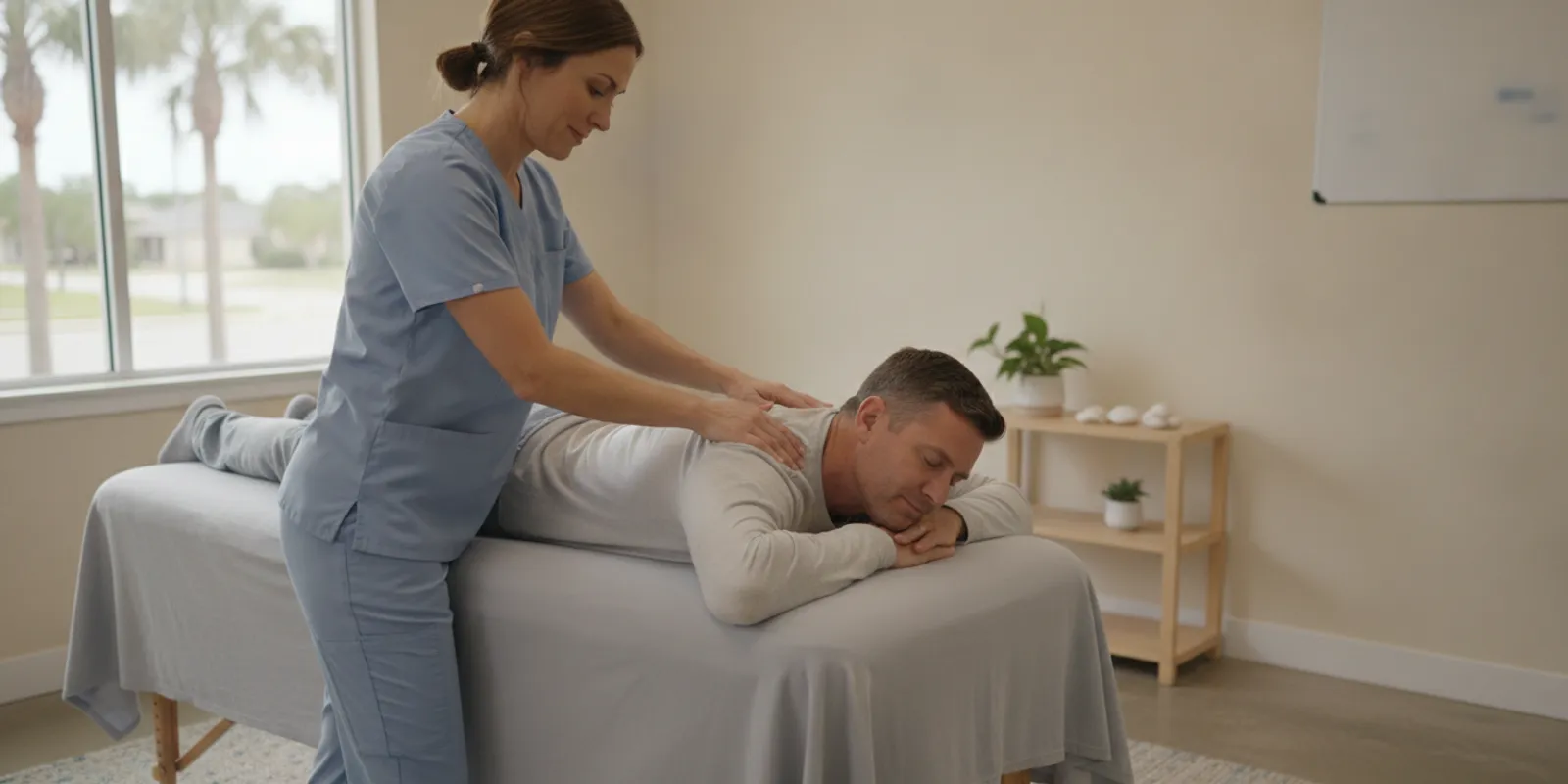
While a massage for general relaxation isn't covered, massage therapy prescribed to treat a diagnosed medical condition is a different story. If your provider recommends massage to alleviate back pain, relieve muscle tension from a specific condition, or address another medical issue, it can be an HSA-eligible expense. To do this, you’ll likely need a Letter of Medical Necessity (LMN). An LMN is a formal document from a licensed provider stating that a service is needed for your health, which makes it eligible for HSA funds. This letter connects the therapy directly to your medical care, justifying it as a necessary expense for your well-being.
Nutritional Counseling
What you eat has a profound impact on your health, especially when you’re dealing with chronic conditions like digestive disorders, inflammation, or autoimmune issues. That’s why nutritional counseling, when prescribed as part of a treatment plan for a specific medical condition, is generally an HSA-qualified expense. This isn't about general diet advice; it's targeted guidance to help your body heal. Many Functional Medicine services, including nutritional counseling, can be paid for with your HSA. This allows you to work with a professional to create a personalized nutrition plan that addresses your unique health needs.
Functional Medicine and Lab Testing
Functional medicine is all about digging deep to find the root cause of your health concerns, and that process often starts with specialized testing. Consultations with a functional medicine provider and the advanced lab tests they order are typically HSA-eligible. These tests, which can include detailed bloodwork, hormone panels, or food sensitivity tests, are essential for diagnosing and treating underlying issues. You can use your HSA to pay for many of these services, including the lab tests that provide a clear picture of what’s happening inside your body. This diagnostic process is fundamental to creating an effective and personalized treatment protocol.
Hormone Therapy
Hormonal imbalances can affect everything from your energy levels and mood to your metabolism. If your provider diagnoses an imbalance and prescribes treatment, you can often use your HSA to cover the costs. This includes consultations, follow-up visits, and prescribed treatments like bioidentical hormone replacement therapy (BHRT). Even certain high-quality supplements may qualify if they are prescribed by your doctor as part of your treatment plan. This allows you to use your pre-tax dollars to invest in Longevity Medicine and restore your body’s natural balance under professional guidance, ensuring the therapy is directly tied to a medical need.
What Conditions Justify HSA-Eligible Holistic Care?
So, you have an HSA and you’re ready to invest in your health with a more holistic approach. That’s fantastic. But how do you know if the care you need will qualify? The key is connecting the treatment to a specific medical condition. While general wellness activities are wonderful, your HSA is designed for diagnosing, treating, or preventing a specific health issue. This is where a partnership with a provider who understands your health from a root-cause perspective becomes so valuable.
When you’re dealing with a persistent health problem, whether it’s nagging joint pain or frustrating digestive issues, holistic therapies can be a game-changer. The good news is that your HSA can often be used to pay for these treatments. Think of it as a tool to access personalized care that goes beyond a surface-level fix. At Ascend Functional Health, we focus on creating a clear and targeted plan to address the specific conditions we treat, which is exactly what the HSA guidelines look for. The following examples cover some of the most common health challenges where your HSA can support a holistic path to feeling better, but it's by no means a complete list.
Chronic Pain and Musculoskeletal Issues
If you're dealing with chronic pain from conditions like sciatica, persistent headaches, or back and neck tension, you know how much it can impact your daily life. This is an area where holistic care truly shines, and your HSA can make it more accessible. Treatments like chiropractic care, corrective exercises, and spinal decompression are often eligible when used to treat a diagnosed musculoskeletal issue. Health Savings Accounts are a good way to pay for these kinds of treatments. Instead of just masking the pain, these therapies aim to correct the underlying structural problem, offering a path toward lasting relief. Using your HSA for physical medicine is an investment in your body’s long-term function and well-being.
Digestive Disorders and Gut Health
Struggling with bloating, irregular bowel habits, or food sensitivities can be incredibly frustrating. Functional medicine offers a way to investigate and address the root causes of these digestive woes, and your HSA can help you fund this journey. You can often use HSA funds for services like nutritional consulting and specialized lab testing that helps pinpoint imbalances in your gut. By working with a provider to create a targeted plan based on your unique biology, you can use your pre-tax dollars to support your digestive healing. This approach moves beyond temporary fixes and helps you build a foundation for better gut health.
Hormonal Imbalances and Fatigue
Feeling constantly drained, foggy, or just not like yourself can often be traced back to hormonal imbalances. Conditions related to your thyroid, adrenal glands, or reproductive hormones can throw your whole system out of sync. Your HSA can be a powerful ally in getting the care you need to restore balance. Functional medicine services, including nutritional counseling and specific supplements prescribed by a provider as part of your treatment plan, are often covered. This allows you to use your HSA for a personalized approach, like our longevity medicine services, that addresses the specific cause of your fatigue and helps you get your energy and vitality back.
Do You Need a Letter of Medical Necessity (LMN)?
Sometimes, your HSA administrator needs a little more information before approving a purchase, especially for services that go beyond conventional treatments. This is where a Letter of Medical Necessity, or LMN, comes in. Think of it as a formal note from your provider that connects a specific treatment directly to your health needs. While it might sound like an extra step, obtaining an LMN is often a straightforward process that can help you use your HSA funds for a wider range of supportive therapies. Understanding when and how to get one is key to making the most of your health savings.
What is an LMN and Why You Might Need One
A Letter of Medical Necessity is a document written by your healthcare provider that confirms a service or product is essential for diagnosing, treating, or managing a medical condition. Your HSA plan may require an LMN for expenses that aren't automatically considered standard medical care. For example, while a prescription is clearly a medical expense, things like specialized supplements or therapeutic massage might need this extra validation. The letter simply explains the "why" behind the treatment, justifying it as a necessary part of your care plan for one of the conditions we treat rather than a general wellness expense.
Holistic Treatments That Often Require an LMN
Many valuable holistic therapies can qualify as HSA expenses, but they often need an LMN to get the green light. This is common for services that address the root cause of your symptoms. For instance, you might need an LMN for nutritional counseling aimed at improving a digestive disorder or for advanced lab tests that provide a deeper look into your health. Our approach to functional medicine often includes these types of personalized protocols. Other treatments that may require an LMN include acupuncture for chronic pain, massage therapy for musculoskeletal issues, and specific vitamins or supplements recommended for a diagnosed deficiency.
How to Request an LMN from Your Provider
Requesting an LMN is simpler than it sounds. The best time to discuss it is during your consultation with your provider. You can explain that you plan to use your HSA funds and ask if a letter is needed for the recommended services. At Ascend Functional Health, our team is very familiar with this process. We will work with you to document why a specific therapy or test is a necessary part of your personalized health protocol. We are here to help you handle the paperwork so you can focus on your health journey. If you have questions about this process, feel free to contact our office for guidance.
What Holistic Treatments Are Not Covered by an HSA?
While your Health Savings Account is a powerful tool for managing your health expenses, it’s important to know its limits. The IRS has specific rules about what qualifies as a medical expense, and not every health-related purchase makes the cut. Understanding what isn't covered is just as crucial as knowing what is, as it helps you use your funds correctly and avoid any potential tax issues down the road. The key distinction almost always comes down to whether a service or product is for general wellness or addresses a specific medical need.
General Wellness vs. Medical Necessity
For a treatment to be eligible for HSA funds, it must primarily serve a medical purpose. This means its goal is to diagnose, treat, manage, or prevent a specific health condition. Things that are simply for your general well-being, like a standard gym membership or a relaxing spa day, typically don't qualify on their own. The line is drawn between feeling good and treating a documented health issue. For example, buying a vitamin off the shelf for "general health" isn't eligible, but if a provider at Ascend Functional Health recommends a specific supplement to correct a deficiency identified through lab work, it often becomes a qualified medical expense.
Common Myths About HSA Eligibility
Many people believe that if something is good for their health, they can use their HSA to pay for it. This is a common myth that can lead to trouble. While HSAs cover a wide range of services beyond just conventional appointments and prescriptions, the rule of medical necessity is strict. You can't use your HSA for a new pair of running shoes, organic groceries, or a yoga retreat, even though these things absolutely contribute to a healthy lifestyle. The expense must be directly tied to a medical diagnosis or treatment plan. Our goal is to provide medically necessary treatments that directly address the root cause of your health concerns, which is the standard your HSA requires.
Services and Products That Typically Don't Qualify
To give you a clearer picture, some services and products are almost never covered by an HSA because they aren't considered medically necessary. These include cosmetic procedures like teeth whitening, purely aesthetic treatments, or everyday toiletries. Similarly, general food purchases and nutritional supplements that you buy for overall health maintenance, rather than to treat a specific condition, are not eligible. The purpose must be therapeutic. Our functional medicine protocols, for instance, are designed to treat specific conditions, which is what separates them from general wellness spending and makes them strong candidates for HSA eligibility.
What Paperwork Should You Keep for Your HSA?
Using your HSA for holistic health is a fantastic way to invest in your wellbeing, but it comes with the responsibility of keeping good records. Think of it as your financial wellness toolkit. Staying organized ensures you can always verify that your funds were spent on qualified medical expenses, giving you complete peace of mind. The process is straightforward, and building a simple habit of saving the right documents will make managing your account feel effortless. Should the IRS ever have questions, you’ll have everything you need right at your fingertips.
Receipts and Itemized Statements
For every HSA purchase, you need to keep a detailed record. A credit card statement showing the date and amount isn't enough; you need an itemized receipt that clearly lists the specific product or service you paid for. Always keep your receipts and any supporting documents to prove your purchase was eligible. This is your primary evidence for any of the services you receive, from chiropractic adjustments to lab testing. A good practice is to create a dedicated folder on your computer or a physical file for your HSA paperwork, adding new receipts as soon as you get them.
Letters of Medical Necessity
A Letter of Medical Necessity (LMN) is a crucial document for many holistic treatments. An LMN is a note from your provider that explains why a certain product or service is medically needed for your health condition or treatment. It's often required to make items eligible that aren't usually seen as "medical." For example, if you’re using your HSA for therapeutic massage to address chronic back pain, an LMN connects the treatment directly to your diagnosis. This is especially relevant for many functional medicine protocols and therapies that focus on addressing root causes rather than just symptoms.
How to Organize Your Records
A simple organizational system can save you a lot of future stress. It’s wise to keep your LMN and all related receipts on file for at least three years in case the IRS or your HSA administrator checks your account. We recommend creating a digital folder for each calendar year. Scan any physical receipts and save them with a clear, consistent naming format, like "YYYY-MM-DD_Service_Provider.pdf." This small step makes it easy to find exactly what you need, when you need it. If you ever need help getting the right paperwork for your care at our clinic, please don't hesitate to contact us.
Putting Your HSA to Work at Ascend Functional Health
We believe that managing your health and your finances should be as straightforward as possible. A Health Savings Account (HSA) is a fantastic tool for investing in your long-term wellness, allowing you to use pre-tax dollars for a wide array of health services. Many of our clients use their HSA funds to pay for consultations, follow-up appointments, and crucial diagnostic tools like advanced lab testing. This approach allows you to take control of your health journey by dedicating funds specifically for the care you need.
Your HSA can often be applied to treatments across our three pillars of healing. This includes services that fall under Physical Medicine for structural and musculoskeletal health, Functional Medicine to address root causes through testing and analysis, and Longevity Medicine to optimize hormonal balance. For certain therapies, your HSA administrator may request a Letter of Medical Necessity (LMN). This is a standard document from your provider that confirms a service is essential for your health. Our team is very familiar with this process and is here to help you get the proper documentation. By leveraging your HSA, you can confidently pursue the personalized care you deserve. If you have questions about using your HSA for specific services, please contact our office to learn more.
Related Articles
- How to Find a Functional Medicine Doctor: A Guide
- What Is an Integrative Health Practitioner?
- What is Functional Medicine? A Simple Guide
- Physical Medicine in Tampa | Chiropractic & Rehab Care | Ascend Functional Health
- Longevity Medicine in Tampa | Joint & Recovery Care | Ascend
Frequently Asked Questions
What's the main difference between using my HSA for a standard doctor's visit versus a holistic treatment? The biggest difference often comes down to documentation. A visit to a conventional doctor is almost always seen as a qualified medical expense without question. For many holistic therapies, however, you may need to show that the service is treating a specific health condition, not just supporting general wellness. This is where a Letter of Medical Necessity from your provider becomes important, as it officially connects the treatment to your medical needs.
Can I really use my HSA for something like a massage? Yes, you often can, but the purpose is what matters. A massage for general relaxation typically won't qualify. However, if your provider recommends massage therapy to treat a diagnosed condition, like chronic back discomfort or muscle tension from an old injury, it can become an eligible expense. To do this, you will almost certainly need a Letter of Medical Necessity that explains why the therapy is a required part of your treatment plan.
What's the first step if I want to use my HSA for care at Ascend Functional Health? Your best first step is to schedule a consultation with us. During your appointment, we can discuss your health history and goals, and you can let us know you'd like to use your HSA. From there, we can determine which services are right for you and explain how they align with HSA guidelines. If any part of your recommended care plan requires special documentation, like a Letter of Medical Necessity, our team can help you with that process.
What kind of records do I actually need to keep for my HSA purchases? Keeping good records is simple but important. For every purchase, you should save the itemized receipt that details exactly what service or product you paid for; a credit card slip with just a total is not enough. You should also keep a copy of any Letters of Medical Necessity you get from your provider. We recommend creating a digital folder for each year to store scans of these documents so they are easy to find if you ever need them.
Are there any 'healthy' things my HSA definitely won't cover? Yes, and this is a key distinction to understand. Your HSA is for medically necessary expenses, not general wellness, even if those things are good for you. For example, your HSA will not cover a standard gym membership, organic groceries, vitamins for general health, or a new pair of running shoes. The expense must be directly linked to a plan for diagnosing, treating, or preventing a specific health condition.