Men who want to feel stronger, more energetic, and more capable after 40 often start with a broad concern: their recovery or performance no longer feels like it used to. A focused mens health performance Tampa conversation can turn that concern into specific, measurable goals without assuming one cause or one solution.
Discuss your health goals with Ascend

Why Can Performance Feel Different After 40?
Changes in energy, strength, sleep, or recovery can have several influences, so a useful discussion starts with patterns rather than assumptions. A clinician can help you decide which concerns deserve attention and which measures may help track progress.
Former athletes may notice a gap between what they expect their bodies to do and how they feel now. A familiar activity may take longer to recover from. Sleep may feel less restorative, or energy may vary more across the day. These observations matter, but they do not point to a single explanation on their own.
Age is one part of the picture. Daily demands, sleep quality, stress, nutrition, movement habits, prior injuries, and broader health factors may also shape how a person feels. Hormone health can be one area to discuss when symptoms and clinical context make it relevant, but it should not be presumed to explain every change.
Instead of asking only, “How do I get back to my old level?” consider what matters most now. You might want to have steadier energy through the workday, recover more predictably after activity, maintain strength, or return to a specific recreational pursuit. A clear goal gives a future conversation a practical starting point.
It also helps to separate a change you can observe from a conclusion about its cause. “I feel off” is a valid reason to seek guidance, but noting that the feeling appears most afternoons, follows a disrupted night of sleep, or affects a specific activity gives the discussion useful context. Keep the observation neutral. You do not need to diagnose yourself or decide in advance which service or test is needed.
Which Health Goals Are Worth Measuring?
Useful goals connect a personal priority with an observable measure and a reasonable review period. The measure should help you and your clinician discuss change, not create pressure to chase a number at any cost.
Start with one or two priorities. A long list can make it hard to tell whether anything is changing. For example, a man who wants to return to weekend cycling might track how consistently he rides, how he feels the following day, and whether he can keep up with ordinary responsibilities. Someone more focused on daily energy may note when fatigue tends to appear and whether sleep patterns coincide with it.
- Energy: Note the time of day when energy dips and how often that pattern occurs.
- Sleep and recovery: Record sleep duration, perceived restfulness, and how long it takes to feel ready for usual activity again.
- Strength and function: Choose a familiar, safe activity and describe what you can do consistently, rather than comparing yourself with a past peak.
- Mobility or discomfort: Track which movements feel limited, when symptoms appear, and whether they affect daily tasks.
- Health markers: If a clinician recommends relevant testing, discuss which results matter and when a repeat measurement would be useful.
Keep observations simple. A brief weekly note is often easier to maintain than a detailed daily log. Include context such as travel, unusually demanding work, or a disrupted sleep schedule. That context helps prevent one difficult day from being mistaken for a lasting trend.
A target should be personal and adjustable. “Improve recovery” is too broad to review; “return to my usual walking routine without next-day fatigue disrupting work” is more concrete. Your clinician can help refine the wording and decide whether the goal is appropriate for your health circumstances.
Choose a measure that you can repeat in much the same way. If the goal is to understand energy, use the same simple rating scale at a consistent time rather than switching between several apps or measures. If the goal is to return to a recreational activity, note how long you participate and what happens afterward. Consistency makes the comparison more useful; it does not need to make the process elaborate.
It can also be helpful to distinguish an outcome from an action. “Feel more rested” is an outcome you hope to notice. “Record bedtime and morning restfulness on workdays” is an observation you can make. You and your clinician may choose both: one to describe what matters and one to help understand the pattern. This keeps tracking from becoming a scorecard or a judgment about effort.
How Can You Turn a Goal Into a Useful Measure?
A useful measure is clear enough to repeat and relevant enough to guide a decision. It should describe a real part of your life, not simply produce more data.
Use this four-part outline before a visit:
- Name the priority. Choose the change you care about most, such as energy, sleep, strength, or returning to a valued activity.
- Describe the current pattern. State when it began, how often it happens, and what makes it better or worse, if you have noticed a pattern.
- Choose an observation. Select a simple measure you can track consistently. That might be how often a symptom occurs, how you feel the morning after activity, or whether a familiar task is manageable.
- Set a review point. Agree with your clinician on when to revisit the observation and what would count as meaningful change.
For example, “I want more energy” can become: “For the next few weeks, I will note my afternoon energy on workdays and record sleep the night before. I want to understand whether the pattern is consistent and discuss possible next steps.” This does not claim that tracking will identify a cause. It gives you a clearer account to bring to a clinician.
Another example: a former athlete wants to return to recreational tennis. Instead of setting a deadline based on a past season, he can identify what currently limits participation, note how he feels after ordinary movement, and ask what evaluation or progression makes sense. If pain or a new symptom is present, discuss it rather than pushing through to meet a self-imposed target.
Consider a third example: a man whose main concern is less predictable recovery after his usual weekend activity. He might record what the activity involved, when he returned to his usual routine, and whether the next day affected work or sleep. The purpose is not to compare one week with a personal record from years ago. It is to describe a current pattern clearly enough to discuss possible contributors and appropriate next steps.
Keep the tracking method proportionate to the question. If a notebook is enough, there is no need to add multiple devices. If a measure is difficult to maintain or does not help answer the question, tell your clinician and revisit it. Measures are tools for a conversation, not obligations, and a clinician can help determine whether another observation or evaluation would be more relevant.
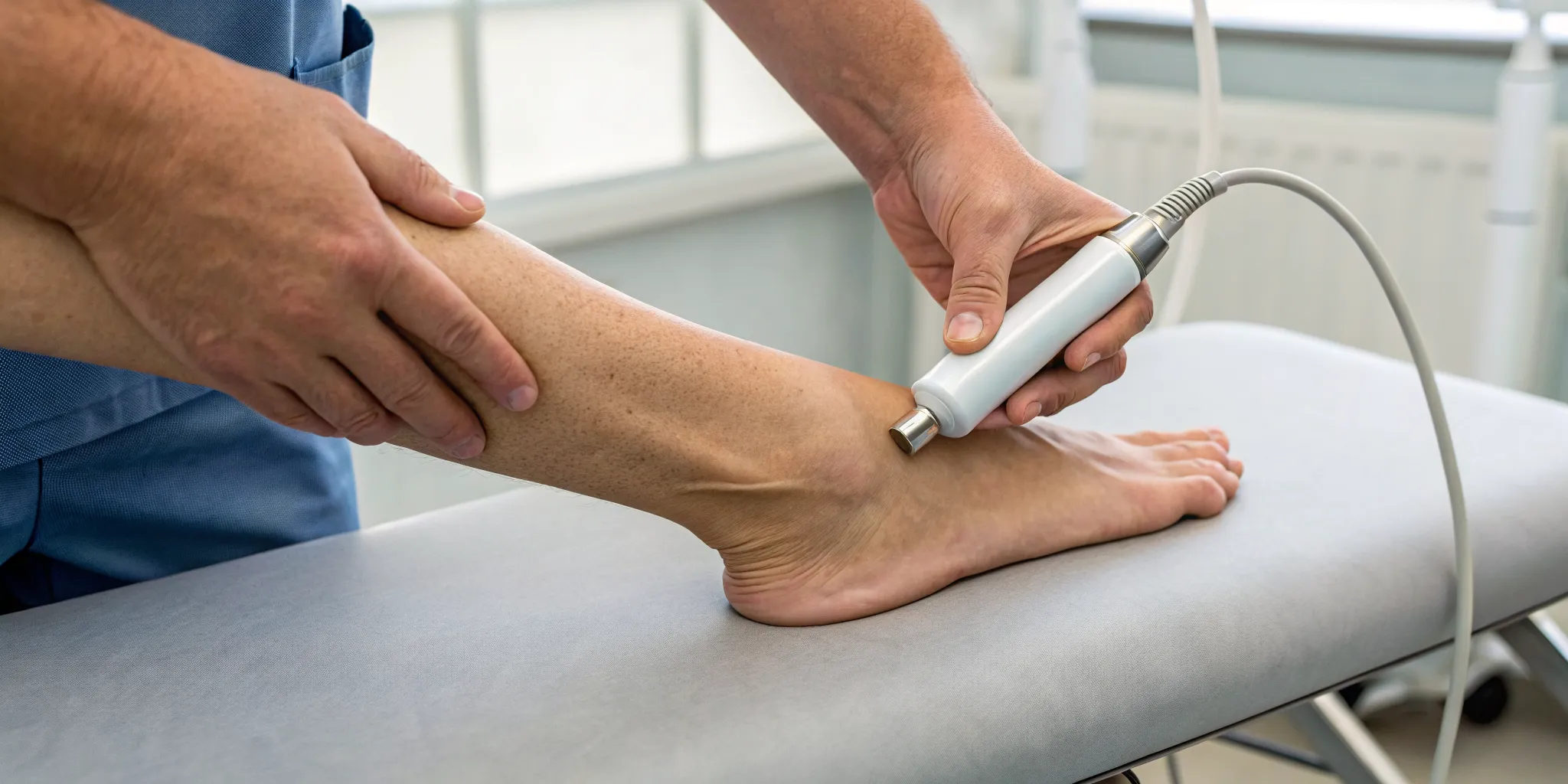
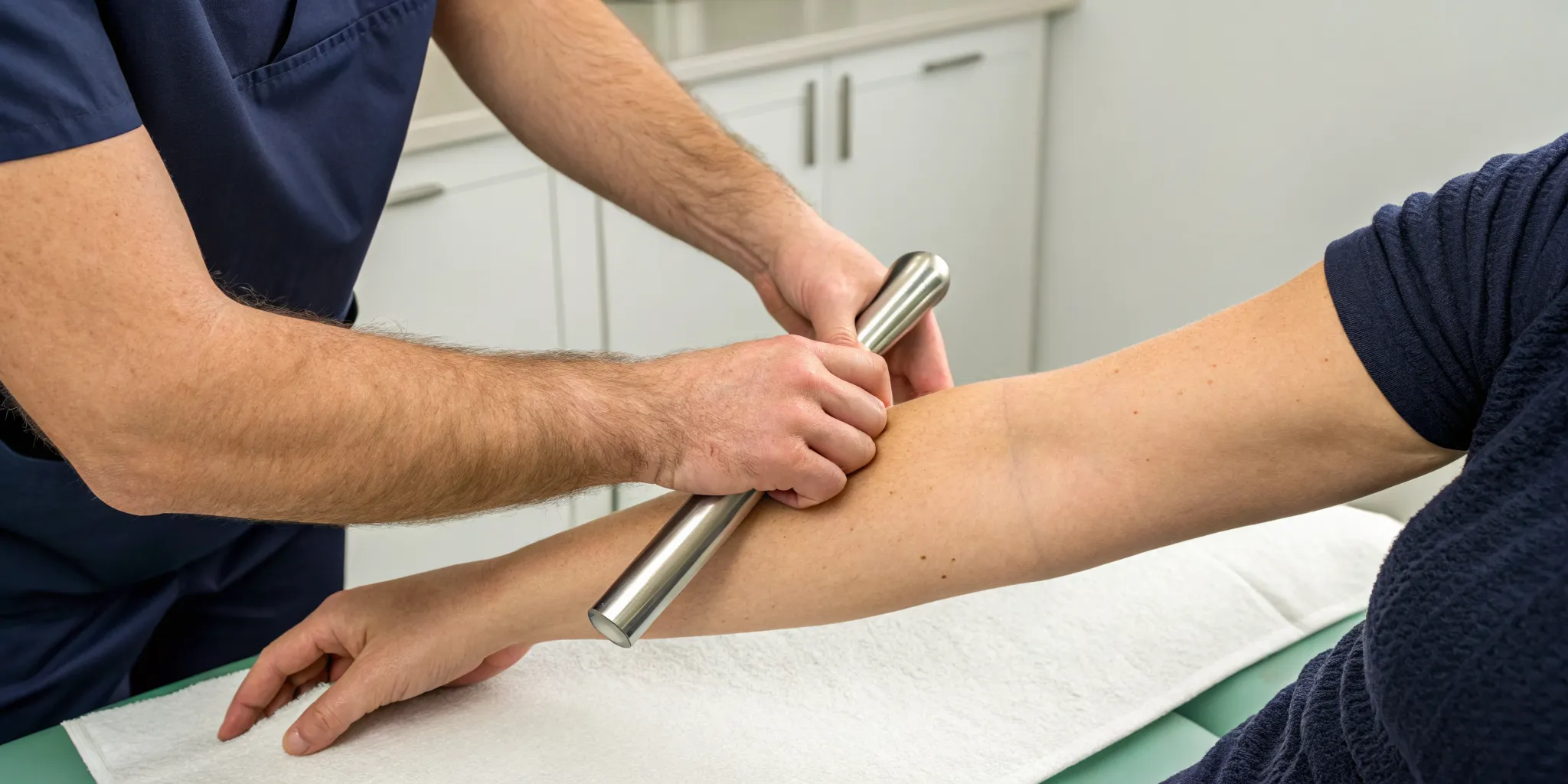
Ascend organizes its work around three connected areas. Physical Medicine may address movement, spinal or joint concerns, and soft-tissue function. Functional Medicine may examine broader patterns, including fatigue, nutrition, gut concerns, and appropriate diagnostic testing. Regenerative Medicine services may be discussed when the clinician's assessment indicates they are relevant. The appropriate focus depends on the person, the concern, and clinical evaluation.
What Might a Clinician Review?
A clinician may review your goals, symptom history, daily patterns, prior care, and relevant findings before discussing possible next steps. The evaluation should be guided by your concerns rather than by a preset assumption about age or athletic history.
Be ready to explain the change you have noticed in your own words. When did it begin? Is it steady or does it come and go? Does it affect work, sleep, relationships, or movement? Which activities are important to you? These details help clarify what you mean by “performance” and whether several concerns may be connected.
Depending on the visit and the clinical question, the discussion may include movement and structural factors, lifestyle patterns, or lab findings. If bloodwork or other testing is considered, ask what question each test is intended to address, how the result could affect the next decision, and whether additional context is needed to interpret it. Ascend provides information about its bloodwork and biometric panels; a clinician can discuss whether any testing fits your situation.
Hormones may be part of a conversation when the history and symptoms support considering them. Testosterone is not a performance score, and one result should not be treated as a complete explanation. If hormone health is raised, ask how symptoms, testing, health history, and follow-up would inform decisions. For general information about hormone health, consult the Endocrine Society. Ascend also describes its approach to hormone health and testing discussions, but a personal evaluation is needed to discuss fit.
Ask about the reasoning behind each suggested step. You can clarify what a clinician hopes to learn, how progress would be reviewed, what other options may be considered, and what signs would prompt a change in direction. A personalized approach should leave room for questions and adapt as the picture becomes clearer.
For a more focused discussion, bring the timeline and the context together. For example: “This change began several months ago; it occurs most often after a poor night's sleep; it is affecting my ability to keep up with my usual activity.” Then ask what information would help distinguish possible explanations. You can also ask what findings would make a proposed next step useful, and what alternatives exist if the first approach does not fit your preferences.
If testing is proposed, it is reasonable to ask how the result will be interpreted alongside symptoms and history, whether the result might need confirmation, and how it would influence the care discussion. If a recommendation involves more than one step, ask which part is the priority and how you will know when to review it. Clear answers can help you understand the purpose of a plan without expecting a single test or measure to explain everything.
How Can You Compare Support Options?
Compare options by the question each one addresses, the information it uses, and how progress will be reviewed. A label alone does not tell you whether an approach fits your priorities.
| Approach | Possible focus | Useful question to ask |
|---|---|---|
| Physical Medicine | Movement, spinal or joint function, soft-tissue concerns | How will the evaluation connect my movement concern with a goal I can track? |
| Functional Medicine | Broader health patterns, fatigue, gut concerns, and relevant testing | Which history or findings would guide the next step? |
| Regenerative Medicine | Selected modalities considered after clinical evaluation | Why might this option fit my situation, and how would we assess progress? |
| Combined discussion | More than one factor may be relevant to the person's concern | How will priorities be set so the plan stays understandable and measurable? |
This comparison is a conversation guide, not a promise that any particular service is appropriate. Some concerns may call for one area of evaluation; others may warrant a broader discussion. Ask how a recommendation relates to your goal and what outcome would be reviewed.
Ascend describes itself as an integrative healthcare practice in Tampa Bay, with Physical Medicine, Functional Medicine, and Regenerative Medicine as its three service pillars. To learn about the clinician leading the practice, visit the Dr. Alfred Alessi profile. You can also review the practice's frequently asked questions before raising practical questions during a consultation.
How Should You Prepare for a Conversation?
A short written summary can make a consultation more useful. Bring your main goal, a few examples of the pattern, and the questions you need answered before considering next steps.
- Write down the two changes that matter most to you.
- Note when each change began and whether it is improving, worsening, or varying.
- List relevant health history, prior evaluations, and current routines that may affect sleep, energy, movement, or recovery.
- Bring copies of recent test results if you have them and can share them.
- Ask how proposed steps relate to your goals, what will be measured, and when you will review progress.
Be candid about your current capacity and constraints. A goal that fits your schedule and health needs is more useful than an ambitious target you cannot sustain. If you have several concerns, ask which one to address first and how the priorities may connect.
You can make the visit easier to follow by sorting your notes into three short sections: what changed, how it affects daily life, and what you hope to do next. Add a concise timeline rather than trying to remember every detail in the room. If a concern varies, bring one or two examples of different days. Mention recent changes in routine that may provide context, without assuming they explain the concern.
It may also help to write down questions before the visit and leave space to record answers. Consider asking what the clinician believes is most important to clarify first, what options are reasonable to discuss, and when you should return to review progress. If the proposed goal feels too ambitious or does not match your priorities, say so. A useful plan should be understandable and tailored to your circumstances.
The purpose is not to prove that you are performing well or poorly. It is to give the clinician a clear account of what has changed and what you hope to do. Ascend's contact page is a place to ask about a consultation and discuss whether the practice may be a fit.
Explore Physical Medicine options
Frequently Asked Questions
These answers offer a starting point for a conversation, not a diagnosis or a substitute for an individual clinical evaluation.
Which goals should I bring to a men's health consultation?
Bring one or two priorities that matter in daily life, such as steadier energy, better sleep, more predictable recovery, or a return to a valued activity. Describe the current pattern and how you might recognize a meaningful change.
Should every man over 40 have hormone testing?
Not necessarily. Whether testing is appropriate depends on symptoms, health history, and clinical judgment. Ask the clinician which question a proposed test would answer and how the result would inform a decision.
Can a former athlete use old performance numbers as a target?
Past benchmarks can provide context, but they may not be suitable goals now. A clinician can help set a current, realistic measure that reflects your health, schedule, and present priorities.
How long should I track a concern before discussing it?
You do not need to wait for a particular tracking period to ask for guidance. A brief record of when the concern occurs can help, but a clinician can advise you on the most useful observations and timing.
Does a measurable goal guarantee a particular result?
No. Tracking makes it easier to discuss patterns and review decisions, but it cannot guarantee a specific outcome. Goals and next steps may change as your circumstances and clinical findings become clearer.
Talk with Ascend about your next step
This article is for educational purposes only and is not medical advice; consult your clinician before acting on health information or changing your care.