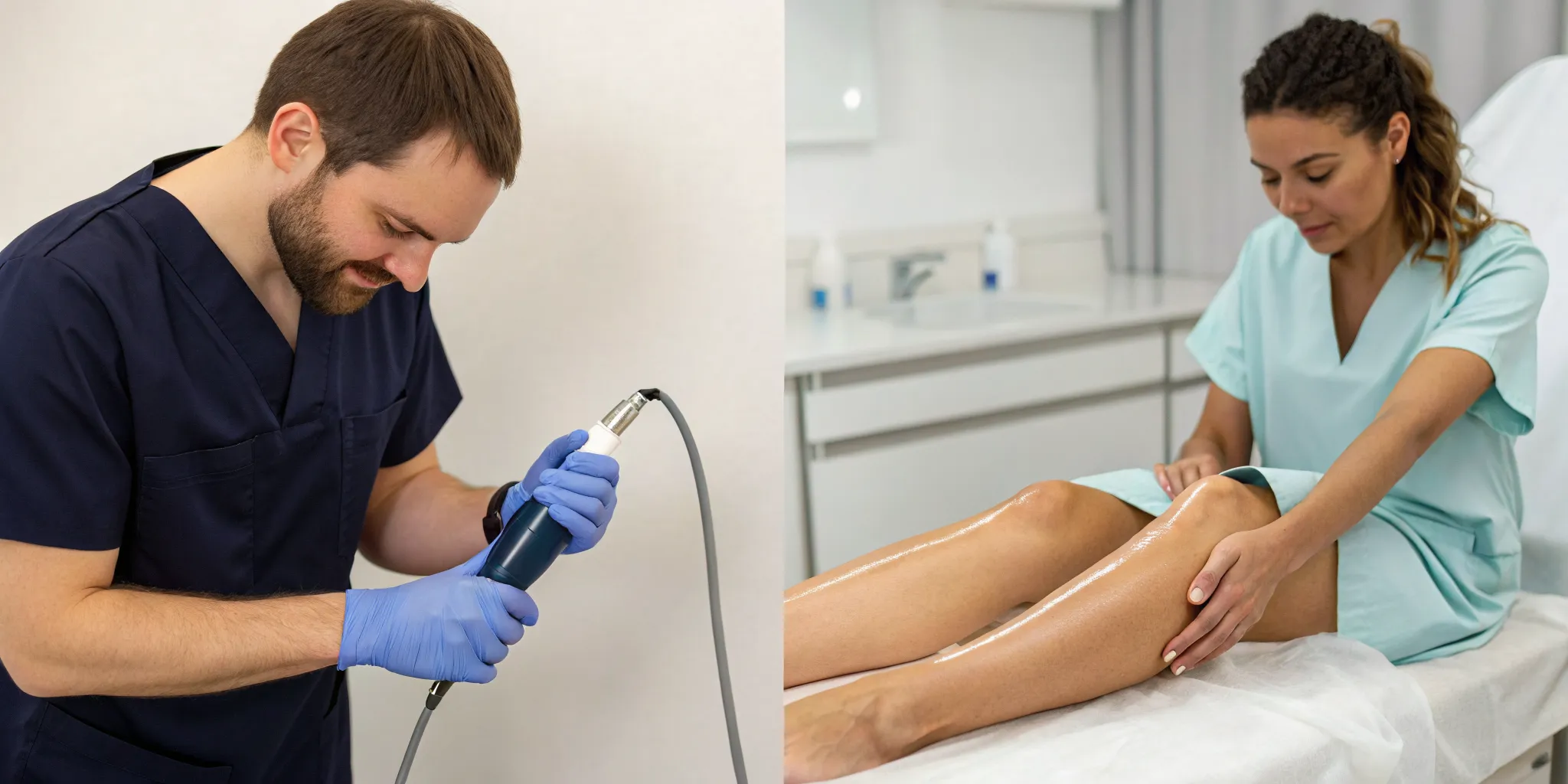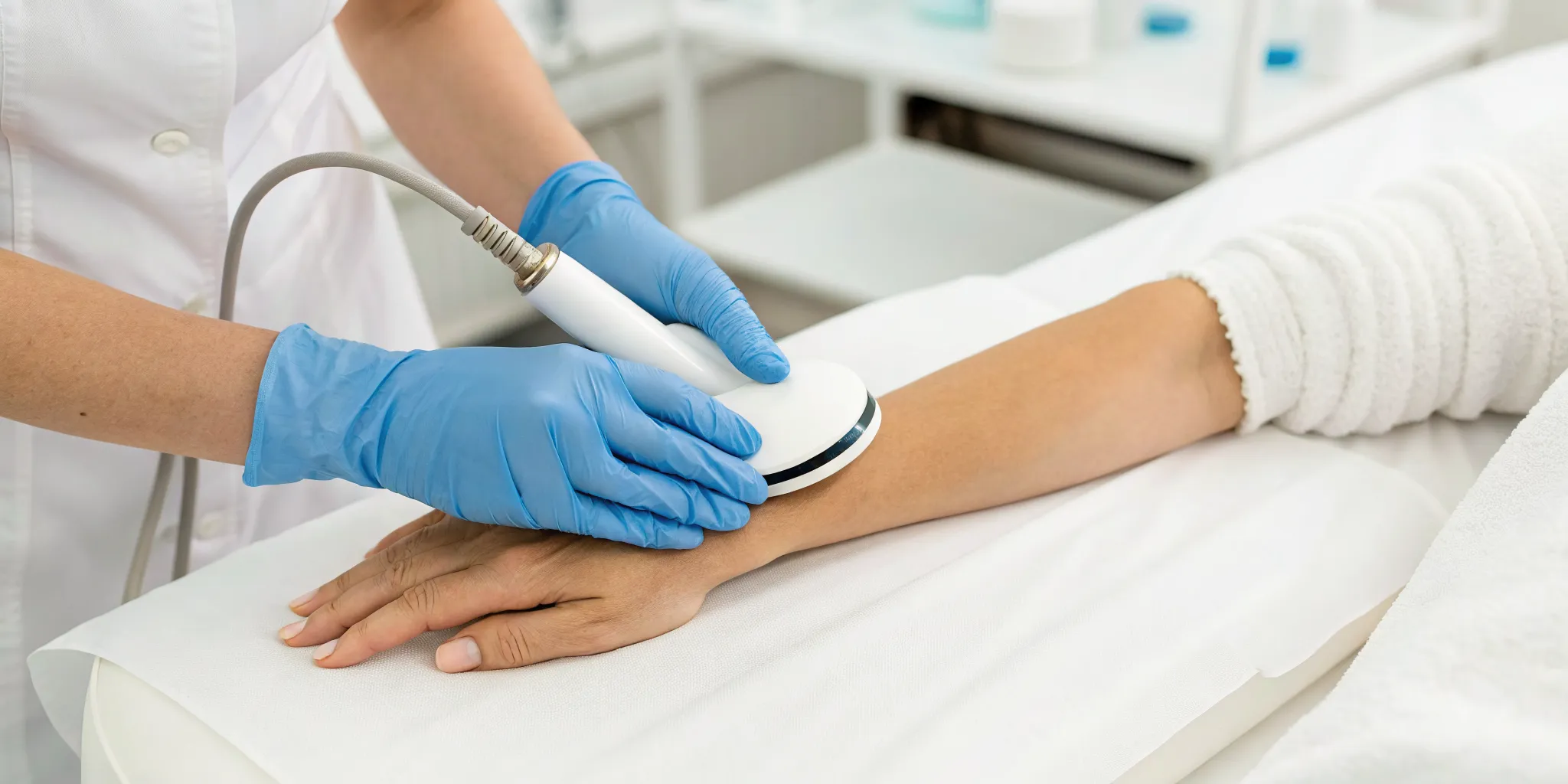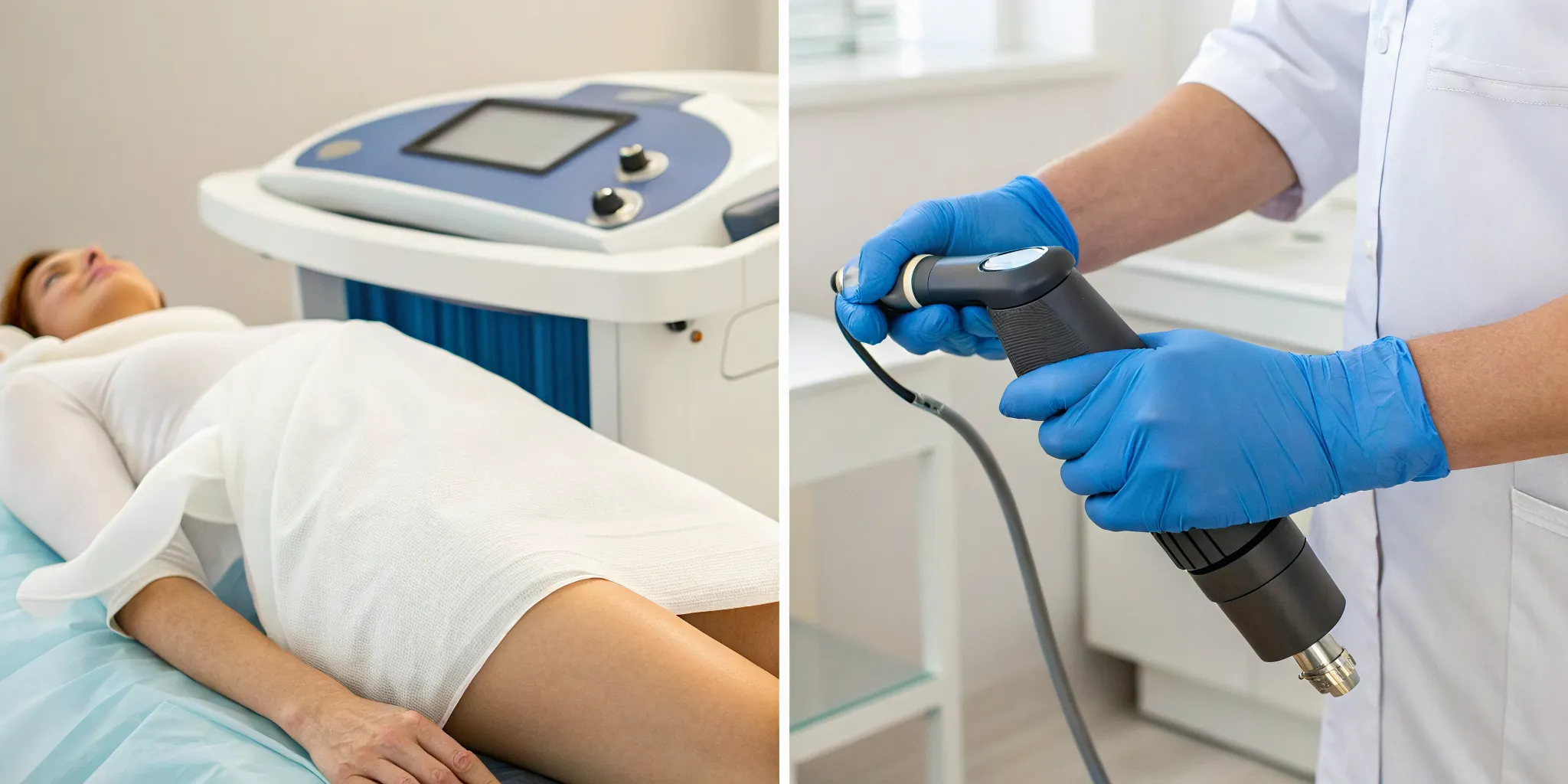
If you’ve started researching shockwave therapy, you’ve probably been flooded with technical terms like "radial," "focused," and "energy flux density." The market is crowded, and every manufacturer claims their device is the best. It’s easy to feel overwhelmed. Our goal is to simplify this process for you. This guide provides a clear, straightforward comparison of the key features, top brands, and critical questions you need to ask before making a purchase. We'll help you understand the fundamental differences so you can make an informed decision and choose the shockwave therapy equipment for clinics that perfectly fits your team’s needs and your patients' conditions.
Key Takeaways
- Choose the right technology for your clinic: Base your decision on the conditions you treat most often. Radial devices work well for superficial issues like tennis elbow, while focused devices offer the precision needed for deeper, more complex problems.
- Prioritize a supportive manufacturer: A great device is only half the equation. Select a company that acts as a partner by providing thorough team training, ongoing clinical support, and a strong warranty to protect your investment.
- Focus on long-term value over initial cost: Your return on investment is measured by patient outcomes. A reliable, clinically validated machine delivers consistent results, which builds patient trust and grows your practice through referrals.
A Clinician's Guide to Shockwave Therapy Equipment
Adding shockwave therapy to your practice can be a fantastic way to improve patient outcomes for a variety of musculoskeletal conditions. This technology has become a solid, evidence-based tool in orthopedics, physical medicine, and regenerative medicine for its ability to stimulate tissue repair and reduce pain. If you're considering this investment, the first step is to get familiar with how the technology works and the fundamental differences between the types of devices available. This will help you select equipment that aligns with your patient needs and clinical goals.
Understanding the Technology: Radial vs. Focused
When you start looking at shockwave machines, you'll see two main categories: radial and focused. Think of radial pressure waves as being dispersed over a wider treatment area, which makes them well-suited for more superficial tissue conditions. It's the most common type you'll find in many clinics. Focused shockwaves, however, are a bit different. They concentrate acoustic energy at a single point deeper inside the body, much like a magnifying glass focuses sunlight. This precision makes focused shockwave therapy an excellent choice for treating deep tissue layers and specific points with greater patient comfort. Your choice between the two will largely depend on the conditions you treat most often.
How Shockwave Therapy Works in a Clinical Setting
At its core, shockwave therapy uses a device to send high-energy acoustic waves, or transient pressure disturbances, into an affected area of the body. The goal isn't to be a quick fix but to initiate a response at the cellular level. These waves stimulate the body’s own natural healing process and promote tissue regeneration. By creating micro-trauma in the tissue, the therapy encourages increased blood flow and the formation of new blood vessels. This process helps repair and heal tendons, ligaments, and other soft tissues. It’s a powerful tool that fits perfectly within a physical medicine approach that aims to address the root cause of pain and dysfunction.
Choosing the Right Device: Radial vs. Focused
When you’re ready to bring shockwave therapy into your practice, one of the first and most important decisions you'll face is whether to invest in a radial or a focused device. While both use acoustic waves to promote healing, they work in fundamentally different ways. The right choice for your clinic will depend on the types of conditions you treat most often and the specific outcomes you want to achieve for your patients. Think of it less as one being "better" than the other and more about which tool is perfectly suited for the job at hand.
Depth and Precision
The main distinction between radial and focused shockwave therapy lies in how the energy is delivered to the tissue. Radial devices generate pressure waves that are strongest at the point of contact and then spread out, or radiate, into a wider, more superficial area. This "wide and shallow" energy distribution is highly effective for conditions close to the skin's surface. You can think of it as treating a broader, less specific region.
Focused shockwave devices, however, concentrate their energy at a single point deep within the body, much like a magnifying glass focuses sunlight. This allows for incredible precision, targeting specific structures without affecting the surrounding tissue. As a result, focused shockwaves are often preferred for their ability to reach greater depths and for their comfort, particularly when dealing with acute or deep-seated conditions.
Common Treatment Applications
Because of their different mechanisms, each type of device excels at treating different conditions. Radial shockwave therapy is the go-to for many common superficial issues. Its effectiveness is well-documented for treating plantar fasciitis, tennis elbow, and various tendinopathies affecting the Achilles or patellar tendons. If your practice sees a high volume of these types of soft tissue complaints, a radial device is an excellent and reliable workhorse.
Focused shockwave therapy is better suited for issues that lie deeper in the body. It can effectively target deep trigger points, calcific tendinitis in the shoulder, and non-union bone healing. Because the energy is concentrated at a specific focal point, it’s the primary modality used in clinical studies for conditions requiring deep, targeted energy delivery. This makes it a powerful tool for a functional medicine practice looking to address complex, underlying issues.
Ease of Use for Your Team
Beyond clinical applications, you should also consider how each device will integrate into your team's workflow. The technology can seem complex, and there is often confusion between true "shock waves" (focused) and "pressure waves" (radial). Ensuring your team understands the distinction is key to delivering effective treatments. Regardless of which device you choose, proper education is non-negotiable for achieving consistent and positive patient outcomes.
When evaluating equipment, look for manufacturers that provide thorough initial training and ongoing clinical support. A vendor who invests in your team's education demonstrates a commitment to your success. Having access to documented protocols and a clinical support line can make all the difference as your staff becomes more familiar with the technology. This support system ensures your team can use the equipment confidently and expand your clinic's physical medicine services effectively.
What Conditions Can You Treat with Shockwave Therapy?
Shockwave therapy is a remarkably versatile tool for any practice focused on resolving the root cause of patient complaints. This non-invasive treatment uses targeted acoustic waves to stimulate the body’s own healing mechanisms, making it a perfect fit for a functional health model. By promoting tissue regeneration and increasing blood flow, it helps accelerate recovery and provides lasting relief for a wide range of issues that might otherwise become chronic. It’s an effective modality for patients who feel stuck after trying more conventional approaches.
Instead of just masking symptoms, shockwave therapy works at a cellular level to repair damaged tissue. This makes it an invaluable asset for treating stubborn conditions that affect your patients' quality of life. From athletes dealing with repetitive strain to office workers with persistent shoulder pain, this technology can address the underlying problem. The therapy is particularly effective for several categories of common complaints, including injuries to soft tissues, long-term pain patterns, and myofascial restrictions. Understanding its applications can help you see how it might fit into your own physical medicine protocols and expand the solutions you offer.
Musculoskeletal and Soft Tissue Injuries
One of the primary applications for shockwave therapy is in treating musculoskeletal and soft tissue injuries. This includes nagging conditions affecting tendons, ligaments, and muscles that haven't responded well to rest or other therapies. Radial shockwave therapy is especially well-suited for these types of superficial injuries, using acoustic pulses to kickstart the healing process in chronic soft-tissue problems.
Conditions like plantar fasciitis, tennis elbow, and Achilles tendinopathy are excellent candidates for this treatment. The energy waves stimulate cellular activity and improve circulation to the affected area, which can be a game-changer for tissues with poor blood supply. By encouraging the body to rebuild and repair, you can help your patients get back to their lives with less pain and improved function.
Chronic Pain and Tendinopathies
For patients dealing with chronic pain and tendinopathies, shockwave therapy offers a powerful path toward resolution. These are the kinds of persistent issues that can linger for months or even years, significantly impacting a person's daily activities. The therapy is effective at breaking the cycle of chronic inflammation and pain by addressing the structural changes that have occurred over time, like scar tissue or calcification within a tendon.
Focused shockwaves can be particularly useful here, as they allow for greater treatment depth and precision for deep-seated conditions. This makes it possible to target specific points of tissue dysfunction that contribute to ongoing pain. By applying this technology, you can offer a solution that goes beyond temporary relief and supports true healing for many of the conditions we treat in a functional health setting.
Myofascial Pain and Trigger Points
Myofascial pain and tight, painful trigger points are another area where shockwave therapy shines. These knots of tense muscle fiber can cause localized and referred pain, limiting range of motion and creating widespread discomfort. While manual therapy is a cornerstone of treatment, shockwave can act as a powerful adjunct to release these stubborn spots more effectively.
The acoustic waves apply direct pressure to the trigger points, helping to release them and restore normal muscle function. This process helps to alleviate the tension held in the fascia, the connective tissue that surrounds your muscles. For clinicians, it’s a way to directly address these sources of pain and dysfunction, often providing patients with a noticeable improvement in mobility and comfort right away. It’s a modern approach that complements the hands-on corrective care you already provide.
Key Features to Compare in Shockwave Machines
Once you've decided to bring shockwave therapy into your practice, the next step is sorting through the different machines available. The options can feel overwhelming, but focusing on a few key features will help you find the right fit for your patients and your team. Think of this as an investment in your clinic’s capabilities and your patients' outcomes. The goal is to choose a device that aligns with the conditions you treat most often and integrates smoothly into your existing workflow, ultimately enhancing the care you provide.
Energy Output and Pressure
The effectiveness of a shockwave machine comes down to its ability to deliver the right amount of energy to the target tissue. You’ll see terms like energy flux density (EFD) and pressure, which essentially measure the treatment's intensity. Radial shockwave devices, for example, distribute energy more broadly and are excellent for superficial issues. This makes them a great choice for many of the common tendinopathies and soft tissue problems we see in physical medicine, like plantar fasciitis or tennis elbow. When comparing models, consider the range of energy outputs and whether they match the depth and intensity required for your patient population.
Applicator Versatility
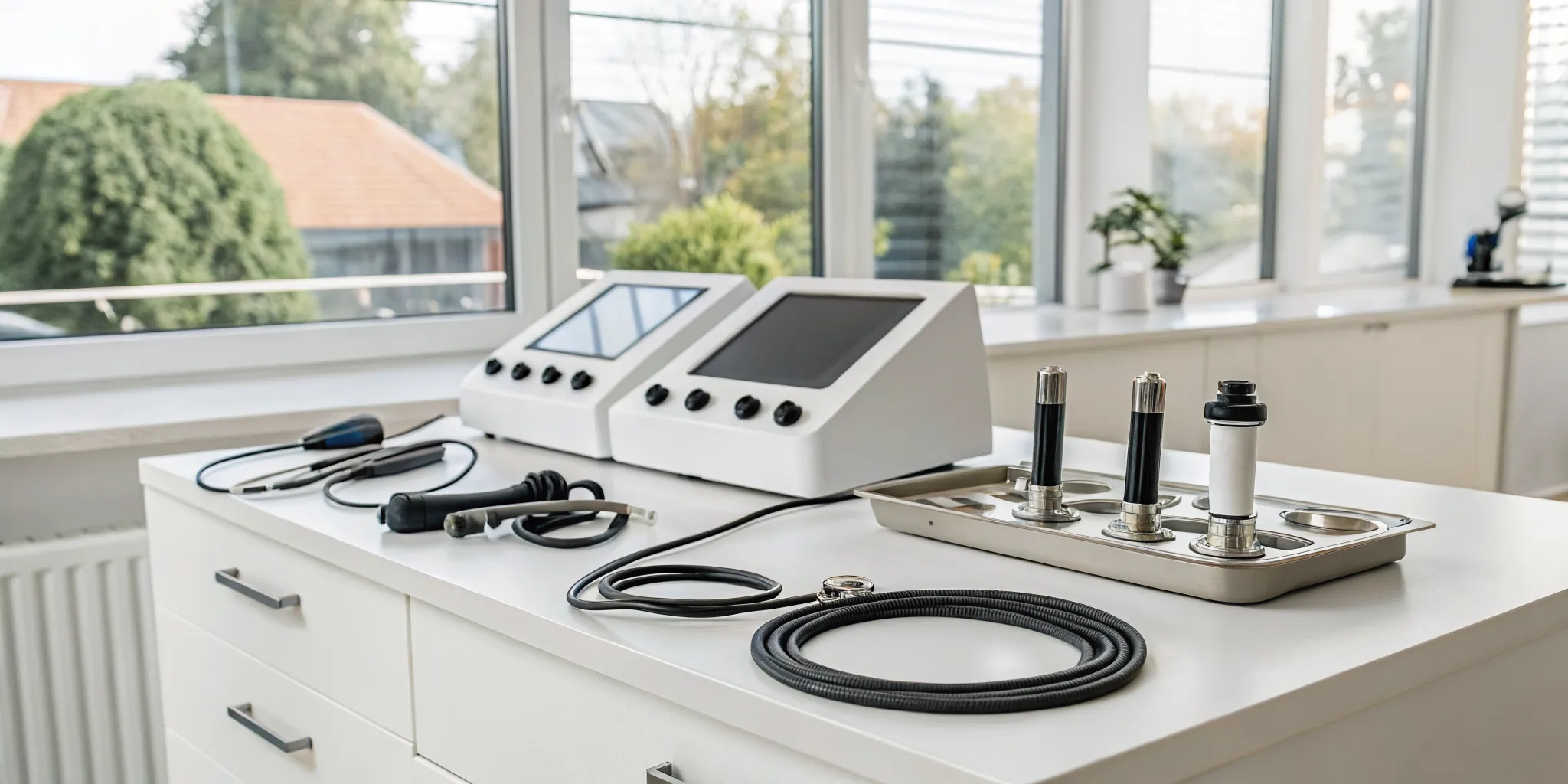
A machine is only as good as the tools it comes with. Different applicators, or treatment heads, are designed to treat specific areas of the body and various types of tissue. A versatile machine will come with a range of applicators, from smaller heads for pinpointing trigger points to larger ones for addressing broad muscle groups. This versatility allows you to expand the conditions you treat and customize protocols for each patient. Be sure to ask potential vendors about the available applicators and what kind of training they provide to ensure your team can use them effectively and safely.
Device Footprint and Portability
Practicality matters. Before you commit to a device, think about where it will live in your clinic. Some shockwave systems are large, stationary units, while others are compact and portable. If you have dedicated treatment rooms, a larger system might be fine. However, if you need to move the equipment between rooms or have limited space, a smaller, portable device would be a better choice. Adding this technology is a great way to modernize your practice, and choosing a machine that fits your physical space is a key part of a smooth integration.
Software and User Interface
A complicated machine that no one knows how to use will only collect dust. Look for a device with an intuitive user interface and clear software. Many modern machines come with pre-set treatment protocols for common conditions, which can help your team apply treatments consistently and confidently. This simplifies the learning curve and ensures reliable patient care. A user-friendly system, combined with solid manufacturer training, empowers your staff to get the best possible results. For more insights on integrating new approaches, you can listen to our podcast on health innovation.
FDA Clearance and Clinical Backing
When it comes to patient care, quality and safety are non-negotiable. Prioritize devices that are FDA-cleared and supported by solid clinical research. This clearance indicates that the device has been reviewed for safety and effectiveness for its intended use. Choosing a clinically validated machine not only protects your patients but also strengthens your clinic's reputation. It shows you are committed to providing treatments that are both effective and grounded in science, which is a core part of our philosophy at Ascend.
Durability and Expected Lifespan
A shockwave machine is a significant addition to your clinic, so you want it to last. Look into the build quality, the materials used, and the manufacturer's reputation for durability. Ask about the expected lifespan of the machine and its applicators, as some parts will need to be replaced over time. A solid warranty and a clear service agreement are also important, as they provide peace of mind and protect your investment. This equipment is more than just a tool; it’s a long-term asset that enhances your menu of services and supports your patients' health for years to come.
An Overview of Top Shockwave Equipment Brands
When you start looking at shockwave machines, you'll notice a few names pop up again and again. While the market has many options, a handful of brands have earned a reputation for their quality, clinical research, and reliable performance. Getting to know these top players is a great first step in narrowing down your choices. Each one brings something a little different to the table, whether it's a legacy of innovation, a focus on specific technologies, or a reputation for building durable, user-friendly equipment.
Understanding the landscape of these leading manufacturers will help you identify which devices align best with your practice's philosophy and patient needs. Some brands are known for pioneering the technology itself, backing their devices with extensive clinical studies. Others focus on creating an exceptional user experience with intuitive software and ergonomic designs. There are also brands that have built their reputation on being the reliable workhorses of the rehabilitation world. By familiarizing yourself with these key differences, you can better evaluate how each machine would fit into your clinical workflow and help you achieve the patient outcomes you're aiming for. Let's look at four of the most respected brands in the shockwave therapy space.
Storz Medical
Storz Medical is often considered the gold standard in the industry, and for good reason. This Swiss company has been a pioneer in shockwave technology since 1987, first making its name in urology before bringing its expertise to musculoskeletal care. They are known for their advanced focused shockwave and radial pressure wave devices, offering a comprehensive and clinically validated shockwave portfolio. Clinics that invest in Storz often do so for the brand's reputation for precision, effectiveness, and deep body of research. If your practice prioritizes having top-of-the-line, research-backed equipment for treating a wide range of conditions, Storz is a brand you'll want to look at closely.
BTL
BTL is another major player, recognized for its modern approach to non-invasive therapies. Their shockwave devices are known for their sleek design and innovative features, often incorporating user-friendly interfaces with guided treatment protocols. BTL's equipment is designed to deliver powerful and effective pain relief for a variety of musculoskeletal disorders. Many clinicians appreciate the brand's focus on creating a positive patient and practitioner experience. If you're looking for a device that combines strong therapeutic output with contemporary design and an intuitive workflow, BTL's shockwave systems are a compelling option to explore for your practice.
Chattanooga
Chattanooga is a well-established and trusted name in the world of rehabilitation and physical medicine. As part of the DJO Global family, they have a long history of producing reliable equipment for clinicians. Their shockwave therapy devices are built with the same practical, workhorse mentality. These systems are designed to be straightforward and easy to integrate into a busy clinic's existing treatment protocols. For a practice that already relies on Chattanooga for rehabilitation equipment, adding one of their shockwave units can be a seamless way to expand your services. They are a solid choice for clinics seeking dependable performance and user-friendly operation.
Zimmer MedizinSysteme
Zimmer MedizinSysteme, a German company, is synonymous with quality engineering and innovation in medical technology. Their shockwave devices, often referred to as "enPuls" systems, are praised for their durability and consistent performance. Zimmer places a strong emphasis on creating devices that are not only clinically effective but also prioritize patient comfort during treatment. Their systems are widely used in physiotherapy and rehabilitation settings, providing practitioners with reliable tools to address pain and promote healing. If you value robust construction and a manufacturer with a reputation for high-quality, patient-centric medical devices, Zimmer is a brand that definitely deserves your consideration.
What's the Price Tag on Shockwave Therapy Equipment?
When you’re ready to add shockwave therapy to your practice, one of the first questions you'll have is about the financial commitment. The cost of shockwave therapy equipment varies significantly, reflecting differences in technology, power, and clinical validation. Thinking of this purchase as an investment in your clinic’s capabilities and patient outcomes is helpful. The equipment you choose will directly impact the types of conditions you can treat and the results you can deliver. The spectrum runs from portable, entry-level devices to sophisticated, high-energy systems used in specialized centers. Understanding what drives these price differences will help you select a machine that aligns with your practice goals and patient needs.
Entry-Level Models
At the more accessible end of the spectrum, you’ll find entry-level radial shockwave devices. These units are typically compact, portable, and can be acquired for an initial outlay in the low thousands. They are a practical starting point for clinics wanting to introduce shockwave therapy without a substantial upfront financial commitment. While they may have lower energy outputs and fewer applicator options compared to more advanced systems, they are perfectly capable of treating superficial tendinopathies and myofascial pain. An entry-level model allows your team to gain experience and build a patient base for shockwave treatments before scaling up.
Mid-Range Systems
For practices ready to make shockwave therapy a core service, mid-range systems offer a balance of performance and value. These devices are typically more robust than entry-level models, featuring higher energy outputs, a wider range of applicator heads for different tissues, and more intuitive software. You can expect these systems to be durable, reliable workhorses designed for consistent daily use in a busy clinic. They provide the versatility needed to treat a broad array of musculoskeletal conditions effectively, making them a popular choice for established physical medicine and chiropractic practices looking to expand their treatment toolkit.
Premium Clinical Setups
At the highest end are the premium clinical systems, which can represent a significant capital investment. These machines often include advanced focused shockwave technology, either as a standalone unit or in combination with a radial applicator. They deliver the highest energy levels and precision, making them suitable for treating deeper tissues and more complex chronic conditions. These top-tier devices are backed by extensive clinical research and are built for performance and longevity. A premium system is an investment in becoming a leading provider of regenerative therapies in your community.
What Influences the Cost?
The wide range in equipment cost comes down to several key factors. The most significant is the technology itself: focused shockwave systems are inherently more complex and command a higher price than radial devices. Other elements that influence the final number include the machine’s energy output, the quality and versatility of the applicator heads, FDA clearance status, and the sophistication of the user interface. Ultimately, choosing the right device requires understanding your practice’s unique needs and the patient population you serve. A higher initial outlay often correlates with greater treatment depth, precision, and long-term reliability.
Is Shockwave Equipment a Smart Investment for Your Practice?
Deciding to bring new technology into your clinic is a big step. It’s about more than just a new machine; it’s about the future of your practice and the quality of care you provide. When it comes to shockwave therapy, the question isn't just about the initial expense, but about the long-term value it brings to your patients and your business. Adding this modality can be a pivotal move, positioning your clinic as a leader in advanced, non-invasive treatments.
Thinking through the benefits from multiple angles, from patient results to your bottom line, will help you make a confident decision. It’s an investment in your practice’s reputation and its ability to deliver exceptional outcomes. Let's look at the key factors that make shockwave therapy a compelling addition for a forward-thinking practice.
Improving Patient Outcomes
Ultimately, our goal as clinicians is to help our patients get better, faster. Offering shockwave therapy can be a game-changing decision that enhances patient care. For many chronic conditions that are slow to respond to other treatments, this technology provides a powerful, non-invasive option. Research supports shockwave therapy as a safe and effective modality, often producing lasting results over a series of sessions. By incorporating it, you give your patients access to a leading-edge treatment that can address the root cause of their pain, particularly for stubborn tendinopathies and soft tissue injuries. This commitment to better outcomes is what builds a practice's reputation and fosters deep patient trust.
Calculating Your Return on Investment
While the financial aspect is important, focusing only on the initial price can be misleading. Cheaper, less reliable equipment can lead to poor results, and as one buyer's guide notes, "The upfront savings are quickly erased by lost trust, lost patients, and lost revenue." A better approach is to view this as an investment in your patients' care and your clinic's reputation. High-quality equipment delivers consistent, effective treatments, which leads to satisfied patients who are more likely to complete their care plans and refer others. This focus on quality care is the foundation of a sustainable and respected practice. Your return on investment comes from building a loyal patient base that sees your clinic as the go-to place for effective, modern physical medicine.
Expanding Your Service Menu
Adding shockwave therapy to your list of services does more than just help your current patients; it can also attract new ones. It’s often seen as a "gold standard" in physical therapy for certain conditions, setting your practice apart from competitors who may not offer it. This positions your clinic as a comprehensive resource for musculoskeletal health. When you expand your services, you broaden your appeal to a wider range of individuals seeking effective alternatives for chronic pain. Choosing the right device starts with understanding your practice’s unique needs and patient base, ensuring the technology aligns perfectly with the conditions you treat most often and the community you serve.
Beyond the Purchase: What to Expect Next
Buying the equipment is just the first step. Successfully integrating a new modality like shockwave therapy into your practice depends on what happens after the device arrives. A great manufacturer doesn't just sell you a machine; they become a partner in your clinic's growth and your patients' success. Think of this as the beginning of a long-term relationship. Here’s what you should look for in terms of support and integration to make sure your investment pays off for you and your patients.
Initial Team Training
Your team's confidence with the new equipment is critical for achieving great patient outcomes. The best vendors provide comprehensive, documented training that goes beyond just turning the machine on. Look for a manufacturer that offers hands-on instruction for your entire clinical staff. This initial training should cover not only the device's operation but also the specific clinical protocols for various conditions you treat. When your team feels proficient from day one, they can introduce this powerful physical medicine modality to patients with clarity and assurance, setting the stage for successful treatment plans and a smooth integration into your workflow.
Ongoing Clinical Education
The field of regenerative and restorative medicine is always advancing, and shockwave therapy is no exception. A single training session isn't enough. Your manufacturer should be a source of ongoing education, offering resources like webinars, advanced workshops, and access to clinical specialists who can answer your questions as they arise. Additionally, professional organizations are invaluable for continuous learning. For example, the Shock Wave Society of North America (SWSNA) provides excellent training and resources for healthcare professionals in the United States. Committing to ongoing education ensures your practice stays at the forefront of care, applying the latest, most effective techniques for your patients.
Marketing and Practice Integration
Adding shockwave therapy is an investment in your patients' health and your clinic's reputation. To make it a success, you need a clear plan for integration. Start by educating your existing patients about the new service and the types of conditions we treat with it. Update your website, create simple brochures for your waiting room, and prepare your front desk team to answer common questions. Some manufacturers even provide marketing materials to help you get started. By thoughtfully introducing this service, you position your clinic as a leader in advanced, non-invasive solutions and attract new patients seeking effective relief.
Technical Support and Warranty Details
Downtime isn't an option in a busy clinic, so reliable technical support is non-negotiable. Before you finalize your purchase, get crystal clear on the warranty details and the service agreement. Ask direct questions: What does the warranty cover and for how long? What is the typical response time for a service request? Is there a loaner program available to keep your practice running if your device needs repairs? Understanding the long-term support structure protects your investment and ensures you can consistently provide care without interruption. If you have more questions, our team is always here to help you contact us.
7 Questions to Ask Before You Buy
Bringing a new modality like shockwave therapy into your clinic is a big step. It’s more than just a purchase; it's an investment in your patients' health and the future of your practice. To make sure you're making a smart choice that aligns with your goals, it’s essential to do your homework. The right equipment can transform your ability to treat tough conditions and deliver incredible results, while the wrong one can lead to frustration and wasted resources. Before you sign on the dotted line, take a step back and ask some critical questions. This isn't just about comparing features and prices. It's about finding a true partner in a manufacturer who will support your clinical success for years to come. Here are seven key questions to guide your decision-making process.
1. Does It Match Your Patient Demographics?
First, think about who you treat every day. The best device for a practice focused on elite athletes might be different from one that serves patients with chronic pain or diabetic foot ulcers. Choosing the best shockwave therapy device starts with a clear picture of your patient base and the conditions you see most often. For example, if your clinic, like ours, focuses on complex musculoskeletal issues and chronic tendinopathies, you’ll want a machine with the versatility to handle both superficial and deep tissue. Make a list of your top five treated conditions and ask potential vendors how their specific device excels at addressing them. This ensures your investment directly serves the people who trust you with their care.
2. Is the Device FDA-Cleared and Clinically Validated?
This question is non-negotiable. A device’s regulatory status is a critical indicator of its safety and effectiveness. Look for equipment that has received FDA Class II clearance. This isn't just a piece of paper; it means the device has undergone a thorough review to prove it works for specific clinical applications. Be wary of manufacturers who make vague claims or can't provide clear documentation. Choosing the right shockwave medical device is about protecting your patients and your practice's reputation. Ask for the FDA 510(k) clearance letter and look for peer-reviewed studies that validate the technology. This due diligence ensures you’re investing in a tool that is both safe and clinically proven to deliver results.
3. What Are the Ongoing Maintenance and Consumable Costs?
The initial price of the machine is only part of the story. To get a true sense of the total investment, you need to understand the long-term operational expenses. Ask about the cost and lifespan of consumable parts, such as applicator heads or revision kits. How often will they need to be replaced based on your projected usage? Also, inquire about recommended maintenance schedules and their associated costs. Some manufacturers may require yearly calibrations or servicing to keep the warranty valid. Understanding these common FAQs about shockwave therapy machines will help you accurately calculate your return on investment and avoid unexpected expenses down the road.
4. What Does the Warranty and Service Agreement Include?
When your equipment goes down, your ability to treat patients and generate revenue stops with it. A comprehensive warranty and a reliable service plan are your safety nets. Ask for specifics: How long is the warranty period? What does it cover (parts, labor, shipping)? What is the typical turnaround time for repairs? Look for a manufacturer that offers a loaner program to minimize downtime. Beyond the warranty, what do post-warranty service agreements look like? This is a significant investment in your patients’ care, and a strong service plan from the manufacturer shows they are committed to your long-term success.
5. How Steep Is the Learning Curve for My Staff?
A powerful device is useless if your team doesn't feel confident using it. Evaluate how intuitive the machine's software and interface are. More importantly, find out what kind of training the manufacturer provides. Is it online, in-person, or a combination of both? Is the training included with the purchase, or is it an additional fee? Effective, manufacturer-provided training improves outcomes and ensures every practitioner on your team can use the equipment safely and effectively from day one. A smooth onboarding process allows your team to focus on patient care instead of struggling with complicated technology, leading to better results and higher staff morale.
6. Does the Manufacturer Provide Ongoing Clinical Support?
Your learning journey doesn't end after the initial training. As you begin treating more patients, you'll encounter complex cases and have questions about advanced protocols. This is where ongoing clinical support becomes invaluable. Does the manufacturer provide access to clinical experts you can consult with? Do they offer advanced workshops, webinars, or a library of educational resources? Some companies even connect you with a network of peers and expert guidance on shockwave therapy to share insights and best practices. A manufacturer that invests in your continued education is a partner dedicated to helping you achieve the best possible patient outcomes.
7. Can This Equipment Grow with My Practice?
Think about where you want your practice to be in five or ten years. Will this device still meet your needs? Ask if the equipment is scalable. Can you add new applicators for different treatments as you expand your services? Is the software upgradeable with new features and protocols as research evolves? Choosing a device that can adapt with you prevents you from having to make another large capital investment in just a few years. Your decision should be based on patient safety, clinical efficacy, and long-term return on investment. A forward-thinking purchase ensures your shockwave therapy equipment remains a valuable asset for your practice's future.
Related Articles
- SoftWave Tissue Regeneration Therapy in Tampa | Alessi Functional Health
- SoftWave TRT Therapy in Tampa, FL - Alessi Functional Health
- The Ultimate Guide to Myofascial Release Therapy
- What Is Soft Tissue Therapy? A Complete Guide
- Neuromuscular Reeducation 101: The Full Guide
Frequently Asked Questions
What’s the real difference between radial and focused shockwave therapy? Think of it in terms of depth and precision. Radial pressure waves are great for treating broader, more superficial issues like tendinopathies because the energy spreads out from the applicator. Focused shockwaves, however, concentrate their energy at a single, deeper point inside the body. This makes them ideal for targeting specific, deep-seated problems with incredible accuracy and often with greater patient comfort. Neither is better than the other; the right choice simply depends on the conditions you treat most frequently.
What kind of financial investment is required for a professional shockwave device? The investment can vary quite a bit, depending on the technology and features you need. You can find portable, entry-level radial units that are a great way to introduce the service to your patients. Mid-range systems offer more power and versatility for a busy practice. At the high end, you have premium systems, often with focused technology, that are built for specialized clinics aiming to be leaders in regenerative care. The key is to match the equipment's capabilities to your patient population and long-term practice goals.
Is shockwave therapy only for high-level athletes, or can it help my everyday patients? While it’s popular in sports medicine, shockwave therapy is incredibly effective for the everyday patient dealing with stubborn, chronic pain. It’s a fantastic tool for common complaints that affect people from all walks of life, such as plantar fasciitis, tennis elbow, chronic shoulder pain, and myofascial trigger points. If you have patients who feel stuck and haven't found relief with other methods, this therapy can be the solution that finally helps them get back to their lives.
How difficult is it to train my staff and integrate shockwave therapy into our current services? A quality manufacturer will make this process straightforward. Reputable brands provide comprehensive initial training to ensure your entire team feels confident and competent with the new equipment from day one. Most modern machines also have intuitive software with pre-set protocols for common conditions, which simplifies the learning process. A smooth integration really comes down to choosing a partner who offers excellent clinical support and is invested in your success.
Besides improving patient results, how does this equipment help my practice grow? Adding shockwave therapy sets your practice apart and positions you as a provider of advanced, effective solutions. It can attract new patients who are actively seeking modern, non-invasive treatments for chronic pain. Offering a service that resolves stubborn conditions builds a strong reputation through word-of-mouth referrals. It demonstrates a commitment to investing in the best possible care, which strengthens patient trust and establishes your clinic as a leader in your community.