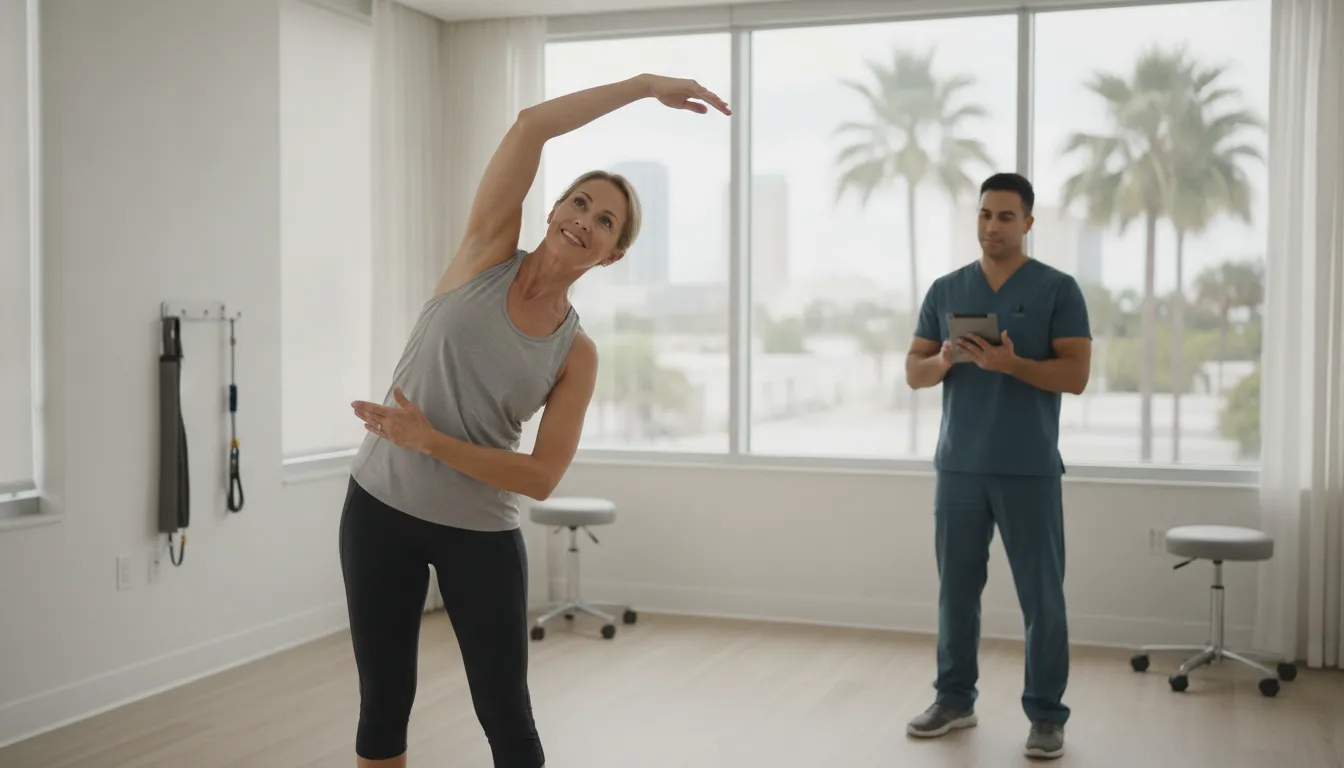
Think about how effortlessly a toddler can drop into a perfect squat. We are all born with the ability to move well, but over time, sedentary lifestyles can cause us to forget these natural patterns. Functional movement is about getting back to those basics. It’s not about learning complicated exercises; it’s about re-mastering the seven foundational patterns our bodies were designed for, like the hinge, push, and pull. By strengthening these core actions, you build a solid foundation for all physical activity, helping you move with more efficiency and less pain. This guide will walk you through each pattern and show you how to reclaim your body’s natural strength.
Key Takeaways
- Build strength for your actual life: Functional fitness trains your body for everyday tasks like carrying groceries or lifting your kids, making you more resilient to injury and daily activities feel easier.
- Focus on the seven core movement patterns: Every action you perform is a combination of foundational movements like the squat, hinge, and push. Mastering these basics is the most effective way to build balanced, practical strength.
- Prioritize quality movement over quantity: You can build functional strength anywhere by focusing on proper form with basic bodyweight exercises. Consistency is more important than intensity, so start slow and integrate these movements into your daily life.
What Is Functional Movement?
Have you ever wondered why you can lift weights at the gym but still feel a twinge in your back when picking up a laundry basket? The answer often lies in the difference between training muscles and training movements. Functional movement is a way of exercising that strengthens your body for the things you do every single day. Think about it: you squat to pick up your kids, hinge forward to grab something off the floor, and carry heavy grocery bags from the car. These are all natural, essential movements.
Functional fitness focuses on training these exact patterns. Instead of isolating one muscle at a time, these exercises engage multiple muscle groups to work together, just as they do in real life. The goal isn’t just to get stronger in the gym; it’s to make your daily activities feel easier, safer, and more efficient. By improving how you perform these fundamental tasks, you build a body that’s resilient and ready for anything life throws your way. Our approach to physical medicine is built on this principle of restoring your body’s ability to move correctly and without pain.
The Core Idea Behind Functional Movement
At its heart, functional movement is about getting back to basics. Our bodies are designed to move in a few fundamental ways, which serve as the building blocks for every action we take. These are the seven functional movement patterns that we’ll explore later in this guide, including the squat, hinge, push, and pull. Mastering these core patterns is the key to improving your balance, coordination, and overall mobility. Whether you’re an athlete or just want to keep up with your grandkids, focusing on these foundational movements helps your body work as an integrated system, leading to greater strength and stability in all your activities.
Functional Movement vs. Traditional Exercise
So, what makes this different from a typical workout? Traditional exercise often focuses on isolating individual muscles. Think of a bicep curl, which targets the bicep and not much else. While that can be great for building muscle size, it doesn’t always translate to real-world strength. Functional movement, on the other hand, is all about integration. It trains your body to perform tasks that require multiple joints and muscles to work in harmony. This approach is what makes functional movements a key part of every workout because it prepares you for the dynamic challenges of daily life, enhancing your overall quality of living.
Why Should You Care About Functional Movement?
So, what’s the big deal with functional movement? It’s a term you might hear a lot, but it’s more than just a fitness trend. Think of it as training for life, not just for the gym. It’s about strengthening your body in ways that directly support your daily activities, from carrying groceries to playing with your kids. By focusing on how your body is designed to move, you build practical strength that protects you from injury, makes life easier, and keeps you active for the long haul.
Prevent Everyday Injuries
Ever tweaked your back lifting a laundry basket or felt a twinge in your shoulder reaching for something on a high shelf? These common injuries often happen because our bodies aren't prepared for the simple movements we ask of them. Functional training directly addresses this. By practicing movements that mimic daily life, like squats and hinges, you strengthen the exact muscles and stabilize the joints you use constantly. This builds a more resilient body, reducing your risk of getting sidelined by an unexpected injury. It’s a proactive approach to your physical medicine, helping you stay strong and pain-free.
Make Daily Activities Easier
Functional fitness is all about improving your real-world performance. The goal isn't just to hit a new personal record in the gym; it's to make your day-to-day life feel less physically demanding. When you build functional strength, you'll notice that carrying all the grocery bags in one trip feels manageable, not monumental. You can lift your toddler without a second thought or hoist a suitcase into an overhead bin with confidence. This type of training improves your overall efficiency and stamina, addressing many of the conditions we treat that can limit daily life.
Secure Your Long-Term Mobility
Think of functional movement as an investment in your future self. It’s one of the most effective ways to maintain your independence and quality of life as you get older. By focusing on proper form and efficient movement patterns now, you're building a strong foundation for lifelong mobility. This helps you stay agile, balanced, and capable, reducing the risk of falls and other age-related physical challenges. It’s about more than just staying fit; it’s about ensuring you can continue to live life on your own terms. This is a key part of a proactive longevity medicine strategy.
The 7 Foundational Movement Patterns
Think of these seven movements as the alphabet of physical activity. Nearly every action you take, from carrying groceries to playing with your kids, is a combination of these core patterns. Mastering them isn't about becoming a world-class athlete; it's about moving through your life with strength, efficiency, and less risk of injury. When these patterns are strong, daily tasks feel easier, and you build a resilient body that can handle whatever life throws your way.
Understanding these movements is the first step in improving your body's overall function. If you're experiencing pain or stiffness during these basic actions, it could be a sign of an underlying imbalance. Our approach to physical medicine focuses on identifying and correcting these imbalances to restore proper movement and help you feel your best. By focusing on these fundamentals, you can build a solid foundation for long-term health, mobility, and independence. Let's break down what these essential patterns look like in your everyday life.
Squat
The squat is one of the most essential movements you do every single day. It’s the simple action of bending your hips and knees to lower your body, just like when you sit down in a chair or pick up something from a low shelf. A proper squat builds strength in your legs, glutes, and core, which are the powerhouse muscles for so many activities. Strengthening this pattern not only makes lifting safer but also helps protect your knees and back from strain. It’s a true cornerstone of functional fitness that supports your mobility from the ground up.
Hinge
The hinge is all about bending at your hips while keeping your back straight. Imagine picking up a heavy box or a child from the floor; that’s a hinge. This movement is crucial for protecting your lower back because it teaches you to use your powerful glutes and hamstrings to lift, rather than straining your spine. Many people who experience back pain have difficulty with this pattern, often rounding their back instead of hinging at the hips. Learning to hinge correctly is a game-changer for building a strong posterior chain and performing daily lifting tasks safely and effectively.
Lunge
A lunge is any movement where you step in one direction with one leg while the other stays in place. You do this when you walk up stairs, step over an obstacle, or even kneel to tie your shoe. The lunge is fantastic for building single-leg strength, which is vital for balance, coordination, and stability. Because it works one side of your body at a time, it helps identify and correct strength imbalances between your left and right legs. Improving your lunge pattern can make you feel more stable and confident on your feet during dynamic activities.
Push
The push pattern involves moving something away from your body or moving your body away from a surface. You use this movement when you push open a heavy door, get up from the floor, or place an item on a high shelf. Pushing builds strength in your chest, shoulders, and triceps, which are essential for many upper-body tasks. Whether it's a simple push-up or pushing a lawnmower, this movement pattern is fundamental for interacting with the world around you and maintaining upper-body strength for everyday function.
Pull
The opposite of a push, the pull pattern involves bringing an object closer to your body. Think about starting a lawnmower, pulling open a heavy car door, or doing a pull-up. This movement strengthens the muscles in your back, biceps, and shoulders. A strong pull is essential for good posture, as it helps keep your shoulders back and your spine aligned. Neglecting this pattern can lead to muscle imbalances that contribute to a slouched posture and even headaches, so it's a critical part of a well-rounded routine.
Brace Your Core
Bracing your core is about more than just having six-pack abs; it’s about creating stability throughout your torso to protect your spine. You engage your core when you prepare to lift something heavy or when you need to keep your balance on an uneven surface. This movement involves tightening the muscles around your midsection, including your abs, obliques, and lower back. A strong, stable core is the foundation for every other movement pattern. It transfers force efficiently through your body, allowing you to move with more power and significantly reducing your risk of injury.
Carry & Walk (Locomotion)
Locomotion is simply your ability to move from one place to another, whether you're walking, jogging, or running. This category also includes carrying objects, like bringing in grocery bags or carrying a suitcase through an airport. This is arguably the most fundamental pattern of all, as it’s essential for our daily independence and overall fitness. Improving your gait and your ability to carry loads efficiently helps maintain your mobility and cardiovascular health. It’s a key component of our longevity medicine approach, ensuring you can stay active and engaged in life for years to come.
How's Your Movement Quality?
Understanding the seven foundational movements is the first step. The next, and arguably more important, step is to check how well you’re actually performing them. It’s easy to get caught up in how much weight you can lift or how many reps you can do, but movement quality is the true foundation of a strong, resilient body. Poor form not only holds you back from getting stronger but also sets the stage for chronic pain and injuries down the road.
Think of it like building a house. You wouldn't put up walls on a crooked foundation, right? The same goes for your body. Ensuring you can perform these basic patterns correctly is essential for everything from carrying groceries without tweaking your back to enjoying your favorite weekend activities pain-free. Taking a moment to honestly assess your movement quality is a powerful act of self-care that pays off for years to come. Below are a few ways to check in with your body, from simple tests you can do at home to the benefits of a professional eye.
Simple At-Home Tests
You don’t need a fancy gym to get a read on your movement patterns. A simple self-assessment can reveal a lot. Try filming yourself or using a mirror to check your form on a few key exercises. Can you perform a bodyweight squat with your heels flat on the floor and your chest up? When you bend over to touch your toes, does the movement come from your hips (a hinge) or from rounding your back? How long can you hold a plank with a straight line from your head to your heels? Performing these functional movement patterns with proper form is key to improving your posture and overall alignment. If you notice instability, stiffness, or asymmetry, it’s a sign that a foundational pattern needs some attention.
Getting a Professional Assessment
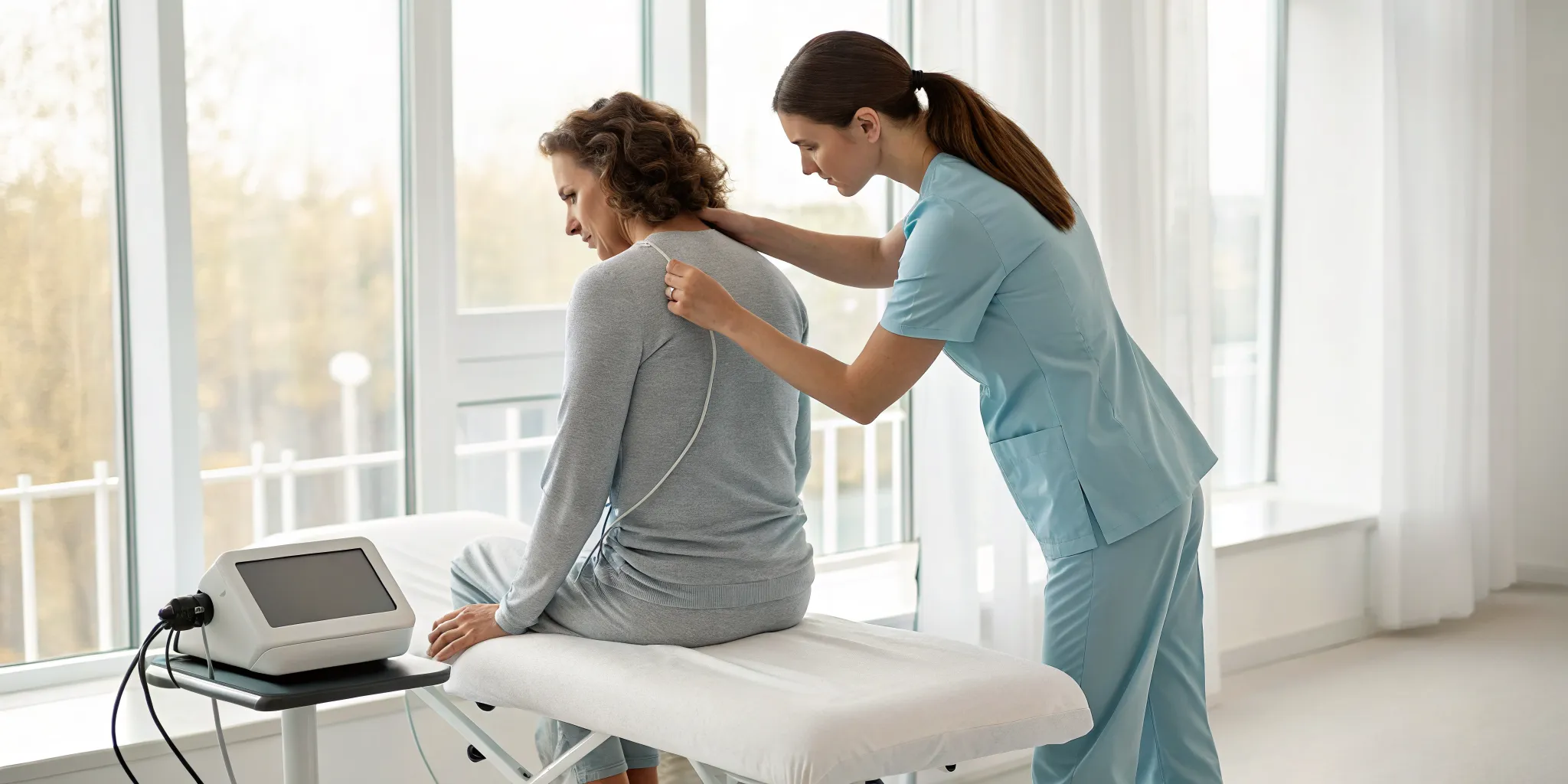
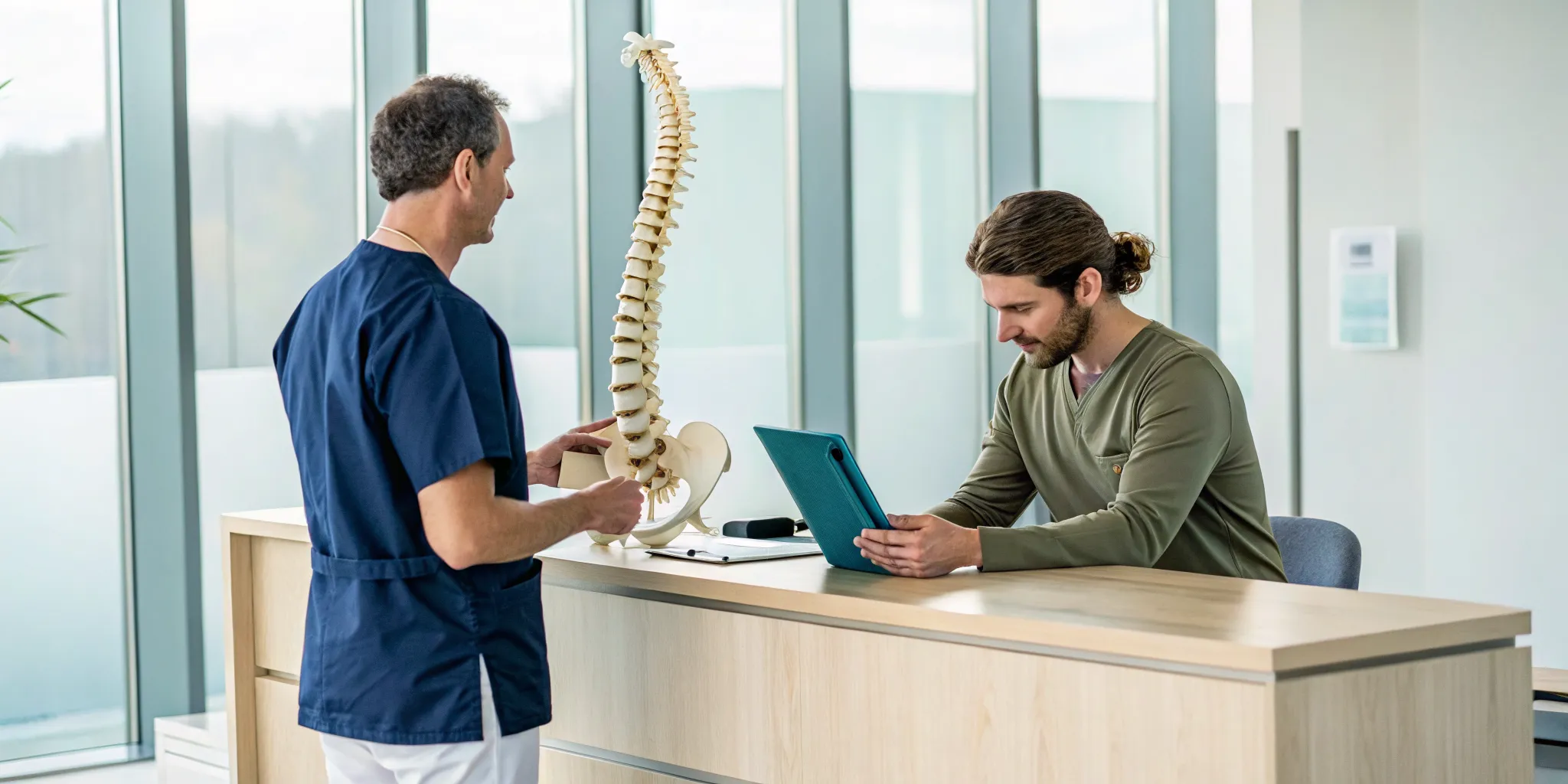
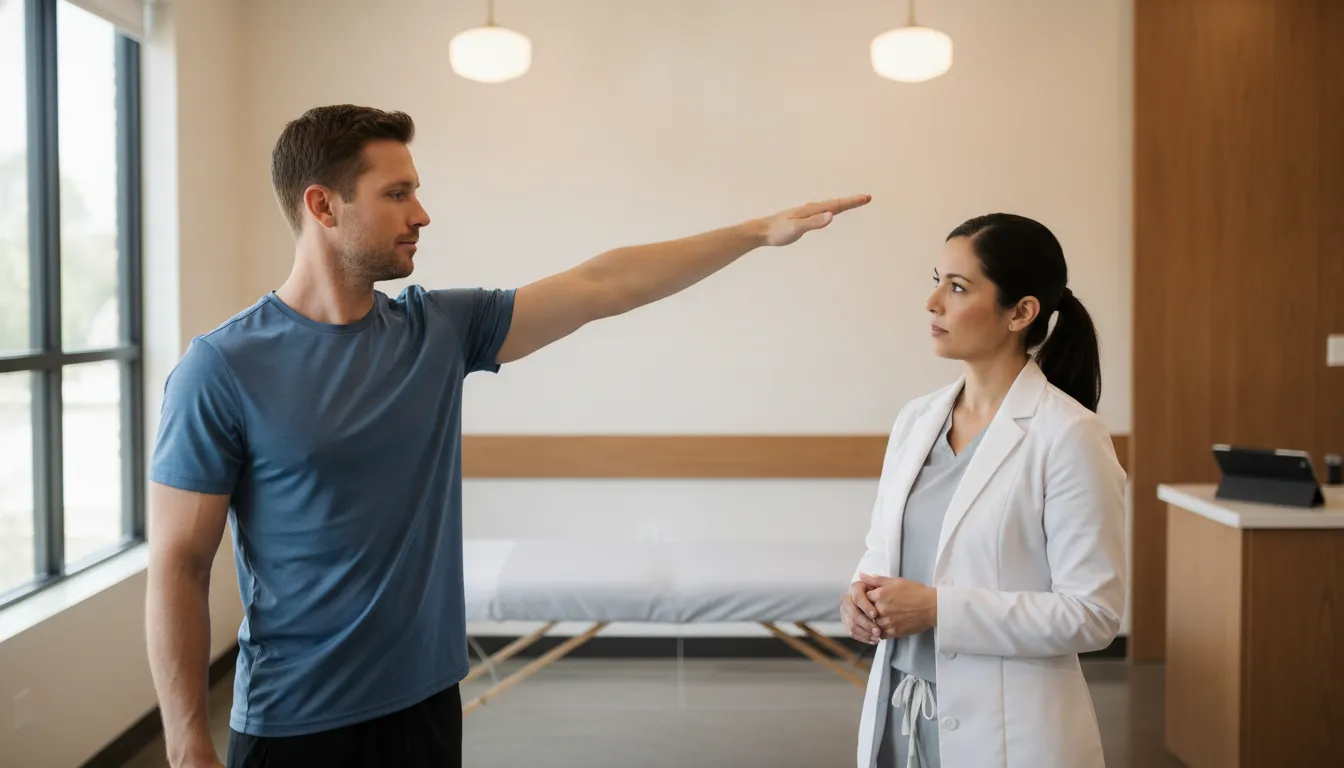
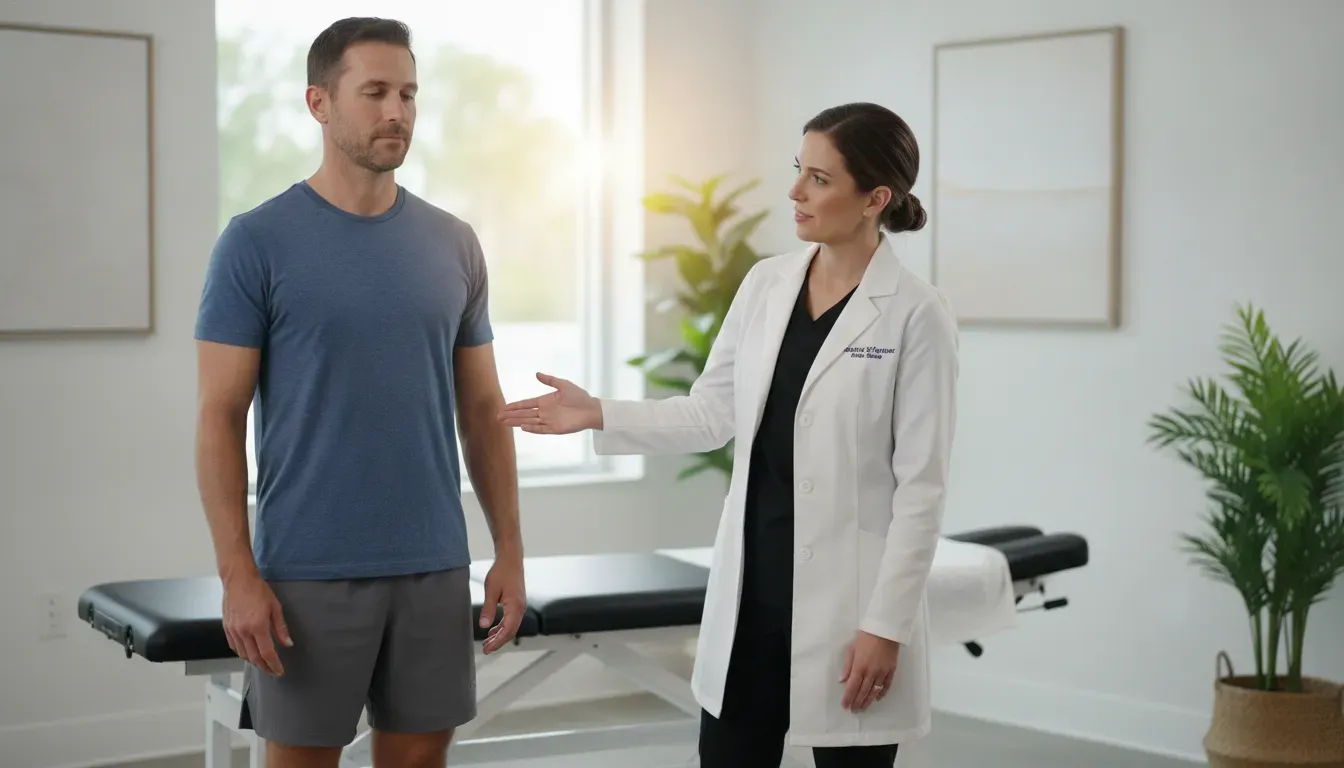
While at-home tests are a great starting point, nothing beats a professional assessment. A trained practitioner can spot subtle compensations and imbalances you might miss on your own. At Ascend, our physical medicine team uses a systematic approach to evaluate how you move. One well-known method is the Functional Movement Screen (FMS), which uses seven key movements to identify limitations and asymmetries. This kind of evaluation isn't just for athletes; it’s for anyone who wants to move better and feel better. It helps us find the root cause of your movement issues, allowing us to create a personalized plan to restore function and prevent future injuries.
Warning Signs of Poor Movement
Your body often sends signals when a movement pattern is off. The key is learning to listen. Do you feel a pinch in your shoulder when you reach overhead? Does your low back ache after lifting something moderately heavy? Do you notice you always carry your child or your groceries on the same side? These are all warning signs of poor movement quality. Other red flags include recurring pain in a specific joint, feeling unusually stiff in the mornings, or noticing that your balance feels off. Ignoring these signals can lead to more significant injuries and a decreased quality of life. If any of these sound familiar, it’s a good time to address the underlying issues.
The Best Exercises for Functional Strength
Now that you understand the seven foundational movement patterns, it’s time to put them into practice. The goal isn’t just to get stronger in the gym; it’s to build strength that serves you in your everyday life. Whether you’re a complete beginner or have been active for years, there are exercises that can help you move better and feel more capable. These exercises are designed to train your body for real-world activities, from carrying groceries to playing with your kids.
Remember to start where you feel comfortable and focus on quality over quantity. Proper form is crucial for preventing injury and getting the most out of each movement. If you’re experiencing pain or have concerns about your form, our physical medicine services can help you build a strong and safe foundation. Let’s explore some exercises tailored to different fitness levels.
Beginner-Friendly Exercises
If you're new to exercise or returning after a break, your focus should be on mastering the basics with your own body weight. These movements are the foundation for all your daily activities. Think of a squat as the simple motion of sitting down and standing up from a chair. It’s a fundamental pattern you use constantly. Start with these simple exercises to build confidence and control.
- Bodyweight Squats: Stand with your feet shoulder-width apart and lower your hips as if sitting in a chair.
- Glute Bridges: Lie on your back with your knees bent and lift your hips toward the ceiling to practice the hinge pattern.
- Wall Push-ups: Stand facing a wall and press your body away from it to build upper-body pushing strength.
- Plank: Hold a push-up position to engage and brace your core.
Intermediate Challenges
Once you feel confident with the basics, you can start adding resistance or complexity to build more strength. Incorporating functional movements with added weight helps you develop the endurance needed for daily life, improving your overall quality of life. These exercises often require full-body engagement, making them more challenging than exercises that isolate a single muscle.
- Goblet Squats: Hold a dumbbell or kettlebell at your chest while you squat.
- Kettlebell Deadlifts: Practice the hinge pattern with weight to build strength in your back and legs.
- Walking Lunges: Step forward into a lunge, alternating legs as you move across the room.
- Dumbbell Rows: Use a dumbbell to practice the pulling motion, strengthening your back and arms.
Advanced Movement Patterns
For those ready for a greater challenge, advanced functional exercises combine movement patterns or require more stability and strength. These movements prepare your body for more demanding real-life activities, like lifting a heavy box overhead or quickly changing direction while playing a sport. Mastering the basics is essential before moving on to these exercises. Each repetition strengthens the connection between your brain and muscles, making you more efficient.
- Overhead Squats: Hold a light weight or dowel overhead as you squat to challenge your mobility and core stability.
- Single-Leg Romanian Deadlifts: Test your balance and strength with this advanced hinge movement.
- Pull-ups: This classic exercise is one of the best ways to build functional pulling strength.
- Farmer’s Walks: Carry heavy weights in each hand and walk, challenging your grip, core, and posture.
How to Add Functional Movement to Your Life
Bringing functional movement into your life doesn't require a complete overhaul of your schedule or a pricey gym membership. It’s about shifting your mindset to see daily activities as opportunities to move better and build strength. Think of it as re-learning the natural, efficient ways your body is designed to move, the same patterns you used effortlessly as a child. Instead of setting aside an hour for isolated exercises like bicep curls that target one muscle, you can focus on integrating foundational patterns like squatting, pushing, and carrying into your existing routine. These compound movements engage multiple muscle groups at once, just like real-life activities do.
This approach makes fitness feel more intuitive and less like a chore. When you practice lifting your child with a proper hinge or carrying groceries with an engaged core, you’re not just completing a task; you’re reinforcing strength that protects your body from injury. The goal is to make these quality movements second nature, so you can handle whatever the day throws at you with confidence and resilience. By focusing on how you move throughout the day, you build a body that’s not just “gym strong” but truly life-strong. Our approach to physical medicine is built on this very idea: restoring your body's natural function for lasting health and helping you move without pain.
Start with the Foundations
Before you add weight or complexity, it’s important to master the basics. Functional movement patterns are the building blocks for everything you do, from getting out of a chair to lifting a heavy box. Start by paying attention to how you perform these movements in your daily life. When you pick something up off the floor, are you using a deep squat or rounding your back? When you reach for something on a high shelf, are you engaging your core? Begin by practicing the seven foundational movements with just your body weight. Focus on your form and control, moving slowly and deliberately. The goal isn't to exhaust yourself but to teach your body the correct patterns. Mastering these basics will build a solid foundation, reducing your risk of injury and preparing you for more challenging exercises later on.
Progressing Your Workouts
Once you feel confident with the basic movement patterns, you can start to challenge yourself. Progressing doesn't always mean lifting heavier weights. You can add difficulty by increasing your repetitions, holding a position for longer, or improving your range of motion. For example, if your bodyweight squats feel solid, try holding a light weight or slowing down the movement to increase time under tension. Incorporating these movements into your routine helps you develop strength and endurance in the muscles you use every day, which directly improves your quality of life. As you get stronger, you can combine movements, like adding a press to your lunge. This not only makes your workouts more efficient but also better mimics the complex, multi-joint actions you perform in real life. This is key for addressing many of the conditions we treat, from back pain to joint stiffness.
At-Home and No-Equipment Options
You don’t need a gym to build functional strength. Your home and daily routine are full of opportunities to practice these essential movements. The key is to integrate activity into your life beyond structured workouts. For instance, you can practice your squats while waiting for your coffee to brew or do walking lunges down the hallway. When you bring in groceries, focus on carrying them with a tall posture and an engaged core. Use furniture to your advantage. A sturdy chair or countertop is perfect for incline push-ups, and stairs are great for practicing step-ups. Even simple chores like gardening or vacuuming involve hinging, squatting, and pulling. By viewing these daily tasks as a chance to move with intention, you can build a stronger, more resilient body without ever stepping foot in a gym.
Create Your Functional Movement Routine
Putting functional movement into practice is less about overhauling your life and more about weaving smart habits into your existing day. You don't need a gym membership or fancy equipment to get started. The goal is to build a sustainable routine that supports your body through all of life's demands. By focusing on a simple schedule and finding opportunities to move at work and at home, you can create a strong foundation for long-term health and mobility. It’s all about making movement a natural, consistent part of your world.
Sample Weekly Schedule
To see real improvements in your strength and mobility, aim to practice these foundational movements two to three times a week. This gives your body time to adapt and recover without feeling overwhelmed. Instead of trying to do everything at once, you could split the patterns across your sessions. For example, you might focus on squats and lunges one day, hinges and pulls the next, and finish the week with pushes and carries. A simple approach makes it easier to stay consistent. If you're unsure where to begin or are working with an existing injury, getting a personalized plan from a professional can help you move safely and effectively. Our physical medicine team can help you build a routine tailored to your specific goals.
Simple Ways to Move at Work
If you spend most of your day at a desk, it’s crucial to break up long periods of sitting. Integrating small bursts of movement, or "movement snacks," can make a huge difference in your energy levels and reduce stiffness. Set a timer to remind yourself to stand up, stretch, and walk around for a few minutes every hour. You can also try simple exercises right at your desk, like doing a few bodyweight squats, stretching your hips in your chair, or taking your calls while pacing around the office. Choosing the stairs over the elevator is another easy win. These small actions add up, helping to counteract the negative effects of a sedentary workday and prevent common issues like back and joint pain.
Building Movement Habits at Home
Your home is one of the best places to practice functional fitness because it’s where life actually happens. You can start building better habits by reframing everyday chores as movement opportunities. For instance, when you unload the dishwasher or pick up something from the floor, use a perfect squat form instead of bending at your back. You can practice lunges while you vacuum or turn carrying in the groceries into a farmer's walk. These activities build strength in the exact muscles you use for daily tasks, which can lead to a better quality of life. This approach is a core part of functional medicine, which focuses on creating sustainable, healthy habits that address the root of your well-being.
Common Mistakes to Avoid
As you start incorporating functional movements into your routine, it’s easy to get a little ahead of yourself. Enthusiasm is fantastic, but it can sometimes lead to common missteps that slow your progress or even cause injury. The goal here is sustainable strength that serves you for a lifetime, not a short-term fix. By being mindful of a few key pitfalls, you can build a solid foundation for movement that feels good and supports your long-term health. Making a few small adjustments to your approach can make a huge difference in your results and help you stay safe. Let’s walk through the three most common mistakes and how you can steer clear of them.
Sacrificing Form for Speed
In a world that celebrates speed, it’s tempting to rush through your workouts. But when it comes to functional movement, quality trumps quantity every single time. Rushing a squat or a push-up with sloppy form doesn’t just reduce the exercise’s effectiveness; it can reinforce poor movement patterns that lead to pain and injury down the road. Performing these movements with proper form is what helps improve your posture and body alignment. Think of each repetition as a chance to teach your body a better, more efficient way to move. Slow down, focus on control, and make every movement count.
Progressing Too Quickly
That feeling of getting stronger is amazing, and it’s natural to want to push for more. However, adding too much weight or complexity before your body is ready is a recipe for trouble. True strength is built on a solid foundation. Before you add a heavy weight to your squat, you need to master the bodyweight version first. A great starting point is to practice functional movement patterns two to three times a week. This consistent, patient approach allows your muscles, joints, and nervous system to adapt properly, leading to more sustainable gains and a lower risk of setbacks. If you need guidance on building a safe routine, our physical medicine team can help.
Ignoring Your Body's Signals
The old "no pain, no gain" mantra has done more harm than good. It’s crucial to learn the difference between the discomfort of a challenging workout and the sharp, stabbing signal of actual pain. Functional fitness is about creating a better partnership with your body, not fighting against it. Pushing through pain can turn a minor issue into a chronic one. If a movement causes sharp pain, stop. Try modifying it, or skip it for the day. Paying attention to these signals helps you build strength in the muscles you use every day, which ultimately improves your overall quality of life. If you experience persistent pain, it's a clear sign to seek professional advice about the conditions we treat.
Overcoming Common Hurdles
Starting a new movement practice is exciting, but let's be real, life can get in the way. It’s completely normal to face challenges, whether it's an old injury that makes you nervous, a schedule that feels packed to the brim, or motivation that plays hide-and-seek. The key isn’t to have a perfect journey, but to have a plan for when things get tricky.
Instead of seeing these hurdles as stop signs, think of them as detours. There's always a way to adapt and keep moving forward. The beauty of functional movement is its flexibility. It’s not about forcing your body into pretzel-like shapes or lifting the heaviest weights. It’s about honoring where you are right now and building practical strength for your real life. Whether you have five minutes or an hour, whether you’re feeling energetic or tired, there are ways to incorporate these patterns. We can help you find a path that works for your body and your schedule, creating a sustainable routine that feels supportive, not stressful.
Working with Physical Limitations
If you're dealing with chronic pain, a past injury, or limited mobility, the idea of starting an exercise routine can feel intimidating. The great news is that functional movement is designed to meet you where you are. The goal is to improve your quality of life by strengthening the muscles you use every day. By focusing on proper form, you can actually improve your posture and body alignment, which can help ease discomfort.
Start slowly and listen to your body. Choose modified exercises, like a box squat instead of a deep squat, and focus on a pain-free range of motion. It’s about building a stronger foundation, not pushing through pain. For personalized guidance, working with a professional who understands the body's mechanics can make all the difference in your physical medicine journey.
How to Stay Motivated
Motivation isn't always going to be there, and that's okay. That’s when having a strong "why" comes in handy. Instead of focusing on abstract fitness goals, connect your movement practice to your daily life. Your motivation might be carrying all your groceries in one trip, gardening without back pain, or keeping up with your kids or grandkids. These are the real-world wins that functional fitness delivers.
When you notice that everyday tasks are getting easier, you’ll have all the proof you need that your efforts are paying off. Functional fitness is about enhancing your well-being for the long haul. Celebrate small victories along the way, like improved balance or more energy. This shift in perspective can keep you going far more effectively than a number on a scale ever could.
Finding Time in a Busy Schedule
The "I don't have time" dilemma is one of the most common hurdles. The solution is to stop thinking of movement as an all-or-nothing, hour-long gym session. Instead, look for opportunities to weave functional patterns into your existing routine. You can practice squats while waiting for your coffee to brew, do lunges down the hallway at work, or opt for a basket instead of a cart at the grocery store to practice your carry.
Integrating movement into your day makes it a seamless part of your lifestyle rather than another task on your to-do list. Even five or ten minutes of focused movement is incredibly beneficial. If you need help creating a plan that fits your unique schedule, don't hesitate to contact us for a consultation.
Functional Movement for Recovery and Longevity
Functional movement is more than just a way to get a good workout; it's a powerful strategy for your long-term health. When you focus on moving your body the way it was designed to, you're investing in your future self. This approach helps you recover from current aches and pains, builds a body that can withstand daily stressors, and secures your ability to live an active, independent life for years to come. It’s about creating a foundation of strength and mobility that supports you through every stage of life, whether you're healing from an injury or simply want to keep up with your family. By making these foundational patterns a part of your routine, you are actively taking steps toward a healthier, more vibrant future.
Using Movement to Heal
If you're dealing with an injury or chronic pain, the right kind of movement can be one of the most effective tools for healing. Instead of avoiding activity, functional movement helps you retrain your body to move correctly and safely. By incorporating gentle, controlled exercises that mimic daily activities, you can improve your balance, coordination, and mobility without adding extra strain. This process helps reactivate muscles that may have become dormant due to pain and teaches your body more efficient ways to move. Our approach to physical medicine often includes corrective exercises designed to restore proper function and help you recover more completely.
Building a Resilient Body
Think of functional movement as your body's insurance policy against future injuries. When you consistently practice foundational movement patterns with good form, you improve your posture and overall body alignment. This is crucial for long-term health because it distributes stress evenly across your joints and muscles, rather than overloading specific areas. A well-aligned body is a resilient body, one that’s better equipped to handle everything from lifting a heavy box to sitting at a desk all day. Understanding these patterns helps you build strength that translates directly into your daily life, making you less susceptible to the common conditions we treat, like back pain and joint issues.
Supporting Lifelong Independence
The ultimate goal of functional fitness is to enhance your quality of life and support your independence for the long haul. It’s about ensuring you can perform everyday tasks with ease and confidence, well into your later years. When you can carry your groceries, get up from the floor, or play with your kids without pain or fear of injury, you have true freedom. By making functional fitness a regular part of your life, you are actively preserving your physical abilities. This focus on long-term wellness and vitality is a core part of our longevity medicine philosophy, helping you stay strong, capable, and engaged in the activities you love.
Related Articles
- Functional Movement | Alessi Functional Health
- Physical Medicine in Tampa | Chiropractic & Rehab Care | Ascend Functional Health
- How to Find a Functional Medicine Doctor: A Guide
- Knee Cartilage Regeneration Medicine: A 2026 Guide
- Graston Technique Side Effects: What's Normal?
Frequently Asked Questions
How is functional movement different from a regular gym workout? Think of it this way: a traditional gym workout often focuses on training individual muscles, like doing bicep curls. Functional movement trains patterns that you use in your actual life. It strengthens the way your muscles and joints work together to perform tasks like lifting a heavy box, carrying groceries, or getting up from the floor. The goal isn't just to build muscle; it's to build strength that makes your daily life feel easier and safer.
I'm not an athlete. Why should I care about this? Functional movement is for everyone, especially if you aren't an athlete. It's about training for the sport of life. The strength you build helps prevent those frustrating everyday injuries, like tweaking your back when you pick up a laundry basket or feeling a twinge in your shoulder reaching for something. It makes daily activities feel less demanding and helps you maintain your independence and mobility for the long run.
Where's the best place to start if I'm a complete beginner? The best place to start is with your own body weight and the movements you already do every day. Focus on one or two foundational patterns, like the squat. You can practice by simply sitting down and standing up from a chair with control, keeping your chest up and your feet flat. The key is to move slowly and pay attention to your form, not to do as many as you can.
Can I still do these movements if I have joint pain or an old injury? Yes, but with caution and awareness. Functional movement can be a fantastic tool for recovery because it helps retrain your body to move correctly. However, it's essential to listen to your body and never push through sharp pain. You can modify exercises, for example, by doing a partial squat instead of a deep one. If you have persistent pain, it's always best to get a professional assessment to find the root cause and get a plan that's safe for you.
How much time do I really need to commit to see a difference? You don't need to spend hours in a gym. Consistency is far more important than the length of your workout. Aiming for two or three focused sessions of 15 to 20 minutes each week is a great goal. You can also make a huge impact by weaving these movements into your daily routine, like using a proper squat to pick things up. You'll likely start to feel a difference in how you move and feel within a few weeks.