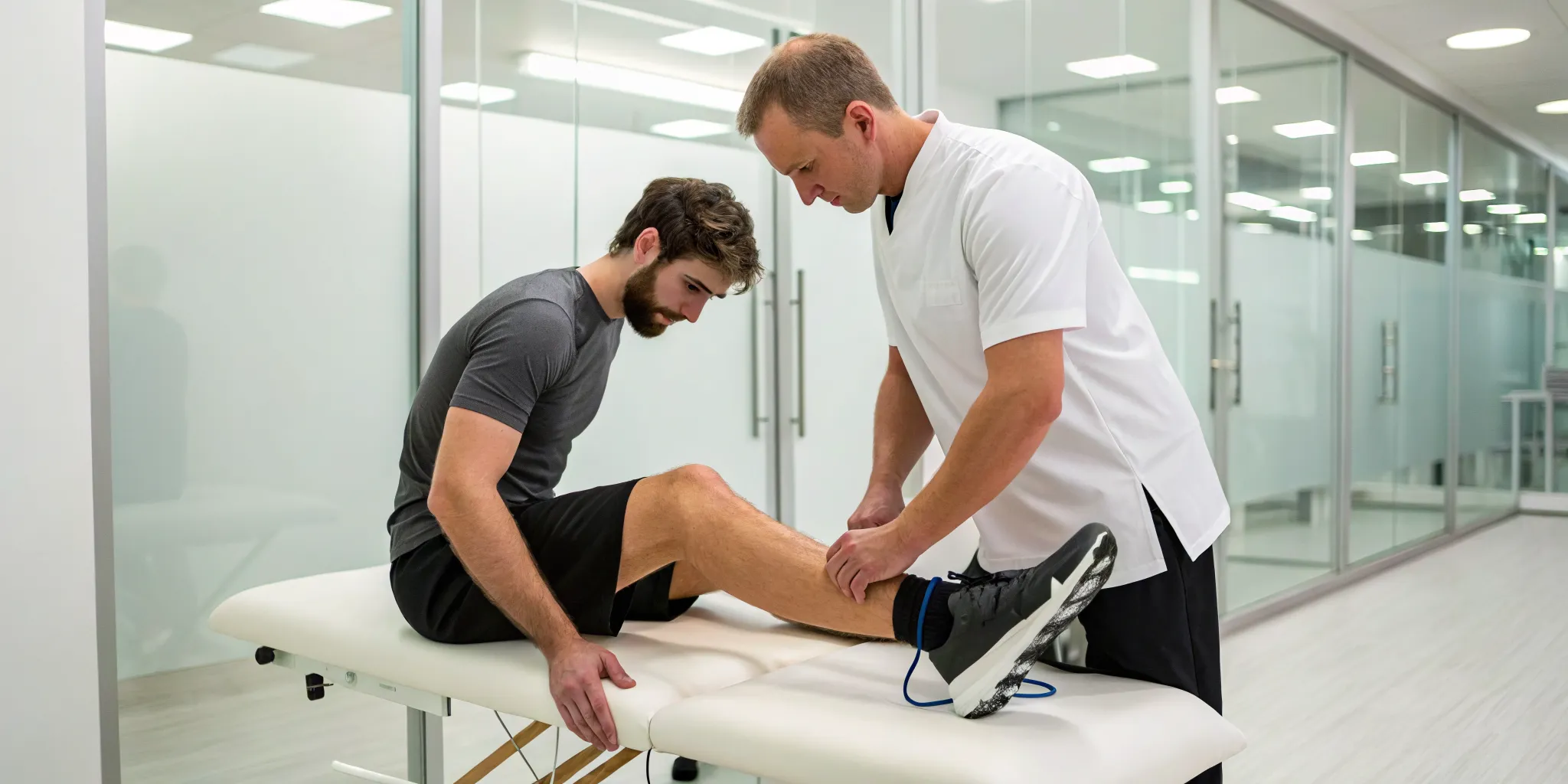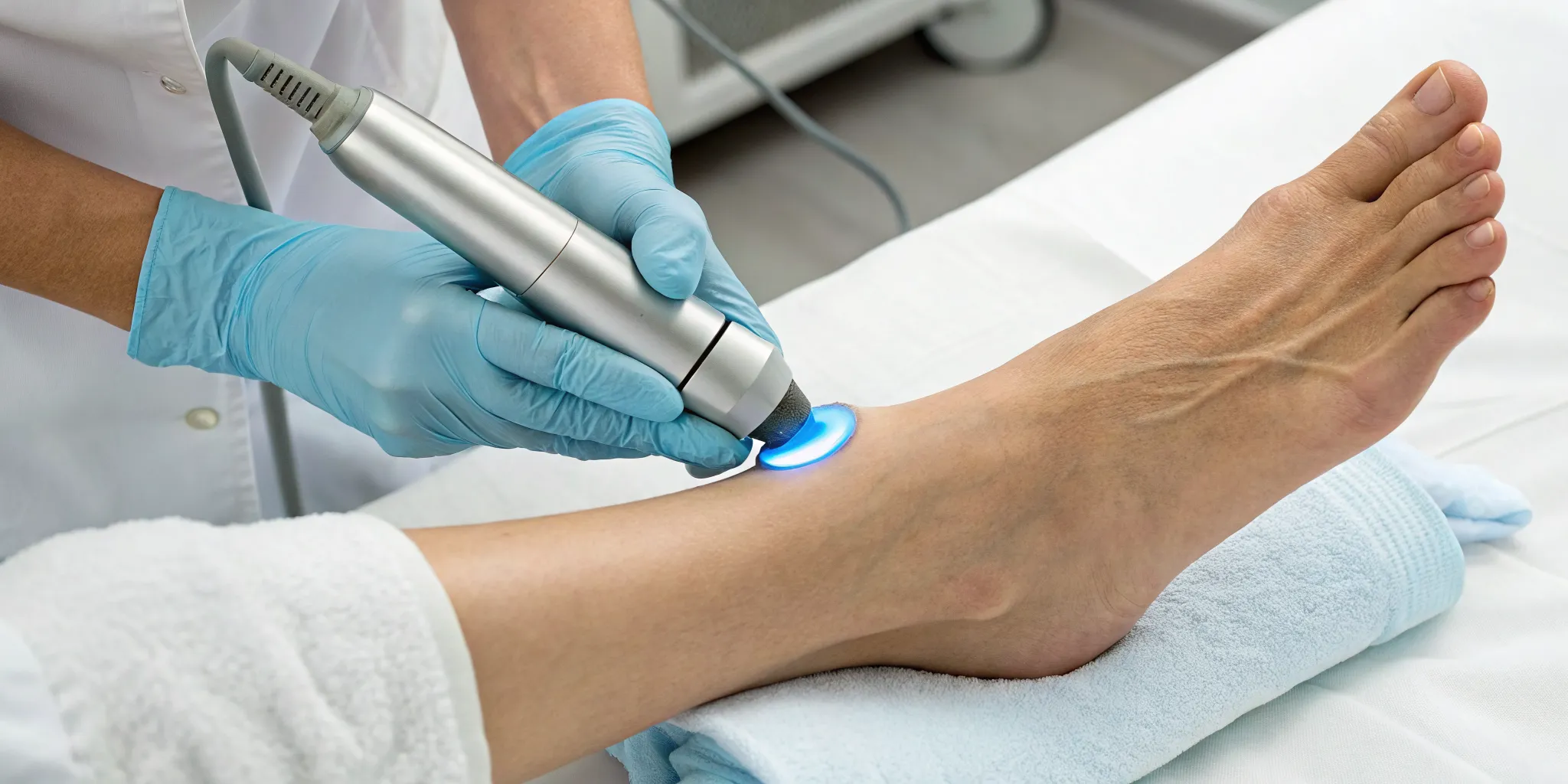
Let's be honest: living with chronic pain is exhausting. Whether it’s a constant ache in your lower back from sitting at a desk or stiffness from an old injury, it can impact every part of your life. You might have tried stretching or surface-level massages without finding lasting relief. That’s where deep tissue massage comes in. It’s a specific, corrective therapy that targets the underlying adhesions in your muscles and fascia. It’s not just about feeling good for an hour; it’s about creating real, structural change. If you’re asking, are deep tissue massages good for you, you’re asking if there’s a better way to manage your pain. We’ll explore how this technique can help.
Key Takeaways
- It’s a therapeutic tool for specific issues: Unlike a relaxing Swedish massage, deep tissue uses firm, slow pressure to target the root causes of chronic pain, stubborn knots, and limited mobility by reaching deeper muscle layers.
- Your ideal schedule depends on your goals: For managing chronic pain, you might start with weekly sessions and taper off, while monthly appointments are great for general maintenance and preventing stress-related tension.
- Preparation and aftercare maximize results: To ensure a safe and effective session, communicate openly with your therapist about pressure, drink plenty of water to reduce soreness, and always consult a doctor first if you have underlying health conditions.
What Is Deep Tissue Massage?
If you’ve ever dealt with a stubborn knot in your shoulder or a deep, persistent ache in your lower back, you’ve probably heard people recommend a deep tissue massage. So, what is it exactly? It’s a specialized massage therapy that focuses on reaching the deeper layers of your muscles and connective tissues. Think of it less like a gentle, relaxing spa day and more like a focused treatment session for your body. Unlike a classic Swedish massage, which uses lighter pressure for overall relaxation, deep tissue massage involves firm pressure and slow, deliberate strokes to target chronic pain and tension.
This therapeutic approach is a key part of our physical medicine services because it gets right to the source of discomfort. It’s designed to address the underlying structural issues that cause pain, not just provide a temporary fix. By releasing long-held tension and helping restore your natural range of motion, it becomes a powerful tool for anyone seeking lasting relief from muscle-related problems and injuries. It’s about helping your body heal and function the way it was meant to.
How It Works
During a deep tissue massage, your therapist applies sustained pressure using slow, deep strokes to target the inner layers of your muscles and fascia, which is the connective tissue that surrounds them. The main goal is to break up scar tissue and physically break down muscle "knots" or adhesions. These are the rigid bands of painful tissue that can disrupt circulation, cause pain, and limit your movement. By applying this focused pressure, the therapist helps release these chronic knots, which in turn allows for better blood flow and oxygen to the affected area. This process helps reduce inflammation and gives your muscles the resources they need to heal properly.
Key Techniques Explained
A great deep tissue massage isn’t just about applying heavy pressure everywhere; it’s about using specific, targeted methods to achieve results. Your therapist will likely use a combination of techniques tailored to your body’s needs. One common method involves applying strong, gliding pressure along the length of your muscle fibers, often using their forearms, elbows, or knuckles to reach those deeper tissues. Another key technique is cross-fiber friction, where the therapist applies pressure across the grain of a muscle. This is particularly effective for breaking down adhesions and helping realign tissue fibers, which can restore mobility and provide relief from many of the chronic conditions we address, from tension headaches to sciatica.
The Proven Benefits of Deep Tissue Massage
Deep tissue massage is more than just a way to relax; it’s a powerful therapeutic tool that offers a wide range of physical and mental benefits. By targeting the deeper layers of muscle and connective tissue, this technique can provide lasting relief and support your body’s natural healing processes. Let's look at some of the proven ways it can improve your health.
Relieve Pain and Speed Up Recovery
If you're dealing with persistent muscle pain or recovering from an injury, deep tissue massage can be a game-changer. This technique is specifically designed to address musculoskeletal issues like strains and sports injuries. By applying firm pressure, your therapist can break down scar tissue and release chronic muscle tension that causes stiffness and pain. This process not only alleviates discomfort but also helps reduce inflammation and promotes faster healing. It’s a go-to therapy for athletes looking to improve muscle recovery and for anyone struggling with chronic pain conditions that affect their daily life.
Reduce Stress and Support Mental Health
The connection between our bodies and minds is incredibly strong, and deep tissue massage is a perfect example of how physical care can support mental well-being. While the pressure is firm, the effects are deeply relaxing. Studies show that this type of massage can lower levels of stress hormones and slow your heart rate. At the same time, it encourages the release of mood-improving chemicals like oxytocin and serotonin. This powerful combination can leave you feeling calmer, more centered, and less anxious. Regular sessions can even contribute to better sleep patterns and provide a healthy outlet for managing daily stress.
Improve Circulation and Flexibility
Feeling tight and restricted in your movements? Deep tissue massage can help restore your flexibility and improve overall circulation. The targeted pressure helps to stimulate blood flow, which is essential for delivering oxygen and vital nutrients to your muscles and tissues. This enhanced circulation also helps your body flush out metabolic waste products, like lactic acid, that can build up and cause soreness. By releasing knots and adhesions in hard-to-reach muscle groups, this massage can relieve long-lasting stiffness, especially in common trouble spots like the neck, upper back, and lower back. The result is greater mobility and a feeling of openness in your body.
Are There Any Risks or Side Effects?
Like any effective therapy, deep tissue massage comes with a few things you should be aware of. Understanding the potential side effects helps you prepare for your session and get the most out of it. For most people, the effects are minor and a sign that the massage is working to release deep-seated tension. However, it’s not the right fit for everyone. Knowing the difference is key to making sure your experience is both safe and beneficial.
Our goal is always to support your body’s healing process, and that starts with being fully informed. Let’s walk through what you can typically expect after a session and who should talk with a doctor before booking an appointment.
Common Side Effects to Expect
It’s completely normal to feel some soreness for a day or two after a deep tissue massage. Think of it like the feeling you get after a good workout. Your therapist is working to break down muscle knots and adhesions, which can create some temporary inflammation as your body begins to heal. This is often called delayed onset muscle soreness, or DOMS. You might also notice some slight stiffness.
To help with any discomfort, you can use a heating pad or a cold pack on the tender areas. These feelings are temporary and a sign that your muscles are responding to the therapy. Our approach to physical medicine focuses on comprehensive recovery, and managing these minor side effects is part of that process.
Who Should Avoid Deep Tissue Massage
While deep tissue massage is beneficial for many, it’s not suitable for everyone. If you have a history of blood clots or a bleeding disorder, or if you are currently taking blood thinners, it’s best to avoid this type of intense massage. The deep pressure could pose a risk. You should also hold off if you have osteoporosis, as the pressure could lead to a fracture.
Additionally, people undergoing cancer treatments like chemotherapy or radiation should consult their doctor first. The same goes for anyone with a recent surgery, open wound, or skin infection. If you have any of these conditions or are pregnant, it’s important to discuss your health history with your therapist and doctor to find a safe alternative. We encourage you to contact us if you have questions about your specific situation.
Who Can Benefit from Deep Tissue Massage?
Deep tissue massage isn't just a luxury; it's a powerful tool for a wide range of people dealing with physical discomfort and stress. Whether you're an athlete pushing your limits, someone living with chronic pain, or a professional spending hours at a desk, this therapeutic approach can offer significant relief. It targets the deeper layers of muscle and connective tissue to address specific issues at their source. Let's look at who stands to gain the most from this treatment.
Athletes and Active People
If you lead an active lifestyle, deep tissue massage can be a game-changer for your performance and recovery. It works by targeting the deep muscle layers and connective tissues that take a beating during exercise. This focused pressure helps reduce muscle stiffness and soreness, allowing you to bounce back faster after a tough workout. Studies show that regular sessions can also improve flexibility and overall muscle recovery, helping you stay on top of your game. Think of it as essential maintenance for your body, keeping your muscles healthy and ready for your next challenge.
Individuals with Chronic Pain
Living with chronic pain can be exhausting, but deep tissue massage offers a non-invasive way to find relief. It’s particularly effective for conditions like fibromyalgia, sciatica, and persistent lower back pain. The technique focuses on breaking up scar tissue and releasing the stubborn knots that cause long-term tightness. By increasing blood flow and reducing inflammation in the affected areas, this massage can significantly ease muscle problems and discomfort. It’s a targeted approach that gets to the root of the pain, rather than just temporarily masking the symptoms.
Desk Workers and Professionals Under Stress
Hours spent hunched over a computer can lead to serious tension in your neck, shoulders, and back. Deep tissue massage directly addresses this by releasing the tight muscles that contribute to poor posture and pain. But the benefits aren't just physical. This type of massage can also lower your heart rate and levels of stress hormones. It encourages your body to release mood-improving chemicals like serotonin and oxytocin, which promote relaxation and a sense of well-being. Regular massage can be a fantastic way to manage stress and improve your mental clarity.
How Often Should You Get a Deep Tissue Massage?
This is one of the most common questions I hear, and the honest answer is: it depends. There isn’t a magic number that works for everyone. The right frequency for you hinges on your personal goals, your lifestyle, and what your body is telling you. Are you trying to work through a long-standing injury, or are you looking for a way to manage daily stress and maintain your physical health? Your answer will guide your ideal schedule. Think of it less like a rigid prescription and more like a flexible plan that you can adjust over time. Working with a skilled therapist can help you find the perfect rhythm for your body’s needs, ensuring you get the most out of every session.
For Managing Chronic Pain
If you're dealing with chronic pain from conditions like sciatica, fibromyalgia, or persistent back and neck tension, you’ll likely benefit from more frequent sessions, especially at the beginning. Starting with a deep tissue massage once a week or every other week can help break the cycle of pain and inflammation. This consistency allows your therapist to make progress on tight muscle adhesions and begin retraining your body’s movement patterns. As you start to feel relief and your symptoms improve, you can work with your therapist to gradually space out your appointments. The goal is to move from intensive treatment to a more sustainable maintenance plan.
For General Wellness and Maintenance
For those who want to use deep tissue massage as a proactive tool for health and wellness, a monthly session is a great starting point. Think of it as a regular tune-up for your body. A massage every three to four weeks can help release the cumulative tension from workouts, long hours at a desk, and everyday stress before it turns into a bigger problem. This routine maintenance helps keep your muscles pliable, supports healthy circulation, and gives you a dedicated time to relax and reset. It’s an effective way to invest in your long-term physical well-being and prevent minor aches from becoming chronic issues.
Factors That Influence Your Schedule
Your personal lifestyle plays a huge role in determining your ideal massage frequency. Your activity level, stress levels, and specific health goals are all important factors. For example, an athlete in the middle of a training season may need weekly sessions to aid recovery and prevent injury, while someone with a less physically demanding job might find a monthly massage is plenty. As research suggests, your schedule should be tailored to your unique needs. It’s also important to listen to your body. If you feel tension building up sooner than expected, it might be time to book your next appointment. Ultimately, the best schedule is one that feels supportive and sustainable for you.
What to Expect During Your First Session
Walking into your first deep tissue massage appointment can feel a little intimidating if you don't know what's coming. But knowing the ropes can help you relax and get the most out of your session. From what to do beforehand to how you'll feel afterward, here’s a simple guide to your first experience. We believe that preparation is key to a successful treatment, and our goal is to make you feel comfortable and informed every step of the way. Think of this as your roadmap to a great massage, ensuring you feel confident and ready to address your muscle tension and pain.
Preparing for Your Appointment
Before you even get on the table, a little prep work goes a long way. First, it’s always a good idea to check with your doctor before getting a deep tissue massage, especially if you have any underlying health concerns. At Ascend, we tailor our treatments to the specific conditions we treat, so being open about your health history is crucial. Make sure you’re well-hydrated in the 24 hours leading up to your appointment, as this helps your muscles stay pliable. Try to avoid eating a heavy meal right before your session. Your main job is to arrive ready to communicate your needs and goals to your therapist.
During the Massage: Process and Sensation
Once your session begins, your therapist will ask about your problem areas to customize the treatment. You’ll undress to your comfort level and lie under a sheet for privacy. The therapist will only uncover the specific area they are working on. The massage will start with lighter pressure to warm up your muscles before they begin targeting the deeper layers of tissue. When they work on knots or tight spots, you might feel some discomfort or intense pressure. It’s important to breathe through it and communicate with your therapist if the pain is too much. Our approach to physical medicine is a partnership, and your feedback helps guide the session.
After the Massage: Recovery and Self-Care
Don't be surprised if you feel a bit sore for a day or two after your massage, similar to how you might feel after a good workout. This is completely normal. To ease any discomfort, you can apply a heating pad or a cold pack to the tender areas. The most important thing you can do is drink plenty of water. Hydrating helps flush out the metabolic waste that was released from your muscles during the session, which can significantly reduce soreness. Taking it easy for the rest of the day is also a great idea. Allow your body time to rest and integrate the work that was done.
Deep Tissue vs. Other Massage Types
The world of massage therapy is vast, and with so many options, it can be tough to know which one is right for you. Choosing the right technique often comes down to your personal goals. Are you looking for a way to unwind after a stressful week, or do you need targeted relief for a nagging injury? Understanding the key differences between deep tissue and other popular styles will help you make the best choice for your body. Let's break down how deep tissue compares to a couple of common alternatives.
Deep Tissue vs. Swedish Massage
Think of Swedish massage as the go-to for relaxation. It’s known for its long, gliding strokes, gentle kneading, and rhythmic tapping designed to ease surface-level tension and promote an overall sense of calm. It’s a wonderful choice if your main goal is stress relief. Deep tissue massage, however, is much more focused. It uses slow, deliberate strokes and firm pressure to reach the deeper layers of your muscles and connective tissues. The primary goal is fixing specific problems like chronic pain, muscle adhesions (knots), or limited mobility. While you might feel relaxed after, the main purpose is therapeutic and corrective.
Deep Tissue vs. Sports Massage
At first glance, deep tissue and sports massage can seem very similar, since both are popular with active people. The main difference lies in their application. Sports massage is specifically tailored to an athlete's body and training schedule. It often focuses on the muscle groups most used in a particular sport and can be performed before an event to warm up the muscles or afterward to aid recovery. Deep tissue massage is less about preparing for an event and more about addressing chronic muscle issues that can affect anyone. Research on athletes shows that deep tissue techniques are incredibly effective for reducing pain and stiffness. While a sports massage might incorporate some deep tissue methods, its overall goal is directly tied to enhancing athletic performance.
How to Choose the Right Massage Therapist
Finding the right massage therapist is just as important as choosing the right type of massage. The connection you have with your therapist and their specific skill set can completely change your experience, turning a decent massage into a truly transformative one. A great therapist listens to your body and your feedback, adjusting their technique to meet your needs. At Ascend, we believe in a personalized approach to all our physical medicine therapies, and finding a practitioner who aligns with your health goals is the first step toward effective, lasting relief. Think of it as building your personal wellness team; you want to choose your players wisely.
Credentials and Training to Look For
First things first, let's talk qualifications. You want to make sure your therapist is a licensed professional. This is non-negotiable, as it ensures they’ve met specific educational and training standards. Beyond basic licensing, look for someone with specialized training or certification in deep tissue massage. Don't be shy about asking about their experience. You can ask what conditions they typically treat with deep tissue techniques and how they approach issues like chronic back pain or tight shoulders. A confident and experienced therapist will be happy to share their expertise and help you feel comfortable before you even get on the table.
Questions to Ask Before You Book
Once you've confirmed their credentials, it's time for a conversation. A pre-booking chat can tell you a lot about whether a therapist is the right fit. Explain your goals for the session and any specific areas of concern. Ask them about their communication style during the massage. Will they check in on pressure? A good therapist will encourage you to speak up if anything feels uncomfortable. It's also a great idea to discuss any health conditions you have. In fact, you should always check with your doctor before getting a deep tissue massage if you have underlying health issues. Open communication ensures your session is safe, effective, and tailored just for you. If you're unsure, our team can help you determine which treatments are right for your body.
How to Get the Most from Your Massage
A great massage can feel like hitting the reset button on your body. But the benefits don't have to end when you walk out the door. What you do before and after your appointment plays a huge role in how long that relief lasts. With a few simple steps, you can extend the positive effects of your massage and help your body integrate the work that was done. Think of it as a team effort between you and your therapist to achieve lasting wellness.
Before and After Care Tips
To prepare for your massage, make sure you’re well-hydrated. Drinking water throughout the day helps your muscle tissue become more pliable and easier for your therapist to work on. During your session, always communicate about the pressure. It’s a myth that deep tissue massage has to be painful to be effective.
After your appointment, keep that water bottle handy. Hydration helps your system flush out metabolic waste that was released from your muscles. It’s also completely normal to feel some soreness or stiffness for a day or two, similar to how you might feel after a good workout. This is just a sign that your muscles are adapting. A warm Epsom salt bath can be a wonderful way to soothe any tenderness and relax even further.
Lifestyle Habits That Extend the Benefits
To make the effects of your massage stick around, it helps to look at your daily habits. Gentle, regular movement like walking or stretching can keep your muscles flexible and prevent the same old knots from coming back. If you spend a lot of time at a desk, pay attention to your posture. Small adjustments to your chair or monitor height can prevent the neck and shoulder tension that brought you to the massage table in the first place.
Integrating stress-management practices can also be a game-changer. Since massage helps lower stress hormones, you can support that effect with activities like deep breathing or mindfulness. These habits work together with regular bodywork as part of a holistic approach to your health, helping you maintain a state of balance and well-being. Our physical medicine services are designed to support exactly this kind of integrated care.
Is Deep Tissue Massage Right for You?
Deciding on the right type of massage can feel overwhelming, but understanding your body’s needs is the first step. Deep tissue massage is a specific, targeted therapy, and knowing whether it aligns with your health goals is key to a great experience.
How to Decide if It's a Good Fit
Deep tissue massage is best for targeting specific problems. It uses strong, slow strokes to reach the deeper layers of your muscles and connective tissues, making it ideal for treating chronic muscle pain, strains, and injuries. If you’re an athlete, a runner, or someone who struggles with persistent aches and stiffness, this massage style could be a game-changer for you. The most important part of the session is open communication with your therapist. If the pressure ever feels like too much, speak up. Your comfort is the priority. Focusing on deep, steady breathing will also help your muscles relax and respond to the treatment.
When to Consult a Healthcare Professional
While deep tissue massage offers many benefits, it’s not the right choice for everyone. It’s crucial to consult your doctor before booking an appointment if you have a history of blood clots, are taking blood thinners, or are undergoing cancer treatment. This type of massage should also be avoided if you are pregnant, have osteoporosis, or have any open wounds or skin infections. It's normal to feel some soreness for a day or two after your session, which you can soothe with a heating pad or cold pack. If you're unsure whether deep tissue massage is safe for you, please reach out to a healthcare professional to discuss your specific situation.
Related Articles
- Graston Technique Side Effects: What's Normal?
- Massage Therapy | Alessi Functional Health
- Spinal Decompression Hurts Lower Back: Normal or Not?
Frequently Asked Questions
Does a deep tissue massage have to hurt to be effective? Not at all. While you can expect to feel firm, intense pressure, especially on tight spots, it shouldn't be truly painful. Think of it as a "good" kind of discomfort, where you can feel the tension being worked out. The key is to communicate with your therapist. If the pressure ever feels sharp or unbearable, you should speak up immediately so they can adjust. A great session is a partnership, and your feedback ensures the treatment is both effective and comfortable for you.
How is this different from a regular Swedish massage? The main difference comes down to the goal of the session. A Swedish massage is primarily for relaxation and uses long, flowing strokes to ease surface-level muscle tension. It’s a fantastic choice for general stress relief. A deep tissue massage, on the other hand, is a more targeted treatment. It uses slow, deliberate pressure to address chronic pain, knots, and adhesions in the deeper layers of your muscles and connective tissues. It’s less about overall relaxation and more about resolving specific physical issues.
What should I expect to feel the day after my massage? It’s very common to feel some soreness for a day or two after a deep tissue massage, much like you would after a challenging workout. This is a normal response from your body as it begins to heal and adjust after having deep knots and tension released. To help with any tenderness, be sure to drink plenty of water to help flush out any metabolic waste, and consider a warm Epsom salt bath to soothe your muscles.
How do I know if deep tissue massage is the right choice for my specific issue? Deep tissue massage is an excellent option if you're dealing with specific, persistent problems like chronic lower back pain, stubborn shoulder knots from sitting at a desk, or muscle tightness from athletic activities. If you have a particular area that constantly feels tight, stiff, or painful, this targeted approach can provide significant relief. If your main goal is simply to unwind and de-stress, a more gentle style like a Swedish massage might be a better fit.
Is one session enough to fix my muscle pain? While a single deep tissue massage can provide noticeable relief, chronic issues often develop over a long period and may require more than one session to fully address. For long-standing pain or tension, a series of appointments can help break the cycle of tightness and retrain your muscles. Your therapist can work with you to create a plan that moves from initial treatment to long-term maintenance, helping you achieve lasting results.