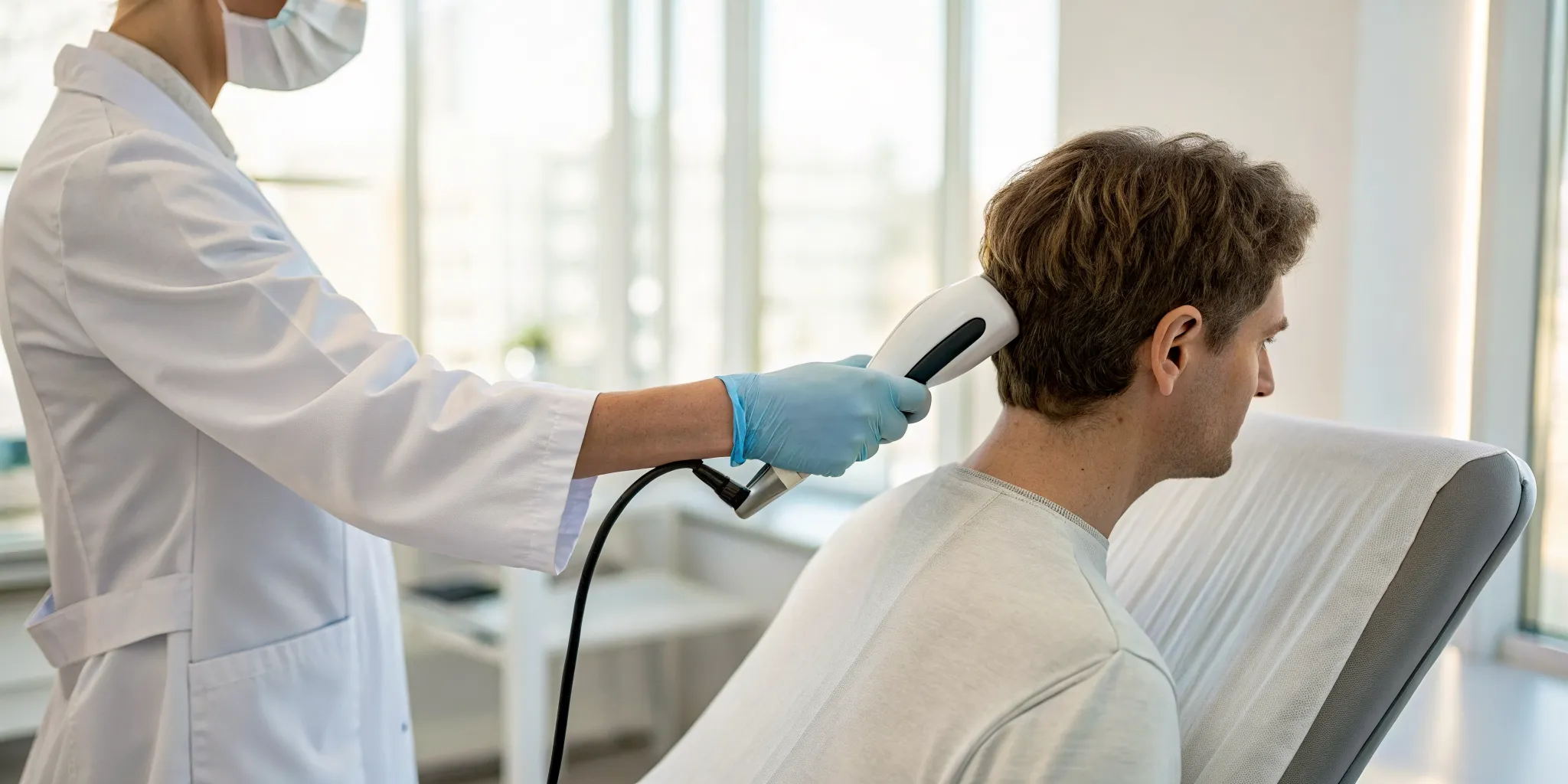
That shooting pain down your leg is a clear signal from your body that something is wrong. But the pain itself isn't the real problem; it's a symptom of an underlying issue putting pressure on your sciatic nerve. Simply masking the pain without understanding its source is a recipe for a frustrating cycle of flare-ups. To find real, lasting relief, you have to ask "why." Why is the nerve irritated? Is it a misaligned vertebra? A bulging disc? Or inflammation from another source? Answering this question is the first and most critical step toward finding the 'best non-surgical treatment for sciatica', because the right solution must match the specific problem.
Key Takeaways
- Identify the real source of your pain: Sciatica is different from a typical backache because it involves pain, tingling, or numbness that travels from your lower back down your leg. Recognizing this distinct path is the first step to getting the right kind of help.
- Prioritize non-surgical solutions: Lasting relief often comes from addressing the root cause of nerve pressure through methods like chiropractic care, spinal decompression, and targeted physical therapy, making surgery a last resort, not a first step.
- Recognize when to see a specialist: If your pain is severe, lasts more than a month, or includes serious symptoms like significant leg weakness, it's time to consult a professional for a targeted diagnosis and treatment plan.
What Is Sciatica? (And How to Know If You Have It)
If you’ve ever felt a sharp, shooting pain that starts in your lower back and travels down your leg, you might have chalked it up to a pulled muscle. But if that pain is a recurring guest, you could be dealing with sciatica. It’s a common issue, but it’s also widely misunderstood. Understanding what sciatica is, what causes it, and how it feels is the first step toward finding effective relief. Unlike general backaches, sciatica has a very specific source and a distinct set of symptoms that set it apart. Let's get clear on what’s really going on when that tell-tale pain strikes.
First, What Is the Sciatic Nerve?
Before we can talk about sciatica, we need to introduce the main character: the sciatic nerve. It’s the longest and widest nerve in your entire body, starting in your lower back. From there, it runs through your hips and buttocks and then branches down each leg, all the way to your feet. Think of it as a major electrical cable connecting your spinal cord to the muscles in your legs. Its job is to control muscles in your lower leg and provide sensation to your thighs, legs, and feet. Because it covers so much territory, it’s vulnerable to being pinched or irritated, which is where the trouble begins.
What Does Sciatica Actually Feel Like?
Sciatica isn't just any back pain. It’s a very specific type of nerve pain that follows the path of the sciatic nerve. The most common sign is pain that radiates from your lower back, through your buttock, and down the back of one leg. It rarely affects both sides at once. This pain can feel different for everyone. For some, it’s a dull, constant ache. For others, it’s a sharp, burning sensation or an electric jolt that makes it hard to sit or stand. You might also experience numbness, tingling, or muscle weakness in the affected leg or foot. The intensity can range from a mild annoyance to severe pain that interferes with daily life.
The Real Causes of Sciatica Pain
Sciatica itself isn't a diagnosis but a symptom of an underlying problem that’s putting pressure on the sciatic nerve. The most frequent culprit is a herniated disc, where one of the soft cushions between your vertebrae bulges out and presses on the nerve root. Another common cause is spinal stenosis, which is a narrowing of the spinal canal that leaves less space for the nerve. Bone spurs (overgrowths of bone) or, less commonly, conditions like piriformis syndrome (where a muscle in your glutes spasms and irritates the nerve) can also be to blame. Identifying the true root cause is key to creating a treatment plan that provides lasting relief.
Is It Sciatica or General Back Pain?
It’s easy to confuse sciatica with general back pain, but there’s one key difference: radiating pain. Most back pain stays in the back. It might feel like a dull ache or muscle soreness localized in your lumbar area. Sciatica, on the other hand, almost always involves pain that travels. That shooting, tingling, or numb sensation that extends from your lower back down your leg is the classic sign. If the pain goes past your knee, it’s very likely nerve-related. While a sore back can be frustrating, the distinct leg symptoms are what signal that the sciatic nerve is involved and that you might need a more targeted approach to physical medicine.
Finding Relief Without Surgery
When you’re dealing with the sharp, radiating pain of sciatica, the thought of surgery can feel overwhelming. The good news is that surgery is rarely the first or only answer. There are many effective, non-invasive treatments that can provide significant relief by addressing the underlying cause of the pressure on your sciatic nerve. The goal is to calm the inflammation, restore proper movement, and strengthen your body to prevent future flare-ups.
Our approach at Ascend Functional Health centers on understanding your body’s unique needs and creating a personalized plan to support its natural healing process. By focusing on the root cause of your sciatica, whether it’s a herniated disc, spinal stenosis, or muscle imbalance, we can use a combination of therapies to get you moving comfortably again. Let’s explore some of the best non-surgical options available for finding lasting relief.
Chiropractic Care and Spinal Adjustments
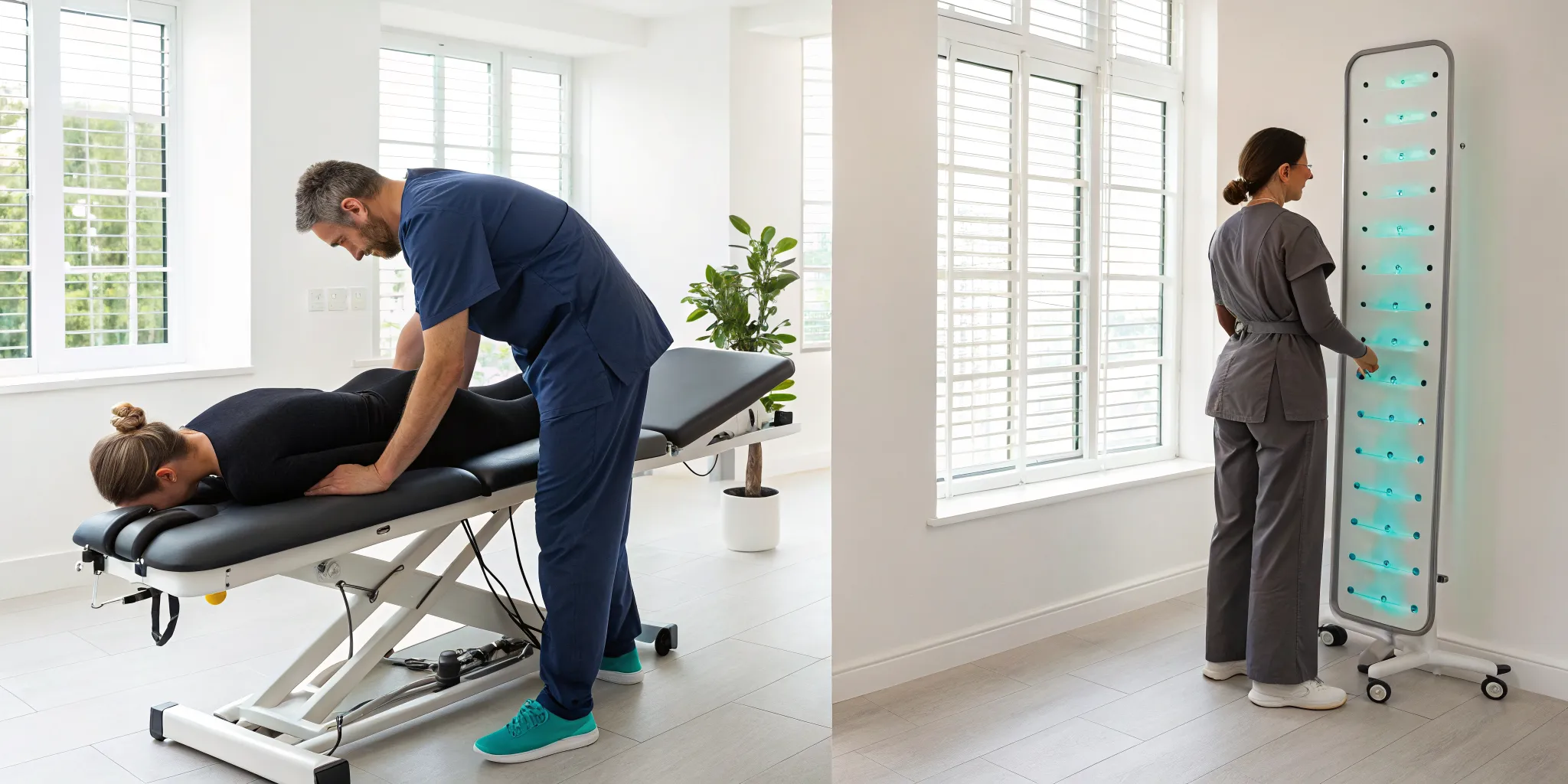
One of the most effective ways to address sciatica is through chiropractic care. When your spine is misaligned, it can put direct pressure on the sciatic nerve root, causing that familiar pain down your leg. A chiropractor uses precise, gentle spinal adjustments to restore proper motion to the spinal joints. This isn't about "cracking" your back; it's about improving your spine's mechanics to reduce nerve irritation and pain. By correcting the structural issues that contribute to your sciatica, chiropractic adjustments can help decrease inflammation, improve your range of motion, and provide lasting relief without invasive procedures.
Spinal Decompression Therapy
Imagine gently stretching your spine to create more space for your nerves and discs. That’s the basic idea behind non-surgical spinal decompression. This therapy uses a specialized table to carefully elongate the spine, creating negative pressure within the discs. This vacuum effect can help retract a bulging or herniated disc, taking pressure off the sciatic nerve. It’s a comfortable and highly effective treatment for many people suffering from sciatica. Spinal decompression therapy is a cornerstone of our physical medicine approach because it directly addresses one of the most common root causes of sciatic pain in a gentle, non-invasive way.
Targeted Stretches and Exercises
While it might feel counterintuitive to move when you’re in pain, the right kind of movement is crucial for healing sciatica. Generic stretches or intense workouts can sometimes make the problem worse. Instead, a targeted program of stretches and exercises can make a world of difference. The goal is to strengthen the muscles in your core and lower back, which act as a natural support system for your spine. Stronger muscles take the load off your spinal column and sciatic nerve. Gentle stretches can also help release tight muscles, like the piriformis, that may be compressing the nerve. A professional can guide you through the specific exercises that are safe and effective for your condition.
Acupuncture for Pain Relief
Acupuncture is an ancient practice that has gained modern recognition for its ability to relieve pain. It involves placing very thin needles at specific points on the body to stimulate nerves, muscles, and connective tissue. For sciatica, this stimulation can help calm the affected nerve and surrounding muscles, reducing pain signals sent to the brain. Some studies suggest that acupuncture helps the body release its own natural pain-relieving chemicals. As part of a holistic treatment plan, many people find that acupuncture provides significant relief from the sharp, shooting pain of sciatica and helps restore balance to the nervous system.
Using Heat and Cold Therapy
Alternating between heat and cold packs is a simple yet effective strategy for managing sciatica symptoms at home. Cold therapy is your best friend during the first few days of a flare-up. Applying a cold pack to the painful area can help reduce inflammation and swelling, which are often major contributors to nerve compression. After the initial inflammation has subsided, switching to heat can be beneficial. A heating pad or warm bath helps relax tight muscles that may be spasming and contributing to your pain. This simple heat and cold therapy can provide comfort and support your body’s healing process between professional treatments.
When to Consider Epidural Steroid Injections
For severe sciatica pain that doesn’t respond to other conservative treatments, an epidural steroid injection may be an option to consider. This procedure involves injecting a corticosteroid medication directly into the space around the affected nerve root in your spine. The goal is to deliver a strong anti-inflammatory directly to the source of the problem. These injections can provide powerful, short-term relief from pain and swelling, often lasting for several weeks or months. This window of relief can make it possible to engage more effectively in physical therapy and other corrective exercises that address the root cause of the problem.
How Physical Therapy Helps Sciatica
When you’re dealing with the shooting pain of sciatica, the idea of moving more might seem counterintuitive, even a little scary. But targeted physical therapy is one of the most effective ways to find lasting relief. It’s not about pushing through the pain; it’s about working with a professional to create a strategic plan that addresses the root cause of your discomfort. Think of it as a guided roadmap to get your body back in balance, teaching you how to move safely and confidently again.
A comprehensive physical medicine program for sciatica does more than just treat the symptoms. It helps you retrain your body, strengthen supporting muscles, and correct the underlying issues that led to the nerve irritation in the first place. A therapist acts as your personal guide, assessing your unique situation and creating a plan with specific exercises and stretches designed just for you. This personalized approach ensures you’re doing what’s best for your body, helping to reduce inflammation and take pressure off the sciatic nerve. The goal is to reduce pain for good and give you the tools to prevent future flare-ups, putting you back in control of your health and daily activities.
Strengthen Your Core and Back Muscles
A weak core is often a key contributor to lower back problems, including sciatica. When your abdominal and back muscles aren't strong enough to support your spine, excess pressure can fall on your lumbar region, leading to compression of the sciatic nerve. Physical therapy focuses on building a strong, stable core to act as a natural corset for your spine. A therapist will guide you through specific, controlled exercises that strengthen these deep supporting muscles. This doesn't mean endless crunches; it means functional movements that create a solid foundation for a healthy, resilient back.
Stretch to Relieve Nerve Pressure
That intense, radiating pain you feel is often caused by the sciatic nerve being pinched or irritated. Gentle, targeted stretching can work wonders to create space and relieve that pressure. A physical therapist can show you the exact stretches that will help your specific situation, ensuring you perform them safely and effectively. Unlike generic stretches you might find online, this professional guidance helps you avoid movements that could make the problem worse. Holding these gentle stretches helps lengthen tight muscles, like the hamstrings and piriformis, which can directly contribute to sciatic nerve compression.
Correct Your Posture and Movement
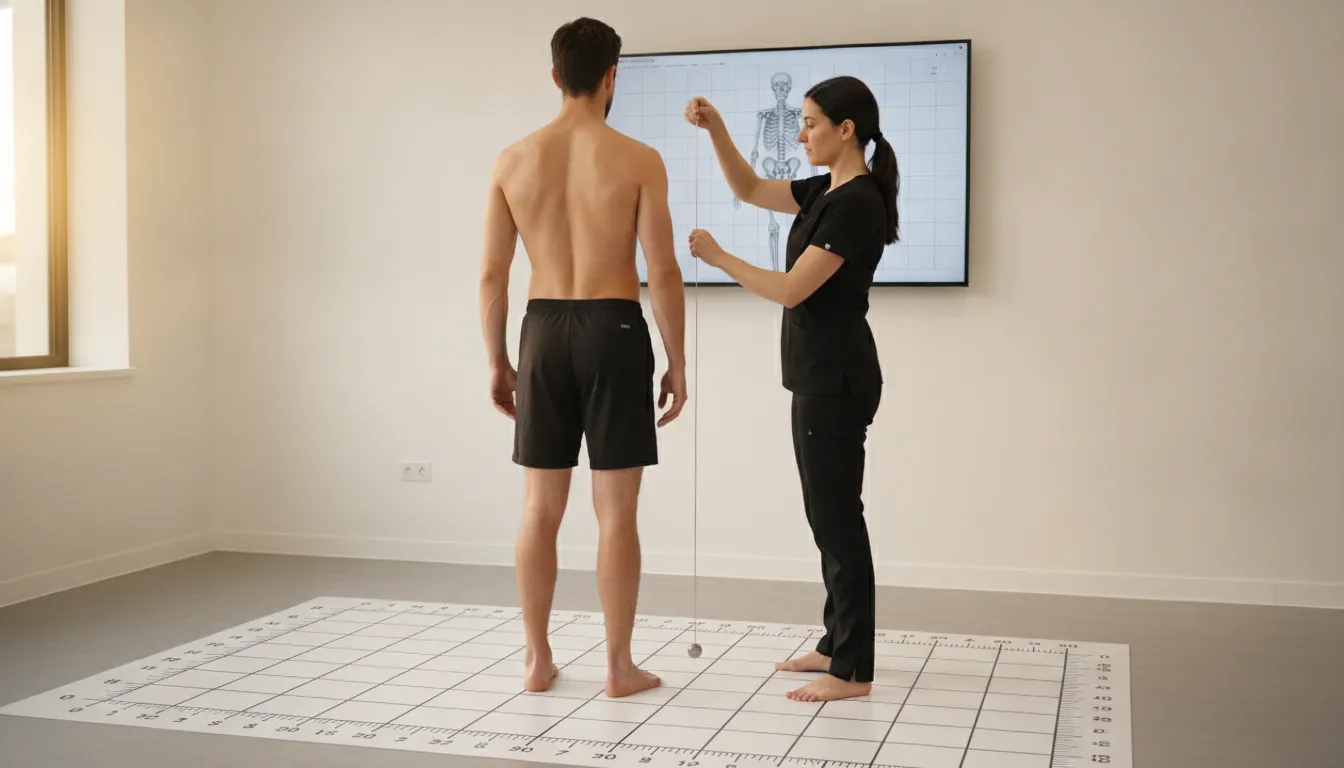
We often don't realize how our daily habits, from sitting at a desk to lifting groceries, contribute to pain. Poor posture and improper movement patterns can put consistent strain on your lower back, aggravating the sciatic nerve. A crucial part of physical therapy is learning to recognize and correct these habits. A therapist will analyze your posture and guide you on how to sit, stand, and move in ways that support your spine. This education is one of the most valuable parts of treating the conditions we treat, as it helps you protect your back not just during your sessions, but in every moment of your day.
Build Habits to Prevent Flare-Ups
The ultimate goal of physical therapy is to get you out of pain and keep you that way. It’s about more than just temporary relief; it’s about building sustainable habits for long-term spinal health. By strengthening your core, improving your flexibility, and correcting your posture, you are actively reducing the risk of future sciatica episodes. Your therapist equips you with a personalized set of exercises and lifestyle adjustments that you can continue on your own. This empowers you to maintain your progress and confidently manage your body, so you can get back to living your life without the fear of recurring pain.
At-Home Care to Ease Sciatica Pain
While professional guidance is key to addressing the root cause of sciatica, there are several effective strategies you can use to manage your discomfort and support your body’s healing process. These simple adjustments to your daily routine can make a significant difference in your pain levels and help prevent flare-ups. Think of these practices as powerful tools in your wellness toolkit, working alongside the targeted care you receive from a specialist. By taking an active role in your recovery, you can find meaningful relief and get back to the activities you love.
How to Stay Active Without Making It Worse
When you’re in pain, your first instinct might be to lie down and wait for it to pass. However, with sciatica, prolonged bed rest can actually make things worse by causing your back muscles to weaken and stiffen. The key is to stay active in a way that doesn’t aggravate the nerve. Gentle movement encourages blood flow to the area, which helps reduce inflammation and speed up healing. Try incorporating short, slow walks into your day. Avoid any high-impact exercises, heavy lifting, or activities that involve twisting your spine. Listen to your body; a little discomfort is normal, but you should stop if you feel any sharp or shooting pain. Our approach to physical medicine often includes personalized movement plans to help you stay active safely and effectively.
Soothe Pain with Heat and Cold Therapy
Using temperature therapy is a simple yet effective way to get some relief. For the first couple of days after a flare-up, applying a cold pack can be incredibly helpful. The cold constricts blood vessels, which helps reduce inflammation and numb the sharp pain. Wrap an ice pack in a thin towel and apply it to the painful area for about 15 to 20 minutes at a time. After the first 48 hours, you can switch to heat. A heating pad or a warm bath can help relax tight muscles that may be compressing the sciatic nerve. The warmth increases blood flow, bringing more oxygen and nutrients to the area to promote healing. Alternating between heat and cold can also be beneficial for some people.
Simple Ergonomic and Sleep Adjustments
How you sit, stand, and sleep can have a huge impact on your spine and sciatic nerve. Making small ergonomic adjustments can provide significant relief. When sitting, try to keep your feet flat on the floor and your back straight. Placing a small pillow or rolled-up towel behind your lower back can help maintain its natural curve. Also, be sure to get up and walk around every 30 minutes to avoid putting prolonged pressure on your lower back. Your sleeping position matters, too. If you’re a back sleeper, place a pillow under your knees to reduce stress on your spine. If you prefer sleeping on your side, put a pillow between your knees to keep your hips, pelvis, and spine in alignment. These small changes help support your body’s structure, which is a core part of our holistic philosophy.
Eat to Reduce Inflammation
Inflammation is a major contributor to sciatica pain, and what you eat can either fuel it or fight it. An anti-inflammatory diet can be a powerful tool for managing your symptoms from the inside out. Focus on incorporating whole foods rich in antioxidants and healthy fats, such as leafy greens like spinach and kale, colorful berries, salmon, and walnuts. Spices like turmeric and ginger are also well-known for their anti-inflammatory properties. At the same time, try to limit foods that can increase inflammation, including processed snacks, sugary drinks, and refined carbohydrates like white bread. Addressing diet is a cornerstone of functional medicine because it helps us get to the underlying factors contributing to your health concerns, including chronic pain.
Do You Really Need Surgery for Sciatica?
When you’re dealing with the intense, radiating pain of sciatica, it’s easy to wonder if surgery is the only way to find lasting relief. The thought can be overwhelming, but I want to offer some reassurance: for most people, surgery is not the first or only answer. In fact, it’s often considered a last resort after more conservative, non-invasive options have been explored. Many common beliefs about sciatica treatment are outdated, and understanding the facts can empower you to take control of your healing journey.
The key isn't to jump to the most aggressive solution but to find the right one for your body. Let's clear up some of the biggest myths surrounding sciatica and surgery. By separating fact from fiction, you can see how a targeted, non-surgical approach can effectively address the source of your pain and help you get back to living your life. The focus should always be on understanding why you have sciatica in the first place, because that’s where true healing begins.
Myth: You Need Complete Bed Rest
One of the most persistent myths about back pain is that you need to lie perfectly still until it goes away. While a short period of rest might feel necessary during an acute flare-up, prolonged bed rest can actually do more harm than good. When you stay inactive for too long, your back muscles can weaken and your joints can stiffen, which can delay your recovery and even worsen your symptoms over time.
Instead of staying in bed, the goal is to find a balance with gentle movement. Light activities like walking or specific, approved stretches help maintain muscle tone, improve blood flow to the affected area, and reduce nerve compression. Our approach to physical medicine is built on this principle: using targeted movement to help the body heal itself and build resilience against future flare-ups.
Myth: Surgery Is the Only Long-Term Fix
It’s a common fear that without surgery, sciatica will just keep coming back. The truth is, most people find significant and lasting relief through non-surgical treatments. Conservative care, including chiropractic adjustments, spinal decompression, and physical therapy, is highly effective at addressing the mechanical issues that cause sciatic nerve irritation. Surgery is typically only recommended when these methods haven't provided relief or if there are progressive neurological symptoms, like significant muscle weakness.
A comprehensive treatment plan aims to correct the underlying problem, whether it’s a herniated disc or spinal misalignment, rather than just masking the pain. By restoring proper function and reducing inflammation, we can create an environment where the body can heal itself for good. Many of the conditions we treat respond incredibly well to this non-invasive approach.
Myth: All Sciatica Is Treated the Same
Treating all sciatica with a one-size-fits-all plan is like using the same key for every lock; it simply doesn’t work. Sciatica isn't a diagnosis itself but a symptom of an underlying condition. Your pain could be caused by a herniated disc, spinal stenosis (a narrowing of the spinal canal), piriformis syndrome, or another issue entirely. Each of these conditions requires a different therapeutic strategy to be effective.
This is why a thorough diagnostic process is so important. A treatment that works for a herniated disc might not be helpful, or could even be harmful, for someone with spinal stenosis. A personalized plan based on the specific cause of your nerve compression is essential for successful recovery. Our entire approach is centered on this idea: we take the time to understand your unique situation before creating a targeted protocol just for you.
Fact: Finding the Root Cause Is Everything
This is the most important truth in treating sciatica: lasting relief comes from addressing the root cause, not just chasing the symptoms. The pain you feel is a signal that your sciatic nerve is being compressed or irritated by something. Our job is to figure out what that "something" is and why it's happening. Is it a bulging disc? Is it inflammation from your diet? Is it poor posture putting stress on your spine?
The ultimate goal of any effective treatment is to relieve that pressure and calm the inflammation. Once the source of irritation is removed, the nerve can begin to heal, and the pain can subside. This is why we often look beyond just the spine, incorporating principles of functional medicine to understand how factors like systemic inflammation might be contributing to your pain. By taking this whole-body view, we can build a more complete and effective path to recovery.
When to See a Professional for Sciatica
While many non-surgical treatments can provide significant relief, it’s important to recognize when self-care isn’t enough. Sometimes, that nagging pain is your body’s way of telling you it needs more support. Listening to those signals and knowing when to seek professional guidance is a crucial step toward finding lasting relief and getting back to your life. A specialist can help you move beyond just managing symptoms to truly understanding and addressing what’s causing your pain in the first place.
Signs Your Sciatica Needs Expert Attention
If you’ve been dealing with sciatica for a while, you might be wondering if it’s ever going to go away. A good rule of thumb is that if your symptoms are severe or have lasted for more than a month, it’s time to make an appointment with a healthcare professional. Persistent pain is a clear sign that the underlying issue needs a closer look. A specialist can perform a thorough evaluation to find the root cause of your pain, which is essential for creating a treatment plan that actually works for your specific situation. Instead of guessing which stretches or therapies might help, you can get a clear, targeted strategy.
Red Flag Symptoms You Shouldn't Ignore
Most of the time, sciatica is manageable without invasive procedures. However, there are a few "red flag" symptoms that you should never ignore. If you experience severe weakness in your leg or a loss of bladder or bowel control, these are signs that warrant a prompt evaluation from a healthcare professional. These symptoms can indicate significant nerve compression that needs to be addressed right away. Similarly, if your pain is so intense that it disrupts your daily life and doesn't improve with gentle movement or other at-home methods, it's a signal that you need a more advanced level of care. Don't try to push through these particular symptoms; getting an expert opinion is the safest and most effective next step.
How We Address Sciatica at Ascend Functional Health
When sciatica symptoms persist or worsen, getting care from specialists who understand the complexities of the spine and nervous system is incredibly helpful. At Ascend Functional Health, our team is ready to provide a comprehensive evaluation to uncover the source of your sciatica. We don't believe in one-size-fits-all solutions. Instead, we develop a tailored treatment plan that may include a combination of our Physical Medicine services, such as chiropractic adjustments and spinal decompression. Our goal is to create a personalized protocol that facilitates your body's innate ability to heal, helping you find long-term relief and prevent future flare-ups.
Related Articles
- Disc Bulge Therapy: A Complete Guide to Healing
- Is Lumbar Decompression Chiropractic for You?
- Bulging Disc Therapy Treatment: A Complete Guide
- Spinal Decompression Hurts Lower Back: Normal or Not?
Frequently Asked Questions
How long will it take to feel better from sciatica? This is the number one question we get, and the honest answer is that it’s different for everyone. Your recovery timeline depends on what’s causing the nerve pressure, how long you’ve been in pain, and your overall health. Some people feel a noticeable improvement after just a few targeted treatments, while for others, it’s a more gradual process. Our focus is on creating lasting change by addressing the root cause, not just providing a temporary fix, so patience with your body’s healing process is key.
My pain is mostly in my leg. Why does the treatment focus so much on my back? That’s an excellent question, and it gets to the heart of what sciatica is. Think of the sciatic nerve like a long garden hose that runs from your lower back all the way down to your foot. Even if the water stops coming out at the very end of the hose, the problem is likely a kink much closer to the spigot. Similarly, sciatica pain is usually caused by pressure on the nerve root right where it exits your spine. By correcting the issue in your back, we can relieve the pressure that’s causing symptoms all the way down your leg.
Is it safe to exercise with sciatica, or should I just rest? While it’s wise to avoid activities that cause sharp pain, complete bed rest can often make sciatica worse by allowing your muscles to weaken and stiffen. The key is gentle, strategic movement. Short walks and specific stretches prescribed by a professional can help reduce inflammation and relieve nerve pressure. A physical medicine specialist can guide you on the exact movements that are safe and beneficial for your specific condition, ensuring you stay active without aggravating the problem.
How do you determine the actual cause of my sciatica? Finding the true source of your pain is our most important first step. Sciatica is a symptom, not the problem itself. We start with a comprehensive evaluation where we discuss your health history, analyze your posture, and assess how you move. This helps us identify the underlying issue, whether it’s a herniated disc, a misaligned joint, or muscle tension. This detailed understanding allows us to create a personalized treatment plan that targets the specific cause of your nerve irritation.
Besides professional treatment, what is the most important thing I can do for my sciatica at home? The most powerful habit you can build is body awareness. Pay close attention to your posture throughout the day. How are you sitting at your desk? Are you bending at the waist to lift things? Making small adjustments, like placing a pillow behind your lower back when seated or sleeping with a pillow between your knees, can significantly reduce daily strain on your spine. This mindful approach to movement helps protect your back and prevent the irritation that leads to flare-ups.