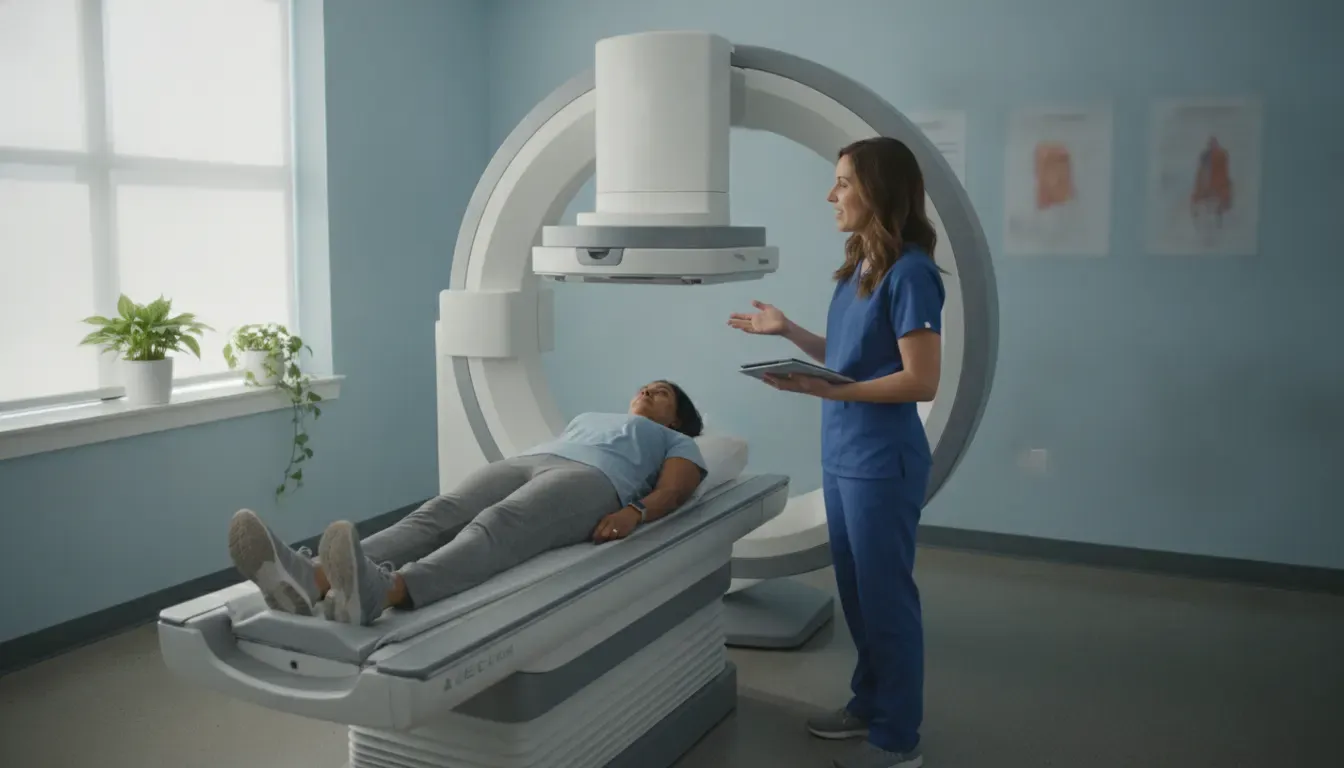
The idea of using sound waves to heal might sound like science fiction, but it’s a well-established and effective medical technology. Instead of just silencing pain signals, this treatment gets to the heart of the issue. It uses targeted acoustic waves to create a biological response deep within your tissues, increasing blood flow and kickstarting your body's natural repair crew. This article will walk you through how shockwave therapy for lower back pain works on a cellular level to reduce inflammation and regenerate damaged tissue. It’s a fascinating process that aligns with our core philosophy: finding and treating the root cause of your discomfort.
Key Takeaways
- It works with your body to heal from within: This therapy uses acoustic waves to signal your body's natural repair systems. By improving blood flow and encouraging cell regeneration, it helps resolve the underlying cause of your pain instead of just masking the symptoms.
- It targets specific sources of back pain: Shockwave therapy is a versatile tool for many types of lower back issues. It is particularly effective for stubborn problems like chronic muscle knots, SI joint pain, and discomfort stemming from herniated discs, offering a focused approach to your discomfort.
- It offers lasting relief without significant downtime: As a non-invasive treatment, sessions are quick and fit easily into your schedule. The therapy focuses on repairing damaged tissue to provide genuine, long-term improvement, potentially reducing your need for constant pain management.
How Does Shockwave Therapy Help Lower Back Pain?
If you're dealing with persistent lower back pain, you know how frustrating it can be to find a solution that does more than just temporarily mask the discomfort. Shockwave therapy is a modern, non-invasive treatment that works differently. It uses targeted acoustic waves to stimulate your body’s own healing abilities, addressing the root cause of your pain instead of just the symptoms. This approach is a cornerstone of our physical medicine services, aiming for genuine, long-term recovery. By kickstarting natural repair processes deep within your tissues, this therapy can help you find lasting relief and get back to living your life more comfortably.
How Acoustic Waves Trigger Healing
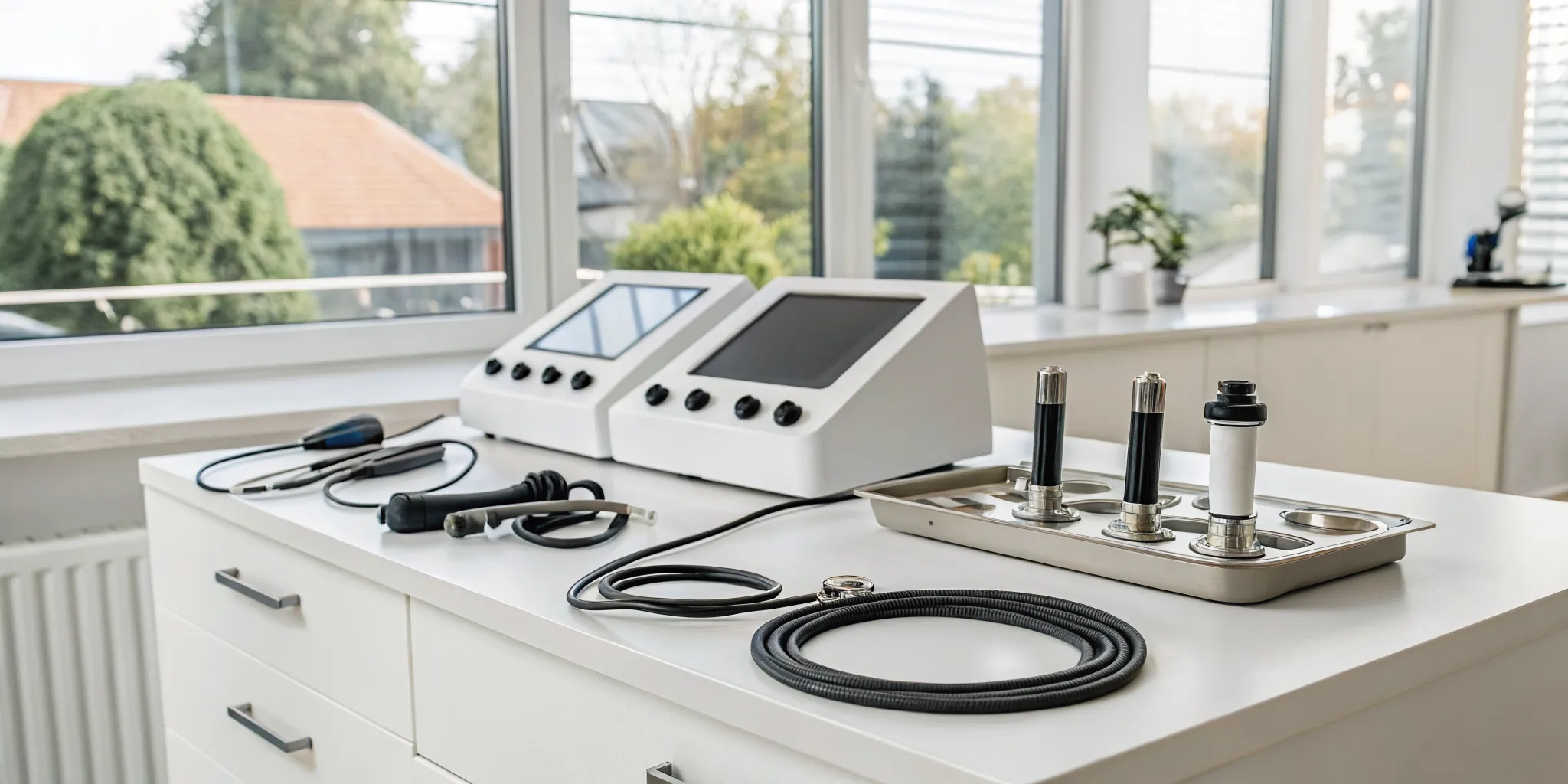
So, how can sound waves actually help your back? It’s a fascinating process. Shockwave therapy, sometimes called extracorporeal shockwave therapy (ESWT), uses a special device to send high-energy acoustic waves through your skin to the exact area that’s causing you pain. Think of it as creating a controlled, micro-level disruption that signals your body to pay attention and start the repair process. These waves stimulate your cells, encouraging them to regenerate and heal. It’s a way of waking up your body’s internal healing team and directing it right where it’s needed most, which is why a growing body of clinical research supports its use for lower back pain.
The Cellular Response to Shockwave Therapy
Once those acoustic waves reach the targeted tissues in your back, they set off a cascade of helpful biological responses. First, they can help increase the production of something called "substance P," which helps temporarily block pain signals from reaching your brain, giving you some immediate relief. More importantly, the waves significantly increase blood flow to the area. This improved circulation is key because it delivers a fresh supply of oxygen and nutrients while helping to flush out waste products that contribute to pain and swelling. This entire process reduces inflammation and accelerates the healing of muscles, tendons, and other soft tissues.
Focused vs. Radial Waves: What’s the Difference?
Shockwave therapy isn't a one-size-fits-all treatment. Depending on your specific condition, we use one of two types of waves: focused or radial. Focused Shockwave Therapy (FSWT) sends waves deep into the body with pinpoint accuracy. This makes it ideal for targeting specific, deeper issues like facet joint pain or problems related to a herniated disc. On the other hand, Radial Shockwave Therapy (RSWT) spreads the waves over a wider, more superficial area. This approach is better suited for addressing widespread muscle tightness, strains, or trigger points closer to the surface. Choosing the right type is essential for effectively treating the unique conditions we treat and creating a personalized plan for your recovery.
What Lower Back Conditions Can Shockwave Therapy Address?
Shockwave therapy is a versatile tool in our physical medicine toolkit, capable of addressing a surprising range of lower back issues. It’s not a one-size-fits-all solution, but for specific conditions, it can be a game-changer. By targeting the underlying cause of pain, whether it's muscular, joint-related, or stemming from nerve irritation, this therapy helps create an environment for genuine healing. Let's look at some of the specific lower back conditions that often respond well to this innovative treatment.
Chronic Lower Back Pain
If you've been dealing with lower back pain that just won't quit, you know how frustrating it can be. Shockwave therapy offers a modern, non-invasive approach for this kind of persistent discomfort. Instead of just masking the pain, it works by stimulating your body’s own repair mechanisms. The acoustic waves prompt increased blood flow and metabolic activity in the treated area, which helps reduce inflammation and encourages the regeneration of healthy tissue. This makes it a promising option for addressing some of the most common sources of discomfort that lead to chronic pain, helping you find meaningful relief.
Tight Muscles and Trigger Points
Those deep, stubborn knots in your lower back muscles, often called trigger points, can be a significant source of pain and stiffness. Shockwave therapy is particularly effective at targeting these tight bands of tissue. The energy waves help to break up adhesions and scar tissue within the muscle, releasing tension that other methods might not reach. This process also improves circulation, flushing out pain-generating substances and delivering more oxygen and nutrients to the muscle fibers. It’s a targeted way to release those trigger points and restore healthier muscle function, which is a core part of our approach to physical medicine.
Sacroiliac (SI) Joint Issues
The sacroiliac joints connect your spine to your pelvis, and when they become dysfunctional, they can cause significant lower back, hip, and leg pain. This is a frequently overlooked cause of chronic pain. Research shows that shockwave therapy can be an effective tool for managing pain associated with SI joint dysfunction. By applying acoustic waves to the ligaments and soft tissues surrounding the joint, the treatment can help reduce local inflammation and pain signals. This encourages stabilization and healing in an area that is critical for movement and stability, offering a path toward relief without invasive procedures.
Herniated Discs and Sciatica
Pain from a herniated disc or sciatica happens when a spinal disc puts pressure on a nearby nerve, sending sharp, radiating pain down your leg. While more research is needed to establish clear protocols, recent expert findings suggest that shockwave therapy can be effective for lumbar disc issues. The therapy is thought to help by reducing local inflammation around the nerve root and promoting healing in the surrounding soft tissues, which may ease the pressure causing the pain. Because these are complex conditions, it's essential to schedule a consultation so we can determine if this treatment is the right fit for your specific situation.
Bone Spurs
Bone spurs, or osteophytes, are small, bony growths that can form along the edges of your vertebrae. While they don't always cause symptoms, they can sometimes press on nerves or other structures, leading to pain and stiffness in the lower back. Shockwave therapy can help manage this discomfort by addressing the surrounding soft tissues. It improves blood flow and can help break down the calcified deposits that sometimes accompany these growths. By reducing inflammation and promoting tissue repair in the area, shockwave therapy can ease the pain associated with bone spurs and improve your overall mobility.
Pain from Repetitive Strain
Whether you're an athlete, have a physically demanding job, or simply engage in repetitive movements, your lower back can take a hit. This type of repetitive strain can lead to micro-tears and chronic inflammation in the muscles and connective tissues. Shockwave therapy is well-suited for these kinds of injuries because it directly stimulates the body's healing cascade. It helps to repair damaged tissues and calm the inflammatory response that causes pain. By addressing the cumulative damage from repetitive movements, this therapy can help you get back to your activities with greater comfort and resilience. You can always explore more wellness topics on our site to support your active lifestyle.
The Benefits of Shockwave Therapy for Your Back
When you're dealing with persistent back pain, you want a solution that does more than just temporarily mask the symptoms. You’re looking for real, lasting relief that helps you get back to your life. Shockwave therapy is an exciting option within our physical medicine services because it works with your body to address the underlying cause of pain. It’s not about a quick fix; it’s about promoting genuine healing from within. Let’s walk through some of the key benefits you can expect from this innovative treatment.
A Non-Invasive Approach with Minimal Downtime
One of the biggest advantages of shockwave therapy is that it's completely non-invasive. This means there are no needles, no incisions, and none of the risks associated with more intensive procedures. During a session, we use a special device to deliver high-energy acoustic waves to the targeted area of your back. You can think of it as a deep, focused sound massage that stimulates tissue deep beneath the skin. Because it’s a non-surgical treatment, there’s virtually no downtime. You can come in for your session and get right back to your day without a lengthy recovery period, making it a practical choice for anyone with a busy schedule.
Activates Your Body's Natural Healing Process
Shockwave therapy gets to the root of your pain by kickstarting your body’s own healing abilities. The acoustic waves create a series of micro-effects in the tissue, which increases blood flow and metabolic activity in the treated area. This enhanced circulation delivers more oxygen and vital nutrients to damaged tissues while helping to flush out inflammatory waste products. This process doesn't just cover up pain; it helps repair injured tendons, ligaments, and muscles. By supporting your body’s innate repair mechanisms, we can encourage faster, more effective healing that addresses the problem at its source, which is a core part of our philosophy at Ascend.
Aims for Lasting Relief
If you’ve been stuck in a cycle of pain, you know how frustrating temporary solutions can be. The goal of shockwave therapy is to provide lasting relief by promoting the regeneration of healthy tissue. By breaking down scar tissue and stimulating the formation of new blood vessels, this treatment helps restore normal function to the affected area. Many people find that after completing their recommended sessions, they experience a significant reduction in pain and a major improvement in their mobility. This allows them to return to activities they love, whether it's playing with their kids, gardening, or simply moving through their day without discomfort.
Reduces Reliance on Constant Pain Management
Living with chronic back pain often involves a daily routine of pain management, which can feel limiting and unsustainable. Shockwave therapy offers a path toward reducing your dependence on these constant interventions. By promoting true healing within the tissues, it can lessen the need for daily medications that often come with unwanted side effects. For many, it provides a way to manage their condition more proactively and effectively. Our goal is to help you find solutions that empower your body to heal, giving you more freedom and control over your health and well-being. You can explore the full range of our services to see how we build comprehensive healing plans.
Soothes Nerve Pain and Eases Muscle Tension
Back pain is rarely just one-dimensional. It often involves a complex interplay of tight muscles, irritated nerves, and joint dysfunction. Shockwave therapy is particularly effective at addressing these different layers. The acoustic waves can help calm overactive nerve endings, providing relief from the sharp, radiating pain associated with conditions like sciatica. At the same time, the energy helps release stubborn muscle knots and trigger points that contribute to stiffness and limited mobility. By soothing nerve pain and easing muscle tension simultaneously, this therapy offers a comprehensive approach to relieving the many factors that contribute to chronic back pain.
Shockwave Therapy Compared to Other Treatments
When you're dealing with persistent back pain, you've likely explored several options. Shockwave therapy stands apart because it’s not about managing symptoms; it’s about stimulating your body’s own repair mechanisms. Let's look at how it compares to more common approaches.
A Different Approach Than Pain Medication
Pain relievers can be a temporary fix, offering a much-needed break from discomfort. However, they often just mask the pain signals without addressing the root cause of the problem. Shockwave therapy takes a different route. Instead of silencing symptoms, it uses acoustic waves to stimulate blood flow and metabolic activity in the affected tissues. This process encourages your body to regenerate and heal the underlying injury causing the pain. By focusing on repair rather than just relief, it offers a path toward lasting improvement. This approach aligns with a goal to find and resolve the source of your chronic health issues.
An Alternative to Surgical Procedures
The thought of surgery for back pain can be daunting, often involving significant risks and a long recovery period. Shockwave therapy presents a powerful, non-invasive alternative for many people. It's a treatment to consider before committing to something as serious as an operation. Because the procedure is performed externally without any incisions, there is minimal downtime, allowing you to get back to your life quickly. It offers a middle ground for those who haven't found relief with conservative treatments but want to avoid going under the knife. This method is a key part of our physical medicine toolkit, helping patients find relief without invasive measures.
How It Complements Other Physical Medicine Therapies
Shockwave therapy doesn't have to be a standalone treatment. In fact, it often works best as part of a comprehensive care plan. Think of it as a powerful partner to other therapies like chiropractic adjustments, decompression, or corrective exercises. While those treatments work on alignment and muscle function, shockwave therapy operates at a cellular level to accelerate tissue repair and reduce inflammation. This synergy can lead to faster, more durable results. By combining therapies, we can address your pain from multiple angles, creating a holistic plan that supports your body’s healing from the inside out. Our goal is to integrate the right services to build a personalized protocol that truly works for you.
What Is a Shockwave Therapy Session Like?
If you're considering shockwave therapy, you probably have a few questions about what an actual appointment involves. It’s a straightforward and relatively quick process. Knowing what to expect can help you feel more comfortable and confident as you take this step toward addressing your lower back pain. At Ascend Functional Health, we walk you through every part of the process, ensuring you feel informed and at ease from start to finish.
What to Expect During Treatment
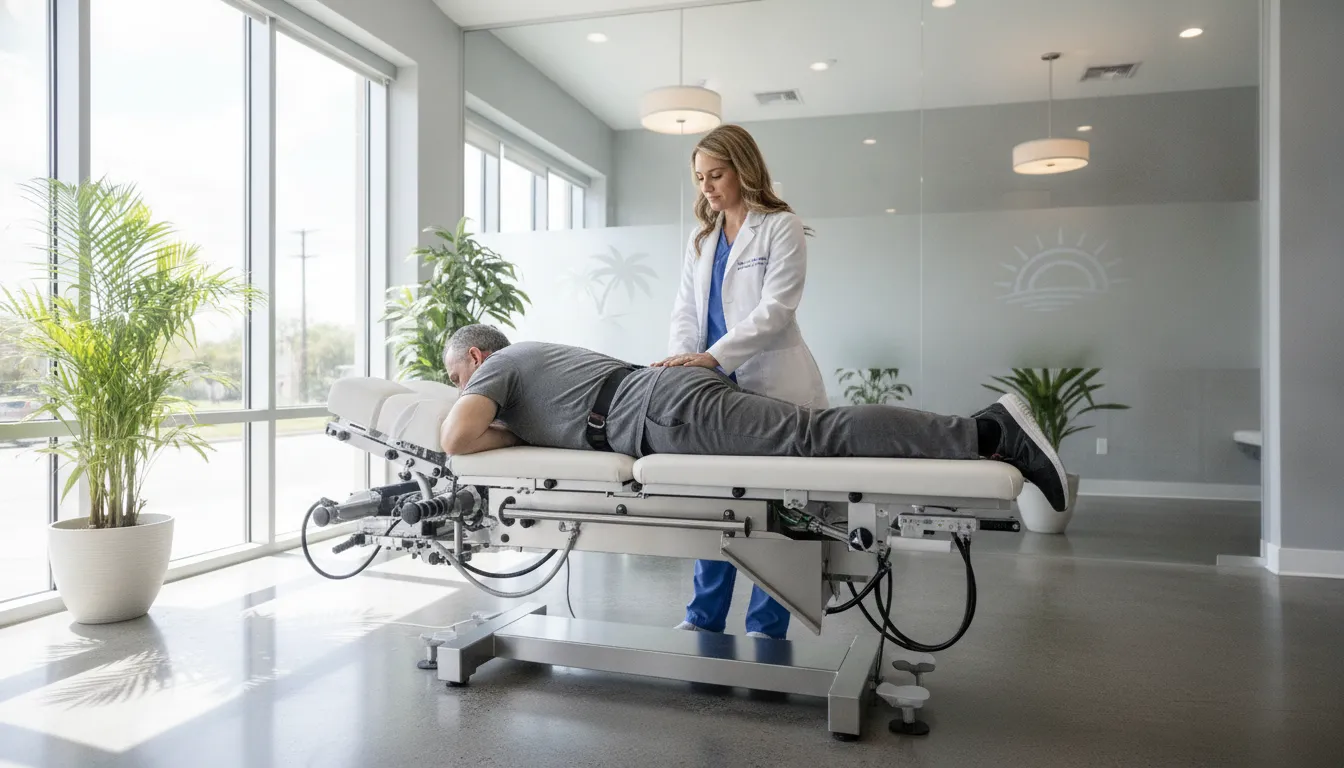
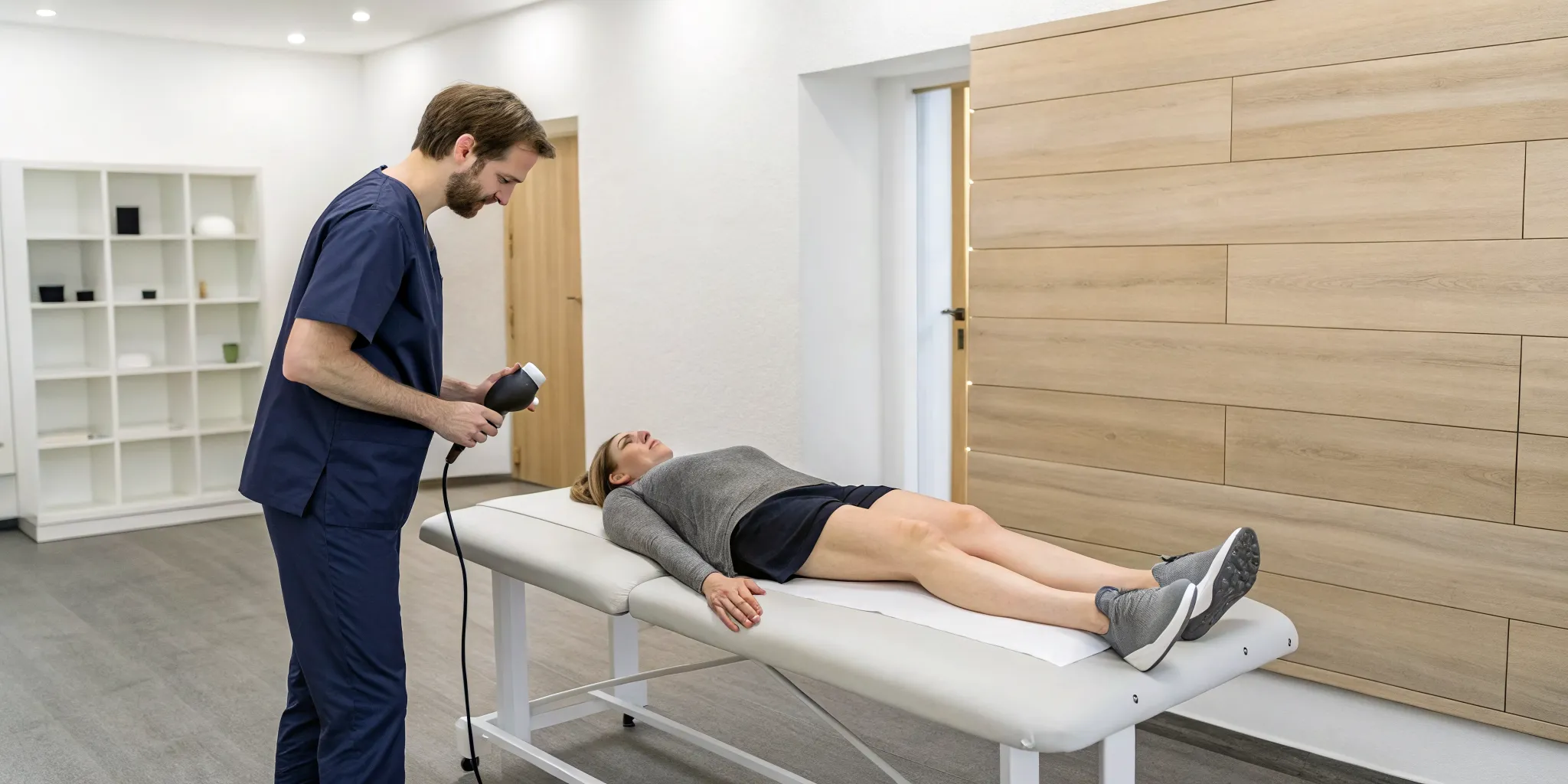
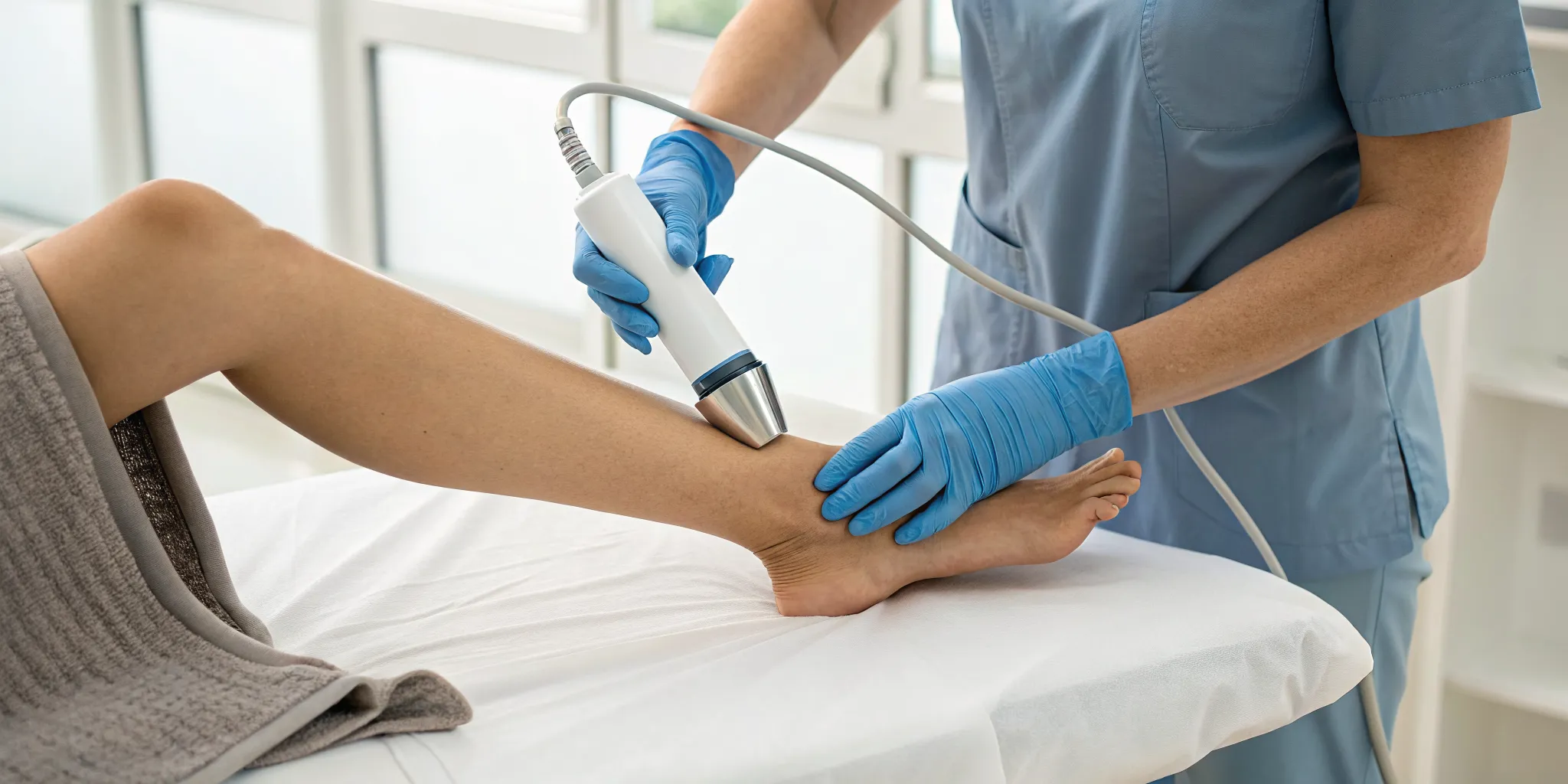
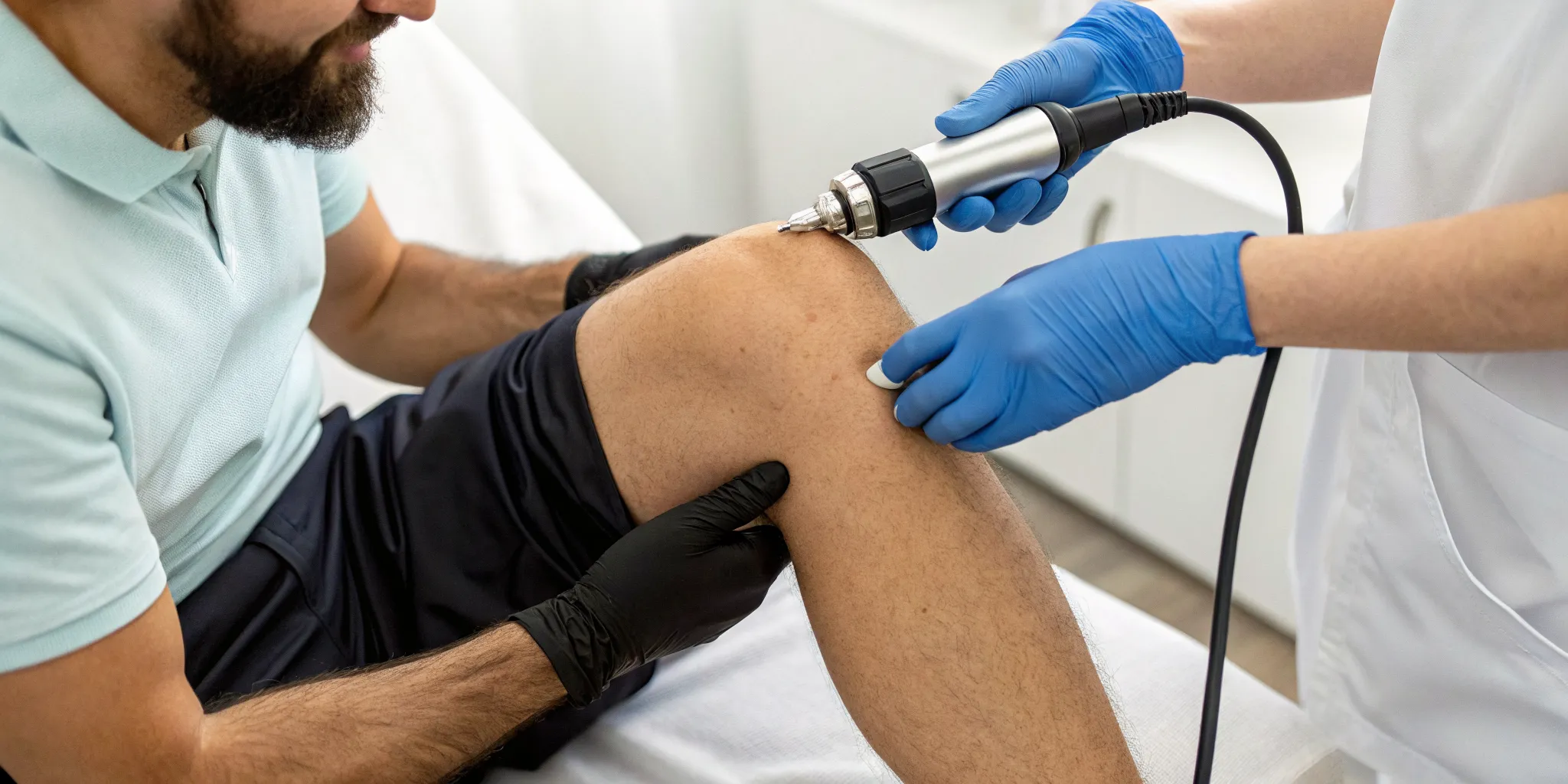
A shockwave therapy session is a simple, in-office procedure. First, your practitioner will locate the precise area of your back that needs attention. We’ll apply a special gel to your skin, which helps the acoustic waves transfer effectively into your body’s tissues. Then, using a handheld device, we’ll deliver the high-energy sound waves to the targeted spot. You might feel a tapping or pulsing sensation during the treatment, but it’s generally well-tolerated. The entire process is part of our physical medicine approach, designed to be both effective and comfortable for you.
Session Length and Frequency
One of the great things about shockwave therapy is that it fits easily into a busy schedule. Each session typically lasts only about 15 to 20 minutes. This makes it a convenient option for managing your back pain without disrupting your entire day. To give your body the time it needs to respond and begin its healing process, we usually schedule appointments about a week apart. This consistent spacing allows the therapeutic effects to build upon each other, leading to more effective and lasting results. Our goal is to create a treatment plan that works for both your body and your lifestyle, which is a core part of all our services.
How Many Sessions You Might Need
The number of sessions you’ll need is tailored specifically to you. While many people experience significant improvement after just three to five sessions, your plan will depend on your unique situation. Factors like the chronicity of your back pain, the specific condition being addressed, and how your body responds to the treatment all play a role. We’ll work closely with you to monitor your progress and adjust the plan as needed. Our focus is on achieving the best possible outcome for you, and you can see how this personalized approach has helped others by reading our patient testimonials.
After Your Shockwave Therapy Sessions
Understanding what happens after your treatment is key to getting the most out of your care plan. The healing process doesn't stop when you leave our office; it’s an ongoing collaboration between the therapy and your body’s recovery efforts. Here’s what you can generally expect as you move through your sessions and what you can do to support the healing process along the way.
Immediate Sensations vs. Long-Term Progress
It’s common for people to feel a noticeable reduction in pain right after their first shockwave session. While this initial relief is encouraging, it’s important to see it as the first step, not the final destination. The therapy works by stimulating your body’s deep healing mechanisms, a process that unfolds over time. True, long-term improvement typically builds over several weeks. Most people start to notice significant, lasting changes within 6 to 12 weeks of starting their treatment plan. Patience is part of the process as your body works to repair tissues and create lasting change, which is the ultimate goal of our physical medicine approach.
How to Support Your Recovery Between Visits
What you do between appointments plays a huge role in your success. Immediately after a session, we’ll likely advise you to rest and avoid strenuous activities for a day or two. This gives the treated area time to respond to the therapy. After that initial rest period, we encourage a gradual return to your normal routine. We will also guide you through specific gentle stretches and strengthening exercises tailored to your body. Following this personalized advice is crucial, as it helps your body properly repair damaged tissues and reinforces the work done during your sessions. This active participation helps you achieve more sustainable relief and get back to doing what you love.
Potential Side Effects and Safety Considerations
Like any effective treatment, it’s important to understand the full picture of shockwave therapy, including safety and potential side effects. The good news is that this therapy is widely considered safe, with most reactions being minor and short-lived. However, it’s not the right fit for everyone. That’s why a thorough, professional evaluation is a critical first step to ensure this treatment aligns with your specific health profile and goals. Understanding these considerations helps you make an informed decision and feel confident in your care plan.
Common, Temporary Reactions
It’s normal to experience some mild, temporary reactions after a shockwave therapy session. You might notice some redness, slight swelling, or a feeling of tenderness at the treatment site on your lower back. Think of this as a sign that your body is responding and the healing process has been activated. These effects are generally mild and tend to fade on their own within a day or two. We see these reactions as a positive indicator that the therapy is doing its job, and we will always discuss what you can expect after each session of your physical medicine plan.
Who Should Avoid This Treatment?
While shockwave therapy is beneficial for many, there are certain situations where it isn't recommended. This is to ensure your absolute safety. We would not perform this treatment if you are pregnant, have an active infection or tumor in the treatment area, or have certain bleeding disorders. It’s also not suitable for individuals with pacemakers or other electronic implants near the treatment site. Our team is committed to providing care that is both effective and safe, which is why we take a detailed health history to rule out any contraindications before beginning treatment. You can learn more about our commitment to patient-centered care on our About page.
The Importance of a Professional Assessment
This brings us to the most important safety measure: a comprehensive professional assessment. Before you ever have a shockwave session, you must be evaluated by a qualified healthcare professional. This initial consultation is where we determine if shockwave therapy is truly the right approach for your specific type of back pain. We’ll discuss your health history, assess your condition, and make sure there are no underlying issues that would make the treatment unsuitable. This step is non-negotiable, as it ensures your treatment plan is tailored specifically to you for the best and safest results. If you're ready to see if you're a candidate, you can contact us to schedule your initial assessment.
Could Shockwave Therapy Be Your Next Step?
Deciding on the right treatment for your lower back pain can feel overwhelming, but you don’t have to make that choice alone. Shockwave therapy is a promising option for many, but its success depends on your specific situation. Understanding if you're a good candidate and how we approach this treatment at Ascend Functional Health is the first step toward finding relief. We believe in creating a partnership with our patients to find the most effective path forward, ensuring you feel confident and informed about your care plan.
Signs This Treatment May Be a Good Fit for You
If you're struggling with chronic lower back pain that just won’t quit, shockwave therapy might be the breakthrough you’ve been looking for. It has shown significant results, particularly for those who haven't responded well to more traditional approaches. This therapy can be especially effective for managing the pain associated with specific conditions we treat, like lumbar disc herniation. If you feel like you’ve tried everything for your persistent aches and pains without lasting success, it’s worth exploring whether this innovative, non-invasive treatment could finally offer you the relief you deserve.
How We Determine the Right Plan for You
Your path to wellness is unique, which is why we never take a one-size-fits-all approach. Before recommending any treatment, we conduct a thorough evaluation to understand your complete health picture. This involves a deep dive into your health history, your specific pain levels, and what you’ve tried in the past. This comprehensive analysis helps us determine if shockwave therapy is a suitable and safe option for you. We want to ensure that any plan we create is built on a solid understanding of your body’s needs, giving you the best possible chance for a successful outcome.
Integrating Shockwave Therapy at Ascend Functional Health
At Ascend Functional Health, we view shockwave therapy as one powerful tool within a larger, holistic strategy. We use a multidisciplinary approach, meaning we often integrate this treatment with other therapeutic methods to enhance your results. It’s designed to complement our other Physical Medicine services, creating a synergistic effect that supports your body’s healing process from multiple angles. Our team is committed to providing personalized care, and we continuously monitor your progress to ensure the treatment is effective and adjust your plan as needed.
Related Articles
- Spinal Decompression Hurts Lower Back: Normal or Not?
- Is Lumbar Decompression Chiropractic for You?
- Disc Bulge Therapy: A Complete Guide to Healing
- SoftWave Tissue Regeneration Therapy in Tampa | Alessi Functional Health
- Bulging Disc Therapy Treatment: A Complete Guide
Frequently Asked Questions
What does a shockwave therapy treatment actually feel like? Most people describe the sensation as a strong tapping or pulsing against the skin. Before we start, we apply a gel to the area, similar to what’s used for an ultrasound. The treatment itself is quite fast, usually lasting only 15 to 20 minutes, and while you will definitely feel it working, it is generally well-tolerated.
How soon can I expect to feel better after starting treatment? Some people notice a degree of relief shortly after their first session, but the real magic happens over time. The therapy stimulates your body’s own repair cycle, which is a gradual process. The most significant and lasting improvements typically develop over the course of several weeks as your tissues regenerate and heal.
Is shockwave therapy a standalone treatment, or do I need to do other things? While shockwave therapy is a powerful treatment on its own, it often works best as part of a comprehensive plan. We find that combining it with other physical medicine approaches, like corrective exercises or chiropractic care, can produce better and more durable results. This allows us to address your back pain from multiple angles, supporting both cellular repair and overall function.
Are there any side effects I should be worried about? The therapy is very safe, and significant side effects are rare. The most common reactions are minor and temporary, such as some redness, tenderness, or slight swelling in the treated area for a day or two. We actually see this as a positive sign that the therapy has successfully activated your body’s healing response.
How do I know if shockwave therapy is the right choice for my back pain? The only way to know for certain is to have a professional evaluation. Because every person’s back pain is unique, we always start with a thorough assessment to understand your specific condition and health history. This initial step is essential to determine if you are a good candidate and to create a treatment plan that is both safe and effective for you.