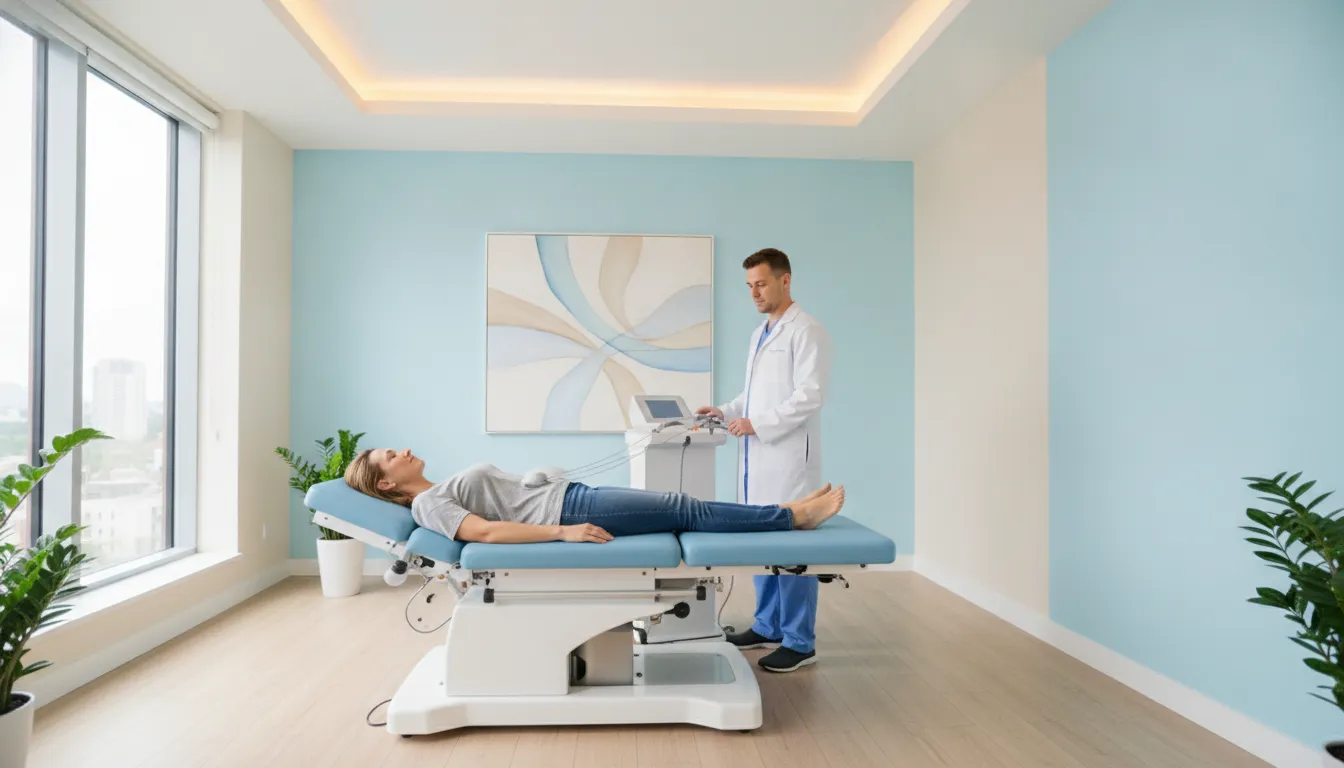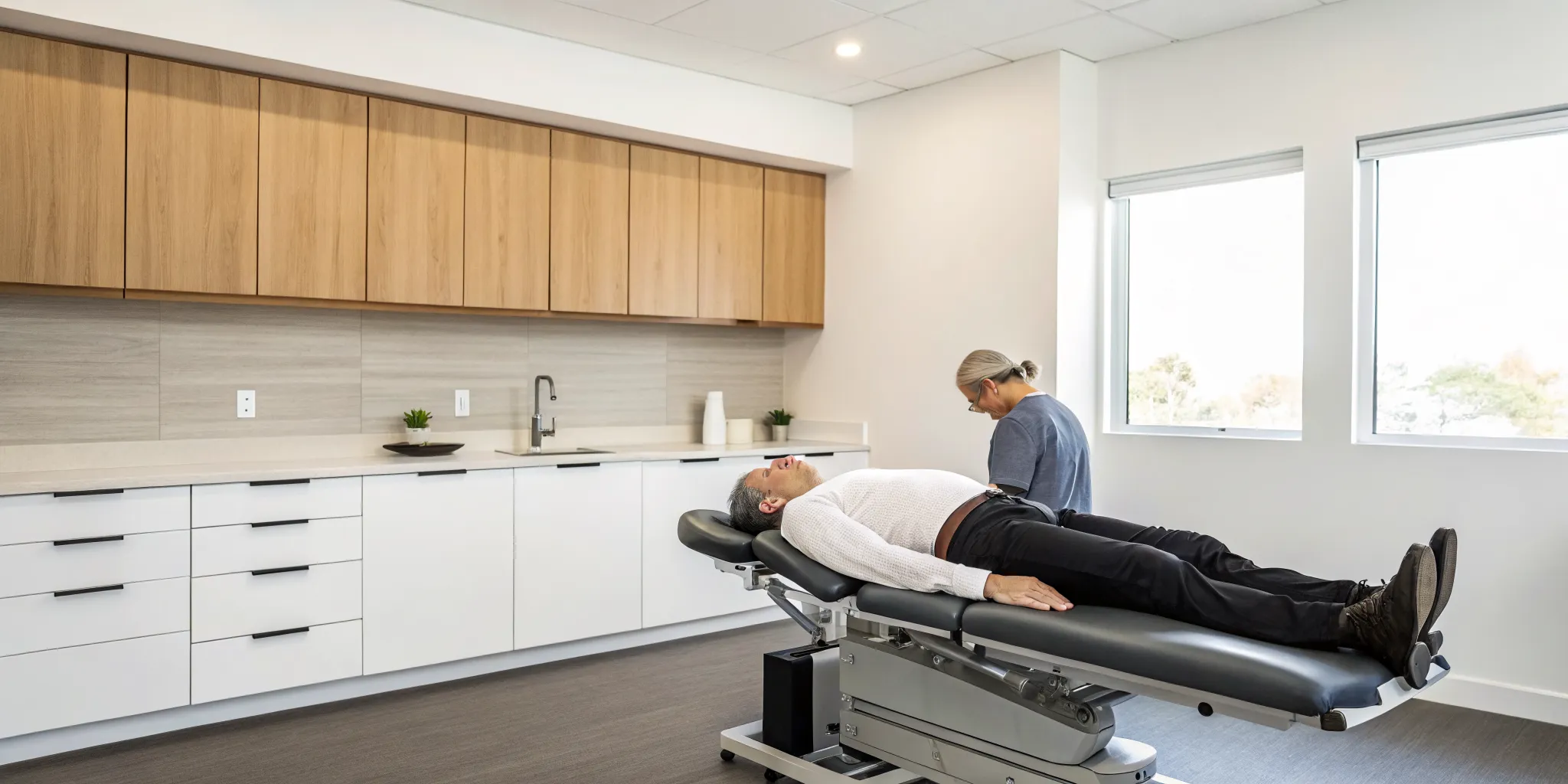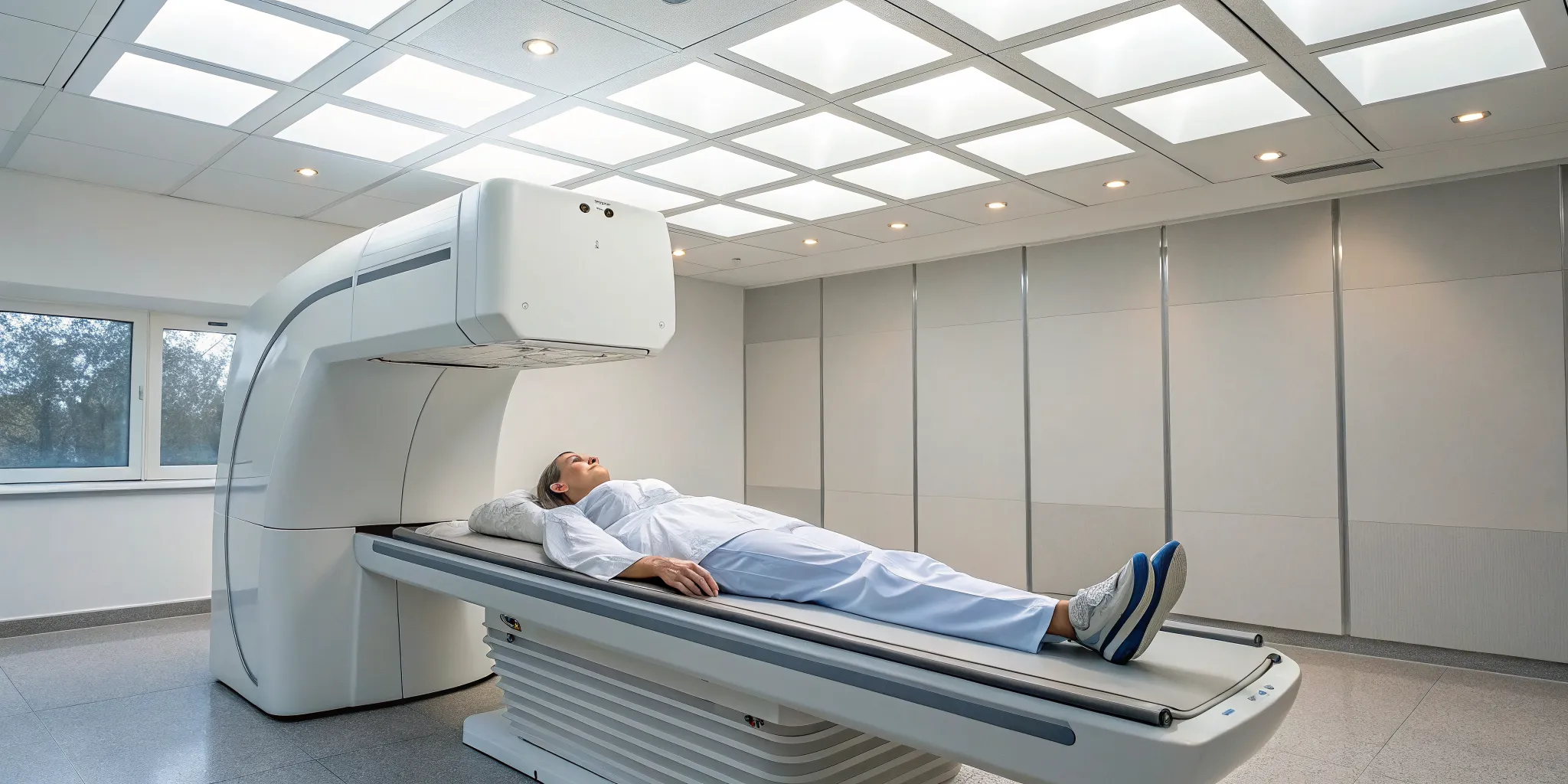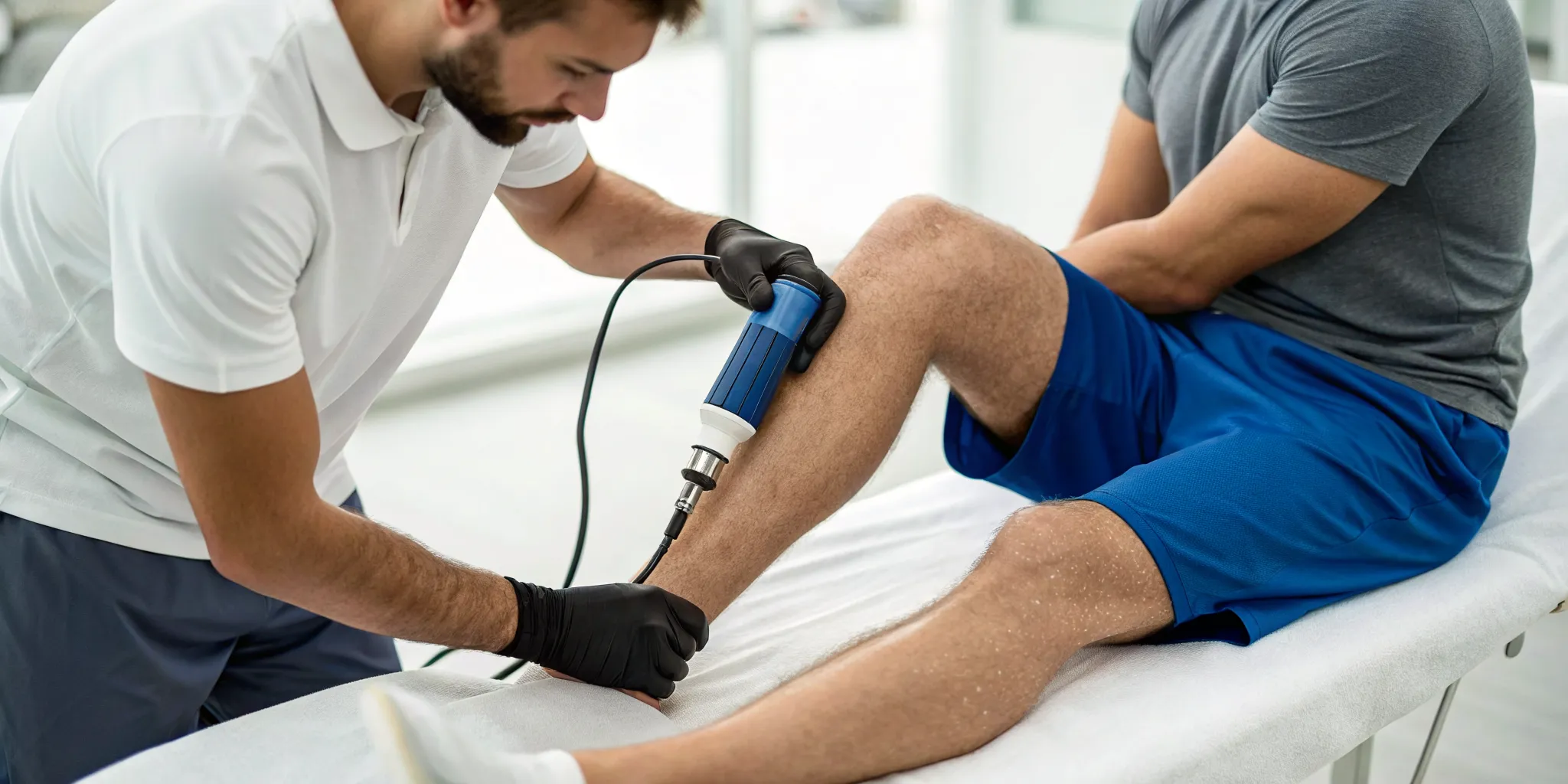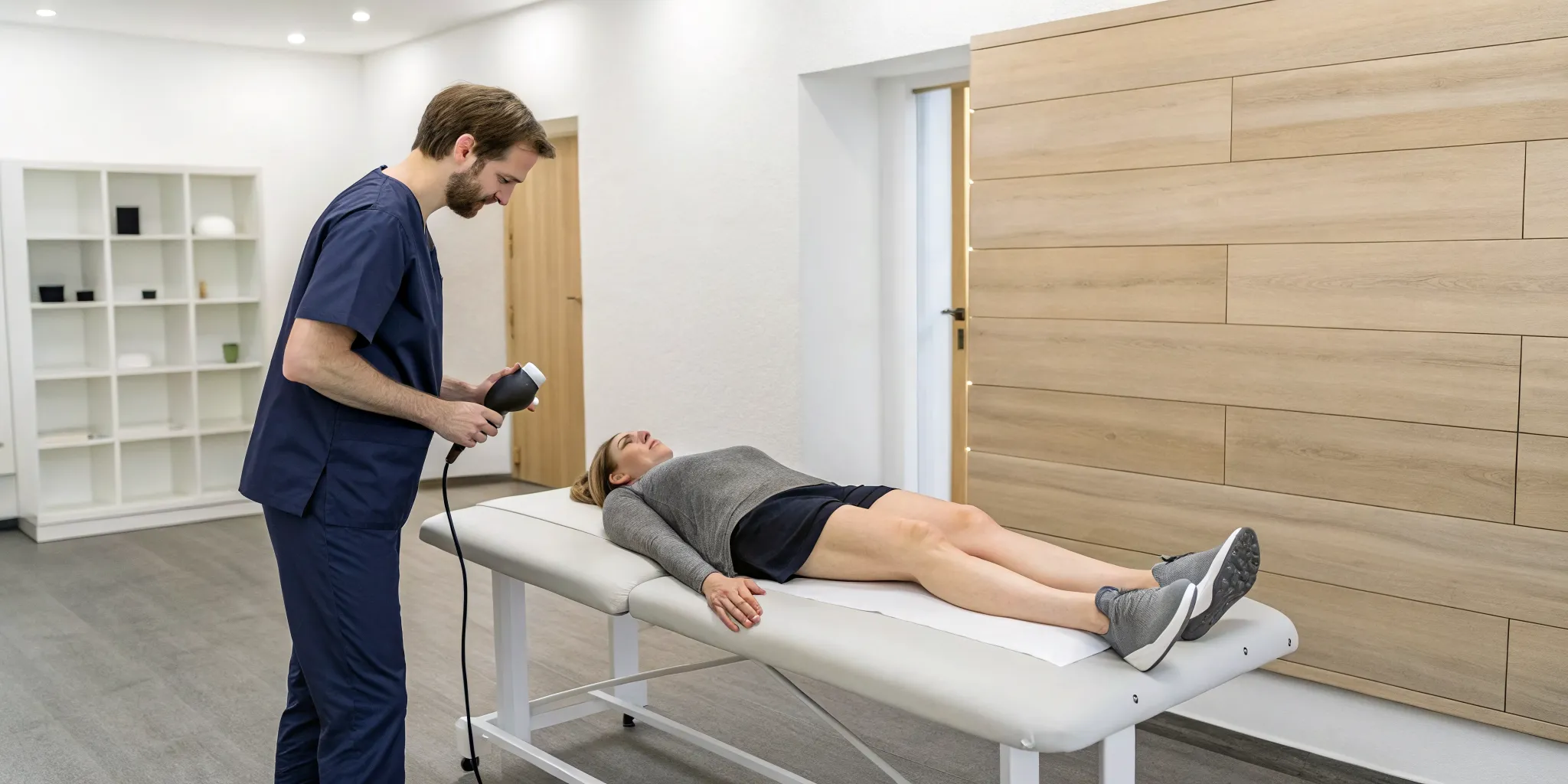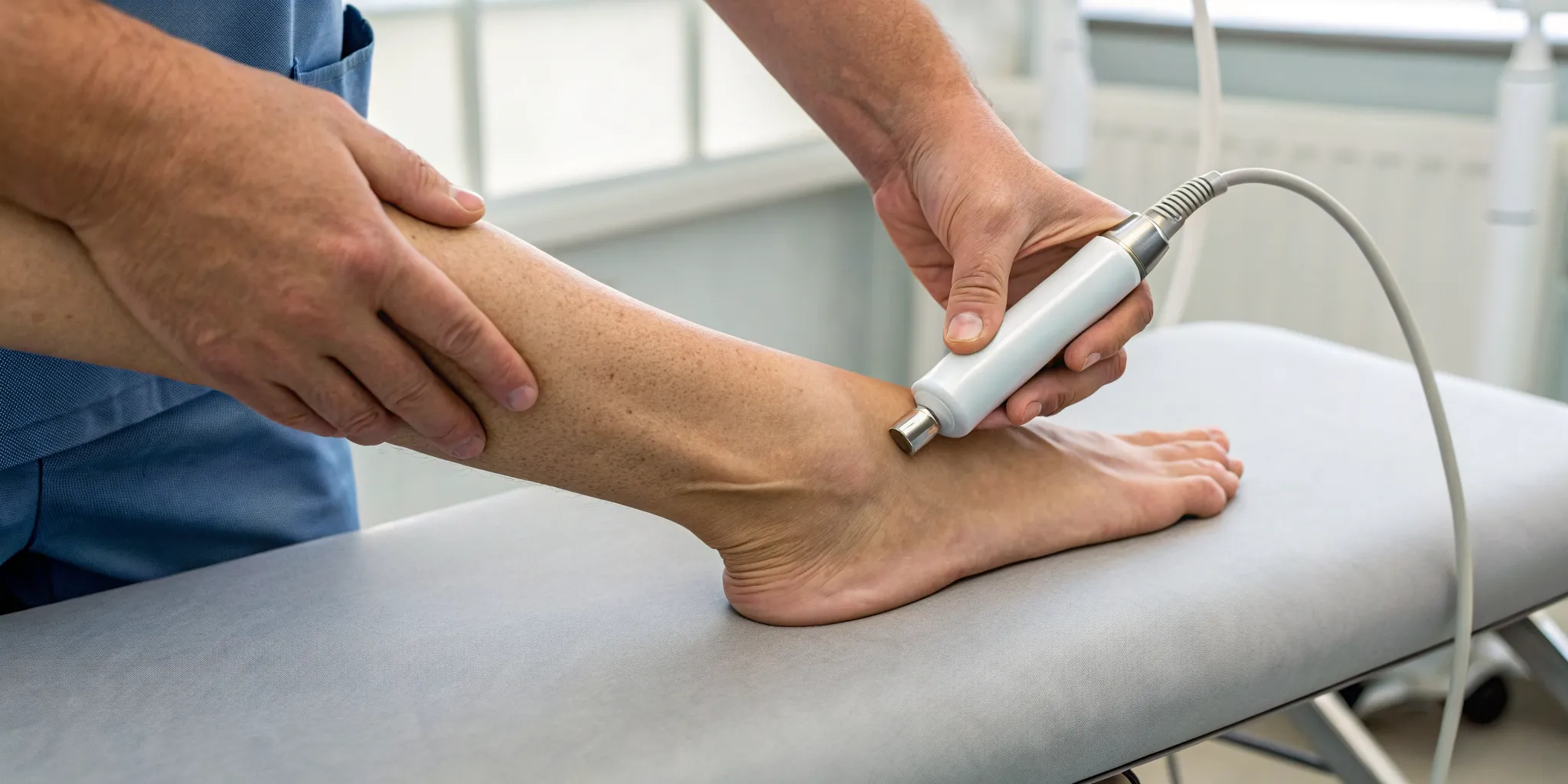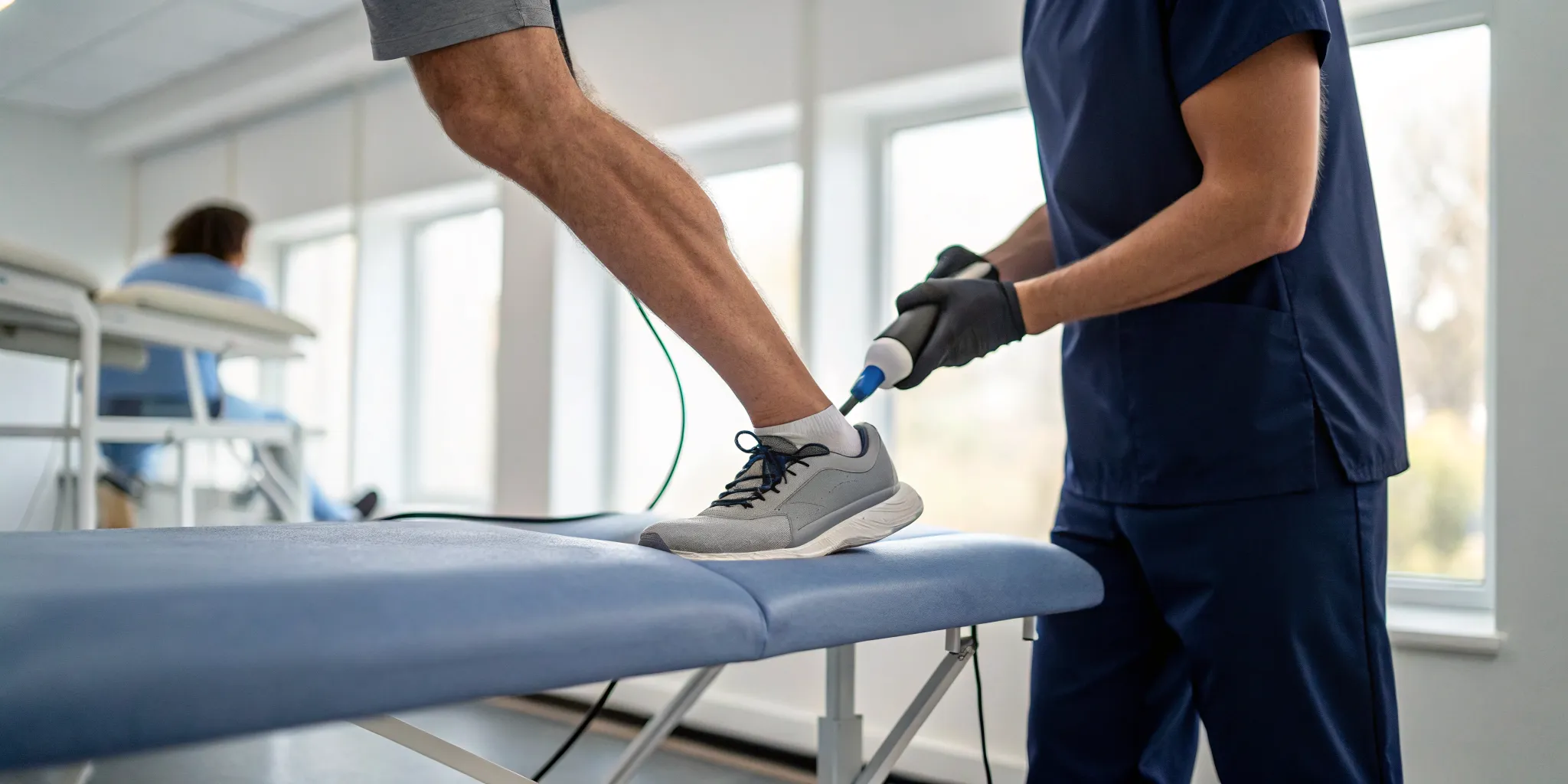
A stiff shoulder, guarded turn, or uneven step can reveal that movement is not working as smoothly as it should. For adults across Tampa Bay, those observations may be useful starting points when a physical concern keeps returning or affects daily activity.
Range of motion describes how far a joint or body region can move in a particular direction. In a personalized exam, it is one piece of the picture that may help a clinician compare movement. Notice differences between sides, and decide whether a broader assessment is appropriate.
Explore Ascend's Physical Medicine approach
A measurement alone does not explain every reason movement feels limited, and it should not be treated as a diagnosis. The context depends on how the movement occurs, what the person experiences, and what other findings appear during the evaluation. That context is especially important in an individualized Physical Medicine approach, whether you live in South Tampa, New Tampa, Wesley Chapel, or another part of the greater Tampa Bay area.
Understanding how clinicians place movement findings within a physical exam can make the evaluation easier to follow and support a more informed conversation about next steps.
How Does Range of Motion Fit Into a Physical Exam?
Range of motion is one part of a physical exam that helps a clinician observe how a joint or joint group moves. The finding matters most when considered alongside symptoms, movement quality, and the rest of the person's examination.
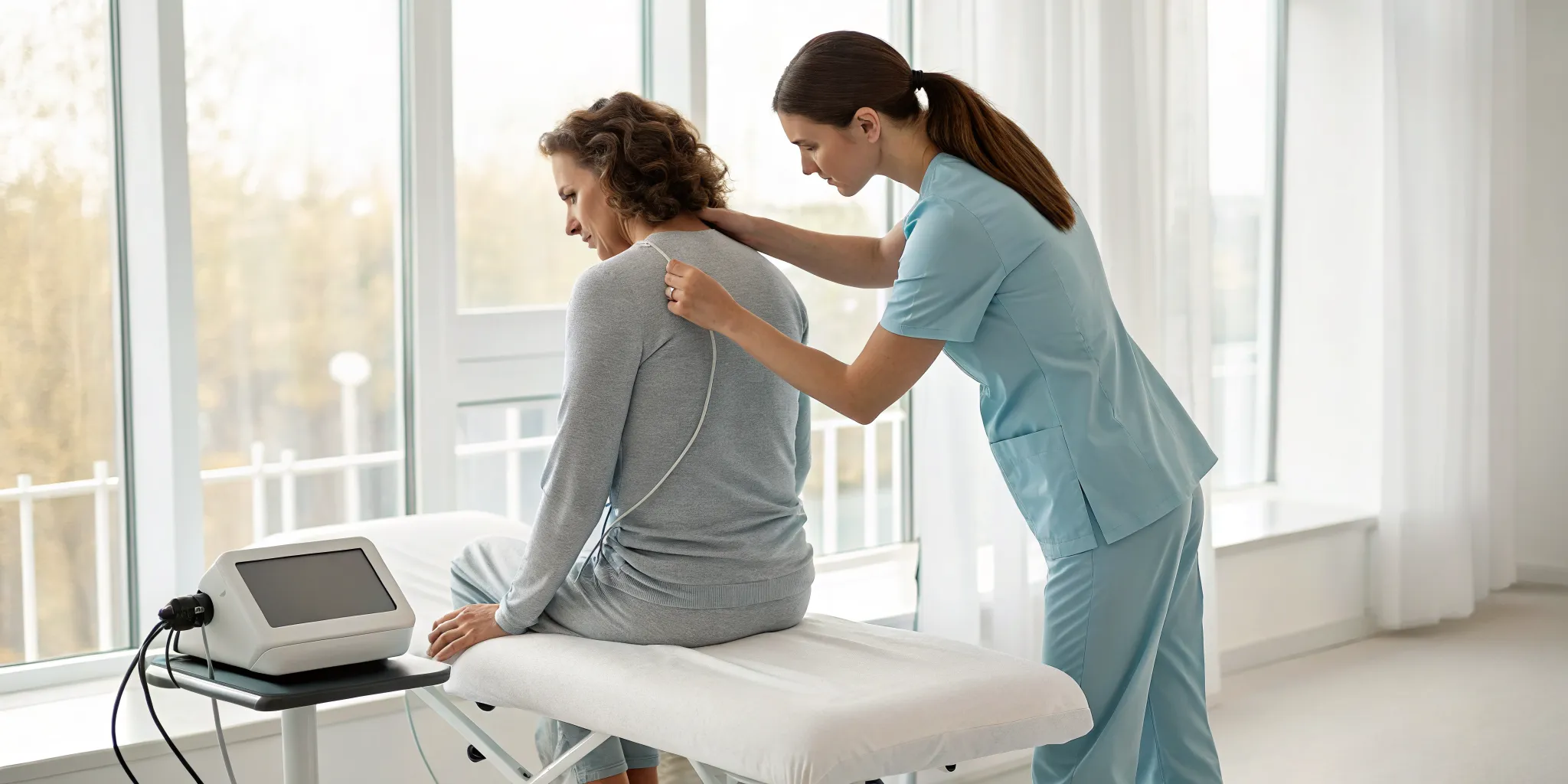
During a general musculoskeletal screening, a person may be asked to perform complete active movement through each joint or joint group. Active movement means the person creates the motion, allowing the clinician to observe coordination, smoothness, available movement, and any visible hesitation. The assessment is not limited to a number. It also includes how the body moves while the person changes position, walks, reaches, or performs other ordinary actions.
Observation begins before a formal movement test. The way someone enters the room, sits down, stands, or shifts position can offer useful context about mechanical function. Keeping function in view throughout the interview and examination helps a clinician interpret movement in context, rather than treating one movement as an isolated event.
Symptoms and observed differences can change the depth of the evaluation. If someone reports a musculoskeletal concern or the clinician notices an abnormal movement pattern, a more thorough examination may look for both obvious and subtle findings. This broader view helps place a limited movement in context. For example, the clinician may consider whether the finding appears in one area or several, whether it is symmetrical, and whether the functional change relates more closely to the joint itself or to the forces acting on it.
That context is important because similar movement limitations can appear with different patterns of symptoms and function. Range of motion alone does not explain the source of a concern or determine the appropriate next step. It is one observation within an individualized process that may also include orthopedic and neurological considerations, strength, balance, posture, and other functional findings.
For people in Tampa Bay seeking a structured evaluation, personalized Physical Medicine care can place movement findings within a broader review of structure and function. The goal is to understand the person's presentation clearly and use evidence-informed findings to guide a conversation about reasonable next steps, without assuming that every person needs the same assessment or care.
Which Types of Range of Motion May Be Assessed?
Clinicians may assess movement that you create, movement guided by another person, and movement completed with shared assistance. Comparing these patterns can add context to mobility findings without treating one measurement as a diagnosis.
Active movement
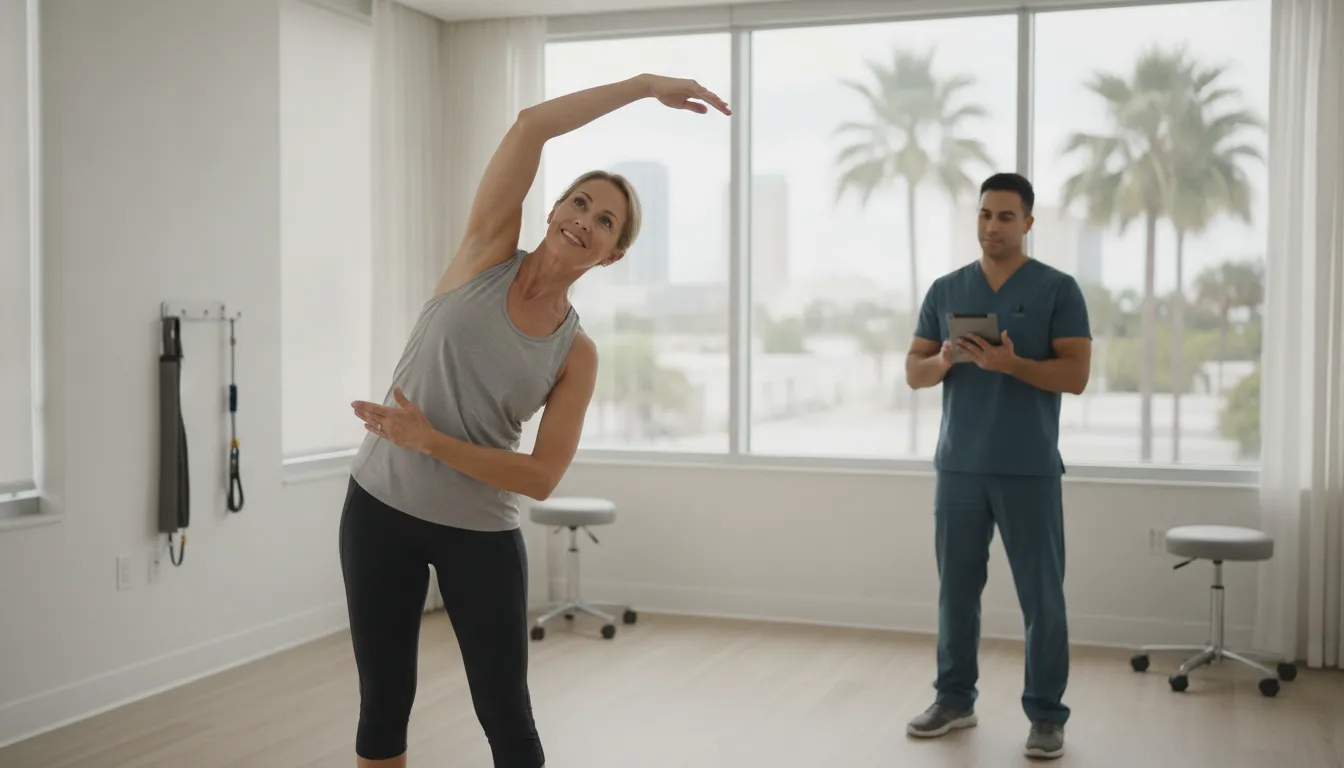
Active range of motion describes how far a person can move a joint using their own muscles. During an assessment, a clinician may observe the direction, control, coordination, and available movement as the person completes a specific motion. This view includes more than the final position. It can also show whether movement appears guarded, uneven, or difficult to coordinate.
Active movement may relate to several factors, including strength, comfort, confidence, joint mechanics, and the way nearby areas contribute to the motion. A reduced active range does not automatically identify one cause. It is one observation that a clinician considers alongside the person's history and other examination findings.
Passive movement
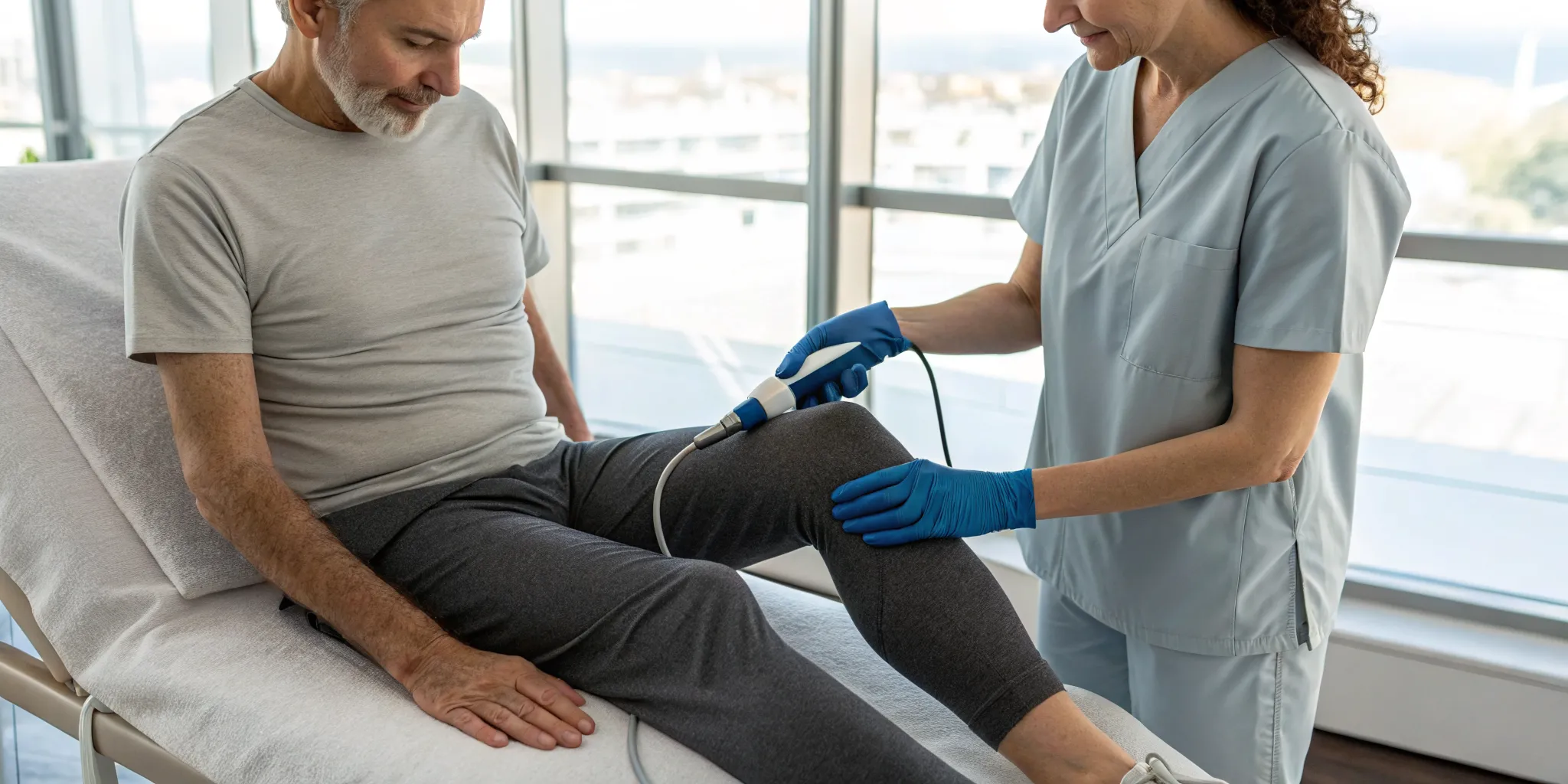
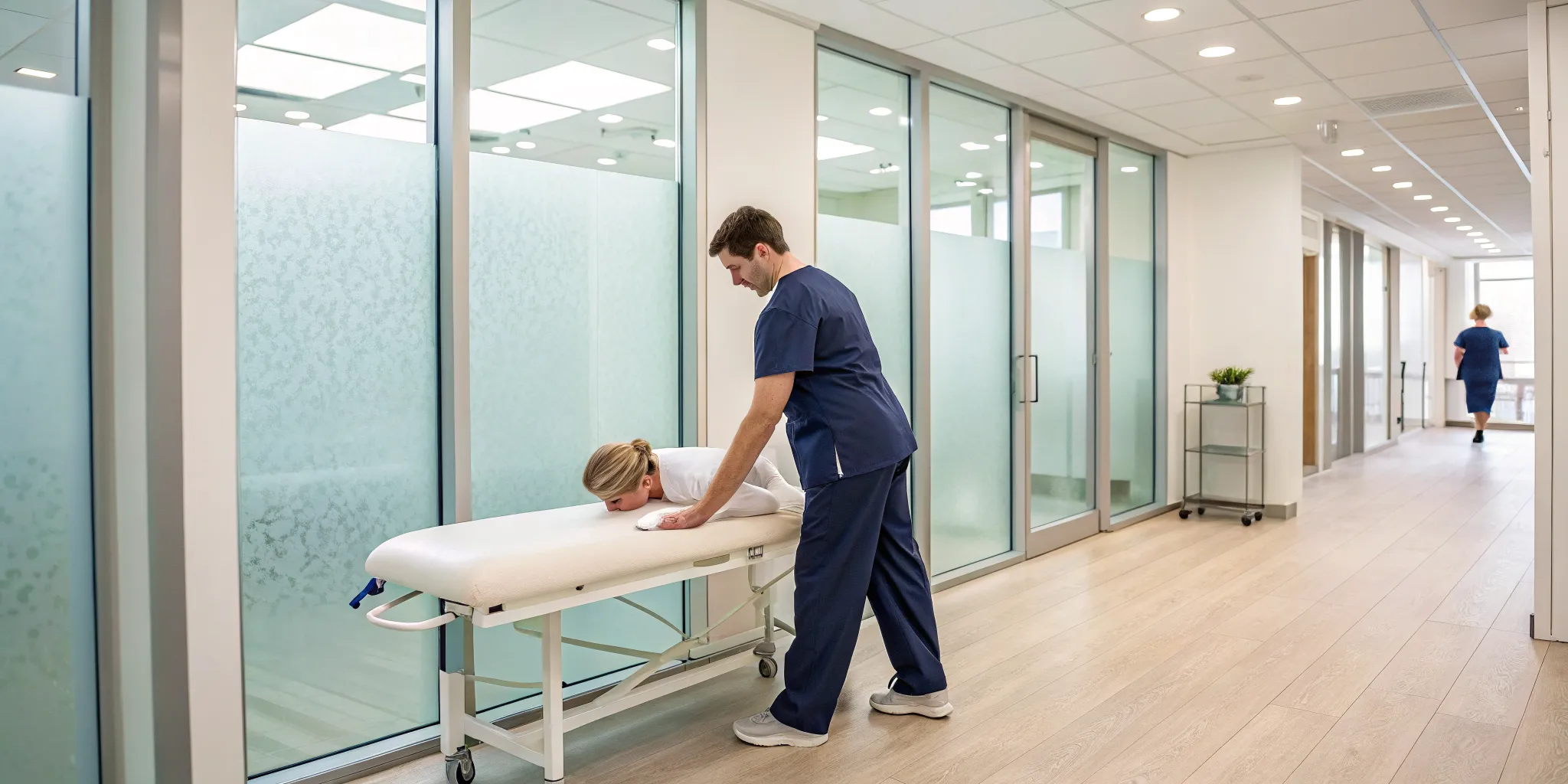
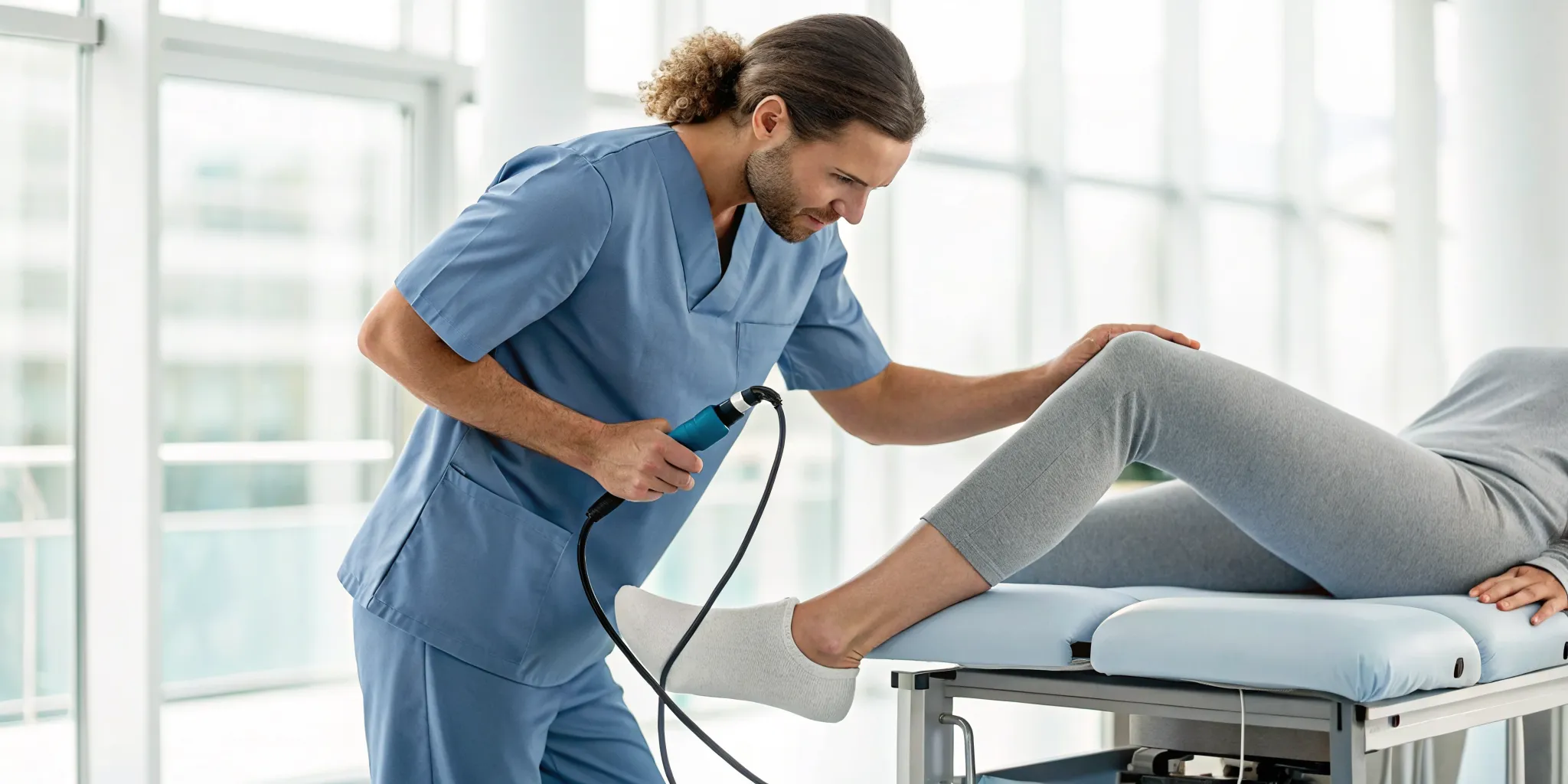
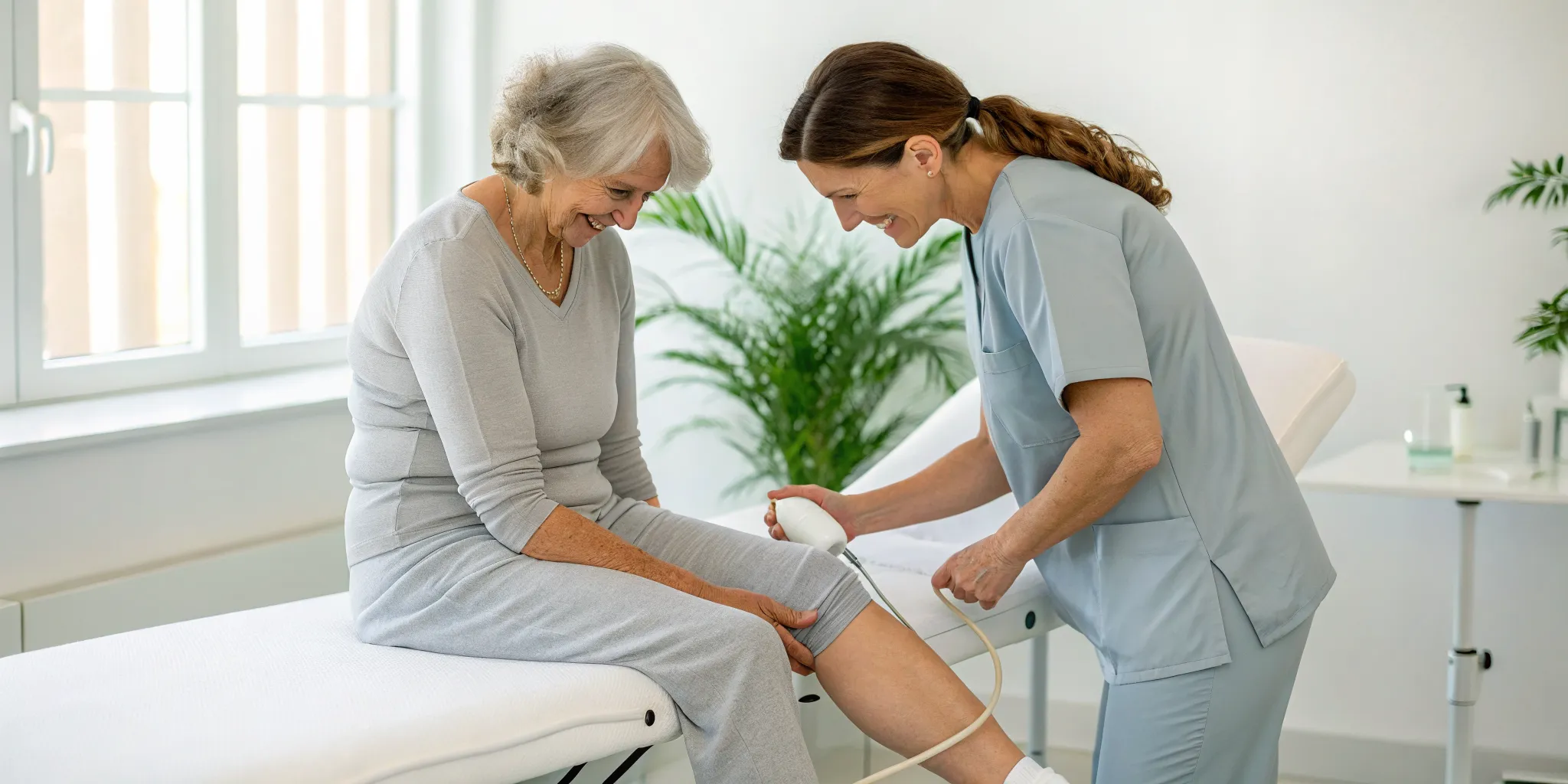
Passive range of motion occurs when a clinician moves the joint while the person remains relaxed and does not actively create the motion. This approach can help compare the movement available with assistance to the movement the person can produce independently. Differences between active and passive movement may provide useful context, but they still require professional interpretation.
Passive assessment should be performed within an appropriate clinical setting and with attention to the person's symptoms and findings. Someone experiencing joint pain or a recent change in mobility should not force a painful movement or attempt to reproduce a clinical test independently.
Active-assisted movement
Active-assisted range of motion combines the person's effort with help from a clinician or another appropriate support. The person begins or contributes to the movement, while assistance helps complete a motion that may be difficult to perform independently. This can help a clinician observe how the joint responds when the demand on the person's muscles is partly reduced.
These categories are useful because they describe different parts of movement capacity. A careful evaluation considers the quality and context of each finding rather than assigning significance to a range-of-motion category by itself.
How Is Range of Motion Measured and Interpreted?
Range of motion is measured by observing how far a joint moves, how that movement is produced, and how the finding fits the person's symptoms, function, and examination. A measurement is most useful when the method is consistent and the result is interpreted in context rather than treated as a diagnosis by itself.
A clinician may record movement with a visual estimate or a tool designed to measure joint angles, depending on the joint and the purpose of the assessment. The number alone does not explain why movement appears limited, whether the limitation affects daily function, or whether the finding matters for that individual. Positioning, stabilization, effort, discomfort, muscle control, and the examiner's technique can all influence the result.
How active, passive, and active-assisted range-of-motion assessments differAssessmentWho creates the movement?What the finding may help a clinician understandActiveThe person moves the joint using their own muscles.How movement control, strength, coordination, confidence, or symptoms may affect usable motion.PassiveA clinician moves the joint while the person relaxes as much as possible.How much motion is available when active muscle effort is reduced, while also noting resistance or discomfort.Active-assistedThe person begins or participates in movement while a clinician provides assistance.How movement changes with support, and whether control or effort may be contributing to the observed limitation.
Reference data can provide useful comparison points, but it should not be converted into a universal pass-or-fail standard. The CDC collected measurements for the elbow, shoulder, hip, knee, and ankle from more than 600 people without bleeding disorders to establish a baseline. That information is useful background, yet the CDC also emphasizes that differences in measurement and reporting methods affect interpretation. See the CDC range-of-motion measurement archive for that context.
In practice, a clinician may compare sides, consider movement quality, and relate the result to posture, strength, balance, neurological findings, and the activities that matter to the patient. This broader view helps distinguish an isolated measurement from a pattern that deserves further evaluation. It also allows progress to be tracked using the same method over time, without assuming that one number defines the person's health or physical potential.
Why Can Range of Motion Change Over Time?
Range of motion can change as joint mobility, surrounding tissues, and overall movement patterns change, but a broad trend does not explain one person's findings. A measured difference deserves context, including the joint involved, the testing method, and the rest of the physical assessment.
Age is one factor associated with changes in mobility. The Centers for Disease Control and Prevention notes that people without bleeding disorders may lose some joint mobility with aging. Its educational material also describes how chronic joint disease can reduce mobility over time in people with certain bleeding disorders. These population-level observations provide useful context, but they do not predict the result for every adult or identify the reason for an individual's change.
Day-to-day movement can also look different depending on how a measurement is collected. A person may create the movement independently, while another assessment may involve assistance from a clinician. Positioning, instructions, the joint being examined, and the way the result is recorded can all affect interpretation. CDC documentation emphasizes that range-of-motion measurements vary in their methods and reporting conventions, so the method matters when comparing results.
For that reason, a change should not be treated as a diagnosis by itself. A clinician may consider whether the finding is limited to one joint or appears across several areas, whether movement is symmetrical, and how the finding relates to function. Other observations may include strength, balance, posture, neurological signs, or the forces acting around a joint. The same number can carry different significance when viewed in different clinical contexts.
In a Tampa Bay evaluation, this broader perspective can help separate a single measurement from the larger movement picture. It may also clarify which additional questions or assessments are appropriate, without assuming a cause before the examination is complete. The CDC's range-of-motion reference material offers background on how mobility data are collected and interpreted, while individual care still depends on the person's findings.
How Can a Tampa Bay Patient Use an Assessment to Plan Next Steps?
An assessment can organize useful observations about movement, structure, strength, and coordination, but range of motion is only one part of that picture. In Tampa Bay, an individualized evaluation can help a clinician decide which findings deserve closer attention without assuming a diagnosis or promising a particular outcome.
At Ascend, functional movement screening may place range-of-motion testing alongside orthopedic evaluation, neurological assessment, muscle-strength testing, and balance and coordination evaluation. That broader view matters because limited or uneven movement may have different significance depending on how a person moves, stabilizes, and uses the surrounding joints.
A clinician may use several observations to place a range-of-motion finding in context:
- Compare sides: Review movement on one side alongside the other to identify relevant differences.
- Observe a task: Consider how the joint functions during a relevant movement rather than relying only on a seated measurement.
- Look for a broader pattern: Note whether the finding appears local or involves several areas.
- Add functional context: Use strength, balance, coordination, and neurological observations to understand movement quality more fully.
Structural observations can add another layer. Depending on the person's concerns and examination findings, an evaluation may include posture and spinal-curvature analysis, along with assessment of pelvic tilt or rotation. This does not mean every patient receives every test. The scope depends on the individual's history, concerns, and findings during the evaluation.
Readers who want broader context can explore Ascend's Physical Medicine approach, which explains how movement findings may fit within a broader assessment of structure and function.
For someone in South Tampa, North Tampa, New Tampa, Wesley Chapel, or Town & Country, the practical next step is to discuss the concern with a qualified clinician and bring relevant history to the visit. The assessment can then guide an individualized conversation about the findings and reasonable options, rather than treating one range-of-motion result as a conclusion.
How Does Range of Motion Connect to Physical Medicine Care?
Range of motion connects to Physical Medicine by showing how a joint or body region moves within the larger context of structure, function, and daily activity. It is one useful finding in an individualized evaluation, not a diagnosis or a promise about the care someone will need.
At Ascend Functional Health, the goal is to understand movement in context. A limited or changing movement pattern may be considered alongside posture, spinal alignment, muscle function, balance, symptoms, and the demands a person places on their body. That broader view can help a clinician decide which findings deserve closer attention and which questions to explore during an evaluation.
Ascend describes Physical Medicine as corrective care intended to support structure and function through evidence-informed interventions. The appropriate approach depends on the person's findings, history, goals, and response over time. A range-of-motion observation alone cannot establish the source of a concern, and it does not mean that every patient receives the same examination or service.
For example, an assessment may lead to discussion of chiropractic care, rehabilitation, postural restoration, therapeutic bodywork, or spinal decompression when those services fit the clinical picture. These options are not interchangeable, and the purpose of an evaluation is to determine whether a particular approach is relevant rather than to apply a preset sequence. Readers can review Ascend's Physical Medicine approach for more context about the practice's evaluation and care model.
Tracking movement can also make follow-up conversations more specific. Instead of relying only on whether someone feels better or worse, a clinician may compare an observed movement pattern with other functional findings and the person's ability to perform important activities. Ascend's Physical Medicine approach offers related context about evaluating structure and function. Any comparison should use a consistent method and account for symptoms, technique, and day-to-day variation.
Some readers may also encounter the phrase joint mobilization techniques when learning about movement-focused care. This article is educational and should not be read as a recommendation to perform a technique independently. For people in South Tampa, North Tampa, New Tampa, Wesley Chapel, Town & Country, and nearby communities, a conversation with a qualified clinician can help place range-of-motion findings within a fuller Physical Medicine assessment. Ascend's chiropractic care page provides additional context about discussing care options with the practice.
Discuss your movement questions with Ascend Functional Health
Frequently Asked Questions
These questions explain how range-of-motion measurements are described and why a clinician interprets them in the context of the joint, method, symptoms, and function.
What are the three types of range of motion?
Active range of motion is movement a person performs independently. Passive range of motion is movement guided by another person, while active-assisted range of motion combines the person's effort with outside assistance. Comparing these observations can help a clinician understand movement capacity, but the findings need to be interpreted with the rest of the examination.
What does 130 degrees of range of motion look like?
A degree measurement describes the angle reached by a joint, not a single appearance that looks the same for everyone. The context of 130 degrees depends on which joint was measured, how the measurement was taken, and the person's position and findings. A clinician can explain the result in relation to function rather than treating the number as a diagnosis.
How should normal range of motion be understood?
Normal range of motion is better understood as a context-dependent reference than as one universal number. Age, joint, measurement method, side-to-side differences, symptoms, strength, and function can all affect interpretation. CDC materials note that range-of-motion measurements may be made and recorded using different methods, so methodology matters when comparing results. See the CDC range-of-motion measurement archive for background.
Ready to Discuss Your Range of Motion?
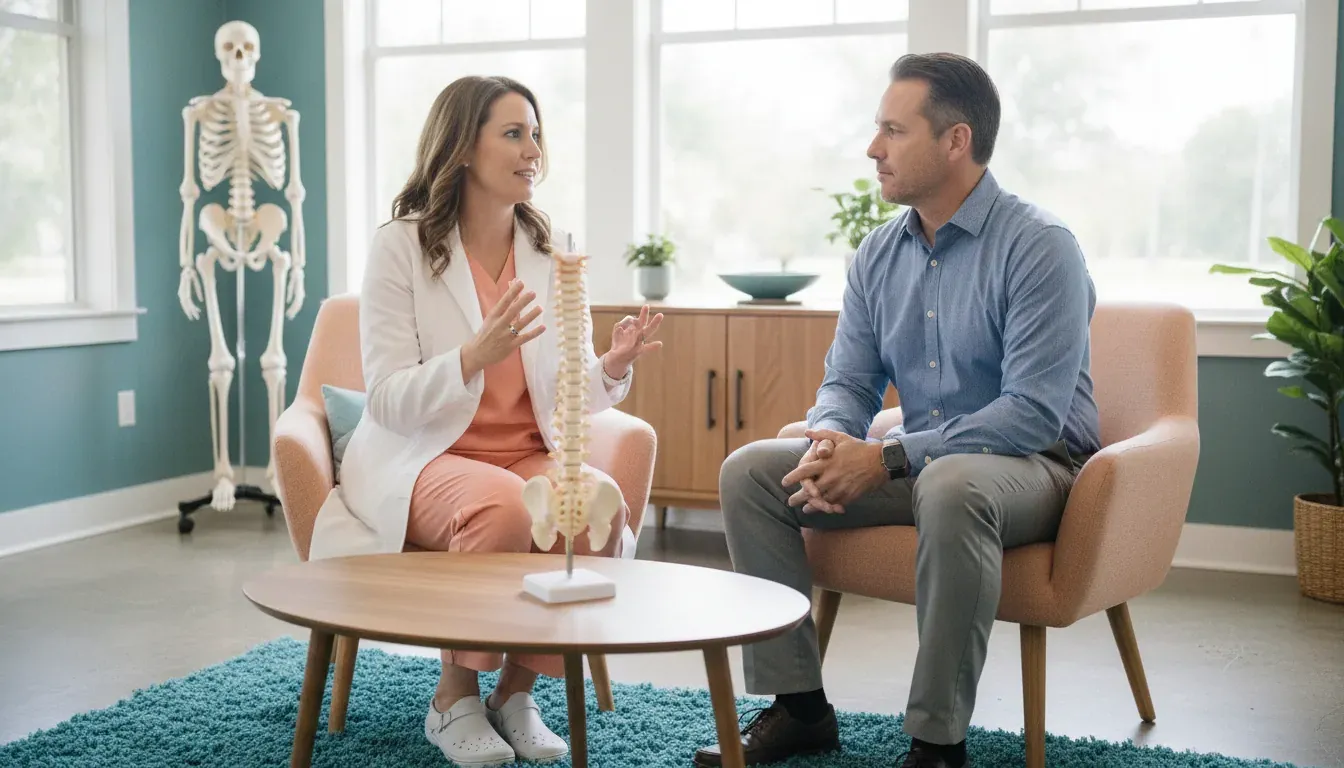
A personalized conversation can help put your movement questions in context and clarify which next steps may fit your goals and findings. If you are in Tampa Bay, an individualized Physical Medicine evaluation can help you discuss your concerns with Ascend Functional Health.
Contact Ascend Functional Health to discuss your next steps
This article is educational and not medical advice. Speak with a qualified clinician before making health decisions.