Are functional medicine doctors MDs? Some are physicians with an MD or DO degree, while others hold a different professional license and use functional medicine principles within their scope. The phrase describes an approach to care, not one universal credential. Before choosing a practitioner, verify the person's license, role, education, and the services they may provide.
Explore functional medicine care
Does functional medicine always mean an MD or DO?
No. Functional medicine does not identify a single degree or license. A practitioner may be a physician or another licensed clinician, and the exact professional scope depends on that person's credential and applicable rules.
MD means Doctor of Medicine, and DO means Doctor of Osteopathic Medicine. Both are physician degrees. Other health professionals may have graduate or doctoral degrees without holding either one. A care approach or added coursework does not change a person's underlying professional degree.
That distinction helps set reasonable expectations. A clinician's license determines the professional framework for their work; additional education may shape their approach but does not replace the license. Before starting, ask who will meet with you, who will make clinical recommendations, and who will oversee each part of the plan.
Functional medicine commonly emphasizes a person's health history, concerns, lifestyle, and relevant testing when considering an individualized plan. It is not a separate professional license. Ascend describes its practitioner-led approach on the functional medicine page, which can help prospective patients prepare questions about fit and next steps.
How can you verify a practitioner's degree and license?
Start with the clinician's full name, stated degree, and active professional license. Then confirm the credential with the relevant state licensing board or authority and ask how the clinician's services relate to that scope.
A practice website can be a useful starting point, but a headline alone cannot answer every credential question. Look for a clear biography, the exact credential, and the clinician's role in an evaluation. You can also consult the practice's background information and Dr. Alfred Alessi's profile, then ask the practice to clarify any detail that is not clear.
Use this checklist when comparing clinicians:
- Degree: Which professional or academic degree does the clinician hold, and which institution awarded it?
- License: Which active license authorizes their current professional role? Is there a public lookup tool for that license?
- Additional education: What further functional medicine education or continuing study informs their approach?
- Responsibilities: Who conducts the evaluation, interprets test results, makes recommendations, and checks progress?
- Boundaries: Which concerns fall outside the clinician's scope, and how are referrals or coordination handled?
Ask for plain-language explanations rather than relying on initials you do not recognize. You might say, “Could you explain the degree behind those initials and how it relates to the service we are discussing?” A clear response should distinguish the base professional license from any additional education.
For questions about the practice's process, review its frequently asked questions and bring anything unanswered into a conversation. A good credential check is not a test of the clinician; it is a practical way to understand who is responsible for your care.
Which questions can clarify a clinician's role?
Ask who will lead your evaluation, which decisions that person can make within their license, and when another professional may be involved. These questions help you understand the boundaries of the relationship before you commit to a plan.
Try organizing questions around four parts of care:
- Initial assessment: Who will discuss your history and concerns, and who will conduct any examination?
- Testing: Who decides whether a test may be relevant, and who explains its limits and results?
- Recommendations: Which clinician is responsible for recommendations, and how will each option connect to your stated goals?
- Coordination: If a concern needs a different type of expertise, how will the practice coordinate or suggest a referral?
It can also help to ask how the clinician communicates uncertainty. Health concerns may have more than one contributing factor, and an assessment may not answer every question at once. A careful clinician can explain current findings, remaining uncertainty, and the reasons a plan might be revised as new information becomes available.
Ascend presents services across several areas on its personalized care overview. Read it as a starting point for a discussion, not a promise that every option is appropriate for every person. Ask which clinician would be involved in a particular service and how that person's credential fits the proposed work.
What can you expect from a functional medicine evaluation?
An evaluation should connect your concerns and health history to a clear discussion of possible next steps. Ask the clinician to explain the purpose of each part of the process and how information will inform recommendations.
You can prepare a concise timeline of your main concerns, relevant prior test results, current care, and the outcomes you hope to monitor. Include changes over time, patterns you have noticed, and questions that are important to you. You do not need to arrive with a complete theory about the cause; the clinician's role is to assess the information within their scope and discuss reasonable next steps.
Testing may come up if it could help address a particular clinical question. Before agreeing to a test, ask:
- Which question is this test intended to help answer?
- How might a result affect the recommendations?
- Are there limits to interpreting the result on its own?
- Who will explain the findings and discuss follow-up?
For example, someone raising concerns about bloating might ask how health history, symptoms, and relevant testing would be considered together. Ascend's gut health testing information gives context for one type of evaluation. The useful question is not simply whether a test can be ordered; it is whether the clinician can explain its purpose and how the result could affect a decision.
After an evaluation, ask how recommendations will be prioritized. You might request a distinction between actions to consider first, matters that need more information, and signs that another professional should be involved. This makes a complex discussion easier to revisit and helps you assess whether the proposed approach matches your goals.
Ascend's bloodwork information and personalized nutrition information offer further examples of areas a patient may wish to discuss with a clinician. A page about a service cannot establish that it suits your situation; the evaluation and a clear explanation should guide that conversation.
How do Ascend's three care pillars relate to this question?
Ascend organizes its approach around Physical Medicine, Functional Medicine, and Regenerative Medicine. The relevant service depends on the person's concerns, evaluation, goals, and clinician recommendations; the pillar names do not replace credential checks.
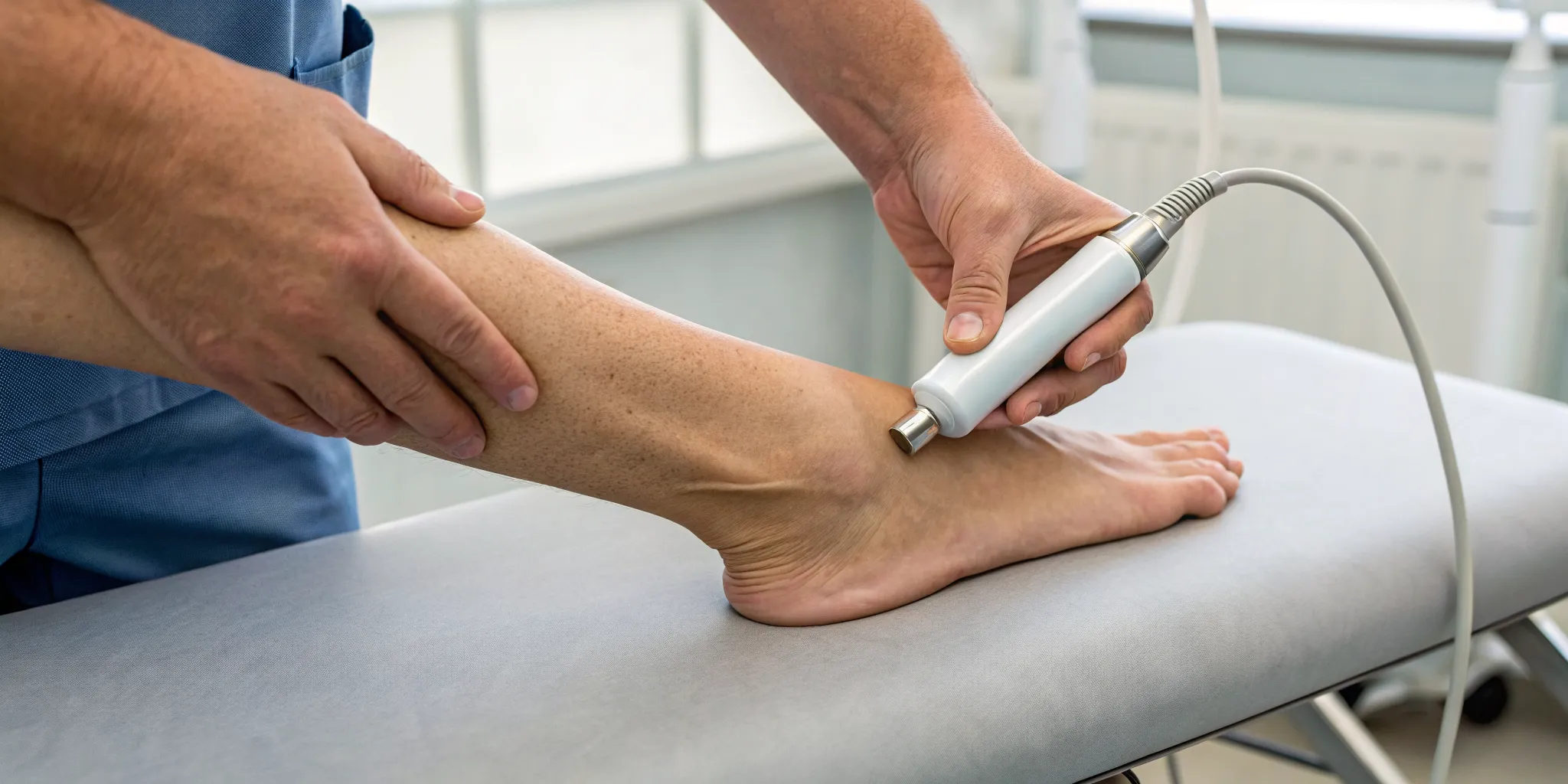
Physical Medicine includes chiropractic, spinal decompression, lumbar care, corrective care, and myofascial or soft-tissue work. These approaches relate to movement and structural concerns. The Physical Medicine overview can help you identify questions about the services and the professional who would provide them.
Functional Medicine may address concerns such as gut health, bloating, fatigue, bloodwork, and stool testing. A clinician can discuss how personal history and relevant findings may inform a tailored plan. Ask which professional will assess the information and how decisions will be reviewed.
Regenerative Medicine includes approaches such as PRP, peptide therapy, red light therapy, and hormone optimization involving testosterone, estrogen, and thyroid health. These services should be discussed through clinical evaluation, individual context, aims, uncertainties, alternatives, and follow-up. Their presence in a service category does not make them universal recommendations.
Ascend's three-pillar model is intended to connect personalized, evidence-informed care with attention to root causes and measurable outcomes. For a prospective patient, the practical next step is to ask which pillar or combination of services may be relevant, which licensed clinician would guide the discussion, and how the practice will evaluate progress.
How can you compare practitioners and care plans?
Compare more than a title. Review the clinician's formal status, the clarity of the evaluation, how testing is explained, and whether follow-up and coordination are described in concrete terms.
The table below can help you compare answers from more than one practice. It is a discussion aid, not a scoring system; a strong answer should be specific, understandable, and consistent with the clinician's role.
A simple comparison process can keep the details straight. Before a consultation, write down the questions that matter most to you. During the conversation, note the clinician's name, credential, stated role, and any follow-up they recommend. Afterward, consider whether the explanation was clear enough for you to describe the plan in your own words.
For example, imagine two clinicians both describe an individualized assessment. One explains their professional license, identifies who will review results, and describes how they would coordinate if a concern falls outside their scope. The other offers only a broad description of a whole-person approach. The first answer gives you more practical information about accountability and next steps, even before you decide whether the proposed services suit you.
You can also separate the decision into stages rather than trying to settle every question at once:
- Confirm the professional role. Identify the degree and current license of the person who would assess you.
- Understand the proposed process. Ask how history, examination, and any relevant test results will inform the discussion.
- Review the recommendations. Ask about the aim of each option, alternatives, limits, and the plan for follow-up.
- Decide whether to proceed. Take time to consider whether the clinician's answers and approach match your priorities.
If an answer uses unfamiliar terminology, ask for a simpler explanation. You can ask the clinician to summarize who is responsible for each step, which decisions remain open, and when you will revisit the plan. Clear communication should leave room for follow-up questions. You should not feel pressured to agree to a service before you understand the proposed purpose and the clinician's role.
Keep notes focused on your own concerns and the information you need. A short list is often more useful than trying to collect every credential or technical detail. If a clinician cannot address a question within their role, ask who may be able to answer it and how the practice handles that transition.
| Area to compare | Question to ask | Useful detail in the answer |
|---|---|---|
| Degree and license | Which degree and active license do you hold? | The clinician names the credential and explains its professional role. |
| Functional medicine education | What additional education informs your approach? | The clinician distinguishes added study from their base license. |
| Evaluation | How will my history and goals inform the assessment? | The process includes a discussion of personal context and priorities. |
| Testing | Which question would a proposed test help address? | The clinician explains the purpose, limits, and possible effect on decisions. |
| Recommendations | How will you explain options and alternatives? | The plan includes aims, uncertainties, and a way to review progress. |
| Coordination | When would you involve or refer to another professional? | The clinician describes boundaries and a practical coordination process. |
Notice how the clinician handles a question they cannot answer immediately. A willingness to explain limits, gather relevant information, or coordinate with another professional can be more useful than a broad promise. Likewise, recommendations should not be presented as a guaranteed result or as equally suitable for every person.
WebMD's overview of a functional medicine doctor discusses the approach and the kinds of concerns that may lead people to seek this type of care. Use it as background reading, not as verification of a particular practitioner's license. For an individual clinician, check the relevant licensing authority and ask directly about role and scope.
For additional context about Ascend's approach, visit its functional medicine page and practice background. Comparing those details with your own questions can help you decide whether to request a conversation.
Discuss your questions and next steps with Ascend
Frequently Asked Questions
These short answers recap the distinction between a care approach and a professional credential. For advice about a specific situation, raise your questions with a licensed clinician.
Does a functional medicine doctor have to hold an MD?
No. Functional medicine does not name one degree. Verify the individual's professional license, degree, and role before deciding whether the clinician's services fit your needs.
Can a non-physician use functional medicine principles?
Some licensed clinicians who are not physicians may use these principles within their professional scope. The services they may provide depend on their license, education, and applicable rules.
Does additional functional medicine education make someone an MD?
No. Additional coursework or continuing education does not change the person's underlying degree or license. Ask the clinician to distinguish formal professional credentials from further study.
What should I bring to a first conversation?
Bring a concise health history, a list of current concerns, relevant prior test results, and questions about credentials, evaluation, and follow-up. Share information you are comfortable discussing and ask how it will be used.
Contact Ascend to discuss a consultation
This content is educational and is not medical advice. Consult your clinician before acting on health information.