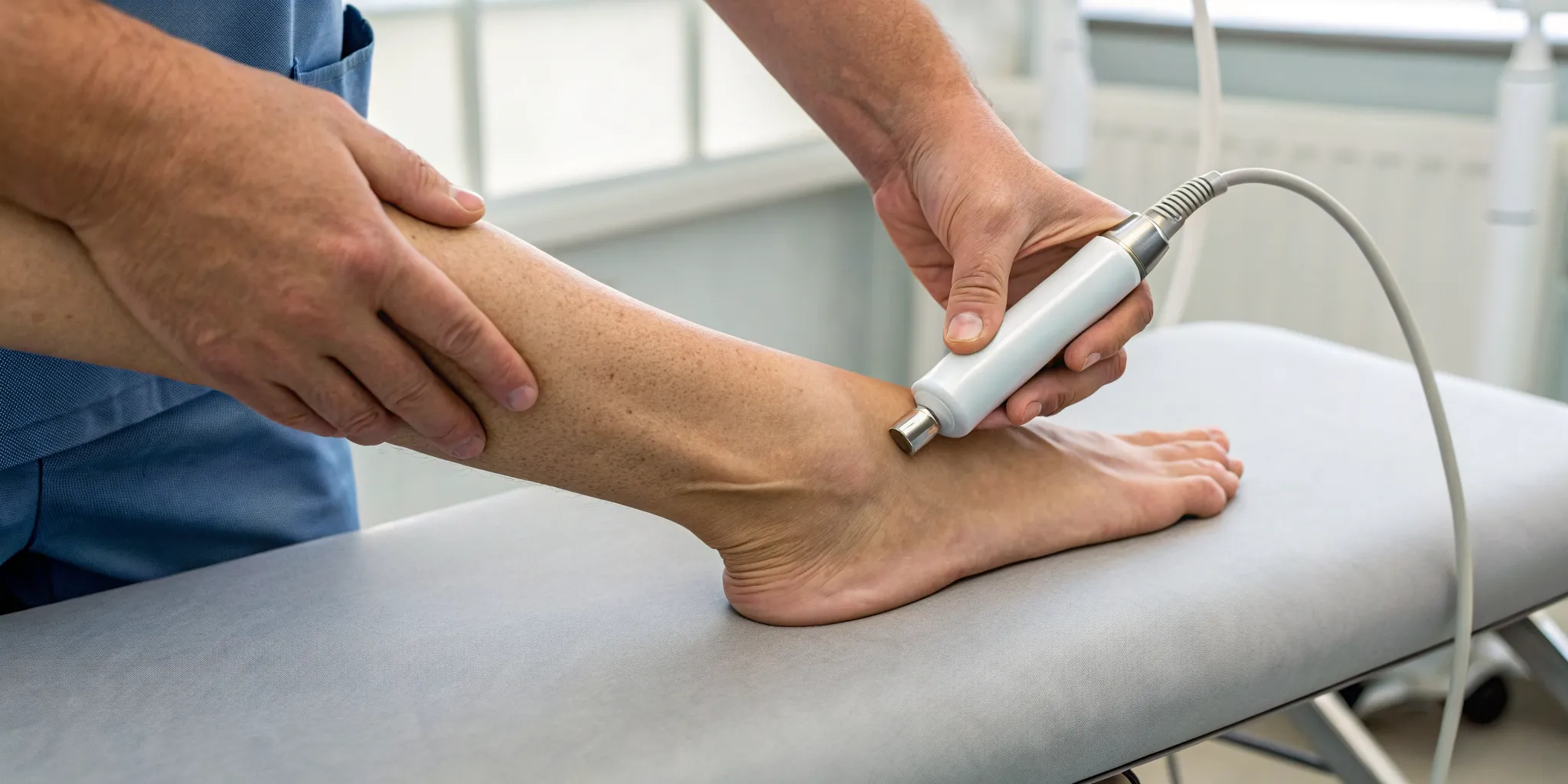
Many men wait to seek support for sexual health concerns because they feel unsure about what to discuss or where to begin. You do not need to have every answer before scheduling a visit with a men’s sexual health clinic Tampa FL. A provider can help organize your symptoms, review your health history, and identify factors that may influence sexual wellness. These may include testosterone, thyroid function, sleep, stress, digestion, circulation, and physical discomfort. Ascend Functional Health takes a whole-person approach through Physical, Functional, and Longevity Medicine. The goal is to create a clear, personalized plan that reflects your needs rather than applying the same solution to everyone.
Key Takeaways
- Consider the full health picture: Sexual wellness may relate to hormones, thyroid function, sleep, digestion, stress, circulation, or physical discomfort.
- Select personalized care: Choose a Tampa clinic that evaluates your goals, health history, and symptoms across Physical Medicine, Functional Medicine, and Longevity Medicine.
- Prepare for your consultation: Bring symptom notes, relevant test results, and a list of current therapies and supplements. Ask about privacy, fees, follow-up, testing, and referrals.
What Can a Men’s Sexual Health Clinic in Tampa, FL Treat?
Men’s sexual health concerns rarely have one single cause. Erectile function, libido, energy, sleep, digestion, hormones, circulation, discomfort, and stress can all influence sexual wellness. That’s why a thorough evaluation should look beyond one symptom and consider your overall health.
At Ascend Functional Health, care combines Physical Medicine, Functional Medicine, and Longevity Medicine. This whole-person approach can help identify factors that may contribute to sexual health concerns and guide your next steps. Some conditions require specialized evaluation, so a reputable clinic should also explain when referral care is appropriate.
Erectile dysfunction, low libido, performance, and ejaculation concerns
Erectile dysfunction may involve difficulty getting or maintaining an erection, or a noticeable change in sexual performance. Low libido and ejaculation concerns can also affect confidence, intimacy, and quality of life. Possible contributing factors include hormone changes, circulation concerns, sleep disruption, stress, metabolic health, certain therapies, or discomfort involving the spine and pelvis.
A men’s sexual health clinic may review your symptoms, sexual history, current health concerns, and goals before recommending testing or care. Depending on your evaluation, options may include oral therapies, injections, vacuum devices, shockwave treatments, or regenerative approaches. Men’s health specialists in Tampa identify erectile dysfunction among the concerns that may require focused evaluation.
The right option depends on your health history, preferences, potential risks, and response to care. Your provider should explain expected benefits, possible side effects, alternatives, and follow-up needs before you choose a treatment.
Low testosterone, thyroid changes, fatigue, and sleep concerns
Hormone changes can affect much more than sexual desire. Men with low testosterone or thyroid changes may notice fatigue, reduced motivation, difficulty concentrating, mood changes, changes in body composition, reduced endurance, or disrupted sleep. Because these symptoms can overlap with other health concerns, a careful evaluation is important.
A clinic may review your symptoms alongside hormone and thyroid markers, bloodwork, sleep patterns, stress, digestion, and current therapies. If hormone-focused care is appropriate, options may include testosterone injections, pellets, oral therapies, or approaches that support the body’s hormone production. Testosterone therapy options in South Tampa can vary according to laboratory findings and individual goals.
At Ascend, Longevity Medicine addresses concerns involving testosterone, estrogen, thyroid function, and hormone replacement therapy. Ongoing care should include appropriate monitoring, follow-up testing, and regular conversations about your symptoms and results.
Digestive, metabolic, pain, and lifestyle factors affecting sexual wellness
Digestive symptoms, metabolic changes, and ongoing discomfort can affect sexual wellness. Bloating, irregular bowel habits, fatigue after meals, weight changes, and persistent pain may influence energy, sleep, confidence, and interest in intimacy. These concerns deserve attention even when erectile function or libido is the main reason for your visit.
Functional Medicine looks for patterns across your symptoms, health history, digestion, lifestyle, and laboratory findings. Depending on your needs, an evaluation may include bloodwork or stool testing. At Ascend, Functional Medicine addresses concerns such as gut health, bloating, fatigue, and other factors that may affect your daily well-being.
Physical discomfort may also make sexual activity less comfortable or create tension around movement. Ascend’s Physical Medicine services include chiropractic care, spinal decompression, lumbar care, and corrective approaches. Addressing these factors may become one part of a broader sexual wellness plan.
Stress, anxiety, and relationship concerns affecting sexual health
Stress and anxiety can affect arousal, erection quality, ejaculation, sleep, and communication with a partner. Worrying about performance may create a cycle in which one difficult experience makes future intimacy feel more pressured. Relationship tension, grief, major life changes, and ongoing work demands can also affect desire.
A supportive provider should ask about these concerns without judgment. This does not mean your symptoms are imaginary. Stress can interact with hormone levels, sleep quality, blood flow, digestion, and discomfort, making it one part of a larger health picture. Some men discover that concerns they attributed to aging or stress may relate to treatable hormone changes, as described in this guide to a first men’s health clinic visit.
A clinic may recommend lifestyle adjustments, hormone testing, or coordination with a qualified counseling professional when emotional or relationship concerns need additional support. Your provider should explain each recommendation and respect your comfort throughout the process.
Infertility, Peyronie’s disease, prostate symptoms, and STI concerns needing referral
Some concerns require specialized evaluation beyond a general men’s wellness visit. These may include infertility, Peyronie’s disease, significant urinary changes, prostate symptoms, blood in urine or semen, testicular changes, or possible sexually transmitted infections. A reputable clinic should recognize these situations and coordinate a referral when appropriate.
Male infertility may involve sperm production, hormone signaling, anatomy, or other reproductive factors. Peyronie’s disease can involve scar tissue that causes curvature, discomfort, or changes in erection quality. Prostate-related symptoms may include changes in urinary flow, frequency, or nighttime urination. Tampa men’s health specialists list male infertility, Peyronie’s disease, prostate concerns, and sexually transmitted infections among conditions that may need focused care.
During your visit, ask which services the clinic provides directly and which concerns require referral. You should also receive clear guidance about the next evaluation, records to share, and how the clinic will coordinate with the appropriate specialist.
Which Services Do Men’s Sexual Health Clinics in Tampa, FL Offer?
Men’s sexual health clinics in Tampa may address concerns related to sexual performance, hormone balance, energy, digestion, pain, and overall wellness. Services vary by provider, so review each clinic’s scope of care before scheduling an appointment.
At Ascend Functional Health, care is organized around three connected pillars: Physical Medicine, Functional Medicine, and Longevity Medicine. This model allows the care team to consider how hormones, circulation, digestion, sleep, stress, and musculoskeletal health may affect your goals.
A comprehensive evaluation can help connect symptoms that may seem unrelated. For example, persistent fatigue, poor sleep, digestive discomfort, or lower-back issues may affect energy, confidence, and sexual function. A clinic may use consultations, lab testing, physical assessments, and follow-up visits to build a more complete picture of your health.
Not every patient needs every service. Your symptoms, health history, goals, and previous results should guide the evaluation. A reputable provider will explain which assessments may be helpful, what they can and cannot show, and when referral-based care may be appropriate.
Private consultations, health histories, and goal setting
A private consultation gives you time to discuss concerns such as erectile changes, reduced libido, fatigue, performance changes, or questions about hormone health. Your provider may ask when symptoms began, whether they have changed, and how they affect your relationships, sleep, confidence, and daily routine.
You may also review your health history, family history, lifestyle, current therapies, supplements, and previous testing. Depending on your concerns, the visit may include a physical assessment or a recommendation for additional evaluation.
Clear goals can make the appointment more productive. You may want to understand a new symptom, improve energy, address changes in sexual function, or create a longer-term wellness plan. Review Ascend’s services before your visit to see which areas the clinic evaluates.
Hormone, thyroid, and general bloodwork
Bloodwork can help providers evaluate factors that may contribute to sexual health concerns. Depending on your symptoms and history, testing may include testosterone and other hormone markers, thyroid function, blood sugar, cholesterol, and additional measures related to general wellness.
Testing should have a clear purpose rather than follow a one-size-fits-all approach. Your provider may consider your age, symptoms, current therapies, sleep patterns, body composition, and family history when selecting markers.
Results also need context. One number may not explain how you feel or why symptoms developed, particularly when several factors may be involved. Ask how results will be reviewed, whether additional testing may be useful, and when follow-up testing may be considered. Ascend’s Longevity Medicine services include personalized evaluations for hormone and thyroid concerns.
Functional Medicine for gut health, bloating, fatigue, and stool testing
Digestive symptoms can affect more than comfort. Bloating, irregular bowel habits, food sensitivities, and ongoing digestive changes may occur alongside fatigue, sleep disruption, and shifts in overall well-being. Functional Medicine considers these concerns in the context of your broader health rather than treating every symptom as unrelated.
An evaluation may include a detailed symptom history, nutrition discussion, review of previous results, and, when appropriate, stool testing. The goal is to identify useful patterns and create practical next steps based on your needs.
Your plan may address digestion, daily habits, nutrient intake, sleep, and other factors that could influence energy and sexual wellness. Testing is not appropriate for everyone, so ask what a test may show and how its results could affect your care. Learn more about Ascend’s Functional Medicine approach before your consultation.
Longevity Medicine for testosterone, estrogen, thyroid, and hormone replacement therapy
Longevity Medicine focuses on maintaining function, energy, and quality of life as your health needs change. For men, an evaluation may include testosterone, thyroid markers, estrogen balance, sleep, body composition, and symptoms such as reduced libido or ongoing fatigue.
When hormone replacement therapy may be appropriate, the provider should explain the goals, available options, potential risks, and monitoring requirements. Hormone care should consider symptoms and appropriate testing, not a lab result alone.
Follow-up helps determine whether a protocol remains suitable and whether adjustments are needed. Ask how progress will be assessed and which symptoms or lab markers will be reviewed. Ascend includes Longevity Medicine among its three care pillars, supporting a personalized approach to hormone and wellness concerns.
Physical Medicine for chiropractic, spinal decompression, lumbar, and corrective care
Physical health can influence comfort, confidence, movement, and intimacy. Men’s sexual health clinics that offer Physical Medicine may evaluate musculoskeletal concerns involving the spine, hips, pelvis, or lower back. Services can include chiropractic care, spinal decompression, lumbar support strategies, and corrective care approaches.
These services do not replace a focused evaluation of hormonal or sexual concerns. They may complement broader care when discomfort, limited mobility, posture, or nerve irritation affects daily activities and sexual wellness.
The right approach depends on your symptoms and physical assessment. Ask what a proposed service is intended to address, how progress will be measured, and whether another type of evaluation may be appropriate. Ascend’s Physical Medicine services explain how personalized care may support spinal and musculoskeletal health.
Erectile dysfunction options, including oral therapies, injections, vacuum devices, shockwave, and regenerative approaches
Erectile dysfunction can have several contributing factors, including hormone changes, circulation, stress, sleep problems, prescription use, metabolic health, and physical discomfort. A qualified provider should discuss your symptoms and health history before recommending an approach.
Depending on the evaluation, options may include oral therapies, injections, vacuum devices, shockwave therapy, or regenerative approaches. Each option has different considerations, benefits, limitations, and monitoring needs.
Ask whether the provider will assess possible contributing factors instead of focusing only on erections. You should also receive clear instructions, safety information, and guidance about when another specialist may be appropriate. Ascend’s conditions treated page offers more information about the concerns addressed within its broader care model.
Personalized protocols, monitoring, follow-up care, and referrals
A personalized protocol should reflect your symptoms, goals, test results, health history, and response to care. Your provider may establish milestones related to energy, libido, sleep, digestion, comfort, or sexual function. Tracking these details can make follow-up conversations more useful.
Follow-up visits may include a symptom review, repeat testing, physical assessments, and adjustments to your plan. Ask how often progress will be evaluated, who reviews your results, and how you can contact the care team with questions.
A reputable clinic should also explain when a concern falls outside its scope and coordinate a referral when appropriate. Before you begin care, confirm the next steps and expected follow-up schedule. Use Ascend’s contact page to request a confidential conversation about your goals and care options.
How Do You Choose the Right Men’s Sexual Health Clinic in Tampa?
Choosing a men’s sexual health clinic involves more than comparing a list of services. The right provider should offer a private, respectful setting where you can discuss concerns openly and receive care based on your symptoms, health history, goals, and long-term wellness. Sexual health concerns can connect with hormone changes, sleep, digestion, stress, circulation, or musculoskeletal issues, so a broader evaluation may provide useful context.
Before scheduling, review the clinic’s providers, services, communication process, and follow-up approach. Look for a team that explains its recommendations clearly, answers questions without judgment, and recognizes when another specialist should be involved. You can also explore Ascend Functional Health’s three pillars of care to learn how Physical Medicine, Functional Medicine, and Longevity Medicine may fit into a personalized care plan.
A thoughtful clinic should also explain the evaluation process before your first appointment. Ask which records or test results to bring, whether laboratory testing may be recommended, how results are reviewed, and what follow-up typically involves. These details can help you choose a provider that supports informed decisions instead of rushing you toward a predetermined treatment.
Verify provider licenses, credentials, and scope of practice
Start by confirming that each provider has an active Florida license and credentials appropriate for the services offered. The Florida Department of Health license lookup can help you review a provider’s license status and professional information.
Ask which conditions the clinic evaluates, which therapies it provides, and when it refers patients to another specialist. A reputable clinic should explain its scope clearly rather than suggesting it can address every concern. This matters when symptoms may involve prostate health, fertility, persistent pain, or another condition that requires specialty evaluation. Clear boundaries show that the clinic takes patient safety seriously.
Assess experience with men’s sexual health and hormone concerns
Experience matters when discussing erectile function, libido, ejaculation concerns, testosterone, thyroid changes, and related symptoms. Ask how often the provider works with men who have similar concerns and whether the clinic considers hormone health alongside sleep, stress, digestion, lifestyle, and general wellness.
It is also reasonable to ask how providers stay current with clinical guidance and decide whether a therapy is appropriate. Look for specific, understandable explanations instead of broad promises about results. Ascend’s Longevity Medicine services address concerns related to testosterone, estrogen, thyroid function, and hormone replacement therapy, with care plans shaped around each patient’s needs.
Look for root-cause assessments and research-backed protocols
A thorough evaluation looks beyond one symptom. During your first conversations, the provider should ask when symptoms began, whether they are changing, and how they relate to sleep, stress, digestion, physical activity, pain, supplements, and current therapies. This context may reveal contributing factors that a single test or symptom-focused approach does not capture.
Ask what information guides the care plan and how the clinic explains the evidence behind its recommendations. Testing should answer a relevant clinical question rather than create an unnecessarily long list of costs. Ascend’s Functional Medicine approach may include a health history, bloodwork, and stool testing when appropriate for concerns such as bloating, fatigue, or digestive changes.
Compare testing, services, treatments, and referral options
Clinics vary in the services they provide, so request a clear overview before booking. Depending on your concerns, an evaluation may involve hormone or thyroid markers, general bloodwork, a physical assessment, lifestyle questions, or additional testing. Ask which services take place within the clinic and which require coordination with another provider.
You should also ask about treatment options, expected monitoring, and alternatives. When clinically appropriate, a clinic may discuss oral therapies, injections, vacuum devices, shockwave approaches, or regenerative options for erectile concerns. Physical factors may also call for Ascend’s Physical Medicine services, including chiropractic care, spinal decompression, lumbar care, and corrective approaches. The provider should explain the purpose of each option and when referral is the safest next step.
Review testimonials, communication, Tampa-area access, and scheduling
Patient feedback can offer insight into communication, professionalism, appointment flow, and whether people feel heard. Read testimonials thoughtfully, looking for recurring details about personalized attention and follow-up rather than relying only on broad outcome claims. Ascend shares patient testimonials to help prospective patients learn about others’ experiences.
Access matters, too. Confirm the clinic’s Tampa-area location, appointment availability, consultation length, and preferred communication methods. Ask how the office responds to questions and whether follow-up visits can be arranged around your schedule. Clear communication before your first visit can make the entire care process more organized and comfortable.
Ask how the clinic protects privacy and manages results, records, and follow-up
Sexual health discussions require discretion. Ask how the clinic protects personal information, stores records, communicates results, and confirms your identity before discussing sensitive details. You can also ask whether results are delivered through a secure portal, by phone, or through another private process.
Before beginning care, clarify who reviews your results and when you can expect an explanation. Ask how the clinic tracks changes over time, adjusts protocols, and handles questions between appointments. You should also learn how to request copies of your records and how referrals are coordinated when another specialist is needed.
A respectful clinic will answer these questions directly and explain your choices in plain language. You should understand the proposed plan, its goals, possible risks, alternatives, and the follow-up needed to evaluate your progress.
What Happens During Your First Visit?
Your first visit to a men’s sexual health clinic in Tampa, FL should feel private, respectful, and focused on your goals. Instead of looking at one symptom in isolation, the provider may consider how hormones, sleep, digestion, stress, physical discomfort, and daily habits relate to your sexual wellness.
Ascend Functional Health takes a whole-person approach through its Physical Medicine, Functional Medicine, and Longevity Medicine services. Reviewing the clinic’s three pillars of care before your appointment can help you understand how different areas of health may fit into your evaluation.
Discuss symptoms, goals, and concerns privately
Your appointment usually begins with a confidential conversation about what brought you in and what you hope to improve. You may discuss changes in erections, libido, ejaculation, energy, mood, or sexual confidence. You can also share concerns about how symptoms affect your relationship, sleep, or daily life.
You do not need to have the perfect words prepared. Describe when you first noticed the concern, how often it occurs, and whether anything seems to improve or worsen it. Be direct about your goals, whether you want to improve sexual function, understand hormone changes, or create a broader wellness plan. A respectful provider should give you time to ask questions without judgment.
Review sexual history, symptom timeline, health history, and family history
The provider may ask about your sexual history, symptom patterns, previous evaluations, and therapies you have tried. These questions help establish a timeline and may show whether a concern appeared suddenly, developed gradually, or changes under specific circumstances.
You may also review your personal and family health history. Conditions affecting hormones, circulation, thyroid function, metabolism, or reproductive health can provide useful context. Bring relevant information about previous diagnoses, procedures, allergies, and test results. The NHS guide to sexual health visits also emphasizes that open communication helps clinicians determine which evaluations may be appropriate.
Discuss sleep, stress, digestion, pain, lifestyle, therapies, and supplements
Sexual wellness does not exist in isolation. Your provider may ask about sleep quality, daily stress, energy, digestion, bloating, physical pain, alcohol use, tobacco use, activity levels, and relationship factors. These details can help identify patterns that may not be obvious when you focus only on sexual symptoms.
Share a complete list of therapies and supplements you currently use, including how often you take them. Some products may affect laboratory results or interact with a proposed care plan. Ascend’s Functional Medicine services include evaluations related to gut health, fatigue, and digestive concerns, which may be relevant when these symptoms occur alongside changes in sexual wellness.
Determine whether you need an examination, hormone panel, thyroid markers, bloodwork, or stool testing
After reviewing your history, the provider can explain whether an examination or laboratory testing may be useful. Depending on your symptoms and goals, this could include hormone markers, thyroid markers, general bloodwork, or stool testing related to digestive concerns. Testing should be selected for a clear reason, rather than ordered without context.
Your provider should explain what each evaluation may help identify, how to prepare, and when to expect results. Not every person needs every test. Ascend’s Longevity Medicine services address concerns involving testosterone, estrogen, thyroid function, and hormone replacement therapy, with testing and monitoring tailored to the individual.
Review findings, options, risks, benefits, alternatives, and consent
Once your history and results have been reviewed, the provider should explain the findings in clear language. Ask how each finding may relate to your symptoms, which options are available, and what results you might reasonably expect. A thoughtful care discussion should include potential risks, benefits, alternatives, and the option to pause before making a decision.
You should never feel pressured to begin a care plan before your questions are answered. Ask whether additional information is needed and how your preferences will shape the next steps. Tampa General Health provides an overview of factors that may contribute to male sexual dysfunction, which can help you prepare for a broader conversation about contributing health factors.
Set monitoring milestones, follow-up timing, and referral needs
Sexual health care often involves follow-up rather than a single appointment. Your provider may set milestones for symptoms, energy, sleep, hormone markers, or other measures connected to your goals. Ask when you should return, which changes to track, and how results will be communicated.
A responsible clinic should also explain when another clinician or specialist may be better suited to a particular concern. Referrals can be part of coordinated care, especially when symptoms involve reproductive health, urinary concerns, fertility, or conditions outside the clinic’s scope. Before leaving, confirm the next appointment, expected testing timeline, communication process, and which changes should prompt timely medical attention.
Prepare symptom notes, recent results, current therapies, supplements, and questions
A little preparation can make your first appointment more productive. Write down your main symptoms, when they began, how often they occur, and whether they have changed. Include questions about testing, care choices, follow-up, privacy, and expected progress.
Bring recent results if they are available, along with a current list of therapies and supplements. Note the names, amounts, and how often you use them. You may also want to record sleep patterns, digestive symptoms, stress levels, and changes in energy. Ascend’s contact page can help you request a Tampa-area consultation and confirm what information to bring before your visit.
What Costs, Payment, and Confidentiality Questions Should You Ask?
Before beginning care, ask direct questions about pricing, payment, privacy, and follow-up. A reputable men’s sexual health clinic should explain its process clearly and give you time to consider your options. These conversations can help you understand what your first visit includes and whether the clinic’s approach fits your goals.
Costs may vary when care includes hormone testing, functional assessments, physical care, treatment, or ongoing monitoring. Ask for details before agreeing to a plan, and request clarification whenever something is unclear.
Separate consultation, laboratory, treatment, monitoring, and follow-up fees
Ask whether the first consultation is priced separately from laboratory testing, treatment, follow-up visits, and monitoring. Some clinics group services together, while others price each service individually. Knowing the difference makes it easier to compare care plans and understand your expected expenses.
Ask whether hormone panels, thyroid markers, general bloodwork, stool testing, physical medicine services, or follow-up reviews are included. Ascend Functional Health offers Physical Medicine, Functional Medicine, and Longevity Medicine, so recommended services may depend on your symptoms, goals, and evaluation findings.
Useful questions include:
- What does the first consultation include?
- Are laboratory services billed separately?
- Are follow-up visits required?
- How often will progress be reviewed?
- Are treatment supplies included?
- Could testing change the recommended care plan?
Request written estimates and clarify potential testing-related changes
Request a written estimate whenever possible. It should identify the consultation fee, expected laboratory costs, treatment charges, monitoring visits, and other planned services. A written outline gives you something to review later and helps prevent misunderstandings.
Testing may show that you need a different evaluation or a referral to another qualified provider. Ask whether the clinic will contact you before adding a test or service. You can also ask who will explain the results and whether that discussion is part of a follow-up appointment.
Ascend’s Functional Medicine services may include a detailed review of digestion, fatigue, bloating, bloodwork, or stool testing. Ask why a recommended evaluation may be useful and how its findings could affect your care plan.
Ask about payment methods, recurring care, treatment supplies, and cancellations
Ask which payment methods the clinic accepts and when payment is due. If your care involves recurring visits, hormone monitoring, supplies, or a longer protocol, ask how often charges occur and whether services renew automatically.
Review the cancellation and rescheduling policy before booking. Ask how much notice the clinic requires, whether missed appointments result in a charge, and how to cancel recurring services. These details are simple to discuss and can help you plan ahead.
Consider asking:
- Which payment methods do you accept?
- Are follow-up visits scheduled individually?
- Are treatment supplies ordered separately?
- How are recurring charges handled?
- What happens if I need to reschedule?
- Will I receive an itemized statement?
If you are considering hormone-related care, review Ascend’s Longevity Medicine services and ask which evaluations and monitoring steps may apply to you.
Confirm how the clinic protects results, records, and communication
Confidentiality should be part of your conversation from the beginning. Ask how the clinic stores health records, protects laboratory results, verifies your identity, and communicates with you. You may prefer phone calls, a secure portal, or another communication method, so explain which option feels most private.
Ask whether messages include sensitive details or simply notify you that a result is ready. You can also confirm who has access to your records and how the clinic handles requests from another provider. The U.S. Department of Health and Human Services offers guidance on protecting personal health information.
Before sharing your contact details, verify that your phone number and email address are correct. If another person can access either account, tell the clinic so staff can use a more discreet way to contact you.
Learn what information the clinic may share and how to request records
Ask when the clinic may share your information with another healthcare professional, laboratory, or specialist. In many situations, releasing records to another provider requires your authorization. Ask what the authorization includes, how long it remains valid, and whether you can withdraw it.
You should also ask how to request copies of consultation notes, laboratory results, treatment history, and follow-up records. Find out whether requests must go through a portal, email, or written form, and ask about the expected processing time.
A clinic may recommend coordinated care or a referral if your concern falls outside its scope. That is a sign of responsible practice. Ascend explains its approach across its conditions and care areas, and you can discuss records access and referral coordination during a confidential consultation.
What Concerns Do Men Have About Sexual Health Care?
Many men postpone sexual health care because the subject feels personal, difficult to explain, or connected to concerns about aging and performance. A supportive clinic should make the conversation clear, respectful, and private. Sexual symptoms may also provide useful clues about hormone balance, circulation, sleep, stress, digestion, and other areas of whole-person health.
At Ascend Functional Health, men can discuss sexual wellness through Longevity Medicine services, along with Functional and Physical Medicine when those areas may contribute to their concerns. The goal is not to make assumptions or rush into a standard treatment. It is to understand the full picture and create a care plan that fits your health history, goals, and needs.
A private appointment offers a health conversation without embarrassment
A private appointment gives you room to discuss changes in erections, libido, ejaculation, energy, or confidence without feeling rushed or judged. These conversations may feel uncomfortable at first, but experienced providers understand that sexual health is a routine part of adult health care. You should be able to describe your concerns in your own words and ask direct questions.
Before scheduling, ask how the clinic manages private conversations, records, test results, and follow-up communication. A respectful clinic should explain its privacy practices clearly and provide a setting where you can speak openly. The CDC’s guidance on taking a sexual history emphasizes a respectful, proactive approach that gives patients a clear opportunity to discuss sensitive concerns.
Sexual health concerns can affect men at any age
Sexual health concerns are not limited to older men. Changes in desire, erectile function, ejaculation, or sexual confidence can occur during different stages of adulthood. They may appear alongside stress, sleep disruption, relationship changes, ongoing health concerns, hormone changes, or lifestyle factors.
Because these concerns can have several contributing factors, it helps to look beyond one symptom. A detailed conversation may explore when the change began, whether it happens consistently, and what other symptoms appeared around the same time. The American Academy of Family Physicians’ sexual health guidance supports clear, respectful questions about sexual function and related health concerns.
Seeking support does not mean the concern is permanent. It means you are taking a closer look at an issue that may affect your well-being and relationships.
Erectile dysfunction and low testosterone may have multiple contributing factors
Erectile dysfunction and low libido are sometimes attributed to low testosterone alone, but sexual health symptoms can have several possible contributors. Hormone changes, blood sugar concerns, cardiovascular health, stress, poor sleep, relationship strain, and certain therapies may all play a role. Fatigue and reduced motivation may also make sexual concerns feel more noticeable.
A thoughtful evaluation can help place symptoms in context. Your provider may review your symptom timeline, health history, lifestyle, and relevant test results rather than focusing on one label. The Cleveland Clinic’s overview of men’s health concerns discusses the connection between erectile concerns and broader health conditions. Ascend’s Functional Medicine approach may also be relevant when digestion, fatigue, or metabolic concerns are part of the picture.
One visit may lead to testing, monitoring, or referral instead of immediate treatment
A first appointment is generally an information-gathering visit, not a promise of immediate treatment. Your provider may discuss your symptoms and goals, review previous results, and determine whether hormone, thyroid, or general bloodwork could clarify the situation. If digestive symptoms are relevant, stool testing or other functional assessments may also be considered.
Some concerns require monitoring over time to understand how symptoms respond to a personalized protocol. Others may call for coordination with another qualified clinician. A responsible provider should explain the reason for each next step instead of making assumptions from one symptom or result. Ascend’s patient testimonials can provide insight into the patient experience, but your evaluation should remain specific to your health history and goals.
Informed consent helps you understand options, risks, benefits, and alternatives
Before beginning any therapy, you should know what the provider recommends, why it may be appropriate, and what results to expect. Ask about potential risks, possible side effects, alternatives, monitoring, and the signs that could prompt a change in the plan. You should also have time to ask questions and decide whether you feel comfortable proceeding.
Informed consent is an ongoing conversation, not just a form to sign. Your preferences and goals matter, and you can request clarification whenever a recommendation is unclear. The CDC’s sexual history guidance supports open communication as part of respectful sexual health care. A clinic that welcomes questions can help you make thoughtful decisions about your care.
A reputable clinic explains when a concern exceeds its scope of care
A trustworthy clinic knows what it can evaluate and manage, and when another qualified provider should become involved. Infertility, Peyronie’s disease, prostate symptoms, suspected sexually transmitted infections, and certain persistent changes may require additional evaluation outside the clinic’s services.
Ask how referrals are handled and whether the clinic can help coordinate relevant records or follow-up information. You should receive clear guidance rather than being left to guess where to turn next. Ascend outlines its available services, including Physical, Functional, and Longevity Medicine, so prospective patients can understand the clinic’s approach and scope before scheduling. This transparency helps you choose care that matches your concerns and supports appropriate follow-up when needed.
Schedule Confidential Care at Ascend Functional Health
Choosing a men’s sexual health clinic involves more than finding an appointment that fits your schedule. You want a care team that listens without judgment, protects your privacy, and considers the health factors that may affect sexual wellness. These may include hormone changes, thyroid function, sleep, stress, digestion, physical discomfort, circulation, and daily habits.
Ascend Functional Health brings together Physical Medicine, Functional Medicine, and Longevity Medicine. This whole-person approach can help connect sexual wellness concerns with broader health goals instead of treating one symptom in isolation. You can explore Ascend’s services before scheduling to learn more about the clinic’s approach.
Explore Ascend’s Physical, Functional, and Longevity Medicine pillars
Ascend’s three care pillars give your provider several ways to assess factors that may influence your health. Physical Medicine may address spinal alignment, mobility, discomfort, and nervous system function through chiropractic care, decompression, lumbar care, and corrective approaches. These services may be relevant when physical discomfort affects activity, confidence, or sexual wellness.
Functional Medicine focuses on concerns such as digestion, bloating, fatigue, nutrient status, and metabolic health. Depending on your symptoms and health history, your evaluation may include bloodwork or stool testing. Longevity Medicine addresses hormone and thyroid concerns, including testosterone, estrogen, and thyroid-related changes. Review the Physical Medicine, Functional Medicine, and Longevity Medicine pages to see how each pillar may fit into your care plan.
Request a confidential Tampa-area consultation through Ascend’s contact page
When you are ready to talk, use Ascend’s contact page to request a Tampa-area consultation. You can share the general reason for your visit and include any scheduling preferences. You do not need to describe every personal detail in an online form. Save those details for a private conversation with the care team.
Privacy should extend across scheduling, communication, records, and follow-up. Ask how the clinic contacts patients, shares results, and protects health information. Private consultation rooms and discreet communication can help you feel more comfortable discussing personal concerns, as men’s health visit guidance explains. If you have questions about confidentiality, bring them to your first conversation so you know what to expect.
Bring symptom notes, health goals, current therapies, supplements, and relevant results
A few notes can make your appointment more focused. Record when your symptoms began, how often they occur, and whether they have changed. Include concerns related to libido, erections, ejaculation, energy, sleep, digestion, discomfort, mood, or daily activity. You may also want to note recent changes in stress, relationships, eating habits, or routines.
Bring a list of current therapies and supplements, along with relevant laboratory results or imaging reports. Include the name, amount, and frequency of anything you use. Write down your main goals as well, such as improving energy, understanding hormone changes, or addressing sexual performance concerns. These details can help your provider identify patterns and determine appropriate next steps. Ascend’s patient testimonials can also give you a sense of how patients describe the clinic’s personalized care.
Confirm evaluation steps, fees, privacy practices, follow-up, and referral coordination
Before moving forward, ask what the first appointment includes and whether testing may be recommended. Clarify separate fees for the consultation, laboratory work, treatment supplies, monitoring, and follow-up visits. Request a written estimate when possible, and ask whether the total may change if your evaluation requires more than one type of testing.
It is also appropriate to ask how the clinic stores records, communicates results, and coordinates care with other licensed providers when needed. Some concerns may require a referral or evaluation outside the clinic’s scope. A responsible care team should explain that clearly and help you understand the next step. You can also ask how often follow-up visits occur, which milestones the team monitors, and whom to contact with questions between appointments.
Connect sexual wellness goals with a personalized whole-person care plan
Sexual wellness may connect with broader health goals, including energy, sleep, digestion, stress, physical comfort, and hormone balance. Your plan may address several of these areas, but that does not mean every person needs the same testing or services. The evaluation should reflect your symptoms, health history, priorities, and informed preferences.
During your consultation, explain what improvement would look like for you. You may want more consistent sexual function, better energy, greater confidence, or a clearer understanding of changes in your body. Your provider can discuss appropriate options, monitoring, potential risks, and alternatives. Ascend’s About page offers more insight into its root-cause approach and personalized protocols. Bring your questions, speak openly, and make sure you understand the plan before choosing your next step.
Related Articles
- Tampa Bay's Best Hormone Optimization Clinics
- Testosterone Replacement Therapy Tampa: Your Guide
- Tampa's Top HRT Clinic for Men: A Patient's Guide
- Hormone Optimization Men Over 40 Tampa: What to Know
- A Guide to Your TRT Consultation in Tampa
Frequently Asked Questions
What concerns can a men’s sexual health clinic in Tampa evaluate?
A clinic may evaluate erectile changes, reduced libido, ejaculation concerns, fatigue, hormone changes, sleep disruption, digestive symptoms, stress, and physical discomfort that may affect sexual wellness. The evaluation should consider your complete health history and goals rather than focusing on one symptom alone.
What should I bring to my first appointment?
Bring a list of current therapies and supplements, recent laboratory results, relevant health records, and notes about when your symptoms began. It can also help to write down questions about testing, treatment options, privacy, follow-up, and referral care.
Will I need hormone or other laboratory testing?
Testing depends on your symptoms, history, and goals. A provider may recommend hormone or thyroid markers, general bloodwork, or stool testing when those evaluations could clarify contributing factors. Your provider should explain the purpose of each test and how the results may affect your care plan.
Can Ascend address digestive, physical, and hormone-related concerns together?
Ascend Functional Health brings together Physical Medicine, Functional Medicine, and Longevity Medicine. Depending on your needs, care may include chiropractic or decompression services, digestive health evaluation, or support for testosterone, estrogen, and thyroid concerns.
When should a clinic refer me to another specialist?
Referral care may be appropriate for concerns involving infertility, Peyronie’s disease, prostate symptoms, urinary changes, possible sexually transmitted infections, or other issues outside the clinic’s scope. A responsible provider should explain the reason for referral and help coordinate the next steps.