If you are researching a DEXA scan Tampa patients can use to understand body composition or bone health, start by separating two related but different goals. A DEXA scan, also called a DXA scan, may provide measurements of bone mineral density, fat mass, and lean mass depending on the protocol. The report is useful information, but it is one part of a larger clinical conversation rather than a stand-alone treatment decision.
This guide explains the main measurements, how body composition differs from bone density, and which questions to bring to a Tampa consultation. The goal is to help you approach the process with clearer expectations and better questions.
Schedule a Tampa health consultation with Ascend Functional Health
How Does a DEXA Scan Work?
Answer: A DEXA scan uses two low-energy X-ray beams to estimate different tissue types. The scan protocol may focus on selected bones, such as the hip and lower spine, or use a whole-body approach for composition measurements.
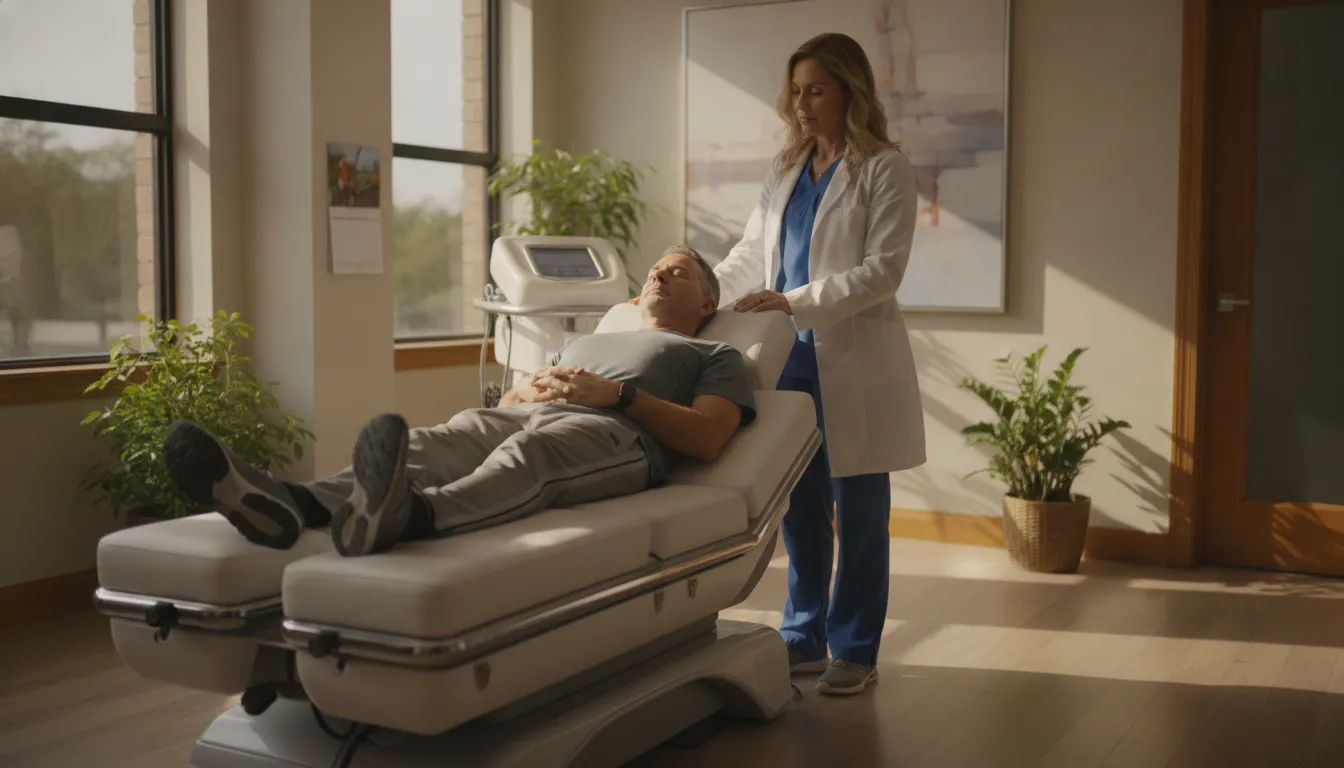
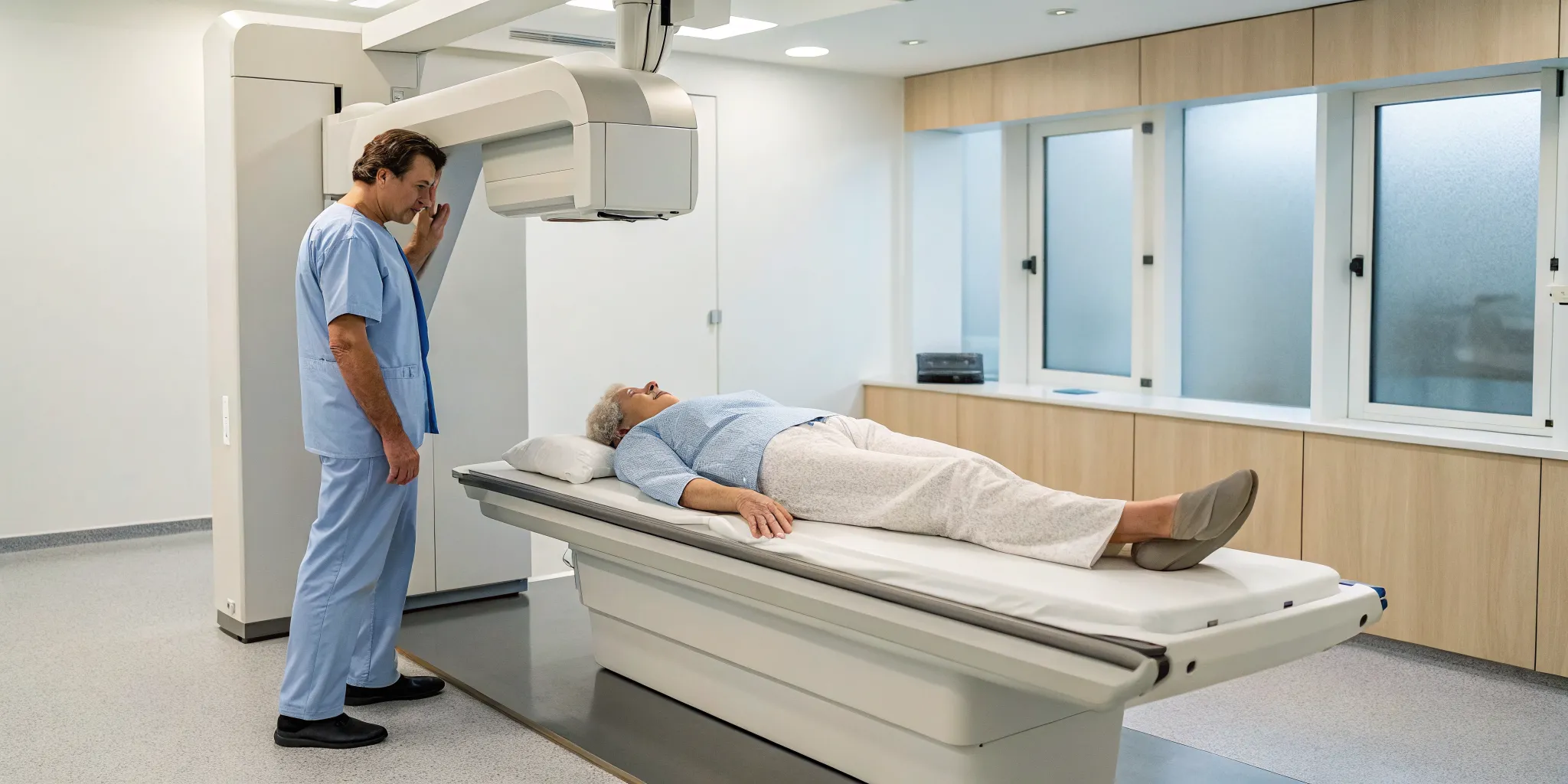
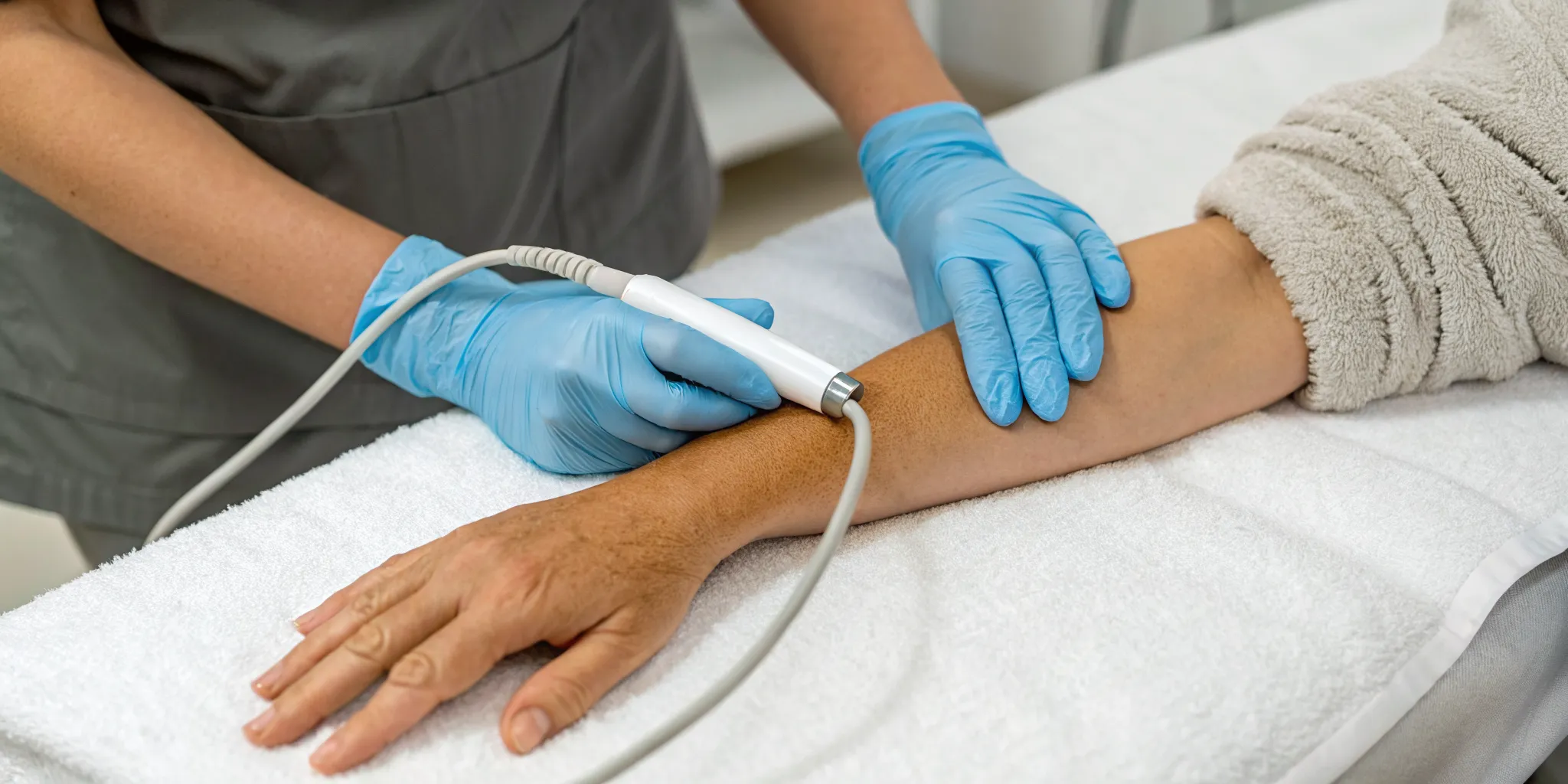
DEXA stands for dual-energy X-ray absorptiometry. During the scan, a person lies on an open table while a scanning arm passes over the body. The two energy levels interact differently with bone and soft tissue, allowing the system to separate the measurements. The procedure is generally quick and does not require the enclosed space associated with some other imaging tests.
Bone-density protocols commonly assess areas such as the lumbar spine and hip. A whole-body composition protocol may estimate total and regional fat mass, lean mass, and bone mineral content. The exact report depends on the equipment, software, body regions scanned, and purpose selected by the ordering or imaging team.
That distinction matters in Tampa because two facilities may both advertise a DEXA scan while offering different protocols or report formats. Before scheduling, ask which measurements are included and who will review the report. A scan should be interpreted in the context of a person's history, current concerns, and other clinical information.
What Can a DEXA Scan Measure?
Answer: A DEXA scan can provide information about bone mineral density and, with a whole-body composition protocol, the distribution of fat and lean mass. These outputs answer different health questions and should not be treated as interchangeable.
Body composition: fat and lean mass
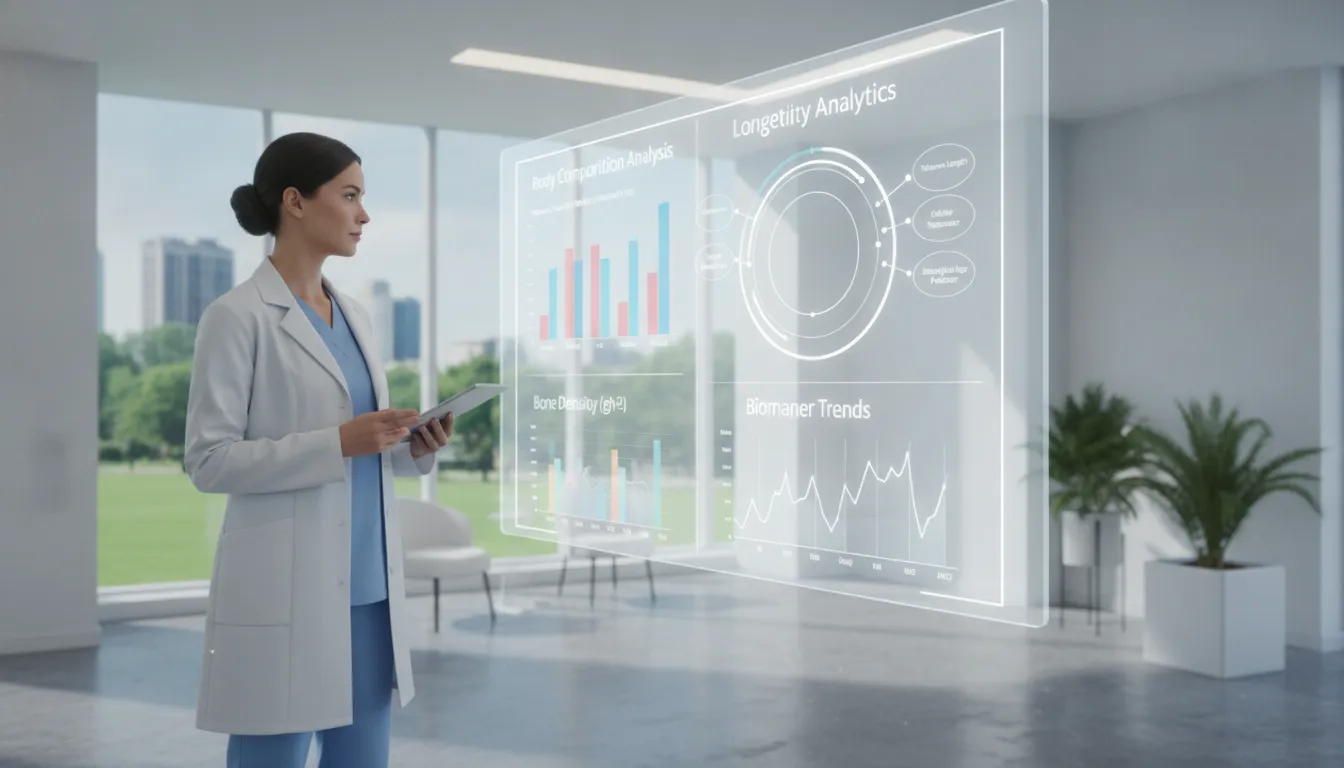
A body-composition report may include total mass, fat mass, lean mass, and the percentage of weight represented by fat. Some systems also provide regional views, such as differences between the trunk and limbs, or estimates related to abdominal fat distribution. These measurements can add context that a scale alone cannot provide.
Lean mass is not identical to muscle strength or physical performance. It includes non-fat tissue and should be considered alongside movement capacity, training history, nutrition, sleep, and other health factors. Likewise, a body-fat percentage is a measurement, not a diagnosis. A clinician can help decide whether the number is relevant to the reason a person sought testing.
Bone mineral density: a different question
A bone-density report focuses on the mineral content and strength-related characteristics of selected bones. Results may include a T-score or Z-score, but the interpretation of those scores depends on age, sex, medical history, the scanned location, and the reporting standards used by the interpreting clinician.
Bone mineral density does not describe the same thing as muscle mass or total body fat. A person can have a detailed body-composition report without receiving the same type of clinical bone-health evaluation, and a bone-density exam may not provide the regional composition details someone expects. Asking about the protocol before the appointment helps prevent confusion.
How Are Body Composition and Bone Density Different?
Answer: Body-composition testing describes the relative amounts and distribution of fat and lean tissue, while bone-density testing evaluates mineral content in selected bones. Both may use DEXA technology, but they serve different purposes and may require different scan protocols.
| Report focus | Primary question | Common output | Important limitation |
|---|---|---|---|
| Body composition | How are fat and lean tissues distributed? | Total or regional fat mass, lean mass, and related percentages | Does not by itself measure strength, fitness, or overall health |
| Bone density | How does bone mineral density compare with the report's reference groups? | Bone-density values and related scores for selected sites | Does not by itself establish the cause of a result or choose treatment |
| Combined discussion | How might the measurements fit into a person's broader health picture? | Questions for a clinician about context, follow-up, and appropriate next steps | Requires clinical history and qualified interpretation |
A useful consultation does not stop at the largest or smallest number on the page. It connects the report to the reason for testing. Someone tracking changes in lean mass may need a different follow-up conversation than someone completing a bone-density evaluation after a clinician raised a bone-health concern.
Which Questions Should Tampa Patients Ask Before Booking?
Answer: Ask about the scan protocol, report contents, clinical review, preparation instructions, and how the results will be used. These questions help you compare the service you need with the service being offered without assuming every DEXA appointment includes the same measurements.
- Which protocol will be used? Ask whether the appointment is for selected-site bone density, whole-body composition, or another protocol.
- Which body regions will be scanned? The hip and lower spine may be relevant for bone-density testing, while composition reporting may use a whole-body scan.
- Which measurements will appear on the report? Ask whether the report includes fat mass, lean mass, bone mineral density, regional values, or only a subset.
- Who interprets the results? Confirm whether a qualified clinician or radiology professional reviews the report and how questions are handled.
- How should I prepare? Follow the imaging provider's instructions. Ask about clothing, supplements, recent contrast exams, pregnancy possibility, and any other factors that could affect scheduling.
- How will the results be delivered? Find out when the report will be ready, whether an explanation is included, and who can answer follow-up questions.
- Is this the right test for my goal? A clinician can help determine whether DEXA adds useful information or whether another evaluation is more appropriate.
- What should I bring to a consultation? Bring the report, the reason for testing, relevant history, a list of current concerns, and the questions you want answered.
How Should You Use a DEXA Report in a Broader Health Plan?
Answer: Use a DEXA report as one data point in a broader evaluation, not as a self-directed diagnosis or complete treatment plan. The most useful next step is a conversation that connects the measurements with symptoms, goals, history, and other available clinical data.
For example, a person interested in body composition may want to discuss movement, nutrition, sleep, stress, and metabolic health. A person focused on bone health may need to ask how the report fits with age, family history, current prescriptions, hormone status, prior imaging, and other risk factors. Those conversations are different even when the same technology is involved.
Ascend Functional Health's approach centers on personalized evaluation and measurable goals across Physical Medicine, Functional Medicine, and Longevity Medicine. That does not mean a DEXA scan alone determines care, and it does not mean every concern requires a scan. It means the report can be discussed as part of a careful review when it is relevant to the person's goals.
Readers can also review Ascend's Physical Medicine services or Longevity Medicine approach to understand how broader health conversations may be organized. These pages describe the practice's services; they are not a substitute for a clinician's interpretation of an individual DEXA report.
How Can Tampa Readers Prepare for a Consultation?
Answer: Prepare by gathering the report, clarifying your main goal, and writing down the questions you want answered. A short timeline of relevant symptoms, prior testing, and major health changes can make the conversation more focused.
Before the appointment, note whether your interest is body-composition tracking, bone-health information, or both. If you already have a report, bring every page rather than only the summary. Ask the clinician to explain unfamiliar terms and to separate measured findings from possible interpretations.
It is also helpful to state what you want to decide next. You may want to know whether additional evaluation makes sense, which outcomes should be monitored, or how often progress should be reviewed. A productive consultation should leave you with clear questions for follow-up, not a rushed conclusion based on one number.
Discuss your DEXA questions with Ascend's Functional Medicine team
Frequently Asked Questions About DEXA Scans in Tampa
Answer: DEXA appointments can differ by protocol, and a report needs qualified clinical context. The answers below provide general education so you can have a more informed conversation with an imaging provider or clinician.
Does DEXA measure both body composition and bone density?
It can, but the measurements depend on the protocol and equipment used. Bone-density testing typically focuses on selected sites, while body-composition testing may use a whole-body scan. Ask the provider which report you will receive.
Is a DEXA scan enough to choose a treatment plan?
No. A DEXA report is one source of information. A qualified clinician should consider the person's history, symptoms, examination, goals, and other relevant data before discussing care.
How should I prepare for a DEXA appointment?
Follow the imaging provider's written instructions. Tell the provider about possible pregnancy, recent contrast or nuclear imaging, and supplements or other factors they ask about. Do not change a prescribed routine without guidance from your clinician.
Can a Tampa patient bring a DEXA report to a Functional Medicine consultation?
Yes. A DEXA report can be discussed as one piece of a broader health evaluation when it relates to the person's goals. The clinician can explain which parts may be relevant and whether additional context is needed.
Who should explain my DEXA results?
Ask the imaging provider who interprets the report and which clinician will discuss it with you. Avoid drawing conclusions from a score alone, especially when the report includes technical reference values or a result that concerns you.
Discuss your broader health goals with Ascend Functional Health
Sources for DEXA Scan Education
Answer: The sources below explain DEXA terminology, bone-density testing, and body-composition measurement from established medical and government institutions.
- RadiologyInfo overview of bone densitometry, from the Radiological Society of North America and the American College of Radiology.
- Ask the interpreting clinician which current clinical guidance applies to your individual report.
This content is educational and is not medical advice. Consult your clinician before acting on health information or making changes based on a DEXA report.