If you’re already exploring holistic care to manage chronic pain, digestive issues, or hormonal imbalances, you know how transformative it can be. You’re finally getting answers and seeing real progress. The next logical question is often about the financial side of things. You’re likely wondering, "is holistic medicine HSA eligible?" The great news is that many of these services, from functional medicine consultations to chiropractic adjustments, can be paid for with your HSA funds. The key is documenting that the care is for a specific medical need. This article will guide you through the simple steps to ensure your treatments qualify.
Key Takeaways
- Focus on Medical Necessity: You can use your HSA for holistic treatments, but the service must address a specific, diagnosed medical condition. Expenses for general wellness, such as a simple relaxation massage, typically do not qualify, so the purpose of the treatment is what matters most.
- Secure a Letter of Medical Necessity: This formal letter from your practitioner is the most important piece of paperwork you will need. It officially states that a holistic service is essential for treating your specific health condition, which is what makes the expense valid for your HSA.
- Keep Records for Easy Reimbursement: The process is simple: pay for your appointment, get an itemized receipt, and submit it with your LMN to your HSA administrator. Staying organized with your paperwork ensures you can easily use your tax-advantaged funds for your care.
Can You Use Your HSA for Holistic Medicine?
If you’ve ever wondered whether you can use your Health Savings Account (HSA) for holistic care, the short answer is yes, you absolutely can. Your HSA is a fantastic resource for paying for services from holistic and functional medicine practitioners. However, there’s an important detail to keep in mind. For a treatment to be eligible, it generally needs to address a specific medical condition rather than just supporting your general wellness. This is the key distinction that determines what qualifies.
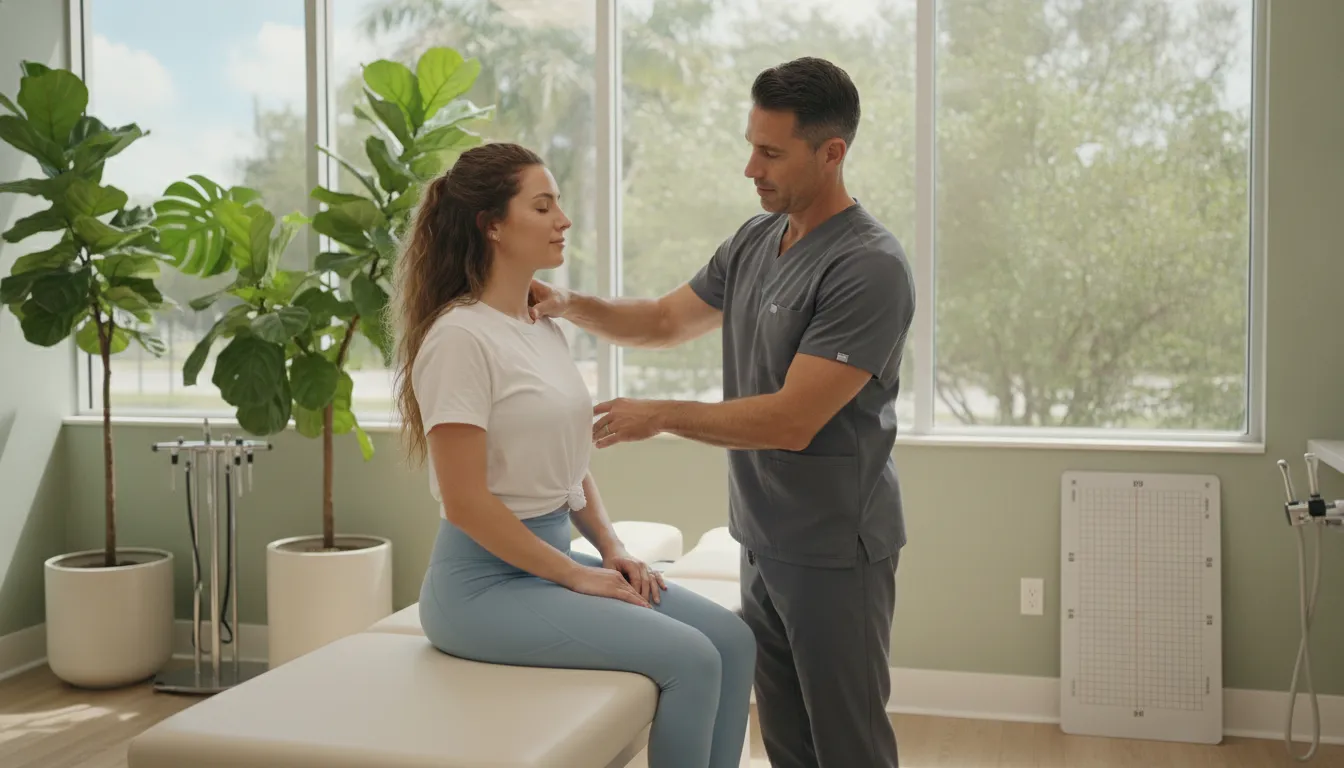
Think of it this way: using your HSA for a series of chiropractic adjustments to treat chronic back pain would likely be approved. On the other hand, paying for a weekend wellness retreat just for relaxation might not be. Understanding this difference is the first step in confidently using your pre-tax funds for the care that helps you feel your best. At Ascend, we focus on identifying and treating the root cause of your health concerns, offering personalized health solutions that often align perfectly with HSA eligibility requirements for specific medical needs.
What Is a Whole-Person Approach to Health?
When we talk about holistic or functional medicine, we’re talking about a “whole-person” approach to your health. Instead of just looking at one symptom in isolation, this philosophy considers how your physical, emotional, and even social factors are interconnected. It’s about understanding you as a complete person to find the root cause of what’s going on.
This approach moves beyond simply managing symptoms. The goal is to support your body’s natural ability to heal by creating a personalized plan that addresses your unique situation. Our team is dedicated to this philosophy, working with you to uncover the underlying reasons for your health challenges and guide you on a path to lasting well-being. You can learn more about our comprehensive approach and how we partner with patients to restore their health.
Examples of Common Holistic Treatments
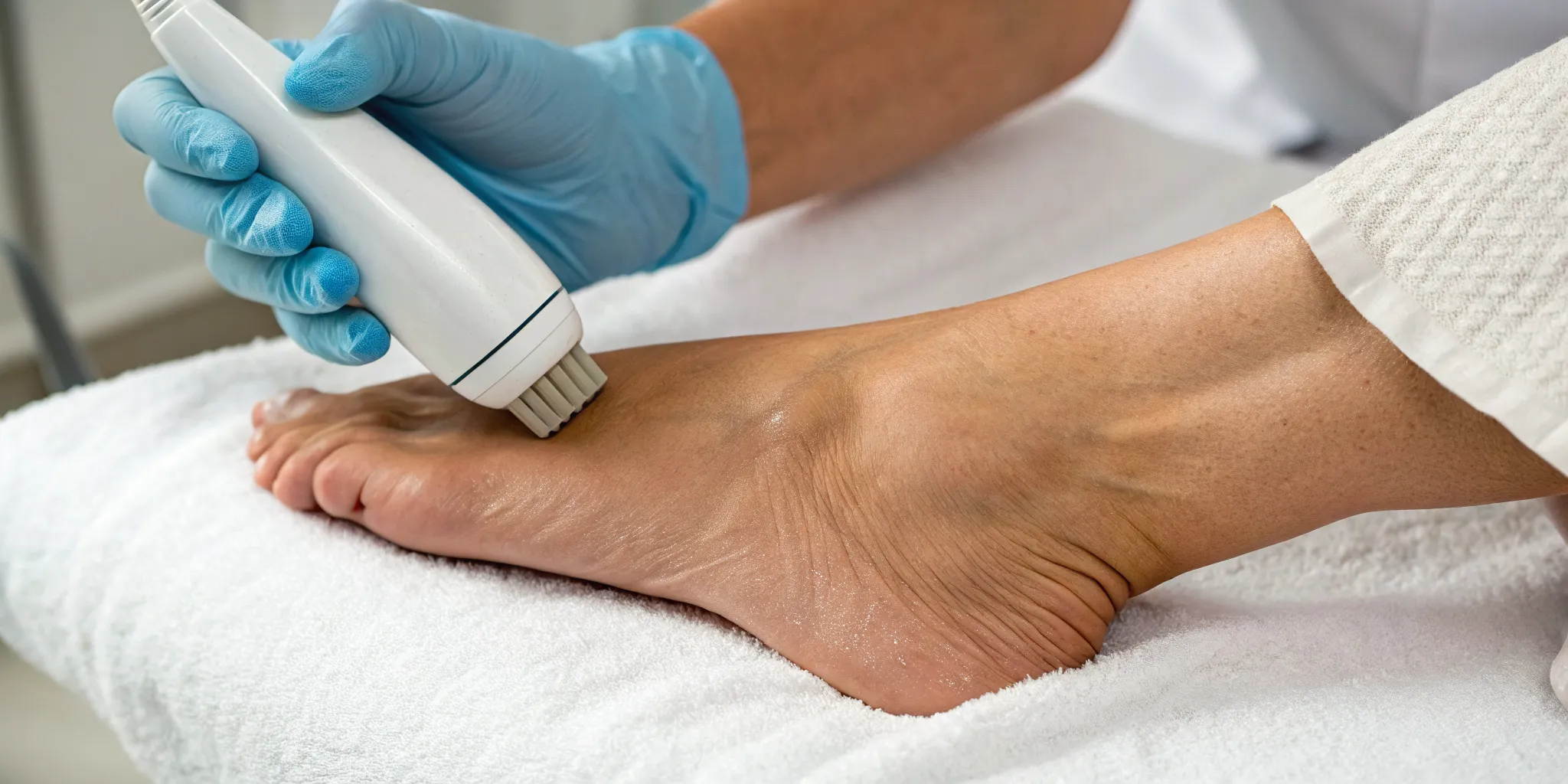
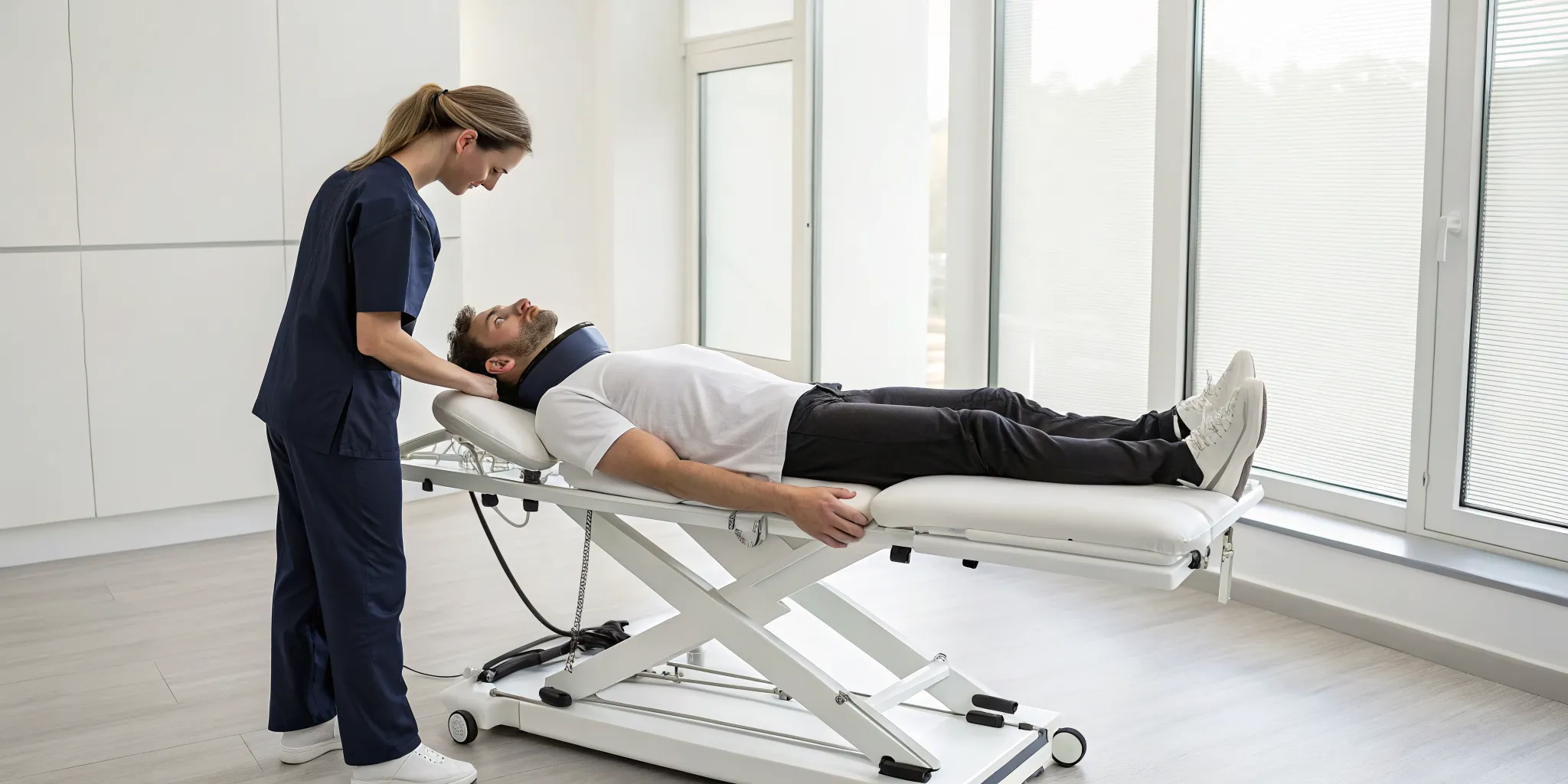
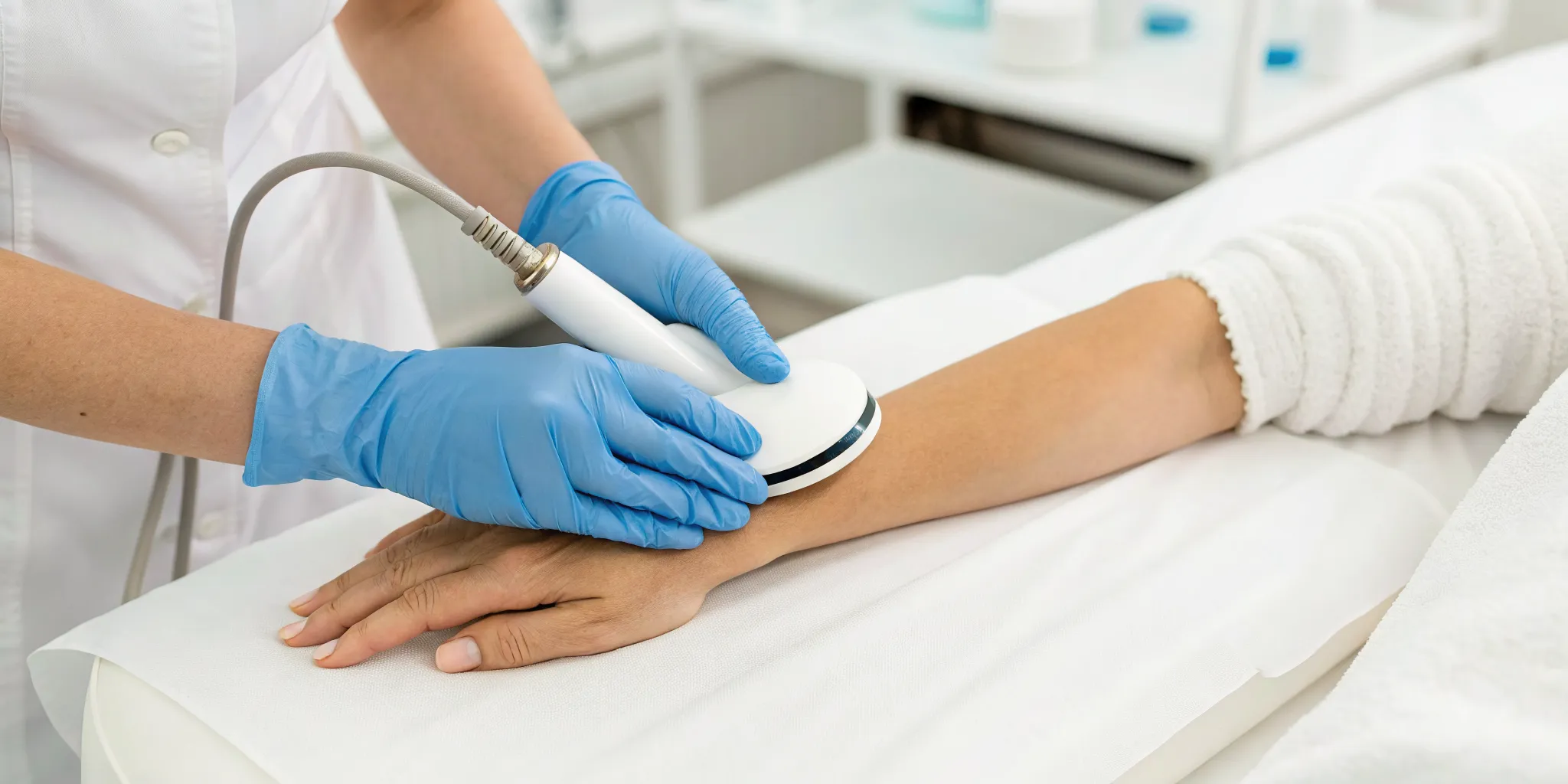
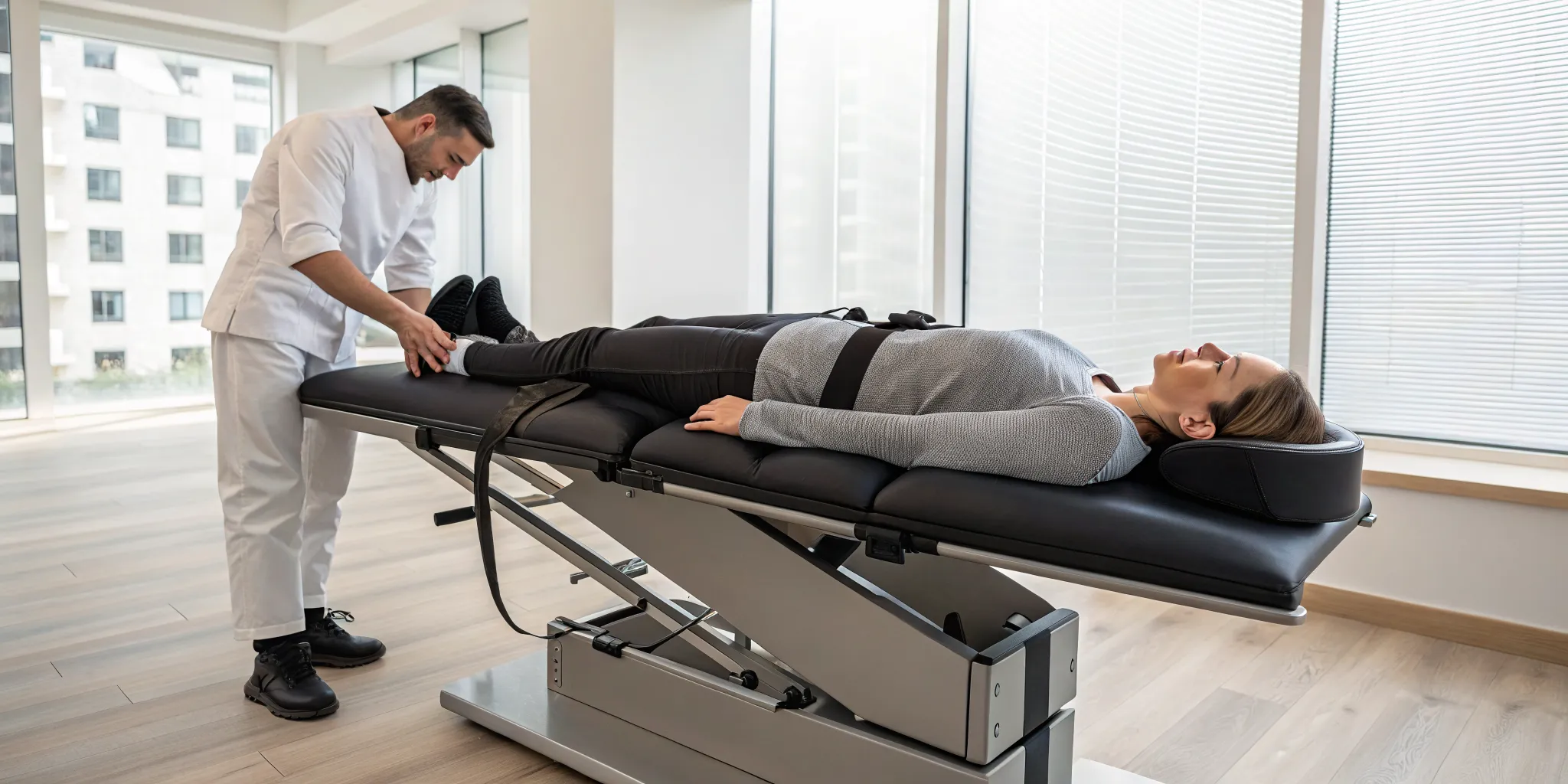
The world of holistic care is broad, which is great because it gives you many options for your health journey. Many of these treatments can be paid for with your HSA funds, provided they are for a diagnosed medical condition. Some common examples include chiropractic care for spinal issues, acupuncture for pain management, and nutritional consulting to address digestive problems or food sensitivities.
Other therapies like Ayurvedic Medicine and Traditional Chinese Medicine (TCM) may also qualify. The list is quite extensive, showing just how many avenues are available for you to explore. Our functional medicine services, for instance, often involve in-depth testing and personalized nutritional protocols that can be essential for treating chronic conditions.
Why Your HSA Is a Powerful Tool for Holistic Care
Using your HSA for holistic treatments is one of the smartest ways to invest in your health. Because the money you put into an HSA is pre-tax, you’re essentially getting more value for every dollar you spend on qualified care. This allows you to make your health budget go further, giving you the freedom to choose the treatments that truly work for you without as much financial strain.
It’s empowering to know you can direct your own funds toward a healthcare philosophy you believe in. Just remember that it’s very important to use your HSA properly to stay compliant, especially in the rare case of an IRS audit. Keeping good records is key, but we’ll get into that more later. For now, you can explore a general HSA eligibility list to get a better sense of what’s typically covered.
Is Your Holistic Care HSA-Eligible?
Using your Health Savings Account (HSA) is a smart way to manage your health expenses, but it can be confusing to know what qualifies, especially when it comes to holistic care. The good news is that many holistic treatments are eligible for HSA funds. The key is understanding the rules so you can confidently use your account for the care you need. It all comes down to one main distinction: whether the treatment is for a specific medical condition or for general wellness. Let's break down what that means for you.
When Holistic Treatments Qualify
Most holistic or alternative treatments can qualify for HSA spending, but there’s an important condition. The service must be for treating a specific medical issue, not just for maintaining your general health. Think of it this way: if you’re seeking chiropractic care to address chronic back pain from an old injury, it will likely qualify. However, if you’re getting a massage simply for relaxation, it probably won’t. The purpose of the treatment is what matters most, so it’s crucial that the care is directed at diagnosing, mitigating, or treating a documented health problem.
Medical Need vs. General Wellness: The Key Distinction
The IRS is quite clear about the difference between a medical necessity and a general health expense. Expenses for things that support your overall wellbeing, like routine vitamins or a gym membership, are typically not eligible for HSA funds. The purpose must be more specific. For example, while a standard massage for relaxation doesn't qualify, a therapeutic massage prescribed by your practitioner to treat muscle stiffness caused by a condition like fibromyalgia would. This distinction is the foundation for determining HSA eligibility for all functional medicine services.
HSA-Eligible Holistic Treatments
You might be surprised by the wide range of holistic services you can pay for with your HSA. As long as the treatment is intended to address a specific medical condition, many therapies are eligible. This includes services like acupuncture for headache relief, chiropractic adjustments for joint pain, and nutritional counseling to manage a digestive disorder. The flexibility of HSAs allows you to seek out the care that works best for your body, including treatments that focus on addressing the root cause of your symptoms rather than just masking them.
Qualifying Medical Conditions for HSA Use
To use your HSA for many holistic treatments, you’ll likely need documentation from a licensed practitioner. This often comes in the form of a Letter of Medical Necessity (LMN). This letter officially documents the medical condition you are treating, explains how the recommended holistic service will help, and outlines the expected duration of the treatment plan. This is a standard process that helps verify that your expenses are for a legitimate medical need. Your practitioner can help you identify if your health concerns are among the conditions we treat that would qualify.
Treatments That Typically Don't Qualify
While HSAs cover a lot, some expenses are consistently excluded. As mentioned, anything for general health purposes usually doesn't make the cut. This includes dietary products you take for overall wellness rather than for a specific deficiency identified by testing, or a yoga class you attend for fitness instead of for a prescribed therapeutic purpose. The goal of the HSA is to help you pay for medical care, so if a product or service is primarily for improving your general health and not for treating a specific ailment, you should plan to pay for it out-of-pocket.
What Documentation Will You Need?
Using your HSA for holistic care is a fantastic way to invest in your health, but it requires a bit of paperwork. The key is to clearly show that the services you’re paying for are addressing a specific medical need, not just for general well-being. This is where proper documentation becomes your best friend. Think of it as creating a clear paper trail that connects your treatment to a diagnosed health concern.
The most important document you’ll need is a Letter of Medical Necessity, or LMN. This letter is the official link between the holistic care you receive and your health condition. Having this and other records in order makes the process of using your HSA funds smooth and straightforward. It ensures you can confidently use your health savings for the functional medicine services that support your healing journey.
What Is a Letter of Medical Necessity (LMN)?
A Letter of Medical Necessity (LMN) is a formal document written by your licensed medical practitioner. Its purpose is to certify that a service or treatment is necessary to diagnose, treat, or manage a specific health issue. This letter explains to your HSA administrator why a particular holistic therapy is an essential part of your care plan.
Essentially, an LMN translates your practitioner’s recommendations into the language that HSA plans understand. It details what condition you are treating, how the holistic service will help, and the proposed duration of the treatment. It’s the official proof that your expenses are for legitimate medical care.
What to Include in Your LMN
For your LMN to be effective, it needs to contain specific information. A clear and complete letter prevents delays and questions down the road. Think of it as a checklist to review with your practitioner.
Your LMN should always include:
- Your full name.
- The specific medical condition being treated (e.g., chronic migraines, IBS, or fibromyalgia).
- A description of the recommended holistic treatment.
- An explanation of why this treatment is medically necessary for your condition.
- The recommended frequency and duration of the treatment (e.g., "weekly for 12 weeks").
Ensuring all these details are in the letter will create a solid foundation for your HSA claim.
Partnering with Your Practitioner for Your LMN
You don’t have to figure this out on your own. Obtaining an LMN is a collaborative process between you and your healthcare provider. Your practitioner is your partner in health, and they can help you articulate the medical necessity of your treatment plan in a way that meets HSA requirements.
Start by having an open conversation with them about your plan to use your HSA. The team at Ascend Functional Health is experienced in this process and understands how to document the need for holistic therapies. By working together, you can ensure your LMN accurately reflects your health needs and supports your path to wellness. If you have questions, our team is here to help you get started.
How to Keep Records for a Smooth Process
Once you have your LMN, the final step is to practice good record-keeping. This simple habit will give you peace of mind and make managing your HSA expenses effortless. You’ll want to create a dedicated folder, either digital or physical, for all your health-related financial documents.
Be sure to save your LMN along with all itemized receipts for your holistic care services. A good rule of thumb is to keep these records for at least three years, just in case you need to verify your expenses later. Staying organized not only simplifies your own financial tracking but also ensures you have everything you need ready if your HSA administrator ever requests it.
How to Get Reimbursed for Holistic Care
Using your Health Savings Account (HSA) for holistic care is a fantastic way to invest in your well-being, but it can feel like you need a secret decoder ring to get started. The good news is that it’s more straightforward than you might think. With a little preparation and the right documentation, you can confidently use your pre-tax dollars for services that address the root cause of your health concerns. Think of it as a partnership between you, your practitioner, and your HSA administrator. We’ll walk through the process step-by-step, so you can focus on what truly matters: your health journey.
First, Review Your Specific HSA Plan
Before you book an appointment, the first step is to get familiar with your own HSA. While the IRS sets the main rules, some plan administrators have their own specific guidelines. It’s a good idea to "always check your specific plan documents," as your employer might have their own rules about which expenses are covered. A quick visit to your HSA provider's website or a look through the documents they gave you can save you a lot of time and prevent any surprises. This helps you understand exactly what’s needed to use your funds for the functional medicine services you’re interested in, ensuring a smooth process from the start.
A Step-by-Step Guide to Submitting Your Claim
Once you’ve confirmed a service is eligible, paying and getting reimbursed is pretty simple. Many people choose to pay for their appointment upfront. If you do, "ask the clinic for an itemized receipt." This isn't just a standard credit card slip; it’s a detailed bill that lists each specific service you received. You will then "send this receipt to your HSA/FSA administrator to get your money back." Some administrators have an online portal or mobile app that makes uploading receipts easy. If you have any questions about getting the right paperwork from us, just reach out to our team, and we’ll be happy to help.
Common Missteps to Avoid
To keep your HSA in good standing, it’s important to use it only for qualified expenses. The IRS makes a clear distinction between treatments for a specific medical condition and expenses for general wellness. For example, things like routine vitamins or a massage for simple relaxation are generally not eligible. Using your funds for non-qualified expenses can be a costly mistake, as it "can lead to extra taxes and a penalty if you're under 65." The key is your Letter of Medical Necessity (LMN), which connects your treatment directly to one of the conditions we treat, making it a legitimate medical expense in the eyes of the IRS.
The Tax Advantages of Using Your HSA
Beyond just covering your care, using your HSA comes with some powerful financial perks. The money you put into your account is pre-tax, which lowers your taxable income for the year. That’s an immediate win. But the benefits don’t stop there. The funds in your HSA can grow tax-free, and when you use them for qualified medical expenses, the withdrawals are also tax-free. This triple-tax advantage means your healthcare dollars stretch further. "Using an HSA for these therapies can give you tax benefits," making it one of the smartest ways to pay for your journey toward optimal health.
Related Articles
- What is Functional Medicine? A Simple Guide
- What Is an Integrative Health Practitioner?
- Is an Integrative Health Practitioner a Doctor? Explained
- How to Find a Functional Medicine Doctor: A Guide
- Spinal Health Chiropractic: A Complete Guide
Frequently Asked Questions
What if my treatment helps with a medical issue but also feels like it’s for general wellness? This is a great question because many holistic therapies have benefits that cross over. The key factor for your HSA is the primary purpose of the treatment. If your practitioner has diagnosed you with a specific condition and prescribed the therapy as part of your treatment plan, it will generally qualify. For example, if you get regular massages to manage chronic pain from fibromyalgia, that’s a medical need, even though the massages also help you relax. The Letter of Medical Necessity from your provider is what officially establishes this medical purpose.
What is the very first step I should take if I want to use my HSA for holistic care? Before you do anything else, take a few minutes to review the specific rules of your HSA. You can usually find this information on your HSA provider’s website. While the IRS sets the main guidelines, some administrators have their own specific processes for submission or documentation. Once you have a sense of their requirements, your next step is to schedule a consultation with a practitioner to discuss your health concerns and your goal of using your HSA for treatment.
Do I have to write the Letter of Medical Necessity myself? Not at all. The Letter of Medical Necessity (LMN) is a formal document that must be written and signed by your licensed practitioner. Your role is to have an open conversation with your provider about your health issues and explain that you plan to use your HSA. From there, your practitioner will handle the creation of the letter, detailing your diagnosis and why the recommended treatment is essential for your health.
The blog mentions keeping records. What exactly do I need to save? Think of it as creating a simple file for your health expenses. For every holistic service you pay for with your HSA, you should save two key documents: the Letter of Medical Necessity (LMN) from your practitioner and the itemized receipt from the clinic. An itemized receipt is different from a simple credit card slip; it should list the specific services you received. Keeping these records together ensures you have all the proof you need if your HSA administrator or the IRS ever asks for it.
Should I pay with my HSA card directly or pay myself and get reimbursed? You can often do either, but paying out-of-pocket first and then submitting for reimbursement is a very reliable method. This approach ensures you have the proper itemized receipt in hand before you file the claim with your HSA administrator. While using your HSA card directly at the clinic might be an option, you are still responsible for keeping the LMN and receipt on file to prove it was a qualified medical expense.