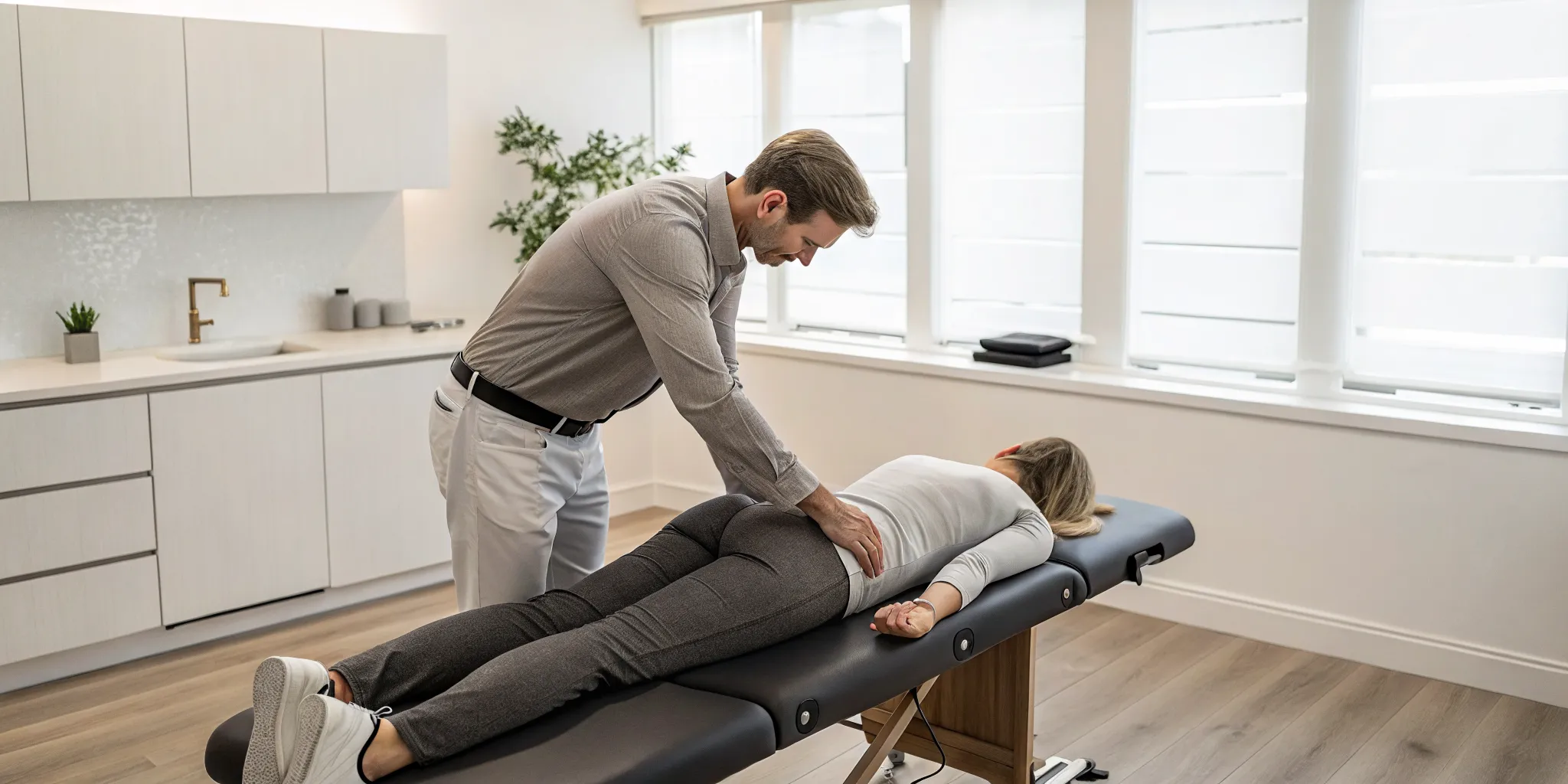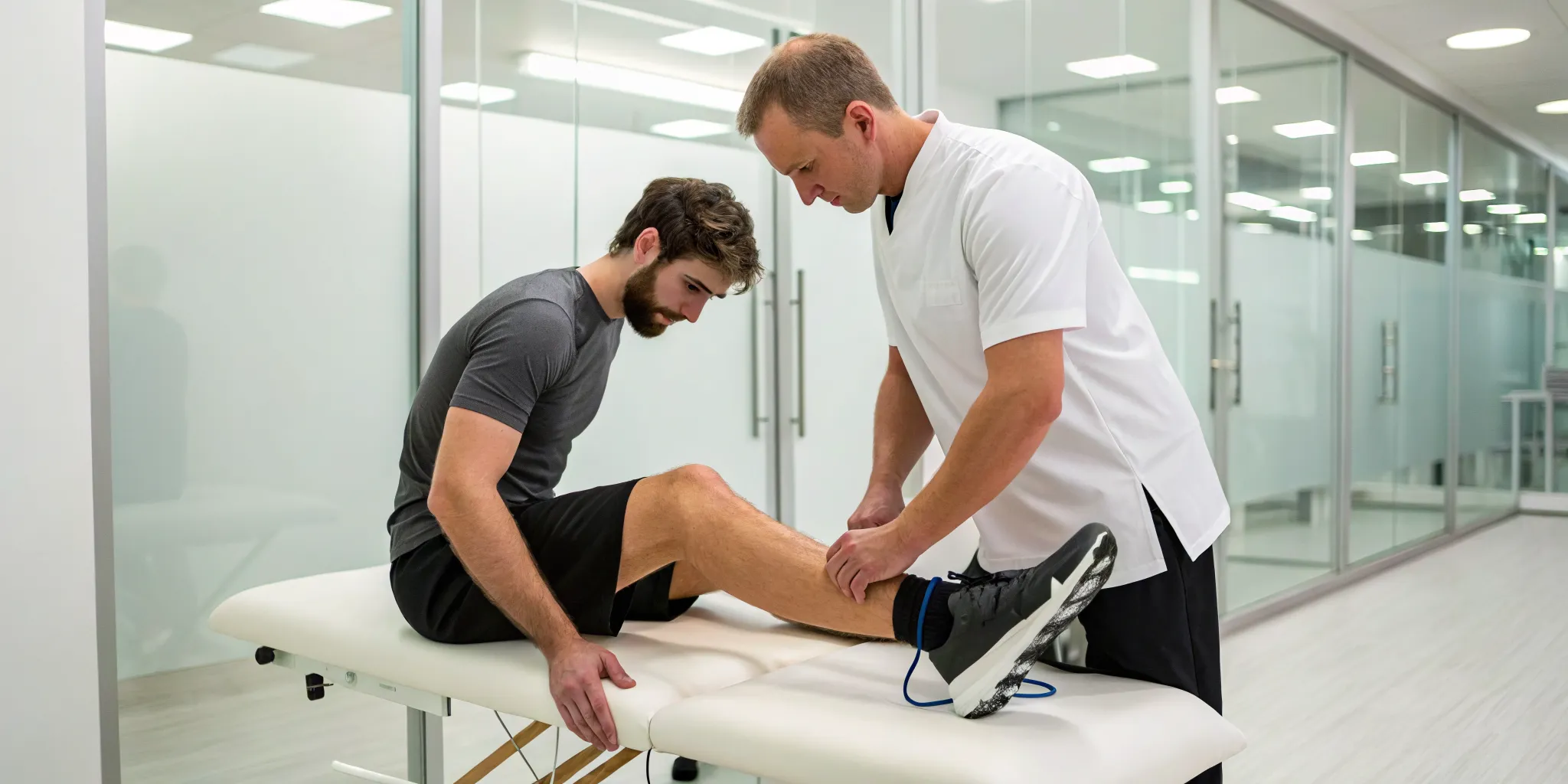
When you’ve been living with chronic Achilles pain, the thought of surgery can be daunting. The potential risks, long recovery time, and disruption to your life are significant concerns. But what if there was another way to achieve lasting relief without going under the knife? For many who have tried conservative treatments without success, there is. This is where a non-surgical solution can make all the difference. We focus on helping your body heal itself from the inside out. By exploring effective, non-invasive treatments like shockwave therapy for Achilles tendonitis, you can find a path to recovery that avoids the complications of an operation and gets you back on your feet with confidence.
Key Takeaways
- Your tendon isn't healing for a reason: The Achilles tendon has very limited blood flow, which makes it difficult for your body to repair damage on its own. This is why rest and standard exercises sometimes are not enough to resolve chronic pain.
- Shockwave therapy creates a targeted healing response: This non-surgical treatment uses acoustic waves to stimulate blood flow and cell activity right at the injury site. It essentially tells your body to restart the repair process, helping to rebuild the damaged tendon tissue.
- Make your treatment more effective with smart habits: To get the most out of shockwave therapy, pair it with supportive actions. This includes wearing proper footwear, performing recommended stretches, and avoiding anti-inflammatory medications that can interfere with the body's healing response.
Why Won't My Achilles Tendonitis Heal?
If you're dealing with Achilles tendonitis, you know it can be one of the most stubborn injuries out there. You’ve likely tried resting, icing, and stretching. Maybe you’ve even committed to weeks of physical therapy, which is the standard starting point for care. This rehabilitation usually involves 6 to 12 weeks of specific exercises designed to strengthen your calf muscle and the Achilles tendon itself. But what happens when that’s not enough? It’s a frustrating place to be when you’ve done everything right, yet the pain and stiffness just won’t go away. You start to wonder if this is just something you have to live with.
This is a common scenario, and it doesn't mean you've failed at your recovery. It often means the tendon needs a different approach to stimulate healing. The tissue in the Achilles tendon has a limited blood supply, which can make the natural repair process slow and difficult. When standard physical medicine protocols aren't producing the results you need, it may be time to consider treatments that can more directly address the root of the problem and help your body finally begin to repair the damaged tissue.
What Does Achilles Tendonitis Feel Like?
Does this sound familiar? You wake up, and the first few steps out of bed are met with sharp pain and stiffness along the back of your ankle. That morning discomfort is a classic sign of Achilles tendonitis. The pain might ease up a bit as you move around, but it often returns and intensifies with activity, whether that’s a run, a long walk, or even just climbing stairs.
Other common symptoms include visible swelling around the tendon and tenderness when you press on the area. For many, this isn't just a minor annoyance; it's a persistent issue that can significantly impact daily life and keep you from the activities you love. If these symptoms match your experience, you're in the right place to learn about solutions for these specific conditions we treat.
The Reason It's So Stubborn
Achilles tendonitis often develops from overuse or a sudden injury, but the reason it sticks around is more complex. The main issue is that tendons, including the Achilles, don't get a lot of blood flow. Blood carries the oxygen and nutrients necessary for healing, so this limited supply makes the repair process incredibly slow. This is why the injury can feel like it’s taking forever to get better and why symptoms can linger for months or even years.
Without proper management, the tendon can enter a cycle of chronic inflammation and degeneration, where the tissue structure itself begins to break down. This makes it prone to re-injury, so you might feel better for a while only to have the pain flare up again. Breaking this cycle requires a comprehensive treatment plan that doesn't just manage symptoms but actively promotes tissue regeneration and addresses the underlying cause of the strain. Our philosophy is built on finding and resolving these root causes for lasting relief.
How Shockwave Therapy Promotes Healing
If your Achilles tendon feels stuck in a painful, inflammatory loop, it’s often because the natural healing process has stalled. Shockwave therapy is a non-invasive treatment designed to break that cycle and get your body back on track. It works by sending powerful acoustic waves through the skin to the injured tissue. Think of it as a targeted wake-up call for the cells responsible for repair. This process doesn't just mask the pain; it stimulates your body’s own healing mechanisms to address the root cause of the injury, which is a cornerstone of our approach to physical medicine. By creating a new, controlled healing response, we can help your tendon rebuild itself stronger and more resilient than before.
How Sound Waves Trigger Repair
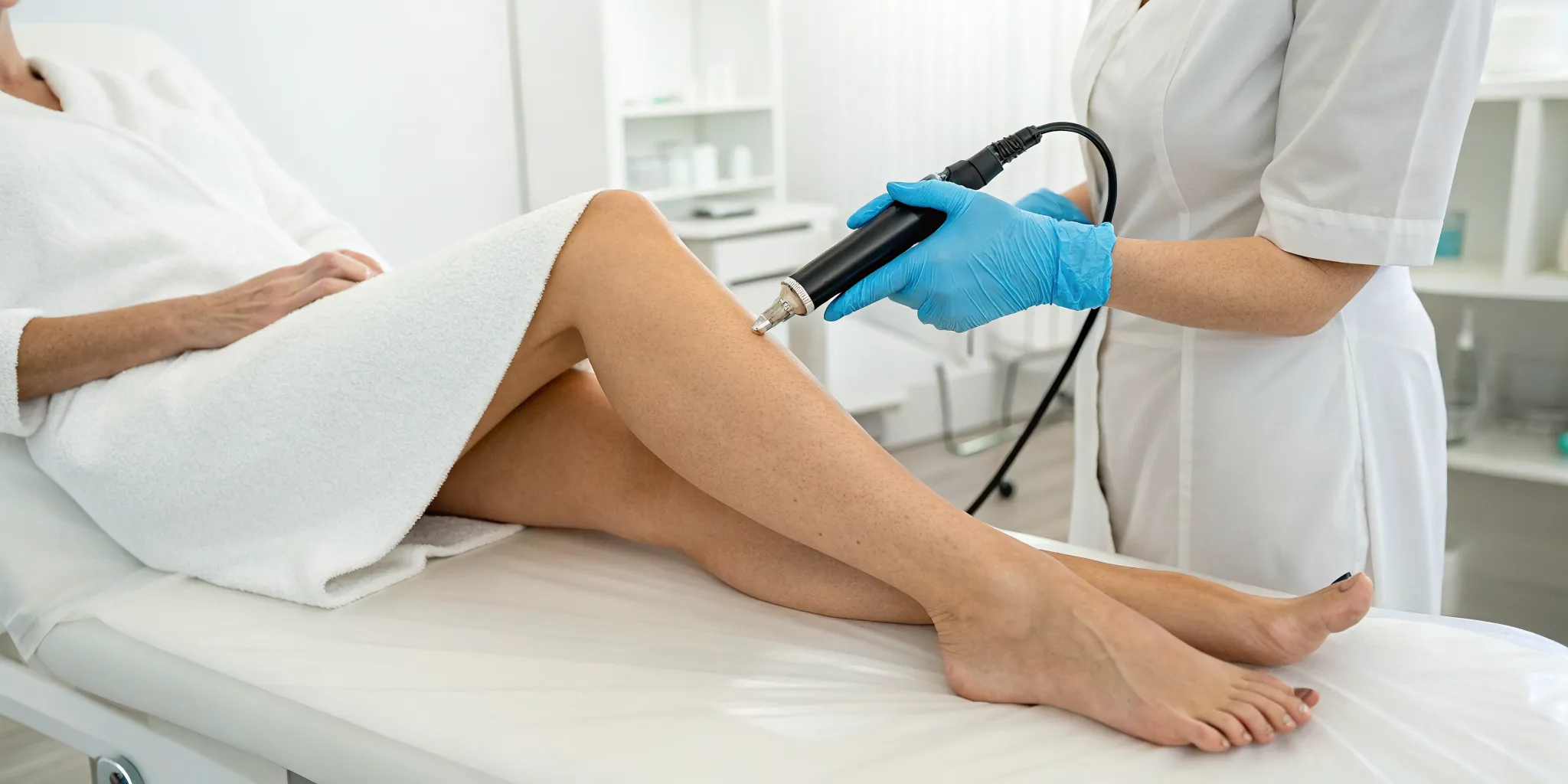
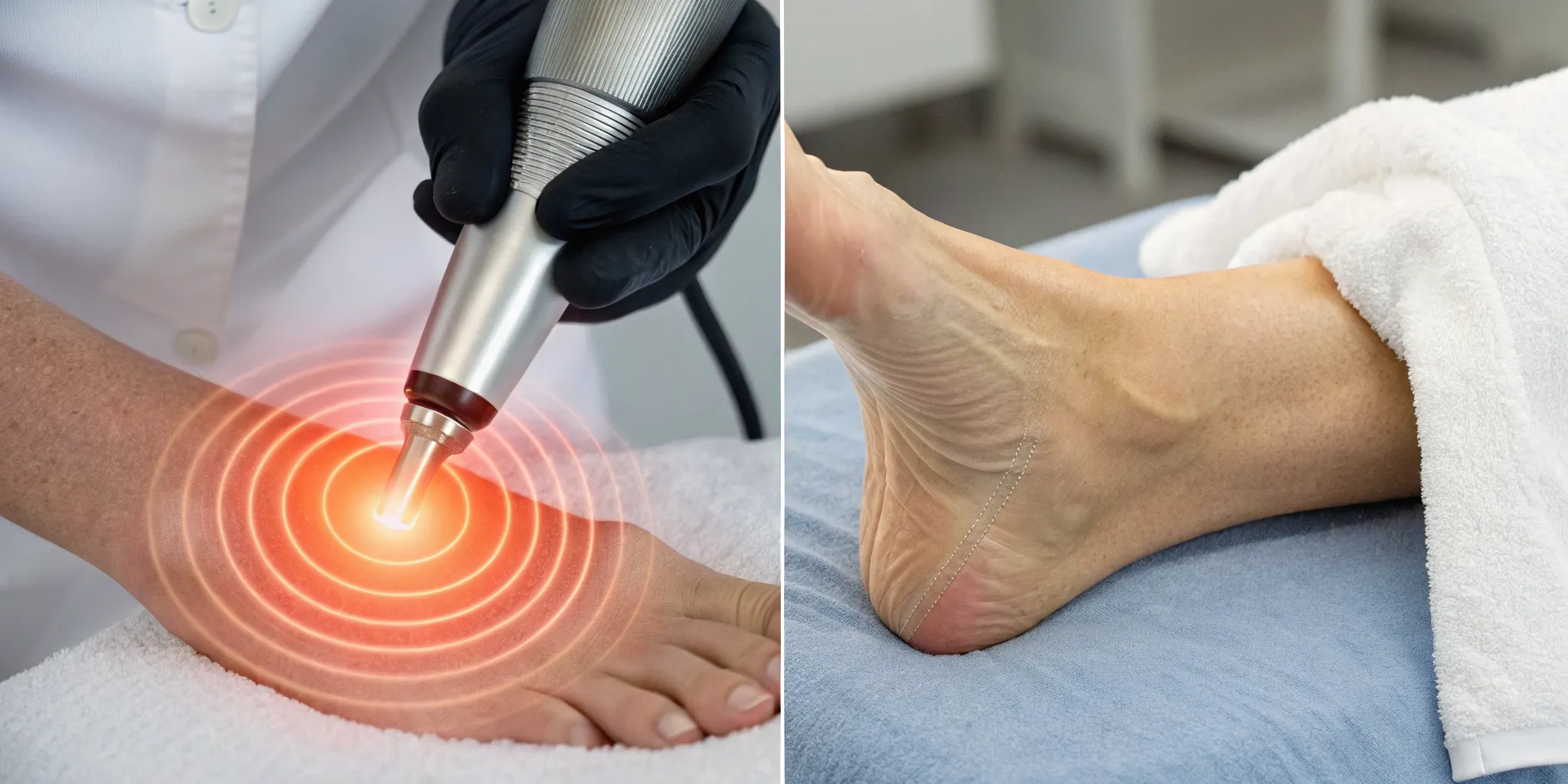
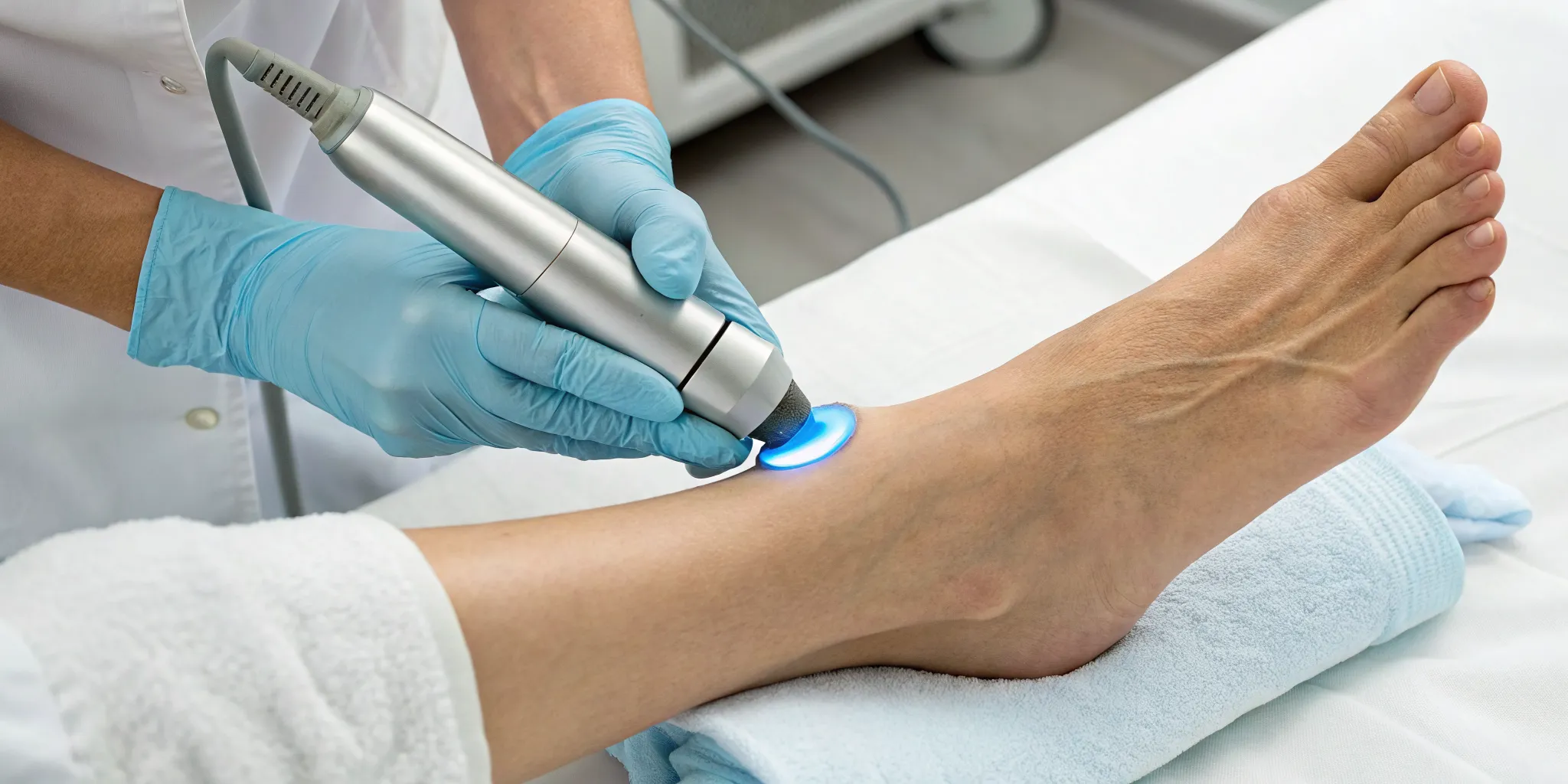
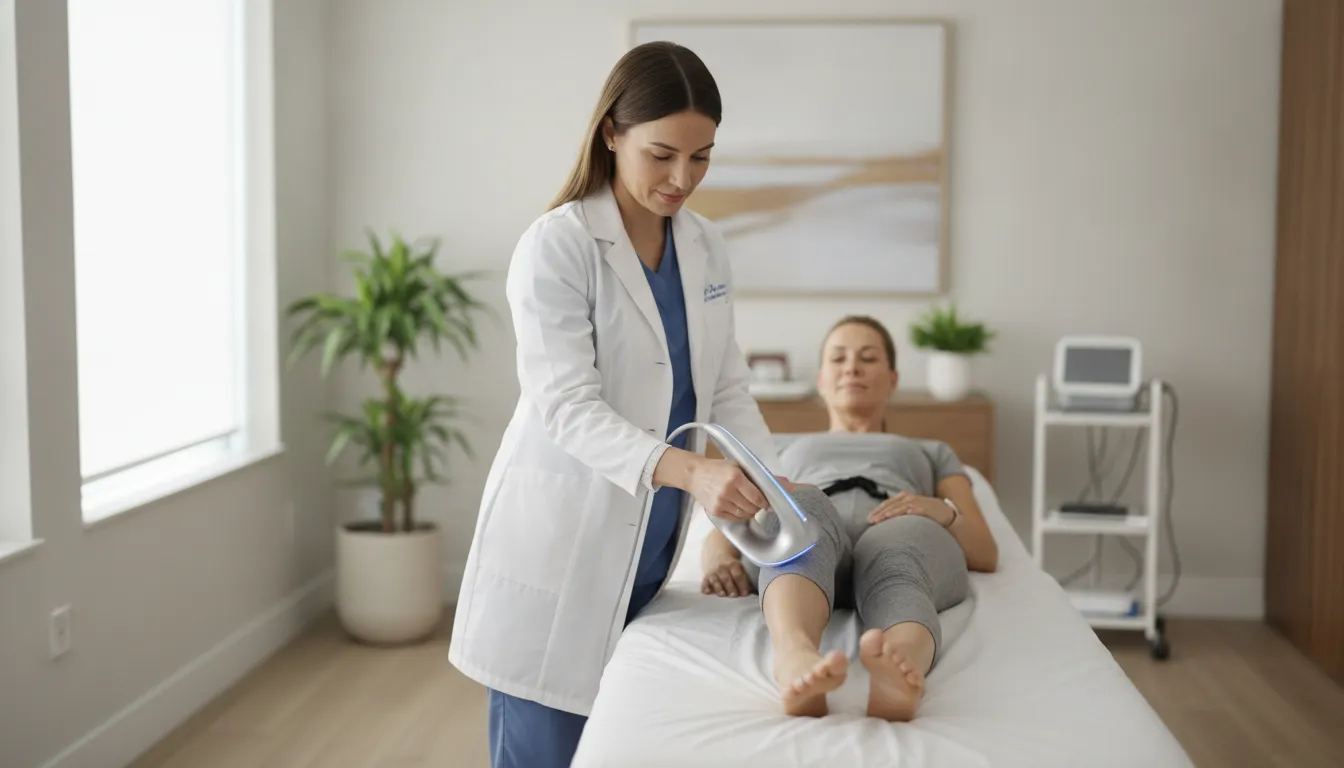
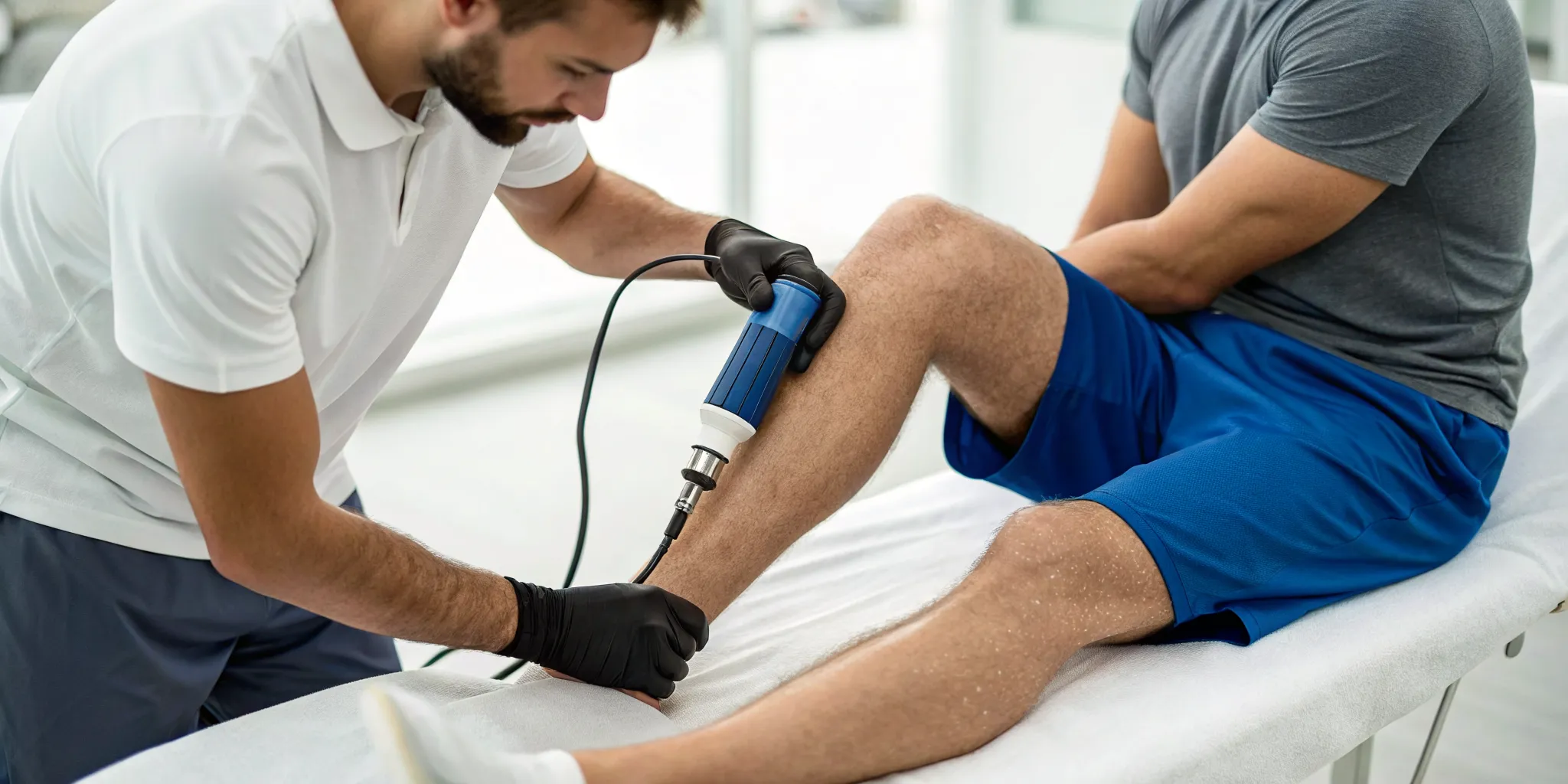
So, how can sound waves actually fix a tendon? When the shockwave applicator is placed on your skin, it delivers high-energy sound waves directly to the damaged Achilles tendon. These waves create what are known as "micro-traumas" in the tissue. This controlled stimulation signals your body to jumpstart its repair sequence. In response, your body increases blood flow to the area, bringing a fresh supply of oxygen and nutrients. It also stimulates the production of collagen, the essential protein building block for healthy tendons. This process helps clear out damaged cells and can even break down stubborn scar tissue or calcifications that cause stiffness and pain, creating the ideal environment for your tendon to heal properly.
Focused vs. Radial: What's the Difference?
You might hear shockwave therapy described as either "focused" or "radial," and the distinction is important for your treatment. Focused shockwave therapy acts like a laser pointer, delivering precise energy to a specific, deeper point within the tissue. This is often used for targeting very specific areas of damage. Radial shockwave therapy, on the other hand, works more like a flashlight, dispersing the energy over a wider, more superficial area. The type of shockwave therapy we recommend depends entirely on your unique situation, including the exact location and severity of your tendonitis. This allows us to create a personalized plan that addresses the specific conditions we treat and gives you the best possible outcome.
Kickstarting Your Body's Natural Healing Response
Ultimately, the goal of shockwave therapy is to kickstart your body’s innate ability to heal itself. The entire process is designed to create a cascade of positive biological effects. First, it helps calm overstimulated nerve endings in the painful area, which can provide noticeable relief. More importantly, it promotes a healthier, faster healing process by encouraging your body to rebuild the tendon tissue. By improving circulation, shockwave therapy ensures that the damaged area receives the blood, oxygen, and nutrients it desperately needs to repair itself. This comprehensive approach doesn't just offer a temporary fix; it helps you achieve lasting relief and makes it less likely for the injury to return, aligning with our full range of healing services.
Does Shockwave Therapy Actually Work?
When you’re dealing with persistent pain, the most important question is simple: will this treatment actually bring relief? The good news is that for Achilles tendonitis, shockwave therapy has a strong track record. Studies show it can significantly improve both pain and function, with one finding that it reduced pain by at least 50% on average.
This isn't just a shot in the dark. The evidence suggests that shockwave therapy can be more effective than relying on physiotherapy and exercises alone. It works by stimulating your body’s own repair mechanisms, creating a powerful healing response right where you need it most. At Ascend Functional Health, we see it as a key part of a comprehensive care plan, helping you get back on your feet faster and with more lasting results.
Shockwave vs. Traditional Approaches
Most Achilles issues are first addressed with traditional physiotherapy, which is an essential part of recovery. However, this process can take anywhere from 6 to 12 weeks for chronic problems, and sometimes it just isn’t enough to resolve the pain completely. This is where shockwave therapy comes in as a powerful, non-invasive addition to your treatment plan.
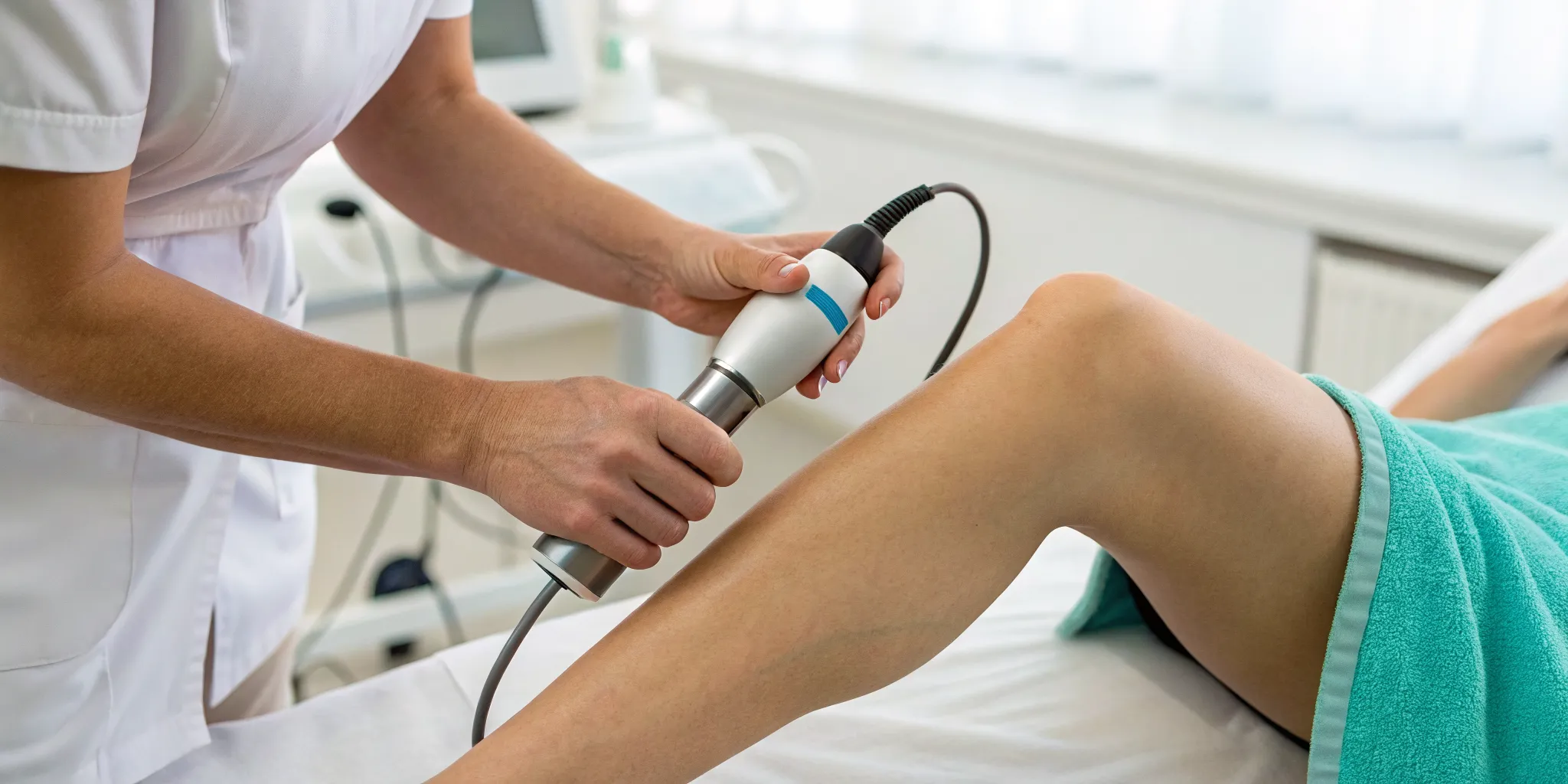
A session is straightforward and is performed right in our office. We use a special tool to send acoustic energy waves to the painful area for about 5 to 10 minutes. This process is designed to help your body heal itself by increasing blood flow and stimulating cell regeneration. It’s a way to accelerate the healing that traditional methods start, giving your body the extra push it needs to fully repair the damaged tissue.
Can You Avoid Surgery?
The thought of an operation is stressful for anyone. It comes with risks, a long recovery period, and time away from your life. For many people suffering from chronic Achilles tendonitis, shockwave therapy offers a promising alternative. It’s an excellent option for those who have already tried other conservative treatments like rest, ice, and physical therapy without getting the relief they need.
By providing a non-surgical path to pain relief, this therapy can help you get back to your daily activities without the complications of an operation. It directly addresses the root of the problem by stimulating tissue repair, offering a real solution instead of just masking the symptoms. If you’re looking for a way to heal your Achilles tendon without going under the knife, shockwave therapy is definitely a conversation worth having with your practitioner.
Is Shockwave Therapy Right for You?
While shockwave therapy is highly effective, it’s not a one-size-fits-all solution. Your recovery timeline will depend on the severity of your tendonitis and how your body reacts to the treatment. Most people receive one to two treatments per week for a series of weeks. It’s common to feel a noticeable reduction in pain and an improvement in movement after just three to five sessions.
The best way to determine if you’re a good candidate is through a thorough evaluation. At Ascend Functional Health, we take a holistic look at your health history, the specifics of your injury, and your personal goals. This allows us to create a personalized treatment plan that integrates the right therapies to support your body’s healing process. If you're tired of living with Achilles pain, we can help you find out if this is the right next step.
Your Shockwave Therapy Session: What to Expect
Deciding to try a new treatment can feel like a big step, but knowing what’s involved can make the process much clearer and more comfortable. Shockwave therapy is a straightforward, non-surgical treatment performed right here in our office. Our goal is to create a supportive environment where you feel informed and at ease. We see this therapy as one part of a larger, personalized strategy to help you heal from the ground up, which is a core part of our physical medicine approach. Let’s walk through what a typical session and recovery timeline looks like.
What Happens During a Session
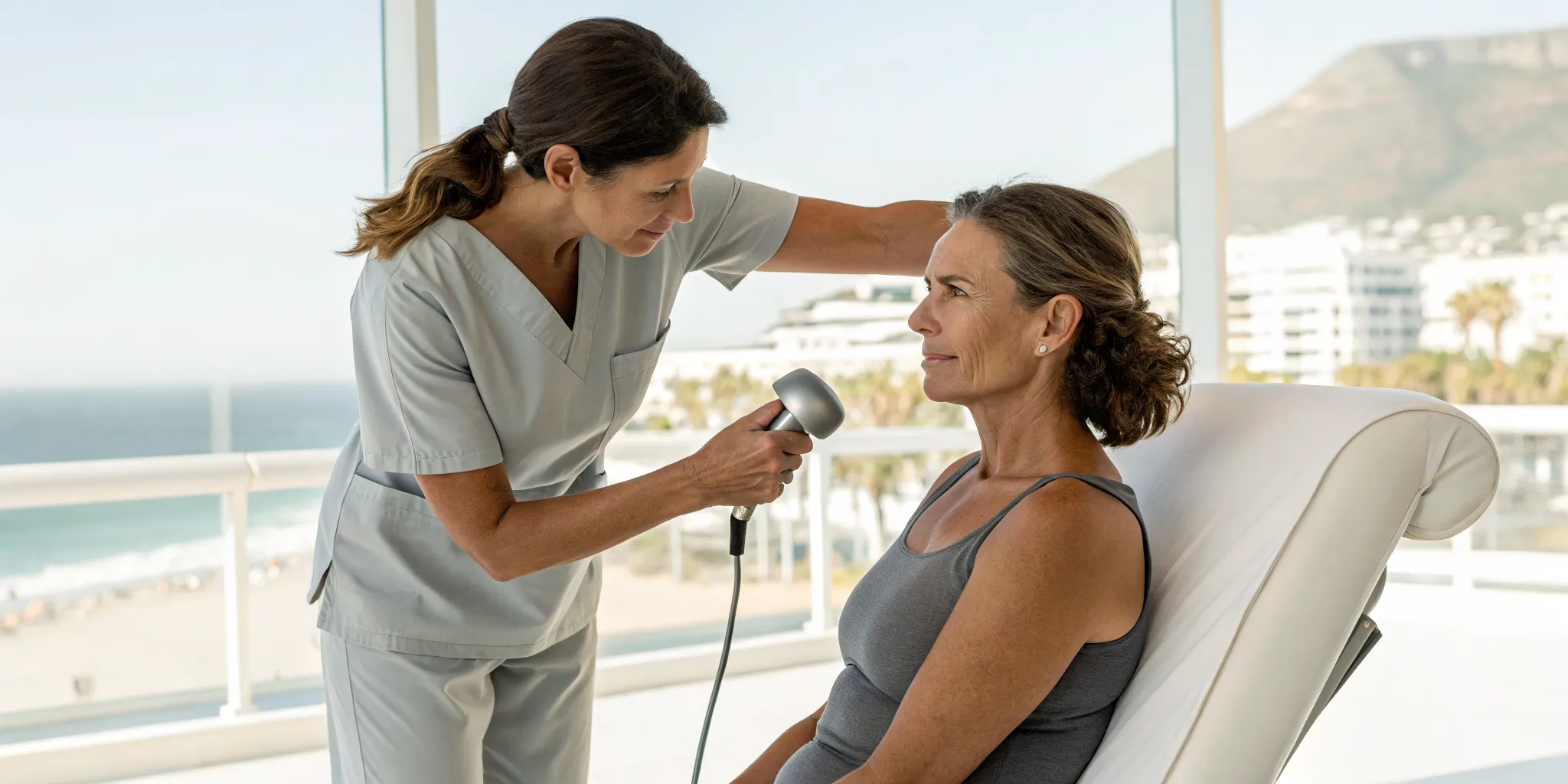
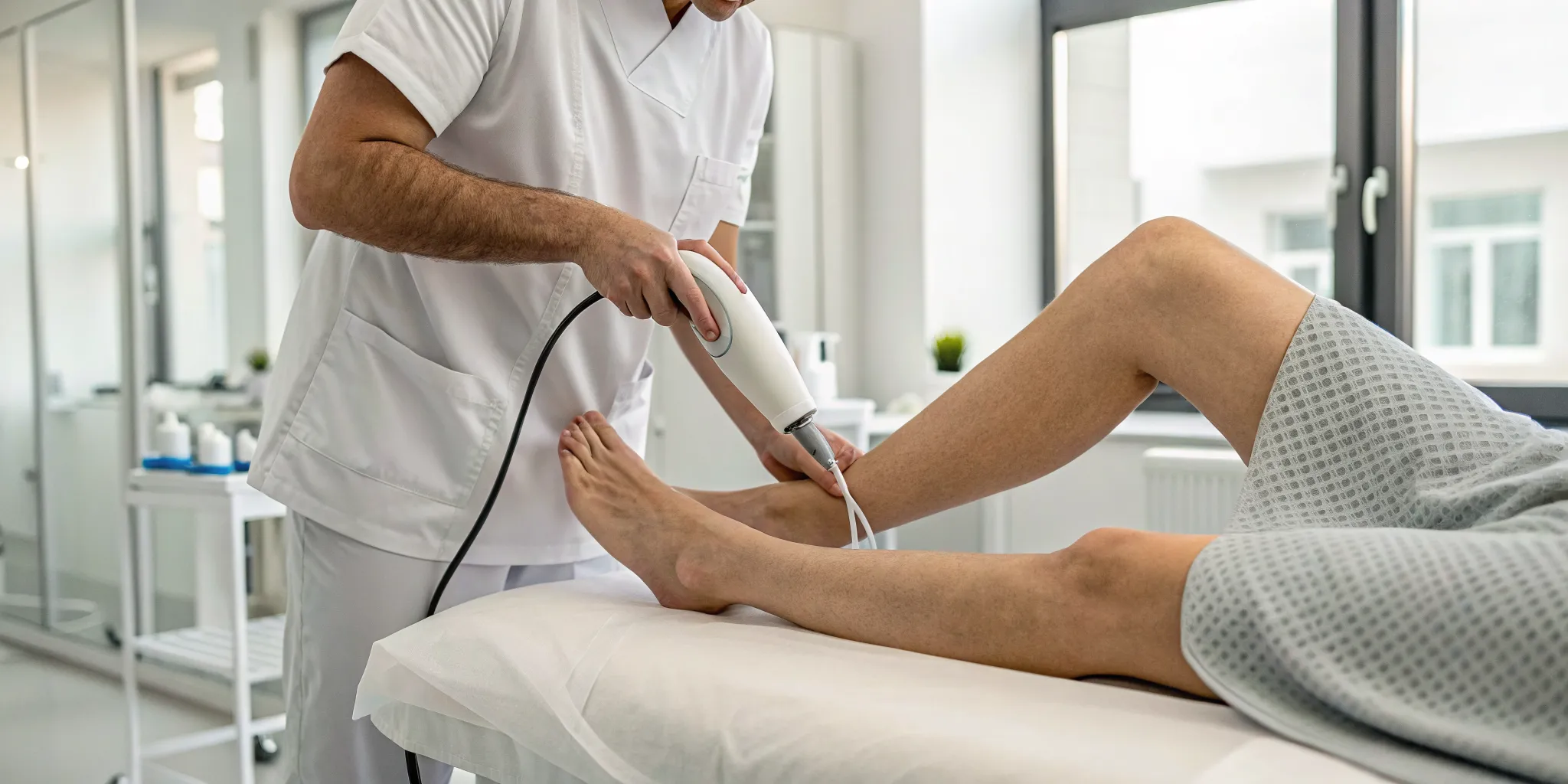
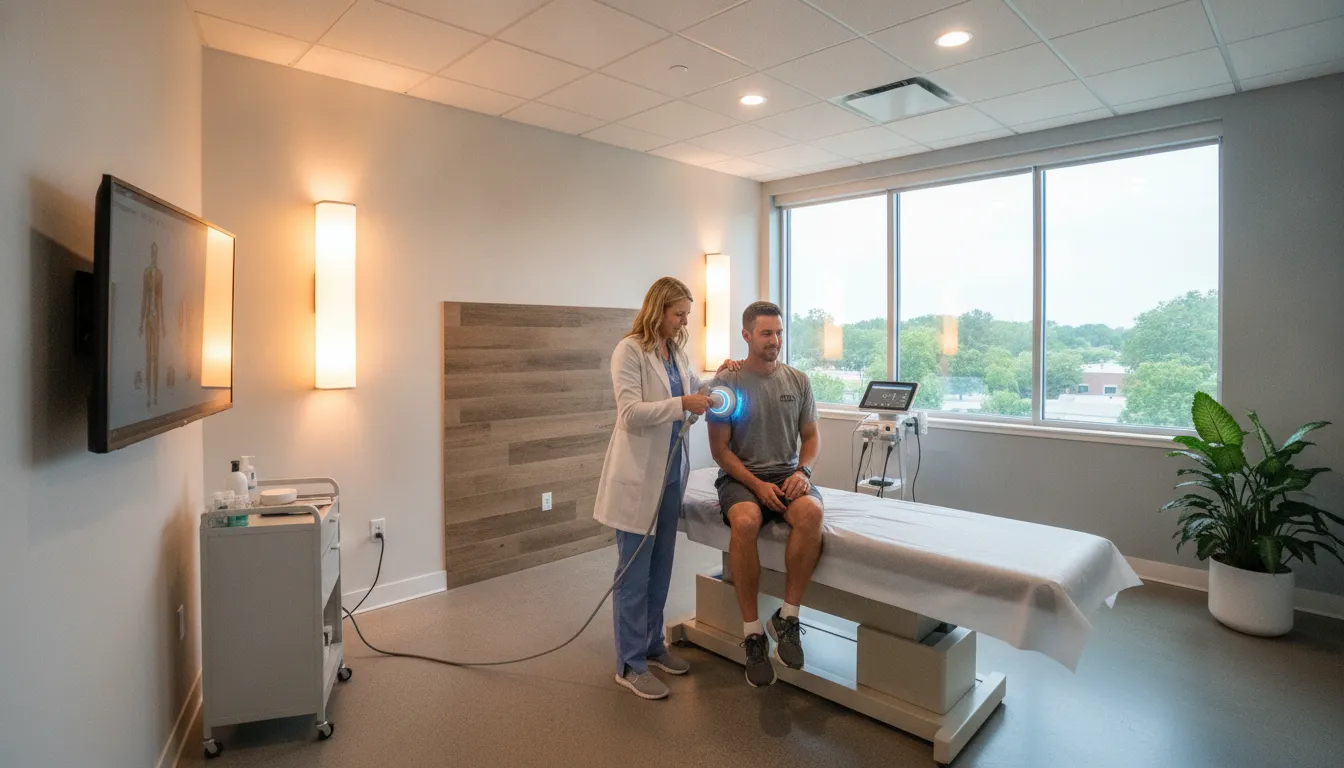
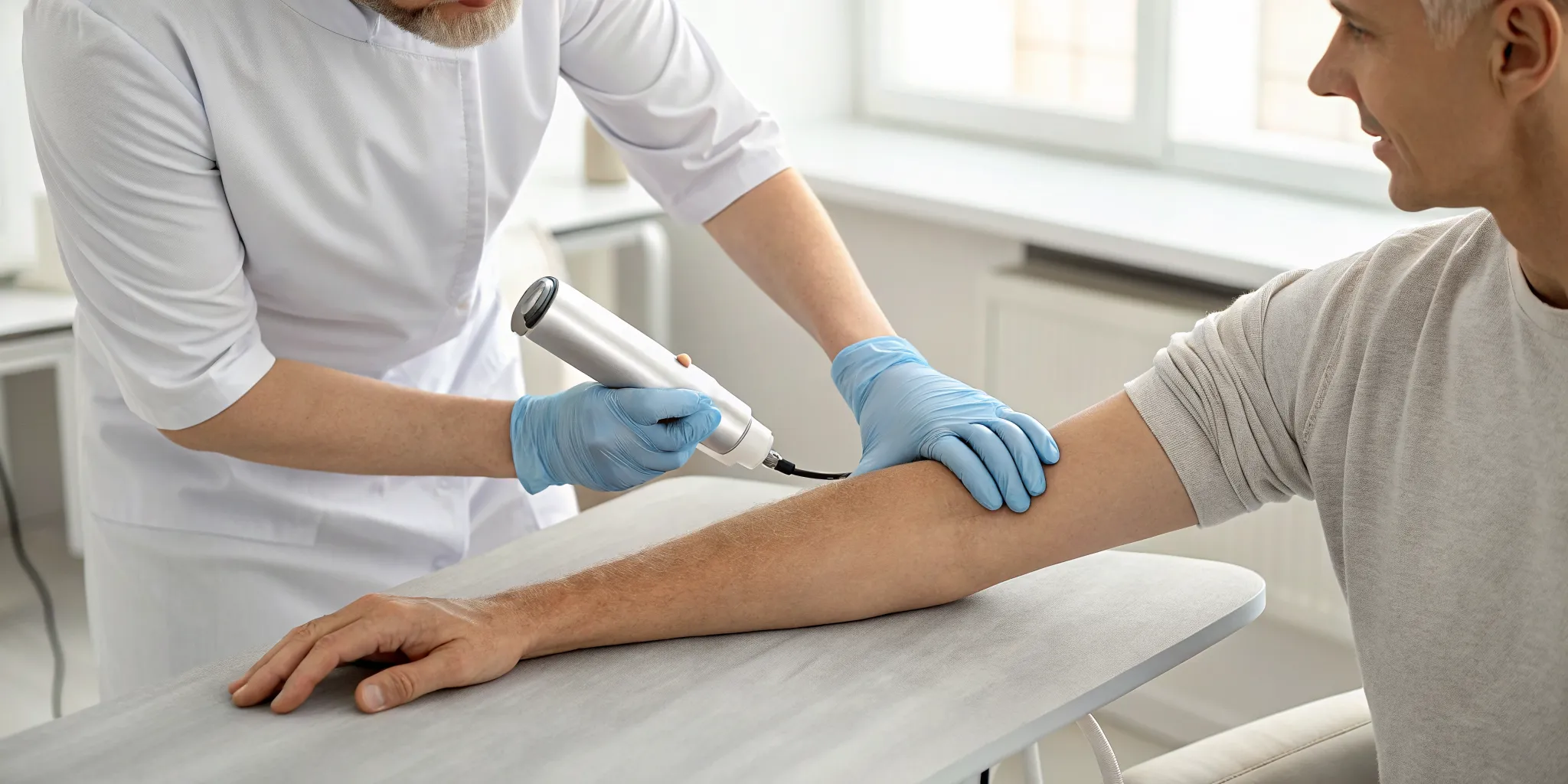
When you come in for your appointment, we’ll get you settled comfortably. The treatment itself is quite quick. We use a specialized handheld device to apply acoustic waves directly to the painful area of your Achilles tendon. You’ll feel a tapping or pulsing sensation as the device works. The entire process for the targeted area usually takes about five to ten minutes. These waves are designed to create a response deep within the tissue, stimulating your body’s own repair crews to get to work on the injured tendon. It’s a simple and efficient way to encourage healing without any incisions or downtime.
How Many Sessions Will I Need?
Consistency is key when it comes to helping your body repair chronic injuries. While every person’s healing journey is unique, most people see the best results from a series of treatments. We typically recommend starting with at least three sessions, scheduled about a week apart. Many of our patients come in once or twice a week and begin to notice a real difference in their pain and mobility after three to five treatments. We will create a plan tailored to your specific needs and adjust it based on how your body responds, ensuring your care is always personalized to the conditions we treat.
Your Recovery and Results Timeline
Patience is an important part of the healing process. While some people feel initial relief within a few weeks, the most significant changes happen over time as your body rebuilds damaged tissue. You can generally expect the healing process to begin within four to six weeks of your first session. Many people report substantial improvements within six to eight weeks, with continued progress over the following months. By the three-month mark, most individuals notice a significant enhancement in their condition. This timeline reflects our philosophy of addressing the root cause and giving your body the support it needs to truly heal.
Is Shockwave Therapy Safe?
It’s smart to ask about the safety of any treatment you’re considering. When it comes to shockwave therapy, you can feel confident knowing it has a strong safety profile, especially when performed by a trained professional. This non-invasive approach works with your body’s own healing mechanisms, so the side effects are generally minimal and short-lived. Understanding the full picture helps you make an informed decision about your health.
At Ascend Functional Health, your safety is our top priority. We believe in addressing the root cause of your discomfort, not just masking the symptoms. Before starting any new protocol, we conduct a thorough health evaluation to make sure it’s the right choice for your specific situation. This commitment is a core part of our approach to functional medicine and ensures that every step we take is aligned with your long-term wellness goals. Let’s walk through what you can expect, who this treatment is best for, and some practical considerations to keep in mind.
Common (and Minor) Side Effects
Most people find shockwave therapy to be a very manageable experience. However, it’s helpful to know about the potential side effects, which are typically mild and temporary. You might notice some slight redness, bruising, or soreness around the treated area. Think of this as a sign that the therapy is doing its job by creating a healing response in the tissue.
These effects usually fade within a day or two after your session. Unlike more invasive procedures, there’s no significant downtime, so you can get back to your daily routine quickly. Our team at Ascend Functional Health will give you clear post-treatment instructions to ensure you feel comfortable and supported throughout your physical medicine journey.
Who Should Avoid This Treatment
While shockwave therapy is beneficial for many people struggling with Achilles tendonitis, it isn’t the right fit for everyone. Certain conditions can make the treatment unsuitable. For example, this therapy is generally not recommended for individuals who are pregnant, have a bleeding disorder, or have an active infection in the area being treated. Your health history is a key part of the puzzle.
That’s why an initial consultation is so important. It gives us a chance to discuss your background and goals, ensuring we design a safe and effective plan for you. Being open about your medical history allows us to confirm that you are a good candidate for shockwave therapy or guide you toward a more appropriate treatment if needed. You can always contact our team to discuss your specific circumstances.
Separating Fact from Fiction
When exploring innovative treatments like shockwave therapy, it’s easy to come across conflicting information. One common point of confusion is how the financial aspect of care is handled. Because shockwave therapy is a specialized and advanced modality, it is often considered an out-of-pocket investment in your long-term health.
We believe in complete transparency, so we discuss all aspects of your care plan, including the financial commitment, upfront. This allows you to make a clear and confident decision without any surprises. Our goal is to provide you with the most effective path to healing, and we are here to answer any questions you have about the process. We have seen firsthand how this treatment helps our patients, and you can read about their experiences in our patient testimonials.
Maximizing Your Shockwave Therapy Results
Shockwave therapy is an incredibly effective tool for healing, but your results don't just depend on what happens during your appointment. Think of it as a powerful catalyst. The real, lasting change comes from the supportive habits you build into your daily life. To truly get back on your feet and leave Achilles pain behind, it’s essential to pair your treatments with a smart recovery plan. By taking an active role in your healing journey, you can significantly improve your outcome and prevent future issues. Here’s how you can support your body’s recovery process and make the most of every session.
Treatments That Support Your Recovery
Shockwave therapy works best when it’s part of a bigger picture. We view it as a key component of a comprehensive care plan designed to address your Achilles tendonitis from all angles. Most long-term Achilles problems respond well to a combination of treatments, including targeted physical medicine. A structured program of specific exercises helps strengthen the calf muscle and the Achilles tendon itself, building resilience over time. While this process can take several weeks, it’s the foundation for lasting relief. At Ascend, our physical medicine protocols are designed to complement shockwave therapy, ensuring your body gets the consistent support it needs to rebuild and repair correctly.
Key Stretches, Exercises, and Footwear
Small daily choices can make a huge impact on your recovery. Start with your shoes. Choose supportive footwear that offers good cushioning and solid arch support. It’s time to set aside any high heels or old, worn-out sneakers that could be putting extra strain on your tendon. Next, make gentle movement a priority. Simple calf stretches and strengthening exercises, like heel raises, are fantastic for improving your tendon's flexibility and strength. These don’t need to be intense; the goal is consistent, gentle loading to encourage healing and build strength over time. Integrating these simple habits into your routine gives your Achilles tendon the stable, supportive environment it needs to heal properly.
Post-Treatment Do's and Don'ts
After your shockwave session, your body gets to work repairing the tissue. To help it along, there are a few important guidelines to follow. First, do continue with your recommended stretching and strengthening exercises. This reinforces the healing process initiated by the treatment. Second, don’t reach for anti-inflammatory medications (like ibuprofen) for at least six weeks after your session. While it might seem counterintuitive, the inflammation created by shockwave therapy is a crucial part of the healing cascade. Taking medication that blocks this process can interfere with your body’s natural repair mechanisms. Our entire philosophy is built on facilitating your body's innate ability to heal, and this step is key to that process.
Find Lasting Achilles Pain Relief in Tampa
If you're in the Tampa area and struggling with Achilles tendonitis that just won’t quit, it can feel incredibly frustrating. You’ve likely tried rest, ice, and stretching, only for that sharp, nagging pain to return the moment you get active again. At Ascend Functional Health, we understand this cycle and want you to know there are more effective options available. One of the most promising treatments we utilize is shockwave therapy, a non-invasive approach that helps your body heal from the inside out.
This isn't just a temporary patch. Shockwave therapy uses targeted sound waves to stimulate your body's natural repair mechanisms, helping to rebuild the damaged tendon tissue. Research is very encouraging, with studies showing significant improvements in pain and function. In fact, some studies report an average pain reduction of at least 50%. The goal of our physical medicine approach is to address the root cause of your pain, and shockwave therapy is a fantastic tool for that. While healing often begins within a few weeks, many people notice major progress within three months, getting them back to their lives with less risk of the injury returning. If you're ready to move past this stubborn injury, we're here to help you understand your options and create a personalized plan. You can learn more about the conditions we treat and how our team can help you find lasting relief.
Related Articles
- SoftWave Tissue Regeneration Therapy in Tampa | Alessi Functional Health
- SoftWave TRT Therapy in Tampa, FL - Alessi Functional Health
- Regenerative Medicine for Pain Recovery | Ascend Functional Health
- Pain Free Future | Alessi Functional Health
- Graston Technique Side Effects: What's Normal?
Frequently Asked Questions
What does shockwave therapy feel like? Is it painful? Most people describe the sensation as a strong, deep tapping or pulsing against the skin. While there can be some discomfort, especially over the most tender part of your tendon, the feeling is very manageable and the treatment itself is quick, usually lasting only five to ten minutes. We can always adjust the intensity to keep you comfortable, and many patients find the sensation reassuring, as it signals that the therapy is targeting the right spot.
I've already tried physical therapy. How is this different? That’s a great question, as physical therapy is an essential part of recovery. Think of it this way: physical therapy strengthens the muscles and tendon, while shockwave therapy focuses on restarting the healing process at a cellular level. When an injury becomes chronic, the body's natural repair cycle can stall. Shockwave gives it a direct prompt to increase blood flow and rebuild tissue, creating a better foundation for your physical therapy exercises to be successful.
How soon will I feel better, and are the results long-lasting? While some people notice an improvement after just a few sessions, the most significant changes happen over time as your tendon rebuilds. The goal here is true, structural healing, not just a temporary fix. Because shockwave therapy helps your body repair the damaged tissue from the inside out, the results are designed to be lasting. By addressing the root of the problem, you're not only finding relief but also making the tendon more resilient against future injury.
Can I still exercise while I'm getting shockwave treatments? You should absolutely keep moving, but we’ll guide you on the right kind of activity. It’s best to avoid high-impact exercises like running or jumping that put a lot of stress on the Achilles tendon during your treatment period. However, continuing with the gentle, prescribed stretching and strengthening exercises is a crucial part of your recovery. This combination of rest from stressful activity and engagement in therapeutic movement gives your tendon the best environment to heal.
What's the first step if I think this treatment is right for me? The best way to start is by scheduling a consultation with our team. During this initial visit, we will perform a thorough evaluation of your injury, discuss your health history, and talk about the challenges you've been facing. This conversation allows us to determine if you are a good candidate for shockwave therapy and to create a personalized plan that addresses your specific needs and goals for recovery.