When you feel anxious or down, the last thing you might think about is your posture. But what if your body could be one of your most powerful tools for feeling better? The connection between your body’s structure and your mental state is stronger than you might realize. Addressing physical imbalances can be an effective, and often overlooked, way to support your emotional well-being. Instead of treating the mind and body as separate, we can look at how improving one directly benefits the other. Understanding the link between biomechanics and mental health gives you actionable strategies for breaking the cycle of stress and physical tension.
Key Takeaways
- Your Posture Influences Your Emotions: The way you hold your body sends constant messages to your brain; slouching can reinforce feelings of stress, while an upright posture can actively promote confidence and a more positive emotional state.
- Stress and Stiffness Create a Feedback Loop: Ongoing anxiety often leads to physical stiffness, particularly in the torso and shoulders, which signals danger to your nervous system and creates a cycle where physical discomfort and mental stress feed each other.
- Small Physical Changes Support Mental Health: You can directly influence your mental state through physical action, as simple practices like posture correction, focused breathing, and gentle stretching help release tension and send calming signals to your nervous system.
How Does Your Posture Affect Your Mood?
Have you ever noticed that when you’re feeling down, you tend to slouch? Or that when you’re anxious, your shoulders tense up toward your ears? This isn’t a coincidence. The way you hold your body is deeply connected to your emotional state. Your posture doesn't just reflect your mood; it can actively influence it. Think of it as a two-way street: your brain sends signals to your body, but your body also sends signals right back to your brain.
This constant communication loop means that your physical habits, like how you sit at your desk or stand in line, are either supporting your well-being or contributing to a cycle of stress and discomfort. Understanding this connection is the first step toward using your own body to support your mental health. By making small, conscious adjustments to your posture and movement, you can start to break negative feedback loops and create a more positive physical and emotional experience.
The Link Between How You Stand and How You Feel
The connection between posture and mood is something researchers have observed time and again. Studies show that prolonged sitting and poor posture are linked to higher levels of stress and negative feelings. When you slouch, you compress the space in your chest, which can lead to shallower breathing. This pattern signals to your nervous system that you might be in a state of threat or sadness, which can reinforce those very feelings.
Conversely, adopting an upright, open posture can have the opposite effect. Standing or sitting tall can create feelings of confidence and positivity. It’s not about striking a dramatic pose, but rather about the subtle, consistent messages you send your brain through your body language. Improving your posture is a tangible way to support your body’s structure, which is a core focus of physical medicine.
How Your Brain Interprets Movement as Safe or Stressful
Your brain is constantly scanning your body and your environment for signs of safety or danger. When you feel anxious, you might notice physical symptoms like a racing heart or shallow breath. These are part of the body's stress response, but they also act as feedback to your brain, confirming that something is wrong. If your posture is consistently closed off and your muscles are tense, your brain can interpret these physical cues as signs of a threat, keeping you stuck in a state of high alert.
This creates a cycle where physical tension fuels anxious thoughts, and anxious thoughts create more physical tension. Learning to recognize these patterns is key. By consciously relaxing your muscles and opening your posture, you can send a different signal to your brain: a signal of safety and calm. This can help soothe your nervous system and lessen the intensity of anxious feelings.
Understanding the Anxiety-Stiffness Cycle
When you encounter a stressful situation, your body’s natural reaction is to brace for impact. This often involves tensing the muscles in your torso, a protective mechanism that prepares you for the unknown. While this is a helpful short-term response, it becomes a problem when stress is chronic. Constant tension in your chest and abdomen can lead to a persistent feeling of stiffness.
This stiffness isn't just uncomfortable; it feeds the anxiety-stiffness cycle. Your tense body signals to your brain that you're still in danger, which keeps the stress response going. Over time, this can contribute to a range of issues, from chronic pain to digestive upset. Addressing the root cause of this cycle often requires a holistic approach that considers your body’s interconnected systems, which is a cornerstone of functional medicine.
Physical Issues That Impact Mental Health
It's easy to think of physical pain and mental health as two separate things, but they are deeply connected. When your body is struggling, your mind often feels the impact. This isn't a sign of weakness; it's a fundamental part of our biology. Understanding how specific physical problems can affect your mood, energy, and overall mental state is the first step toward finding solutions that address your whole self, not just a collection of symptoms. Let's explore some of the most common ways your physical well-being can influence your mental health.
The Emotional Weight of Chronic Pain
Living with chronic pain is exhausting, and the burden isn't just physical. It's a heavy emotional weight that can lead to feelings of frustration, hopelessness, and isolation. Research shows that psychological factors can significantly influence how we experience long-term pain, creating a difficult cycle. The pain can worsen feelings of anxiety or depression, and in turn, that emotional distress can amplify your perception of pain. It’s a feedback loop that can feel impossible to escape. Recognizing this connection is crucial because it means that addressing the emotional component is just as important as treating the physical source of the pain. Our approach to physical medicine considers this link, aiming to ease both physical discomfort and its emotional toll.
How Stress Creates Muscle Tension
Have you ever noticed your shoulders creeping up toward your ears when you're stressed? That's your body's natural fight-or-flight response in action. When you perceive a threat, whether it's a looming deadline or a difficult conversation, your muscles instinctively tighten to protect you. The problem is, modern life can feel like a constant stream of low-grade threats, leaving your muscles in a perpetual state of tension. This chronic stiffness, especially in the neck, shoulders, and back, can lead to headaches and persistent discomfort. This creates a vicious cycle where stress causes physical tension, and that physical discomfort then becomes another source of stress, further fueling your anxiety. We help patients identify and address the root causes of these health concerns.
Why Limited Mobility Drains Your Energy
When your body feels stiff and movement is restricted, it can feel like you're walking through mud just to get through your day. This lack of mobility does more than just cause physical discomfort; it can seriously drain your mental and emotional energy. If simple tasks like bending down to tie your shoes or reaching for something on a high shelf become a challenge, your body has to expend extra energy to compensate. This constant physical effort can lead to profound fatigue and a low mood. Studies even show that improving posture and movement can have a significant positive impact on mental well-being. Feeling physically "stuck" often translates to feeling mentally stuck, which is why restoring your body's natural ability to heal is key to regaining your vitality.
Can Poor Posture Impact Your Mental Health?
It’s easy to think of posture as just a physical issue, something that might cause a sore back after a long day. But the way you hold your body is deeply connected to your mental and emotional state. Slouching, hunching, and other forms of poor posture don't just strain your muscles; they can send constant stress signals to your brain, influencing your mood, energy, and even your outlook on life. Understanding this connection is the first step toward using your body to support your mind.
Your Nervous System's Role in Physical Discomfort
Your nervous system is your body's command center, and it’s always on the lookout for threats. When you hold yourself in a tense or collapsed posture, your brain can interpret this as a sign of danger. This triggers a low-grade stress response, which can lead to feelings of anxiety. Over time, this constant state of alert can cause very real physical problems like a racing heart, shallow breathing, and muscle tightness. It’s your body’s way of saying it feels unsafe, and this physical unease directly contributes to mental distress. Correcting your posture helps send a signal of safety and calm back to your nervous system.
How Spinal Health Affects Brain Function
Think of your spine as the main information highway between your body and your brain. When your spine is out of alignment or lacks mobility, it’s like having traffic jams on that highway. The communication gets disrupted. Research shows a clear connection between how well a person’s spine can move and their psychological symptoms. A stiff, misaligned spine can interfere with the nerve signals that regulate everything from mood to cognitive function. By restoring proper movement and alignment to the spine, we can help clear those pathways, allowing for better brain function and a more balanced emotional state.
Breaking the Cycle of Pain and Psychological Distress
Chronic pain from poor posture and psychological distress often feed into each other, creating a difficult cycle. When you’re in pain, you might feel frustrated, anxious, or down, and these emotions can actually make your perception of pain worse. This heightened pain then leads to more emotional distress. How well your spine moves plays a big role in how you cope with this cycle. Improving your body’s mechanics can reduce the physical strain that causes pain in the first place. This provides a foundation for breaking the loop, helping you regain mobility and find relief from both physical discomfort and its emotional weight.
What Science Says About Biomechanics and Mental Health
It’s one thing to feel the connection between your body and mind, but it’s another to see the science behind it. Researchers have been exploring how our physical state, from posture to muscle tension, directly influences our mental and emotional well-being. The findings are clear: the way we hold and move our bodies has a profound effect on everything from our stress levels to our mood. Understanding this science is the first step toward using your body as a tool to support your mental health. Let's look at what the research says about these powerful connections.
Can Better Posture Actually Lower Stress?
If you spend a lot of time sitting, you’ve probably been told to "sit up straight." It turns out that advice is about more than just appearances. Poor posture is directly linked to higher levels of stress, anxiety, and negative moods. One study focusing on college students found that implementing corrective exercises to improve posture and movement patterns had a remarkable effect. After the program, students reported a 30.9% decrease in overall stress and a 38.5% drop in anxiety. Their positive feelings also increased by nearly 30%. This shows that making intentional changes to your physical posture can be a powerful way to create a real shift in your mental state. Our approach to physical medicine focuses on these foundational improvements.
The Link Between Behavior and Pain
When you’re dealing with something like low-back pain, it’s easy to think of it as a purely physical problem. However, research shows that psychological factors play a huge role in the experience of pain. A study on low-back disorders found a direct relationship between a person's spinal mobility and their psychological symptoms, including anxiety. In other words, the less a person could move their spine, the more likely they were to experience emotional distress. This highlights a cycle where physical limitations can worsen your mental state, and that distress can, in turn, amplify your perception of pain. Addressing the conditions we treat often involves looking at both the physical and behavioral sides of the issue.
How Body Stiffness Affects Your Hormones
Have you ever noticed your shoulders tense up or your stomach clench when you feel anxious? That’s your body’s natural response to stress. When you’re in an unpredictable situation, your body instinctively stiffens your torso as a protective measure. While this is helpful in the short term, chronic anxiety can lead to long-term torso stiffness. Research explains that this prolonged tension, combined with a steady flow of stress hormones like adrenaline, can reduce blood flow and even damage heart muscle over time. It’s a clear example of how an emotional state creates a physical pattern that can have serious consequences for your long-term health, which is why our functional medicine approach examines hormonal balance.
The Mind-Body Connection Is Real
Have you ever noticed your shoulders creeping up toward your ears during a stressful meeting? Or felt a knot in your stomach when you’re anxious? That’s the mind-body connection in action. It’s not just a wellness buzzword; it’s a physiological reality. Your thoughts, feelings, and beliefs can directly impact your physical health, and your physical state can just as easily influence your mental and emotional well-being.
Research has shown a clear relationship between psychological factors and biomechanical issues, like low-back pain. This means the stress you carry with you every day might be contributing to the physical discomfort you feel. At Ascend, we see this connection in our patients all the time. Addressing only the physical symptoms without considering the mental and emotional components is like treating only half of the problem. True wellness comes from understanding and nurturing this powerful link, which is central to our holistic health solutions.
How Chronic Stress Physically Changes Your Body
When you’re living with ongoing stress or anxiety, your body is in a constant state of high alert. This isn't just a feeling; it triggers real, physical changes. Your brain perceives a threat and tells your body to prepare for a fight, causing your heart to race and your breathing to become shallow. Over time, this can put a significant strain on your cardiovascular system.
One of the most common physical responses to stress is muscle tension, particularly in your core. Your body instinctively stiffens your torso to protect your vital organs when it feels threatened or unstable. While this is a helpful short-term reflex, chronic stress keeps this tension locked in. This constant stiffness can lead to back pain, restricted movement, and a perpetual feeling of being on edge, creating a cycle where physical discomfort fuels your anxiety.
Endorphins: Your Body's Natural Mood Support
The good news is that you have a powerful, built-in system for counteracting the physical effects of stress: endorphins. These are chemicals produced by your body to relieve pain and create a sense of well-being. The most reliable way to release them is through physical activity. When you move your body, you’re not just burning calories; you’re sending a signal to your brain to release these feel-good compounds.
Engaging in enjoyable movement, whether it’s a brisk walk, a dance class, or gentle stretching, can help release the torso stiffness caused by anxiety. This improves blood flow and helps your nervous system shift out of its "fight or flight" mode. Pairing movement with calm, intentional breathing further reduces anxiety. Our approach to physical medicine focuses on finding the right movements to help your body heal and restore this natural balance.
Simple Practices to Align Your Mind and Body
You don’t need to make drastic changes to start improving your mind-body alignment. Small, consistent adjustments to your posture and daily movements can have a profound impact. One study found that when college students focused on improving their posture and movement patterns, their overall stress levels dropped by nearly 31% and anxiety levels fell by over 38%. This shows just how much our physical habits can influence our mental state.
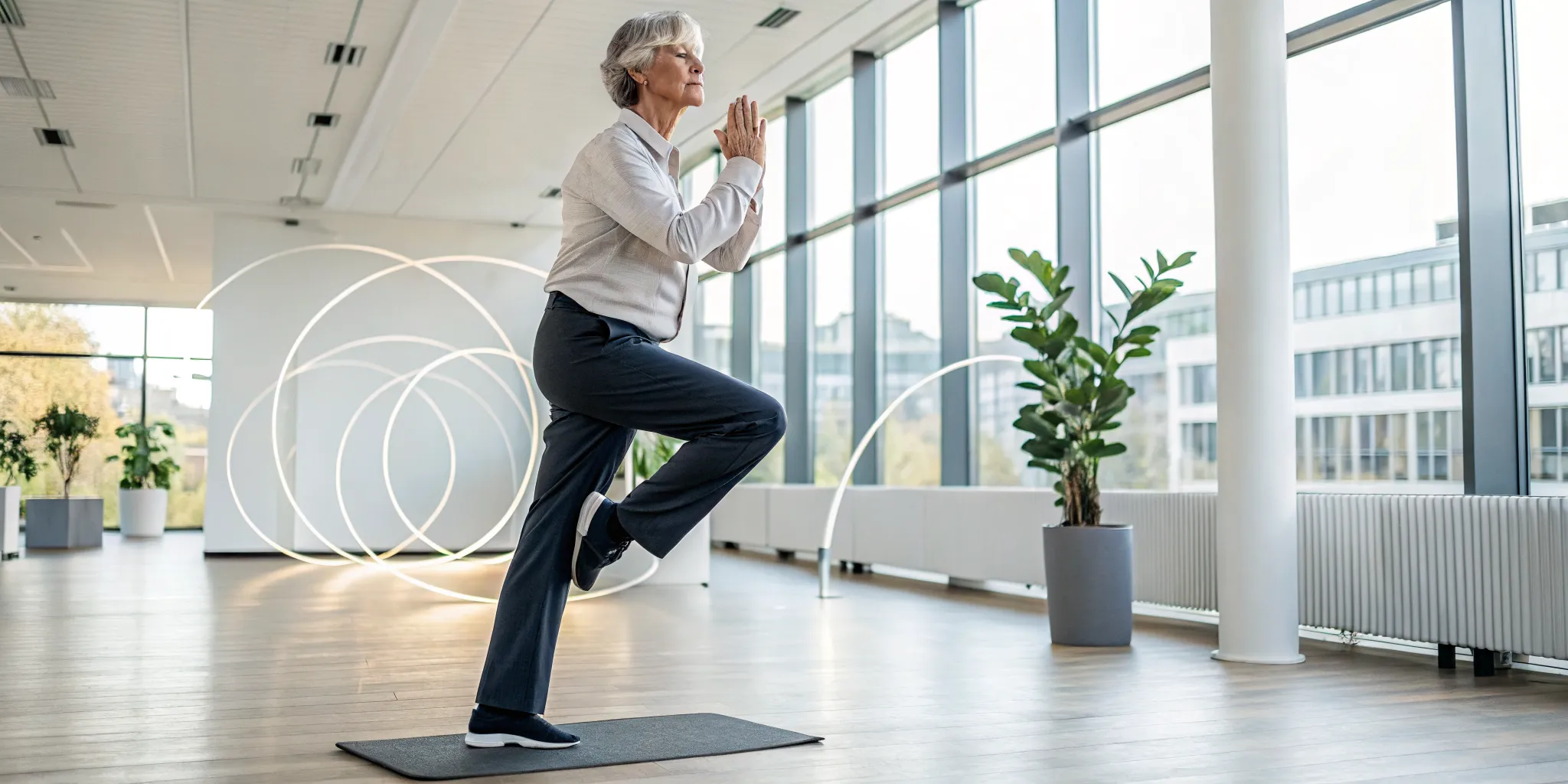
Start by bringing more awareness to your body throughout the day. Set a reminder to check your posture: Are your shoulders rounded? Is your head pushed forward? Take a moment to sit or stand tall, gently pulling your shoulders back and down. Incorporate simple stretches into your routine, especially after long periods of sitting. These small acts of physical self-care send messages of safety to your nervous system, helping to break the cycle of stress and tension.
Can Better Biomechanics Ease Anxiety and Depression?
When you feel anxious or down, the last thing you might think about is your posture. But the connection between your body’s structure and your mental state is stronger than you might realize. Addressing physical imbalances can be a powerful, and often overlooked, way to support your emotional well-being. Instead of treating the mind and body as separate, we can look at how improving one can directly benefit the other.
Why a Body-First Approach Can Improve Mental Health
It’s easy to think of mental health as something that happens only from the neck up, but your body is constantly sending signals to your brain. If your body is in a state of physical stress due to poor posture or movement patterns, your brain will notice. One study on college students found that focusing on improving physical posture and movement led to incredible results. Students reported a 38.5% drop in anxiety levels and a 30.9% decrease in overall stress. This shows that taking a body-first approach isn't just about relieving aches and pains; it’s a legitimate strategy for improving your mental and emotional resilience.
The Link Between a Healthy Spine and a Healthy Mind
Your spine is the central highway for your nervous system, connecting your brain to the rest of your body. When its movement is restricted, it can affect more than just your flexibility. Research shows a direct relationship between how well your spine moves and your psychological symptoms. A stiff, misaligned spine can contribute to a cycle where physical discomfort amplifies feelings of anxiety, and that anxiety, in turn, creates more physical tension. By addressing the biomechanics of your spine, you can help break this loop and support a healthier mind. This gets to the root cause of your symptoms rather than just managing them.
When to Seek Professional Support
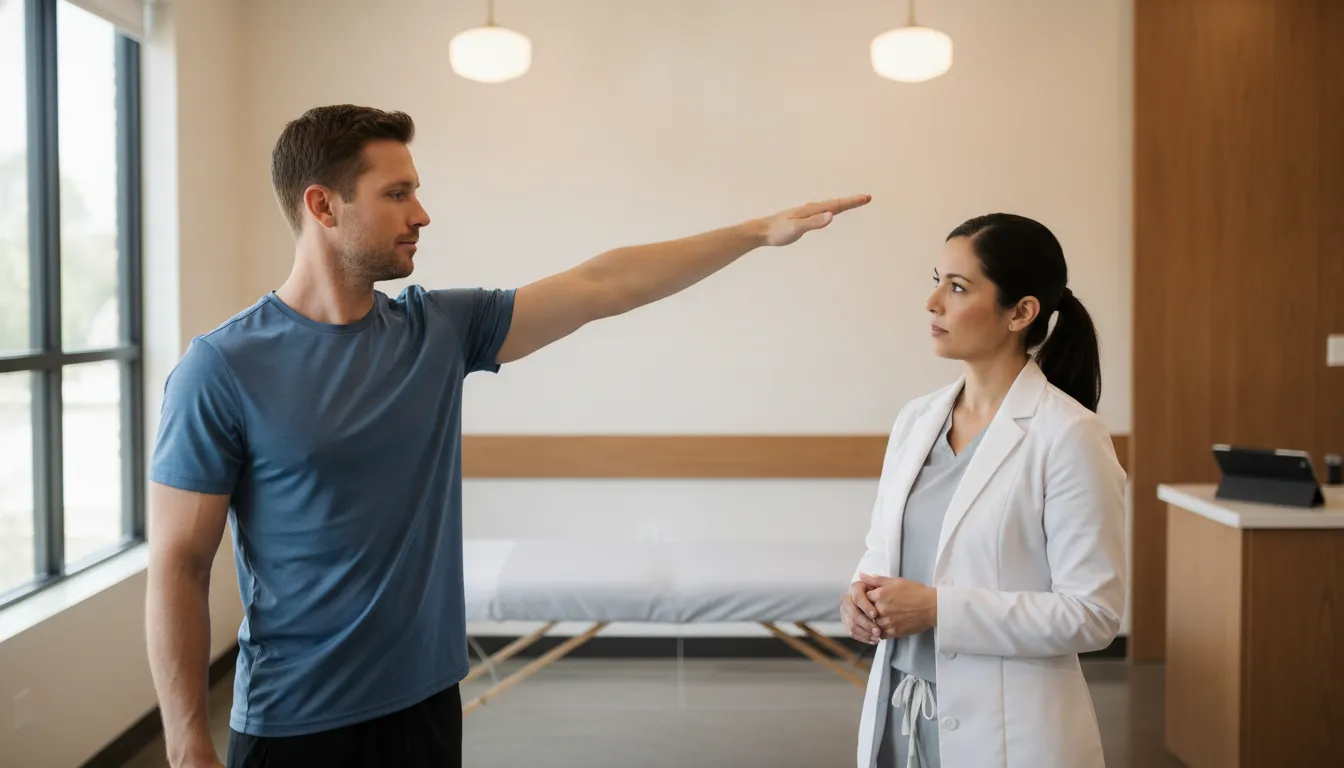
While being mindful of your posture is a great first step, some issues require a more guided approach. If you experience chronic torso stiffness, persistent pain, or other physical symptoms that seem tied to your anxiety, it’s your body’s way of asking for help. Long-term physical tension can keep your body in a constant state of alert, affecting everything from your stress hormones to your cardiovascular health. Understanding the biomechanical links between your physical and mental symptoms is key. If you feel stuck in a cycle of pain and anxiety, it may be time to seek professional support to get a clear picture of what’s going on and create a plan for lasting relief.
Actionable Tips for Better Mind-Body Health
Understanding the connection between your body and mind is the first step. The next is taking small, consistent actions to support it. You don't need a complete life overhaul to feel better. Instead, focus on integrating simple practices into your daily routine. These tips can help you use movement and body awareness to improve your mood and overall sense of well-being, one day at a time.
Improve Your Posture and Daily Movements
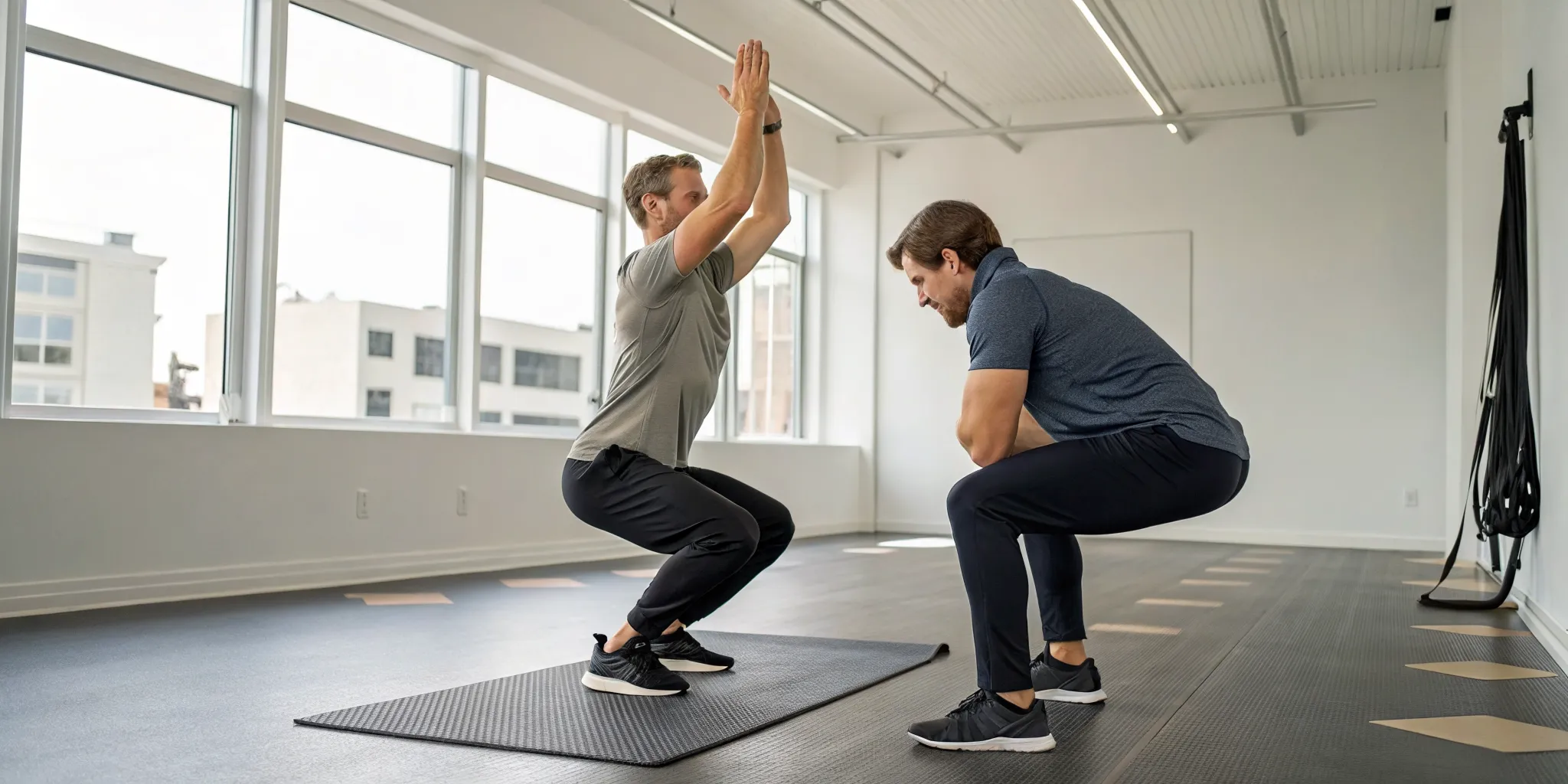
If you spend a lot of time sitting at a desk or looking down at your phone, your posture can start to suffer. This slumped position isn't just a physical issue; studies show that poor posture is linked to increased stress and lower moods. Your body sends constant signals to your brain, and a collapsed posture can communicate vulnerability or sadness. Start by paying attention to how you sit and stand. Try to sit with your feet flat on the floor, shoulders back, and head aligned over your spine. Set a reminder to get up and stretch every hour. These small adjustments can retrain your body and help your brain receive more positive, confident signals. Our approach to physical medicine often begins with correcting these foundational movement patterns.
Use Breathwork to Calm Your Nervous System
Your breath is one of the most powerful tools you have for managing your mental state. When you feel anxious, your breathing often becomes shallow and rapid, which can create stiffness in your torso and keep your body in a state of high alert. Research suggests that practicing calm, intentional breathing can help reduce this physical tension and soothe your nervous system. Try this: place one hand on your chest and the other on your belly. Breathe in slowly through your nose for four counts, feeling your belly expand. Hold for a moment, then exhale slowly through your mouth for six counts. Repeating this simple exercise for just a few minutes can make a significant difference. For more wellness insights, check out our podcast.
Find Physical Activity That Supports Your Body and Mind
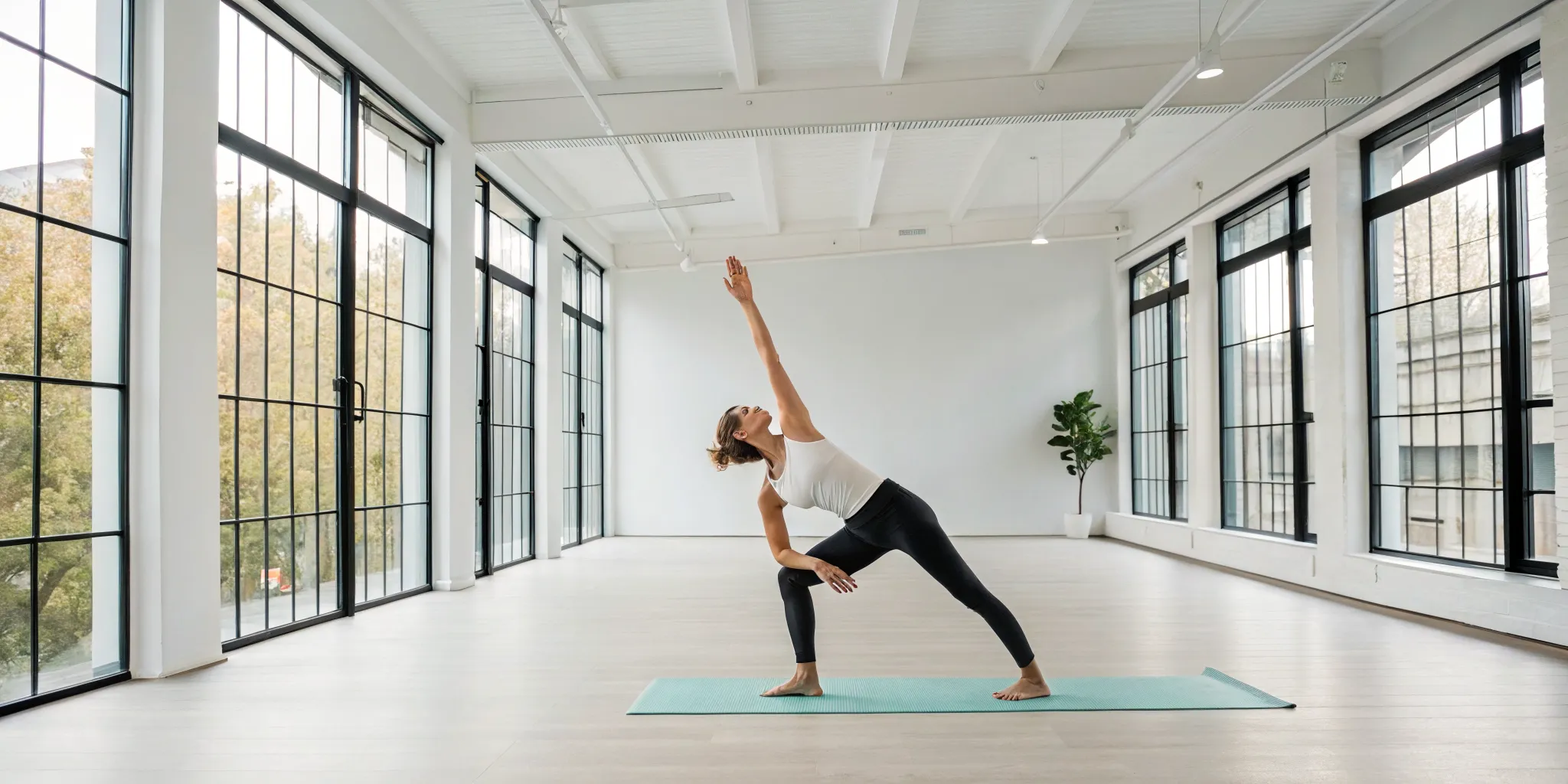
When you're feeling down or dealing with pain, the idea of exercise can feel overwhelming. The key is to find movement that feels supportive, not punishing. Studies confirm that physical activities focused on posture and mindful movement can significantly improve both physical function and mental well-being. This could be a gentle walk in a park, a restorative yoga class, or swimming. The goal is to move your body in a way that feels good to you. Listening to your body and choosing activities you genuinely enjoy makes it easier to stay consistent. Finding the right movement is a core part of addressing many of the conditions we treat and restoring vitality.
Increase Flexibility to Relieve Pain and Stress
Physical tightness and emotional stress are often intertwined. When you're stressed, your muscles clench, and over time, this can lead to chronic pain and limited mobility, especially in your back and neck. Research highlights a feedback loop: the way your spine moves affects how you perceive pain, and your pain levels, in turn, affect your movement. Gently increasing your flexibility can help break this cycle. Incorporate simple stretches into your morning or evening routine, focusing on your neck, shoulders, and hips. By releasing physical tension, you create space for mental and emotional relief. This holistic view is central to our functional medicine philosophy, where we see every system as interconnected.
Our Approach to Mind-Body Wellness
Feeling good isn’t just about one thing; it’s about how everything in your body works together. When your mind and body feel out of sync, it can be incredibly frustrating. We believe that your physical structure, internal systems, and emotional health are all deeply connected. Our goal is to understand these connections and help you restore harmony. We do this by looking at your health from multiple angles, creating a plan that addresses you as a whole person, not just a collection of symptoms.
Restoring Balance with Physical Medicine
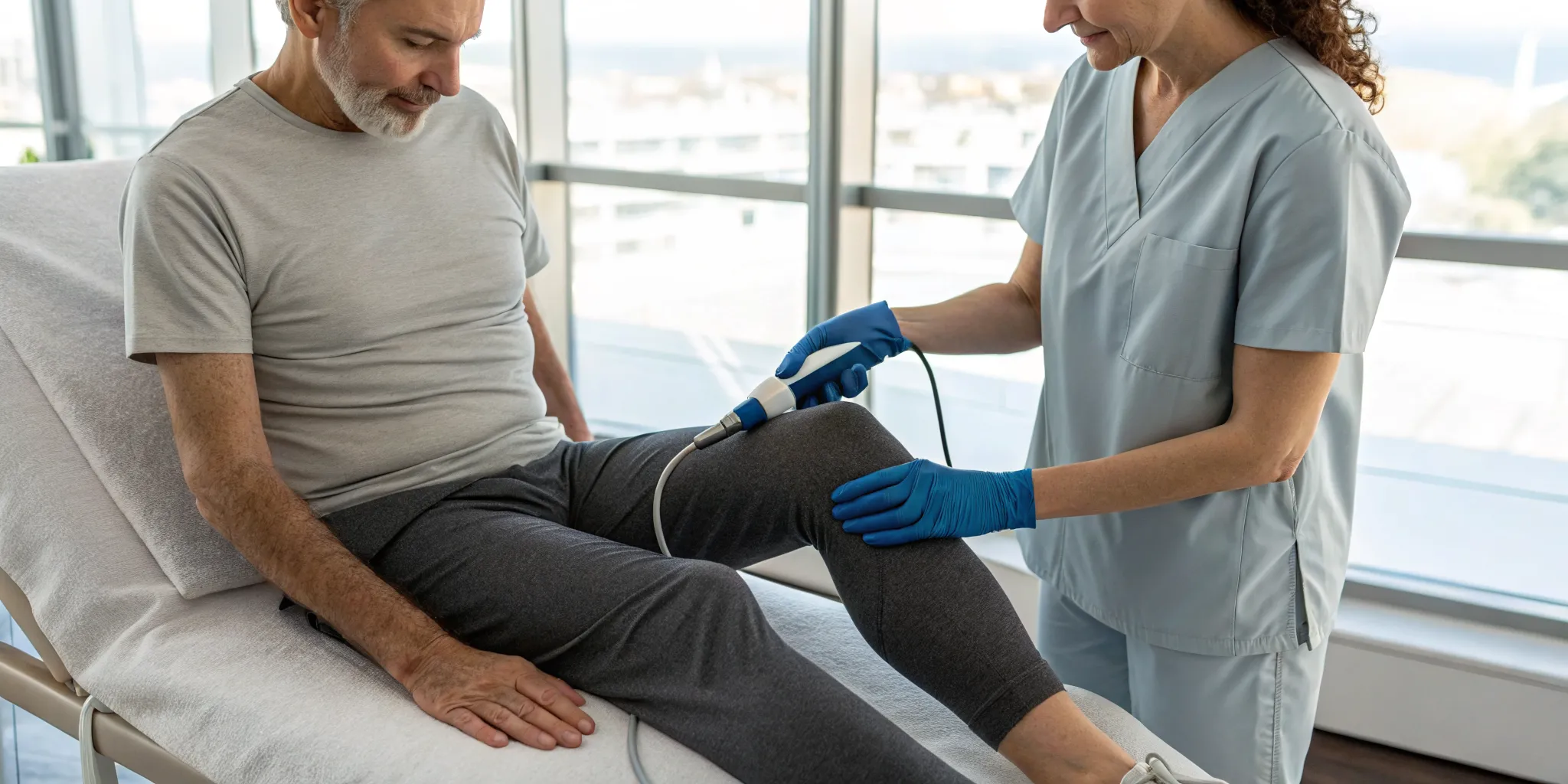
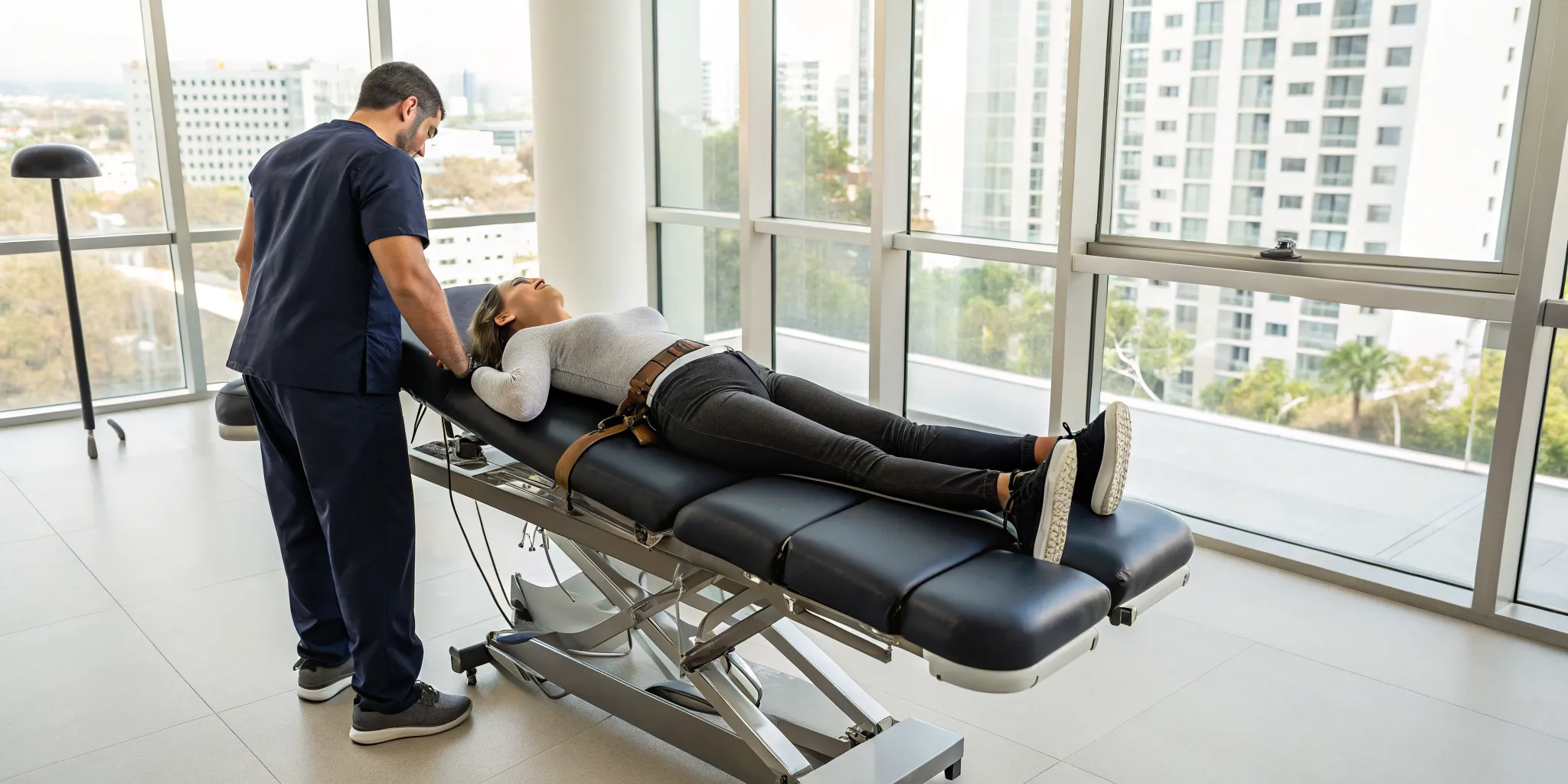
How you stand, sit, and move every day sends constant signals to your brain. If your body is out of alignment, it can create a state of underlying stress that impacts your mood. Our approach to Physical Medicine focuses on correcting these structural imbalances. By improving your posture and movement patterns through targeted corrective care, we help your body find its natural alignment. This not only relieves physical tension but also helps calm your nervous system, creating a powerful foundation for better mental and emotional well-being. It’s about helping your body feel safe and supported, so your mind can too.
A Functional Medicine Look at Gut Health and Hormones
If you’ve ever felt anxious and had a racing heart or an upset stomach, you’ve experienced the mind-body connection firsthand. These physical feelings aren't just random; they are often tied to what’s happening inside your body. Imbalances in your gut health or hormones can directly influence your mood and mental clarity. Through Functional Medicine, we take a detailed look at these internal systems. By understanding your unique biochemistry, we can identify opportunities to support your gut, balance your hormones, and give your body the resources it needs to regulate your mood more effectively.
Getting to the Root Cause, Not Just the Symptoms
Our ultimate goal is to move beyond temporary fixes and address the fundamental reasons you feel the way you do. While symptoms like anxiety, fatigue, or chronic pain are what you experience daily, they are often signals of a deeper issue. Instead of just managing these symptoms, our comprehensive approach is designed to uncover and address the underlying cause. By combining insights from your physical structure and internal health, we can build a personalized roadmap that guides your body back to a state of balance, leading to more resilient and lasting health.
Related Articles
- Cervical Myofascial Pain 101: A Complete Guide
- Dysbiosis: Causes, Symptoms, and Treatment
- What Is the Root Cause of Fibromyalgia? A Clear Answer
- Hormonal Balance: An Expert's Ultimate Guide
- Functional Movement 101: A Beginner's Guide
Frequently Asked Questions
How can something as simple as my posture actually affect my anxiety levels? Think of your posture as a form of communication between your body and your brain. When you slouch or hunch forward, you physically compress your chest, which can lead to shallower breathing. Your nervous system interprets these physical cues, along with the tension in your shoulders and neck, as a sign that you might be in danger or distress. This can trigger or prolong a low-grade stress response, keeping you in a state of unease and contributing to feelings of anxiety.
I feel like my stress causes my muscle tension, not the other way around. How can I break this cycle? You're right, stress absolutely causes muscle tension. It's a protective instinct. The problem is that the resulting physical stiffness then sends signals back to your brain, confirming that there's a reason to be stressed. This creates a feedback loop that can be hard to escape. You can interrupt this cycle from the physical side by consciously introducing signals of safety, such as practicing slow, deep breathing to release torso stiffness or gently stretching your neck and shoulders. These actions tell your nervous system that the threat has passed, which can help dial down the anxiety.
Besides improving my posture, what are some other simple things I can do to support my mind-body connection? Finding physical activities that you genuinely enjoy is a great place to start. Movement helps release endorphins, your body's natural mood enhancers, and can relieve the physical tension that builds up from stress. Another powerful tool is your breath. Taking just a few minutes to practice slow, intentional breathing can calm your nervous system significantly. The key is consistency and finding small practices that feel supportive to you, rather than like another chore on your to-do list.
My chronic pain makes me feel hopeless. How can addressing my body's mechanics help with the emotional side of pain? Living with chronic pain is emotionally draining, and it often creates a cycle where the pain fuels feelings of frustration and anxiety, which in turn can make the pain feel even worse. By addressing your body's mechanics, we can work to reduce the physical strain that is causing the pain in the first place. Improving your body's alignment and movement patterns provides a more stable physical foundation. This can lessen the pain signals being sent to your brain, which helps break the cycle and creates the space needed for emotional relief.
When should I consider getting professional help for these issues? If you feel stuck in a cycle of pain and anxiety, or if you've tried making changes on your own but still struggle with chronic stiffness, low mood, or discomfort, it may be time to seek a professional opinion. These symptoms are your body's way of signaling that there's a deeper imbalance. A professional can help you get a clear picture of the root causes, whether they are structural, hormonal, or related to your gut health, and create a personalized plan to help you find lasting relief.