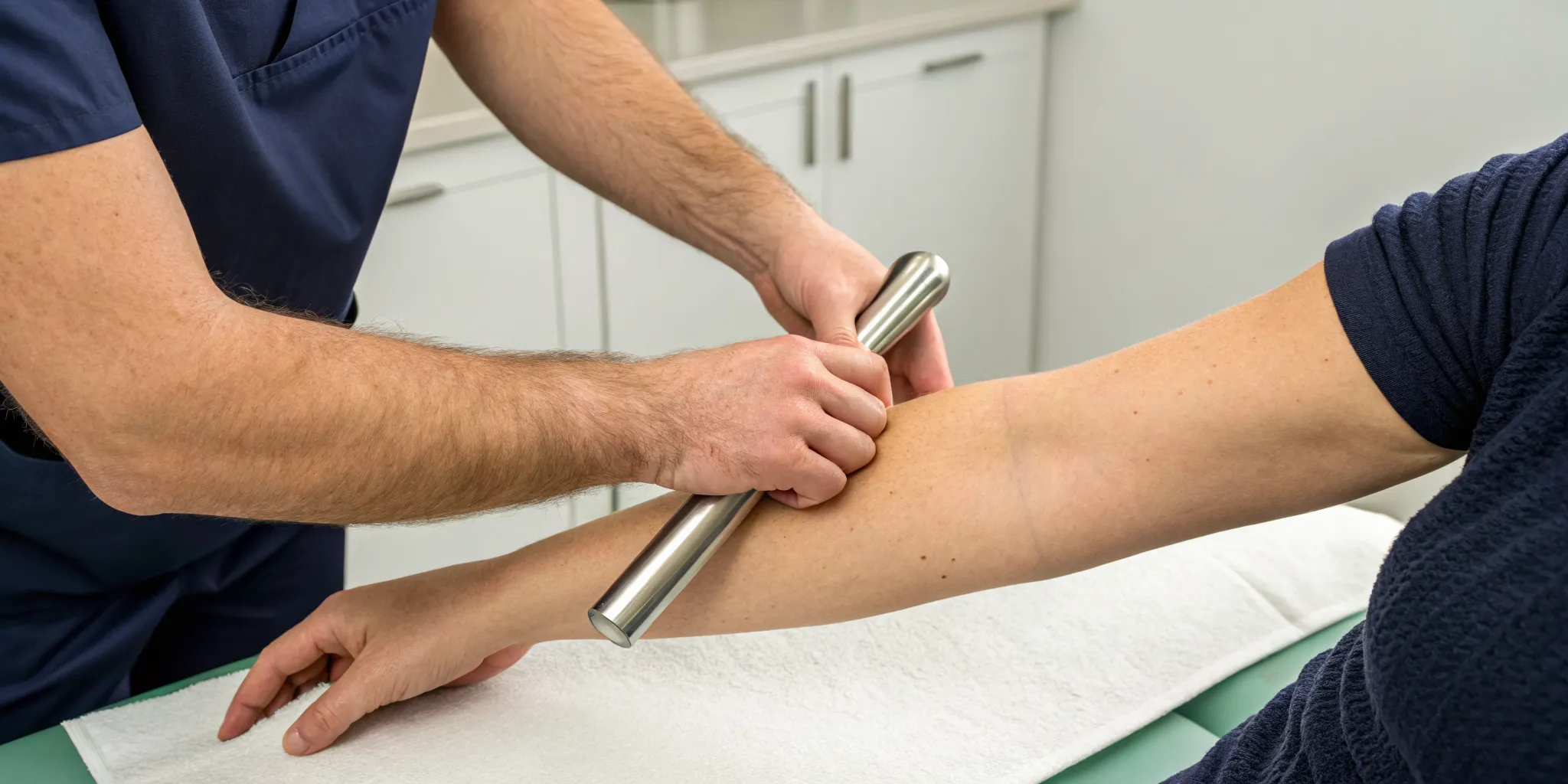
The term "shockwave" might sound intense, but the process is actually quite sophisticated and works in harmony with your body. Think of it as a targeted communication system. The therapy uses acoustic waves—a type of sound energy—to send a precise message to the dormant or damaged cells in your ankle's tendons and ligaments. This signal essentially wakes them up and prompts a natural healing cascade. Blood flow increases, bringing vital nutrients to the area, and your body begins to generate new, healthy tissue. This focus on cellular regeneration is why shockwave therapy for ankle pain is so effective for chronic conditions; it helps rebuild the structural integrity of your ankle for lasting stability and relief.
Key Takeaways
- It Prompts Healing from Within: Shockwave therapy uses targeted sound waves to signal your body’s natural repair mechanisms. This process helps rebuild damaged tissue at the source, offering a solution that goes beyond temporarily masking pain.
- It’s Best for Chronic Soft Tissue Pain: Consider this therapy if you have a persistent ankle or foot condition, like plantar fasciitis or Achilles tendinopathy, that hasn't responded to conventional methods like rest and stretching.
- Results Unfold Over Time: The treatment involves a series of brief sessions, but the most significant improvements happen in the weeks that follow. This approach supports your body's healing timeline to create genuine, long-term change.
How Does Shockwave Therapy Heal Ankle Pain?
If you’re dealing with persistent ankle pain, you’ve likely tried stretching, icing, and resting with little to no lasting relief. Shockwave therapy offers a different approach. Instead of just managing symptoms, it works by prompting your body’s own healing mechanisms to repair the injured tissue from the inside out. This treatment uses targeted sound waves to communicate directly with the cells in your damaged tendons and ligaments, encouraging them to rebuild and restore function. It’s a way to address the root cause of the pain, rather than just masking it.
How Acoustic Waves Promote Healing
Think of shockwave therapy as a wake-up call for your body’s natural repair crew. The treatment directs high-energy acoustic waves to the precise area of your ankle injury. These waves create what’s known as microtrauma, which sounds intimidating but is actually a controlled signal that tells your body to get to work. This process triggers a cascade of healing responses. Blood flow to the area increases, delivering essential nutrients for repair. It also stimulates key cells responsible for creating new tissue and collagen, the protein that gives your tendons and ligaments their strength and structure. This is a cornerstone of our Physical Medicine approach, focusing on true healing.
Shockwave Therapy vs. Other Physical Medicine Treatments
You might be wondering how shockwave therapy differs from other treatments like therapeutic ultrasound or heat therapy. While those methods can be helpful for temporary symptom relief, shockwave therapy is designed to create long-term structural change in the tissue. It is a non-invasive treatment, meaning nothing pierces the skin, and it has a strong safety profile backed by clinical research. The goal isn’t just to make your ankle feel better for a few hours; it’s to help your body fundamentally repair the damage so you can regain mobility and get back to your life with less pain. It’s one of the many advanced services we use to build a comprehensive and effective treatment plan.
Which Ankle Conditions Does Shockwave Therapy Treat?
Shockwave therapy is a versatile tool in our physical medicine toolkit because it addresses pain at its source: damaged tissue. Instead of just masking symptoms, it stimulates your body’s natural repair mechanisms. This makes it an effective approach for a variety of chronic conditions that cause persistent ankle and foot pain. If you're dealing with an injury that just won’t seem to heal, shockwave therapy could be the key to getting you back on your feet without discomfort.
From nagging heel pain to instability that makes you feel unsteady, this non-invasive treatment can help restore function and bring lasting relief. Let’s look at some of the specific ankle conditions that respond well to shockwave therapy.
Achilles Tendinopathy
If you have persistent pain and stiffness along the back of your heel, you might be dealing with Achilles tendinopathy. This condition involves the large tendon that connects your calf muscles to your heel bone. It’s a common overuse injury, especially for runners and active individuals, but it can affect anyone. The pain can be frustrating and slow to heal with traditional methods.
Fortunately, shockwave therapy is often used for this exact type of long-lasting foot and ankle pain. By delivering acoustic waves to the injured tendon, the treatment helps to break down scar tissue and stimulate blood flow. This process encourages the growth of new, healthy tissue, helping to finally resolve the inflammation and pain associated with Achilles tendinopathy.
Plantar Fasciitis
Plantar fasciitis is one of the most common causes of heel pain, characterized by a sharp, stabbing sensation in the bottom of your foot, especially with your first steps in the morning. It happens when the thick band of tissue that runs across the bottom of your foot, the plantar fascia, becomes inflamed. This can make walking, running, or even just standing for long periods incredibly painful.
For those who have tried stretching, icing, and other remedies without success, shockwave therapy offers a promising alternative. Research shows that for plantar fasciitis, extracorporeal shockwave therapy (ESWT) can significantly reduce pain compared to other approaches. It targets the inflamed tissue directly, promoting regeneration and providing relief from the chronic pain that can seriously impact your daily life.
Heel Spurs
Heel spurs are small, bony growths that can form on the underside of your heel bone. While they don’t always cause symptoms, they are often associated with the chronic inflammation of plantar fasciitis and can contribute to significant heel pain. The spur itself is a calcium deposit that develops over time due to strain on the foot muscles and ligaments.
Just as it helps with plantar fasciitis, shockwave therapy is also an effective way to address pain from heel spurs. The acoustic waves can help break down the calcified deposits and reduce the associated inflammation in the surrounding soft tissues. By treating the underlying cause of the inflammation, shockwave therapy can provide substantial pain relief and improve your mobility without invasive procedures.
Peroneal Tendinitis
If you experience pain along the outer edge of your ankle or foot, especially when you're active, you may have peroneal tendinitis. This condition involves inflammation of the peroneal tendons, which run down the outside of your lower leg and help stabilize your foot and ankle. It’s often caused by overuse, repetitive ankle movements, or improper foot mechanics.
Shockwave therapy is an excellent treatment for peroneal tendinitis because it directly targets the source of the pain. The therapy is effective in alleviating inflammation and scarring along the affected tendons. By increasing blood flow and stimulating cellular repair, it helps the damaged tendons heal more effectively, reducing pain and restoring stability to your ankle so you can move with confidence again.
Chronic Ankle Instability
Chronic ankle instability is that unsettling feeling that your ankle is going to "give way" or roll, often following a previous ankle sprain that didn't heal properly. This can make you hesitant to walk on uneven ground, play sports, or even just go about your day. The instability is usually due to stretched or torn ligaments that can no longer provide adequate support.
For those struggling with this condition, shockwave therapy can be a game-changer. Studies show that ESWT is a helpful treatment for people with chronic ankle instability, as it can reduce pain and improve how the ankle works. By stimulating the ligaments and surrounding tissues, the therapy promotes healing and helps tighten the structures that support your ankle, leading to greater stability and less pain.
What to Expect During Your Shockwave Therapy Session
If you’re considering shockwave therapy, you probably have a lot of questions about what the process actually involves. Knowing what to expect can make the entire experience feel more comfortable and straightforward. From your first visit to your final session, our team is here to guide you. We’ll walk you through each step so you feel confident and informed about your care.
Your Initial Consultation and Prep
Your journey begins with an initial consultation. This is where we sit down with you to discuss your ankle pain, your health history, and your goals. We want to get a complete picture of what you're experiencing to confirm that shockwave therapy is the right approach for your specific condition. The main objective is to create a plan that helps alleviate your pain and increase your mobility, allowing you to get back to your daily activities. There isn’t much you need to do to prepare for a session, but we recommend wearing comfortable, loose-fitting clothing that allows easy access to the treatment area.
Treatment Length and Frequency
One of the best parts about shockwave therapy is how efficiently it fits into your life. The sessions themselves are surprisingly quick, typically lasting only about 10 to 15 minutes. A full treatment protocol usually involves three to six sessions, which we schedule about a week apart to give your body time to begin its natural healing response. This schedule makes it a manageable commitment, even with a busy calendar. Our team will work with you to find appointment times that fit your routine, making it simple to stay on track with your personalized treatment plan.
What Does the Treatment Feel Like?
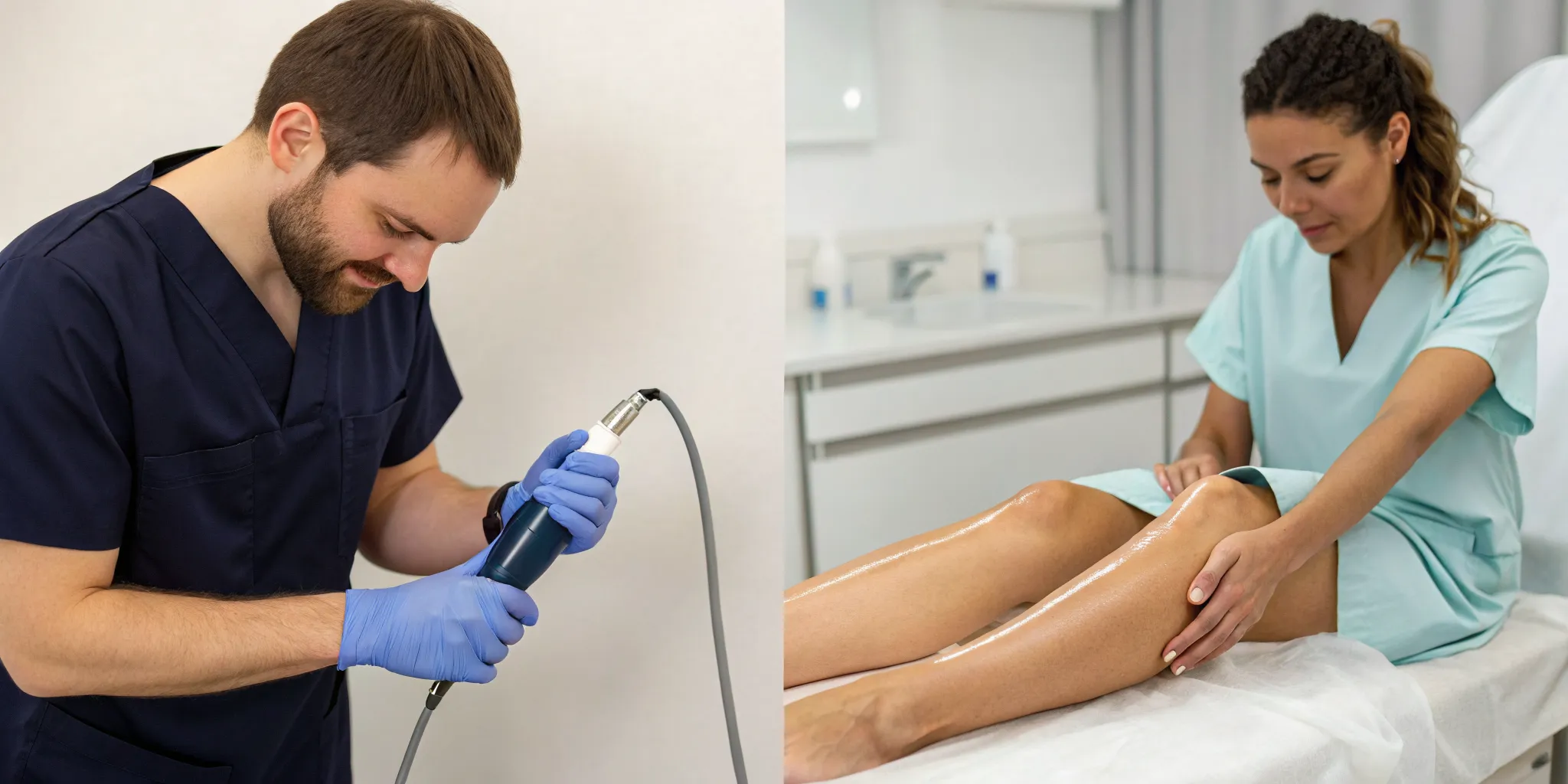
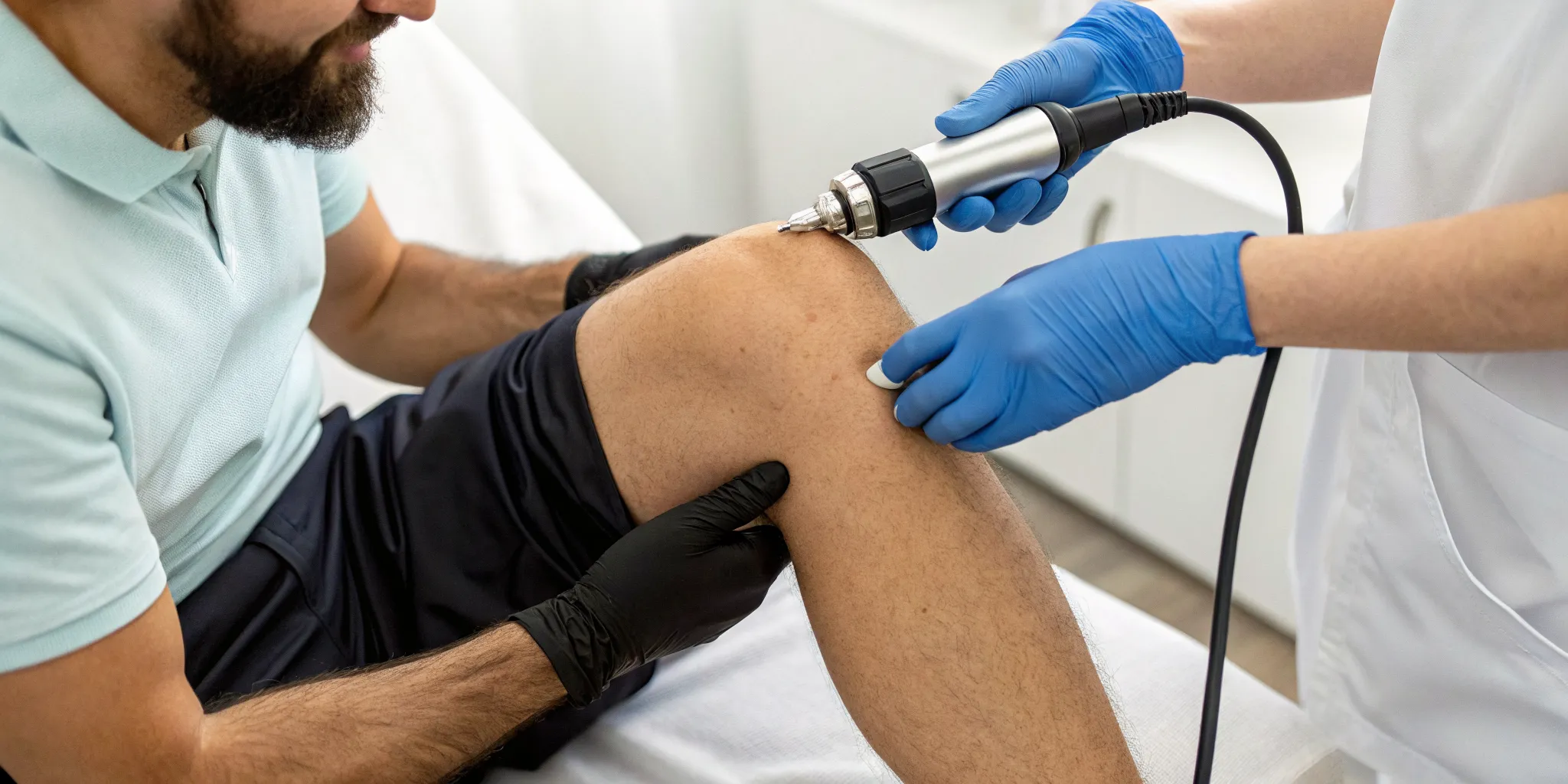
It’s completely normal to wonder if the treatment will be uncomfortable. During the session, a handheld device is applied to your skin, delivering the acoustic waves to the targeted tissue. Most people describe the sensation as a tapping or pulsing feeling. You might experience some mild discomfort, but the intensity is adjusted to your tolerance level, and the treatment is generally very well-received. We’ll communicate with you throughout the entire process to ensure you’re as comfortable as possible. Our patients’ positive experiences often highlight how manageable the sessions are.
Your Recovery and Results Timeline
Shockwave therapy works by stimulating your body’s long-term healing processes, so results aren't instantaneous. While there’s no required downtime after a session, the real changes happen in the weeks that follow. Most people begin to notice a significant reduction in pain about six to twelve weeks after their final treatment. Some feel relief sooner, but it’s important to be patient as your tissues repair and regenerate. This approach focuses on creating lasting healing rather than providing a temporary fix, which is a core part of our philosophy you can read more about on our blog.
Key Considerations for Shockwave Therapy
Deciding on a treatment path for your ankle pain is a big step, and it’s smart to gather all the facts. Shockwave therapy is an exciting option within physical medicine, but it’s helpful to understand the benefits, safety, and what makes someone a good candidate. Thinking through these points will help you and your practitioner decide if it’s the right fit for your healing journey. A successful outcome is about finding the right tool for the right problem, and this therapy is a powerful one when applied correctly. Let's walk through some of the most important things to consider as you explore your options for ankle pain relief.
Primary Benefits: Pain Relief and Long-Term Tissue Repair
The main goal of shockwave therapy is twofold: to provide significant pain relief and to stimulate your body’s own healing mechanisms for long-term tissue repair. By delivering acoustic waves to the injured area, the treatment helps to break down scar tissue and calcifications. More importantly, it triggers a metabolic response that increases blood circulation and cell regeneration. This process doesn't just mask the pain; it addresses the underlying dysfunction. The ultimate benefit is getting you back to your life with improved mobility, allowing you to resume your regular activities and enjoy a better quality of life without being held back by chronic ankle pain.
Understanding the Safety Profile
When you hear "shockwave," it’s natural to have questions about safety. The good news is that this therapy is a non-invasive treatment with a very strong safety record. Unlike procedures that require incisions or injections, shockwave therapy works from outside the body. The most common side effects are minor and temporary, often indicating that the treatment is working. You might experience some mild redness, swelling, or bruising in the treated area, which typically resolves within a day or two. Most people find the treatment to be very safe and tolerate it well, feeling confident in their choice to pursue a therapy that supports the body’s natural healing process without significant downtime or risk.
Who Is an Ideal Candidate?
While shockwave therapy is effective for many, it’s not a universal solution. An ideal candidate is typically someone struggling with chronic soft tissue conditions, like Achilles tendinopathy or plantar fasciitis, who hasn't found lasting relief from more conventional methods. It’s a fantastic option for those looking to avoid more invasive procedures. However, there are certain situations where this treatment is not recommended. For example, it should be avoided by pregnant women and individuals with active infections, certain circulatory conditions, or those taking specific blood-thinning medications. A thorough consultation is the first step to determine if you are a good candidate for shockwave therapy and to ensure it aligns with your health profile and goals.
When to Consider Other Options
It's important to have realistic expectations. Shockwave therapy is a process, not a one-time fix. Lasting results are achieved through a series of treatments designed to progressively heal the injured tissue. If you're looking for an instant solution, this might not be the right path. True healing takes time, and this therapy is designed to create genuine, long-term change in the tissue. A typical plan involves multiple sessions spaced out over several weeks. This commitment is a key part of its success. Understanding that it is not a one-and-done solution helps you prepare for a treatment course that prioritizes deep healing over temporary relief, which may lead you to consider other options if the time commitment doesn't fit your needs.
The Role of Shockwave in a Holistic Treatment Plan
At Ascend Functional Health, we see shockwave therapy as a powerful component of a comprehensive healing strategy. While it can produce great results on its own, its effectiveness is amplified when integrated into a holistic plan. We find that it works best when combined with other physical medicine modalities, such as corrective exercises, chiropractic adjustments, and lifestyle modifications. This approach ensures we are not only treating the symptom (your ankle pain) but also addressing the root cause of the issue, like biomechanical imbalances or movement patterns. By pairing shockwave therapy with other supportive treatments, we create a synergistic effect that promotes faster, more complete, and more durable healing.
Clearing Up Common Misconceptions
The name "shockwave therapy" can be a bit misleading and may sound intense. One of the biggest misconceptions is that the treatment is painful or involves electrical shocks. In reality, the therapy uses acoustic waves (sound waves), not electricity, and it is completely non-invasive. Most people describe the sensation as a strong, deep tapping or pulsing on the skin. While you will definitely feel it working, it is well tolerated by patients. Your practitioner can also adjust the intensity to ensure you remain comfortable throughout the session. Understanding that it's a non-invasive procedure helps clear up any apprehension and allows you to focus on the healing benefits it provides.
Understanding the Investment in Shockwave Therapy
When you’re exploring a new path to healing, it’s natural to have questions about the financial commitment. Thinking about shockwave therapy as an investment in your long-term mobility and well-being can be a helpful perspective. This treatment is designed to support your body’s own healing processes to address the root cause of your ankle pain, offering a chance at lasting relief.
Understanding the costs upfront is a key part of feeling confident and prepared as you begin your care. We believe in transparency, so we want to give you a clear picture of what to expect. By planning for the financial side of your treatment, you can focus your energy where it matters most: on your recovery. Let’s walk through the typical costs per session and how you can plan for a full course of therapy, so you can make an informed decision that aligns with your health goals.
A Look at Per-Session Investment
To plan effectively, it helps to know the numbers. Generally, a single shockwave therapy session involves an out-of-pocket investment ranging from $100 to $300. This cost reflects the use of highly specialized acoustic wave technology and the expertise of the practitioner guiding your treatment. The exact amount can vary depending on the complexity of your condition and the specifics of your personalized care plan.
We encourage you to think of this not just as a fee, but as a direct investment in a powerful, non-invasive therapy aimed at restoring your tissue and getting you back on your feet. Having a clear understanding of the per-session cost allows you to budget accordingly and approach your treatment without financial surprises. If you have questions about what your specific plan might entail, our team is always here to provide clarity.
How to Plan for Out-of-Pocket Expenses
A complete treatment protocol often involves more than one session. For many ankle conditions, most protocols require between three and six sessions, typically spaced about a week apart to give your body time to respond and heal. Knowing this allows you to calculate the total potential investment for your full course of care. For example, a five-session plan would be a multiple of your per-session cost.
It’s also important to know that because many health plans view shockwave therapy as an investigational treatment, it is often not a covered benefit. This means you should plan for these expenses to be out-of-pocket. Being prepared for this allows you to move forward with confidence, knowing you have a solid financial plan for your healing journey. Many of our patients find the investment is well worth the lasting relief and improved function they experience.
Related Articles
- SoftWave Tissue Regeneration Therapy in Tampa | Alessi Functional Health
- SoftWave TRT Therapy in Tampa, FL - Alessi Functional Health
- Pain Free Future | Alessi Functional Health
- Regenerative Medicine for Pain Recovery | Ascend Functional Health
- Knee Cartilage Regeneration Medicine: A 2026 Guide
Frequently Asked Questions
Does "shockwave" mean the treatment is painful? That's a great question, and the name can definitely sound intense. The therapy doesn't use electricity; it uses acoustic sound waves. Most people describe the feeling as a strong, rhythmic tapping on the skin. While you might feel some mild discomfort, we can adjust the intensity to a level that is comfortable for you. The goal is to stimulate your tissue, not to cause significant pain.
How soon will my ankle feel better? Because this therapy works by helping your body rebuild tissue, the results appear gradually. Some people notice an improvement after just a few sessions, but the most meaningful and lasting relief often develops in the six to twelve weeks after your final treatment. It’s important to remember that this is a healing process, and giving your body the time it needs to repair itself is key to achieving long-term results.
I've already tried stretching and icing. How is this different? Stretching and icing are great for temporarily managing symptoms like pain and swelling. Shockwave therapy is different because it aims to fix the underlying problem. Instead of just providing surface-level relief, it sends targeted sound waves deep into the tissue to restart your body’s natural healing engine. This helps repair the damaged tendons and ligaments that are causing your pain in the first place.
Do I need to rest or take time off after a session? One of the best parts of this treatment is that there is no required downtime. The sessions are quick, and you can typically go right back to your daily routine and work afterward. We do usually suggest holding off on any strenuous, high-impact activities for a day or so after your appointment to give the treated area a chance to begin its healing response.
How many treatments will I need to resolve my ankle pain? The number of sessions you'll need is tailored specifically to you. A typical treatment plan consists of three to six sessions, scheduled about a week apart. However, the exact number depends on your specific condition, how long you've been experiencing pain, and your personal health goals. We will create a personalized plan for you after your initial consultation.