Let's get right to it: are the mail-in hormone kits you see all over social media actually worth it? It’s a fair question, especially when your health is on the line. These companies promise a simple, private way to get to the bottom of your symptoms, from fatigue to fertility concerns. Our goal is to provide a clear-eyed look at at home hormone testing, cutting through the marketing to see what value they truly offer. We will cover how they work, what the results really mean, and whether they are a helpful tool or just a source of confusion on your path to wellness.
Key Takeaways
- Use mail-in tests as a starting point: These kits offer a convenient way to gather preliminary data on your hormone levels, but they only provide a snapshot, not a complete clinical picture.
- Prioritize quality and timing for accuracy: For the most reliable results, choose a test processed in a CLIA-certified lab and follow the collection instructions precisely, especially regarding the time of day or point in your menstrual cycle.
- Partner with a professional for real insights: The true value of your test results comes from a professional interpretation; a practitioner can connect the data to your unique symptoms and health history to create a meaningful action plan.
How Do At-Home Hormone Tests Work?
If you've been curious about your hormone levels, you've likely come across tests you can take without leaving your house. The process is pretty straightforward. You order a kit online, and it arrives at your door with everything you need to collect a sample. After you’ve collected your sample, you mail it back to a lab in a prepaid package. A few weeks later, you receive a notification that your results are ready to view on a secure online portal.
These tests offer a convenient first step for gathering information about your body. They can provide a snapshot of key hormones related to everything from energy and mood to metabolism and reproductive health. While they give you a starting point, the real work begins once you have the data. Understanding what those numbers mean for you and your unique health story is where professional guidance becomes invaluable. A functional medicine approach, for example, can help connect those results to your symptoms and create a truly personalized health plan.
Collecting Your Sample: Saliva, Urine, and Blood
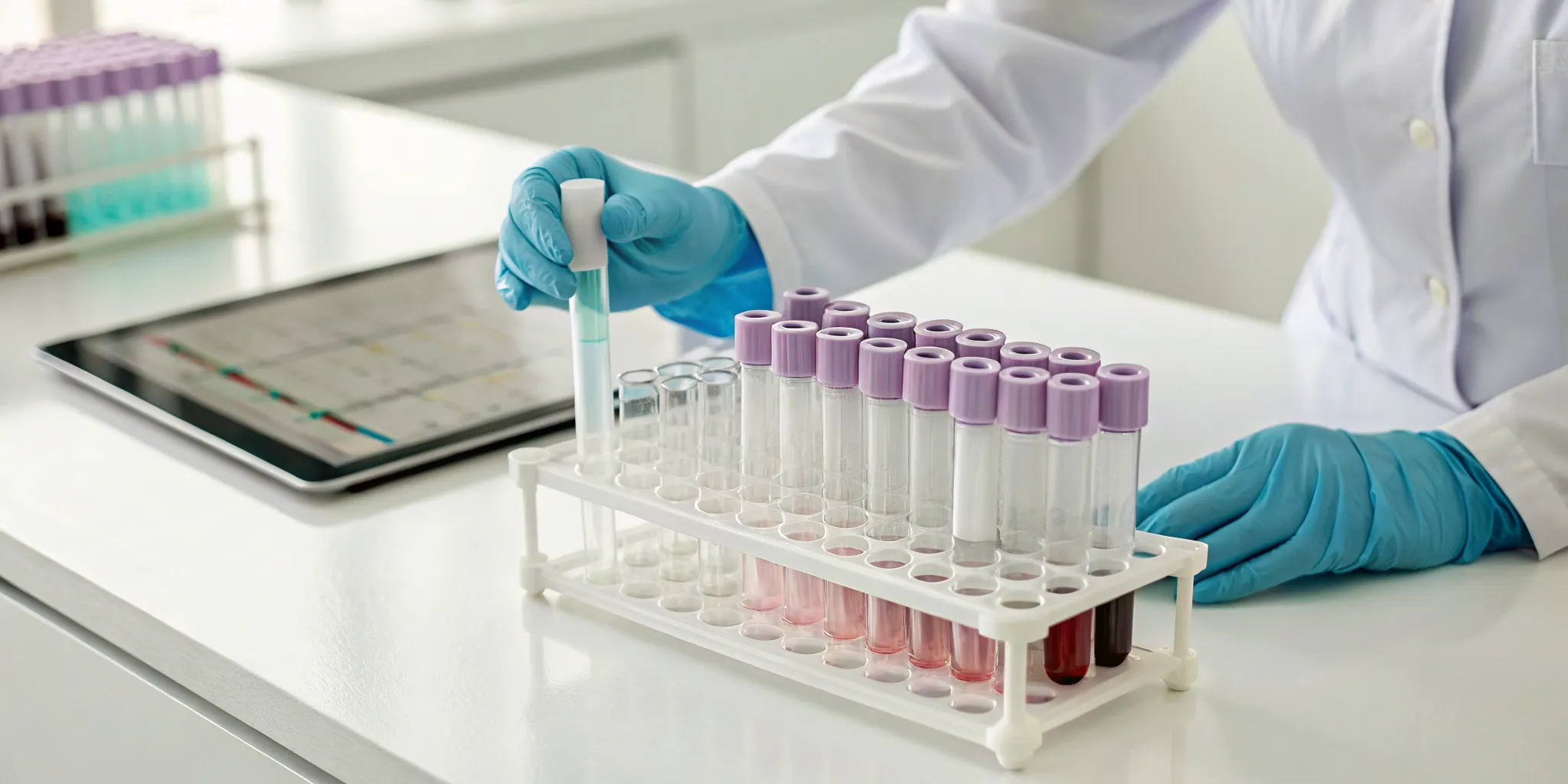
The idea of collecting your own lab sample might seem intimidating, but these kits are designed to be user-friendly. Most tests will require one of three sample types: saliva, urine, or a finger-prick blood sample. Each method is simple and comes with detailed instructions. For a saliva test, you’ll typically spit into a small tube. A urine test usually involves a collection strip. For a blood sample, you’ll use a small, spring-loaded lancet to prick your finger and place a few drops of blood onto a collection card. It’s a quick process that is far less involved than a traditional blood draw.
Does the Sample Type Affect Your Results?
You might wonder if a saliva or urine sample can be as accurate as a blood draw. The answer is that it depends on what’s being measured. Different hormones are more stable and accessible in different bodily fluids. For instance, saliva is excellent for measuring cortisol levels throughout the day, while a dried blood spot is often used for thyroid hormones. The labs that process these samples use advanced technology specifically calibrated for the sample type provided. So, a urine test can give you accurate measurements of certain hormones because the lab’s equipment is designed for it. The key is to use the right test for the right hormone.
How to Prepare for Your Test
Getting an accurate result isn't just about collecting the sample correctly; it's also about timing. Your hormone levels can change dramatically throughout the day and, for women, throughout the menstrual cycle. For this reason, test instructions are very specific. You may need to collect your sample first thing in the morning before you eat or drink, or on a particular day of your cycle. Following these directions is critical for an accurate reading. It’s also important to remember that these results are just one piece of the puzzle. Discussing them with a healthcare provider is the best way to get a complete clinical picture and understand what the numbers truly mean for your health.
Understanding Your Test Results
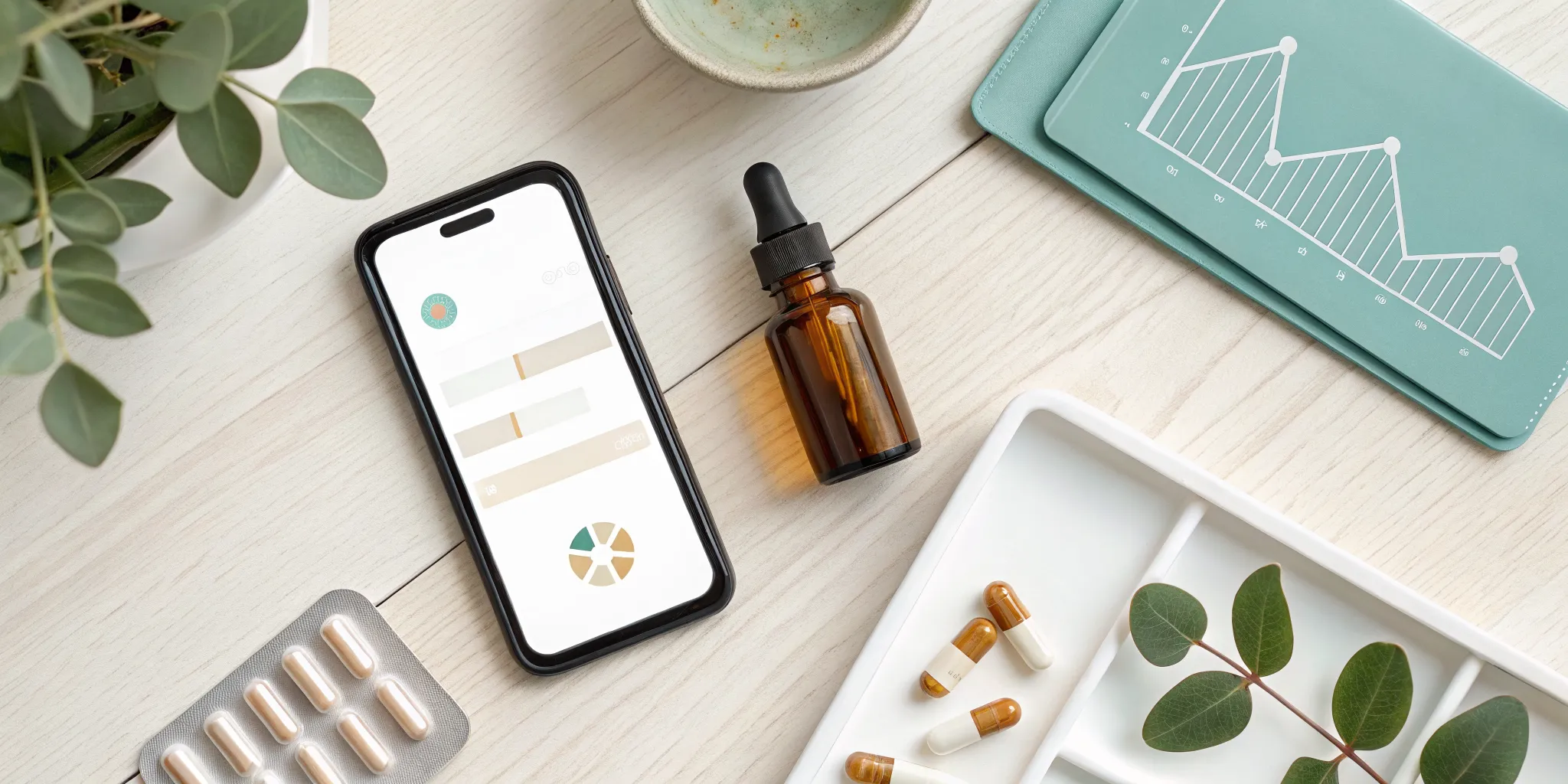
Once your sample is processed, you’ll get a report, usually through a website or app. These reports are designed to be easy to read, often using graphics to show whether your levels fall within a "normal" range for your age. Many companies also provide general information and lifestyle tips based on your results. However, it's important to view these ranges with a critical eye. A "normal" level isn't always an "optimal" one. True longevity medicine focuses on finding the ideal levels for your body to function at its best, which is a more nuanced goal than just falling within a standard range.
What Hormones Can These Tests Measure?
When you start looking into hormone testing kits, you'll find they can measure a wide range of markers. Understanding which hormones are included is the first step in choosing a test that aligns with your health questions. From reproductive health to your stress response, these tests can offer a snapshot of your body's chemical messengers. Let's break down the most common hormones you'll see measured.
Sex Hormones: Estrogen, Progesterone, Testosterone
These are probably the hormones you’re most familiar with, and they do more than just govern reproductive health. They influence your mood, energy, and overall vitality. Many testing kits can measure key sex hormones, including Estradiol (a primary form of estrogen), Progesterone, and Total Testosterone. As one testing provider notes, "These hormones play crucial roles in reproductive health and overall hormonal balance." An imbalance here can show up as irregular cycles, mood swings, or low libido. Understanding your levels is a key piece of your personal health puzzle, which is a core focus of longevity medicine.
Thyroid Hormones: TSH, T3, T4
If you’ve been feeling perpetually tired, cold, or have noticed unexplained changes in your weight, your thyroid might be the culprit. This small gland has a huge impact on your metabolism. Thyroid panels typically check for Thyroid-Stimulating Hormone (TSH) and Free T4. These markers are "essential for assessing thyroid function and metabolism" and are "vital for regulating energy levels and metabolic processes." TSH is the message from your brain telling your thyroid to get to work, while T3 and T4 are the hormones the thyroid produces to manage your body’s energy. Getting to the bottom of thyroid-related symptoms is a common goal in functional medicine.
Stress Hormones: Cortisol and DHEA
Your body’s response to stress is managed by the adrenal glands, which produce hormones like cortisol and DHEA. Cortisol, often called the "stress hormone," is responsible for managing blood sugar and giving you bursts of energy. DHEA serves as a building block for other hormones. When you're chronically stressed, the balance between these two can be disrupted, leading to fatigue and other symptoms. Many tests measure these hormones to give you a picture of how your body is handling daily pressures. If you’re constantly feeling worn out, it might be one of the conditions we treat by looking at your adrenal function.
Metabolic and Reproductive Hormones: Insulin, FSH, LH
Beyond the main players, some tests look at other important metabolic and reproductive hormones. These can include Insulin, Follicle-Stimulating Hormone (FSH), and Luteinizing Hormone (LH). Insulin is key for blood sugar regulation, while FSH and LH are central to the menstrual cycle. For example, "FSH is crucial for egg growth and the menstrual cycle, while LH helps regulate the menstrual cycle and ovulation." Imbalances in these can affect everything from your energy levels after a meal to your fertility. A comprehensive look at your health should include these types of markers, which are often explored through our various services.
Is an At-Home Hormone Test Right for You?
So, you've seen the ads for at-home hormone tests and you're wondering if one could be the key to figuring out what’s going on with your body. It’s a valid question, especially when you’re dealing with symptoms that just won’t go away. These kits offer a private and convenient way to get a snapshot of your hormonal health without leaving your house. They can be a great starting point for gathering data and feeling more in control of your health journey, giving you a preliminary look at key markers before you even step into a practitioner's office.
However, it's important to see them as just that: a starting point. While they can provide you with numbers, they can't give you the full story. Your hormones are part of a complex, interconnected system, and interpreting the results requires a deep understanding of how they all work together. Think of an at-home test as a tool that can help you ask better questions and have a more informed conversation when you do seek professional guidance. It can arm you with initial information, but the real insights come from discussing those results with an expert who can connect them to your unique symptoms, history, and health goals. Our approach to longevity medicine focuses on creating that complete picture to find the root cause of your concerns and develop a personalized plan.
Common Signs of a Hormonal Imbalance
If you’re constantly feeling "off" but can’t pinpoint why, your hormones might be sending you a signal. For women, this can show up as persistent fatigue, weight changes that don’t make sense, irregular periods, or a low sex drive. For men, the signs might look like a loss of muscle mass, hair loss, low libido, or trouble with erections. Both men and women can experience issues with fertility when hormones are out of sync. Recognizing these patterns is the first step. If any of this sounds familiar, it could be a sign that it's time to investigate your hormonal health more closely. We see many patients with these types of health concerns and help them find answers.
Testing Considerations for Men and Women
Hormone testing isn’t a one-size-fits-all process. Men and women have different hormonal landscapes, so the right test for you depends on your biology and your specific concerns. Some comprehensive panels check for a wide array of hormones, but many of those markers are typically much higher in people assigned female at birth. This is why it’s so important to read the fine print and understand exactly what a test measures before you choose one. A conversation with a health professional can help you determine which tests are most relevant for you, ensuring you’re not spending time and money on markers that won’t provide useful information for your situation. This targeted approach saves you from guessing and gets you closer to meaningful answers.
When to Test Based on Your Age and Life Stage
Timing is everything, especially when it comes to hormone testing. Your hormone levels can fluctuate daily and, for women, throughout the menstrual cycle, so the timing of the test is critical. Taking a test on a random day might give you a misleading result. For example, progesterone is expected to be low in the first half of the cycle and high in the second half. Testing at the wrong time could make your levels appear abnormal when they’re actually right on schedule. It’s often important to check your hormones at specific times to understand your unique patterns. This is why working with a practitioner who understands these nuances is so valuable; they can help you test at the right time to get the most accurate and insightful results through functional medicine.
What to Look for in an At-Home Hormone Test
When you start looking at hormone testing kits available online, you’ll quickly notice there are a lot of options. Making the right choice comes down to knowing what separates a quality test from a questionable one. It’s not just about checking a box; it’s about getting information you can actually trust and use. To help you sort through the noise, focus on a few key areas: the scope of the test, the lab’s credentials, the support you’ll receive, and how your personal data is handled. Thinking through these points will help you find a test that provides real value.
Comprehensive Panels vs. Single Markers
Some tests measure a single hormone, while others offer a comprehensive panel that looks at several hormones at once. A single-marker test might seem sufficient if you have a very specific concern, but hormones rarely work in isolation. They are part of a complex system, and one imbalance can affect many others. A comprehensive panel gives you a much broader view of your hormonal health, which is essential for understanding the full picture. This approach aligns with the principles of functional medicine, which focuses on how different body systems interact to find the root cause of your symptoms.
Lab Certification and Accuracy
The accuracy of your results depends entirely on the quality of the laboratory processing your sample. Always look for tests that are processed in CLIA-certified labs. The Clinical Laboratory Improvement Amendments (CLIA) are federal standards that ensure a lab’s accuracy and reliability. Companies that use these high-standard labs will usually state it clearly on their website. This certification is a non-negotiable benchmark for quality. It confirms that the lab meets rigorous requirements for testing and reporting, giving you confidence in the results you receive and reflecting the high standards we uphold in our own practice.
Clarity of Instructions and Support
A test kit is only as good as your ability to use it correctly. Look for companies that provide clear, easy-to-follow instructions for sample collection. Some services also offer helpful digital tools or apps to guide you through the process and store your results. After you get your numbers, some companies provide general lifestyle tips based on your results. While these suggestions can be a decent starting point, they don’t replace a personalized interpretation from a professional who understands your complete health history. True hormone management requires a tailored strategy, not generic advice.
Privacy and Data Security
Your health information is deeply personal, so its security is paramount. Before choosing a test, verify that the company is HIPAA-compliant. The Health Insurance Portability and Accountability Act (HIPAA) sets the standard for protecting sensitive patient data. A company that follows these regulations is committed to keeping your information private and secure. Reputable services will be transparent about their privacy policies. Remember, the most secure way to discuss your health concerns is always in a confidential setting with a trusted provider. You can always reach out to us to discuss your health in a secure environment.
Key Factors to Compare Between Tests
When you start looking at different mail-in testing kits, you'll notice they vary quite a bit. It’s not just about the brand on the box; the specifics of what’s being measured, how the sample is collected, and how you get your results can be completely different. Thinking through these factors will help you find a test that aligns with your health questions and personal preferences. It’s about finding the right tool for the job, so you can gather the initial data you need on your health journey.
Which Hormones Are Included?
One of the most significant differences between tests is the panel of hormones they measure. Some kits are quite comprehensive, while others are more targeted. For example, the Everlywell Women's Health Test checks ten different markers, including estrogen, progesterone, cortisol, and several thyroid hormones. In contrast, a test from a company like Hormona might focus on just three key hormones related to the menstrual cycle. The right choice depends on the breadth of your concerns. If you're experiencing a wide range of symptoms, a more extensive panel might offer more clues, but a focused test could be sufficient if your questions are very specific.
What Kind of Sample Is Required?
The type of sample you need to provide is another key differentiator and often comes down to your comfort level. Some tests, like Everlywell's, require both a finger-prick blood sample and a saliva sample collected at different times of the day. Other kits, such as the one from Hormona, use urine test strips that you scan with your phone’s camera. Neither method is inherently better than the other; they simply measure hormones and their metabolites in different ways. Consider what you’re most comfortable doing to ensure you can collect the sample correctly and without too much stress.
How Long Does It Take to Get Results?
The time it takes to receive your results can range from minutes to weeks. App-based tests that use urine strips, like Hormona's, can provide an analysis in as little as 15 minutes. Lab-based tests that require you to mail in a blood or saliva sample, like Everlywell's, typically take a few days for the lab to process the sample and release your digital results. While getting quick answers is appealing, it's also important to consider the depth of the report you receive and whether it gives you a clear path forward.
Overall Value and Inclusions
When assessing the overall value, look beyond the initial number and consider what’s included. Some tests are a one-time purchase, while others offer subscription models for ongoing tracking over several months. For instance, one company might offer a single comprehensive panel for a set amount, while another provides flexible plans for tracking a few hormones over three or even twelve cycles. True value lies in getting actionable information. A test that connects you with a clear, understandable report is more valuable than one that leaves you with confusing data and no guidance on what to do next. This is often where working with a functional medicine practitioner becomes essential.
How Accurate Are These Tests, Really?
It’s the big question on everyone’s mind: can you trust the results from a kit you use in your own home? The answer is more complex than a simple yes or no. The accuracy of these tests depends on several key factors, not just the test kit itself. While many companies partner with reputable labs to process their samples, the final report you receive is only a single snapshot in time.
Your hormones are not static; they ebb and flow based on the time of day, your monthly cycle, your stress levels, and even what you ate for breakfast. So, while a test might accurately measure the hormones in the sample you provide, that sample may not represent the full picture of your health. True accuracy comes from understanding the data within the larger context of your unique physiology and lifestyle. This is why interpreting the results correctly is just as important as the test's technical precision.
The Importance of Lab Certification
When you send your sample off, you want to be sure it’s in good hands. The most reliable testing companies use labs that are CLIA-certified. CLIA (Clinical Laboratory Improvement Amendments) is the federal standard for ensuring a lab’s quality, accuracy, and reliability. A CLIA certification means the lab meets high standards for testing and provides consistent results. Before choosing a test, check the company’s website to confirm they use a certified lab. This is a non-negotiable factor for getting a result you can depend on as a starting point for your health journey. It's the same standard of quality you'd expect from professional functional medicine testing.
Why the Timing of Your Test Matters
If you’ve ever felt energetic in the morning and sluggish in the afternoon, you’ve experienced hormonal fluctuations firsthand. Hormone levels can change significantly throughout the day and, for women, throughout the menstrual cycle. For example, cortisol, your primary stress hormone, is typically highest in the morning and gradually decreases. Sex hormones like estrogen and progesterone shift dramatically during a monthly cycle. Taking a test on the wrong day or at the wrong time can give you a misleading result. Following the test's timing instructions precisely is critical for getting a useful and accurate snapshot of the conditions we treat.
Other Factors That Can Influence Results
Your daily habits and health history can also sway your test results. Certain medicines, supplements, and even some foods can affect your hormone levels. For instance, biotin (a common ingredient in hair and nail supplements) can interfere with some lab assays, and hormone therapies will naturally alter your results. It’s important to be aware of these influences and disclose them if the test provides an opportunity to do so. Ultimately, a test result without context is just a number. Discussing your results with a professional who understands your full health picture is the best way to translate that data into actionable steps toward feeling your best. A conversation with a specialist can help you get started on the right path.
What Are People Saying About At-Home Tests?
Direct-to-consumer hormone tests have become incredibly popular, and it's easy to see why. They promise a private, convenient window into your body's inner workings. But what's the real story? When you look at what people are actually saying, you find a mix of appreciation for the accessibility and frustration with the lack of clear next steps. Let's break down the common feedback.
The Appeal of Convenience and Privacy
The biggest draw for mail-in hormone tests is undoubtedly the convenience. You can collect a sample from the comfort of your own home, on your own schedule, without having to book an appointment or sit in a waiting room. For many, this level of privacy makes it easier to take that first step, especially if you feel uncertain or self-conscious about your symptoms. It feels empowering to gather information about your own body. This initial data can be a starting point for a more informed conversation about your health, helping you move forward with greater clarity and confidence in your wellness journey.
The Challenge of Interpreting Results Alone
While getting your results can be exciting, this is often where the convenience ends and the confusion begins. A page full of numbers and graphs doesn't mean much without context. Hormone levels aren't static; they can change based on the time of day, your stress levels, your diet, and where you are in your menstrual cycle. Trying to interpret these fluctuating data points on your own can be overwhelming and misleading. You might worry unnecessarily about a result that's normal for you, or you could overlook a subtle pattern that points to a real imbalance. This is why understanding the full picture of your health is so important.
The Value of Professional Guidance
This is where professional guidance becomes essential. A test result is just one piece of the puzzle. A functional medicine practitioner can place those numbers within the larger context of your health history, lifestyle, and specific symptoms. They are trained to see the connections between different hormone levels and understand how they work together. Instead of getting a generic, automated report, you get a personalized interpretation that explains what the results mean for you. This expert insight is what transforms raw data into a clear, actionable plan to help you feel your best and address the root cause of your health concerns.
Are At-Home Hormone Tests a Good Value?
When you’re trying to get to the bottom of your health concerns, you want answers you can trust. At-home hormone tests present themselves as a straightforward way to get data about your body. But when we talk about "value," it's about more than just the price on the box. It’s about what you truly get in return: clarity, accuracy, and actionable information. The cost of these tests can vary quite a bit, depending on how many hormones they measure and the company behind them.
To figure out if one of these tests is a good investment for your health journey, you have to look at the complete picture. This means understanding the typical price points, what’s included with your purchase, and how the convenience factor stacks up against the need for real clinical insight. A number on a page is just data; understanding what it means for your body and what to do next is where the real value lies. Getting this level of understanding is a core part of functional medicine, which focuses on connecting the dots between your symptoms, your lab results, and your lifestyle.
Typical Price Ranges for Different Panels
The cost of at-home hormone tests can range from around $100 to over $250. The price generally reflects the complexity of the panel. A test that looks at a single hormone will naturally cost less than a comprehensive panel that measures multiple markers. For example, a women’s health test that checks several key hormones like estrogen, progesterone, and FSH might fall in the $175 to $250 range. It’s important to look closely at what each test measures to make sure it aligns with the questions you have about your health.
Understanding What You Get for the Price
When you purchase an at-home test, you’re typically paying for the entire service, not just the kit that arrives in the mail. The price includes the collection materials (like a saliva tube or a finger-prick lancet), prepaid shipping to send your sample to a lab, the laboratory processing itself, and access to a digital report with your results. The goal of these kits is to provide you with a snapshot of your hormone levels. For instance, a test might measure key hormones and antibodies to help you see how they could be influencing your energy, mood, and overall well-being.
Weighing Convenience Against Clinical Insight
One of the biggest draws of at-home testing is convenience. You can order a kit online, collect your sample in the privacy of your own home, and receive your results without scheduling an appointment. This simple process makes it easier to track hormonal patterns over time. However, this convenience comes with a major trade-off: a lack of professional interpretation. While you get the raw data, you’re often left to figure out what it means on your own. True clinical insight comes from a practitioner who can analyze your results in the context of your unique health history, symptoms, and lifestyle to identify the root cause of your concerns.
Can an At-Home Test Replace a Specialist?
While direct-to-consumer hormone tests offer a new layer of accessibility to your health data, they are best viewed as a starting point, not a final destination. Think of the results as a single clue in a much larger mystery. A specialist, on the other hand, acts as the detective who gathers all the clues, including your symptoms, health history, and lifestyle, to see the complete picture. These tests provide data points, but a diagnosis requires clinical context and a comprehensive evaluation that a kit simply cannot provide.
A number on a page doesn't tell the whole story of your well-being. True understanding comes from interpreting that number within the framework of your unique body and life experiences. A functional medicine practitioner can connect the dots between your test results and the symptoms you're feeling, creating a personalized plan that addresses the root cause of your concerns. These self-collection kits can be a valuable tool for initiating a conversation about your health, but they are not a substitute for a professional partnership.
The Limits of Testing Without Clinical Context
One of the biggest limitations of a self-collection test is that it provides a snapshot in time. Your hormone levels are not static; they can fluctuate significantly based on the time of day, your stress levels, your diet, and for women, where you are in your menstrual cycle. A single test might capture a high or low that isn't representative of your typical state. Without a practitioner to consider these variables, you might be left with misleading information. A test result alone, stripped of your personal health history and current symptoms, is just data without a story. It can’t provide the nuanced understanding needed for an accurate clinical picture.
Why a Professional Interpretation Is Key
This is where the expertise of a specialist becomes essential. While many testing companies provide results that indicate if your levels are "normal," this is often based on broad population averages. A functional medicine approach goes deeper, asking what is optimal for you as an individual. A practitioner will analyze your results in conjunction with a thorough discussion about your health goals and symptoms. They can identify subtle patterns and connections that a simple report might miss, providing a truly personalized assessment. This professional guidance is critical for turning raw data into a meaningful and actionable health strategy, ensuring you don't misinterpret the results or start a treatment plan that isn't right for you.
Your Next Steps After Getting Results
Once you receive your results from a direct-to-consumer test, the most important next step is to discuss them with a qualified practitioner. Even the testing companies themselves often recommend sharing the results with a healthcare provider. Use your results as a tool to start a more informed conversation. Instead of just saying, "I feel tired all the time," you can say, "I've been feeling fatigued, and this test showed a low cortisol level in the morning." This gives your specialist a more concrete starting point for their investigation. From there, they can determine if further, more specific testing is needed and help you build a protocol that addresses your unique health needs. If you're ready to understand what your results truly mean, you can schedule a consultation to get started.
Related Articles
Frequently Asked Questions
My results say my hormone levels are "normal," but I still feel unwell. What does that mean? This is a very common and frustrating situation. The "normal" ranges on a lab report are typically very broad because they are based on averages from a large population. Your optimal level, the level at which your body functions best, might be in a much narrower range. A functional medicine practitioner looks beyond these standard ranges to find what is optimal for you, connecting your results to your symptoms to create a plan that helps you feel your best, not just "normal."
Are the results from a saliva or finger-prick test as reliable as a traditional blood draw? Yes, for what they are designed to measure. The certified labs that process these samples use technology specifically calibrated for saliva, urine, or dried blood spots. For example, saliva is an excellent medium for measuring your daily cortisol rhythm. The reliability of the lab test itself is usually quite high; the bigger question is whether that single snapshot in time accurately represents your overall hormonal health, which is why professional interpretation is so important.
With so many tests available, how do I choose the right one for my symptoms? A good way to start is by listing your primary health concerns. If you're dealing with a wide range of issues like fatigue, mood changes, and weight fluctuations, a comprehensive panel that measures sex hormones, stress hormones, and thyroid markers is likely the most useful. If your concern is more specific, like tracking your cycle, a more targeted test might be enough. Ultimately, a practitioner can best help you select a test that will provide the most relevant information for your situation.
I have my test results. What is the best way to discuss them with a health professional? Having your results in hand is a great way to start a productive conversation. When you meet with a practitioner, bring the report with you. Be prepared to talk not just about the numbers, but also about the symptoms you've been experiencing, your health history, and your daily lifestyle. The test results provide a valuable clue, and this additional context helps your provider see the complete picture and understand the root cause of your concerns.
How often should I test my hormones? A single test provides a useful snapshot, but since hormones fluctuate, testing over time can reveal important patterns. For women, tracking hormones across a few menstrual cycles can be particularly insightful for understanding cyclical symptoms. For stress hormones like cortisol, a one-day test with multiple samples is standard. A practitioner can help you determine if a single test is sufficient or if a series of tests would provide more meaningful data for your health goals.