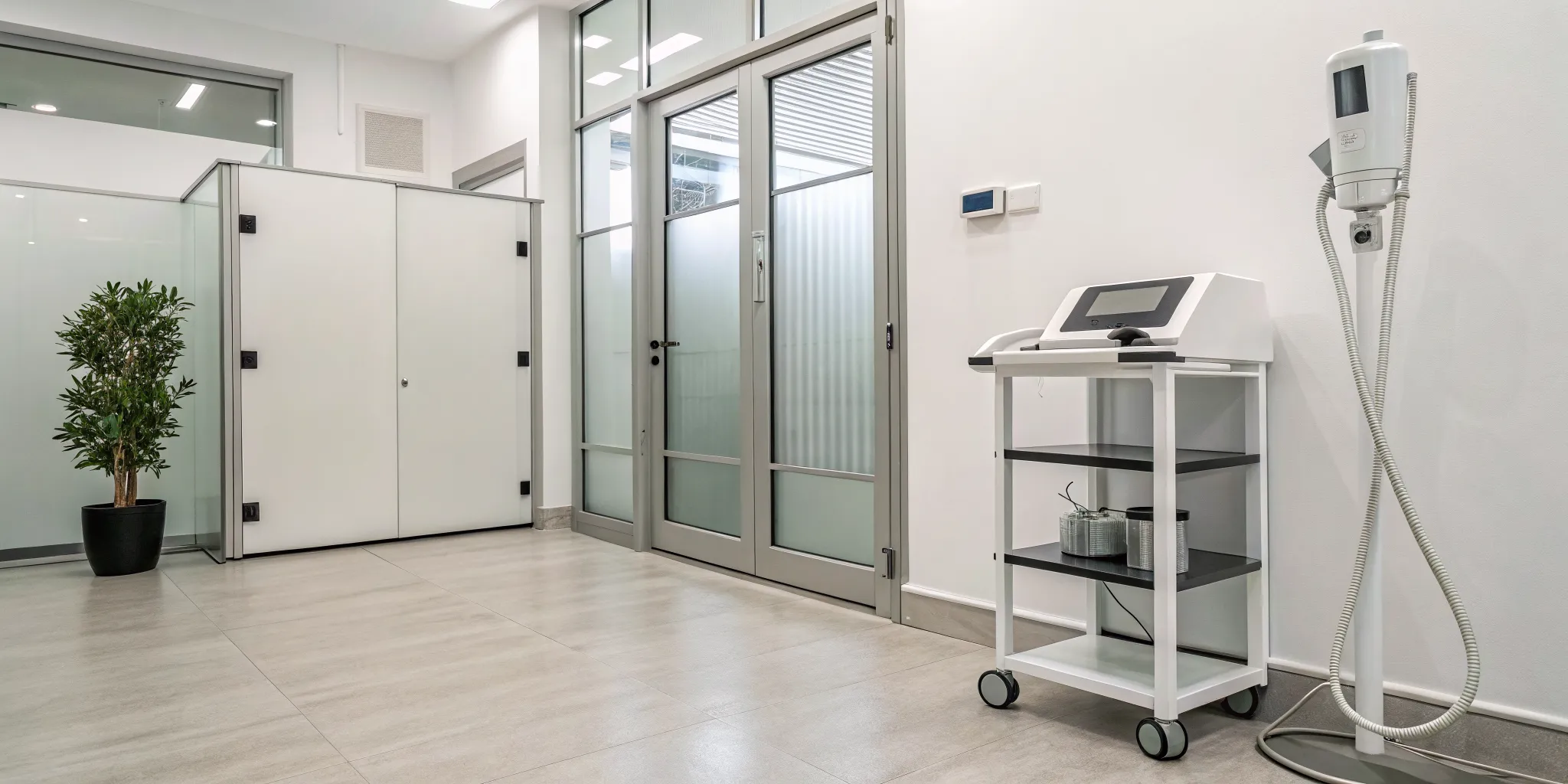
The idea of using sound waves to heal the body might seem like something from the future, but it’s a well-established and effective treatment available today. Shockwave therapy doesn’t use any electricity; instead, it delivers focused acoustic energy to a specific area of injury. These sound waves create micro-trauma in the tissue, which signals your body to wake up and initiate a powerful healing response. This process increases blood flow, helps break down scar tissue, and stimulates cellular repair. It’s a fascinating and gentle way to prompt your body to do what it does best: heal itself. This article will explain how shockwave therapy for musculoskeletal pain works to resolve stubborn issues and restore function.
Key Takeaways
- It uses sound to promote healing: Shockwave therapy is a non-invasive procedure that uses targeted acoustic waves, not electricity, to stimulate your body's natural repair process and address pain at its source.
- It's ideal for chronic conditions: This therapy is highly effective for persistent issues like plantar fasciitis, tendinitis, and shoulder pain, especially when other treatments have not provided lasting relief.
- Lasting relief is a process: True healing is not a one-session fix; this therapy works over a series of treatments to create long-term change. Your commitment to the full plan is key to achieving the best results.
What Is Shockwave Therapy?
If you're dealing with persistent pain from an old injury or a chronic condition, you’ve likely wished for a solution that works with your body instead of just masking the symptoms. Shockwave therapy is a modern, non-invasive approach that does exactly that. It uses targeted sound waves to stimulate your body’s natural healing mechanisms right at the source of your pain. This treatment is a cornerstone of our physical medicine services, helping people find lasting relief from stubborn musculoskeletal issues without requiring extensive downtime. It’s a way to gently prompt tissue repair and get you back to feeling your best.
The Science of Healing with Sound Waves
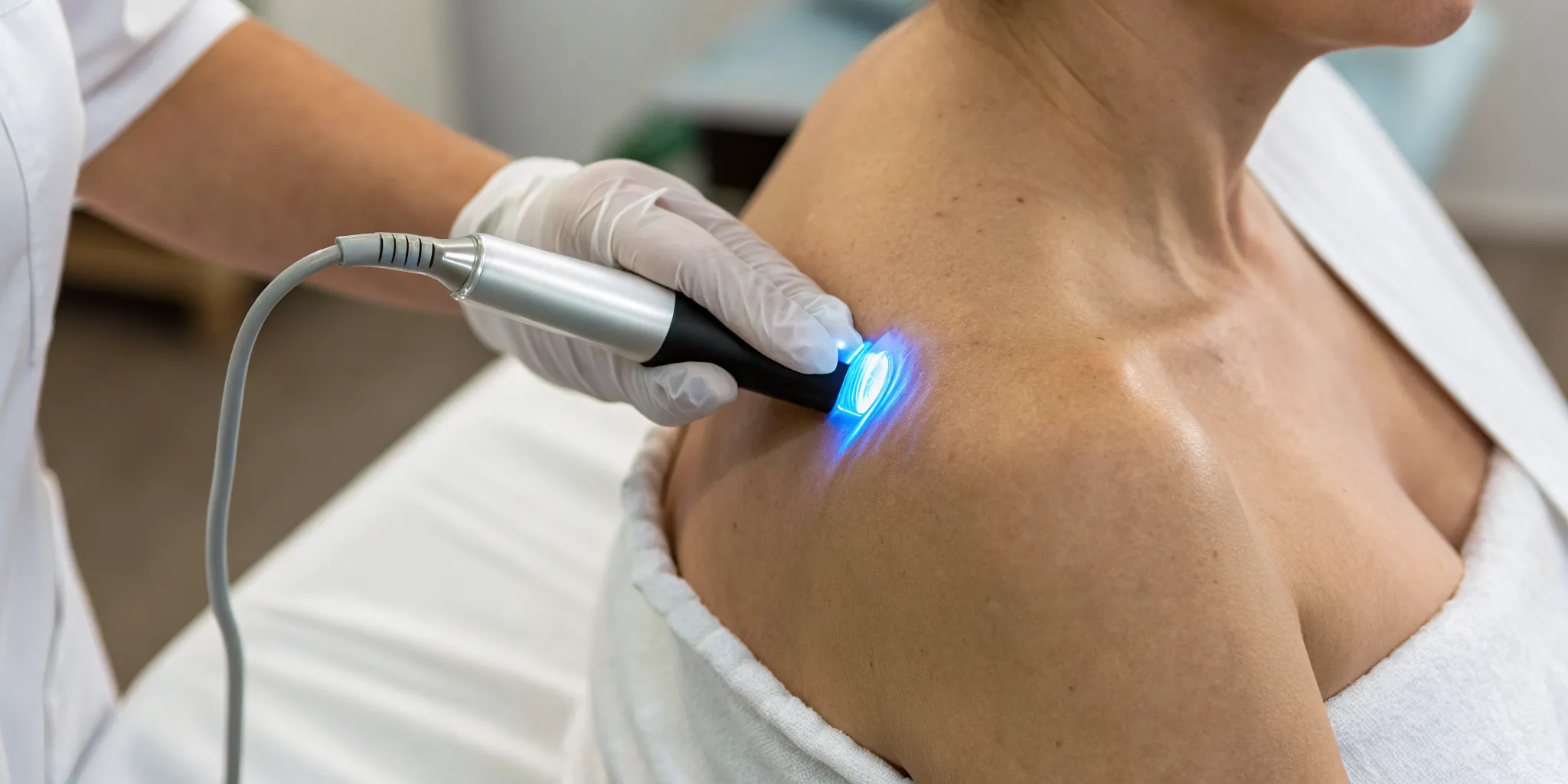
At its core, shockwave therapy, sometimes called Extracorporeal Shockwave Therapy (ESWT), uses acoustic waves to create a therapeutic effect deep within your tissues. Think of how a singer can shatter a glass with their voice; this therapy uses a similar principle but in a highly controlled and gentle way. These sound waves pass safely through your skin to the injured area, whether it's a tendon, muscle, or joint. The energy from these waves initiates a response on a cellular level, effectively "waking up" the tissue and signaling your body to begin a new healing cycle. It’s a fascinating process that harnesses the power of physics to support your body’s biology.
Focused vs. Radial Therapy Explained
Not all shockwave treatments are the same, and the type we use depends entirely on your specific needs. The two main forms are focused and radial therapy. You can think of focused shockwave therapy as a spotlight, delivering a precise, high-energy wave to a very specific, deeper area. This is ideal for targeting issues like chronic tendinopathies or deeper joint pain. Radial shockwave therapy, on the other hand, acts more like a floodlight. It uses lower-energy waves that spread out over a larger, more superficial area, making it great for bigger muscle groups or myofascial pain. This ability to tailor the treatment ensures we can address the unique conditions we treat with precision.
How It Triggers Tissue Repair and Eases Pain
So, how do sound waves actually reduce pain and repair tissue? The process is multi-faceted. First, the waves stimulate the formation of new blood vessels, which increases circulation and brings more oxygen and nutrients to the injured area. This is critical for any healing process. Second, the therapy helps break down scar tissue and calcification that can restrict movement and cause pain. Finally, it has a direct effect on your nerves, helping to interrupt the pain signals being sent to your brain. By creating this cascade of healing responses, shockwave therapy supports your body’s innate healing abilities and helps you achieve long-term relief.
What Conditions Can Shockwave Therapy Help?
Because shockwave therapy is so effective at stimulating the body's natural healing processes, it’s become a go-to treatment for a wide range of musculoskeletal issues. It’s particularly helpful for chronic conditions that haven’t responded to other treatments. The acoustic waves target injured tissue, reduce pain, and promote long-term healing from within. Let’s look at some of the most common problems we address with this therapy at our Tampa clinic.
Plantar Fasciitis
If you’ve ever felt a sharp, stabbing pain in your heel with your first steps in the morning, you know the misery of plantar fasciitis. This condition happens when the thick band of tissue on the bottom of your foot becomes inflamed. It can be incredibly persistent, making walking and standing a painful chore. Shockwave therapy is one of the most well-researched applications for this condition, and for good reason. The sound waves penetrate deep into the heel and arch, stimulating blood flow and cell regeneration to repair the damaged fascia. It’s a powerful, non-invasive way to find lasting relief and get back on your feet without pain. Our approach to physical medicine often includes this therapy for stubborn foot pain.
Tendinitis (like Tennis Elbow or Achilles Pain)
Tendinitis is the painful inflammation of a tendon, often caused by repetitive motion. You might know it as tennis elbow, golfer's elbow, or Achilles tendinitis. These conditions can be slow to heal because tendons naturally have limited blood supply. Shockwave therapy directly addresses this by creating new blood vessels in a process called neovascularization. This improved circulation brings more oxygen and nutrients to the injured tendon, speeding up recovery. Research shows it’s effective for a variety of tendon problems, from your shoulder to your hip to your ankle. By breaking down scar tissue and promoting regeneration, it helps heal the tendon at its source instead of just masking the pain.
Rotator Cuff and Shoulder Pain
Chronic shoulder pain can make simple tasks like reaching overhead or getting dressed feel impossible. Often, the cause is related to the rotator cuff, either from a tendon injury or from calcific tendinopathy, where small calcium deposits form on the tendon. These deposits can cause inflammation and intense pain. Shockwave therapy is uniquely suited to address this, as the acoustic waves can help break down these calcifications and dissolve them. The therapy also reduces inflammation and promotes healing in the surrounding soft tissues. For those dealing with persistent shoulder pain, it offers a fantastic option to restore movement and find relief without more invasive procedures. We see many patients with these types of conditions we treat find success with this approach.
Patellar Tendinopathy (Jumper's Knee)
Patellar tendinopathy, or "jumper's knee," is a common overuse injury affecting the tendon that connects your kneecap to your shinbone. While it’s frequent in athletes who do a lot of jumping, anyone can develop this nagging knee pain. The pain is usually focused right below the kneecap and worsens with activity. Shockwave therapy has shown promising results for this condition by stimulating the healing of the patellar tendon. The treatment helps reduce pain and inflammation, allowing you to return to your favorite activities with more comfort and confidence. It’s an excellent option when rest and ice just aren’t cutting it, offering a way to actively promote tissue repair in the knee.
Myofascial Pain and Chronic Joint Discomfort
Sometimes, pain isn't from a specific injury but from tight, painful knots in your muscles and connective tissue, known as myofascial trigger points. This can lead to widespread muscle pain and chronic joint discomfort that seems to linger no matter what you do. Shockwave therapy can target these trigger points, releasing tension and improving blood flow to the affected area. Since its introduction for musculoskeletal problems, it has been used to treat generalized pain in muscles, bones, and joints. By addressing the underlying dysfunction in the tissue, it helps calm the pain signals and encourages the body to heal itself. This aligns perfectly with our goal of identifying and addressing the root cause of your discomfort through our comprehensive services.
How Effective Is This Treatment?
When you’re dealing with persistent pain, the most important question about any new treatment is, "Does it actually work?" It’s a fair question, and when it comes to shockwave therapy, the clinical evidence is very encouraging. This isn't just a hopeful new trend; it's a research-backed method that helps people find real relief and get back to their lives. Let's look at what the studies show, what you can realistically expect, and how it stacks up against other options.
A Look at the Clinical Success Rates
It’s one thing for a treatment to sound good in theory, but it’s another for it to deliver consistent results. The good news is that shockwave therapy has a strong track record. Clinical studies report success rates between 65% and 91% for a wide range of musculoskeletal conditions. This high rate of effectiveness shows that a majority of people who undergo this therapy experience a significant reduction in pain and improvement in their condition. Whether you're struggling with heel pain, a nagging shoulder injury, or other chronic joint issues, these numbers offer a lot of hope for finding a solution that works.
Setting Realistic Expectations for Your Results
While the success rates are impressive, it’s helpful to set realistic expectations for your healing journey. "Success" can look different for everyone. For some, it might mean being able to run again without pain. For others, it could be as simple as walking up the stairs or getting through a workday comfortably. Most research shows that patients experience significant pain relief and improved function, which is our primary goal. The treatment is tailored to your specific condition and body, so your results will be unique to you. We'll work with you to define what a successful outcome looks like and create a plan to get you there.
How It Compares to Other Common Treatments
If you’ve been in pain for a while, you’ve likely tried other treatments. Shockwave therapy stands out because it’s both highly effective and non-invasive. Some studies have even found it to be superior to certain conventional physical medicine approaches for improving pain, mobility, and overall function. Because it doesn't require any incisions or injections, it has become a preferred option for many people looking to avoid more aggressive procedures. It offers a powerful way to address chronic pain without the downtime or risks associated with other interventions, making it a compelling choice for many soft tissue and joint problems.
What to Expect for Long-Term Relief
Shockwave therapy is designed to be more than just a temporary fix. It creates lasting change by addressing the problem at its source. The acoustic waves stimulate your body’s natural healing mechanisms, helping to repair damaged tissue, increase blood flow to the area, and reduce inflammation. By prompting your body to heal itself, this treatment helps create long-term relief from chronic pain. It’s also considered a very safe option with minimal reported side effects. This focus on resolving the underlying issue is central to our philosophy at Ascend, ensuring we provide solutions that last.
What a Shockwave Therapy Session Is Really Like
If you're considering shockwave therapy, you probably want to know what the experience is actually like. It’s natural to feel a little curious or even nervous about a new treatment. The good news is that a shockwave session is a straightforward and relatively quick process. Our team at Ascend Functional Health is here to guide you every step of the way, making sure you feel comfortable and informed from start to finish.
Treatment Length and Frequency
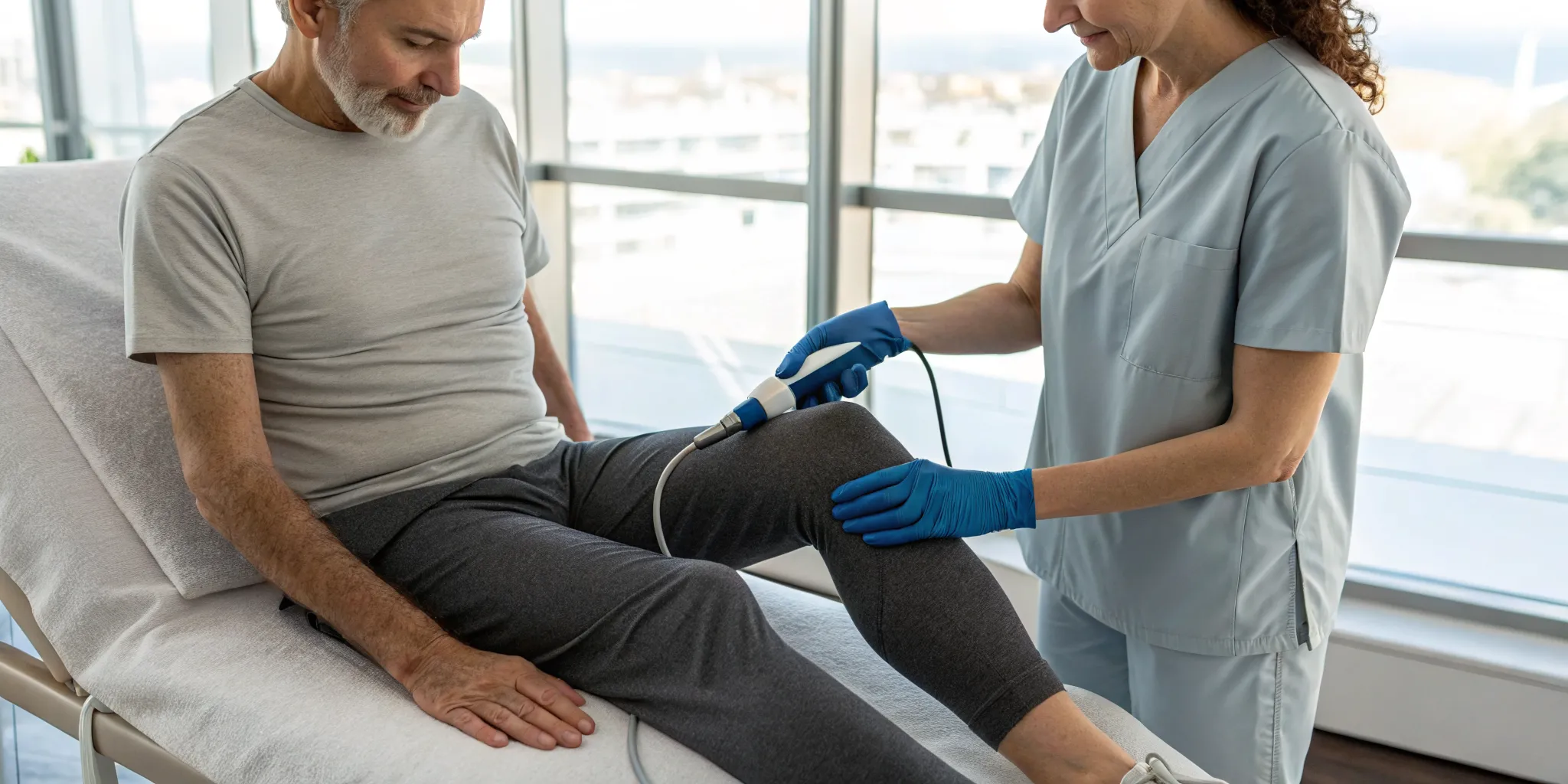
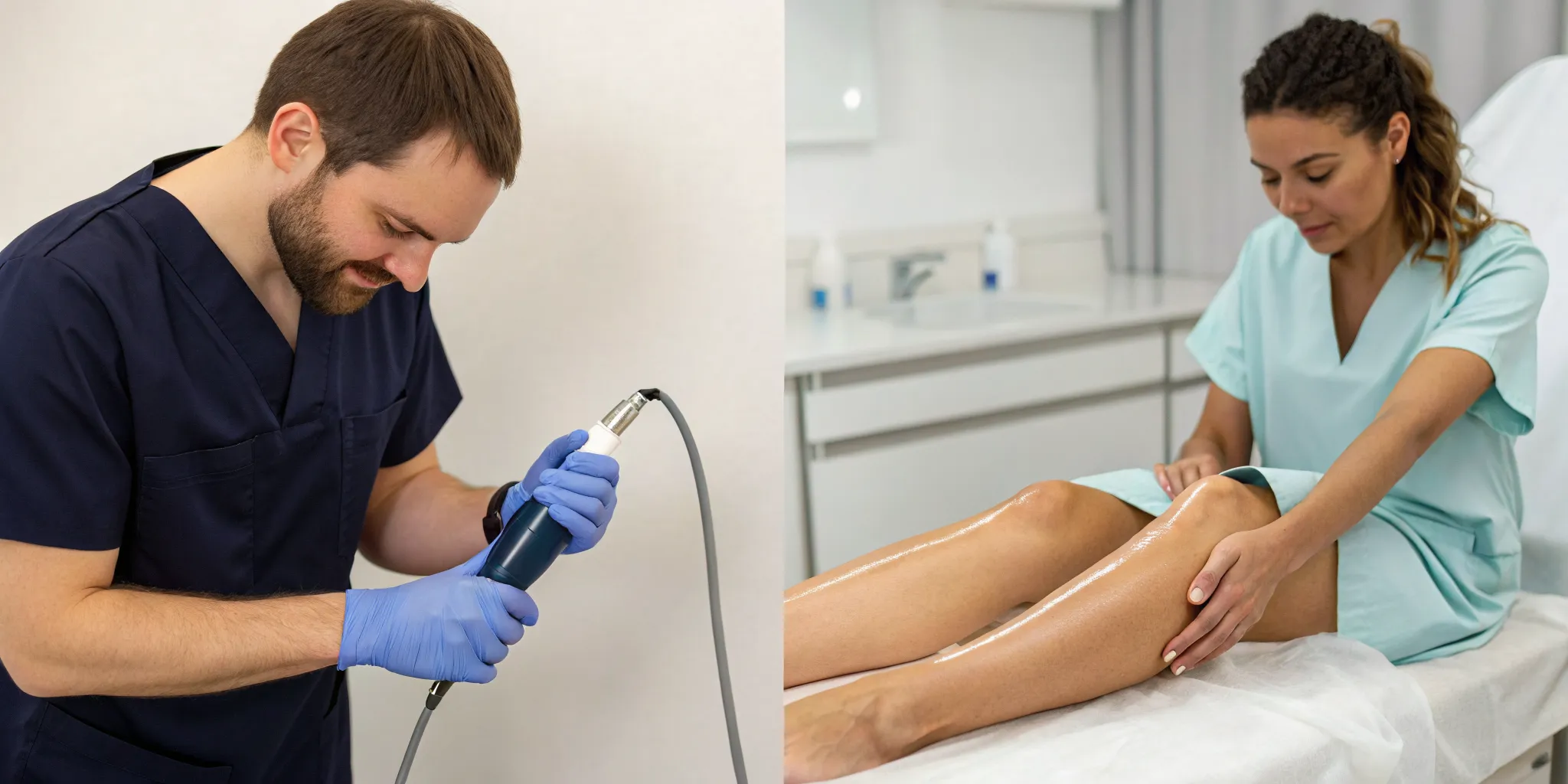
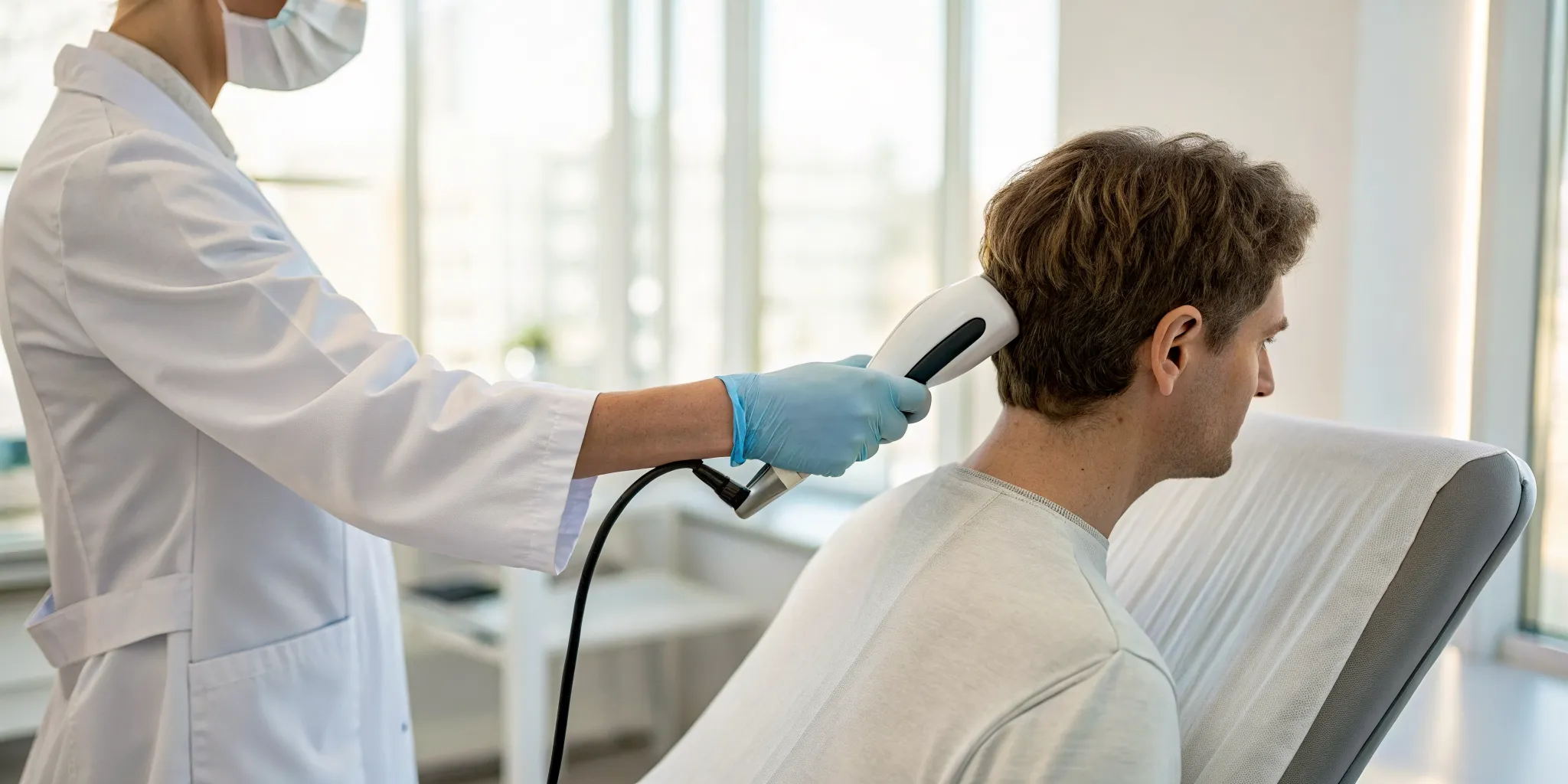
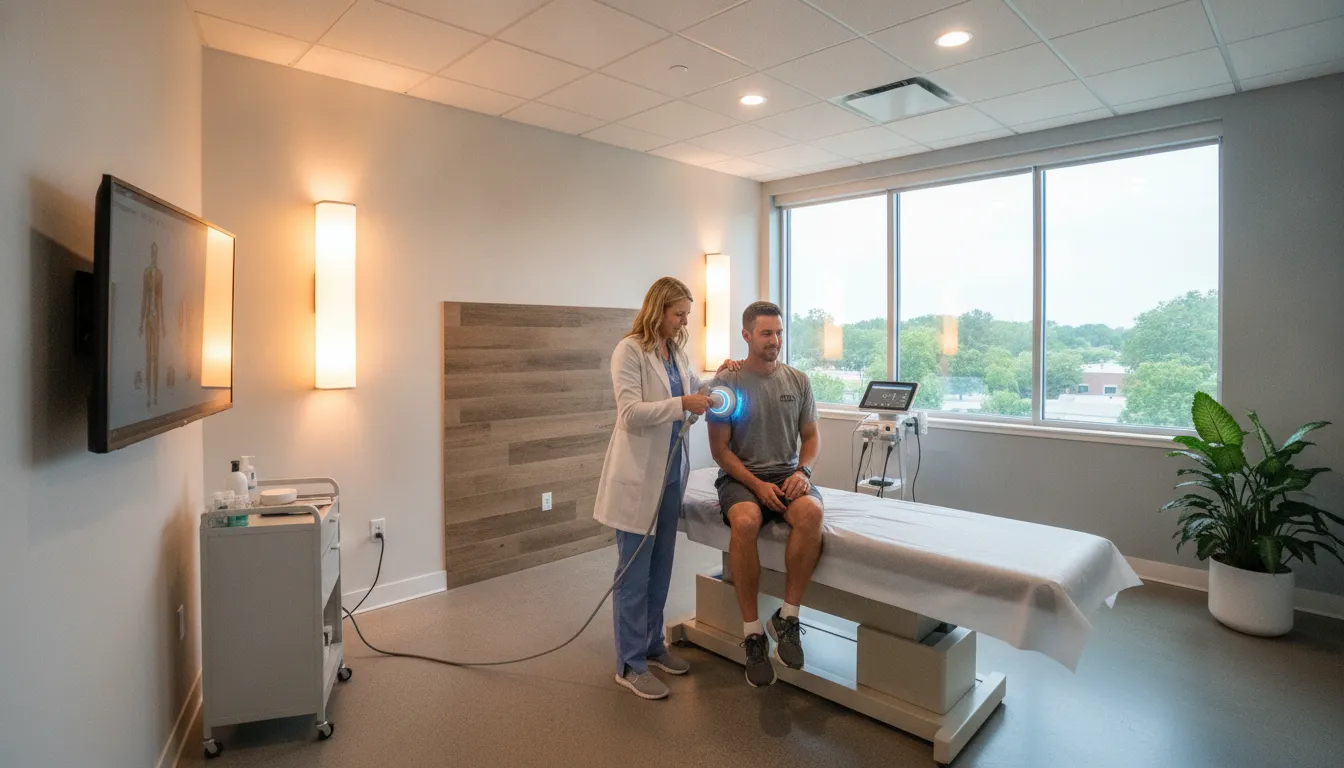
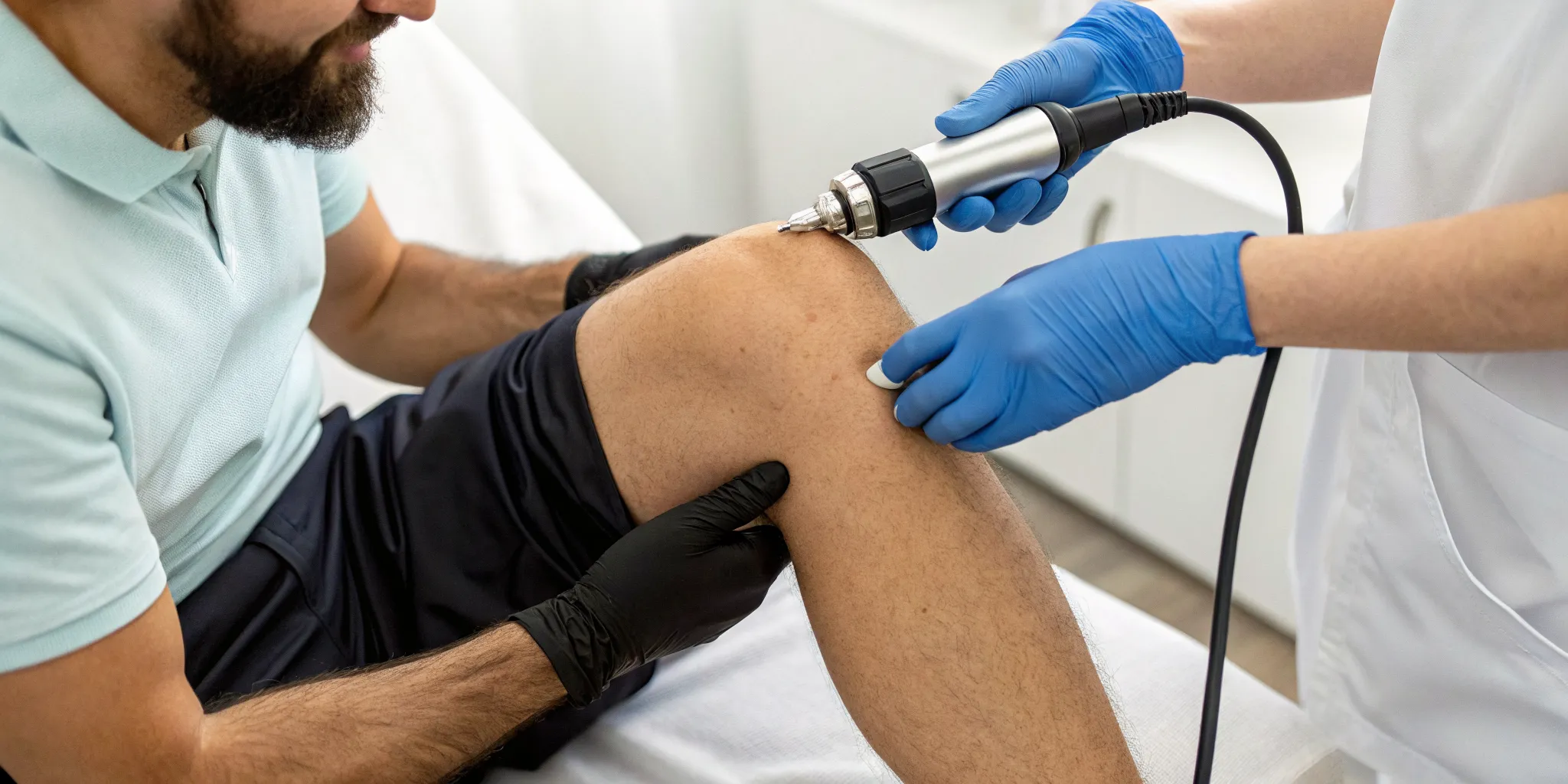
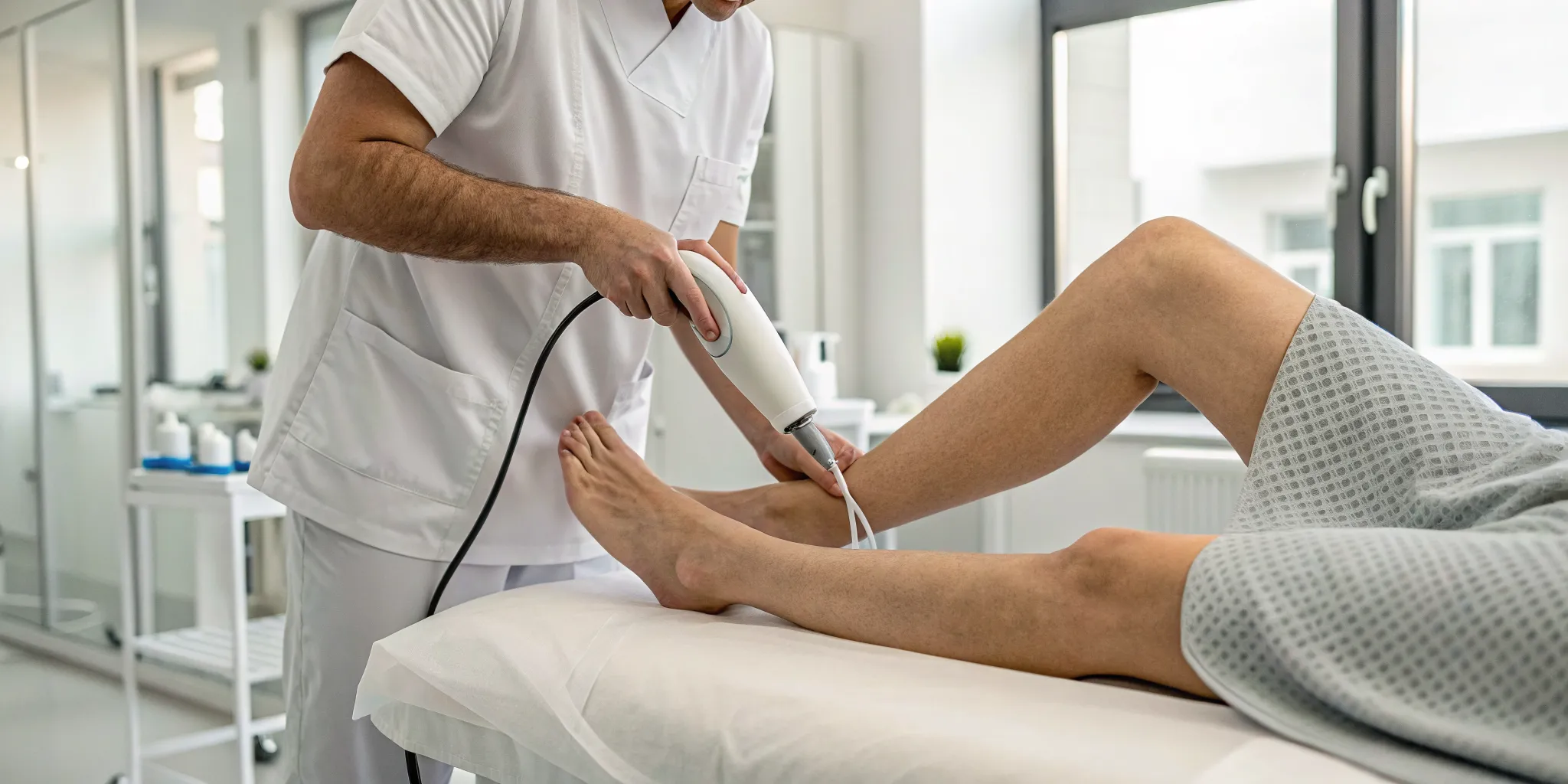
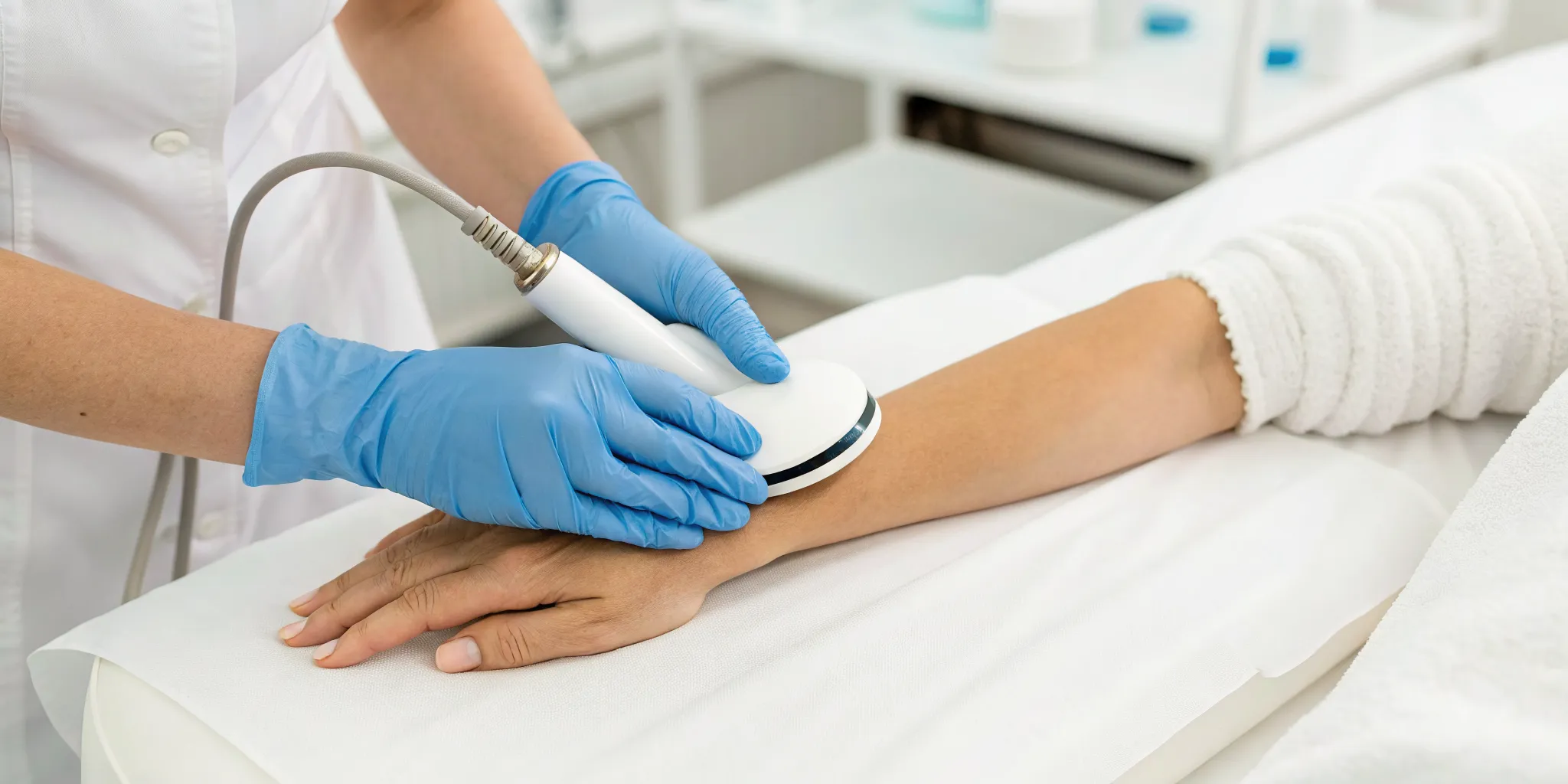
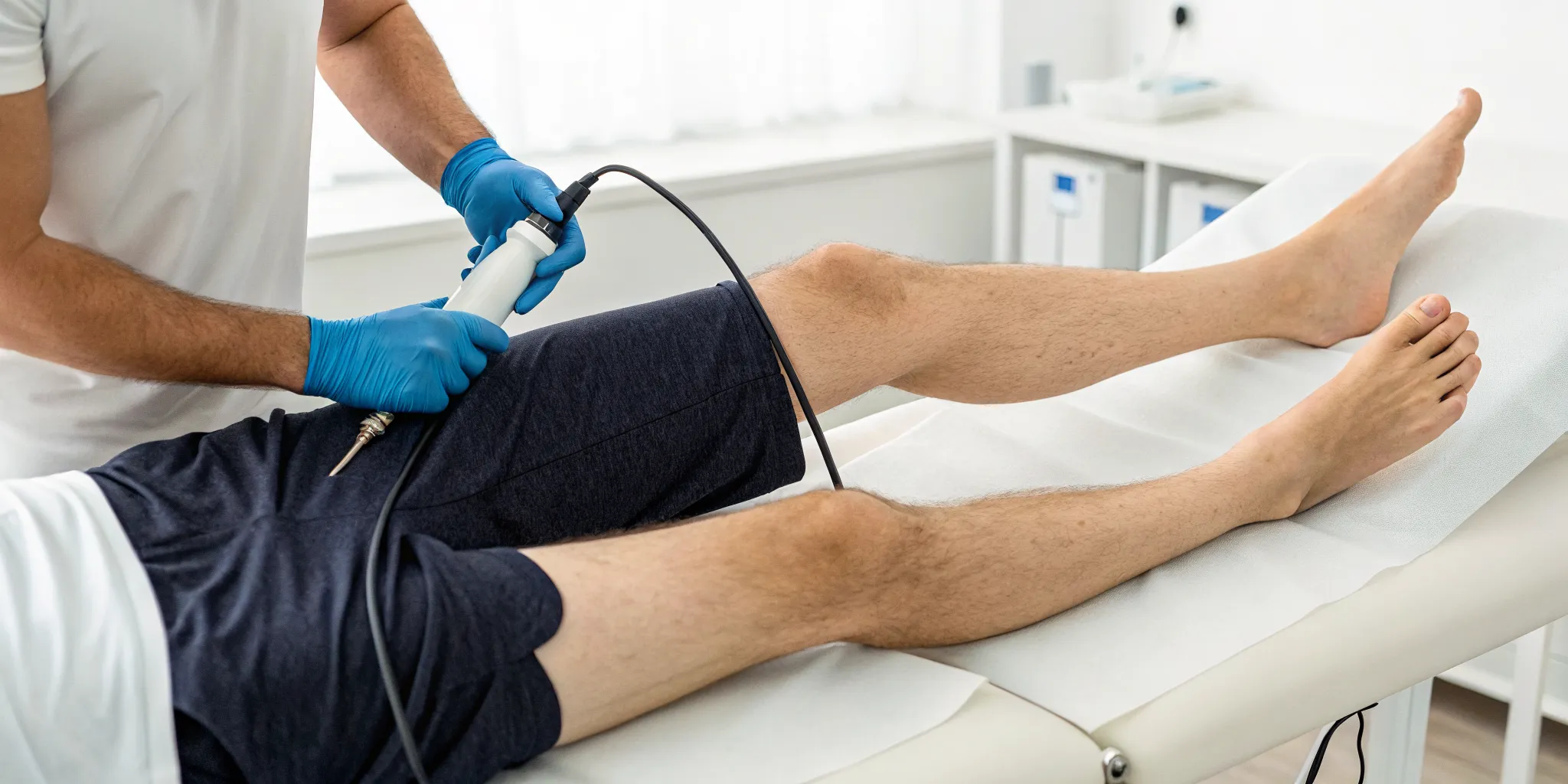
One of the best parts about shockwave therapy is that it fits easily into a busy schedule. A typical session lasts between 15 and 30 minutes, depending on the area we’re treating. During the appointment, we’ll apply a gel to your skin over the target area and move a handheld device that delivers the sound waves. You might feel a tapping or pulsing sensation, but the intensity is completely adjustable to your comfort level.
To get lasting results, most people need a series of treatments. We usually recommend between three and six sessions, scheduled about a week apart. This allows your body time to respond and begin the healing process between appointments. We’ll work with you to create a personalized treatment plan that addresses your specific condition and goals.
How to Support Your Healing Between Sessions
What you do between your appointments is just as important as the treatment itself. Think of it as teamwork: we apply the therapy, and you give your body the support it needs to heal effectively. We will give you specific guidance, which often includes gentle stretching and strengthening exercises designed to support the treated area. These movements help improve flexibility and build stability as your tissues repair.
It’s also important to avoid activities that aggravate your condition, giving the area a real chance to recover. Simple lifestyle habits can make a big difference, too. Staying well-hydrated and eating a nutritious diet helps support your body's natural healing from the inside out. By following these simple steps, you can help improve your results and get back to feeling your best sooner.
Common Myths About Shockwave Therapy
Newer treatments often come with their fair share of questions and misunderstandings. When you’re dealing with chronic pain, you want clarity and confidence in your care plan. Let's clear up some of the most common myths about shockwave therapy so you can better understand how it works and who it can help.
Myth: It’s the Same as Electric Shock
Let’s get this one out of the way first, because the name can be misleading. Shockwave therapy does not involve any electric currents. The "shock" in its name refers to acoustic waves, which are essentially high-energy sound waves that create mechanical pulses. Think of it more like a targeted, deep-tissue massage delivered by sound. These waves are directed at injured tissue to stimulate your body’s natural healing response. It’s a key part of our physical medicine approach because it works with your body, not against it. There are no jolts and no electricity, just focused sound energy promoting repair.
Myth: It’s Only for Professional Athletes
While it’s true that many professional athletes use shockwave therapy to recover from injuries and stay at the top of their game, this treatment is absolutely not exclusive to them. The same conditions that sideline an athlete, like tendinitis, plantar fasciitis, and chronic joint pain, can affect anyone. Whether your shoulder pain comes from playing tennis or from your desk job, the goal is the same: to heal the underlying tissue. We see people from all walks of life find relief with this therapy. It’s a versatile tool for many of the conditions we treat every day.
Myth: You'll Be Cured in One Session
It’s tempting to look for a single treatment that will solve everything, but true healing is a process. Shockwave therapy is not a one-and-done solution; it works by stimulating your body’s own repair mechanisms, and that takes time. Most people need a series of sessions to achieve lasting results. Each treatment builds on the last, encouraging increased blood flow and tissue regeneration. Our goal is to address the root cause of your pain, which is why we create personalized protocols. This approach ensures we’re aiming for long-term relief, not just a temporary fix.
Is Shockwave Therapy a Safe Procedure?
It’s completely normal to have questions about the safety of any new treatment you’re considering. The good news is that shockwave therapy is widely regarded as a safe and effective procedure for many musculoskeletal conditions. It’s a non-invasive option, meaning it doesn’t require incisions or injections, which significantly lowers the risk of complications. However, like any medical treatment, it’s important to understand the full picture. Knowing about potential side effects and understanding who is a good candidate will help you make an informed decision with your healthcare provider. At Ascend Functional Health, our approach to physical medicine always begins with a thorough evaluation to ensure any treatment we recommend is the right fit for your specific health needs and goals. We believe in empowering you with clear information so you can feel confident in your care.
Potential Short-Term Side Effects
Most people find shockwave therapy to be a very manageable treatment. The most common side effects are minor and temporary, occurring around the treated area. You might experience some mild soreness, redness, swelling, or bruising after a session. Think of this as a positive sign; it’s an indication that the therapy has successfully triggered your body’s natural healing response. Some people also feel discomfort during the procedure itself, but your provider can adjust the intensity to keep you comfortable. These effects typically resolve on their own within a day or two as your tissue begins to repair and regenerate, which is a key part of addressing the conditions we treat.
Who Should Not Get Shockwave Therapy
While shockwave therapy is safe for most individuals, it isn’t the right choice for everyone. A thorough health assessment is a critical first step to ensure your safety and the treatment's effectiveness. This therapy is generally not recommended for individuals who are pregnant, have a pacemaker, or have certain nerve or circulation disorders. It should also be avoided over areas with active tumors, infections, or open wounds. If you take blood-thinning medication, it’s crucial to discuss this with your provider. An open conversation about your complete health history allows your care team to determine if shockwave therapy is the best path forward for you. We encourage you to contact us to discuss your personal health history.
Why It's Considered a Low-Risk Option
When you weigh the benefits against the potential risks, shockwave therapy stands out as a low-risk choice for addressing chronic musculoskeletal pain. The procedure is entirely external and harnesses your body’s own ability to heal, which avoids the complications associated with more invasive procedures. The side effects are not only uncommon but are also typically mild and short-lived. When performed by a trained professional who understands the proper protocols, shockwave therapy has a strong safety record. It offers a promising solution for lasting relief by addressing the root cause of pain, helping you get back to your life with minimal downtime.
Could Shockwave Therapy Be Right for You?
Deciding on any new treatment can feel like a big step, but you don't have to make that choice alone. Shockwave therapy is a powerful tool for many, but it isn't the right solution for everyone. Understanding if it aligns with your specific health goals and condition is the first step toward finding lasting relief. By looking at some common indicators and knowing what to ask, you can have a more confident conversation with your provider and figure out if this innovative, non-invasive treatment is the right path for you.
Signs This Treatment May Be a Good Fit
If you're dealing with chronic discomfort that just won't quit, shockwave therapy might be a great option. This treatment is particularly effective for issues that have lingered for months or even years. It works by using powerful acoustic waves to break down scar tissue and calcifications, which are often the culprits behind stubborn aches. Think of conditions like plantar fasciitis, tennis elbow, or calcific shoulder tendinopathy. If you've tried other treatments without success for these types of musculoskeletal problems, shockwave therapy could offer a new path to healing. It’s a non-invasive way to stimulate your body’s own repair mechanisms, helping you recover from tissue damage and finally get some relief.
Key Questions to Ask Your Provider
Feeling prepared for your consultation can make all the difference. To make an informed decision, it’s important to understand the entire process, including any potential risks or side effects. When you meet with your provider, don't hesitate to ask direct questions about what you can expect. Consider asking things like: "Based on my condition, what are the potential side effects?" or "How many sessions do you typically recommend for this issue?" You might also ask about the recovery process and what you can do to support your healing between appointments. A knowledgeable provider will walk you through the specifics and help you feel confident about your treatment plan. We encourage you to schedule a consultation to discuss your unique situation.
Find Relief with Shockwave Therapy at Ascend Functional Health
If you’re dealing with persistent pain from an old injury or a chronic condition, it can feel like you’ve tried everything without finding lasting relief. At Ascend Functional Health, we see many patients who are tired of solutions that only mask the symptoms. That’s why we’re proud to offer shockwave therapy as part of our physical medicine approach, providing a non-invasive way to address the root cause of musculoskeletal pain.
So, how does it work? Shockwave therapy uses targeted acoustic waves to kickstart your body's natural healing processes right at the source of your discomfort. It helps increase blood flow to the injured area, reduces inflammation, and can even break down stubborn scar tissue and calcifications that often contribute to chronic pain. This makes it an effective option for many of the conditions we treat, including plantar fasciitis, tennis elbow, and nagging shoulder pain.
Many people experience a significant reduction in pain and find they can move more freely after completing their treatment plan. The therapy is considered very safe, with most patients only reporting minor, temporary soreness at the treatment site. If you're looking for a solution that works with your body to promote long-term healing, our experienced team is here to help. We can determine if shockwave therapy is the right step for you on your path to a better quality of life.
Related Articles
- SoftWave Tissue Regeneration Therapy in Tampa | Alessi Functional Health
- SoftWave TRT Therapy in Tampa, FL - Alessi Functional Health
- Regenerative Medicine for Pain Recovery | Ascend Functional Health
- What Is Soft Tissue Therapy? A Complete Guide
- Is Myofascial Release Legitimate? What Science Says
Frequently Asked Questions
What does shockwave therapy actually feel like? Does it hurt? This is a great question, and it’s one of the first things people ask. During the treatment, you’ll feel a tapping or pulsing sensation on your skin as the provider moves the applicator over the target area. Some people describe it as a strong, deep pulse. There can be some discomfort, especially over a particularly sore spot, but the intensity is completely adjustable to your tolerance. Any mild soreness you feel after the session is usually a good sign that your body is starting its healing response.
How many sessions will I need before I start to feel better? True healing is a process, so you shouldn't expect a complete fix after just one appointment. Most people need a series of treatments for lasting results. While your specific plan will be tailored to you, a typical course involves three to six sessions, usually scheduled a week apart. Many patients begin to notice an improvement in their pain and mobility after the first couple of sessions, with the benefits building cumulatively as the tissue continues to repair itself.
Is this therapy only for recent injuries, or can it help with old problems? Shockwave therapy is especially effective for chronic conditions that have lingered for months or even years. If you have an old injury with stubborn scar tissue or a problem like plantar fasciitis that just won’t go away, this treatment can be a game-changer. The acoustic waves are excellent at breaking down old, dysfunctional tissue and kickstarting a new healing cycle, which is often exactly what’s needed to finally resolve long-standing pain.
What should I do to prepare for my appointment? Preparing for your session is simple. We recommend wearing comfortable, loose-fitting clothing that allows for easy access to the area being treated. It’s also a good idea to be well-hydrated and to have a light meal beforehand. Most importantly, come ready to talk about your symptoms and your goals. The more you can share with your provider, the better they can tailor the treatment to your specific needs.
How is shockwave therapy different from therapeutic ultrasound? It’s easy to confuse the two since both use sound waves, but they work in very different ways. Therapeutic ultrasound uses high-frequency sound waves to generate deep heat in the tissue, which helps relax muscles and increase circulation. Shockwave therapy, on the other hand, uses higher-energy acoustic waves to create a mechanical force. This force stimulates a direct biological response, promoting cell regeneration, forming new blood vessels, and breaking down scar tissue to actively repair the injury.