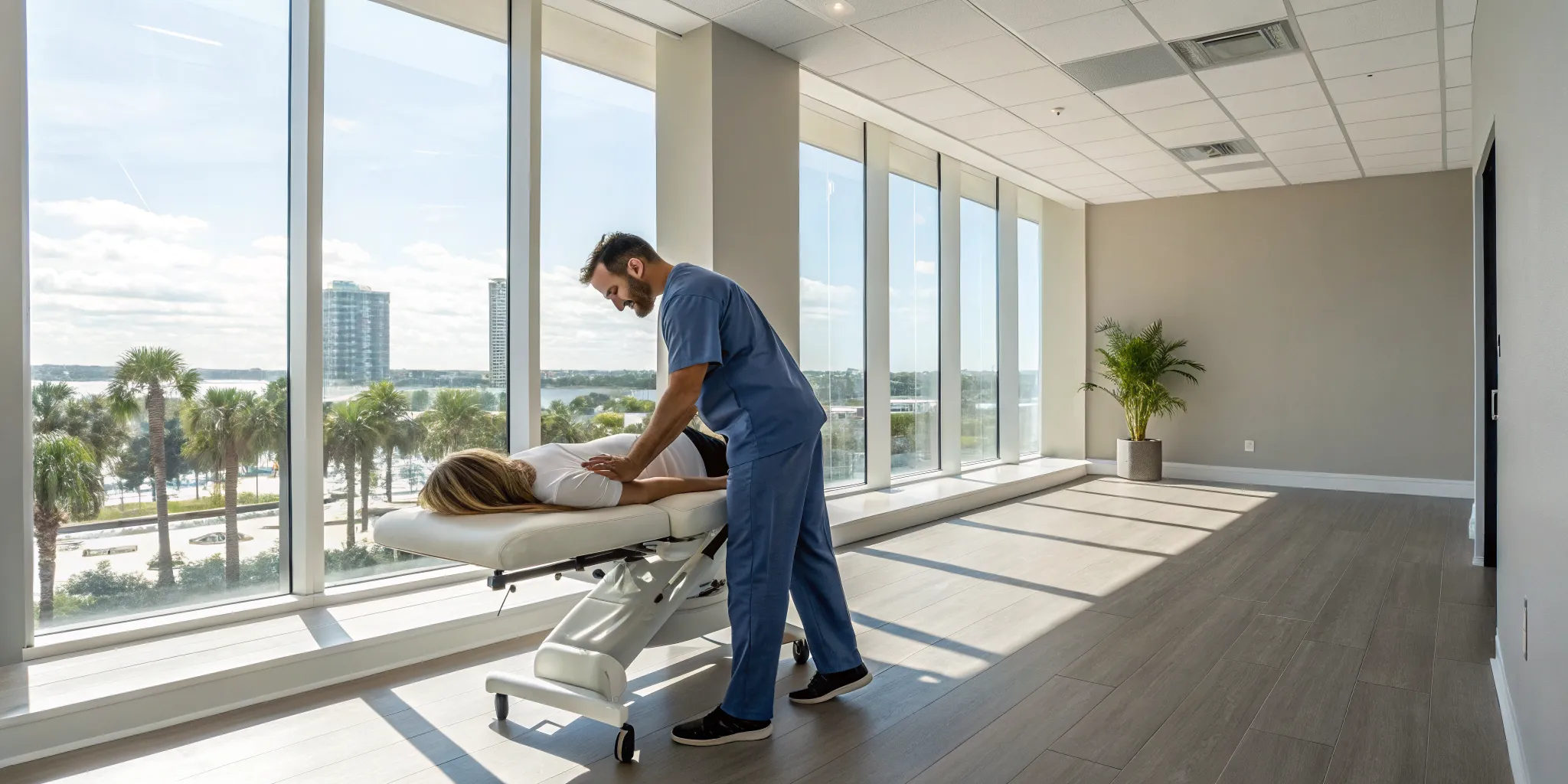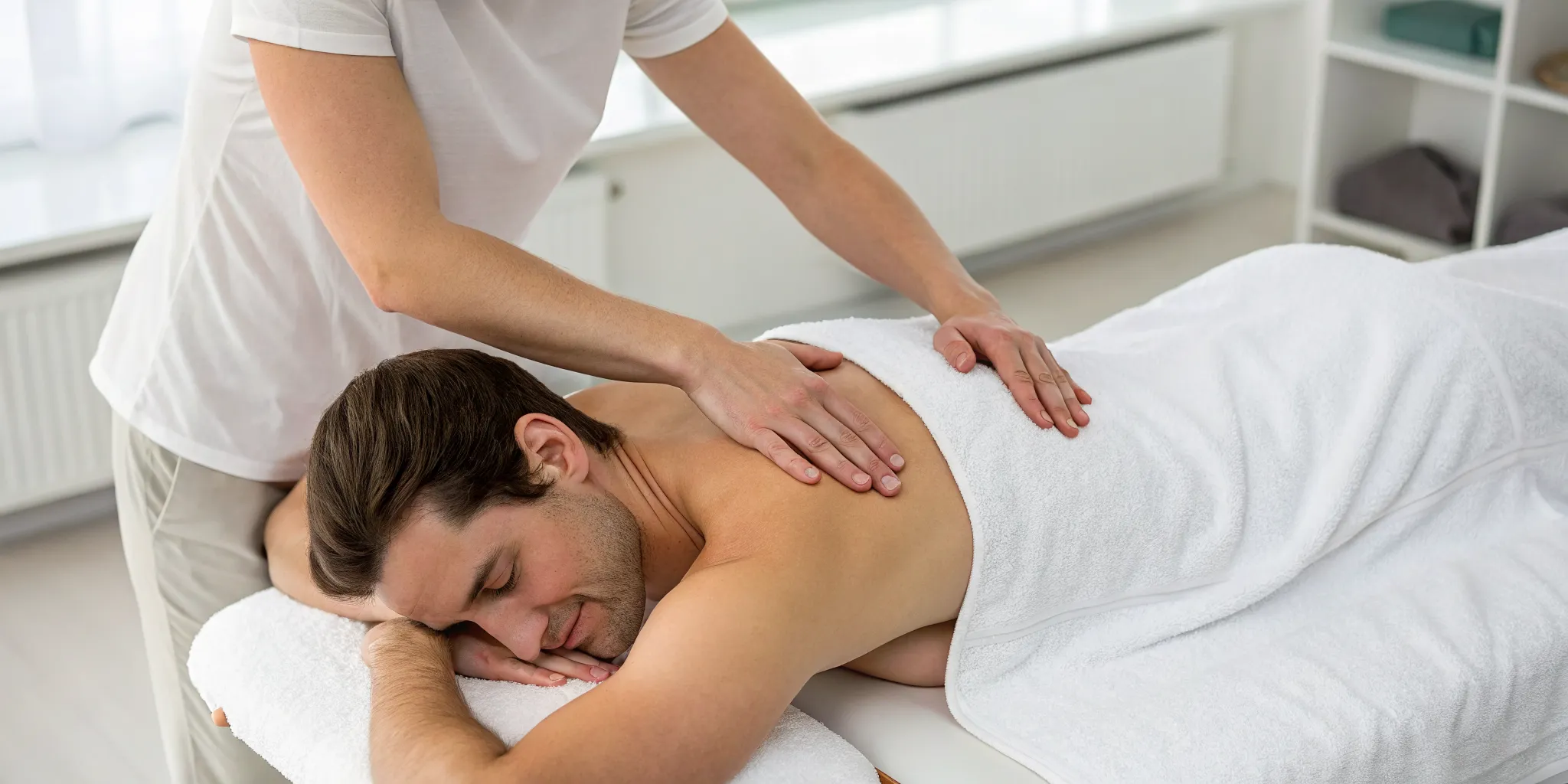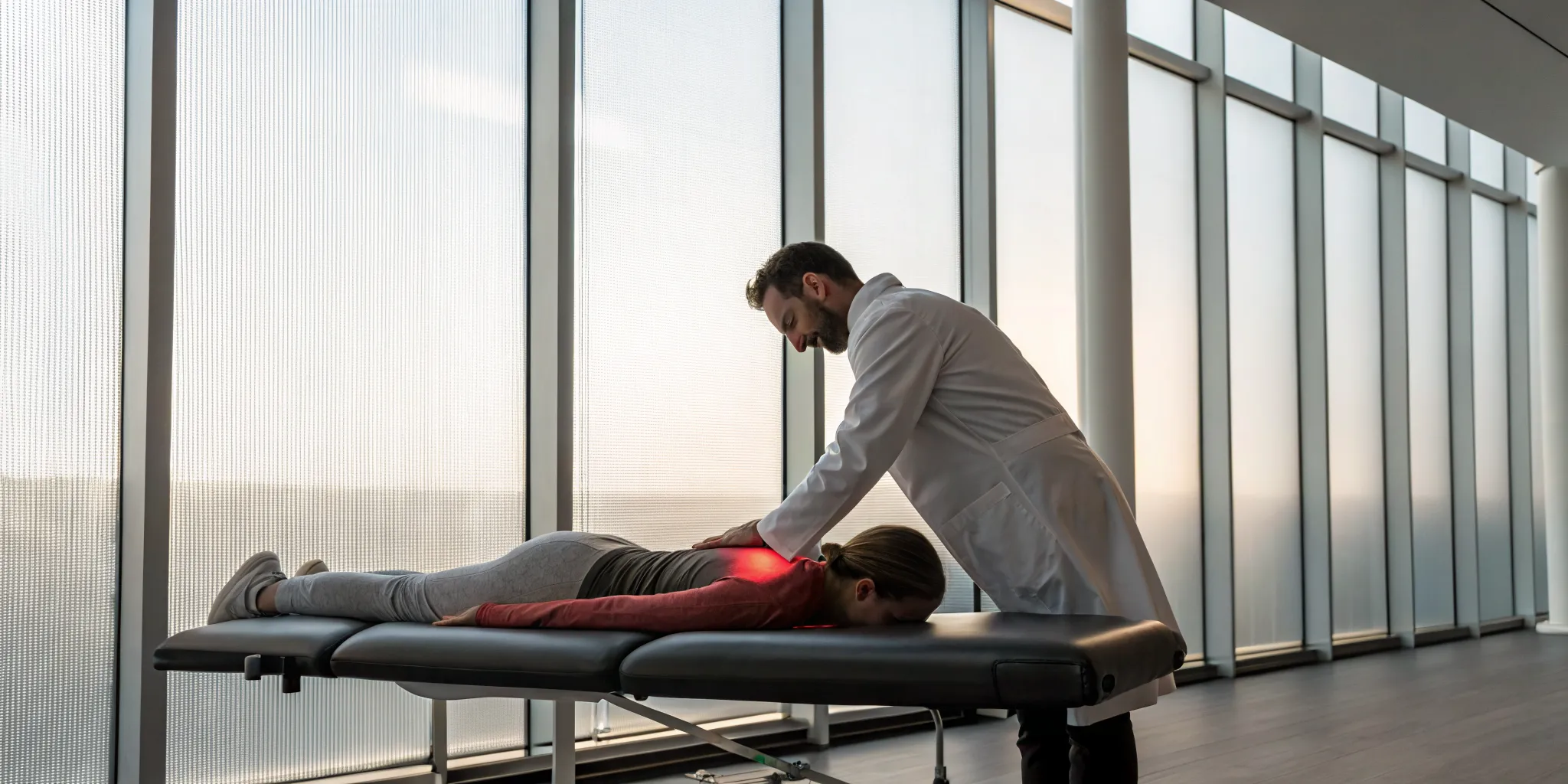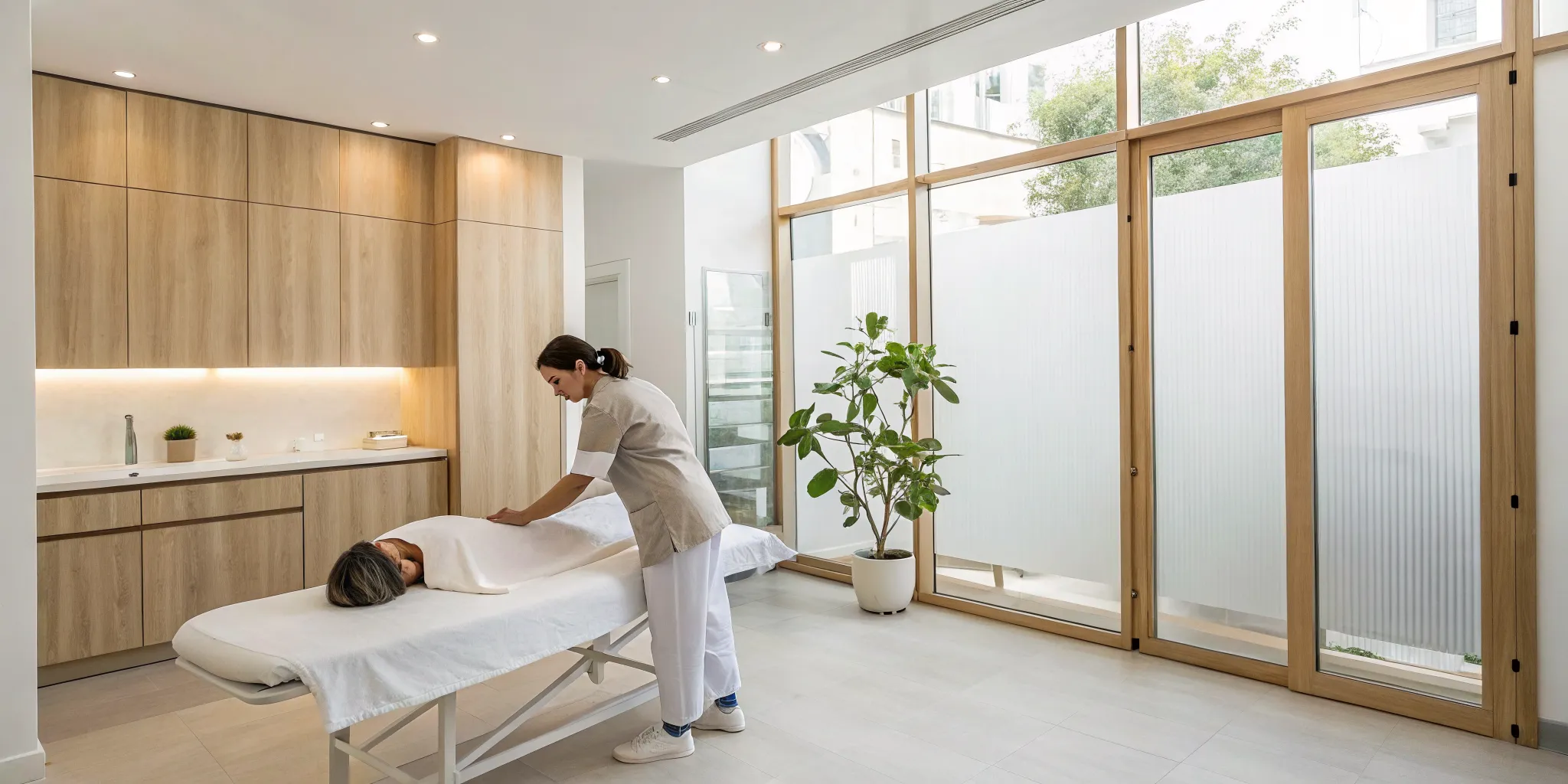
Persistent joint, tendon, or soft-tissue discomfort can quietly reshape daily life. A morning walk may feel less appealing, stairs may require extra planning, and the activities that normally support your health can become sources of hesitation. For health-conscious people across Tampa Bay, the goal is not simply to cover up discomfort for a few hours. It is to understand what may be affecting the tissue and choose a thoughtful path toward better function.
What is softwave therapy? It is a non-invasive regenerative treatment that uses acoustic energy to support the body's innate healing response in injured or irritated musculoskeletal tissue. SoftWave is an FDA-cleared, gold-standard device used at Ascend Functional Health within a personalized evaluation. Not as a promise of instant relief or a stand-alone solution for every concern.
Research on extracorporeal shockwave therapy describes potential effects such as pain relief, increased vascularization, and cell proliferation as acoustic waves interact with tissue. These findings help explain why shockwave therapy has become part of modern orthopedic and regenerative medicine, while also highlighting the importance of appropriate clinical judgment. At Ascend, the treatment is considered alongside your history, examination. And broader health picture so the care plan can address contributing factors rather than focus only on a symptom. The first step is understanding how the technology works and what makes SoftWave distinct from generic shockwave approaches.
Schedule a SoftWave therapy consultation in Tampa
What Is SoftWave Therapy?
SoftWave therapy is a non-invasive treatment that uses acoustic energy to support the body's natural healing response in injured or irritated musculoskeletal tissue. At Ascend Functional Health, SoftWave is the gold-standard, FDA-cleared device used within a personalized regenerative medicine plan, rather than as a stand-alone approach to masking pain.
SoftWave belongs to the broader category of extracorporeal shockwave therapy, often abbreviated as ESWT. In simple terms, a treatment device delivers carefully directed sound waves through the skin and into targeted tissue. These waves are mechanical, not electrical, and they do not require an incision or surgical procedure. The treatment is applied externally while a provider evaluates the area being treated and considers how it fits into the patient's overall health plan.
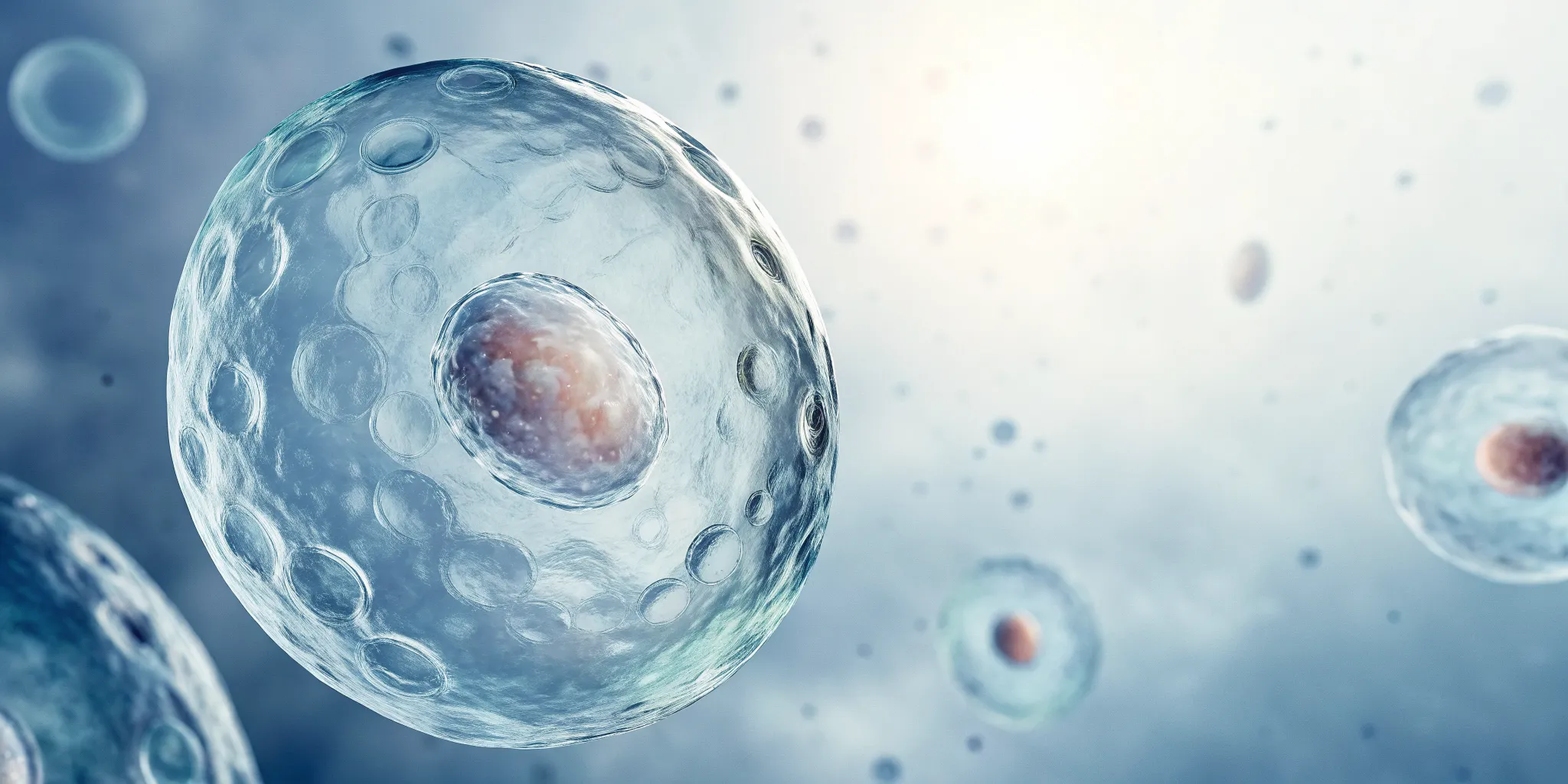
Research describes ESWT as a non-invasive medical modality used for a range of musculoskeletal concerns. The acoustic waves can create interstitial and extracellular responses in tissue. These responses may support pain relief, increased vascularization, protein biosynthesis, and cell proliferation, all of which can contribute to a healthier local environment for recovery. A review published in the medical literature explains these proposed effects of shockwave therapy.
How does SoftWave support the body's healing response?
The goal is not to force an immediate change or promise an instant result. Instead, the acoustic stimulus is intended to encourage the body's innate healing mechanisms. By supporting blood flow and cellular activity in the treatment area, SoftWave may help promote tissue regeneration and improve function over time. The response can vary depending on the condition, the tissue involved, the duration of the concern, and the person's broader health factors.
This regenerative focus is one reason shockwave therapy has attracted attention in orthopedics and rehabilitative care. The technology first emerged in the 1980s in connection with extracorporeal shockwave lithotripsy, which used shockwaves to break apart kidney stones. Since then, researchers have studied its applications in musculoskeletal and orthopedic settings. That history does not mean every shockwave device or protocol is interchangeable. Device characteristics, treatment settings, clinical assessment, and provider judgment all matter.
Why does the device matter?
Ascend distinguishes SoftWave from generic or traditional shockwave offerings by using what the practice describes as its better, gold-standard device. SoftWave is FDA cleared for its intended uses, and treatment is framed through Ascend's regenerative medicine model. That model looks beyond the location of discomfort to understand contributing factors and determine whether SoftWave belongs in a broader personalized protocol.
For that reason, a consultation may include discussion of your symptoms, movement patterns, health history, and goals before a provider recommends treatment. You can learn more about SoftWave therapy at Ascend Functional Health and how the practice evaluates whether it may be appropriate for you. The next step is understanding how focused shockwave energy interacts with targeted tissue during a treatment session.
How Does Focused Shockwave Therapy Work?
Focused shockwave therapy uses acoustic waves to interact with injured or stressed tissue and encourage the body's own repair response. At Ascend Functional Health, SoftWave's electrohydraulic mechanism delivers this regenerative approach through the practice's gold-standard, FDA-cleared device, within a personalized evaluation rather than a one-size-fits-all pain treatment.
The process developed from extracorporeal shockwave lithotripsy in the 1980s, when clinicians used acoustic energy to break up kidney stones. Research later explored how similar energy could support orthopedic and musculoskeletal care. The mechanism can be understood as a sequence:
Acoustic waves are generated and delivered
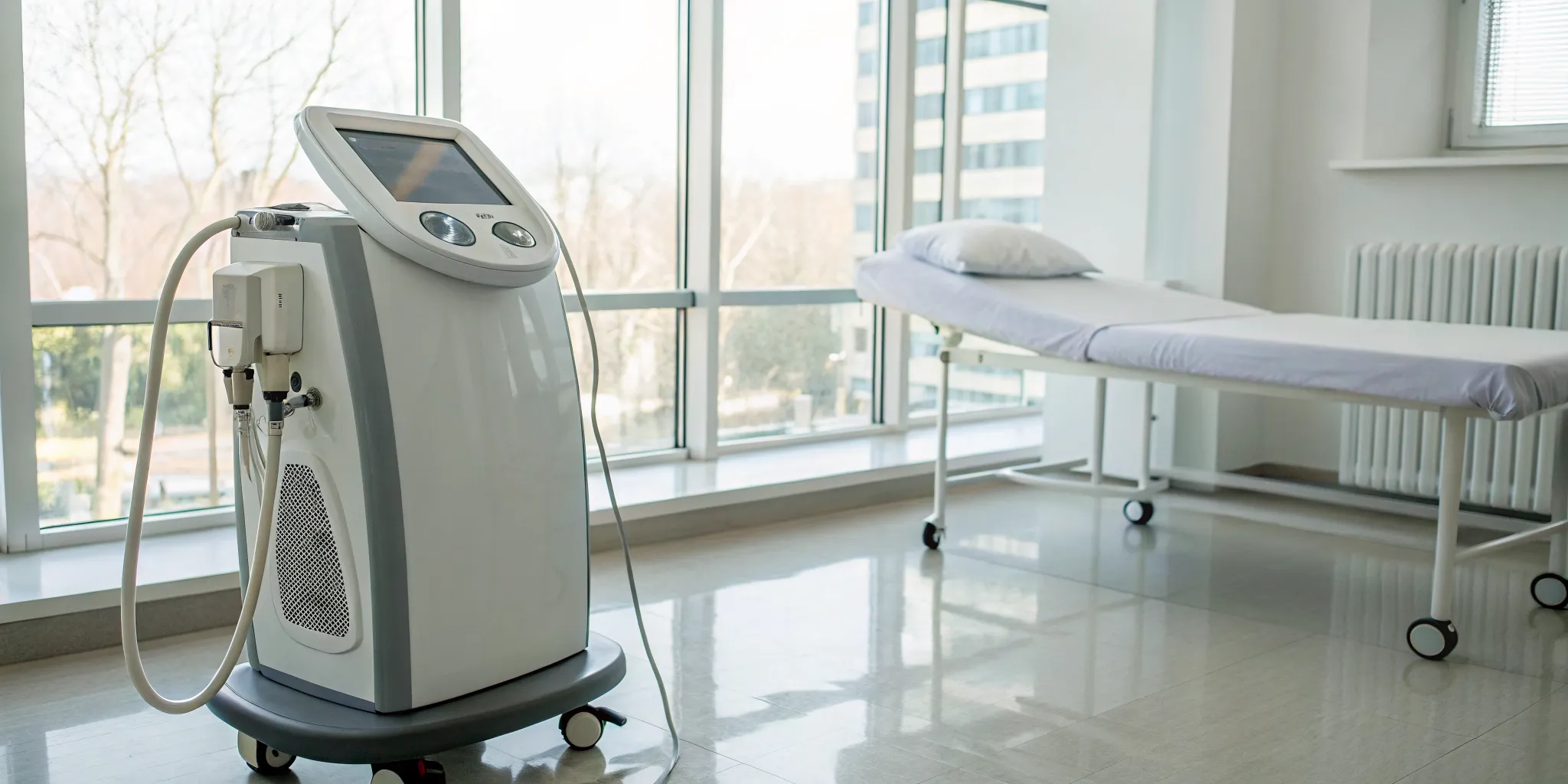
SoftWave uses an electrohydraulic system to generate focused acoustic waves. A clinician applies the treatment externally to a selected area, allowing the waves to propagate through the tissue rather than requiring an incision or injection. The treatment location and settings should reflect the person's symptoms, examination findings, and broader care plan.
The waves create a controlled tissue stimulus
As acoustic energy moves through the body, it produces mechanical effects within the targeted tissue. These effects are not intended to damage healthy structures. Instead, they provide a physical signal that can interact with the local cellular environment. A review of extracorporeal shockwave therapy describes interstitial and extracellular responses associated with several potential benefits, including vascularization, protein biosynthesis, and cell proliferation (review of ESWT mechanisms).
Circulation and pain-related responses may change
The tissue response may support increased vascularization, meaning the development or improvement of local blood-vessel supply. The same signaling activity may also influence pain-related processes. These responses do not mean that every person will experience immediate relief, and SoftWave is not a guaranteed cure. They help explain why shockwave therapy is studied as a way to address the biological environment surrounding persistent musculoskeletal symptoms.
The body is supported through a healing process
Over time, the combined responses may support cell activity, tissue regeneration, and improved function in some injured musculoskeletal tissues. The research review notes that shockwave therapy may stimulate innate healing responses and contribute to tissue regeneration and functional improvement. While also emphasizing the need to consider the specific condition and clinical context (peer-reviewed ESWT review).
This sequence is why the device matters, but the treatment is only one part of the clinical decision. Ascend evaluates the possible contributors to a person's symptoms and may combine regenerative care with appropriate Physical Medicine or Functional Medicine support. That root-cause perspective helps determine whether SoftWave fits the individual's goals, findings, and overall pathway.
What Conditions Can SoftWave Therapy Treat?
SoftWave therapy may be considered for several pain and movement-related concerns, especially conditions involving tendons, joints, fascia, and other soft tissues. It is commonly evaluated for chronic pain, inflammation, tendon injuries, plantar fasciitis, and broader musculoskeletal disorders as part of a personalized care plan.
The right application depends on the tissue involved, the duration and pattern of symptoms, contributing factors, and your overall health history. SoftWave is not a universal treatment or a guarantee of results. At Ascend Functional Health, the goal is to determine whether this regenerative medicine approach fits the underlying problem rather than treating pain in isolation.
Chronic Pain and Inflammation
Persistent pain can involve irritated tissue, reduced mobility, repetitive loading, or changes in how the body compensates around an injury. SoftWave may be used to support the body's healing response in areas affected by chronic musculoskeletal pain and inflammation. The treatment is often considered when symptoms continue to interfere with walking, exercise, work, sleep, or everyday movement.
Because pain can have more than one contributor, a thorough evaluation matters. A protocol may need to account for posture, joint mechanics, activity demands, recovery habits, and related health concerns. SoftWave can be one component of a broader plan that may include physical medicine, corrective care, or functional evaluation.
Tendon Injuries and Tendinopathy
Tendons connect muscle to bone and can become painful when exposed to repeated strain or when recovery does not keep pace with demand. SoftWave may be evaluated for tendon-related concerns affecting areas such as the shoulder, elbow, hip, knee, or Achilles region. It may also be considered when a person has ongoing symptoms despite modifying activity and using other conservative approaches.
Research does not support treating every tendon problem the same way, but it offers useful context. A systematic review found moderate evidence that extracorporeal shockwave therapy was more effective than home training and corticosteroid injection for certain outcomes in greater trochanteric pain syndrome. A lower-limb tendinopathy, in both shorter- and longer-term follow-up. The findings do not mean that every person will respond similarly, and they do not establish SoftWave as a cure. Review the PubMed evidence on ESWT for greater trochanteric pain syndrome.
Plantar Fasciitis, Joint Pain, and Soft-Tissue Disorders
Plantar fasciitis is a common example of a soft-tissue condition that can cause persistent heel and foot pain, particularly during initial steps after rest. SoftWave may be discussed when symptoms are consistent with plantar fascia irritation and when a clinician determines that acoustic-wave therapy is appropriate. Similar evaluation may apply to selected joint pain concerns involving the knee, hip, shoulder, or other regions.
SoftWave is also used in the context of musculoskeletal disorders where tissue quality, mobility, and local circulation may influence recovery. These can include problems involving fascia, ligaments, muscles, and connective tissue. The purpose of an assessment is to clarify the diagnosis, identify factors that may be prolonging symptoms, and select a treatment strategy that is appropriate for the individual.
Ascend's SoftWave therapy service is approached through the practice's regenerative medicine model, with treatment decisions guided by your presentation and goals. A consultation can help determine whether SoftWave belongs in your care plan or whether another approach is more suitable.
SoftWave vs. Standard Shockwave Therapy
SoftWave is a premium form of shockwave therapy designed to deliver acoustic energy across a broad treatment zone. Standard shockwave devices can also be useful, but SoftWave is Ascend Functional Health's gold-standard, FDA-cleared option for a more comprehensive regenerative medicine approach.
| Feature | SoftWave at Ascend | Standard shockwave devices |
|---|---|---|
| Energy delivery | Uses electrohydraulic acoustic energy to support treatment across a broad zone of affected tissue. | Often uses a lower-energy approach with a narrower treatment focus. |
| Treatment coverage | Broad coverage can help a clinician address the surrounding tissue environment rather than concentrating only on one pinpoint location. | Narrower coverage may be appropriate when a focused area is the intended target. |
| Consistency of delivery | Designed to provide a more consistent treatment experience across the selected zone when applied according to a personalized protocol. | Results and treatment experience may vary more between devices and applications. |
| Clinical positioning | FDA-cleared and used at Ascend within a personalized regenerative medicine plan informed by the patient's needs. | Traditional shockwave therapy remains a recognized non-invasive modality for certain musculoskeletal concerns. |
Why the treatment zone matters
Musculoskeletal discomfort is not always limited to the point where symptoms are felt. Tendons, fascia, muscles, circulation, and nearby connective tissues can all influence how an area functions. A broader treatment zone gives the clinician flexibility to work with the surrounding tissue environment instead of treating a single spot in isolation.
Shockwave therapy uses acoustic energy to create responses within tissue. Research on extracorporeal shockwave therapy describes potential effects that include pain relief, increased vascularization, and cell proliferation, with applications across several musculoskeletal disorders. These effects may support the body's innate healing response and tissue regeneration, although the appropriate treatment plan depends on the individual's condition and clinical evaluation. Review the research on extracorporeal shockwave therapy.
A device is only part of the decision
Choosing SoftWave does not replace a thorough assessment. At Ascend, the goal is to understand why a concern developed and determine whether SoftWave fits within a broader, personalized plan. That may include regenerative medicine, Physical Medicine, or Functional Medicine considerations rather than a pain-only treatment strategy. Patients can learn more about SoftWave therapy at Ascend Functional Health and discuss whether this approach is appropriate for their goals.
What to Expect During a SoftWave Treatment at Ascend
At Ascend Functional Health, a SoftWave visit begins with understanding why a concern developed, not simply treating the area that hurts. The treatment itself is non-invasive and typically takes about 10 to 15 minutes, followed by personalized guidance and thoughtful follow-up.
Starting with the bigger picture
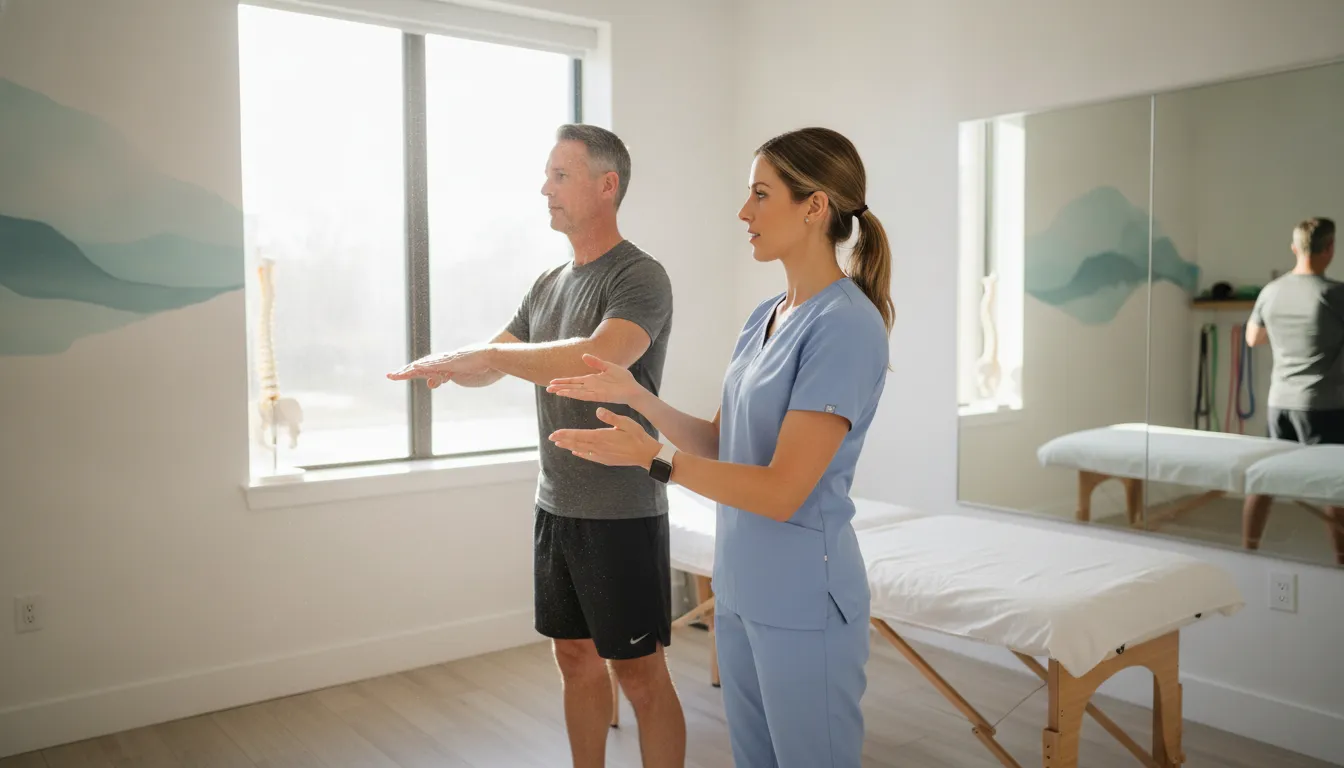
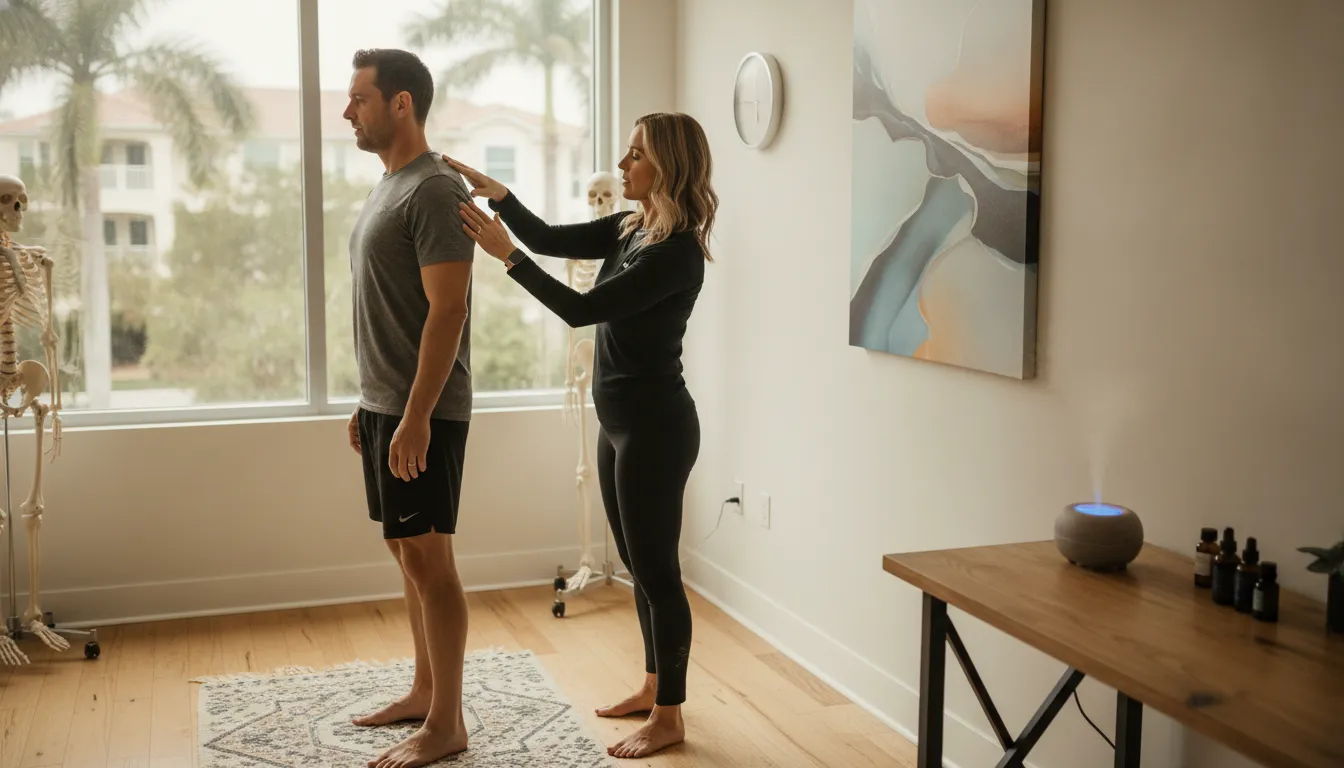
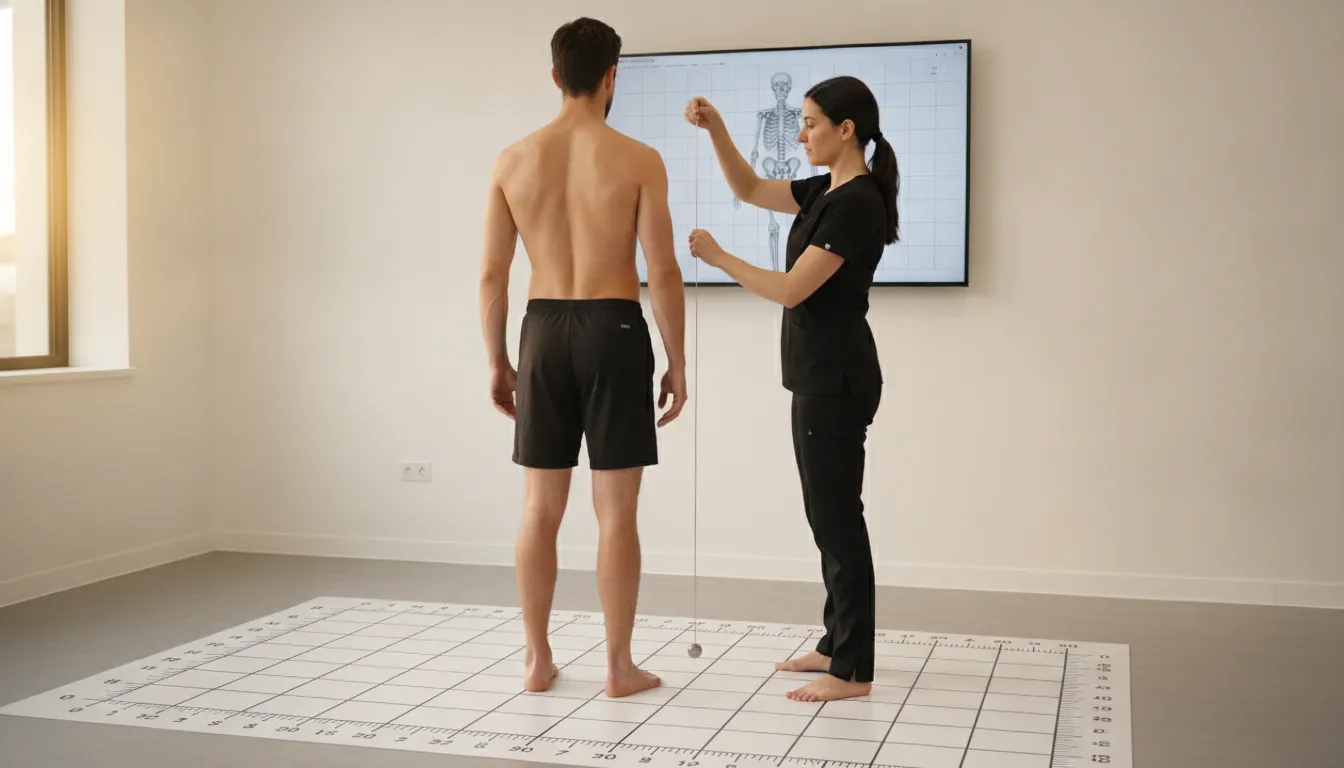
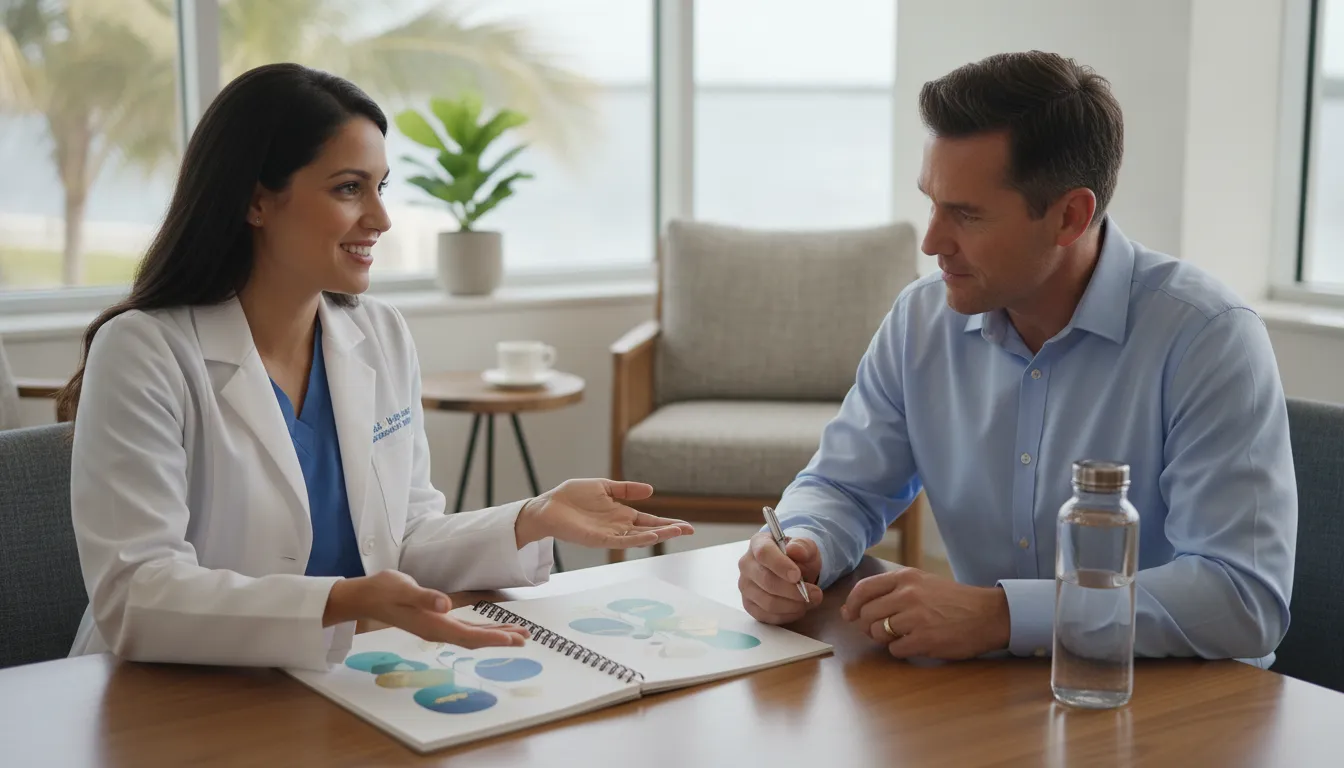
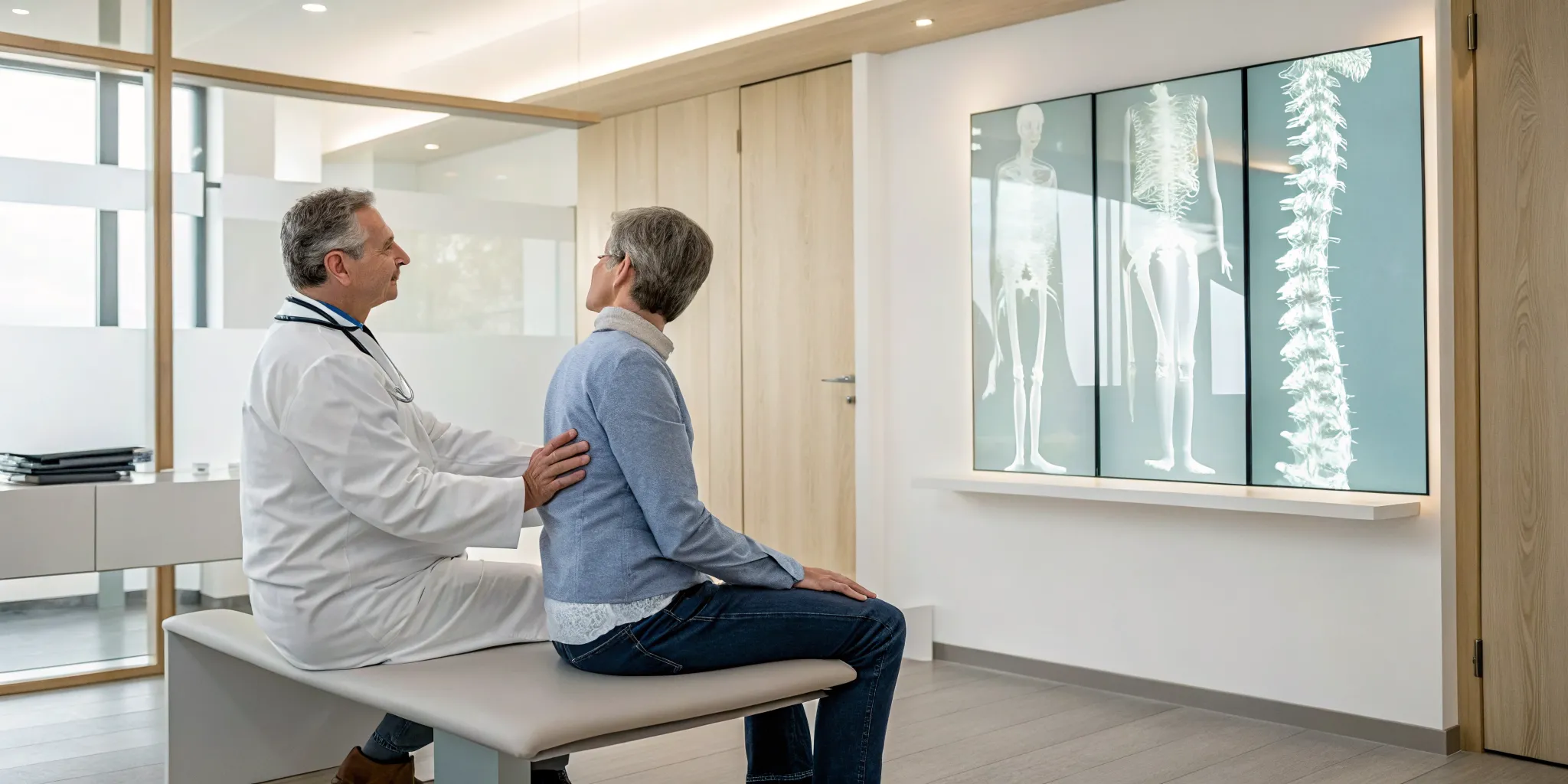
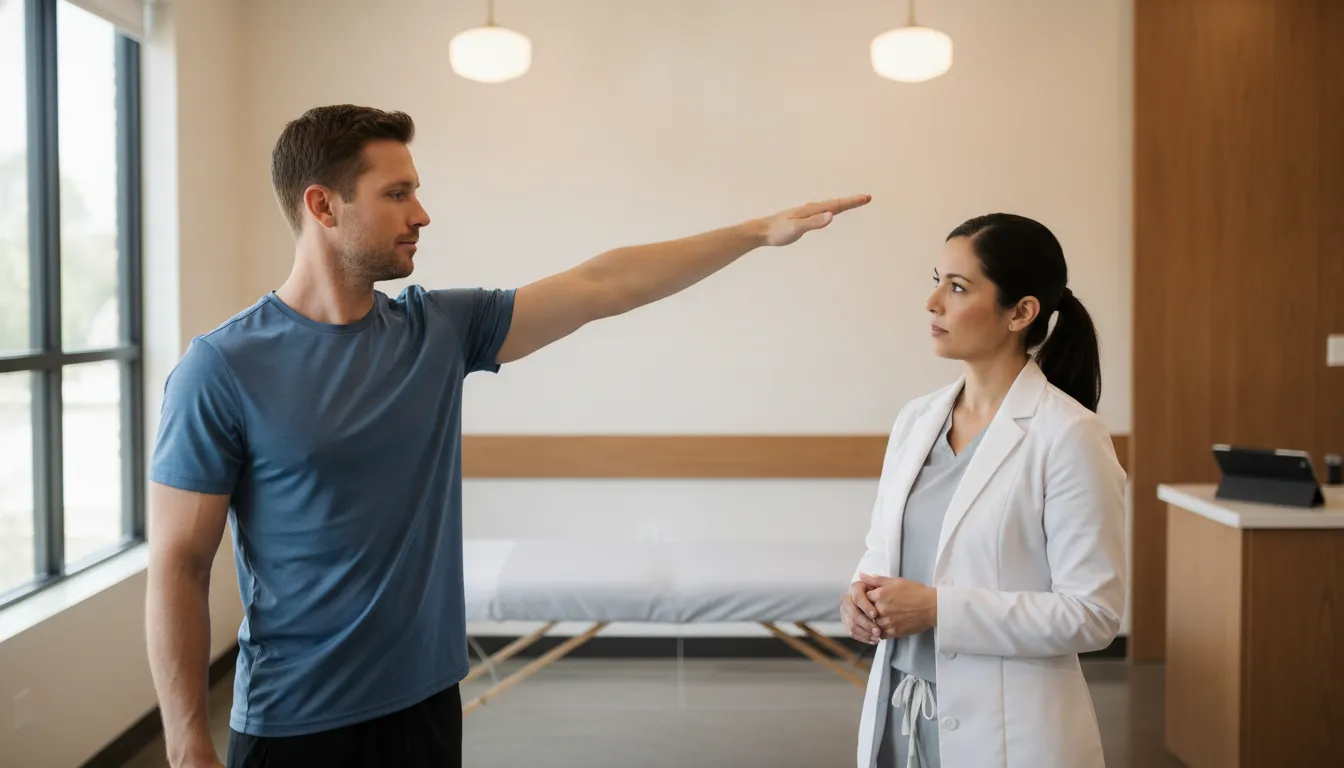
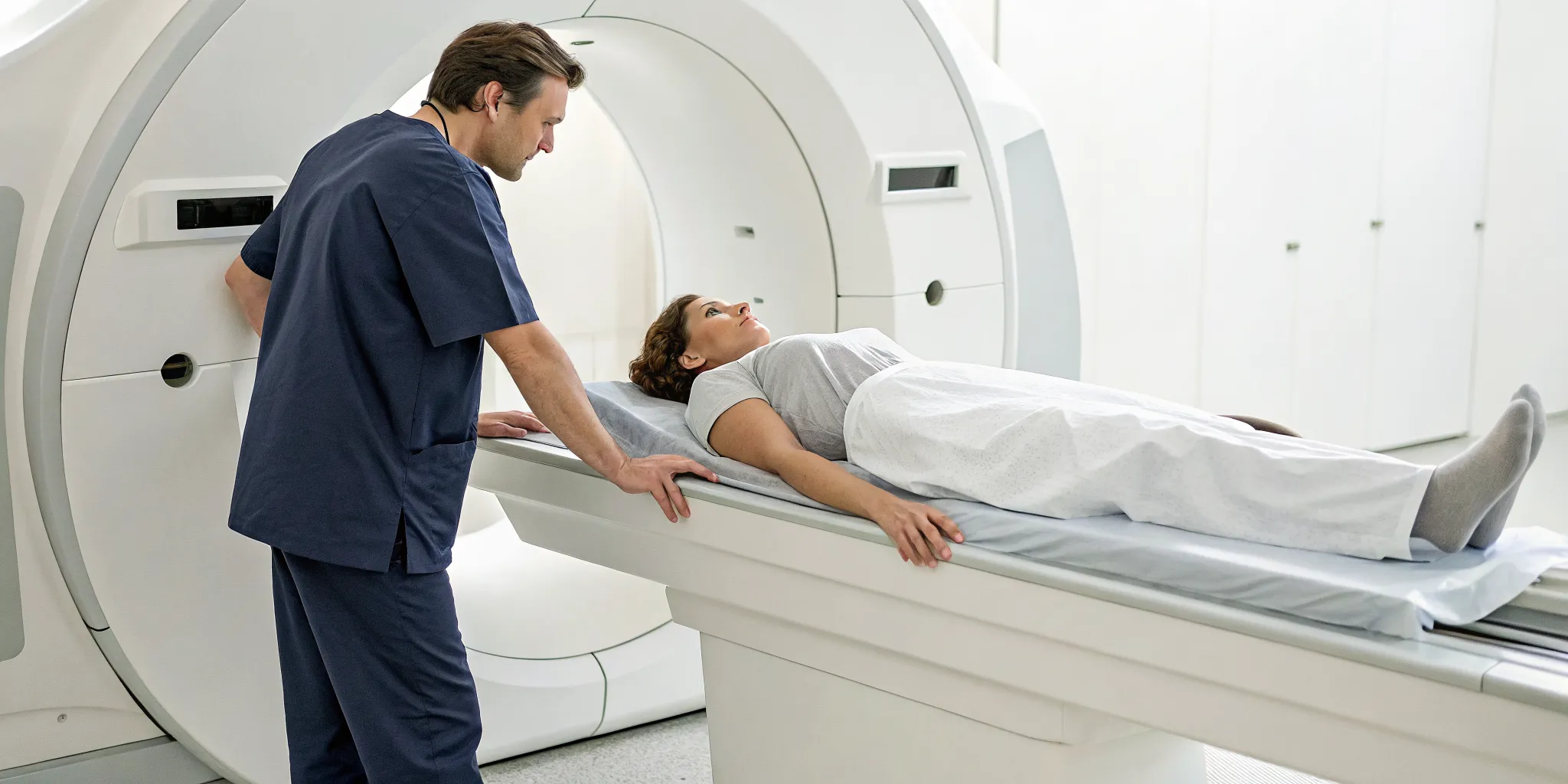
Your first visit may include a root-cause evaluation, a review of your health history, and diagnostic testing when appropriate. This process helps the care team understand the tissues, movement patterns, inflammation, or other factors that may be contributing to your concern. The findings inform a personalized protocol rather than a one-size-fits-all treatment schedule.
SoftWave is part of Ascend's Regenerative Medicine approach. The goal is to support the body's innate healing response and tissue regeneration while addressing the factors that may be limiting progress. Depending on your needs, SoftWave may be considered alongside other elements of your care plan, including Physical Medicine or Functional Medicine services.
During the treatment
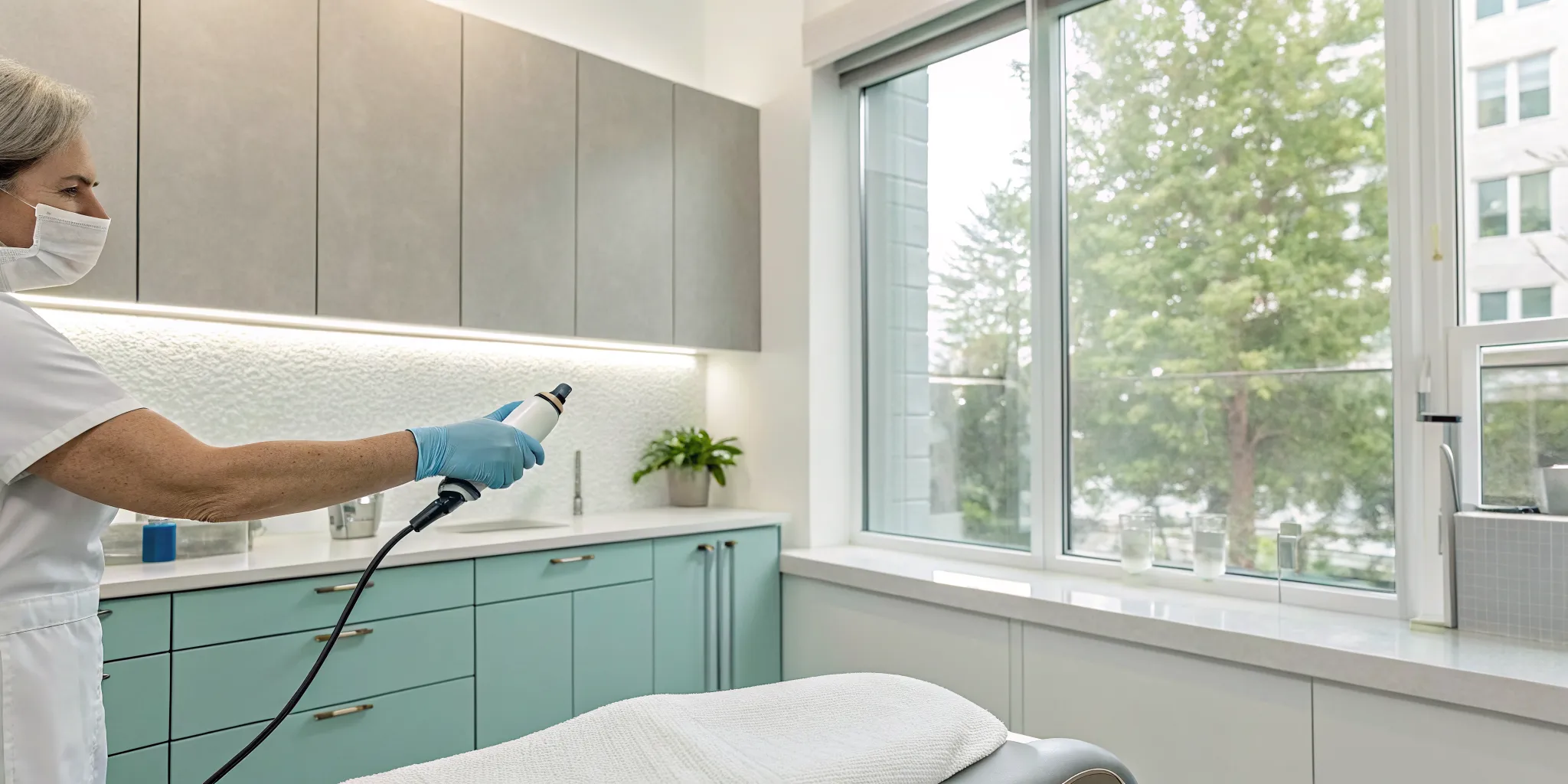
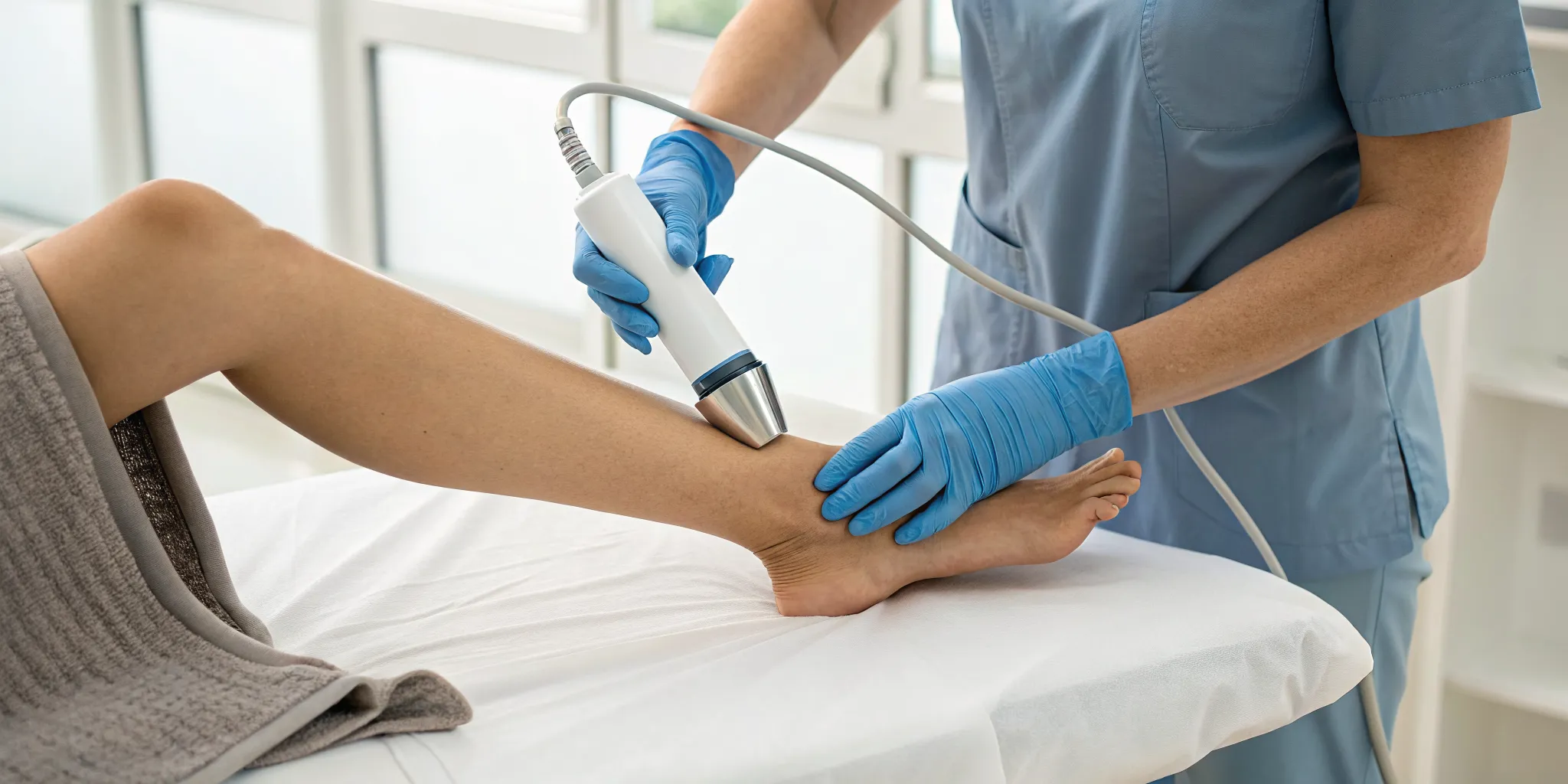
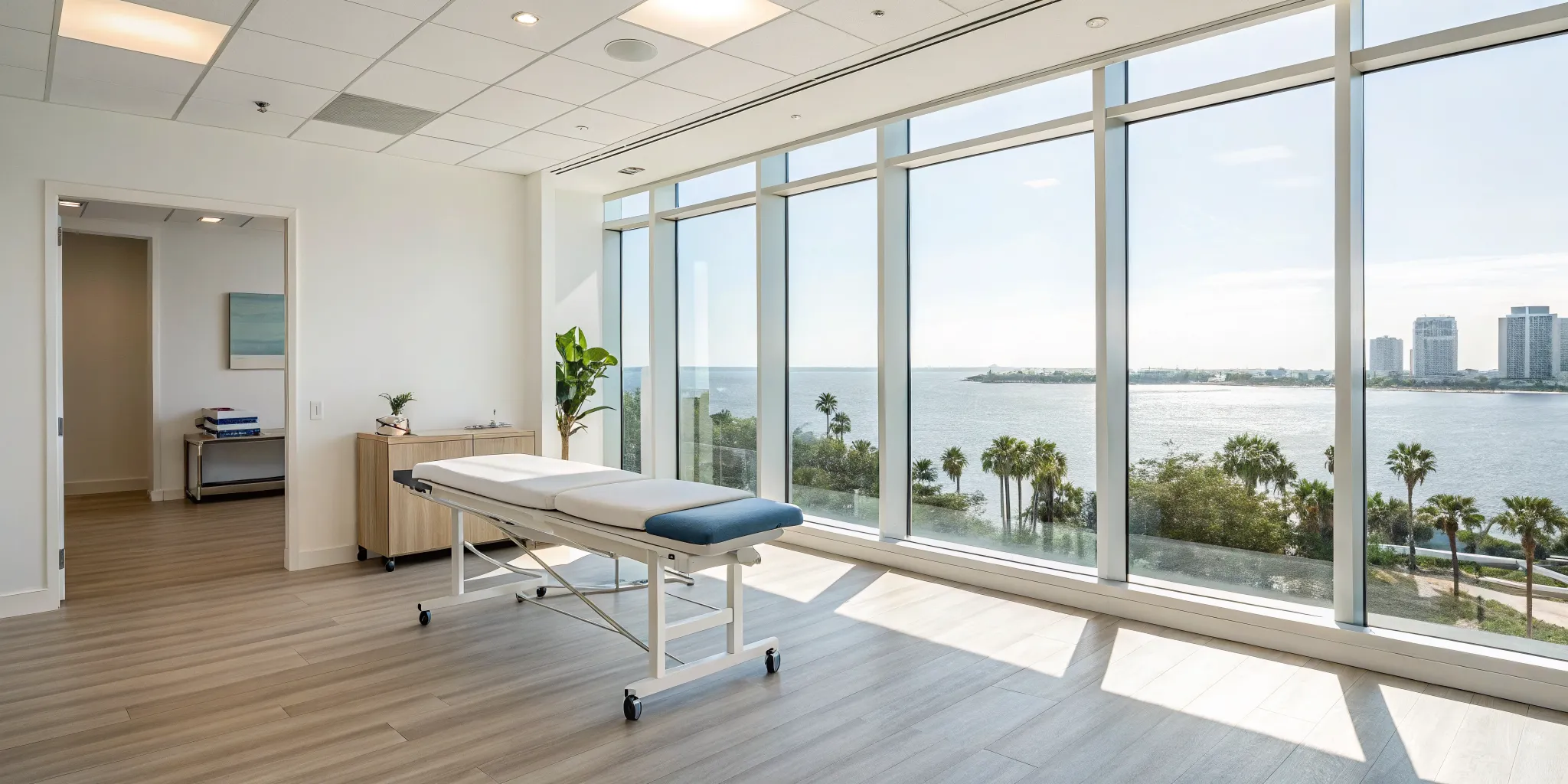
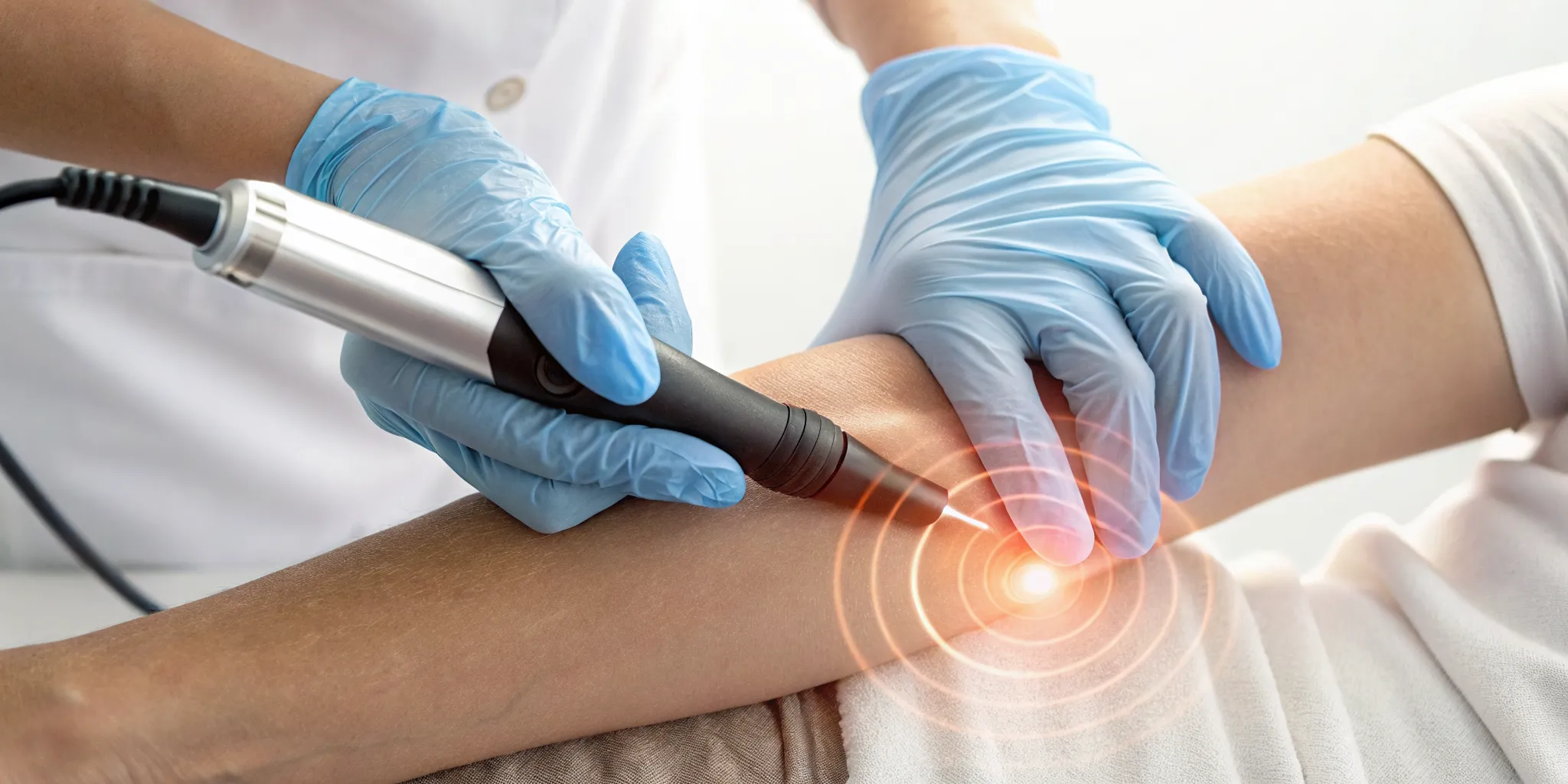
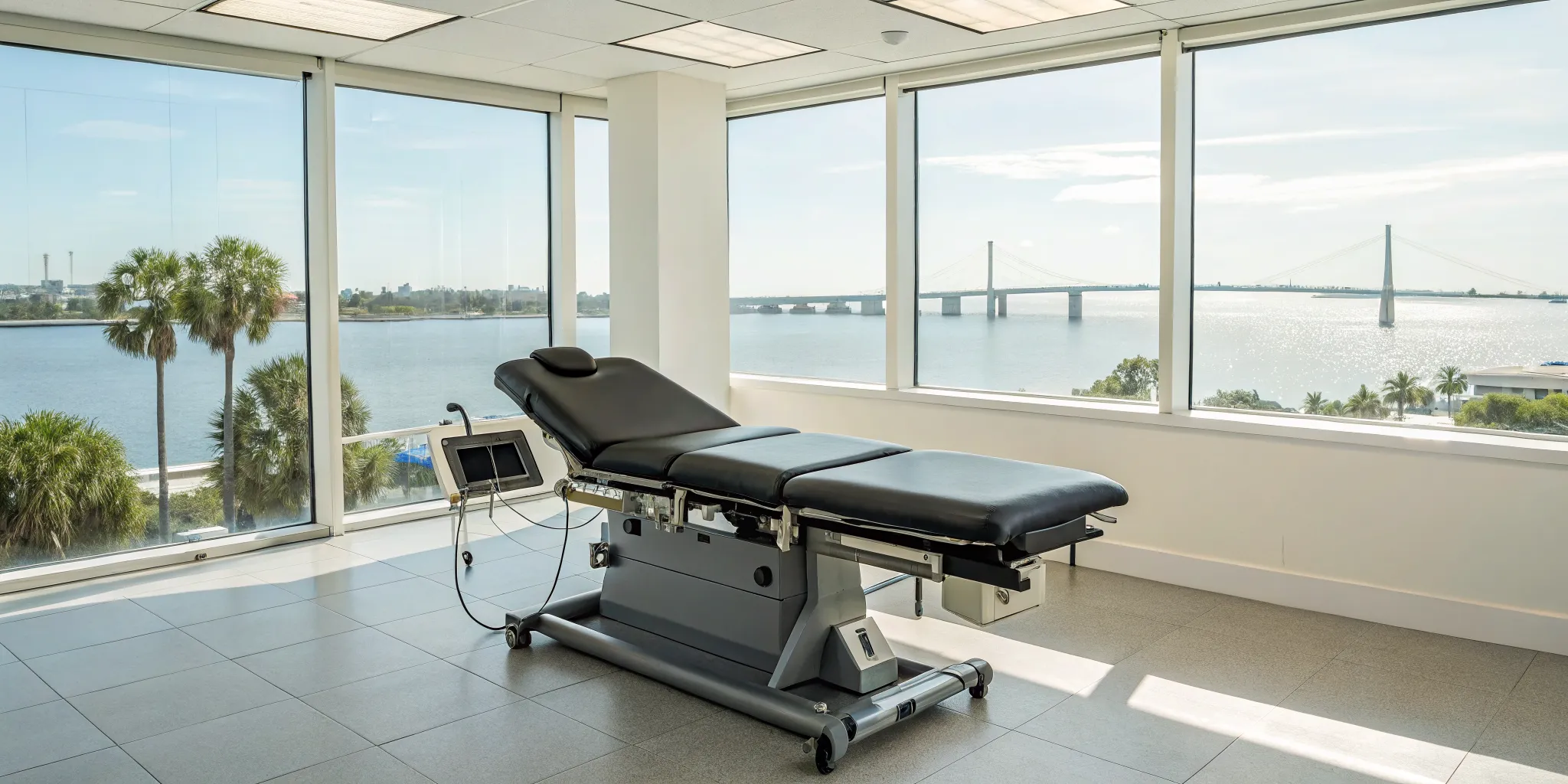
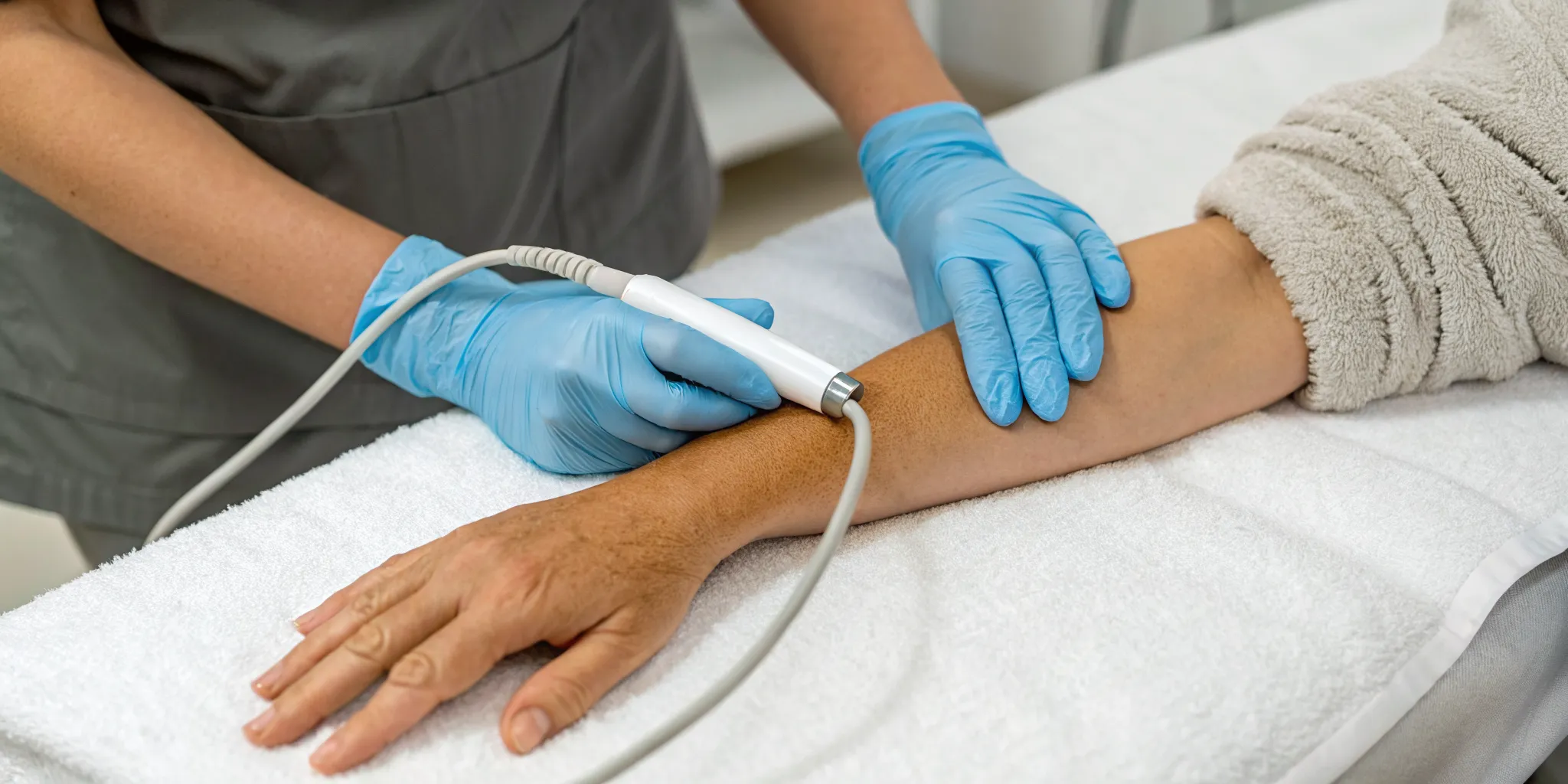
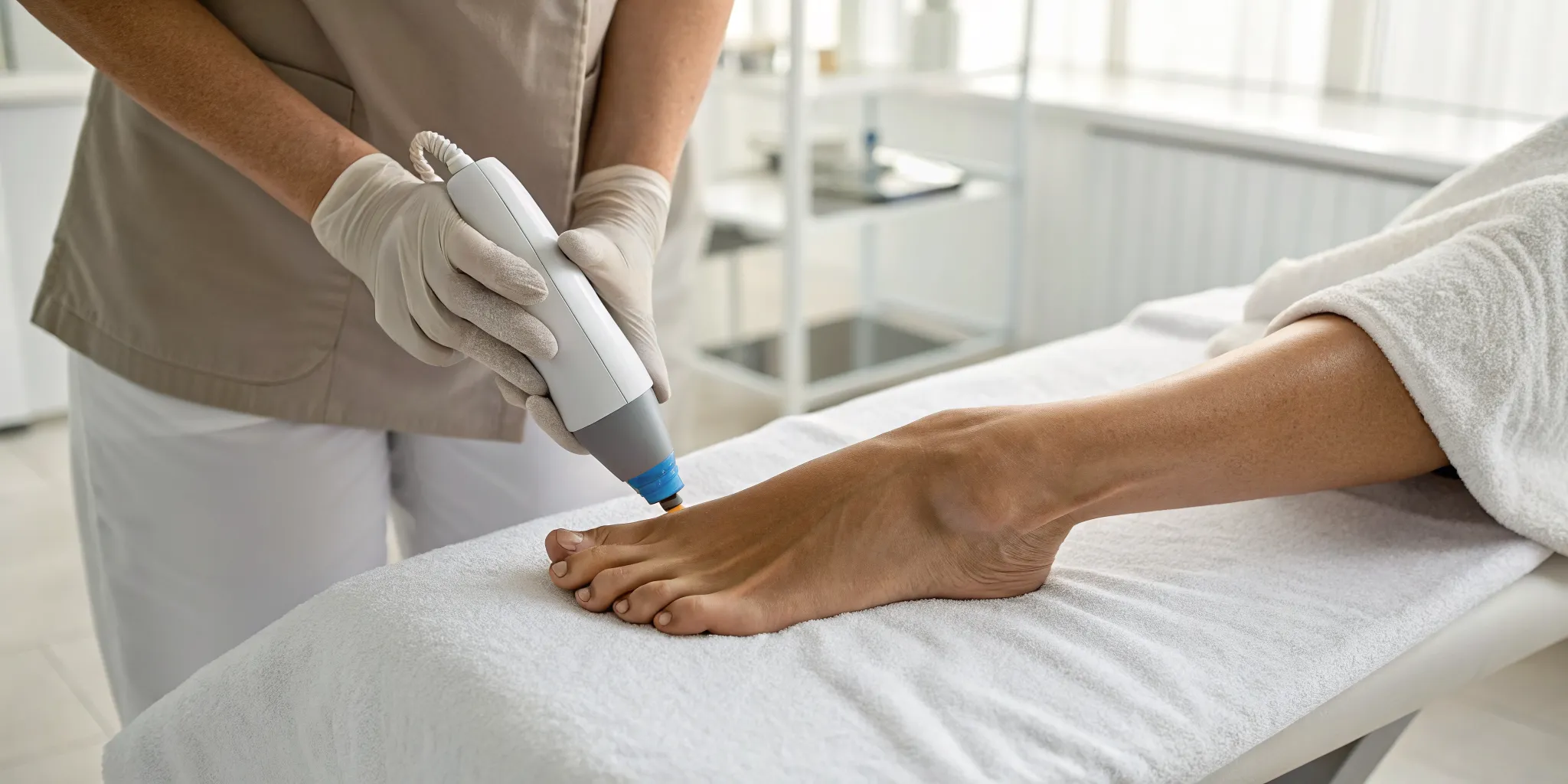
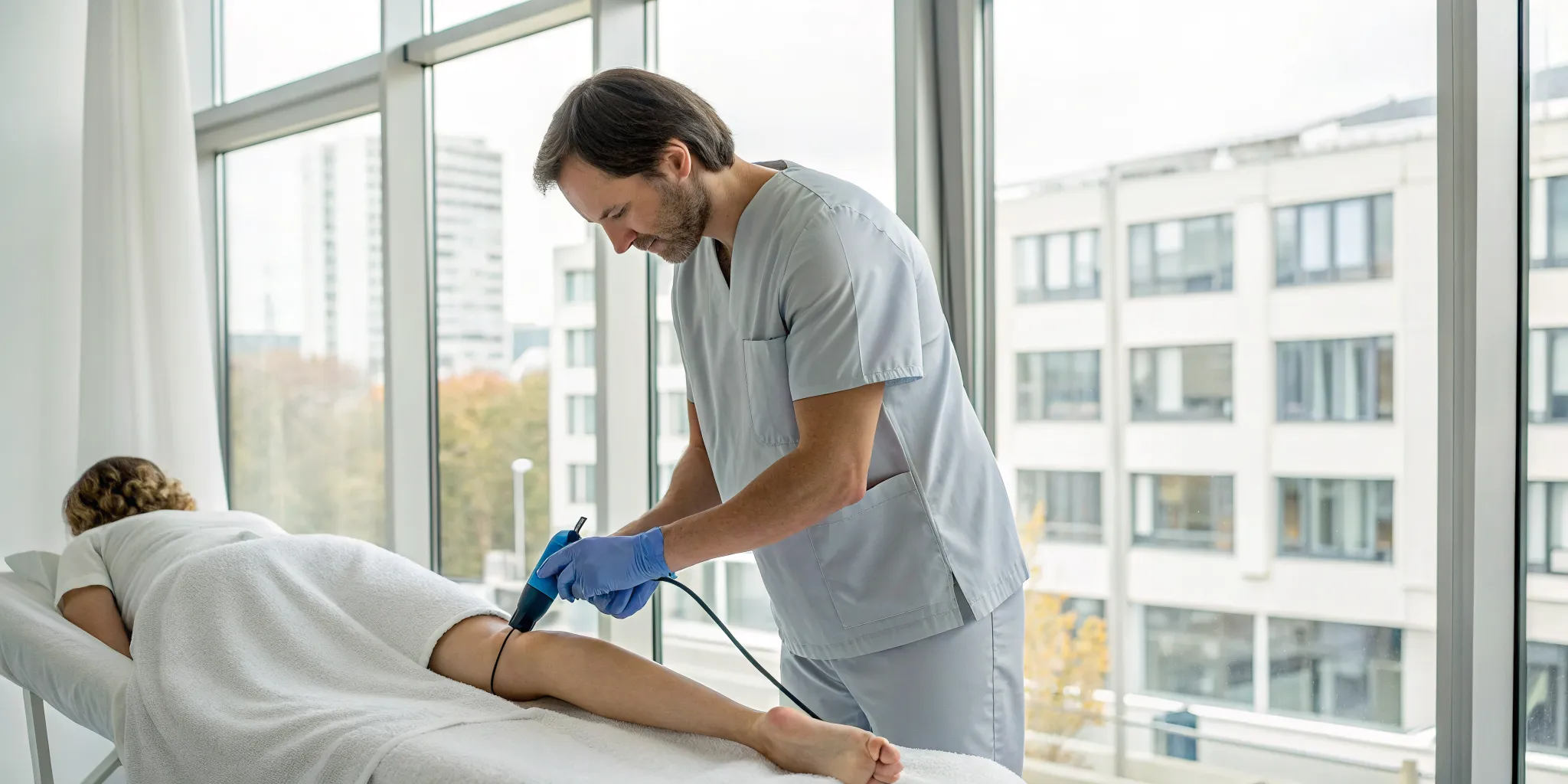
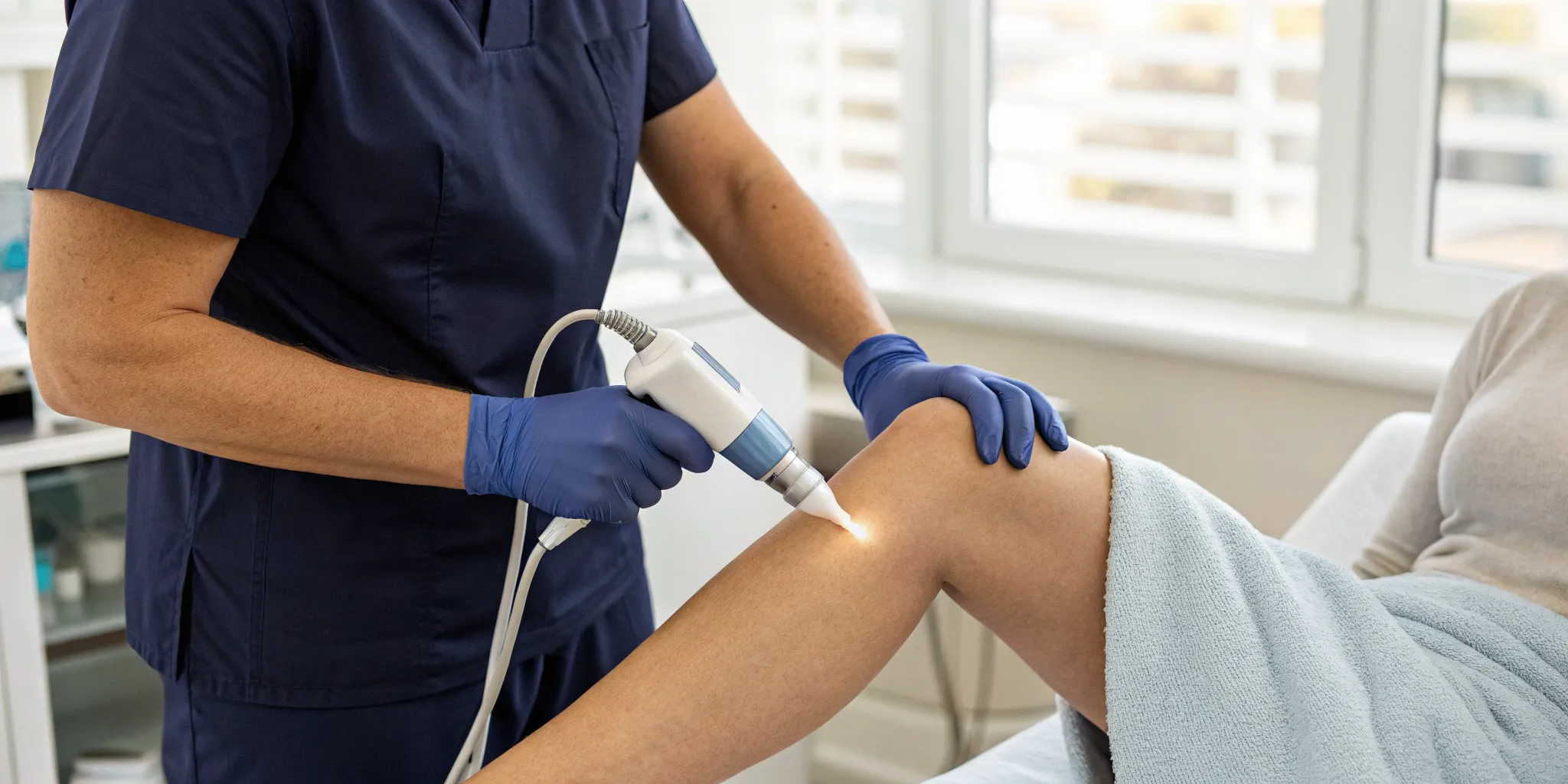
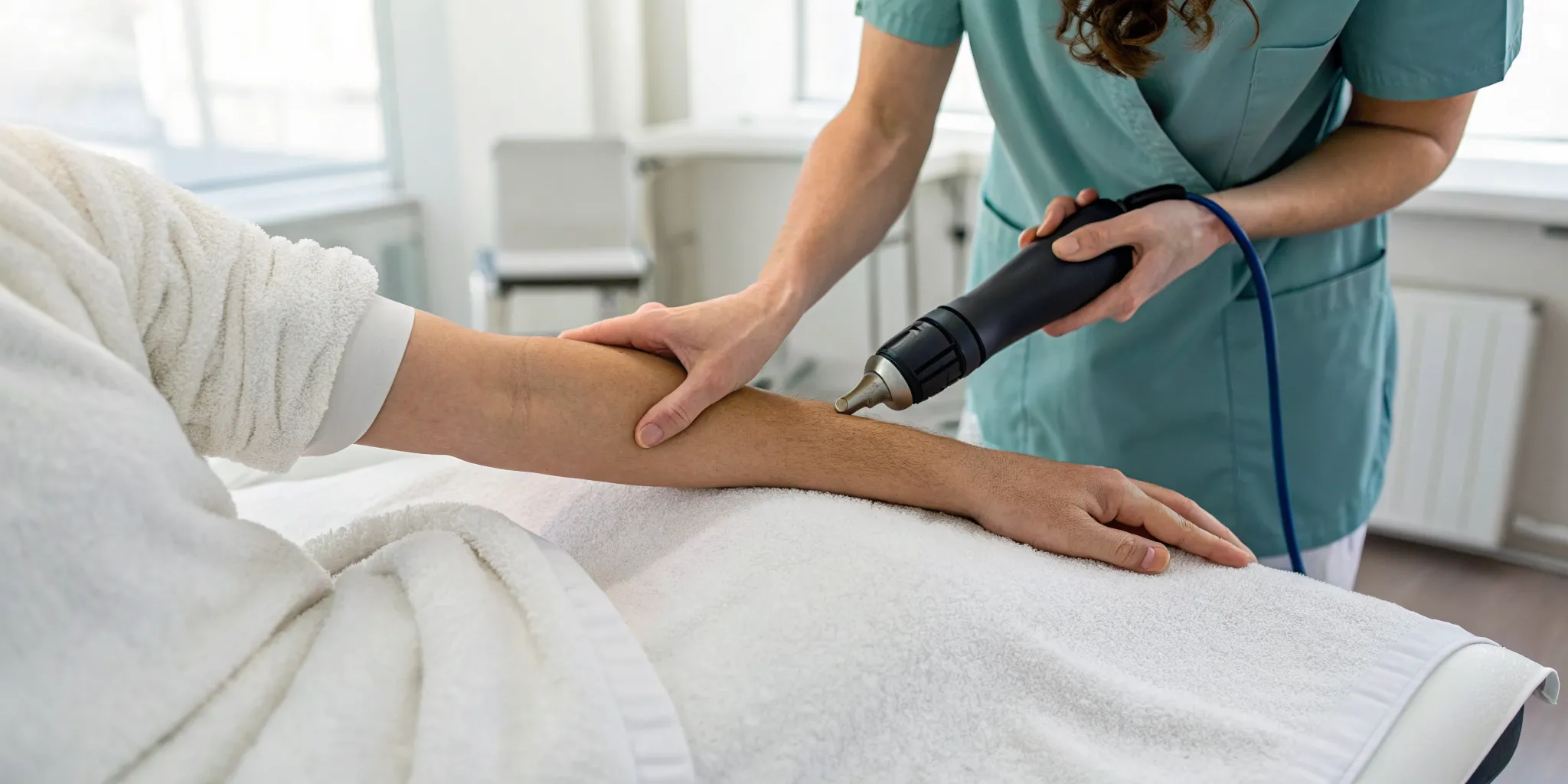
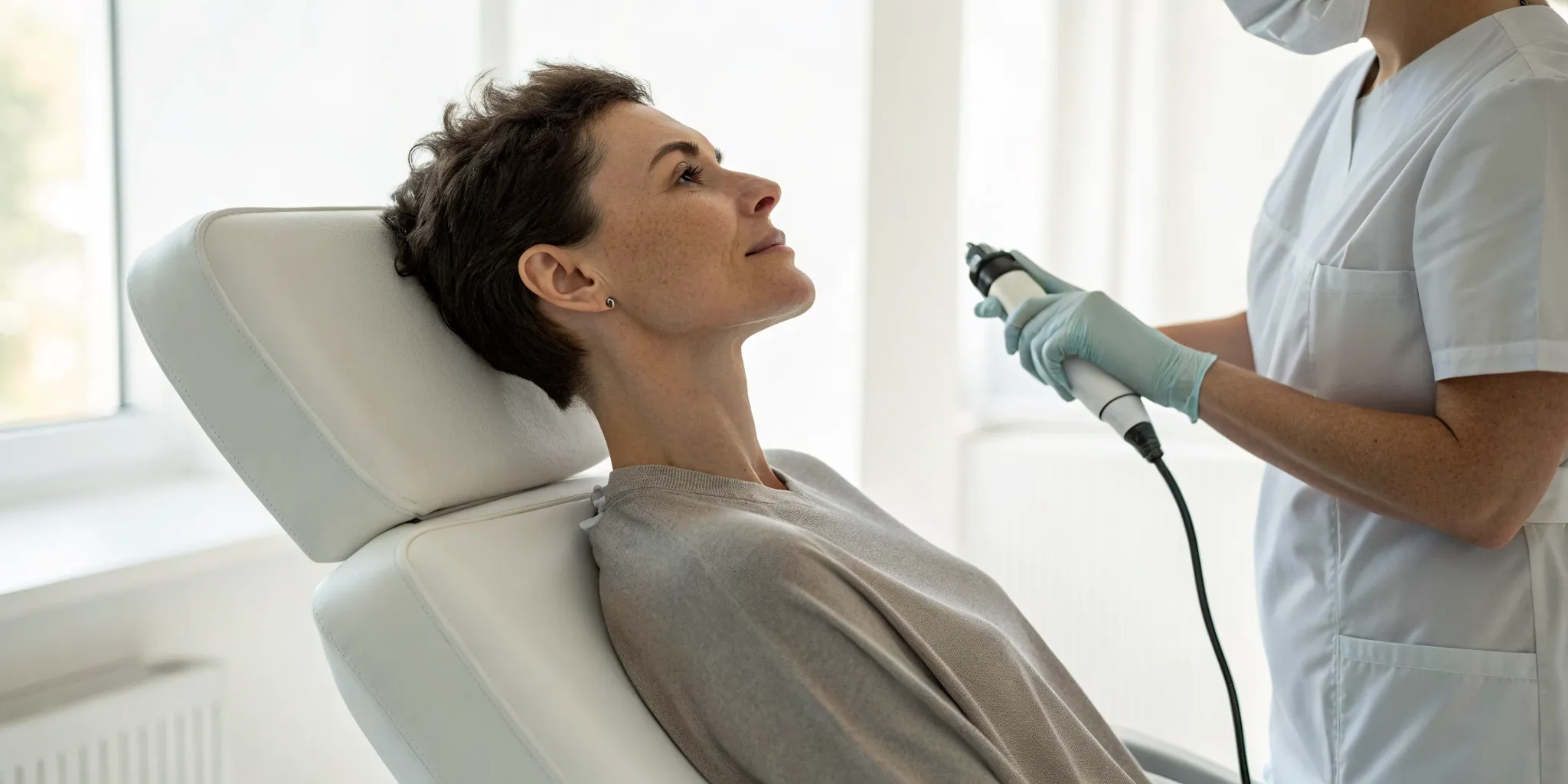
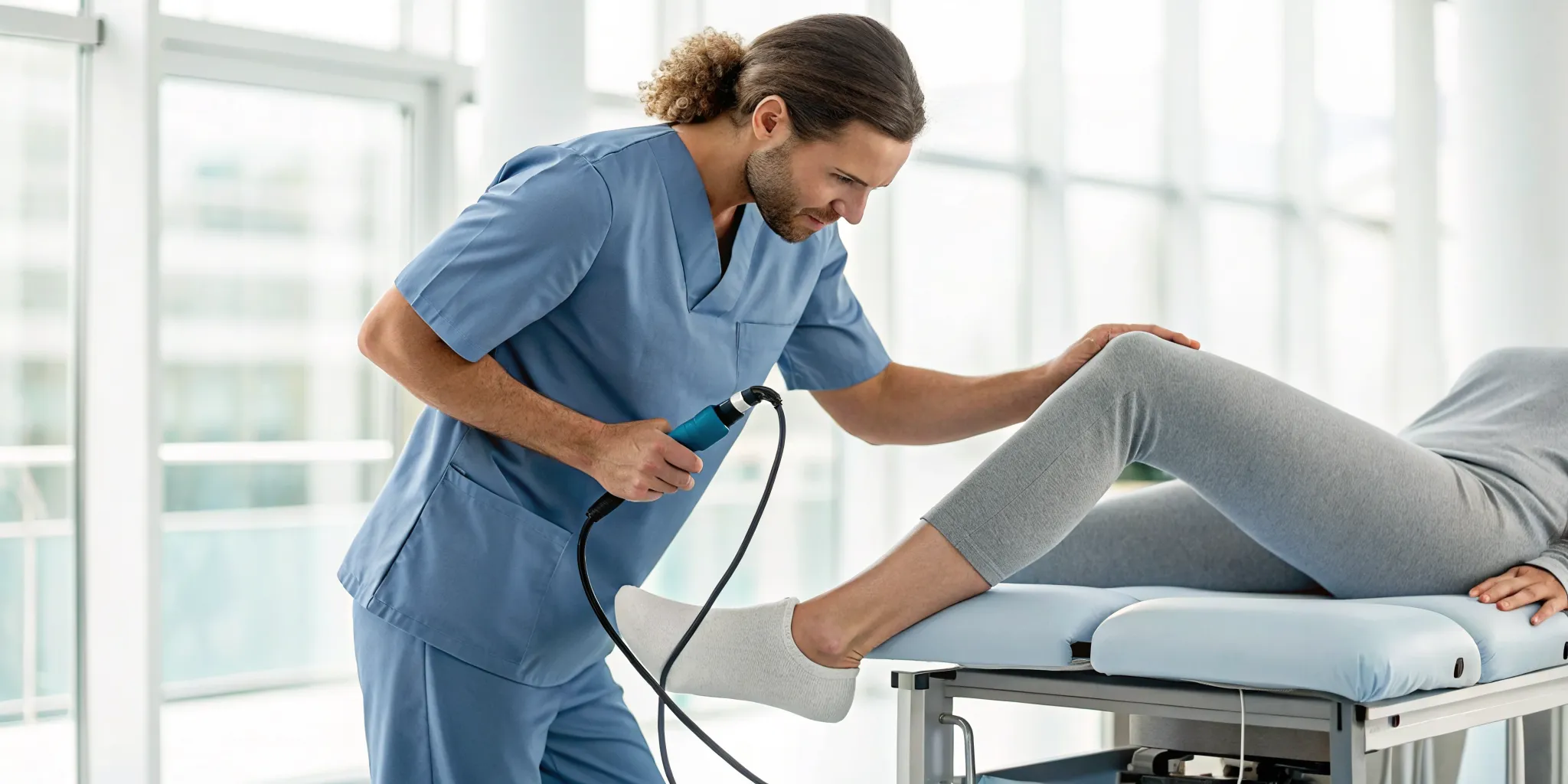
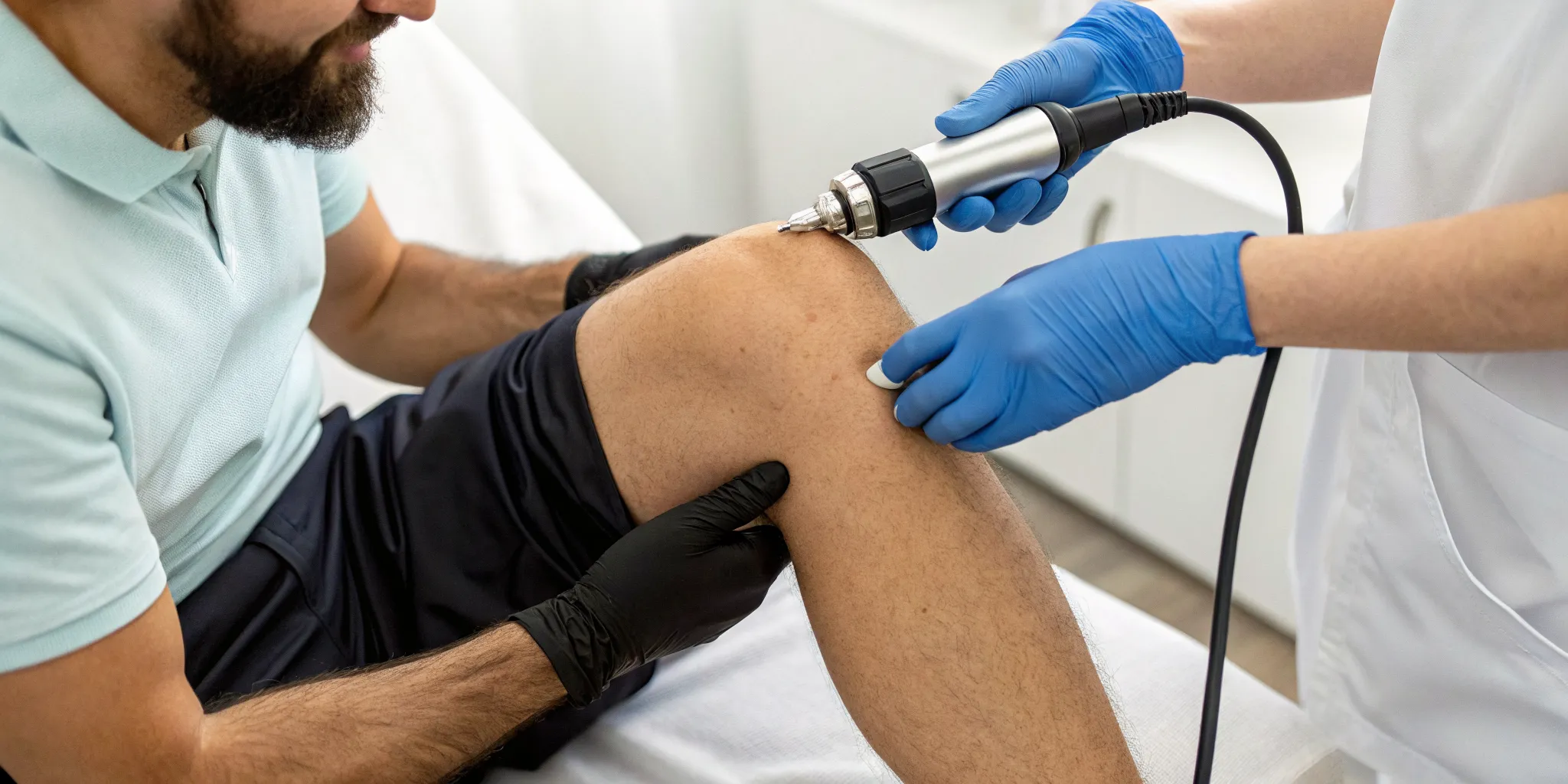
Once your clinician identifies an appropriate treatment area, you will be positioned comfortably while the device is applied to the skin. SoftWave uses acoustic energy without incisions, injections, or surgery. Most people remain awake and can communicate throughout the session.
You may feel pulses, tapping, pressure, or a brief sensation of intensity as the device moves across the treatment area. Sensation can vary based on the location being treated and the condition of the tissue. Your clinician can adjust the application as needed to keep the experience tolerable and clinically appropriate. The purpose is not to force a painful response. It is to deliver a focused regenerative treatment within a carefully designed protocol.
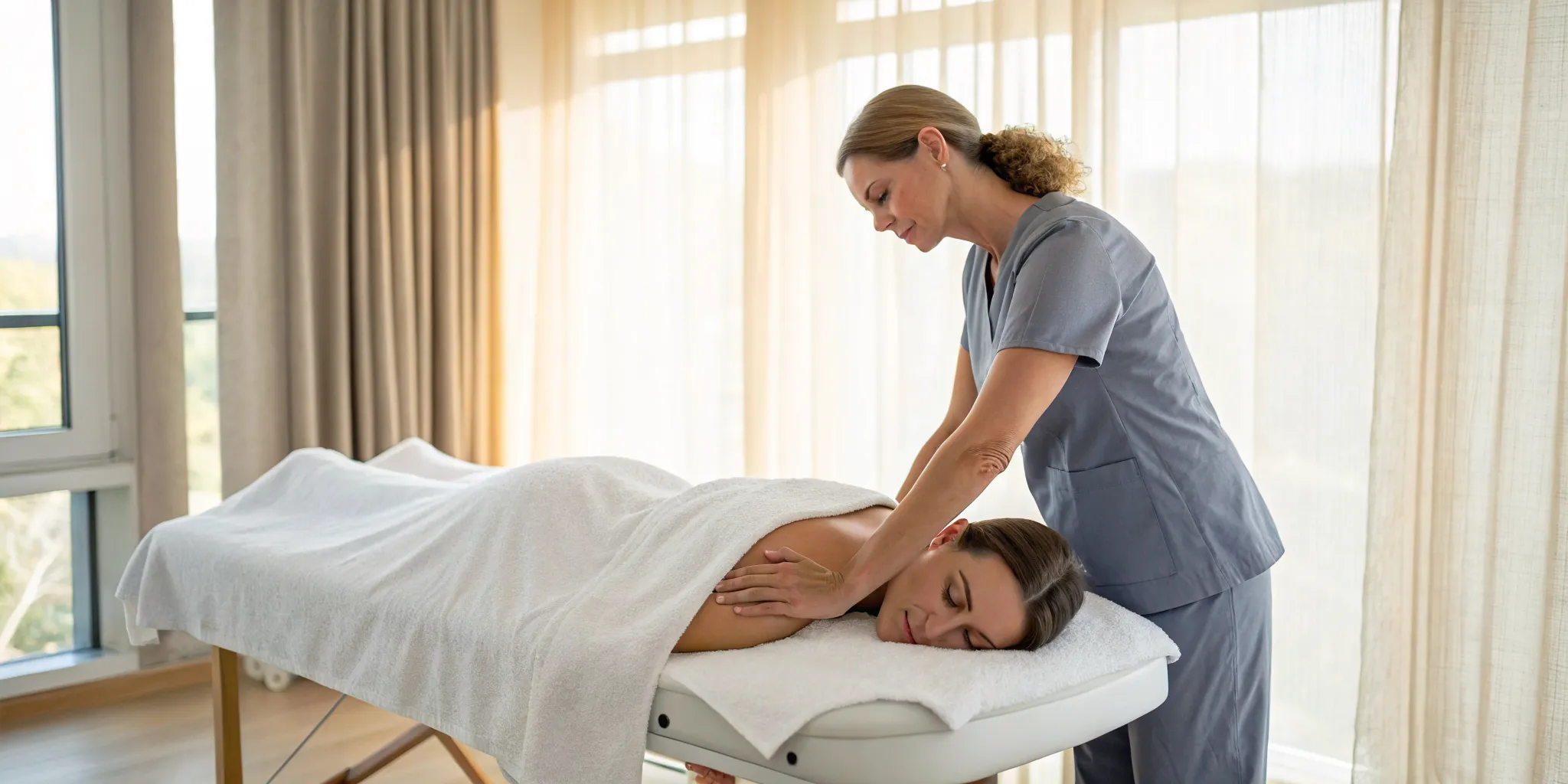
Because the treatment is non-invasive, there is generally no surgical recovery period or required downtime. Your clinician will still explain any activity guidance that applies to your specific situation. Follow those recommendations closely, especially if SoftWave is being combined with corrective care, rehabilitation, or another treatment.
After the session
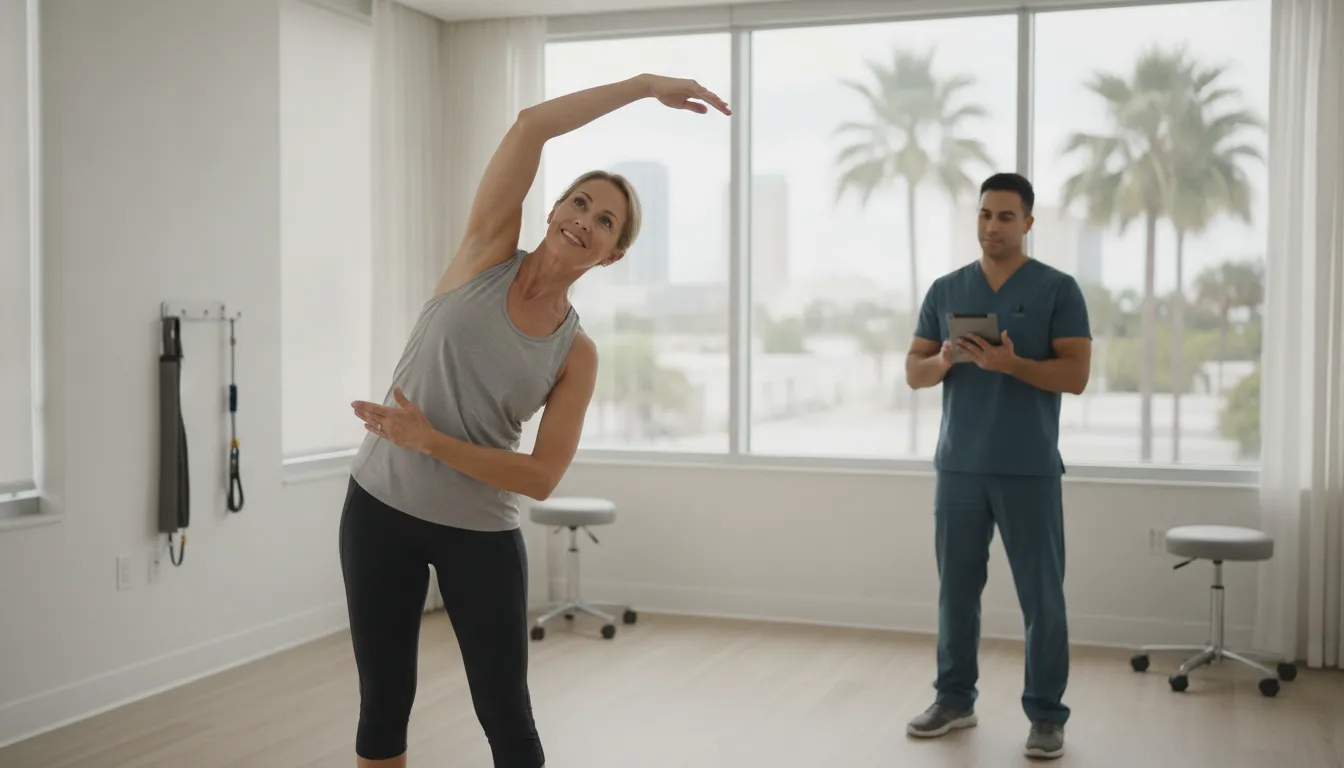
Follow-up is an important part of the process. Your care team may monitor changes in symptoms, movement, function, and other relevant outcomes over time. These observations help determine whether your protocol should continue as planned or be refined as your body responds.
To learn more about the clinical process, visit SoftWave therapy at Ascend. If you are ready to discuss whether this approach fits your needs, schedule a consultation with the Ascend Functional Health team.
Why Pursue SoftWave Through a Root-Cause Plan?
A root-cause plan places SoftWave within a broader strategy for understanding why pain or restricted function developed. Rather than treating a symptom in isolation, Ascend uses diagnostic information and a personalized protocol to support the body's innate healing responses and track meaningful progress.
SoftWave is part of Ascend Functional Health's Regenerative Medicine pillar. Extracorporeal shockwave therapy has been studied as a non-invasive approach for musculoskeletal disorders, with acoustic energy creating tissue responses that may support vascularization, cell proliferation, and tissue regeneration. These effects help explain why shockwave therapy shows potential as a regenerative medicine technique for certain musculoskeletal injuries.
That potential does not make SoftWave a universal answer or a substitute for a complete evaluation. The same complaint can have different contributing factors. A persistent tendon concern may relate to movement patterns, previous injury, training load, joint mechanics, or broader health considerations. Understanding those factors helps determine whether SoftWave belongs in the plan, what other care may be appropriate, and how progress should be assessed.
This is where functional medicine can complement regenerative care. Functional medicine looks beyond the immediate symptom to evaluate the systems and patterns that may influence a person's health. In an appropriate case, that root-cause perspective can be considered alongside physical examination, movement assessment, imaging, laboratory information, or other diagnostic findings. The goal is not to add testing for its own sake. It is to make the care plan more specific to the individual.
Ascend also distinguishes its SoftWave approach from a generic pain-only treatment. The practice uses SoftWave as its gold-standard, FDA-cleared device and frames treatment around the patient's findings, goals, and response over time. The plan may focus on functional measures such as range of motion, activity tolerance, strength, or the ability to perform a work or exercise task with less limitation. Patient-reported symptoms still matter, but they are considered alongside practical outcomes.
Research on shockwave therapy describes responses that may contribute to pain improvement and healthier tissue function, but results can vary by condition, tissue, severity, and patient factors. A responsible plan therefore avoids promises of a cure or instant relief. It establishes realistic milestones, reviews how the body responds, and adjusts the broader strategy when the evidence points in another direction.
To understand how this approach may apply to your situation, review SoftWave therapy at Ascend Functional Health and discuss your history with the care team. A consultation can help determine whether SoftWave is appropriate and how it may fit within a personalized regenerative medicine plan.
Book a consultation to discuss SoftWave therapy
Frequently Asked Questions
What is SoftWave therapy?
SoftWave therapy is a non-invasive form of extracorporeal shockwave therapy that uses focused acoustic energy to create a controlled mechanical stimulus in targeted tissue. At Ascend, it is positioned within Regenerative Medicine and selected as part of a personalized evaluation rather than as a stand-alone promise of results.
How does SoftWave therapy work?
The device delivers acoustic waves to a selected treatment area. This stimulus may support local circulation, cellular activity, and the body's normal tissue-repair processes. Your provider determines whether the approach fits your symptoms, examination findings, and broader care plan.
What is the difference between SoftWave and standard shockwave therapy?
Shockwave therapy describes a broader treatment category, while SoftWave is a specific FDA-cleared device that uses electrohydraulic-generated acoustic waves and a focused treatment geometry. Ascend uses SoftWave as its preferred, gold-standard device and distinguishes it from generic shockwave equipment.
Is SoftWave therapy non-invasive?
Yes. SoftWave is delivered externally through the skin and does not require an incision or surgery. Whether you need activity modifications or additional care depends on the area being treated, your condition, and the recommendations made during your evaluation.
What conditions can SoftWave therapy treat?
SoftWave may be considered for selected musculoskeletal concerns, including certain tendon injuries and persistent pain patterns. Suitability varies by person, so an Ascend provider reviews your history and findings before recommending a protocol or combining SoftWave with other services.
Ready to Explore SoftWave Therapy?
A consultation can help you understand whether SoftWave therapy fits your current concerns, goals, and broader care plan. At Ascend Functional Health, the conversation is an opportunity to review what you have been experiencing. Discuss relevant history, and consider whether a personalized regenerative approach makes sense for you. You can ask questions about the process, what treatment may involve, and how it could fit within a root-cause-focused plan. There is no need to decide before you have the information needed to make a thoughtful choice. If you would like to learn more, contact the Ascend Functional Health team in Tampa to schedule a SoftWave therapy consultation.
Schedule a SoftWave therapy consultation
This article is for educational purposes and is not medical advice. It is not a substitute for an evaluation by a qualified healthcare provider. Always consult your own clinician before starting, changing, or stopping any treatment.