Peptide therapy can sound like the next step when energy, recovery, or body composition will not budge. The useful question is narrower. Learning how to decide if peptide therapy fits means checking whether a clinician-built protocol matches your goal, your history, and the labs already in front of you. A name you saw online is not a plan, and it should not be the reason you book.
How Do You Decide if Peptide Therapy Fits Your Goal?
Peptide therapy fits when a licensed clinician can tie one clear goal to your history and labs, and when a supervised protocol is a better next step than another round of guessing. It does not fit as a shortcut you pick from a list.
Start with the outcome you can describe in one sentence. Faster recovery after training, stubborn body composition, sleep and energy that stay flat, or a longer-range health plan you want supervised are the kinds of goals Tampa patients bring to peptide care options. A vague wish to feel optimized is too wide to judge. If you need three sentences to explain the goal, you are not ready to judge fit yet.
Write that sentence down before you compare clinics. Include what changed, how long it has lasted, and what you hope would be different in ordinary weeks, not on a perfect day. A goal you can say out loud is easier for a clinician to test. A mood you cannot describe will not become clearer because a protocol has a scientific name.
Then ask whether that goal still needs a workup. Ascend Functional Health looks at movement, physiology, and long-term performance together, not a single product. If back pain, a training injury, or a gut pattern is the real limiter, peptide therapy may be the wrong first door. Physical medicine or a functional medicine workup can come first, and a peptide protocol can wait until the picture is clearer.
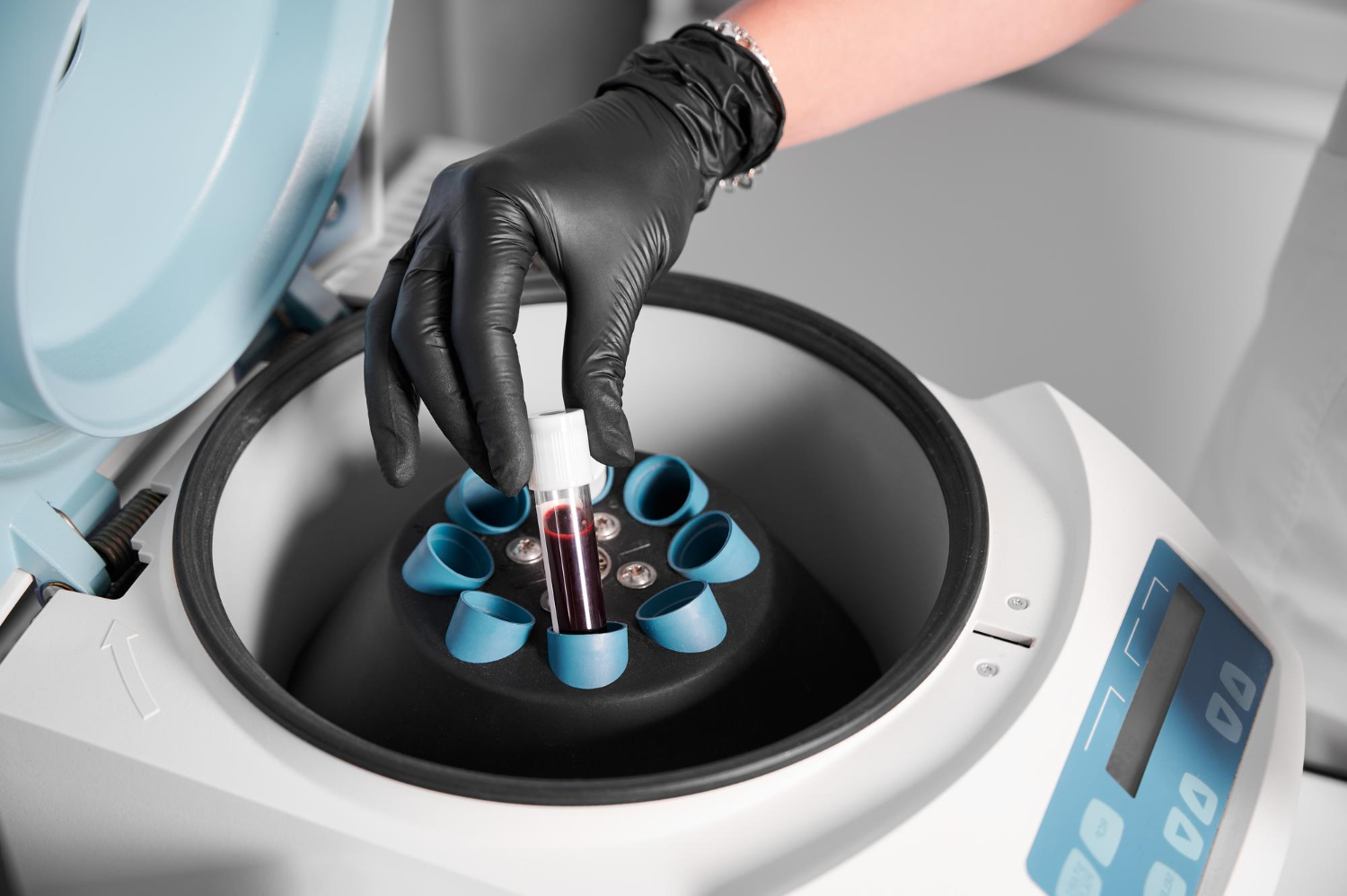
Fit also depends on supervision. The peptide therapy page states that the practice uses pharmaceutical-grade peptides inside an evidence-based framework, prescribed by the licensed medical team after a consultation and appropriate lab work. Specific options vary with current compounding guidelines. If you want a protocol you run on your own, this model will not match you, and that is a useful answer rather than a rejection.
Which Path Shows How to Decide if Peptide Therapy Fits?
A supervised plan starts with a consult and labs, then a protocol that can change. A self-directed path starts with a product name. Only the first path matches how this clinic works.
Use the contrast below before you spend time comparing peptide names. The point is the path, not a ranking of compounds. Read each row as a yes or no, not as a score to negotiate.
| Decision point. | Fits a supervised plan. | Does not fit yet. |
|---|---|---|
| Goal. | One outcome you can explain. | A trend, or several goals at once. |
| Starting point. | History and labs guide the choice. | You already chose the compound. |
| Oversight. | A licensed team follows the plan. | You expect to adjust it alone. |
| Timing. | Other care questions are in view. | Pain or gut issues are unexamined. |
| Expectation. | You want a monitored next step. | You need a result by a set date. |
People often arrive after reading a uses guide. That reading is helpful context. It is not the decision. What peptide therapies are explains the categories people ask about. This page stops at whether you should pursue a protocol at all, and it leaves the catalog on that other page.
A second trap is treating a friend's protocol as evidence about you. Their training age, labs, and sleep are not yours. A match on the surface, such as the same sport or the same decade of life, does not make their plan a fit. Bring your own record, and let the clinician decide whether any protocol belongs in it.
What Should You Rule Out Before You Say Yes?
Say not yet when the main problem is still unnamed, when you cannot accept lab-based oversight, or when the timeline only works if the protocol performs on a deadline. Those are fit problems, not dosing problems.
Walk through these checks in order. Stop at the first one you cannot answer honestly.
- Name the goal in plain words, and note how long it has been present.
- List what you have already tried, including training, food, sleep, and prior visits.
- Ask whether pain, digestion, sleep, or hormones might explain the same complaint.
- Confirm you can attend a consult and complete the labs the clinician requests.
- Drop any compound you hoped to start before that visit.
Ascend serves patients across Tampa, South Tampa, Wesley Chapel, and nearby communities. Local access matters only after the checks above. A short drive does not make a protocol appropriate, and a familiar zip code is not a clinical reason to begin. The Tampa service area tells you the clinic is nearby. It does not tell you that you are a candidate.
Compounded drugs sit under federal rules, and availability can change. The FDA explains how bulk substances are considered for compounding under section 503A of the Federal Food, Drug, and Cosmetic Act on its bulk drug substances compounding page. A careful clinic will tell you when a peptide you asked about is not an option. That limit is part of the fit decision, not a hurdle to talk around.
If a clinic cannot explain why a compound is or is not available, pause. The right answer may be that the option changed. You should be able to hear that without being steered to a substitute you did not need. Fit includes the honesty of that conversation.

When Should You Pause Instead of Starting?
Pause when you are still shopping for a compound, when a bigger health question is unexamined, or when you would only continue if someone promised a result. A pause is a decision. It is not a failure to act.
Shopping shows up in a specific way. You have a short list of names, a preferred schedule, and a result you already pictured. None of that uses your labs. In that spot, more reading about categories will not help. Put the list away and book a conversation only if you can leave the choice with the clinician.
An unexamined question is different. Knee pain that changes how you train, bloating that tracks with meals, or fatigue that never got bloodwork are reasons to look elsewhere in the practice first. Ascend's model puts physical medicine, functional medicine, and regenerative options such as peptide therapy side by side so the first step can match the problem. Peptide therapy is one regenerative option. It is not the default.
The third pause is about promises. No careful clinic can promise a body-composition change, a recovery timeline, or a change in how you feel. If you need that promise to say yes, you are not deciding about fit. You are asking for a promise this kind of care does not make. Bloodwork panels can come before any protocol, especially when energy or hormones are still unexplained.
Use the pause to gather a cleaner story. Two weeks of notes on sleep, training, and symptoms will make a later visit more useful than another night of comparing names. You can come back when the goal is one sentence and the open questions are written down.
Where Does How to Decide if Peptide Therapy Fits Change in Tampa?
In Tampa, the fit decision changes when the clinic looks at the whole picture instead of a compound list: how you move, what labs show, and whether a peptide protocol belongs in a broader plan.
The practice was built for people who want clarity instead of symptom chasing. Plans are personalized, and progress is meant to be measured. In peptide care, that shows up as physician-supervised protocols based on health history, lab results, and goals. The live site also offers longevity medicine when the goal is longer-range recovery and function, and functional medicine when digestion, energy, or bloodwork needs a closer look first. Both are published services, not add-ons invented for this article.
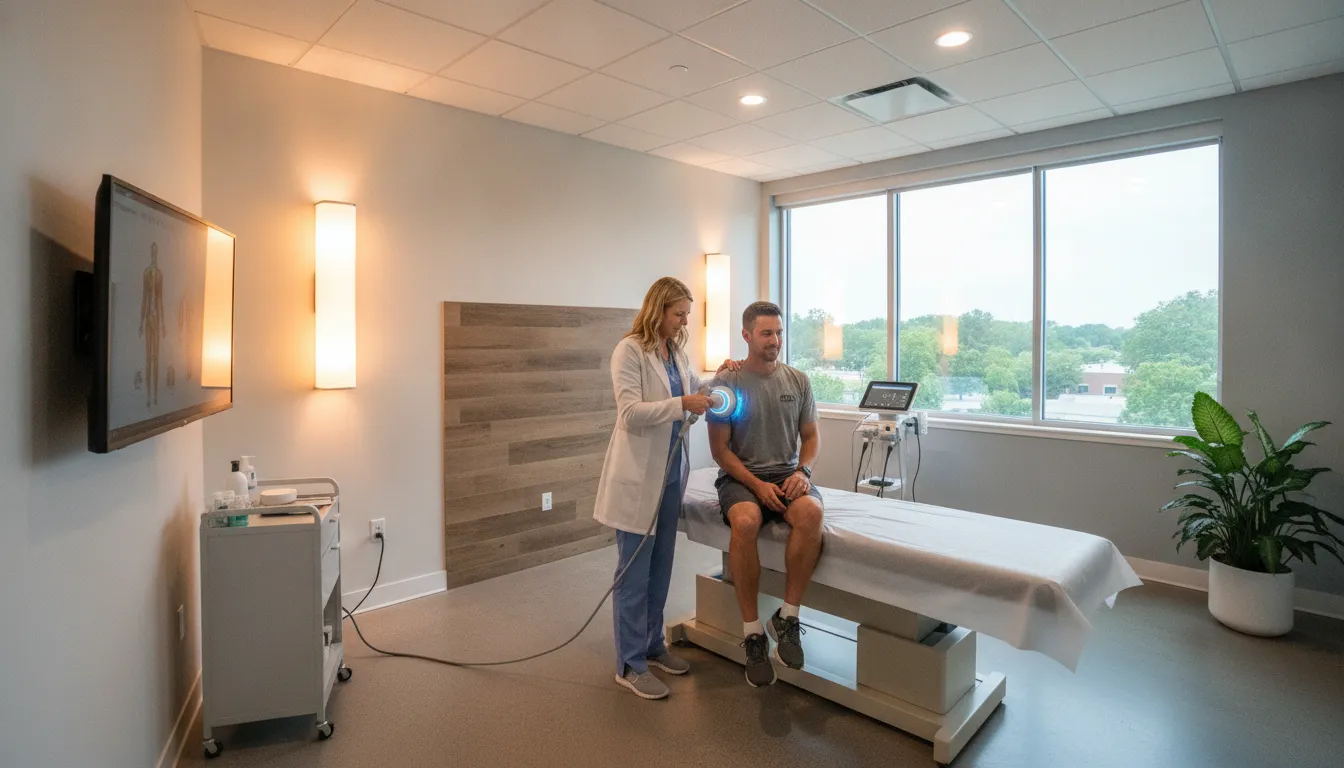
Patients who are unsure can also start with the physical medicine team so the full picture is assessed before any protocol is built. The peptide therapy page says that directly. That option matters if training recovery or pain is the reason you searched. A peptide discussion can follow. It does not have to lead, and you should not feel pushed toward it.
Some patients also ask about pairing peptides with hormone replacement therapy. The peptide page notes that hormonal balance can influence how a protocol is considered. That pairing is still a clinician decision after labs. It is not a reason to arrive with both plans already chosen.
Bring a short record so the visit can test fit instead of reconstructing your story from memory:
- Your one-sentence goal and the date it started to matter.
- Recent labs, if you have them, plus any hormone notes you already received.
- A list of what you have already changed in training, food, and sleep.
- Questions you want answered before you agree to anything.
Also bring the names of clinicians you have already seen and what they told you. Repeating a workup you finished last month wastes the visit. Hiding it does too. The fit judgment gets better when the record is complete, including results that were described as normal while you still felt off.

Safety screening, visit flow, and side-effect questions live on other pages. Read whether peptides are a safe next step and the peptide therapy consultation guide after you know the fit question is real. Do not treat those pages as a substitute for this decision. Published posts on this site use the /post/ path, and both of those URLs resolve there.
What Should You Do if the Answer Is Not Yet?
If peptide therapy does not fit yet, ask what should happen first and how you will know the question is worth reopening. A clear no, or a not yet, is a successful visit when it sends you to the right next step.
Often that next step is already inside the same practice. A movement exam, a functional workup, or a hormone conversation may explain the complaint better than a peptide protocol would. Agree on one next step, not three. Write down what result would make it reasonable to revisit peptides later, such as a change in pain, a completed lab panel, or a training block you can actually recover from.
If the answer is yes, keep the same discipline. You still have not chosen a compound in the waiting room. You have agreed to a supervised plan that can be adjusted, paused, or stopped. Ask how follow-up works, what you should report between visits, and which goals are realistic to discuss. Leave with a plan you could explain to a family member in a few sentences.
Either answer is better than starting because a post listed popular uses. The uses are context. The decision is whether this care matches you, right now, under a clinician who can see the rest of your health. That is the standard to use before you request time on the calendar.
Frequently Asked Questions
These answers cover the decision to pursue peptide therapy, not a catalog of uses or a visit script.
How do I know peptide therapy is worth a consult?
It is worth a consult when you have one clear goal, you want a clinician to decide candidacy from your history and labs, and you are willing to hear that the answer is not yet. Curiosity about a compound name is not enough on its own.
Can I choose the peptide before the visit?
No. At this clinic the licensed team chooses any protocol after consultation and lab work, and availability can change with compounding rules. Arriving with a fixed product in mind usually means the fit question has not been asked yet.
What if my real issue might be pain, gut symptoms, or hormones?
Then peptide therapy may not be the first step. Ascend can look at movement and functional testing before a protocol is built. You can still ask about peptides, but the fit decision waits on that broader picture.
Does a Tampa location make me a candidate?
No. Serving Tampa, South Tampa, and Wesley Chapel only tells you the clinic is nearby. Candidacy still depends on your goal, your history, and the clinician's judgment after a real review.
What should I do if I am told to wait?
Ask what to address first and what would make a later peptide conversation useful. Waiting is part of a careful plan when another problem is a better explanation for how you feel.
This article is educational. It is not medical advice, a diagnosis, or a promise of results. Talk with a qualified clinician before you change your care.