Mobility goals men over 40 can be most useful when they describe a task that matters in daily life, not an abstract wish to move better. If stiffness, limited range, or slower recovery affects work, recreation, or routine activities, a measured conversation can help clarify what to assess and how to review change.

Why set mobility goals with a provider?
A clear goal gives you and your provider a shared way to discuss movement, daily demands, and progress. It helps distinguish what you notice from assumptions about why it is happening.
Mobility can mean more than how far a joint moves. It may involve getting up from a chair, turning to check behind you, reaching overhead, walking through a workday, or returning to a valued activity. A task-based goal is easier to describe and revisit than a general wish to feel better.
A provider can consider your health history, symptoms, physical findings, and priorities together. The aim is to shape an appropriate plan and review your response, not promise a particular outcome or timeline. Ascend Functional Health organizes care around Physical Medicine, Functional Medicine, and Regenerative Medicine. A movement-focused discussion may begin with Physical Medicine and the concerns you bring forward.
Which movement changes are useful to describe?
Specific examples make a movement discussion more concrete. Describe the task, sensation, timing, and effect on what you want to do.
For several days, keep a brief factual record. Do not push a movement to test yourself; simply notice what happens during ordinary activity. A useful note is short and concrete: “After driving across town, standing felt stiff for a few minutes.” That is more informative than a broad label such as “I am out of shape,” because it records a task, setting, and pattern without assuming a cause.
- Name the task. Note whether it is walking, bending, reaching, turning, lifting an everyday object, or standing from a chair.
- Describe the sensation. Use plain words such as stiffness, pulling, discomfort, weakness, or reduced confidence.
- Record the setting. Was it early in the day, after sitting, after a long drive, or during a familiar recreational activity?
- Note the pattern. Say how long it lasts, whether it changes as you move, and what seems to make it better or worse.
- Explain the effect. Tell the provider what you avoid, modify, or need more time to complete.
- Share relevant context. Mention prior injuries, current care, changes in activity, and other health concerns that may matter.
For example, “My back feels stiff after a long meeting” gives more context than “I am inflexible.” You might add that standing becomes more comfortable after a few minutes, or that the sensation changes when you walk. These details do not establish a cause. They help your provider decide which questions and findings are relevant.
Compare sides only when that comparison occurs naturally and comfortably. There is no need to repeatedly stretch or push into discomfort to create a measurement. If symptoms are changing quickly or troubling you, say so and ask what kind of evaluation is appropriate.
How can you make a goal measurable and realistic?
A useful mobility goal connects a meaningful activity with an observable change. Keep it specific enough to revisit, while leaving room for refinement after the provider learns more about your situation.
Try this structure: “I want to do [task] with [desired change] in [ordinary setting].” For instance: “I want to turn comfortably when checking my blind spot,” or “I want to stand after a typical workday without needing several minutes to loosen up.” You can also describe a recreation goal, such as returning to a weekend walk without changing your route because of stiffness.
| Goal area | Example to discuss | Possible way to review |
|---|---|---|
| Daily task | Stand from a chair with less effort | Discuss comfort, confidence, and movement quality |
| Turning | Look over a shoulder more comfortably | Review relevant movement findings and the task itself |
| Work routine | Move between sitting and standing more easily | Note patterns across a typical work week |
| Recreation | Return to a familiar walk or hobby | Discuss tolerance, recovery, and symptom changes |
| Overhead activity | Reach a shelf without changing posture to compensate | Review the movement and context in which it occurs |
These are discussion examples, not prescribed activities or promises. A measurable goal does not have to use a number. If the task itself is the meaningful outcome, describing how often it happens and what makes it difficult may be enough to guide a conversation.
When a numeric measure is appropriate, ask who will take it, how it will be recorded, and whether the same method will be used later. A measurement is useful only when it relates to your concern and is interpreted in context. One isolated value should not replace your account of daily function.
It can help to separate the outcome from the route. “I want to carry my briefcase from the car to my office without stopping” describes an outcome. It does not prescribe a technique or a particular treatment. A provider can discuss whether the goal is suitable, what baseline details matter, and how it might be revisited. If the goal proves too broad, divide it into parts: getting out of the car, walking across the lot, then entering the building. This makes the discussion more specific without turning it into a rigid promise.
What might a movement evaluation consider?
An evaluation may consider your history, the tasks that matter to you, and relevant physical findings. The scope depends on your concern and the provider’s clinical judgment.
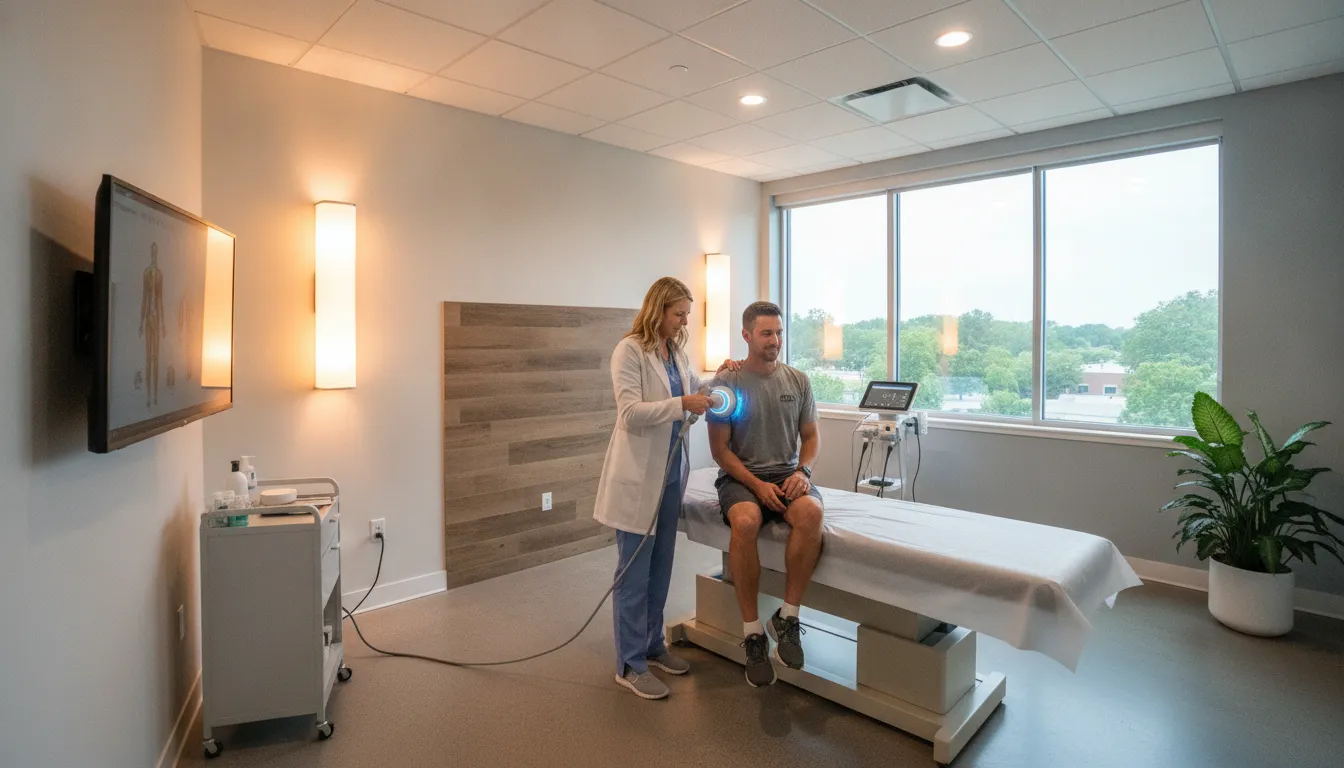
You can explain when the change began, how it has evolved, and whether particular positions or activities affect it. The provider may ask about prior care, general health, activity patterns, and priorities. A physical assessment may look at relevant movement, comfort, posture, or function. Ask what each step is intended to clarify and how it connects to your stated goal.
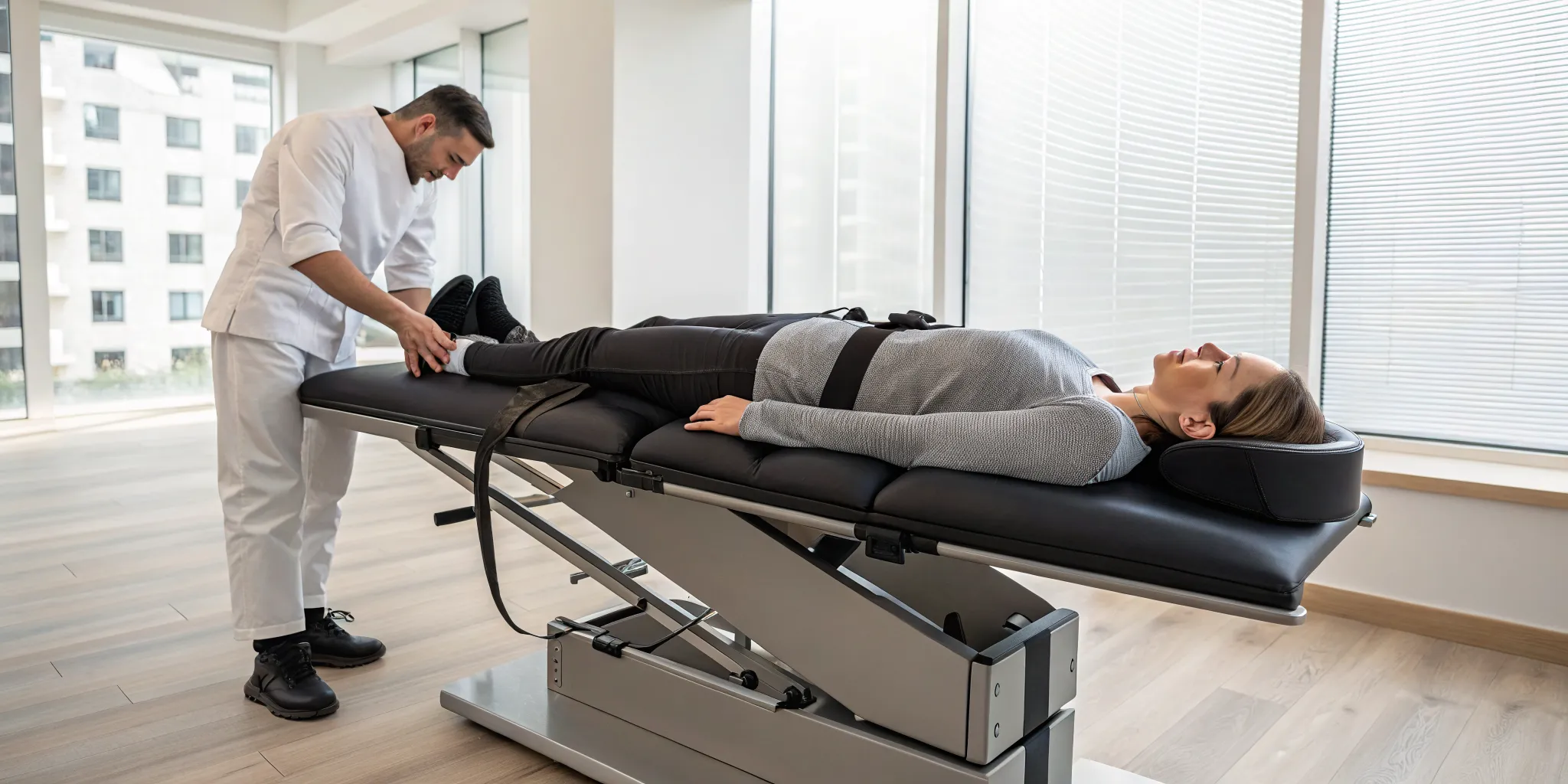
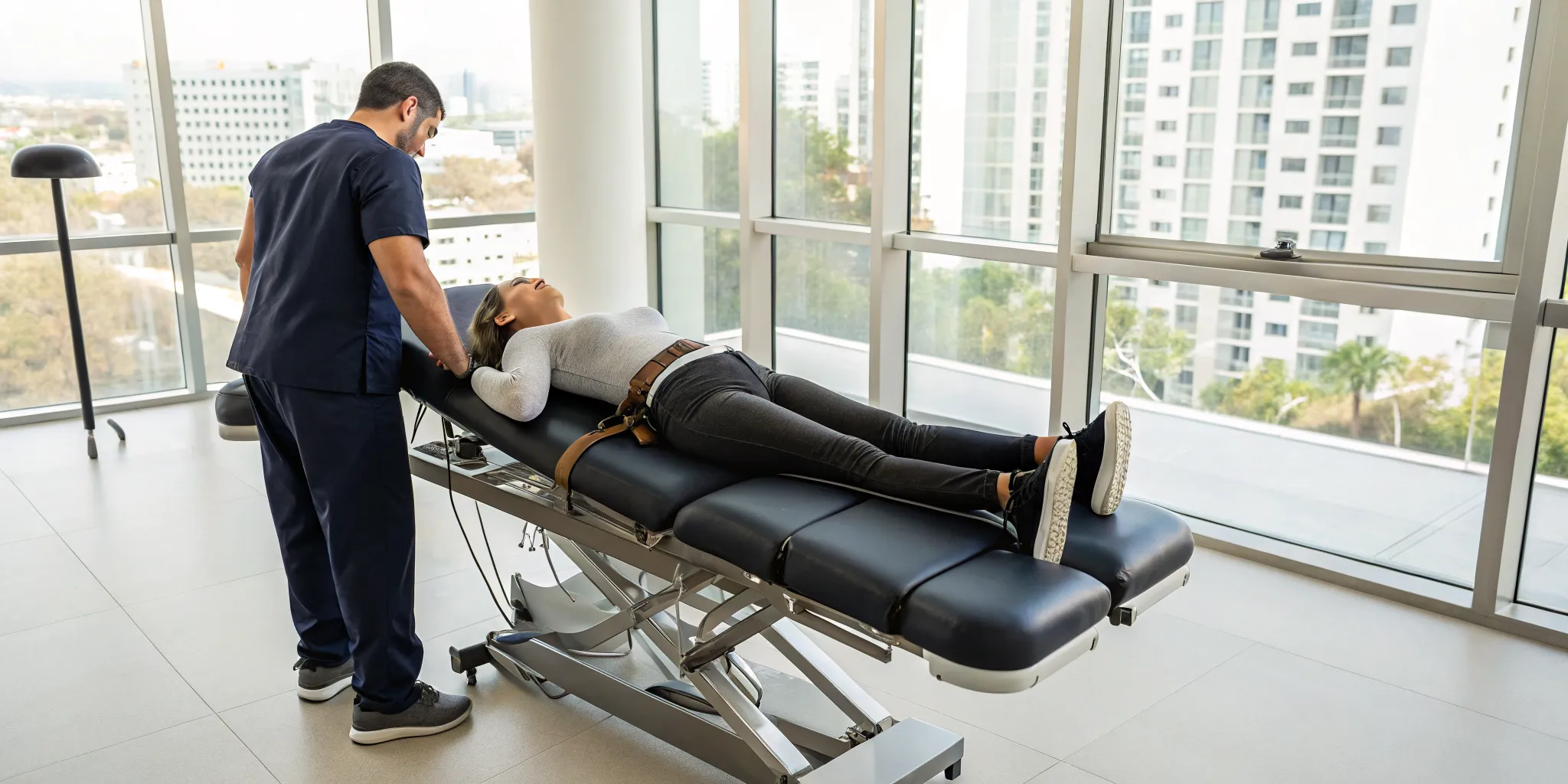
Ascend describes its Physical Medicine offerings through chiropractic care, decompression, lumbar care, corrective care, and myofascial or soft-tissue approaches when appropriate. That list does not mean every approach suits every person. A recommendation should be discussed in relation to your evaluation and preferences. Learn more about the practice’s Physical Medicine approach and its service areas.
It can help to ask whether the evaluation is focused on one region or a broader movement pattern. Ask which findings are clear, what remains uncertain, and whether another type of clinician or additional assessment might be useful. A thoughtful answer should explain the reasoning without claiming that one observation explains every symptom.
Some movement concerns may sit alongside broader health questions. Ascend also organizes care around Functional Medicine and Regenerative Medicine, but those pillars are not automatic parts of a mobility plan. If fatigue, sleep, or another concern is relevant to your history, explain it and ask whether it belongs in the current discussion. Review the Functional Medicine overview for context.
How does chiropractic massage fit into a movement conversation?
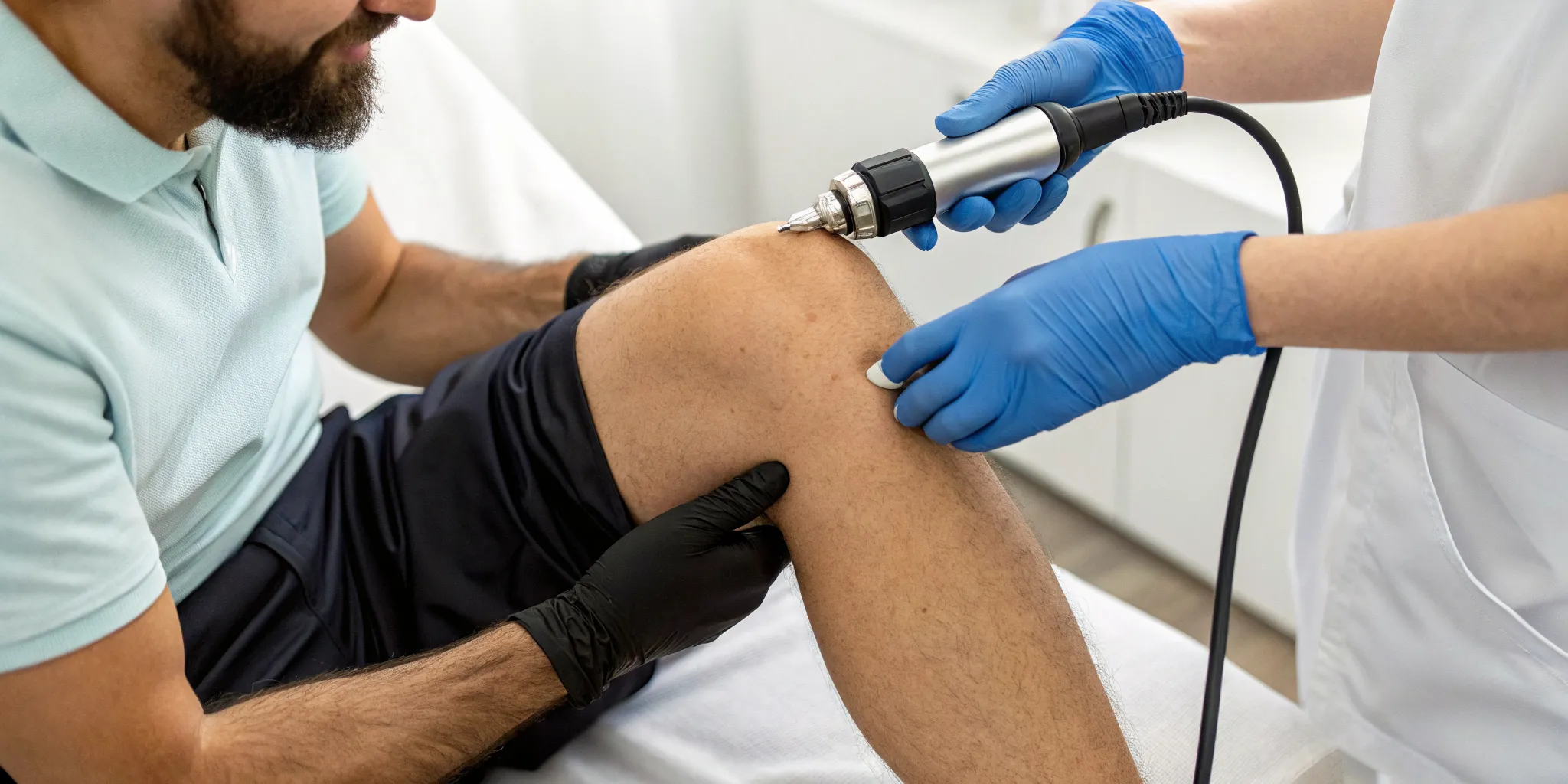
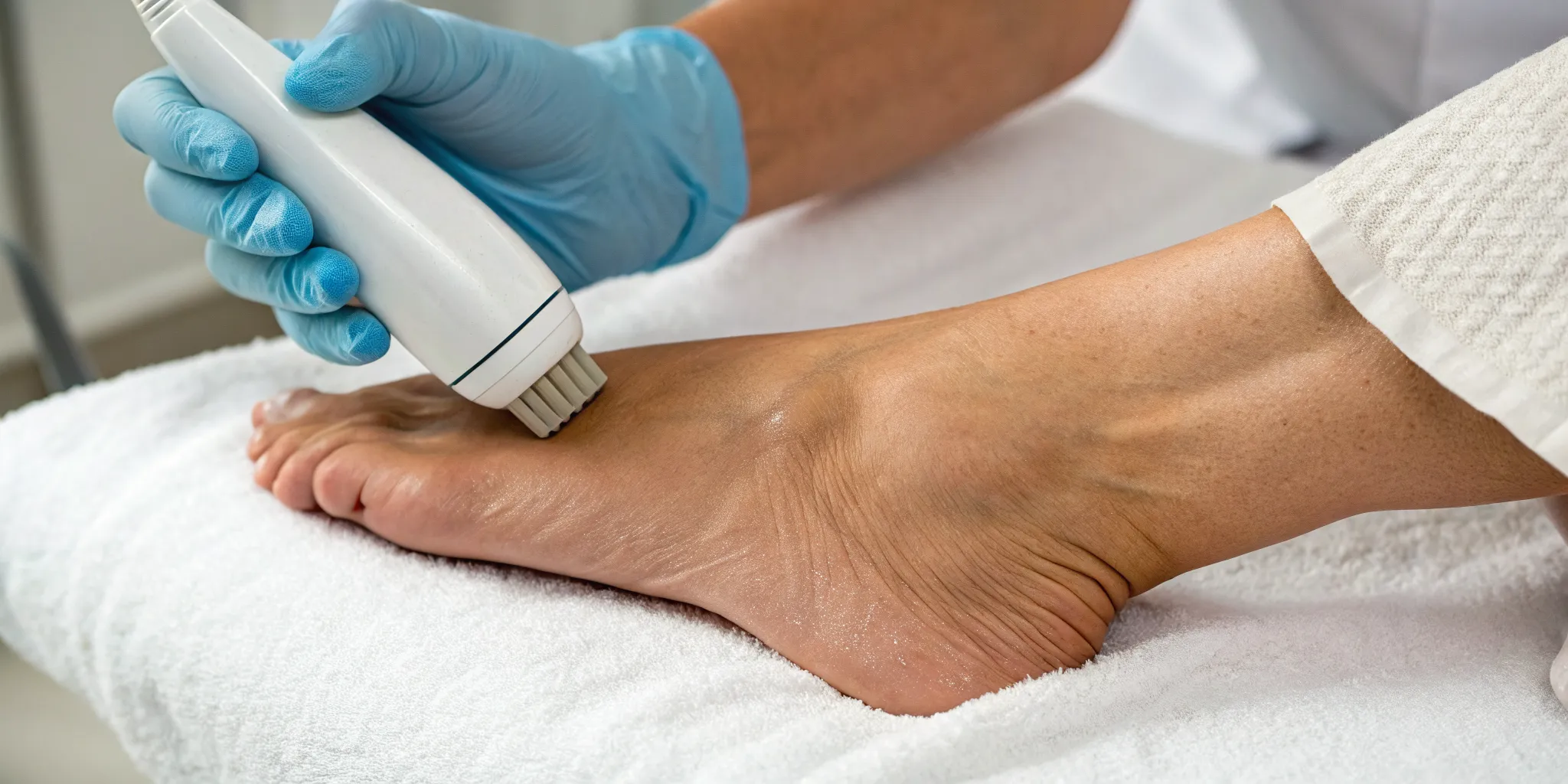
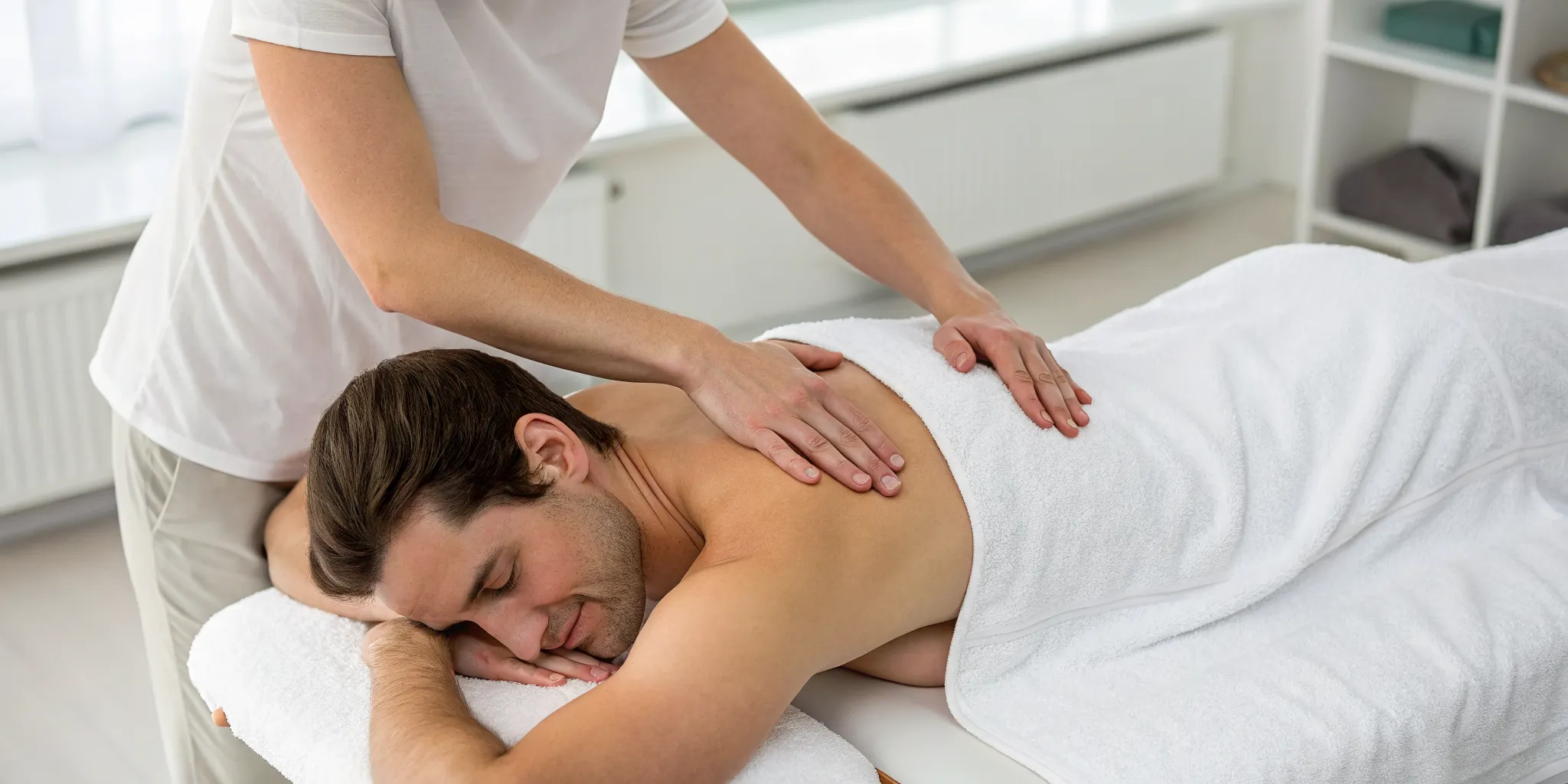
Chiropractic care and soft-tissue work may be among the approaches a provider discusses, depending on your goals and evaluation. Ask how a proposed approach relates to the task you want to improve, rather than assuming one technique suits everyone.
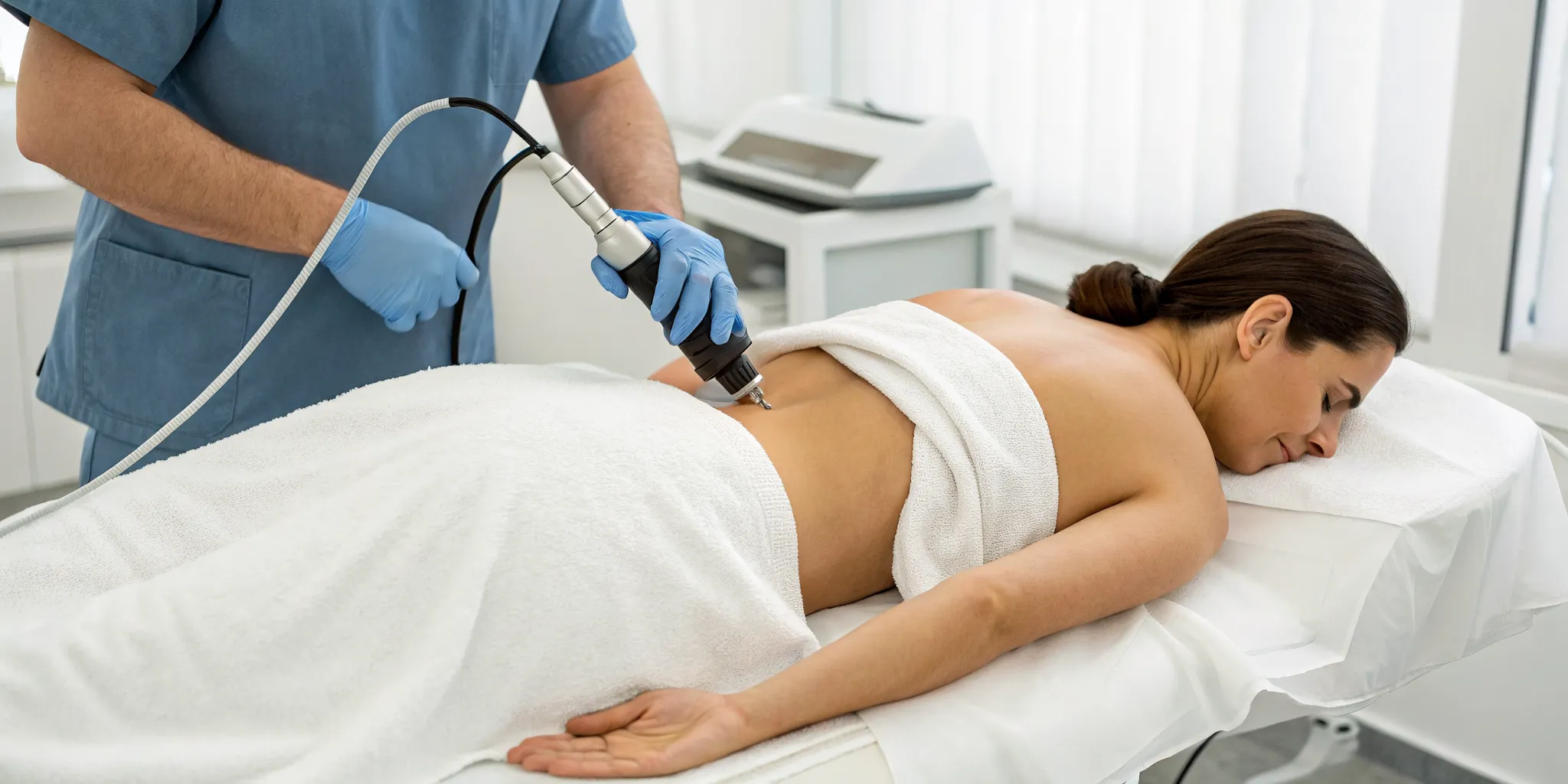
When you hear the phrase chiropractic massage, ask the provider to describe the specific approach being discussed. Clarify whether it involves chiropractic care, hands-on soft-tissue work, or another method, and what each component is intended to address. Ascend describes myofascial release and related soft-tissue approaches within Physical Medicine; the details should be explained before you decide whether the plan fits.
Useful questions include:
- Which finding or movement concern is this approach meant to address?
- How would it relate to my goal of turning, reaching, standing, or returning to an activity?
- What should I expect during a visit, and what should I report afterward?
- How will we decide whether to continue, change, or stop this part of the plan?
- Are there reasons this option may not be appropriate for my history?
These questions keep the conversation focused on fit and informed choice. Review Ascend’s care approach and its frequently asked questions before discussing your situation.
It is reasonable to ask for a plain-language explanation of what a proposed visit involves. You might ask whether the approach is hands-on, how it relates to the finding discussed, and what kinds of changes the provider would want to hear about. Discuss your comfort and preferences before proceeding. If you are uncertain, take time to consider the information and ask follow-up questions. A clear explanation should connect the proposed step to your priorities, identify relevant limits, and leave room for you to make an informed choice.
How can progress be reviewed over time?
Progress review works best when it returns to the same functional goal and considers your experience alongside appropriate findings. One unusually easy or difficult day may not represent the overall pattern.
At the beginning, note how the task currently feels and what limits it. At a later review, use the same description: Has the task become easier, does it take less effort, or is it unchanged? Has your confidence shifted? Did your schedule or activity level change? Consistent questions make comparison more meaningful than relying on a general impression.
A simple log can include the date, activity, setting, brief description, and relevant context. Keep it short enough to maintain. For example, record “stood after a long drive; felt stiff at first; eased after walking” rather than scoring every movement throughout the day. Bring the notes to a review if they help explain a pattern.
Ask how often the plan should be revisited and what would lead the provider to adapt it. A change in symptoms, new information, difficulty following the plan, or a shift in priorities may all be reasons to talk. The aim is a responsive discussion, not a rigid schedule that ignores your experience.
General evidence can inform a conversation without predicting an individual result. A systematic review examining objectively measured physical activity and sedentary behavior in relation to strength and muscle power is available in this review record. Its subject is a population-level association, not proof that a particular care approach will produce a specific result for you. Ask your provider how general evidence applies, or does not apply, to your circumstances.
A practical review might compare a familiar task under similar conditions rather than chasing a perfect day. Suppose your goal is to rise from a chair after a meeting. You might note whether you need to pause, whether the first few steps feel different, and whether the meeting length or chair changed. Bring those details to the next discussion. If your routine changed substantially, say so; context matters when comparing one period with another. The aim is to learn whether the plan and the goal still make sense, not to grade yourself.
How can Tampa Bay men prepare for a useful conversation?
A concise preparation note can help keep a consultation centered on your priorities. Bring a few specific examples and questions rather than trying to explain every detail at once.
- Choose the main task. Pick the movement that matters most now, such as turning, standing, reaching, or participating in a familiar activity.
- Describe the pattern. Note when it occurs, how it feels, and what changes it, using ordinary language.
- Summarize your context. Include relevant history, current care, work demands, and activity changes.
- State your preferred outcome. Explain what you would like to do more comfortably, without setting an arbitrary deadline.
- Prepare questions. Ask what the evaluation may include, what the findings mean, and how progress will be reviewed.
- Discuss practical fit. Share your schedule, concerns, and preferences so the plan can be discussed with those factors in view.
For example, a former recreational athlete might say, “I want to return to a weekend walk with friends. My hip feels stiff after sitting, and I have shortened the route twice this month.” That statement gives a provider a task, setting, pattern, and personal reason to explore the concern. It does not assume a diagnosis or dictate which approach is suitable.
Another person might focus on the workday: “After several hours at a desk, I feel slow when I stand. I want to move between sitting and standing with more ease.” The provider can ask follow-up questions and decide what assessment is relevant. This is more actionable than comparing yourself with a younger version of yourself or another person.
You can make the conversation easier by bringing a short timeline. For example, write down whether the change appeared gradually or after a particular event, whether it varies by time of day, and which activity is most affected. Include prior assessments or care if relevant, along with any questions you have about the next step. You do not need to arrive with a diagnosis or a complete explanation. Your observations are a starting point for discussion, and the provider can ask for more detail where it matters.
Ascend is a Tampa Bay integrative healthcare practice. Explore its Tampa service information and educational podcast as background. General information can help you prepare, but it cannot determine what care is appropriate for you.
Contact Ascend to discuss next steps
Frequently Asked Questions
Is reduced mobility simply a normal part of getting older?
Age alone does not explain every movement change. Describe what has changed and how it affects your routine so a provider can consider your history and relevant findings.
Should I set a goal before an evaluation?
It can help to name a task you want to do more comfortably. The goal can be refined after you and the provider discuss your history and assessment.
Can one mobility measure tell the whole story?
No single measure captures every aspect of daily function. A review may combine your experience, the task you care about, and relevant findings over time.
What should I ask about a proposed care plan?
Ask what the plan is intended to address, how it relates to your goal, what changes will be reviewed, and when the provider would reconsider the approach.
Should I keep notes between visits?
A brief note can help you remember patterns, especially when a movement concern varies by setting or time of day. Record useful observations and share them if they clarify your experience.
Health content is educational and not medical advice; consult your clinician before acting on it.