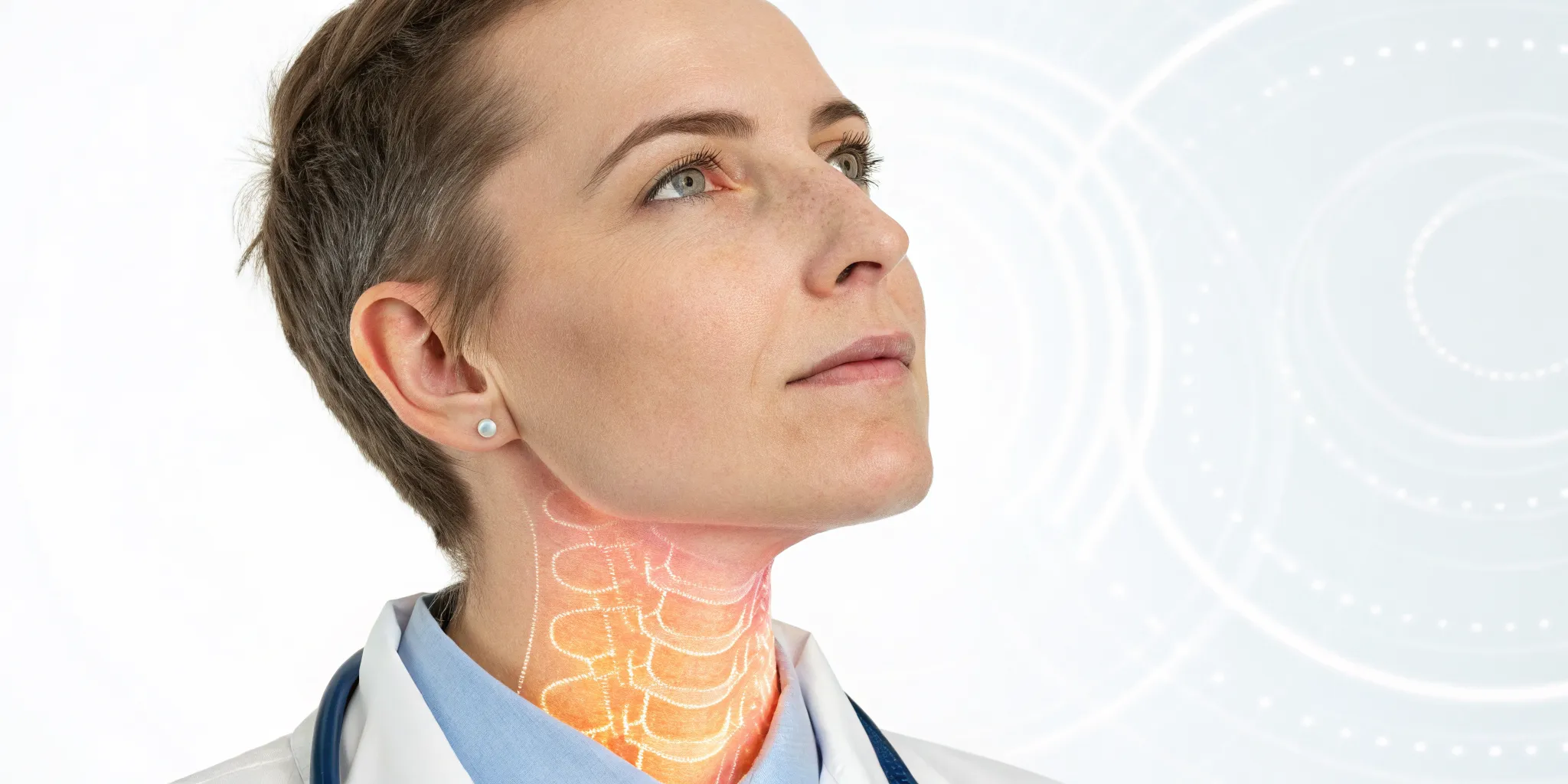
Persistent fatigue, constipation, or feeling unusually low does not always point to a thyroid hormone problem alone. Hashimoto's thyroiditis is an autoimmune condition in which the immune system attacks the thyroid. So understanding the immune and metabolic factors involved can be just as important as reviewing thyroid levels.
Ready to explore root-cause care for your thyroid concerns? Schedule a consultation with Ascend Functional Health in Tampa and discuss your symptoms, history, and next steps with Dr. Alessi.
Hashimoto's treatment Tampa functional medicine takes a broader view by combining comprehensive lab testing with a personalized look at gut health, nutrient status, hormone balance, and systemic inflammation. The goal is to identify meaningful contributors to your symptoms and build an evidence-informed plan with your care team, not promise a one-size-fits-all solution.
That whole-person perspective starts with a clear understanding of what Hashimoto's is and how it differs from hypothyroidism in general.
Hashimoto's Treatment Tampa Functional Medicine: What Is Hashimoto's Thyroiditis?
Hashimoto's treatment Tampa functional medicine begins by identifying whether an autoimmune process is affecting the thyroid, not simply treating a low lab value. Hashimoto's thyroiditis is an autoimmune condition in which the immune system mistakenly targets thyroid tissue. Over time, that immune activity can impair the thyroid's ability to produce the hormones the body needs.
Hashimoto's and hypothyroidism are related, but they are not the same diagnosis. Hypothyroidism describes an underactive thyroid that does not produce enough thyroid hormone. Hashimoto's describes one potential cause of that underactivity. In the United States, Hashimoto's is the most common cause of hypothyroidism. Other causes can include certain medications, iodine-related issues, thyroid surgery, or other forms of thyroid dysfunction.
Because the conditions are different, the evaluation should look beyond a single symptom or thyroid-stimulating hormone result. A person may notice fatigue, difficulty concentrating, changes in mood, feeling unusually cold, constipation, dry skin, or changes in weight. These symptoms can overlap with many other health concerns, so they do not identify the cause by themselves. A broader assessment can help clarify whether autoimmune thyroid activity is part of the picture.
Why the autoimmune cause matters
Managing thyroid hormone levels may be an important part of care when the gland is underactive. However, symptom management alone does not explain why immune activity began or what factors may be contributing to ongoing inflammation. Those factors can differ from person to person and may involve nutrition, gut health, nutrient status, stress, or other aspects of an individual's health history.
A functional medicine approach to Hashimoto's therefore asks a broader question: what is influencing this person's immune and thyroid function? That does not mean replacing appropriate medical treatment or promising that one protocol will work for everyone. It means combining relevant testing with a careful review of symptoms, history, and daily health patterns. For Tampa Bay patients, this root-cause perspective can create a more personalized conversation about supporting thyroid function and overall well-being.
Why Conventional Medicine Often Misses the Root Cause
Hashimoto's treatment Tampa functional medicine takes a broader view than thyroid hormone levels alone. Conventional care can be valuable for stabilizing thyroid function. But a functional approach also asks why the immune system is attacking the thyroid and whether other systems are contributing to symptoms.
Hashimoto's thyroiditis is an autoimmune condition in which the immune system attacks the thyroid gland. A conventional evaluation may focus primarily on thyroid-stimulating hormone (TSH) and, when levels indicate underactive thyroid function, prescribe synthetic hormone replacement. This can support hormone levels and improve symptoms related to hypothyroidism. However, it does not necessarily identify the immune, digestive, nutritional, or environmental factors that may be influencing the autoimmune process. For more context on what drives autoimmune activity, see this overview of functional medicine in Tampa.
When symptoms point beyond the thyroid
Fatigue, depressed mood, and constipation are often attributed to low thyroid function, yet they are not specific to hypothyroidism. A review in Frontiers in Endocrinology notes that gastrointestinal disturbances can produce these same symptoms, which means treating thyroid hormone levels alone may leave an important contributor unaddressed. The full discussion is available in this peer-reviewed review of the gut-thyroid connection.
This overlap does not mean every thyroid symptom comes from the digestive tract, or that prescribed medication should be stopped. It means the clinical picture deserves careful evaluation. Digestive discomfort, irregular bowel habits, food reactions, nutrient deficiencies, and persistent inflammation may provide useful context when symptoms continue despite apparently appropriate thyroid management.
Managing symptoms versus investigating causes
Symptom management and root-cause investigation are complementary, not competing, goals. Medication replacement addresses what the body may be lacking. Functional medicine expands the assessment to look for patterns that could be affecting immune regulation and thyroid health, then uses those findings to guide personalized next steps.
| Factor | Conventional Approach | Functional Medicine Approach |
|---|---|---|
| Testing focus | TSH primarily | Free T3, Free T4, reverse T3, antibodies, nutrient markers |
| Root cause investigation | Typically not pursued beyond thyroid levels | Evaluates gut health, immune triggers, food sensitivities, stress, inflammation |
| Treatment scope | Hormone replacement (levothyroxine) | Personalized protocol addressing gut, nutrition, hormones, and immune regulation alongside appropriate thyroid support |
| Symptom resolution | Focuses on normalizing lab values | Aims to identify contributors to symptoms and support long-term wellness |

The Gut-Thyroid Connection in Hashimoto's Treatment
A gut-focused approach can be an important part of Hashimoto's treatment Tampa functional medicine, because digestive health, immune regulation, and thyroid function are closely connected. Addressing gastrointestinal factors may help clarify symptoms and support a more personalized care plan.
The thyroid does not function in isolation. The digestive tract helps regulate immune activity, process nutrients, and maintain the barrier between the gut and bloodstream. When that barrier becomes more permeable, sometimes described as "leaky gut," incompletely digested particles and other antigens may pass into circulation. In a person with autoimmune susceptibility, this exposure may contribute to immune activation and inflammation.
This does not mean every digestive complaint causes Hashimoto's, or that improving gut health replaces thyroid monitoring or prescribed care. It means the gut deserves attention when symptoms, laboratory findings, and treatment response do not tell a complete story. A whole-person evaluation can look for patterns that a thyroid-only model may overlook.
Why digestive symptoms can look like thyroid symptoms
Fatigue, low mood, constipation, and changes in energy are often associated with underactive thyroid function. However, research notes that many non-specific symptoms attributed to poor thyroid function can also arise from gastrointestinal disturbances, including fatigue, depression, and constipation. The clinical review on the gut-thyroid axis also reports that irritable bowel syndrome is 45 times more common than hypothyroidism, underscoring why digestive health should be assessed rather than assumed.
How a gut-focused model supports care
Functional medicine clinicians may assess digestion, bowel patterns, food responses, inflammation, nutrient status, and relevant autoimmune markers alongside thyroid data. The goal is not to label every symptom as a gut problem. It is to identify contributing factors that may be influencing immune balance and overall function.
The same review describes clinical models focused on gastrointestinal health that have been associated with improved thyroid function, symptom relief, and reduced thyroid medication dose in some patients. These findings support individualized evaluation, not a promise that medication will be reduced or discontinued. At Ascend Functional Health, gut health is considered alongside hormone balance and systemic inflammation as part of a personalized Hashimoto's protocol.
How Functional Medicine Tests for Hashimoto's Root Causes
A Hashimoto's treatment Tampa functional medicine evaluation looks beyond TSH to investigate immune activity, gut health, nutrient status, and other factors that may influence thyroid function. The goal is not to order every available test, but to choose relevant labs that help connect symptoms with measurable patterns.
Comprehensive thyroid testing
A standard thyroid screen may center on thyroid-stimulating hormone (TSH), but a broader evaluation can provide more context. Depending on a person's symptoms and history, testing may include free T3, free T4, reverse T3, and thyroid antibodies. These markers can help clarify how thyroid hormone is being produced, converted, and recognized by the immune system.
Thyroid antibodies are especially relevant when Hashimoto's is suspected because Hashimoto's thyroiditis is an autoimmune condition in which the immune system attacks the thyroid gland. Reviewing thyroid markers alongside symptoms and medical history can support a more individualized discussion with a qualified clinician. For reference, the thyroid function guide provides more detail on thyroid markers and interpretation.
The functional medicine testing process typically follows a structured sequence:
- Initial assessment , A thorough history review and symptom evaluation identifies which areas deserve closer investigation.
- Targeted lab selection , Relevant tests are chosen based on your history, symptoms, and physical examination findings.
- Results interpretation , Lab values are reviewed in context with your individual patterns rather than treated as isolated numbers.
- Personalized plan , Findings guide a tailored protocol that may address nutrition, gut health, hormone balance, and immune regulation.
Looking at gut health and food-related patterns
Digestive concerns can overlap with symptoms often attributed to thyroid dysfunction, including fatigue, mood changes, and constipation. Functional medicine may use stool testing to assess aspects of gut health when a person's history suggests that the digestive system deserves closer attention. Food sensitivity testing may also be considered in appropriate cases. These tests are not a substitute for clinical judgment, and results should be interpreted in context rather than used to create unnecessarily restrictive diets.
Screening for nutrient deficiencies
Nutrients support hormone production, energy metabolism, immune regulation, and other processes connected to thyroid health. Screening can help identify deficiencies or insufficiencies that may be relevant to a person's symptoms and overall plan. Ascend Functional Health utilizes comprehensive lab testing to look for potential autoimmune triggers and nutrient deficiencies, then uses the findings to guide personalized care.
This broader perspective also recognizes the interplay between thyroid and hormone health. Thyroid and hormone health are closely linked, and evaluating both can produce a more complete picture. In Tampa Bay, patients can discuss which tests fit their history, symptoms, and goals during a consultation, rather than assuming one lab value explains the whole picture.
Nutritional Strategies to Reduce Autoantibodies
For people exploring Hashimoto's treatment Tampa functional medicine, targeted nutrition can help calm inflammatory patterns and support healthier immune regulation. It works as one part of a complete treatment plan, not as a substitute for thyroid monitoring or medical care.
Hashimoto's is an autoimmune condition, so nutrition should address more than weight, calories, or a general idea of healthy eating. The goal is to identify foods and nutrient patterns that may be contributing to inflammation while providing the raw materials needed for thyroid and immune function. A review published in PubMed found that dietary modifications and anti-inflammatory nutrients may reduce autoantibody reactivity in people with Hashimoto's thyroiditis.
Prioritize anti-inflammatory nutrients
A personalized plan may emphasize nutrient-dense foods that provide selenium, zinc, vitamin D, omega-3 fatty acids, and antioxidant compounds. These nutrients are not a universal prescription, and more is not always better. Supplement decisions should account for laboratory findings, current medications, digestion, and the possibility of excessive intake. Foods such as fish, eggs, colorful vegetables, berries, legumes, and appropriately tolerated nuts and seeds can provide useful foundations.
Identify food triggers without unnecessary restriction
Some patients notice that symptoms worsen after specific foods, but broad elimination diets can create nutritional gaps and make eating stressful. A functional approach looks for patterns involving bloating, bowel changes, fatigue, skin symptoms, or joint discomfort, then uses testing and a structured trial when appropriate. Gluten, dairy, highly processed foods, or other ingredients may be relevant for one person and irrelevant for another. The plan should be individualized rather than based on a rigid online checklist.
How this differs from a fad diet
Fad diets promise rapid transformation through extreme restriction. Nutritional care for Hashimoto's instead aims for sustainable choices, adequate nourishment, and measurable follow-up. The same review reports that following nutritional guidelines may help some patients reduce their dependence on thyroid medication, but this does not mean stopping or changing medication independently. Any adjustment belongs with the prescribing clinician and should be guided by symptoms and laboratory results.

Personalized Hashimoto's Treatment at Ascend Functional Health
Hashimoto's treatment Tampa functional medicine at Ascend Functional Health is personalized around the factors that may influence your symptoms and thyroid health. The care team considers gut health, hormone balance, and systemic inflammation while building an evidence-informed plan for your needs.
Hashimoto's does not look exactly the same in every person. One patient may be most affected by fatigue and brain fog, while another may experience digestive discomfort, hormonal changes, or persistent inflammation. Rather than applying one standard protocol, Ascend looks at the whole picture and uses your history, symptoms, examination, and appropriate testing to guide care.
Functional Medicine: Looking Beyond the Thyroid
Functional Medicine forms the foundation of Ascend's root-cause approach. Comprehensive lab testing can help identify autoimmune triggers, nutrient deficiencies, and other factors relevant to thyroid dysfunction. The protocol may also address gut health and digestive function, because the gastrointestinal system can influence immune regulation and how a person feels day to day. Recommendations are adjusted as your needs and response to care become clearer.
Physical Medicine: Supporting the Body as a Whole
Physical Medicine adds a practical focus on how the body functions and adapts. Chiropractic and corrective care may support mobility, nervous-system regulation, and overall physical resilience when appropriate. These services do not replace medical evaluation for Hashimoto's, but they can be considered as part of a coordinated plan that supports your broader health goals. Learn more about Dr. Alessi's approach at Ascend Functional Health.
Regenerative Medicine: Complementary Support
Regenerative Medicine gives Ascend another avenue for supporting wellness and recovery. Depending on your goals and clinical evaluation, services such as red light therapy, peptide therapy, or hormone optimization may be discussed. Any recommendation should be individualized, especially when thyroid and hormone health overlap. The objective is not to promise a cure, but to address contributing factors with a measured, collaborative plan.
Frequently Asked Questions
Is Hashimoto's the same as hypothyroidism?
No. Hashimoto's is an autoimmune condition in which the immune system attacks the thyroid. Hypothyroidism describes underactive thyroid function, which can result from Hashimoto's but can also have other causes. Identifying the underlying autoimmune process helps guide a more complete evaluation.
How does functional medicine differ from a conventional thyroid evaluation?
Functional medicine looks beyond thyroid function alone and considers factors that may influence symptoms, including autoimmune activity, nutrient status, digestive health, and hormone balance. Comprehensive lab testing can help identify potential autoimmune triggers and nutrient deficiencies, while the care plan is adjusted to the individual's findings.
Can gut health affect Hashimoto's symptoms?
It may. Fatigue, depression, constipation, and other symptoms often attributed to low thyroid function can also be associated with gastrointestinal disturbances. A review in Frontiers in Endocrinology describes a gut-focused clinical model that may improve thyroid function and symptoms, supporting the value of assessing digestive health alongside thyroid markers (research review).
Do I need to follow a specific Hashimoto's diet?
There is no single diet that fits every person with Hashimoto's. Nutrition is best individualized around your symptoms, laboratory findings, nutrient needs, and tolerances. Research on nutritional management suggests that appropriate dietary changes and anti-inflammatory nutrients may help reduce autoantibody reactivity. But diet should complement medically guided care rather than replace it (clinical review).
What testing may be included in a functional medicine evaluation?
Your evaluation may include comprehensive laboratory testing selected to assess thyroid function, autoimmune activity, nutrient deficiencies, and other factors relevant to your symptoms. The exact tests depend on your history and goals, so results can be interpreted in context rather than treated as isolated numbers.
Ready to Discuss Your Hashimoto's Treatment Options?
A thoughtful consultation can help connect your symptoms, health history, and thyroid concerns into a clearer plan for next steps. Ascend Functional Health takes a personalized, root-cause-focused approach for people seeking functional medicine support in the Tampa Bay area. Contact Ascend Functional Health in Tampa to schedule your consultation and discuss whether functional medicine may be right for your Hashimoto's journey.