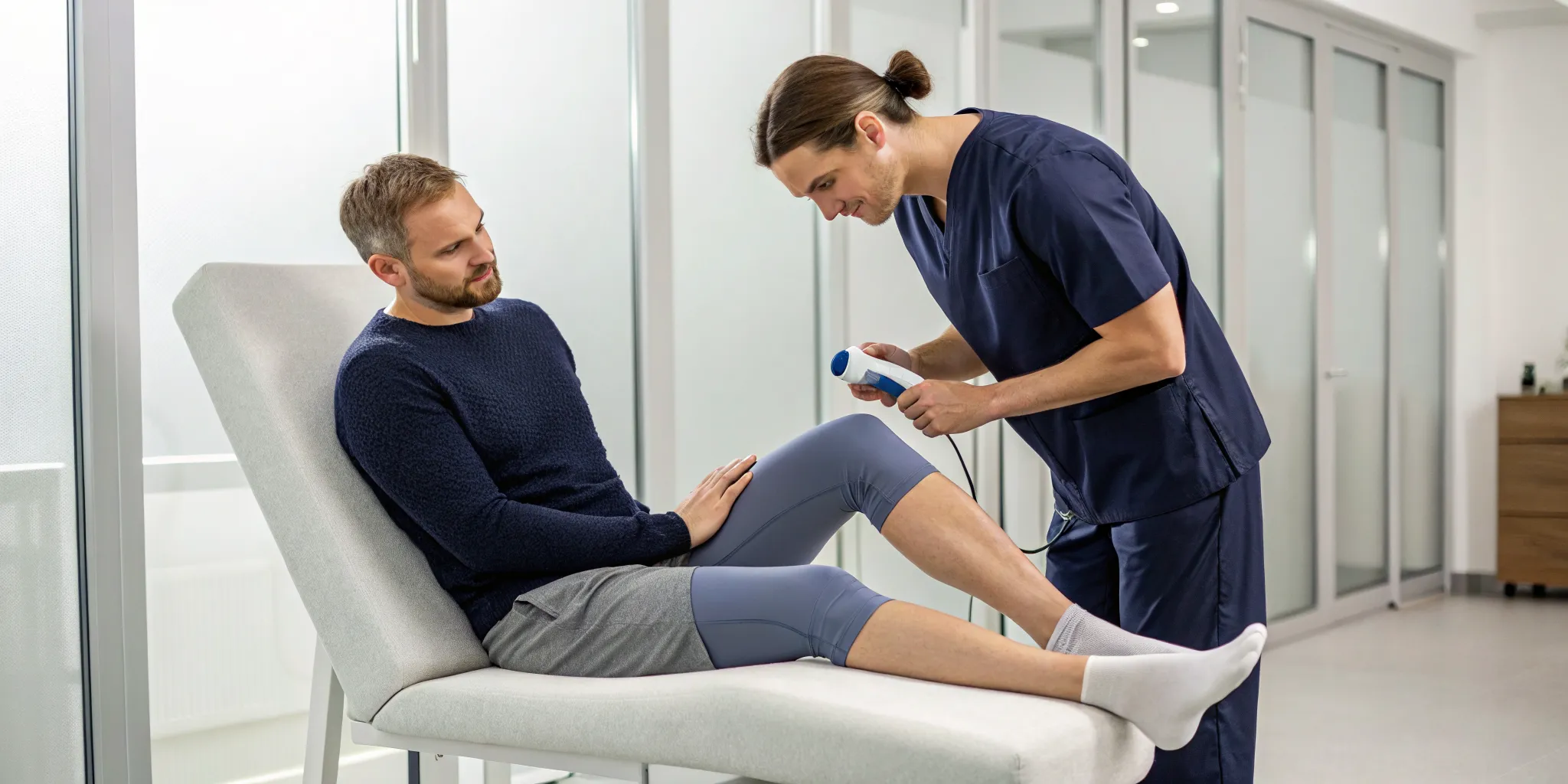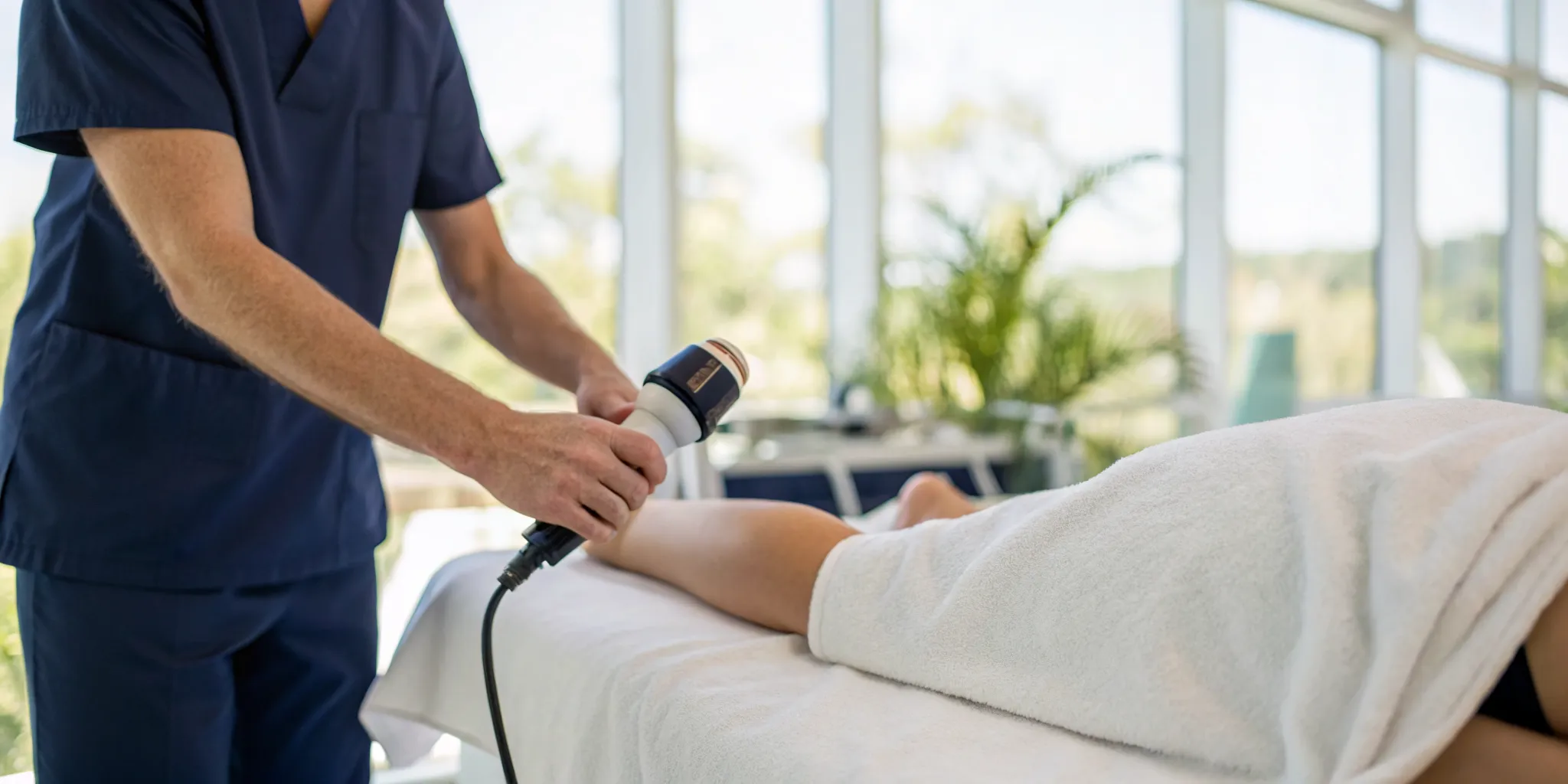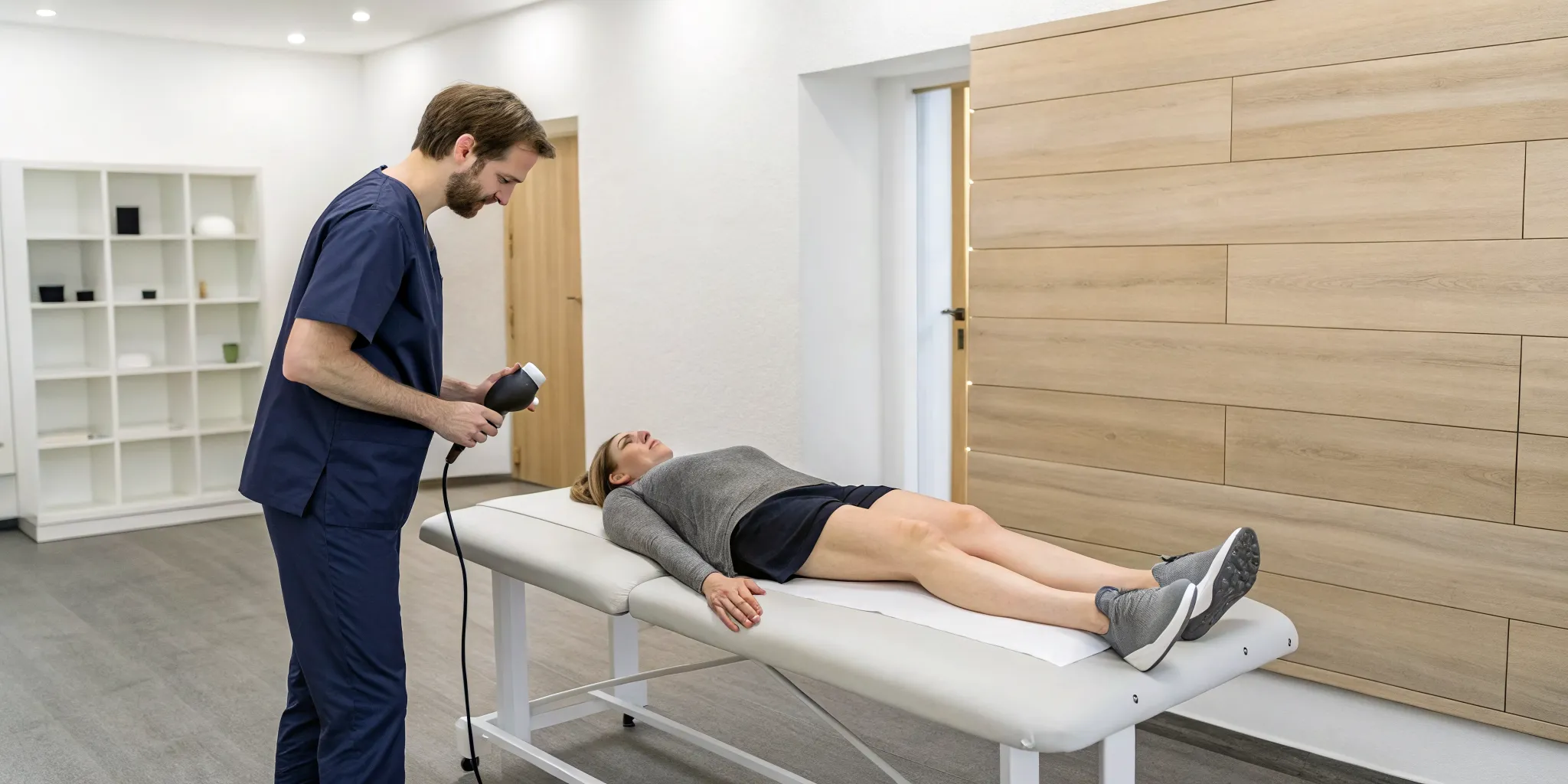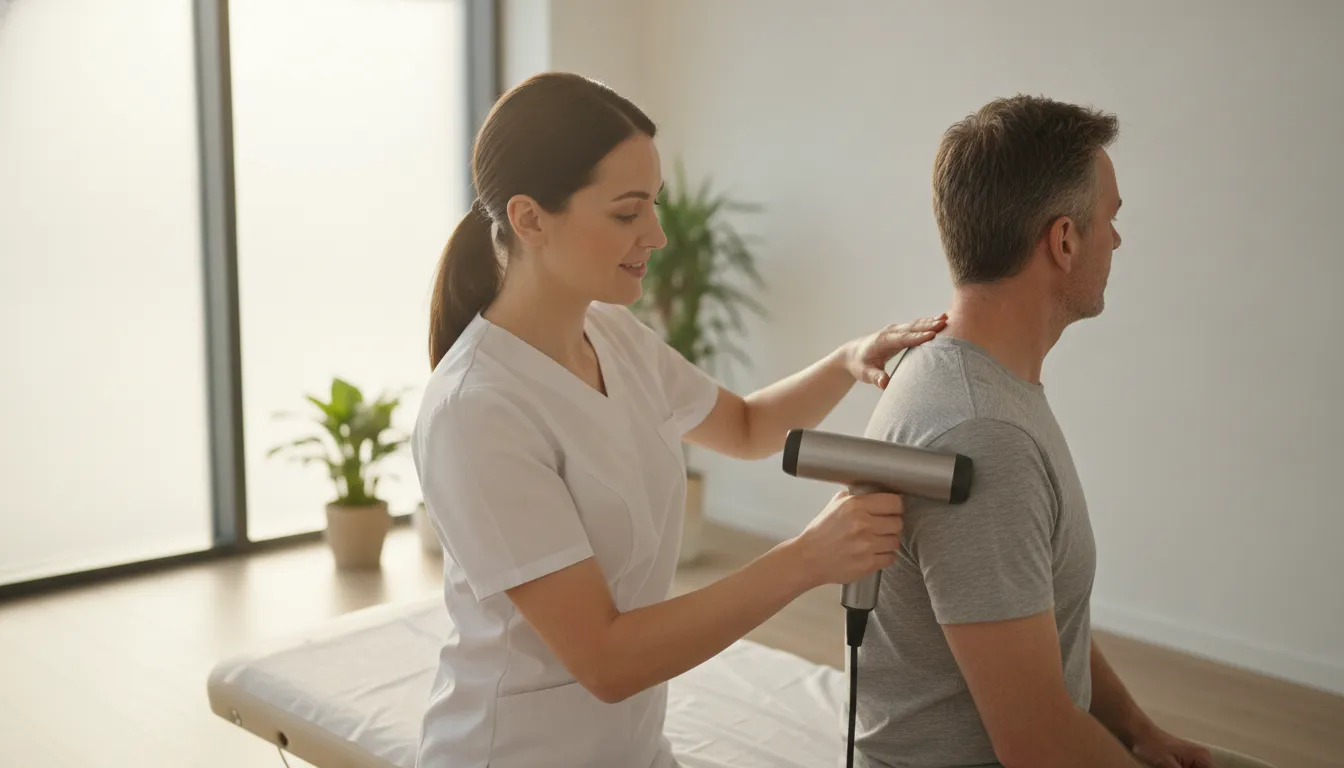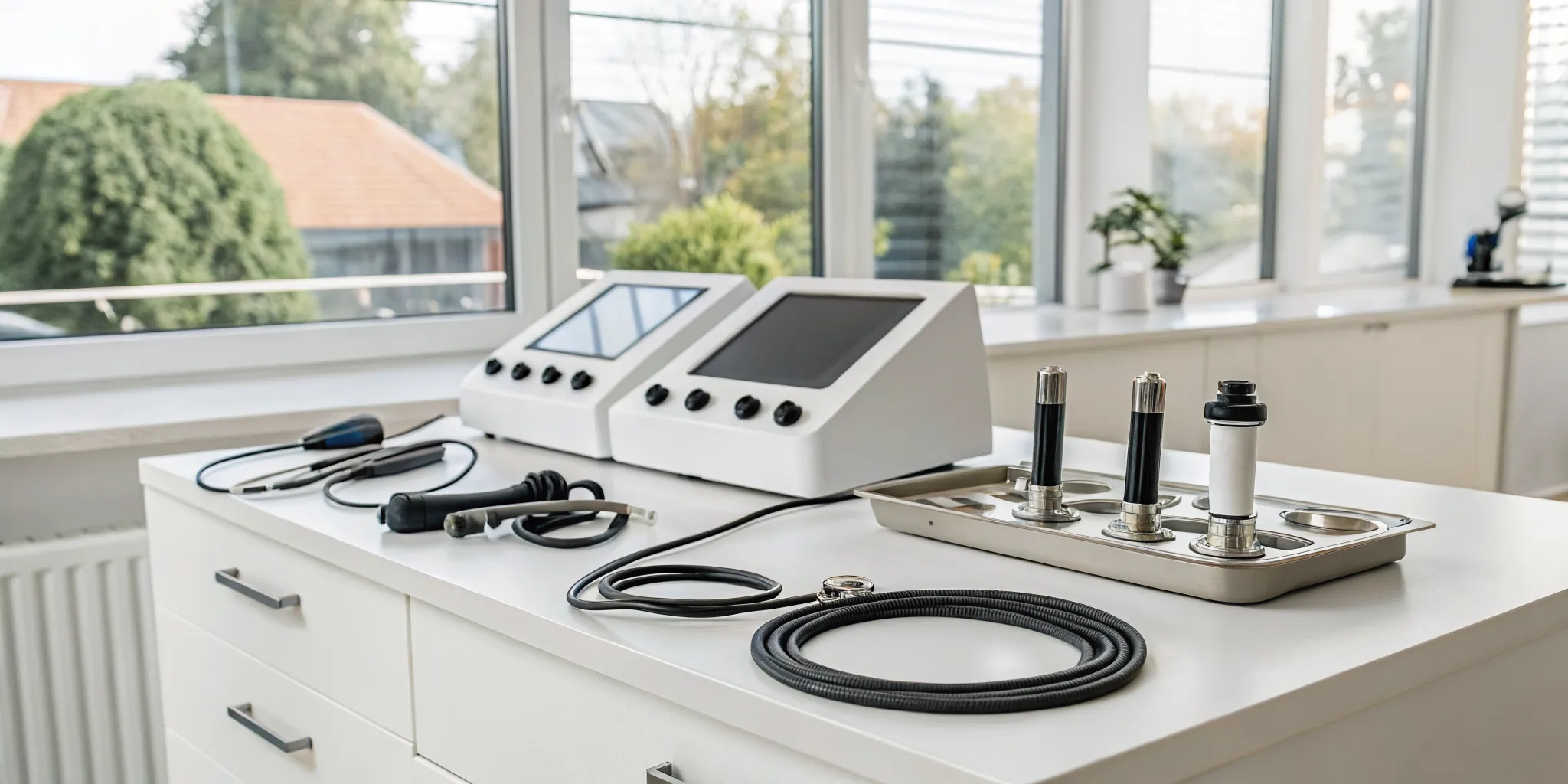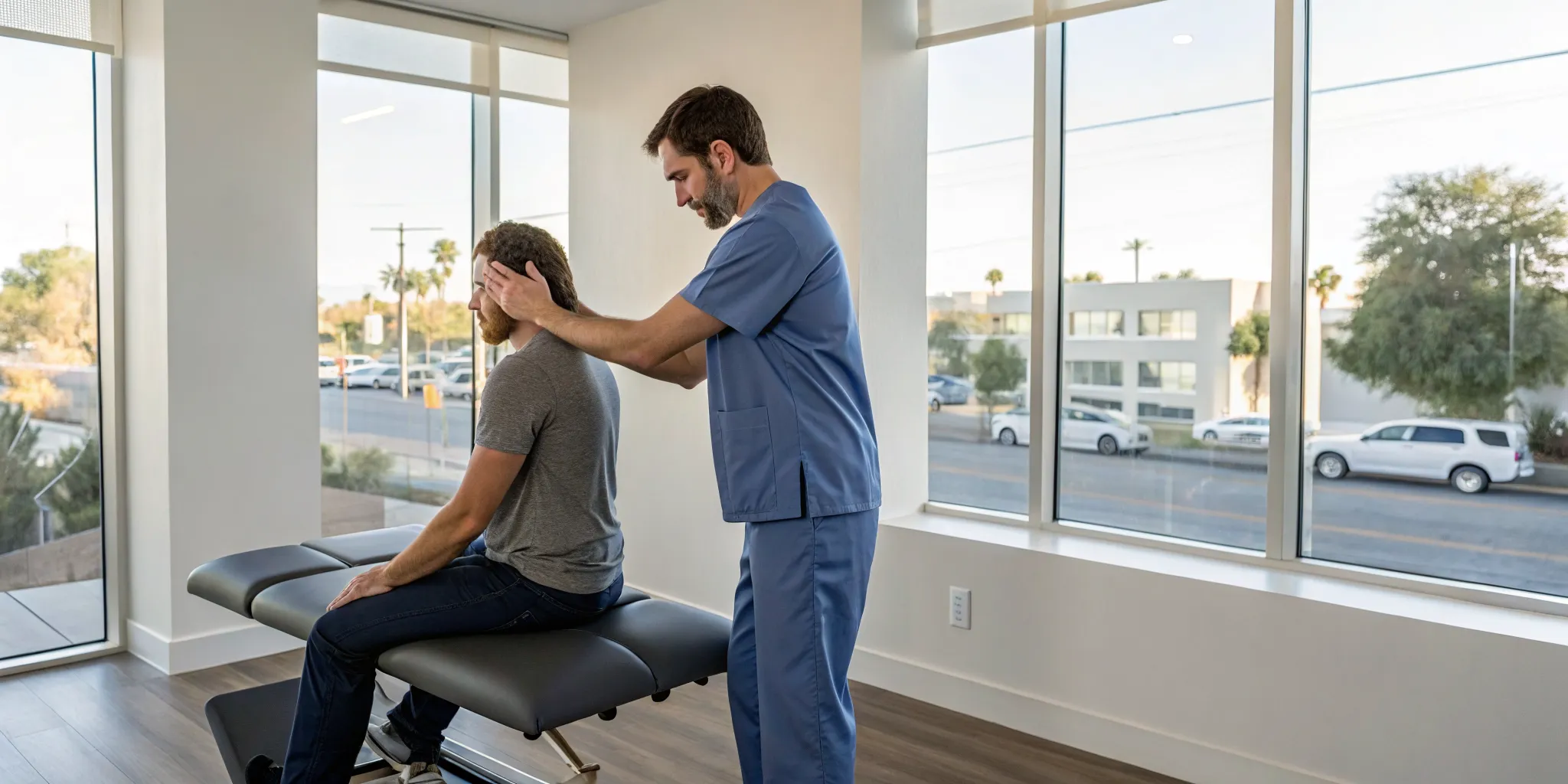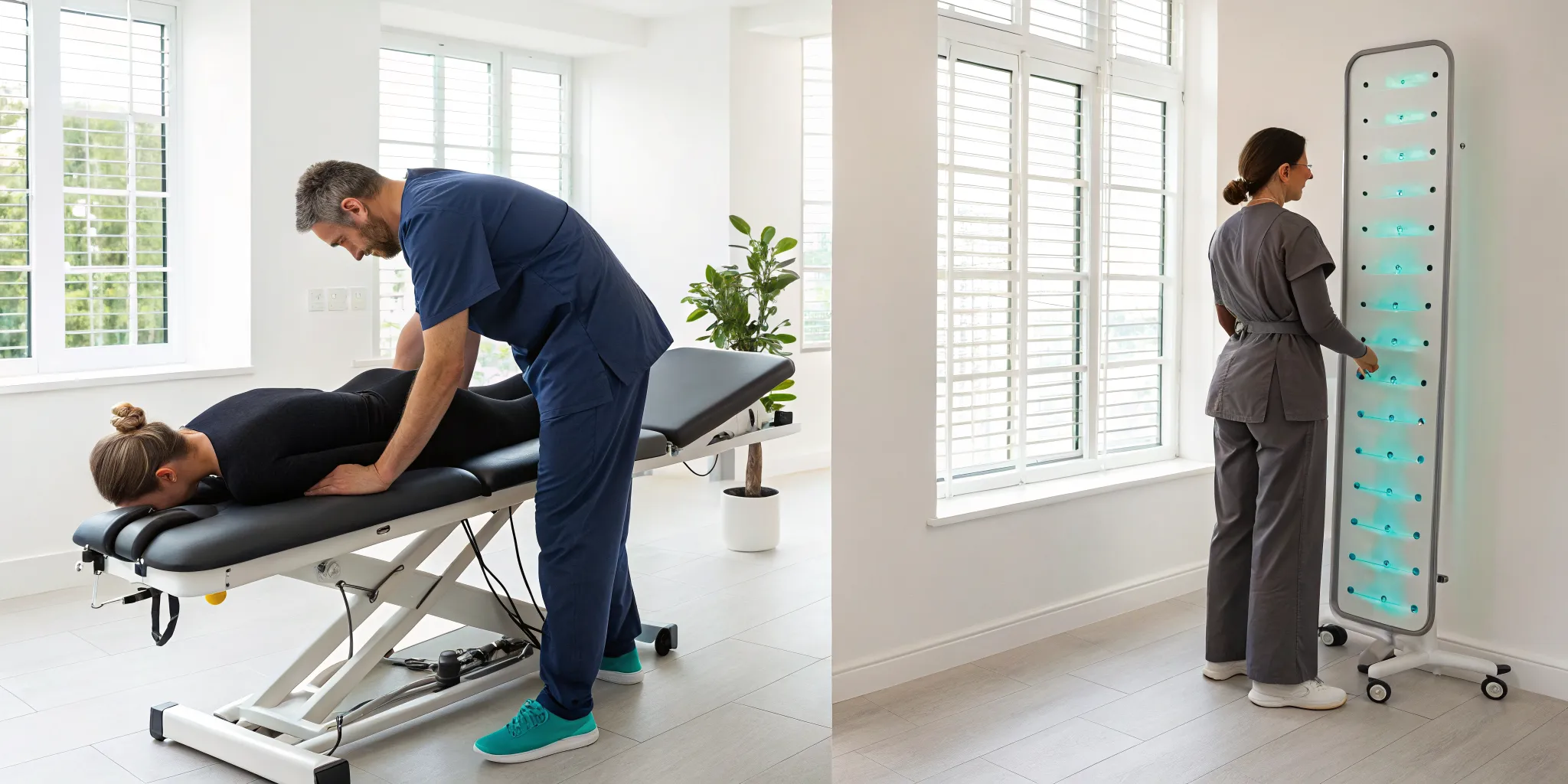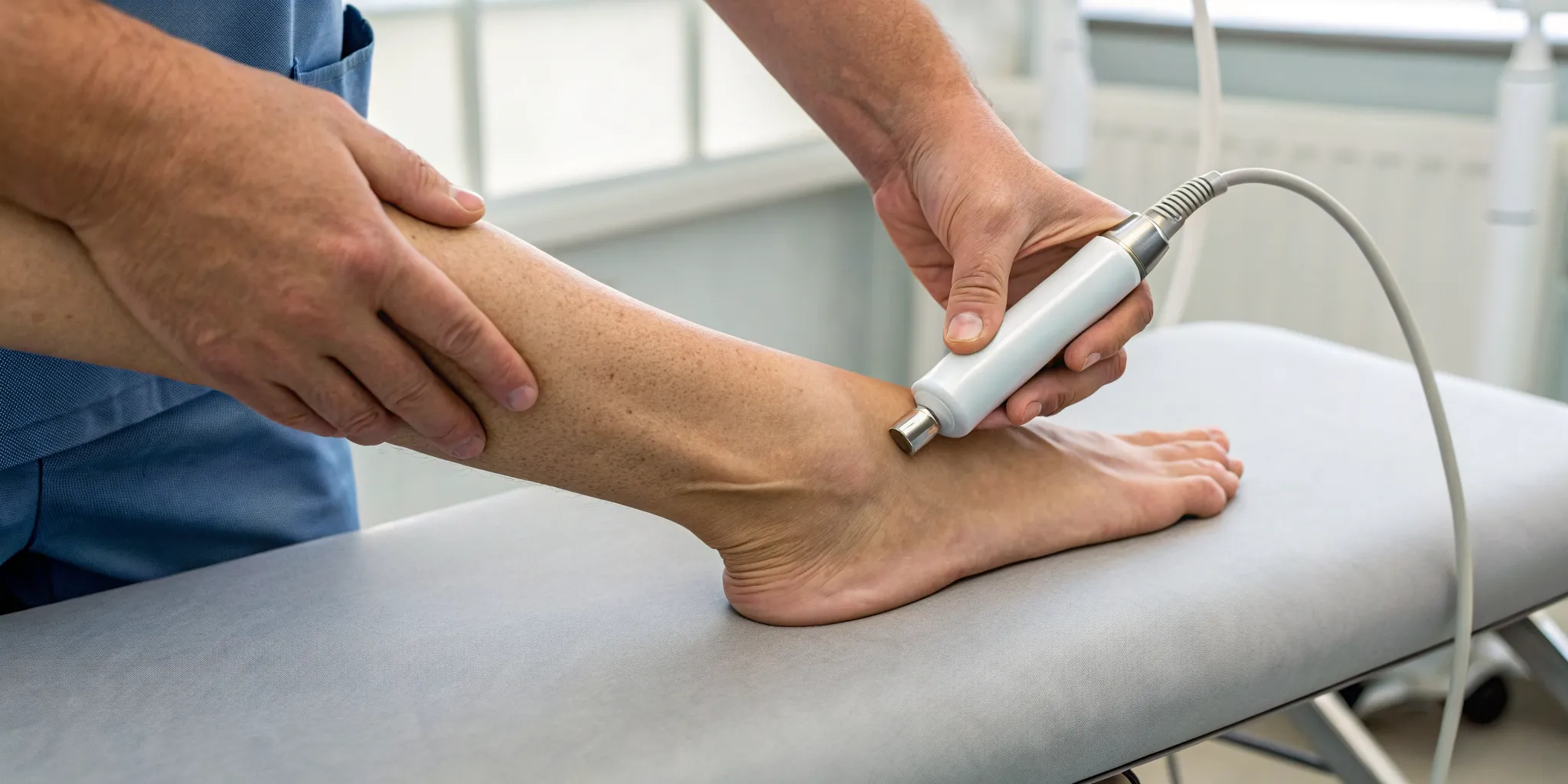
For years, the conversation around pelvic floor issues has been dominated by a single piece of advice: just do more Kegels. While well-intentioned, this one-size-fits-all solution often misses the mark and can sometimes make things worse. Your body is unique, and a truly effective path to wellness requires a plan that’s just as unique as you are. A successful approach looks at the bigger picture, from your posture and movement patterns to your internal health. This is the foundation of integrative spine and pelvic health, a specialized field that moves beyond simple exercises to create a personalized roadmap that addresses your specific needs, helping you build strength, restore balance, and regain confidence.
Key Takeaways
- Your spine and pelvis are a team: Lasting relief from issues like chronic back pain often comes from addressing the relationship between these two core structures, not just treating the area that hurts.
- Look beyond the physical symptoms: A comprehensive approach considers how factors like hormone balance and nutrition contribute to pelvic and spinal issues, offering a more complete path to wellness.
- Combine professional care with daily habits: The most effective healing happens when targeted therapy is supported by mindful lifestyle changes, empowering you to maintain your progress long after your appointments.
What Is Integrative Spine and Pelvic Health?
Integrative spine and pelvic health is a specialized approach to physical therapy that centers on women's health. It’s all about restoring your body’s natural function and balance, no matter what stage of life you’re in. Think of it as a comprehensive, boutique style of care that focuses on restoring your body. This philosophy moves beyond treating isolated symptoms and instead looks at how your spine and pelvis work together as the core foundation of your body. When this central structure is out of sync, it can lead to a wide range of issues, from chronic back pain and bladder concerns to postpartum discomfort. The goal is to help you feel strong and capable in your own body again by addressing the root cause of your concerns, not just chasing symptoms. This method is built on a partnership between you and your provider, creating a plan that feels right for your unique needs and health goals. It’s a way to finally connect the dots between seemingly unrelated issues and find a path toward lasting well-being.
A Holistic Approach to Your Health
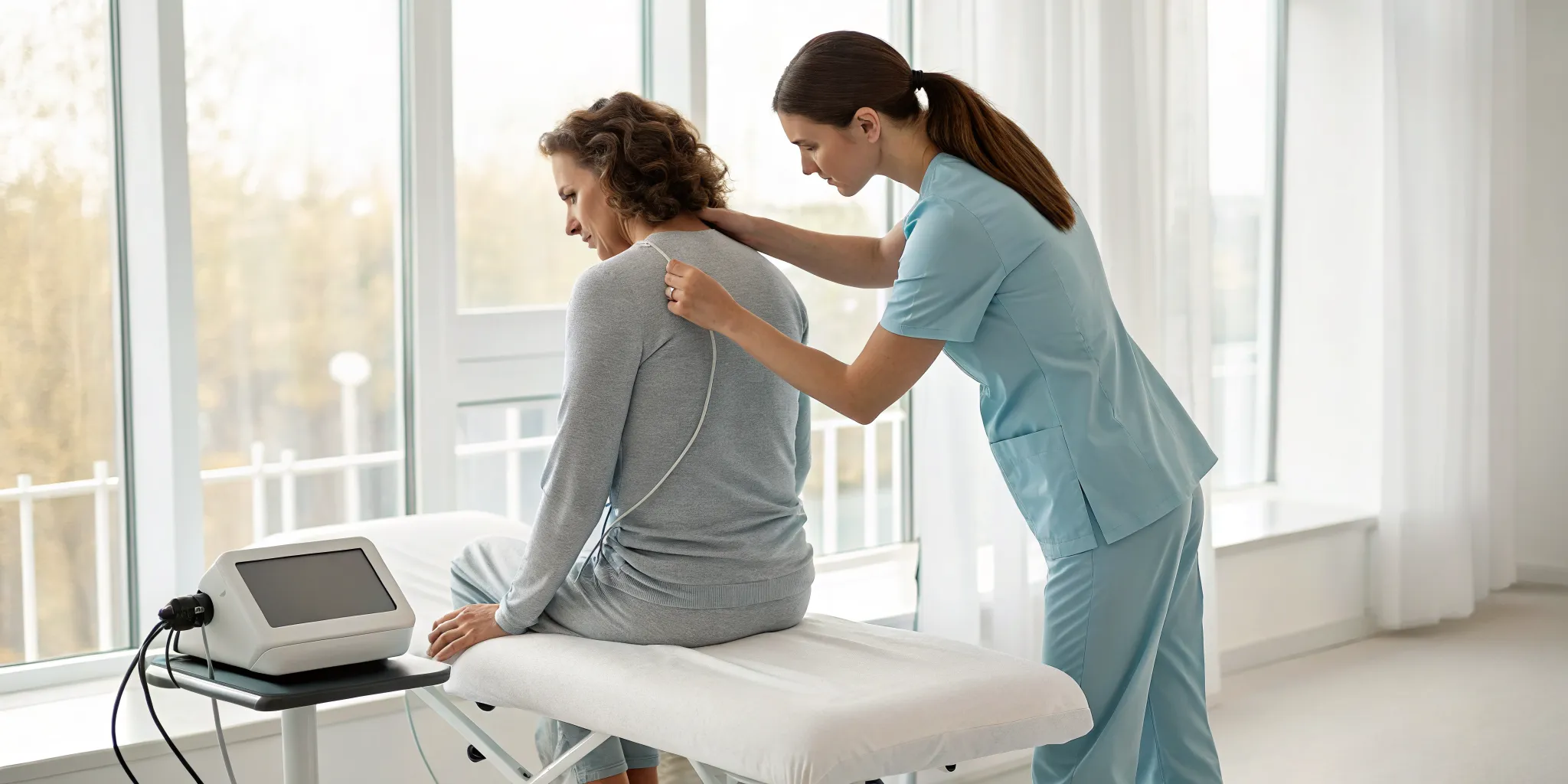
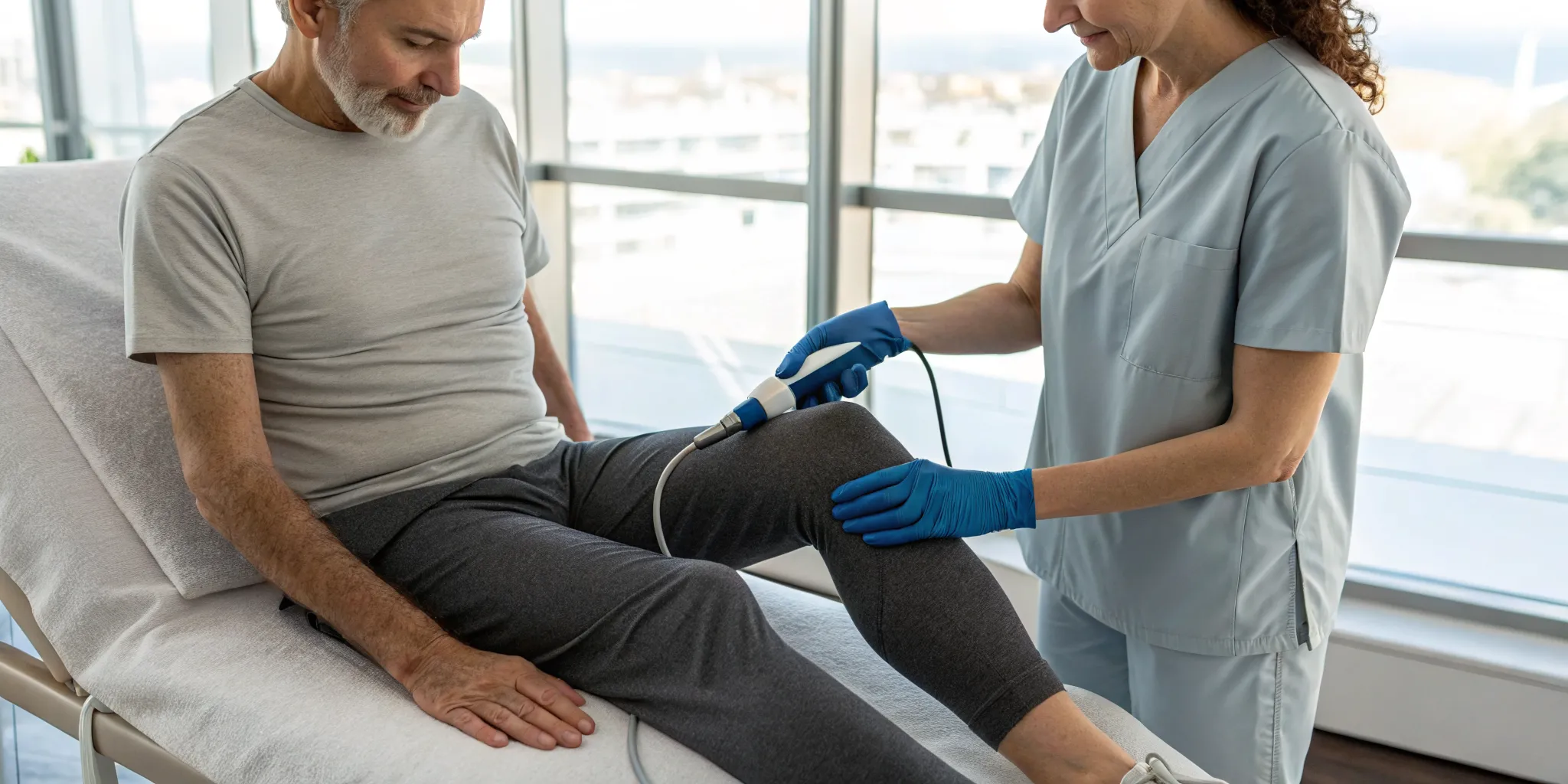
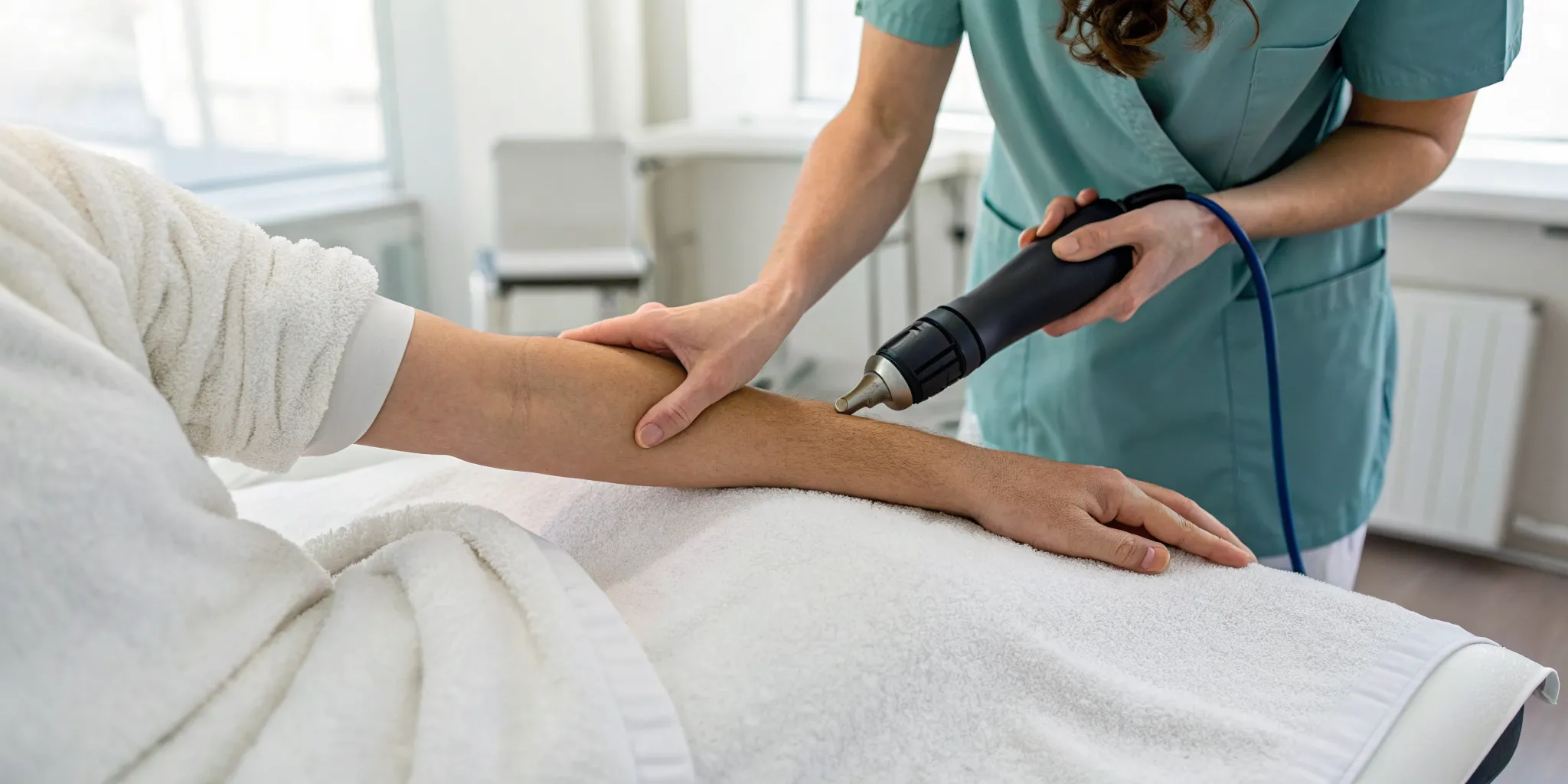
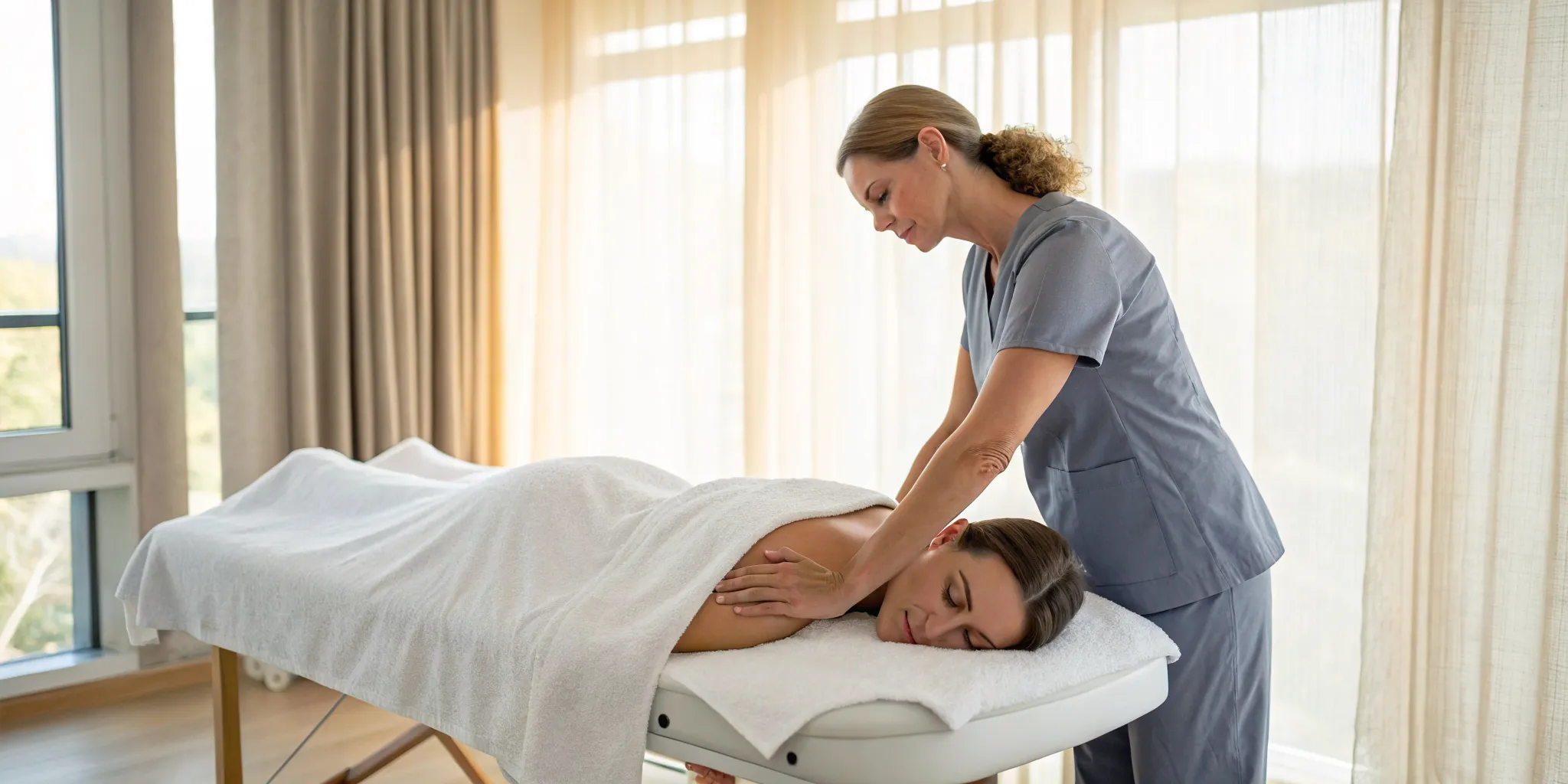
A truly holistic approach means looking at the whole picture of your health, and this is where integrative care shines. It involves one-on-one physical therapy sessions that combine personalized, hands-on techniques with a deep focus on your overall well-being. By specializing in both orthopedic and pelvic floor therapy, this method aims to "restore balance, strength, and confidence in every movement." This isn't just about exercises; it's about understanding how your body moves and functions as a complete system. This integrative model acknowledges that physical symptoms are often connected to emotional and psychological factors, a core principle of functional medicine. It’s a supportive process designed to empower you with knowledge about your own body.
How It Differs from Traditional Methods
One of the biggest differences you'll notice is the focus on non-invasive treatments. The philosophy is to find lasting relief without relying on procedures or medications that often just mask the underlying problem. The goal is to provide solutions that don't involve "unnecessary surgeries or medicines that just hide symptoms." This is especially important when dealing with sensitive issues like pelvic floor dysfunction, which can often be effectively managed through targeted physical therapy. Instead of a temporary fix, this approach provides you with the tools and support to help your body heal itself, leading to sustainable, long-term wellness and a better quality of life.
How Your Spine and Pelvis Work Together
Think of your spine and pelvis as a team. They are the central pillars of your body’s structure, and for you to move with ease and without discomfort, they need to communicate and cooperate effectively. When one part of this team isn't pulling its weight, the other has to compensate. This can set off a chain reaction of strain and imbalance that you might feel as stiffness in your hips, tension in your shoulders, or persistent lower back pain. Understanding this partnership is the first step toward addressing these issues and improving your overall stability and movement for good. Many people live with discomfort for years, thinking it's just a normal part of life, but often it's a sign that this foundational team isn't working together correctly.
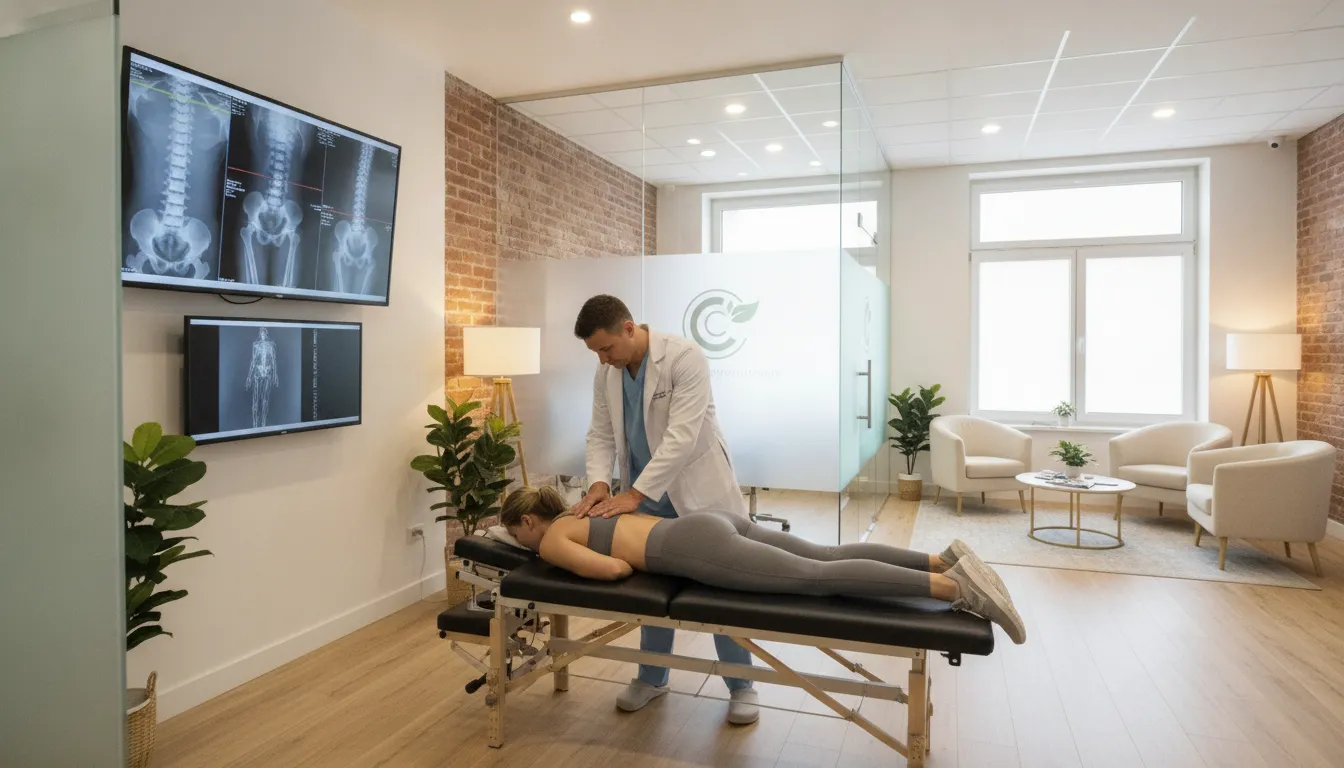
At Ascend Functional Health, we focus on this interconnected relationship to get to the root cause of your symptoms. Instead of just treating the area that hurts, our approach to physical medicine looks at how your entire musculoskeletal system functions as a whole. We see the body as a complete system where everything is connected. By identifying the source of the imbalance, whether it starts in the pelvis, the spine, or elsewhere, we can create a personalized plan that supports long-term health and helps your body function the way it was meant to.
A Look at Your Body's Core Structure
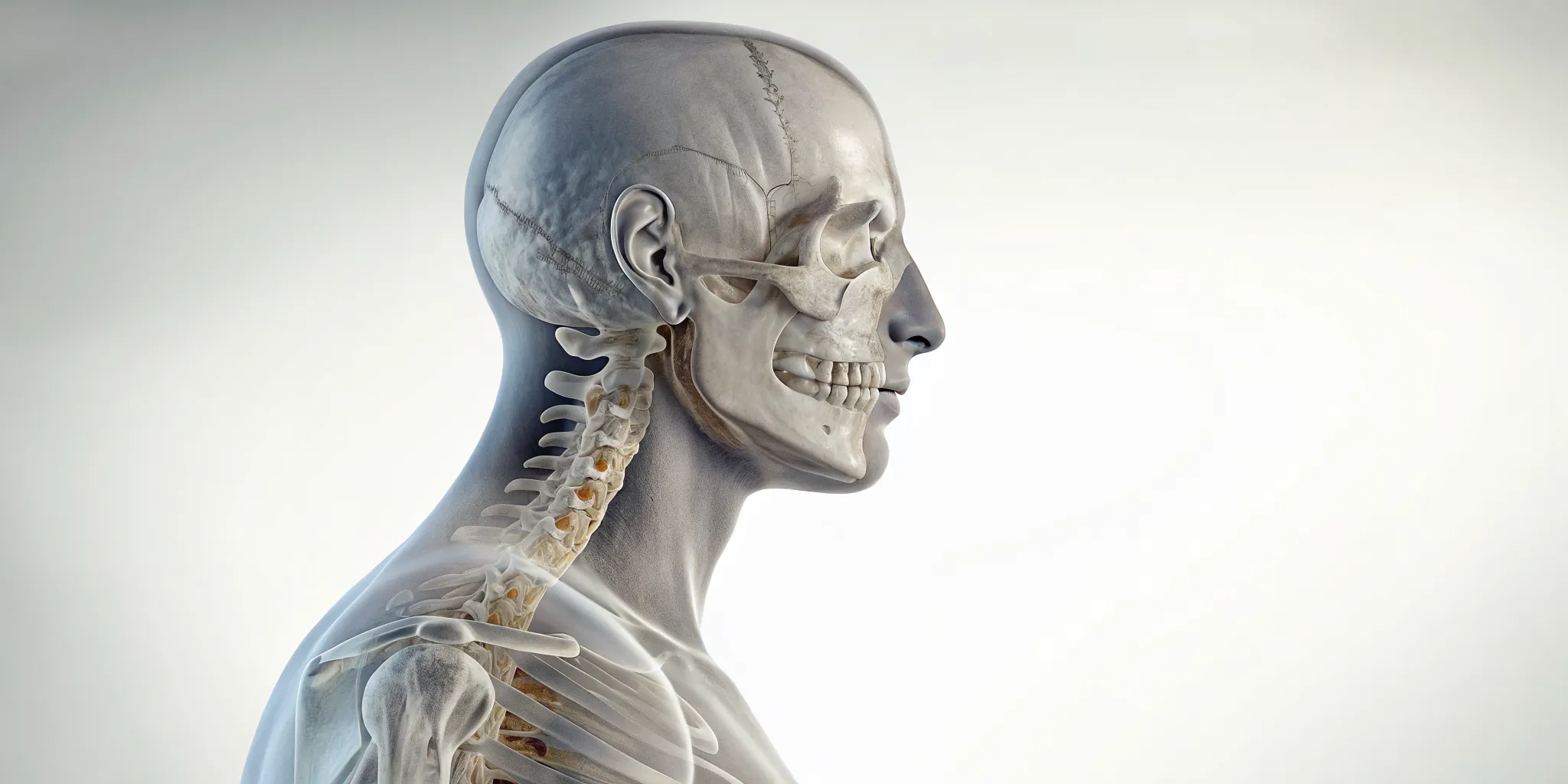
Your pelvis is the foundation upon which your spine rests. Its alignment is essential for proper spinal function and overall stability. If this foundation is tilted or unstable, your spine has to adjust to keep you upright, leading to unnatural curves and strain. It’s often why persistent back pain isn't just about a "bad spine." More commonly, it’s a sign that your pelvis, spine, and even your shoulders aren't moving together in harmony. This lack of coordination can put stress on muscles and joints that weren't designed to handle that extra load, eventually leading to discomfort.
How Spinal Alignment Impacts Pelvic Function
The relationship between your spine and pelvis is a two-way street. Just as pelvic alignment affects the spine, the position of your spine directly influences pelvic function. For example, tight hip muscles can pull the pelvis out of its neutral position, forcing the lower spine into an awkward angle and causing stiffness or pain. This connection extends to your core and pelvic floor muscles, which are crucial for stability. A comprehensive approach that strengthens both the core and pelvic floor can significantly improve spinal support, movement mechanics, and reduce issues like chronic lower back pain.
What Services Can You Expect?
When you seek integrative care for your spine and pelvis, you can expect a partnership focused on your unique body and goals. Instead of one-size-fits-all solutions, this approach offers personalized care designed to get to the bottom of what’s causing your discomfort. The focus is always on creating lasting relief and improving your overall well-being, not just putting a temporary fix on symptoms. It’s about providing you with the support and tools you need to help your body heal and function at its best.
Physical Therapy for Pelvic Pain
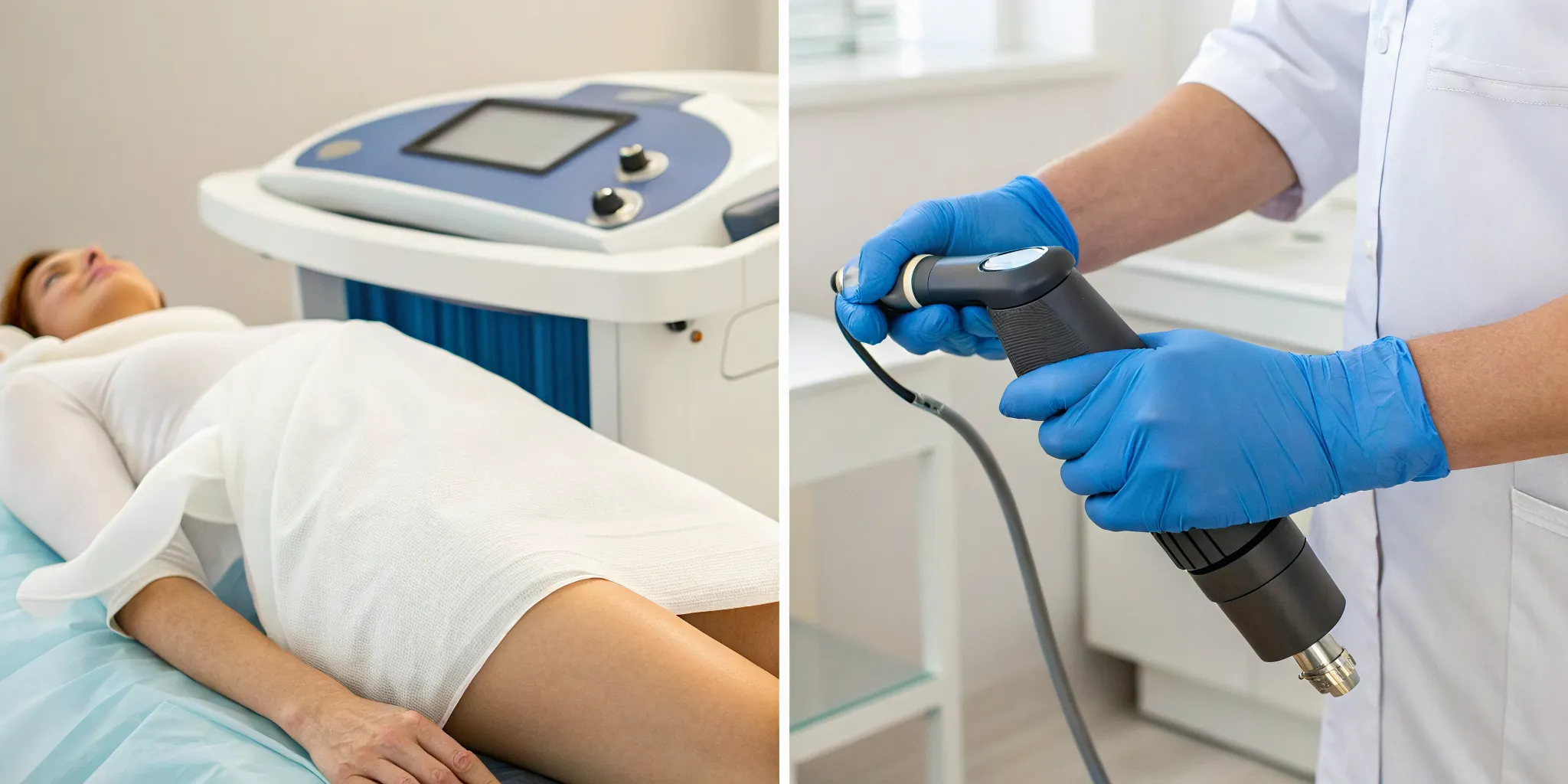
Dealing with pelvic pain can be an isolating and frustrating experience. An integrative approach to physical therapy offers a personalized, high-quality service that centers on your pelvic health. The goal is to provide lasting relief by identifying the root cause of your pain. This method moves beyond just managing symptoms with temporary fixes. Instead, it uses targeted techniques that are part of a comprehensive physical medicine plan to restore function and help you get back to living your life comfortably and confidently.
Prenatal and Postnatal Support
Pregnancy and the postpartum period bring incredible changes to your body. This approach provides dedicated support for women through every stage, from preconception and pregnancy to postpartum recovery and beyond. The physical demands of this time are unique, and your care should be too. By understanding the specific challenges you face, a provider can tailor services to meet your individual needs. This specialized support helps you prepare for birth, recover more effectively, and feel strong as you care for your new baby.
Menopause and Post-Cancer Recovery Care
Life transitions like menopause and post-cancer recovery require specialized attention and compassionate care. An integrative approach addresses the complex changes your body goes through during these times. Whether it's managing new symptoms associated with menopause or rebuilding strength and function after cancer treatment, the care is designed to help you feel like yourself again. By focusing on your body’s complete system, including hormonal health through longevity medicine, this approach supports you in moving through these changes with confidence and vitality.
Conditions That Benefit from an Integrative Approach
When different parts of your body are sending out distress signals, it’s a sign that a deeper, more connected approach is needed. An integrative strategy is especially helpful for complex conditions where the symptoms are just one piece of the puzzle. By looking at how your spine, pelvis, and other body systems work together, we can create a plan that addresses the true source of your discomfort and helps you find lasting relief. Many common but frustrating health issues respond incredibly well to this kind of comprehensive care.
Chronic Pelvic and Lower Back Pain
If you’ve been dealing with persistent pain in your pelvis or lower back, you know how much it can affect your daily life. These issues are often connected, and treating them separately rarely solves the problem for good. As researchers note, "Chronic pelvic pain (CPP) with concurrent musculoskeletal and bladder symptoms is a complex and challenging problem." This is why an integrative approach is so effective. Instead of just focusing on the area that hurts, our physical medicine services examine your spinal alignment, muscle function, and lifestyle factors to understand the complete picture and build a path toward healing.
Bladder and Bowel Concerns
Talking about bladder and bowel issues can be uncomfortable, but finding a solution can be life-changing. These concerns are often rooted in pelvic floor dysfunction, which can be addressed with targeted care. The goal of an integrative plan is to help you regain control and confidence. By focusing on orthopedic and pelvic floor therapy, we work to "restore balance, strength, and confidence in every movement." Our functional medicine approach looks at the whole body to find and address the underlying causes, helping you improve your overall health and quality of life.
Fertility and Postpartum Support
The journey to parenthood and the recovery period that follows place unique demands on your body. An integrative approach can provide crucial support during these times, helping to prepare your body for pregnancy and heal afterward. This type of care offers "support for fertility and recovery after having a baby," addressing everything from pelvic alignment to core strength and hormonal balance. By looking at the full picture, we can help manage common discomforts and prepare your body for a smoother delivery and recovery. Our comprehensive services are designed to optimize your physical foundation, ensuring your body is functioning at its best so you can feel strong and supported through every stage.
What Are the Benefits of This Approach?
When you’re dealing with persistent pain or discomfort, you want more than a temporary fix. You want real answers and a clear path forward. An integrative approach to spine and pelvic health moves beyond just managing symptoms. It focuses on understanding your body as a whole system to create lasting change and help you feel your best. This method is built on a partnership between you and your provider, ensuring your care plan is as unique as you are.
The primary goal is to help you regain control over your health. By combining targeted physical medicine with a deep understanding of your body’s internal functions, we can uncover the connections between your spine, pelvis, and overall well-being. This comprehensive view allows for more effective and sustainable results, empowering you to live with more freedom and less pain.
Personalized Plans That Address the Root Cause
Your story and your symptoms are unique, which is why your treatment plan should be, too. Instead of a one-size-fits-all solution, this approach starts with a thorough conversation about your health. Together, we’ll discuss your concerns and openly talk about everything from bowel and bladder habits to sexual health and daily activities. This detailed understanding allows us to address the root cause of your issues.
We aim for lasting relief without needing unnecessary procedures or medicines that just hide symptoms. By identifying the underlying source of your pain or dysfunction, we can develop targeted strategies that support your body’s natural ability to heal, leading to more meaningful and permanent improvements.
Finding Relief and Improving Your Quality of Life
Ultimately, the goal is to help you feel better and get back to doing what you love. Pelvic floor physical therapy offers a non-invasive and effective approach to managing pelvic floor dysfunction, helping you find comfort and regain function. It’s about more than just exercises; it’s about giving you the tools and education needed to restore strength, comfort, and confidence in your body.
This kind of dedicated care can make a significant difference in improving your quality of life. Our highly trained therapists are passionate about supporting people through every stage of life, from navigating pregnancy and postpartum recovery to managing changes that come with aging. We’re here to help you feel strong, capable, and in control of your health journey.
Common Myths About Pelvic Health
When it comes to our health, misinformation can be a major roadblock to feeling better. This is especially true for pelvic health, a topic surrounded by outdated ideas and confusion. Let's clear up a couple of the most common myths so you can feel more confident in understanding your body and seeking the right support. Getting the facts straight is the first step toward finding lasting relief and improving your well-being.
Myth: Pelvic Health Is Only for Women
Many people think pelvic health issues are exclusively a concern for women, especially after childbirth. This is a significant misconception. Men have pelvic floors too, and they can absolutely experience dysfunction. These issues can show up as urinary incontinence, sexual dysfunction, or persistent pelvic pain. It’s important to recognize that pelvic health is a human issue, not a gendered one. At Ascend Functional Health, we address the root causes of chronic pelvic and lower back pain for everyone, creating personalized plans that support your body’s unique needs.
Myth: Kegels Are the Only Solution
You’ve probably heard that Kegels are the go-to exercise for any pelvic floor problem. While they can be helpful for some people, they are not a universal fix. In fact, if your pelvic floor muscles are already too tight, performing Kegels can make the problem worse. A truly effective treatment plan requires a comprehensive and personalized approach. This might include a combination of different exercises, manual therapy, and education tailored to your specific condition. Consulting a professional is the best way to find out what your body actually needs to heal and function properly.
How to Choose the Right Provider
Finding the right healthcare provider is one of the most important steps on your path to wellness, especially for complex issues involving your spine and pelvis. You need more than just an expert; you need a partner who listens and works with you to create a plan that feels right. The connection you have with your provider can make all the difference. When you start your search, think about what you truly need. Are you looking for someone to address symptoms, or a provider who will help uncover the root cause of your discomfort? This partnership is built on trust, ensuring you feel supported every step of the way.
Look for Key Credentials
When you’re trusting someone with your health, their qualifications are a great place to start. Look for a provider with specialized training in pelvic health. For physical therapists, this might include advanced certifications that show a deep commitment to this specific area of care. These credentials mean the provider has completed rigorous, competency-based training to become an expert in pelvic rehabilitation. Beyond formal certifications, it’s also a good sign when a provider is actively involved in their professional community. This could mean they participate in local study groups with other medical professionals or present at conferences, showing they are passionate about staying current with the latest research.
Find a Patient-Centered Philosophy
A provider’s philosophy of care is just as important as their credentials. You want to find someone with a patient-centered approach, which means they put you at the heart of every decision. This type of provider fosters a collaborative relationship where you feel heard and respected. They will take the time to discuss all your concerns, from your daily activities to your personal health goals, creating a safe space for open conversation. This collaborative model is key to getting the best results. When you and your provider work together, you become an active participant in your own healing. Look for a practice where the patient experience is clearly a priority, ensuring your care plan is tailored to your needs.
The Role of Functional Medicine
When we talk about an integrative approach to spine and pelvic health, functional medicine is a huge piece of the puzzle. Think of it as health care that plays detective. Instead of just putting a bandage on your symptoms, it asks why those symptoms are happening in the first place. This approach recognizes that your body is one interconnected system, where everything works together. For instance, issues in your gut could be influencing your pelvic pain, or chronic stress might be contributing to your lower back tension. It’s a holistic perspective that considers your unique lifestyle, genetics, and environment to get to the bottom of things.
For women dealing with pelvic health concerns, this is a game-changer. It moves beyond a one-size-fits-all solution and toward a personalized plan that supports your body’s natural ability to heal. By understanding the full picture of your health, we can create a strategy that leads to more effective and lasting results. Our approach to Functional Medicine is designed to uncover these connections, helping you find relief by addressing the true source of the problem. This method empowers you with knowledge about your own body, creating a partnership between you and your provider that is focused on achieving genuine, long-term wellness.
Looking Beyond the Symptoms
In the world of pelvic health, focusing on the root cause is everything. It’s the difference between constantly managing discomfort and actually resolving it for good. This approach is all about providing lasting relief without relying on interventions that only mask what’s going on. When you’re dealing with pelvic dysfunction, the goal is to understand the complex factors at play so we can offer targeted support that promotes your overall well-being. By digging deeper, we can identify the specific triggers and imbalances that are contributing to your pain or discomfort, allowing for a much more precise and effective treatment plan.
The Importance of Hormone Balance and Testing
Hormones are powerful chemical messengers that influence everything from your mood to your metabolism, and they are absolutely essential for optimal pelvic health. This is especially true during major life stages like pregnancy, the postpartum period, and menopause. An integrative approach often includes hormone testing to see if imbalances are contributing to pelvic floor disorders or other concerns. For instance, shifts in estrogen can affect tissue elasticity and support in the pelvic region. By identifying and addressing these hormonal factors, we can significantly improve your treatment outcomes and help you feel your best through every stage of life.
What to Expect at Your First Visit
Walking into a new health provider’s office can feel a little intimidating, especially when you’ve been dealing with persistent symptoms. We want you to know that our first priority is to make you feel comfortable, listened to, and understood. Your first visit is all about discovery. It’s a dedicated time for us to learn your story and for you to learn how our approach can help you find lasting relief.
This initial appointment is a collaborative process designed to get to the heart of what’s going on in your body. We move beyond simply managing symptoms and start the process of identifying the root cause of your health concerns. The visit is typically broken down into two key parts: a comprehensive initial assessment where we gather all the necessary information, followed by the creation of a personalized treatment plan that serves as your roadmap to better health. This is the first and most important step toward reclaiming your well-being.
The Initial Assessment
Your first visit begins with a one-on-one conversation with your practitioner. This is a safe and open space for you to share your health history, your current symptoms, and your goals. We’ll discuss everything from your energy levels and sleep patterns to your digestive health and daily routines. Following our discussion, your practitioner will conduct a thorough assessment. Depending on your specific needs, this may include a physical evaluation to check your posture and movement patterns or a discussion about advanced diagnostic testing, like blood work, to get a clearer picture of your internal health. This comprehensive approach helps us understand the full range of conditions we treat and how they might be interconnected in your body.
Creating Your Treatment Plan
After the assessment, your practitioner will discuss their initial findings with you. This is where we start connecting the dots between your symptoms and their underlying causes. Together, we will develop a personalized treatment plan tailored to your unique needs and health goals. This isn't a one-size-fits-all protocol; it's a clear, actionable roadmap designed just for you. Your plan will outline the next steps in your care, which may include a combination of our services, such as physical medicine therapies, specific nutritional guidance, or recommendations for lifestyle adjustments. Our goal is to empower you with the knowledge and tools you need to facilitate your body’s natural healing abilities.
Combining Treatment with Lifestyle Changes
A truly integrative approach to health extends beyond the walls of the clinic. While in-office treatments are essential for guiding your body back to balance, the choices you make every day are what solidify that progress for the long haul. Think of it as a partnership: your practitioner provides the roadmap and the tools, but you’re the one driving the car. Lasting relief and vibrant health come from weaving supportive habits into the fabric of your daily life. This is where you take an active role in your healing journey, turning short-term improvements into a new, healthier way of living. By combining professional care with mindful lifestyle adjustments, you empower your body to not just recover, but to thrive. This synergy is the core of integrative health. It ensures that the work done during your appointments continues to build momentum, creating a foundation of wellness that supports you through all of life’s demands. It’s about moving beyond simply addressing symptoms and instead building a lifestyle that actively promotes strength, balance, and resilience from the inside out.
The Role of Movement and Exercise
Movement is a fundamental part of healing your spine and pelvis. This isn’t about pushing through intense workouts; it’s about re-educating your body, restoring balance, and building strength with intention. A personalized care plan, often a core component of physical medicine, will include specific, gentle exercises designed to support your core, improve alignment, and increase your comfort and confidence. The goal is to provide you with the tools and knowledge to move safely and effectively, reducing strain on your spine and pelvic floor. This therapeutic approach helps you build a resilient foundation, ensuring that the benefits of your treatment continue to grow as you integrate these movements into your daily routine. It’s about learning to work with your body, not against it.
Nutritional Support for Lasting Wellness
What you eat directly impacts your body’s ability to heal, manage inflammation, and maintain balance. A functional medicine approach looks at nutrition as a powerful tool for supporting your spine and pelvic health from the inside out. Instead of a one-size-fits-all diet, the focus is on identifying the right foods to nourish your specific needs, support gut health, and balance hormones. By understanding how certain foods affect your body, you can make informed choices that reduce inflammation, support tissue repair, and contribute to your overall vitality. This isn't about restriction; it's about creating a sustainable way of eating that fuels your body’s innate healing capabilities and supports your wellness goals for years to come.
Related Articles
- Root Cause Treatment for Chronic Pain | Ascend Functional Health
- Physical Medicine in Tampa | Chiropractic & Rehab Care | Ascend Functional Health
- Spinal Health Chiropractic: A Complete Guide
- Cervical Myofascial Pain 101: A Complete Guide
Frequently Asked Questions
How is this different from the physical therapy I've tried before? Think of this as a much more comprehensive and personalized experience. Instead of focusing only on the area that hurts, we look at how your entire body functions as a system. We specialize in both orthopedic and pelvic floor health, which allows us to see the connections between your spine, pelvis, and core. The goal is to find and address the root cause of your discomfort, not just provide temporary relief for your symptoms.
Is this type of care only for women who have had children? Not at all. While this approach is incredibly supportive for prenatal and postpartum recovery, it benefits women at any stage of life. We help people dealing with chronic lower back pain, bladder or bowel concerns, discomfort during intimacy, and changes related to menopause. It’s about restoring the function of your body’s core foundation, which is something that can affect anyone.
What does functional medicine have to do with my back or pelvic pain? Functional medicine helps us answer the question "why" you're having pain in the first place. It recognizes that issues like chronic inflammation, poor gut health, or hormone imbalances can directly contribute to musculoskeletal problems. By looking at the whole picture of your health, we can identify and address these underlying factors, which leads to more effective and lasting results.
I'm a little nervous about discussing these personal issues. What is the first visit like? That's completely understandable, and our first priority is to create a comfortable and supportive space for you. The initial visit is really a conversation where you can share your story, concerns, and goals without judgment. We'll then do a thorough assessment to understand your body's movement and function. From there, we'll work together to create a personalized plan that feels right for you.
How do I know if this approach is right for me? This approach is a great fit if you're looking for more than a quick fix and want to understand the root cause of your health concerns. If you've tried other treatments without finding lasting relief, or if you feel like your symptoms are all connected but no one has helped you see the full picture, this integrative method could be the answer. It’s for anyone who is ready to take an active role in their healing journey.