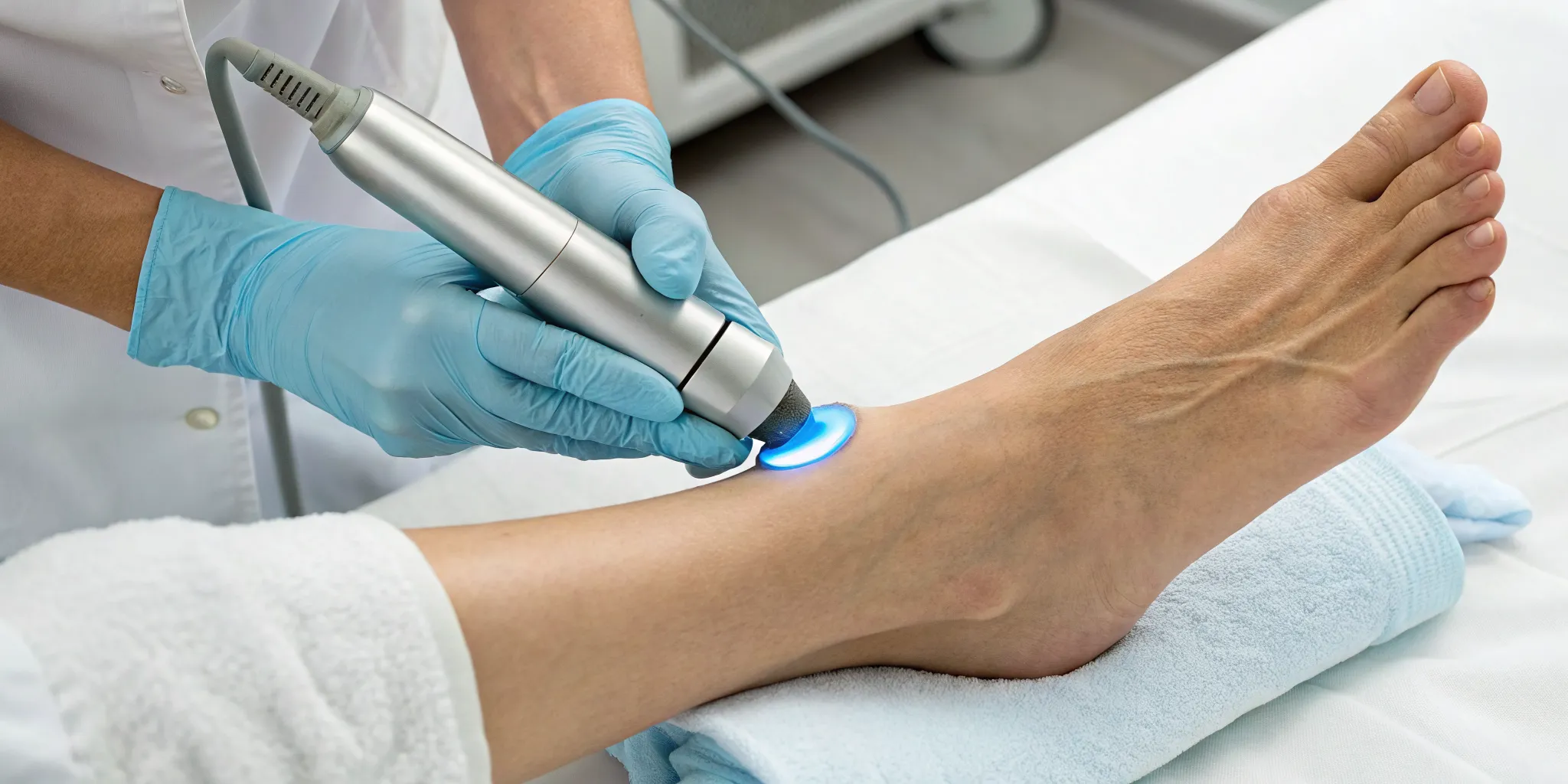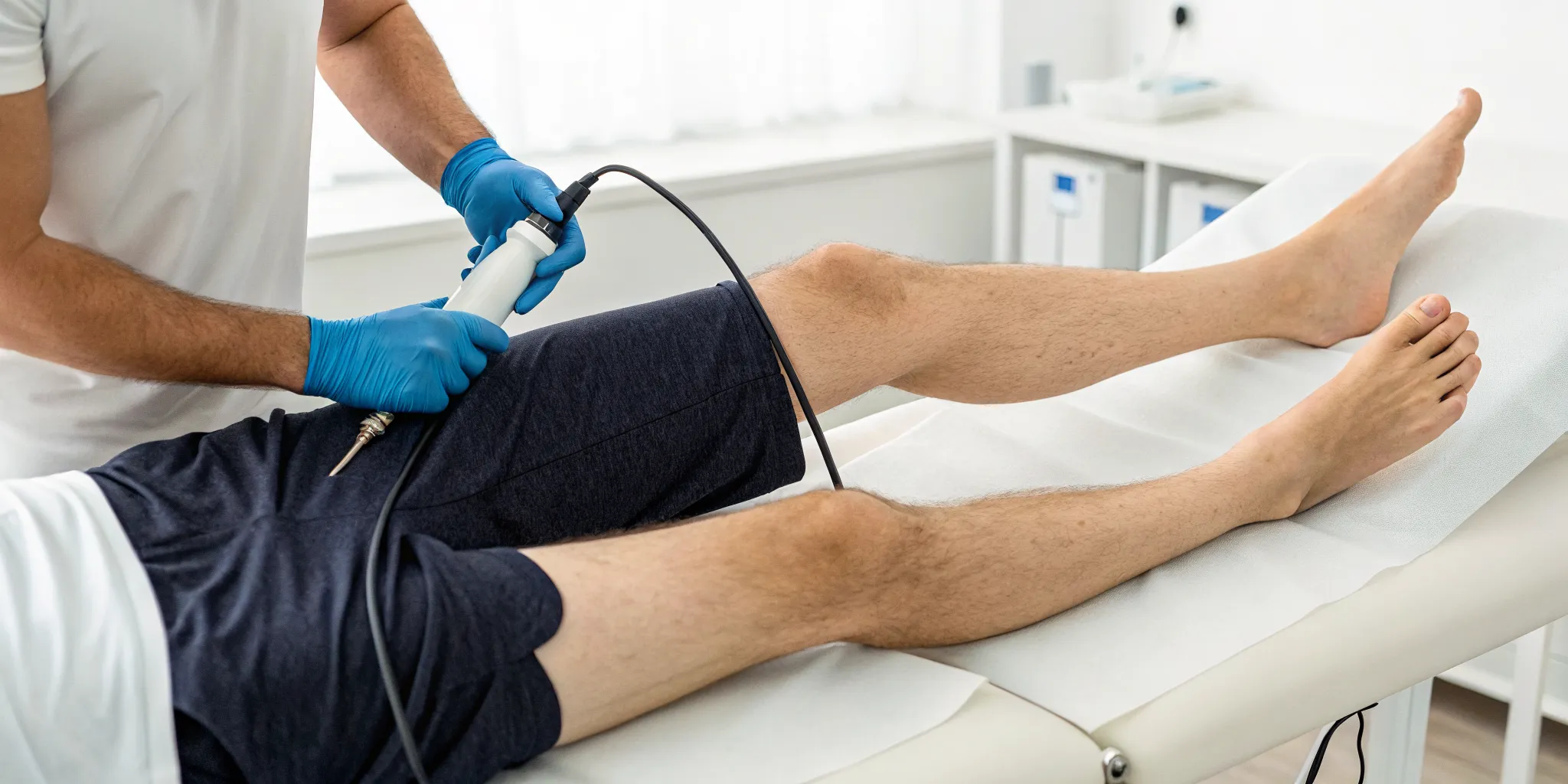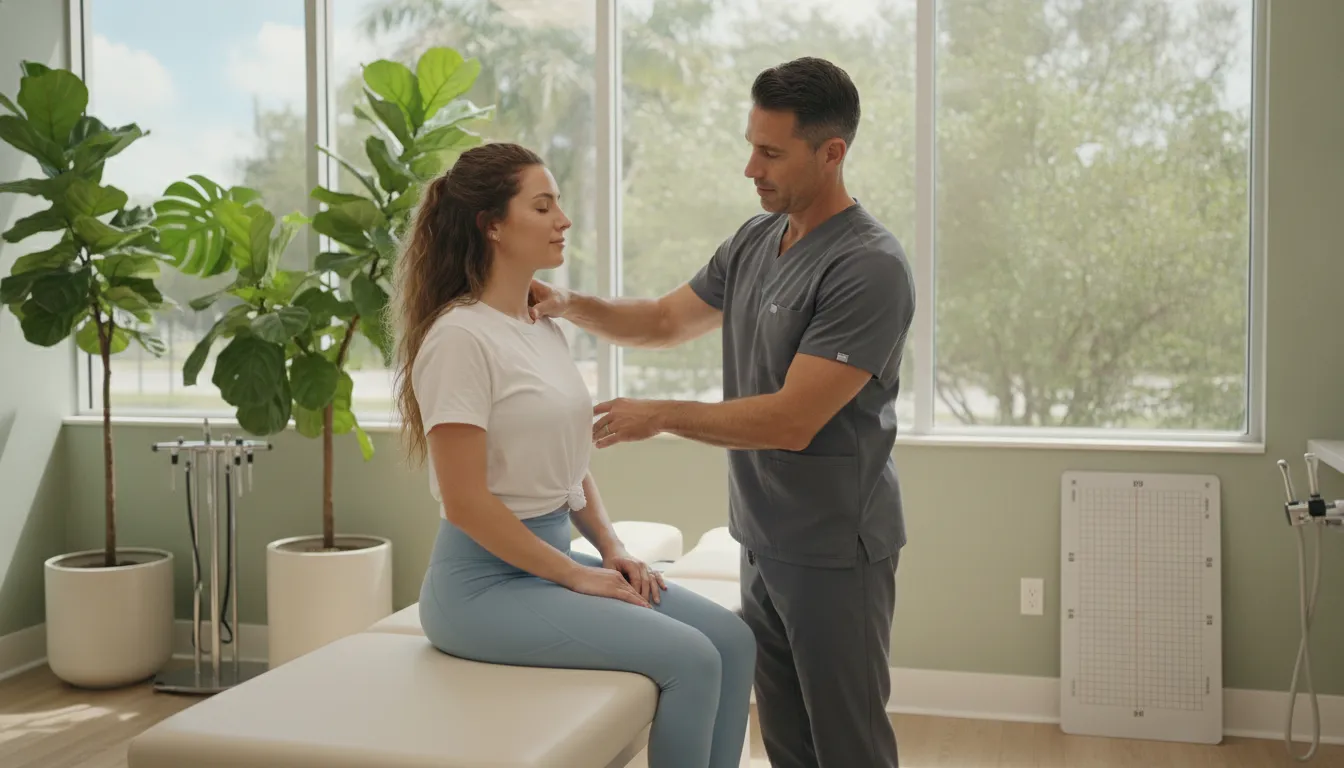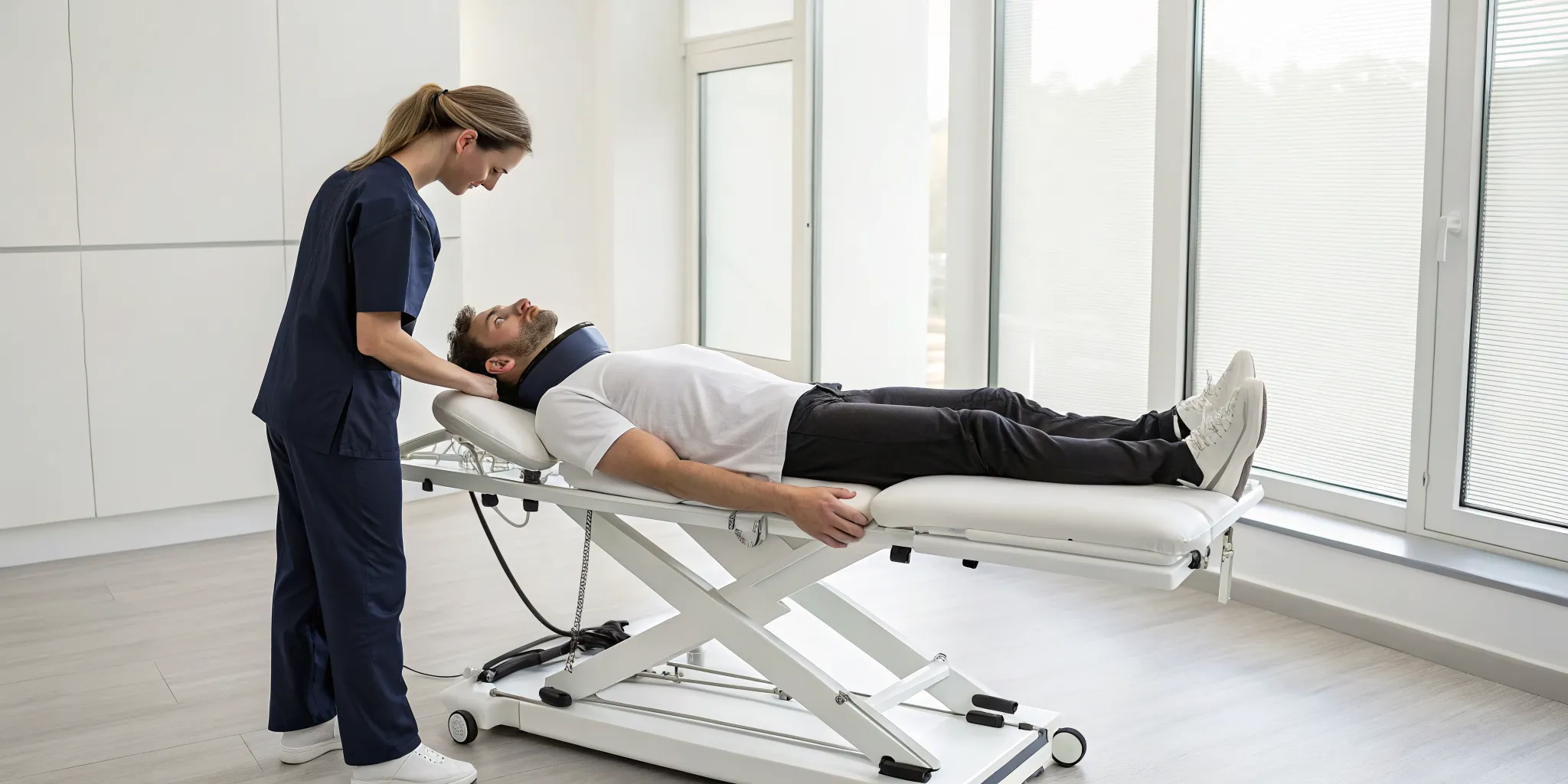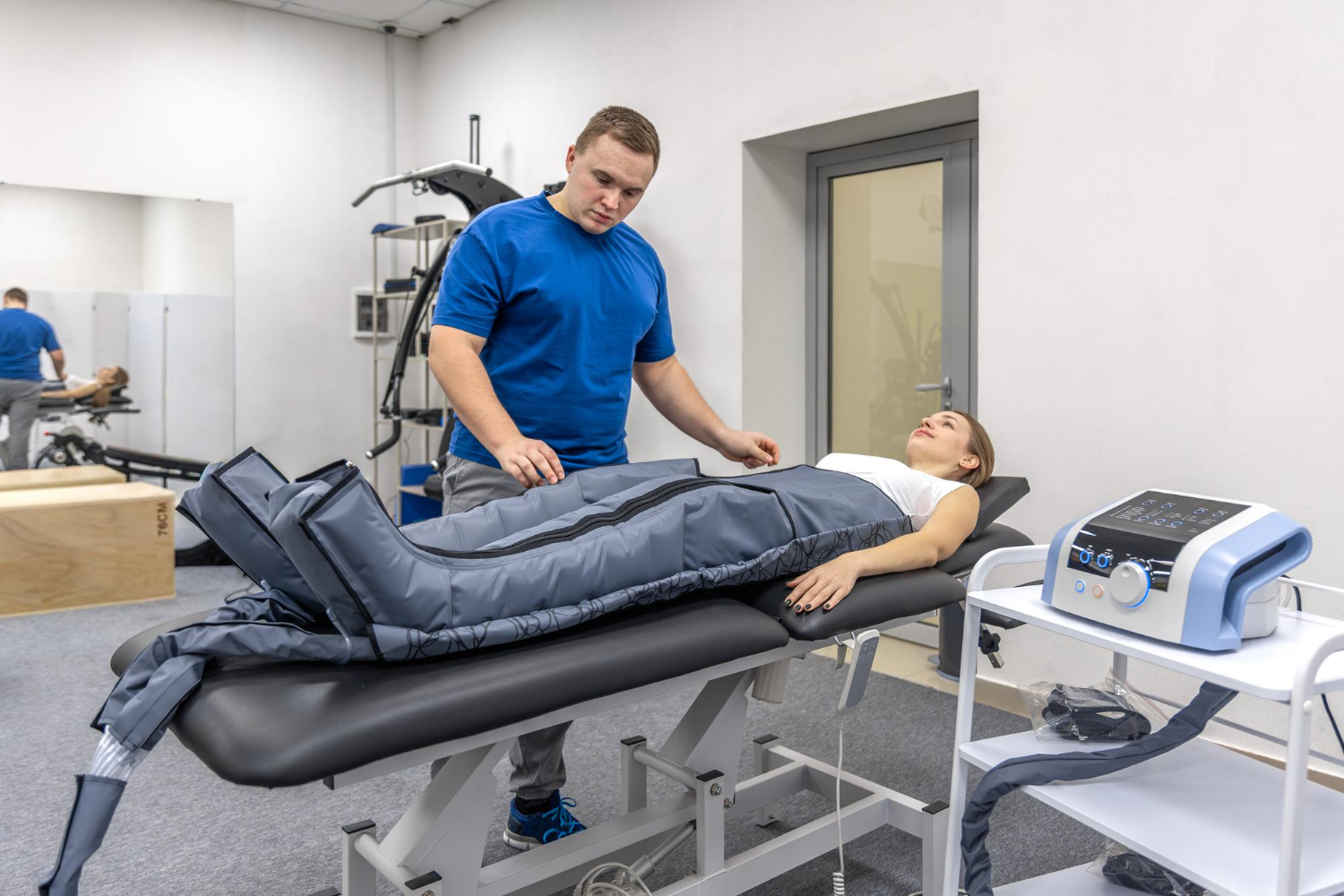
Sports chiropractic is chiropractic care considered in the context of athletic activity, movement goals, and recovery. For Tampa Bay runners, fitness enthusiasts, weekend competitors, and former athletes, the useful question is not whether one technique works for everyone. It is how a qualified clinician can assess the concern, explain options, and help determine whether chiropractic care belongs in an individualized plan.
Request a consultation to discuss your movement goals
What Does Sports Chiropractic Mean?
Sports chiropractic applies chiropractic evaluation and care to the needs of people who are active or participate in sports. It is a way of thinking about a person's activity, movement, symptoms, and goals—not a guarantee of faster recovery or better athletic performance.
The term can describe a clinical focus rather than one single procedure. A clinician may ask what activity brings on the concern, when it started, what movements feel limited, and how it affects training or daily life. The next step depends on that history and an examination. A chiropractic adjustment may be one option when appropriate, but it is not automatically the right choice for every person or every complaint.
Research and professional descriptions also use the term in a broad sports-health context. A 2023 article indexed by a medical research database discusses the integration of chiropractic care into sports, while Sherman College's overview of sports chiropractic care describes chiropractic in an athletic setting. Those sources help explain the field, but they do not establish that a particular intervention is suitable for a specific person. Personal assessment still matters.
For an athlete, the practical value of the conversation is clarity: what seems to be contributing to the limitation, what can be addressed within the clinician's scope, and when another type of evaluation is needed. That approach keeps the focus on the individual rather than a standard sports-care package.
When Might an Active Person Consider a Sports Chiropractic Evaluation?
An evaluation may be worth discussing when movement discomfort or stiffness interferes with a sport, exercise routine, or ordinary activity. It can also help an active person understand whether the concern fits a conservative physical medicine approach or calls for a different clinical assessment.
People seek guidance for many different reasons. A runner might notice that turning or bending feels different after increasing mileage. A recreational lifter might have trouble moving comfortably through a familiar range. A former athlete may want to return to activity after time away, while someone who plays a weekend sport may have recurring discomfort that changes how they move. These examples are prompts for assessment, not diagnoses.
It helps to notice the pattern before an appointment. Record when the sensation began, which activities bring it on, what makes it ease or worsen, and whether it is changing. Also consider the effect on sleep, work, or basic movement. This information can make the discussion more specific without trying to identify the cause yourself.
Sports chiropractic is not a substitute for medical evaluation when symptoms are severe, rapidly worsening, associated with a major injury, or accompanied by concerning changes such as new weakness or loss of normal function. In those situations, seek prompt assessment from an appropriate medical professional. A chiropractor should be able to explain when a concern is outside the scope of the planned care and recommend an appropriate next step.
For people in Tampa Bay, an initial conversation can clarify whether a physical medicine assessment is a reasonable starting point. Ascend's Tampa service-area information provides local context, and a prospective patient can use the consultation to ask about fit rather than assume a particular treatment will be recommended.
What Happens During an Assessment for Sports-Related Movement Concerns?
A thoughtful assessment starts with your story and your goals, then considers movement and relevant health history before discussing options. The clinician should explain what the findings can and cannot tell you, and should not promise a result before understanding the concern.
Expect questions about the activity involved, training changes, previous injuries, symptoms, and what you hope to return to or do more comfortably. Bring a concise timeline. If you have relevant imaging, test results, or notes from another clinician, ask whether they would be useful; do not delay appropriate medical care just to collect records.
A physical assessment may include observing posture or movement and checking a relevant range of motion, depending on the concern and the clinician's judgment. The examination should be explained in plain language. You can ask why a movement is being checked, what a finding might mean, and whether there are reasons to avoid a particular approach. A finding is one piece of context, not proof on its own of the cause of pain or a forecast of recovery.
After the assessment, useful next-step questions include: What are the reasonable options? What would make this approach appropriate or inappropriate for me? How will we review whether function is changing? Should I speak with another health professional? What should I do if symptoms change? A clear answer may include further evaluation or a referral rather than hands-on care.
Sports chiropractic is best understood as a collaborative clinical process. You bring your experience and goals; the clinician contributes an examination and an explanation of possible approaches. You should have room to ask questions and make an informed decision about whether to proceed.
How Can Chiropractic Fit With Training and Recovery?
Chiropractic care, when clinically appropriate, is one possible part of a broader plan. It should be coordinated with sensible activity choices and any other care the person is receiving, rather than treated as a replacement for training judgment or medical guidance.
Training load matters because symptoms can change when duration, intensity, frequency, technique, or recovery time changes. If a concern began after a sudden increase in activity, sharing that detail may help the clinician understand the context. The clinician can discuss whether modifications or additional evaluation are appropriate, but an article cannot prescribe a safe training schedule for an individual.
Care plans can differ. Some may focus on an examination and education; others may include a physical medicine service such as chiropractic, soft-tissue work, or rehabilitation when it is suitable. Ascend describes its Physical Medicine services as including chiropractic and related approaches. That does not mean each service is right for every athlete; an assessment should determine fit.
People sometimes assume that a sports-focused visit always includes an adjustment, or that an adjustment alone resolves a movement problem. Neither assumption is a sound basis for choosing care. Ask what the proposed step is intended to address, what alternatives exist, and how it will relate to your wider activity plan. If you are already working with a physician, physical therapist, athletic trainer, or coach, tell the clinician so the conversation can account for that care.
When a plan includes hands-on care, it is reasonable to discuss what you may experience, what changes to watch for, and when to contact the provider. If the plan does not match your goals or the explanation is unclear, pause and ask for clarification. Shared decision-making is part of responsible care.
How Do You Compare Care Options and Set Realistic Expectations?
Compare options by their purpose, the assessment behind them, and how progress will be reviewed—not by a promise of a particular outcome. The table below is a discussion aid, not an individualized treatment recommendation.
| Option or step | Possible role in the conversation | Questions to ask |
|---|---|---|
| Clinical assessment | Clarifies the activity-related concern, relevant history, and whether a physical medicine approach may fit. | What did the examination identify, and what remains uncertain? |
| Chiropractic care | May be considered as one physical medicine option when the clinician finds it appropriate. | Which purpose is intended, and what alternatives should I consider? |
| Rehabilitation or movement guidance | May help address movement goals as part of a plan, depending on assessment and provider scope. | What activity changes or follow-up are appropriate for my situation? |
| Additional medical evaluation | May be more appropriate when symptoms, history, or examination call for assessment beyond the current setting. | Who should I consult, and how soon should I do so? |
Set expectations around process and measurable function rather than a guaranteed timeline. For example, you and the clinician might agree to revisit a specific movement or day-to-day activity that matters to you. Changes can be discussed over time, but many factors affect symptoms and performance. One visit cannot promise an outcome, and a change in discomfort does not by itself explain the underlying cause.
Ask how the clinician will decide whether to continue, adjust, or stop a plan. You can also ask what would trigger a referral or another evaluation. A responsible answer recognizes uncertainty and gives you a way to communicate if the concern changes. Ascend's provider information can help you learn about the practice's clinical leadership, while a consultation is the place to discuss your own health history and care questions.
What Should You Bring to a Sports Chiropractic Consultation?
A short, accurate account of your activity and symptoms can make a consultation more useful. You do not need to arrive with a diagnosis or a perfect training log; the goal is to give the clinician enough context to ask better questions.
- Your activity: Describe the sport, exercise, work demands, or daily movement you want to do.
- A brief timeline: Note when the concern started and whether anything changed around that time.
- What affects it: Explain which movements or activities seem to change the symptoms, without forcing a movement that feels unsafe.
- Your care history: Share relevant prior injuries, evaluations, treatments, medications, or diagnoses, as appropriate.
- Your goal: Be specific. You might want to understand a limitation, return gradually to a chosen activity, or move through daily tasks more comfortably.
- Your questions: Write down what you want to know about the examination, possible options, risks, follow-up, and when to seek another evaluation.
If you have imaging or records, ask whether to bring them. Tests are not automatically needed for every concern, and only a clinician can decide whether additional evaluation is indicated. Avoid relying on online checklists to interpret an image or diagnose yourself.
Also mention other providers involved in your care. Coordinated communication can reduce confusion about what has already been tried and what each professional is addressing. If you have a specific competition or event coming up, say so, but understand that a clinician should not guarantee readiness or a particular performance outcome.
How Does Sports Chiropractic Relate to Ascend's Physical Medicine Approach?
Ascend Functional Health's relevant connection to this topic is its Physical Medicine pillar, which includes chiropractic and related physical care. A consultation can help determine whether an assessment at the practice is a sensible fit for an individual's concern; this article does not claim that Ascend provides a specialized sports program or that every active person needs treatment.
Ascend positions its care around personalized, research-informed protocols and consideration of root causes, while recognizing that the appropriate plan depends on the person. For a sports-related movement concern, the first practical step is discussing the activity, symptoms, history, and goals with a clinician. From there, the clinician can explain whether the available physical medicine approaches are relevant or whether another evaluation would be more suitable.
Physical concerns are not always the only part of a person's health story. If broader concerns such as fatigue or other persistent symptoms are relevant, they should be discussed with an appropriate clinician rather than assumed to be caused by training or a spinal issue. Ascend's Functional Medicine information describes a separate practice pillar; it is not a substitute for a sports injury assessment, and it should not be presented as a guaranteed route to improved athletic performance.
People wanting to learn how the practice's services fit together can review the services overview. For an individual recommendation, the important question is still whether the clinician's examination supports a particular option. You can request a consultation through the contact page and use it to discuss fit, questions, and possible next steps.
Review Ascend's Physical Medicine options and discuss your next step
Frequently Asked Questions
These answers offer general context, not a diagnosis or a promise about treatment results. A clinician can help apply the information to your history and goals.
Is sports chiropractic only for competitive athletes?
No. The term can apply to people with many activity levels, including recreational exercisers and people returning to movement after time away. Whether chiropractic care is suitable depends on the person's concern and clinical assessment, not an athletic label.
Does a sports chiropractic visit always include an adjustment?
No. The clinician should first consider the person's history and examination. An adjustment may be discussed if appropriate, but the visit may instead involve explanation, another physical medicine option, further assessment, or referral.
Can sports chiropractic guarantee a faster return to sport?
No responsible article or provider should guarantee a specific recovery timeline or performance result. Symptoms and recovery vary, and the right plan depends on the individual. Discuss how progress will be reviewed and what changes should prompt a new evaluation.
Is sports chiropractic the same as sports medicine?
No. They are related to health and activity but are not interchangeable terms. Chiropractic care is one clinical discipline; sports medicine can involve different health professionals and services. The Cleveland University-Kansas City overview of sports chiropractors discusses that professional role, but a person should ask any provider about their training, scope, and when they coordinate or refer to other clinicians.
What if symptoms change during a care plan?
Tell the clinician promptly and ask whether the plan needs to change. New, severe, rapidly worsening, or concerning symptoms may call for prompt assessment from an appropriate medical professional rather than simply continuing the same approach.
Explore Physical Medicine and discuss whether an evaluation fits
To ask about your own situation, request a consultation with Ascend Functional Health and bring your questions about activity, movement, and next steps.
This article is for educational purposes only and is not medical advice. Consult your clinician before acting on health information or changing your care plan.