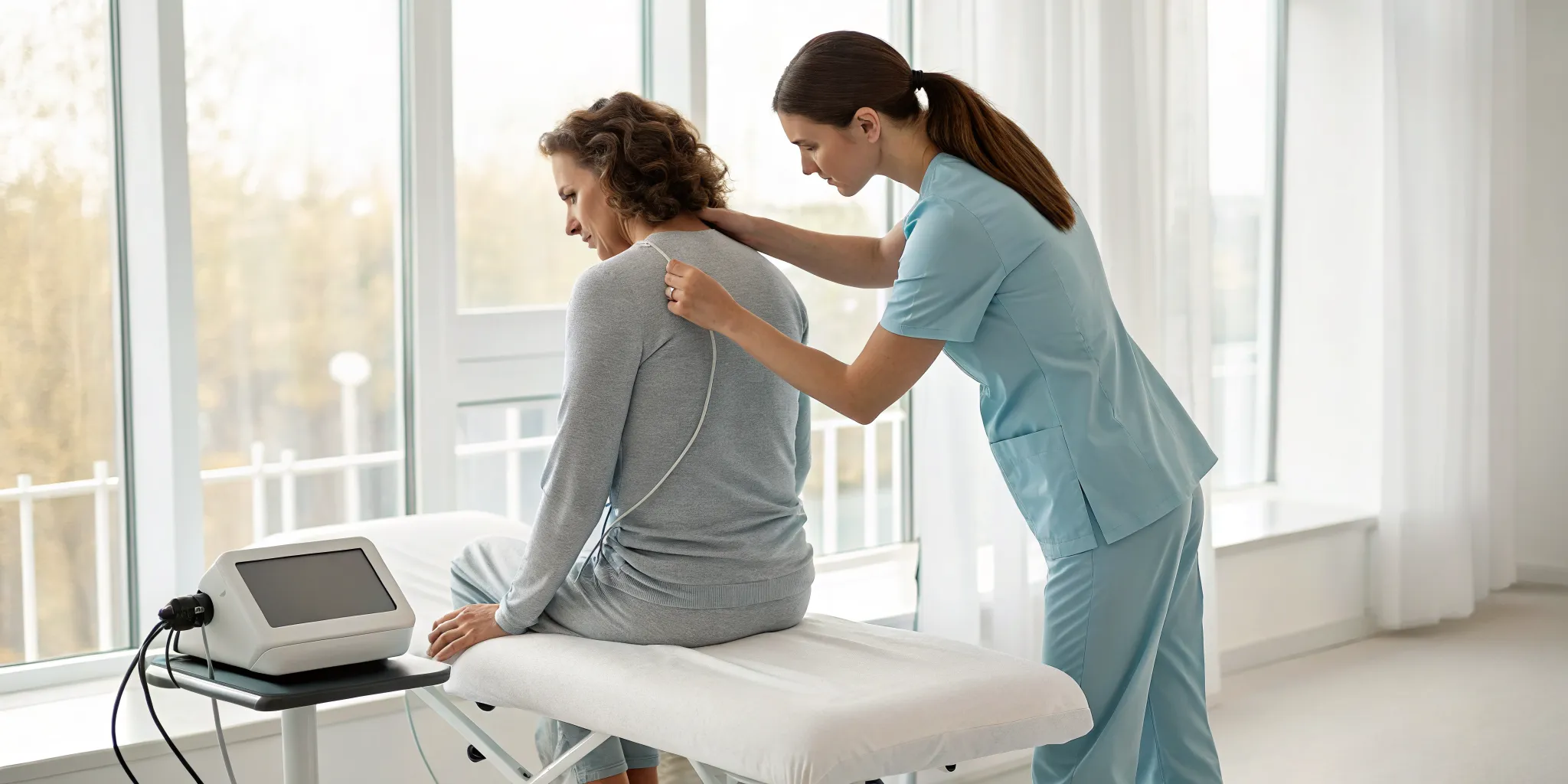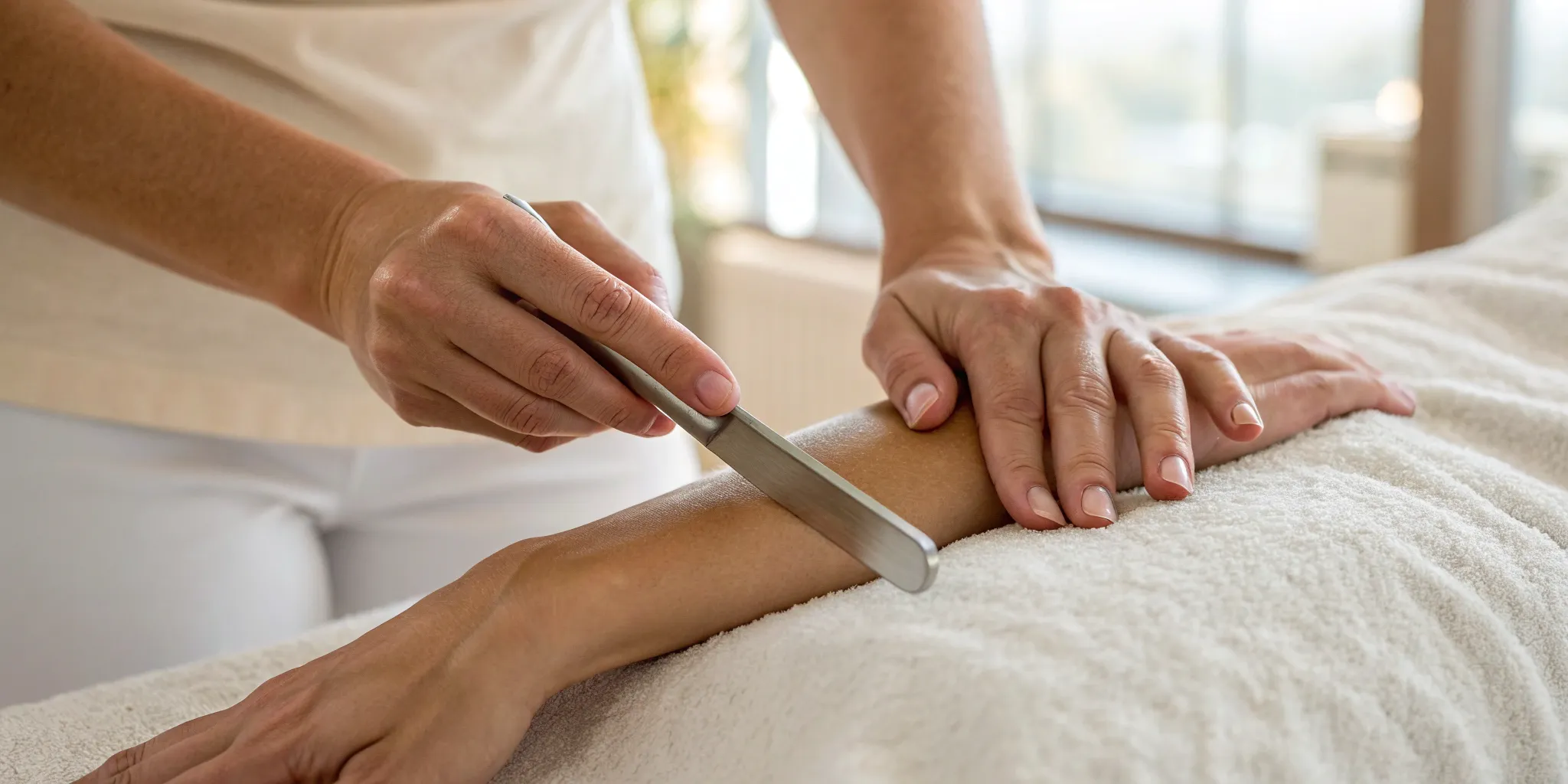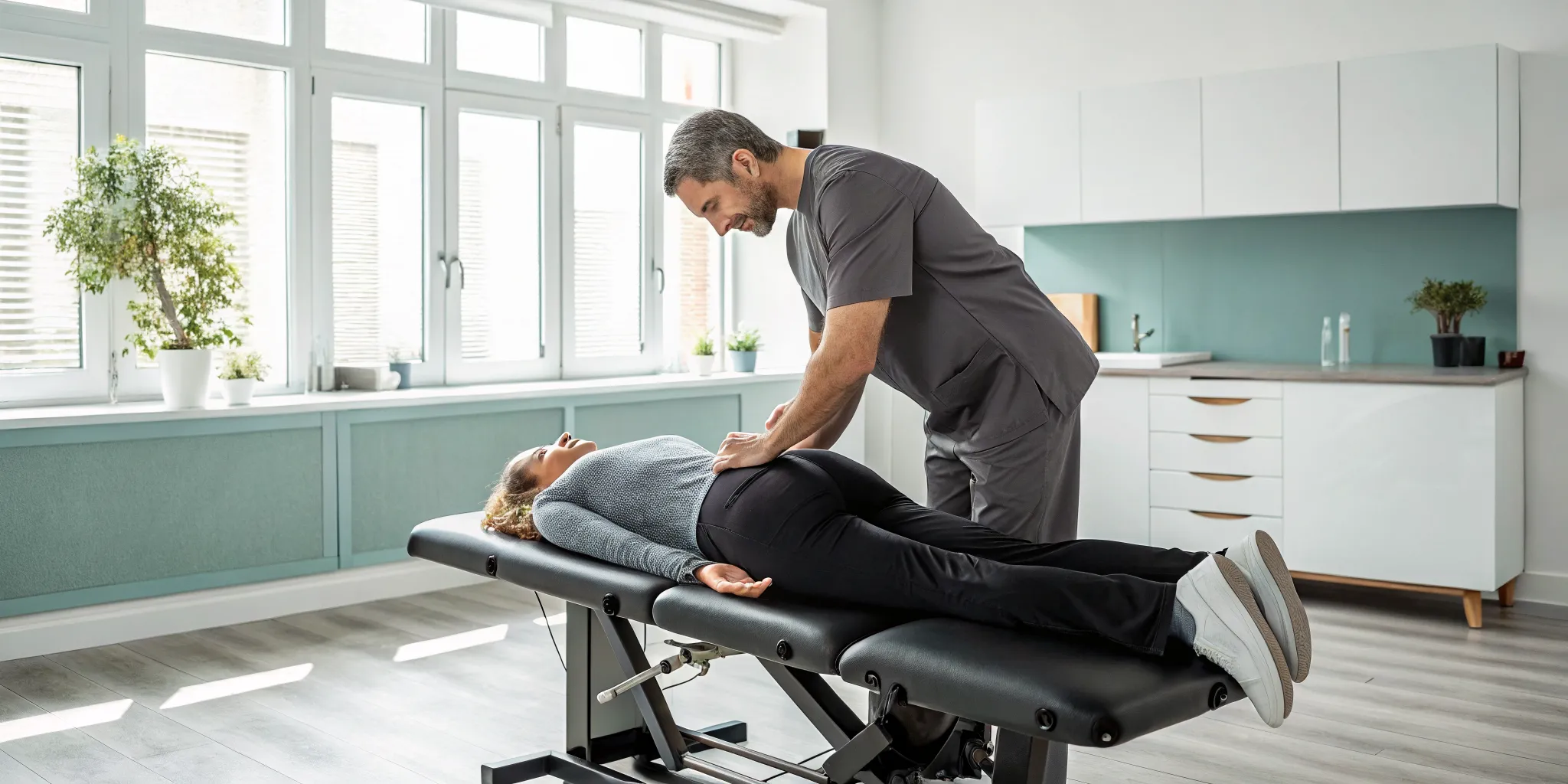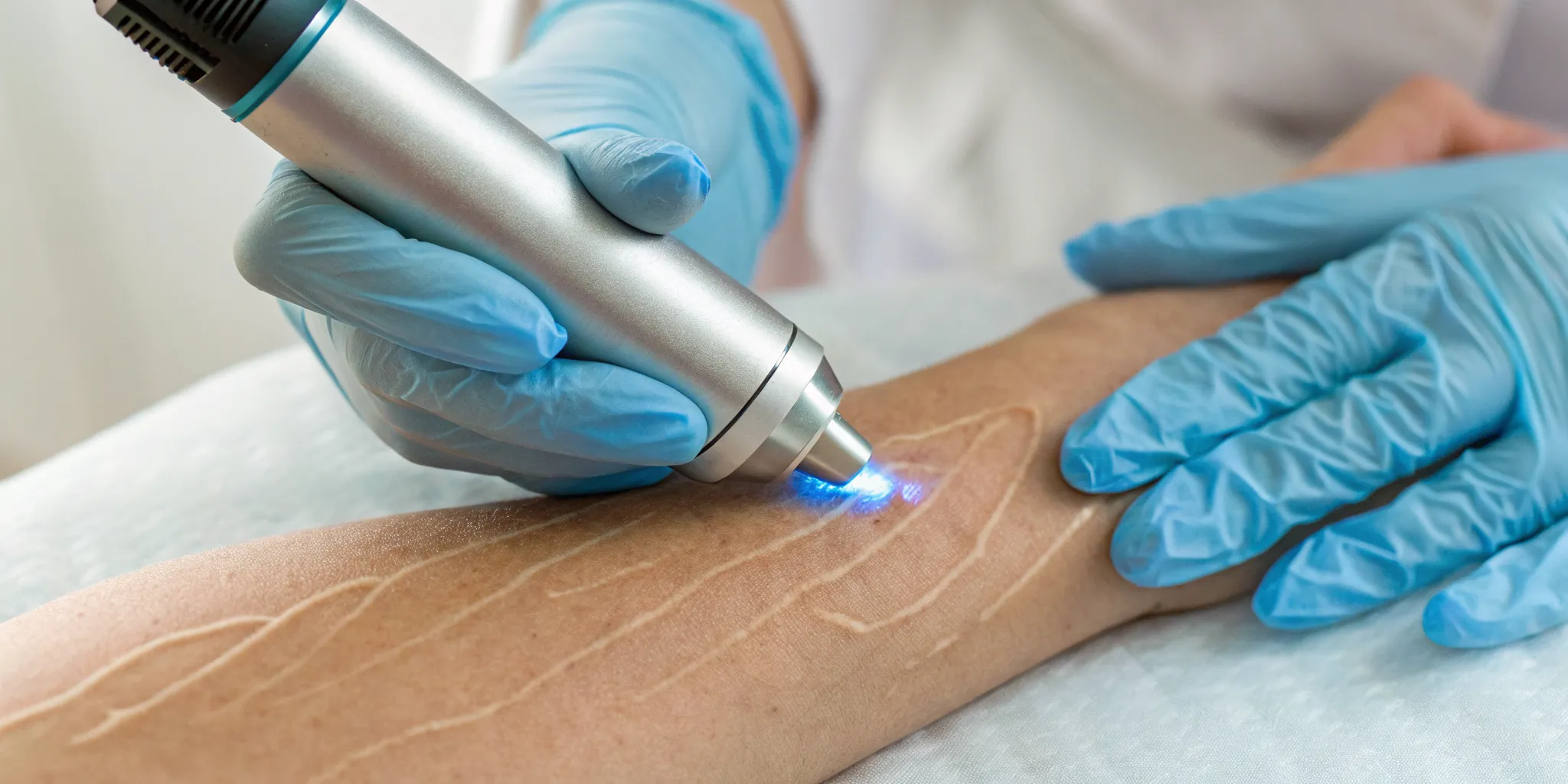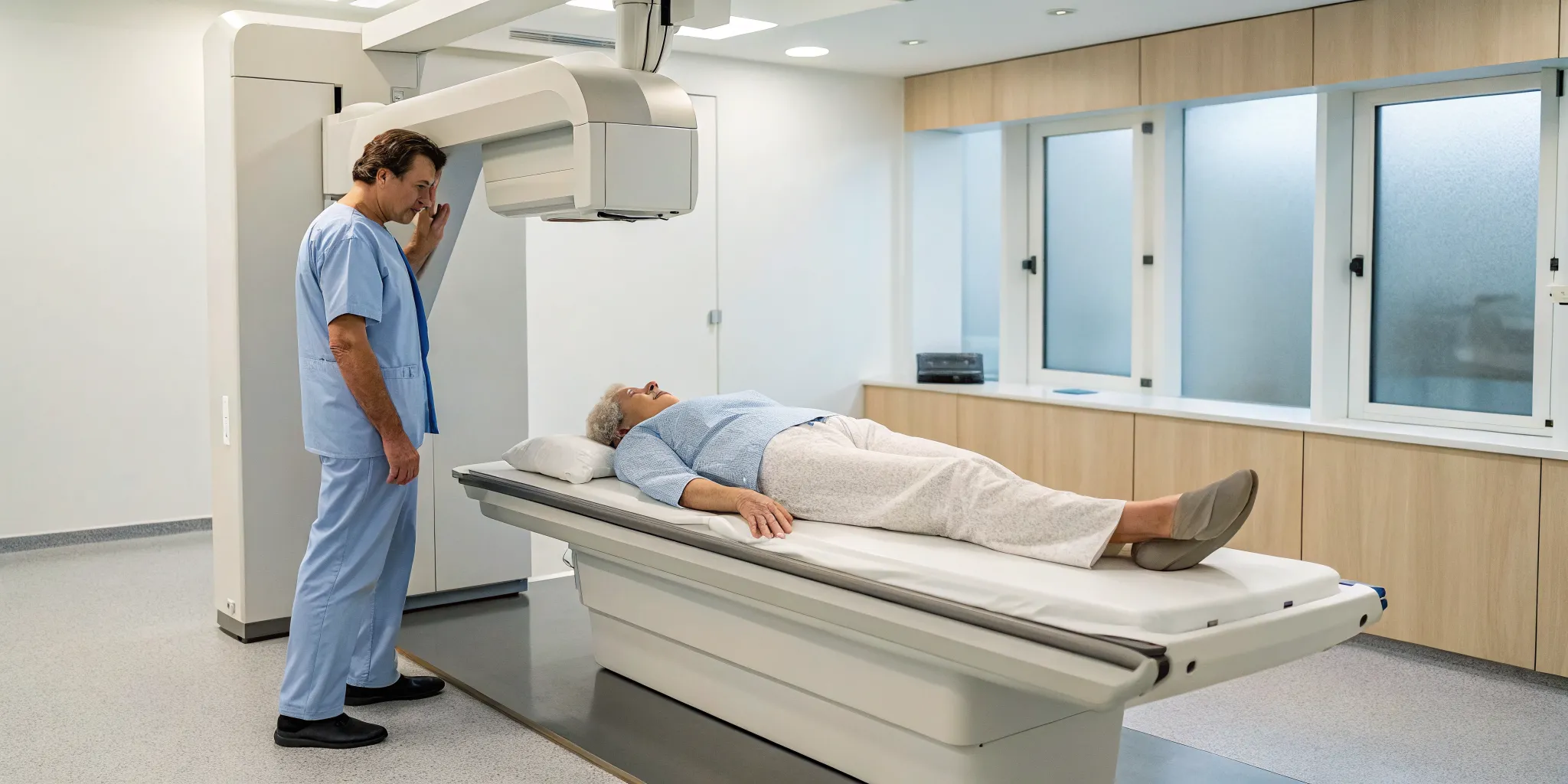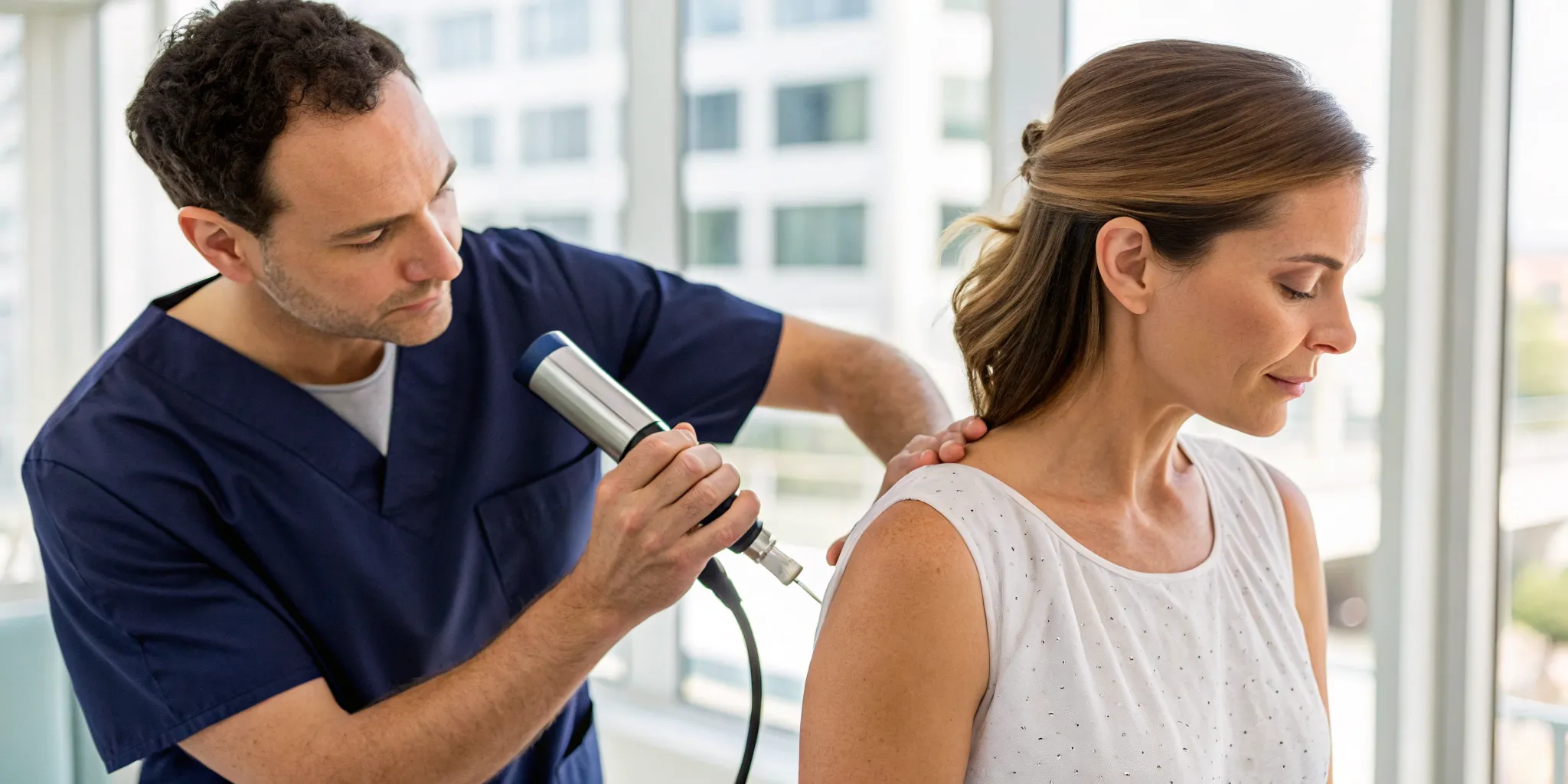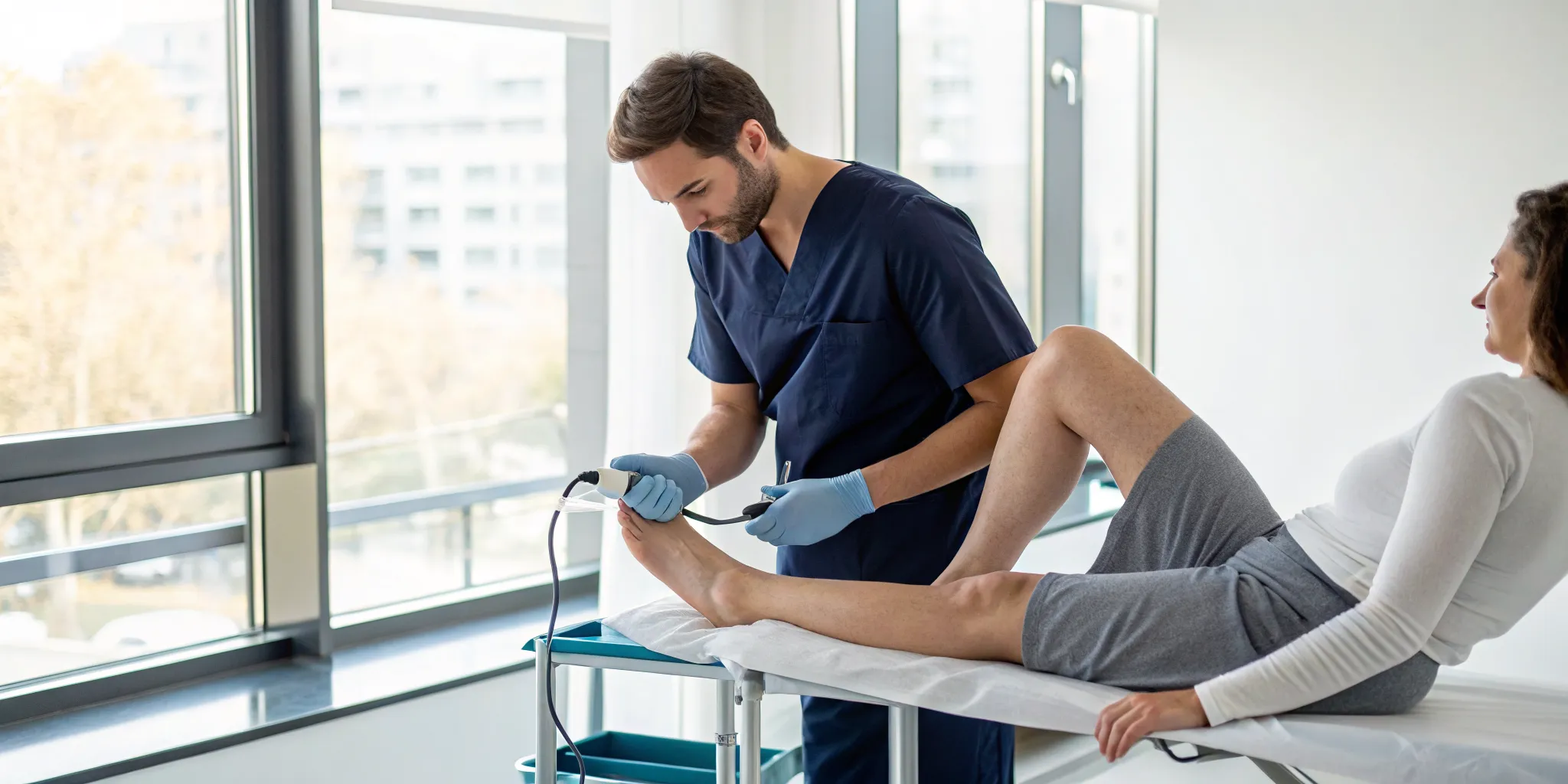
Think about pain this way: some issues are close to the surface, like a strained tendon, while others are located deep within a joint. It makes sense that you’d need different tools to address them. This is the simplest way to understand the core difference when comparing SoftWave vs acoustic wave therapy. Both are non-invasive treatments that use sound energy to kickstart healing, but they operate at different depths. One excels at reaching deep-seated orthopedic conditions, while the other is ideal for more superficial soft tissue concerns. Understanding this distinction is the first step in choosing a therapy that can effectively target your specific source of discomfort and help you heal properly.
Key Takeaways
- Understand the technology: SoftWave therapy uses broad, deep-reaching waves for chronic conditions, while acoustic wave therapy uses focused waves for more superficial injuries.
- Aim for lasting results: Instead of just masking symptoms, these therapies stimulate your body’s natural repair mechanisms to address the root cause of pain, promoting genuine and long-term healing.
- Get a personalized plan: The right therapy depends on your specific condition and goals, so a professional evaluation is the best way to determine which approach will be most effective for your recovery.
How Does SoftWave Therapy Work?
If you're looking for a way to address pain and injury without invasive procedures, SoftWave therapy might be the answer. This innovative approach uses patented technology to send unfocused shock waves deep into your tissues, prompting your body to kickstart its own powerful healing processes. Think of it as a gentle but effective wake-up call for your body's internal repair system. Instead of just masking symptoms, SoftWave gets to the heart of the matter by stimulating real, cellular-level healing from within.
Stimulating Your Body's Tissues
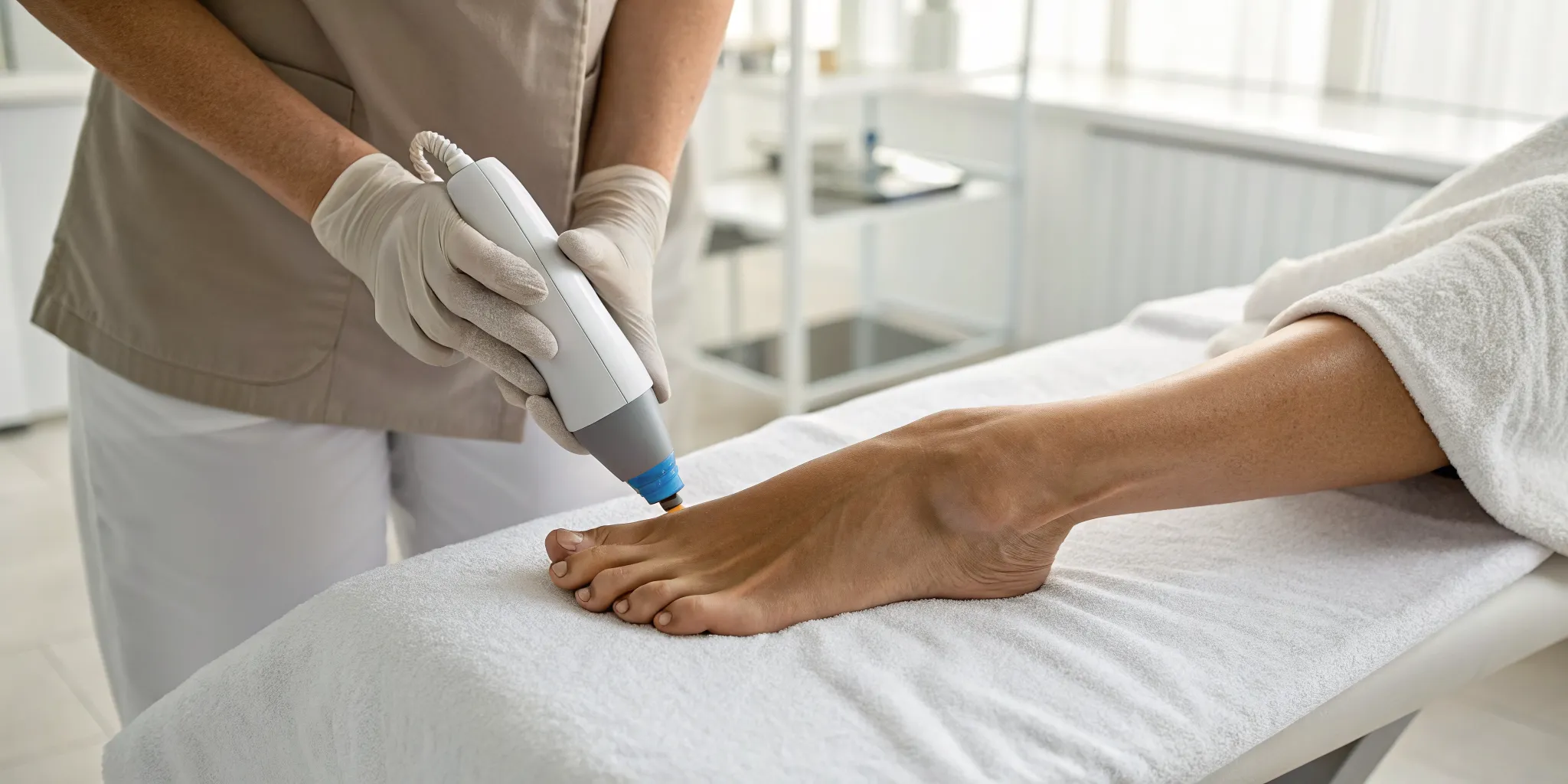
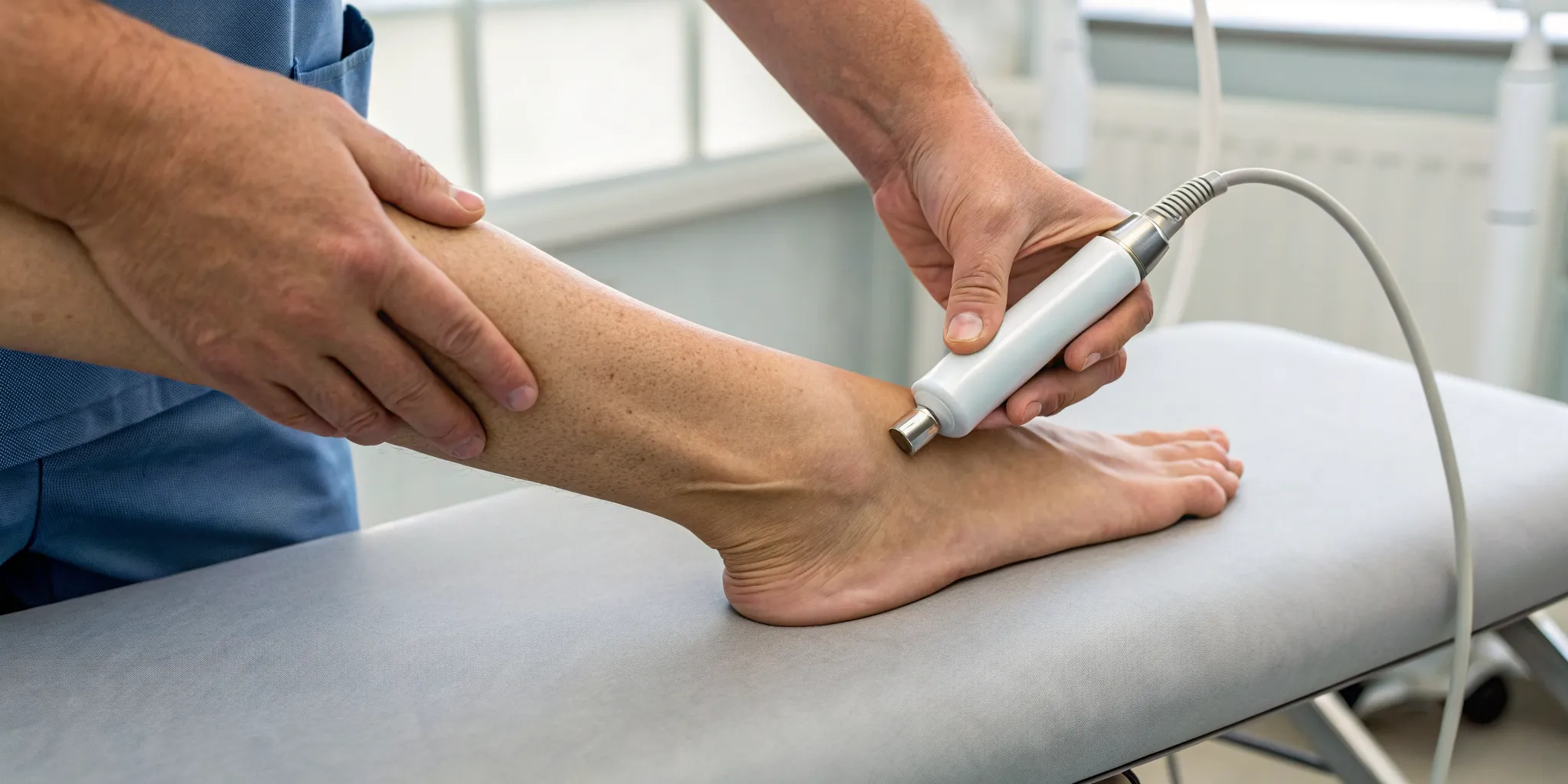
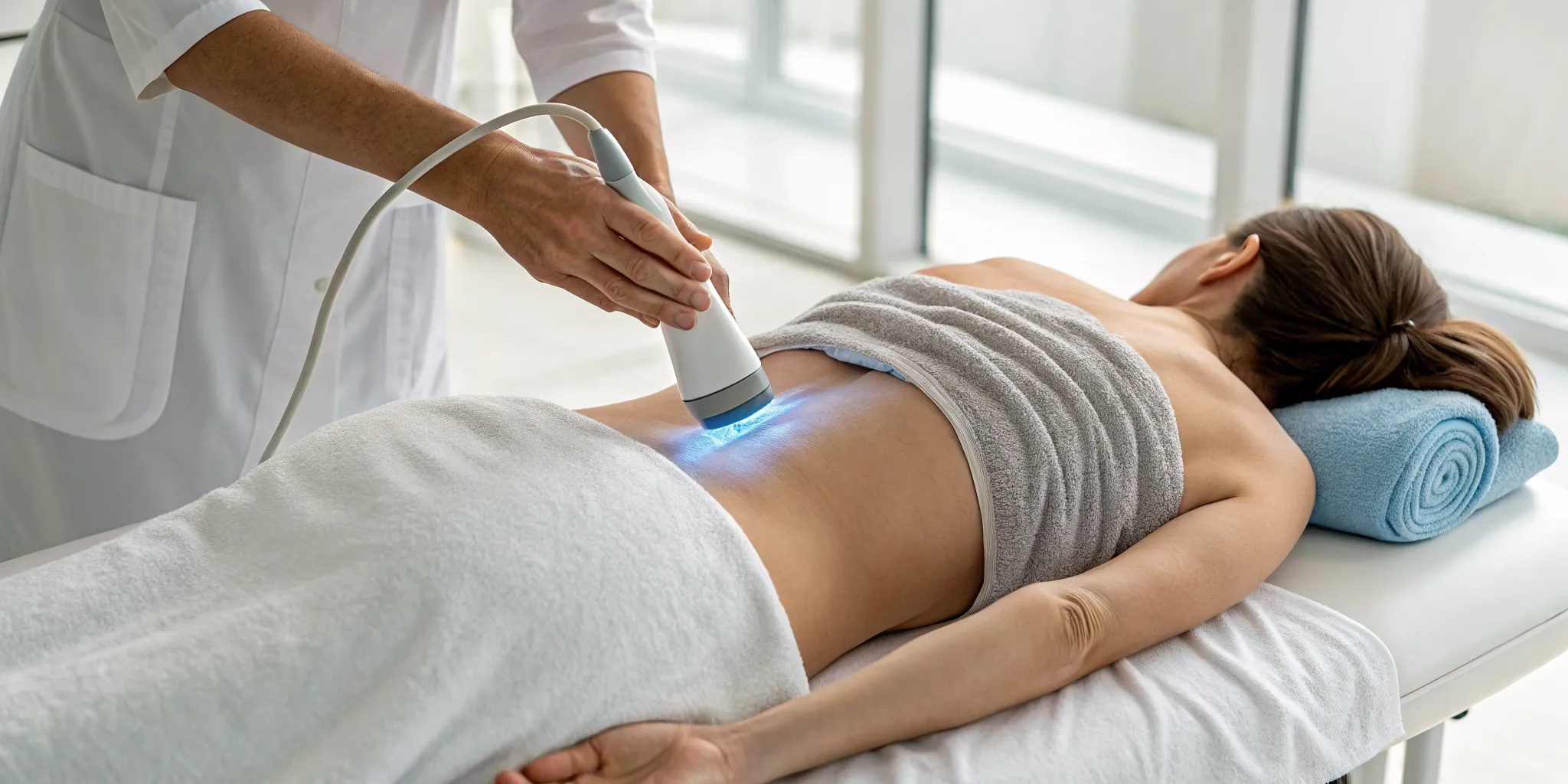
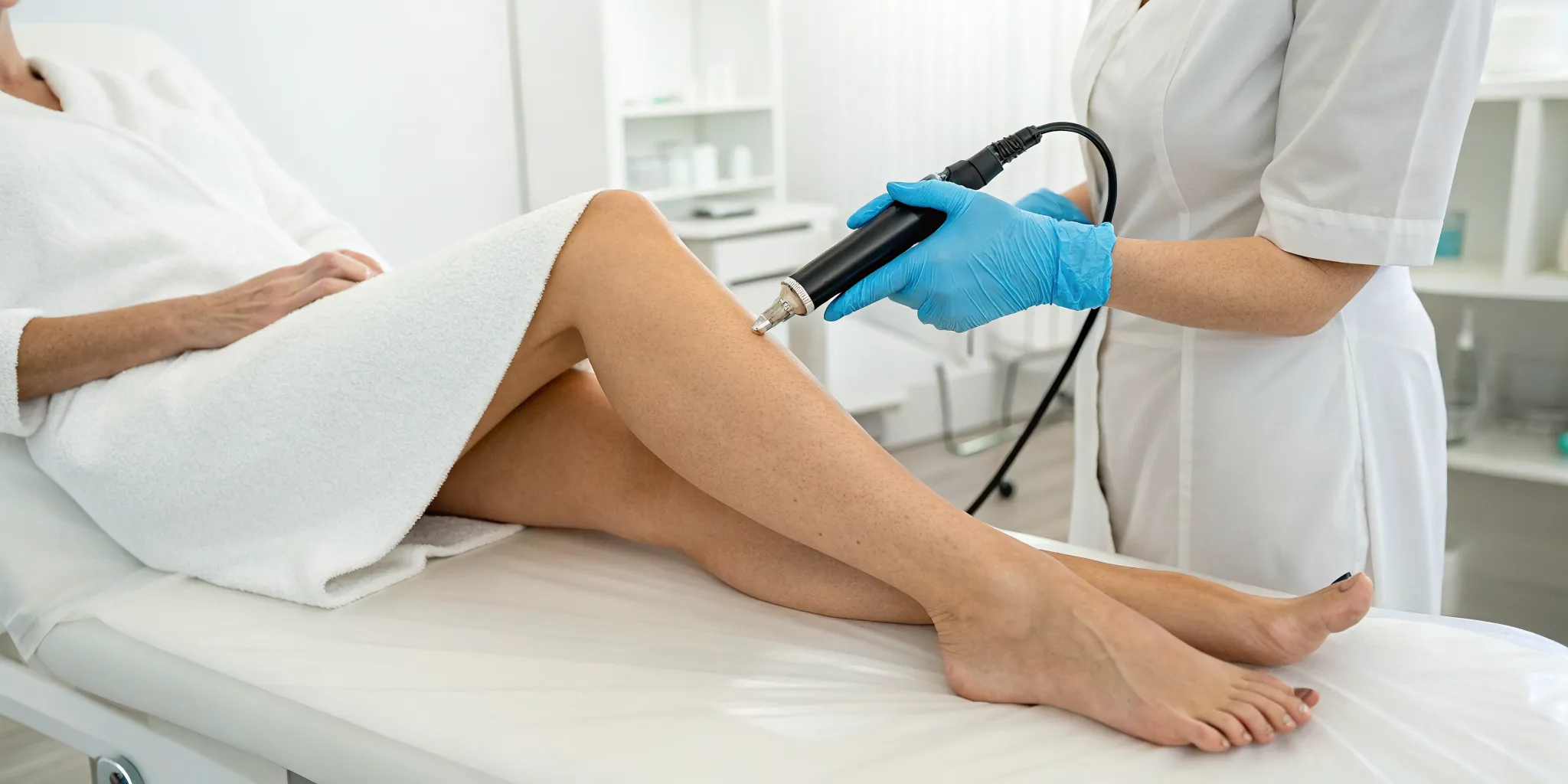
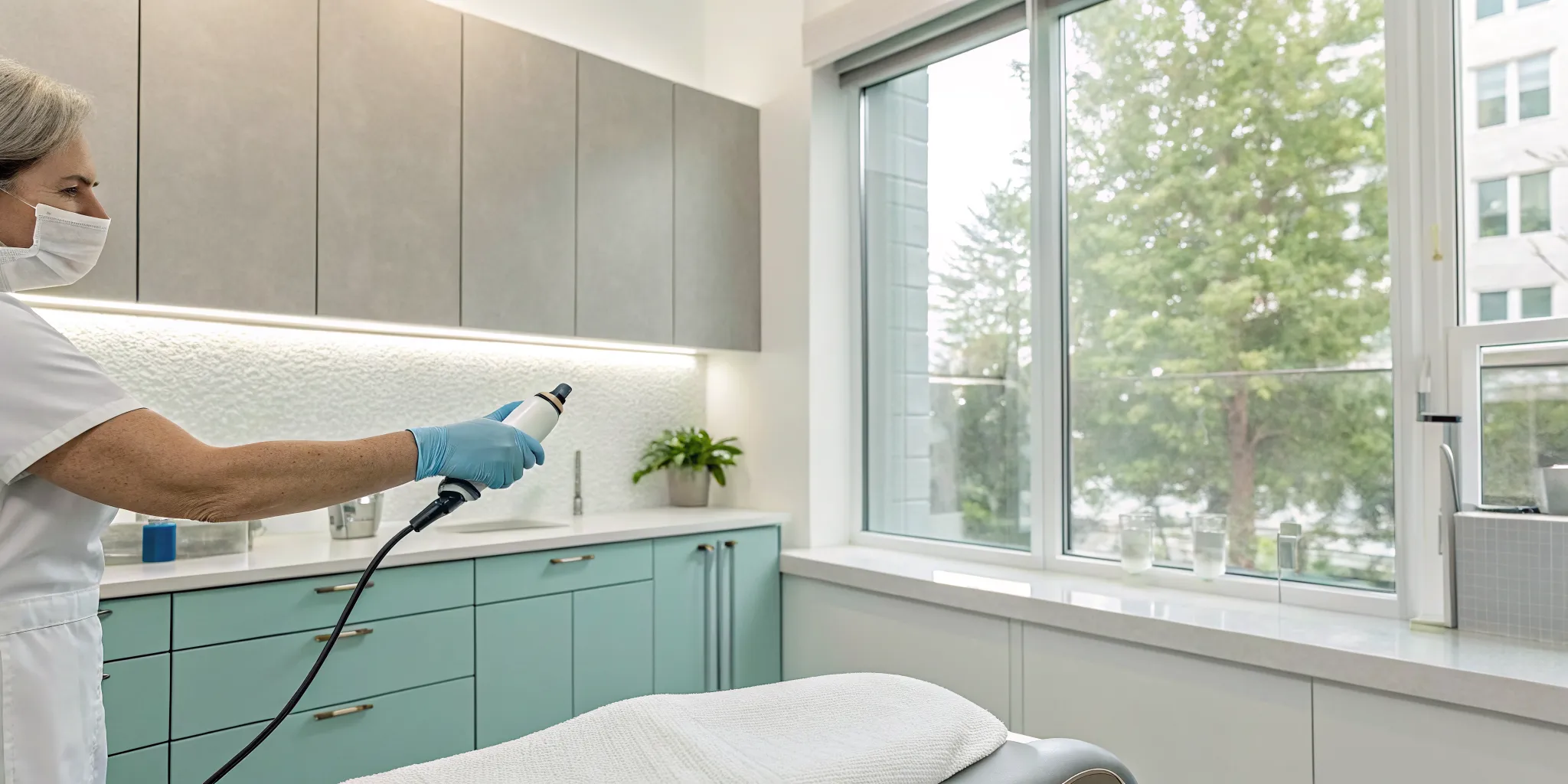
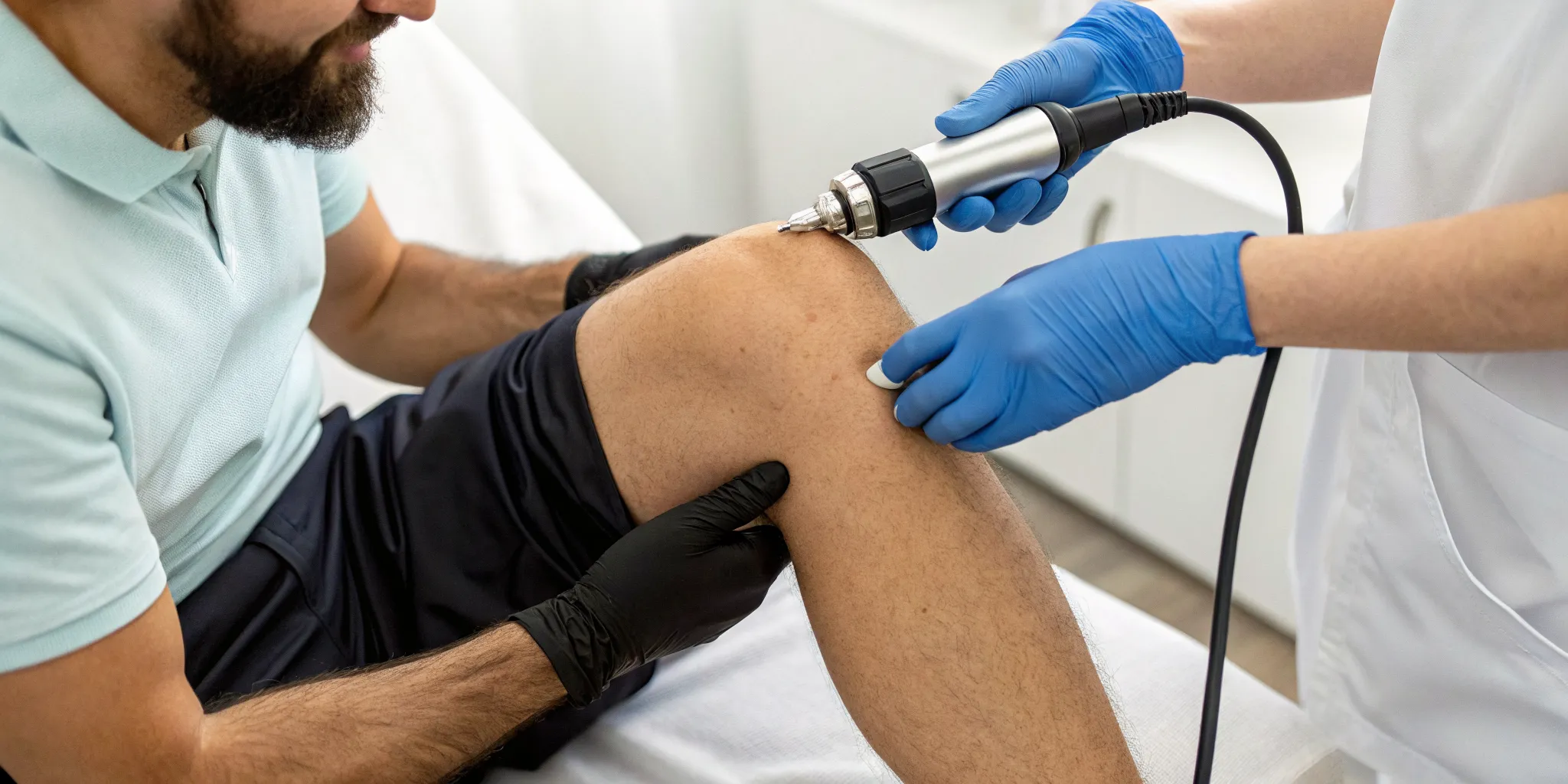
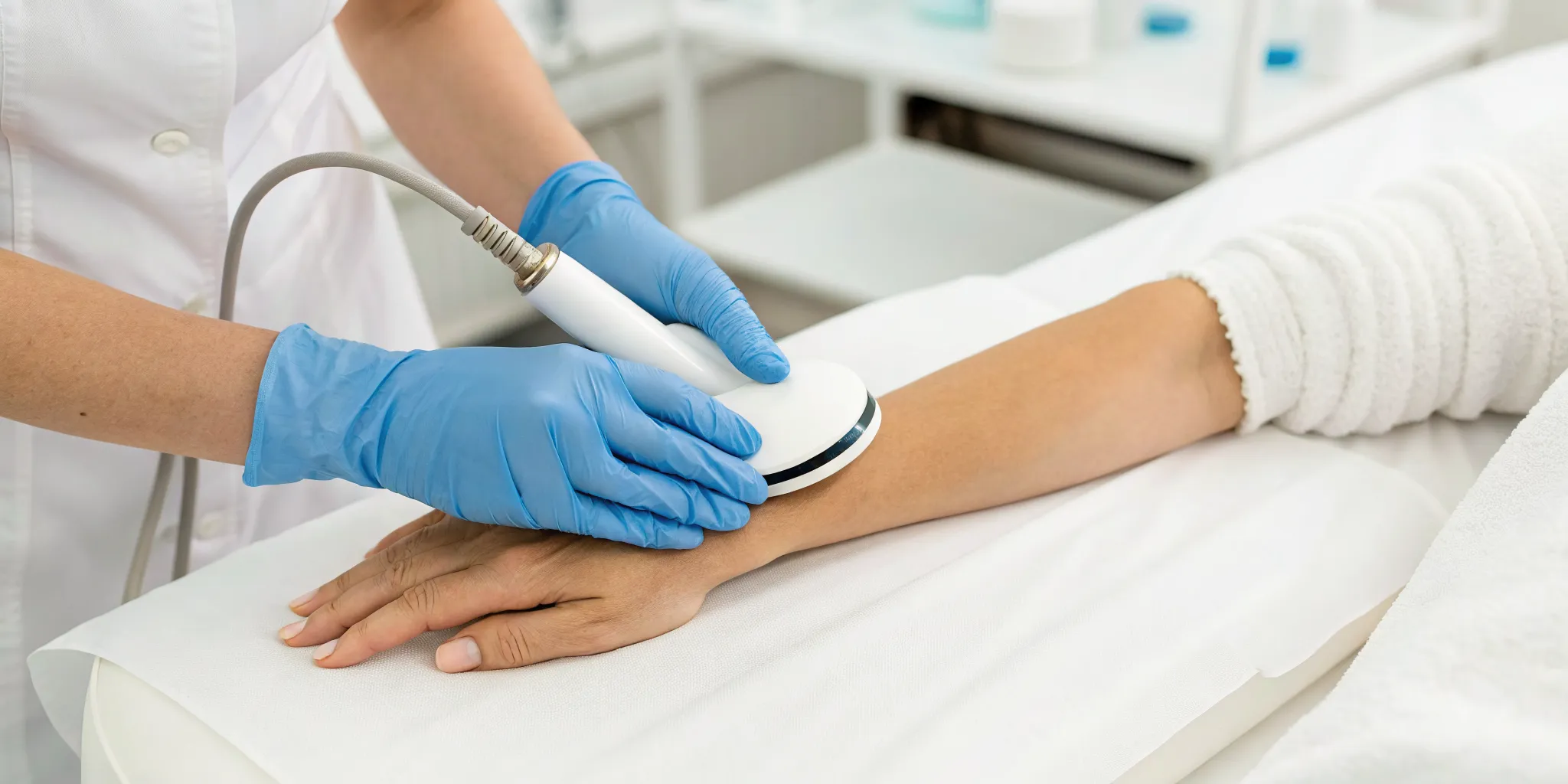
At its core, SoftWave therapy uses electrohydraulic shock waves to stimulate healing in damaged tissues. This might sound intense, but it's a completely non-invasive treatment. The device sends waves of acoustic energy through the skin to the targeted area of injury or pain. This process increases blood flow and circulation, which is essential for delivering oxygen and nutrients that your tissues need to repair themselves. It’s a key part of our physical medicine approach, designed to work with your body, not against it. By creating this healing environment, the therapy helps reduce inflammation and provides a foundation for lasting recovery.
Activating Stem Cells for Natural Repair
One of the most impressive aspects of SoftWave therapy is its ability to activate your body’s own stem cells. These are the master cells responsible for repair and regeneration throughout your body. When an injury occurs, your body naturally calls on stem cells to fix the damage. SoftWave’s technology amplifies this signal, recruiting a much larger number of stem cells to the injured area. This activation helps your body regenerate tissue, reduce chronic pain, and accelerate healing from musculoskeletal conditions. By mobilizing your internal repair crew, we can more effectively address the underlying cause of many of the conditions we treat.
Why a Wider Treatment Area Matters
What truly sets SoftWave apart is its unique applicator, which delivers energy over a wide and deep area. Unlike other wave therapies that use a narrow, focused beam, SoftWave’s broad-focused applicator treats a larger section of tissue with each pulse. This means the healing energy can reach both superficial and deep tissues at the same time, making the treatment incredibly efficient and thorough. This comprehensive approach ensures that the entire affected area receives the stimulation it needs to heal properly. It’s one of the many advanced services we use to provide a more complete and holistic path to wellness.
What About Acoustic Wave Therapy?
You may have also heard about Acoustic Wave Therapy (AWT) as a treatment for pain and soft tissue injuries. While it shares some similarities with SoftWave, it operates on different principles and is used in slightly different ways. Understanding AWT helps clarify why one therapy might be recommended over another for your specific condition. It’s another tool in the world of regenerative medicine, but it’s important to know how it works to see the full picture.
Like other wave-based treatments, AWT is a noninvasive option that aims to support your body’s healing processes without the need for injections or downtime. It’s often used in physical therapy and sports medicine settings to address injuries and chronic pain. Let's look at the specifics of the technology and what it’s designed to accomplish.
The Tech Behind Acoustic Waves
Acoustic Wave Therapy uses a different kind of energy to get the job done. According to the Cleveland Clinic, "Acoustic wave therapy (AWT) is a noninvasive procedure that uses high-frequency, low-intensity sound (pulse) waves to help treat light injuries." During a session, a healthcare provider uses a device to focus these sound waves directly onto the damaged soft tissues. Think of it as a very targeted approach, concentrating energy on a smaller, specific point of injury to stimulate a response in that localized area. This method is designed to kickstart healing right where you need it most.
Breaking Down Scar Tissue and Improving Flow
The primary goal of AWT is to create a biological response that promotes healing. The focused sound waves help break down scar tissue and adhesions that can limit movement and cause pain. As the Cleveland Clinic notes, its benefits may include "decreased pain and inflammation, as well as improved mobility and blood flow." By improving circulation to the injured area, AWT helps deliver more oxygen and nutrients, which are essential for repairing damaged tissues. This process can help you regain mobility and find relief from chronic issues. Our team at Ascend Functional Health can help determine if this approach aligns with the conditions we treat and your personal health goals.
SoftWave vs. Acoustic Wave: What's the Difference?
When you hear about therapies that use sound waves to promote healing, it’s easy to group them all together. However, SoftWave and Acoustic Wave therapies are distinct technologies with different strengths. Think of them as two different tools for two different jobs. Understanding how they compare can help you see which one might be the right fit for your body’s needs. Both aim to help you feel better, but they go about it in unique ways, from the depth they reach to the way they feel during a session. Let's look at the key differences so you can feel confident in your path to recovery.
Treatment Depth: Which Goes Deeper?
One of the most significant differences between these two therapies is how deeply they can penetrate your body's tissues. Acoustic Wave therapy is generally used for more superficial issues, like muscle tightness or inflammation close to the skin's surface. It’s effective for those surface-level concerns.
SoftWave therapy, on the other hand, is designed to reach much deeper. Its technology can address tissues far below the surface, making it a great option for chronic joint pain or injuries that are harder to reach. This ability to treat both shallow and deep areas gives it incredible versatility, allowing us to address a wider range of conditions we treat from a single, powerful source.
How Each Therapy Delivers Energy
The way these therapies deliver healing energy is also quite different. Acoustic Wave therapy typically uses a focused approach, delivering sound waves to a very specific, targeted point. This is useful when you need to concentrate the treatment on a small, precise area, like a trigger point.
In contrast, SoftWave therapy uses a patented applicator that sends out waves over a much broader area. Instead of a pinpoint, it covers a wider and deeper field, stimulating a larger volume of tissue at once. This approach is fantastic for activating a more widespread healing response, which aligns perfectly with our goal of supporting your body’s innate healing abilities and addressing the root of the problem, not just one tiny spot.
What Does Each Treatment Feel Like?
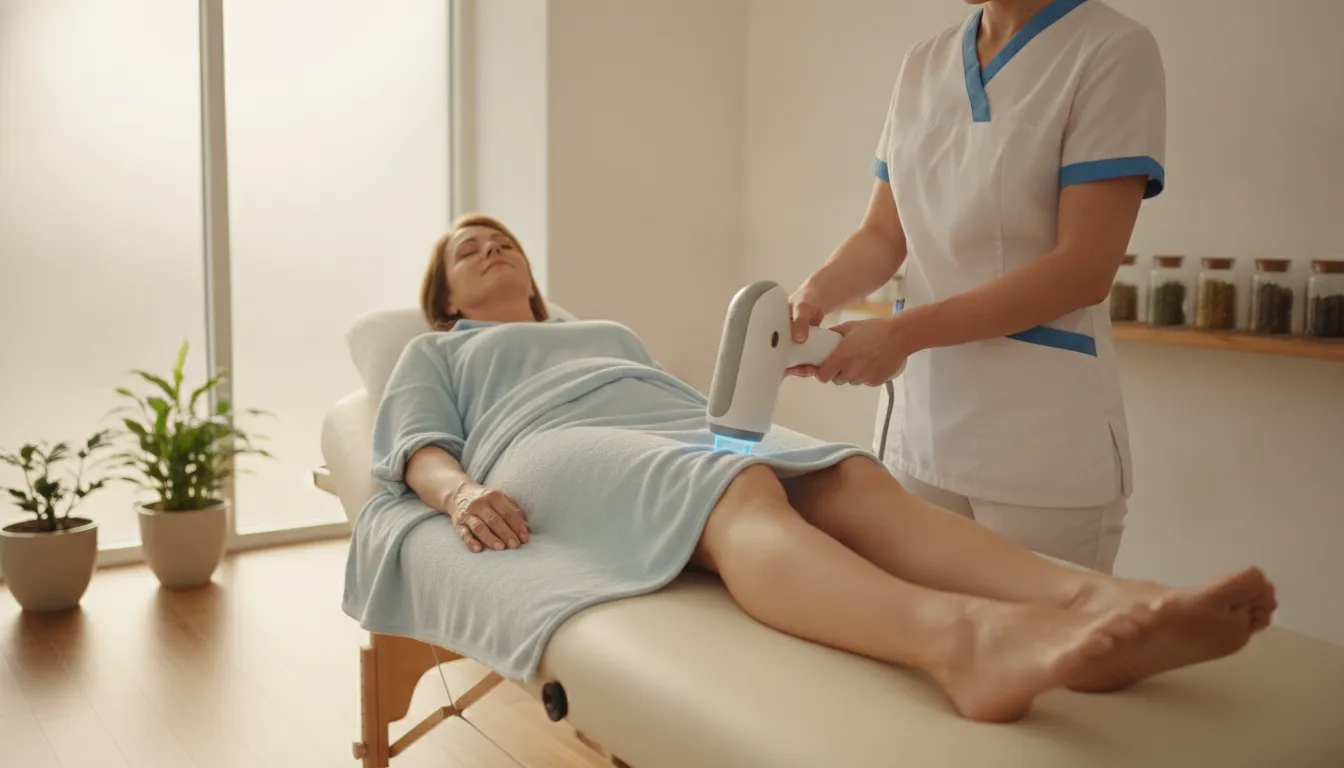
It's completely normal to wonder if a treatment will be uncomfortable. The good news is that both therapies are noninvasive. Many people worry that SoftWave therapy might be painful, but it’s actually designed to be quite gentle. The goal is to stimulate your body’s natural repair processes without causing any additional trauma to the tissue. You’ll feel the applicator on your skin, but the sensation is generally well-tolerated.
Acoustic Wave therapy is also considered a comfortable procedure. You might feel a tapping or pulsing sensation as the sound waves work on the targeted area. For both treatments, communication is key. Our team at Ascend Functional Health always ensures you’re comfortable throughout your physical medicine session, adjusting the intensity to match your tolerance and needs.
Which Conditions Does Each Therapy Address?
Both SoftWave and acoustic wave therapies use sound waves to encourage healing, but they aren't one-size-fits-all. The specific technology behind each one makes it better suited for certain health concerns. Understanding which therapy aligns with your symptoms is the first step toward finding the right path for your recovery. Let's look at the common conditions each one is used to address so you can get a clearer picture of what might work for you.
Common Uses for SoftWave Therapy
SoftWave Therapy is a trusted solution for people looking for an effective, non-invasive way to handle various orthopedic conditions. Its advanced technology gets your body’s natural healing processes moving, which can lead to faster recovery and lasting relief. It achieves this without requiring invasive procedures or a reliance on medications. By delivering electrohydraulic acoustic waves, this therapy helps reduce pain and inflammation while regenerating tissue. It essentially activates your body’s own ability to heal from musculoskeletal conditions and chronic pain, addressing the problem at its source instead of just masking the symptoms.
Common Uses for Acoustic Wave Therapy
Acoustic wave therapy is another non-invasive option that uses sound waves to help repair damaged soft tissues. Because it uses lower-intensity sound waves, it's often applied to more superficial or lighter injuries. The procedure has very few risks and offers benefits like decreased pain and inflammation. It also helps improve mobility and blood flow to the treated area, which is crucial for healing. Think of it as a gentle nudge to your body's repair systems, helping to manage discomfort and support the recovery of soft tissue without significant downtime. It's a great option for those dealing with less severe tissue-related issues.
A Side-by-Side Look at the Benefits
When you’re dealing with persistent pain or an injury that just won’t heal, understanding your treatment options is the first step toward relief. Both SoftWave and acoustic wave therapies use sound waves to encourage your body’s natural healing abilities, but they offer distinct advantages depending on your specific needs. Looking at them side-by-side can help clarify which path might be the right one for you.
The goal of both treatments is to help you get back to feeling your best by addressing the source of the problem, not just masking the symptoms. They work by stimulating tissue repair, reducing inflammation, and improving circulation, all without the need for invasive procedures. Let’s break down the unique upsides of each therapy.
The Upside of SoftWave Therapy
SoftWave Therapy is a trusted solution for those seeking lasting pain relief without invasive procedures. This advanced technology uses electrohydraulic shock waves to stimulate your body’s natural healing process, helping you experience faster recovery and reduced inflammation. It activates your own ability to regenerate tissue, making it a powerful approach for healing from injury and addressing chronic musculoskeletal conditions. One of its key advantages is its ability to reach deeper layers of tissue without causing thermal damage. This depth makes it an effective stand-alone intervention for a wide range of concerns, helping you find relief where other methods may have fallen short.
The Upside of Acoustic Wave Therapy
Acoustic wave therapy is another non-invasive procedure that uses sound waves to help repair damaged soft tissues. It carries very few risks and offers benefits like decreased pain, reduced inflammation, and improved mobility and blood flow. This therapy is particularly effective for injuries that are closer to the surface of the skin. Its sound waves work best in the area where they are applied and don’t travel as deeply as SoftWave. For this reason, it’s often considered a great alternative for more superficial conditions we treat, helping to kickstart the healing process right where you need it most.
How to Choose the Right Therapy for You
Deciding between different therapies can feel overwhelming, but it really comes down to your specific needs and health goals. Both SoftWave and acoustic wave therapy use sound waves to support your body's healing process, but they excel in different areas. Understanding their key strengths will help you and your practitioner determine the best path forward for your recovery. The right choice depends on factors like the location and depth of your injury and the type of tissue that needs attention.
When to Consider SoftWave Therapy
If you're dealing with a deeper orthopedic issue, chronic pain, or an injury that just won't heal, SoftWave therapy is an excellent option to explore. This advanced treatment uses electrohydraulic shockwaves to penetrate deep into tissues, stimulating your body’s own repair mechanisms and activating stem cells. It’s a powerful, non-invasive approach for conditions like persistent joint pain, muscle and bone issues, and soft tissue injuries. By promoting natural tissue regeneration and reducing inflammation, SoftWave helps you find lasting relief and get back to your life without downtime. It's a cornerstone of our physical medicine approach for this very reason.
When Acoustic Wave Therapy Might Be a Fit
Acoustic wave therapy might be the right fit if your issue is closer to the skin's surface. This therapy also uses sound waves but is generally applied to more superficial soft tissue injuries. Think of conditions like tennis elbow, plantar fasciitis, or other forms of tendon pain. The goal of acoustic wave therapy is to break down scar tissue, reduce inflammation, and improve blood flow to the affected area, which can help decrease pain and improve your mobility. It’s another effective, non-invasive tool for addressing specific conditions we treat and helping your body heal itself without resorting to more intensive measures.
Let's Talk About Safety and Side Effects
When you're exploring new treatments for pain and injury, it’s completely normal to ask, "Is it safe?" The good news is that both SoftWave and acoustic wave therapies have excellent safety records. Because they are non-invasive, they help you avoid the risks and recovery time associated with more intensive procedures. Let's break down what you can expect.
The Safety Profile of SoftWave Therapy
One of the most appealing aspects of SoftWave Therapy is its high safety profile. This treatment is non-invasive, meaning it works from outside the body without breaking the skin. It’s designed to be gentle while still powerfully activating your body’s own healing and repair mechanisms. Most people tolerate the sessions very well, describing the sensation as a light tapping. Significant side effects are extremely rare. At most, you might experience some temporary redness or mild soreness over the treated area, which typically resolves within a day or so. It’s a modern solution that aligns with a holistic approach to physical medicine.
The Safety Profile of Acoustic Wave Therapy
Acoustic wave therapy is also known for being a safe and well-tolerated treatment. Since it’s another non-invasive method, the associated risks are very low. The therapy directs sound waves to encourage repair in soft tissues without harming the surrounding areas. Similar to SoftWave, any side effects are usually minor and temporary, like slight tenderness or bruising at the treatment site. A major advantage is the lack of downtime, which means you can return to your normal routine immediately after a session. It’s a dependable option for people looking for effective relief without the potential complications of more aggressive treatments.
Who Should Use Caution with Wave Therapies?
While both therapies are safe for the vast majority of people, they aren't the right fit for everyone. It's crucial to discuss your complete health history with your provider before beginning treatment. For instance, wave therapies are typically not advised for individuals who are pregnant, have an active infection in the area being treated, or have certain blood clotting disorders. Your safety is always the number one priority, which is why a detailed consultation is our first step. This allows us to understand the full picture of your health and determine if you are a good candidate for this type of care, ensuring we only proceed if it's the right choice for the conditions we treat.
Clearing Up Common Myths About Wave Therapy
When new healing technologies emerge, it's natural for some confusion and myths to pop up. Wave therapies are no exception. You might have heard conflicting information about what the treatment is like, how it works, and whether the results stick around. Let's clear the air on a few of the most common misconceptions so you can feel confident about your options for healing. Understanding the truth behind the technology is the first step toward finding a solution that truly addresses the root of your discomfort and helps you get back to feeling your best.
Myth: All Wave Therapies Are the Same
It’s a common assumption that if a treatment uses sound waves, it must be the same as any other. However, this isn't the case. The term "wave therapy" can be an umbrella for different technologies, mainly SoftWave Therapy (unfocused) and traditional shockwave therapy (focused). The primary difference lies in how the sound waves are delivered to your body. Focused shockwave therapy concentrates energy on a very small, specific point, while SoftWave uses unfocused waves that cover a much wider and deeper treatment area. This broader application is a key part of our approach to physical medicine, as it helps stimulate a larger region of tissue and activate your body’s natural healing response more comprehensively.
Myth: The Results Are Only Temporary
Many people who live with chronic pain are understandably wary of treatments that only offer short-term relief. The good news is that SoftWave therapy is designed to create lasting change. Instead of just masking symptoms, it works by stimulating your body’s own repair crews, including the activation of stem cells. This process helps regenerate damaged tissue and address the underlying cause of your pain. A growing body of evidence shows that SoftWave can lead to significant, long-term positive outcomes. By promoting genuine healing from within, this therapy helps you start addressing chronic conditions that have been holding you back, rather than just putting a temporary band-aid on the problem.
Myth: The Treatment Is Painful
The idea of "shockwaves" can sound intimidating, leading many to believe the treatment itself must be painful. This is one of the biggest myths we hear. SoftWave therapy is non-invasive and specifically designed to stimulate healing without causing additional trauma to your tissues. Most people describe the sensation as a light tapping or pulsing on the skin. Our practitioners are trained to communicate with you throughout the session to ensure you remain comfortable. The goal is to kickstart your body’s healing processes, not to add more pain to your plate. You can hear directly from people who have experienced this treatment by reading about what our patients say and learning about their journey back to health.
Getting Back to Your Life Faster
When you're dealing with persistent pain or a nagging injury, the last thing you want is a solution that puts your life on hold. The beauty of both SoftWave and acoustic wave therapies is their ability to promote deep healing without the lengthy recovery periods that often come with more intensive procedures. These treatments are designed to work with your body, helping you return to your daily activities, hobbies, and passions sooner and with more confidence.
Enjoy Lasting Results Without the Downtime
One of the most significant advantages of these wave therapies is that they are completely non-invasive. You can walk into your appointment and walk out ready to continue your day. Because these treatments stimulate your body’s own natural healing mechanisms, you get to skip the extended rest and rehabilitation periods. Instead of just managing symptoms, this approach encourages genuine tissue repair. Our approach to physical medicine is centered on this principle: providing effective solutions that support your body’s innate ability to heal itself, leading to lasting relief without putting your life on pause.
Focus on Healing, Not Just Recovering
Recovery can sometimes feel like a passive waiting game, but true healing is an active process. Wave therapies actively kickstart this process at a cellular level. By using acoustic waves to improve blood flow, reduce inflammation, and stimulate tissue regeneration, these treatments help your body rebuild from the inside out. This is a world away from simply masking pain. By addressing a wide range of conditions at their source, we can help you achieve a more complete and resilient state of health, allowing you to move with freedom and feel like yourself again.
Our Approach to SoftWave Therapy in Tampa
At Ascend Functional Health, we see SoftWave Therapy as more than just a treatment; it’s a vital part of a holistic strategy designed to help your body heal itself. We don’t just focus on the area that hurts. Instead, we look at the complete picture of your health to understand why you’re experiencing pain in the first place. This allows us to use SoftWave Therapy with precision, targeting the underlying cause to promote genuine, long-term healing. Our goal is to move beyond simply managing symptoms and truly resolve the issue at its source, which is a cornerstone of our entire practice.
We believe that effective care is a partnership. Our team is dedicated to creating a supportive environment where you feel heard, understood, and empowered on your health journey. We take the time to listen to your story and understand the full context of your health concerns. By combining our expertise in physical and functional medicine, we ensure your SoftWave sessions are thoughtfully integrated into a plan that makes sense for your body and your wellness goals. It’s all about providing a path to recovery that is as unique as you are, helping you regain function and get back to doing what you love without limitations.
Creating Your Personalized Treatment Plan
We know that your pain and your path to wellness are unique, which is why we don’t believe in a one-size-fits-all approach. Your journey with us begins with a thorough evaluation to understand your body, your lifestyle, and your specific goals. From there, we create a personalized treatment plan centered around you. SoftWave Therapy is often a cornerstone of our plans because it’s a powerful, non-invasive tool that stimulates your body’s own healing mechanisms. By using advanced shockwave technology, we can target specific areas to help you find lasting relief and get back to your life, addressing your specific condition without relying on temporary fixes.
Combining Therapies to Address the Root Cause
SoftWave Therapy is incredibly effective on its own, but we often see the best results when it’s part of a bigger picture. Our philosophy is built on addressing the root cause of your health concerns, not just masking the symptoms. SoftWave’s ability to reduce inflammation and regenerate tissue makes it a perfect partner to our other therapies. By delivering non-invasive acoustic waves, it activates your body’s natural ability to heal from injury and chronic pain. This approach is a key part of our Functional Medicine pillar, allowing us to create a holistic strategy that supports your body’s recovery from the inside out. We integrate it with other treatments to ensure you get comprehensive care that lasts.
Related Articles
- SoftWave Tissue Regeneration Therapy in Tampa | Alessi Functional Health
- SoftWave TRT Therapy in Tampa, FL - Alessi Functional Health
- What Is Soft Tissue Therapy? A Complete Guide
- Regenerative Medicine for Pain Recovery | Ascend Functional Health
- Pain Free Future | Alessi Functional Health
Frequently Asked Questions
What does SoftWave therapy actually feel like? That’s a great question, especially since the term "shockwave" can sound a little intense. The treatment is actually quite gentle and non-invasive. Most people describe the sensation as a light tapping or pulsing on the skin over the area we're treating. We always communicate with you during the session to make sure you're comfortable, and the intensity can be adjusted to fit your tolerance. The goal is to stimulate healing, not to cause you any more discomfort.
How is this different from treatments that only offer temporary pain relief? This is a key distinction. Instead of just masking your symptoms, wave therapies are designed to address the underlying cause of your pain. The acoustic waves stimulate your body’s own repair mechanisms at a cellular level, promoting tissue regeneration, increasing blood flow, and reducing inflammation. The objective is to create genuine, long-term healing from within, so you can experience lasting results rather than just a temporary fix.
How do I know if SoftWave or acoustic wave therapy is right for me? The best way to determine the right path is through a thorough evaluation with a practitioner. Generally, the choice depends on your specific condition, especially the location and depth of the injury. SoftWave is often used for deeper, more chronic issues, while acoustic wave therapy can be a great fit for problems closer to the skin's surface. A personalized consultation allows us to understand your unique situation and recommend the approach that will give you the best results.
How many treatments will I need to see results? The number of sessions needed varies from person to person, as it depends on your specific condition, how long you've had it, and your body's individual response to the therapy. During your initial consultation, we will create a personalized treatment plan that outlines the recommended frequency and number of sessions for your situation. Many people begin to feel a positive difference after just a few treatments.
Is there any downtime after a session? One of the biggest advantages of both SoftWave and acoustic wave therapy is the lack of downtime. Because the treatments are completely non-invasive, you can get back to your normal daily activities right after your appointment. Some people might experience mild, temporary soreness or redness in the treated area, but this usually fades within a day.