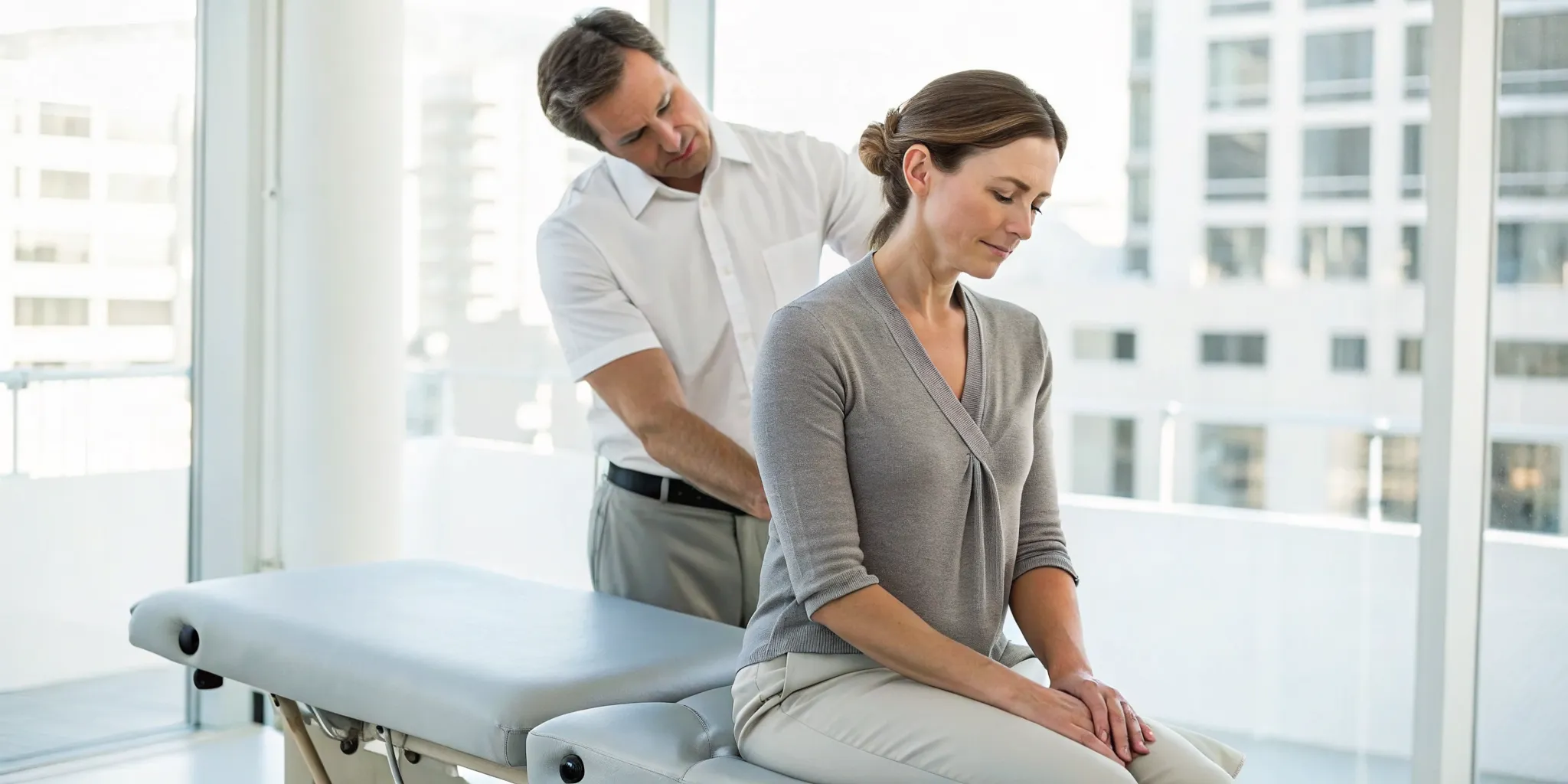
Stiff, aching lower back pain that wakes you up at night points to compressed spinal discs. This pressure on your nerves can limit your mobility and disrupt your daily life.
Understanding what is spinal decompression reveals a non-surgical physical medicine therapy that uses a motorized traction table to gently stretch the spine and relieve pressure. According to the Cleveland Clinic, this gentle traction creates a negative pressure within the spinal discs to help pull bulging disc material back into place. This motorized process also helps draw water, oxygen, and nutrient-rich fluids into the discs to promote natural healing and tissue repair. By taking pressure off pinched spinal nerves, this therapeutic stretching helps reduce chronic pain and improves your overall daily mobility. This non-surgical care provides a gentle, personalized option for patients in the Tampa Bay area suffering from herniated discs, sciatica, or joint stiffness.
Many patients search for non-surgical ways to relieve this daily discomfort. To see how clinical care can help you find lasting relief, you must first understand the primary question: What Is Spinal Decompression Therapy? Learning about this gentle spinal decompression therapy can help you make an informed decision for your health, and the answer below lays out exactly how it works.
Schedule a consultation to discuss your back pain with our team
What Is Spinal Decompression Therapy?
To understand what is spinal decompression, view it as a gentle, non-surgical treatment that stretches the spine. This gentle method reduces pressure on spinal discs and nerves to help relieve chronic back pain. At Ascend Functional Health, we provide personalized spinal decompression therapy to help our patients find long-term relief.
The role of gentle spine stretching
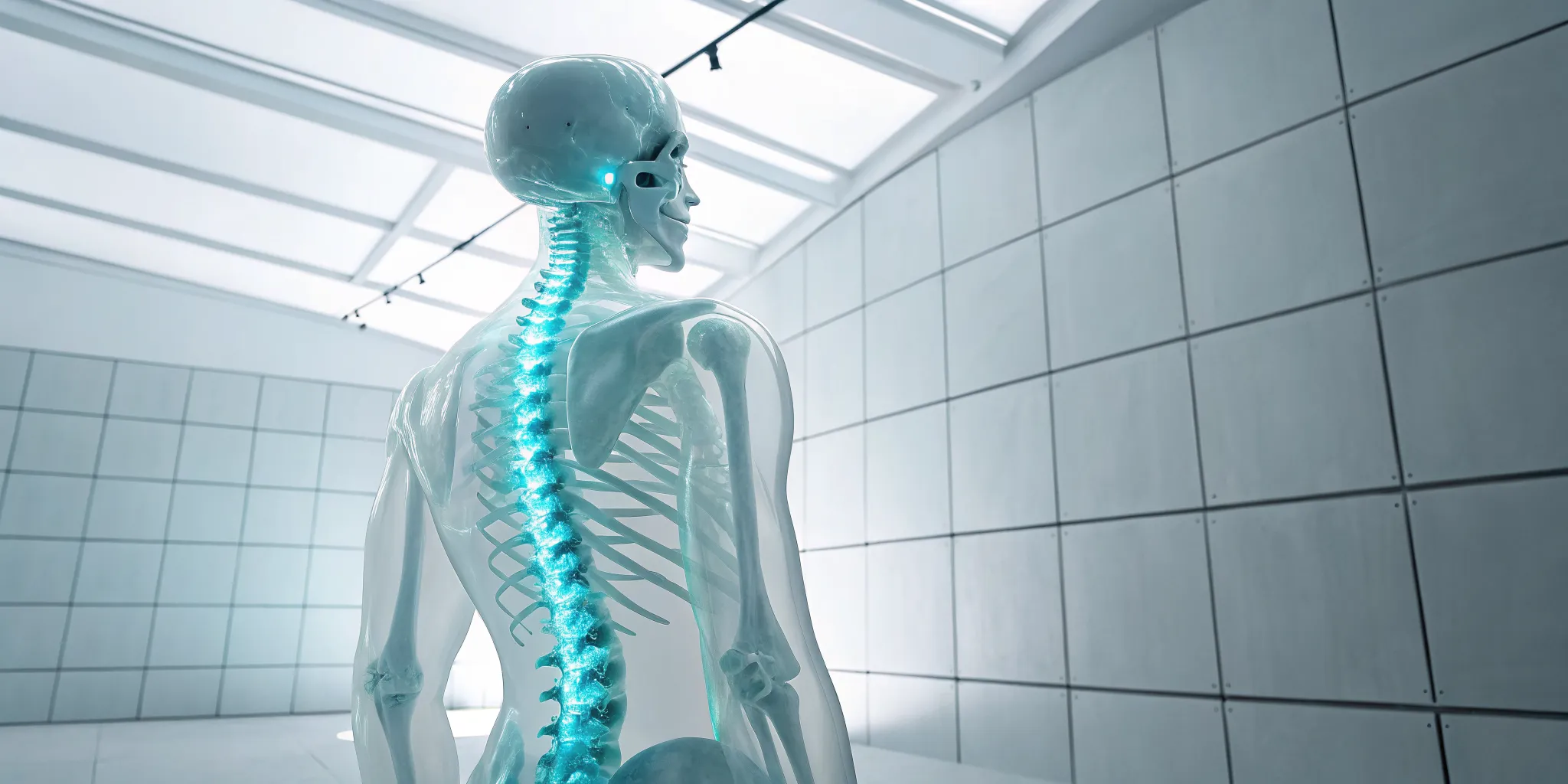
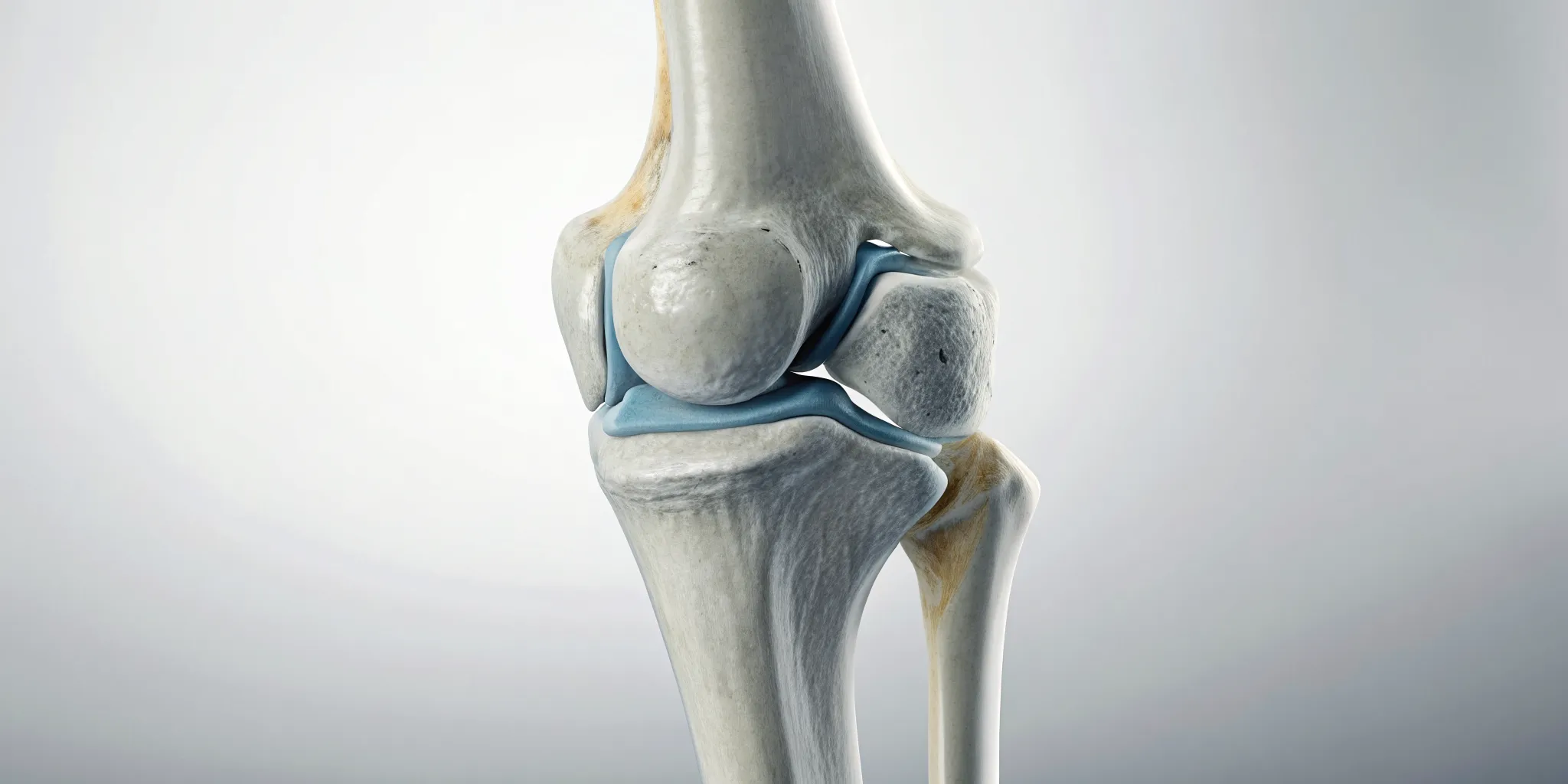
Spinal discs are the cushions between the bones in your back. When a disc bulges or herniates, it can press on nearby nerves and cause deep pain. During a session, the spine is gently stretched to create space. According to the Cleveland Clinic, this gentle stretch may reduce pressure on spinal discs. It also helps pull bulging or herniated disc material back into place. This helps reduce nerve pressure and supports healing.
This method is a non-invasive path for people who want to avoid back surgery. By creating a vacuum effect, the stretch pulls oxygen and water back into the disc. These fluids are vital for disc health.
How motorized tables work
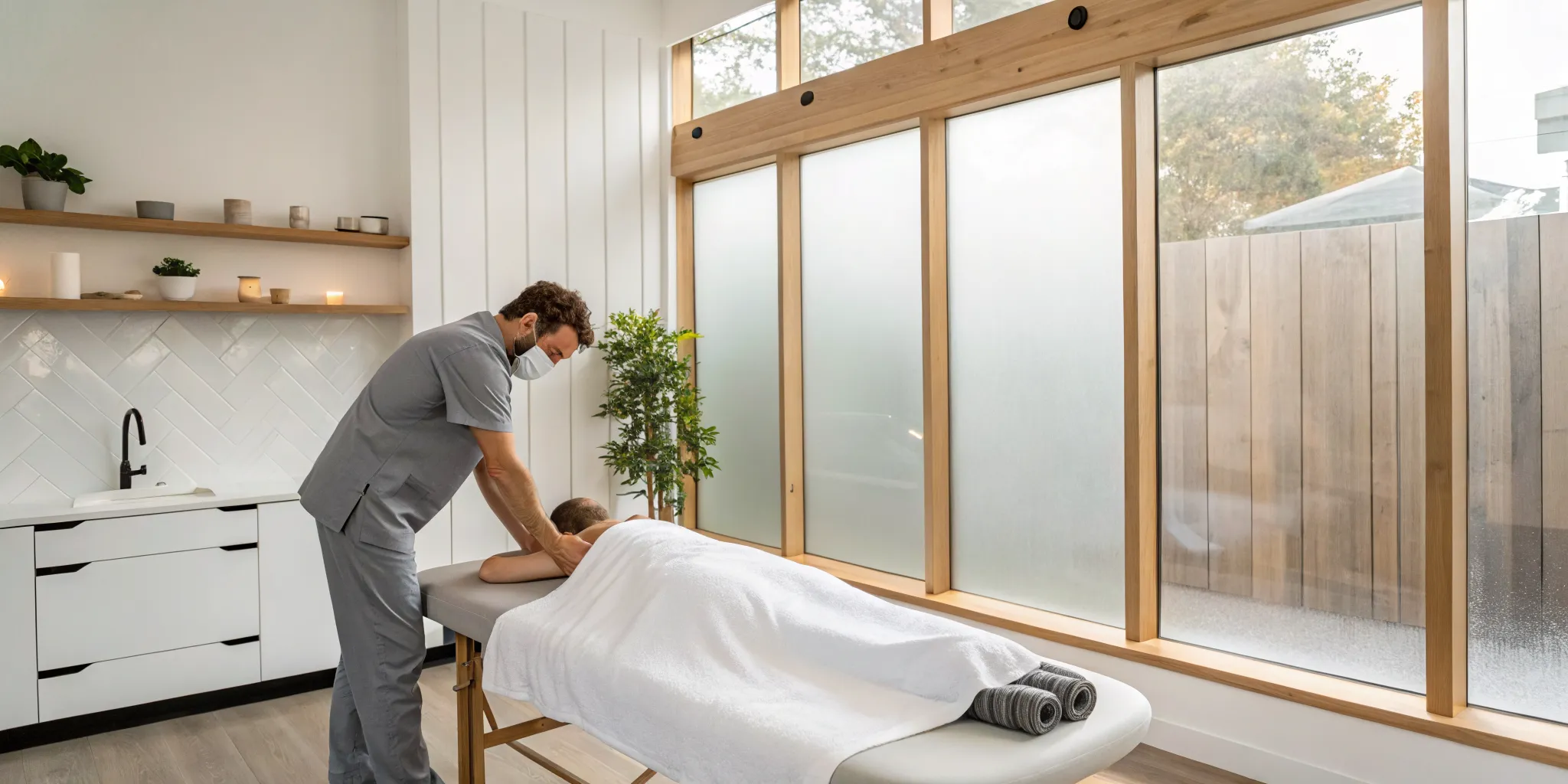
Before the session begins, the technician helps you get in a safe position on the table. They use harnesses around your hips and trunk to keep you secure. The setup is designed to keep you relaxed so the therapy can target the right disc. This careful preparation is part of our hands-on approach to your care.
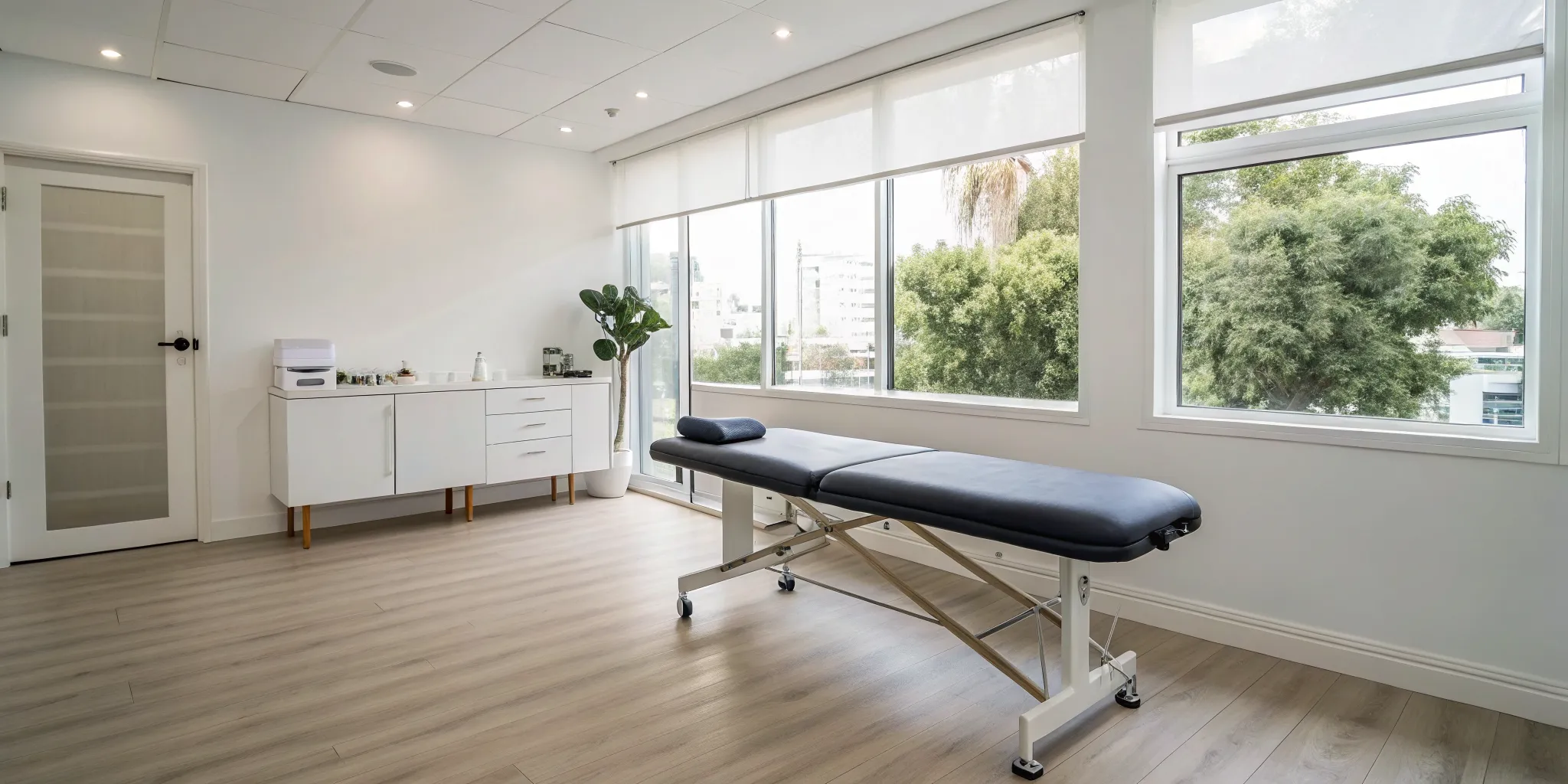
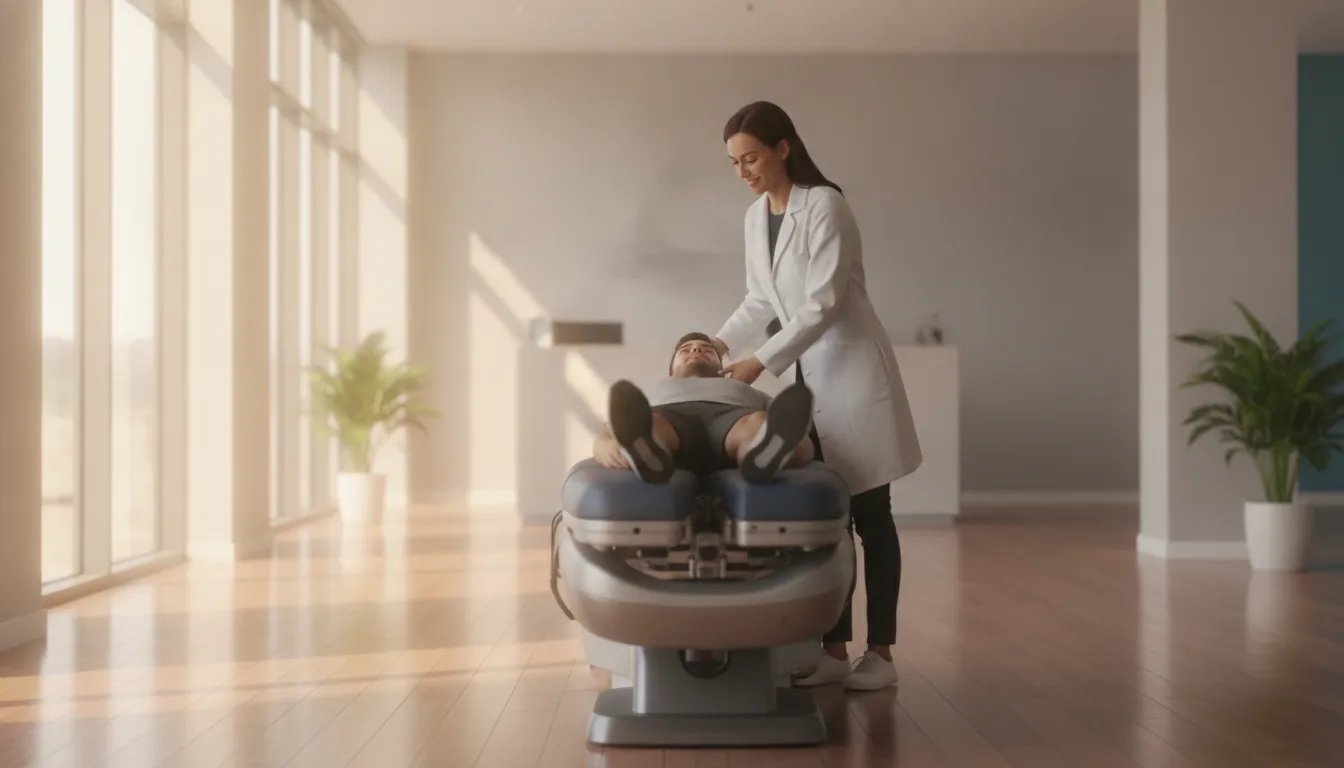
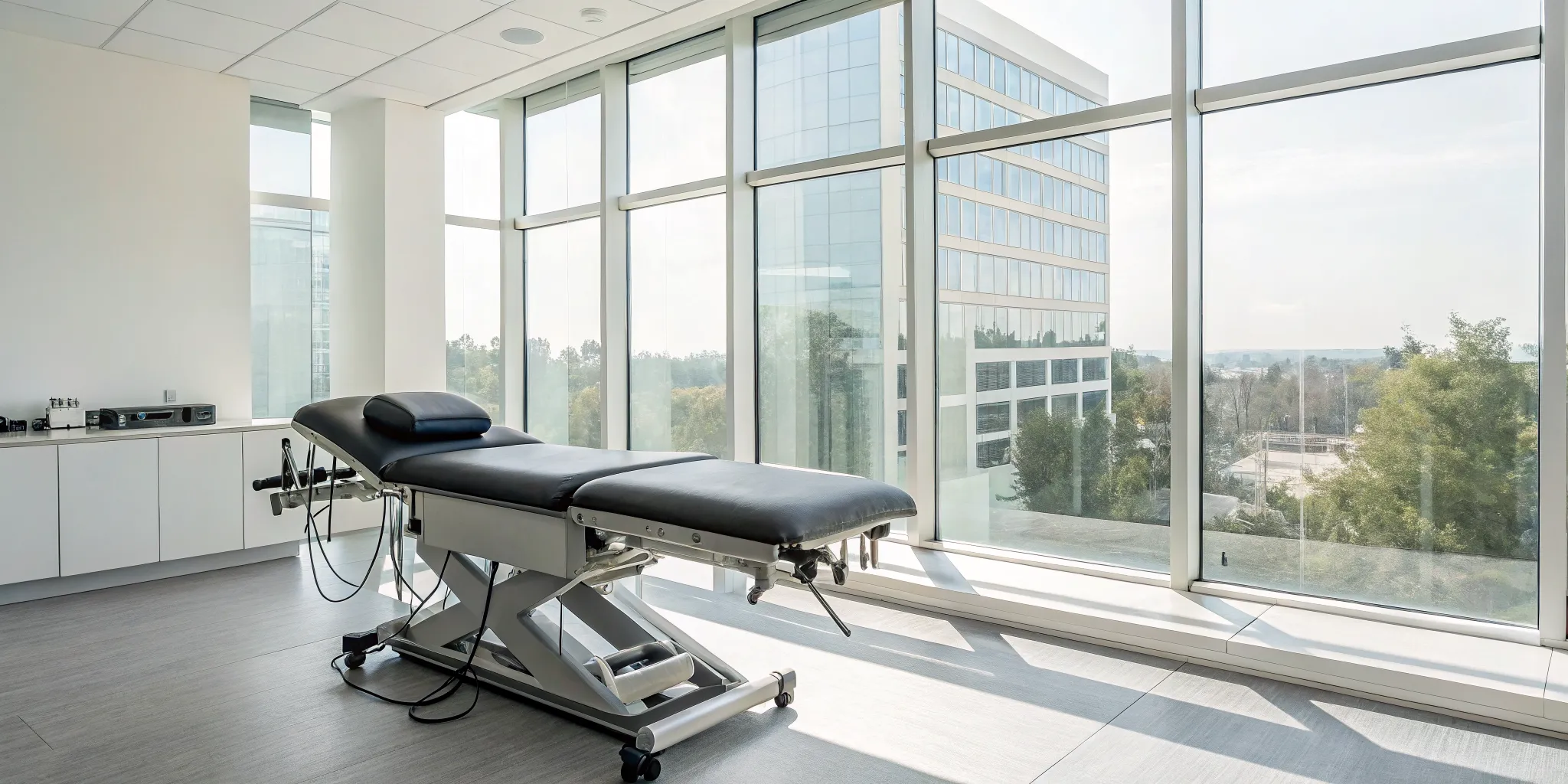
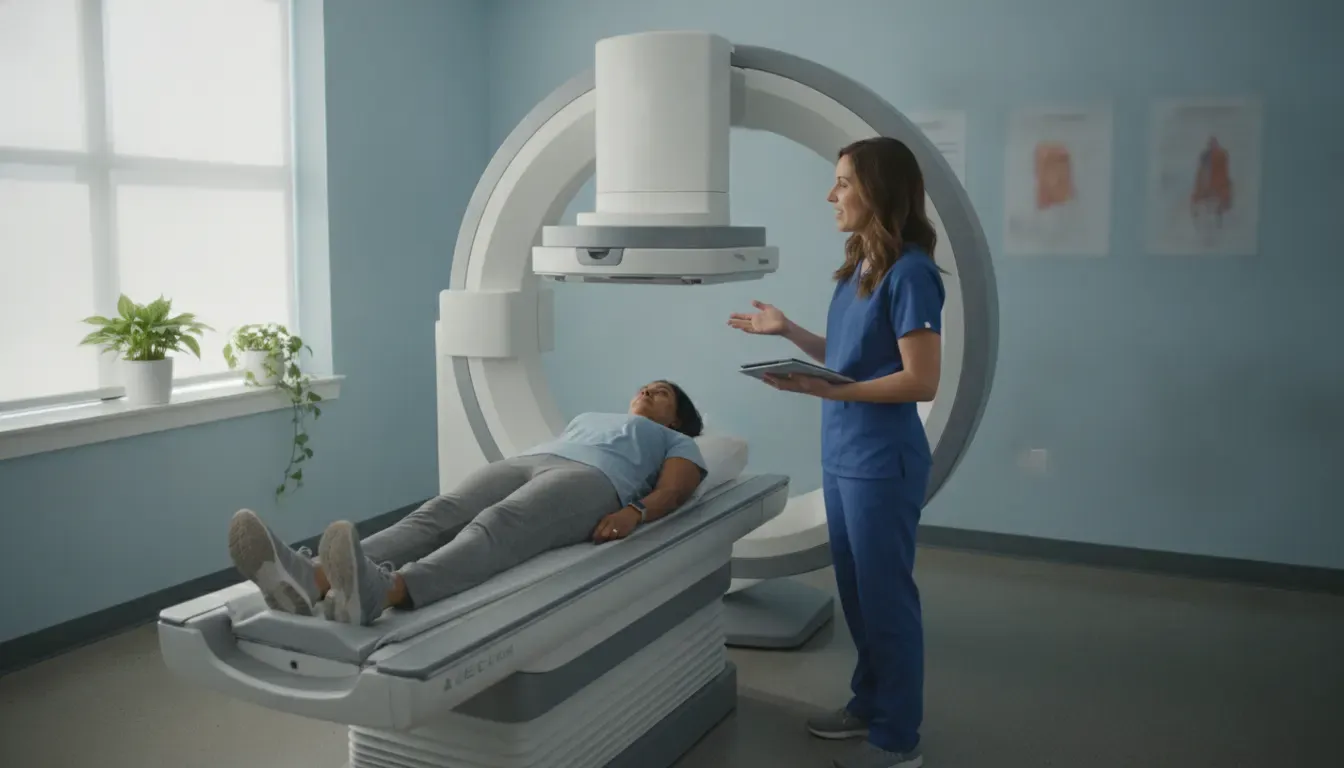
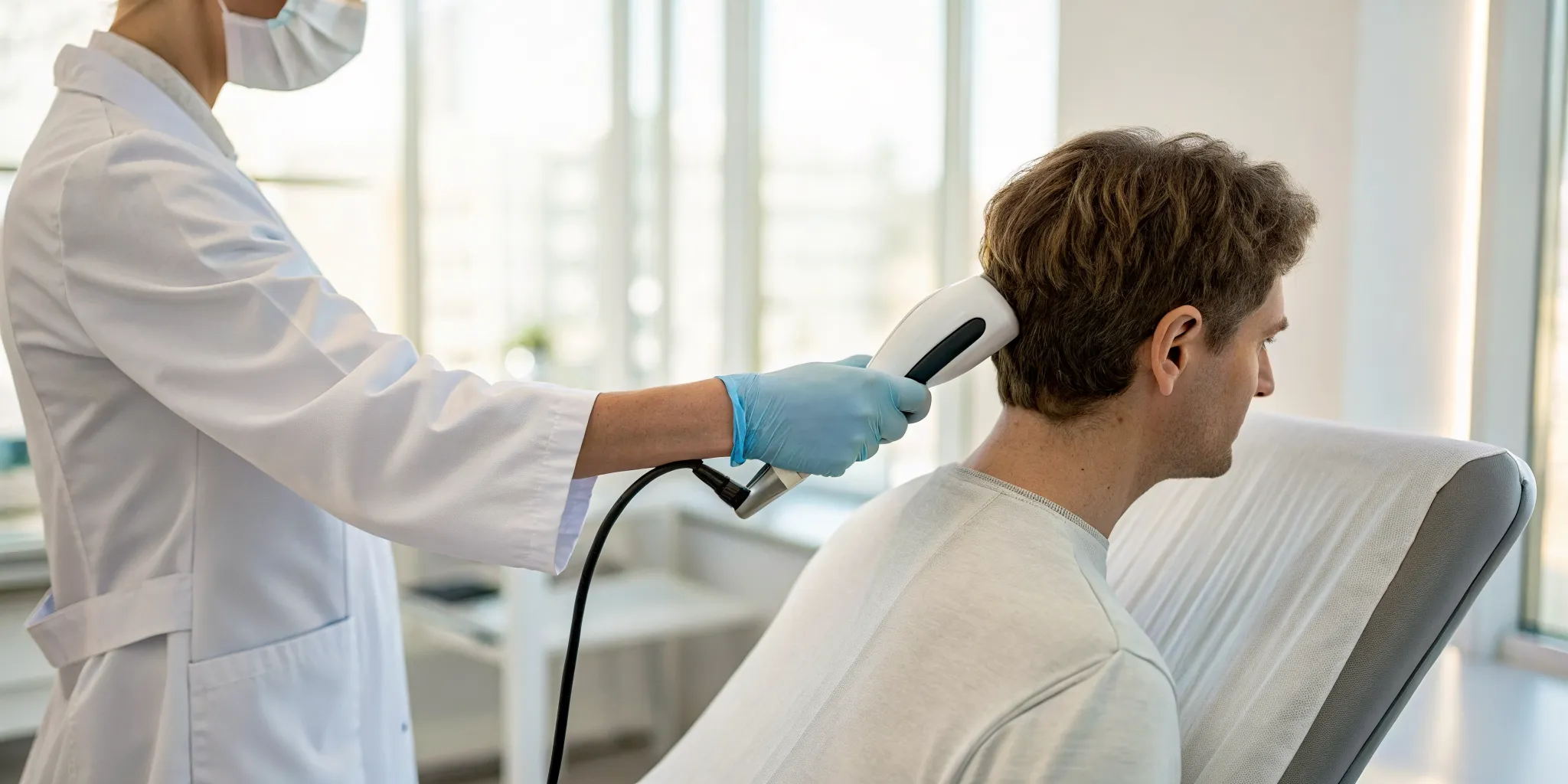
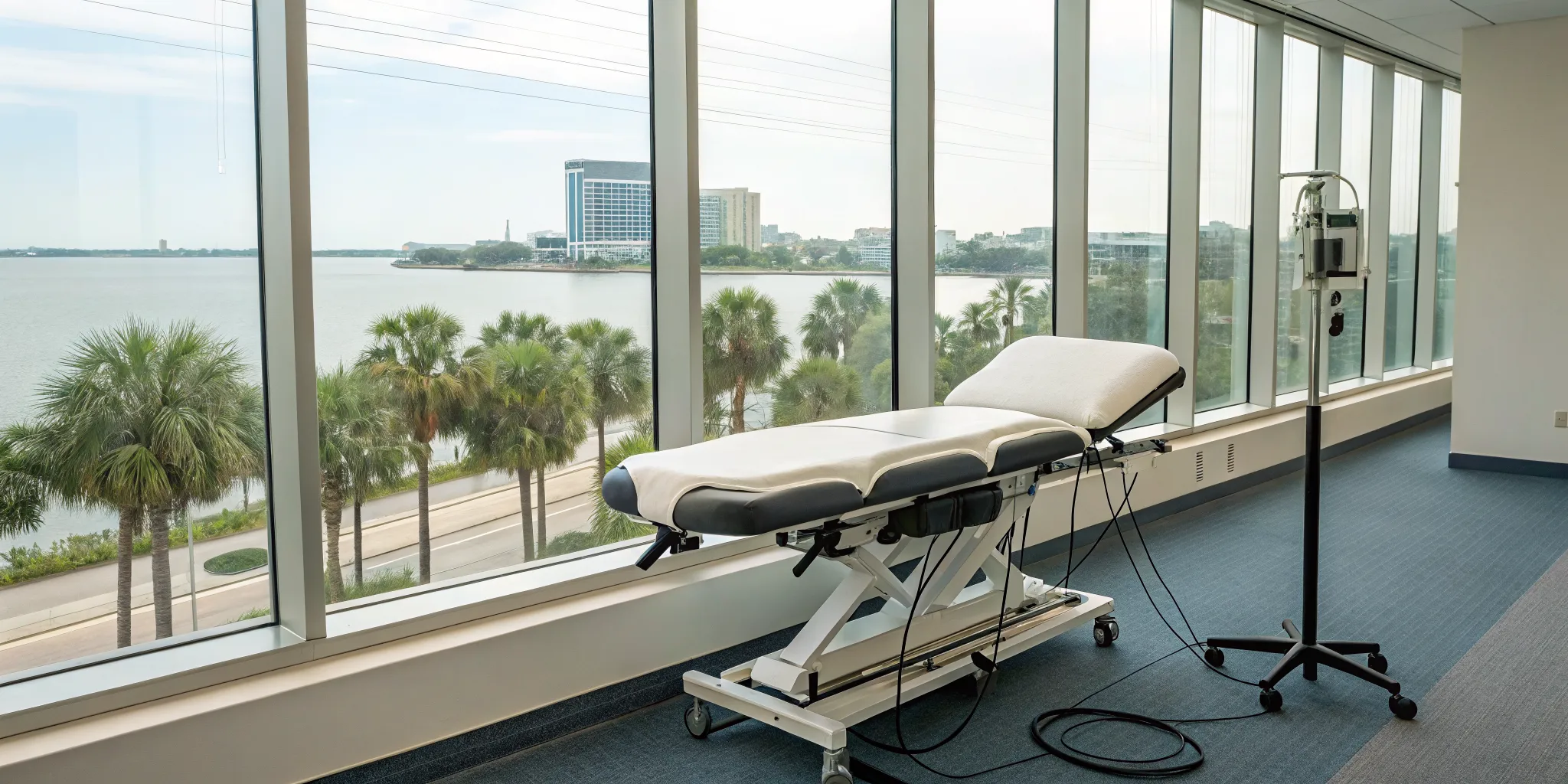
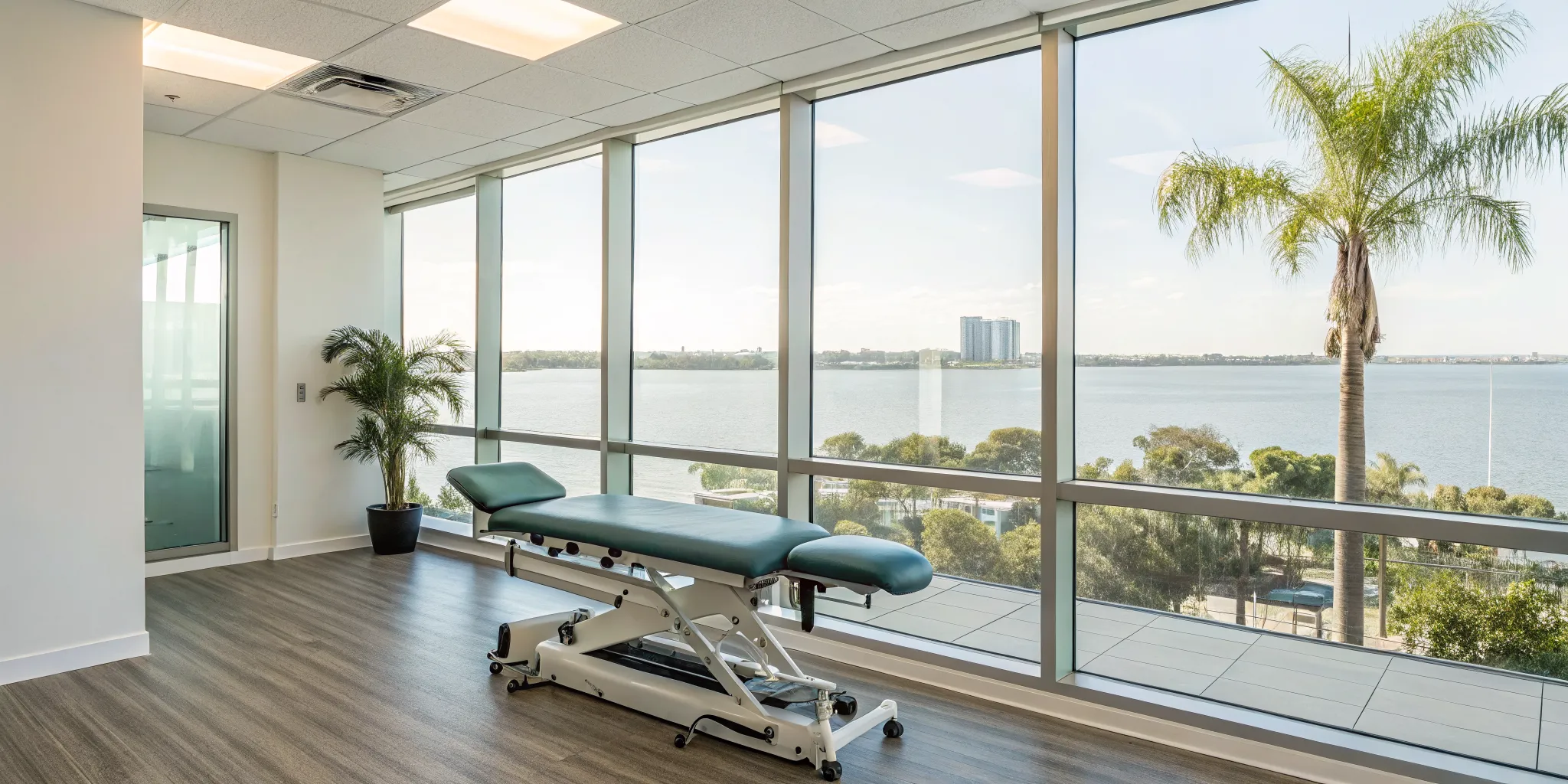
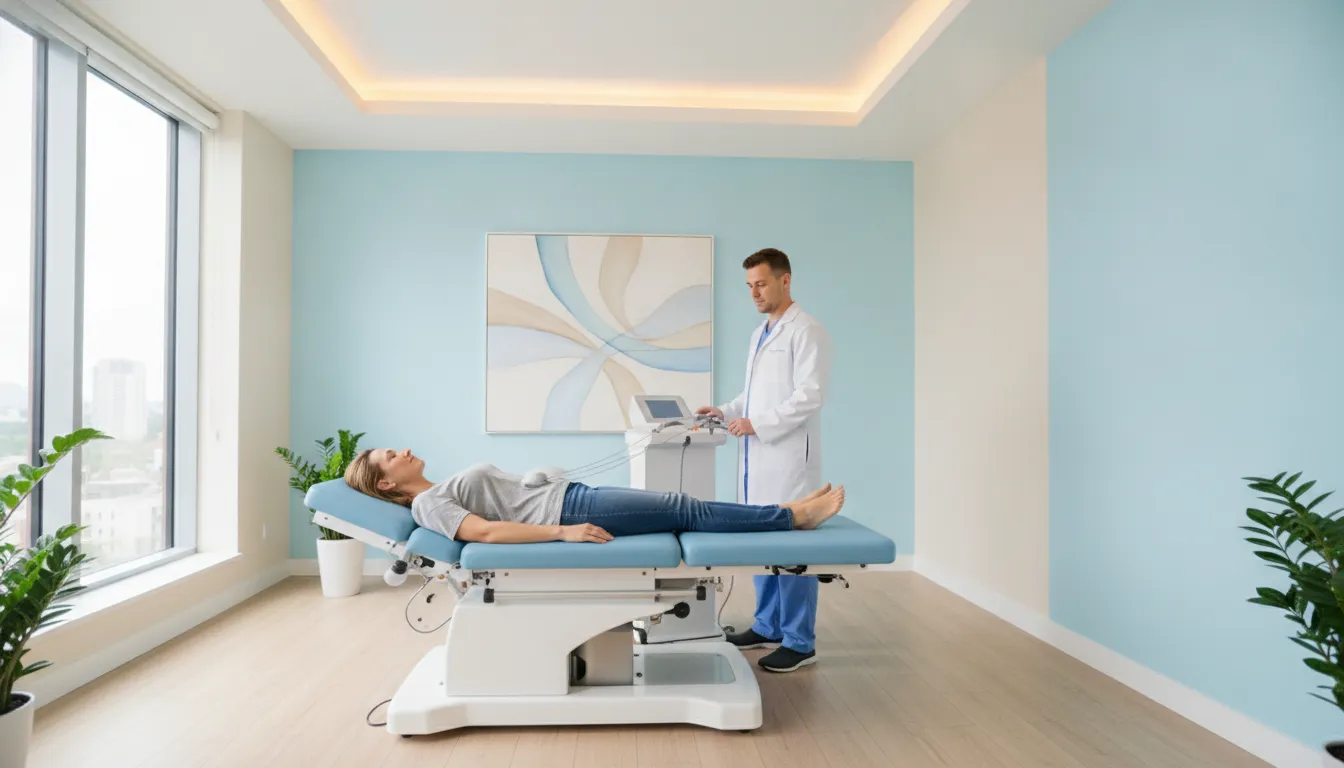
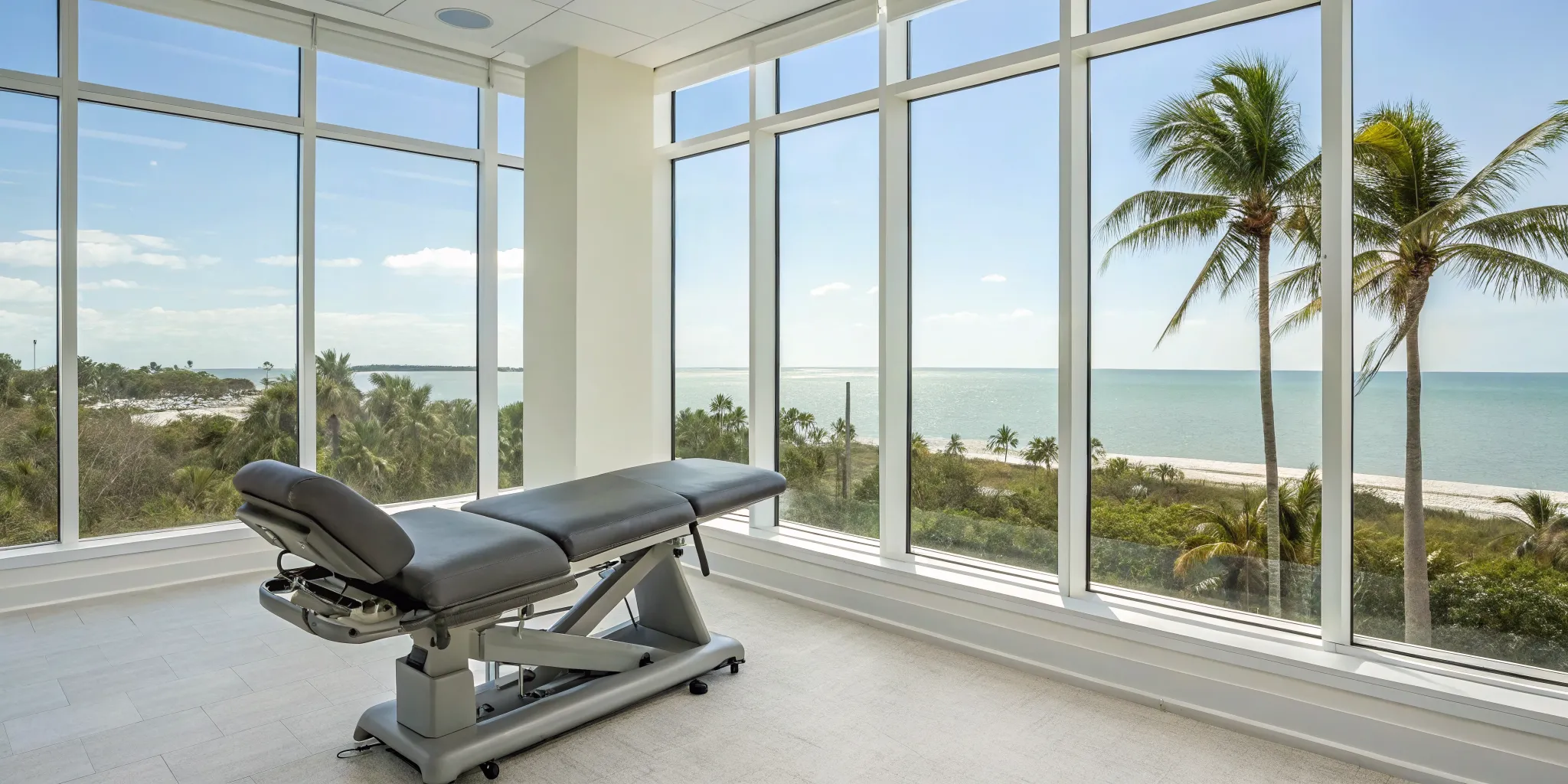
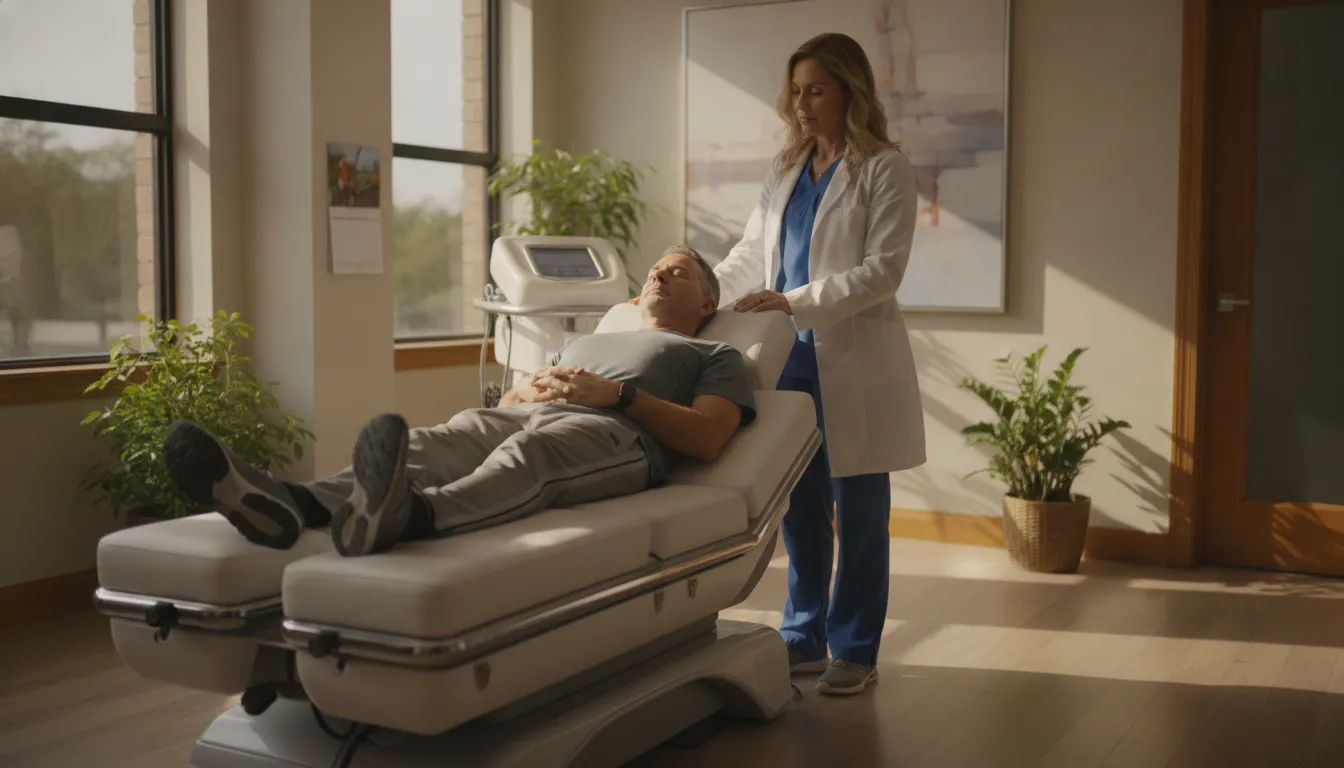
During spinal decompression therapy, patients lie on a custom motorized table. How the table is made is key to how the process works. Its lower half moves to stretch the spine. A trained technician operates a computer to customize the treatment to your specific needs. The computer controls the table to apply intermittent traction, which means the table stretches and relaxes in cycles. This gentle, controlled cycle is what makes the session painless. The table moves back and forth to target specific areas of your spine. This precise movement helps ensure the therapy is safe and effective for your unique condition.
The shift from static traction
It is also helpful to look at how this care has changed over time. Non-surgical spinal decompression therapy has come a long way from older, static forms of traction. In the past, simple traction used a steady, constant pull on the body. This static force could trigger muscle spasms, as the body tried to protect itself.
Today, modern therapy uses intermittent motorized traction, according to research in peer-reviewed research. This newer method works with the body instead of against it. By switching between stretching and relaxing, the computer prevents the muscles from tensing up. This allows the spine to stretch deeply and safely. This big change has made the treatment far more effective for chronic back pain.
The Science Behind Spinal Decompression
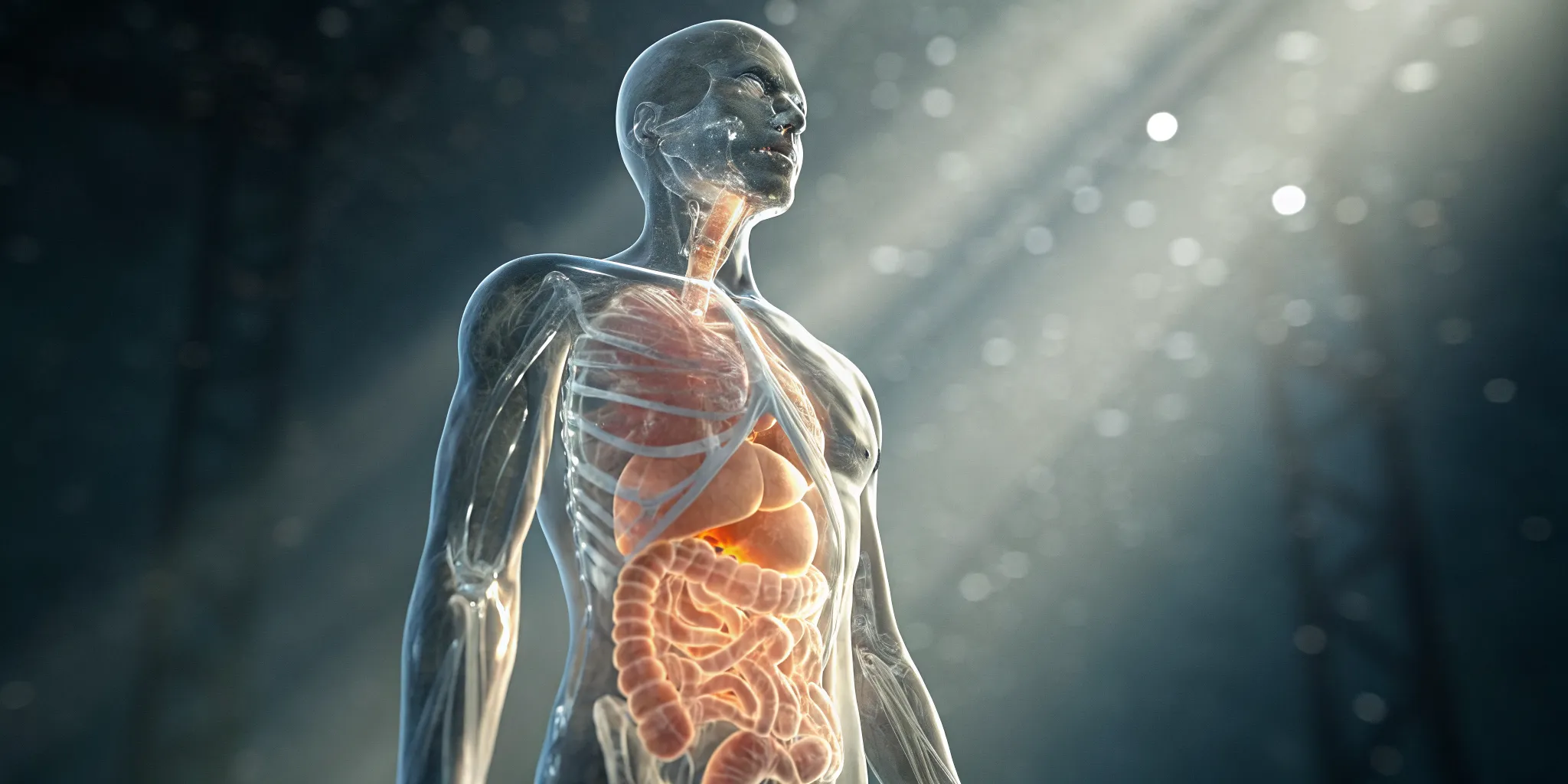
Spinal decompression works by gently stretching the spine to create negative pressure inside the spinal discs. This non-surgical process helps draw bulging disc tissue back into place and allows healing fluids to flow in.
Pressure relief and nutrient flow
The core of this therapy lies in changing the pressure inside your injured joints. When a chiropractor or technician stretches your spine, they reduce the stress on the soft cushions between your bones. This gentle action creates a vacuum effect inside the disc. The low pressure can draw bulging or herniated disc tissue back toward the center of the disc. This can take direct pressure off nearby nerves and help relieve shooting leg pain.
This vacuum does more than just move displaced disc tissue. It also allows water, oxygen, and nutrient-rich fluid to enter the disc to support healing. Because spinal discs do not have a direct blood supply, they need this gentle pumping action to get enough food. This pump effect allows the disc to repair itself. Over time, this nutrient flow helps the disc cells rebuild and grow stronger. You can learn more about how this works from the Cleveland Clinic guide on decompression.
From static traction to motorized systems
To understand spinal decompression therapy, it helps to see how the machines have changed over time. Non-surgical spinal care has evolved over the years from older, static forms of traction. Older traction methods pulled the spine with a steady, constant force. This often caused the back muscles to tense up and fight the stretch. As a result, the therapy felt harder and less helpful.
Modern systems solve this muscle guarding issue by using computerized motorized traction. These advanced tables can sense when your muscles start to resist and will adjust the pull in real time. This gentle on-and-off pull goes past your body's natural defense system. According to a historical study in peer-reviewed research, this smart system allows the spine to stretch without causing muscle pain.
Proof for lumbar disc care
Clinical studies show that this treatment is a safe, conservative option for easing low back pain. Many patients choose this care when seeking non-surgical routes for lower back pain. For example, a trial in peer-reviewed research studied decompression for chronic lumbar disc prolapse. The study found that decompression therapy helps reduce both pain and physical limits. This scientific backing gives patients and doctors peace of mind during treatment.
The research also shows that combining therapies can lead to better outcomes. Patients who did both spinal decompression and core workouts got much better results than those who only did core workouts. This combined approach is why functional care plans are so important. By strengthening the core muscles while decompressing the spine, patients can rebuild strength and protect their backs from future harm.
What Conditions Can Spinal Decompression Treat?
When people ask what is spinal decompression, they often want to know which issues this care can address. Non-surgical spinal decompression can ease chronic pain linked to bulging or herniated discs, sciatica, spinal stenosis, and facet syndrome.
Bulging or herniated discs
Spinal discs act as soft cushions between your bones. When a disc bulges or tears, the inner gel can push out and press on nearby nerves. This pressure leads to sharp pain, numbness, or weakness in your back or neck.
Gently stretching the spine helps lower this pressure. A clinical guide from the Cleveland Clinic shows that spinal decompression therapy can relieve pain from these disc issues. Easing this pressure may also help water and nutrients flow back into the disc to support natural healing.
Sciatica and nerve pain
Sciatica is a specific type of nerve pain that travels down the leg. It occurs when a disc or bone presses on the sciatic nerve in your lower back. You may feel a dull ache, a burning feeling, or a sharp shoot of pain when you walk or sit.
This pain can make daily life hard and limit how you move. Non-surgical spinal decompression helps by taking pressure off the pinched nerve. By easing this nerve pressure, the therapy helps lower leg pain and lets you move with more ease. This process can reduce muscle spasms and help you get back to your daily routine.
Spinal stenosis and facet syndrome
Spinal stenosis is a narrowing of the spaces within your spine. This narrowing puts pressure on the spinal cord and nerves, often causing leg cramps or back ache. Facet syndrome is another common source of pain.
It affects the small joints that link your bones together. When these joints wear down, they can become stiff and sore. Gentle spinal traction helps by opening up these tight joint spaces to lower nerve pressure and restore joint movement. Over time, opening these spaces can make sitting and standing much easier.
Finding the right care for your needs
Not every back problem can be treated with spinal decompression. For example, people with spinal fractures, tumors, or severe bone loss should not use this care. A proper medical review is always needed before you start.
This step ensures that we find the root cause of your pain. To see if this care is right for you, you can read more about the ideal candidates for spinal decompression. Finding the true source of your pain is the first step toward lasting relief.
Our clinical team looks at your health history and imaging to build a custom plan. We focus on finding the exact cause of your pain rather than just hiding symptoms. This custom path helps ensure you get safe and helpful care. By taking this thorough approach, we can track your progress and adjust your care as you heal.
What Does a Spinal Decompression Session Feel Like?
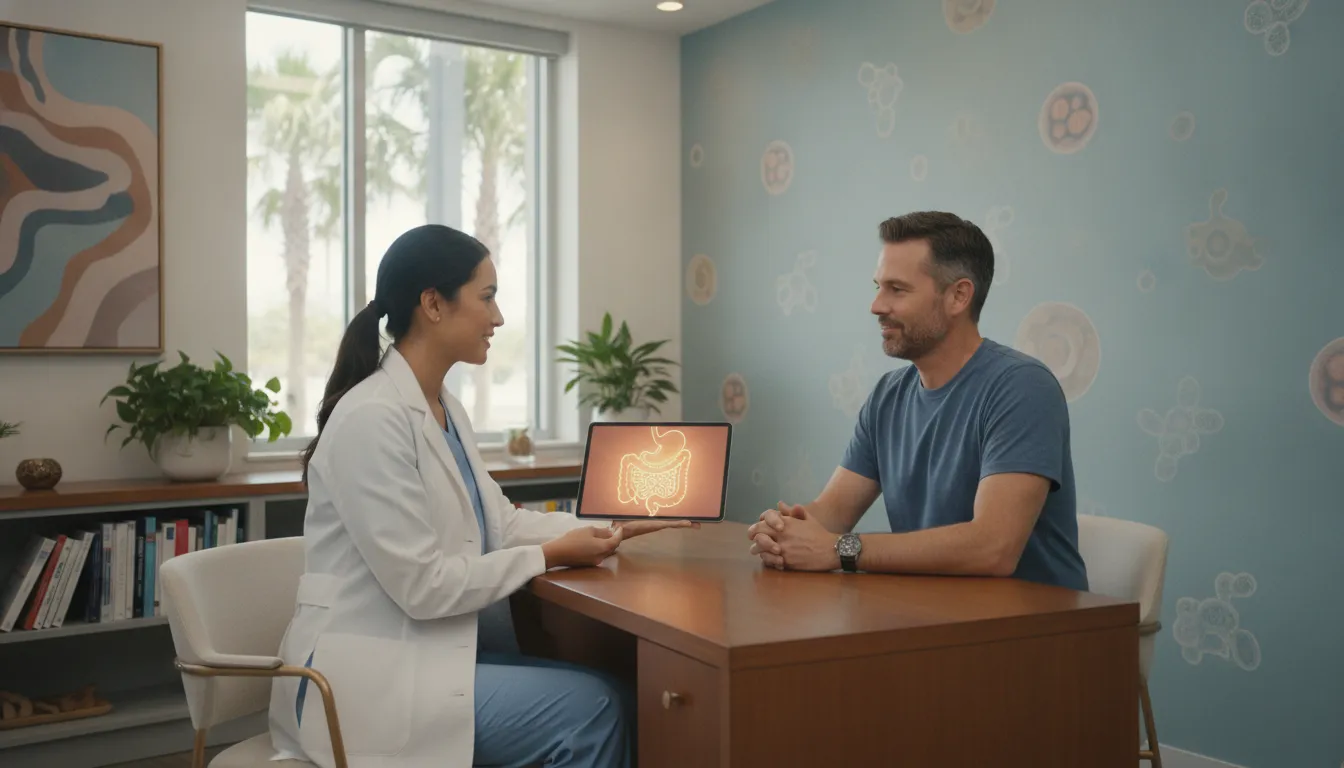
A spinal decompression session does not cause pain and feels like a gentle stretch in your back. You lie on a motorized table while a technician uses computer controls to adjust the stretch in real time.
The setup on the decompression table
Before you start, you might ask what is spinal decompression and how we prepare you for it. You lie on your back or stomach on a soft motorized table with a lower half that slides back and forth. Our team puts a harness around your hips and trunk to help secure you. These soft straps make sure you remain in the right spot during the care.
The harness helps to focus the stretch on the right part of your back. This setup allows the force of the machine to target the exact disc that needs help. You will feel safe and relaxed before the work starts. Since you remain fully clothed, we suggest that you wear loose clothing to your visit. Our team will guide you through each step of the process.
Sensations during active traction
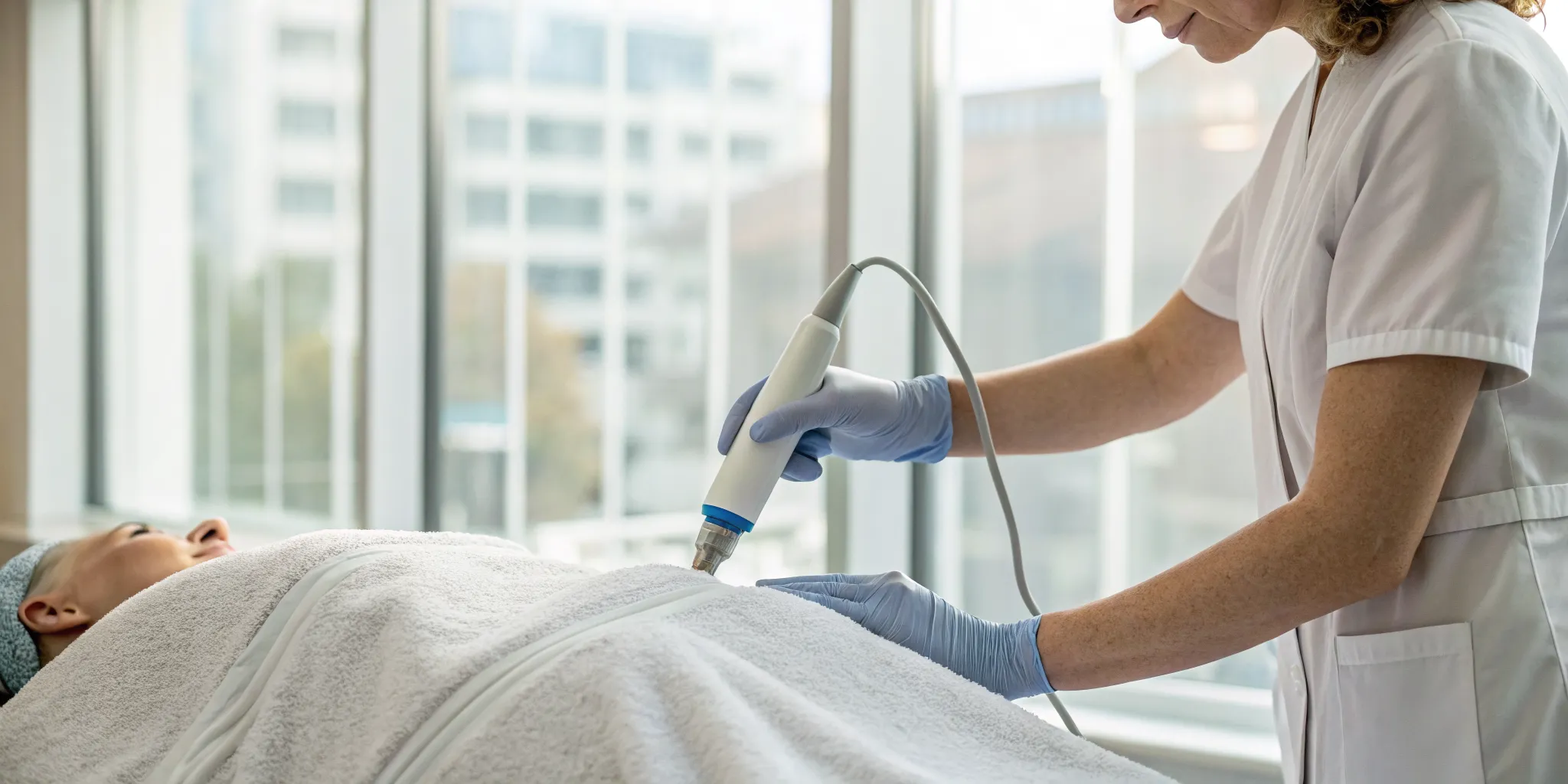
Once the table starts to move, you will feel a mild, relaxing pull in your lower back or neck. This gentle stretch is typically not painful, as noted by the Cleveland Clinic. In fact, many people find the care so soothing that they fall asleep. If you ever feel discomfort, you can tell the technician right away to adjust the machine.
While older traction tables pulled with a static force, the advanced computer behind this table makes the care feel fully smooth. This constant pull caused muscles to tense up to protect the spine, which is called muscle guarding. Now, the smart table uses computerized monitoring to adjust the pull in real time. This allows your body to relax so that the spine stretches without resistance and the discs can heal.
The need for a full treatment course
While a single session can bring some relief, you will not get full results from just one visit. Since healing a damaged disc is a slow process, most patients need a series of sessions over a few weeks to let the spine recover. You must stick to the full plan to give your back the best chance to recover. Each session builds on the last one to slowly restore your spine.
As you go through your sessions, you may have some soreness at first as your body adjusts to the new movement. If you have concerns about early feelings, we have answers to common questions about spinal decompression to help you. Over time, the gentle pull helps restore fluid flow to your discs and reduce your pain. Our goal is to help you get back to your daily life without pain.
Who Is a Good Candidate for Spinal Decompression?
A good candidate for spinal decompression has chronic disc pain and wants to avoid surgery. They must also commit to a full course of clinical care.
Ideal candidates for this therapy
Many people have chronic back pain. This pain often stems from bulging or herniated discs. They want to avoid surgery. For these people, a non-surgical path is the best choice to target the root cause of their pain. Those with sciatica or shooting leg pain often see great results. People who want to live without constant pain are often the ideal candidates for spinal decompression therapy.
Before you begin, a clinical team must check your spine. This vital step ensures that spinal decompression therapy is safe and right for your body. It does not just hide the pain. Instead, a complete check-up helps the doctor design a custom care plan to target your exact needs.
Why care plan commitment matters
True spinal healing takes time. Do not expect lasting relief from just one visit. To get the best outcome, you must commit to a full course of treatment. Most plans need visits over a few weeks to let the spine adapt. This slow process helps discs draw in nutrients. If you skip visits, you may slow your own healing. So, a steady schedule is vital.
Your body needs a series of sessions to retrain its muscles. Each visit builds on the last one to slowly reduce the deep pressure on your nerves. If you stop early, your back muscles may tighten up again. This guarding can block the flow of healing fluids. We work closely with you to make sure you can finish the complete care path.
When to avoid spinal decompression
While this therapy is safe for many, it is not right for everyone. You should avoid this care if you have certain health factors. According to the Cleveland Clinic, people with spinal fractures, tumors, or advanced osteoporosis are not candidates for this therapy. These conditions weaken the bones. The stretching force of the table could cause severe damage to a weak spine. Metal implants in your back also rule you out. This is why a deep clinical check-up is so vital before you begin. We review your health history to keep you safe.
Our team checks your spine before any treatment begins. We may read your past X-rays or ask for new imaging. This careful screening helps us find hidden bone or joint problems that would make the table unsafe for you. Your safety is our top focus. If decompression is not a good fit, we will help you find other options.
How Spinal Decompression Fits Into Physical Medicine at Ascend
Spinal decompression is a key part of the Physical Medicine pillar at Ascend Functional Health, helping patients find relief without surgery. We build your care plan on clinical facts and a deep checkup of your body.
Finding the Root Cause First
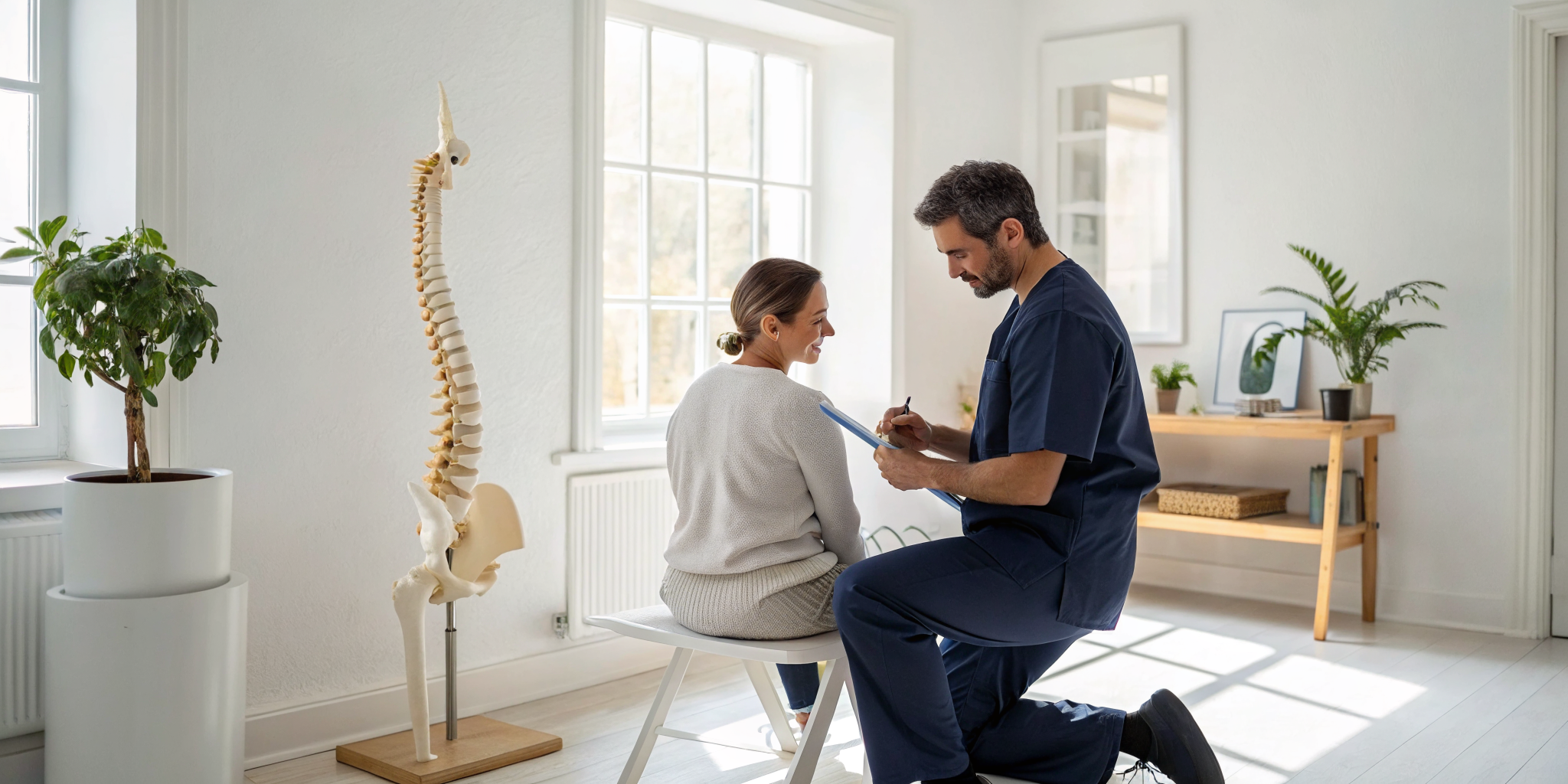
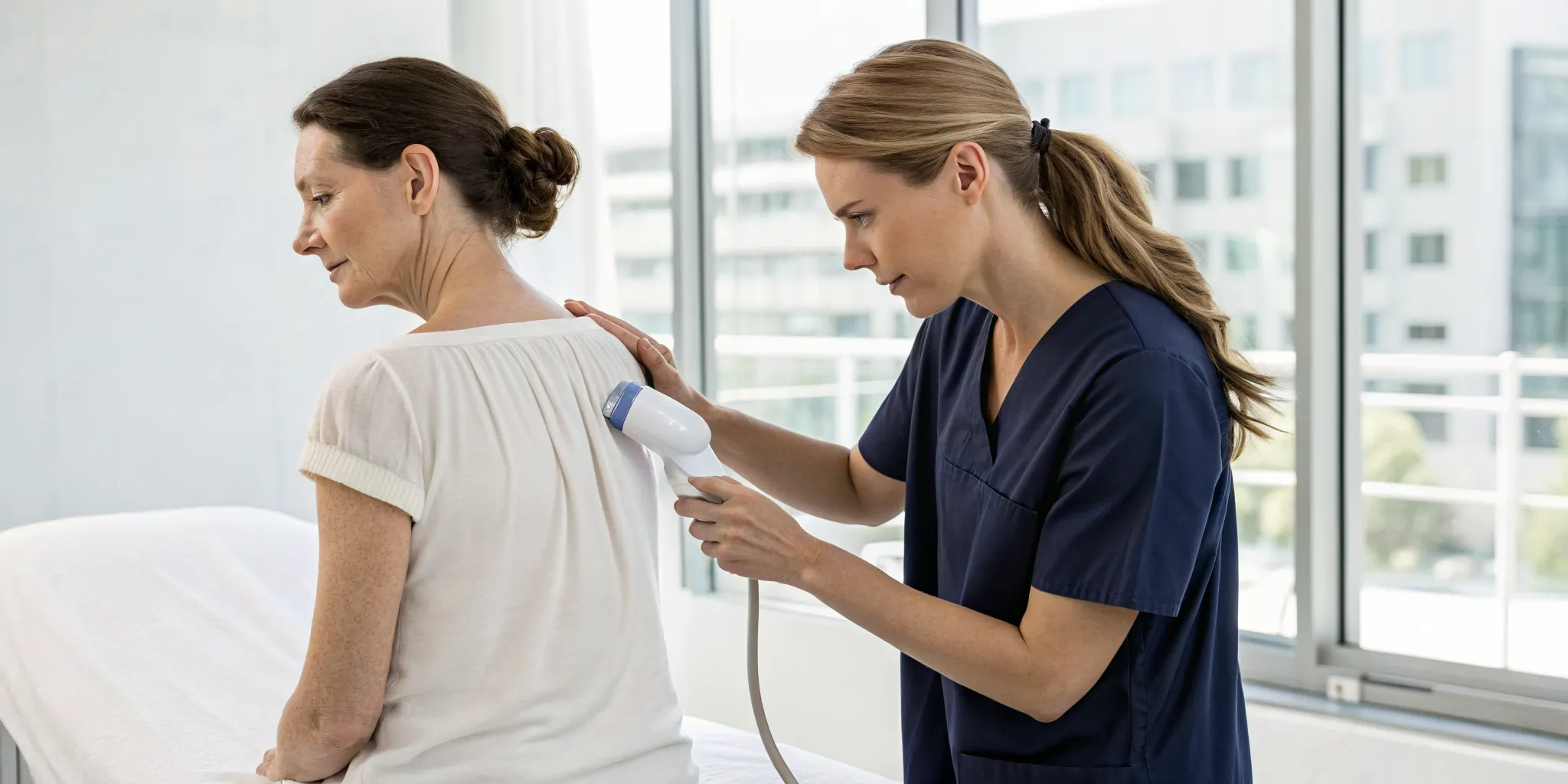
Before you start any care, you will go through a full intake process at our clinic. We believe that finding the root cause of your pain must drive all treatment planning. This means we do not just treat your symptoms, but we find exactly why your back or neck hurts. During this first checkup, we look at your posture, how you move, and your health history. We want to see the full picture of your spine before we suggest any therapy.
This careful intake sets our clinical approach apart from generic options you might find elsewhere. Non-clinical traction tools often use a one-size-fits-all plan that does not suit your unique body. Such basic tools do not adapt to how your muscles react during the stretch. At Ascend, we review your clinical case to make sure spinal decompression is safe and right for you. We tailor every part of the plan to your case and comfort.
Care Built for Your Body
Every patient gets care rooted in a personalized checkup and clear clinical evidence. We tailor each spinal decompression therapy plan to your exact symptoms and how your joints move. Our team measures your progress at every step to make sure you are meeting your health goals. Regular clinical testing helps us see if your spine is responding well. If needed, we can adjust the traction force in real-time to keep you feeling good.
We also look at how your spine works as a whole, rather than treating a single disc by itself. This allows us to combine our care with other helpful methods that support your healing. Our team looks at your core strength, hip movement, and daily habits. We want to give you long-term relief by fixing all the factors that affect your back. If you want to see if this care fits you, you can read about the ideal candidates for spinal decompression therapy.
Evidence-Backed Protocols for Your Spine
Our clinic uses evidence-backed protocols for musculoskeletal health to help you heal. We combine decompression with other non-surgical care methods to get the best results. For example, study data in a peer-reviewed clinical study shows that pairing spinal decompression with core exercises is highly effective. It reduces pain and disability much better than core exercises alone. This study highlights the value of using a multi-step plan instead of just one single method. We use these clinical findings to shape how we help you recover.
Spinal Decompression vs. Surgery: Understanding the Options
Choosing between non-surgical spinal decompression and back surgery depends on the health of your back. While surgery physically alters the spine, non-surgical decompression offers a gentle, non-invasive path to relieve pain without downtime.
Non-surgical decompression therapy
Non-surgical spinal decompression uses a motorized traction table to gently stretch your spine. This action relieves pressure on your spinal discs and helps bulging disc material slip back into place. For patients with disc-related pain, this therapy offers a non-invasive path that aims to reduce pain and help you move while avoiding surgery.
At Ascend Functional Health, this care is not a standalone treatment. Instead, spinal decompression therapy is often part of a broader spinal decompression to avoid back surgery plan to address specific musculoskeletal imbalances.
This therapy is a gentle outpatient option. Patients can go right back to their normal day after a session. No cuts are made, and no drugs are needed. The process works by drawing fresh fluid, oxygen, and nutrients back into the dry discs to help them heal over time.
This gentle stretch helps restore space between your spinal bones. As a result, it takes pressure off your nerve roots and relieves shooting pain down your legs.
Invasive surgical options
Surgical spinal decompression is a much more invasive path. Doctors use surgery when simple care does not bring pain relief or when nerve damage gets worse. These methods need a surgeon to make cuts and remove bone or disc tissue to relieve pinched nerves. Common options include a laminectomy, discectomy, or foraminotomy.
These operations take place in a hospital or surgery center. Because they use deep cuts, patients often need weeks or months to heal fully. The risk of infection and bleeding is also a major concern.
Spinal decompression is considered a non-invasive option for back pain relief, aiming to avoid back surgery. This makes it a great first choice for many people. It allows you to address the root cause of your pain without the stress of an open back operation.
How the two paths compare
When patients ask what is spinal decompression, they often want to know how it compares to surgery. It is helpful to look at both paths side by side. Non-surgical care is an outpatient treatment that uses a computer to control the stretch. Without surgical risk, it works to relieve pain and help you move each day.
In contrast, surgery is a last resort that removes spinal tissue and needs a long recovery. Knowing these details helps you make an informed choice with your care team.
| Treatment Option | Type of Care | How It Works | Location | Recovery Time |
|---|---|---|---|---|
| Non-Surgical Decompression | Conservative, no surgery | Motorized traction table stretches spine | Outpatient clinic | No downtime, return to work same day |
| Surgical Decompression | Invasive surgery | Surgeon removes bone or disc tissue | Hospital or surgery center | Weeks to months of healing |
Schedule a consultation to explore your spinal health options
Frequently Asked Questions
How painful is spine decompression?
Spinal decompression is not painful. Most people feel a gentle stretch along their spine during the session. The table uses a computer to adjust the stretch force in real time. This helps prevent your muscles from tightening up. If you feel any discomfort, the technician can change the system settings right away. Most patients find the care relaxing and comfortable.
What happens during spinal decompression?
During this care, you lie fully clothed on a special motorized table. You wear a harness around your hips and trunk to help secure you. A trained technician inputs your personalized plan into the system computer. The lower half of the table then moves slowly back and forth. This action gently stretches your spine to relieve pressure on your discs.
Is it good to decompress your spine?
Yes, decompressing your spine can be very good for relieving chronic back pain. According to a peer-reviewed study, combining decompression with core exercises is highly effective at reducing pain and disability. The gentle stretching action creates negative pressure inside your spinal discs. This helps draw bulging disc material back into place and allows water, oxygen, and nutrients to flow in to support healing.
Is spinal decompression the same as surgery?
No, they are very different. Surgery is an invasive treatment that physically alters or removes parts of your spine. In contrast, this therapy is non-surgical and non-invasive. You do not need downtime, anesthesia, or needles. Instead, a computer-controlled table gently stretches your spine over several weeks. It is a conservative option that aims to help you avoid back surgery.
Ready to Target the Root Cause of Your Back Pain?
Leaving chronic spinal pain alone can lead to more wear and tear on your joints over time. When you ignore this constant pressure, it can cause lasting damage that makes future healing much more difficult. Our physical medicine team provides custom chiropractic care and decompression plans designed to address your specific needs. Starting your care today helps protect your spinal health, supports your natural recovery, and helps you avoid complex surgery. You do not have to live with constant discomfort when a gentle, non-surgical path is ready to help you recover.
Ready to start healing? Schedule a consultation with Ascend Functional Health today to begin your recovery and reclaim your active life.
This article is for educational purposes and is not medical advice. Always consult your own clinician before making decisions about your health or treatment.